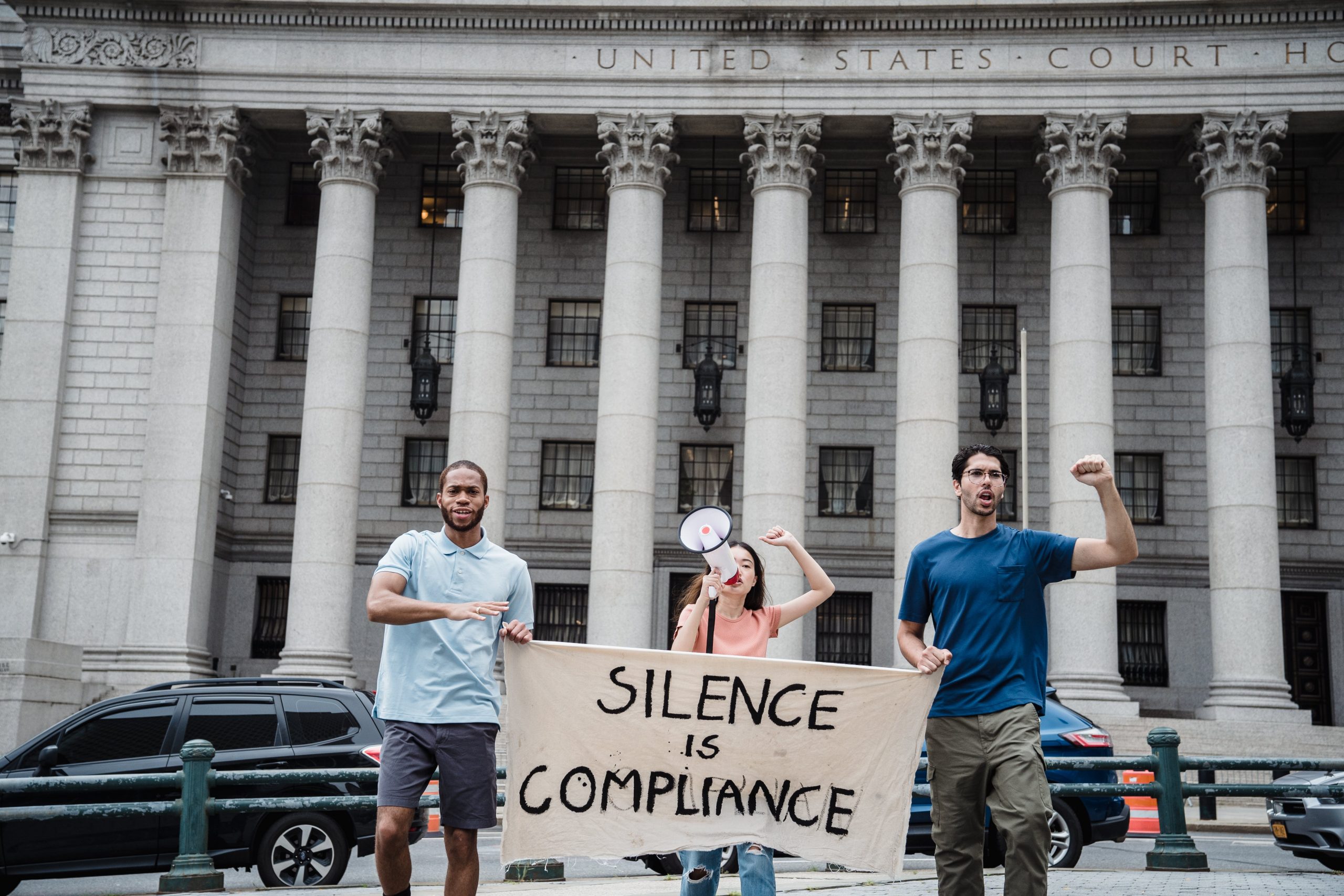
In the ever-evolving landscape of content marketing, social media has emerged as a powerful tool to engage with audiences and promote brands. However, as the popularity of social media platforms grows, so does the need for businesses to ensure compliance with legal regulations. In this article, we explore the intersection of social media and claims compliance in content marketing. Understanding the importance of adhering to these rules is crucial for businesses looking to leverage social media effectively while avoiding potential legal pitfalls. We will address common questions businesses may have regarding claims compliance in social media, providing valuable insights for business owners and heads of companies navigating these waters.
Social media has become a powerful tool for businesses to reach and engage with their target audience. However, with the rise of social media marketing, there is also a need for businesses to ensure that their claims and advertisements comply with relevant laws and guidelines. Social media claims compliance refers to the process of creating and publishing content on social media platforms while adhering to legal requirements and industry best practices.
Understanding the importance of social media claims compliance is crucial for businesses engaging in content marketing. Failure to comply with regulations can result in legal consequences, such as fines and reputational damage. By prioritizing compliance, businesses can protect both their brand and consumers and build trust in their marketing efforts.
Compliance with social media claims also brings several benefits to content marketing. Firstly, it helps businesses establish credibility and trust with their audience. When claims are accurate, substantiated, and transparent, consumers are more likely to trust the information provided. Compliance also ensures fairness in the marketplace by preventing deceptive or misleading statements, fostering healthy competition among businesses.
Creating Compliant Social Media Content
To ensure compliance with social media claims, businesses must follow several guidelines when creating content for social media platforms.
Researching and Understanding the Applicable Laws and Guidelines
The first step in creating compliant social media content is to research and understand the laws and guidelines that govern advertising claims in your jurisdiction. These laws might vary depending on the country or industry in which your business operates. It is essential to have a comprehensive understanding of the legal requirements to avoid any violations.
Including Accurate and Substantiated Claims in Social Media Content
One of the fundamental principles of social media claims compliance is to ensure that all claims made in your content are accurate and substantiated. This means that if you are making a specific claim about your product or service, you should have evidence to support it. Using scientific studies, customer testimonials, or professional endorsements can help substantiate your claims.
Using Clear and Unambiguous Language
To maintain compliance, it is crucial to use clear and unambiguous language in your social media content. Ambiguous or vague statements can be misleading to consumers and may result in non-compliance. Clearly convey your message, avoiding any language that could be misinterpreted or misunderstood.
Avoiding Deceptive or Misleading Statements
Businesses must ensure that their social media content does not contain any deceptive or misleading statements. This includes refraining from exaggerations or false claims that could deceive consumers. It is essential to present information truthfully and accurately, allowing consumers to make informed decisions.
Proper Disclosure of Sponsorship or Partnership
With the rise of influencer marketing, it is crucial to disclose any sponsorship or partnership arrangements. Businesses must clearly indicate when an influencer or content creator is promoting their product or service in exchange for compensation. Transparency in these relationships helps consumers know when content may be biased and allows them to determine the credibility of the claims being made.
Monitoring and Reviewing Content for Compliance
Compliance should not be a one-time effort but an ongoing process. Regularly monitor and review your social media content to ensure ongoing compliance with laws and guidelines. This includes reviewing claims, language, and disclosures. Implementing a system to track and monitor compliance can help businesses stay on top of any necessary adjustments.
Specific Guidelines for Different Social Media Platforms
Each social media platform may have its own set of guidelines and regulations regarding claims compliance. While it is essential to familiarize yourself with all applicable guidelines, let’s explore some specific compliance guidelines for popular platforms:
Compliance Guidelines for Facebook
Ensure all claims are accurate, substantiated, and not misleading.
Disclose partnerships or sponsorships clearly.
Follow guidelines specific to the type of advertisement (e.g., political ads, dating services).
Compliance Guidelines for Instagram
Clearly disclose partnerships or sponsored content.
Avoid misleading claims or false promises.
Comply with specific guidelines for different ad formats (e.g., Stories, Reels, IGTV).
Compliance Guidelines for Twitter
Ensure claims are accurate, substantiated, and not misleading.
Clearly disclose any sponsored content or partnerships.
Comply with limitations on character count and format restrictions.
Compliance Guidelines for LinkedIn
Avoid deceptive or misleading claims in content.
Disclose any sponsored or branded content.
Comply with guidelines specific to different ad formats (e.g., Sponsored InMail, Sponsored Content).
Compliance Guidelines for YouTube
Ensure all claims in video content are accurate and substantiated.
Clearly disclose any sponsorship or partnership.
Comply with guidelines specific to different video ad formats (e.g., skippable ads, non-skippable ads).
Compliance Guidelines for TikTok
Use clear and accurate claims in content.
Disclose brand partnerships or sponsorships.
Comply with guidelines specific to different ad formats (e.g., in-feed ads, branded effects).
Importance of Working with Legal Professionals
Given the complex nature of social media claims compliance, working with legal professionals can provide businesses with valuable guidance and expertise.
Consulting with an Experienced Lawyer or Legal Team
Engaging the services of an experienced lawyer or legal team can help businesses navigate the intricacies of social media claims compliance. They can provide guidance on applicable laws, review content for compliance, and address any legal concerns.
Ensuring Compliance with Advertising Regulations
Legal professionals are well-versed in advertising regulations and can help businesses ensure compliance with relevant laws. They can identify potential risks, advise on best practices, and help businesses maintain a compliant online presence.
Reviewing and Approving Social Media Content
Legal professionals can play a vital role in reviewing and approving social media content for compliance. They can help identify any claims or statements that may be deceptive or misleading and offer guidance on how to ensure compliance while still effectively marketing products or services.
Addressing Potential Legal Risks or Challenges
In the event of legal challenges or disputes, having a legal professional on your side can be invaluable. They can help address legal risks, handle investigations, and represent your business’s interests if a claim is filed against you.
Best Practices for Social Media Claims Compliance
To ensure social media claims compliance, businesses should incorporate these best practices into their content marketing strategies:
Avoiding Exaggerated or Unsubstantiated Claims
Focusing on accuracy and transparency is key to compliance. Avoid making exaggerated or unsubstantiated claims that could mislead consumers. Instead, provide evidence and use factual information to support your claims.
Maintaining Consistency in Messaging across Different Platforms
Consistency is crucial when it comes to claims compliance across various social media platforms. Ensure that the messaging used in your content is consistent, adhering to the same standards and guidelines irrespective of the platform. This consistency builds trust and credibility with your audience.
Using Testimonials and Reviews Responsibly
Testimonials and reviews can be compelling content for social media marketing. However, businesses must use them responsibly and ensure they meet compliance standards. Only use testimonials and reviews that are accurate, genuine, and representative of customers’ experiences.
Educating Social Media Managers about Compliance
Providing training and education to social media managers is vital to ensuring compliance. Equip them with the knowledge and understanding of the legal requirements for claims compliance, and regularly update them on any changes in laws or guidelines.
Implementing a Compliance Monitoring System
Establishing a system to monitor and track compliance is essential. This may include regular content audits, reviewing claims and disclosures, and engaging legal professionals to conduct periodic compliance reviews. A proactive approach to compliance helps identify and address any issues before they escalate.
Examples of Compliant Social Media Content
Examining real-life examples of compliant social media content can provide valuable insights for businesses:
Case Study: Successful Compliance in Content Marketing
A case study showcasing how a business achieved compliance in their content marketing efforts can illustrate the benefits of proper compliance. Highlight how their accurate claims, clear language, and transparent disclosures helped establish trust and credibility with their audience.
Analyzing Competitors’ Compliant Social Media Strategies
Analyzing competitors’ social media strategies can be informative for businesses aiming to improve their own compliance efforts. Identifying industry leaders who effectively comply with social media claims can serve as an inspiration and guide for best practices.
Frequently Asked Questions
What are the consequences of non-compliance with social media claims?
Non-compliance with social media claims can result in various consequences, including legal and financial penalties. Businesses may face lawsuits, government investigations, fines, and damage to their reputation. It is important to prioritize compliance to mitigate these risks.
How can I avoid making false or misleading claims on social media?
To avoid making false or misleading claims, businesses should thoroughly research and substantiate their claims with evidence. Use clear and accurate language, avoid exaggerations or misleading statements, and regularly review and monitor content for compliance. Consulting with legal professionals can also help ensure compliance.
Are there specific industries with stricter social media claims regulations?
Yes, certain industries, such as healthcare, pharmaceuticals, and finance, may have stricter regulations governing social media claims. These industries often deal with sensitive information or have specific legal requirements. It is crucial for businesses in these industries to understand and comply with industry-specific regulations.
Do these compliance guidelines apply to both organic and paid social media content?
Yes, compliance guidelines apply to both organic and paid social media content. Whether you are posting unpaid content or running advertisements, all claims made on social media should adhere to relevant laws and guidelines. It is essential to maintain compliance regardless of the type of content being published.
Can I use influencers or endorsements in my social media marketing while ensuring compliance?
Yes, businesses can use influencers or endorsements in their social media marketing while ensuring compliance. However, it is crucial to disclose these partnerships or sponsorships clearly. Businesses should also ensure that the claims made by influencers or in endorsements are accurate and substantiated. Working with legal professionals can help navigate the intricacies of influencer marketing compliance.
In the fast-paced world of digital marketing, social media has become an indispensable tool for businesses looking to expand their reach and engage with their target audience. However, with the rise of social media advertising, companies must also navigate the complex landscape of claims compliance to avoid legal pitfalls and protect their brand reputation. This article explores the importance of social media claims compliance for digital marketing and provides essential insights to help businesses effectively navigate this intricate terrain. By adhering to best practices and understanding the legal implications, companies can leverage the power of social media marketing while ensuring their messaging remains accurate, reliable, and compliant with legal standards.
Social media claims compliance refers to the adherence to regulations and guidelines set forth by various governing bodies to ensure that the claims made on social media platforms are accurate, substantiated, and transparent. With the rise of social media as a prominent marketing tool, businesses and marketers need to understand and comply with these regulations to avoid legal consequences and maintain the trust and confidence of their audience.
What is Social Media Claims Compliance?
Social media claims compliance involves following specific rules and guidelines when making claims or assertions on social media platforms for marketing purposes. This includes ensuring that the claims made are truthful, substantiated with evidence, and comply with industry-specific regulations and advertising standards. Compliance is crucial because false or misleading claims can harm consumers, damage a business’s reputation, and lead to legal implications and penalties.
Compliance with social media claims is essential for several reasons. Firstly, adhering to regulations and guidelines fosters consumer trust and confidence in a brand or business. Clear and accurate claims help consumers make informed decisions, purchasing products or services that align with their needs or preferences. Compliance also ensures fair competition in the marketplace by preventing deceptive advertising practices that give certain businesses an unfair advantage over others.
Furthermore, compliance helps businesses mitigate legal risks and avoid potential lawsuits or fines. Regulatory bodies closely monitor social media platforms, and non-compliance can result in legal consequences. By proactively following the guidelines, businesses can safeguard their reputation, maintain customer loyalty, and foster long-term success in the digital marketing landscape.
Legal implications of non-compliance
Non-compliance with social media claims can have serious legal implications for businesses. Regulatory bodies, such as the Federal Trade Commission (FTC) in the United States, have strict guidelines regarding advertising and marketing practices. Violating these regulations can result in hefty fines, penalties, and potential lawsuits.
In addition to the financial consequences, non-compliance can damage a business’s reputation. Negative publicity and consumer backlash due to misleading claims can lead to a loss of trust and credibility in the market. Rebuilding trust after non-compliance can be a challenging and time-consuming process, potentially affecting a business’s bottom line.
Therefore, understanding and adhering to social media claims compliance is crucial to avoid legal pitfalls, protect the business’s reputation, and maintain consumer trust.
Factors Affecting Social Media Claims Compliance
Several factors influence social media claims compliance, including regulations and guidelines, industry-specific rules, and advertising standards set by self-regulatory organizations.
Regulations and Guidelines
Regulatory bodies, such as the FTC in the United States and Advertising Standards Authority (ASA) in the United Kingdom, have established regulations and guidelines that govern advertising and marketing practices. These regulations ensure that businesses do not engage in deceptive or misleading practices, protecting consumer interests and promoting fair competition. Businesses must familiarize themselves with these regulations and ensure that their social media claims comply with the guidelines set forth.
Industry-specific rules
Different industries may have additional rules and regulations specific to their sector. For example, pharmaceutical companies need to comply with the guidelines set by regulatory bodies like the Food and Drug Administration (FDA). These rules ensure that health-related claims made on social media are accurate, supported by scientific evidence, and do not mislead consumers.
Advertising Standards and Self-regulatory Organizations
Self-regulatory organizations (SROs) play a significant role in promoting ethical advertising practices and maintaining industry standards. These organizations, such as the National Advertising Division (NAD) in the United States, provide guidance and monitor compliance within specific industries.
Businesses should be aware of the advertising standards set by these organizations and ensure that their social media claims meet the required criteria established by the industry.
Best Practices for Social Media Claims Compliance
To ensure compliance with social media claims, businesses should follow best practices that promote transparency, accuracy, and substantiation of claims. These practices include a thorough review and approval process, making clear and substantiated claims, and disclosing any material connections.
Review and Approval Process
Implementing a comprehensive review and approval process is crucial to maintain compliance with social media claims. This process involves carefully examining the content before it is posted on social media platforms to ensure its accuracy and compliance with regulations. Businesses should establish clear protocols and designate a responsible individual or team to review and approve marketing claims.
Clear and Substantiated Claims
Businesses must make claims on social media that are clear, accurate, and supported by evidence. Claims should be truthful and not mislead consumers. Supporting evidence, such as scientific studies or customer testimonials, should be readily available to substantiate the claims made. Clear and substantiated claims help build trust with consumers and reduce the risk of non-compliance.
Disclosure of Material Connections
Businesses that collaborate with influencers or have material connections should disclose these relationships to maintain transparency. Disclosure guidelines vary by jurisdiction but generally require clear and conspicuous disclosure of sponsorship or paid partnerships. This helps consumers identify potential biases and make informed decisions.
Ensuring Compliance on Different Social Media Platforms
Each social media platform has its own set of guidelines and practices, and businesses must adapt their social media claims compliance accordingly. Here are some considerations for popular social media platforms:
Facebook
Facebook has specific guidelines regarding advertising content, including restrictions on false claims, prohibited content, and ad transparency. Advertisers should familiarize themselves with Facebook’s policies to ensure their claims comply with the platform’s guidelines.
Twitter
Twitter also has policies regarding misleading claims and prohibited content. Advertisers must ensure that their tweets adhere to these guidelines, avoiding misleading or false information.
Instagram
Instagram requires disclosure of material relationships and sponsored content. Influencer marketing is prevalent on this platform, and businesses must ensure that influencer partnerships are clearly disclosed to comply with Instagram’s guidelines.
LinkedIn
While LinkedIn is primarily a professional networking platform, it also has advertising features. Businesses advertising on LinkedIn should adhere to its policies regarding accurate and substantiated claims to maintain compliance.
Dealing with Influencer Marketing
Influencer marketing has become a popular strategy on social media, but it also brings unique compliance challenges. Businesses must navigate the following aspects to ensure compliance:
Identifying Influencer Relationships
First and foremost, businesses should clearly identify their relationship with influencers. This includes disclosing any financial arrangements or sponsorships between the business and the influencer. Maintaining transparency about these relationships helps consumers make informed decisions based on trust.
Educating and Monitoring Influencers
Businesses must educate influencers about compliance guidelines and provide clear instructions on the types of claims they can make. Regular monitoring of influencer content is necessary to ensure that claims comply with regulations and guidelines.
Creating Clear Disclosure Guidelines
Businesses should establish clear disclosure guidelines for influencers, specifying the language, format, and placement of disclosure statements. These guidelines should comply with the requirements of relevant regulatory bodies and social media platforms.
Monitoring and Enforcement of Compliance
Monitoring and enforcing compliance with social media claims is crucial to maintain adherence to regulations and protect a business’s reputation. Here are some effective strategies:
Regular Audits and Reviews
Businesses should conduct regular audits and reviews of their social media marketing efforts to identify any non-compliance issues. These audits help in assessing the effectiveness of internal compliance processes and making necessary improvements.
Reporting Violations
If a business becomes aware of any non-compliance, it should report the violation to the appropriate regulatory bodies or self-regulatory organizations promptly. Reporting violations demonstrates a commitment to ethical advertising practices and may mitigate potential penalties.
Handling Customer Complaints
Addressing customer complaints related to social media claims promptly and transparently is essential. Businesses should have a process in place to investigate complaints, rectify any inaccuracies, and maintain open communication with the affected customers.
Case Studies: Social Media Claims Compliance
Examining case studies can provide valuable insights into the importance of social media claims compliance. Here are two examples:
Case Study 1: XYZ Company’s Compliance Failure
XYZ Company faced a compliance failure when they made false claims about their product’s effectiveness without proper substantiation. The company received multiple customer complaints and faced significant legal consequences, including hefty fines and loss of customer trust. This compliance failure resulted in long-term damage to their reputation and a decline in sales.
Case Study 2: ABC Company’s Success Story
ABC Company ensured compliance by conducting regular audits and reviews of their social media claims. They maintained a strong review and approval process and made clear, substantiated claims. As a result, ABC Company gained consumer trust, improved brand reputation, and experienced significant growth in their online marketing efforts.
Working with Legal Professionals
Given the complexity and potential legal implications of social media claims compliance, businesses should consider working with legal professionals to navigate this landscape effectively.
Role of Attorneys in Compliance
Attorneys specializing in advertising law and compliance can provide businesses with invaluable guidance throughout the process. They help interpret regulations, review marketing claims, and ensure that businesses are compliant with applicable laws and industry-specific guidelines.
Benefits of Legal Consultation
Consulting with a legal professional offers businesses several benefits. Attorneys can help identify potential risks, develop compliant marketing strategies, review contracts, and provide advice on navigating legal challenges. Legal consultation can save businesses time, money, and potential reputational damage in the long run.
Choosing the Right Lawyer
When selecting a lawyer to assist with social media claims compliance, businesses should consider their expertise in advertising law, their track record of successful compliance cases, and their understanding of the industry in which the business operates. It is essential to choose a lawyer who can effectively guide the business through its unique compliance needs.
Frequently Asked Questions (FAQs)
What are the consequences of non-compliance?
Non-compliance with social media claims can result in legal consequences, such as fines, penalties, and potential lawsuits. It can also damage a business’s reputation and lead to a loss of consumer trust.
How can I ensure my social media claims are compliant?
To ensure compliance, businesses should familiarize themselves with relevant regulations, guidelines, and industry-specific rules. Implementing a thorough review and approval process, making clear and substantiated claims, and disclosing material connections are crucial steps for compliance.
What should be included in a disclosure statement?
Disclosure statements should clearly and conspicuously disclose any material relationships, sponsorships, or financial arrangements between the business and influencers. The statements should comply with relevant regulations and guidelines, providing transparency to consumers.
We serve individuals and businesses in the following locations:
Salt Lake City Utah
West Valley City Utah
Provo Utah
West Jordan Utah
Orem Utah
Sandy Utah
Ogden Utah
St. George Utah
Layton Utah
South Jordan Utah
Lehi Utah
Millcreek Utah
Taylorsville Utah
Logan Utah
Murray Utah
Draper Utah
Bountiful Utah
Riverton Utah
Herriman Utah
Spanish Fork Utah
Roy Utah
Pleasant Grove Utah
Kearns Utah
Tooele Utah
Cottonwood Heights Utah
Midvale Utah
Springville Utah
Eagle Mountain Utah
Cedar City Utah
Kaysville Utah
Clearfield Utah
Holladay Utah
American Fork Utah
Syracuse Utah
Saratoga Springs Utah
Magna Utah
Washington Utah
South Salt Lake Utah
Farmington Utah
Clinton Utah
North Salt Lake Utah
Payson Utah
North Ogden Utah
Brigham City Utah
Highland Utah
Centerville Utah
Hurricane Utah
South Ogden Utah
Heber Utah
West Haven Utah
Bluffdale Utah
Santaquin Utah
Smithfield Utah
Woods Cross Utah
Grantsville Utah
Lindon Utah
North Logan Utah
West Point Utah
Vernal Utah
Alpine Utah
Cedar Hills Utah
Pleasant View Utah
Mapleton Utah
Stansbury Par Utah
Washington Terrace Utah
Riverdale Utah
Hooper Utah
Tremonton Utah
Ivins Utah
Park City Utah
Price Utah
Hyrum Utah
Summit Park Utah
Salem Utah
Richfield Utah
Santa Clara Utah
Providence Utah
South Weber Utah
Vineyard Utah
Ephraim Utah
Roosevelt Utah
Farr West Utah
Plain City Utah
Nibley Utah
Enoch Utah
Harrisville Utah
Snyderville Utah
Fruit Heights Utah
Nephi Utah
White City Utah
West Bountiful Utah
Sunset Utah
Moab Utah
Midway Utah
Perry Utah
Kanab Utah
Hyde Park Utah
Silver Summit Utah
La Verkin Utah
Morgan Utah
Business Lawyer Consultation
When you need help from a Social Media Compliance Attorney in Utah, call Jeremy D. Eveland, MBA, JD (801) 613-1472 for a consultation.
Jeremy Eveland
17 North State Street
Lindon UT 84042
(801) 613-1472
In today’s digital age, social media has become an essential tool for businesses to enhance their brand presence and engage with their target audience. However, for public relations (PR) agencies, navigating the complex landscape of social media claims compliance can be a daunting task. It is crucial for PR agencies to ensure that their social media activities adhere to legal and ethical standards to protect their clients’ reputation and avoid any potential legal repercussions. This article will explore the key considerations and best practices for PR agencies to maintain social media claims compliance, providing valuable insights and guidance for businesses seeking PR services.
Social media claims compliance refers to adhering to the regulations and guidelines set forth by governing bodies and advertising authorities when making claims or engaging in marketing activities on social media platforms. It involves ensuring that all content shared on social media platforms is accurate, truthful, and compliant with applicable laws and regulations.
Importance of social media claims compliance
Compliance with social media claims is crucial for PR agencies and businesses alike. By ensuring compliance, PR agencies can protect their clients from potential legal risks and negative consequences. It also helps to maintain the reputation and integrity of both the agency and its clients, as well as build trust with the target audience.
Social Media Marketing for PR Agencies
Role of social media in PR
Social media plays a vital role in modern public relations. It provides a platform for PR agencies to connect directly with their target audience, engage in two-way communication, and manage the public perception of their clients. Through social media, PR agencies can effectively distribute content, build brand awareness, and shape public opinion.
Benefits of social media marketing for PR agencies
The benefits of social media marketing for PR agencies are numerous. It allows them to reach a wider audience, target specific demographics, and promote their clients’ brand and message. Social media also enables PR agencies to gather valuable insights through data analysis, track the effectiveness of campaigns, and measure the impact of their efforts in real-time.
Key Regulations and Guidelines
Federal Trade Commission (FTC) guidelines
The Federal Trade Commission (FTC) provides guidelines to ensure that advertising and marketing practices are fair and transparent to consumers. These guidelines apply to social media marketing as well, requiring clear and explicit disclosures of sponsored content, endorsements, and any material connections between influencers and the brands they promote.
Advertising Standards Authority (ASA) regulations
The Advertising Standards Authority (ASA) in the UK regulates advertising and marketing communications, including those on social media platforms. The ASA sets guidelines to ensure that advertisements are legal, honest, and truthful. Compliance with ASA regulations is essential for PR agencies targeting the UK market.
In addition to the FTC and ASA, other relevant regulations may apply depending on the geographical location and industry of the PR agency and its clients. It is crucial for PR agencies to familiarize themselves with local regulations and guidelines governing advertising, marketing, and consumer protection to ensure compliance.
Creating Compliant Social Media Content
Being transparent and honest
Transparency and honesty are key principles in social media claims compliance. PR agencies should clearly disclose any sponsorship, affiliation, or material connection between the brand and influencers or endorsers. They should provide accurate information and avoid any false or misleading claims that may deceive or mislead consumers.
Avoiding false or misleading claims
PR agencies must avoid making false or misleading claims about their clients’ products or services on social media. Claims should be supported by evidence and be accurate, ensuring that they do not overstate or exaggerate the attributes or benefits of the products or services being promoted.
Using adequate disclosures
Clear and conspicuous disclosures are essential in social media marketing to ensure compliance. Disclosures should be easily noticeable by the consumer and not hidden or buried within the content. PR agencies should use appropriate hashtags, labels, or other disclosure methods to make it clear when content is sponsored or when influencers are compensated.
Respecting copyrights and trademarks
PR agencies should respect copyrights and trademarks when creating social media content. Unauthorized use of copyrighted materials, such as images or videos, can lead to legal consequences. Similarly, using trademarks without permission from the trademark owner can infringe upon their rights. It is important to obtain proper licenses and permissions when using third-party content.
Keeping up with changes in regulations
Regulations and guidelines surrounding social media marketing constantly evolve. PR agencies should stay informed about changes in regulations and adapt their strategies accordingly. Regularly reviewing guidelines from governing bodies and industry associations can help ensure ongoing compliance and avoid potential legal risks.
Monitoring Compliance on Social Media Platforms
Importance of monitoring
Monitoring compliance on social media platforms is essential to identify and address any non-compliant content promptly. Regular monitoring allows PR agencies to detect potential issues before they escalate, minimize legal risks, and protect their clients’ reputation.
Using social media management tools
Social media management tools can help PR agencies efficiently monitor compliance on multiple social media platforms. These tools provide features such as content scheduling, monitoring of brand mentions, sentiment analysis, and real-time alerts, enabling proactive management of compliance and reputation.
Identifying potential compliance issues
PR agencies should actively monitor their social media platforms for potential compliance issues. This includes reviewing content for misleading claims, ambiguous disclosures, copyrighted materials, or any other violations of relevant regulations. It is essential to have a system in place to identify and address these issues promptly.
Addressing and resolving non-compliant content
When non-compliant content is identified, PR agencies should take immediate action to address and resolve the issue. This may involve removing or editing the content, providing additional disclosures, or rectifying any false or misleading claims. Promptly addressing non-compliance demonstrates accountability and a commitment to ethical practices.
Guidelines for Influencer Collaborations
Understanding influencer marketing
Influencer marketing involves partnering with individuals who have a significant online following to promote products or services. PR agencies must understand the unique challenges and compliance issues associated with influencer collaborations in social media marketing.
Disclosure requirements for influencers
Influencers have a responsibility to make clear and conspicuous disclosures about their relationships with the brands they promote. PR agencies should educate influencers on the disclosure requirements and provide them with clear guidelines on how to make accurate and transparent disclosures in their content.
Contracts and agreements with influencers
To ensure compliance, PR agencies should have clear contracts or agreements in place with influencers. These agreements should outline disclosure requirements, content guidelines, and expectations regarding accuracy, honesty, and adherence to relevant regulations. Regular communication and monitoring of influencer content are crucial to maintaining compliance.
Monitoring and enforcing compliance
PR agencies should actively monitor influencer content to ensure compliance with regulations and guidelines. This can be done through regular content reviews, automated monitoring tools, or influencer collaboration platforms. Engaging in ongoing communication with influencers and providing feedback helps enforce compliance and maintain brand integrity.
Training and Education for PR Agency Staff
Importance of training
Training is crucial to ensure that PR agency staff understand the regulations and guidelines relevant to social media claims compliance. It empowers employees to make informed decisions when creating and monitoring content, reducing the risk of non-compliance and potential legal issues.
Educating staff on regulations and guidelines
PR agencies should provide comprehensive training to their staff on relevant regulations, guidelines, and best practices. This includes educating employees about transparency requirements, disclosure guidelines, copyright and trademark laws, and any industry-specific regulations. Regular updates and refresher training sessions are essential to keep staff informed about changes in compliance requirements.
Recognizing red flags and potential compliance issues
Training should focus on teaching PR agency staff how to recognize red flags and potential compliance issues in social media content. By understanding the common pitfalls and risks associated with social media marketing, staff can proactively identify compliance concerns and take appropriate actions to address them.
Avoiding Legal Risks and Consequences
Potential legal consequences of non-compliance
Non-compliance with social media claims can have severe legal consequences for PR agencies. Violations may result in lawsuits, fines, penalties, or injunctions that can significantly impact a business’s finances and reputation. Legal consequences can vary depending on the jurisdiction and severity of the violation.
Fines, penalties, and legal actions
Regulatory bodies have the authority to impose fines and penalties for non-compliance with social media claims regulations. These fines can range from monetary penalties to reputational damage. In extreme cases, legal actions may be taken, leading to costly litigation and potential financial implications for PR agencies and their clients.
Reputation damage and negative impact on clients
Non-compliance can severely damage the reputation of PR agencies and their clients. Negative media coverage and public perception can harm a company’s brand image, customer trust, and ultimately, its bottom line. By prioritizing compliance, PR agencies can protect their reputation and preserve the trust of their clients and the public.
Steps to mitigate legal risks
To mitigate legal risks, PR agencies should implement proactive compliance measures. This includes regular compliance audits, maintaining accurate records of campaigns and content, working with legal professionals, and staying informed about industry trends and changes. By taking these steps, PR agencies can minimize legal risks and ensure ongoing compliance.
Best Practices for Social Media Claims Compliance
Conducting regular compliance audits
Regular compliance audits should be conducted to ensure ongoing adherence to regulations and guidelines. These audits involve reviewing social media content, disclosures, and partnerships to identify any potential compliance issues. It is important to document the audit findings and take necessary corrective actions.
Maintaining accurate records of campaigns and content
PR agencies should maintain accurate records of all social media campaigns and content. This includes keeping track of disclosures, agreements with influencers, and evidence of compliance. These records can serve as valuable documentation in case of any legal disputes or regulatory inquiries.
Working with legal professionals
Engaging legal professionals who specialize in advertising and marketing law can provide PR agencies with valuable insights and guidance. Legal professionals can assist in developing compliant strategies, reviewing content, and advising on best practices. Their expertise can help PR agencies navigate the complex landscape of social media claims compliance.
Staying informed about industry trends and changes
Given the ever-evolving nature of social media claims compliance, PR agencies must stay informed about industry trends and changes. This includes regularly monitoring updates from regulatory bodies, attending industry conferences and seminars, and networking with professionals in the field. By staying informed, PR agencies can adapt their strategies to ensure ongoing compliance.
FAQs about Social Media Claims Compliance
What types of claims are considered misleading on social media?
Claims that are considered misleading on social media include false or unsubstantiated statements about a product’s efficacy, misleading sale prices or discounts, deceptive testimonials or endorsements, and exaggerated health or safety claims. Any claim that has the potential to deceive or mislead consumers can be considered misleading.
What are some common compliance issues in social media marketing?
Some common compliance issues in social media marketing include inadequately disclosed sponsored content or endorsements, false or misleading claims about products or services, unauthorized use of copyrighted materials, and violations of trademark rights. It is important for PR agencies to address these compliance issues promptly to avoid legal consequences.
Are there specific rules for different social media platforms?
While there may not be specific rules for each social media platform, the overarching regulations and guidelines governing social media claims compliance apply to all platforms. However, some platforms may have additional policies or features that promote transparency, such as built-in disclosure tools or specific rules for influencer collaborations. PR agencies should familiarize themselves with these platform-specific guidelines.
How can PR agencies ensure compliance while still being creative?
PR agencies can ensure compliance while remaining creative by carefully crafting their messaging and adhering to disclosure requirements. By being transparent about any sponsored content or material relationships, PR agencies can maintain compliance without stifling their creativity. It is important to strike a balance between engaging content and transparent disclosures.
What should I do if my social media content is flagged for non-compliance?
If social media content is flagged for non-compliance, PR agencies should promptly investigate the issue and take appropriate action. This may involve editing or removing the non-compliant content, providing additional disclosures, or rectifying any misleading claims. It is crucial to address flagged content promptly and demonstrate a commitment to compliance.
In today’s digital age, the role of social media in event management has become increasingly significant. As businesses strive to enhance brand visibility and engage with their target audience, event organizers must navigate the intricate landscape of social media claims compliance. Ensuring legal compliance when it comes to promoting events and managing online interactions is crucial to avoiding potential legal pitfalls. This article explores the key considerations for businesses and event organizers as they navigate the ever-evolving world of social media and provides answers to commonly asked questions on this topic.
The Importance of Social Media Compliance for Event Management
Social media has become an integral part of event management, providing a platform for organizers to promote their events, engage with attendees, and build brand awareness. However, the use of social media in event management comes with certain risks and legal implications that cannot be ignored. Failure to comply with social media regulations can lead to severe consequences, including legal actions, damage to reputation, and loss of trust from customers and stakeholders. Therefore, it is crucial for event management companies to understand and implement social media compliance strategies to protect their businesses and ensure a successful event.
Understanding the Risks of Social Media Mismanagement
Social media mismanagement can have significant negative impacts on event management companies. Inaccurate or misleading information posted on social media platforms can confuse attendees and potentially lead to financial losses for both the company and participants. Moreover, inappropriate content or offensive remarks can damage the reputation and brand image of the event management company, making it difficult to attract sponsors, partners, and attendees to future events. It is essential for event management companies to be aware of these risks and take steps to mitigate them through proper social media compliance practices.
Legal Consequences of Non-compliance
Non-compliance with social media regulations can expose event management companies to various legal risks. For instance, if a company fails to comply with data protection laws, such as the General Data Protection Regulation (GDPR), they may face hefty fines and legal penalties. Additionally, the disclosure requirements set by regulatory bodies, such as the Federal Trade Commission (FTC) and Advertising Standards Authority (ASA), must be followed to avoid legal consequences related to false advertising claims or deceptive practices. Event management companies should prioritize compliance with these regulations to prevent legal disputes and maintain a positive relationship with regulatory authorities.
Protecting Your Reputation and Brand Image
In the age of social media, maintaining a strong reputation and brand image is crucial for event management companies. A single non-compliant post or inappropriate comment can go viral within minutes, resulting in severe damage to the company’s reputation and brand equity. Negative publicity can deter potential sponsors, partners, and attendees from associating themselves with the company, leading to a decline in revenue and market share. By prioritizing social media compliance, event management companies can safeguard their reputation and maintain trust and credibility in the industry.
Key Regulations and Guidelines for Social Media Compliance
To achieve social media compliance, event management companies must adhere to various regulations and guidelines. Understanding and implementing these key regulations is essential for creating a compliant social media strategy.
General Data Protection Regulation (GDPR)
The GDPR is a comprehensive data protection regulation that applies to companies operating within the European Union (EU) or handling the personal data of EU citizens. Event management companies that collect and process personal data through social media platforms must comply with the GDPR’s requirements. This includes obtaining appropriate consent, ensuring data security, and providing individuals with rights and control over their data.
Federal Trade Commission (FTC) Guidelines
The FTC provides guidelines and regulations related to advertising and marketing practices in the United States. Event management companies must comply with these guidelines when using social media for promotional activities. This includes clearly disclosing any sponsorship or partnership agreements, avoiding misleading or false advertising claims, and ensuring transparency in influencer marketing campaigns.
Advertising Standards Authority (ASA) Regulations
In the United Kingdom, the ASA regulates advertising and marketing communications across various media, including social media platforms. Event management companies must adhere to ASA regulations to avoid potential legal consequences related to false advertising or deceptive practices. Compliance with ASA regulations includes ensuring that all advertising material is accurate, truthful, and not likely to mislead consumers.
Industry-specific Regulations and Standards
Different industries may have specific regulations and standards regarding social media usage. For example, the healthcare industry has strict guidelines for patient privacy and confidentiality, which must be considered when managing social media accounts for healthcare events. Event management companies should identify and comply with any industry-specific regulations that apply to their events and target audience.
Ensuring Compliance with Intellectual Property Laws
Social media compliance also involves respecting intellectual property rights. Event management companies should be aware of copyright and trademark laws when using images, videos, or other content on social media. Obtaining necessary permissions or licenses for third-party content and avoiding unauthorized use of intellectual property are essential to remain compliant.
To achieve social media compliance, event management companies must develop and implement a comprehensive strategy. The following steps outline the key components of an effective compliance strategy.
Creating an Internal Policy and Training Program
Developing an internal policy that outlines social media guidelines, responsibilities, and consequences for non-compliance is a crucial first step. This policy should be communicated to all employees involved in social media management and integrated into the onboarding process for new hires. Additionally, regular training programs should be conducted to educate employees about compliance obligations, best practices, and any regulatory updates.
Monitoring and Reviewing Social Media Content
Continuous monitoring and review of social media content is essential to identify and address potential compliance issues promptly. By using social media management tools, event management companies can track posts, comments, and messages to ensure they comply with regulations and guidelines. Regular audits should also be conducted to identify any non-compliant content that may have slipped through the monitoring process.
Taking Immediate Action in Response to Non-compliant Posts
If a non-compliant post is identified, event management companies should take immediate action to rectify the situation. This may include deleting the post, issuing an apology or clarification, and implementing measures to prevent similar mistakes in the future. Swift and transparent responses to non-compliant posts can help minimize reputational damage and demonstrate a commitment to compliance.
Collaborating with Legal Professionals for Guidance
Event management companies can benefit from collaborating with legal professionals who specialize in social media compliance. These professionals can provide guidance on interpreting regulations, assessing compliance risks, and developing effective strategies. Having legal expertise to review social media content and advise on compliance matters can significantly reduce the risk of legal consequences.
Best Practices for Social Media Compliance in Event Management
In addition to implementing a compliance strategy, event management companies should follow best practices to ensure ongoing social media compliance. The following practices can help companies maintain a compliant and ethical presence on social media.
Establishing Clear Social Media Guidelines for Employees
Clear and comprehensive social media guidelines should be communicated to all employees who have access to social media accounts. These guidelines should cover topics such as appropriate content, privacy considerations, intellectual property rights, and disclosure requirements. By providing employees with clear instructions, companies can minimize the risk of non-compliant posts and protect their brand reputation.
Ensuring Transparency in Influencer Marketing
If event management companies engage in influencer marketing campaigns, it is essential to ensure transparency and compliance with disclosure requirements. Any material connection between the company and the influencer should be clearly disclosed, including any financial arrangements or free products or services provided to the influencer. Transparency builds trust with the audience and prevents potential legal issues related to deceptive advertising practices.
Complying with Disclosure Requirements
Disclosure requirements dictated by regulatory bodies, such as the FTC, should be followed to prevent misleading or deceptive advertising. Event management companies must disclose any relationships, affiliations, or sponsorships that may influence the content being posted. Clear and conspicuous disclosures help maintain transparency and trust with the audience.
Managing Customer Data Responsibly
Event management companies must handle customer data responsibly in compliance with data protection laws. This includes obtaining appropriate consent for data collection and processing, implementing security measures to safeguard personal information, and ensuring the secure disposal of data when no longer needed. By managing customer data responsibly, companies can build trust with their audience and avoid legal repercussions.
Monitoring Social Media Conversations for Compliance
Regular monitoring of social media conversations allows event management companies to identify potential compliance issues, such as inappropriate comments or discussions that violate regulations or guidelines. By actively monitoring and addressing compliance concerns, companies can maintain control over the narrative surrounding their events and prevent reputational harm.
Regularly Auditing Social Media Accounts and Pages
Periodic audits of social media accounts and pages help identify any non-compliant content and potential areas for improvement. Auditing involves reviewing past posts, comments, and engagement metrics to assess compliance with regulations and guidelines. By conducting regular audits, event management companies can ensure ongoing compliance and make necessary adjustments to their social media strategies.
The Role of Social Media Platforms in Compliance
Social media platforms play a significant role in ensuring compliance for event management companies. Understanding platform-specific policies and rules is crucial for maintaining a compliant presence on social media.
Understanding Platform-Specific Policies and Rules
Each social media platform has its own policies and rules regarding content, advertising, and user conduct. Event management companies must familiarize themselves with these policies and ensure their social media activities align with the platform’s requirements. Failure to comply with platform-specific policies can result in content removal, account suspension, or other penalties.
Effective Content Moderation and Reporting Mechanisms
Event management companies should utilize the content moderation and reporting mechanisms provided by social media platforms to address any abusive, inappropriate, or non-compliant content. By actively moderating their social media channels and promptly responding to reports, companies can maintain a safe and compliant online environment.
Collaborating with Platform Support for Compliance Issues
In case of compliance issues or specific inquiries, event management companies can collaborate with platform support or account managers. These individuals can provide guidance and assist in resolving any compliance-related concerns. Building a positive relationship with platform support can benefit event management companies in advocating for compliance and addressing any challenges that may arise.
Case Studies: Social Media Compliance Failures in Event Management
Examining case studies of social media compliance failures can provide valuable insights into the potential consequences of non-compliance. Learning from these high-profile cases can help event management companies understand the importance of social media compliance and the need for proactive measures.
Public Relations Disasters Due to Non-compliant Posts
Multiple cases have emerged where event management companies faced severe backlash due to non-compliant posts on social media. Instances of offensive content, inappropriate language, and discriminatory remarks have resulted in public relations disasters, leading to public outrage and boycotts. These incidents highlight the importance of social media compliance in maintaining a positive brand image and avoiding significant reputational damage.
Legal Consequences for Violations
Event management companies that fail to comply with social media regulations can face legal consequences. Violations related to data protection laws, false advertising claims, or copyright infringement can result in financial penalties, legal disputes, and damage to the company’s financial stability. Compliance failures can also lead to regulatory investigations, further intensifying legal risks.
Lessons Learned from High-Profile Cases
High-profile cases of social media compliance failures underscore the need for preventive measures and proactive compliance strategies. From these cases, event management companies can learn the importance of rigorous social media content review, employee training, and collaboration with legal experts. By understanding the ramifications of non-compliance, companies can take necessary steps to mitigate risks and maintain a strong compliance posture.
Ensuring Social Media Compliance during Event Promotions
Event promotions heavily rely on social media platforms as a means of reaching a wide audience and generating interest. Ensuring social media compliance throughout the promotion process is crucial for maintaining a positive brand image and maximizing the event’s success.
Reviewing and Approving Social Media Campaigns
Before launching any social media campaigns, event management companies should review and approve the content to ensure compliance. This includes verifying the accuracy of information, confirming consistency with brand guidelines, and assessing compliance with relevant regulations and guidelines. An approval process ensures that all social media content aligns with the event’s objectives and compliance standards.
Safeguarding Customers’ Privacy and Data
During event promotions, event management companies often collect customer data through social media platforms. It is imperative to handle this data responsibly, ensuring compliance with data protection laws. Data security measures, such as encryption and access controls, should be implemented to protect customers’ privacy. Additionally, companies should provide transparent information regarding data collection, processing, and storage practices to build trust with their audience.
Protecting Intellectual Property Rights
Event management companies must respect intellectual property rights when creating and sharing content on social media. This includes obtaining necessary permissions for third-party content, properly crediting original creators, and avoiding copyright infringement. By incorporating intellectual property considerations into event promotions, companies can avoid legal disputes and protect their brand reputation.
Complying with Terms of Service and Community Guidelines
Each social media platform has its own terms of service and community guidelines that event management companies must follow. These guidelines outline the expected behavior, content restrictions, and compliance requirements on the platform. Violating these terms can result in content removal, account suspension, or permanent bans. Complying with platform rules helps event management companies maintain a positive online presence and reach their target audience effectively.
Addressing Potential Ethical Concerns in Social Media Management
Ethical considerations play a crucial role in social media management for event management companies. By addressing these concerns, companies can demonstrate their commitment to ethical practices and consumer protection.
Balancing Brand Promotion and Consumer Protection
Event management companies must strike a balance between promoting their brand and protecting consumers’ interests. This includes avoiding misleading or false advertising claims, providing accurate event information, and ensuring transparency in promotional activities. Maintaining consumer trust is essential in fostering long-term relationships and driving the success of future events.
Disclosing Relationships with Sponsors and Partners
Transparency in relationships with sponsors and partners is vital to ethical social media management. Event management companies should clearly disclose any financial arrangements, sponsorships, or partnerships that may influence the content being posted. This disclosure helps maintain trust with the audience and prevents potential legal issues related to deceptive advertising practices.
Avoiding Misleading Advertising Tactics
Event management companies should refrain from using misleading or deceptive advertising tactics on social media platforms. This includes avoiding exaggerated claims, false promises, or misleading pricing information. By adhering to ethical advertising practices, companies can build credibility and maintain trust with their audience.
Protecting User Privacy and Security
Safeguarding user privacy and security should be a top priority for event management companies. Personal information collected through social media platforms must be handled responsibly and in compliance with data protection laws. Implementing data security measures, providing clear privacy policies, and ensuring secure data storage and disposal are essential ethical practices.
Training and Education for Social Media Compliance
Ongoing training and education play a crucial role in maintaining social media compliance for event management companies. By investing in employee education and staying up-to-date with legislative changes, companies can effectively mitigate compliance risks.
Educating Employees on Compliance Responsibilities
All employees involved in social media management should receive proper education on compliance responsibilities. This includes understanding relevant regulations, industry guidelines, and internal policies. By educating employees on their compliance obligations, event management companies can empower them to make informed decisions and contribute to a culture of compliance.
Conducting Regular Training Sessions
Regular training sessions are essential for keeping employees updated on the latest regulatory changes and best practices. These sessions should cover topics such as data protection, advertising regulations, disclosure requirements, and intellectual property rights. By continuously educating employees, event management companies can ensure that their social media strategies remain compliant and aligned with industry standards.
Networking with Industry Experts and Professionals
Networking with industry experts and professionals can provide valuable insights into social media compliance best practices. Attending conferences, workshops, and industry events allows event management companies to learn from others’ experiences and stay informed about emerging trends and regulations. Engaging with professionals in the field can help companies stay ahead of compliance requirements and make informed decisions.
Staying Up-to-date with Legislative Changes and Updates
Legislative changes pertaining to social media compliance can occur regularly. Event management companies should stay updated with these changes by monitoring industry news, subscribing to relevant publications, and engaging with legal professionals. By proactively staying informed, companies can adjust their social media strategies accordingly and ensure ongoing compliance.
Conclusion
Social media compliance is of utmost importance for event management companies. By understanding the risks, legal consequences, and impact on reputation and brand image, companies can take proactive steps to implement a comprehensive social media compliance strategy. Adhering to key regulations and guidelines, along with best practices, allows event management companies to mitigate risks, protect their brand reputation, and foster trust with their audience. Proper training, education, and ongoing compliance efforts are necessary to stay ahead of regulatory requirements and maintain a compliant and ethical presence on social media.
FAQs
What are the potential legal consequences of non-compliance with social media regulations for event management companies? Non-compliance with social media regulations can lead to various legal consequences for event management companies, including financial penalties, legal disputes, and damage to the company’s reputation and financial stability. Violations related to data protection laws, false advertising claims, or copyright infringement can result in severe legal repercussions.
How can event management companies protect their reputation and brand image through social media compliance? Event management companies can protect their reputation and brand image by prioritizing social media compliance. By complying with regulations and guidelines, monitoring social media content, taking immediate action against non-compliant posts, and collaborating with legal professionals, companies can maintain a positive brand image and build trust with customers and stakeholders.
What are some best practices for social media compliance in event management? Some best practices for social media compliance in event management include establishing clear social media guidelines for employees, ensuring transparency in influencer marketing, complying with disclosure requirements, managing customer data responsibly, monitoring social media conversations for compliance, and regularly auditing social media accounts and pages.
How can social media platforms contribute to social media compliance for event management companies? Social media platforms play an essential role in social media compliance for event management companies. Understanding platform-specific policies and rules, utilizing content moderation and reporting mechanisms, and collaborating with platform support for compliance issues are key aspects of ensuring compliance on social media platforms.
What are some potential ethical concerns in social media management for event management companies? Ethical concerns in social media management for event management companies include balancing brand promotion and consumer protection, disclosing relationships with sponsors and partners, avoiding misleading advertising tactics, and protecting user privacy and security. By addressing these concerns, companies can demonstrate their commitment to ethical practices and consumer protection.
Social media has become an integral part of our daily lives, revolutionizing the way we connect, communicate, and share information. However, for design studios, navigating the complexities of social media can be a daunting task, especially when it comes to claims compliance. Ensuring that your social media content is in line with the legal requirements and regulations can be crucial in maintaining the reputation and success of your design studio. In this article, we will explore the importance of social media claims compliance for design studios and provide valuable insights to help you navigate this ever-evolving landscape.
Overview of Social Media Claims Compliance
In today’s digital age, social media platforms have become powerful tools for businesses to promote their products and services. Design studios, in particular, rely heavily on social media to showcase their creative work and attract potential clients. However, there are legal and ethical considerations that design studios must adhere to when making claims on social media platforms. This article will provide an overview of social media claims compliance for design studios, including the definition of compliance, the importance of compliance, the legal framework and regulations, and the repercussions of non-compliance.
Understanding Social Media Compliance for Design Studios
Social media compliance refers to the practice of abiding by laws, regulations, and ethical standards when making claims on social media platforms. It involves ensuring truthfulness and substantiation of claims, clear and conspicuous disclosures, avoidance of deceptive practices, protection of intellectual property rights, and maintenance of data privacy and protection.
Importance of Compliance for Design Studios
Compliance with social media claims regulations is crucial for design studios to maintain their reputation, build trust with clients, and avoid legal consequences. Non-compliance can lead to negative publicity, loss of credibility, legal disputes, fines, and even lawsuits. By adhering to compliance standards, design studios can ensure transparency, fair competition, and ethical business practices.
Design studios must navigate a complex legal framework when making claims on social media. Different countries have their own regulations governing advertising and marketing practices, which may include consumer protection laws, intellectual property laws, and data protection regulations. It is essential for design studios to understand and comply with these regulations to avoid legal pitfalls.
Repercussions of Non-Compliance
Failure to comply with social media claims regulations can have severe consequences for design studios. Non-compliant practices can result in lawsuits from competitors, regulatory investigations, fines, and damage to the studio’s reputation. Additionally, social media platforms may suspend or terminate accounts that engage in deceptive or non-compliant practices, leading to a loss of audience and potential clients.
Key Factors for Social Media Claims Compliance
To ensure compliance with social media claims regulations, design studios must adhere to key factors that govern truthful, transparent, and ethical practices. These factors include truthfulness and substantiation, clear and conspicuous disclosures, avoidance of deceptive practices, protection of intellectual property rights, and maintaining data privacy and protection.
Complying with Truthfulness and Substantiation
Design studios must accurately represent their products and services on social media platforms. Claims made should be supported by verified facts and data. Citing reliable sources helps establish credibility and avoid misleading claims. Furthermore, monitoring user-generated content and promptly addressing any false or misleading claims made by others is essential.
Ensuring Clear and Conspicuous Disclosures
Design studios must appropriately use disclosures to inform viewers of any relationships, sponsorships, or material connections that may influence the content of their social media posts. Disclosures should be placed prominently and be easily visible to ensure viewers are aware of any potential conflicts of interest. Using clear and understandable language and terminology in disclosures helps avoid confusion.
Avoiding Deceptive Practices in Social Media Claims
Design studios should prioritize authenticity and honesty in their social media claims. They should avoid using fake testimonials and reviews, as well as engaging in misleading promotions or contests. Disclosing any affiliate relationships ensures transparency and allows viewers to make informed decisions. Implementing measures to detect and mitigate fraudulent activities demonstrates a commitment to ethical practices.
Protecting Intellectual Property Rights
Design studios must respect intellectual property rights when using social media platforms. Creating and using original content helps avoid copyright and trademark infringements. Obtaining proper licenses and permissions for any content that is not original is essential. Monitoring and reporting any unauthorized use of the studio’s intellectual property ensures its protection and guards against potential legal disputes.
Maintaining Data Privacy and Protection
Design studios should comply with data protection laws when collecting, storing, and using user data obtained through social media platforms. Seeking user consent and permissions for data usage is crucial. Implementing secure handling practices and partnering with reputable third-party service providers that prioritize data privacy further safeguards both the studio and its clients. In case of data breaches, a robust response plan should be in place to mitigate the impact and maintain trust with clients.
Best Practices for Social Media Claims Compliance
Design studios can adopt several best practices to enhance their social media claims compliance efforts. These practices include implementing a compliance program, providing training and education to employees, documenting compliance efforts, conducting regular audits and monitoring, and seeking legal guidance when necessary. By following these best practices, design studios can cultivate a culture of compliance and reduce the risk of non-compliance.
FAQs about Social Media Claims Compliance for Design Studios
1. Can I use images or content from other websites in my social media posts?
When using images or content from other websites in social media posts, it is important to ensure that proper licenses or permissions are obtained to avoid copyright infringement. It is recommended to create original content or obtain authorized content to comply with intellectual property laws.
2. How can I ensure my claims about my design studio services are compliant?
To ensure compliance with social media claims regulations, design studios should always provide accurate and substantiated claims. Using verified facts and data, citing reliable sources, and monitoring user-generated content can help establish credibility and compliance.
3. Are there specific disclosure requirements for sponsored posts?
Yes, there are specific disclosure requirements for sponsored posts. Design studios should clearly disclose any material connections or relationships that may influence the content of their social media posts. Disclosures should be placed prominently and written in clear and understandable language to ensure viewers are aware of any potential conflicts of interest.
4. What should I do if someone infringes my design studio’s intellectual property on social media?
If someone infringes your design studio’s intellectual property on social media, it is important to document the infringement and gather evidence. You should reach out to the infringing party and request them to remove the infringing content. If they do not comply, you may need to seek legal assistance to enforce your intellectual property rights.
5. How can I protect my design studio from potential data breaches through social media?
To protect your design studio from potential data breaches through social media, you should comply with data protection laws and prioritize user consent and permissions. Implement secure handling practices for user data and partner with reputable third-party service providers that prioritize data privacy. It is also important to have a robust response plan in place in case of data breaches. Regular monitoring and audits can help identify and address any vulnerabilities in your data protection measures.
Are you a business owner or a high net worth individual in Santaquin, Utah? If so, you may find yourself in need of a tax lawyer who specializes in helping individuals and businesses navigate the complex world of taxes. Look no further than our experienced tax lawyer in Santaquin, Utah. With a deep understanding of the unique needs and concerns of wealthy individuals and businesses, our lawyer is here to provide expert advice and guidance. Through informative blog posts, engaging case studies, and real-life scenarios, we aim to showcase our expertise and set our lawyer apart from the competition. So why wait? Call our tax lawyer today for a consultation and take the first step towards reducing your tax burden and finding peace of mind. Let us help you navigate the intricate world of taxes with confidence.
Why Hire a Tax Lawyer in Santaquin, Utah
Understanding the Importance of Hiring a Tax Lawyer
When it comes to dealing with tax-related matters, having a knowledgeable and experienced tax lawyer by your side can make all the difference. Tax laws can be complex and constantly changing, and without proper guidance, you may find yourself facing unnecessary financial and legal difficulties. Hiring a tax lawyer in Santaquin, Utah can provide you with the expertise and support you need to navigate the intricacies of the tax system effectively.
Benefits of Hiring a Tax Lawyer in Santaquin, Utah
One of the key advantages of hiring a tax lawyer is their in-depth understanding of tax laws and regulations. A tax lawyer can analyze your unique situation and provide personalized advice and strategies to help you achieve your financial goals while remaining compliant with the law. They can help you maximize tax savings, minimize liabilities, and ensure you are taking advantage of all available deductions and credits.
Additionally, a tax lawyer can act as a strong advocate on your behalf in various tax-related matters. They can represent you during IRS audits, negotiations with tax authorities, and in tax litigation if necessary. Their expertise can help protect your rights and ensure a fair resolution to any disputes or issues that may arise.
Examples of Tax Issues a Lawyer Can Help With
Tax lawyers in Santaquin, Utah are well-equipped to handle a wide range of tax issues and challenges. Here are a few examples of the areas in which a tax lawyer can provide valuable assistance:
Tax planning and strategy: A tax lawyer can help you develop a comprehensive tax plan tailored to your specific needs and goals. They can advise you on the most effective strategies to minimize your tax liability and maximize your savings.
Tax disputes and litigation: If you find yourself in a tax dispute with the IRS or another tax authority, a tax lawyer can represent you throughout the process. They can handle all aspects of legal proceedings, from negotiations to courtroom representation.
Tax debt relief and negotiation: If you are struggling with tax debt, a tax lawyer can help you explore options for relief and negotiate with tax authorities to find a manageable solution. They can assist with offers in compromise, installment agreements, and other debt relief programs.
How to Choose the Right Tax Lawyer in Santaquin, Utah
Consider the Lawyer’s Expertise and Experience
When searching for a tax lawyer in Santaquin, Utah, it’s essential to consider their expertise and experience in tax law. Look for a lawyer who specializes in tax law and has a deep understanding of the local tax regulations and compliance requirements. A lawyer with extensive experience in handling similar cases can provide valuable insights and solutions to your tax issues.
Evaluate the Lawyer’s Track Record
Before hiring a tax lawyer, take the time to evaluate their track record of success. Look for testimonials or case studies that highlight their past achievements and client satisfaction. A lawyer with a proven track record of delivering positive outcomes can instill confidence and reassurance in their ability to handle your tax matters effectively.
Assess the Lawyer’s Communication and Availability
Effective communication is crucial when working with a tax lawyer. During your initial consultation or interaction, assess the lawyer’s communication style and responsiveness. You should feel comfortable discussing your concerns and asking questions. A tax lawyer who is accessible and responsive can provide you with the support and guidance you need throughout the process.
Tax Laws in Santaquin, Utah
Overview of Tax Laws in Santaquin
Santaquin, Utah, follows the tax laws and regulations set forth by the state of Utah and the Internal Revenue Service (IRS). These laws govern various aspects of taxation, including income tax, sales tax, property tax, and employment tax. It’s important to have a solid understanding of these laws to ensure compliance and avoid penalties or legal issues.
Specific Tax Laws Applicable to Businesses in Santaquin
Businesses in Santaquin are subject to specific tax laws that dictate their tax obligations and responsibilities. These may include corporate income tax, employer withholding tax, excise tax, and sales tax. A tax lawyer can help businesses navigate these complex tax regulations and ensure compliance to avoid any potential legal consequences.
Specific Tax Laws Applicable to High Net Worth Individuals in Santaquin
High net worth individuals in Santaquin may face unique tax challenges and opportunities. There may be additional tax laws and regulations that apply to their income, investments, and estate planning. A tax lawyer who specializes in working with high net worth individuals can provide valuable guidance to maximize tax savings, protect assets, and ensure legal compliance.
Services Offered by a Tax Lawyer in Santaquin, Utah
Tax Planning and Strategy
One of the key services offered by a tax lawyer is tax planning and strategy. They can help individuals and businesses develop personalized tax plans to optimize their financial situation. By considering various tax-saving strategies and taking advantage of available deductions and credits, a tax lawyer can help clients minimize their tax liabilities and achieve greater financial efficiency.
Tax Disputes and Litigation
In the event of a tax dispute or legal issue, a tax lawyer can provide representation and support throughout the litigation process. Whether it’s an audit, an investigation, or a legal dispute with a tax authority, a tax lawyer can advocate for their client’s best interests and navigate the complexities of the legal system on their behalf.
Tax Debt Relief and Negotiation
Dealing with tax debt can be overwhelming and stressful. A tax lawyer can help clients explore options for tax debt relief and negotiate with tax authorities to find a favorable resolution. They can assist with offers in compromise, installment agreements, and other debt relief programs to help clients regain control of their finances and alleviate the burden of tax debt.
How a Tax Lawyer Can Help Businesses in Santaquin, Utah
Navigating Complex Tax Regulations and Compliance
Businesses in Santaquin face numerous tax regulations and compliance requirements. A tax lawyer with expertise in business tax law can provide guidance on navigating these complexities. They can help businesses understand their tax obligations, develop effective tax strategies, and ensure compliance with all relevant laws and regulations.
Representing Businesses in Tax Audits and Investigations
If a business in Santaquin is selected for a tax audit or investigation, a tax lawyer can provide crucial representation. They can handle all communications with the tax authorities, gather necessary documents and evidence, and ensure that the audit or investigation proceeds fairly and according to the law. With a tax lawyer by their side, businesses can navigate the audit process with confidence.
Assisting with Mergers and Acquisitions and their Tax Implications
When businesses in Santaquin engage in mergers or acquisitions, there are significant tax implications to consider. A tax lawyer can provide valuable guidance throughout the process, helping businesses understand the potential tax consequences and develop strategies to optimize the transaction. They can also assist with due diligence, tax planning, and compliance to ensure a smooth and successful transition.
How a Tax Lawyer Can Help High Net Worth Individuals in Santaquin, Utah
Maximizing Tax Savings and Minimizing Liabilities
High net worth individuals in Santaquin often have complex financial situations that require specialized tax planning. A tax lawyer with experience in working with high net worth clients can help maximize tax savings and minimize tax liabilities. By considering various strategies such as charitable giving, trusts, and estate planning, a tax lawyer can help ensure that high net worth individuals achieve tax efficiency while remaining compliant with the law.
Asset Protection and Estate Planning for Tax Efficiency
Another area where a tax lawyer can provide valuable assistance to high net worth individuals is asset protection and estate planning. By integrating tax-efficient strategies into estate plans, individuals can protect and preserve their wealth for future generations while minimizing tax liabilities. A tax lawyer can help craft personalized estate plans that address the unique needs and goals of high net worth individuals.
Guidance on International Taxation
High net worth individuals with international assets or income may face complex international tax issues. A tax lawyer with expertise in international taxation can guide individuals through the intricacies of cross-border tax regulations. They can help ensure compliance with reporting requirements, minimize tax liabilities, and navigate any potential challenges or disputes associated with international taxation.
Frequently Asked Questions (FAQs) about Tax Law in Santaquin, Utah
What are the consequences of not paying taxes in Santaquin, Utah?
Failure to pay taxes in Santaquin, Utah can result in various consequences, including penalties, interest charges, tax liens, and potential legal action. The specific consequences will depend on the severity of the noncompliance and the amount of unpaid taxes. It’s crucial to address any tax issues promptly and seek professional assistance to avoid escalating legal and financial problems.
How can a tax lawyer help me reduce my taxes legally?
A tax lawyer can help you reduce your taxes legally by identifying available deductions, credits, and tax-saving strategies that are within the bounds of the law. They can analyze your financial situation, identify areas where tax savings can be maximized, and recommend personalized strategies to minimize your tax liabilities. By working with a tax lawyer, you can ensure that you are taking advantage of all legal opportunities to reduce your taxes.
What should I do if I receive a tax audit notice in Santaquin, Utah?
If you receive a tax audit notice in Santaquin, Utah, it’s essential to take it seriously and seek professional assistance. Contact a tax lawyer immediately to ensure that your rights are protected and that you respond appropriately to the audit. A tax lawyer can guide you through the audit process, represent you in communications with the tax authorities, and help achieve the best possible outcome.
How can a tax lawyer assist with offshore tax issues?
A tax lawyer can assist with offshore tax issues by providing guidance on reporting requirements, foreign account disclosures, and compliance with international tax laws. They can help navigate the complexities of offshore tax regulations, assess the potential risks and liabilities, and develop strategies to address any existing or potential issues. If you are facing offshore tax problems, consulting a tax lawyer is crucial to avoid severe penalties and legal consequences.
What are the penalties for tax evasion in Santaquin, Utah?
Tax evasion is a serious offense that can result in severe penalties and legal consequences in Santaquin, Utah. The penalties for tax evasion can include substantial fines, imprisonment, and the need to pay back taxes, interest, and penalties owed. If you are facing allegations of tax evasion, it’s essential to seek immediate legal representation from a tax lawyer who can help protect your rights and provide the necessary guidance and support.
Client Success Stories
Real-Life Cases of Successful Tax Resolutions
At our law firm, we have achieved numerous successful tax resolutions for our clients. From negotiating lower tax debts to securing favorable settlements, our tax lawyers have a proven track record of delivering positive outcomes. Our client success stories showcase our expertise and dedication to helping individuals and businesses achieve their tax-related goals.
How Our Lawyer Helped Businesses Save Money on Taxes
We take pride in helping businesses in Santaquin save money on taxes and achieve greater financial efficiency. Our tax lawyers work closely with business owners to understand their unique needs and develop tailored tax strategies that maximize savings. By providing proactive advice and innovative solutions, we have helped businesses reduce tax liabilities and allocate their resources more effectively.
Testimonials from High Net Worth Individuals Who Achieved Tax Efficiency
High net worth individuals who have sought our assistance in addressing their tax issues have experienced improved tax efficiency and peace of mind. Our personalized approach, deep understanding of tax laws, and dedication to providing exceptional service have earned us the trust and appreciation of our high net worth clients. Their testimonials highlight the value they have gained from our expertise and guidance.
Understanding the Cost of Hiring a Tax Lawyer
Factors that Determine the Cost of Tax Lawyer Services
The cost of hiring a tax lawyer in Santaquin, Utah can vary depending on several factors. Some of the key factors that determine the cost include the complexity of the tax issue, the amount of work required, the lawyer’s experience and expertise, and the time spent on the case. During the initial consultation, a tax lawyer can provide an estimate of the cost based on the specific details of your situation.
Why Investing in a Tax Lawyer is Worthwhile
While hiring a tax lawyer represents an investment, the potential benefits and cost savings can make it highly worthwhile. A tax lawyer can help you navigate the complex tax system, minimize tax liabilities, and achieve the best possible outcome in tax-related matters. By leveraging their expertise and experience, you can avoid costly mistakes, protect your rights, and ensure compliance with all applicable tax laws.
Payment Options and Fee Structures
Tax lawyers in Santaquin, Utah, may offer various payment options and fee structures to accommodate their clients’ needs. Some lawyers may charge an hourly rate, while others may offer flat fees for specific services. It’s important to discuss payment options and fee structures with your tax lawyer during the initial consultation to ensure transparency and avoid any potential misunderstandings.
Conclusion
The importance of seeking professional tax assistance cannot be overstated. When facing tax-related issues, having a skilled and experienced tax lawyer in Santaquin, Utah, by your side can provide invaluable support and guidance. From navigating complex tax laws and regulations to representing you in tax disputes or audits, a tax lawyer can help you achieve tax efficiency and overcome any obstacles you may encounter.
At our law firm, we are dedicated to helping individuals and businesses in Santaquin with their tax-related needs. Our team of experienced tax lawyers can provide personalized solutions and strategies to help you reduce tax liabilities, protect your assets, and achieve your financial goals. Take action today and contact us for a consultation to see how we can assist you in solving your tax problems effectively and efficiently. Your tax issues deserve professional attention, and we are here to provide the expertise and support you need. Call us now to take the first step towards tax efficiency.
In today’s digital age, the use of social media has become an integral part of marketing strategies for many businesses. However, navigating the ever-evolving landscape of social media claims compliance can be a challenge for marketing agencies. Ensuring that marketing campaigns meet legal standards and regulations is crucial to avoid potential lawsuits and reputational damage. This article aims to shed light on the importance of social media claims compliance for marketing agencies, providing valuable insights and guidelines to help businesses stay on the right side of the law. From understanding the scope of advertising regulations to implementing effective compliance practices, this article will equip marketing professionals with the necessary knowledge to navigate the complex world of social media claims compliance.
Social media has become an integral part of marketing strategies for countless businesses. However, with the rise of social media advertising, it is crucial for marketing agencies to understand and adhere to social media claims compliance. This article aims to provide a comprehensive guide to help marketing agencies navigate the complexities of compliance in social media marketing.
Importance of Compliance for Marketing Agencies
Compliance with social media claims is vital for marketing agencies for several reasons. Firstly, it ensures that advertisements are accurate, substantiated, and do not mislead consumers. It is essential to build trust and credibility with consumers, as misleading claims can result in a loss of customer loyalty and damage to a company’s reputation.
Additionally, compliance with social media claims regulations helps marketing agencies avoid legal consequences. Failure to comply with guidelines and regulations can lead to investigations, fines, or even legal action. By prioritizing compliance, marketing agencies can mitigate the risks of costly legal battles and protect their clients’ interests.
Legal Implications of Non-compliance
Non-compliance with social media claims regulations can have severe legal repercussions for marketing agencies. Regulatory bodies such as the Federal Trade Commission (FTC) have the power to investigate, fine, and take legal action against agencies and businesses that engage in deceptive marketing practices.
Potential legal consequences include financial penalties, lawsuits from consumers, and damage to the agency’s brand reputation. It is crucial for marketing agencies to understand the legal implications and take proactive steps to ensure compliance to avoid these outcomes.
Regulatory Bodies and Guidelines
Numerous regulatory bodies dictate the guidelines and regulations for social media claims compliance. The FTC, for example, plays a central role in ensuring fair advertising practices. They provide guidelines for marketers to ensure their claims are substantiated, accurate, and transparent.
Additionally, social media platforms themselves have specific guidelines and policies that advertisers must follow. Each platform, such as Facebook, Instagram, and Twitter, has its unique requirements for advertisements, disclosures, and sponsored content. Familiarizing oneself with these guidelines is vital for maintaining compliance across different social media platforms.
Key Compliance Requirements
To achieve and maintain compliance with social media claims, marketing agencies should focus on the following essential requirements:
Fair Advertising Practices
Fair advertising practices involve ensuring honesty and transparency in marketing communications. Marketing agencies must avoid deceptive practices such as false claims, exaggerated statements, or misleading information. Claims made in advertisements should be accurate, supported by evidence, and not exaggerated.
Transparency and Disclosure
Transparency and disclosure are crucial in social media marketing. Clearly communicating when content is sponsored, paid, or a product endorsement is necessary to maintain consumer trust. Marketing agencies must disclose relationships between influencers, brands, and advertisers to ensure transparency and compliance.
Substantiating Claims
All claims made in social media advertising must be substantiated with reliable evidence before being presented to the public. Marketing agencies should ensure that the claims they make about a product or service can be supported by research, data, or expert opinions. This substantiation helps build credibility and avoids misleading consumers.
Avoiding Misleading Statements
Marketing agencies must be cautious about making any statements that could be misleading or confusing to consumers. Statements about pricing, product features, benefits, or performance should be accurate and clearly communicated. Avoiding overly technical language and using terms that consumers can understand is crucial for compliance.
Respecting Copyright and Intellectual Property
Marketing agencies must respect copyright and intellectual property rights when creating content for social media. The unauthorized use of images, videos, or other creative works without obtaining the necessary permissions or licenses can lead to legal trouble. Agencies must ensure that all content used in social media marketing campaigns is either owned or properly licensed.
Privacy and Data Protection
In the era of heightened awareness regarding privacy and data protection, marketing agencies must prioritize compliance in these areas. Collecting, storing, and using consumer data should be done in accordance with applicable data protection laws. Agencies should obtain explicit consent from consumers before collecting their personal information and ensure that proper security measures are in place to protect that data.
To effectively achieve social media claims compliance, marketing agencies should implement the following strategies:
Developing a Written Compliance Policy
Marketing agencies should develop a comprehensive written compliance policy that clearly outlines their commitment to adhering to social media claims regulations. This policy should provide guidelines and procedures for employees to follow while creating content, engaging with influencers, and advertising on social media platforms.
Training and Education
Proper training and education are crucial in ensuring that all employees understand the importance of compliance and are well-versed in the relevant regulations. Regular training sessions can help employees stay updated with changes in guidelines and policies, ensuring that their marketing practices remain compliant.
Monitoring and Auditing
Marketing agencies should establish monitoring and auditing processes to ensure ongoing compliance. Regularly reviewing social media content, advertisements, and disclosures can help identify any potential compliance issues and address them promptly. Auditing efforts should include conducting internal assessments, seeking external reviews, and implementing regular compliance checks.
Implementing Robust Review Processes
Implementing a thorough review process ensures that all advertisements and content are reviewed for compliance before being published. This process helps catch any potential compliance pitfalls, false claims, or misleading statements before they can harm the agency or its clients. Establishing clear approval workflows and utilizing legal professionals can strengthen the review process.
Documenting Compliance Efforts
Maintaining comprehensive records of compliance efforts is essential. Marketing agencies should document all compliance-related activities, including training sessions, audits, reviews, and corrective actions taken. These records provide evidence of the agency’s commitment to compliance and can be crucial in the event of a legal dispute or regulatory investigation.
Maintaining Compliance Across Social Media Platforms
To maintain compliance across various social media platforms, marketing agencies should consider the following:
Understanding Platform-Specific Guidelines
Different social media platforms have different guidelines and policies for advertisements and sponsored content. Agencies must familiarize themselves with the specific requirements of each platform they use to ensure compliance. This includes understanding character limits, image specifications, and disclosure requirements.
Adhering to Ad Policies
All social media platforms have explicit ad policies that marketers must adhere to. These policies outline the dos and don’ts of advertising, including prohibited content, restricted industries, and guidelines for targeting specific demographics. Agencies should carefully read and comply with these policies to avoid violations.
Labeling Sponsored Content
Marketing agencies must clearly label any sponsored content with appropriate disclosures. Disclosures should be prominent, easily noticeable, and effectively communicate the commercial nature of the content. By ensuring clear labeling, agencies maintain transparency and comply with social media platforms’ and regulatory bodies’ requirements.
Disclosing Relationships and Endorsements
Any relationship between an influencer, brand, or advertiser must be disclosed to the audience. Agencies should ensure that influencers provide proper disclosures in their posts and that they comply with the guidelines set forth by regulatory bodies such as the FTC. Failure to disclose relationships and endorsements can lead to legal consequences and harm the agency’s reputation.
Avoiding Common Compliance Pitfalls
Marketing agencies should be aware of and avoid several common compliance pitfalls that can arise in social media claims. These include:
Exaggerated Claims and False Statements
Making exaggerated claims or false statements about a product or service is a direct violation of compliance regulations. Marketers must ensure that all claims are accurate and supported by evidence. Avoiding the temptation to oversell or misrepresent products or services minimizes the risk of legal repercussions.
Failure to Disclose Affiliate/Partnership
Non-disclosure of affiliate or partnership relationships can be detrimental to a marketing agency’s compliance efforts. Failing to disclose these relationships can mislead consumers and result in regulatory action. Agencies must ensure that proper disclosures are made whenever a relationship exists between the agency and a brand or influencer.
Unauthorized Use of Intellectual Property
Using intellectual property without obtaining proper permissions or licenses is a serious compliance violation. Marketing agencies must avoid using copyrighted images, videos, logos, or trademarks without explicit consent or licensing agreements. Unauthorized use can result in legal action and damage to the agency’s reputation.
Non-Compliant Data Collection Practices
Marketing agencies must ensure that their data collection practices comply with applicable data protection laws. Collecting personal information without proper consent, storing data insecurely, or failing to honor opt-out requests can lead to legal consequences. Understanding data protection regulations and implementing compliant data collection practices is crucial.
Inappropriate Targeting and Discrimination
Marketing agencies must be cautious about targeting specific demographics or engaging in discriminatory practices on social media platforms. Adhering to principles of fairness and non-discrimination ensures compliance and protects the agency from legal trouble. Careful review of targeting practices and adherence to anti-discrimination laws are essential.
Compliance and Influencer Marketing
Influencer marketing has become increasingly popular, and it is essential for marketing agencies to understand the compliance requirements surrounding this form of advertising. Key considerations for compliance in influencer marketing include:
Understanding Influencer Regulations
Marketing agencies must familiarize themselves with the regulations and guidelines specific to influencer marketing. The FTC, for example, provides guidelines on how influencers should disclose their relationships with brands and advertisers. Agencies should ensure that influencers they work with follow these regulations to maintain compliance.
Ensuring Disclosures and Authenticated Endorsements
Marketing agencies are responsible for ensuring that influencers properly disclose their relationships with brands or advertisers. Agencies should educate influencers on the required language and placement of disclosures. Additionally, it is essential to verify that endorsements from influencers are authentic and not misleading or dishonest.
Monitoring and Enforcing Compliance
Regular monitoring of influencer content is necessary to ensure ongoing compliance. Marketing agencies should regularly review influencer posts to ensure that disclosures are clear and properly placed. Enforcing compliance through corrective actions, such as requesting revisions or terminating contracts, is necessary to protect both the agency and the brands involved.
Negotiating Contracts and Agreements
When working with influencers, marketing agencies should draft clear and comprehensive contracts that outline compliance requirements. Contracts should include language regarding proper disclosures, substantiation of claims, and intellectual property use. Clear expectations and guidelines are crucial to ensuring compliance throughout the influencer marketing campaign.
Managing Reputation and Legal Risks
While compliance efforts help minimize legal risks, marketing agencies must be prepared for potential reputational and legal challenges. Proactive measures can mitigate the impact of these risks:
Proactive Risk Assessment
Marketing agencies should conduct regular risk assessments to identify potential compliance issues and understand the associated risks. By identifying and addressing potential risks in advance, agencies can take preventative measures to ensure compliance and protect their reputation.
Response to Regulatory Actions or Complaints
If faced with a regulatory investigation or consumer complaints, marketing agencies must respond promptly and appropriately. Cooperating with regulatory bodies, conducting internal investigations, and taking corrective actions can help mitigate the consequences and demonstrate the agency’s dedication to compliance.
Addressing Online Reputation Issues
Negative online reputation issues can significantly impact a marketing agency’s credibility and business prospects. Agencies should actively monitor and manage their online reputation by responding to negative reviews or comments professionally and transparently. Proactive reputation management can help maintain brand integrity and attract potential clients.
Legal Remedies and Litigation
In the event of legal disputes or litigation, marketing agencies should seek experienced legal professionals’ counsel. Collaborating with attorneys who specialize in advertising and compliance law can help navigate complex legal issues, defend the agency’s interests, and minimize the impact of legal proceedings.
Working with Legal Professionals
To ensure comprehensive compliance, marketing agencies should engage the services of legal professionals who specialize in advertising law. Collaborating with compliance attorneys offers several advantages:
Collaborating with Compliance Attorneys
Compliance attorneys can provide expert guidance and advice tailored to the agency’s specific needs. They can review advertising content, contracts, and compliance policies to ensure adherence to regulations. Working with legal professionals can help marketing agencies stay up-to-date with changing compliance laws and minimize legal risks.
Drafting and Reviewing Contracts
Marketing agencies should work alongside compliance attorneys to draft comprehensive contracts that protect their interests and ensure compliance. Attorneys can review contracts for any potential legal issues, inclendo faityng compliance with relevant regulations and minimizing the risk of contract disputes.
Obtaining Clearances and Release Forms
Legal professionals can assist marketing agencies in obtaining necessary clearances and release forms when working with copyrighted content, influencers, or other third parties. Properly executed clearance and release forms protect the agency from copyright infringement claims or disputes regarding intellectual property rights.
Seeking Legal Guidance on Advertising Content
When creating advertising content, marketing agencies should seek legal guidance to ensure compliance. Attorneys can review advertisements and provide guidance on claims substantiation, disclosure requirements, intellectual property use, and other legal considerations. Their expertise can help marketing agencies create compliant and effective advertising campaigns.
Benefits of Social Media Compliance
Beyond meeting regulatory requirements, social media claims compliance offers numerous benefits to marketing agencies:
Building Trust and Credibility
Compliance with social media claims regulations helps marketing agencies build trust and credibility with consumers. By ensuring that all claims are accurate and transparent, agencies establish a positive reputation and strengthen their credibility within the industry.
Avoiding Legal Consequences and Costs
Compliance efforts protect marketing agencies from potential legal consequences and the associated costs. Fines, lawsuits, and investigations can be costly and disrupt business operations. By prioritizing compliance, marketing agencies mitigate the risks and expenses associated with non-compliance.
Improving Brand Reputation
Maintaining compliance in social media marketing helps protect a marketing agency’s brand reputation. By adhering to guidelines and regulations, agencies demonstrate their commitment to ethical practices and consumer protection. A positive brand reputation attracts clients and strengthens relationships with existing ones.
Maintaining Business Relationships
Compliance with social media claims is crucial for preserving business relationships with clients and partners. Non-compliance could damage an agency’s reputation or result in legal conflicts, leading to strained relationships. By prioritizing compliance, agencies can maintain trust and collaboration with their clients and partners.
Attracting Ethical and Compliant Clients
Clients seeking marketing agencies want to work with partners who prioritize ethical and compliant practices. By demonstrating a dedication to social media claims compliance, agencies can attract discerning clients who value ethical marketing strategies. Compliance efforts set agencies apart and position them as trustworthy partners.
Frequently Asked Questions
What are the consequences of non-compliance on social media?
Non-compliance with social media claims regulations can result in severe consequences. Regulatory bodies such as the FTC can investigate, fine, and take legal action against non-compliant marketing agencies. Legal consequences may include financial penalties, lawsuits from consumers, and damage to the agency’s reputation.
How can marketing agencies ensure compliance with social media claims?
Marketing agencies can ensure compliance with social media claims by developing written compliance policies, providing training and education to employees, implementing monitoring and auditing processes, establishing robust review processes, and documenting compliance efforts. Collaborating with legal professionals who specialize in advertising law is also advisable.
What are the requirements for disclosing sponsored content?
The requirements for disclosing sponsored content vary depending on the regulatory body and social media platform used. However, a fundamental requirement is clear and prominent disclosure that effectively communicates the commercial nature of the content. Agencies must ensure influencers disclose their relationships with brands or advertisers clearly to maintain compliance.
What types of claims should be avoided on social media?
Marketing agencies should avoid making exaggerated claims, false statements, or misleading statements on social media. Claims about product pricing, features, benefits, or performance should be accurate and supported by reliable evidence. Avoiding misleading or confusing statements helps maintain compliance and avoids potential legal consequences.
Do businesses need legal representation for social media compliance?
While legal representation is not legally required for social media compliance, it is highly recommended. Legal professionals with expertise in advertising law can assist marketing agencies in understanding and complying with the complex regulations surrounding social media claims. They can provide guidance on advertisements, contracts, data protection, and intellectual property issues, ensuring comprehensive compliance and minimizing legal risks.
In the dynamic world of social media, maintaining compliance can pose unique challenges for consulting firms. As these firms strive to establish a reputable online presence, they must navigate numerous legal requirements and regulations to ensure their social media activities align with best practices. From the use of testimonials and endorsements to the disclosure of material connections, consulting firms must exercise caution to avoid potential legal pitfalls. This article provides a comprehensive overview of social media claims compliance for consulting firms, discussing key considerations and offering practical guidance to help these businesses effectively manage their online presence while remaining compliant with the law.
In today’s digital age, social media has become an integral part of business operations and marketing strategies. However, consulting firms must navigate the complex world of social media compliance to mitigate legal risks and protect their reputation. This article will explore the importance of social media compliance for consulting firms and provide guidance on understanding and implementing compliance strategies. By following these guidelines, consulting firms can ensure that their social media activities align with applicable laws and regulations, minimizing the risk of legal claims and reputational damage.
Importance of Social Media Compliance for Consulting Firms
Social media compliance is crucial for consulting firms for several reasons. First and foremost, compliance with social media laws and regulations helps protect the reputation and integrity of the firm. By adhering to legal requirements, consulting firms demonstrate their commitment to ethical practices and gain the trust of clients and stakeholders.
Secondly, non-compliance with social media laws can result in severe legal consequences, such as fines, penalties, and lawsuits. Consulting firms that fail to comply with advertising laws, privacy and data protection regulations, intellectual property rights, and employment laws may find themselves embroiled in legal disputes that can be costly and time-consuming.
Additionally, the nature of social media makes it easy for information to spread quickly and to a wide audience. Consulting firms must be vigilant in ensuring that their social media activities do not violate any legal obligations, as any misstep can harm their brand and professional standing.
Considering these factors, consulting firms must prioritize social media compliance as an essential aspect of their overall legal and risk management strategy.
Social media compliance refers to the adherence to laws, regulations, and internal policies when using social media platforms. It encompasses various legal considerations, such as advertising, privacy, data protection, intellectual property, and employment laws. Consulting firms must understand and ensure compliance with these rules to mitigate legal risks associated with their social media activities.
1.2 Why consulting firms need to focus on social media compliance
Consulting firms need to focus on social media compliance to protect their reputation, avoid legal consequences, and maintain ethical business practices. Social media platforms present unique challenges and risks, particularly in terms of data privacy, advertising practices, and promotion. By prioritizing social media compliance, consulting firms demonstrate their commitment to operating within legal boundaries and safeguarding their clients’ interests.
2. Legal Considerations for Consulting Firms on Social Media
2.1 Compliance with advertising laws
Consulting firms engaging in advertising or promotional activities on social media must comply with advertising laws and regulations. These laws govern the accuracy and honesty of advertisements, disclosure of affiliations and relationships, fair competition practices, and the use of customer testimonials and endorsements. Consulting firms should ensure that their social media advertisements are truthful, clearly disclose any affiliations, and comply with fair competition laws.
2.2 Privacy and data protection laws
Privacy and data protection laws play a significant role in social media compliance. Consulting firms must obtain proper consent when collecting and using personal data, implement privacy settings and controls to protect user information, and handle data breaches promptly and transparently. Compliance with these laws is essential to protect the privacy rights of clients and stakeholders and avoid legal consequences.
2.3 Intellectual property rights
Consulting firms must respect intellectual property rights when using social media platforms. This includes respecting copyrights, trademarks, and patents held by others, as well as monitoring and addressing any infringement issues. Failure to comply with intellectual property laws can result in legal disputes and damage the reputation of the consulting firm.
2.4 Employment laws
Social media usage by employees can raise employment law issues for consulting firms. Firms must establish clear policies regarding employee use of social media and address the protection of confidential information and trade secrets. Furthermore, consulting firms must be prepared to address instances of employee misconduct on social media, ensuring that appropriate disciplinary measures are in place.
By understanding and adhering to these legal considerations, consulting firms can safeguard their interests and minimize the risk of legal claims arising from their social media activities.
3. Developing a Social Media Compliance Strategy
To ensure social media compliance, consulting firms should develop a comprehensive strategy that addresses the various legal considerations. The following steps can guide consulting firms in the process of developing an effective social media compliance strategy.
3.1 Identifying applicable laws and regulations
Consulting firms must first identify the laws and regulations that are relevant to their social media activities. This includes understanding advertising laws, privacy and data protection regulations, intellectual property rights, and employment laws. By gaining a clear understanding of the legal landscape, consulting firms can tailor their compliance strategy accordingly.
3.2 Creating a social media policy
A well-crafted social media policy is crucial for ensuring compliance. The policy should outline expectations for employee behavior on social media, provide guidance on the proper use of social media platforms, and address legal considerations such as data privacy, intellectual property rights, and fair competition practices. The policy should be regularly reviewed and updated to reflect changes in laws and regulations.
3.3 Monitoring social media activities
Consulting firms should implement monitoring mechanisms to ensure compliance with social media policies and legal requirements. Regularly monitoring social media platforms can help detect any potential violations and take prompt action to address them.
3.4 Training employees on compliance
Employee training is essential to raise awareness about social media compliance and ensure that all employees understand their responsibilities. Training programs should cover topics such as proper use of social media platforms, legal considerations, and the consequences of non-compliance. By providing comprehensive training, consulting firms can empower employees to make informed decisions when engaging with social media.
3.5 Establishing disciplinary measures
Consulting firms should establish clear disciplinary measures for instances of non-compliance with social media policies and applicable laws. These measures should be communicated to all employees and enforced consistently. By establishing consequences for non-compliance, consulting firms can enforce accountability and deter inappropriate behavior on social media platforms.
4. Advertising and Promotion on Social Media Platforms
4.1 Ensuring accuracy and honesty in advertising
When advertising on social media platforms, consulting firms must ensure that their advertisements are accurate and honest. Claims made in advertisements should be substantiated, and any potential risks or limitations should be clearly disclosed to the audience. Misleading or false advertising can lead to legal claims and damage the reputation of the consulting firm.
4.2 Disclosing affiliations and relationships
Consulting firms must disclose any affiliations or relationships that may influence the credibility or objectivity of their social media content. This includes disclosing any financial or personal interests that may impact the firm’s recommendations or endorsements. Transparent disclosures help maintain the trust of the audience and ensure compliance with advertising laws.
4.3 Maintaining fair competition
Consulting firms must adhere to fair competition practices when engaging in social media advertising and promotion. This includes refraining from engaging in deceptive practices, such as spreading false information about competitors or using unfair tactics to gain a competitive advantage. By maintaining fair competition, consulting firms uphold their professional integrity and avoid legal consequences.
4.4 Handling customer testimonials and endorsements
If consulting firms use customer testimonials or endorsements on social media, they must ensure compliance with advertising laws. Testimonials should be genuine and based on actual experiences, and any material connections between the firm and those providing testimonials should be clearly disclosed. Consulting firms must avoid misleading or false testimonials, as these can result in legal claims and reputational damage.
5. Protecting Privacy and Data on Social Media
5.1 Implementing privacy settings and controls
Consulting firms should implement privacy settings and controls on social media platforms to protect user information. This includes utilizing privacy features offered by the social media platforms and ensuring that appropriate access controls are in place. By implementing these measures, consulting firms can reduce the risk of unauthorized access to user data.
5.2 Obtaining proper consent for collecting data
When collecting personal data through social media platforms, consulting firms must obtain proper consent from individuals in compliance with applicable privacy laws. Consent should be informed, specific, and freely given. Consulting firms should also clearly communicate how the collected data will be used and ensure that individuals have the option to withdraw their consent at any time.
5.3 Safeguarding confidential information
Consulting firms must take appropriate measures to safeguard confidential information shared on social media platforms. This includes restricting access to sensitive information, implementing encryption and other security measures, and regularly monitoring for potential data breaches. By protecting confidential information, consulting firms can maintain the trust of their clients and prevent legal claims.
5.4 Responding to data breaches
In the event of a data breach on social media platforms, consulting firms should have a clear plan in place to respond promptly and effectively. This includes notifying affected individuals, cooperating with relevant authorities, conducting an investigation into the breach, and taking steps to mitigate the impact. A swift response to data breaches demonstrates the consulting firm’s commitment to data protection and can minimize legal and reputational damage.
6. Intellectual Property Rights and Social Media
6.1 Respecting copyrights, trademarks, and patents
Consulting firms must respect the intellectual property rights of others when using social media platforms. This includes refraining from using copyrighted materials, trademarks, or patented inventions without proper authorization. Consulting firms should also ensure that their own intellectual property rights are protected by monitoring unauthorized use and taking appropriate legal action when necessary.
6.2 Monitoring and addressing infringement issues
Constant monitoring of social media platforms is crucial for identifying and addressing any potential infringement issues. Consulting firms should promptly address any instances of copyright, trademark, or patent infringement through takedown requests or legal action, if necessary. By actively protecting their intellectual property rights, consulting firms can prevent their reputation and business interests from being compromised.
6.3 Handling content ownership and permissions
When sharing content on social media platforms, consulting firms must ensure that they have the necessary ownership or permissions to post the content. This includes obtaining proper licenses for using third-party content and respecting the intellectual property rights of others. By handling content ownership and permissions diligently, consulting firms can avoid legal disputes and maintain the trust of their audience.
7. Social Media and Employment Laws
7.1 Employee use of social media
Consulting firms should establish clear policies regarding employee use of social media to mitigate employment law risks. These policies should outline expectations for professional conduct, including guidelines for employee interactions on social media platforms. By providing clear guidance, consulting firms can minimize the risk of employee misconduct and protect their reputation.
7.2 Protecting confidential information and trade secrets
Consulting firms must take steps to protect confidential information and trade secrets from being disclosed on social media platforms. This can include implementing confidentiality agreements, restricting access to sensitive information, and educating employees about the importance of confidentiality. By safeguarding confidential information, consulting firms can uphold their contractual obligations and protect their competitive advantage.
7.3 Addressing employee misconduct on social media
Consulting firms should be prepared to address instances of employee misconduct on social media promptly. This may involve disciplinary action, including warnings, suspensions, or termination, depending on the severity of the misconduct. By addressing employee misconduct, consulting firms can maintain a professional reputation and foster a positive work environment.
FAQs about Social Media Claims Compliance for Consulting Firms
FAQ 1: What is social media claims compliance?
Social media claims compliance refers to the adherence to laws, regulations, and internal policies when using social media platforms. It involves ensuring compliance with advertising laws, privacy and data protection regulations, intellectual property rights, and employment laws to mitigate legal risks associated with social media activities.
FAQ 2: Why is social media compliance important for consulting firms?
Social media compliance is important for consulting firms to protect their reputation, avoid legal consequences, and maintain ethical business practices. Non-compliance can result in legal claims, fines, and damage to the firm’s professional standing.
FAQ 3: How can consulting firms develop a social media compliance strategy?
Consulting firms can develop a social media compliance strategy by first identifying applicable laws and regulations. They should then create a comprehensive social media policy, implement monitoring mechanisms, provide employee training on compliance, and establish disciplinary measures for non-compliance.
FAQ 4: What legal considerations should consulting firms keep in mind on social media?
Consulting firms should consider compliance with advertising laws, privacy and data protection regulations, intellectual property rights, and employment laws on social media. These considerations include accuracy in advertising, disclosure of affiliations, respect for intellectual property rights, protection of confidential information, and adherence to employment law obligations.
FAQ 5: What are the consequences of non-compliance on social media?
Non-compliance with social media laws can result in legal consequences, such as fines, penalties, and lawsuits. It can also damage the reputation and credibility of the consulting firm, leading to client loss and potential business impact. Importantly, non-compliance can erode trust and credibility, which are vital for consulting firms in establishing long-term client relationships.
In conclusion, social media compliance is essential for consulting firms to protect their reputation, ensure legal compliance, and maintain ethical business practices. By understanding the legal considerations, developing a comprehensive compliance strategy, and implementing appropriate policies and safeguards, consulting firms can minimize legal risks associated with social media activities. Regular monitoring, employee training, and clear disciplinary measures are crucial components of an effective compliance strategy. By prioritizing social media compliance, consulting firms can optimize their online presence and mitigate risks associated with the use of social media platforms.
In today’s technological landscape, social media has become an integral part of our daily lives. However, for software companies, navigating the complex world of social media claims compliance can be a daunting task. With the ever-evolving regulations and legal implications, it is crucial for these companies to stay informed and take proactive measures to ensure compliance. This article aims to shed light on the importance of social media claims compliance for software companies and provide valuable insights for business owners and executives in this industry. We will address common questions and concerns regarding compliance, empowering companies with the knowledge and guidance needed to protect their interests and mitigate risks in the digital age.
Social media claims compliance refers to the practice of ensuring that the claims made by software companies on social media platforms are accurate, truthful, and compliant with applicable laws and regulations. It involves developing and implementing policies, training employees, and monitoring social media content for compliance.
Why is Social Media Claims Compliance Important for Software Companies?
Social media has become a powerful marketing tool for software companies to promote their products and services. However, making false or misleading claims on social media can lead to legal consequences, damage to the company’s reputation, and loss of customer trust. Compliance with social media claims regulations is essential to protect software companies from legal liability and maintain their credibility in the market.
Benefits of Social Media Claims Compliance for Software Companies
Compliance with social media claims regulations offers several benefits to software companies. Firstly, it helps companies avoid legal penalties, fines, and lawsuits that may result from non-compliance. Secondly, it enhances the company’s reputation and trustworthiness among customers and stakeholders. Thirdly, it promotes fair competition by ensuring that all companies adhere to the same standards in their social media marketing. Overall, social media claims compliance contributes to the long-term success and sustainability of software companies in the digital age.
Understanding the Legal Framework
Regulations and Laws Governing Social Media Claims Compliance
Software companies must comply with various regulations and laws that govern social media claims compliance. These may include:
Federal Trade Commission (FTC) guidelines on deceptive advertising
Consumer protection laws
Intellectual property laws
Privacy and data protection laws
Anti-spam laws
Understanding these regulations and laws is crucial for software companies to ensure that their social media marketing practices comply with the legal requirements and avoid any potential legal issues.
Key Legal Concepts for Software Companies to Consider
When navigating social media claims compliance, software companies should be aware of important legal concepts such as:
Truth in advertising: Companies must ensure that any claims made on social media are truthful and supported by evidence.
Substantiation: Software companies may need to provide substantiation for their claims, especially for health claims or product performance guarantees.
Disclosures: Clear and conspicuous disclosures must be made for any material connections, sponsored content, or incentivized reviews.
User-generated content: Companies should understand their responsibilities and potential liabilities regarding user-generated content on social media platforms.
By familiarizing themselves with these legal concepts, software companies can better navigate the legal landscape and develop effective social media claims compliance strategies.
To ensure social media claims compliance, software companies should develop a comprehensive social media policy. This policy should define the company’s expectations, guidelines, and procedures for employees’ use of social media for business purposes. It should address key areas such as:
Authorized users and account management
Content creation and approval process
Rules for engaging with customers and responding to inquiries
Guidelines for sharing and endorsing third-party content
Protection of confidential information and intellectual property
Compliance with legal requirements
Consequences for policy violations
A well-crafted social media policy provides clarity and guidance to employees, minimizing the risk of non-compliance and potential legal issues.
Addressing Legal Considerations in the Social Media Policy
Software companies must incorporate legal considerations into their social media policies. These considerations may include:
Compliance with FTC guidelines on disclosure and transparency in advertising
Protection of intellectual property rights when sharing content on social media
Privacy and data protection obligations when handling customer information
Compliance with specific industry regulations and guidelines
By addressing these legal considerations explicitly in the social media policy, software companies can ensure that employees are aware of their responsibilities and the legal implications of their social media activities.
Key Elements to Include in a Social Media Policy for Software Companies
A comprehensive social media policy for software companies should include the following key elements:
Definition of social media and its role in the company’s marketing strategy
Authorized users and account management guidelines
Clear guidelines on the use of the company’s branding, trademarks, and copyrighted materials
Content creation and approval process, including standards for accuracy, truthfulness, and compliance with legal requirements
Guidelines for responding to customer inquiries, reviews, and feedback
Protocols for addressing potential legal issues such as defamation, copyright infringement, or privacy violations
Training and education requirements for employees
Consequences for policy violations, including disciplinary actions
By including these key elements, software companies can establish a robust social media policy that aligns with legal requirements and guides employees in their social media activities.
Training and Educating Employees
Importance of Employee Training in Social Media Claims Compliance
Training employees on social media claims compliance is crucial for software companies. Employees need to understand the legal and regulatory requirements surrounding social media marketing to ensure compliance and minimize the risk of legal issues. Proper training also empowers employees to effectively represent the company’s brand and communicate with customers on social media platforms.
Best Practices for Training Software Company Employees
When conducting training on social media claims compliance, software companies should consider the following best practices:
Start with the basics: Provide employees with an overview of social media claims compliance, the legal framework, and the company’s social media policy.
Tailor the training to different roles: Different employees may have different responsibilities and involvement in social media marketing. Customize the training to address their specific needs and roles.
Use real-life examples: Illustrate concepts and potential pitfalls with real-life examples to make the training more relatable and applicable.
Provide practical guidance: Offer practical tips and guidelines on creating compliant social media content, responding to customer inquiries, and handling potential legal issues.
Update training regularly: Social media and its legal landscape are constantly evolving. Regularly update the training to keep employees informed about changes and new regulations.
By following these best practices, software companies can ensure that their employees are knowledgeable, competent, and compliant in their social media activities.
Creating an Engaging and Effective Training Program
To create an engaging and effective training program for social media claims compliance, software companies should consider the following strategies:
Use interactive training methods: Incorporate interactive elements such as quizzes, case studies, and discussions to keep employees engaged and encourage active learning.
Provide ongoing support: Offer resources and reference materials that employees can access to refresh their knowledge and find answers to common questions.
Foster a learning culture: Encourage employees to ask questions, seek clarification, and share insights related to social media claims compliance. This promotes a culture of continuous learning and improvement.
Seek feedback: Regularly gather feedback from employees on the effectiveness of the training program and make necessary improvements based on their input.
By implementing these strategies, software companies can ensure that their training program for social media claims compliance is engaging, effective, and promotes a culture of compliance within the organization.
Monitoring and Enforcement of Social Media Claims
Implementing Effective Monitoring Systems
Software companies should establish effective monitoring systems to ensure social media claims compliance. Monitoring can be done manually or through the use of monitoring tools that track and analyze social media content. The monitoring process should include:
Regularly reviewing social media posts, advertisements, and user-generated content for compliance with the company’s social media policy and legal requirements.
Identifying and addressing potential issues or violations promptly.
Maintaining an audit trail of monitoring activities and any corrective actions taken.
By implementing effective monitoring systems, software companies can identify and rectify non-compliant content before it causes legal or reputational harm.
Consequences for Non-Compliance
To reinforce social media claims compliance, software companies should establish clear consequences for non-compliance with the company’s social media policy. Consequences may include:
Verbal or written warnings
Mandatory retraining
Suspension or temporary deactivation of social media privileges
Disciplinary actions, up to and including termination of employment
Consistently enforcing consequences for non-compliance sends a strong message to employees about the importance of adherence to the company’s social media policy and legal requirements.
Handling Violations and Taking Corrective Actions
When violations of social media claims compliance occur, software companies should take prompt corrective actions to mitigate any potential harm. This may include:
Removing or editing non-compliant content
Issuing public statements or apologies when necessary
Engaging with affected customers or stakeholders to address their concerns
Conducting internal investigations to identify the root cause of the violation and implement preventive measures
By taking timely and appropriate corrective actions, software companies can demonstrate their commitment to social media claims compliance and maintain the trust of their customers and stakeholders.
Handling Customer Feedback and Reviews
Importance of Addressing Customer Feedback on Social Media
Customer feedback on social media can shape the reputation and success of software companies. It is important for companies to actively engage with and address customer feedback to demonstrate their commitment to customer satisfaction. Promptly responding to both positive and negative feedback helps build trust, resolve issues, and improve the overall customer experience.
Strategies for Handling Negative Reviews or Complaints
Negative reviews or complaints on social media can have a significant impact on a software company’s reputation. To effectively handle such situations, software companies should consider the following strategies:
Respond promptly: Acknowledge negative reviews or complaints in a timely manner to show customers that their feedback is valued. Avoid ignoring or deleting negative comments, as this can further damage the company’s reputation.
Provide solutions: Offer solutions or remedies to address the customer’s concerns. This may include offering a refund, providing additional support, or resolving any technical issues.
Take the conversation offline: Encourage customers to continue the conversation privately through direct messages or email to address their concerns in a more personalized and confidential manner.
Maintain a professional tone: Respond to negative reviews or complaints with a calm and professional tone, focusing on problem-solving rather than engaging in arguments or disputes.
By implementing these strategies, software companies can effectively manage negative feedback, demonstrate their commitment to customer satisfaction, and potentially turn negative experiences into positive ones.
Best Practices for Encouraging Positive Reviews
Positive reviews on social media can significantly enhance a software company’s reputation and attract potential customers. To encourage positive reviews, software companies should consider the following best practices:
Provide exceptional customer service: Aim to exceed customer expectations by offering prompt and personalized support throughout the customer journey.
Encourage feedback: Actively request feedback from satisfied customers through surveys, follow-up emails, or social media posts. This can help identify happy customers who may be willing to share their positive experiences.
Offer incentives: Consider offering incentives such as discounts, exclusive access to new features, or entry into sweepstakes for customers who provide positive reviews. However, ensure that any incentives comply with applicable laws and regulations, such as those governing incentivized reviews.
By implementing these best practices, software companies can generate more positive reviews on social media, enhance their reputation, and attract new customers.
Social Media Influencer Partnerships
Navigating Influencer Marketing Laws and Regulations
Collaborating with social media influencers has become a popular marketing strategy for software companies. However, it is essential to navigate influencer marketing laws and regulations to ensure compliance. Software companies should be aware of:
Disclosure requirements: Influencers must disclose their material connections with the company, such as receiving free products or compensation for their endorsements. Software companies should establish clear guidelines for influencers regarding disclosure obligations.
Truth in advertising: Influencers must make truthful and accurate claims when endorsing software products. Software companies should ensure that the content created by influencers complies with advertising laws and regulations.
Intellectual property rights: Software companies should have agreements in place with influencers to address intellectual property considerations, such as the use of copyrighted materials or trademarks in influencer-generated content.
By understanding and adhering to influencer marketing laws and regulations, software companies can minimize the risk of legal issues and maximize the benefits of influencer partnerships.
Legal Considerations when Engaging with Social Media Influencers
When engaging with social media influencers, software companies should consider the following legal considerations:
Written agreements: Establish written agreements with influencers that clearly define the scope of the partnership, compensation or benefits, intellectual property rights, disclosure requirements, and any other legal obligations.
Monitoring influencer content: Regularly monitor the content created by influencers to ensure compliance with the company’s social media policy and legal requirements. Promptly address any non-compliant content or potential legal issues.
Ongoing relationship: Maintain open communication with influencers to address any changes in laws or regulations that may affect their endorsements. Review and update agreements periodically to ensure continued compliance.
By addressing these legal considerations, software companies can establish transparent and compliant influencer partnerships that effectively promote their products and services.
Drafting Clear and Compliant Influencer Partnership Agreements
When drafting influencer partnership agreements, software companies should include the following key provisions:
Scope and duration of the partnership
Compensation or benefits provided to the influencer
Disclosure requirements and guidelines for the influencer’s content
Intellectual property rights and permitted use of the company’s branding or copyrighted materials
Compliance with legal requirements, including truth in advertising and intellectual property rights
Monitoring and termination provisions
Indemnification and liability clauses
By including these provisions in influencer partnership agreements, software companies can establish clear expectations and legal obligations for both parties, ensuring compliance and protecting their interests.
Advertising and Promoting Products on Social Media
Rules and Guidelines for Advertising on Social Media Platforms
Software companies must comply with rules and guidelines set by social media platforms when advertising and promoting their products. Common guidelines include:
Ad content restrictions: Platforms may have specific rules on prohibited content, such as misleading claims, offensive material, or illegal activities.
Ad targeting and audience considerations: Software companies must adhere to guidelines regarding audience targeting, ensuring that ads are not discriminatory or violate privacy regulations.
Ad labeling and disclosure requirements: Platforms often require clear labeling or disclosure of sponsored content, native advertising, or affiliate marketing.
By understanding and adhering to platform-specific rules and guidelines, software companies can ensure that their advertisements comply with social media regulations and create a positive user experience.
Ensuring Transparency and Avoiding Deceptive Practices
Transparency and avoiding deceptive practices are crucial in social media advertising for software companies. To ensure compliance, software companies should:
Clearly disclose any material connection with the promoted product or service, such as being an affiliate or receiving compensation.
Avoid making false or misleading claims about the product’s features, benefits, or performance.
Clearly differentiate between sponsored content and organic content.
Use accurate and up-to-date information in advertisements, including pricing, availability, and product descriptions.
By prioritizing transparency and avoiding deceptive practices, software companies can build trust with their target audience and maintain compliance with advertising regulations.
Compliance with FTC Guidelines
The Federal Trade Commission (FTC) in the United States has established guidelines for social media advertising to protect consumers and ensure fair competition. Software companies should comply with the following FTC guidelines:
Disclosure requirements: Clearly and conspicuously disclose any material connections or incentives between the company and endorsers in social media advertisements.
Endorsements and testimonials: Ensure that any endorsements or testimonials accurately reflect the honest opinions or experiences of the endorser.
False or misleading claims: Avoid making false or misleading claims about the product’s features, benefits, or performance.
By complying with FTC guidelines, software companies can demonstrate their commitment to ethical advertising practices and avoid potential legal consequences.
Data Privacy and Security Considerations
Protecting User Data on Social Media Platforms
Software companies must prioritize data privacy and security when utilizing social media platforms. To protect user data, software companies should:
Maintain compliance with applicable data protection laws and regulations, such as the General Data Protection Regulation (GDPR) in the European Union.
Clearly communicate data collection, use, and storage practices to users.
Obtain explicit consent from users before collecting and processing their personal information.
Implement appropriate technical and organizational measures to safeguard user data, including encryption and secure storage.
By prioritizing data privacy and security, software companies can protect their users’ personal information and maintain compliance with relevant data protection regulations.
Compliance with Data Protection Laws
Software companies must comply with data protection laws, which vary worldwide. Key considerations include:
Consent requirements: Obtain informed and freely given consent from individuals before collecting their personal data. Consent should be specific, informed, and easily withdrawable.
Data transfer restrictions: When transferring data across borders, software companies must ensure compliance with applicable data protection laws, such as implementing appropriate safeguards or obtaining relevant approvals.
Data breach notification: Establish procedures for promptly notifying individuals and authorities in the event of a data breach that may compromise personal information.
By understanding and complying with data protection laws, software companies can protect individuals’ privacy rights and avoid legal repercussions.
Best Practices for Data Privacy and Security in Social Media
Software companies should implement the following best practices to enhance data privacy and security in their social media activities:
Regularly assess and update privacy policies to reflect changes in social media use and data protection regulations.
Limit access to personal data to authorized personnel only and ensure that they are trained in data protection and security practices.
Regularly monitor social media platforms for any privacy vulnerabilities or incidents and respond promptly to address them.
Encrypt and protect sensitive data during transmission and storage.
Conduct regular vulnerability assessments and penetration testing to identify and address potential security risks.
By following these best practices, software companies can enhance data privacy and security in their social media activities, building trust with users and complying with data protection regulations.
Frequently Asked Questions
What are the potential legal consequences of non-compliance with social media claims regulations?
Non-compliance with social media claims regulations can lead to various legal consequences for software companies. These may include lawsuits, fines, penalties, damage to the company’s reputation, and loss of customer trust. Additionally, regulatory authorities may issue cease and desist orders or injunctions, prohibiting the company from engaging in non-compliant advertising practices. It is crucial for software companies to prioritize social media claims compliance to avoid these potential legal consequences.
Can software companies be held responsible for user-generated content on social media?
Software companies may be held responsible for user-generated content on social media platforms to some extent. While platforms typically have terms of service that place responsibility on users for their content, software companies may have a duty to remove or take corrective action if user-generated content violates applicable laws or the company’s social media policy. However, the extent of liability may vary depending on the jurisdiction and specific circumstances. Software companies should have mechanisms in place to handle user-generated content, such as reporting systems or moderation guidelines, to minimize legal risks.
What are the key elements to include in a social media policy?
A comprehensive social media policy for software companies should include key elements such as:
Authorized users and account management guidelines
Content creation and approval process, including accuracy, truthfulness, and compliance with legal requirements
Guidelines for responding to customer inquiries, reviews, and feedback
Protection of confidential information and intellectual property
Compliance with legal requirements, such as FTC guidelines and data protection laws
Consequences for policy violations, including disciplinary actions
Including these key elements in a social media policy helps guide employees and ensure compliance with social media claims regulations and legal requirements.
How often should employee training on social media compliance be conducted?
Employee training on social media compliance should be conducted regularly to ensure that employees stay up-to-date with evolving regulations and best practices. Initially, training should be provided to all new employees as part of their onboarding process. Additionally, refresher training should be conducted periodically, such as annually or semi-annually, to reinforce knowledge and address any updates or changes in social media claims regulations. Training programs should also be offered whenever significant changes occur in the company’s social media policy or legal requirements to ensure employees are informed and compliant.
What steps should I take if my company receives a negative review on social media?
When a software company receives a negative review on social media, it is important to handle the situation professionally and promptly. Steps to take include:
Acknowledge the negative review and express willingness to address the customer’s concerns.
Investigate the issue internally to gather all relevant information about the customer’s experience.
Respond publicly in a calm and professional manner, offering solutions or remedies to resolve the customer’s concerns.
If possible, take the conversation offline by inviting the customer to continue the discussion privately through direct messages or email.
Follow up with the customer after resolving the issue to ensure their satisfaction and improve the customer experience.
Use the feedback as an opportunity to identify areas for improvement and make necessary adjustments to prevent similar issues in the future.
By following these steps, software companies can demonstrate their commitment to customer satisfaction and effectively manage negative reviews on social media.
In today’s digital age, social media has become an integral part of our daily lives. From sharing personal moments to promoting businesses, social media platforms offer a vast space for communication and interaction. However, for businesses in the electronics industry, navigating the realm of social media presents unique challenges and legal considerations. With the ever-evolving landscape of electronic devices and emerging technologies, it is crucial for companies to ensure compliance with social media claims. This article delves into the intricacies of social media claims compliance for electronics, providing valuable insights and practical guidance for businesses in this dynamic sector.
Social media claims compliance refers to the adherence of businesses in the electronics industry to regulations and guidelines when making claims or promoting their products or services on social media platforms. This includes ensuring that the information shared on social media is accurate, truthful, and in compliance with legal requirements.
Importance of Social Media Claims Compliance
Social media claims compliance is crucial for businesses operating in the electronics industry due to several reasons. Firstly, it helps maintain consumer trust and confidence in the brand and its offerings. When businesses make false or misleading claims on social media, it can lead to customer dissatisfaction, negative reviews, and a damaged reputation.
Additionally, compliance with social media claims regulations is essential to avoid legal consequences. Regulatory bodies, such as the Federal Trade Commission (FTC), closely monitor social media content for false or deceptive claims. Non-compliance can result in penalties, fines, and legal battles, which can be detrimental to a business’s financial stability and reputation.
Lastly, social media claims compliance provides businesses with a competitive advantage and sets them apart from their competitors. By ensuring that their claims are accurate and backed by evidence, businesses can build a strong brand image and attract more customers who value transparency and honesty.
Legal Requirements for Social Media Claims Compliance
Businesses in the electronics industry must adhere to various legal requirements when making claims on social media platforms. These requirements aim to protect consumers from false or deceptive advertising practices. Some key legal requirements for social media claims compliance include:
Truthfulness: Businesses must ensure that their claims are truthful and not misleading. They should avoid making exaggerated or unsubstantiated statements about their products or services.
Clear and Disclose Policies: It is important for businesses to have clear policies regarding disclosure of material connections, endorsements, or testimonials. They should clearly state when a post or review is sponsored or when an influencer is promoting their product.
Substantiation: Claims made on social media should be based on reasonable and reliable evidence. Businesses should have adequate proof to support the claims they make.
Comparative Advertising: If businesses compare their products or services to competitors’, they must ensure the comparison is fair, accurate, and substantiated by evidence.
Health and Safety Claims: When making health or safety claims, businesses must have scientific evidence to support such claims. Misleading health claims can have serious consequences for consumers.
Environmental Claims: If businesses make environmental claims on social media, they must be truthful, accurate, and supported by reliable evidence. Greenwashing, or making false or exaggerated environmental claims, can harm a company’s reputation.
Understanding these legal requirements is crucial for businesses in the electronics industry to ensure compliance and avoid legal pitfalls.
Understanding Electronics Industry
Overview of the Electronics Industry
The electronics industry encompasses a wide range of businesses involved in the design, manufacturing, and sale of electronic devices, components, and systems. This industry is characterized by rapid technological advancements, constant innovation, and fierce competition.
The electronics industry plays a vital role in various sectors, including consumer electronics, telecommunications, automotive, healthcare, and manufacturing. It influences almost every aspect of modern life, from smartphones and laptops to smart home devices and electric vehicles.
Key Players in the Electronics Industry
The electronics industry is made up of numerous key players, including established multinational corporations, niche market players, and emerging startups. Some of the prominent companies in this field include:
Apple Inc.
Samsung Electronics Co., Ltd.
Sony Corporation
LG Electronics Inc.
Intel Corporation
Microsoft Corporation
These companies are known for their cutting-edge technology, innovative product offerings, and strong brand presence. They heavily invest in research and development to introduce new products and improve existing ones to stay ahead in the competitive electronics industry.
Common Marketing Practices in the Electronics Industry
Marketing is crucial for the success of businesses in the electronics industry. To promote their products, gain market share, and attract customers, companies employ various marketing strategies and practices. Some of the common marketing practices in the electronics industry include:
Product Launches: Electronics companies often create hype and anticipation around new product launches through strategic marketing campaigns. They utilize social media platforms to generate buzz, release teasers, and showcase the features and functionalities of their upcoming products.
Influencer Marketing: Collaborating with popular social media influencers and tech reviewers has become an effective marketing strategy in the electronics industry. Influencers lend credibility to a product through their endorsements, reviews, and demonstrations, reaching a large audience and influencing their purchasing decisions.
Online Advertising: Electronics companies heavily rely on online advertising, including display ads, search engine marketing, and social media advertising, to reach their target audience. They use targeted campaigns to showcase their products to consumers who have expressed interest in similar products or show relevant online behavior.
Content Marketing: Creating engaging and informative content is an essential marketing practice in the electronics industry. Companies provide valuable information, tutorials, and insights about their products through blog posts, videos, and podcasts to attract and educate potential customers.
Understanding these common marketing practices is essential to ensure that social media claims compliance aligns with industry norms and regulations in the electronics sector.
Challenges in Social Media Claims Compliance
Rapidly Evolving Technology Landscape
One of the significant challenges in social media claims compliance in the electronics industry is the rapidly evolving technology landscape. New technologies emerge at a rapid pace, and businesses must keep up with the latest trends and innovations to stay competitive. However, this fast-paced environment can make it challenging for companies to ensure that their claims on social media remain accurate and compliant.
As companies release new products and features, they need to ensure that the claims made on social media are up to date, supported by evidence, and meet legal requirements. Failure to comply with these regulations can lead to legal consequences, reputation damage, and loss of consumer trust.
Lack of Awareness and Understanding
Another challenge in social media claims compliance is the lack of awareness and understanding among businesses in the electronics industry. Many businesses may not be fully aware of the specific regulations and guidelines pertaining to advertising and claims on social media platforms.
This lack of awareness can result in unintentional violations of regulations, leading to potential legal risks. It is crucial for businesses to invest in educating themselves and their marketing teams about social media claims compliance to ensure adherence to legal requirements.
Increased Scrutiny and Consumer Protection
In recent years, there has been an increase in scrutiny and consumer protection measures concerning social media claims in the electronics industry. Regulatory bodies, such as the Federal Trade Commission (FTC), closely monitor social media content to protect consumers from false or misleading advertising.
With the rise of influencer marketing and sponsored content, there has been a focus on transparency and disclosure of relationships between businesses and influencers. Businesses must clearly disclose when content is sponsored or when an influencer is endorsing their product to maintain transparency and prevent consumer deception.
The increased scrutiny and consumer protection measures highlight the importance of social media claims compliance and the need for businesses to stay vigilant in their marketing practices.
Legal Framework for Social Media Claims Compliance
Regulatory Bodies and Guidelines
Several regulatory bodies provide guidelines and regulations for social media claims compliance in the electronics industry. These bodies aim to protect consumers from false or deceptive advertising practices and ensure fair competition. Some prominent regulatory bodies include:
Federal Trade Commission (FTC): The FTC is the primary regulatory body in the United States responsible for enforcing truth-in-advertising laws. They provide guidelines and regulations pertaining to advertising claims, endorsements, testimonials, and other promotional practices on social media.
Advertising Standards Authorities (ASA): ASA operates in the United Kingdom and regulates advertising across various media channels, including social media. They ensure that advertisements are legal, honest, and truthful.
European Advertising Standards Alliance (EASA): EASA is an alliance of advertising self-regulatory organizations across Europe. They promote responsible advertising practices and provide guidelines for advertisers operating in the European market.
Federal Trade Commission (FTC) Regulations
The FTC plays a vital role in social media claims compliance in the electronics industry. They have specific regulations and guidelines that businesses must follow when promoting their products or services on social media platforms.
According to the FTC guidelines, businesses must avoid making false or misleading claims, provide clear and conspicuous disclosures, and possess sufficient evidence to substantiate their claims. They also emphasize the importance of disclosing material connections, endorsements, or testimonials to ensure transparency and prevent consumer deception.
The FTC actively monitors social media platforms for violations and takes action against businesses that engage in deceptive or unfair trade practices. Businesses that fail to comply with FTC regulations may face penalties, fines, legal battles, and reputational damage.
Advertising Standards and Best Practices
Apart from regulatory bodies, there are various advertising standards and best practices that businesses should follow to ensure social media claims compliance. These standards and best practices are industry-specific and aim to promote ethical advertising practices.
For the electronics industry, businesses should consider the following advertising standards:
Clear and Transparent Disclosures: Businesses should clearly disclose any material connections, endorsements, or testimonials related to their products or services. The disclosure should be clear, conspicuous, and easily noticeable by consumers.
Substantiation of Claims: Businesses should have adequate supporting evidence to substantiate the claims they make on social media. They should possess scientific data, research, or tests that prove the efficacy, performance, or functionality of their products.
Accuracy and Clarity: Claims made on social media should be accurate, truthful, and easily understandable by consumers. Exaggerated or misleading claims should be avoided, as they may lead to customer dissatisfaction or potential legal consequences.
Compliance Monitoring: Businesses should actively monitor their social media channels to ensure compliance with advertising standards. Regular audits, reviews, and reporting can help identify and rectify any non-compliant claims or practices.
By adhering to these advertising standards and best practices, businesses in the electronics industry can enhance their social media claims compliance and build trust with their target audience.
Types of Social Media Claims for Electronics
Product Performance and Functionality Claims
Product performance and functionality claims are common in the electronics industry. Businesses often make claims about the features, specifications, and capabilities of their products on social media platforms.
These claims may include statements about the speed, battery life, durability, resolution, connectivity, or any unique selling points of the electronic devices. To comply with social media claims regulations, businesses must ensure that their claims are accurate, substantiated, and supported by reliable evidence.
Comparative and Competitive Claims
Comparative and competitive claims involve businesses comparing their products or services to those of their competitors. These claims aim to highlight the superiority or advantages of their offerings over others in the market.
When making comparative claims on social media, businesses must ensure that the comparison is fair, accurate, and substantiated by evidence. Misleading or false comparative claims can lead to legal consequences, reputation damage, and loss of consumer trust.
Endorsements and Testimonials
Endorsements and testimonials play a significant role in social media marketing for the electronics industry. Businesses often collaborate with influencers, celebrities, or satisfied customers to endorse their products or provide testimonials.
To comply with social media claims regulations, businesses must clearly disclose any material connections or compensations related to endorsements. The endorsements should be truthful, accurate, and reflect genuine experiences and opinions.
Health and Safety Claims
The electronics industry also includes products related to health and safety, such as wearable devices, medical equipment, and personal care devices. Businesses often make claims about the health benefits or safety features of these products on social media.
However, businesses must ensure that these claims are supported by scientific evidence and do not mislead consumers. Health and safety claims require rigorous testing and certifications to comply with regulatory requirements and ensure consumer safety.
Environmental Claims
As sustainability becomes increasingly important, businesses in the electronics industry may make environmental claims on social media. These claims may include statements about the energy efficiency, recyclability, or eco-friendly features of their products.
To comply with social media claims regulations, businesses must ensure that their environmental claims are truthful, accurate, and supported by reliable evidence. Making false or exaggerated environmental claims, known as greenwashing, can lead to reputational damage and legal consequences.
Understanding these types of social media claims is crucial for businesses in the electronics industry to ensure compliance and ethical marketing practices.
Ensuring Social Media Claims Compliance
Conducting a Compliance Audit
To ensure social media claims compliance, businesses should conduct regular compliance audits. These audits involve reviewing all social media content, claims, endorsements, and testimonials to identify any non-compliant practices.
During a compliance audit, businesses should focus on verifying the accuracy and substantiation of claims, checking for clear and conspicuous disclosures, and assessing compliance with industry regulations and guidelines. The audit should also address any potential issues and recommend corrective actions.
By conducting regular compliance audits, businesses can identify and rectify any non-compliant claims or practices, reducing the risk of legal consequences and reputational damage.
Educating Marketing and Social Media Teams
To promote social media claims compliance, businesses should invest in educating their marketing and social media teams about relevant regulations, guidelines, and best practices. Training programs and workshops can help teams understand their obligations and responsibilities when making claims on social media.
Educating the teams will ensure that they are aware of the legal requirements for claims, disclosures, endorsements, and testimonials. It will also provide them with the knowledge and skills to create accurate, truthful, and compliant social media content.
Implementing Clear and Disclose Policies
Clear and disclose policies are essential for businesses to ensure transparency and compliance with social media claims regulations. These policies should clearly define how businesses should disclose any material connections, endorsements, or testimonials in their social media content.
Businesses should implement clear guidelines for the placement, visibility, and wording of disclosures to ensure that consumers can easily identify sponsored or endorsed content. These policies should also address the use of hashtags, labels, or other indicators to distinguish promotional content.
By implementing clear and disclose policies, businesses can mitigate the risk of non-compliance and demonstrate their commitment to transparency and consumer protection.
Monitoring, Reviewing, and Reporting
Continuous monitoring, reviewing, and reporting of social media content is crucial to maintaining social media claims compliance. Businesses should implement systems or tools to monitor their social media channels and identify any non-compliant claims or practices.
Regular reviews and assessments of social media content will help businesses identify areas that require improvement, ensure accuracy and substantiation of claims, and address any potential non-compliance. Reporting on compliance efforts and outcomes will provide transparency and accountability to stakeholders.
Addressing Non-compliance and Legal Risks
If businesses identify non-compliant claims or practices, they should take immediate corrective actions to address the issues. This may involve removing or rectifying inaccurate claims, updating disclosures, or discontinuing non-compliant marketing strategies.
Additionally, businesses should assess and address any legal risks associated with non-compliance. Engaging legal counsel experienced in advertising and social media claims compliance can help businesses navigate legal challenges, mitigate risks, and protect their interests.
By addressing non-compliance and legal risks proactively, businesses can minimize the potential consequences and maintain a high level of social media claims compliance.
Benefits of Social Media Claims Compliance
Enhanced Consumer Trust and Reputation
One of the key benefits of social media claims compliance is the enhanced consumer trust and reputation. When businesses consistently make accurate and truthful claims on social media, it builds trust with consumers, as they can rely on the information provided.
By maintaining the trust of consumers, businesses can improve their reputation, attract new customers, and retain existing ones. Customers are more likely to choose brands that they trust and perceive as transparent and honest.
Avoidance of Legal Consequences
Social media claims compliance helps businesses avoid legal consequences associated with non-compliance. Regulatory bodies, such as the FTC, closely monitor social media content for false or deceptive claims. Non-compliance with advertising regulations can lead to penalties, fines, litigation, and reputational damage.
By adhering to social media claims regulations, businesses minimize legal risks and ensure compliance with the applicable laws. Legal compliance not only protects businesses from financial liabilities but also demonstrates their commitment to ethical business practices.
Competitive Advantage and Brand Differentiation
Social media claims compliance provides businesses with a competitive advantage and sets them apart from their competitors. By ensuring that their claims are accurate, truthful, and backed by evidence, businesses can build a strong brand image and attract more customers.
In a crowded marketplace, where consumers have numerous options, businesses that prioritize social media claims compliance differentiate themselves through transparency and honesty. This can lead to increased customer loyalty, repeat business, and a positive brand perception.
By highlighting their commitment to social media claims compliance, businesses can position themselves as trusted industry leaders and gain a competitive edge.
Potential Consequences of Non-compliance
Legal Penalties and Fines
One of the potential consequences of non-compliance with social media claims regulations is the imposition of legal penalties and fines. Regulatory bodies, such as the FTC, have the authority to penalize businesses for engaging in deceptive or unfair trade practices.
Penalties and fines can vary depending on the severity of the violation and the impact on consumers. Non-compliant businesses may also incur legal costs associated with defending themselves during investigations or legal battles.
Negative Public Perception and Damage to Brand
Non-compliance with social media claims regulations can result in negative public perception and damage to the brand. Consumers expect businesses to be transparent, honest, and ethical in their marketing practices.
When businesses make false or misleading claims on social media, it can lead to distrust, customer dissatisfaction, and negative reviews. Negative publicity can spread rapidly through social media platforms, harming a business’s reputation and potentially impacting its bottom line.
Loss of Consumer Trust and Loyalty
Non-compliance with social media claims regulations can erode consumer trust and loyalty. When businesses fail to deliver on their promises or engage in deceptive advertising practices, it creates a sense of betrayal among consumers.
Loss of consumer trust can result in decreased customer loyalty, reduced repeat business, and a negative impact on sales. Consumers are more likely to choose brands that they perceive as transparent, honest, and accountable.
Businesses should prioritize social media claims compliance to preserve consumer trust and maintain long-term brand loyalty.
Frequently Asked Questions (FAQs)
What are the consequences of making false claims on social media?
Making false claims on social media can have several consequences, including legal penalties, fines, reputation damage, loss of consumer trust, and negative publicity. Regulatory bodies closely monitor social media content for deceptive or unfair trade practices, and businesses that engage in such practices can face severe consequences.
How can businesses ensure compliance with social media claims regulations?
Businesses can ensure compliance with social media claims regulations by conducting regular compliance audits, educating their marketing teams about relevant regulations, implementing clear and disclose policies, monitoring and reviewing social media content, and addressing any non-compliance or legal risks promptly.
Additionally, engaging legal counsel experienced in advertising and social media claims compliance can provide guidance and support in navigating the complex legal landscape.
What types of claims are most commonly regulated in the electronics industry?
Some of the types of claims commonly regulated in the electronics industry include product performance and functionality claims, comparative and competitive claims, endorsements and testimonials, health and safety claims, and environmental claims.
These claims are closely monitored to ensure accuracy, substantiation, and compliance with applicable regulations and guidelines.
Are there any specific guidelines for using influencers in social media marketing?
Yes, there are specific guidelines for using influencers in social media marketing. Businesses should clearly disclose any material connections or compensations related to endorsements. The disclosure should be clear, conspicuous, and easily noticeable by consumers. Hashtags, labels, or other indicators should be used to distinguish sponsored or endorsed content.
Additionally, businesses should ensure that influencers provide truthful, accurate, and genuine endorsements that reflect their actual experiences and opinions.
Can social media claims compliance be outsourced to a third-party agency?
While some aspects of social media claims compliance, such as monitoring and reviewing social media content, can be outsourced to a third-party agency, ultimate responsibility for compliance lies with the business itself.
Outsourcing certain tasks can provide expertise and support in maintaining compliance, but businesses should remain actively involved in setting policies, reviewing content, and addressing any non-compliance issues. Regular communication and collaboration with the third-party agency are essential to ensure complete compliance.