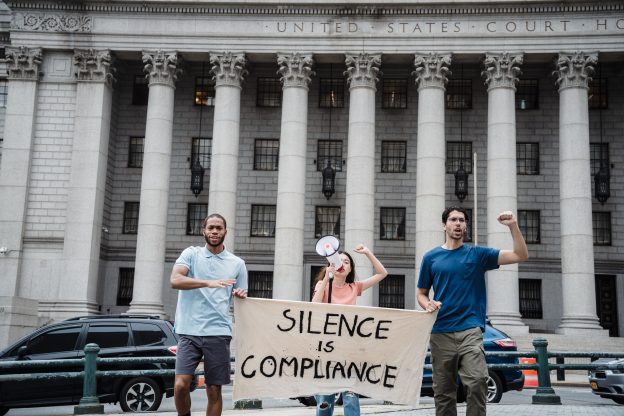
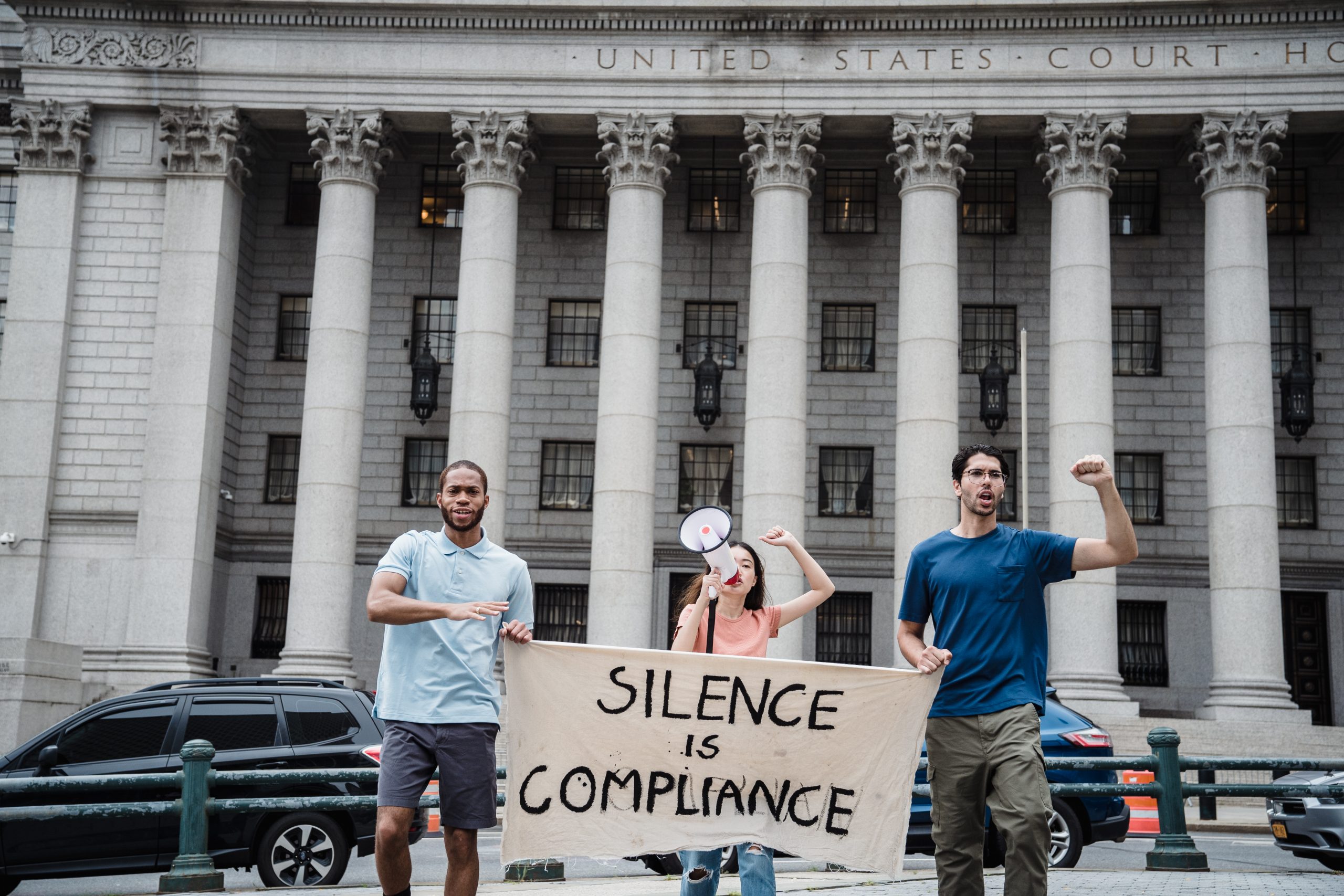
In the ever-evolving landscape of social media, businesses face a plethora of challenges when it comes to maintaining compliance with regulations and avoiding legal pitfalls. To guide organizations through this complex realm, our esteemed lawyer is pleased to offer Social Media Claims Compliance Seminars. In these seminars, business owners and executives will gain an in-depth understanding of the legal aspects and best practices surrounding social media usage. Through expert guidance and interactive discussions, attendees will emerge equipped to navigate the intricacies of social media compliance, protecting their businesses from potential legal repercussions. Join our seminars to ensure your company’s social media presence aligns with the law, giving your organization a competitive edge and peace of mind.
Overview of Social Media Claims Compliance Seminars
Social media has become an integral part of businesses’ marketing strategies, allowing them to reach a wider audience and engage with customers on various platforms. However, with the increasing use of social media comes the need for businesses to understand and comply with the laws and regulations governing their claims on these platforms. This is where social media claims compliance seminars play a crucial role. These seminars are designed to educate businesses on the importance of compliance, the risks associated with non-compliance, and the strategies that can be implemented to ensure adherence to regulations.
Importance of Social Media Claims Compliance
Avoiding Legal Consequences
One of the primary reasons why businesses should prioritize social media claims compliance is to avoid legal consequences. Without proper compliance, businesses run the risk of violating truth in advertising laws, which can result in regulatory penalties, lawsuits, and damage to their reputation. By attending social media claims compliance seminars, businesses can learn about the specific legal requirements related to social media claims and take necessary precautions to mitigate legal risks.
Protecting Business Reputation
Maintaining a positive brand reputation is crucial for any business. Making improper claims on social media platforms can damage a company’s reputation and erode consumer trust. Compliance seminars offer businesses the opportunity to understand the potential reputational risks associated with social media claims and develop effective strategies to protect their brand image.
Ensuring Compliance with Regulations
Government regulations, such as the Federal Trade Commission’s guidelines and industry-specific regulations, place certain obligations on businesses when it comes to social media claims. Compliance seminars help businesses gain a comprehensive understanding of these regulations and ensure that their social media activities remain within legal boundaries. By staying compliant, businesses can minimize the risk of regulatory scrutiny and maintain a competitive edge in their industry.
Social media claims refer to any statements, promises, or representations made by businesses on social media platforms regarding their products or services. These claims can include product effectiveness, benefits, features, testimonials, and comparisons with competitors.
Types of Social Media Claims
There are several types of claims that businesses make on social media platforms. These include express claims, implied claims, comparative claims, and testimonial claims. Express claims are explicit statements made by businesses about the qualities or benefits of their products or services. Implied claims are those that imply certain benefits or characteristics without explicitly stating them. Comparative claims involve comparing a company’s product or service to that of its competitors. Testimonial claims include customer reviews, endorsements, and recommendations.
Examples of Social Media Claims
To illustrate the types of social media claims, here are a few examples:
Express claim: “Our skincare product reduces wrinkles by 50% in just two weeks!”
Implied claim: “Try our energy drink and feel the difference!”
Comparative claim: “Our smartphone outperforms the leading brand in battery life.”
Testimonial claim: “I love this restaurant’s food! It’s the best in town.”
Legal Risks Associated with Social Media Claims
Potential Violations of Truth in Advertising Laws
False or misleading claims made on social media platforms can violate truth in advertising laws. Businesses must substantiate the claims they make and ensure that they are accurate, truthful, and not misleading. Failure to do so can result in legal consequences, such as fines and penalties.
Intellectual Property Infringement
Using copyrighted content, trademarks, or intellectual property without permission on social media platforms can lead to intellectual property infringement claims. It is essential for businesses to respect the intellectual property rights of others and avoid using protected material without proper authorization.
Deceptive Marketing Practices
Social media claims that manipulate or deceive consumers can lead to allegations of deceptive marketing practices. This includes false advertising, bait-and-switch tactics, or misrepresentation of product features or benefits. Compliance seminars help businesses understand the boundaries of ethical marketing practices and ensure that their claims are honest and transparent.
Defamation and Libel Issues
In the realm of social media, businesses must also be aware of the risks associated with defamation and libel. Making false statements about competitors or individuals on social media platforms can lead to legal actions and damage the reputation of the business. Compliance seminars educate businesses on the importance of responsible communication on social media and the potential consequences of defamatory statements.
Benefits of Social Media Claims Compliance Seminars
Creating Awareness of Legal Risks
One of the primary benefits of attending social media claims compliance seminars is the creation of awareness regarding the legal risks associated with social media claims. Businesses often underestimate the potential legal consequences of non-compliant activities on social media platforms. However, by attending these seminars, businesses can gain a comprehensive understanding of the risks and take proactive measures to minimize them.
Educating Employees on Social Media Policies
Compliance seminars provide businesses with the opportunity to educate their employees about social media policies and guidelines. By ensuring that employees are aware of the legal boundaries and expectations surrounding social media claims, businesses can foster a culture of compliance and reduce the chances of unintentional non-compliance.
Developing Effective Compliance Strategies
Social media claims compliance seminars offer businesses insights into developing effective compliance strategies. These seminars provide guidance on monitoring and reporting protocols, content creation, disclosure requirements, and best practices. By implementing these strategies, businesses can mitigate legal risks and maintain a strong and compliant social media presence.
Key Components of Social Media Claims Compliance Seminars
Reviewing Applicable Laws and Regulations
To effectively comply with social media claims regulations, businesses need to have a clear understanding of the applicable laws and regulations. Compliance seminars provide businesses with the opportunity to review these legal requirements in detail, ensuring that they are well-informed and prepared to navigate the complex regulatory landscape.
Analyzing Case Studies and Examples
Real-life case studies and examples are invaluable tools for understanding social media claims compliance. Through these case studies, businesses can gain practical insights into the potential consequences of non-compliance and learn from the mistakes of others. Compliance seminars often incorporate these case studies to enhance participants’ understanding of best practices and pitfalls to avoid.
Developing Effective Monitoring and Reporting Protocols
Monitoring and reporting social media activities are crucial components of compliance. Social media claims compliance seminars provide businesses with guidance on developing effective monitoring and reporting protocols. By implementing robust protocols, businesses can detect and rectify potential compliance issues promptly.
Choosing the Right Social Media Claims Compliance Seminar
Reputation and Experience of the Seminar Provider
When choosing a social media claims compliance seminar, it is important to consider the reputation and experience of the seminar provider. Look for providers who have a track record of delivering high-quality seminars and have experience in the field of social media claims compliance.
Content and Curriculum of the Seminar
The content and curriculum of the seminar should align with the specific needs of your business. Look for seminars that cover the relevant laws, regulations, and best practices applicable to your industry. Additionally, consider whether the seminar incorporates interactive elements, such as group discussions or workshops, to enhance the learning experience.
References and Testimonials from Previous Participants
To ensure the effectiveness of the seminar, it can be beneficial to seek references or testimonials from previous participants. This will give you insights into the seminar’s impact on other businesses and help you make an informed decision.
Preparing for a Social Media Claims Compliance Seminar
Identifying Relevant Social Media Platforms
Before attending a social media claims compliance seminar, it is essential to identify the social media platforms that your business utilizes. Different platforms have their own unique compliance requirements, and understanding these platforms will help you tailor your compliance strategies accordingly.
Gathering Existing Marketing Materials
It is important to gather and review your existing marketing materials before attending a compliance seminar. This will allow you to assess the compliance level of your current social media claims and identify any areas that may require improvement or adjustment.
Understanding the Company’s Target Audience
Understanding your company’s target audience is crucial when it comes to social media claims compliance. Different audiences have different expectations and sensitivities. By understanding your target audience, you can ensure that your claims are tailored to their needs while remaining compliant with regulations.
Implementing Social Media Claims Compliance Strategies
Creating Clear Social Media Policies and Guidelines
To ensure compliance with social media claims regulations, businesses should establish clear and comprehensive social media policies and guidelines. These policies should outline the dos and don’ts of social media claims, disclosure requirements, and consequences for non-compliance. Compliance seminars can provide guidance on developing effective policies and guidelines that align with legal requirements.
Training Employees on Legal Requirements
Properly training employees on the legal requirements surrounding social media claims is crucial for compliance. Compliance seminars help businesses educate their employees on topics such as truth in advertising laws, intellectual property rights, and defamation risks. By providing comprehensive training, businesses can ensure that all employees understand their responsibilities and contribute to the company’s compliance efforts.
Monitoring and Reviewing Social Media Activities
Regular monitoring and reviewing of social media activities are essential for maintaining compliance. Compliance seminars highlight the importance of implementing effective monitoring protocols to identify and address potential compliance issues promptly. By staying proactive and vigilant, businesses can minimize the risk of non-compliance and protect their brand reputation.
How can I measure the effectiveness of our social media claims compliance?
Measuring the effectiveness of social media claims compliance can be done through various metrics and indicators. Some key measures include:
Compliance Audit: Conduct regular audits to assess the alignment of social media claims with legal requirements and internal policies.
Customer Feedback and Complaints: Monitor customer feedback and complaints related to social media claims. A decrease in negative feedback or complaints can indicate improved compliance.
Employee Training Evaluation: Assess the effectiveness of the training provided to employees. Measure their understanding of legal requirements and their ability to apply the knowledge to their social media activities.
Regulatory Compliance: Monitor regulatory actions and penalties in the industry. A decrease in violations and penalties can indicate improved compliance within the business.
Social Media Analytics: Utilize social media analytics tools to measure the reach, engagement, and sentiment of the company’s social media claims. Positive trends in these metrics can signify improved compliance.
FAQs:
What are the risks of non-compliance with social media claims regulations?
Non-compliance with social media claims regulations can lead to legal consequences, including fines, penalties, and lawsuits. It can also damage a company’s reputation and erode consumer trust.
Why should businesses invest in social media claims compliance seminars?
Social media claims compliance seminars provide businesses with the knowledge and strategies necessary to mitigate legal risks and maintain compliance. They raise awareness of legal obligations, educate employees, and offer guidance on effective compliance strategies.
How can social media claims compliance benefit a business’s reputation?
By staying compliant with social media claims regulations, businesses can demonstrate integrity, transparency, and ethical practices. This helps protect their reputation and build consumer trust.
Is it necessary to attend social media claims compliance seminars regularly?
Attending social media claims compliance seminars regularly is beneficial as regulations and best practices evolve over time. Regular seminars allow businesses to stay updated and continuously improve their compliance efforts.
How can businesses ensure their social media claims comply with regulations?
To ensure compliance, businesses should create clear social media policies and guidelines, train employees on legal requirements, and implement monitoring and reporting protocols. Regular audits and evaluations can also help identify areas that require improvement.
In today’s digital age, social media has become an integral part of our personal and professional lives. However, when it comes to businesses and their online presence, there are certain legal guidelines that must be followed to ensure compliance and avoid any potential claims or lawsuits. This article will provide you with a comprehensive overview of the best practices for social media claims compliance. By understanding these guidelines and implementing them into your company’s social media strategy, you can safeguard your business and minimize any legal risks associated with online communication. Whether you are a business owner or a head of a company, it is crucial to familiarize yourself with these practices to protect your business’s reputation and future.
Ensure Clear and Accurate Communication
In the fast-paced world of social media, it is crucial for businesses to ensure clear and accurate communication in order to build trust and maintain credibility with their audience. This can be achieved through the use of clear and concise language, avoiding misleading statements, and including relevant disclaimers.
When it comes to social media communication, simplicity is key. Using clear and concise language allows your audience to easily understand your message without confusion. Avoid using complex jargon or technical terms that may alienate your audience. Instead, opt for plain language that is easily comprehensible to a wide range of people.
Express your ideas in a straightforward manner, focusing on the main points you want to convey. Keep your sentences and paragraphs short, as lengthy and convoluted content can be overwhelming and difficult to digest in the fast-paced nature of social media platforms. By using clear and concise language, you enhance your communication and increase the likelihood of your message being understood by your audience.
Avoid Misleading Statements
Accuracy and honesty are paramount when it comes to social media marketing. Misleading statements can not only damage your brand reputation but also lead to legal consequences. It is crucial to ensure that all claims made in your social media content are truthful, supported by evidence, and not likely to mislead or deceive your audience.
Avoid exaggeration, false promises, or unsupported claims about your products or services. If you make any claims about your offerings, ensure that they are verifiable and accurately represent their capabilities. Inaccurate or deceptive claims can lead to consumer complaints, negative reviews, and even legal action.
Include Relevant Disclaimers
Incorporating disclaimers into your social media content is essential to provide additional context and manage consumer expectations. Disclaimers help clarify any potential misunderstandings, limitations, or risks associated with your products or services. They are particularly crucial when promoting special offers, discounts, or limited-time deals, as they can help avoid false expectations or accusations of false advertising.
Relevant disclaimers may include information about the limitations of a product, potential side effects, any required legal disclosures, or details about the availability of the offer. Ensure that disclaimers are prominently displayed and easily accessible by placing them in a visible location such as the caption or a pinned comment. Failure to include necessary disclaimers can lead to legal consequences or accusations of deceptive marketing practices.
Comply with Applicable Laws and Regulations
In order to maintain a lawful and ethical presence on social media, businesses must comply with relevant laws and regulations. Familiarizing yourself with advertising laws, industry-specific regulations, and adhering to FTC guidelines are crucial steps to ensure compliance.
Familiarize Yourself with Advertising Laws
Advertising laws vary from country to country and can also vary depending on the industry you operate in. It is essential to familiarize yourself with the specific advertising laws that apply to your jurisdiction and industry.
For example, in the United States, the Federal Trade Commission (FTC) regulates advertising practices and requires businesses to disclose any material connections they have with endorsers or reviewers. This means that if you are paying influencers or bloggers to promote your products or services, you must disclose that relationship to your audience.
Research and understand the laws that govern advertising in your jurisdiction to ensure that your social media marketing efforts comply with legal requirements.
Comply with Industry-Specific Regulations
In addition to general advertising laws, many industries have specific regulations and guidelines that businesses must adhere to when promoting their products or services on social media.
For instance, healthcare providers must comply with regulations from bodies such as the Food and Drug Administration (FDA) when advertising pharmaceutical products or making health claims. Similarly, financial institutions must adhere to regulations from governing bodies such as the Securities and Exchange Commission (SEC) when promoting investment opportunities.
Make sure to research and understand the specific regulations that apply to your industry to avoid any compliance issues when using social media for promotional purposes.
The Federal Trade Commission (FTC) in the United States provides guidelines and requirements for businesses to ensure transparency and protect consumers from deceptive or unfair practices. Adhering to these guidelines not only helps you maintain compliance but also builds trust with your audience.
Key FTC guidelines include:
Disclosure of material connections: If you have a material connection to an endorser, such as payment or free products, it must be clearly and conspicuously disclosed.
Truthful and substantiated claims: Any claims made about your products or services must be truthful, substantiated, and not likely to mislead or deceive consumers.
Clear and conspicuous disclosures: Disclosures should be placed in a location where they are easily noticed, and the language should be clear and straightforward.
Make sure to review and understand the FTC guidelines to ensure compliance with their requirements when using social media for advertising and promotional purposes.
Maintain Proper Record-Keeping
To effectively manage your social media marketing efforts and maintain compliance, it is essential to establish a robust system for record-keeping. Documentation of advertising materials, tracking changes and updates, and maintaining a centralized repository are crucial aspects of maintaining proper record-keeping.
Document Advertising Materials
Keeping a record of your social media advertising materials is important for several reasons. Not only does it provide an audit trail for your marketing campaigns, but it also allows you to easily verify claims and disclosures made in your content.
Ensure that you maintain copies of your social media posts, including both the content and any associated visuals or videos. This documentation can be crucial if any legal disputes or regulatory investigations arise in the future.
Track Changes and Updates
Social media platforms often evolve and update their algorithms, policies, and terms of service. It is important to track these changes and stay informed about any modifications that may impact your compliance obligations.
Regularly review the terms of service and policies of the social media platforms you utilize for your marketing efforts. Take note of any changes and assess their implications on your content and compliance. By staying up-to-date, you can adapt your strategy and ensure ongoing compliance with platform policies.
Maintain a Centralized Repository
To streamline your record-keeping process, establish a centralized repository where all relevant documents and records are stored. This can be a digital storage system or a physical filing system, depending on your preferences and the volume of materials you handle.
Ensure that all team members involved in creating and managing social media content have access to this repository. It should be organized and easily searchable, allowing for quick retrieval of documents when needed.
By maintaining a centralized repository, you can easily locate and review past content, track changes over time, and demonstrate compliance with applicable regulations when required.
Implement Effective Training
Ensuring compliance with social media advertising regulations requires more than just knowing the rules. It is essential to educate your employees, provide regular training sessions, and monitor employee engagement to foster a culture of compliance within your organization.
Educate Employees on Compliance Regulations
Begin by educating your employees on the relevant advertising laws, industry-specific regulations, and FTC guidelines that apply to social media marketing. This training should cover topics such as proper disclosure practices, avoiding misleading statements, and the importance of accurate record-keeping.
Employees should understand the potential consequences of non-compliance, including legal action, reputational damage, and financial penalties. By providing employees with a comprehensive understanding of compliance regulations, you empower them to make informed decisions and contribute to overall compliance efforts.
Provide Regular Training Sessions
Compliance training should not be a one-time event. It is important to provide regular training sessions to reinforce knowledge and ensure that employees stay up-to-date with regulatory changes and best practices.
Schedule training sessions at regular intervals, focusing on specific topics or areas of compliance that may require additional attention. These sessions can be conducted in person, through webinars, or utilizing online training platforms. Remember to keep a record of employee participation in training sessions as part of your compliance record-keeping efforts.
Monitor Employee Engagement
Educating employees about compliance is not sufficient on its own. It is crucial to monitor employee engagement and adherence to compliance regulations on an ongoing basis. Regularly reviewing social media content posted by employees and conducting audits can help identify any potential compliance risks.
Encourage employees to report any concerns or questions they may have regarding compliance. Foster a culture where employees feel comfortable seeking guidance and reporting potential violations without fear of retribution. By actively monitoring employee engagement and addressing compliance issues promptly, you can mitigate the risk of legal consequences and maintain a compliant social media presence.
Ensure Transparency and Disclosure
Transparency and disclosure are cornerstones of ethical social media marketing. Clearly identifying sponsored content, disclosing material connections, and being transparent about endorsements are essential practices to build trust with your audience and comply with regulations.
Clearly Identify Sponsored Content
When promoting products or services on social media, it is essential to clearly disclose any sponsored content. Failure to do so can be deceptive and potentially lead to legal consequences.
Ensure that any content created in exchange for payment, free products, or other material considerations is unmistakably identified as sponsored content. Use clear and unambiguous language, such as “Sponsored Post” or “#Ad,” at the beginning or prominently within the content.
Transparently labeling sponsored content helps your audience understand the promotional nature of the post and builds trust by being upfront about any financial relationships you have with advertisers.
Disclose Material Connections
In addition to disclosing sponsored content, it is crucial to disclose any material connections you have with endorsers, reviewers, or individuals who provide testimonials. Material connections can include financial relationships, employment, and any other arrangement that may influence the objectivity of the endorsement.
When using endorsements or testimonials in your social media content, make sure to disclose any material connections between your business and the individual providing the endorsement. Clearly state the nature of the connection, such as “I am an employee of XYZ Company,” “I received a free product for review,” or “I was compensated for this endorsement.”
By disclosing material connections, you provide transparency to your audience and maintain compliance with disclosure requirements set forth by regulatory bodies such as the FTC.
Be Transparent About Endorsements
Endorsements play a significant role in social media marketing, especially when using influencers or celebrities to promote products or services. It is crucial to be transparent about the nature of these endorsements and ensure that they align with applicable regulations.
Avoid deceptive practices, such as posting endorsements without disclosing any material connections or misrepresenting the individual’s experience with your product. Make sure that endorsers clearly disclose any material connections they have with your business and that their endorsements accurately reflect their genuine opinions.
Transparency in endorsements not only helps maintain compliance but also builds trust with your audience. It is important to foster a culture of authenticity and honesty when leveraging endorsements as part of your social media marketing strategy.
Monitor and Moderate User-Generated Content
User-generated content is a valuable asset for businesses on social media, but it also poses unique challenges when it comes to compliance. Establishing clear content guidelines, monitoring and responding to comments, and removing inappropriate or false statements are crucial steps to ensure compliance with regulations.
Establish Clear Content Guidelines
When allowing users to generate content on your social media accounts, it is important to establish clear content guidelines. These guidelines should outline what is acceptable and what is not, ensuring that user-generated content aligns with your brand values and compliance requirements.
Clearly state that users must not post false or misleading information, defamatory statements, inappropriate content, or any content that violates applicable laws or regulations. Make it known that failure to adhere to the content guidelines may result in the removal of the content or potential legal consequences.
Publish these content guidelines prominently on your social media profiles and refer to them in your interactions with users to remind them of their obligations.
Monitor and Respond to Comments
Regularly monitoring and responding to comments on your social media posts is crucial for maintaining compliance and managing your brand reputation. By actively engaging with your audience, you can address any compliance concerns or inaccuracies in user-generated content.
If you come across user-generated content that is false, misleading, or potentially harmful, take appropriate action promptly. Respond to the comment, politely pointing out any inaccuracies or potential compliance issues. If necessary, consider removing the content or disabling further comments to prevent the spread of misleading information.
Stay vigilant and monitor your social media accounts regularly to ensure that user-generated content aligns with your content guidelines and complies with regulations.
Remove Inappropriate or False Statements
In situations where user-generated content violates your content guidelines or contains false or defamatory statements, take prompt action to remove it from your social media platforms. Leaving such content unaddressed can expose your business to legal risks and damage your brand reputation.
Develop a protocol for handling inappropriate or false statements, clearly defining the steps and responsibilities involved in removing such content. Ensure that all team members involved in managing your social media accounts are aware of this protocol and follow it consistently.
By promptly removing inappropriate or false statements, you demonstrate a commitment to compliance and protect the integrity of your social media presence.
Stay Up-to-Date with Platform Policies
Social media platforms regularly update their policies and terms of service. It is crucial to review and understand these platform-specific guidelines to ensure compliance with their requirements. By staying up-to-date with platform policies, you can adapt your social media strategy accordingly and avoid potential compliance issues.
Review and Understand Platform Terms of Service
Each social media platform has its own set of terms of service, which outline the rules and guidelines for using the platform. It is important to review and understand these terms of service to ensure compliance with platform policies.
Take note of any specific requirements or restrictions related to advertising, disclosure practices, content guidelines, or prohibited content. Make sure that your social media activities align with these platform-specific guidelines to avoid account suspension or other penalties.
Monitor Policy Updates
Social media platforms frequently update their policies as they evolve and adapt to new challenges and legal requirements. It is crucial to monitor these policy updates to stay informed about any changes that may impact your compliance obligations.
Subscribe to platform news or updates, follow official social media accounts of the platforms you use, or join relevant industry groups or forums to stay up-to-date with policy changes. This proactive approach allows you to adjust your social media strategy and ensure ongoing compliance.
Adapt Strategy Accordingly
As you become aware of policy updates or changes, assess their implications on your social media strategy and adjust your approach as needed. For example, if a platform introduces stricter rules regarding the disclosure of sponsored content, ensure that your posts are in line with the new requirements.
Regularly review and refine your social media strategy to reflect any platform-specific guidelines or policy changes. By staying adaptable, you can maintain a compliant social media presence that aligns with the evolving requirements of the platforms you utilize.
Conduct Regular Compliance Audits
Conducting regular compliance audits is a critical practice to ensure that your social media marketing efforts align with applicable laws, regulations, and best practices. By reviewing your social media accounts, identifying potential compliance risks, and taking prompt corrective actions, you can mitigate the risk of legal consequences and maintain a compliant presence.
Review Social Media Accounts and Posts
Periodically review your social media accounts and posts to assess their compliance with relevant regulations. Pay particular attention to claims made in your content, disclosures of material connections, and the overall accuracy and truthfulness of your marketing messages.
Evaluate the content for any potential compliance risks, such as misleading statements, insufficient disclosures, or inappropriate user-generated content. Identify any areas where improvements can be made to enhance compliance and credibility.
Identify Potential Compliance Risks
During the compliance audit, identify potential compliance risks that may exist within your social media marketing practices. These risks can include inaccuracies in claims, insufficient disclosures, improper use of endorsements, or violations of platform policies.
Assess the severity and potential consequences of each risk and prioritize them based on their likelihood and impact. This allows you to allocate resources effectively and take corrective actions accordingly.
Take Prompt Corrective Actions
Once potential compliance risks have been identified, take prompt corrective actions to address them. This may involve updating social media content to include proper disclosures, removing misleading or false statements, or implementing additional training or processes to mitigate compliance risks.
Document all corrective actions taken and track their effectiveness to ensure ongoing compliance. Regularly reassess the outcomes of your compliance audits to validate the effectiveness of your corrective actions and adjust your strategies as needed.
By conducting regular compliance audits and taking prompt corrective actions, you demonstrate a commitment to compliance and mitigate the risk of legal consequences.
Secure Legal Review and Approval
Seeking legal review and approval for your social media content, especially for sensitive material or content that involves industry-specific regulations, is a prudent step to ensure compliance. Consulting with legal counsel, obtaining approval for sensitive content, and ensuring compliance with industry regulations help mitigate legal risks and protect your business’s interests.
Consult with Legal Counsel
Legal expertise plays a crucial role in ensuring compliance with social media advertising regulations. Consult with legal counsel experienced in advertising and marketing law, who can provide guidance specific to your industry and jurisdiction.
Share your social media marketing materials and strategy with legal counsel to receive expert advice on compliance, disclosure requirements, and potential risks. By involving legal counsel early in the process, you can address any compliance concerns before content is published.
Obtain Approval for Sensitive Content
Certain types of social media content may require additional scrutiny and legal review due to the sensitive nature of the material or industry-specific regulations. Examples include pharmaceutical advertisements, financial promotions, or claims related to health and safety.
Secure legal approval for any sensitive content before it is published on social media platforms. This ensures that all claims are accurate, supported by evidence, and comply with relevant regulations. Legal review serves as a safeguard against potential compliance risks and helps protect your business from legal liability.
Ensure Compliance with Industry Regulations
In addition to general advertising laws and FTC guidelines, many industries have their own specific regulations that govern social media marketing practices. Examples include regulations from bodies such as the FDA for pharmaceutical companies, the SEC for financial institutions, or the FCC for telecommunications companies.
Ensure that your social media marketing efforts align with industry-specific regulations by thoroughly researching and understanding the requirements. Seek legal advice to assess compliance with these regulations and make any necessary adjustments to your social media strategy.
By securing legal review and approval, you demonstrate due diligence in complying with relevant laws and regulations and protect your business from potential legal consequences.
FAQs
What are the consequences of non-compliance with social media claims regulations?
Non-compliance with social media claims regulations can have various consequences for businesses. These consequences may include:
Legal action: Failure to comply with advertising laws, industry-specific regulations, or the guidelines set forth by regulatory bodies such as the FTC can result in legal action. This can lead to fines, penalties, or lawsuits against the business.
Reputational damage: Non-compliance can damage a business’s reputation, resulting in a loss of trust and credibility among consumers. Negative publicity or consumer complaints can significantly impact a company’s brand image and long-term success.
Regulatory investigations: Non-compliance with regulations may prompt regulatory bodies to conduct investigations into a business’s marketing practices. These investigations can disrupt operations, require extensive documentation and cooperation, and result in further legal consequences if violations are discovered.
It is essential for businesses to prioritize compliance to avoid these potential consequences and maintain a trustworthy and reputable presence on social media.
Is it necessary to include disclaimers on every social media post?
The necessity of including disclaimers on every social media post depends on various factors, including the nature of the content, the industry in which the business operates, and the specific regulations that apply.
While disclaimers may not be required in every situation, they are crucial when making claims, promoting special offers or discounts, or disclosing material connections. Disclaimers provide additional context and help manage consumer expectations, ensuring transparency and compliance with regulations.
It is advisable to consult legal counsel and familiarize yourself with the specific requirements of your industry and jurisdiction regarding the use of disclaimers. This will help you determine when and where disclaimers should be included to maintain compliance and protect your business.
How can I ensure that user-generated content on my social media accounts complies with regulations?
Ensuring compliance with regulations for user-generated content on social media requires a proactive approach. Here are some best practices to help you maintain compliance:
Establish clear content guidelines: Clearly define what is acceptable and unacceptable user-generated content in your content guidelines. Outline rules regarding false information, defamatory statements, inappropriate content, and compliance with applicable laws or regulations.
Monitor and moderate comments: Regularly review user-generated comments on your social media posts. Respond promptly to any compliance concerns or inaccuracies in the content. Remove inappropriate or false statements to prevent legal risks and protect your brand reputation.
Encourage reporting of compliance concerns: Foster a culture where users and employees feel comfortable reporting compliance concerns. Encourage them to reach out if they come across content that violates your content guidelines or applicable regulations.
Educate and engage with your audience: Educate your audience about compliance requirements and encourage them to contribute content that aligns with your content guidelines. Engage with your audience by acknowledging compliant user-generated content to establish transparency and build trust.
Stay informed about regulatory updates: Regularly monitor changes in regulations that may impact user-generated content on social media. Stay up-to-date with relevant laws and regulations to ensure ongoing compliance and adjust your content guidelines accordingly.
Implementing these practices will help you maintain compliance and foster an environment where user-generated content aligns with regulations and promotes a positive brand image.
Could a lack of compliance on social media lead to legal action against my business?
Yes, a lack of compliance on social media can potentially lead to legal action against your business. Non-compliance with advertising laws, industry-specific regulations, or the guidelines set forth by regulatory bodies can result in various legal consequences.
If your social media marketing practices are found to be in violation of applicable regulations, your business may face legal action such as:
Lawsuits from consumers or competitors: Non-compliance can subject your business to lawsuits from consumers who believe they were misled or suffered harm due to deceptive or false advertising. Competitors may also take legal action if they believe you have gained an unfair advantage through non-compliant practices.
Regulatory investigations and penalties: Regulatory bodies, such as the FTC, may initiate investigations into your marketing practices if they suspect non-compliance. These investigations can result in penalties, fines, or other enforcement actions if violations are discovered.
Reputational damage: Non-compliance can damage your business’s reputation, leading to a loss of trust and credibility among consumers. Negative publicity, consumer complaints, or social media backlash can significantly impact your brand image and long-term success.
It is crucial to prioritize compliance to mitigate the risk of legal action and maintain a trustworthy and reputable presence on social media.
Are there specific guidelines for different social media platforms?
Yes, there are specific guidelines and terms of service for different social media platforms that businesses must adhere to. Each platform has its own set of rules and requirements that govern the use of their services, including content guidelines, advertising policies, and disclosure requirements.
The key social media platforms often utilized by businesses include:
Facebook: Facebook has specific guidelines regarding the use of ads, sponsored content, and promotional posts. They require clear and conspicuous disclosures of sponsored content, proper targeting practices, and compliance with their advertising policies.
Instagram: Instagram enforces transparency and disclosure requirements, especially for influencer marketing. Users must disclose their relationships with brands in a clear and unambiguous manner, using hashtags such as “#Ad” or “Sponsored.”
Twitter: Twitter has guidelines regarding promotional offers, contests, and endorsements. They require businesses and influencers to clearly disclose their relationships with brands and follow their advertising policies.
LinkedIn: LinkedIn has guidelines to ensure professionalism and integrity in business networking. Businesses should avoid false or misleading claims, disclose any potential conflicts of interest, and comply with their content policies.
It is crucial to review and understand the guidelines and policies specific to the platforms you utilize for your social media marketing efforts. Adhering to these guidelines ensures compliance with platform requirements and helps maintain a positive brand presence.
In today’s digital age, social media has become an integral part of our lives. From sharing personal updates to promoting businesses, it has revolutionized the way we communicate and engage with others. However, with the increasing prominence of social media in our professional lives, it is crucial for businesses and business owners to stay updated on the ever-changing landscape of social media claims compliance. Understanding the legalities surrounding social media use is essential to avoid potential pitfalls and protect your company’s reputation. In this article, we will explore the latest updates in social media claims compliance and provide you with important information to ensure your online presence is legally sound. Stay informed and safeguard your business by adhering to the guidelines of social media claims compliance.
Understanding Social Media Claims Compliance Updates
In the fast-paced digital age, social media plays a pivotal role in the success of businesses. However, with this prominence comes the responsibility to ensure compliance with regulations. Social media claims compliance refers to adhering to the legal and ethical guidelines set forth by regulatory bodies when making claims on social media platforms. Failure to comply with these regulations can have severe consequences for businesses, both legally and reputably. In this article, we will explore the importance of social media claims compliance, the applicable regulations, the consequences of non-compliance, the role of lawyers in compliance, key considerations for businesses, best practices for compliance, case studies, tracking and monitoring tools, as well as consulting services available to help businesses navigate this complex landscape.
Social media claims compliance is crucial for protecting your business and maintaining a positive reputation. Making false or misleading claims on social media can lead to legal consequences, damage to your brand’s image, and a loss of consumer trust. By ensuring compliance, you can safeguard your business’s integrity and build a trustworthy reputation in the marketplace.
Maintaining Consumer Trust
Conforming to social media claims compliance regulations is essential for maintaining consumer trust. Consumers rely on accurate and transparent information when making purchasing decisions. If your business fails to provide truthful claims through your social media channels, it may erode consumer confidence, leading to decreased sales and diminished customer loyalty.
Staying Compliant with Regulatory Bodies
Regulatory bodies, such as the Federal Trade Commission (FTC) in the United States, have established guidelines and standards to protect consumers from false or deceptive advertising. By complying with these regulations, businesses demonstrate their commitment to ethical practices and avoid potential legal action. Adhering to regulatory requirements also ensures a level playing field among competitors, fostering fair and transparent market conditions.
Regulations for Social Media Claims Compliance
Advertising Standards and Guidelines
When it comes to social media claims compliance, businesses must adhere to advertising standards and guidelines set forth by regulatory bodies. For example, the FTC’s guidelines require businesses to clearly disclose any material connections or endorsements. This means that if an influencer is being compensated for promoting a product on social media, they must disclose this relationship to their audience. Additionally, claims made in advertisements must be truthful, substantiated, and cannot be misleading.
Industry-Specific Regulations
In addition to general advertising standards, businesses must also be aware of industry-specific regulations. Different industries, such as healthcare, finance, or food and beverage, may have specific requirements when it comes to claims made on social media. It is vital for businesses to understand and comply with these industry-specific regulations to avoid penalties and legal consequences.
Copyright and Trademark Laws
Businesses must also respect copyright and trademark laws when creating and sharing content on social media platforms. Unauthorized use of copyrighted material or infringement on trademarks can result in legal issues and damage to a business’s reputation. It is crucial to obtain proper permissions or licenses for any copyrighted material used in social media posts, advertisements, or campaigns.
Non-compliance with social media claims regulations can result in severe legal penalties and fines. Regulatory bodies have the authority to investigate businesses suspected of non-compliance and impose hefty fines or other sanctions. These penalties can significantly impact a company’s financial stability and can be more detrimental than investing in compliance efforts.
Reputational Damage
Failing to comply with social media claims regulations can tarnish a business’s reputation. Negative publicity surrounding misleading or false claims can quickly spread through social media platforms, causing significant harm to a brand’s image. Reputational damage is challenging to repair and can result in a loss of customers, decreased sales, and long-term negative consequences for the business.
Loss of Consumer Trust
Non-compliance with social media claims regulations erodes consumer trust. When consumers discover false or misleading claims made by a business, they may feel deceived and lose faith in the company. Trust is a crucial factor in building and maintaining strong customer relationships, and losing it can be detrimental to a business’s success and longevity.
The Role of Lawyers in Social Media Claims Compliance
Providing Legal Advice and Guidance
Lawyers play a vital role in social media claims compliance by providing businesses with legal advice and guidance. They have a deep understanding of the complex legal landscape surrounding social media claims and can help businesses navigate the regulations effectively. Lawyers can review and assess social media content for compliance, ensuring that claims are accurate, substantiated, and meet all legal requirements.
Assisting with Regulatory Compliance
To stay compliant with social media claims regulations, businesses need to understand the legal obligations specific to their industry and jurisdiction. Lawyers can assist businesses in identifying and interpreting these regulations, ensuring that they are fully compliant. They can help develop comprehensive compliance strategies and policies tailored to the unique needs of each business.
Representing Businesses in Legal Proceedings
In the unfortunate event that a business faces legal action due to non-compliance with social media claims regulations, lawyers can represent them in legal proceedings. Skilled attorneys can effectively present a business’s case, advocate for their interests, and strive for a favorable outcome. In legal disputes, having experienced legal representation can make a significant difference in protecting a business’s rights and minimizing potential damages.
Key Considerations for Businesses
Understanding Your Target Audience
Before making claims on social media, businesses must have a thorough understanding of their target audience. By knowing their demographics, preferences, and values, businesses can tailor their claims to resonate with their target market effectively.
Crafting Accurate and Clear Claims
Businesses must ensure that the claims they make on social media are accurate, clear, and transparent. Claims should be well-substantiated, avoiding exaggerations or misleading statements. Accuracy and clarity help establish trust and credibility with consumers.
Reviewing and Updating Social Media Content Regularly
Regularly reviewing and updating social media content is crucial to maintain compliance. Businesses should assess their claims periodically, ensuring that they are still accurate and supported by relevant data or evidence. Regular updates demonstrate a commitment to transparency and a dedication to providing the most up-to-date information to consumers.
Maintaining Transparency and Honesty in Communications
Transparency and honesty are fundamental principles in claims compliance. Businesses should be upfront and transparent about any material connections or endorsements. By maintaining open communication with consumers, businesses foster trust and credibility.
Implementing Effective Tracking and Monitoring Systems
To ensure compliance with social media claims regulations, businesses should implement effective tracking and monitoring systems. These systems help identify and address any potential non-compliant claims promptly. By staying proactive in monitoring social media content, businesses can mitigate the risk of non-compliance and protect their reputation.
Best Practices for Social Media Claims Compliance
Thoroughly Researching Claims Before Publishing
Before making any claims on social media, businesses should conduct thorough research to ensure they are accurate and supported by evidence. This research may involve gathering data, consulting experts, or conducting internal studies. By taking the time to investigate claims, businesses can avoid the potential pitfalls of misleading or false information.
Clearly Disclosing any Material Connections
Businesses must disclose any material connections or endorsements when making claims on social media. This transparency helps consumers make informed decisions and prevents deceptive practices. Clear disclosure includes prominently stating any financial or business relationship with individuals or entities endorsing a product or service.
Staying on Top of Regulatory Updates
Social media claims regulations are constantly evolving. Businesses must stay informed about any updates or changes to these regulations. This includes monitoring updates from regulatory bodies, industry-specific guidelines, and legal developments. Staying up-to-date with regulatory changes helps businesses adapt their compliance strategies accordingly.
Verifying the Accuracy of Data and Statistics
To maintain compliance, businesses must verify the accuracy of data and statistics used in social media claims. Relying on verified and reputable sources for data ensures that the claims made are reliable and credible. Failing to verify data can lead to misinformation, potential legal consequences, and damage to a business’s reputation.
Hiring a Social Media Compliance Officer
To effectively manage social media claims compliance, businesses may consider hiring a social media compliance officer. This individual should have a strong understanding of social media regulations and best practices. They will be responsible for ensuring compliance, monitoring content, training employees, and maintaining thorough records to demonstrate adherence to regulations.
Case Studies on Social Media Claims Compliance
Successful Compliance Strategies
Examining case studies of businesses that have successfully navigated social media claims compliance can provide valuable insights. These case studies illuminate the strategies and practices adopted by these businesses, helping others understand how to achieve compliance effectively.
Common Compliance Mistakes and Their Consequences
Analyzing case studies of businesses that have faced legal consequences due to non-compliance can offer valuable lessons. By understanding the mistakes made by these companies and the resulting consequences, businesses can identify potential pitfalls to avoid.
Tracking and Monitoring Tools for Compliance
Social Media Management and Compliance Software
Various software solutions are available to assist businesses in managing their social media accounts while maintaining compliance. These tools often include features such as content scheduling, compliance monitoring, and automated notifications to ensure timely responses to potential compliance issues.
Keyword Monitoring Tools
Keyword monitoring tools can help businesses identify potential non-compliant claims on social media platforms. By regularly monitoring specific keywords related to their brand or industry, businesses can promptly address any misleading or false claims made by others on social media.
Data Analytics Platforms
Data analytics platforms provide businesses with valuable insights into the performance of their social media campaigns. These platforms help identify trends, measure the impact of claims, and track consumer engagement. Utilizing data analytics can further enhance compliance efforts by assessing the effectiveness of claims and identifying areas for improvement.
Consulting Services for Businesses in Social Media Claims Compliance
Consultation on Regulatory Compliance
Law firms specializing in social media claims compliance offer consultation services to businesses. These services involve a comprehensive assessment of a business’s compliance efforts, identification of potential risks, and the development of customized compliance strategies to meet legal requirements.
Development of Compliance Policies and Procedures
Lawyers can assist businesses in developing effective compliance policies and procedures specific to social media claims. These policies outline the guidelines for making claims, disclose any material connections, and provide clear instructions for monitoring and addressing compliance issues.
Ongoing Compliance Support
Consulting services can provide ongoing compliance support to businesses. This includes regular monitoring of social media content, updating compliance policies, and offering training sessions to ensure employees understand their roles and responsibilities in maintaining compliance. Ongoing support helps businesses stay up-to-date with evolving regulations and maintain a strong compliance foundation.
By understanding the importance of social media claims compliance, the applicable regulations, and the consequences of non-compliance, businesses can navigate this complex landscape effectively. Engaging the services of lawyers specializing in social media claims compliance, implementing best practices, and utilizing tracking and monitoring tools can further enhance compliance efforts. By prioritizing compliance, businesses can protect their reputation, maintain consumer trust, and ensure long-term success in the ever-evolving digital world.
FAQs
1. What are some common social media claims compliance mistakes businesses should avoid? Common mistakes to avoid include making misleading or false claims, failing to disclose material connections, neglecting to stay up-to-date on regulatory changes, and not verifying the accuracy of data and statistics used in claims.
2. How can businesses stay informed about social media claims regulations? Businesses can stay informed by regularly monitoring updates from regulatory bodies, industry-specific guidelines, and legal developments. Seeking legal advice from professionals specializing in social media claims compliance can also provide valuable insights.
3. What are the benefits of hiring a social media compliance officer? A social media compliance officer can ensure that businesses effectively manage compliance efforts. They will be responsible for monitoring content, providing training to employees, and maintaining thorough records to demonstrate adherence to regulations.
4. How can consulting services help businesses with social media claims compliance? Consulting services can provide businesses with expert consultation on regulatory compliance, help develop compliance policies and procedures, and offer ongoing support in maintaining compliance. These services ensure businesses have the necessary guidance and resources to navigate the complex landscape of social media claims compliance.
Are you dealing with tax-related legal issues in North Ogden, Utah? Look no further, because we have the perfect solution for you. Our expert tax lawyer is here to help both individuals with high net worth and businesses overcome their tax burdens and ensure compliance with the law. With a deep understanding of the complexities surrounding taxes, our lawyer can guide you through the intricacies of tax law and provide comprehensive solutions tailored to your specific needs. Whether you’re facing tax problems or looking to reduce your tax burden, our lawyer has the expertise and experience to help you navigate through the complexities of the legal system. Don’t let tax issues weigh you down – contact our tax lawyer in North Ogden, Utah today for a consultation and take the first step towards resolving your tax concerns.
What is a Tax Lawyer?
Definition of a tax lawyer
A tax lawyer is a legal professional who specializes in matters related to taxation. They provide guidance and counsel to individuals and businesses regarding tax issues, ensure compliance with tax laws, and represent clients in tax disputes. Tax lawyers have extensive knowledge of tax regulations and are equipped to handle complex tax matters.
Roles and responsibilities of a tax lawyer
Tax lawyers have a wide range of roles and responsibilities. They assist clients in tax planning and compliance, helping them minimize their tax liabilities while remaining within the bounds of the law. They also provide representation in tax dispute resolution and tax litigation cases, advocating for their clients’ interests before tax authorities and in court. Additionally, tax lawyers stay updated on changes in tax laws and regulations, providing clients with accurate and timely advice.
Why Hire a Tax Lawyer?
Benefits of hiring a tax lawyer
Hiring a tax lawyer can provide numerous benefits for individuals and businesses. Tax lawyers possess specialized knowledge and expertise in tax laws, ensuring that their clients receive accurate and comprehensive advice. They have a deep understanding of the intricacies of tax regulations and can navigate the complexities of the tax system on behalf of their clients. By hiring a tax lawyer, individuals and businesses can avoid costly mistakes and potential penalties.
Specialized knowledge and expertise
Tax lawyers have a thorough understanding of tax laws and regulations, which sets them apart from general practitioners or accountants. They specialize in tax matters and constantly stay updated on changes in tax laws, ensuring that their clients receive accurate and up-to-date advice. With their specialized knowledge and expertise, tax lawyers can provide valuable insights and guidance tailored to the unique tax situation of each client.
Navigating complex tax laws
Tax laws can be incredibly complex and difficult to navigate without the assistance of a qualified professional. A tax lawyer can help individuals and businesses understand their rights and obligations under the tax code, ensuring compliance with all applicable laws and regulations. They can provide strategic tax planning advice to help clients minimize their tax liabilities while staying within the bounds of the law.
Avoiding costly mistakes
When dealing with tax matters, even a small mistake can have serious consequences. Hiring a tax lawyer can help individuals and businesses avoid costly mistakes that may arise from misunderstandings or misinterpretations of tax laws. Tax lawyers provide guidance and support throughout the process, helping clients make informed decisions and avoid unnecessary penalties or liabilities.
Tax Law Services Offered
Overview of tax law services
Tax lawyers offer a wide range of services to assist individuals and businesses in their tax-related matters. These services include individual tax planning and compliance, business tax planning and compliance, tax dispute resolution, and tax litigation. By leveraging their expertise in tax laws, tax lawyers can provide tailored solutions to their clients’ specific tax needs.
Individual tax planning and compliance
Tax lawyers assist individuals in developing effective tax planning strategies to minimize their tax liabilities. They analyze each client’s financial situation and provide guidance on various tax-saving opportunities, such as deductions and credits. Additionally, tax lawyers ensure that individuals remain in compliance with tax laws, helping them fulfill their tax obligations and avoid penalties.
Business tax planning and compliance
For businesses, tax compliance is essential to avoid legal issues and financial liabilities. Tax lawyers work closely with business owners to develop comprehensive tax planning strategies that align with the company’s goals and objectives. They assist in structuring transactions to optimize tax efficiency, ensure compliance with tax laws, and help businesses navigate complex tax regulations.
Tax dispute resolution
When individuals or businesses face tax-related disputes with tax authorities, tax lawyers can provide representation and advocacy. Tax lawyers examine the details of the dispute, gather relevant evidence, and develop a strong legal strategy to present the client’s case effectively. They negotiate on behalf of their clients and strive to achieve a favorable outcome, whether through settlement negotiations or administrative proceedings.
Tax litigation
In some cases, tax disputes may escalate to litigation. Tax lawyers have the necessary skills and experience to represent clients in tax litigation cases, presenting their arguments before courts and advocating for their clients’ interests. They handle all aspects of the litigation process, from drafting legal documents to presenting arguments in court, with the goal of achieving a favorable resolution for their clients.
Choosing the Right Tax Lawyer
Factors to consider when choosing a tax lawyer
Selecting the right tax lawyer is crucial to ensure that you receive the best possible representation and counsel. When making this decision, consider factors such as experience and expertise, reputation and track record, client testimonials, and accessibility and communication. By assessing these factors, you can find a tax lawyer who meets your specific needs and provides the highest level of service.
Experience and expertise
One of the key factors to consider when choosing a tax lawyer is their experience and expertise in tax law. Look for a lawyer who specializes in tax matters and has a proven track record of handling cases similar to yours. An experienced tax lawyer will have a deep understanding of tax laws and regulations, allowing them to provide effective advice and representation.
Reputation and track record
A tax lawyer’s reputation and track record can provide valuable insights into their abilities and the quality of their services. Research their reputation within the legal community and among past clients. Look for testimonials or reviews that highlight their successes and the satisfaction of their clients. A tax lawyer with a strong reputation and a history of achieving favorable results is more likely to provide excellent representation.
Client testimonials
Client testimonials can provide valuable information about a tax lawyer’s ability to meet their clients’ needs and deliver satisfactory outcomes. Look for testimonials that highlight positive experiences and successful resolutions of tax matters. Reading these testimonials can give you confidence in the lawyer’s ability to handle your case effectively.
Accessibility and communication
Effective communication and accessibility are vital when working with a tax lawyer. Look for a lawyer who is responsive to your inquiries, promptly returns your calls or emails, and keeps you informed about the progress of your case. A lawyer who is accessible and maintains open lines of communication can provide reassurance and a sense of trust throughout the legal process.
Common Tax Issues Faced by Businesses
Overview of common tax issues
Businesses face various tax issues that can have significant financial and legal implications if not properly addressed. Understanding these common tax issues can help businesses take proactive measures to avoid problems and ensure compliance with tax laws.
Unpaid taxes and penalties
One of the most common tax issues faced by businesses is unpaid taxes. Failing to pay taxes on time or underreporting income can result in severe penalties and interest charges. If a business finds itself unable to pay its tax obligations, a tax lawyer can provide guidance and assist in negotiating with tax authorities to establish a manageable payment plan.
Tax audits and investigations
Tax audits and investigations can be stressful and time-consuming for businesses. Tax authorities may examine a company’s financial records and tax returns to ensure compliance with tax laws. It is essential for businesses to be prepared for these audits and investigations. A tax lawyer can guide businesses through the process, ensuring that they provide accurate information and effectively represent their interests.
Employee misclassification
Misclassifying workers as independent contractors instead of employees can lead to tax issues for businesses. Tax authorities may investigate businesses suspected of misclassifying workers, potentially resulting in penalties and back taxes. A tax lawyer can advise businesses on proper worker classification and help them navigate any challenges that arise.
Tax fraud and evasion
Businesses must ensure that they comply with all tax laws and regulations to avoid accusations of tax fraud or evasion. Engaging in deliberate actions to evade taxes can result in criminal charges and severe penalties. A tax lawyer can provide guidance to businesses, assisting them in staying within the bounds of the law and avoiding any potential legal issues.
Common Tax Issues Faced by Individuals
Overview of common tax issues
Individuals also face various tax issues that require careful attention and planning. Being aware of these common tax issues can help individuals stay in compliance with tax laws and effectively manage their tax liabilities.
Income tax disputes
Income tax disputes can arise when there are disagreements between individuals and tax authorities regarding the amount of taxable income or deductions. These disputes can result in the need for negotiation or legal representation. A tax lawyer can help individuals navigate income tax disputes, providing guidance and advocating for their interests.
Estate tax planning
Estate tax planning is essential for individuals with significant assets who want to minimize their tax liabilities upon their passing. A tax lawyer can assist in developing effective estate planning strategies to mitigate estate taxes, ensuring that individuals can pass on their wealth to their chosen beneficiaries while minimizing the tax burden.
Gift tax issues
When individuals gift significant amounts of money or assets, they may encounter gift tax issues. The gift tax is assessed on transfers of money or property exceeding a certain value. A tax lawyer can provide guidance on gift tax laws, helping individuals navigate any tax implications associated with gifting.
Foreign asset reporting
Individuals with foreign assets may have reporting requirements to disclose these assets to tax authorities. Failure to report foreign assets can result in penalties and potential legal consequences. A tax lawyer can guide individuals through the process of reporting foreign assets, ensuring compliance with the appropriate tax regulations.
Tax Planning Strategies
Overview of tax planning strategies
Tax planning strategies are essential to minimize tax liabilities and optimize tax efficiency. Tax lawyers can assist individuals and businesses in implementing effective tax planning strategies to achieve these goals while remaining in compliance with tax laws.
Minimizing tax liability
The primary goal of tax planning is to minimize tax liabilities while staying within the bounds of the law. Tax lawyers can assess individuals’ or businesses’ financial situations and develop tailored strategies to reduce their tax burdens. This may involve taking advantage of tax deductions, credits, or other tax-saving opportunities.
Utilizing tax deductions and credits
Tax deductions and credits are valuable tools in reducing tax liabilities. Tax lawyers can help individuals and businesses identify eligible deductions and credits, ensuring that they receive the maximum benefits available under the tax laws. By effectively utilizing these deductions and credits, individuals and businesses can lower their overall tax liabilities.
Asset protection strategies
Tax planning strategies can also focus on protecting individuals’ and businesses’ assets. Tax lawyers can analyze the potential risks and vulnerabilities and develop asset protection strategies that help minimize tax liabilities and safeguard wealth. These strategies may involve structuring transactions or utilizing legal tools to maximize asset protection.
International tax planning
Individuals and businesses with international operations or assets face unique tax challenges. International tax planning involves navigating the complexities of cross-border tax regulations and optimizing tax efficiency. Tax lawyers with expertise in international tax laws can assist in developing comprehensive international tax strategies, ensuring compliance with applicable laws and minimizing tax liabilities.
Tax Lawyer vs. Accountant
Differences between a tax lawyer and an accountant
While tax lawyers and accountants both provide valuable services in tax matters, there are key differences in their roles and areas of expertise. Understanding these differences can help individuals and businesses determine when to consult a tax lawyer or an accountant.
Tax lawyers are legal professionals who specialize in tax laws and regulations. They have extensive knowledge and expertise in interpreting and applying tax laws to individual and business situations. Tax lawyers can provide legal advice, represent clients in tax disputes, and handle tax litigation cases. They are equipped to navigate complex tax laws and provide comprehensive guidance and representation.
Accountants, on the other hand, focus primarily on financial matters and accounting procedures. While accountants have a deep understanding of tax laws and can provide tax planning and compliance services, they do not have the legal authority to represent clients in legal matters or litigate tax disputes. Accountants often work closely with tax lawyers, providing financial insights and support.
When to consult a tax lawyer
Consulting a tax lawyer is advisable in situations where legal expertise and representation are necessary. If an individual or business is facing a tax dispute with tax authorities, such as an audit, investigation, or litigation, it is essential to seek the guidance of a tax lawyer. Tax lawyers can provide legal advice, advocate for clients’ interests, and develop effective strategies to resolve tax issues.
Collaboration between tax lawyer and accountant
In many cases, collaboration between a tax lawyer and an accountant is beneficial. Tax lawyers and accountants can work together to provide comprehensive tax planning and compliance services to individuals and businesses. Accountants can handle financial record keeping, tax return preparation, and accounting procedures, while tax lawyers can provide legal advice and representation in matters that require legal expertise.
Frequently Asked Questions
What are the consequences of tax fraud?
Tax fraud can result in severe consequences, both financially and legally. Individuals or businesses found guilty of tax fraud may face criminal charges, including fines and imprisonment. Additionally, tax fraud can lead to significant financial penalties, including the repayment of unpaid taxes, interest charges, and civil penalties. It is essential to seek legal advice and representation if facing allegations of tax fraud.
How can I reduce my tax liabilities?
There are various strategies individuals and businesses can employ to reduce tax liabilities. Working with a tax lawyer or a qualified tax professional is crucial in developing effective tax planning strategies tailored to your specific situation. Strategies may include maximizing deductions and credits, utilizing tax-advantaged investment options, engaging in charitable giving, and taking advantage of available tax planning opportunities within the legal framework.
What is the difference between a tax lien and a tax levy?
A tax lien is a legal claim by the government against a taxpayer’s property to secure payment of overdue taxes. A tax lien does not involve the immediate seizing of assets but serves as a claim against the taxpayer’s property rights. On the other hand, a tax levy is the actual seizure or legal seizure of a taxpayer’s property to satisfy a tax debt. A tax levy can include bank account garnishments, wage garnishments, and the seizure of assets.
What should I do if I receive an IRS audit notice?
Receiving an IRS audit notice can be unnerving, but it is crucial to remain calm and take prompt action. The first step is to carefully review the audit notice and understand the specific issues being audited. It is advisable to consult with a tax lawyer or a qualified tax professional who can guide you through the audit process, ensure compliance with IRS requirements, and represent your interests during the audit.
Can a tax lawyer help with offshore accounts?
Yes, tax lawyers can provide guidance and assistance with offshore accounts. If you have offshore accounts, it is crucial to comply with the reporting requirements and disclose any foreign assets to tax authorities. Failure to do so can result in severe penalties. A tax lawyer can help ensure compliance with foreign asset reporting requirements, navigate the complexities of international tax laws, and assist in resolving any related tax issues.
Contact Us for a Consultation
Importance of seeking legal advice
Seeking legal advice from a tax lawyer is essential when facing tax issues or disputes. Tax laws are complex, and mistakes can have serious consequences. By consulting with a tax lawyer, individuals and businesses can receive expert guidance and ensure that their rights and interests are protected.
Contact information for tax lawyer in North Ogden Utah
For individuals and businesses seeking a tax lawyer in North Ogden, Utah, contact [Lawyer’s Name] at [Lawyer’s Contact Information]. [Lawyer’s Name] specializes in tax law and provides comprehensive legal services tailored to the unique needs of each client. Don’t hesitate to reach out for prompt and professional assistance in your tax matters.
Prompt and professional assistance
Prompt and professional assistance is crucial when dealing with tax matters. [Lawyer’s Name] and their team are dedicated to providing the highest level of service to each client. Contact [Lawyer’s Name] for an initial consultation to discuss your tax needs and find effective solutions. By seeking timely legal advice, you can address tax issues proactively and ensure the best possible outcome.
In today’s digital age, social media has become an integral part of our lives, but it also brings about a new set of challenges and risks, particularly for businesses and business owners. As a company or a business head, you are well aware of the importance of social media in reaching and engaging with your target audience. However, navigating the legal landscape surrounding social media claims compliance can be complex and overwhelming. That’s where our comprehensive collection of resources comes in. In this article, we will explore the key considerations and guidelines for businesses to ensure compliance on social media platforms. By the end, you will have a clearer understanding of the potential legal pitfalls and the necessary steps to effectively protect your business.
Social media claims compliance refers to the practice of ensuring that businesses meet the regulations and guidelines set forth by various government agencies when making claims or promoting products and services on social media platforms. As social media becomes an increasingly popular channel for advertising and marketing, it is crucial for businesses to understand and comply with these regulations to protect their brand reputation, build trust with consumers, and avoid legal and regulatory consequences.
Importance of Social Media Claims Compliance for Businesses
Compliance with social media claims regulations is of utmost importance for businesses for several reasons. Firstly, it helps in protecting their brand reputation. Inaccurate or misleading claims made on social media can quickly go viral and harm a company’s image and credibility. By ensuring compliance, businesses can maintain the trust and confidence of their customers.
Secondly, compliance helps in building trust with consumers. When businesses accurately and truthfully present their products or services on social media, it instills confidence in consumers and establishes a positive relationship. This trust can lead to increased sales and customer loyalty.
Furthermore, non-compliance with social media claims regulations can have serious legal and regulatory consequences. Government agencies such as the Federal Trade Commission (FTC), Food and Drug Administration (FDA), and Securities and Exchange Commission (SEC) closely monitor and enforce these regulations. Violations can result in hefty fines, lawsuits, and damage to a business’s reputation.
Additionally, in today’s digital age, businesses need to stay competitive. Social media is a powerful tool for reaching a wide audience, and by complying with the regulations, businesses can effectively engage and connect with their target market.
Key Regulations for Social Media Claims Compliance
Several government agencies have established regulations and guidelines that businesses must adhere to when making claims on social media platforms. Understanding and following these regulations is essential for social media claims compliance. The key regulations include those set by the FTC, FDA, SEC, and industry-specific regulations.
The Federal Trade Commission (FTC) provides guidelines that businesses must follow to ensure transparency, truthfulness, and accuracy in advertising on social media. These guidelines cover a range of topics, including disclosures, endorsements, testimonials, and substantiation of claims.
The Food and Drug Administration (FDA) regulates the promotion of drugs, dietary supplements, medical devices, and food products on social media. Businesses must comply with labeling requirements, avoid misleading claims, and follow specific guidelines for direct-to-consumer advertising.
The Securities and Exchange Commission (SEC) oversees social media claims made by publicly traded companies. The SEC guidelines require fair practices, disclosures, and compliance with anti-fraud provisions. Additionally, other industry-specific regulations may apply, depending on the nature of the business and the products or services being advertised.
Federal Trade Commission (FTC) Guidelines
The FTC provides comprehensive guidelines for social media claims compliance. These guidelines are periodically updated to address new developments and challenges in the digital advertising landscape. By following these guidelines, businesses can ensure that their social media advertising practices meet the FTC’s requirements.
The FTC guidelines emphasize the importance of transparency and disclosure in social media advertising. Businesses must clearly and conspicuously disclose any material connections or incentives they have with endorsers or influencers. This includes disclosing when a social media post is sponsored or when the poster has received free products or compensation.
Furthermore, businesses must ensure that their claims are truthful and accurate. They should have a reasonable basis to substantiate any claims or representations made on social media. This includes claims about product efficacy, health benefits, and comparative statements.
The FTC guidelines also address the use of endorsements and testimonials on social media. Businesses bear the responsibility of ensuring that any endorsements or testimonials are honest and reflect the genuine experiences of the endorsers. Any material connections between the endorser and the business must be disclosed.
Failure to comply with the FTC guidelines can result in enforcement actions and penalties. The FTC has the authority to pursue legal action and impose fines on businesses that engage in deceptive or unfair advertising practices.
Food and Drug Administration (FDA) Regulations
The FDA regulates the promotion of drugs, dietary supplements, medical devices, and food products on social media. These regulations are designed to protect public health and ensure that consumers are not misled or harmed by false or unverified claims.
When promoting drugs, dietary supplements, or medical devices on social media, businesses must comply with specific FDA regulations. They must provide accurate and complete information about the product, including its intended uses, potential risks, and benefits. Claims made about the product’s effectiveness or health benefits must be substantiated by scientific evidence.
For food products, the FDA requires businesses to ensure that their labeling and claims comply with the applicable regulations. This includes providing adequate nutrition information, avoiding false or misleading claims, and adhering to specific requirements for health claims or structure/function claims.
The FDA also regulates direct-to-consumer advertising, which includes advertising on social media platforms. This type of advertising is subject to additional requirements, such as the inclusion of important safety information or warnings. The FDA may take enforcement actions against businesses that fail to comply with these regulations, including issuing warning letters or pursuing legal action.
Securities and Exchange Commission (SEC) Guidelines
The SEC’s guidelines for social media claims focus on ensuring fairness and transparency in financial communications made by publicly traded companies. These guidelines help investors make informed decisions and prevent potential fraud or misleading statements.
Publicly traded companies must comply with disclosure requirements when making social media claims related to their financial performance, business operations, or material events. The SEC guidelines emphasize the importance of providing accurate and timely information to investors. Companies should avoid making false or misleading statements and should disclose any material information that could affect investor decisions.
The SEC also prohibits certain activities on social media, such as insider trading or spreading false information to manipulate stock prices. Businesses must be mindful of these restrictions and ensure that their social media communications comply with SEC regulations.
Non-compliance with SEC guidelines can result in enforcement actions, fines, and reputational damage. It is crucial for publicly traded companies to establish robust compliance processes and internal controls to meet SEC requirements.
Best Practices for Social Media Claims Compliance
Adhering to best practices is key to maintaining social media claims compliance. Businesses should implement these practices to ensure their social media advertising efforts align with the applicable regulations and guidelines.
To maintain clear and accurate claims, businesses should conduct regular reviews and audits of their social media content. They should verify the accuracy of information, check for any unsubstantiated claims, and ensure compliance with regulatory requirements.
Developing a social media policy and approval process is also essential. This policy should outline guidelines for employee social media use, including proper disclosures, content approval procedures, and monitoring protocols. Employee training programs can help educate staff on compliance requirements and promote a culture of compliance within the organization.
Establishing internal controls and monitoring mechanisms can help businesses monitor and manage social media claims compliance effectively. Regularly monitoring social media channels for compliance issues, engaging with consumers to address concerns, and swiftly correcting any misleading or inaccurate claims can help prevent potential problems.
Consistency across platforms and channels is crucial to maintaining compliance. Businesses should ensure that their claims and disclosures are consistent across various social media platforms, as well as other marketing channels. This helps prevent confusion or inconsistencies that could lead to non-compliance.
Developing a Social Media Claims Compliance Strategy
Developing a comprehensive social media claims compliance strategy is essential for businesses to navigate the complex regulatory landscape effectively. This strategy should cover the following key elements:
Identifying and assessing potential risks: Businesses should identify potential compliance risks specific to their industry and social media practices. This includes analyzing the nature of the products or services being promoted, target audience demographics, and any unique regulatory requirements.
Designing compliance procedures and protocols: Businesses should establish clear procedures and protocols for social media claims compliance. This includes developing guidelines for claim substantiation, disclosure requirements, and approvals processes for social media content.
Allocating resources for social media compliance: It is essential to allocate adequate resources, including personnel, technology, and budget, to effectively implement and maintain social media claims compliance efforts. This ensures that compliance tasks are properly managed and supported.
Creating a compliance culture within the organization: Businesses should foster a culture of compliance by educating employees about social media claims regulations and emphasizing the importance of compliance in all marketing and advertising activities. This can be achieved through training programs, regular communication, and reinforcement of compliance expectations.
Collaborating with legal and marketing teams: Effective collaboration between legal and marketing teams is essential for social media claims compliance. Legal counsel can provide guidance on regulatory requirements, review marketing materials for compliance, and help resolve any legal issues that may arise.
Implementing Social Media Claims Compliance
Implementing social media claims compliance requires a proactive approach and ongoing commitment from businesses. It involves the following key steps:
Conducting a compliance audit: Businesses should conduct a comprehensive audit of their social media marketing practices to identify any compliance gaps or potential risks. This includes reviewing existing social media content, assessing the disclosure practices, and evaluating compliance with applicable regulations.
Updating social media policies and procedures: Based on the findings of the audit, businesses should update their social media policies and procedures to address any compliance gaps. This includes incorporating the necessary disclosures, substantiation requirements, and approval processes for social media claims.
Training employees on compliance requirements: Businesses should provide training and education to employees involved in social media marketing. This includes educating them about the regulatory guidelines, disclosure requirements, and the consequences of non-compliance. Regular training sessions and updates can help reinforce compliance expectations.
Monitoring social media channels: Regular monitoring of social media channels is essential to ensure compliance with regulations. This includes monitoring the content posted by the business, as well as any user-generated content or comments. Swiftly addressing any compliance issues or addressing consumer concerns helps mitigate potential risks.
Maintaining documentation and records: Businesses should maintain documentation and records of their compliance efforts. This includes documentation of claims substantiation, disclosure practices, approval processes, and employee training records. These records serve as evidence of compliance and can be helpful in case of any audits or legal disputes.
Monitoring and Managing Social Media Claims Compliance
Proactively monitoring and managing social media claims compliance is a continuous process. Ongoing efforts are necessary to ensure that businesses stay compliant with the regulations and guidelines. Key steps in monitoring and managing compliance include:
Regular reviews and audits: Businesses should conduct regular reviews and audits of their social media claims to identify any issues or areas of non-compliance. This includes checking the accuracy and substantiation of claims, evaluating disclosure practices, and monitoring for any misleading or false content.
Engaging with consumers: Actively engaging with consumers on social media platforms can help address any compliance concerns or questions. Businesses should promptly respond to user-generated content or comments that raise compliance issues and take appropriate actions to resolve them.
Correcting misleading or inaccurate claims: If any misleading or inaccurate claims are identified, businesses should swiftly correct them. This may involve editing or removing the content, issuing public corrections or clarifications, or providing additional disclosures as necessary.
Staying informed about regulatory changes: Social media claims regulations are subject to change and evolve over time. It is crucial for businesses to stay informed about any updates or new guidelines issued by regulatory agencies. This can be done by regularly monitoring the websites, publications, or announcements from regulatory agencies and seeking legal counsel when needed.
Periodic reevaluation of compliance efforts: Businesses should periodically assess and reevaluate their social media claims compliance efforts. This includes reviewing policies and procedures, conducting internal audits, and making necessary updates to ensure continued compliance with the regulations.
Training and Education for Social Media Claims Compliance
Training and education are crucial components of a comprehensive social media claims compliance program. Businesses should invest in educating their employees about the applicable regulations, disclosure requirements, and best practices for compliance.
Providing training sessions on social media claims compliance helps employees understand their obligations and responsibilities. It also helps in fostering a compliance culture within the organization, where employees are aware of the potential risks and consequences of non-compliance.
Training should cover topics such as:
Overview of social media claims regulations: Employees need to understand the specific regulations and guidelines that apply to their industry and social media practices. This includes an overview of the FTC, FDA, and SEC regulations, as well as any industry-specific regulations.
Disclosure requirements: Employees should be educated on the importance of clear and conspicuous disclosures when making claims or endorsements on social media. They should understand the types of disclosures required and when they are necessary.
Claim substantiation: Training should emphasize the importance of having a reasonable basis to substantiate any claims made on social media. Employees should be encouraged to seek appropriate evidence or expert opinions to support their claims.
Approval processes and protocols: Employees involved in social media marketing should be familiar with the internal approval processes and protocols for reviewing and approving content. This includes understanding the role of legal counsel and compliance officers in ensuring compliance.
Consequences of non-compliance: Employees should be educated about the potential consequences of non-compliance with social media claims regulations. This includes legal and regulatory penalties, damage to brand reputation, and potential lawsuits or enforcement actions.
Common Pitfalls to Avoid in Social Media Claims Compliance
While striving for social media claims compliance, businesses should be aware of common pitfalls that can lead to non-compliance. By avoiding these pitfalls, businesses can mitigate the risks associated with non-compliance. Some common pitfalls include:
Inadequate disclosures: Failing to provide clear and conspicuous disclosures can lead to non-compliance. It is crucial for businesses to ensure that any material connections, sponsorships, or incentives are properly disclosed to consumers.
Overstating product efficacy: Making exaggerated or unsubstantiated claims about a product’s effectiveness can result in non-compliance. Businesses should ensure that they have a reasonable basis to support any claims made on social media.
Ignoring industry-specific regulations: Different industries may have specific regulations that apply to social media claims. Businesses should be aware of these regulations and ensure that their social media advertising activities comply with them.
Failure to monitor user-generated content: Businesses should actively monitor and manage user-generated content on their social media platforms. Failure to address misleading or false claims made by users can lead to non-compliance.
Lack of internal controls and oversight: Without proper internal controls and oversight, businesses may face challenges in maintaining compliance. Implementing approval processes, clear policies, and monitoring mechanisms is essential to avoid pitfalls.
Case Studies in Social Media Claims Compliance
Examining real-world case studies can provide valuable insights into the importance of social media claims compliance and the potential consequences of non-compliance. While every case is unique, the following examples highlight the impact non-compliance can have on businesses:
Company XYZ, a dietary supplement manufacturer, made health claims on their social media platforms without proper substantiation, violating FDA regulations. The FDA initiated an investigation, resulting in warning letters, product recalls, and an adverse impact on the company’s brand reputation.
Brand ABC used social media influencers to promote their skincare products without adequate disclosures about the influencers’ material connections. The FTC launched an investigation and imposed significant fines on the company due to the failure to comply with disclosure requirements.
Publicly traded Company DEF tweeted false information about an upcoming product launch, leading to a significant increase in its stock price. The SEC investigated the matter, resulting in an enforcement action, fines, and damage to the company’s reputation among investors.
These case studies demonstrate the importance of understanding and complying with social media claims regulations to avoid severe legal, regulatory, and reputational consequences.
FAQs about Social Media Claims Compliance
What is a social media claims compliance resource?
A social media claims compliance resource is a reference tool or guideline that businesses can use to ensure their social media marketing practices align with the applicable regulations and guidelines. It provides information on disclosure requirements, claim substantiation, and best practices for compliance.
Why is it important to comply with social media claims regulations?
Compliance with social media claims regulations is crucial for businesses to protect their brand reputation, build trust with consumers, and avoid legal and regulatory consequences. Non-compliance can result in fines, lawsuits, damage to brand reputation, and loss of customer trust.
What are some common compliance pitfalls to avoid?
Common compliance pitfalls include inadequate disclosures, overstating product efficacy, ignoring industry-specific regulations, failure to monitor user-generated content, and lack of internal controls and oversight. Recognizing and avoiding these pitfalls can help businesses maintain compliance.
How can businesses monitor and manage social media claims compliance?
Businesses can monitor and manage social media claims compliance by conducting regular reviews and audits, engaging with consumers to address compliance concerns, promptly correcting misleading claims, staying informed about regulatory changes, and maintaining documentation and records of compliance efforts.
What are the potential consequences of non-compliance?
Non-compliance with social media claims regulations can result in enforcement actions, fines, lawsuits, damage to brand reputation, loss of customer trust, and a decline in sales. Government agencies such as the FTC, FDA, and SEC closely monitor and enforce these regulations, imposing penalties for violations.
How can legal counsel help with social media claims compliance?
Legal counsel can provide valuable guidance and assistance with social media claims compliance. They can help businesses understand the applicable regulations, review marketing materials for compliance, advise on disclosure requirements, and represent businesses in case of legal disputes or investigations.
Are there specific regulations for different industries?
Yes, different industries may have specific regulations that apply to social media claims. For example, the FDA regulates the promotion of drugs, dietary supplements, and medical devices, while the SEC oversees social media claims made by publicly traded companies. It is important for businesses to be aware of and comply with industry-specific regulations.
Can social media claims compliance improve brand reputation?
Yes, social media claims compliance can significantly improve brand reputation. By ensuring that claims made on social media are accurate, truthful, and supported by evidence, businesses can maintain the trust and confidence of their customers, leading to a positive brand reputation and increased customer loyalty.
What are the first steps to establishing a compliance strategy?
The first steps to establishing a social media claims compliance strategy include identifying and assessing potential risks, designing compliance procedures and protocols, allocating resources, creating a compliance culture within the organization, and collaborating with legal and marketing teams. A comprehensive strategy addresses the unique needs and challenges of the business and ensures adherence to the applicable regulations.
Where can businesses find additional resources for social media claims compliance?
Businesses can find additional resources for social media claims compliance from government agencies such as the FTC, FDA, and SEC. These agencies provide guidelines, publications, and educational materials to help businesses understand and comply with social media claims regulations. Additionally, consulting with legal counsel experienced in social media claims compliance can provide valuable guidance and resources.
In today’s digital landscape, where every tweet, post, and status update can potentially impact a company’s reputation, businesses must be vigilant in ensuring compliance with relevant regulations and laws. Social media claims compliance solutions offer an invaluable tool for businesses to navigate this complex terrain, helping them understand the legal implications of their online presence and minimize the risk of costly legal disputes. By employing state-of-the-art technologies and industry best practices, these solutions provide businesses with the necessary guidance to maintain compliance while leveraging the full potential of social media as a marketing and communication tool. In this article, we will explore the key benefits and features of social media claims compliance solutions, as well as address commonly asked questions to empower businesses in effectively managing their online presence while safeguarding their legal interests.
In today’s digital age, social media has become a powerful tool for businesses to connect with their target audience, build brand awareness, and promote their products or services. However, with the vast amount of information shared on social platforms, there is a need for businesses to ensure compliance with regulations and guidelines when making claims. This article will delve into the importance of compliance for social media claims, the legal requirements businesses must adhere to, and the benefits of implementing a social media claims compliance solution.
Why Compliance is Important for Social Media Claims
Compliance with regulations and guidelines regarding social media claims is crucial for businesses to maintain transparency, protect consumers, and avoid legal implications. Making false or misleading claims can result in reputational damage, monetary penalties, and even legal action. By adhering to compliance standards, businesses can establish trust with their audience, enhance their brand reputation, and mitigate the risk of regulatory scrutiny.
1. Legal Requirements for Social Media Claims Compliance
To ensure compliance with social media claims, businesses must be aware of the legal requirements imposed by regulatory agencies and adhere to the guidelines they set forth.
1.1 Regulatory Agencies and Guidelines
The following regulatory agencies play a significant role in overseeing social media claims compliance:
1.1.1 Federal Trade Commission (FTC)
The FTC is a U.S. government agency responsible for regulating and enforcing consumer protection laws. It has specific guidelines, such as the Endorsement Guides, that outline the requirements for businesses when making claims on social media platforms. These guidelines emphasize the importance of disclosing any material connections between businesses and endorsers, as well as ensuring that claims are truthful, substantiated, and not misleading.
1.1.2 Advertising Standards Authority (ASA)
The ASA is a self-regulatory organization in the UK that ensures advertising aligns with ethical standards. It has a code of conduct that applies to social media claims, requiring businesses to ensure their claims are accurate, not misleading, and can be substantiated. The ASA also emphasizes the importance of clearly labeling sponsored or paid content to maintain transparency with consumers.
1.2 Key Compliance Considerations
In addition to understanding the regulations imposed by regulatory agencies, businesses must consider the following key compliance factors when making claims on social media:
1.2.1 Truthful and Substantiated Claims
It is essential for businesses to ensure that any claims made on social media are truthful and can be supported by evidence. Misleading or false claims not only violate regulatory guidelines but also erode consumer trust and damage brand reputation. Businesses should thoroughly research and verify the accuracy of their claims before sharing them on social platforms.
1.2.2 Transparent Disclosure of Sponsored Content
When businesses collaborate with influencers or endorse products on social media, it is crucial to disclose any material connections or financial arrangements. Transparency in disclosing sponsored content helps consumers make informed decisions and prevents misleading endorsements. Clear and conspicuous disclosures should be prominently placed within the post to ensure they are easily noticed and understood by consumers.
6.5 How can a social media claims compliance solution benefit my business?
Implementing a social media claims compliance solution can bring several benefits to businesses:
Risk Mitigation: A comprehensive compliance solution helps businesses identify and rectify any potential compliance issues, reducing the risk of regulatory scrutiny, penalties, and legal consequences.
Efficiency and Accuracy: Compliance solutions streamline the claims review process, ensuring accurate and compliant messaging before it is published on social media platforms. This saves time and resources, allowing businesses to focus on other marketing activities.
Brand Reputation Enhancement: By maintaining compliance with regulations, businesses enhance their brand reputation, fostering consumer trust and loyalty. Compliance communicates a commitment to honesty, transparency, and integrity.
Consistency across Platforms: Social media claims compliance solutions enable businesses to maintain consistent messaging and adherence to regulations across multiple social media platforms. This consistency strengthens brand identity and minimizes the risk of contradictory or misleading claims.
Peace of Mind and Expert Guidance: By partnering with a social media claims compliance solution provider, businesses can have peace of mind knowing that experts are monitoring and guiding their compliance efforts. This ensures businesses stay up-to-date with the evolving regulatory landscape and can focus on their core operations.
In conclusion, compliance with regulations and guidelines for social media claims is of utmost importance for businesses utilizing social platforms. By understanding the legal requirements set forth by regulatory agencies such as the FTC and ASA, businesses can maintain transparency, protect consumers, and avoid legal repercussions. Implementing a social media claims compliance solution brings numerous benefits, including risk mitigation, efficiency, enhanced brand reputation, consistency, and expert guidance. To ensure your business is compliant and to learn more about social media claims compliance, contact our experienced team of professionals today for a consultation.
FAQs
Q: What are the consequences of non-compliance with social media claims regulations? Non-compliance with social media claims regulations can result in reputational damage, monetary penalties, and legal action. It can erode consumer trust, harm brand reputation, and lead to regulatory scrutiny.
Q: Can I mention my product’s benefits without providing substantiation on social media? No, it is essential to provide substantiation for any claims made on social media. Claims should be truthful, accurate, and supported by evidence to maintain compliance and avoid misleading consumers.
Q: How should I disclose sponsored content on social media platforms? Sponsored content should be disclosed clearly and conspicuously to ensure transparency. Use phrases such as “ad,” “sponsored,” or “paid partnership” to provide a clear indication to consumers that the content is sponsored.
Q: Do social media claims compliance solutions work for all types of businesses? Yes, social media claims compliance solutions can be tailored to suit the specific needs of different businesses across various industries. Whether you are a small business or a large corporation, implementing a compliance solution can benefit your business in terms of risk mitigation, efficiency, brand reputation, and peace of mind.
Q: How can I ensure consistency in compliance across multiple social media platforms? To ensure consistency, it is recommended to establish clear internal guidelines and processes for making claims on social media platforms. Additionally, partnering with a social media claims compliance solution provider can help streamline compliance efforts and ensure consistency across platforms.
In today’s digital age, social media has become an indispensable tool for businesses to connect with their target audience and promote their products or services. However, along with its numerous advantages, social media also brings about potential risks and legal issues that businesses need to navigate carefully. This is where social media claims compliance monitoring plays a crucial role. By proactively monitoring and managing the content shared on social media platforms, businesses can ensure compliance with relevant laws and regulations, mitigate potential risks, and safeguard their reputation. In this article, we will explore the key aspects of social media claims compliance monitoring, its benefits for businesses, and address some common questions that arise in this area of law.
Social Media Claims Compliance Monitoring
In today’s digital age, social media has become an integral part of our daily lives. With more and more businesses utilizing social media platforms to promote their products and services, it is crucial to ensure that the claims made on these platforms comply with legal and regulatory requirements. That’s where social media claims compliance monitoring comes into play. This article will provide an overview of social media claims compliance, highlighting its importance, legal implications, challenges, benefits, key features of a compliance monitoring system, and best practices for effective implementation.
Social media claims compliance refers to the process of monitoring and ensuring that the claims made by businesses on social media platforms are accurate, truthful, and compliant with relevant laws and regulations. It involves the identification, monitoring, and verification of claims made in social media posts, advertisements, and other promotional content.
Importance of Compliance Monitoring
Compliance monitoring is of utmost importance for businesses that utilize social media as a marketing tool. Making false or misleading claims on social media platforms can lead to legal repercussions, such as fines, penalties, and damage to reputation. Moreover, with consumers becoming increasingly aware and vigilant, any misrepresentation or false advertising can result in loss of trust and credibility. By implementing compliance monitoring, businesses can ensure the accuracy and truthfulness of their claims, safeguard their reputation, and maintain legal compliance.
Making false or misleading claims on social media platforms can have serious legal implications. Businesses can be held liable for false advertising, deceptive trade practices, and violation of consumer protection laws. Such legal actions can result in costly lawsuits, reputational damage, and regulatory intervention. Therefore, it is essential for businesses to ensure that their social media claims comply with advertising laws, intellectual property laws, and other relevant regulations.
Challenges in Social Media Claims Compliance
Monitoring social media claims for compliance can be a challenging task for businesses. The sheer volume of social media content makes it difficult to manually review each post or advertisement. Additionally, the dynamic nature of social media platforms requires businesses to stay updated with changing regulations and guidelines. Lack of expertise and resources in compliance monitoring can further pose challenges.
Benefits of Implementing Compliance Monitoring
Implementing social media claims compliance monitoring offers several benefits for businesses. Firstly, it ensures legal compliance, minimizing the risk of legal actions and penalties. Secondly, it safeguards reputation and maintains customer trust by ensuring that claims made on social media platforms are accurate and credible. Compliance monitoring also aids in identifying and addressing any potential compliance issues in a timely manner. Moreover, businesses can gain a competitive edge by demonstrating their commitment to ethical advertising practices and consumer protection.
Key Features of a Compliance Monitoring System
An effective compliance monitoring system for social media claims should have certain key features. These include automated monitoring and filtering of social media content, real-time alerts for potential compliance issues, in-depth analytics and reporting capabilities, customizable rule sets to align with specific legal requirements, and integration with social media platforms to streamline the monitoring process.
Choosing the Right Compliance Monitoring Solution
When selecting a compliance monitoring solution for social media claims, businesses should consider certain factors. These include the ability of the solution to handle the volume of social media content, its accuracy and reliability in identifying compliance issues, user-friendly interface for easy navigation and management, customizable features to align with specific industry regulations, scalability to accommodate future growth, and availability of customer support and training.
Steps to Implement Compliance Monitoring
Implementing compliance monitoring for social media claims involves certain key steps. Firstly, businesses need to establish clear policies and guidelines for social media advertising and claims. These policies should outline the legal requirements and provide instructions for compliance monitoring. Secondly, businesses should identify relevant tools and software solutions for compliance monitoring. Once the tools are in place, businesses can start monitoring social media content for compliance, identifying any potential issues, and taking corrective actions. Regular monitoring and auditing should be performed to ensure ongoing compliance.
Best Practices for Social Media Claims Compliance Monitoring
To ensure effective compliance monitoring for social media claims, businesses should follow best practices. Firstly, they should stay updated with relevant laws, regulations, and guidelines governing advertising on social media platforms. Regular training and education should be provided to employees involved in social media marketing. Automated monitoring tools and software solutions should be utilized to streamline the monitoring process. Additionally, businesses should maintain accurate records and documentation of compliance efforts.
Frequently Asked Questions
Q: What are the legal consequences of making false claims on social media?
A: Making false claims on social media can result in legal repercussions, including fines, penalties, lawsuits, and damage to reputation. Businesses can be held liable for false advertising and violation of consumer protection laws.
Q: How can compliance monitoring benefit my business?
A: Implementing compliance monitoring for social media claims can ensure legal compliance, safeguard reputation, maintain customer trust, identify potential compliance issues, and gain a competitive edge.
Q: What are the key features to look for in a compliance monitoring system?
A: An effective compliance monitoring system should have automated monitoring, real-time alerts, in-depth analytics, customizable rule sets, and integration with social media platforms.
Q: What steps are involved in implementing compliance monitoring for social media claims?
A: The steps include establishing policies and guidelines, identifying relevant tools, monitoring and identifying compliance issues, and conducting regular monitoring and auditing.
Q: What are the best practices for social media claims compliance monitoring?
A: Best practices include staying updated with regulations, providing training, utilizing automated monitoring tools, and maintaining accurate records and documentation.
In the digital age, social media has become an integral part of our lives, both personally and professionally. However, with the growing use of social media by businesses, there is an increasing need for compliance policies to ensure that companies adhere to legal and regulatory requirements. “Social Media Claims Compliance Policies” delves into this important subject, providing a comprehensive overview of why businesses should have robust policies in place. From understanding the risks associated with social media claims to exploring best practices for compliance, this article aims to educate and inform business owners about the importance of implementing effective policies. By the end of this article, you will have a clear understanding of why your company needs a social media claims compliance policy and be motivated to take the necessary steps to protect your business.
Why Social Media Compliance Policies are Crucial for Businesses
In today’s digital age, social media has become an integral part of our personal and professional lives. It offers immense opportunities for businesses to connect with their target audience, generate brand awareness, and drive sales. However, along with these benefits come potential risks and challenges that businesses must navigate. One crucial aspect is social media compliance policies. These policies are designed to regulate employee behavior on social media platforms and ensure that businesses adhere to legal requirements. In this article, we will explore the importance of social media compliance, the risks of non-compliance, the legal ramifications, the benefits of implementing compliance policies, and how businesses can develop and enforce them.
The Importance of Social Media Compliance
Social media compliance policies are of utmost importance for businesses due to several reasons. Firstly, they help businesses maintain a professional image and protect their reputation. In the digital world, one wrong move or inappropriate post can have severe consequences for a business’s brand and public perception. By implementing compliance policies, businesses can ensure that their employees adhere to acceptable social media practices, maintain a consistent voice, and represent the company in a positive light.
Secondly, social media compliance policies help businesses mitigate legal risks and ensure compliance with relevant laws and regulations. Failure to comply with legal requirements can result in lawsuits, fines, and damaged relationships with stakeholders. Compliance policies provide guidelines for employees on what they can and cannot share on social media platforms, protecting the business from potential legal issues.
Furthermore, social media compliance policies also help businesses protect sensitive information and trade secrets. With the ease of sharing information on social media, businesses are at higher risk of accidentally leaking confidential or proprietary information. Compliance policies provide clear guidelines on what information can be shared and how employees should handle confidential data, reducing the risk of breaches and unauthorized disclosures.
Non-compliance with social media regulations poses significant risks for businesses. One of the primary risks is reputational damage. In today’s interconnected world, news spreads quickly, and a single social media misstep can lead to a public relations nightmare. Negative publicity can tarnish a business’s brand, erode customer trust, and result in a loss of revenue.
Additionally, non-compliance can result in legal consequences. Many industries have specific regulations related to advertising, data privacy, and consumer protection. Failure to comply with these regulations can lead to lawsuits, government investigations, and hefty fines. Businesses may also face sanctions from regulatory bodies, further damaging their reputation and credibility.
Furthermore, non-compliance can also result in internal disruptions and conflicts within an organization. Inconsistent social media practices among employees can create confusion and inconsistency in messaging, leading to a breakdown in communication and collaboration. It can also strain relationships with employees, partners, and stakeholders, as they may perceive the business as untrustworthy or unprofessional.
Legal Ramifications of Non-Compliance
Non-compliance with social media regulations can have severe legal consequences for businesses. Different industries are subject to specific laws and regulations, and failure to comply can result in legal actions and penalties.
For example, the healthcare industry is governed by laws such as the Health Insurance Portability and Accountability Act (HIPAA), which protects patients’ personal health information. Healthcare organizations that do not comply with HIPAA regulations on social media may face significant fines and lawsuits.
Similarly, the financial services industry is subject to regulations such as the Securities and Exchange Commission (SEC) guidelines. Non-compliance with these guidelines, particularly regarding the use of social media for disclosing material information, can lead to enforcement actions, fines, and reputational damage.
Moreover, businesses that operate in multiple jurisdictions must also navigate international compliance requirements. Each country may have its own laws and regulations concerning social media use, data protection, and online advertising. Failure to comply with these international requirements can result in legal actions, fines, and damage to a business’s global operations and reputation.
Benefits of Implementing Social Media Compliance Policies
Implementing social media compliance policies offers numerous benefits for businesses. Firstly, it helps businesses maintain a consistent and professional online presence. By providing guidelines and best practices for social media usage, businesses can ensure that their brand messaging remains cohesive across various social media platforms. This consistency helps build brand recognition and trust among customers.
Secondly, compliance policies provide a framework for businesses to protect their intellectual property and confidential information. By setting clear guidelines on what information can be shared, businesses can reduce the risk of accidental leaks or disclosures. This protection of intellectual property helps businesses maintain their competitive advantage and safeguard their innovations.
Additionally, compliance policies promote a culture of responsible social media usage among employees. By educating employees about their responsibilities and the potential risks associated with social media, businesses can empower them to make informed decisions and act as brand ambassadors. This empowerment helps businesses foster a sense of loyalty and responsibility among employees and ultimately enhances their overall reputation.
Lastly, implementing social media compliance policies can help businesses gain a competitive edge. In an increasingly regulated digital landscape, customers, partners, and stakeholders value businesses that demonstrate a commitment to ethical and compliant behavior. Compliance policies can differentiate a business from its competitors and attract potential customers who prioritize transparency and accountability.
Overall, social media compliance policies are crucial for businesses as they protect reputation, mitigate legal risks, preserve intellectual property, foster a responsible culture, and enhance competitive advantage.
Understanding Social Media Compliance Policies
Now that we understand the importance of social media compliance, it is essential to define what exactly social media compliance means and explore the components that make up an effective policy.
Defining Social Media Compliance
Social media compliance refers to the adherence to laws, regulations, and internal policies concerning the use of social media platforms by businesses and their employees. It involves ensuring that social media activities are conducted responsibly, ethically, and in compliance with applicable laws.
Compliance includes various aspects such as data privacy, intellectual property protection, advertising guidelines, industry-specific regulations, and employee conduct. It encompasses both legal requirements and internal guidelines that govern how businesses and their employees engage with social media platforms.
Components of an Effective Policy
An effective social media compliance policy should address the following key components:
Scope and Purpose: The policy should clearly define its scope, outlining which social media platforms and employee roles it applies to. It should also communicate the purpose of the policy, emphasizing the importance of compliance and the benefits it offers to the business.
Acceptable Use: The policy should provide guidelines on the acceptable use of social media platforms. This includes outlining what content is appropriate to share, how to handle confidential information, and the importance of respecting intellectual property rights.
Employee Conduct: The policy should establish standards for employee conduct on social media, both during and outside of work hours. It should outline expectations for professionalism, respectful communication, and appropriate representation of the business.
Legal and Regulatory Compliance: The policy should cover relevant laws and regulations that apply to the business’s industry and geographic locations. This includes guidelines for data privacy, advertising, intellectual property, and any other regulations specific to the business.
Training and Education: The policy should emphasize the importance of ongoing employee training and education on social media compliance. It should outline the resources available to employees, such as training programs and materials, to ensure they have the knowledge and skills necessary to comply with the policy.
Monitoring and Enforcement: The policy should outline the mechanisms for monitoring social media activities and enforcing compliance. This may include periodic audits, employee acknowledgment and consent, and consequences for non-compliance.
Review and Updates: The policy should incorporate a regular review process to ensure it remains up to date with changing laws, regulations, and social media platforms. It should provide a mechanism for employees to provide feedback and suggest updates to the policy.
Considerations for Developing a Policy
When developing a social media compliance policy, businesses should consider the following factors:
Industry-Specific Regulations: Different industries have unique compliance requirements related to social media usage. Businesses must identify and understand these regulations to ensure their policy adequately addresses them.
Geographic Considerations: For businesses operating in multiple jurisdictions, it is essential to be aware of international and regional compliance requirements. The policy should address these requirements to maintain consistency across borders.
Company Culture: The policy should align with the company’s values, culture, and overall business objectives. It should reflect the desired tone and image the business wants to portray on social media platforms.
Employee Involvement: Involving employees in the policy development process can increase buy-in and compliance. Soliciting feedback and input from employees ensures that the policy reflects their needs, concerns, and experiences.
Examples of Compliance Policies
To develop an effective social media compliance policy, businesses can look to examples from various industries and organizations. While each policy will be specific to the business’s needs, reviewing existing policies can provide valuable insights and guidelines. The examples can serve as a starting point and help businesses identify elements that are relevant to their own operations.
By analyzing existing compliance policies, businesses can gain a comprehensive understanding of the key components, structure, and language used in effective social media policies. This understanding can facilitate the development of a tailored and robust policy that suits their specific requirements and industry regulations.
In summary, understanding social media compliance requires defining the concept, exploring policy components, considering industry-specific regulations, and learning from existing examples.
Compliance Policies and Regulatory Requirements
Social media compliance is closely tied to various laws and regulations that govern businesses’ online activities. Businesses must familiarize themselves with these regulations to ensure their compliance policies align with legal requirements.
Relevant Laws and Regulations
Different laws and regulations may apply to businesses’ social media usage depending on their industry, location, and target audience. Some notable laws and regulations that businesses should consider when developing social media compliance policies include:
General Data Protection Regulation (GDPR): GDPR sets standards for the protection of personal data within the European Union (EU). It applies to any business handling EU citizens’ personal data, regardless of the business’s location. Compliance with GDPR is crucial to protect individuals’ privacy rights.
Health Insurance Portability and Accountability Act (HIPAA): HIPAA applies to the healthcare industry in the United States. It governs the protection and privacy of patients’ health information. Compliance with HIPAA is vital to avoid penalties and protect sensitive medical data.
Securities and Exchange Commission (SEC) Guidelines: The SEC has issued guidelines on the use of social media for disclosing material information by public companies. Businesses in the financial services industry must comply with these guidelines to ensure fair and equal access to information for investors.
Federal Trade Commission (FTC) Regulations: The FTC regulates advertising practices, disclosures, and endorsements on social media platforms. Businesses must comply with FTC regulations to ensure transparency and prevent deceptive practices.
European e-Privacy Directive: The e-Privacy Directive provides rules on the use of cookies and electronic communications in the EU. It requires businesses to obtain explicit consent from users before placing cookies on their devices and to respect their privacy preferences.
Businesses should consult with legal professionals familiar with their industry to identify the specific laws and regulations that apply to them. This knowledge will enable businesses to develop comprehensive social media compliance policies that align with legal requirements and protect their interests.
Social Media Compliance in Different Industries
Each industry faces unique compliance challenges related to social media usage. Here are some examples of how social media compliance policies can differ across industries:
Healthcare: Healthcare organizations must comply with laws such as HIPAA and FDA regulations. Social media compliance policies in the healthcare industry often focus on patient privacy, avoiding improper disclosures, and maintaining professional boundaries.
Financial Services: The financial services industry must navigate SEC guidelines and regulations such as the Financial Industry Regulatory Authority (FINRA) rules. Social media compliance policies in this industry address proper disclosures, recordkeeping, and the management of potential conflicts of interest.
Retail and Consumer Goods: Retail businesses and consumer goods companies must comply with advertising regulations and protect customer data. Social media compliance policies may include guidelines on accurate product representation, transparent promotions, and data privacy.
Technology: Technology companies often face unique challenges with intellectual property protection and data privacy. Social media compliance policies in the technology industry may emphasize the careful handling of confidential information, prevention of unauthorized disclosures, and protection of trade secrets.
Each industry’s compliance policies should align with its specific regulations, ethical considerations, and risk factors. Businesses should consult legal experts and industry professionals to ensure their policies effectively address industry-specific compliance requirements.
Global Compliance Requirements
Businesses operating in multiple jurisdictions must navigate various international compliance requirements related to social media usage. Different countries have their own laws, regulations, and cultural norms that businesses must consider.
These global compliance requirements may differ in areas such as data privacy, online advertising, and intellectual property protection. For example, the GDPR applies to businesses handling EU citizens’ data, regardless of their location. Adhering to GDPR requirements is essential for businesses operating within the EU or targeting EU customers.
To ensure global compliance, businesses should:
Familiarize themselves with relevant international laws and regulations, such as GDPR, e-Privacy Directive, and similar laws in different countries.
Tailor their social media compliance policies to incorporate these international requirements and communicate them to employees.
Designate individuals or teams within the organization responsible for monitoring and enforcing compliance with international regulations.
Regularly review and update policies to reflect any amendments or changes in international laws.
By understanding and complying with global compliance requirements, businesses can protect their operations, maintain trust with international customers, and avoid legal consequences.
In conclusion, compliance policies must align with industry-specific regulations and consider international requirements to ensure businesses adhere to legal and ethical guidelines.
Developing and Implementing Social Media Compliance Policies
Developing and implementing social media compliance policies require careful planning, effective communication, and ongoing monitoring. Here are the key steps involved in the process:
Identifying Risks and Vulnerabilities
Before developing a social media compliance policy, businesses must first identify the potential risks and vulnerabilities associated with their social media usage. This involves assessing the impact of non-compliance, determining the most critical areas of concern, and understanding the specific risks within the industry.
For example, a retail business may identify risks related to improper product representations, customer data breaches, or employee misuse of social media platforms. By understanding these risks, businesses can tailor their compliance policies to address them effectively.
Roles and Responsibilities
During the development of social media compliance policies, it is important to define clear roles and responsibilities for employees involved in the management of social media accounts. This includes social media managers, marketing teams, legal departments, and senior executives.
Each role should have defined responsibilities and guidelines for social media usage. This ensures that all stakeholders are aware of their obligations and can collaborate effectively to maintain compliance.
Training and Education
Training and education are crucial for ensuring that employees understand the compliance policies and are equipped with the knowledge to implement them effectively. This includes providing comprehensive training on the legal and regulatory requirements, acceptable social media practices, and potential risks.
Regular training sessions and workshops should be conducted to keep employees updated on any changes in social media regulations or the company’s policies. Ongoing education helps employees stay informed, make informed decisions, and act as responsible digital ambassadors for the business.
Monitoring and Auditing
Once the social media compliance policies are in place, businesses must establish mechanisms for monitoring and auditing social media activities. This involves regularly reviewing social media content, responding to inquiries or complaints, and addressing any breaches of the compliance policy.
Monitoring can be done manually, through dedicated personnel or automated tools that track mentions, hashtags, and keywords. Auditing should be conducted periodically to ensure adherence to policies and identify areas for improvement or further training.
By effectively monitoring and auditing social media activities, businesses can proactively address compliance issues and enforce the policy consistently.
Integration with Existing Business Policies and Procedures
To ensure seamless compliance across all aspects of the business, it is essential to integrate social media compliance policies with existing business policies and procedures.
Aligning with Company Values
Social media compliance policies should align with the company’s values, mission, and overall business objectives. This ensures that the policies reflect the desired brand image and maintain consistency across all communication channels.
By reinforcing the company’s values and culture in the social media compliance policies, businesses can create a cohesive online presence that resonates with customers and stakeholders.
Integrating into HR and Employee Handbook
Social media compliance policies should be integrated into the company’s human resources (HR) practices and employee handbook. This ensures that employees receive clear guidance on their responsibilities and obligations when using social media platforms.
Additionally, including the policy in the employee handbook allows businesses to enforce compliance through disciplinary actions outlined in HR procedures. Employees will be aware of the consequences of breaching the compliance policies, which can serve as a deterrent to non-compliant behavior.
Coordinating with IT and Security Policies
Businesses must coordinate the social media compliance policies with their IT and security policies to ensure data protection and prevent unauthorized access. This includes establishing protocols for password security, encryption, and secure authentication.
By including social media compliance requirements within IT and security policies, businesses can create a comprehensive framework for protecting sensitive information and mitigating cyber risks associated with social media usage.
By integrating social media compliance policies into existing business policies and procedures, businesses can reinforce compliance expectations and provide employees with clear guidelines for their social media activities.
Enforcement and Consequences of Non-Compliance
Enforcing compliance with social media policies is crucial to ensure the effectiveness of the policies and mitigate risks. Here are some considerations for enforcing compliance and the potential consequences of non-compliance:
Enforcement Mechanisms
Businesses should clearly communicate the enforcement mechanisms for social media compliance. This includes establishing reporting channels for policy violations and providing employees with a way to report non-compliant behavior anonymously if necessary.
Additionally, businesses should emphasize the importance of internal monitoring, audits, and regular reviews to identify any policy breaches or areas of concern. This ongoing scrutiny establishes accountability and ensures that employees understand that compliance is a priority.
Disciplinary Actions
To maintain compliance, businesses must establish a range of disciplinary actions for employees who breach the social media compliance policies. These actions should be clearly outlined in the policies and employee handbook.
Disciplinary actions may include verbal warnings, written warnings, suspension, termination, or legal action, depending on the severity and repetition of non-compliant behavior. When implementing disciplinary actions, businesses should consider the nature of the violation, the impact on the business, and any legal requirements.
Consequences of Breaching Compliance Policies
The consequences of breaching social media compliance policies can have significant implications for both the employee and the business. These consequences can include:
Reputational Damage: Breaches of the compliance policy can result in negative publicity and damage to the business’s reputation. This can lead to a loss of customer trust, decreased revenue, and strained relationships with stakeholders.
Legal Consequences: Non-compliance may result in legal actions, fines, or sanctions from regulatory bodies. Businesses may face lawsuits, government investigations, or penalties for violating industry-specific regulations. The legal consequences can be financially burdensome and have long-lasting effects.
Internal Conflicts: Non-compliance can create internal conflicts within the organization, leading to breakdowns in communication, collaboration, and trust. Employees may question the leadership’s credibility and feel demotivated, resulting in decreased productivity and employee retention.
To avoid these consequences, it is essential for businesses to prioritize compliance, establish clear disciplinary actions, and consistently enforce the policies. By doing so, businesses can maintain a compliant and ethical social media presence that protects their interests and preserves their reputation.
Case Studies: Social Media Compliance Failures
Real-life examples of social media compliance failures serve as cautionary tales for businesses. They highlight the potential risks and consequences of neglecting compliance policies. Here are a few notable examples:
Cambridge Analytica Scandal: In 2018, it was revealed that political consulting firm Cambridge Analytica had improperly collected and used personal data from millions of Facebook users without their consent. This breach of data privacy regulations resulted in severe reputational damage for both the company and Facebook, leading to lawsuits, investigations, and hefty fines.
Volkswagen Emissions Scandal: In 2015, Volkswagen faced a major scandal when it was discovered that the company had manipulated emissions tests on their vehicles to deceive regulators. The scandal resulted in billions of dollars in fines, legal actions, and a significant loss of customer trust. The company’s non-compliant behavior severely damaged its reputation and led to a decline in sales.
Employee Misconduct on Social Media: Various incidents have occurred where employees’ social media posts have gone viral and caused significant reputational damage to their employers. In some cases, employees have posted discriminatory or offensive content, leading to public backlash and negative media attention. These incidents highlight the importance of employee education and the need for robust social media compliance policies.
These case studies underscore the importance of social media compliance and the potential consequences of non-compliance. Businesses must learn from these examples and take proactive measures to prevent similar incidents from occurring within their own organizations.
Best Practices for Social Media Compliance
To ensure the effectiveness of social media compliance policies, businesses should follow these best practices:
Regular Policy Review and Updates
Social media platforms, laws, regulations, and industry standards are constantly evolving. It is crucial for businesses to regularly review and update their social media compliance policies to keep pace with these changes. This helps businesses stay current with legal requirements, address emerging risks, and incorporate new best practices.
Regular policy review should include input from relevant stakeholders, legal professionals, and industry experts. By conducting periodic audits and assessments, businesses can identify any gaps in their policies and make necessary updates.
Establishing Clear Guidelines for Employees
Social media compliance policies should provide employees with clear and easy-to-understand guidelines. The policies should outline acceptable social media practices, prohibited activities, and the consequences of non-compliance.
Businesses should also educate employees about the rationale behind the policies and the potential risks associated with non-compliant behavior. Clear guidelines empower employees to make informed decisions and act responsibly, ensuring consistency and alignment with the company’s objectives.
Effective Social Media Monitoring Strategies
Robust monitoring strategies are essential to ensure compliance and detect any potential breaches of the social media compliance policies. Businesses should utilize monitoring tools and techniques to track social media activities, mentions of the company, and potential policy violations.
Monitoring should be carried out both internally and externally. Internally, businesses should have dedicated personnel responsible for monitoring social media accounts, reviewing content, and addressing any policy violations. Externally, businesses can utilize automated tools that track social media platforms for mentions, hashtags, or keywords related to their brand.
Effective monitoring helps businesses proactively identify and address compliance issues, thereby minimizing the potential negative impacts on reputation and legal standing.
By following these best practices, businesses can maintain compliance, protect their reputation, and mitigate potential risks associated with social media usage.
Frequently Asked Questions about Social Media Compliance
Here are answers to some frequently asked questions about social media compliance:
What is social media compliance?
Social media compliance refers to the adherence to laws, regulations, and internal policies governing the use of social media platforms by businesses and their employees. It involves ensuring that social media activities are conducted responsibly, ethically, and in compliance with legal requirements.
Why do businesses need social media compliance policies?
Businesses need social media compliance policies to protect their reputation, mitigate legal risks, preserve intellectual property, foster a responsible culture, and enhance competitive advantage. Compliance policies establish guidelines for acceptable social media practices, ensure consistency in messaging, and contribute to a professional image.
What are some risks of non-compliance?
Non-compliance with social media regulations can result in reputational damage, legal consequences, and internal disruptions. Businesses risk negative publicity, loss of customer trust, lawsuits, fines, and strained relationships with stakeholders. Non-compliance can also lead to internal conflicts and breakdowns in communication and collaboration.
How can I ensure my employees comply with social media policies?
To ensure employee compliance, businesses should provide comprehensive training and education on social media compliance policies. They should clearly communicate the policies, their purpose, and the consequences of non-compliance. Ongoing monitoring, auditing, and enforcement mechanisms, along with disciplinary actions, can help reinforce compliance expectations.
What are the consequences of breaching compliance policies?
The consequences of breaching social media compliance policies can include reputational damage, legal actions, fines, and internal conflicts. Businesses may face negative publicity, loss of customers, lawsuits, government investigations, and financial penalties. Employees may face disciplinary actions, including warnings, suspension, termination, or legal consequences.
By adhering to social media compliance policies, businesses can mitigate risks and protect their interests while maintaining a positive brand image.
Consult with an Expert to Secure your Social Media Compliance
Developing and implementing effective social media compliance policies can be complex. It is crucial to consult with legal experts to ensure compliance with industry-specific regulations and legal requirements.
Schedule a Consultation
To secure your social media compliance, schedule a consultation with our expert legal team. We can assess your business’s specific needs and develop tailored policies that align with your industry, objectives, and compliance requirements. Our team will guide you through the process and provide ongoing support to ensure your social media compliance is robust and effective.
Our Expertise
Our legal team has extensive experience in advising businesses on social media compliance. We have assisted numerous clients across various industries in developing comprehensive policies, identifying risks, and navigating legal requirements. With our expertise, you can rest assured that your business is protected and compliant in the ever-evolving landscape of social media.
Call to Action
Secure your social media compliance today. Contact our legal team to schedule a consultation and safeguard your business’s reputation, mitigate risks, and comply with relevant laws and regulations. Don’t let non-compliance become a liability – take proactive steps to protect your business and ensure responsible social media practices.
In today’s digital age, social media has become a powerful tool for businesses to connect with their audience and showcase their products or services. However, with great power comes great responsibility, especially when it comes to staying in compliance with legal regulations. That’s where social media claims compliance reports come into play. These reports are essential for businesses to ensure that their online activities adhere to relevant laws and regulations, minimizing the risk of legal consequences. In this article, we will explore the significance of social media claims compliance reports and how they can protect businesses from legal pitfalls. Don’t hesitate to reach out to our experienced lawyer for a consultation, as we delve into the frequently asked questions surrounding this crucial topic.
Social Media Claims Compliance Reports
In today’s rapidly evolving digital landscape, social media has become a powerful tool for businesses to connect with their target audience, build brand awareness, and promote their products or services. As businesses explore the potential of social media marketing, it is crucial to understand the importance of social media claims compliance reports. These reports play a vital role in ensuring that businesses adhere to legal requirements, maintain accuracy and reliability, and mitigate potential legal consequences. This article will delve into the significance of social media claims compliance reports, legal requirements, key components, benefits of implementation, best practices, common challenges, ensuring accuracy and reliability, the role of lawyers in compliance, potential legal consequences for non-compliance, and frequently asked questions.
Importance of Social Media Claims Compliance Reports
Social media claims compliance reports are essential for businesses to ensure they meet legal and regulatory requirements. With the rapid growth of social media platforms, businesses face increased scrutiny from regulatory bodies, consumers, and competitors. Claims made on social media must adhere to various laws governing false advertising, unfair competition, consumer protection, and privacy. Compliance reports allow businesses to demonstrate their commitment to adhering to these laws and protect themselves from potential legal and reputational risks.
Legal Requirements for Social Media Claims Compliance Reports
Various legal requirements govern the claims made on social media platforms. For instance, the Federal Trade Commission (FTC) in the United States requires businesses to disclose any material connections or financial incentives when endorsing products or services. Other regulations, such as the Lanham Act, focus on false advertising claims, requiring businesses to provide truthful and accurate information in their marketing communications. Additionally, businesses operating in specific industries, such as healthcare or finance, may have additional legal obligations governing the claims they make on social media. Understanding these legal requirements is crucial for businesses to develop compliant social media claims compliance reports.
Key Components of Social Media Claims Compliance Reports
Social media claims compliance reports typically include several key components. Firstly, businesses should clearly define their claim and ensure it is substantiated by reliable evidence. This evidence may include research data, customer testimonials, expert opinions, or clinical studies, depending on the nature of the claim. Secondly, businesses should provide adequate disclosures to inform consumers about any material connections, incentives, or sponsorships involved in their endorsements. These disclosures must be easily understandable and prominently displayed to ensure transparency. Finally, businesses should regularly review and update their compliance reports to reflect changes in legal requirements and adapt to the evolving social media landscape.
Benefits of Implementing Social Media Claims Compliance Reports
Implementing social media claims compliance reports offers several benefits to businesses. Firstly, it allows businesses to build trust and credibility with their audience. By demonstrating a commitment to compliance, businesses can differentiate themselves from competitors and establish a positive reputation for honest and transparent marketing practices. Furthermore, compliance reports provide legal protection and can help businesses mitigate potential legal consequences. They serve as evidence of a business’s compliance efforts and can be invaluable in the event of regulatory investigations or legal disputes. Lastly, compliance reports enable businesses to monitor and evaluate the effectiveness of their social media marketing strategies, identify areas for improvement, and make informed decisions to optimize their campaigns.
Best Practices for Creating Social Media Claims Compliance Reports
To ensure the effectiveness and integrity of social media claims compliance reports, businesses should follow best practices. Firstly, it is crucial to stay updated on the latest legal requirements and industry guidelines related to social media marketing. Regularly reviewing and updating compliance reports in line with these changes is essential. Secondly, businesses should maintain accurate records of all claims made on social media, including supporting evidence and copies of disclosures. These records can serve as a comprehensive audit trail and provide evidence of compliance efforts. Additionally, businesses should implement training and education programs to ensure all employees and stakeholders are aware of the legal obligations and guidelines for making claims on social media platforms. Furthermore, businesses should consider seeking legal advice to ensure compliance and minimize legal risks associated with social media claims.
Common Challenges in Creating Social Media Claims Compliance Reports
Creating social media claims compliance reports can present several challenges for businesses. One common challenge is keeping up with the ever-changing legal landscape. Social media platforms constantly evolve, requiring businesses to adapt their compliance reports accordingly. Additionally, gathering reliable evidence to substantiate claims can be a complex and time-consuming process. Businesses must ensure the accuracy and reliability of the evidence they use, which may involve conducting research or seeking expert opinions. Inadequate disclosures and failure to clearly communicate material connections or incentives can also pose challenges. Overcoming these challenges requires a proactive approach, regular monitoring, and a thorough understanding of legal requirements.
How to Ensure Accuracy and Reliability of Social Media Claims Compliance Reports
Accuracy and reliability are paramount when creating social media claims compliance reports. To ensure these reports are trustworthy, businesses should implement rigorous processes for gathering, verifying, and documenting evidence. Conducting comprehensive research, seeking expert opinions, and utilizing reliable sources can help establish the credibility of the evidence used in claims. Additionally, businesses should keep detailed records of their compliance efforts, including any changes made to claims, disclosures, or substantiation evidence. Regular internal audits and self-assessments can help identify any discrepancies or weaknesses in compliance reporting and enable timely corrective actions. Seeking legal advice or consulting with compliance professionals can provide further assurance of accuracy and reliability.
Role of Lawyers in Ensuring Social Media Claims Compliance
Lawyers play a crucial role in ensuring social media claims compliance for businesses. By leveraging their legal expertise, lawyers can provide valuable guidance and assistance in understanding and navigating the complex legal landscape surrounding social media marketing. They can help businesses identify potential legal risks, develop compliant claims and disclosures, and create robust social media claims compliance reports. Lawyers can also provide ongoing support through regular compliance reviews and audits, helping businesses stay up-to-date with legal requirements and adapt their compliance reports accordingly. Engaging a lawyer with experience in social media claims compliance enables businesses to enhance their legal protection, maintain their reputation, and mitigate potential legal consequences.
Potential Legal Consequences for Non-Compliance
Non-compliance with social media claims requirements can have severe legal consequences for businesses. Regulatory bodies, such as the FTC, have the authority to investigate and penalize businesses that engage in deceptive or unfair marketing practices. Legal consequences may include fines, penalties, cease-and-desist orders, and even litigation from consumers or competitors. Beyond the financial implications, non-compliance can also lead to reputational damage and loss of consumer trust. Businesses found guilty of non-compliance may suffer long-term consequences, including damaged brand reputation, loss of market share, and decreased customer loyalty.
Frequently Asked Questions
What types of claims should be included in social media claims compliance reports? Social media claims compliance reports should include any claims made on social media platforms that promote a business’s products or services. These may include claims about product efficacy, performance, health benefits, financial outcomes, or customer satisfaction.
What disclosures should be included in social media claims compliance reports? Disclosures included in compliance reports should clearly and conspicuously inform consumers about any material connections, incentives, or sponsorships involved in endorsements or promotions made on social media. These disclosures must be easily understandable and prominently displayed to ensure transparency.
How often should social media claims compliance reports be updated? Social media claims compliance reports should be updated regularly to reflect changes in legal requirements, industry guidelines, and social media platform policies. It is recommended to conduct periodic reviews, ideally quarterly or annually, to ensure compliance and accuracy.
Can my business face legal consequences for unintentional non-compliance? While unintentional non-compliance may be viewed more leniently, businesses can still face legal consequences for failing to meet social media claims requirements. It is crucial to exercise due diligence, seek legal advice, and implement robust compliance processes to mitigate potential risks.
How can a lawyer help my business with social media claims compliance? Engaging a lawyer experienced in social media claims compliance can provide valuable guidance and support to ensure your business meets legal obligations. A lawyer can help you understand and navigate the complex legal landscape, develop compliant claims and disclosures, and create comprehensive social media claims compliance reports.
Remember, while this article provides valuable information, it is essential to seek legal advice specific to your business and jurisdiction to ensure compliance with applicable laws and regulations. Calling [Lawyer’s Name] for a consultation will allow you to gain personalized insights and tailored legal guidance for your social media claims compliance needs.
Looking for a tax lawyer in Payson, Utah? Look no further! At our law firm, we understand the complexities of tax law and are here to help individuals and businesses navigate through their tax-related issues. Whether you’re a high net worth individual looking to reduce your tax burden or a company facing tax problems, our experienced team is dedicated to providing you with comprehensive solutions. With a deep understanding of the needs and concerns of our target audience, we create informative blog posts that explain complex legal concepts in a clear and accessible manner. Through engaging case studies and real-life scenarios, we showcase our expertise and experience, instilling confidence in our services. So why wait? Take the next step and give us a call today for a consultation and let us help you overcome your tax challenges.
Understanding Tax Law in Payson, Utah
If you find yourself facing tax-related issues in Payson, Utah, it is essential to understand the role of a tax lawyer and the benefits they can provide. Tax lawyers are legal professionals who specialize in tax law and can offer guidance and assistance regarding tax planning, compliance, dispute resolution, and litigation. In this article, we will explore the various services provided by a tax lawyer, how to choose the right one for your needs, common tax issues in Payson, Utah, frequently asked questions about tax law, successful tax resolutions in Payson, and the importance of timely tax planning. By the end of this article, you will have a comprehensive understanding of tax law and the role a tax lawyer can play in Payson, Utah.
The Role of a Tax Lawyer
A tax lawyer plays a crucial role in helping individuals and businesses navigate the complexities of tax law in Payson, Utah. They are well-versed in the intricacies of local, state, and federal tax codes and regulations. Their main objective is to provide their clients with expert advice and representation while ensuring compliance with tax laws and minimizing tax liabilities. Whether you require assistance with tax planning, resolving tax disputes, or estate planning, a tax lawyer can be an invaluable resource to protect your rights and financial well-being.
Benefits of Hiring a Tax Lawyer in Payson, Utah
When faced with tax-related issues, hiring a tax lawyer in Payson, Utah can offer numerous benefits. These professionals have the knowledge and experience to navigate the complex tax landscape, ensuring you make informed decisions and take advantage of any available tax benefits. They can analyze your financial situation, develop effective tax strategies, and guide you through audits, disputes, and litigation. Additionally, a tax lawyer can help you structure business transactions to minimize tax liability, provide advice on estate planning, and offer support in tax debt relief. By hiring a tax lawyer in Payson, Utah, you can have peace of mind knowing that your tax matters are in the hands of a qualified professional.
Common Tax Issues in Payson, Utah
In Payson, Utah, there are several common tax issues that individuals and businesses may encounter. These can include issues such as unpaid taxes, tax fraud or evasion allegations, tax audits, disputes with the Internal Revenue Service (IRS), and complex estate planning matters with tax implications. Dealing with these issues can be overwhelming and time-consuming. However, by seeking the assistance of a tax lawyer in Payson, Utah, you can navigate these challenges with confidence and ensure the best possible outcome.
Services Provided by a Tax Lawyer
A tax lawyer offers a range of services to individuals and businesses in Payson, Utah. Each service is designed to address specific tax-related needs and provide expert guidance to clients. Let’s explore some of the key services provided by a tax lawyer in more detail.
Tax Planning and Compliance
Tax planning and compliance are essential for individuals and businesses in Payson, Utah to ensure they meet their tax obligations while taking advantage of available tax benefits. A tax lawyer can assist in developing effective tax strategies tailored to your unique financial situation. They can help you identify deductions, credits, and exemptions that can reduce your tax liability. Additionally, a tax lawyer can ensure that you are in compliance with all local, state, and federal tax laws, minimizing the risk of penalties and audits.
Tax Dispute Resolution
When facing a tax dispute with the IRS or another tax authority in Payson, Utah, it is important to have a tax lawyer by your side. Tax lawyers have experience in effectively resolving tax disputes and can advocate for your rights and interests. They can negotiate with tax authorities on your behalf, present evidence to support your case, and navigate the complexities of the dispute resolution process. Whether you are disputing a tax assessment, challenging penalties, or appealing a decision, a tax lawyer can provide professional representation and increase your chances of a favorable outcome.
Tax Litigation
In some cases, tax disputes may escalate to the point where litigation becomes necessary. When this occurs, it is critical to have a tax lawyer who is experienced in tax litigation in Payson, Utah. They can represent you in court, present arguments and evidence, and strategize to protect your interests. Tax litigation can be complex and time-consuming, but with a skilled tax lawyer by your side, you can have confidence in your legal representation and increase your chances of a successful outcome.
Estate Planning and Wealth Management
Tax considerations play a significant role in estate planning and wealth management in Payson, Utah. A tax lawyer can assist you in structuring your estate plan to minimize estate taxes and ensure an effective transfer of wealth to your beneficiaries. They can help you establish trusts, develop strategies for charitable giving, and navigate complex tax laws associated with high-net-worth individuals. With the assistance of a tax lawyer, you can have peace of mind knowing that your estate plan is optimized from a tax perspective and aligned with your personal and financial goals.
How to Choose a Tax Lawyer in Payson, Utah
When selecting a tax lawyer in Payson, Utah, it is important to consider several factors to ensure you find the right professional to meet your needs. Here are some key considerations to keep in mind:
Evaluate Experience and Expertise
When it comes to tax law, experience and expertise are paramount. Look for a tax lawyer in Payson, Utah who has extensive experience working with clients facing similar tax issues. Ensure they have a deep understanding of local, state, and federal tax laws and regulations. Consider their track record and success in handling tax-related cases.
Consider Reputation and Track Record
Research the reputation of the tax lawyer you are considering. Look for testimonials and reviews from past clients to gauge their level of client satisfaction. Additionally, consider their track record in successfully resolving tax disputes and litigation. A reputable tax lawyer will have a track record of achieving favorable outcomes for their clients.
Assess Communication and Availability
Effective communication is crucial when working with a tax lawyer in Payson, Utah. Ensure that the lawyer you choose is responsive, accessible, and able to explain complex tax concepts in a clear and understandable manner. They should keep you informed about the progress of your case and promptly respond to any inquiries or concerns you may have.
Evaluate Fees and Billing Structure
Discuss the fees and billing structure with the tax lawyer before engaging their services. Understand their payment terms, including how they charge for their time and any additional costs that may arise throughout your case. Transparency is essential when it comes to fees, so ensure you have a clear understanding of the financial aspect of working with the tax lawyer.
Schedule a Consultation
To make an informed decision, schedule a consultation with the tax lawyer you are considering. This will give you an opportunity to discuss your specific needs and assess whether the lawyer is the right fit for your case. During the consultation, ask questions, express your concerns, and gauge the lawyer’s level of professionalism and expertise.
Frequently Asked Questions about Tax Law in Payson, Utah
As a tax lawyer in Payson, Utah, I receive many common questions from clients regarding tax law. Here are some frequently asked questions along with brief answers:
Q: What are the consequences of failing to file tax returns?
A: Failing to file tax returns can have serious consequences, including penalties, fines, and potential criminal charges. It is essential to fulfill your tax obligations by filing accurate and timely tax returns to avoid these consequences.
Q: When should I hire a tax lawyer?
A: It is advisable to hire a tax lawyer as soon as you become aware of a tax-related issue or anticipate one arising. The earlier you seek legal advice, the better equipped you will be to navigate the complexities of tax law and protect your rights and interests.
Q: How can a tax lawyer help with tax debt relief?
A: A tax lawyer can assist with tax debt relief by negotiating with tax authorities on your behalf, exploring options for installment agreements or offers in compromise, and advocating for a resolution that is feasible and fair. They can help develop a plan to manage and reduce your tax debt burden.
Q: What is the difference between tax evasion and tax avoidance?
A: Tax evasion involves intentionally evading or falsifying tax obligations and is illegal. Tax avoidance refers to legal strategies and actions taken to minimize tax liability within the bounds of the law.
Q: How long does a tax dispute resolution process usually take?
A: The duration of a tax dispute resolution process can vary depending on the complexity of the case and the specific circumstances involved. It is best to consult with a tax lawyer to get a better understanding of the timeline for your particular situation.
Case Studies: Successful Tax Resolutions in Payson, Utah
To showcase the effectiveness of our services as a tax lawyer in Payson, Utah, we would like to share three case studies where we achieved successful tax resolutions for our clients.
Case Study 1: Resolving a Complex Tax Audit
Client X, a business owner in Payson, Utah, received a notice of a tax audit from the IRS. The audit involved complex financial transactions that required meticulous documentation and expert analysis. Our team of tax lawyers worked closely with the client to gather the necessary information, present a compelling case to the IRS, and achieve a favorable resolution. Through effective negotiation and strong advocacy, we successfully resolved the tax audit without additional tax assessments or penalties for our client.
Case Study 2: Negotiating a Settlement for Tax Debt
Client Y, an individual in Payson, Utah, was burdened by significant tax debt and struggling to make payments. We negotiated with the IRS to seek relief for our client. After conducting a thorough financial analysis and leveraging our knowledge of tax laws, we successfully negotiated a favorable settlement, significantly reducing the client’s tax debt burden. Our client now has a manageable payment plan in place, allowing them to regain control of their financial situation.
Case Study 3: Structuring an International Business to Minimize Tax Liability
Client Z, a business owner looking to expand operations globally, sought assistance in structuring their international business to minimize tax liability. Our tax lawyers analyzed the client’s business model, conducted thorough research on international tax laws, and developed a comprehensive tax plan. By employing legal tax strategies and adhering to international tax compliance, we successfully helped the client minimize their tax liability and optimize their international business operations.
These case studies highlight our expertise in achieving successful tax resolutions for our clients in Payson, Utah. Each case is unique, but our commitment to providing personalized, strategic, and effective legal representation remains consistent.
The Importance of Timely Tax Planning in Payson, Utah
When it comes to tax law in Payson, Utah, proactive tax planning is vital for individuals and businesses. Timely tax planning allows you to effectively manage your tax liabilities, maximize deductions and credits, and avoid penalties and audits. Let’s explore the benefits of proactive tax planning, key considerations to keep in mind, and strategies for maximizing deductions and credits while staying compliant with tax laws.
Benefits of Proactive Tax Planning
Proactive tax planning offers several benefits for individuals and businesses in Payson, Utah. By engaging in strategic tax planning, you can:
Minimize your tax liability: Proactive tax planning allows you to identify deductions, credits, and exemptions that can minimize your tax liability legally.
Optimize your financial situation: Tax planning helps you align your financial decisions with your tax objectives, ensuring you make informed choices that are advantageous from a tax perspective.
Avoid surprises and penalties: By staying ahead of tax obligations and planning for them, you can avoid surprises, penalties, and additional costs associated with noncompliance.
Maximize tax benefits: Timely tax planning allows you to take advantage of tax law changes, incentives, and credits that can help you save money and enhance your financial position.
Decrease the likelihood of audits: By properly reporting your income, deductions, and credits, you reduce the chances of being audited by tax authorities.
Key Considerations for Tax Planning
When engaging in tax planning in Payson, Utah, consider the following key factors:
Know your financial situation: Understanding your financial situation, including income, expenses, and investments, is fundamental to effective tax planning. Gather accurate and up-to-date financial records to provide a comprehensive overview of your finances.
Stay informed about tax law changes: Tax laws and regulations are subject to change. Stay updated with changes that may affect your tax planning strategy. Consult with a tax lawyer to ensure you are aware of any legal adjustments that could impact your tax planning decisions.
Seek professional advice: Tax planning can be complex, especially for high-net-worth individuals and businesses. Seeking professional advice from a tax lawyer or accountant in Payson, Utah can ensure you make informed decisions and maximize tax benefits while remaining compliant with tax laws.
Maximizing Deductions and Credits
Maximizing deductions and credits is a fundamental aspect of effective tax planning in Payson, Utah. Deductions and credits can significantly reduce your tax liability and increase your overall financial well-being. Consider the following strategies:
Keep detailed records: Maintain accurate and organized records of all your income, expenses, and transactions throughout the year. This will help you identify deductible expenses and properly claim tax credits.
Take advantage of deductions: Familiarize yourself with the available deductions you may qualify for, such as business expenses, education expenses, and mortgage interest. By properly documenting and claiming these deductions, you can minimize your taxable income.
Explore tax credits: Tax credits, unlike deductions, directly reduce your tax liability. Research and identify tax credits you may be eligible for, such as the child tax credit, education credits, or energy-saving credits. Take advantage of these credits to maximize your tax benefits.
Avoiding Penalties and Audits
Effective tax planning can help you avoid penalties and reduce the likelihood of audits. To minimize the risk of penalties and audits in Payson, Utah, consider the following:
Maintain accurate and complete records: Keep all relevant financial and tax-related documents organized and readily accessible. Accurate records serve as evidence of your compliance and can help mitigate the risk of penalties or audits.
Understand deadlines and extensions: Familiarize yourself with tax filing deadlines and extensions to ensure timely and accurate filing. Late or inaccurate filings can lead to penalties and increased scrutiny from tax authorities.
Seek professional guidance: Engaging a tax lawyer or accountant in Payson, Utah can provide you with expert advice on tax planning and compliance. They can review your tax returns, help identify potential red flags, and ensure your filings are accurate and in compliance with tax laws.
By prioritizing timely tax planning in Payson, Utah, individuals and business owners can secure their financial future, minimize tax liabilities, and avoid unnecessary complications.
Navigating Tax Audits in Payson, Utah
Receiving a notice of a tax audit from the IRS or another tax authority can be a stressful and daunting experience. However, with the assistance of a tax lawyer in Payson, Utah, you can navigate the tax audit process with confidence. In this section, we will delve into the tax audit process, how to respond to a tax audit, and the importance of effectively appealing a tax audit decision.
Understanding the Tax Audit Process
A tax audit is an examination of your tax return or financial records conducted by the IRS or another tax authority to ensure accuracy and compliance with tax laws. The audit process typically involves the following steps:
Notification: You will receive a notification stating that your tax return has been selected for audit. This notification will outline the specific issues or areas being audited and provide instructions on how to proceed.
Information Request: The tax authority will request specific documents and records related to your tax return. These may include receipts, financial statements, bank records, and supporting documentation for deductions or credits.
Examination: The tax authority will carefully review the provided information and compare it to the information reported on your tax return. They may request additional clarification or documentation if discrepancies or potential issues are identified.
Exit Conference: After completing the examination, the tax authority will schedule an exit conference to discuss their findings and any adjustments they propose to your tax return. You have the opportunity to provide explanations, present evidence, and address any concerns during this conference.
Assessment or Resolution: Depending on the outcome of the audit, the tax authority will either accept the tax return without any changes, propose adjustments to your tax liability, or, in rare cases, refer the case for further investigation or legal action.
Responding to a Tax Audit
When faced with a tax audit in Payson, Utah, it is crucial to respond promptly and effectively. Here are some key steps to consider:
Review the notification: Carefully read the audit notification to understand the specific issues being examined, the requested documentation, and the deadline for response.
Gather and organize records: Collect all relevant documents and records requested by the tax authority. Ensure they are organized and complete to accurately address the audit inquiries.
Consult a tax lawyer: Seeking guidance from a tax lawyer in Payson, Utah can provide you with expert advice and representation during the audit process. They can help you navigate the complexities of the audit, prepare your responses, and advocate for your rights and interests.
Provide accurate and concise responses: When responding to audit inquiries, ensure that your answers are accurate, concise, and supported by appropriate documentation. Avoid volunteering unnecessary information that could raise additional questions or concerns.
Cooperate with the tax authority: It is essential to maintain a cooperative and professional demeanor when interacting with the tax authority. Respond promptly to their requests, attend scheduled meetings, and provide requested information in a timely manner.
By responding diligently and seeking professional advice, you can effectively navigate a tax audit in Payson, Utah and ensure the best possible outcome for your case.
Appealing a Tax Audit Decision
If you disagree with the outcome of a tax audit in Payson, Utah, you have the right to appeal the decision. This allows you to present your case to an independent authority for review. Here are some important steps to keep in mind when appealing a tax audit decision:
Understand the appeal process: Familiarize yourself with the specific appeals process outlined by the tax authority. This will include information on deadlines, required forms, and documentation.
Consult a tax lawyer: Engaging a tax lawyer in Payson, Utah is highly recommended during the appeals process. They can guide you through the necessary steps, prepare a compelling appeal, and maximize your chances of a favorable outcome.
Compile supporting evidence: Gather all relevant documentation and evidence that supports your position. This may include financial records, legal arguments, and expert opinions. Ensure that your evidence is persuasive and clearly presented.
Submit a formal appeal: Prepare and submit a formal appeal letter or petition in accordance with the tax authority’s guidelines. This letter should clearly state the basis for your appeal, summarize your arguments, and provide supporting evidence.
Engage in negotiations and mediation: Depending on the appeal process, there may be opportunities for negotiation or mediation with the tax authority. Your tax lawyer can represent you during these proceedings and work towards a favorable resolution.
Navigating the appeals process can be complex and requires a thorough understanding of tax laws and regulations. By working with a tax lawyer in Payson, Utah, you can effectively present your case and increase your chances of a successful appeal.
Estate Planning and Tax Considerations in Payson, Utah
Estate planning is a crucial aspect of financial planning for individuals in Payson, Utah. This process involves making decisions about how your assets and wealth will be managed and distributed after your passing. However, estate planning also has significant tax implications that must be carefully considered. In this section, we will explore the importance of minimizing estate taxes through advanced planning, effective wealth transfer strategies, and the role of trusts in achieving tax efficiency.
Minimizing Estate Taxes through Advanced Planning
One of the primary goals of estate planning in Payson, Utah is to minimize estate taxes. Estate taxes are levied on the transfer of property and assets upon an individual’s death. By implementing advanced planning strategies, you can reduce the impact of these taxes and preserve more of your estate for your beneficiaries. Here are a few key strategies to consider:
Lifetime gifting: By making strategic gifts to your loved ones during your lifetime, you can reduce the size of your taxable estate. Consult a tax lawyer in Payson, Utah to determine the most tax-efficient gifting strategies while adhering to gift tax exemptions and limitations.
Charitable giving: Donating a portion of your estate to charitable organizations can help reduce your estate tax liability. Certain charitable giving strategies, like creating a charitable remainder trust or a private foundation, can provide additional tax benefits while supporting causes that align with your values.
Irrevocable life insurance trusts: Establishing an irrevocable life insurance trust can remove the value of life insurance policies from your taxable estate. The trust owns the policies, and the proceeds from the policies are distributed to beneficiaries outside of your estate, minimizing estate taxes.
Grantor retained annuity trusts: Grantor retained annuity trusts (GRATs) allow you to transfer assets to an irrevocable trust while retaining an annuity payment for a specified term. When the term ends, the remaining assets pass to your beneficiaries with reduced estate tax implications.
An experienced tax lawyer in Payson, Utah can guide you through these strategies and help tailor an estate plan that minimizes estate taxes while meeting your specific financial and personal objectives.
Transferring Wealth Effectively
Wealth transfer is a critical component of estate planning in Payson, Utah. It involves ensuring the smooth and efficient transfer of your assets and wealth to your intended beneficiaries. Effective wealth transfer strategies should take into consideration both tax implications and your personal wishes. Here are some key strategies to consider:
Wills and trusts: Creating a comprehensive will or establishing trusts can provide clarity and guidance in distributing your assets. A tax lawyer in Payson, Utah can help you draft these legal documents and ensure they align with your estate planning goals and minimize tax implications.
Family limited partnerships: If you own a family business or hold substantial investment assets, a family limited partnership (FLP) or a family limited liability company (LLC) can provide tax benefits and facilitate the transfer of assets to future generations.
Generation-skipping trusts: Generation-skipping trusts are designed to transfer assets to grandchildren or future generations, bypassing the estate tax burden that would arise if the assets were transferred directly to children. This strategy can help preserve wealth for multiple generations.
Qualified Personal Residence Trusts: Qualified Personal Residence Trusts (QPRTs) allow you to transfer a personal residence or vacation home to a trust while retaining the right to live in or use the property for a specified period. This can help reduce estate tax liability, especially if the property is expected to appreciate in value.
By establishing effective wealth transfer strategies through estate planning and working with a tax lawyer in Payson, Utah, you can ensure that your assets are distributed according to your wishes while minimizing tax burdens for your beneficiaries.
Creating Trusts for Tax Efficiency
Trusts are powerful estate planning tools that can provide numerous tax benefits and efficiencies for individuals in Payson, Utah. A trust is a legal arrangement in which a trustee holds and manages assets on behalf of beneficiaries. There are several types of trusts that can be utilized for tax efficiency, including:
Revocable Living Trusts: Revocable living trusts allow you to maintain control over your assets during your lifetime while simplifying the distribution of assets upon your death. These trusts do not provide immediate tax benefits, but they can help avoid probate and may offer flexibility in managing your estate.
Irrevocable Life Insurance Trusts: Irrevocable life insurance trusts (ILITs) remove life insurance policies from your taxable estate. The trust owns the policies, and the proceeds are distributed to beneficiaries outside of your estate, reducing estate tax liability.
Charitable Remainder Trusts: Charitable remainder trusts (CRTs) allow you to contribute assets to a trust, receive an income stream for a specified period, and ultimately benefit a charitable organization. CRTs provide tax deductions for charitable contributions, potentially reduce estate taxes, and generate income for beneficiaries.
Qualified Personal Residence Trusts: Qualified personal residence trusts (QPRTs) allow you to transfer a personal residence or vacation home to a trust while retaining the right to live in or use the property for a specified period. This can help reduce estate tax liability, particularly if the property is expected to appreciate in value.
Establishing the right trust for your specific tax and estate planning needs requires careful consideration of your financial circumstances and goals. Consult a tax lawyer in Payson, Utah to determine which trust structure is most suitable for you.
The Role of a Tax Lawyer in Business Transactions
Tax implications play a significant role in business transactions in Payson, Utah. From mergers and acquisitions to business structuring, tax considerations are essential in minimizing tax liabilities and ensuring compliance with tax laws. Working with a tax lawyer who specializes in business transactions can provide valuable insights and guidance. Let’s explore the tax implications of business transactions, structuring transactions for tax efficiency, and complying with tax laws during mergers and acquisitions.
Tax Implications of Business Transactions
Business transactions in Payson, Utah, such as mergers, acquisitions, reorganizations, and asset transfers, have significant tax implications. It is crucial to have a thorough understanding of the tax consequences to ensure the transaction is structured efficiently from a tax perspective. Some key tax considerations in business transactions include:
Tax basis: The tax basis of the assets involved in the transaction can determine the tax consequences, such as gains or losses, upon sale or transfer.
Capital gains taxes: Business transactions may trigger capital gains taxes on the sale or transfer of appreciated assets. Understanding the tax rates and exemptions that apply is essential for accurate tax planning.
Depreciation and amortization: Business transactions can impact the depreciation and amortization of assets. Understanding the tax treatment of these expenses can help optimize tax benefits during a transaction.
Net operating losses: If one or both parties involved in the transaction have net operating losses, the transaction may impact the ability to utilize these losses for tax purposes. Careful consideration should be given to minimize any potential loss carryforward limitations.
By engaging a tax lawyer who specializes in business transactions in Payson, Utah, you can effectively navigate these tax implications and structure transactions to minimize tax liabilities.
Structuring Transactions for Tax Efficiency
One key aspect of business transactions in Payson, Utah is structuring them for tax efficiency. Properly structuring a transaction can help minimize tax liabilities, protect assets, and ensure compliance with tax laws. Here are some strategies to consider:
Entity selection: The entity chosen for a business transaction can have significant tax consequences. Consult a tax lawyer in Payson, Utah to determine the most appropriate entity structure that aligns with your tax goals and provides the necessary legal protections.
Asset vs. stock acquisitions: Deciding between an asset acquisition or a stock acquisition can have different tax implications. Understanding the tax consequences of each option is vital in structuring the transaction efficiently.
Utilizing tax-free exchanges: In certain cases, a tax-free exchange, such as a like-kind exchange under Section 1031 of the Internal Revenue Code, may be available. These exchanges allow for the deferral of capital gains taxes if specific criteria are met.
Utilizing tax credits and incentives: Research and identify any available tax credits or incentives related to the transaction, such as research and development credits or investment tax credits. Taking advantage of these opportunities can significantly reduce tax liabilities.
By working closely with a tax lawyer who specializes in business transactions in Payson, Utah, you can strategically structure your transactions to maximize tax efficiency and minimize potential risks.
Complying with Tax Laws for Mergers and Acquisitions
Compliance with tax laws is crucial in any business transaction, especially mergers and acquisitions in Payson, Utah. Failing to comply with applicable tax laws can result in penalties, fines, and potential legal issues. Here are some key considerations to ensure tax law compliance during mergers and acquisitions:
Due diligence: Conduct comprehensive due diligence to identify any potential tax liabilities, obligations, or exposures associated with the transaction. This includes reviewing tax returns, financial statements, and tax-related agreements.
Employment taxes: Recognize and address any employment tax issues in the context of the merger or acquisition, such as payroll tax reporting and compliance with worker classification rules.
Transfer pricing: If the transaction involves related entities, be aware of transfer pricing rules to ensure transactions are conducted at arm’s length and comply with applicable tax laws.
Section 382 limitations: If the target company involved in the transaction has significant net operating losses, be mindful of the limitations imposed by Section 382 of the Internal Revenue Code. Failure to adhere to these limitations can result in loss of valuable tax attributes.
To ensure compliance with tax laws in mergers and acquisitions, it is advisable to engage a tax lawyer who specializes in business transactions in Payson, Utah. They can guide you through the complexities of tax regulations and help ensure a smooth and legally compliant transaction.
Call a Tax Lawyer in Payson, Utah Today
Navigating tax law in Payson, Utah can be complex and overwhelming. Whether you are facing tax issues as an individual or a business, seeking the guidance of a tax lawyer is crucial. A tax lawyer can provide you with expert advice, representation, and advocacy to protect your rights and minimize your tax liabilities. If you require assistance with tax planning, resolving tax disputes, or structuring business transactions, do not hesitate to call a tax lawyer in Payson, Utah today. By taking action and seeking professional help, you can ensure a positive outcome for your tax-related matters. Call now to schedule a consultation and take the first step towards achieving peace of mind and financial security.