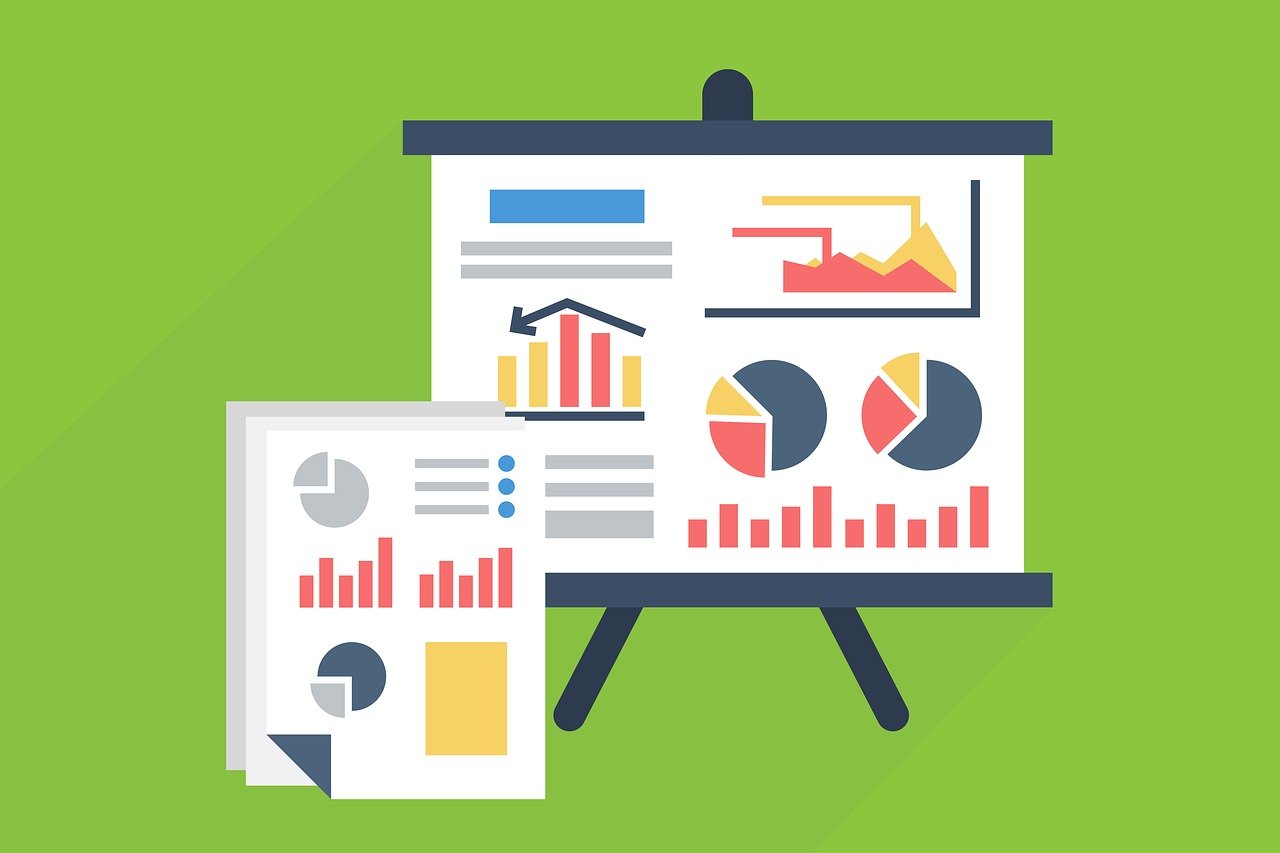
In the world of business, data collection plays a crucial role in enabling companies to make informed decisions, gain insights, and drive growth. From customer behavior and market trends to financial records and operational performance, data collection records serve as a valuable resource for businesses of all sizes. Understanding the importance and significance of data collection records is vital for business owners to ensure compliance with regulations, protect sensitive information, and leverage data to their advantage. This article will delve into the concept of data collection records, exploring their purpose, legal considerations, and best practices for effective data management. By the end of this article, you will have a comprehensive understanding of data collection records and be equipped with the knowledge needed to protect and utilize your company’s data effectively.
Data Collection Records
Data collection records refer to the documentation of all relevant information related to the collection, storage, and processing of data. These records serve as a vital component in the field of data management, ensuring that businesses maintain accurate, reliable, and legally compliant data.
Data collection records encompass various documents and forms that record the details of data collection processes. These records include information such as the purpose of data collection, the type of data collected, the methods used for collection, and any associated documentation.
Importance of Data Collection Records
Data collection records play a crucial role in the smooth functioning of businesses and are essential in making informed decisions. They provide a detailed account of data collection practices, facilitating accuracy, transparency, and accountability. Here are some key reasons why data collection records are important:
Legal Compliance: Maintaining accurate data collection records ensures compliance with legal requirements, such as data protection and privacy laws. These records serve as evidence of businesses adhering to applicable regulations.
Data Quality Assurance: Data collection records serve as a reference for verifying the accuracy, reliability, and completeness of collected data. They help identify any potential errors or inconsistencies, allowing for timely corrective action.
Accountability and Transparency: By documenting the data collection processes, businesses can demonstrate accountability and transparency in their data management practices. This fosters trust among stakeholders, including customers, employees, and regulatory authorities.
Business Performance Evaluation: Data collection records provide valuable insights into the effectiveness and efficiency of data collection methods. They enable businesses to assess their performance, identify areas for improvement, and drive data-driven decision-making.
There are various types of data collection records that businesses should maintain. These records may vary depending on the nature of the data being collected and the industry in which the business operates. Some common types of data collection records include:
Data Collection Forms: These forms capture essential details about the data collection process, such as the purpose, date, location, and individuals involved. They serve as a comprehensive record of the data collection activities undertaken.
Data Inventory Records: Data inventory records provide an inventory of all the data elements collected by the business. This includes information on the type of data, its source, storage location, and any associated metadata.
Consent and Authorization Documents: In cases where data collection involves personal or sensitive information, businesses must maintain records of consent or authorization obtained from individuals. These records ensure compliance with privacy laws and demonstrate the legitimacy of data collection activities.
Data Retention and Destruction Logs: Businesses should maintain records of data retention periods and the destruction or disposal of data. These logs help ensure compliance with data protection regulations and mitigate the risk of unauthorized access or data breaches.
Legal Requirements for Data Collection Records
Businesses must adhere to various legal requirements when it comes to data collection records. Failure to comply with these regulations can result in severe consequences, including legal penalties and damage to the business’s reputation. Here are some key legal requirements to consider:
Data Protection Laws: Depending on the jurisdiction, businesses may be required to comply with data protection laws, such as the General Data Protection Regulation (GDPR) in the European Union. These laws typically mandate the maintenance of accurate data collection records and the protection of individuals’ privacy rights.
Industry-Specific Regulations: Certain industries, such as healthcare, finance, and telecommunications, have specific regulations governing data collection and storage. Businesses operating in these sectors should ensure compliance with industry-specific requirements.
Retention Periods: Some jurisdictions have laws specifying the minimum and maximum retention periods for different types of data. Businesses must maintain data collection records in accordance with these retention periods.
Individual Rights: Privacy laws often grant individuals certain rights, such as the right to access, correct, and delete their personal data. Businesses should be able to demonstrate compliance with these rights by maintaining appropriate data collection records.
How to Create Effective Data Collection Records
To create effective data collection records, businesses should follow a systematic approach that ensures accuracy, completeness, and ease of retrieval. Here are some key steps to creating effective data collection records:
Identify Data Collection Requirements: Determine the specific data elements that need to be collected and the purpose for which they will be used. This will help establish the foundation for creating the appropriate data collection records.
Develop Data Collection Forms: Design data collection forms or templates that capture all relevant information related to data collection. Ensure that these forms are user-friendly, clearly indicating the required fields and providing instructions, if necessary.
Establish Documentation Standards: Define the standards for documenting data collection activities, such as naming conventions, file structures, and version control. Consistency in documentation practices will facilitate ease of retrieval and analysis.
Train Staff: Educate employees involved in the data collection process about the importance of maintaining accurate and comprehensive records. Provide training on how to properly complete data collection forms and adhere to documentation standards.
Regularly Review and Update: Periodically review and update data collection records to ensure their accuracy and relevance. This includes updating consent forms, reviewing retention periods, and incorporating any changes in legal requirements.
Common Mistakes in Data Collection Records
Despite the importance of data collection records, businesses often make certain mistakes that can compromise the integrity and validity of these records. Here are some common mistakes to avoid:
Incomplete or Inaccurate Data: Failing to collect all necessary data elements or capturing inaccurate information can undermine the reliability and usefulness of data collection records. Ensure that data collection forms are thorough and accurate.
Inadequate Documentation: Poorly documented data collection processes can lead to confusion and inefficiencies. Maintain clear, detailed, and consistent documentation to facilitate understanding and retrieval of information.
Lack of Privacy Compliance: Neglecting to obtain proper consent or authorization for data collection, especially when dealing with personal or sensitive information, can result in legal issues. Always ensure compliance with privacy laws and maintain records of consent.
Best Practices for Maintaining Data Collection Records
To maintain robust and reliable data collection records, it is essential to follow certain best practices. Here are some recommendations to ensure effective record-keeping:
Centralized Data Storage: Store data collection records in a centralized location, preferably electronically, to facilitate easy access, retrieval, and backup. Implement proper security measures to protect records from unauthorized access.
Regular Audits and Reviews: Conduct regular audits and reviews of data collection records to identify any gaps, inconsistencies, or non-compliance. This helps maintain the accuracy and reliability of the records.
Data Minimization: Collect only the necessary and relevant data to minimize the risk of data breaches or unauthorized access. This reduces the burden of record-keeping and ensures compliance with data protection principles.
How Data Collection Records Can Benefit Your Business
Properly maintained data collection records offer several benefits to businesses:
Decision-Making: Accurate and comprehensive data collection records enable businesses to make informed decisions based on reliable data. This leads to improved business strategies and outcomes.
Risk Mitigation: Maintaining data collection records in accordance with legal requirements helps mitigate the risk of non-compliance and potential legal liabilities. It demonstrates a commitment to data protection and privacy, enhancing the business’s reputation.
Efficiency and Productivity: Well-organized data collection records streamline data management processes, reducing time and effort spent on searching for information. This improves overall efficiency and productivity within the organization.
Data Collection Records and Privacy Laws
Data collection records are closely linked to privacy laws and regulations. Businesses must be aware of the implications of these laws and ensure compliance when collecting, storing, and processing data. Failure to comply with privacy laws can result in substantial fines and damage to the business’s reputation.
Common questions about data collection records and privacy laws include:
Are businesses required to obtain consent for all types of data collection? Yes, businesses are generally required to obtain consent from individuals for the collection of their personal data. However, there may be exceptions depending on the jurisdiction and the specific purpose of data collection.
How long should businesses retain data collection records? Retention periods for data collection records vary depending on the type of data and the applicable regulations. It is important to consult the relevant laws and industry-specific requirements to determine the appropriate retention period.
Can businesses use data collection records for marketing or advertising purposes? Businesses must ensure that they have obtained proper consent or have a legitimate legal basis for using data collection records for marketing or advertising purposes. Failure to do so can infringe on individuals’ privacy rights and result in legal consequences.
In summary, data collection records are essential for businesses to maintain accurate, reliable, and legally compliant data. These records demonstrate accountability, transparency, and adherence to privacy laws. By creating and maintaining effective data collection records, businesses can make informed decisions, mitigate risks, and enhance their overall efficiency and productivity.
In the realm of criminal law, few outcomes bring as much relief and vindication as an acquittal. When charged with a crime, the prospect of facing legal consequences can be overwhelming. However, when an acquittal is reached, it signifies not only the defendant’s innocence but also the triumph of justice. The journey towards an acquittal can be complex and demanding, requiring the experience and expertise of a skilled criminal defense attorney. From meticulous examination of evidence to persuasive courtroom arguments, a qualified lawyer can navigate the intricacies of the legal system and secure a favorable outcome for their clients. If you find yourself entangled in a criminal case, it is essential to seek professional legal counsel to ensure your rights are protected and your innocence is established. Don’t face the battle alone—call our esteemed criminal defense attorney today for a consultation that could alter the course of your life.
Understanding Acquittal
Acquittal is a legal term that refers to the verdict in a criminal trial in which the defendant is found not guilty of the charges brought against them. It is the result of a thorough examination of the evidence and the determination that the prosecution did not prove their case beyond a reasonable doubt. Acquittal is an essential concept in the criminal justice system and plays a crucial role in protecting the rights of the accused.
Types of Acquittal
There are two primary types of acquittal that can occur in a criminal trial.
1. Not Guilty Acquittal
A not guilty acquittal occurs when the jury or judge determines that the evidence presented by the prosecution does not meet the burden of proof required to establish guilt. In these cases, the defendant is declared not guilty, and they are effectively cleared of all charges. This type of acquittal is often the result of a lack of sufficient evidence or inconsistencies in the prosecution’s case.
2. Acquittal by Motion for Judgment of Acquittal
An acquittal by motion for judgment of acquittal, also known as a directed verdict, occurs when the defense attorney requests the court to dismiss the case after the prosecution has presented its evidence. This request is typically made on the basis that the prosecution has failed to present sufficient evidence to support a conviction. If the court grants the motion, the defendant is acquitted, and the case is dismissed without proceeding to the jury.
Legal Process Leading to Acquittal
Acquittal is the result of a comprehensive legal process that ensures a fair and impartial trial for the accused. Understanding the steps leading to an acquittal can provide valuable insight into the complexities of the criminal justice system.
1. Arrest and Charges
The legal process leading to an acquittal begins with the arrest of the defendant and the formal filing of charges by the prosecution. This initial stage involves gathering evidence, conducting investigations, and determining the nature and severity of the alleged crime.
2. Pretrial Proceedings
After the defendant has been formally charged, pretrial proceedings take place to prepare for the trial. This stage may involve plea negotiations, pretrial motions, and the gathering of additional evidence by both the defense and the prosecution. These proceedings aim to ensure that the trial will be conducted in a fair and just manner.
3. Trial
The trial is the most critical phase of the legal process, where both sides present their case before a judge or jury. The prosecution is responsible for proving the defendant’s guilt beyond a reasonable doubt, while the defense works to challenge the evidence and establish reasonable doubt in the minds of the jurors. The trial includes the examination of witnesses, the presentation of evidence, and the arguments of both the prosecution and defense attorneys.
4. Verdict and Acquittal
At the conclusion of the trial, the judge or jury delivers a verdict, which determines the defendant’s guilt or innocence. If the verdict is not guilty, the defendant is acquitted, and they are free from the charges brought against them. The acquittal signifies that the evidence presented in court did not establish the defendant’s guilt beyond a reasonable doubt.
Factors That Influence Acquittal
Several factors can influence the likelihood of an acquittal in a criminal trial. These factors can either weaken the prosecution’s case or provide a strong defense for the accused.
1. Insufficient Evidence
One of the primary factors that can lead to an acquittal is when the prosecution fails to present sufficient evidence to support the charges. Without the necessary evidence, it becomes challenging for the prosecution to meet the burden of proof required for a conviction.
2. Witness Testimony
The credibility and reliability of witness testimony play a crucial role in influencing the outcome of a trial. If the defense is successful in discrediting key witnesses or presenting contradictory testimony, it can create doubt in the minds of the jurors and increase the chances of an acquittal.
3. Expert Testimony
Expert testimony can provide crucial insights and technical knowledge that may be necessary for the defense to challenge the prosecution’s case. Expert witnesses can help explain complex scientific or technical evidence and provide an alternative perspective that can support the defendant’s innocence.
4. Police Misconduct
Instances of police misconduct, such as evidence tampering, illegal searches, or coerced confessions, can significantly impact the credibility of the prosecution’s case. If the defense can demonstrate that the police acted improperly, it can raise doubts about the integrity of the evidence and increase the likelihood of acquittal.
5. Improper Search and Seizure
The Fourth Amendment of the United States Constitution protects individuals from unreasonable searches and seizures. If the defense can successfully argue that the evidence against the defendant was obtained through an illegal search or seizure, it can lead to the exclusion of that evidence from the trial, potentially weakening the prosecution’s case and increasing the chances of an acquittal.
6. Inadmissible Evidence
Certain types of evidence may be deemed inadmissible in court due to legal or procedural issues. If the defense can successfully argue that the prosecution’s use of such evidence violates the rules of admissibility, it can weaken the prosecution’s case and increase the likelihood of an acquittal.
7. Juror Bias
Juror bias can significantly impact the outcome of a trial. If the defense can demonstrate that jurors have biased opinions or prejudices that could affect their ability to make an impartial judgment, it can request that the jurors be dismissed or challenge the verdict on appeal.
Rights of the Acquitted
When an individual is acquitted of criminal charges, they are entitled to certain rights and protections.
1. Double Jeopardy Protection
The Fifth Amendment of the United States Constitution prohibits individuals from being tried twice for the same offense, protecting them from double jeopardy. Once a person has been acquitted, they cannot be retried for the same crime, even if new evidence emerges.
2. Restoration of Civil Rights
An acquittal allows the accused to maintain their civil rights, such as the right to vote, hold public office, and serve on a jury. These rights may have been temporarily suspended during the criminal proceedings but are generally restored upon acquittal.
3. Expungement of Criminal Record
In some cases, an acquitted individual may be eligible to have their criminal record expunged or sealed. Expungement removes the record of the arrest and the charges from public view, providing the individual with a fresh start and protecting their reputation.
Consequences of Acquittal
While an acquittal signifies the defendant’s innocence and freedom from criminal charges, it can still have significant consequences that extend beyond the immediate legal implications.
1. Reputational Damage
Even though the defendant is found not guilty, they may still experience reputational damage as a result of the criminal charges and the publicity surrounding the trial. The mere association with criminal allegations can have long-lasting effects on both personal and professional relationships.
2. Emotional Toll
Facing criminal charges and going through a trial can be emotionally draining and traumatic. While an acquittal provides relief from the immediate legal repercussions, the emotional toll may linger and require support and coping mechanisms.
3. Impact on Future Employment
Despite the acquittal, the defendant may still face challenges in securing future employment. Potential employers may hesitate to hire someone with a publicized criminal trial, even if they were found not guilty. This can create additional hurdles for individuals trying to rebuild their lives after the trial.
4. Financial Costs
Defending oneself against criminal charges can be financially burdensome. Legal fees, expert witness fees, and other trial-related expenses can add up, placing a significant strain on the acquitted individual’s finances.
Frequently Asked Questions about Acquittal
1. What happens after an acquittal?
After an acquittal, the defendant is declared not guilty and is free from the charges brought against them. They are entitled to the rights and protections afforded to them, including the restoration of civil rights and the ability to petition for the expungement of their criminal record.
2. Can a person be retried after an acquittal?
No, the principle of double jeopardy prevents an individual from being retried for the same offense after being acquitted. Once the verdict of not guilty is reached, it serves as final and conclusive judgment, protecting the defendant from any further criminal prosecution for the same charges.
3. Will an acquittal clear my criminal record?
While an acquittal is a favorable outcome in a criminal trial and signifies that the defendant is not guilty, it does not automatically clear the individual’s criminal record. Depending on the jurisdiction and the specific circumstances, the acquitted individual may have to take steps to have their record expunged or sealed.
4. Can I sue for wrongful arrest or prosecution?
If you believe you were wrongfully arrested or prosecuted, you may have grounds to file a lawsuit for wrongful arrest or malicious prosecution. However, the success of such a lawsuit depends on various factors, including the availability of evidence, the actions of law enforcement, and the applicable laws in your jurisdiction. It is essential to consult with an experienced attorney to evaluate the merits of your case.
5. How long does an acquittal stay on someone’s record?
The length of time an acquittal stays on someone’s record can vary depending on the jurisdiction and the specific circumstances. In some cases, an acquitted individual may be eligible to have their record expunged or sealed, effectively removing the record of the arrest and the charges from public view. However, it is crucial to consult with an attorney familiar with the laws in your jurisdiction to determine the specifics of record expungement.
Conclusion
Acquittal is a fundamental concept in the criminal justice system that safeguards the rights of the accused. It signifies the defendant’s innocence and serves as a powerful reflection of the burden of proof required to establish guilt beyond a reasonable doubt. Understanding the types of acquittal, the legal process leading to acquittal, and the factors that can influence the outcome of a trial provides valuable insight into the complexities of the criminal justice system. If you find yourself facing criminal charges, it is crucial to seek the guidance and representation of an experienced criminal defense attorney who can navigate the intricacies of the legal process and protect your rights. Remember, every case is unique, and consulting with a lawyer is the best way to get personalized advice and representation tailored to your specific situation.
In the world of business, data collection procedures are essential for ensuring accurate and reliable information. Whether it’s gathering customer feedback, analyzing market trends, or tracking financial transactions, data collection plays a crucial role in decision-making and problem-solving. Understanding the best practices and methods for collecting data is paramount for businesses looking to gain a competitive edge in today’s digital age. This article educates readers on the importance of data collection procedures and provides valuable insights into best practices and frequently asked questions surrounding this topic. By equipping readers with this knowledge, they will be better prepared to engage the services of a knowledgeable lawyer who can guide them through the complexities of data collection procedures.
Data collection is a crucial process in any research or analysis endeavor. It involves the systematic gathering of information to provide a solid foundation for decision-making and problem-solving. In the legal field, data collection is especially important for providing evidence, supporting claims, and presenting a case in court. This comprehensive article will outline the key steps involved in data collection procedures, ensuring that you understand the importance of each stage and can effectively apply them to your legal practice.
Planning the Data Collection
Before starting any data collection, it is vital to establish a clear plan. This involves defining the research objectives, formulating research questions, and determining the specific data needed to answer those questions. By clearly outlining these aspects, you can ensure that the collected data will be relevant, reliable, and valuable in supporting your legal strategies.
Identifying the appropriate data sources is a critical step in data collection. In the legal field, relevant data can come from various sources, including legal documents, public records, expert reports, surveys, and interviews. It is essential to identify and evaluate the reliability, accuracy, and relevance of each potential data source, as this will impact the quality and validity of the collected data.
Selecting the Data Collection Method
Once the data sources are identified, it is important to choose the most suitable data collection method. Common methods include surveys, interviews, observations, and document analysis. The selection of the method should align with the research objectives, the type of data needed, and any practical considerations, such as time and budget constraints.
Creating Data Collection Tools
To effectively collect data, it is necessary to create appropriate data collection tools. This may involve designing questionnaires, interview guides, or observation protocols. The tools should be well-structured, clear, and capable of capturing the desired information accurately. By investing time in creating robust data collection tools, you can minimize data collection errors and maximize the validity and reliability of the collected data.
Piloting the Data Collection
Piloting the data collection process is an essential step to identify and resolve any issues or shortcomings in the data collection tools and procedures. It involves testing the tools on a small sample of participants and evaluating their clarity, comprehensiveness, and suitability. This pilot phase allows for adjustments to be made before conducting the full-scale data collection, ensuring the collection process is efficient and effective.
Training Data Collectors
When data collection involves multiple individuals, it is crucial to provide proper training to data collectors. Training should cover aspects such as the purpose of the data collection, the specific data collection tools, ethical considerations, and guidelines for interacting with participants. By ensuring that data collectors are well-prepared and knowledgeable, data quality and consistency can be maintained across the collection process.
Conducting the Data Collection
Once all the preparatory steps are complete, the actual data collection can begin. This involves administering surveys, conducting interviews, making observations, or reviewing documents, depending on the chosen data collection method. It is essential to follow the established protocols, maintain accuracy, and ensure that participant privacy and confidentiality are upheld throughout the process.
Ensuring Data Quality
Data quality is crucial for the validity and reliability of any research findings or legal arguments. To ensure data quality, various measures can be implemented during data collection. These measures include careful monitoring of the data collection process, regular quality checks, and data verification. It is also important to address any missing or incomplete data promptly and take steps to minimize errors and biases.
Data Analysis and Interpretation
Once the data collection is complete, the next step is data analysis and interpretation. This involves organizing, categorizing, and analyzing the collected data to identify patterns, relationships, and key findings. Statistical analysis, content analysis, or other analytical techniques may be employed, depending on the nature of the data and research objectives. The findings should be interpreted in light of the research questions and objectives, providing clear, evidence-based conclusions and recommendations.
By following these data collection procedures, you can ensure that the information gathered is accurate, relevant, and reliable. This, in turn, will strengthen your legal strategies, support your arguments, and provide a solid foundation for achieving successful outcomes.
FAQs:
Why is data collection important in the legal field? Data collection is essential in the legal field as it provides the evidence necessary to support claims, present a case in court, and make informed decisions. It strengthens legal strategies and helps in achieving successful outcomes.
How do I choose the right data collection method? The choice of data collection method depends on the research objectives, the type of data needed, and practical considerations such as time and budget constraints. It is important to select a method that aligns with these factors.
What measures can I take to ensure data quality? To ensure data quality, you can implement measures such as careful monitoring of the data collection process, regular quality checks, data verification, and prompt addressing of missing or incomplete data.
How can data analysis and interpretation benefit my legal practice? Data analysis and interpretation provide valuable insights into patterns, relationships, and key findings. These insights can strengthen legal arguments, support decision-making, and provide evidence-based conclusions and recommendations.
Can I conduct data collection on my own or should I seek professional assistance? While it is possible to conduct data collection on your own, seeking professional assistance can help ensure the validity and reliability of the collected data. Professional expertise can also enhance the efficiency and effectiveness of the data collection process.
Forming a corporation can be a daunting task, but with the right guidance, it can also be an exciting opportunity for business growth and success. In this article, we will explore the ins and outs of incorporation, providing you with a comprehensive understanding of the basics and how to navigate the process smoothly. From understanding the benefits of incorporating to choosing the right structure for your business, we will address common questions and concerns that arise when forming a corporation. Whether you’re a small business owner or a high net worth individual looking to protect your assets, this article aims to empower you with the knowledge you need to make informed decisions and take the next steps towards forming a corporation. So let’s dive into the world of incorporation and unlock the potential for your business’s future.
Incorporation Basics
Incorporating a business is an important decision that can have long-lasting legal and financial implications. A corporation is a type of business entity that is legally separate from its owners, known as shareholders. It offers several advantages, such as limited liability protection and enhanced credibility, but also comes with certain disadvantages, including stricter legal formalities and potential double taxation. In this article, we will delve into the basics of forming a corporation, including the legal requirements, choosing a business name and state of incorporation, and drafting the necessary documents.
What is a Corporation?
A corporation is a legal entity that is created and recognized under the law. It is an independent entity separate from its owners, which allows it to enter into contracts, own property, and conduct business in its own name. Unlike other business entities, such as sole proprietorships and partnerships, a corporation offers limited liability protection to its shareholders. This means that the personal assets of the shareholders are generally protected from the debts and liabilities of the corporation.
Advantages of Forming a Corporation
There are several advantages to forming a corporation, which may make it an attractive option for entrepreneurs and business owners.
Limited Liability Protection
One of the most significant advantages of a corporation is the limited liability protection it offers. As previously mentioned, shareholders are generally not personally liable for the debts and obligations of the corporation. This means that their personal assets, such as homes or savings, are protected from potential business liabilities.
Separate Legal Entity
A corporation is treated as a separate legal entity, distinct from its owners. This allows the corporation to enter into contracts, own property, and conduct business in its own name. It provides a clear separation between the business and personal assets of the shareholders, which can be beneficial in terms of asset protection and financial management.
Enhanced Credibility
Incorporating a business can enhance its credibility and reputation in the eyes of customers, suppliers, and potential investors. The “Inc.” or “Corp.” designation after the business name signifies that it is a legally recognized and registered entity, which can instill confidence and trust in stakeholders. This can be particularly important when seeking financing or entering into business relationships.
Ease of Raising Capital
Corporations have an advantage when it comes to raising capital. By issuing shares of stock, corporations can sell ownership interests to investors in exchange for capital. This enables corporations to raise funds for expansion, research and development, or other business initiatives. Additionally, corporations can take advantage of various financing options, including issuing bonds or obtaining loans, to further support their growth and development.
Tax Benefits
Corporations may also benefit from certain tax advantages. While corporations are subject to corporate income tax, they are generally taxed at a lower rate than individuals. Additionally, corporations have the ability to deduct certain business expenses, such as employee salaries, insurance premiums, and office rent. Furthermore, corporations may have more flexibility in structuring employee benefits, such as retirement plans and health insurance, which can be favorable from a tax standpoint.
Disadvantages of Forming a Corporation
While there are numerous advantages to forming a corporation, there are also some potential disadvantages that should be considered.
Complexity in Formation
Forming a corporation can be a complex and time-consuming process. It typically requires significant paperwork, legal documentation, and compliance with various state and federal regulations. Additionally, the process may involve engaging the services of attorneys and accountants to ensure compliance and proper structuring of the corporation.
Stricter Legal Formalities
Compared to other business structures, such as sole proprietorships or partnerships, corporations are subject to stricter legal formalities. This includes holding regular board meetings, maintaining accurate financial records, and complying with corporate governance requirements. Failure to comply with these formalities may result in the loss of limited liability protection or other legal consequences.
Costs and Compliance
Forming and maintaining a corporation can be costly. There are typically filing fees associated with registering the corporation with the state, as well as ongoing compliance requirements, such as annual report filings and tax filings. Additionally, corporations may be subject to certain regulations and licensing requirements specific to their industry, which can add to the overall cost and administrative burden.
Double Taxation
One potential disadvantage of forming a corporation is the issue of double taxation. Corporations are subject to corporate income tax on their profits. If the corporation distributes dividends to its shareholders, those dividends are then taxed as income to the individual shareholders. This can result in the same income being subject to taxation twice, once at the corporate level and again at the individual level. However, it is worth noting that there are strategies and options available to mitigate the impact of double taxation, such as electing S Corporation status or utilizing certain tax deductions and credits.
Legal Requirements for Forming a Corporation
Forming a corporation involves several legal requirements that must be met in order to establish the business as a separate legal entity. These requirements may vary depending on the state in which the corporation is being formed, but there are some common steps that need to be taken.
Choosing a Business Structure
Before forming a corporation, it is important to consider the different business structures available and choose the one that best suits the needs and goals of the business. This may involve consulting with an attorney or other business advisors to assess the advantages and disadvantages of each structure, such as sole proprietorship, partnership, limited liability company (LLC), or corporation.
Registering the Corporation
Once a decision has been made to form a corporation, the next step is to register the corporation with the appropriate state authority. This typically involves filing certain documents, such as the Articles of Incorporation, and paying a filing fee. The specific requirements for registering a corporation vary by state, so it is important to research and comply with the regulations of the chosen state of incorporation.
Articles of Incorporation
The Articles of Incorporation are one of the key documents required to form a corporation. These documents outline important information about the corporation, such as its name, purpose, registered agent, and the number and types of shares it is authorized to issue. The Articles of Incorporation must be filed with the state authority, along with the necessary fees, in order to establish the corporation.
Appointment of Directors and Officers
A corporation is managed by a board of directors and officers. The board of directors is responsible for making important business decisions and overseeing the overall operations of the corporation. The officers, including the CEO, CFO, and Secretary, are responsible for the day-to-day management of the corporation. As part of the incorporation process, the initial directors and officers must be appointed and their names and positions must be included in the appropriate corporate documents.
Meeting Minutes
Corporations are required to hold regular meetings of the board of directors and shareholders. These meetings must be properly documented through meeting minutes, which detail the discussions, decisions, and actions taken during the meetings. Meeting minutes are important for maintaining the corporate formalities and may be requested during regulatory audits or legal disputes.
Shareholders Agreement
While not required by law, a shareholders agreement is a highly recommended document for corporations with multiple shareholders. This agreement outlines the rights and responsibilities of the shareholders, including matters related to shares, voting rights, and the transfer of shares. It can help prevent conflicts and provide a framework for resolving disputes among shareholders.
Obtaining the Employer Identification Number (EIN)
An Employer Identification Number (EIN), also known as a federal tax ID number, is required for most corporations. This unique identifier is assigned by the Internal Revenue Service (IRS) and is used for tax reporting and employment purposes. The EIN can be obtained by completing an application with the IRS.
Filing Annual Reports
Most states require corporations to file annual reports or statements with the state authority. These reports provide updated information about the corporation, including its officers, directors, and registered agent. Failing to file annual reports can result in penalties and may lead to the dissolution of the corporation.
Choosing a Business Name
Choosing the right business name is an important step in incorporating a corporation. The name should reflect the nature and mission of the business and resonate with its target audience. When selecting a business name, there are several factors to consider.
Availability and Trademark Search
Before settling on a business name, it is essential to ensure its availability and uniqueness. Conducting a thorough search of existing trademarks, business names, and domain names can help determine if the desired name is already in use or if there are any potential conflicts. This search can be conducted through the United States Patent and Trademark Office (USPTO) and various online databases.
Compliance with State Laws
Each state has its own set of rules and regulations regarding the naming of corporations. It is important to review and comply with these requirements to ensure that the chosen name is legally compliant. This may include restrictions on certain words or phrases, the inclusion of specific legal designators (such as “Inc.” or “Corp.”), and the need for approval from the state authority.
Descriptive vs. Distinctive Names
When selecting a business name, there is a balance between choosing a descriptive name that clearly conveys the nature of the business and a distinctive name that sets it apart from competitors. A descriptive name may help potential customers understand what the business does, but it may also limit the scope of the business in the future. On the other hand, a distinctive name may require more marketing efforts to establish brand recognition but offers more flexibility for diversification.
Including Legal Designators
In many states, it is a requirement to include certain legal designators, such as “Inc.” or “Corp.”, as part of the business name. These designators indicate that the business is a corporation and can help establish its legal status and credibility. Failure to include the appropriate legal designators may result in the business not being recognized or receiving certain legal protections.
Domain Name Availability
In today’s digital age, securing a relevant domain name is crucial for building an online presence and attracting customers. Before finalizing a business name, it is important to check the availability of the corresponding domain name. This can be done through domain registration websites or by consulting with a web developer or internet service provider.
Selecting the State of Incorporation
Choosing the state of incorporation is an important decision that can have legal and financial implications for the corporation. While it is possible to incorporate in any state, there are several factors to consider when selecting the most appropriate state.
Home State vs. Foreign State
The home state refers to the state in which the business is physically located or where its headquarters are situated. Incorporating in the home state can have certain advantages, such as familiarity with local laws and regulations and proximity to business operations. On the other hand, incorporating in a foreign state can offer advantages such as more favorable tax laws, privacy protections, or business-friendly regulations.
Tax Laws and Business Climate
Different states have different tax laws and business climates that can significantly impact a corporation’s financial obligations. It is important to consider the corporate income tax rates, sales tax rates, property tax rates, and any other applicable taxes or fees in each potential state of incorporation. Additionally, some states may offer tax incentives or exemptions for certain types of businesses or industries.
State-Specific Regulations
Each state has its own set of regulations and requirements that corporations must comply with. These regulations may include annual report filings, additional licensing or permitting requirements, and specific corporate governance requirements. It is important to research and understand the specific regulations of each potential state of incorporation to ensure compliance and avoid any legal issues.
Privacy Considerations
Privacy concerns may also come into play when selecting the state of incorporation. Some states have stricter privacy laws that protect the confidentiality of corporate information and shield shareholders from public disclosure. This can be particularly important for high-net-worth individuals or businesses that value privacy and want to limit personal or business-related information from being easily accessible to the public.
Choosing a Registered Agent
A registered agent plays a crucial role in the functioning of a corporation. They act as the corporation’s official representative and are responsible for receiving legal and official documents on behalf of the corporation. When choosing a registered agent, there are several factors to consider.
Role and Responsibilities
The registered agent is responsible for receiving important legal and official documents, such as lawsuits, tax notices, and other correspondence, on behalf of the corporation. They must promptly forward these documents to the appropriate individuals within the corporation and ensure that any required responses or actions are taken in a timely manner.
Qualifications and Eligibility
To qualify as a registered agent, an individual or entity must meet certain eligibility requirements. These requirements may vary by state but typically include being at least 18 years old, having a physical address in the state of incorporation, and being available during regular business hours to accept and forward documents.
Fulfilling Legal and Document Requirements
The registered agent must be able to fulfill the legal and document requirements of the state in which the corporation is incorporated. This includes maintaining a registered office address that is open during regular business hours, as well as complying with any additional regulations or requirements imposed by the state authority.
Privacy and Convenience
When selecting a registered agent, it is important to consider their ability to maintain the privacy and confidentiality of the corporation’s information. The registered agent’s contact information is typically made publicly available and may be accessible to anyone conducting a search. Additionally, it is important to choose a registered agent who is reliable and easily accessible, ensuring that they can promptly receive and respond to any legal or official documents received on behalf of the corporation.
Drafting Articles of Incorporation
The Articles of Incorporation are the foundational documents that outline the structure, purpose, and governance of the corporation. When drafting the Articles of Incorporation, there are several key components to consider.
Purpose and Powers of the Corporation
The purpose clause of the Articles of Incorporation defines the specific activities or business purposes for which the corporation is formed. It is important to provide a clear and concise statement that accurately reflects the nature of the business. Additionally, the powers clause describes the authority of the corporation to engage in various business activities, enter into contracts, and take other necessary steps to achieve its purpose.
Number and Types of Shares
The Articles of Incorporation should specify the number and types of shares that the corporation is authorized to issue. This includes determining the total number of shares, the par value or no par value of the shares, and whether different classes or series of shares will be issued. Specifying this information is important for establishing ownership and control rights within the corporation.
Registered Office and Agent Information
The Articles of Incorporation must include the registered office address and the name and address of the registered agent. This information is used for official correspondence and legal notices. It is important to ensure that the registered office and registered agent meet the state’s requirements and are readily accessible during regular business hours.
Director and Officer Information
When drafting the Articles of Incorporation, it is necessary to include the names and addresses of the initial directors and officers of the corporation. This information provides clarity regarding the individuals responsible for managing the corporation and making important business decisions. It is important to accurately list the names and addresses to ensure compliance with state regulations.
Indemnification Clause
Including an indemnification clause in the Articles of Incorporation can provide additional protection for directors, officers, and employees of the corporation. This clause outlines the extent to which the corporation will indemnify individuals against liabilities, expenses, and other costs incurred in connection with their roles in the corporation. It is important to consult with legal counsel when including an indemnification clause to ensure compliance with state laws and to provide adequate protection.
Obtaining Necessary Licenses and Permits
In addition to the legal requirements for forming a corporation, many businesses also require specific licenses and permits to operate legally. These licenses and permits may be required at the state, local, or federal level, depending on the nature of the business and the industry it operates in.
Before commencing operations, it is essential to research and identify the necessary licenses and permits for the specific industry and location of the business. This may include business licenses, professional licenses, health and safety permits, environmental permits, or any other certifications required by regulatory authorities. Failure to obtain and maintain the necessary licenses and permits can result in fines, penalties, and potentially the suspension or closure of the business.
The requirements for obtaining licenses and permits can vary widely based on the industry and location. It is important to thoroughly research the specific licensing requirements and consult with industry experts or legal professionals if needed. This will ensure that the corporation operates in compliance with all applicable laws and regulations, minimizing the risk of legal issues and potential financial liabilities.
Creating Corporate Bylaws
Corporate bylaws are internal rules and regulations that govern the day-to-day operations and management of the corporation. Bylaws provide guidance on important matters, such as shareholder rights, board of directors’ responsibilities, meeting procedures, and voting requirements. While not required by law, creating corporate bylaws is an essential step for corporations to establish clear and consistent operating procedures.
When drafting corporate bylaws, it is important to consider the specific needs and structure of the corporation. The bylaws should be comprehensive and address key issues such as shareholder meetings, director elections, officer appointments, quorum requirements, and amendment procedures. Bylaws should also outline any special voting rights or restrictions that may apply to specific classes of shares or certain shareholders.
Corporate bylaws should be flexible and able to accommodate changes as the corporation grows and evolves. They should be regularly reviewed and updated to ensure they reflect the current needs and goals of the corporation. It is advisable to consult with legal counsel when creating or amending corporate bylaws to ensure compliance with applicable laws and to provide clarity and protection for the corporation and its stakeholders.
FAQs
What is the cost involved in forming a corporation?
The cost of forming a corporation can vary depending on factors such as the state of incorporation, legal fees, and any additional services or requirements specific to the business. Typically, there are filing fees associated with registering the corporation with the state, as well as legal fees for drafting the necessary documents, such as the Articles of Incorporation and corporate bylaws. It is advisable to consult with an attorney for a more accurate estimate of the costs involved in forming a corporation based on the specific circumstances of the business.
Can I be the sole owner of a corporation?
Yes, it is possible to be the sole owner, or sole shareholder, of a corporation. While many corporations have multiple shareholders, there is no legal requirement for a minimum number of shareholders. By forming a corporation, even as the sole owner, you can benefit from limited liability protection and other advantages of the corporate structure.
What are the tax benefits of forming a corporation?
Forming a corporation can offer certain tax benefits, including lower corporate tax rates and the ability to deduct business expenses. Corporations are generally subject to corporate income tax on their profits, which is typically taxed at a lower rate than individual income tax rates. Additionally, corporations can deduct certain business expenses, such as employee salaries, insurance premiums, and office rent, which can help reduce taxable income. However, it is important to consult with a tax professional to fully understand the tax benefits and obligations associated with forming a corporation based on the specific circumstances of the business.
What are the ongoing compliance requirements for a corporation?
Corporations have certain ongoing compliance requirements that must be met to maintain their legal status and limited liability protection. These requirements may vary by state, but typically include filing annual reports or statements with the state authority, holding regular board and shareholder meetings, maintaining accurate financial records, and complying with corporate governance requirements. Additionally, corporations may be subject to industry-specific regulations and licensing requirements. It is important to stay informed about the specific compliance requirements in the state of incorporation and to consult with legal and tax professionals to ensure ongoing compliance.
Is it possible to change the state of incorporation after formation?
Yes, it is possible to change the state of incorporation after the formation of a corporation. This process, known as domestication or conversion, involves legally dissolving the corporation in the current state and reestablishing it in the new state. The specific requirements and procedures for changing the state of incorporation vary by state and often involve filing certain documents, paying fees, and complying with any regulations of the new state. It is important to consult with legal professionals and consider the potential legal and financial implications before deciding to change the state of incorporation.
If you find yourself facing a tax investigation, the stress and uncertainty can be overwhelming. That’s where Tax Investigation Defense comes in. With our expert team of tax attorneys, we will guide you through the process, offering comprehensive defense strategies tailored to your unique situation. From high net worth individuals to businesses, our goal is to reduce your tax burden and protect your financial interests. With a deep understanding of the needs and concerns of wealthy individuals and businesses, we will explain complex legal concepts in a clear and accessible manner, instilling confidence and providing reassurance. Don’t let a tax investigation take control of your life – call Tax Investigation Defense today and let us advocate for your rights.
Understanding Tax Investigations
A tax investigation is an official examination of your tax affairs by tax authorities, such as the Internal Revenue Service (IRS) in the United States or Her Majesty’s Revenue and Customs (HMRC) in the United Kingdom. This investigation is conducted to ensure that you have accurately reported your income and paid the correct amount of taxes.
Types of Tax Investigations
There are different types of tax investigations that can be conducted by tax authorities. Some common types include:
Random Audits: In these investigations, taxpayers are selected randomly and their tax returns are examined for any discrepancies.
Compliance Checks: Tax authorities may conduct compliance checks to ensure that taxpayers are complying with tax laws and regulations.
Full Investigations: Full investigations are more comprehensive and can be triggered by various factors, such as suspicious activity reported by third parties or large discrepancies in tax returns.
Triggers for a Tax Investigation
Tax authorities conduct tax investigations based on certain triggers or red flags that indicate potential tax non-compliance. Some common triggers include:
Large fluctuations in income: If your income has significantly increased or decreased, it may raise suspicion and trigger an investigation.
Unusual deductions or credits: Claiming excessive or unusual deductions or credits on your tax return can also attract the attention of tax authorities.
Offshore transactions: Engaging in offshore transactions or having unreported foreign assets can lead to a tax investigation, as authorities aim to combat offshore tax evasion.
Importance of Professional Tax Defense
Facing a tax investigation can be a complex and stressful experience. That is why it is crucial to seek professional tax defense to navigate through the process effectively.
Why You Need Professional Tax Defense
Professional tax defense provides you with the expertise and guidance necessary to handle a tax investigation smoothly. Tax laws and regulations are intricate, and having a professional on your side can help you understand your rights and obligations while ensuring your interests are protected.
Benefits of Hiring a Tax Attorney
Hiring a tax attorney comes with several key benefits for individuals and businesses facing a tax investigation:
Legal expertise: A tax attorney specializes in tax laws and has an in-depth understanding of the legal system, enabling them to provide you with expert advice and representation.
Protection of rights: Your tax attorney will ensure that your rights are protected throughout the investigation process. They will advocate for your interests and help you avoid any unnecessary penalties or consequences.
Negotiation skills: A tax attorney can negotiate on your behalf with tax authorities to reach a favorable settlement or resolution. They will use their knowledge and experience to seek the best possible outcome for you.
Stress reduction: Dealing with a tax investigation can be incredibly stressful. With a tax attorney handling your case, you can focus on your personal or business matters while having peace of mind knowing that a professional is handling your defense.
How a Tax Attorney Can Help
A tax attorney can assist you in various ways during a tax investigation, including:
Providing guidance and advice: Your tax attorney will assess your situation, explain the investigation process, and provide you with a clear understanding of your rights and options.
Gathering evidence and records: Your attorney will work with you to gather all necessary documents and records to support your case and prove your compliance with tax laws.
Developing a defense strategy: Based on the specifics of your case, your attorney will create a customized defense strategy to protect your interests effectively.
Negotiating with tax authorities: Your tax attorney will engage in negotiations with tax authorities to reach a resolution that is fair and favorable to you, whether it be a settlement or a reduction in penalties.
Working with a Tax Attorney
When you work with a tax attorney for your tax investigation defense, you can expect a detailed and strategic approach to your case. Here’s an overview of the typical process:
Initial Consultation
The first step is an initial consultation with your tax attorney. During this meeting, you will discuss the details of your tax investigation and any concerns or questions you may have. The attorney will gather the necessary information to assess your case and provide you with an overview of the defense process.
Case Assessment
After the initial consultation, your tax attorney will thoroughly assess your case. They will review your tax records, examine any evidence provided, and identify any potential weaknesses or areas of concern. This assessment is crucial in developing a strong defense strategy.
Developing a Defense Strategy
Based on the assessment of your case, your tax attorney will develop a defense strategy tailored to your specific circumstances. This strategy may include gathering additional evidence, identifying legal arguments, and preparing for negotiations or litigation if necessary.
Negotiating with Tax Authorities
Your tax attorney will take the lead in negotiations with tax authorities on your behalf. They will present your case, argue your position, and seek the best possible outcome for you. Their goal is to resolve the tax investigation in a manner that minimizes your liability and protects your interests.
Common Tax Investigation Issues
During a tax investigation, there are several common issues that individuals and businesses may face. It’s essential to be aware of these issues and address them appropriately:
Underreporting Income
Underreporting income is a serious offense and a common trigger for tax investigations. Your tax attorney can help you gather accurate income records and navigate through the process of correcting any mistakes in your tax returns.
Unreported Foreign Assets
If you have unreported foreign assets, such as offshore bank accounts or investments, tax authorities can initiate a tax investigation. Working with a tax attorney experienced in dealing with international tax issues is crucial in addressing this issue effectively.
Incorrect Deductions and Credits
Claiming improper deductions or credits on your tax return can lead to an investigation. Your tax attorney will review your deductions and credits, ensuring that they comply with tax laws and regulations. They will help you correct any mistakes and provide guidance on maximizing legitimate deductions and credits.
Payroll Tax Problems
Payroll tax problems, such as misclassifying employees or failing to withhold and remit payroll taxes, can result in a tax investigation. A tax attorney can assist you in resolving these issues and avoiding any potential penalties.
Offshore Tax Evasion
Engaging in offshore tax evasion, such as hiding income or assets in offshore accounts, can lead to significant legal consequences. A tax attorney experienced in international tax matters can help you navigate through the complexities of offshore tax investigations and minimize your liability.
Proving Compliance
One of the primary goals of your tax investigation defense is to prove your compliance with tax laws. Your tax attorney will work with you to gather and organize the necessary tax records, ensuring that everything is in order.
Gathering and Organizing Tax Records
Your tax attorney will guide you in gathering and organizing all relevant tax records, including income statements, expense receipts, financial statements, and any other documents required to support your tax returns. Having organized records strengthens your case and demonstrates your diligent record-keeping.
Working with Accountants and Bookkeepers
Your tax attorney may collaborate with your accountants and bookkeepers to ensure that your tax records are accurate and complete. They can review the work performed by your financial professionals, identify any potential errors, and provide guidance on correcting them.
Correcting Past Mistakes
If you have made mistakes in your previous tax filings, your tax attorney can help you in correcting those mistakes through amended returns or other appropriate channels. Correcting past mistakes is crucial in demonstrating your commitment to compliance and avoiding potential penalties.
Voluntary Disclosures
In certain situations, it may be beneficial to make a voluntary disclosure of any tax irregularities or non-compliance to tax authorities. Your tax attorney can guide you through the process of making a voluntary disclosure, minimizing the potential consequences of your actions.
Responding to Tax Audit Notices
Receiving a tax audit notice can be a stressful experience, but it is important to respond promptly and adequately. Your tax attorney can guide you through the following steps to prepare for and navigate through the audit process:
Understanding Audit Notices
Your tax attorney will review the audit notice with you, explaining its implications and the information requested by tax authorities. They will ensure that you understand the scope of the audit and your rights and responsibilities during the process.
Preparing for an Audit
Preparing for an audit involves gathering all relevant tax records and supporting documentation, creating a file that is organized and easy to navigate. Your tax attorney will guide you on what specific records to gather and how to present them during the audit.
Representation During the Audit
Your tax attorney can represent you during the audit, reducing your direct involvement and ensuring that your rights are protected. They will handle all communications with the tax auditor, present your case effectively, and address any challenges or discrepancies that may arise.
Appealing an Adverse Audit Result
If the audit results in an unfavorable outcome, your tax attorney can help you appeal the decision. They will assess the grounds for appeal, prepare the necessary documentation, and advocate for your interests during the appeal process.
Defending Against Tax Fraud Allegations
Tax fraud is a serious offense that can result in severe penalties, including fines and imprisonment. If you are accused of tax fraud, it is imperative to have strong defense representation to protect your rights. Here’s how a tax attorney can help:
Difference Between Tax Evasion and Tax Fraud
Tax evasion involves intentionally evading the payment of taxes, while tax fraud involves intentionally providing false information or engaging in fraudulent activities to deceive tax authorities. Your tax attorney will assess the specifics of your case and advise you on the appropriate defense strategy.
Building a Defense Against Fraud Accusations
Your tax attorney will investigate the allegations against you, gather evidence, and identify any weaknesses or inconsistencies in the government’s case. They will develop a strong defense strategy to challenge the accusations and protect your interests.
Challenging the Government’s Evidence
Your tax attorney will scrutinize the evidence presented by the government, looking for any errors, inconsistencies, or violations of your rights. They will challenge the admissibility and credibility of the evidence, seeking to have it excluded or discredited.
Penalties and Consequences of Tax Fraud
Tax fraud convictions can result in severe penalties, including substantial fines and potential imprisonment. Your tax attorney will advocate for the minimum penalties possible, based on the circumstances of your case and any available defenses. They will strive to protect your rights and mitigate the consequences of the allegations against you.
Settlement Options and Negotiations
In certain cases, it may be possible to reach a settlement or negotiation with tax authorities to resolve the tax investigation. Your tax attorney can explore the following options to minimize your liability:
Offer in Compromise
An offer in compromise allows you to settle your tax debt for less than the total amount owed. Your tax attorney can analyze your financial situation, assess your eligibility for an offer in compromise, and guide you through the process of making an offer.
Installment Agreements
If you are unable to pay your tax debt in full, an installment agreement allows you to make monthly payments over an extended period. Your tax attorney can negotiate with tax authorities to establish a manageable payment arrangement based on your financial circumstances.
Penalty Abatement
Penalty abatement involves the reduction or elimination of penalties associated with your tax debt. Your tax attorney can argue for penalty abatement based on reasonable cause, such as illness, financial hardship, or other valid reasons.
Innocent Spouse Relief
If you are facing tax liability due to the actions of your current or former spouse, innocent spouse relief may be an option. Your tax attorney can help you navigate through the innocent spouse relief process and protect you from unfair liability.
Litigation and Appeals
In some cases, litigation or an appeal may be necessary if a favorable settlement cannot be reached during negotiations. Your tax attorney can guide you through the following steps:
When Litigation Becomes Necessary
Litigation becomes necessary when the parties cannot reach a resolution through negotiations. If you and your tax attorney determine that litigation is the best course of action, they will guide you through the process, ensuring that your rights are protected.
Preparing for Tax Court
If your case proceeds to tax court, your tax attorney will prepare you for the litigation process. They will gather all necessary evidence, identify and prepare witnesses, and develop a persuasive legal argument to present in court.
Presenting a Strong Case
During the litigation process, your tax attorney will present your case before a judge or jury. They will use their knowledge of tax laws and regulations to argue your position effectively, cross-examine witnesses, and challenge the government’s evidence.
Appealing an Unfavorable Decision
If the initial court decision is unfavorable, your tax attorney can guide you through the appeals process. They will assess the grounds for appeal, prepare legal briefs, and present a compelling argument to the appellate court in order to overturn the decision.
Frequently Asked Questions
What are the consequences of a tax investigation?
The consequences of a tax investigation can vary depending on the specific circumstances. However, potential consequences may include fines, penalties, interest on unpaid taxes, wage garnishment, asset seizures, and in some cases, criminal charges.
What are the penalties for tax evasion?
Penalties for tax evasion can be severe and may include substantial fines, imprisonment, and criminal records. The severity of the penalties is influenced by factors such as the amount of tax evaded, the intent behind the evasion, and the taxpayer’s prior history of non-compliance.
How long does a tax investigation take?
The duration of a tax investigation can vary significantly depending on its complexity and the cooperation of the taxpayer. Some investigations may be completed within a few months, while others can span several years.
Can a tax attorney help me avoid criminal charges?
A tax attorney can help you navigate through a tax investigation and provide legal guidance to minimize the risk of criminal charges. Their expertise in tax laws and regulations allows them to identify potential legal defenses and work towards a favorable resolution.
What are the qualifications of a good tax attorney?
A good tax attorney should have a strong understanding of tax laws and regulations, as well as experience in representing clients in tax investigations and disputes. They should possess excellent negotiation and litigation skills, attention to detail, and a track record of successful outcomes for their clients.
In the ever-evolving digital landscape, data collection reporting has become a crucial tool for businesses seeking success and growth. The process of gathering and analyzing data provides invaluable insights that can drive informed decision-making and strategic planning. Whether it’s customer behavior analysis, market research, or performance evaluation, data collection reporting enables businesses to harness the power of information. In this article, we will explore the significance of data collection reporting for businesses and delve into frequently asked questions to help you better grasp this vital aspect of modern commerce.
Data collection reporting is the process of gathering and analyzing data to provide valuable insights and information. It plays a crucial role in various fields, including business, research, and decision-making processes. Effective data collection reporting helps organizations make informed decisions and improve their strategies based on accurate and reliable data.
Importance of Data Collection Reporting
Data collection reporting is vital as it provides a foundation for evidence-based decision-making. It allows businesses and organizations to understand their customers, market trends, and competitors. By collecting and analyzing relevant data, they can identify opportunities, address challenges, and make data-driven decisions that can lead to growth and success.
There are two main types of data collection reporting: quantitative data collection reporting and qualitative data collection reporting.
1. Quantitative Data Collection Reporting
Quantitative data collection reporting involves gathering numerical data that can be measured and analyzed statistically. It focuses on objective observations and measurements, providing insights into patterns, trends, and statistical relationships. Some common methods of quantitative data collection reporting include:
1.1 Surveys
Surveys involve collecting information through a set of pre-designed questions. They can be conducted through various mediums such as online surveys, paper surveys, or telephone surveys. Surveys provide structured data and are an effective way to gather information from a large sample size.
1.2 Interviews
Interviews involve direct interaction with individuals to gather information. They can be conducted in-person or via telephone. Interviews allow for more in-depth responses and can clarify responses that may be unclear in surveys.
1.3 Observations
Observations involve systematically watching and recording behaviors or events. They can be conducted in natural settings or controlled environments. Observations provide firsthand data that can be used to understand behaviors and patterns.
1.4 Experiments
Experiments involve manipulating variables to determine cause-and-effect relationships. They can be conducted in a controlled environment to test hypotheses and measure outcomes. Experiments provide valuable data for making predictions and evaluating interventions.
2. Qualitative Data Collection Reporting
Qualitative data collection reporting focuses on gathering non-numerical data to understand subjective meanings, experiences, and interpretations. It provides insights into motivations, attitudes, and behaviors. Some common methods of qualitative data collection reporting include:
2.1 Focus Groups
Focus groups involve bringing together a small group of individuals to discuss specific topics. This method promotes group interaction and allows for in-depth exploration of opinions, attitudes, and experiences.
2.2 Case Studies
Case studies involve in-depth analysis of a single individual, group, or organization. They provide detailed information and context about a specific situation or phenomenon.
2.3 Content Analysis
Content analysis involves systematically analyzing and interpreting qualitative data from various sources such as documents, texts, or media. It helps identify themes, patterns, and trends within the data.
3. Online Data Collection Reporting
Online data collection reporting utilizes digital platforms and tools to collect and analyze data. It offers several advantages such as wider reach, real-time data, and cost-effectiveness. Some common methods of online data collection reporting include:
3.1 Website Analytics
Website analytics involve tracking and analyzing user behavior on websites. It provides insights into website performance, user engagement, and conversion rates. Website analytics tools, such as Google Analytics, offer valuable data for optimizing online strategies.
3.2 Social Media Analytics
Social media analytics involve monitoring and analyzing social media data. It helps organizations understand audience sentiment, engagement, and brand perception. Social media analytics tools, such as Hootsuite and Sprout Social, provide valuable data for social media marketing strategies.
3.3 Online Surveys
Online surveys enable businesses to collect data from a large number of participants efficiently. They can be created using various survey tools, such as SurveyMonkey or Typeform. Online surveys offer flexibility, anonymity, and quick data analysis.
4. Offline Data Collection Reporting
Offline data collection reporting involves collecting data through non-digital channels. It is often used when online methods are not feasible or appropriate. Some common methods of offline data collection reporting include:
4.1 Paper Surveys
Paper surveys require participants to answer a set of questions on paper. They can be distributed in person or through mail. Paper surveys are useful when internet access is limited or when targeted populations prefer traditional methods.
4.2 Telephone Interviews
Telephone interviews involve conducting interviews over the phone. They are ideal for reaching geographically dispersed participants or those who may not have internet access. Telephone interviews provide direct interaction and can be more personal than online surveys.
4.3 In-person Interviews
In-person interviews involve face-to-face interactions between the interviewer and the participant. They allow for non-verbal cues and deeper exploration of responses. In-person interviews are suitable for sensitive or complex topics.
4.4 Paper-based Observations
Paper-based observations involve manually recording observations on paper. This method is useful when digital devices are not practical or intrusive. Paper-based observations allow for detailed and accurate records.
5. Importance of Accurate and Reliable Data
Accurate and reliable data is critical for data collection reporting. It ensures that the information collected is trustworthy and can be used to make informed decisions. Insufficient or inaccurate data can lead to flawed analysis and incorrect conclusions. To ensure the accuracy and reliability of data, it is essential to minimize bias, maintain transparency, use validated instruments, and employ appropriate data collection methods.
6. Steps in Data Collection Reporting
Effective data collection reporting involves several key steps, including:
6.1 Define the Research Objectives
Clearly define the goals and objectives of the data collection, ensuring they align with the organization’s overall objectives.
6.2 Determine the Target Audience
Identify the specific group or population that the data collection aims to collect information from. Understanding the target audience helps design appropriate data collection methods.
6.3 Select the Data Collection Methods
Choose the most suitable data collection methods based on the research objectives and target audience. Consider factors such as feasibility, cost, and timing.
6.4 Design the Data Collection Instruments
Develop the necessary instruments, such as surveys or interview guides, to collect the required data. Ensure they are well-designed, reliable, and valid.
6.5 Collect Data
Implement the chosen data collection methods and collect the data according to the established protocols. Ensure data is collected consistently and accurately.
6.6 Clean and Analyze the Data
Process and organize the collected data, checking for errors, inconsistencies, and missing values. Analyze the data using appropriate statistical techniques or qualitative methods.
6.7 Present the Findings
Present the findings in a clear and concise manner, using visuals, tables, and narratives to convey the key insights. Tailor the presentation to the target audience to ensure effective communication.
7. Common Challenges in Data Collection Reporting
Data collection reporting can face various challenges that may affect the quality and reliability of the data. Some common challenges include:
7.1 Bias in Data Collection
Bias can occur when data collection methods, questions, or participants are influenced by personal opinions or preferences. It is important to minimize bias through careful design, randomization, and transparency.
7.2 Incomplete or Inaccurate Data
Incomplete or inaccurate data can arise due to non-response, errors in data entry, or participant misunderstanding. It is crucial to validate data, verify responses, and implement quality control measures to ensure data accuracy.
7.3 Ethical Considerations
Ethical considerations should be addressed throughout the data collection process. Protecting participant confidentiality, informed consent, and avoiding harm are important ethical responsibilities.
8. Best Practices in Data Collection Reporting
To ensure the effectiveness and reliability of data collection reporting, the following best practices should be followed:
8.1 Use Multiple Data Collection Methods
Using multiple data collection methods improves data triangulation and strengthens the validity and reliability of the findings. Combining quantitative and qualitative methods provides a comprehensive understanding of the research topic.
8.2 Ensure Validity and Reliability
Validate the data collection instruments to ensure they measure what they intend to measure. Establish reliability by conducting pilot tests, training data collectors, and maintaining consistency in data collection procedures.
8.3 Maintain Transparency
Maintain transparency throughout the data collection reporting process. Clearly communicate the purpose, methods, and limitations of the data collection to participants and stakeholders. Foster trust and ensure ethical standards are met.
9. Tips for Effective Data Collection Reporting
To enhance the effectiveness of data collection reporting, consider the following tips:
9.1 Clearly Define the Variables
Clearly define and operationalize the variables of interest. Ensure consistent understanding and measurement of these variables to avoid ambiguity and confusion.
9.2 Use Clear and Concise Language
When designing data collection instruments, use language that is easily understandable by the target audience. Avoid jargon or technical terms that may confuse or alienate participants.
9.3 Provide Context for the Findings
Provide context and interpretation for the findings to enhance understanding. Explain the implications and significance of the data to assist decision-making and strategy development.
10. Conclusion
Data collection reporting plays a crucial role in decision-making processes and provides valuable insights for businesses and organizations. By gathering and analyzing accurate and reliable data, organizations can make informed decisions, understand their customers, and improve their strategies. Following best practices and addressing common challenges ensures the effectiveness and credibility of data collection reporting.
FAQs about Data Collection Reporting
1. What is data collection reporting?
Data collection reporting is the process of gathering and analyzing data to provide insights and information. It involves various methods, such as surveys, interviews, observations, and online or offline data collection.
2. Why is data collection reporting important?
Data collection reporting is important as it enables evidence-based decision-making, helps businesses understand their customers and competitors, identifies opportunities, and improves strategies based on accurate data.
3. What are the different types of data collection methods?
The different types of data collection methods include quantitative methods (surveys, interviews, observations, experiments) and qualitative methods (focus groups, case studies, content analysis). Online and offline data collection methods are also employed.
4. How can I ensure the accuracy and reliability of the collected data?
To ensure data accuracy and reliability, it is essential to minimize bias, use validated instruments, and employ appropriate data collection methods. Implementing quality control measures, data verification, and training data collectors also contribute to data accuracy.
5. What are some best practices for data collection reporting?
Some best practices for data collection reporting include using multiple data collection methods, ensuring validity and reliability, and maintaining transparency throughout the data collection reporting process. Clearly defining variables, using clear language, and providing context for the findings also enhance the effectiveness of data collection reporting.
In today’s digital age, data collection has become an indispensable aspect of conducting business efficiently and effectively. However, with the ever-increasing amount of data being collected, businesses are faced with the challenge of ensuring that their data collection practices comply with legal regulations and ethical standards. This is where data collection monitoring comes into play. By implementing robust monitoring systems, businesses can not only safeguard their data but also gain valuable insights to make informed decisions. In this article, we will delve into the importance of data collection monitoring and explore how it can help businesses stay ahead in the competitive market.
Data collection monitoring refers to the process of actively overseeing and managing the collection of data in various forms, ensuring its accuracy, reliability, and compliance with legal and regulatory requirements. It involves monitoring the data collection methods, tools, and processes used to gather information, as well as the security and privacy measures in place to protect the collected data.
Why is Data Collection Monitoring Important?
Data collection monitoring is essential for businesses and organizations as it enables them to effectively gather and utilize data for informed decision-making, strategy development, and improvement of products or services. By ensuring the quality, security, and legality of data collection, businesses can enhance their operations and maintain compliance with relevant laws and regulations.
Legal Considerations for Data Collection Monitoring
Data collection must comply with various legal and regulatory requirements, including privacy laws, data protection regulations, and industry-specific guidelines. It is important to understand and comply with these legal considerations to avoid penalties, lawsuits, and reputational damage. Legal considerations include obtaining informed consent from individuals whose data is being collected, securing sensitive data, and ensuring data anonymity when necessary.
Benefits of Data Collection Monitoring
Identifying Data Collection Needs
Effective data collection monitoring allows businesses to identify their data collection needs accurately. By understanding what data is required and why, businesses can tailor their data collection methods and processes to gather the most relevant and useful information. This enables organizations to make informed decisions and take appropriate actions based on reliable data.
Improving Data Quality
Data collection monitoring plays a crucial role in maintaining and improving data quality. By implementing rigorous monitoring processes, businesses can identify and rectify any errors or inconsistencies in the data collection process. This ensures that the collected data is accurate, complete, and reliable, enabling businesses to derive meaningful insights and make informed decisions based on high-quality data.
Enhancing Data Security
Data security is a critical aspect of data collection monitoring. Monitoring ensures that data is collected securely and protected from unauthorized access, breaches, or cyberattacks. By implementing robust security measures and continuously monitoring data collection processes, businesses can safeguard sensitive information and maintain the trust of their customers and stakeholders.
Complying with Legal and Regulatory Requirements
Data collection monitoring helps businesses ensure compliance with relevant legal and regulatory requirements. By monitoring the data collection process, organizations can identify any potential violations or gaps in compliance and take corrective actions. This reduces the risk of legal repercussions and protects the business from non-compliance penalties and reputational damage.
Optimizing Data Analysis and Decision-Making
By monitoring data collection processes, organizations can ensure the accuracy and reliability of data, allowing for more effective data analysis and decision-making. High-quality data enables businesses to identify trends, patterns, and correlations, leading to informed strategies, improved products or services, and better outcomes. Data collection monitoring ensures that the data used for analysis is trustworthy, increasing the chances of making informed and successful decisions.
Primary data collection involves gathering information directly from original sources, such as surveys, interviews, observations, or experiments. This method provides firsthand and specific data tailored to the research objectives or business requirements. It allows for a deeper understanding of customer preferences, behaviors, or market trends.
Secondary Data Collection
Secondary data collection involves using existing data sources, such as government publications, market research reports, or previously collected data. This method provides readily available information for analysis and decision-making. However, businesses must ensure the reliability and relevance of the secondary data sources.
Qualitative Data Collection
Qualitative data collection focuses on gathering non-numerical data, such as opinions, attitudes, or experiences. It involves methods like interviews, focus groups, or content analysis. Qualitative data provides insights into emotions, motivations, or perceptions, enabling businesses to understand the “why” behind certain behaviors or preferences.
Quantitative Data Collection
Quantitative data collection focuses on gathering numerical data, such as survey responses, sales figures, or website analytics. It involves methods like questionnaires, experiments, or statistical analysis. Quantitative data provides statistical insights and allows for data-driven decision-making based on measurable variables.
Mixed-Methods Data Collection
Mixed-methods data collection involves combining both qualitative and quantitative data collection methods. It allows businesses to gain a comprehensive understanding of a particular phenomenon or research topic by utilizing the strengths of both qualitative and quantitative approaches. This method offers a holistic perspective and can provide valuable insights for decision-making.
Choosing the Right Data Collection Method
Considerations for Primary Data Collection
When choosing primary data collection methods, businesses should consider factors such as the research objectives, target audience, available resources, and timeline. Surveys, interviews, or experiments can be effective for collecting primary data, depending on the nature of the research or data requirements. Careful planning and design of data collection instruments are crucial to ensure accurate and reliable data.
Considerations for Secondary Data Collection
When considering secondary data collection methods, businesses should evaluate the credibility, relevance, and timeliness of the data sources. They should also assess whether the available data addresses the specific research or business needs. It is essential to critically review and validate the secondary data to ensure its accuracy and applicability.
Choosing Qualitative or Quantitative Data Collection
Choosing between qualitative and quantitative data collection depends on the research objectives, data requirements, and the level of detail needed. Qualitative data collection methods are useful for exploring subjective experiences or understanding motivations, while quantitative methods provide statistical analysis and measurable insights. Both approaches can be valuable depending on the research context.
Integrating Mixed-Methods Data Collection
Integrating mixed-methods data collection allows businesses to capture a more comprehensive and in-depth understanding of a subject. By combining qualitative and quantitative data collection methods, businesses can gather rich insights that can inform strategic decision-making. Integrating mixed-methods approaches requires careful planning, coordination, and analysis of data from both sources.
Designing an Effective Data Collection Strategy
Defining Goals and Objectives
Before designing a data collection strategy, businesses should clearly define their goals and objectives. This includes identifying the specific data needed, the purpose of data collection, and the desired outcomes. Clear goals and objectives provide a framework for designing an effective data collection plan.
Identifying Target Audience
Identifying the target audience is crucial in designing a data collection strategy. By understanding the characteristics, preferences, and behaviors of the target audience, businesses can tailor their data collection methods and instruments accordingly. This ensures that the collected data aligns with the needs and interests of the audience.
Selecting Data Collection Tools
Selecting the appropriate data collection tools is essential for obtaining accurate and reliable data. Tools can include survey software, interview guides, observation checklists, or data management systems. Businesses should choose tools that align with their data collection needs, budget, and technical capabilities.
Creating Data Collection Instruments
Designing effective data collection instruments, such as questionnaires, interview protocols, or observation forms, is crucial for accurate and reliable data collection. Businesses should ensure that the instruments align with the research objectives, target audience, and data requirements. Proper formatting, clear and concise questions, and appropriate response options contribute to the quality of data collected.
Implementing Data Collection Monitoring
Creating a Data Collection Plan
To implement data collection monitoring effectively, businesses should create a detailed data collection plan. The plan should outline the data collection objectives, methods, timeline, roles and responsibilities, and monitoring processes. Having a comprehensive plan ensures that data collection is conducted systematically and efficiently.
Training Data Collectors
Proper training of data collectors is essential to ensure the accuracy and reliability of data collection. Data collectors should be trained in the data collection methods, instruments, and ethical considerations. Regular training updates and ongoing support contribute to the consistency and quality of the collected data.
Ensuring Data Validity and Reliability
Data validity and reliability are crucial for accurate and trustworthy insights. Businesses should implement strategies to ensure the validity of data, such as using standardized measurement techniques, conducting pilot tests, and assessing inter-rater reliability. Regular monitoring and quality checks help identify and address any issues affecting data validity and reliability.
Monitoring Data Collection Process
Monitoring the data collection process is vital for identifying any deviations, errors, or inconsistencies. Regular monitoring allows for prompt corrective actions, ensuring data integrity and reliability. Monitoring can involve reviewing data collection progress, conducting periodic quality checks, and addressing any issues or concerns that arise.
Ensuring Data Privacy and Security
Understanding Privacy Laws and Regulations
Data collection monitoring must comply with privacy laws and regulations, such as the General Data Protection Regulation (GDPR) or the California Consumer Privacy Act (CCPA). It is essential to understand the legal requirements related to data privacy, including obtaining informed consent, providing individuals with rights over their data, and implementing appropriate security measures.
Implementing Data Protection Measures
To ensure data privacy and security, businesses should implement robust data protection measures. This includes practices such as encryption, access controls, regular data backups, and secure storage solutions. By implementing these measures, businesses can protect personal and sensitive information from unauthorized access or misuse.
Securing Data Storage and Transmission
Securing data storage and transmission is crucial to prevent data breaches or unauthorized access. Businesses should ensure that data is stored in secure servers, cloud platforms, or data centers with appropriate security protocols. Data transmission should also be encrypted and protected to prevent interception or tampering.
Mitigating Risks of Data Breaches
Data breaches can have severe consequences for businesses, including financial losses, reputational damage, and legal liabilities. To mitigate the risks of data breaches, businesses should regularly assess and improve their cybersecurity practices. This includes conducting vulnerability assessments, implementing firewalls, and educating employees about data security best practices.
Ensuring Data Anonymization
Anonymizing data is an important measure to protect individual privacy and comply with data protection regulations. Businesses should remove personally identifiable information (PII) from collected data or apply techniques such as aggregation or de-identification to ensure individuals cannot be identified from the data. Anonymization mitigates the risk of unauthorized use or disclosure of personal information.
Analyzing and Interpreting Collected Data
Data Cleaning and Preprocessing
Before analyzing collected data, businesses must clean and preprocess the data to ensure its quality and consistency. This involves removing any duplicate or irrelevant data, addressing missing values, and standardizing variables. Data cleaning and preprocessing ensure that the data is ready for accurate analysis and interpretation.
Applying Statistical Analysis
Statistical analysis allows businesses to derive meaningful insights from collected data. This involves using statistical techniques, such as regression analysis, hypothesis testing, or correlation analysis, to identify patterns, relationships, or trends in the data. Statistical analysis provides objective and evidence-based insights for informed decision-making.
Data Visualization Techniques
Data visualization techniques help businesses present complex data in a clear and understandable format. This includes using charts, graphs, or infographics to visually represent the data and highlight key findings or trends. Data visualization facilitates effective communication of insights to stakeholders and enhances the understanding of complex information.
Drawing Meaningful Insights
Analyzing and interpreting collected data allows businesses to draw meaningful insights that inform decision-making and strategy development. By identifying trends, correlations, or patterns, businesses can make data-driven decisions that lead to improved processes, products, or customer experiences. Drawing meaningful insights from data is crucial for leveraging the full potential of data collection efforts.
Data Collection Monitoring Best Practices
Maintaining Data Accuracy and Integrity
Maintaining data accuracy and integrity is a fundamental best practice in data collection monitoring. Regularly assessing and improving the data collection process ensures that accurate and reliable data is collected. This includes implementing quality checks, addressing any data collection errors or biases, and continuously monitoring data collection processes.
Regularly Reviewing Data Collection Processes
Regularly reviewing data collection processes helps identify any shortcomings or areas for improvement. Businesses should conduct periodic audits of the data collection process, assess its efficiency and effectiveness, and identify areas for optimization. Regular reviews ensure that data collection processes remain aligned with the evolving needs of the business.
Conducting Data Quality Audits
Conducting data quality audits is essential for ensuring the reliability and validity of the collected data. This involves conducting thorough assessments of the data collection process, identifying any potential biases or errors, and implementing corrective actions. Data quality audits contribute to maintaining data accuracy and integrity.
Updating Data Collection Procedures
Data collection procedures should be periodically updated to incorporate best practices, technological advancements, and changes in legal or regulatory requirements. Businesses should continuously assess their data collection procedures, identify areas for improvement, and implement necessary updates. Updating data collection procedures ensures the effectiveness, efficiency, and compliance of the data collection process.
Implementing Continuous Improvement
Data collection monitoring should be an ongoing process of continuous improvement. By regularly assessing and analyzing data collection efforts, businesses can identify areas for enhancement and implement appropriate changes. Implementing continuous improvement ensures that data collection remains aligned with business goals, objectives, and best practices.
Conclusion
Data collection monitoring is vital for businesses and organizations to ensure the accuracy, reliability, security, and compliance of data collection efforts. By understanding the importance of data collection monitoring and implementing best practices, businesses can optimize their data-driven decision-making, improve operational efficiency, and safeguard the privacy and security of collected data. By staying informed about legal considerations and choosing the right data collection methods, businesses can effectively gather high-quality data for meaningful analysis and interpretation. Regular monitoring, training, and continuous improvement contribute to maintaining the integrity and reliability of data collection processes. In conclusion, data collection monitoring is an essential aspect of any business strategy to unlock the full potential of data and drive success.
FAQs:
Why is data collection monitoring important for businesses? Data collection monitoring is important for businesses to ensure the accuracy, reliability, and compliance of data collection efforts. It enables informed decision-making, improvement of products or services, and adherence to legal and regulatory requirements.
What are the legal considerations in data collection monitoring? Legal considerations in data collection monitoring include obtaining informed consent, securing sensitive data, and complying with privacy laws and data protection regulations. Understanding and adhering to these legal requirements is crucial to avoid penalties and reputation damage.
What are the benefits of data collection monitoring? Data collection monitoring benefits businesses by identifying data collection needs, improving data quality, enhancing data security, complying with legal requirements, and optimizing data analysis and decision-making.
What are the different types of data collection methods? There are different types of data collection methods, including primary data collection (surveys, interviews, observations, experiments), secondary data collection (existing data sources), qualitative data collection (opinions, attitudes), quantitative data collection (numerical data), and mixed-methods data collection (integrating qualitative and quantitative methods).
How do you choose the right data collection method? Choosing the right data collection method depends on factors such as research objectives, data requirements, and target audience. Considering primary or secondary data collection, qualitative or quantitative approaches, and integrated methods helps in selecting the most appropriate data collection method for the given context.
In today’s digital age, data has become an invaluable asset for businesses. From customer preferences to market trends, the ability to collect and analyze data can provide companies with a competitive edge. However, with the ever-increasing amount of data being generated, it is crucial for businesses to have efficient and effective data collection solutions in place. These solutions not only streamline the data collection process but also ensure that the information gathered is accurate and reliable. In this article, we will explore the importance of data collection solutions for businesses and how they can benefit from implementing such systems. Additionally, we will address some frequently asked questions regarding this topic to provide a comprehensive understanding for business owners seeking to optimize their data collection practices.
Data Collection Solutions
Data collection plays a crucial role in today’s business environment. It provides organizations with valuable insights and information that can be used to make informed decisions, identify trends, and improve processes. However, the process of collecting data can be complex and challenging. That’s where data collection solutions come into play. These solutions offer various tools and techniques to gather and analyze data efficiently. In this article, we will explore the importance of data collection, the challenges involved, different types of data collection solutions, factors to consider when choosing a solution, real-life examples, and frequently asked questions.
Data collection is essential for businesses for several reasons. It enables organizations to gather information about their customers, competitors, and market trends. This information helps businesses identify customer needs, preferences, and behaviors, allowing them to tailor their products and services accordingly. Data collection also allows businesses to track their performance, measure the effectiveness of their strategies, and make data-driven decisions. It provides insights that can drive innovation, improve operational efficiency, and enhance customer satisfaction.
Challenges in Data Collection
While data collection is crucial, it comes with its own set of challenges. Some of the common challenges organizations face include:
Data Accuracy: Ensuring the accuracy of collected data can be challenging, as human errors or data entry mistakes can occur. It is crucial to implement validation and verification techniques to minimize inaccuracies.
Data Volume: With the increasing amount of data available, managing and analyzing large volumes of data can be overwhelming. Organizations need solutions that can handle and process big data efficiently.
Data Privacy and Security: Collecting sensitive information raises concerns about privacy and security. Organizations need to comply with data protection regulations and implement robust security measures to safeguard the data collected.
Data Integration: Integrating data from multiple sources can be complex, especially in cases where legacy systems or incompatible formats are present. Data collection solutions should have the capability to integrate data from various sources seamlessly.
Data Bias: Collecting data that is representative and unbiased is crucial for accurate analysis and decision-making. Organizations need to be aware of potential biases in their data collection methods and take steps to mitigate them.
There are various data collection solutions available to organizations. Each solution has its own advantages, disadvantages, and areas of application. Here are some common types of data collection solutions:
1. Surveys and Questionnaires
Surveys and questionnaires are traditional methods of data collection. They involve gathering information by asking respondents a series of questions. Surveys can be conducted through face-to-face interviews, telephone interviews, or online platforms. Surveys and questionnaires are versatile and can be used to gather both qualitative and quantitative data.
2. Online Data Collection
Online data collection methods involve gathering data through online platforms such as websites, online forms, and social media. This method allows organizations to reach a wider audience and collect data in real-time. Online data collection tools often offer features like form builders, data validation, and data analysis capabilities.
3. Mobile Data Collection
Mobile data collection leverages mobile devices and applications to gather data in the field. This method is ideal for collecting geolocation data, multimedia files, and real-time data. Mobile data collection solutions often provide offline data collection capabilities, allowing data to be collected even in areas without internet connectivity.
4. Social Media Listening
Social media listening involves monitoring and collecting data from social media platforms. It provides insights into customer opinions, sentiment analysis, and trending topics. Social media listening tools use algorithms to analyze large volumes of social media data and extract meaningful information for businesses.
5. Web Scraping
Web scraping involves extracting data from websites using automated tools or scripts. It allows organizations to collect data from multiple sources quickly and efficiently. Web scraping can be used for market research, competitor analysis, and collecting customer reviews.
6. IoT Data Collection
Internet of Things (IoT) data collection involves gathering data from interconnected devices and sensors. This method enables organizations to collect real-time data on various parameters, such as temperature, humidity, and machine performance. IoT data collection is particularly useful in industries like manufacturing, logistics, and energy.
Factors to Consider in Choosing a Data Collection Solution
When choosing a data collection solution for your business, it is essential to consider the following factors:
1. Scalability and Flexibility
Ensure that the chosen solution can handle the volume of data your business generates and can scale as your organization grows. The solution should be flexible enough to accommodate different types of data and adapt to changing requirements.
2. Data Security and Privacy
Data security and privacy should be a top priority. Look for solutions that offer robust security measures, encryption, user access controls, and compliance with relevant data protection regulations.
3. Integration and Compatibility
Consider whether the solution can integrate with your existing systems and technologies. Compatibility with different data formats and APIs is crucial for seamless integration with other tools and platforms.
4. User-Friendliness and Ease of Use
Choose a solution that is user-friendly and easy to use. A solution with a intuitive interface, drag-and-drop functionality, and customizable dashboards can help users quickly adapt and make the most of the system.
5. Cost and ROI Analysis
Evaluate the cost-effectiveness of the solution by considering upfront costs, ongoing maintenance fees, and potential return on investment. Look for solutions that offer flexible pricing plans that align with your budget and business needs.
Real-Life Examples of Effective Data Collection Solutions
To illustrate the effectiveness of data collection solutions, let’s explore some real-life examples:
1. Market Research Surveys
Market research surveys are commonly used by businesses to gather insights about their target market. Surveys help companies understand customer preferences, behavior, and opinions. By collecting data through well-designed surveys, organizations can make strategic decisions based on customer feedback.
2. Customer Feedback Apps
Customer feedback apps allow businesses to collect feedback and reviews from their customers. These apps provide a convenient way for customers to share their experiences, and the collected data helps organizations identify areas for improvement and measure customer satisfaction.
3. Sensor Networks for Environmental Data Collection
Sensor networks are deployed in various industries to collect environmental data. For example, in agriculture, sensor networks can monitor soil moisture levels, temperature, and humidity to optimize irrigation and crop health. Environmental data collection helps organizations make data-driven decisions and improve resource efficiency.
4. Social Media Monitoring Tools
Social media monitoring tools enable businesses to collect and analyze data from social media platforms. These tools track brand mentions, sentiment analysis, and customer opinions, providing valuable insights for brand management, market research, and customer relationship management.
5. Web Scraping for Competitive Intelligence
Web scraping is used by businesses to gather competitive intelligence. By collecting data from competitor websites, pricing platforms, and customer reviews, organizations can gain insights into market trends, pricing strategies, and product positioning.
Conclusion
Data collection solutions are vital tools for businesses looking to gain insights, make informed decisions, and gain a competitive edge. With a wide range of options available, organizations can choose the most suitable solution based on their specific requirements. Whether it’s surveys and questionnaires, online data collection, mobile data collection, social media listening, web scraping, or IoT data collection, each solution offers unique benefits. By considering factors such as scalability, data security, integration, user-friendliness, and cost, businesses can ensure they choose the right solution for their needs.
FAQs about Data Collection Solutions
1. Why is data collection important for businesses?
Data collection is important for businesses as it provides valuable insights into customer preferences, behaviors, and market trends. It enables businesses to make informed decisions, tailor their products and services, and improve operational efficiency.
2. What are the main challenges in data collection?
Some of the main challenges in data collection include ensuring data accuracy, managing large volumes of data, ensuring data privacy and security, integrating data from multiple sources, and avoiding data bias.
3. Can data collection solutions be customized to business needs?
Yes, data collection solutions can be customized to business needs. Organizations can choose solutions that align with their specific requirements and integrate them with existing systems and processes.
4. How can data collection solutions enhance decision-making?
Data collection solutions provide organizations with accurate and up-to-date information. This enables businesses to make data-driven decisions based on real-time insights and trends, leading to improved decision-making.
5. What are the potential risks of using data collection solutions?
Using data collection solutions can pose risks in terms of data security and privacy. It is crucial for organizations to implement robust security measures, comply with data protection regulations, and ensure data privacy to mitigate these risks.
In the world of criminal law, the role of the defendant is of utmost importance. As a defendant, your freedom, reputation, and future hang in the balance, making it crucial to understand the complex legal landscape you find yourself in. This article aims to unravel the intricacies surrounding criminal charges, providing you with valuable insights and guidance. By examining frequently asked questions and providing concise answers, we will shed light on critical aspects of your case. Through compelling case studies and relatable scenarios, we will demonstrate our expertise and experience, reassuring you and instilling confidence in our ability to offer strong representation. Our blog posts are not only informative but also optimized for search engines, ensuring that you can easily access the information you need. Don’t wait to take the next step – seize control of your situation by calling the lawyer listed below for a consultation that could change the course of your life.
Understanding the Role of a Defendant
When faced with criminal charges, individuals find themselves in the role of a defendant. Understanding the rights and responsibilities that come with this position is crucial for navigating the legal process effectively. As a defendant, it is essential to comprehend the various aspects of your role to ensure the best possible outcome for your case.
What is a defendant?
A defendant is an individual or entity accused of a crime in a court of law. Whether it is an individual defendant or a corporate defendant, the role remains the same – to stand trial and defend oneself against the allegations brought forth. Being a defendant means being the legally recognized party charged with the offense and subject to the legal process.
Rights and responsibilities of a defendant
As a defendant, you have specific rights in the legal system designed to protect your interests and ensure a fair trial. These rights include:
The right to be presumed innocent until proven guilty.
The right to due process, which guarantees a fair and impartial trial.
The right to remain silent to avoid self-incrimination.
The right to legal representation, including the right to an attorney.
The right to confront and cross-examine witnesses.
The right to present evidence and call witnesses on your behalf.
The right to a speedy trial.
The right to appeal a conviction.
In addition to these rights, defendants also have certain responsibilities, including cooperating with their legal counsel, attending court proceedings, and abiding by any conditions set by the court, such as bail or house arrest.
The Legal Process for Defendants
Being involved in the legal process as a defendant can be complex and overwhelming. Familiarizing yourself with the key stages can help you navigate the system and make informed decisions regarding your case.
Arrest and Booking
The legal process for defendants often begins with an arrest. If you are arrested, you will be taken into custody and booked at a police station. This involves providing personal information, such as your name and address, and being photographed and fingerprinted. It is during this stage that you are officially notified of the charges against you.
Arraignment
After the arrest and booking, the next step is the arraignment. During this formal court hearing, you will be informed of the charges against you and asked to enter a plea of guilty, not guilty, or no contest. It is essential to consult with your defense attorney before making any decisions at this stage.
Pretrial Proceedings
Following the arraignment, pretrial proceedings take place. This phase involves various legal procedures, such as gathering evidence, conducting investigations, and negotiating with the prosecution. Your defense attorney will work diligently to build a strong defense strategy and explore opportunities for resolution, such as plea bargains or alternative dispute resolution methods.
Trial Process
If your case proceeds to trial, there will be a presentation of evidence, witness testimonies, and arguments from both the prosecution and defense. The trial process aims to establish guilt or innocence beyond a reasonable doubt. Your defense attorney will advocate on your behalf and challenge the prosecution’s case, aiming to secure an acquittal or a favorable outcome.
Verdict and Sentencing
After the trial, the jury or judge will deliver a verdict, determining whether you are guilty or not guilty. If found guilty, the court will proceed to the sentencing phase, where the appropriate punishment or penalty will be determined. This can include fines, probation, jail or prison sentences, community service, mandatory counseling or treatment, and other consequences related to the nature of the offense.
Types of Defendants
Defendants can fall into two primary categories: individual defendants and corporate defendants. Each type brings its own set of considerations and challenges within the legal system.
Individual defendants
Individual defendants refer to people accused of committing a crime, ranging from misdemeanor offenses to serious felonies. These defendants may include individuals from all walks of life, facing charges specific to their alleged actions. The legal process treats individual defendants differently from corporate entities due to the unique circumstances associated with personal accountability.
Corporate defendants
Corporate defendants represent companies or business entities facing criminal charges. These charges can stem from various factors, such as white-collar crimes, fraud, environmental violations, or breaches of regulatory compliance. Defending corporate entities requires a specialized understanding of corporate law and an ability to navigate the intricacies of complex business structures.
Common Criminal Charges Faced by Defendants
Understanding the different types of criminal charges commonly faced by defendants is essential for comprehending the severity of allegations and potential consequences. Defendants can find themselves facing a wide range of criminal charges, each requiring a tailored defense strategy.
Assault and Battery
Assault and battery charges involve the intentional physical harm or threat of harm against another person. These charges can range from misdemeanors to serious felonies, depending on the severity of the injuries caused.
Theft and Embezzlement
Theft and embezzlement charges involve unlawfully taking or misappropriating someone else’s property, money, or assets. These charges can apply to various scenarios, such as shoplifting, burglary, or the misappropriation of funds within a corporate setting.
Driving Under the Influence (DUI)
Driving Under the Influence refers to operating a motor vehicle while impaired by alcohol or drugs. DUI charges can have severe consequences, including license suspension, fines, mandatory counseling, and even jail time.
Drug Offenses
Drug offenses encompass a range of charges related to illegal drug possession, distribution, manufacturing, or trafficking. The severity of these charges depends on factors such as the type and quantity of drugs involved.
White Collar Crimes
White-collar crimes typically involve fraudulent activities committed by individuals in business or professional settings. Examples include insider trading, money laundering, tax evasion, and identity theft.
Fraud
Fraud charges involve intentionally deceiving someone for personal gain or to cause harm. Fraud can manifest in various forms, such as insurance fraud, securities fraud, or credit card fraud.
Sex Crimes
Sex crimes encompass a broad range of offenses, including sexual assault, rape, child pornography, and indecent exposure. These charges carry significant social stigma and can result in severe legal penalties.
Homicide
Homicide charges involve the unlawful killing of another person. Depending on the circumstances, charges can range from involuntary manslaughter to first-degree murder.
Domestic Violence
Domestic violence charges pertain to any form of abuse, harassment, or violence occurring within a domestic or familial relationship. These charges require careful handling due to their sensitive nature.
Juvenile Offenses
Juvenile offenses refer to crimes committed by individuals under the age of 18. The legal process for juvenile defendants differs from that of adult defendants, with a focus on rehabilitation rather than punishment.
Defenses Available to Defendants
Defendants have a range of defenses available to challenge the charges brought against them. Understanding these defenses and working closely with a defense attorney is paramount to building a strong case.
Alibi
An alibi involves presenting evidence that proves the defendant was somewhere else at the time the crime was committed, thereby undermining the prosecution’s case.
Self-defense
Self-defense is a lawful defense strategy that asserts the defendant’s actions were done in response to an imminent threat of harm, protecting themselves or others.
Mistaken Identity
Mistaken identity occurs when the defendant is falsely identified as the perpetrator of a crime. This defense aims to cast doubt on the reliability of witness identification.
Insanity
The insanity defense asserts that the defendant, due to mental illness or defect, lacked the capacity to understand their actions or distinguish right from wrong at the time the crime occurred.
Lack of Evidence
A lack of evidence defense challenges the prosecution’s ability to prove the defendant’s guilt beyond a reasonable doubt, highlighting gaps or inconsistencies in the evidence presented.
Duress
Duress as a defense argues that the defendant committed the crime under significant coercion or threat, leaving them with no reasonable alternative.
Entrapment
Entrapment occurs when law enforcement induces the defendant to commit a crime they would not have otherwise committed. This defense asserts that the defendant was coerced into the illegal action.
Statute of Limitations
The statute of limitations defense asserts that the prosecution has exceeded the allowable time period for charging the defendant, resulting in the charges being dismissed.
The Importance of Legal Representation for Defendants
Seeking legal representation is crucial for defendants to ensure their rights are protected, and they receive the best possible outcome in their case. Hiring a skilled defense attorney offers numerous benefits throughout the legal process.
Benefits of hiring a defense attorney
A defense attorney brings expertise and experience to your case, helping you navigate the complexities of the legal system. They provide strategic advice, protect your interests, and advocate on your behalf. With their in-depth knowledge of criminal law and court procedures, defense attorneys offer valuable guidance and support.
Navigating the legal process
The legal process can be overwhelming and confusing, particularly for individuals without legal training. A defense attorney helps you understand each step of the process, ensuring you make informed decisions and meet all requirements and deadlines.
Protecting rights and interests
A defense attorney is dedicated to safeguarding your rights throughout the legal proceedings. They understand the nuances of the law and ensure that law enforcement and the prosecution respect your constitutional rights, such as the right to a fair trial, the right against self-incrimination, and the right to due process.
Building a strong defense strategy
One of the key roles of a defense attorney is to develop a strong defense strategy tailored to your specific case. They analyze the evidence, interview witnesses, and explore legal options to challenge the prosecution’s case. A well-crafted defense strategy can mean the difference between a conviction and an acquittal.
Factors Influencing the Outcome for Defendants
Several factors can influence the outcome for defendants in criminal cases. Understanding these factors can help defendants and their defense attorneys navigate the legal process more effectively.
Evidence
The strength and admissibility of the evidence presented play a crucial role in determining the outcome of a case. The prosecution must establish guilt beyond a reasonable doubt, while the defense focuses on undermining the prosecution’s evidence or presenting alternative explanations.
Witness testimony
Witness testimony can greatly impact a case. The credibility and reliability of witnesses, as well as any inconsistencies in their statements, can have a significant influence on the outcome.
Skill and experience of defense attorney
The skill and experience of the defense attorney are vital factors in achieving a favorable outcome. A knowledgeable and experienced attorney can effectively challenge the prosecution’s case, cross-examine witnesses, and present a strong defense strategy.
Courtroom procedures
Understanding and adhering to courtroom procedures is crucial for defendants. Failing to follow procedural rules can have negative consequences on the case. A skilled defense attorney guides defendants through courtroom procedures and ensures compliance to protect the defendant’s rights.
Judge and jury
The judge and jury play critical roles in criminal cases. Their interpretations of the law, engagement during the trial, and ability to remain unbiased can significantly impact the outcome of the case. A defense attorney works to present a compelling argument that resonates with both judge and jury.
Precedent and case law
Precedent and case law play a crucial role in shaping legal arguments and influencing courtroom decisions. Defense attorneys leverage previous cases with similar circumstances to strengthen their argument and potentially establish favorable outcomes.
Potential Consequences for Defendants
Faced with criminal charges, defendants may face various consequences if found guilty. These consequences can have a significant impact on their personal and professional lives.
Fines and monetary penalties
One of the most common consequences includes fines and monetary penalties imposed by the court. The severity of the offense and the defendant’s financial situation are usually taken into account when determining the amount.
Probation
Probation is a period of court-ordered supervision and monitoring, allowing defendants to remain in the community under certain conditions. These conditions may include regular check-ins with a probation officer, mandatory drug testing, and restrictions on travel or association.
Jail or prison sentences
Depending on the seriousness of the offense, defendants may face jail or prison sentences. The length of the sentence depends on various factors such as the nature of the crime, the defendant’s criminal history, and the jurisdiction’s sentencing guidelines.
Community service
As an alternative to incarceration, defendants may be sentenced to perform community service. This involves completing a specified number of hours of unpaid work for a nonprofit organization or government agency.
Mandatory counseling or treatment
In cases involving substance abuse or mental health issues, the court may require defendants to undergo counseling or treatment programs as part of their sentence. This aims to address the underlying causes of the criminal behavior and promote rehabilitation.
Loss of professional licenses
Certain criminal convictions can result in the loss of professional licenses or certifications. This can have severe consequences on defendants who rely on specific licenses for their livelihoods, such as doctors, lawyers, or pilots.
Criminal record
Perhaps one of the most significant consequences for defendants is the creation of a criminal record. A criminal record can impact future employment prospects, housing opportunities, and personal relationships. Expungement or sealing of records may be available in certain cases to mitigate the long-term effects of a criminal conviction.
How to Choose the Right Defense Attorney
Selecting the right defense attorney is crucial for ensuring the best possible outcome in your case. Considering the following factors when making your selection can greatly impact the trajectory of your defense.
Experience in criminal defense
Look for an attorney with extensive experience in criminal defense, preferably with a track record of successful outcomes. An experienced attorney will have in-depth knowledge of criminal laws, legal procedures, and strategies to build a strong defense.
Reputation and track record
Research the attorney’s reputation and track record in the legal community. Look for testimonials, reviews, or references from past clients to gain insight into their approach and the quality of their representation.
Understanding of local laws and courts
An attorney with a deep understanding of local laws and court systems can navigate the intricacies of your jurisdiction more effectively. They will have established relationships with judges, prosecutors, and other key figures, which can be invaluable during the legal process.
Good communication and rapport
Effective communication and a good rapport with your defense attorney are crucial for building a strong attorney-client relationship. Choose an attorney who listens to your concerns, explains complex legal concepts in understandable terms, and keeps you informed about the progress of your case.
Fees and payment options
Consider the attorney’s fees and payment options when selecting legal representation. Discuss their fee structure upfront and ensure it aligns with your budget and financial capabilities. Some attorneys may offer payment plans or alternative fee arrangements to accommodate their clients’ needs.
Frequently Asked Questions about Being a Defendant
To address common concerns and provide additional information, here are some frequently asked questions about being a defendant:
What are my rights as a defendant?
As a defendant, you have the right to be presumed innocent until proven guilty, the right to a fair trial, the right to legal representation, the right to remain silent, the right to confront witnesses, the right to present evidence, the right to a speedy trial, and the right to appeal a conviction.
Can I represent myself in court?
While you have the right to represent yourself, it is highly recommended to seek the assistance of a defense attorney. Legal proceedings can be complex, and an experienced attorney can provide expertise, guidance, and a strong defense strategy.
How long does the legal process typically take?
The duration of the legal process can vary depending on various factors, such as the complexity of the case, the court’s schedule, and any potential negotiations or appeals. It is challenging to provide a definitive timeline, as each case is unique.
What are the potential consequences I may face?
The consequences you may face depend on the nature and severity of the charges, as well as other factors specific to your case. Potential consequences include fines, probation, jail or prison sentences, community service, mandatory counseling or treatment, loss of professional licenses, and the creation of a criminal record.
How do I find the best defense attorney for my case?
Finding the best defense attorney for your case involves conducting thorough research, soliciting recommendations, and scheduling consultations. Look for an attorney experienced in criminal defense, with a track record of success and a reputation for providing exceptional legal representation.
Seeking immediate legal advice is crucial when facing criminal charges as a defendant. By consulting a defense attorney, you can ensure your rights are protected, expertly navigate the legal process, and build a strong defense strategy tailored to your specific circumstances. Acting promptly and enlisting the assistance of a competent defense attorney is an essential step towards securing the best possible outcome for your case.
If you or someone you know has been involved in a trucking accident in Mount Pleasant, Utah, you may be feeling overwhelmed and unsure of what steps to take next. That’s where a truck accident lawyer can help. With their expertise and knowledge of the law, they can guide you through the legal process and help you seek the compensation you deserve. In this article, we’ll explore the importance of hiring a truck accident lawyer in Mount Pleasant and how they can assist you in your personal injury case. With their help, you can focus on your recovery while they fight for your rights.
Overview of Truck Accidents
Truck accidents can have devastating consequences, causing severe injuries and property damage. Understanding the causes of these accidents, the common injuries that can result, and the importance of hiring a truck accident lawyer is crucial in order to protect your rights and seek the compensation you deserve.
Causes of Truck Accidents
There are several factors that can contribute to truck accidents. These can include driver fatigue, distracted driving, improper maintenance of the truck, speeding, aggressive driving, and intoxicated driving. It is important to determine the cause of the accident in order to establish liability and pursue a proper legal course of action.
Common Injuries in Truck Accidents
Truck accidents often result in serious injuries due to the size and weight of the vehicles involved. Some common injuries include traumatic brain injuries, spinal cord injuries, broken bones, internal organ damage, and severe burns. These injuries can have long-lasting effects on a person’s physical, emotional, and financial well-being.
Importance of Hiring a Truck Accident Lawyer
Hiring a truck accident lawyer is essential to protect your rights and increase your chances of receiving fair compensation for your injuries and damages. An experienced truck accident lawyer can navigate the complex legal process on your behalf and ensure that your case is handled properly.
How a Truck Accident Lawyer Can Help
Investigating the Accident
A skilled truck accident lawyer will conduct a thorough investigation to determine the cause of the accident and gather evidence to support your case. This may involve obtaining police reports, reviewing medical records, interviewing witnesses, and analyzing any available surveillance footage.
Gathering Evidence
In order to build a strong case, it is crucial to gather evidence such as accident scene photographs, truck maintenance records, and the truck driver’s logbook. An experienced truck accident lawyer knows how to obtain this evidence and ensure that it is preserved for use in litigation.
Negotiating with Insurance Companies
Truck accident cases often involve dealing with insurance companies who may try to minimize your claim or deny liability altogether. A truck accident lawyer has experience negotiating with insurance companies and can advocate for your rights to ensure that you receive the compensation you deserve.
Filing a Lawsuit
If a fair settlement cannot be reached through negotiations, a truck accident lawyer can file a lawsuit on your behalf. They will navigate the legal process, collect evidence, and represent you in court to seek the compensation you are entitled to.
Working with a Truck Accident Lawyer
Determining Liability
One of the key roles of a truck accident lawyer is to establish liability. They will examine all potential responsible parties including the truck driver, the trucking company, the truck manufacturer, and even other drivers involved in the accident. Identifying the liable parties is essential in order to hold them accountable for their negligence.
Calculating Damages
A truck accident lawyer will help you calculate the damages you are entitled to. This includes medical expenses, lost wages, pain and suffering, future medical costs, and any other losses resulting from the accident. They will ensure that no potential compensation is overlooked.
Dealing with Medical Bills
A truck accident can result in significant medical bills and ongoing treatment. A truck accident lawyer can work with medical providers and insurance companies to help alleviate the financial burden and ensure that your medical bills are properly addressed in your claim.
Understanding the Legal Process
The legal process can be complex and overwhelming for those who are not familiar with it. A truck accident lawyer will guide you through each step, explaining the process to you, and keeping you informed about the progress of your case. They will handle all legal paperwork and procedures so that you can focus on your recovery.
Settlement vs. Trial
A truck accident lawyer will assess the details of your case and advise you on whether it is in your best interest to pursue a settlement or proceed to trial. They will advocate for your rights and ensure that you make an informed decision based on the potential outcomes of each option.
Statute of Limitations for Truck Accident Cases
Understanding Statute of Limitations
Statute of limitations refers to the time limit within which a legal action must be filed. In truck accident cases, the statute of limitations varies depending on the jurisdiction and the specific circumstances of the accident. It is important to consult with a truck accident lawyer as soon as possible to ensure that your case is filed within the applicable deadline.
Importance of Acting Promptly
Acting promptly is vital in truck accident cases. Evidence can be lost or destroyed, witnesses’ memories can fade, and important deadlines can be missed if you delay seeking legal representation. By contacting a truck accident lawyer early on, you can protect your rights and increase your chances of a successful outcome.
Choosing the Right Truck Accident Lawyer
Experience and Expertise
When choosing a truck accident lawyer, it is important to consider their experience and expertise in handling similar cases. Look for a lawyer who specializes in personal injury law and has a proven track record of success in truck accident cases. This will ensure that they have the knowledge and skills necessary to effectively represent your interests.
Reputation and Track Record
Research the reputation and track record of the truck accident lawyer you are considering. Read client reviews, testimonials, and case results to get a sense of their reputation in the legal community. A lawyer with a positive reputation and a history of obtaining favorable outcomes for their clients is more likely to provide the quality representation you need.
Communication and Personal Attention
Effective communication is crucial when working with a truck accident lawyer. Choose a lawyer who is responsive, attentive, and takes the time to understand your individual circumstances. They should keep you updated on the progress of your case and be available to answer any questions or concerns you may have throughout the process.
Frequently Asked Questions
What should I do if I’ve been involved in a truck accident?
If you’ve been involved in a truck accident, it is important to prioritize your health and safety. Seek immediate medical attention for any injuries, and if possible, gather evidence such as photographs of the accident scene, contact information of witnesses, and the truck driver’s information. Contact a truck accident lawyer as soon as possible to protect your rights and discuss your legal options.
How long do I have to file a truck accident lawsuit?
The time limit for filing a truck accident lawsuit, known as the statute of limitations, varies by jurisdiction. It is important to consult with a truck accident lawyer as soon as possible to determine the applicable deadline in your case and ensure that your claim is filed within the required timeframe.
What damages can I recover in a truck accident case?
In a truck accident case, you may be able to recover various damages including medical expenses, lost wages, pain and suffering, property damage, and in some cases, punitive damages. The specific damages you may be eligible for will depend on the circumstances of your accident. A truck accident lawyer can evaluate your case and help you understand the potential compensation you may be entitled to.
How much does it cost to hire a truck accident lawyer?
Most truck accident lawyers work on a contingency fee basis, which means they only get paid if they successfully recover compensation for you. The fee is typically a percentage of the amount recovered. It is important to discuss the fee structure with your chosen lawyer during the initial consultation to ensure that you have a clear understanding of the costs involved.
What if the truck driver was not at fault for the accident?
Even if the truck driver was not at fault for the accident, there may still be other parties who can be held responsible. This can include the trucking company, the truck manufacturer, or other drivers involved in the accident. A truck accident lawyer can investigate the details of your case and determine liability to ensure that all responsible parties are held accountable for their negligence.