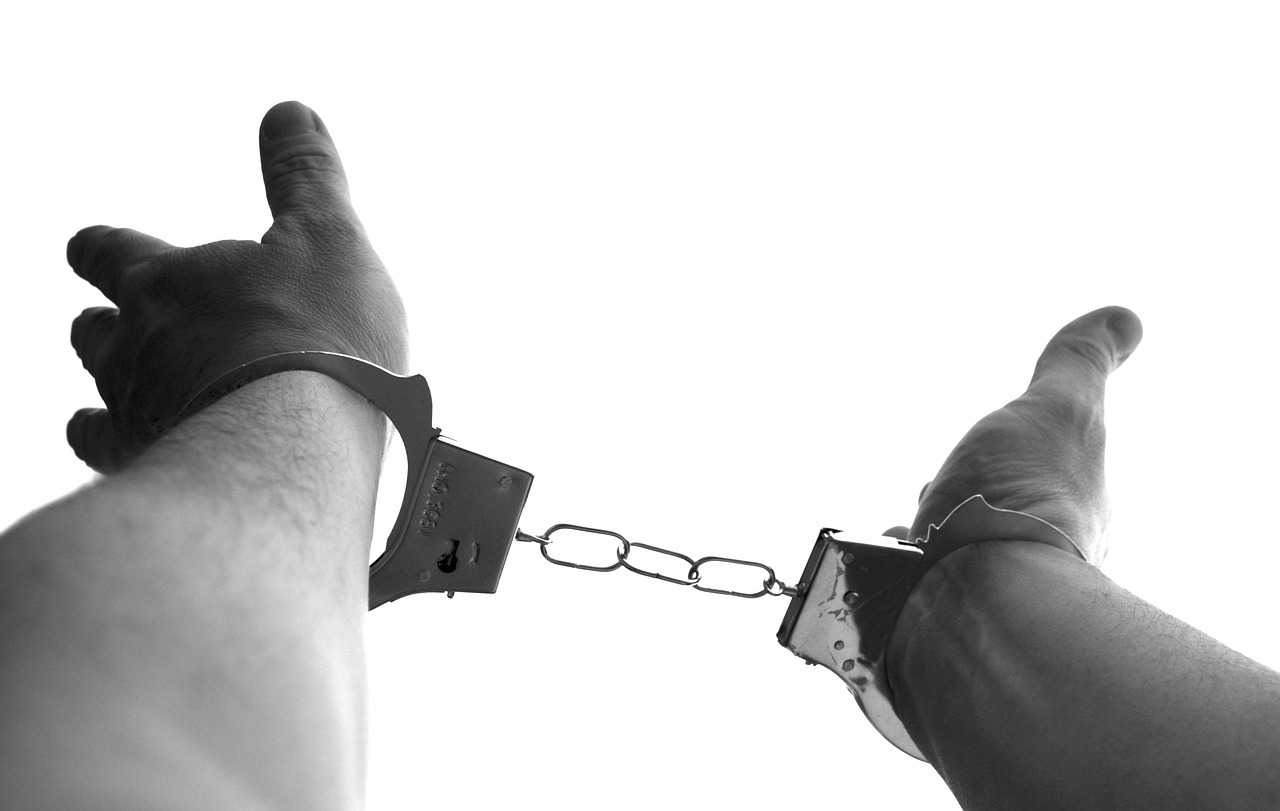
Criminal Liability

Understanding criminal liability is crucial for businesses and business owners as they navigate the complexities of the legal system. With potential dire consequences on the line, it is vital to comprehend the concept of criminal liability and how it applies to different situations. In this article, we will explore what criminal liability means, key elements involved, and its implications for businesses. Additionally, we will address frequently asked questions to provide a comprehensive overview of this critical legal area. By delving into the intricacies of criminal liability, we aim to inform and educate, ultimately empowering you to make informed decisions and take the necessary steps to protect your business. If you require further assistance or personalized advice, do not hesitate to contact our experienced criminal defense attorney for a consultation.


Criminal Liability

Get your own Criminal Liability today.

Understanding Criminal Liability

Criminal liability refers to the legal responsibility an individual or entity holds for committing a crime. It is a fundamental concept in criminal law that establishes accountability for unlawful actions. Understanding criminal liability is crucial, as it determines the consequences individuals or entities may face when accused of a crime.

Definition of Criminal Liability

Criminal liability is the legal obligation individuals or entities have for their participation in criminal conduct. It holds them accountable for their actions and ensures that they face appropriate legal consequences for their wrongdoing. Criminal liability is established through a fair and impartial legal process that takes into account the elements of the crime committed and determines the appropriate penalties.

Elements of Criminal Liability

For criminal liability to be established, certain elements must be proven beyond a reasonable doubt. These elements include:

  1. Mens Rea: The mental state or intent of the person committing the crime.
  2. Actus Reus: The physical act or conduct that constitutes the crime.
  3. Causation: The connection between the defendant’s act and the resulting harm or consequences.

The prosecution has the burden of proving each of these elements to show that the individual or entity is criminally liable for the offense committed.

Burden of Proof

In criminal cases, the burden of proof lies with the prosecution. They are responsible for presenting sufficient evidence to convince the jury or judge beyond a reasonable doubt that the defendant is guilty of the crime. This high standard of proof ensures that individuals are not unjustly convicted and protects their constitutional rights.

Types of Criminal Liability

There are several different types of criminal liability, each with its own set of rules and requirements. The main types of criminal liability are:

Strict Liability

Strict liability offenses do not require proof of intent or knowledge. These offenses impose liability regardless of the defendant’s mental state. For example, statutory rape may be a strict liability offense where the defendant is automatically held liable, regardless of their knowledge or intent.

Vicarious Liability

Vicarious liability refers to the legal responsibility an individual or entity has for the actions of another person. It typically applies in situations where there is a special relationship between the parties, such as employer-employee or parent-child relationships. In these cases, the employer or parent may be held liable for the actions of their employees or children, even if they did not personally commit the crime.

Corporate Liability

Corporate liability holds corporations accountable for criminal acts committed by their employees or agents in the course of their work. Corporations may be held liable for various offenses, such as fraud, environmental crimes, or antitrust violations. The principles of corporate liability vary depending on the jurisdiction and the specific laws governing corporate conduct.

Check out the Criminal Liability here.

Mens Rea: The Mental Element

Mens rea, often referred to as the “guilty mind,” is a crucial element in determining criminal liability. It focuses on the mental state or intent of the person committing the crime. Understanding mens rea is essential in establishing whether an individual had the necessary mental state to be held criminally liable for their actions.

Overview of Mens Rea

Mens rea encompasses a range of different mental states, from deliberate intention to negligence. It evaluates the defendant’s state of mind at the time the crime was committed and seeks to determine their culpability. The level of mens rea required varies depending on the offense and the jurisdiction.

Different Levels of Mens Rea

There are different levels of mens rea that may apply to criminal offenses:

  1. Intentional Conduct: This involves knowingly and purposefully engaging in conduct that is prohibited by law. It reflects a deliberate desire to commit the crime.
  2. Recklessness: Recklessness occurs when the defendant consciously disregards a substantial and unjustifiable risk that their actions may result in harm.
  3. Negligence: Negligence refers to a failure to exercise reasonable care, resulting in harm to others. It involves a failure to take necessary precautions or foresee potential risks.

The specific mens rea required for a particular offense is determined by the law and must be proven by the prosecution beyond a reasonable doubt.

Intentional Conduct

Intentional conduct refers to actions taken with a conscious and deliberate intent to commit a specific offense. It requires a willful choice to engage in behavior that is known to be illegal. Intent can be demonstrated by direct evidence, such as a confession, or circumstantial evidence, such as the defendant’s conduct leading up to the crime.

Recklessness

Recklessness involves consciously disregarding a known risk of harm. It is a higher level of mens rea than negligence. To establish recklessness, the prosecution must demonstrate that the defendant’s actions exhibited a conscious disregard for the consequences, even if they did not specifically intend to cause harm.

Negligence

Negligence is a lower level of mens rea that involves a failure to exercise reasonable care. It occurs when an individual fails to act in a manner that a reasonably prudent person would under similar circumstances. Negligence does not require a conscious intent to commit a crime but focuses on the failure to meet the expected standard of care.

Actus Reus: The Physical Element

Actus reus, the “guilty act,” is the physical element of a crime. It refers to the conduct or action that constitutes the offense. Actus reus examines whether the defendant engaged in voluntary conduct that violated the law and caused harm to others.

Overview of Actus Reus

Actus reus requires proof of a voluntary act or omission that is considered unlawful. It is a fundamental aspect of criminal liability, as it connects the defendant’s actions to the offense committed. To establish actus reus, the prosecution must demonstrate that the defendant engaged in conduct that violated the law, and that their actions caused the harm or prohibited result.

Voluntary Conduct

Voluntary conduct refers to actions taken by the defendant that were under their control and carried out willingly. It excludes conduct that was involuntary or forced upon them, such as acts committed under duress or while under the influence of drugs or alcohol.

Omission as Actus Reus

In some cases, a failure to act can also constitute actus reus. If an individual has a legal duty to act but fails to do so, they may be held criminally liable. Legal duties to act may arise from a contractual obligation, a professional duty, or a statutory requirement. The prosecution must prove that the defendant had a duty to act and that their failure to do so led to the commission of the offense.

Causation

Causation examines the link between the defendant’s actions and the harm or prohibited result. It requires establishing that the defendant’s conduct was the cause-in-fact and proximate cause of the harm. Cause-in-fact means that the harm would not have occurred if it were not for the defendant’s actions. Proximate cause evaluates whether the harm was a foreseeable consequence of the defendant’s conduct.

Concurrence of Mens Rea and Actus Reus

For criminal liability to be established, there must be a concurrence between the defendant’s mens rea and actus reus. The prosecution must demonstrate that the defendant’s mental state and physical actions aligned to commit the offense. This concurrence ensures that individuals are not held accountable for acts they did not intend or actions that were not a result of their voluntary conduct.

Defenses to Criminal Liability

There are various defenses available to individuals accused of criminal offenses. These defenses challenge the elements of the offense or provide justifications for the alleged conduct. It is essential to consult a criminal defense attorney to determine the most appropriate defense strategy based on the specific circumstances of the case.

Insanity Defense

The insanity defense asserts that the defendant, due to a mental illness or defect, lacked the capacity to understand the nature and consequences of their actions or conform their behavior to the law. It requires expert testimony and must be proven by the defense.

Self-Defense

Self-defense is a legal justification for using force against another person to protect oneself or others from imminent harm or danger. It is an affirmative defense that requires the defendant to prove they acted reasonably and proportionately in response to the threat.

Duress

Duress is a defense that asserts the defendant committed the offense under the threat or coercion of another person. It requires evidence that the defendant reasonably believed they faced immediate harm or death if they did not comply with the demands.

Necessity

The necessity defense argues that the defendant committed the offense to prevent a greater harm or danger. It requires demonstrating that the harm avoided outweighed the harm caused by the criminal act.

Intoxication

Intoxication may be used as a defense if it resulted in the defendant lacking the required mental state for the offense. The availability and applicability of intoxication defenses vary depending on the jurisdiction and the specific offense.

Criminal Liability by Offense

Criminal liability varies depending on the specific offense committed. Different crimes have different elements and penalties. Some common offenses that may result in criminal liability include:

Homicide

Homicide refers to the killing of one person by another. It encompasses various degrees of murder, such as first-degree murder, second-degree murder, and manslaughter. The specific charges and penalties depend on the circumstances surrounding the act.

Assault and Battery

Assault and battery involve intentionally causing bodily harm or making another person fear immediate physical harm. The severity of the charges depends on the extent of the harm caused and the defendant’s intent.

Theft and Larceny

Theft and larceny involve taking another person’s property without their permission and with the intent to permanently deprive them of it. The charges vary depending on the value of the stolen property and may range from petty theft to grand theft.

Fraud

Fraud involves intentionally deceiving another person or entity for personal gain. It encompasses various fraudulent activities, such as embezzlement, identity theft, and securities fraud. The severity of the charges depends on the amount of money involved and the impact on the victims.

Drug Offenses

Drug offenses encompass the possession, distribution, manufacturing, or trafficking of controlled substances. The charges and penalties depend on the type and quantity of the drugs involved, as well as the defendant’s prior criminal history.

Criminal Liability

Penalties and Sentencing

Once criminal liability is established, individuals or entities may face various penalties and sentencing options. The severity of the penalties depends on the nature and severity of the offense committed, as well as the defendant’s criminal history.

Overview of Penalties

Penalties for criminal offenses may include fines, imprisonment, probation, restitution, community service, or a combination of these. The specific penalties are determined by the laws of the jurisdiction and the discretion of the judge.

Fines

Fines are monetary penalties imposed on individuals or entities convicted of a crime. The amount of the fine varies depending on the offense committed and can range from a few hundred dollars to significant sums.

Imprisonment

Imprisonment involves the confinement of individuals convicted of crimes in correctional facilities. The length of imprisonment depends on the offense and may range from a few days to life imprisonment.

Probation

Probation is an alternative to imprisonment that allows individuals to serve their sentence while remaining in the community under certain conditions. These conditions may include regular check-ins with a probation officer, drug testing, and participation in rehabilitation programs.

Alternative Sentencing

In some cases, alternative sentencing options may be available, such as diversion programs, drug treatment programs, or community service. These alternatives focus on rehabilitation and reducing recidivism rates rather than traditional punitive measures.

Consequences of Criminal Liability

Criminal liability carries significant consequences that extend beyond the immediate legal penalties. Individuals or entities convicted of crimes may face various collateral consequences that impact their personal and professional lives.

Criminal Record

A criminal record can have lasting implications on an individual’s life. It may affect employment prospects, housing opportunities, professional licensing, and immigration status. Expungement or sealing of criminal records may be available in certain cases to mitigate these consequences.

Collateral Consequences

Collateral consequences include a wide range of additional penalties that individuals or entities may face as a result of criminal liability. These consequences can include loss of voting rights, restrictions on firearm ownership, and limitations on government benefits.

Professional Licensing

Criminal convictions may impact an individual’s ability to obtain or maintain professional licenses. Certain professions, such as those in healthcare, law, finance, or education, have stringent licensing requirements that may be affected by criminal records.

Employment

A criminal record can significantly impact employment opportunities. Many employers conduct background checks and may be hesitant to hire individuals with a criminal history, particularly for positions that involve trust, security, or working with vulnerable populations.

Immigration Status

Non-U.S. citizens convicted of certain crimes may face additional consequences related to their immigration status. Criminal convictions can lead to deportation, denial of naturalization, and restrictions on future travel.

Criminal Liability

The Role of Criminal Defense Attorney

Navigating the complex legal landscape of criminal liability requires the expertise of a skilled criminal defense attorney. A criminal defense attorney plays a crucial role in protecting individuals or entities accused of crimes and ensuring they receive fair and just treatment throughout the legal process.

Importance of Legal Representation

Legal representation is essential in criminal cases to safeguard individuals’ constitutional rights, ensure due process, and provide a strong defense against the charges. A criminal defense attorney has the knowledge and experience to assess the case, identify potential defenses, and develop effective strategies.

Investigation and Case Building

A criminal defense attorney conducts a thorough investigation of the case to gather evidence, interview witnesses, and challenge the prosecution’s evidence. They ensure that all relevant facts are considered and scrutinize the legality and credibility of the evidence.

Negotiation and Plea Bargaining

A criminal defense attorney engages in negotiation and plea bargaining with the prosecution to reach a favorable resolution for their clients. They advocate for reduced charges, dismissed charges, or alternative sentencing options when appropriate.

Trial Preparation and Defense

If the case goes to trial, a criminal defense attorney prepares a comprehensive defense strategy. They present evidence, cross-examine witnesses, and challenge the prosecution’s arguments to create reasonable doubt in the minds of the jury or judge.

Appeals and Post-Conviction Remedies

A criminal defense attorney can also handle appeals and post-conviction remedies if an individual or entity has been wrongly convicted or believes their rights were violated during the legal process. They seek to overturn convictions, obtain new trials, or pursue other appropriate legal remedies.

Frequently Asked Questions

What is the difference between criminal and civil liability?

Criminal liability involves offenses against society as a whole and is prosecuted by the government. Civil liability, on the other hand, deals with disputes between private individuals or entities and seeks to compensate the injured party for their harm or loss.

Can I be held criminally liable for someone else’s actions?

In certain circumstances, such as vicarious liability or corporate liability, an individual or entity may be held criminally liable for the actions of another. However, specific legal requirements and relationships must exist for such liability to be established.

What are the potential defenses to criminal liability?

Potential defenses to criminal liability include the insanity defense, self-defense, duress, necessity, and intoxication, among others. The most appropriate defense strategy depends on the specific circumstances of the case and the nature of the offense.

What are the consequences of being convicted of a crime?

The consequences of being convicted of a crime can include fines, imprisonment, probation, collateral consequences, damage to personal and professional reputation, and limitations on rights and opportunities.

How can a criminal defense attorney help my case?

A criminal defense attorney can provide crucial legal representation, protect your rights, analyze the evidence against you, identify potential defenses, negotiate with the prosecution, prepare for trial, and pursue appeals or post-conviction remedies if necessary. Their expertise and experience are invaluable in navigating the criminal justice system and achieving the best possible outcome for your case.


Learn more about the Criminal Liability here.

Privacy Policy For Apps

In today’s digital age, privacy has become a paramount concern for both individuals and businesses alike. With the proliferation of smartphone apps, it has become crucial for app developers to have a clearly defined and comprehensive privacy policy in place. A well-crafted privacy policy not only protects the rights and personal information of app users but also assists app developers in complying with relevant laws and regulations. This article aims to shed light on the importance of privacy policies for apps, the key elements they should contain, and the potential legal implications of neglecting this crucial aspect. By providing in-depth information and answering common questions related to privacy policies, we hope to empower business owners and app developers in making informed decisions that safeguard their users’ privacy while reducing legal risks.

Buy now

I. Overview of Privacy Policy for Apps

1. What is a privacy policy for apps?

A privacy policy for apps is a legal document that outlines how an app collects, uses, and protects user data. It is a crucial document that informs users about the information the app collects, how it is used, and any third parties with whom the data is shared. This policy helps users make informed decisions about using the app and provides transparency regarding their privacy rights.

2. Importance of having a privacy policy for apps

Having a privacy policy for apps is essential for several reasons. Firstly, it helps establish trust between the app developer and the users by demonstrating a commitment to protecting their personal information. It also ensures legal compliance with various privacy laws and regulations. Additionally, a well-crafted privacy policy can help prevent legal disputes and potential reputational damage by clearly outlining the app’s data practices.

3. Applicable laws and regulations

When creating a privacy policy for apps, it is crucial to understand and comply with applicable laws and regulations. Some of the key legislations include:

  • General Data Protection Regulation (GDPR): This European Union regulation sets strict guidelines for the collection, use, and storage of personal data of individuals within the EU. It applies to any app that collects data from EU residents.

  • California Consumer Privacy Act (CCPA): This California state law requires businesses that collect personal information from California residents to disclose the information they collect and give users the right to opt-out of the sale of their data.

  • Children’s Online Privacy Protection Act (COPPA): This US federal law imposes specific requirements on apps that target children under the age of 13, including obtaining parental consent before collecting and using personal information.

  • Other relevant laws and regulations: Depending on the geographic reach and nature of the app, additional laws and regulations may apply, such as the Personal Information Protection and Electronic Documents Act (PIPEDA) in Canada or the Health Insurance Portability and Accountability Act (HIPAA) in the healthcare sector.

II. Key Elements of a Privacy Policy for Apps

1. Introduction

The introduction section of a privacy policy provides an overview of the policy’s purpose and scope. It should clearly state that the app is committed to protecting user privacy and complying with applicable data protection laws. Additionally, it should include information about the app developer, contact details, and any affiliated entities involved in data processing.

2. Information collection

This section explains the types of information the app collects from users, such as personal identification details (name, email address, etc.), device information, location data, and cookies. It should also specify whether the app collects data automatically or through user input, and how it utilizes technologies like analytics tools or third-party APIs to gather information.

3. Use of collected information

Here, the privacy policy should outline how the app uses the collected information. This may include providing personalized services, improving user experience, conducting marketing activities, or complying with legal obligations. It should be made clear that the app will not use the data for purposes other than those stated in the policy without obtaining explicit user consent.

4. Disclosure of information

This section details how the app shares user information with third parties. It should specify the types of recipients, such as service providers, advertisers, or business partners, and the purposes for sharing the data. Additionally, if the app transfers data internationally, it should mention the countries involved and any safeguards implemented to ensure adequate protection.

5. Data retention and security

The privacy policy should explain how long the app retains user data and the measures in place to protect it. This may include encryption protocols, access controls, regular security audits, and employee training on data protection practices. Users should be assured that their data will be securely stored and that appropriate steps will be taken in the event of a data breach.

6. Third-party services

If the app integrates third-party services, such as social media plugins or advertising networks, it should specify which services are used and provide links to their respective privacy policies. Users should be informed about the potential data collection and tracking practices of these third parties and given the option to manage their preferences.

7. User choices and rights

This section outlines the rights users have regarding their personal data. It should include instructions on how users can access, update, or delete their information, as well as how they can manage their communication preferences. Additionally, it should provide details on how users can exercise their rights under applicable privacy laws, such as the right to request data erasure or object to data processing.

8. Children’s privacy

If the app collects information from children or targets an audience under the age of 13, this section should address the app’s compliance with COPPA or equivalent regulations. It should include a statement that the app does not knowingly collect personal information from children without verifiable parental consent and outline the procedures for obtaining such consent.

9. Updates to the privacy policy

The privacy policy should specify how and when updates or changes to the policy will be communicated to users. This may include providing a revision date, sending notifications through the app or email, or posting prominent notices on the app’s website. Users should be encouraged to review the policy regularly to stay informed about any modifications.

10. Contact information

This final section provides users with contact information for the app developer or data protection officer. It should include an email address or contact form where users can submit privacy-related inquiries or access requests. Clear and accessible contact details help foster transparency and facilitate effective communication with users.

Privacy Policy For Apps

Click to buy

III. Crafting an Effective Privacy Policy for Apps

1. Tailoring the policy to your app

To create an effective privacy policy, it is crucial to tailor the document to the specific data collection and processing practices of the app. Avoid using generic templates and instead focus on including accurate and relevant information that aligns with your app’s functionalities. This customization ensures transparency and builds user trust.

2. Using clear and understandable language

Privacy policies often contain complex legal terms, but it is essential to make the document accessible to the average user. Use clear and concise language, avoid jargon as much as possible, and provide explanations where necessary. Breaking down the policy into easily digestible sections and using headings and bullet points can also enhance readability.

3. Notifying users of policy changes

When making updates to the privacy policy, it is vital to inform users about any changes that may impact their privacy rights. Implement mechanisms to notify users, such as push notifications or email alerts, and clearly outline the modifications made. Additionally, providing a summary of the changes in plain language can help users understand the implications.

4. Seeking legal advice when needed

Privacy laws and regulations can be complex and vary depending on the jurisdiction and nature of the app. To ensure compliance and mitigate legal risks, it is advisable to seek legal advice from a knowledgeable professional. An attorney specializing in privacy and data protection can review your privacy policy and provide guidance on specific legal requirements applicable to your app.

IV. Best Practices for Privacy Protection in Apps

1. Minimizing data collection

Collect only the necessary data that is directly relevant to the app’s functionality. Minimizing data collection reduces the risk of unauthorized access, minimizes storage costs, and promotes transparency with users.

2. Obtaining user consent

Obtain informed and freely given consent from users before collecting their personal information. Ensure that the consent is specific, unambiguous, and obtained through clear affirmative actions, such as checkboxes or consent pop-ups.

3. Implementing strong security measures

Protect user data by implementing robust security measures, such as encryption, access controls, and regular vulnerability assessments. Secure both the app itself and any databases or systems that store user information.

4. Ensuring transparency

Be transparent about your data practices by providing clear and detailed information in your privacy policy. Clearly explain how user data is collected, used, and shared.

5. Providing opt-out options

Give users the ability to opt-out of certain data collection or sharing practices. Provide them with clear instructions on how to exercise their opt-out choices.

6. Handling user requests and complaints

Establish mechanisms to handle user requests related to privacy rights, such as access, correction, or deletion of personal information. Have a process in place to promptly address user complaints and concerns.

V. Compliance with Privacy Laws and Regulations

1. General Data Protection Regulation (GDPR)

The GDPR applies to all apps that process the personal data of individuals within the European Union, regardless of the app’s location. To comply with the GDPR, apps must obtain informed consent, clearly state data practices, implement data security measures, and respect individual rights.

2. California Consumer Privacy Act (CCPA)

If your app collects personal information from California residents and meets certain thresholds, it must comply with the CCPA. This includes providing notice, offering opt-out options, and respecting user rights regarding data deletion and access.

3. Children’s Online Privacy Protection Act (COPPA)

Apps targeting children under the age of 13 must comply with COPPA. Ensure you obtain verifiable parental consent, provide clear notice to parents and guardians, and implement reasonable data security practices.

4. Other relevant laws and regulations

Depending on your app’s nature and geographic reach, other privacy laws and regulations may apply. It is essential to understand the legal landscape and comply with relevant legislations, such as PIPEDA or HIPAA, if applicable.

VI. Consequences of Non-Compliance

1. Legal penalties and fines

Non-compliance with privacy laws can result in significant legal penalties and fines. Authorities can impose fines based on the severity and scope of the violation, ranging from relatively smaller amounts to substantial percentages of annual revenue.

2. Reputational damage

Failure to protect user privacy can lead to reputational damage for the app and its developers. Negative publicity, loss of trust, and a tarnished brand image can significantly impact user adoption and business growth.

3. Loss of user trust and customers

Lack of transparency and breaches of privacy can erode user trust. Users are more likely to abandon an app or switch to competitors if they feel their privacy is compromised. Building and maintaining user trust is vital for long-term success.

Privacy Policy For Apps

VII. Frequently Asked Questions (FAQs)

1. What information should be included in a privacy policy for apps?

A privacy policy for apps should include information about the types of data collected, how it is used and shared, security measures in place, user rights, contact information, and any applicable laws and regulations governing data protection.

2. Is it mandatory to have a privacy policy for apps?

While privacy policy requirements may vary depending on the jurisdiction and the nature of the app, it is generally advisable and, in some cases, mandatory to have a privacy policy. It helps establish trust, ensures legal compliance, and promotes transparency with users.

3. How often should the privacy policy be updated?

The privacy policy should be updated whenever there are significant changes to the app’s data collection practices, legal requirements, or user rights. It is best practice to inform users of any changes and regularly review and update the policy to reflect evolving privacy practices.

4. Can a single privacy policy cover multiple apps?

Yes, a single privacy policy can cover multiple apps if they share similar data practices and are owned by the same entity. However, it is essential to ensure the policy accurately reflects each app’s specific data collection and processing activities.

5. Are there any specific requirements for apps targeting children?

Apps targeting children, especially those under the age of 13, must comply with children’s privacy laws, such as COPPA in the United States. These requirements include obtaining parental consent, providing clear notice to parents, and implementing stringent data protection measures.

Get it here

Truck Accident Lawyer Salem Utah

If you’ve ever been involved in a truck accident in Salem, Utah, you know just how overwhelming it can be. The aftermath of such an incident can leave you feeling lost and unsure of what steps to take next. That’s where a truck accident lawyer in Salem, Utah can help. With their expertise and experience in handling personal injury cases specifically related to truck accidents, they can guide you through the legal process and fight for the compensation you deserve. In this article, we’ll delve into the reasons why it’s crucial to hire a truck accident lawyer, the types of injuries commonly caused by these accidents, and the steps you should take after being involved in a truck accident. So, let’s explore all the essential information together.

Click to view the Truck Accident Lawyer Salem Utah.

Understanding Trucking Accidents

When it comes to truck accidents, understanding the causes, common injuries, liability, and the importance of hiring a truck accident lawyer is crucial. By having a comprehensive understanding of these key aspects, you can navigate the legal process and ensure that your rights are protected.

Causes of Truck Accidents

Truck accidents can occur due to various factors, including:

  1. Driver fatigue: Truck drivers often face long hours on the road, leading to fatigue, reduced attention, and slower reflexes.
  2. Distracted driving: Distractions like texting, talking on the phone, or even eating while driving can lead to accidents.
  3. Mechanical failure: Faulty brakes, tire blowouts, or other mechanical issues in trucks can result in serious accidents.
  4. Improper loading: When cargo is not properly loaded or secured, it can shift during transit, causing the truck to lose control.
  5. Poor weather conditions: Adverse weather conditions such as heavy rain, snow, or fog can increase the risk of accidents for truck drivers.

By identifying the causes of truck accidents, you can better understand the potential negligence involved and determine liability.

Common Injuries in Truck Accidents

Truck accidents often result in severe injuries due to the sheer size and weight of these vehicles. Some common injuries include:

  1. Traumatic brain injuries: Head injuries are prevalent in truck accidents and can have serious long-term consequences.
  2. Spinal cord injuries: Accidents involving trucks can cause spinal cord damage, leading to paralysis or loss of function.
  3. Broken bones and fractures: The force of impact in truck accidents often results in broken bones and fractures.
  4. Internal injuries: Organ damage and internal bleeding can occur due to the force of the collision.
  5. Whiplash and neck injuries: The sudden impact of a truck accident can cause whiplash and other neck injuries.

It’s important to seek immediate medical attention after a truck accident, as some injuries may not be immediately apparent.

Liability in Truck Accidents

Determining liability in truck accidents can be complex, as there may be multiple parties involved. Potential parties that could be held liable include:

  1. Truck drivers: If the driver’s negligence, such as distracted driving or driving under the influence, caused the accident, they can be held responsible.
  2. Trucking companies: Employers may be held liable if they failed to properly train or supervise their drivers, or if they violated safety regulations.
  3. Maintenance companies: If negligent maintenance or repairs contributed to the accident, the company responsible for maintaining the truck may be held liable.
  4. Cargo loaders: Improperly loaded or unsecured cargo can cause accidents, making the cargo loading company a potential party to the lawsuit.

Proving liability requires a thorough investigation, and it is important to consult a truck accident lawyer who has experience in handling these types of cases.

Importance of Hiring a Truck Accident Lawyer

Following a truck accident, hiring an experienced truck accident lawyer is crucial for several reasons:

  1. Knowledge and experience in truck accident cases: Truck accident cases involve specific laws and regulations that only a specialized lawyer would be well-versed in.
  2. Track record of success: An experienced truck accident lawyer will have a proven track record of successfully representing their clients and obtaining favorable settlements or verdicts.
  3. Expertise in personal injury law: Truck accident cases often involve personal injury claims, and an experienced lawyer will have the necessary expertise to navigate these complex legal processes.
  4. Resources and support: A truck accident lawyer will have access to resources such as accident reconstruction experts, medical professionals, and investigative teams to strengthen your case.

  5. Client testimonials: Reading testimonials from previous clients can provide you with valuable insight into the lawyer’s reputation and their ability to deliver results.

By hiring a truck accident lawyer, you can ensure that your rights are protected and maximize your chances of receiving the compensation you deserve.

Finding the Right Truck Accident Lawyer

When it comes to finding the right truck accident lawyer, there are several important factors to consider. These factors can help you make an informed decision and choose a lawyer who is best suited to handle your case.

Experience in Truck Accident Cases

Look for a lawyer who has considerable experience in handling truck accident cases. Truck accidents involve unique legal and technical considerations, and an experienced lawyer will have the knowledge and expertise necessary to navigate these complexities.

Track Record of Success

Review a lawyer’s track record of success in truck accident cases. This includes looking at the settlements and verdicts they have obtained for their clients. A lawyer with a strong track record indicates their ability to effectively fight for their clients’ rights and secure favorable outcomes.

Expertise in Personal Injury Law

Truck accident cases often involve personal injury claims. It is crucial to work with a lawyer who specializes in personal injury law and is familiar with the specific laws and regulations surrounding these types of cases. Their expertise will be invaluable in building a strong case on your behalf.

Resources and Support

A reputable truck accident lawyer will have access to a network of resources and support. This includes accident reconstruction experts, medical professionals, and investigative teams who can provide essential evidence and strengthen your case. Consider a lawyer who has the necessary resources to support your claim effectively.

Client Testimonials

Reading client testimonials can provide valuable insights into a lawyer’s reputation and the level of service they provide. Look for testimonials that highlight the lawyer’s professionalism, communication skills, and ability to deliver results. Positive client experiences indicate a lawyer who is dedicated to their clients’ best interests.

By considering these factors, you can find the right truck accident lawyer who will advocate for you and work tirelessly to secure the compensation you deserve.

Truck Accident Lawyer Salem Utah

Get your own Truck Accident Lawyer Salem Utah today.

Steps to Take After a Truck Accident

Being involved in a truck accident can be a traumatic experience. It is essential to take immediate action to protect your health, gather evidence, and ensure that your legal rights are upheld. Here are the key steps to take after a truck accident:

Seek Medical Attention

First and foremost, prioritize your health and safety. If you or anyone else involved in the accident requires medical attention, call for an ambulance or seek medical assistance immediately. Even if you do not feel immediate pain or have visible injuries, it is still advisable to get a thorough medical evaluation as some injuries may not be immediately evident.

Report the Accident

Contact the relevant authorities and report the accident. This includes local law enforcement and, if necessary, the Department of Transportation. Provide an accurate account of the accident, including any details you can remember. Ensure that you obtain a copy of the accident report for your records.

Gather Evidence

Collect as much evidence as possible at the accident scene. This includes taking photos of vehicle damage, skid marks, road conditions, and any visible injuries. If there were witnesses present, obtain their contact information as their testimony may be valuable in proving liability. Additionally, document any statements made by the truck driver or any other parties involved.

Contact Your Insurance Company

Report the accident to your insurance company as soon as possible. Provide them with accurate and detailed information about the accident. However, be cautious when discussing the accident with insurance adjusters and avoid admitting fault or speculating on the extent of your injuries. It is advisable to consult with a truck accident lawyer before providing a formal statement or accepting any settlement offers from the insurance company.

Consult a Truck Accident Lawyer

Seek the guidance of a skilled truck accident lawyer as soon as possible. They will help protect your rights, guide you through the legal process, and ensure that you take the necessary steps to pursue a fair settlement. A truck accident lawyer will conduct a thorough investigation, gather additional evidence, negotiate with the insurance company on your behalf, and, if necessary, prepare your case for trial.

By following these steps, you can take immediate action after a truck accident to protect your interests and increase the likelihood of a successful claim.

Investigating a Truck Accident Case

Investigating a truck accident case is a crucial step in determining liability and building a strong legal claim. Through a thorough investigation, evidence can be gathered, analyzed, and used to support your case. Here are some key elements involved in investigating a truck accident case:

Collecting Accident Reports and Records

Accident reports filed by law enforcement agencies provide valuable information about the accident. These reports typically include details about the vehicles involved, the road conditions, any violations of traffic laws, and potential witnesses. Obtaining and thoroughly reviewing these reports is an essential part of the investigation process.

Analyzing Driver Logs and Maintenance Records

Truck drivers and trucking companies are required to maintain detailed logs documenting factors such as hours of service, rest breaks, and vehicle maintenance. These logs can provide critical evidence regarding the driver’s compliance with regulations, potential driver fatigue, and the condition of the truck involved in the accident. Analyzing and scrutinizing these logs is essential for understanding the circumstances leading up to the accident.

Examining Trucking Company Policies

Trucking companies are responsible for training and supervising their drivers and ensuring compliance with safety regulations. Investigating the company’s policies and procedures can reveal any potential negligence that may have contributed to the accident. Factors such as inadequate training, excessive workload, or pressure to meet unrealistic delivery deadlines can all affect driver performance and safety.

Consulting Accident Reconstruction Experts

Accident reconstruction experts play a critical role in investigating truck accidents. These professionals use their expertise to recreate the accident scene, analyze physical evidence, and determine the cause and contributing factors of the accident. Their findings can provide valuable evidence to support your case and establish liability.

Interviewing Witnesses and Obtaining Statements

Eyewitness testimonies can provide crucial evidence in a truck accident case. Witness statements can corroborate your account of the accident and help establish liability. Investigating the accident involves identifying witnesses, interviewing them, and obtaining their statements, which can be done by your truck accident lawyer.

By conducting a thorough investigation, your truck accident lawyer can collect the necessary evidence to build a strong case on your behalf. Their expertise in handling truck accident cases ensures that no stone is left unturned, increasing the likelihood of a successful outcome.

Filing a Truck Accident Lawsuit

If negotiations with the responsible parties and insurance companies do not result in a fair settlement, filing a truck accident lawsuit may be necessary to protect your rights and seek compensation for your losses. Here are the key steps involved in filing a truck accident lawsuit:

Statute of Limitations

Familiarize yourself with the statute of limitations for truck accident lawsuits in your jurisdiction. The statute of limitations is the time limit within which a lawsuit must be filed after the accident. Failing to file within this time frame may result in your case being dismissed. Consulting a truck accident lawyer promptly ensures that you adhere to the statute of limitations.

Determining the Responsible Parties

Identifying the responsible parties is a crucial step in filing a truck accident lawsuit. This can include the truck driver, the trucking company, maintenance companies, and even the manufacturer of the truck or its components. Through a thorough investigation, your truck accident lawyer will establish liability and identify all potential defendants in your case.

Calculating Damages

Accurately calculating the damages you have suffered as a result of the truck accident is essential for your claim. Damages can include medical expenses, lost wages, pain and suffering, emotional distress, and property damage. Your truck accident lawyer will help assess the full extent of your damages and ensure all applicable losses are included in your claim.

Negotiating with Insurance Companies

Before proceeding to trial, your truck accident lawyer will engage in negotiations with the insurance companies of the responsible parties. The goal of these negotiations is to reach a fair settlement that adequately compensates you for your losses. Your lawyer will advocate for your rights, challenge any initial lowball offers, and work towards obtaining a satisfactory settlement on your behalf.

Preparing for Trial

In the event that a settlement cannot be reached, your truck accident lawyer will prepare your case for trial. This includes gathering evidence, preparing witnesses, and developing a strategic trial plan. Your lawyer will present a compelling argument and fight for your rights in court, knowing that a favorable verdict can result in the compensation you deserve.

By understanding the process of filing a truck accident lawsuit, you can make informed decisions and work with your truck accident lawyer towards achieving a fair resolution.

Negotiating a Truck Accident Settlement

Negotiating a settlement in a truck accident case is often the most ideal outcome, as it allows you to avoid the lengthy and uncertain process of a trial. A fair settlement can provide you with compensation for your losses without the need for a court decision. Here are the key elements involved in negotiating a truck accident settlement:

Determining the Value of Your Claim

Before initiating negotiations, it is crucial to determine the value of your claim. This involves assessing all your damages, including medical expenses, lost wages, pain and suffering, property damage, and any future damages you may incur. Working with your truck accident lawyer, you can arrive at an accurate valuation that reflects the true extent of your losses.

Negotiating with Insurance Adjusters

Insurance adjusters are responsible for evaluating your claim and determining a settlement offer. It is important to remember that insurance companies are primarily focused on minimizing their financial liability. Negotiating with insurance adjusters can be challenging, as they may try to discredit your claim or offer a low settlement. Your truck accident lawyer will handle all negotiations on your behalf, advocating for your rights and protecting your interests.

Reviewing Settlement Offers

Throughout the negotiation process, settlement offers may be presented. It is important to carefully review these offers with your truck accident lawyer. They will assess the fairness of the offer, taking into consideration your damages, the strength of your case, and the potential outcomes of a trial. Your lawyer will provide guidance on whether to accept, reject, or counter the settlement offer.

Seeking Expert Advice

Seeking expert advice, such as that of a truck accident lawyer, can be invaluable during settlement negotiations. Your lawyer’s experience in handling similar cases and their understanding of the legal landscape can help you make informed decisions. They will provide advice and insights, ensuring that you pursue a settlement that is fair and in your best interest.

Settlement Negotiations and Mediation

Settlement negotiations often involve back-and-forth discussions between your lawyer and the insurance company. Your lawyer will present a convincing case, supported by evidence and legal arguments, to justify the amount of compensation you are seeking. In some cases, mediation may be recommended. Mediation involves a neutral third party who facilitates discussions between the involved parties to reach a mutually agreeable settlement.

By engaging in negotiations, you have the opportunity to secure a settlement that adequately compensates you for your losses, avoids the uncertainties of trial, and allows you to move forward with your life.

Truck Accident Lawyer Salem Utah

Going to Trial in a Truck Accident Case

While most truck accident cases are resolved through settlements, there are instances where the parties cannot reach a fair agreement. In such cases, going to trial becomes necessary to seek justice and hold the responsible parties accountable. Here is what you can expect when going to trial in a truck accident case:

Preparing the Lawsuit for Trial

To prepare for trial, your truck accident lawyer will thoroughly review your case and develop a strategic plan. This involves gathering all relevant evidence, identifying key witnesses, and preparing legal arguments. Your lawyer will ensure that your case is built on a solid foundation, capable of withstanding scrutiny in court.

Presenting Evidence and Witnesses

During the trial, your lawyer will present evidence and call witnesses to support your case. This may include accident reports, medical records, expert testimony, and any other evidence that establishes liability and demonstrates the extent of your damages. Your lawyer’s expertise in courtroom procedures will ensure that the evidence is effectively presented to the judge and jury.

Cross-Examination and Rebuttal

The defense lawyers will have the opportunity to cross-examine the witnesses presented by your lawyer. Cross-examination is a critical part of the trial process, as it allows the defense to challenge the credibility and accuracy of the evidence and testimony. Your lawyer will be prepared to counter any arguments made by the defense and present a compelling rebuttal.

Closing Arguments

Closing arguments provide your lawyer with the opportunity to summarize the evidence and arguments presented during the trial. Your lawyer will deliver a convincing closing statement, emphasizing the key points that support your case. They will address any doubts or uncertainties raised during the trial and clearly communicate how the evidence supports your claim for compensation.

Verdict and Judgment

Following the closing arguments, the judge or jury will deliberate and reach a verdict. If the judge or jury finds in your favor, a judgment will be issued, detailing the compensation you are entitled to receive. The judgment may include damages for medical expenses, lost wages, pain and suffering, and other losses determined during the trial.

While going to trial can be a lengthy and complex process, having a skilled truck accident lawyer by your side will ensure that your rights are upheld and that you have the best possible chance of obtaining a favorable verdict.

Benefits of Hiring a Truck Accident Lawyer

When you have been injured in a truck accident, hiring a truck accident lawyer can provide numerous benefits. Here are some of the key advantages of working with a skilled lawyer:

Maximizing Your Compensation

A truck accident lawyer is familiar with the tactics used by insurance companies to minimize settlement offers. They will fight for your rights and work tirelessly to secure the maximum compensation you deserve for your injuries, damages, and suffering. Their expertise ensures that no potential source of compensation goes overlooked, allowing you to obtain a fair and comprehensive settlement.

Handling Complex Legal Processes

Truck accident cases involve complex legal processes that can be difficult for a layperson to navigate. An experienced truck accident lawyer understands the legal system, knows how to gather evidence, navigate potential obstacles, and effectively negotiate with insurance companies. They will handle all legal formalities, ensuring that your case proceeds smoothly and efficiently.

Protecting Your Rights

Insurance companies and the responsible parties will have teams of lawyers representing their interests. By hiring a truck accident lawyer, you level the playing field and ensure that your rights are protected. Your lawyer will be your advocate, standing up to these powerful entities and ensuring that your interests are prioritized at every stage of the legal process.

Providing Emotional Support

Dealing with the aftermath of a truck accident can be emotionally draining. A compassionate truck accident lawyer understands the challenges you are facing and provides the support you need during this difficult time. They will handle the legal aspects of your case, allowing you to focus on your recovery and well-being.

Navigating Through Insurance Disputes

Insurance disputes can arise when dealing with truck accident claims. Insurance companies may try to delay, deny, or undervalue your claim. Having a truck accident lawyer by your side ensures that your rights are protected and that the insurance company treats your claim with the seriousness it deserves. Your lawyer will handle all communication with the insurance company and work towards a fair resolution.

By hiring a truck accident lawyer, you can confidently navigate the legal process, secure the compensation you deserve, and focus on your recovery without the added stress and burden of handling your case alone.

Truck Accident Lawyer Salem Utah

FAQs About Truck Accident Cases

Understanding the most frequently asked questions about truck accident cases can provide you with valuable information about your rights and the legal process. Here are some common FAQs and brief answers to help address your concerns:

What should I do after a truck accident?

After a truck accident, prioritize your safety and seek immediate medical attention if needed. Report the accident to the authorities and gather as much evidence as possible. Contact your insurance company and consult with a truck accident lawyer to protect your rights and determine the next steps.

Who can be held liable for a truck accident?

Multiple parties can be held liable for a truck accident, including the truck driver, the trucking company, maintenance companies, and cargo loaders. Identifying liability requires a thorough investigation, and a truck accident lawyer can help determine the responsible parties in your case.

How long do I have to file a truck accident lawsuit?

The statute of limitations for filing a truck accident lawsuit varies by jurisdiction. It is essential to consult with a truck accident lawyer promptly to ensure you adhere to the applicable deadline. Failing to file within the specified timeframe may result in your case being dismissed.

What damages can I recover in a truck accident case?

In a truck accident case, you may be eligible to recover various damages, including medical expenses, lost wages, pain and suffering, property damage, and future damages. The specific damages you can recover depend on the circumstances of your case, and your truck accident lawyer will assess the full extent of your losses.

How much does it cost to hire a truck accident lawyer?

Many truck accident lawyers work on a contingency fee basis, which means they only get paid if they win your case or secure a settlement. The fee is typically a percentage of the compensation obtained. This arrangement allows individuals with limited financial resources to obtain legal representation without upfront costs.

Conclusion

Truck accidents can have devastating consequences, resulting in severe injuries and significant damages. Understanding the causes of truck accidents, the common injuries involved, liability issues, and the importance of hiring a truck accident lawyer is essential for protecting your rights and seeking fair compensation. By following the necessary steps after a truck accident, conducting a thorough investigation, and working with an experienced truck accident lawyer, you can navigate the legal process and increase the likelihood of a successful claim. Whether through negotiation or trial, a truck accident lawyer will advocate for your rights and maximize your chances of receiving the compensation you deserve. Don’t hesitate to seek professional legal assistance after a truck accident to ensure that your rights are upheld and that you receive the justice and compensation you deserve.

FAQs:

Q: What should I do after a truck accident? A: After a truck accident, prioritize your safety and seek immediate medical attention if needed. Report the accident to the authorities and gather as much evidence as possible. Contact your insurance company and consult with a truck accident lawyer to protect your rights and determine the next steps.

Q: Who can be held liable for a truck accident? A: Multiple parties can be held liable for a truck accident, including the truck driver, the trucking company, maintenance companies, and cargo loaders. Identifying liability requires a thorough investigation, and a truck accident lawyer can help determine the responsible parties in your case.

Q: How long do I have to file a truck accident lawsuit? A: The statute of limitations for filing a truck accident lawsuit varies by jurisdiction. It is essential to consult with a truck accident lawyer promptly to ensure you adhere to the applicable deadline. Failing to file within the specified timeframe may result in your case being dismissed.


Q: What damages can I recover in a truck accident case? A: In a truck accident case, you may be eligible to recover various damages, including medical expenses, lost wages, pain and suffering, property damage, and future damages. The specific damages you can recover depend on the circumstances of your case, and your truck accident lawyer will assess the full extent of your losses.

Q: How much does it cost to hire a truck accident lawyer? A: Many truck accident lawyers work on a contingency fee basis, which means they only get paid if they win your case or secure a settlement. The fee is typically a percentage of the compensation obtained. This arrangement allows individuals with limited financial resources to obtain legal representation without upfront costs.

Check out the Truck Accident Lawyer Salem Utah here.

Privacy Policy For Websites

In an increasingly digital world, the issue of privacy has become a paramount concern for both individuals and businesses. As the internet continues to shape our daily lives, it is crucial for websites to establish and maintain a comprehensive privacy policy. This article aims to provide insight into the importance of privacy policies for websites, highlighting the legal obligations and benefits they offer. By discussing key elements, potential risks, and best practices, this article will equip business owners and individuals alike with the necessary knowledge to navigate the intricate web of online privacy.

Privacy Policy For Websites

Buy now

Overview

One of the most crucial aspects of running a website is ensuring the privacy and protection of user data. As technology advances and concerns about data privacy grow, it has become increasingly important for websites to have a comprehensive privacy policy in place. This article will provide an overview of the importance of privacy policies, explain what a privacy policy is, discuss the legal requirements surrounding privacy policies, highlight the key elements that should be included in a privacy policy, provide guidance on crafting an effective privacy policy, and explore the implications of non-compliance. By understanding the significance of privacy policies and following best practices, businesses can protect themselves and their users.

Importance of Privacy Policies

Privacy policies play a vital role in establishing trust and transparency between a website owner and its users. In an era where data breaches and misuse of personal information are common, having a clearly defined privacy policy reassures users that their data will be handled responsibly. It also demonstrates a commitment to compliance with relevant privacy laws and regulations, which can protect the website owner from legal repercussions.

Furthermore, privacy policies can have a positive impact on a business’s reputation. When users feel confident that their information is secure, they are more likely to engage with the website, share personal details, and potentially make purchases or sign up for services. A privacy policy can also help in building customer loyalty by communicating the business’s dedication to data protection.

Click to buy

What is a Privacy Policy?

A privacy policy is a legal document that outlines how a website collects, uses, stores, and protects personal information. It serves as a guide for users, informing them about their rights and the measures taken to safeguard their data. Privacy policies are typically found on the website’s footer or as a separate link accessible from every page. It is essential for businesses to create a privacy policy that is clear, easily accessible, and written in a language that is easily understood by their target audience.

Legal Requirements

Various laws and regulations exist to protect the privacy of individuals and set standards for privacy policies. Websites must comply with these legal requirements to ensure they are transparent and accountable in their data handling practices. Some key regulations include:

General Data Protection Regulation (GDPR)

The GDPR, implemented in May 2018, is a regulation applicable to all businesses that process the personal data of individuals within the European Union (EU). It sets strict guidelines on how personal data should be collected, stored, and processed, as well as mandates the inclusion of specific elements in privacy policies.

California Consumer Privacy Act (CCPA)

The CCPA, effective as of January 2020, applies to businesses that collect personal information from California residents. It requires businesses to disclose the categories of personal information collected, the purposes for which it is used, and allows consumers to opt-out of the sale of their information.

Children’s Online Privacy Protection Act (COPPA)

COPPA is a federal law in the United States that imposes specific requirements on websites or online services directed towards children under the age of 13. Websites covered by COPPA must provide detailed information about their data collection practices and obtain parental consent for the collection of personal information from children.

Other applicable laws and regulations

In addition to the GDPR, CCPA, and COPPA, there may be other applicable laws and regulations depending on the nature of the business, its location, and the target audience. It is crucial for website owners to understand and comply with all relevant laws and regulations.

Key Elements of a Privacy Policy

A well-crafted privacy policy contains several crucial elements that inform users about data collection, storage, and usage practices. Here are the key elements typically included in a privacy policy:

Introduction

The introduction section provides a concise overview of the privacy policy and its purpose. It sets the tone for the rest of the document, communicating the website owner’s commitment to user privacy and data protection.

Types of Information Collected

This section outlines the types of personal information collected by the website, such as names, email addresses, and payment details. It should be comprehensive and specific to ensure users are aware of what data is being collected.

How Information is Collected

Here, the methods and technologies used to collect user information are explained. This includes cookies, web beacons, and other tracking technologies. Clear language is necessary to ensure users understand how their information is gathered.

Cookies and Similar Technologies

Websites often use cookies and similar technologies to enhance user experience and collect data. This section explains the purpose of cookies, how they are used, and whether users have the option to disable them.

Purpose of Data Collection

Website owners must explain the purpose for which personal information is collected. This can include purposes such as improving the website, personalizing user experience, processing orders, or providing customer support.

Use and Disclosure of Information

Users have the right to know how their data will be used and if it will be shared with third parties. This section provides details about how user data may be disclosed, whether for marketing purposes or to fulfill legal requirements.

Data Retention

Website owners must specify how long personal information will be retained. This includes explaining the criteria used to determine data retention periods and the measures taken to secure the data during that time.

User Rights

Users have rights relating to their personal data, such as the right to access, rectify, or delete their information. This section outlines these rights and provides information on how to exercise them.

Third-Party Services

If the website shares data with third-party services or uses third-party tools, this section discloses those services and explains how they handle user data. Transparency about third-party involvement is crucial for user trust.

Security Measures

This section outlines the security measures implemented to protect user data from unauthorized access or data breaches. It includes information about encryption, access controls, and regular security audits.

Policy Updates

Privacy policies should be reviewed regularly and updated as needed to reflect any changes in data handling practices or legal requirements. This section informs users about the frequency and methods of policy updates.

Crafting a Privacy Policy

Crafting a robust privacy policy requires careful consideration and compliance with applicable laws. Here are some best practices to follow:

Consultation with Legal Professionals

Given the complex nature of privacy laws, seeking legal advice is crucial to ensure compliance. An experienced attorney can guide businesses through the legal requirements, evaluate specific risks, and help craft a privacy policy tailored to the needs of the business.

Customization for Specific Website

A privacy policy should be tailored to the unique data handling practices of each website. A one-size-fits-all approach may not adequately address the specific needs and risks associated with a particular business. Customizing the privacy policy ensures that it accurately reflects the website’s practices.

Clear and Easily Accessible Language

A privacy policy written in complicated legal jargon may confuse users and undermine trust. It is important to use clear and concise language that is easily understood by the target audience. Accessibility is key, so the policy should be prominently displayed and easy to locate on the website.

Compliance with Applicable Laws

To avoid legal issues, businesses must ensure their privacy policy complies with all relevant laws and regulations. This includes understanding the requirements of the GDPR, CCPA, COPPA, and any other applicable laws in the jurisdiction(s) where the business operates.

Transparency and Honesty

Transparency is the cornerstone of a successful privacy policy. Businesses should be honest and open about their data collection practices, ensuring users have a clear understanding of how their information is being used. Any limitations or exemptions should be clearly communicated to avoid misleading or confusing users.

Privacy Policy For Websites

Implications of Non-Compliance

Non-compliance with privacy laws and regulations can have severe consequences for businesses. Regulatory bodies have the authority to impose hefty fines and penalties for violations. Additionally, non-compliance can lead to reputational damage, loss of customer trust, and potential lawsuits. It is essential for businesses to take privacy obligations seriously and ensure compliance to avoid these adverse outcomes.

FAQs

What is the purpose of a privacy policy?

The purpose of a privacy policy is to inform users about how their personal information is collected, used, stored, and protected by a website. It establishes transparency and builds trust between the website owner and the users.

What information should be included in a privacy policy?

A privacy policy should include information about the types of personal data collected, how it is collected, the purposes for collecting it, how it is used and disclosed, data retention practices, user rights, security measures, and any third-party services involved in data processing.

Can I use a template for my website’s privacy policy?

Using a template as a starting point can be helpful, but it is crucial to customize it to accurately reflect your specific data handling practices. Templates may not cover all the legal requirements and unique aspects of your business, so consulting with a legal professional is recommended.

Do I need a privacy policy even if I don’t collect personal information?

It is good practice to have a privacy policy regardless of whether personal information is collected. Even if the website does not collect personal information directly, it may still use cookies or other tracking technologies that collect user data. In addition, having a privacy policy demonstrates a commitment to privacy and can help build trust with users.

What happens if my website is not compliant with privacy laws?

Non-compliance with privacy laws can result in significant financial penalties, reputational damage, loss of customer trust, and lawsuits. It is essential for businesses to prioritize privacy compliance and ensure their privacy policy and data handling practices align with regulatory requirements.

Get it here

Privacy Policy For Social Media

In today’s digital age, social media platforms have become an integral part of both our personal and professional lives. However, as these platforms continue to evolve and expand, so does the need for a comprehensive privacy policy. The privacy policy for social media addresses the crucial issue of data protection, outlining how personal information is collected, used, and shared within these platforms. As a business owner, it is imperative to understand the importance of having a robust privacy policy in place to safeguard both your company’s and your customers’ sensitive information. In this article, we will explore the key components of a privacy policy for social media and answer some frequently asked questions to provide you with a better understanding of this vital aspect of online operations.

Privacy Policy for Social Media

Privacy Policy For Social Media

Buy now

Introduction to Privacy Policies

In today’s digital age, privacy policies play a crucial role in protecting users’ personal information. A privacy policy is a legal document that outlines how an organization collects, uses, discloses, and protects the personal data of its users. This article will explore the importance of privacy policies for social media platforms, the legal requirements surrounding them, and the key components they should include.

What is a Privacy Policy?

A privacy policy is a document that informs users about the ways in which their personal information is collected, stored, and used by an organization. It is a legal requirement for businesses, including social media platforms, to have a privacy policy in place. The scope of a privacy policy may vary, but it generally covers the types of personal data collected, purposes of data collection, data storage and security measures, and user rights regarding their personal information.

Click to buy

Why is a Privacy Policy necessary for Social Media?

Social media platforms have become integral parts of our daily lives, with billions of users sharing personal information regularly. A privacy policy is necessary for social media platforms due to the vast amounts of user data they collect. By having a privacy policy in place, social media platforms can assure their users that their personal information is protected and used responsibly. It also helps the platforms comply with laws and regulations related to data protection and privacy.

Legal Requirements for Social Media Privacy Policies

Several laws and regulations govern the privacy policies of social media platforms. The General Data Protection Regulation (GDPR) in the European Union and the California Consumer Privacy Act (CCPA) in the United States are two prominent examples of such regulations. These laws require organizations to provide transparent information about their data collection practices, obtain user consent, and ensure the security of user data. It is crucial for social media platforms to understand and comply with these legal requirements to protect both their users and themselves.

Privacy Policy For Social Media

Benefits of Having a Privacy Policy for Social Media

Having a privacy policy in place offers numerous benefits for social media platforms. Firstly, it helps build trust among users by demonstrating a commitment to protecting their privacy. Users are more likely to engage with a platform that is transparent about its data practices. Furthermore, a privacy policy helps platforms demonstrate compliance with applicable laws, which can mitigate legal risks and enhance their reputation. By clearly defining how user data is used, social media platforms can also offer personalized experiences to their users, improving user satisfaction and engagement.

Key Components of a Social Media Privacy Policy

A comprehensive social media privacy policy should include several key components. Firstly, it should detail the types of personal information collected from users, such as names, email addresses, and browsing history. The purpose of data collection should be clearly stated, whether it is for account creation, personalization of content, or targeted advertising. The policy should also explain how user information is used and shared, including any third-party partnerships or service providers involved. Additionally, it should outline the rights and controls users have over their personal information, such as the ability to access, update, or delete their data.

Important Considerations for Social Media Privacy Policies

When crafting a privacy policy for social media, there are several important considerations to keep in mind. Firstly, the language used should be user-friendly and easy to understand, avoiding jargon and complex legal terms. The information provided should be clear and concise, allowing users to easily comprehend the platform’s data practices. It is also important to maintain consistency across different platforms and provide clear notifications to users about any updates or changes to the privacy policy. This ensures that users are kept informed and can make informed decisions about their privacy.

Understanding User Consent and Opt-Out Options

Obtaining user consent for data collection is a critical aspect of social media privacy policies. Privacy policies should clearly state the methods by which user consent is obtained, whether it is through explicit opt-in checkboxes or implied consent through using the platform’s services. Platforms should also provide users with opt-out mechanisms, allowing them to withdraw their consent and control how their data is used. Additionally, users should have the ability to manage their communication preferences, ensuring that they only receive relevant information and updates from the platform.

Privacy Policy For Social Media

Privacy Settings and Information Collection

Privacy settings are an essential part of social media platforms, as they allow users to customize the visibility and accessibility of their personal information. A privacy policy should outline the different privacy settings available, including options for limiting who can view users’ posts or profiles. Additionally, the policy should explain the various methods of information collection, such as cookies or tracking technologies, and provide users with information on how to manage or disable these features if desired. This empowers users to control their privacy based on their personal preferences.

Data Storage, Security, and Retention

Social media platforms handle vast amounts of user data, and it is crucial for privacy policies to address how this data is stored, secured, and retained. The policy should outline the security measures in place to protect user information from unauthorized access, such as encryption or access controls. It should also provide details on data retention periods, specifying how long user data is stored and when it is deleted. By addressing these aspects, platforms can assure their users that their personal information is handled responsibly and securely.

Advertising and Third-Party Links

Many social media platforms rely on advertising revenue, and it is necessary for privacy policies to address how user information is used for targeted advertising. The policy should detail the types of information used for ad targeting purposes, clarify whether user consent is required for personalized ads, and provide users with options for controlling or opting out of targeted advertising. Additionally, the policy should inform users about any third-party links or websites that may be accessed through the platform, clearly stating that the platform is not responsible for their privacy practices.

International Data Transfers and Compliance

Social media platforms often operate globally, and it is important to address international data transfers in privacy policies. If user data is transferred to or processed in countries with different data protection laws, the policy should outline the steps taken to ensure compliance with these laws. This may include the implementation of Standard Contractual Clauses or other mechanisms recognized by relevant data protection authorities. By addressing international data transfers, platforms can ensure that users’ personal information is protected regardless of where it is processed.

Children’s Privacy on Social Media

Children’s privacy is a significant concern on social media platforms, and privacy policies should include specific provisions to protect children’s personal information. If the platform allows users under a certain age to create accounts, it should clearly outline the methods used to obtain parental consent and the types of information collected from children. The policy should also provide information on how this data is used and shared, ensuring compliance with applicable laws such as the Children’s Online Privacy Protection Act (COPPA). By prioritizing children’s privacy, social media platforms can create a safer environment for their younger users.

Enforcement and Compliance Measures

An effective privacy policy should include measures for enforcement and compliance to ensure that the policy is followed and user privacy is protected. Platforms should outline the procedures for handling user complaints or inquiries about privacy practices, providing contact information for users to reach out directly. It is also essential to regularly monitor and audit compliance with the privacy policy, ensuring that any changes in data practices are reflected in the policy and communicated to users. By demonstrating a commitment to enforcement and compliance, social media platforms can foster trust and maintain transparency with their users.

Reviewing and Updating Privacy Policies for Social Media

Privacy policies should not be static documents, but rather regularly reviewed and updated to reflect changes in data practices and legal requirements. Social media platforms should establish procedures for periodic reviews of their privacy policies, considering factors such as technological advancements, emerging privacy risks, and regulatory changes. Any updates to the privacy policy should be clearly communicated to users, giving them the opportunity to review and understand the changes. By keeping privacy policies up to date, social media platforms can adapt to evolving privacy concerns and maintain compliance with relevant laws.

Conclusion

Privacy policies are critical for social media platforms to protect user privacy and comply with applicable laws and regulations. By having a comprehensive privacy policy in place, social media platforms can build trust with their users, enhance their business reputation, and mitigate legal risks. It is essential to craft privacy policies that are user-friendly, transparent, and adaptable to changing privacy landscapes. Consulting with legal professionals can help platforms navigate the complexities of privacy law and ensure their privacy policies align with industry best practices.

FAQs

Q: Why do social media platforms need privacy policies? A: Social media platforms handle vast amounts of user data and must have privacy policies to inform users about how their personal information is collected, used, and protected.

Q: What should a social media privacy policy include? A: A comprehensive social media privacy policy should include details about the types of data collected, the purposes of data collection, data sharing practices, user rights, and controls over personal information.

Q: How often should privacy policies be reviewed and updated? A: Privacy policies should be regularly reviewed and updated to reflect changes in data practices, technological advancements, and legal requirements. Platforms should establish procedures for periodic reviews and communicate any updates to users.

Q: What are the benefits of having a privacy policy for social media? A: Having a privacy policy demonstrates a commitment to protecting user privacy, builds trust among users, enhances business reputation, and helps platforms comply with applicable privacy laws and regulations.

Q: How can social media platforms obtain user consent for data collection? A: Platforms can obtain user consent through explicit opt-in checkboxes, implied consent through the use of the platform’s services, or other mechanisms in compliance with privacy laws.

Q: What should a privacy policy include for children’s privacy on social media platforms? A: Privacy policies should include provisions for obtaining parental consent, outlining the types of information collected from children, and detailing how this data is used and shared in compliance with relevant laws such as COPPA.

Get it here

Criminal Act

In today’s society, criminal acts have become a prevalent issue that businesses and business owners must navigate carefully. Understanding the intricacies of criminal law is crucial for protecting your company’s interests and ensuring compliance with legal regulations. Whether it’s white-collar crimes such as fraud or embezzlement, or more severe offenses like theft or assault, being accused of a criminal act can have severe consequences for your business. In this article, we will explore the various types of criminal acts, their potential ramifications, and why it is essential to consult with a skilled criminal defense attorney to protect your company’s reputation and future success.

Criminal Act

Find your new Criminal Act on this page.

Understanding Criminal Acts

Criminal acts are behaviors that violate the law and are subject to legal punishment. They encompass a wide range of actions, from violent offenses such as assault and homicide to nonviolent offenses such as fraud and drug possession. Understanding criminal acts is essential for both individuals accused of crimes and those seeking to navigate the legal system. This article will provide an overview of the definition, types, consequences, and elements of criminal acts, as well as common criminal offenses, defenses, and the investigation and trial process.

Definition of a Criminal Act

A criminal act, also known as an offense or crime, refers to any behavior that is prohibited by law and carries a penalty upon conviction. Criminal acts can vary depending on jurisdictions, but they generally encompass actions that harm others or society as a whole. These acts are considered offenses against the state rather than individual disputes, and as such, they are prosecuted by the government through the criminal justice system.

See the Criminal Act in detail.

Types of Criminal Acts

Criminal acts can be categorized into different types based on the severity and nature of the offense. The three main classifications are felonies, misdemeanors, and infractions.

Felony

Felony offenses are the most serious among the three types of criminal acts. They involve actions that cause significant harm or pose a threat to public safety. Examples of felonies include murder, rape, robbery, and drug trafficking. Felonies are typically punishable by imprisonment for more than one year, hefty fines, probation, or a combination of these penalties.

Misdemeanor

Misdemeanor offenses are less serious than felonies but still violate the law. They generally involve actions that are not as harmful as felonies and may be categorized as either simple or aggravated misdemeanors. Simple misdemeanors, such as petty theft or disorderly conduct, usually carry penalties such as fines, probation, community service, or short-term imprisonment. Aggravated misdemeanors, such as domestic violence or DUI (driving under the influence), have slightly higher penalties.

Infraction

Infractions, also known as violations or petty offenses, are minor criminal acts that usually do not result in imprisonment. They often involve non-dangerous conduct or minor traffic offenses, such as speeding or jaywalking. Infractions typically carry monetary fines as the primary penalty, but they may be resolved through attending traffic school or completing community service.

The classification of criminal acts into felonies, misdemeanors, and infractions allows the legal system to differentiate the severity of offenses and determine appropriate penalties.

Consequences of Criminal Acts

Engaging in criminal acts can have significant and long-lasting consequences for individuals convicted of such offenses. The specific consequences depend on several factors, including the nature of the crime, its severity, the defendant’s criminal record, and other aggravating or mitigating circumstances. Here are some potential consequences of criminal acts:

  1. Incarceration: Conviction for a criminal act may result in imprisonment, ranging from a few days to life in prison, depending on the offense.

  2. Fines: Criminal acts often carry financial penalties, requiring the offender to pay a specific amount determined by the court.

  3. Probation: In some cases, offenders may be placed on probation, which involves court supervision and specific conditions to be met, such as regular check-ins, community service, or substance abuse treatment.

  4. Community Service: Offenders may be required to perform a certain number of hours of community service as a way to make amends for their actions and give back to the community.

  5. Restitution: If an offense caused financial or property damage to the victim, the court may order the offender to compensate the victim for their losses.

  6. Loss of Rights: Certain criminal convictions can result in the loss of various rights, such as the right to vote, possess firearms, or hold certain professional licenses.

  7. Criminal Record: A criminal conviction can result in the creation of a criminal record, which can impact an individual’s future opportunities, such as employment, housing, or education.

Understanding the consequences of criminal acts is crucial for individuals to make informed decisions and seek appropriate legal representation to navigate through the complex legal process.

Criminal Act

Elements of a Criminal Act

For an act to be considered a criminal offense, certain elements must be present. These elements establish the necessary components that must be proven beyond a reasonable doubt to hold an individual accountable for the offense. The main elements of a criminal act include actus reus, mens rea, causation, concurrence, and harm.

Actus Reus

Actus reus refers to the physical act or conduct of the defendant that constitutes the offense. It is the voluntary and intentional performance of an action that is prohibited by law. For example, in a case of theft, actus reus would include physically taking someone else’s property without their consent.

Mens Rea

Mens rea, or the “guilty mind,” refers to the mental state or intent of the defendant when committing the actus reus. It involves the awareness of wrongdoing or the intent to cause harm. The level of mens rea can vary depending on the offense, ranging from intentional to reckless or negligent conduct.

Causation

Causation refers to the link between the defendant’s act and the resulting harm or consequences. It establishes that the defendant’s conduct was the cause-in-fact and the proximate cause of the harm. The prosecution must prove a direct causal relationship between the defendant’s act and the harm suffered by the victim or society.

Concurrence

Concurrence means that the defendant’s act and mental state must align at the same time for the offense to occur. It requires a showing that the defendant possessed the specific intent or mental state required for the offense and that the act was committed while having that intent.

Harm

Harm refers to the consequence or injury caused by the defendant’s criminal act. It can be physical, emotional, financial, or societal harm. The prosecution must establish that the defendant’s act resulted in an actual harm or the potential for harm.

The presence of these elements is crucial in determining whether a criminal act has occurred and to what degree the defendant should be held accountable.

Classification of Criminal Acts

Criminal acts can be classified into different categories based on their severity and potential penalties. Understanding these classifications is essential in both legal proceedings and assessing the potential consequences of an offense.

Felony

As mentioned earlier, felonies are the most serious types of criminal offenses. They usually involve significant harm to individuals or society as a whole and carry severe penalties, such as imprisonment for more than one year and substantial fines.

Misdemeanor

Misdemeanors are less severe than felonies but still considered criminal acts. They involve offenses that are generally punishable by imprisonment for up to one year or lesser terms, fines, probation, or a combination of these penalties.

Infraction

Infractions are minor violations of the law that carry lesser penalties than felonies or misdemeanors. They are typically punishable by fines or other non-custodial penalties, such as attending traffic school or completing community service.

The classification of criminal acts helps to establish a framework for the legal system to determine the appropriate penalties and consequences for each offense.

Common Criminal Acts

Understanding common criminal acts is essential for individuals accused of crimes and legal practitioners alike. The following are some of the most frequently encountered criminal acts:

Assault

Assault refers to the intentional act of causing apprehension or fear of harmful or offensive contact in another person. It can involve physical violence, threats, or attempts to harm someone.

Battery

Battery involves the intentional and unlawful physical contact with another person without their consent. It differs from assault in that it requires actual physical contact, whereas assault only requires the apprehension of physical harm.

Robbery

Robbery is a theft crime that involves taking another person’s property by the use of force, threat, or intimidation. It typically occurs in a confrontational or violent manner, differentiating it from other forms of theft.

Burglary

Burglary refers to the unauthorized entry into a structure with the intent to commit a crime, usually theft, inside. It involves breaking and entering a building, regardless of whether theft or any other criminal act actually occurs.

Fraud

Fraud encompasses various deceptive practices with the intent to deceive someone for personal gain or to cause harm. Examples of fraud include identity theft, credit card fraud, insurance fraud, and securities fraud.

Embezzlement

Embezzlement involves the misappropriation or theft of funds or property entrusted to an individual’s care. It typically occurs in employment or fiduciary relationships, where the offender unlawfully takes the assets for personal use.

Drug Possession

Drug possession refers to the unlawful possession of controlled substances, such as illegal drugs or certain prescription medications without a valid prescription. The severity of the offense can vary depending on the type and quantity of drugs involved.

Homicide

Homicide is the act of causing the death of another person, whether intentional, unintentional, or as a result of criminal negligence. Homicide offenses can range from murder to manslaughter, with varying degrees of intent and culpability.

Sexual Assault

Sexual assault involves any non-consensual sexual activity or contact without the explicit consent of all parties involved. It encompasses various offenses, including rape, sexual battery, and statutory rape.

Cybercrime

Cybercrime refers to criminal activities that take place in the digital realm, often involving computers, the internet, or information technology systems. It includes offenses such as hacking, identity theft, online fraud, and distribution of illegal content.

These are just a few examples of common criminal acts that individuals may encounter. It is crucial to consult with legal professionals to navigate the complexities of criminal charges and explore available defenses.

Defenses against Criminal Acts

When faced with criminal charges, individuals have the right to defend themselves against the allegations. Various defenses can be utilized depending on the circumstances of the case. The following are some common defenses against criminal acts:

Self-Defense

Self-defense can be used as a defense when an individual reasonably believes that they are in immediate physical danger and must use force to protect themselves or others.

Insanity Defense

The insanity defense is used when the defendant can prove that they were legally insane at the time of the offense. It requires expert testimony and a showing that the defendant did not understand the criminality of their actions or was unable to conform their behavior to the law.

Duress

Duress is a defense used when an individual commits a criminal act under the threat of imminent harm or death. It requires a showing that the defendant had no reasonable alternative but to engage in the criminal act.

Intoxication

Intoxication may be used as a defense, particularly in cases where the defendant was involuntarily intoxicated or lacked the intent required for the offense. However, voluntary intoxication is generally not a valid defense.

Necessity

The necessity defense can be invoked when an individual commits a criminal act to prevent a greater harm. It requires a showing that the act was necessary to prevent immediate and unavoidable harm.

Consent

Consent is a defense used in certain cases where the alleged criminal act involved consensual conduct between competent adults. However, consent may not be a valid defense in cases involving minors, incapacity, or certain offenses.

Mistake of Fact

A mistake of fact defense involves showing that the defendant acted under a mistaken belief or understanding of the facts, which led to the commission of the criminal act. It requires demonstrating that an ordinary reasonable person would have made the same mistake.

Entrapment

Entrapment occurs when law enforcement induces an individual to commit a criminal act that they would otherwise not have committed. It involves showing that the idea and encouragement for the offense originated with the government.

Statute of Limitations

The statute of limitations defense relies on the expiration of the time within which legal proceedings must be initiated for a particular offense. If the statute of limitations has expired, the defendant may be able to have the charges dismissed.

These defenses can be complex and require legal expertise to navigate effectively. Consulting with an experienced criminal defense attorney is crucial for individuals seeking to utilize these and other available defenses.

Criminal Act

Investigation and Arrest

When a criminal act is suspected or reported, law enforcement authorities take on the role of investigation and, if appropriate evidence is found, make an arrest. Understanding the process of investigation and arrest is crucial for individuals involved in criminal cases. The following are key aspects of the investigation and arrest process:

Role of Law Enforcement

Law enforcement agencies are responsible for responding to reports of criminal acts, conducting investigations, collecting evidence, and apprehending suspects. They work in collaboration with prosecutors to build a case against the accused.

Search and Seizure

Law enforcement officers may conduct searches and seize evidence if they have probable cause to believe that a crime has been committed. The Fourth Amendment of the U.S. Constitution protects individuals from unreasonable searches and seizures, requiring officers to obtain search warrants in most cases.

Arrest Warrants

An arrest warrant is a court-issued document that authorizes law enforcement to arrest a specific individual suspected of committing a crime. It requires a showing of probable cause to believe that the person named in the warrant has committed an offense.

Miranda Rights

Miranda rights, also known as Miranda warnings, are a set of warnings that law enforcement must provide to individuals in custody before questioning them. These rights include the right to remain silent, the right to have an attorney present during questioning, and the warning that anything said can be used against them in court.

Booking Process

After an arrest, the individual is typically taken to a law enforcement facility for the booking process. This involves recording personal information, taking fingerprints and photographs, and completing necessary paperwork before the person is held in custody pending further proceedings.

The investigation and arrest process lays the foundation for the subsequent legal proceedings, including the pre-trial, trial, and potential post-conviction stages.

Pre-Trial Process

The pre-trial process consists of various stages and procedures that occur before a criminal case goes to trial. It involves the initial appearance, bail and release, arraignment, plea bargaining, pretrial motions, and the discovery process.

Bail and Release

Bail is the process by which a defendant can be released from custody pending trial. It involves paying a specified amount of money or providing collateral to ensure the defendant’s appearance in court. If the bail amount is not affordable or appropriate, the defendant may remain in custody until trial.

Arraignment

The arraignment is the defendant’s first appearance before the court, where the charges are read, and the defendant is formally informed of their rights. The defendant enters a plea of guilty, not guilty, or no contest during this stage.

Plea Bargaining

Plea bargaining is a negotiation process between the prosecution and defense, where the defendant agrees to plead guilty or no contest in exchange for reduced charges, lesser penalties, or other concessions. Plea bargaining aims to resolve cases without going to trial and can benefit both the defendant and the prosecution.

Pretrial Motions

Pretrial motions are legal requests filed by the defense or prosecution to address various issues before trial. These motions can request suppression of evidence, dismissal of charges, or clarification on legal matters. Common pretrial motions include motions to suppress evidence obtained through illegal searches or motions to dismiss based on lack of evidence or constitutional violations.

Discovery Process

The discovery process involves the exchange of information and evidence between the prosecution and defense. Both sides are entitled to access relevant materials, such as police reports, witness statements, expert reports, and physical evidence. Discovery allows each party to evaluate the strengths and weaknesses of their case and prepare for trial.

The pre-trial process plays a crucial role in setting the stage for trial and may present opportunities for the resolution of a case before it proceeds to a formal trial setting.

Criminal Trial

If a case proceeds to trial, it undergoes a structured legal process that involves various stages, including jury selection, opening statements, presentation of evidence, cross-examination, closing arguments, jury deliberation, and the rendering of a verdict.

Jury Selection

The jury selection process, also known as voir dire, involves questioning potential jurors to determine their suitability for serving on a particular case. The goal is to select unbiased jurors who can weigh the evidence objectively and reach a fair verdict.

Opening Statements

During the opening statements, the prosecution and defense attorneys provide an overview of their case to the jury. They outline the evidence they intend to present and the theories of the case they will advance.

Presentation of Evidence

The presentation of evidence involves both the prosecution and the defense presenting their case through witnesses, documents, photographs, videos, or any other form of relevant evidence. Each side has the opportunity to question and cross-examine witnesses to elicit testimony that supports their position.

Cross-Examination

Cross-examination is the process of questioning witnesses who have been called by the opposing party. It allows the attorneys to challenge the credibility, accuracy, or bias of the witness’s testimony and present contradicting evidence.

Closing Arguments

Closing arguments are the final statements made by the attorneys to the jury. They summarize the evidence presented and urge the jury to reach a favorable verdict based on the facts and legal principles of the case.

Jury Deliberation

After receiving instructions from the judge, the jury retires to a private room to deliberate and reach a verdict. Deliberation involves a thorough review and discussion of the evidence presented during the trial.

Verdict and Sentencing

Once the jury reaches a unanimous or majority decision, they inform the court of their verdict. If the defendant is found guilty, the judge determines the appropriate sentence, considering factors such as the nature of the offense, the defendant’s criminal history, and any mitigating or aggravating circumstances.

The criminal trial process is complex and adversarial, requiring skilled legal representation to navigate effectively. The outcome of a trial can have profound effects on an individual’s life, making the assistance of an experienced criminal defense attorney crucial.

Appeals and Post-Conviction

Following a conviction, there may still be opportunities to challenge the verdict or seek post-conviction relief. The appeals and post-conviction process allows individuals to challenge errors or constitutional violations that occurred during the trial or to present newly discovered evidence. Here are some aspects of the appeals and post-conviction process:

Grounds for Appeals

Grounds for appeals include errors of law or procedure that occurred during the trial. This can include issues related to the admissibility of evidence, improper jury instructions, ineffective assistance of counsel, sentencing errors, or constitutional violations.

Appellate Process

The appellate process involves presenting arguments and legal briefs to a higher court, typically an appeals court, to challenge the trial court’s decision. The appellate court reviews the trial record, oral arguments, and written briefs to determine whether errors occurred that affected the outcome of the case.

Post-Conviction Relief

Post-conviction relief is a legal process that allows individuals to challenge their conviction or sentence after exhausting their direct appeals. It may involve filing a petition for writ of habeas corpus, which claims that the defendant’s constitutional rights were violated or that new evidence has been discovered that could prove their innocence.

Expungement Options

Expungement is a legal process that allows individuals with criminal records to have their convictions sealed or erased from public view. Expungement options vary depending on the jurisdiction, the offense committed, and the individual’s criminal history. It provides individuals with the opportunity to start afresh and move forward without the burden of a criminal record.

Navigating the appeals and post-conviction process requires specialized knowledge and expertise. Consulting with a skilled criminal defense attorney is crucial to assess the viability of these options and provide comprehensive legal representation.

Frequently Asked Questions

What should I do if I am being accused of a criminal act?

If you are being accused of a criminal act, it is crucial to seek legal representation as soon as possible. Contact an experienced criminal defense attorney who can assess your case, protect your rights, and provide guidance throughout the entire legal process.

How long does a criminal trial take?

The duration of a criminal trial can vary significantly depending on the nature of the case, the complexity of the legal issues involved, and the court’s schedule. Some trials may last days, while others can extend for weeks or even months.

What are the potential penalties for a criminal act?

The potential penalties for a criminal act depend on several factors, including the nature and severity of the offense, the defendant’s criminal history, and any aggravating or mitigating circumstances. Penalties can range from fines, probation, and community service to imprisonment or a combination of these sanctions.

Can a criminal record be expunged?

Expungement options vary depending on the jurisdiction, the offense committed, and the individual’s criminal history. In some cases, certain offenses may be eligible for expungement, allowing the individual to have their conviction sealed or erased from public records.

Will I have to serve jail time if convicted of a criminal act?

Whether an individual will have to serve jail time upon conviction depends on several factors, including the nature of the offense, the defendant’s criminal history, and any mitigating or aggravating circumstances. In some cases, alternative penalties, such as probation or community service, may be imposed instead of imprisonment.

It is important to consult with a criminal defense attorney to assess the specific circumstances of your case and understand the potential penalties you may face.

In conclusion, understanding criminal acts is crucial for both individuals accused of crimes and those seeking to navigate the legal system. This comprehensive article has provided an overview of criminal acts, their classification, elements, consequences, common offenses, defenses, and the investigation and trial process. By arming individuals with knowledge about criminal acts and the legal system, they can make informed decisions, seek appropriate legal representation, and protect their rights. If you are facing criminal charges or need guidance in criminal defense matters, consulting with an experienced criminal defense attorney is vital. Remember, the law is complex, and every case is unique, so consult with a professional to ensure you receive the proper legal advice and advocacy.

Get your own Criminal Act today.

E-commerce Privacy Policies

In today’s digital age, businesses are increasingly relying on e-commerce platforms to expand their reach and cater to a wider customer base. However, with this increased reliance on online transactions comes the need for robust privacy policies to protect sensitive customer information. E-commerce privacy policies play a crucial role in outlining how businesses collect, use, and disclose personal data, ultimately ensuring transparency and building trust with customers. Understanding the importance of e-commerce privacy policies is essential for businesses seeking to navigate the complex legal landscape and maintain the trust of their customers. In this article, we will explore the key aspects of e-commerce privacy policies, addressing common questions and providing helpful insights for business owners and decision-makers.

Buy now

Overview of E-commerce Privacy Policies

E-commerce privacy policies play a crucial role in protecting the rights and personal information of individuals engaging in online transactions. With the digital landscape constantly evolving, it is imperative for businesses to have comprehensive privacy policies in place to establish trust, comply with legal requirements, and maintain a positive reputation. This article will provide an in-depth understanding of e-commerce privacy policies, their key components, the legal framework surrounding them, the process of creating and implementing effective policies, and the benefits they bring to businesses.

Importance of Privacy Policies for E-commerce

Privacy policies are essential for e-commerce businesses as they serve as a contractual agreement between the company and its users. By clearly outlining how personal information is collected, used, and protected, these policies provide transparency and reassurance to customers. In an era where privacy concerns are at an all-time high, having a well-constructed privacy policy is a critical factor in building customer trust, fostering brand loyalty, and gaining a competitive edge.

E-commerce Privacy Policies

Click to buy

What Are E-commerce Privacy Policies?

E-commerce privacy policies are legal documents that outline how a business collects, uses, stores, and shares personal information gathered from customers during online transactions. These policies inform users about their rights, the measures taken to protect their data, and the usage of technologies like cookies. Privacy policies are typically placed on the company’s website and need to be readily accessible to users. They should be written in clear and concise language, allowing users to easily understand the business’s data practices.

Legal Framework for E-commerce Privacy Policies

E-commerce privacy policies are governed by a variety of legal frameworks, both at the national and international levels. The specific laws and regulations that apply to a business depend on its geographic location, the regions it operates in, and the nature of the personal data it collects. For example, in the United States, businesses are subject to federal laws such as the Children’s Online Privacy Protection Act (COPPA) and the California Consumer Privacy Act (CCPA), along with state-specific regulations. In the European Union, the General Data Protection Regulation (GDPR) sets the standard for data protection and privacy. It is crucial for businesses to fully understand the legal requirements in their jurisdiction and ensure compliance with them when drafting their privacy policies.

Key Components of E-commerce Privacy Policies

Personal Information Collection and Use

One of the primary components of an e-commerce privacy policy is the disclosure of what personal information is collected from users and how it will be used. This may include details such as names, addresses, email addresses, phone numbers, and payment information. The policy should explicitly state the purposes for which this information is collected, whether it is for processing orders, providing customer support, or marketing purposes. Transparency is key in gaining user trust and ensuring compliance with applicable laws.

Data Security Measures

E-commerce privacy policies must address the measures taken to safeguard personal information from unauthorized access, disclosure, and misuse. This includes outlining the security protocols in place, such as encryption, firewalls, secure payment gateways, and employee access controls. Informing users about the steps taken to protect their data helps establish confidence in the business’s commitment to data security.

Disclosure of Information to Third Parties

E-commerce businesses often collaborate with third-party service providers or share customer data for various purposes. Privacy policies should disclose whether personal information will be shared with third parties and provide details about the types of entities with whom the information may be shared. The policy should also explain the business’s obligations regarding data sharing and any limitations on the use of the information by third parties.

Cookie Policies

Cookies are small files stored on users’ devices that track their online activities and preferences. E-commerce privacy policies should inform users about the use of cookies on the website, the purposes for which they are used, and the ability to opt-out or manage cookie preferences. Complying with cookie laws and regulations is essential to ensure user privacy and transparency.

Children’s Privacy

If an e-commerce website collects personal information from children under the age of 13 (in the United States), or a lower age threshold as specified by applicable laws, the privacy policy must contain specific provisions addressing the collection and handling of children’s data. These provisions should comply with regulations like COPPA, which require obtaining verifiable parental consent for collecting personal information of children.

User Rights and Choices

E-commerce privacy policies should inform users about their rights regarding their personal information. This may include the right to access, correct, or delete their data, as well as the ability to opt-out of certain data processing activities. Businesses should provide clear instructions on how users can exercise these rights and make any necessary changes to their personal information.

Creating an Effective E-commerce Privacy Policy

Developing an effective e-commerce privacy policy involves several key steps and considerations.

Understanding Applicable Laws and Regulations

Before drafting a privacy policy, it is crucial for businesses to understand the applicable laws and regulations in their jurisdiction. This includes national, regional, and industry-specific requirements. By having a solid grasp of the legal framework, businesses can ensure their policies are compliant and comprehensive.

Conducting a Privacy Policy Assessment

Businesses should perform a thorough assessment of their data practices to identify what personal information is collected, why it is collected, and how it is used. This assessment will help in accurately articulating the company’s data practices within the privacy policy. It is also an opportunity to review data retention policies, data access controls, and data breach response plans.

Drafting Clear and Concise Policies

Privacy policies should be written in clear, jargon-free language that is easily understood by the target audience. It should avoid excessive legalese and use plain language to convey the information effectively. The policy should be organized in a logical manner, with headings and subheadings that make it easy for users to navigate and find the relevant information they seek.

Obtaining Consent for Data Processing

E-commerce privacy policies often include provisions regarding the consent of users for collecting and processing their personal information. The policy should clearly state how consent is obtained, whether it is through an opt-in checkbox, continued use of the website, or any other method. It should also explain the process for withdrawing consent if users choose to do so.

E-commerce Privacy Policies

Implementing E-commerce Privacy Policies

Having a well-drafted privacy policy is only effective if it is properly implemented and adhered to by the business.

Ensuring Policy Transparency

The privacy policy should be easily accessible to users through a clearly visible link on the website. Businesses should make efforts to bring attention to the policy during the customer onboarding process and periodically remind users of its existence. Ensuring transparency about data practices helps build trust with customers and reinforces the reputation of the business.

Providing Notice and Obtaining Consent

Businesses should provide the privacy policy to users before collecting any personal information. The policy should be prominently displayed and clearly communicated to users, ensuring that they have the opportunity to review and ask questions before providing their data. Obtaining consent, as explained in the policy, is crucial for establishing a legal basis for processing personal information.

Employee Education and Training

The successful implementation of an e-commerce privacy policy requires the involvement and understanding of employees across the organization. Businesses should conduct regular training sessions to educate employees about privacy policies, data security measures, and their roles and responsibilities in protecting personal information. This helps create a culture of privacy and data protection within the business.

Regular Policy Review and Updates

Privacy policies should not be static documents. Given the evolving legal landscape, technological advancements, and changing business practices, it is essential to review and update the privacy policy periodically. Businesses should assess their policies at least annually or whenever significant changes occur that may impact data processing practices. The policy should reflect current best practices, comply with legal requirements, and align with the business’s objectives.

Compliance and Security Challenges

Implementing and maintaining e-commerce privacy policies is not without challenges. Some of the key challenges businesses may face include:

Cross-Border Data Transfers

In cases where an e-commerce business operates in multiple countries or collaborates with international partners, cross-border data transfers may pose legal and compliance challenges. Different jurisdictions may have varying data protection laws and requirements for such transfers. Businesses must ensure they have appropriate safeguards in place, such as standard contractual clauses or binding corporate rules, to comply with the applicable laws.

Data Breaches and Incident Response

Data breaches can have severe consequences for both businesses and their customers. E-commerce businesses must have robust incident response plans in place to detect, respond to, and recover from data breaches or security incidents. These plans should include clear procedures for notifying affected individuals, regulatory authorities, and implementing remedial measures to mitigate any harm.

Enforcement and Penalties for Non-Compliance

Non-compliance with e-commerce privacy laws and regulations can lead to significant financial penalties, legal disputes, damage to reputation, and loss of customer trust. Businesses must take compliance seriously and ensure they have the necessary processes, safeguards, and controls in place to meet their obligations. Working closely with legal counsel can help businesses navigate the complexities of privacy laws and adhere to the applicable regulations.

E-commerce Privacy Policies

Benefits of E-commerce Privacy Policies

Having a well-crafted e-commerce privacy policy brings several benefits to businesses:

Enhancing Customer Trust

By providing transparency and demonstrating a commitment to protecting user data, a privacy policy enhances customer trust. Customers are more likely to engage in transactions and share their personal information if they feel confident that their privacy is respected and protected.

Mitigating Legal Risks

Privacy policies help businesses mitigate legal risks by ensuring compliance with applicable laws and regulations. Clear and comprehensive policies, combined with proper implementation and adherence, reduce the likelihood of legal disputes and regulatory penalties.

Avoiding Negative Publicity

Negative publicity related to data breaches or mishandling of personal information can significantly damage a business’s reputation. Having an up-to-date privacy policy in place, along with proper security measures, can help businesses avoid the negative publicity associated with privacy incidents.

Common Misconceptions about E-commerce Privacy Policies

There are several misconceptions surrounding e-commerce privacy policies that should be addressed:

Privacy Policies are Optional

Contrary to popular belief, privacy policies are not optional for e-commerce businesses. Numerous laws and regulations mandate businesses to provide clear and comprehensive privacy policies to their users. Non-compliance can result in severe legal and financial consequences.

One Policy Fits All

E-commerce businesses should tailor their privacy policies to their specific circumstances, considering their industry, the type of personal information collected, and the markets they operate in. A one-size-fits-all approach is not recommended, as it may lead to insufficient disclosures or non-compliance with legal requirements.

Privacy Policies Guarantee Complete Security

While privacy policies outline the measures taken to protect personal information, they do not provide an absolute guarantee of security. Businesses should continuously assess and update their security practices to address emerging threats and vulnerabilities.

FAQs about E-commerce Privacy Policies

What is the purpose of an e-commerce privacy policy?

The purpose of an e-commerce privacy policy is to inform users about how their personal information is collected, used, and protected during online transactions. It helps establish trust, comply with legal requirements, and protect users’ privacy rights.

What information should be included in an e-commerce privacy policy?

An e-commerce privacy policy should include details about the types of personal information collected, the purposes for which it is collected and used, data security measures, disclosure of information to third parties, cookie usage, provisions for children’s privacy, and user rights regarding their data.

Do e-commerce privacy policies apply to small businesses as well?

Yes, e-commerce privacy policies apply to businesses of all sizes. It is essential for small businesses engaged in e-commerce to have privacy policies in place to protect their customers’ personal information and comply with legal requirements.

Are e-commerce privacy policies legally required?

Yes, e-commerce privacy policies are legally required in many jurisdictions. Laws such as the GDPR in the European Union and the CCPA in California require businesses to have privacy policies that clearly disclose their data practices and provide users with necessary rights and choices.

What happens if a business fails to comply with its privacy policy?

Failure to comply with a privacy policy can result in legal consequences, including regulatory penalties, fines, lawsuits, and reputational damage. Additionally, non-compliance may erode customer trust and lead to a loss of business opportunities.

Get it here

Need A Business Law Attorney How Can We Help

If you find yourself in need of a business law attorney, look no further. We understand the complexities of the legal world and aim to provide comprehensive assistance tailored to your specific needs. From contracts to employment law and HR issues, our team of experienced attorneys is here to guide you through any business law matters you may be facing. With a focus on serving high net worth individuals and companies, we have the expertise and knowledge to ensure that your legal concerns are addressed effectively and efficiently. By choosing our services, you can trust that you are receiving top-notch legal advice and representation. Don’t hesitate to reach out and call us for a consultation today.

Need A Business Law Attorney How Can We Help

See the Need A Business Law Attorney How Can We Help in detail.

What is Business Law?

Business law is a specialized area of law that focuses on the legal aspects of business transactions and activities. It encompasses a wide range of legal issues that arise in the corporate world, including contracts, intellectual property, employment law, and more. Understanding business law is crucial for entrepreneurs and business owners to ensure compliance with legal requirements and protect their rights and interests.

Definition of Business Law

Business law, also known as commercial law, refers to the body of legal rules and regulations that govern commercial transactions and business activities. It covers a broad range of legal issues, including contracts, employment law, intellectual property, corporate governance, and more. Business law provides a framework for conducting business ethically, resolving disputes, and protecting the rights of all parties involved.

Importance of Business Law

Business law plays a vital role in regulating the conduct of businesses and maintaining a fair and competitive business environment. It provides legal guidance and protection for entrepreneurs and business owners in various aspects of their operations. By complying with business laws, businesses can avoid legal liabilities, ensure the enforceability of contracts, protect their intellectual property rights, and effectively manage their relationships with employees and other stakeholders.

Common Areas of Business Law

Business law encompasses several key areas that are essential for the smooth operation of any business. Some of the common areas of business law include:

  • Contract Law: Deals with the creation, interpretation, and enforcement of contracts between parties involved in business transactions.

  • Employment Law: Governs the relationship between employers and employees, including hiring, termination, discrimination, and workplace safety.

  • Intellectual Property Law: Protects the unique creations of individuals or businesses, such as inventions, trademarks, copyrights, and trade secrets.

  • Corporate Law: Oversees the formation, management, and dissolution of corporations, including shareholder rights, corporate governance, and compliance with regulations.

  • Tax Law: Deals with the legal obligations and regulations related to taxes, including filing tax returns, deductions, and tax planning.

  • Commercial Litigation: Involves resolving disputes between businesses or between a business and another party through legal proceedings.

Understanding and complying with these areas of business law is crucial for businesses to operate legally, mitigate risks, and protect their interests.

Why Do You Need a Business Law Attorney?

Navigating the complex and ever-changing landscape of business law can be challenging for entrepreneurs and business owners. Having a reliable business law attorney on your side can provide numerous benefits and ensure that you are well-equipped to handle legal issues that may arise. Here are some reasons why you need a business law attorney:

Legal Expertise and Knowledge

Business law attorneys specialize in the intricacies of business law and possess in-depth knowledge and expertise in this field. They stay abreast of the latest legal developments and can provide you with accurate advice and guidance tailored to your specific business needs. With their expertise, they can assess the legal implications of your business decisions and help you make informed choices.

Protection from Legal Liabilities

Operating a business comes with inherent legal risks and liabilities. A business law attorney can help you understand and mitigate these risks by ensuring that your business practices comply with applicable laws and regulations. They can draft and review contracts, agreements, and policies to protect your interests and minimize the likelihood of disputes or legal issues.

Contractual Assistance

Contracts are a fundamental aspect of any business transaction. A business law attorney can assist you in drafting, reviewing, and negotiating contracts to safeguard your rights and ensure that the terms and conditions are fair and enforceable. They can also provide guidance on contract interpretation and help resolve any contract disputes that may arise.

Managing Business Disputes

Disputes are an unfortunate reality in business. When conflicts arise, a business law attorney can be your advocate and represent your interests in negotiations, mediation, or litigation. They can help you navigate complex legal processes, gather evidence, and present your case effectively to protect your rights and achieve a favorable resolution.

Navigating Employment Laws

Employment laws encompass a broad range of regulations and requirements that govern the relationship between employers and employees. A business law attorney can ensure that you are in compliance with these laws, help you draft employment contracts and policies, and guide you through issues such as termination, discrimination, and workplace safety. Their expertise in employment law will help you avoid costly legal disputes and protect your business reputation.

Learn more about the Need A Business Law Attorney How Can We Help here.

Services Offered by a Business Law Attorney

A business law attorney offers a wide range of services to assist businesses in navigating the legal intricacies of their operations. Some of the key services provided by a business law attorney include:

Contract Drafting and Review

Contracts are a vital tool for protecting business interests and defining the rights and obligations of parties involved in a transaction. A business law attorney can draft and review contracts to ensure that they are legally sound, accurately reflect the intentions of the parties, and protect your interests.

Business Formation and Structure

When starting a business, it is essential to select the right legal structure that suits your goals and provides the necessary legal protections. A business law attorney can guide you through the process of business formation, whether it’s a sole proprietorship, partnership, corporation, or limited liability company (LLC). They can help with legal documentation, registration, and compliance with applicable regulations.

Intellectual Property Protection

Intellectual property (IP) assets, such as trademarks, copyrights, patents, and trade secrets, can be crucial to the success of a business. A business law attorney can assist you in assessing, protecting, and managing your intellectual property rights, including filing applications for registration, drafting licensing agreements, and enforcing your IP rights against infringement.

Employment Law Compliance

Complying with employment laws is essential to maintain a harmonious and legally compliant workplace. A business law attorney can ensure that your employment practices and policies comply with federal, state, and local laws. They can assist with drafting employment contracts, employee handbooks, and policies, and advise on matters related to discrimination, harassment, wage and hour laws, and workplace safety.

Litigation and Dispute Resolution

Disputes and conflicts can arise in any business, and a business law attorney can represent your interests in negotiations, mediation, arbitration, or litigation. They can advocate on your behalf to reach a fair resolution, whether it’s a contract dispute, employment-related claim, commercial dispute, or any other legal conflict that may arise.

How to Choose a Business Law Attorney

Choosing the right business law attorney is crucial for the success and protection of your business. Here are some factors to consider when selecting a business law attorney:

Experience and Specialization

Look for an attorney who specializes in business law and has extensive experience handling cases and clients similar to your business. An experienced attorney will have a deep understanding of the legal intricacies involved in various aspects of business law.

Reputation and Track Record

Research the attorney’s reputation in the legal community and find out if they have a proven track record of successfully representing clients in business law matters. Read reviews and testimonials from satisfied clients and find out if they have any disciplinary actions or complaints against them.

Compatibility and Communication

Effective communication and a good working relationship are crucial when working with an attorney. Schedule a consultation to assess how well you communicate with the attorney and if they understand your business goals and concerns. Choose an attorney who is accessible, responsive, and willing to listen to your needs.

Cost and Fee Structure

Discuss the attorney’s fee structure and pricing during the initial consultation. While cost should not be the sole determining factor, it’s important to consider your budget and find an attorney whose fees align with the value they provide. Ask about billing methods, such as hourly rates or flat fees, and any additional costs involved in your case.

Client References

Ask the attorney for references from their past or current clients. Speaking with their clients can give you insights into the attorney’s approach, expertise, and level of satisfaction they provide to their clients. A reputable attorney will be willing to provide references to showcase their capabilities and professionalism.

Need A Business Law Attorney How Can We Help

Business Law FAQs

Here are some frequently asked questions about business law:

What is the process for creating a legally binding contract?

Creating a legally binding contract involves several essential elements. These include an offer, acceptance of the offer, consideration (something of value exchanged between parties), legal capacity to enter into a contract, and a mutual agreement on the terms and conditions. It’s advisable to consult a business law attorney to ensure that your contract complies with legal requirements and protects your interests.

How can a business attorney help with mergers and acquisitions?

A business attorney is crucial in facilitating mergers and acquisitions (M&A) transactions. They can assist with due diligence, contract negotiations, drafting and reviewing agreements, regulatory compliance, tax implications, and ensuring a smooth transition of ownership. A business attorney can guide you through the complex process and protect your interests throughout the M&A transaction.

What are the key employment laws every business owner should be aware of?

Business owners must be aware of various employment laws to maintain compliance and prevent legal issues. Some key employment laws include anti-discrimination laws, wage and hour laws, family and medical leave laws, occupational safety and health laws, and employee classification regulations. Consulting a business law attorney can help ensure that your employment practices are in line with these laws.

What legal steps are involved in dissolving a business?

Dissolving a business involves several legal steps to wind up its affairs properly. It may include notifying creditors, filing dissolution documents with the appropriate government agencies, settling debts and obligations, distributing remaining assets to shareholders, and complying with tax requirements. A business law attorney can guide you through the dissolution process and ensure compliance with applicable laws.

How can a business attorney protect my intellectual property?

A business attorney can help protect your intellectual property by applying for trademark, copyright, or patent registrations. They can assist in drafting licensing agreements to control the use of your IP assets and enforce your rights against infringement. With their expertise in intellectual property law, a business attorney can safeguard your creations and innovations, maintaining their value and preventing unauthorized use.

Case Studies: Real-Life Examples

Real-life case studies can provide valuable insights into the role of a business law attorney and the positive outcomes they can achieve. Here are a few examples:

Contract Dispute Resolution

A business law attorney was approached by a client involved in a contract dispute with a supplier. The attorney meticulously reviewed the contract terms and identified potential breaches by both parties. Through skillful negotiation and alternative dispute resolution techniques, the attorney successfully resolved the dispute, avoiding costly litigation and preserving the client’s business relationships.

Successful Employment Law Compliance

A business law attorney advised a client in implementing comprehensive employment policies and practices to ensure compliance with federal and state employment laws. The attorney conducted a thorough review of the client’s existing practices, provided recommendations for improvement, and drafted legally sound employment contracts and policies. As a result, the client successfully avoided employment-related lawsuits and created a legally compliant and harmonious workplace.

Intellectual Property Protection

An innovative startup sought the assistance of a business law attorney to protect their intellectual property assets. The attorney filed for patent protection for the startup’s unique invention and assisted in negotiating licensing agreements with interested parties. Through the attorney’s expertise in intellectual property law, the startup successfully protected their invention, generated revenue through licensing, and prevented competitors from copying their technology.

Why Choose Our Business Law Attorney

When it comes to choosing a business law attorney, our firm stands out for several reasons:

Experience and Expertise

Our business law attorney has extensive experience in handling a wide range of business law matters. With a deep understanding of the complexities of business law, our attorney can provide the necessary expertise and guidance to protect your interests and achieve favorable outcomes.

Proven Track Record

Our attorney has built a reputation for delivering successful results for clients in previous cases and transactions. We have a track record of achieving favorable outcomes through skillful negotiation, meticulous contract drafting, and effective representation in dispute resolution and litigation.

Client Testimonials

Don’t just take our word for it. We have numerous satisfied clients who have praised our attorney’s professionalism, expertise, and dedication to achieving their desired outcomes. Their testimonials reflect their positive experiences and the value they received from our services.

Personalized Approach

We understand that every business is unique, and we tailor our services to meet your specific needs and goals. Our attorney takes the time to listen to your concerns, understand your business objectives, and develop customized legal strategies to protect your interests effectively.

Prompt and Responsive

At our firm, we prioritize effective communication and prompt responsiveness to our clients. We understand the importance of addressing your legal needs promptly and providing timely updates on your case or transaction. You can rely on us to be proactive, accessible, and attentive to your concerns.

How to Get Started

If you’re in need of a knowledgeable and experienced business law attorney, we are here to help. Contact us today to schedule a consultation to discuss your specific legal needs and how our services can benefit your business.

Contact Information

Call: [Phone Number] Email: [Email Address] Address: [Office Address]

Consultation Process

During the consultation, our attorney will discuss your business goals, assess your legal needs, and provide an initial evaluation of your case or transaction. This consultation is an opportunity for you to ask any questions, understand the legal process involved, and determine if our services align with your requirements.

Call-to-Action: Request a Consultation

If you’re ready to take the next step and receive professional legal assistance for your business, call us today to request a consultation. Let our experienced business law attorney guide you through the complexities of the legal landscape, protect your interests, and help you achieve your business goals.

Need A Business Law Attorney How Can We Help

Conclusion

In the dynamic world of business, understanding and complying with the intricate web of business laws is crucial for success. By engaging the services of a reputable business law attorney, you can navigate the legal complexities with confidence, protect your interests, and ensure compliance with legal requirements. Whether you need assistance with contract drafting, employment law compliance, intellectual property protection, or dispute resolution, a business law attorney is your trusted partner in achieving your business objectives. Don’t wait until a legal issue arises; contact a business law attorney today to secure the legal guidance and protection your business needs to thrive.

Discover more about the Need A Business Law Attorney How Can We Help.

Intellectual Property Lawyer Delta Utah

In the world of business, protecting your intellectual property is essential to safeguarding the unique ideas and creations that set your company apart. As an intellectual property lawyer in Delta, Utah, I specialize in providing professional guidance and services to businesses and business owners seeking to navigate the complex legal landscape of intellectual property law. With a deep understanding of the nuances and intricacies of this area of law, I am dedicated to assisting clients in protecting their valuable intellectual assets from infringement and unauthorized use. Through comprehensive consultations and strategic legal advice, I strive to empower businesses to confidently protect their intellectual property and navigate any potential disputes. If you are a business owner facing intellectual property challenges, I invite you to call me today for a consultation to discuss your legal needs and explore how I can assist you in safeguarding your unique creations and innovations.

Intellectual Property Lawyer Delta Utah

Check out the Intellectual Property Lawyer Delta Utah here.

What is Intellectual Property Law?

Intellectual Property (IP) law refers to the legal protection and enforcement of intangible creations of the human mind. It encompasses a wide range of creative and innovative works, such as inventions, trademarks, trade secrets, and copyrights. The purpose of IP law is to grant exclusive rights to the creators or owners of these intangible assets, allowing them to control and derive financial benefits from their creations.

Definition

Intellectual Property law is a specialized area of law that deals with the legal rights and protections granted to individuals or businesses for their intangible assets. These intangible assets can include inventions, artistic works, symbols, names, and designs. IP Law facilitates the creation and maintenance of a fair and competitive market by providing creators and innovators with the ability to protect their rights and prevent others from using or copying their creations without proper authorization.

Types of Intellectual Property

There are several types of intellectual property that can be protected under IP law:

  1. Patents: Patents protect new inventions or innovative processes, granting the inventor exclusive rights to make, use, and sell their invention for a limited period.

  2. Trademarks: Trademarks protect brand names, logos, and symbols that distinguish goods or services in the marketplace. They are essential for establishing brand recognition and preventing others from using similar marks that may cause confusion.

  3. Copyrights: Copyrights protect original works of authorship, such as literary, artistic, and musical creations. This includes books, paintings, songs, and software. Copyrights grant the creator the exclusive right to reproduce, publish, and distribute their work.

  4. Trade Secrets: Trade secrets protect valuable and confidential business information, such as formulas, manufacturing processes, and customer lists. Unlike patents or trademarks, trade secrets are not publicly disclosed and can be protected indefinitely, as long as they remain confidential.

Importance of Intellectual Property

Intellectual property rights are crucial for fostering creativity, innovation, and economic growth. Without adequate protection, creators and innovators would have little incentive to invest time, effort, and resources into developing new ideas, inventions, and artistic works. IP law enables individuals and businesses to safeguard their intellectual assets and enjoy the economic benefits that come with their exclusive rights.

Moreover, intellectual property rights encourage competition in the marketplace. By granting creators and innovators a temporary monopoly, it incentivizes others to come up with alternative solutions or improvements, driving innovation and progress.

Check out the Intellectual Property Lawyer Delta Utah here.

When Do You Need an Intellectual Property Lawyer?

While it is possible to navigate certain aspects of intellectual property law without legal assistance, there are specific situations where the expertise of an intellectual property lawyer is essential. Intellectual property lawyers specialize in understanding the complexities of IP law and can provide valuable guidance and protection for their clients.

Protecting Your Intellectual Property

When you have created or developed an intangible asset, such as an invention, a brand, or a creative work, it is crucial to protect it from unauthorized use or infringement by others. An intellectual property lawyer can help you identify the appropriate method of protection, such as obtaining patents, registering trademarks, or securing copyrights. They will guide you through the application process, ensuring that all necessary documentation is properly prepared and submitted.

Filing for Intellectual Property Rights

Filing for intellectual property rights can be a complex and time-consuming process. An intellectual property lawyer can assist you in navigating the intricacies of filing applications with the relevant intellectual property offices. They will ensure that your application meets all the requirements and effectively represents your intellectual property. Additionally, they can handle any correspondence or challenges from third parties and interact with the intellectual property offices on your behalf.

Enforcing Your Intellectual Property Rights

If you believe that someone is infringing on your intellectual property rights, an intellectual property lawyer can help you take appropriate legal action. They will assess the situation, gather evidence, and advise you on the best course of action. Whether it involves sending cease and desist letters, negotiating settlements, or filing a lawsuit, an experienced IP lawyer will advocate for your rights and work towards a resolution.

Choosing an Intellectual Property Lawyer

When it comes to choosing an intellectual property lawyer, it is essential to select someone with the right experience, expertise, and reputation. Here are a few factors to consider:

Experience and Expertise

Look for a lawyer who specializes in intellectual property law and has a proven track record in handling cases similar to yours. Their experience will ensure that they are well-versed in the intricacies of IP law and can provide effective advice and representation.

Reputation and Track Record

Research the lawyer’s reputation within the legal community and among their clients. Read reviews and testimonials, and consider their success rate in handling intellectual property cases. A reputable lawyer with a strong track record is more likely to provide quality legal services and achieve favorable outcomes.

Communication and Accessibility

Effective communication is crucial when working with a lawyer. Choose someone who is responsive, attentive, and able to explain complex legal concepts in a clear and understandable manner. Accessibility is also important, as you should feel comfortable reaching out to your lawyer whenever you have questions or concerns.

Intellectual Property Lawyer Delta Utah

How an Intellectual Property Lawyer Can Help You

An intellectual property lawyer can provide a range of valuable services to protect and maximize the value of your intellectual property. Here are some ways they can assist you:

Legal Advice and Counsel

An intellectual property lawyer can assess your intellectual property assets, identify potential risks, and provide you with strategic legal advice. They can help you understand the scope of your rights, the steps needed to protect your intellectual property, and any potential challenges you may face. With their expertise, you can make informed decisions and develop effective strategies to safeguard your intellectual assets.

Creating and Reviewing Contracts and Agreements

Intellectual property lawyers are skilled in drafting, reviewing, and negotiating various contracts and agreements related to intellectual property. They can help you develop licensing agreements, manufacturing agreements, non-disclosure agreements, and employee contracts that protect your intellectual property rights. By ensuring that the terms are favorable and enforceable, an IP lawyer can minimize the risk of disputes and ensure that your interests are protected.

Negotiating Licensing and Royalty Agreements

If you wish to license or monetize your intellectual property, an intellectual property lawyer can guide you through the negotiation and drafting of licensing agreements. They will work to ensure that your rights are adequately protected, and that you receive fair compensation for the use of your intellectual property. By leveraging their negotiation skills and knowledge of intellectual property law, they can secure favorable terms that maximize the value of your intellectual assets.

Intellectual Property Lawyer Delta Utah

Frequently Asked Questions about Intellectual Property Law

What is the duration of intellectual property rights?

The duration of intellectual property rights varies depending on the type of IP. Patents typically last for 20 years from the date of filing, while copyrights generally last for the author’s lifetime plus 70 years. Trademarks can be renewed indefinitely as long as they continue to be used in commerce.

What happens if someone infringes on my intellectual property?

If someone infringes on your intellectual property rights, you have legal recourse to protect your rights. You can send a cease and desist letter, negotiate a settlement, or file a lawsuit seeking damages and an injunction to stop the infringement. An intellectual property lawyer can help you assess the situation, gather evidence, and take the appropriate legal actions.

How much does it cost to hire an intellectual property lawyer?

The cost of hiring an intellectual property lawyer can vary depending on various factors, such as the complexity of the case, the lawyer’s experience, and the region where you are located. Intellectual property matters often involve fees for filing applications, conducting searches, and responding to office actions. It is best to consult with a lawyer directly to understand the specific costs involved in your case.

What are the benefits of registering my intellectual property?

Registering your intellectual property provides several benefits. It provides you with a presumption of ownership, enhances the strength of your legal rights, and simplifies the enforcement of your rights. Additionally, registering your intellectual property can serve as a deterrent to potential infringers and strengthen your position in negotiations or litigation.

Can I protect my intellectual property internationally?

Yes, it is possible to protect your intellectual property internationally. There are various international treaties and agreements that provide mechanisms for obtaining protection in multiple countries. These include the Patent Cooperation Treaty (PCT), the Madrid System for International Trademark Registration, and the Berne Convention for the Protection of Literary and Artistic Works. An intellectual property lawyer can advise you on the best approach to secure international protection for your intellectual property.

See the Intellectual Property Lawyer Delta Utah in detail.

Tax Law

Tax law can be complex and overwhelming, especially for businesses and high net worth individuals. If you find yourself struggling with tax-related issues, it may be time to seek the help of a legal expert. A tax attorney specialized in this field can guide you through the intricacies of tax law, whether you are looking to reduce your tax burden, resolve tax problems, or ensure compliance. With their expertise and knowledge, they can address your concerns, provide reassurance, and offer valuable guidance. So, why wait? Take the first step towards resolving your tax issues by reaching out to a trusted tax attorney today.

Tax Law: A Comprehensive Guide to Understanding and Navigating the Complexity

Are you a business owner or a high net worth individual seeking clarity and guidance when it comes to tax matters? Look no further. In this comprehensive guide to tax law, we will explore the ins and outs of this intricate system and provide you with the knowledge you need to make informed decisions. Our aim is to not only inform and educate but also to empower you to take control of your tax responsibilities. So let’s dive right in and unravel the mysteries of tax law!

Tax Law

Find your new Tax Law on this page.

What is Tax Law?

Tax law is the legal framework that governs the assessment, collection, and enforcement of taxes by various levels of government. It includes statutes, regulations, and judicial decisions that dictate how individuals and businesses should fulfill their tax obligations. Tax law covers a wide range of taxes, including income tax, corporate tax, sales tax, property tax, and more.

Get your own Tax Law today.

Why is Tax Law Important?

Tax law is crucial because it ensures that everyone pays their fair share of taxes, which in turn funds essential government programs and services. Understanding tax law is not only important for compliance and avoiding penalties but also for minimizing tax liabilities and maximizing tax benefits. By having a solid grasp of tax law, you can make strategic financial decisions that align with your goals and reduce your tax burden.

Key Concepts in Tax Law

1. Tax Residency

Tax residency refers to the determination of an individual’s or entity’s tax status in a particular jurisdiction. It determines which tax laws apply to you and where you are obligated to pay taxes. Factors such as physical presence, duration of stay, and ties to a specific jurisdiction are taken into account when determining tax residency.

2. Taxable Income

Taxable income is the portion of your income that is subject to taxation. It includes wages, salaries, tips, dividends, interest, rental income, and profits from businesses. Understanding what constitutes taxable income is crucial for accurate reporting and determining your tax liability.

3. Deductions and Credits

Deductions and credits are powerful tools that can significantly reduce your tax liability. Deductions allow you to subtract certain expenses from your taxable income, while credits directly reduce the amount of tax you owe. Familiarize yourself with the deductions and credits available to you to optimize your tax savings.

4. Tax Planning

Tax planning involves strategically organizing your financial affairs to minimize your tax liability. By understanding the intricacies of tax law and utilizing available strategies, you can legally reduce the amount of taxes you owe. Effective tax planning can help individuals and businesses alike save money and achieve their financial goals.

Tax Law

Frequently Asked Questions

1. Who needs to pay taxes?

All individuals and businesses that earn income are generally required to pay taxes. The specific tax obligations vary depending on factors such as income level, jurisdiction, and type of income.

2. How can I minimize my tax liability?

There are several strategies you can employ to minimize your tax liability. These include taking advantage of deductions and credits, utilizing tax-efficient investment strategies, establishing tax-advantaged accounts, and engaging in proper tax planning.

3. What happens if I fail to comply with tax laws?

Non-compliance with tax laws can result in various penalties and consequences, ranging from fines and interest charges to legal action and imprisonment. It is crucial to fulfill your tax obligations and seek professional guidance if you encounter any difficulties.

4. When should I consult a tax attorney?

It is advisable to consult a tax attorney whenever you are faced with complex tax issues, such as disputes with tax authorities, audits, tax planning for significant financial transactions, or if you are unsure about your tax obligations. A tax attorney can provide expert guidance, protect your rights, and help you navigate the complexities of tax law.

5. How can your tax law services benefit me and my business?

Our tax law services are specifically designed to cater to the needs of businesses and high net worth individuals. By leveraging our expertise and experience, we can assist you in minimizing your tax liabilities, resolving tax disputes, and ensuring compliance with tax laws. Our tailored approach ensures that your unique circumstances are taken into account, enabling you to make informed decisions and achieve your financial objectives.

In conclusion, tax law is a complex and ever-evolving field that requires specialized knowledge and expertise. By familiarizing yourself with the key concepts and understanding how tax law applies to your specific situation, you can navigate this intricate landscape with confidence and make informed decisions. Whether you are a business owner or an individual seeking tax guidance, our team of experienced tax attorneys is here to provide the assistance you need. Contact us today for a consultation and take the first step towards a clearer and more compliant tax future.

FAQs:

  1. Who needs to pay taxes?

    • All individuals and businesses that earn income are generally required to pay taxes. The specific tax obligations vary depending on factors such as income level, jurisdiction, and type of income.
  2. How can I minimize my tax liability?

    • There are several strategies you can employ to minimize your tax liability. These include taking advantage of deductions and credits, utilizing tax-efficient investment strategies, establishing tax-advantaged accounts, and engaging in proper tax planning.
  3. What happens if I fail to comply with tax laws?

    • Non-compliance with tax laws can result in various penalties and consequences, ranging from fines and interest charges to legal action and imprisonment. It is crucial to fulfill your tax obligations and seek professional guidance if you encounter any difficulties.
  4. When should I consult a tax attorney?

    • It is advisable to consult a tax attorney whenever you are faced with complex tax issues, such as disputes with tax authorities, audits, tax planning for significant financial transactions, or if you are unsure about your tax obligations. A tax attorney can provide expert guidance, protect your rights, and help you navigate the complexities of tax law.
  5. How can your tax law services benefit me and my business?

    • Our tax law services are specifically designed to cater to the needs of businesses and high net worth individuals. By leveraging our expertise and experience, we can assist you in minimizing your tax liabilities, resolving tax disputes, and ensuring compliance with tax laws. Our tailored approach ensures that your unique circumstances are taken into account, enabling you to make informed decisions and achieve your financial objectives.

Check out the Tax Law here.