In the realm of matrimonial law, it is paramount to fully comprehend the intricacies of prenuptial agreements and their binding nature. This informative article aims to shed light on the subject, providing readers with valuable insights and a comprehensive understanding of prenuptial agreements. As you delve into the content, you will gain clarity on how these agreements function, the legal requirements they must meet, and the various factors to consider when drafting a rock-solid prenuptial agreement. Armed with this knowledge, you can make informed decisions while navigating the complexities of marital contracts. For expert guidance and assistance in creating a legally sound prenuptial agreement tailored to your specific needs, feel free to reach out to the dedicated team of experienced lawyers who stand ready to provide personalized advice and draft the perfect agreement for you.
A prenuptial agreement, also known as a prenup, is a legal contract that is entered into by a couple before they get married or enter into a civil partnership. This agreement outlines how the couple’s assets and liabilities will be divided in the event of a divorce or the end of the relationship. It allows individuals to protect their individual assets and ensure a fair distribution of property and finances. While prenuptial agreements are not romantic, they can provide peace of mind and clarity for both parties.
Understanding the Concept of Binding
When it comes to prenuptial agreements, the term “binding” refers to the legal enforceability of the agreement. A binding prenuptial agreement means that the terms and conditions outlined in the agreement will be upheld in a court of law. In other words, both parties are legally bound to adhere to the agreement’s provisions. Binding agreements provide certainty and security for each party involved.
Legal Requirements for a Binding Prenuptial Agreement
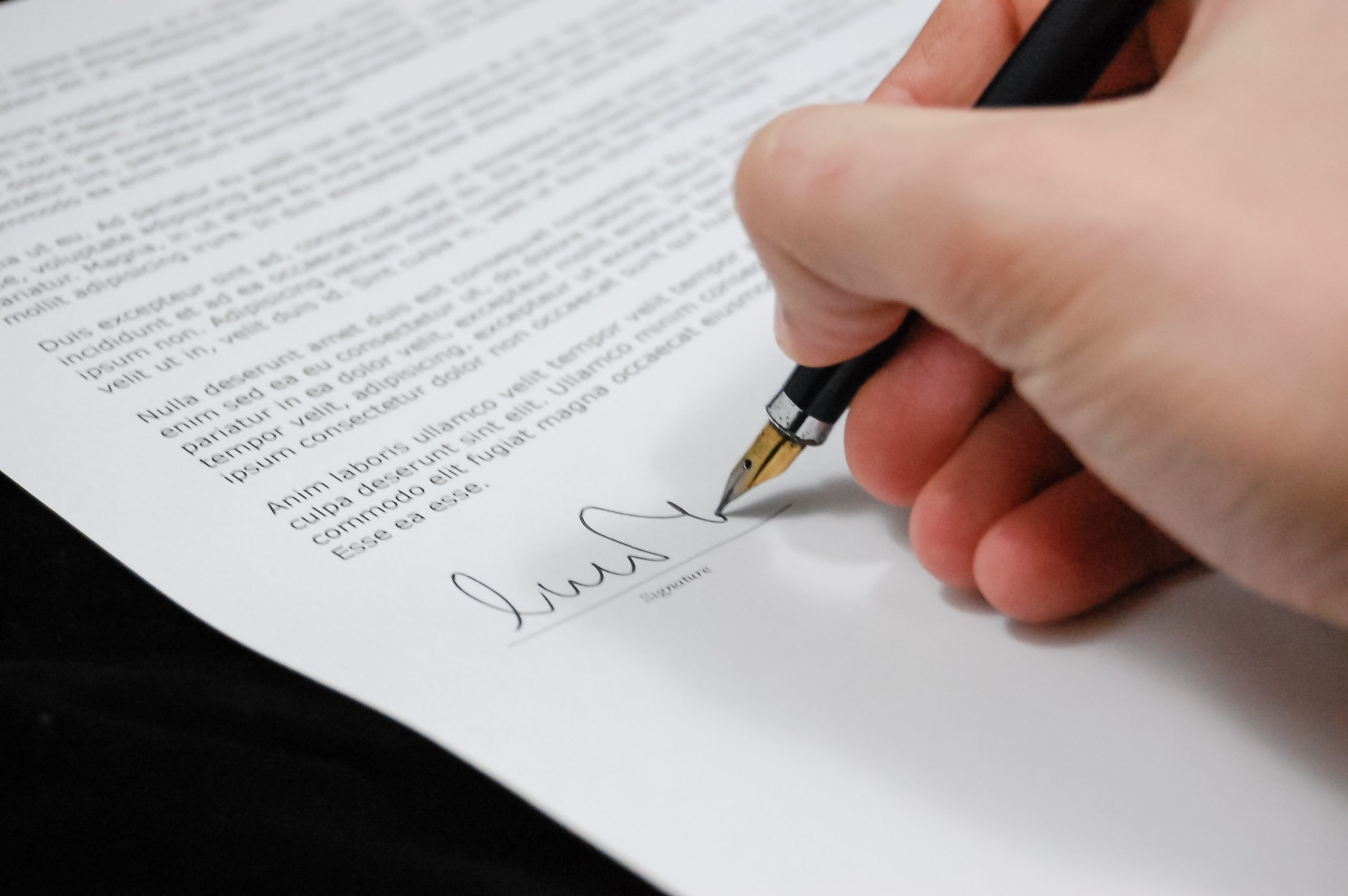
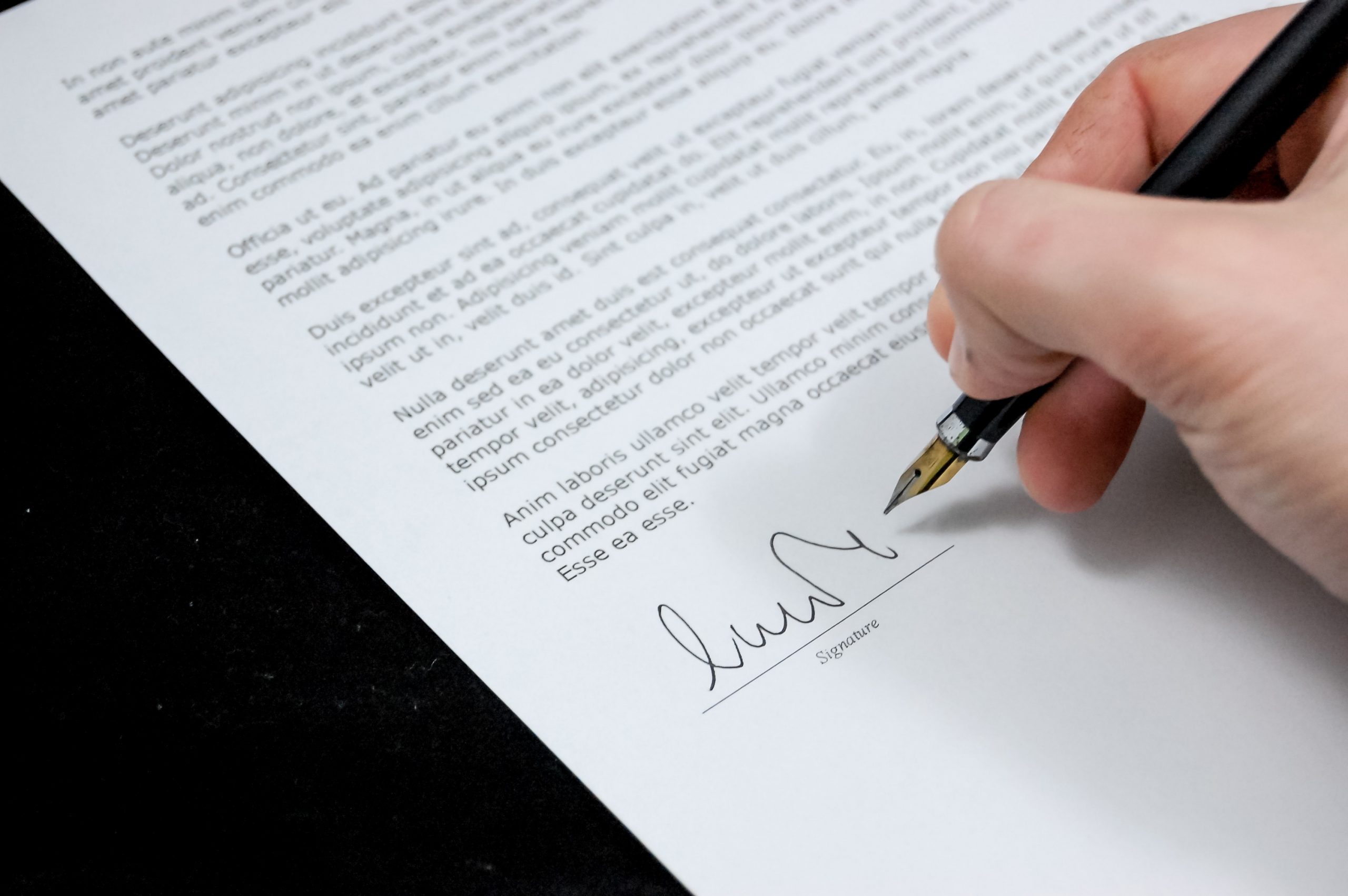
For a prenuptial agreement to be considered legally binding, certain requirements must be met. These requirements may vary depending on the jurisdiction, but generally, the agreement should be in writing, signed by both parties, and executed voluntarily without any signs of coercion or duress. Additionally, both parties must have provided full and accurate disclosure of their respective financial situations. It is also crucial that each party seeks independent legal advice to ensure the agreement is fair and reasonable.
Importance of Drafting a Binding Agreement
Drafting a binding prenuptial agreement is of utmost importance as it provides a clear framework for the division of assets and other financial matters in the event of a divorce or separation. Without a binding agreement in place, the laws of the jurisdiction in which the couple resides at the time of divorce will dictate how assets are divided. This can lead to uncertainty and potential disputes, often resulting in lengthy and costly legal battles. By having a binding prenuptial agreement, couples can have more control over their own financial future and protect their individual interests.
Benefits of a Binding Prenuptial Agreement
There are numerous benefits to having a binding prenuptial agreement. Firstly, it can protect the individual assets that each party brings into the marriage. This can be particularly important for individuals with substantial assets, businesses, or family inheritances. Secondly, a prenuptial agreement can help establish clear expectations and responsibilities for financial matters during the marriage. This can promote open communication and financial transparency, leading to a healthier relationship. Lastly, in the unfortunate event of a divorce or separation, a binding agreement can save both parties significant time, money, and emotional stress by eliminating the need for lengthy legal proceedings.
Potential Challenges to Binding Agreements
While binding prenuptial agreements are generally enforceable, they can still face challenges in certain circumstances. One common challenge is the presence of coercion or duress during the signing of the agreement. If one party can prove that they were forced or pressured into signing the agreement against their will, a court may deem the agreement to be invalid. Additionally, if the agreement contains unconscionable provisions or is considered grossly unfair to one party, a court may refuse to enforce it.
Enforcement of Binding Prenuptial Agreements
To ensure the enforcement of a binding prenuptial agreement, it is crucial to follow proper legal procedures during its creation. Both parties should fully disclose their assets, liabilities, and financial circumstances. Seeking the guidance of experienced family law attorneys can also help in drafting an agreement that adheres to legal requirements and is fair and reasonable to both parties. In the event of a divorce, the agreement will be presented to a court for review. If the court finds the agreement to be valid and in compliance with the law, it will be legally enforced, providing the couple with the intended protections and division of assets.
Common Mistakes to Avoid in Binding Agreements
When drafting a binding prenuptial agreement, it is important to avoid common mistakes that could potentially invalidate the agreement. One such mistake is the lack of proper legal representation. Each party should have their own independent family law attorney to ensure their interests are protected. Failure to disclose all assets, liabilities, and financial information accurately can also lead to problems. It is crucial to be transparent and provide full disclosure to avoid allegations of hidden assets or unfairness. Additionally, it is important to review and update the agreement periodically, especially if there are significant changes in the couple’s financial situation or the birth of children. Failing to do so may result in an outdated agreement that may not adequately protect both parties.
Seeking Legal Advice for a Binding Prenuptial Agreement
Navigating the complexities of prenuptial agreements requires expertise in family law. It is highly recommended that both parties seek independent legal advice before entering into a binding prenuptial agreement. An experienced family law attorney can guide each party through the legal requirements, ensure fair and reasonable provisions, and assist in creating an agreement that will hold up in a court of law. By involving legal professionals, couples can have confidence in the enforcement and validity of their prenuptial agreement.
Alternatives to Binding Prenuptial Agreements
While prenuptial agreements are widely utilized, there are alternative options available for couples who do not wish to have a binding agreement. Postnuptial agreements are similar to prenuptial agreements, but they are entered into after the marriage or civil union has taken place. These agreements can still provide clarity and establish guidelines for the division of assets and financial matters, even if they may not be as strong legally. Other alternatives include cohabitation agreements for couples who choose not to marry but still want to protect their individual assets and financial interests. Consulting with a family law attorney can help couples explore these alternatives and determine the best approach for their specific situation.
In conclusion, a binding prenuptial agreement offers numerous advantages for couples looking to protect their assets, establish financial expectations, and mitigate potential disputes in the event of a divorce or separation. By understanding the legal requirements, seeking legal advice, and avoiding common pitfalls, couples can create a comprehensive and enforceable agreement that provides peace of mind and stability for the future. It is crucial to consult with experienced family law attorneys to ensure the agreement is drafted properly and addresses the specific needs and circumstances of each couple.
If you find yourself involved in a car accident in Farr West, Utah, you may be feeling overwhelmed and unsure of what to do next. That’s where a Car Accident Attorney comes in. With their expertise in handling such cases, they can guide you through the legal process and help you obtain the compensation you deserve. In this article, we will explore the importance of hiring a Car Accident Attorney in Farr West, Utah, and how they can assist you in navigating the complexities of personal injury law. By the end, you will have a clear understanding of why reaching out to a knowledgeable attorney is crucial in such a situation.
Getting into a car accident can be a stressful and overwhelming experience. In the midst of all the chaos, it’s important to know what steps to take to ensure your safety and protect your rights. Here’s a comprehensive guide on what to do immediately after a car accident.
Stay at the scene
The first and most crucial step after a car accident is to stay at the scene. Leaving the scene of an accident, especially if there are injuries involved, is illegal and can result in serious legal consequences. As difficult as it may be, try to stay calm and collected.
Check for injuries
The next step is to check for any injuries, both for yourself and for others involved in the accident. If anyone is in need of immediate medical attention, call an ambulance right away. Even if there are no visible injuries, it’s still important to seek medical attention later, as some injuries may not be immediately obvious.
Call the police
Regardless of the severity of the accident, it’s important to call the police and report the incident. They will come to the scene, assess the situation, and create an official accident report. This report will be crucial when filing an insurance claim or pursuing legal action.
Exchange information
While waiting for the police to arrive, exchange information with the other parties involved in the accident. This includes names, contact information, insurance details, and vehicle registration numbers. It’s also a good idea to collect contact information from any witnesses who may have seen the accident.
Document the accident
Take photos or videos of the accident scene, making sure to capture any damage to the vehicles involved, as well as any skid marks or road conditions that may have contributed to the accident. This documentation will serve as evidence later on if you need to file an insurance claim or hire a car accident attorney.
Seek medical attention
Even if you initially feel fine, it’s important to seek medical attention after a car accident. Some injuries, such as whiplash or internal trauma, may not manifest symptoms right away. By seeking medical attention, you not only ensure your own well-being but also create a record of your injuries that can be used in any future legal proceedings.
Why hiring a car accident attorney is important
After a car accident, you may be wondering if it’s necessary to hire a car accident attorney. While it’s not a legal requirement, hiring an experienced attorney can greatly increase your chances of receiving fair compensation for your injuries and damages. Here are a few reasons why hiring a car accident attorney is important.
Understanding the legal process
Navigating the legal process can be complex and overwhelming, especially if you’re dealing with injuries and emotional stress from the accident. A car accident attorney will have a thorough understanding of the legal system and can guide you through the entire process, ensuring that you know your rights and are fully informed of your options.
Maximizing your compensation
Insurance companies are notorious for trying to settle claims for the lowest possible amount. By hiring a car accident attorney, you have someone on your side who will fight for your rights and work to maximize your compensation. An attorney will know how to accurately calculate your damages, taking into account both economic and non-economic factors.
Negotiating with insurance companies
Insurance companies will often try to pressure accident victims into accepting low settlement offers. When you have a car accident attorney representing you, they will handle all communication with the insurance company on your behalf. They will negotiate with the insurance adjusters to ensure that you receive a fair settlement that adequately covers your losses.
Investigating the accident
In order to build a strong case, it’s important to thoroughly investigate the accident. A car accident attorney will have the resources and knowledge to gather all necessary evidence, including accident reports, witness statements, surveillance footage, and expert opinions. They will use this evidence to establish liability and prove the extent of your damages.
Handling paperwork and deadlines
Dealing with paperwork and legal deadlines can be overwhelming, especially when you’re trying to recover from your injuries. By hiring a car accident attorney, you can rest assured that all necessary paperwork will be handled on time and accurately. Your attorney will ensure that all necessary documents are filed, preserving your rights and avoiding any potential legal pitfalls.
When hiring a car accident attorney, it’s important to choose someone who is experienced, knowledgeable, and dedicated to your case. Here are some qualities to look for in a car accident attorney:
Experience in car accident cases
Look for an attorney who has specific experience in handling car accident cases. They should have a track record of success in obtaining favorable outcomes for their clients. An experienced car accident attorney will be familiar with the common tactics used by insurance companies and will know how to build a strong case on your behalf.
Knowledge of local laws and regulations
Laws and regulations regarding car accidents can vary from state to state. It’s important to hire an attorney who is familiar with the specific laws and regulations in your area. They should have a deep understanding of local traffic laws, insurance requirements, and other relevant statutes.
Strong negotiation skills
Negotiating with insurance companies is a crucial part of the car accident settlement process. Your attorney should have excellent negotiation skills and be able to advocate for your best interests. They should be able to effectively argue your case and negotiate with insurance adjusters to ensure that you receive fair compensation for your injuries and damages.
Trial experience
While most car accident cases are settled out of court, it’s still important to hire an attorney who has trial experience. This can be a valuable asset if your case does end up going to trial. An attorney with trial experience will be comfortable in the courtroom and will know how to effectively present your case to a judge and jury.
Track record of success
Lastly, look for an attorney with a strong track record of success. They should have a history of obtaining favorable settlements and verdicts for their clients. You can ask for references or look for testimonials and reviews from past clients to get a sense of the attorney’s reputation and level of client satisfaction.
How to choose the right car accident attorney in Farr West Utah
Choosing the right car accident attorney in Farr West Utah can make a significant difference in the outcome of your case. Here are some tips to help you choose the right attorney for your needs:
Ask for recommendations
Start by asking friends, family, or coworkers for any recommendations they may have. Personal recommendations can often be valuable, as they come from trusted sources who have had firsthand experience with an attorney’s services. If you know anyone who has been involved in a car accident, ask them about their experience with their attorney.
Research online
In addition to personal recommendations, take the time to research car accident attorneys in Farr West Utah online. Look for attorneys who specialize in car accident cases and have positive reviews and testimonials from past clients. Visit their websites to learn more about their qualifications, experience, and areas of expertise.
Read client reviews
One of the best ways to gauge the reputation and quality of an attorney is by reading client reviews. Look for feedback from past clients who have had similar cases to yours. Pay attention to any common themes or concerns mentioned in the reviews. This will give you a better understanding of what it may be like to work with a particular attorney.
Schedule a consultation
Many car accident attorneys offer free initial consultations. Take advantage of these consultations to meet with potential attorneys and discuss your case. This will give you an opportunity to assess their communication style, ask questions, and get a sense of whether they would be a good fit for your needs.
Ask about fees and billing
During your consultation, make sure to ask about the attorney’s fees and billing practices. Some attorneys work on a contingency fee basis, meaning they only get paid if they win your case. Others may require an upfront retainer or charge by the hour. Understanding the fee structure and any potential additional costs will help you make an informed decision.
Understanding car accident compensation in Farr West Utah
If you’ve been involved in a car accident in Farr West Utah, you may be entitled to compensation for your injuries and damages. Here are the key components of car accident compensation:
Medical expenses
Car accident victims can seek compensation for any medical expenses related to their injuries, including doctor visits, hospital stays, surgeries, physical therapy, and medication costs. It’s important to keep all medical records and receipts as evidence of your expenses.
Lost wages
If your injuries prevent you from working, you may be able to seek compensation for lost wages. This includes both the income you have already lost due to missed work and any future income you may miss out on due to ongoing medical treatments or disabilities.
Pain and suffering
In addition to economic damages, car accident victims may be entitled to compensation for pain and suffering. This includes physical pain, emotional distress, and the loss of enjoyment of life. Calculating pain and suffering damages can be complex, as they are subjective in nature.
Property damage
If your vehicle or other property was damaged in the accident, you can seek compensation for the repair or replacement costs. This typically includes damage to your vehicle, as well as any personal belongings that were in the vehicle at the time of the accident.
Wrongful death
In cases where a car accident results in a fatality, the surviving family members may be able to pursue a wrongful death claim. Wrongful death compensation can cover funeral expenses, medical bills, lost income, and loss of companionship or support.
The statute of limitations for car accident claims in Farr West Utah
When pursuing a car accident claim in Farr West Utah, it’s important to be aware of the statute of limitations. The statute of limitations sets a deadline for filing a lawsuit, and if this deadline is missed, you may lose your right to seek compensation. Here’s what you need to know about the statute of limitations for car accident claims in Farr West Utah:
Utah’s statute of limitations
In Utah, the statute of limitations for car accident claims is typically four years from the date of the accident. This means that you have four years from the date of the accident to file a lawsuit seeking compensation for your injuries and damages.
Exceptions to the statute of limitations
There are certain exceptions that can extend or shorten the statute of limitations for car accident claims. For example, if the at-fault party is a government entity, you may be required to file a notice of claim within a much shorter time frame. It’s important to consult with a car accident attorney to understand the specific deadlines that apply to your case.
Importance of timely action
It’s crucial to take timely action and not wait until the last minute to pursue your car accident claim. Building a strong case takes time, and there may be additional steps that need to be taken before filing a lawsuit. By acting promptly, you give yourself the best chance of receiving fair compensation for your injuries and damages.
Common causes of car accidents in Farr West Utah
Car accidents can happen for a variety of reasons, but some causes are more common than others. Understanding the common causes can help you stay alert and take precautions to prevent accidents. Here are some common causes of car accidents in Farr West Utah:
Distracted driving
Distracted driving is a leading cause of car accidents. This includes activities such as texting, talking on the phone, eating, and using navigation systems while driving. It’s important to always keep your focus on the road and avoid distractions.
Speeding
Speeding is a major factor in many car accidents. When drivers exceed the speed limit, they have less time to react to unexpected situations and are more likely to lose control of their vehicles. Obeying speed limits and driving at a safe and reasonable speed can help prevent accidents.
Drunk driving
Driving under the influence of alcohol or drugs is a dangerous and illegal behavior that can have devastating consequences. Alcohol impairs judgment, slows reaction times, and affects coordination, making it difficult to safely operate a vehicle. Always designate a sober driver or use alternative transportation if you’ve been drinking.
Reckless driving
Reckless driving includes behaviors such as aggressive driving, tailgating, running red lights, and changing lanes without signaling. These behaviors put everyone on the road at risk and can easily lead to accidents. Stay calm and patient while driving, and always follow the rules of the road.
Weather conditions
Weather conditions can greatly affect driving conditions and increase the risk of accidents. Rain, snow, ice, and fog can make roads slippery and reduce visibility. It’s important to adjust your driving behavior to match the weather conditions, such as reducing your speed and increasing following distance.
Steps to take if you’ve been injured in a car accident
If you’ve been injured in a car accident, it’s important to take immediate action to protect your rights and ensure you receive the compensation you deserve. Here are the steps to take if you’ve been injured in a car accident:
Seek medical attention
Your health and well-being should always be the top priority. Seek medical attention for your injuries, even if they seem minor. A doctor can properly evaluate your condition and provide necessary treatment. Additionally, seeking medical attention creates a record of your injuries, which is important for your case.
Report the accident to your insurance company
Notify your insurance company about the accident as soon as possible. Provide them with accurate and detailed information about the accident and your injuries. Be cautious when speaking with insurance adjusters, as they may try to minimize your claim. It’s often beneficial to consult with a car accident attorney before speaking with insurance companies.
Gather evidence
Collect as much evidence as possible to support your claim. Take photos of the accident scene, your injuries, and any property damage. Gather witness statements, accident reports, and medical records. The more evidence you have, the stronger your case will be.
Contact a car accident attorney
Consult with a car accident attorney to discuss the details of your case. An attorney can provide guidance on the best course of action and help you navigate the legal process. They will protect your rights, negotiate with insurance companies, and represent your best interests.
Avoid discussing the accident
While it’s natural to want to discuss the accident and your injuries, it’s important to be mindful of what you say to others. Statements made to insurance adjusters, the other party involved, or on social media can be used against you. It’s generally best to limit discussions about the accident to your attorney and close family members.
How car accident attorneys handle insurance companies
Dealing with insurance companies can be a daunting task, especially if you’re recovering from injuries and navigating the legal process. Here’s how car accident attorneys handle insurance companies on behalf of their clients:
Communicating with insurance adjusters
Car accident attorneys serve as the primary point of contact between their clients and insurance adjusters. They handle all communication with the insurance company on your behalf, ensuring that your rights are protected and that you don’t say anything that could harm your case.
Negotiating for fair compensation
One of the main roles of a car accident attorney is to negotiate with insurance adjusters to secure fair compensation for their clients. Attorneys are skilled negotiators who understand the tactics often used by insurance companies to undervalue claims. They will advocate for your best interests and fight for the compensation you deserve.
Filing a lawsuit if necessary
If the insurance company refuses to offer a fair settlement, a car accident attorney can file a lawsuit on your behalf and take your case to court. They will handle all aspects of the lawsuit, including gathering evidence, presenting your case to a judge and jury, and fighting for the maximum compensation possible.
Dealing with bad faith insurance practices
Unfortunately, not all insurance companies operate in good faith. Some engage in bad faith practices, such as delaying claim processing, denying valid claims, or offering unreasonably low settlements. If you believe you’re being treated unfairly by an insurance company, a car accident attorney can step in and take legal action against them.
FAQs about car accidents and car accident attorneys in Farr West Utah
Here are some frequently asked questions about car accidents and car accident attorneys in Farr West Utah, along with brief answers:
Q: What should I do if the other driver’s insurance company contacts me?
A: It’s generally recommended to refrain from discussing the accident with the other driver’s insurance company. Instead, direct them to your own attorney, who can handle communications on your behalf.
Q: How long will my car accident claim take?
A: The duration of a car accident claim varies depending on the specific circumstances of the case. Some cases can be resolved quickly through settlement negotiations, while others may require litigation and can take longer. Your attorney will be able to provide a better estimate based on the details of your case.
Q: Do I need to go to court for a car accident claim?
A: Not all car accident claims go to court. In fact, the majority of cases are settled out of court through negotiation and settlement agreements. However, if a fair settlement cannot be reached, your case may proceed to trial.
Q: How much does it cost to hire a car accident attorney?
A: Many car accident attorneys work on a contingency fee basis, which means they only get paid if they win your case. Their fees are typically a percentage of the compensation awarded. It’s important to discuss fees and billing practices with your attorney during the initial consultation.
Q: What evidence is important in a car accident claim?
A: Important evidence in a car accident claim can include accident reports, witness statements, medical records, photos/video of the accident scene and injuries, and any other documentation that supports your claim. Your attorney can help you gather and organize the necessary evidence for your case.
As online reviews continue to play a significant role in shaping consumers’ purchasing decisions, it is important for businesses in Utah to understand the legal considerations surrounding these reviews. From defamation and privacy concerns to potential liability for fake reviews, this article will provide you with a comprehensive overview of the legal landscape surrounding online reviews in Utah. By exploring key regulations and case law, you will gain a clear understanding of your rights and responsibilities as a business owner, ensuring that you can navigate this digital realm with confidence.
Utah, like most states, recognizes defamation as a harmful act that can damage someone’s reputation. Defamation refers to the communication, either spoken or written, of false statements that harm the reputation of an individual or entity. To establish a claim of defamation in Utah, certain elements must be present.
Elements of Defamation
To prove defamation under Utah law, the following elements must be established:
False Statement: The statement must be false, not just an opinion or a subjective belief. It must be capable of being proven false.
Publication: The false statement must be communicated to a third party. It can be oral, written, or even published online.
Identification: The person claiming defamation needs to be identified in the statement. It can be direct identification or indirect identification where the statement refers to a person in a specific role or context.
Harm: The false statement must have caused harm to the reputation of the individual or entity. The harm must be more than just hurt feelings or embarrassment; it should be quantifiable damage.
Defenses Against Defamation
In Utah, there are several defenses available to a defamation claim, including:
Truth: Truth is an absolute defense to defamation. If the statement made is true, no matter how damaging, it cannot be considered defamation.
Opinion: Statements of opinion are generally protected, as they are subjective expressions and not presented as statements of fact. However, if an opinion is presented as a statement of fact and can be proven false, it may be considered defamation.
Privilege: Certain communications are considered privileged and protected from defamation claims, such as statements made in court proceedings, legislative hearings, or made by government officials within their duties.
Liability for Online Reviews in Utah
With the rise of online platforms and the ease of sharing opinions online, it is crucial to understand the liability associated with online reviews in Utah. Both the reviewer and the platform hosting the reviews can potentially be held liable for any defamatory statements made.
Liability of the Reviewer
Individuals who post online reviews carry the responsibility for their statements. If a review includes false statements that harm the reputation of an individual or a business, the reviewer may be held liable for defamation. It is important for reviewers to exercise caution and ensure the accuracy of their statements before publishing them online.
Liability of the Platform
Online platforms that allow users to post reviews can also face liability for defamatory statements made by their users. However, Section 230 of the Communications Decency Act provides platforms with some protection from liability. It states that online platforms are not considered the publisher or speaker of user-generated content and therefore cannot be held liable for defamation claims arising from that content. Nevertheless, platforms may still have a duty to remove or moderate defamatory content once they become aware of it.
Several defamation cases involving online reviews have emerged in Utah, highlighting the importance of understanding the legal consequences of such reviews. Let’s examine two notable cases:
Case Study 1: Company A vs. Reviewer B
In this case, Company A, a small local business, sued Reviewer B, an individual who had posted a scathing review online. The review contained false statements about the quality of Company A’s products and services, resulting in financial harm to the business. Company A successfully proved that the statements were false and that they had suffered reputational damage, leading to a favorable judgment against Reviewer B.
Case Study 2: Company X vs. Platform Y
Company X found several defamatory reviews about their services on Platform Y. Despite notifying Platform Y about the false statements, they failed to remove the reviews promptly. Company X sued Platform Y for negligence in moderating the content and allowing defamatory statements to remain visible. The court held Platform Y liable for failing to take prompt action and awarded damages to Company X.
These cases demonstrate the importance of understanding the legal implications of online reviews and the need for businesses and individuals to protect their reputations.
Protection of Anonymous Online Reviews in Utah
The right to anonymous speech is protected under the First Amendment, and individuals often prefer to post online reviews anonymously to express their opinions freely. However, there are challenges in unmasking anonymous reviewers when legal action becomes necessary.
Right to Anonymous Speech
The right to post online reviews anonymously is generally protected, but it is not absolute. If a review contains defamatory or false statements, the injured party may seek legal action to identify the anonymous reviewer. To unmask an anonymous reviewer, the plaintiff must typically demonstrate a valid defamation claim and show that the reviewer’s identity is essential to pursue the lawsuit.
Challenges in Unmasking Anonymous Reviewers
Unmasking anonymous reviewers presents challenges in online defamation cases. Online platforms often prioritize user privacy and may resist disclosing the identities of anonymous users without a court order. To obtain the necessary information, the injured party must file a lawsuit and follow the legal process to request a subpoena or court order compelling the platform to reveal the reviewer’s identity.
It is essential for businesses and individuals to consult with an experienced attorney familiar with online defamation laws to determine the best course of action when dealing with defamatory anonymous reviews.
Copyright Infringement in Online Reviews
Online reviews often include the use of copyrighted material, such as images or quotes from books or articles. It is crucial to understand the legal implications of using copyrighted material in reviews to avoid potential copyright infringement claims.
Using Copyrighted Material in Reviews
Using copyrighted material in online reviews without obtaining proper permission or falling under fair use guidelines can lead to copyright infringement. Copyright law grants the original creator exclusive rights over their work, including the right to reproduce, distribute, and display the work publicly. To use copyrighted material in a review, it is typically necessary to either obtain permission from the copyright owner or fall under the fair use defense.
Fair Use Defense
The fair use doctrine allows limited use of copyrighted material without permission, under certain circumstances. Factors considered in determining fair use include the purpose and character of the use, the nature of the copyrighted work, the amount and substantiality of the portion used, and the effect of the use on the potential market for the copyrighted work.
While fair use can provide a defense, it should not be assumed without carefully assessing the specific circumstances. Consulting with an attorney who specializes in copyright law is advisable to ensure compliance and minimize the risk of copyright infringement claims.
Trademark Infringement in Online Reviews
Trademark infringement can occur when online reviews include unauthorized use of someone else’s trademarks. Understanding the potential risks and defenses against trademark claims is essential for businesses and individuals engaging in online reviews.
Unauthorized Use of Trademarks
Using someone else’s trademark in an online review without permission can potentially lead to a trademark infringement claim. Trademarks protect the distinctive branding elements of a business, such as logos, names, or slogans, and their use without authorization may cause confusion or dilution of the trademark’s value.
When writing online reviews, it is advisable to avoid using trademarks in a way that suggests an affiliation or endorsement unless expressly permitted. Using a trademark for comparative purposes may fall under fair use, but it is crucial to ensure that the use does not create a likelihood of confusion or tarnish the trademark’s reputation.
Defenses Against Trademark Claims
Several defenses may be available against trademark infringement claims in online reviews. These include:
Nominative Fair Use: This defense allows the use of another’s trademark to accurately describe or refer to the trademarked product or service. However, the use must be limited to what is necessary, and it should not imply sponsorship or endorsement.
Descriptive Fair Use: This defense permits using a trademark in its descriptive sense to convey its intended meaning without suggesting any affiliation or endorsement.
Parody or Satire: The use of a trademark in an online review for parody or satirical purposes may be protected as a form of free speech. However, the use should be transformative and make it clear that it is intended as a parody.
Consulting with a trademark attorney is crucial for businesses and individuals to ensure compliance with trademark laws and mitigate the risk of trademark infringement claims.
Privacy Rights and Online Reviews
The publication of private information in online reviews can raise privacy concerns and potentially lead to legal consequences. It is important to understand the boundaries of privacy rights when sharing personal or private information in reviews.
Publication of Private Information
When leaving online reviews, it is crucial to respect the privacy rights of individuals and not disclose private information without consent. Private information may include personal contact details, medical records, financial information, or anything that a reasonable person would expect to remain confidential.
The publication of private information without consent could potentially result in invasion of privacy claims, depending on the circumstances. It is important to consider the potential harm caused by sharing private information and to focus on the review’s content rather than targeting individuals’ personal lives.
Right to Privacy in Reviews
While individuals have a legitimate interest in protecting their privacy, they must also consider that their expectations of privacy may be lessened when it comes to information voluntarily shared in online reviews. Honest opinions and experiences can usually be expressed without crossing the boundaries of privacy rights.
It is advisable to exercise caution and avoid disclosing unnecessary personal information when leaving reviews. If a review is challenged based on privacy concerns, consulting with an attorney familiar with privacy laws can help assess the situation and determine the appropriate course of action.
Business Strategies for Managing Online Reviews in Utah
Online reviews can significantly impact a business’s reputation and success. Proactively managing online reviews is crucial to mitigate the effects of negative reviews and encourage positive feedback. Here are some strategies for businesses to consider.
Responding to Negative Reviews
Responding to negative reviews promptly and professionally is essential for businesses. It provides an opportunity to address concerns, demonstrate good customer service, and potentially resolve any issues. When responding to negative reviews:
Remain Calm: Maintain a professional tone and avoid becoming defensive or argumentative, regardless of the reviewer’s tone.
Acknowledge the Feedback: Show that you value the reviewer’s opinion by acknowledging their concerns and expressing a willingness to address them.
Offer a Solution: Propose a solution or invite the reviewer to discuss the issue further offline. This demonstrates a commitment to customer satisfaction.
Be Grateful for Positive Reviews: Take the opportunity to express gratitude to those who leave positive reviews. It encourages further positive feedback and fosters customer loyalty.
Encouraging Positive Reviews
Actively encouraging satisfied customers to leave positive reviews is an effective way to counterbalance negative reviews. Consider these strategies to promote positive reviews:
Provide Exceptional Service: Consistently deliver outstanding products or services to ensure customers have positive experiences worth sharing.
Request Reviews: Engage with customers by politely requesting reviews after a successful transaction or service. This can be done through follow-up emails or by sharing links to review platforms.
Make It Easy: Simplify the review process by providing direct links to review platforms or creating a user-friendly review submission form on your website.
Offer Incentives: Consider offering a small incentive, such as a discount or freebie, to customers who leave reviews. However, ensure that the incentive does not violate any platform policies or laws.
Remember, while encouraging positive reviews is beneficial, it is essential to do so ethically and within legal and platform guidelines.
Review Monitoring and Removal in Utah
Monitoring and managing online reviews can be a time-consuming task, but it is crucial to stay informed and address any false or defamatory reviews promptly. Platforms often have policies and procedures in place for reporting and removing problematic reviews.
Reporting False or Defamatory Reviews
When encountering false or defamatory reviews, it is important to follow the platform’s reporting process to have them reviewed and potentially removed. Each platform may have different reporting mechanisms, but the process generally involves:
Identifying the Review: Gather evidence and document the false or defamatory review, including relevant screenshots or URLs.
Review Platform Policy: Familiarize yourself with the platform’s policies and guidelines regarding reviews, as these will help determine if the review violates any rules.
Report the Review: Submit a formal complaint or report through the platform’s designated reporting system. Provide all necessary information and evidence to support your claim.
Follow Up: Keep track of your complaint and follow up with the platform if necessary. Be prepared to provide additional information or clarification if requested.
Platform Policies for Review Removal
Different platforms have varying policies and procedures for review removal, often based on legal requirements and community guidelines. It is important to understand these policies and work within their framework. Some common reasons for review removal include:
Violation of Platform Policies: Reviews that are defamatory, contain hate speech, or violate other platform guidelines may be subject to removal.
Inauthentic Reviews: Platforms often have measures in place to detect and remove fake or spam reviews that may artificially manipulate ratings or deceive consumers.
Legal Compliance: Platforms may remove reviews upon receiving a valid court order or legal notice alleging defamation or violation of other laws.
Engaging with an attorney experienced in online reviews and familiar with platform policies can provide guidance on navigating the review removal process effectively.
Professional Ethics and Online Reviews in Utah
Legal professionals, including attorneys practicing in Utah, are governed by specific codes of conduct that apply to their interactions online. When it comes to online reviews, lawyers must carefully consider their ethical obligations and professional responsibilities.
Lawyer’s Code of Conduct
Utah attorneys are bound by the Utah Rules of Professional Conduct, which outline the ethical standards they must adhere to. Relevant rules regarding online reviews include:
Rule 7.2, Advertising: Attorneys must ensure that any statements made in online reviews or other advertising materials are truthful and not misleading.
Rule 7.6, Political Contributions: Attorneys must not make or solicit political contributions in exchange for recommendations, endorsements, or reviews.
Rule 8.4, Misconduct: Attorneys must not engage in conduct that reflects adversely on their fitness to practice law, including making false or misleading statements about other lawyers.
Ethical Considerations for Attorneys
When handling online reviews, attorneys must consider the following ethical considerations:
Confidentiality: Attorneys must maintain client confidentiality and avoid sharing any information that could breach client-attorney privilege, even in responses to reviews. General statements of appreciation for client feedback can be made without compromising confidentiality.
Candor and Honesty: Attorneys must be honest and truthful in their responses to reviews. They should not make false or misleading statements that could undermine the integrity of the legal profession.
Professionalism: Attorneys should maintain a professional and respectful tone in their interactions with reviewers, even if faced with negative or unjust reviews. Responding in a calm and measured manner reflects well on their professionalism.
Utah attorneys should familiarize themselves with the specific rules of professional conduct and consult with legal professionals for guidance on navigating ethical considerations related to online reviews.
Frequently Asked Questions
1. Can I sue someone for leaving a negative review about my business in Utah? Yes, it is possible to sue someone for leaving a negative review about your business in Utah if the review contains false statements that harm your reputation. Consult with an attorney to discuss the specific circumstances and determine the best course of action.
2. Can I be held liable for defamatory statements posted by users on my platform in Utah? Under Section 230 of the Communications Decency Act, online platforms generally cannot be held liable for defamatory statements posted by users. However, platforms may have a duty to remove defamatory content once they become aware of it. Consult with an attorney to understand the potential liability and obligations related to your platform.
3. Are anonymous online reviews protected by the First Amendment in Utah? Yes, anonymous online reviews are generally protected by the First Amendment in Utah. However, if a review contains defamatory or false statements, the injured party may seek legal action to identify the anonymous reviewer. Consult with an attorney to understand the boundaries of anonymous speech protection.
4. Can I use copyrighted material in my online reviews without permission in Utah? Using copyrighted material in online reviews without permission may constitute copyright infringement. To use copyrighted material, it is typically necessary to obtain proper permission from the copyright owner or fall under the fair use defense. Consult with an attorney to assess fair use in your specific situation.
5. What should I do if I receive a false or defamatory review about my business in Utah? If you receive a false or defamatory review about your business in Utah, consider the following steps:
Gather evidence of the review, including screenshots or URLs.
Review the platform’s policies and rules regarding reporting and review removal.
Report the review through the platform’s designated reporting system, providing all necessary information and evidence.
Follow up with the platform if necessary and consider consulting with an attorney for guidance on legal options.
These FAQ answers provide general information and should not be considered legal advice. Consulting with an attorney is advisable for tailored guidance based on your specific circumstances.
In conclusion, understanding the legal considerations for online reviews in Utah is crucial for businesses, reviewers, and platform operators. Defamation laws, liability for online reviews, protection of anonymous reviewers, copyright & trademark infringement, privacy rights, and professional ethics all shape the landscape of online reviews. By being aware of these legal considerations, individuals and businesses can navigate the online review ecosystem more effectively and potentially avoid legal pitfalls.
Contact our experienced business law attorney in Utah to discuss your specific situation and receive personalized legal advice on how to protect your interests.
In this article, we will explore the concept of a prenuptial agreement specifically applicable to Jehovah’s Witnesses. As you delve into the details, you will gain a comprehensive understanding of the unique considerations and elements that shape such agreements within this religious community. By examining the relevant factors and exploring the specific requirements, you will be better equipped to make informed decisions, ensuring that your prenuptial agreement not only aligns with your personal beliefs but also protects your interests. With this knowledge in hand, you can confidently approach a lawyer who specializes in prenuptial agreements for Jehovah’s Witnesses, to navigate the legal complexities and have a personalized document drafted to meet your specific needs.
A prenuptial agreement, commonly known as a prenup, is a legally binding contract entered into by a couple before their marriage or civil partnership. Its purpose is to establish guidelines regarding the division of assets, debts, and other financial matters in the event of divorce, separation, or death.
1.2 Historical Context
The concept of prenuptial agreements dates back to ancient times when dowries and bride prices were common. However, it wasn’t until the 19th century that prenuptial agreements gained recognition in legal systems worldwide.
1.3 Increase in Popularity
In recent years, prenuptial agreements have become increasingly popular among couples, including those with strong religious beliefs. The growing recognition of individual autonomy and the desire to protect individual assets are often cited as reasons contributing to their popularity.
2. Jehovah’s Witnesses and Marriage
2.1 Beliefs and Practices
Jehovah’s Witnesses, a Christian denomination, hold marriage in high regard as a sacred institution ordained by God. They believe that marriage is a lifelong commitment and discourage divorce except in cases of marital unfaithfulness or abandonment.
2.2 Importance of Marriage
For Jehovah’s Witnesses, marriage is not only a legal contract but also a religious covenant. It signifies a commitment to one another and to God, as they believe that the marriage vow is made before Him. As such, any decisions regarding a prenuptial agreement require careful consideration within the framework of their faith.
2.3 Determining Factors for Prenuptial Agreements
While Jehovah’s Witnesses place a strong emphasis on the permanence of marriage, they recognize that individuals may have specific financial considerations or concerns that warrant the consideration of a prenuptial agreement. These factors may include significant differences in wealth, complex financial situations, or the need to protect certain assets that are of personal or sentimental value.
A prenuptial agreement is a comprehensive legal document that outlines the financial rights and obligations of each spouse in the event of divorce, separation, or death. It typically addresses the division of property, spousal support, and allocation of debts.
3.2 Key Components
A prenuptial agreement usually includes provisions related to the identification and characterization of assets, debt allocation, property division, spousal support, and the establishment of procedures for dispute resolution. These components are tailored to the specific needs and circumstances of the couple.
3.3 Legal Requirements
To be enforceable, a prenuptial agreement must meet certain legal requirements, which may vary depending on the jurisdiction. Generally, these requirements include full disclosure of assets and liabilities, voluntary and uncoerced consent of both parties, and the absence of any unconscionable terms.
4. Legal Validity for Jehovah’s Witnesses
4.1 Compliance with Religious Beliefs
For a prenuptial agreement to be considered valid within the Jehovah’s Witnesses community, it must adhere to the principles and teachings of the faith. This means that it should not contradict or undermine the sacred nature of marriage or compromise the individuals’ commitment to serving God and their congregation.
4.2 Applicability of Secular Laws
While prenuptial agreements are primarily governed by secular laws, Jehovah’s Witnesses may also seek guidance from their religious teachings when entering into such agreements. However, it’s important to keep in mind that the ultimate legal validity of a prenuptial agreement depends on the applicable laws in the specific jurisdiction.
4.3 Role of Elders and Congregation
In matters relating to prenuptial agreements, Jehovah’s Witnesses often consult with their local congregation elders or appointed representatives. These individuals provide spiritual guidance and help ensure that the decision to pursue a prenuptial agreement aligns with the teachings and principles of the faith.
5. Reasons for Considering a Prenuptial Agreement
5.1 Protecting Individual Assets
One common reason for Jehovah’s Witnesses to consider a prenuptial agreement is to protect individual assets acquired before the marriage. By outlining specific property rights and asset distribution, a prenuptial agreement can help safeguard personal wealth and investments.
5.2 Addressing Potential Debt
In some cases, one or both individuals in a Jehovah’s Witness marriage may have existing debts. A prenuptial agreement can establish how these debts will be allocated in the event of a divorce or separation, preventing one spouse from assuming the other’s financial liabilities.
5.3 Ensuring Financial Security
By setting forth provisions for spousal support and asset division, a prenuptial agreement can provide financial security for both parties in case of divorce or separation. This can help ease potential financial burdens and uncertainties that may arise during such circumstances.
5.4 Establishing Expectations
A prenuptial agreement allows the couple to openly discuss and establish their expectations regarding financial matters, including property rights, asset management, and future financial responsibilities. This can lead to better communication and a clearer understanding of each other’s financial goals.
5.5 Mitigating Conflict
In the unfortunate event that a marriage ends in divorce or separation, a prenuptial agreement can contribute to minimizing potential conflicts and legal disputes by establishing clear guidelines for asset division and financial obligations. This can help pave the way for a more amicable and efficient resolution.
6. Steps to Initiate a Prenuptial Agreement
6.1 Open and Honest Communication
Before embarking on the process of creating a prenuptial agreement, it is crucial to have open and honest communication with your partner. Discuss your reasons for considering a prenup, clarify expectations, and ensure that both parties are willing to engage in the process.
6.2 Timely Initiation
It is recommended to initiate discussions and negotiations for a prenuptial agreement well in advance of the wedding date. This allows ample time for thoughtful consideration, gathering necessary financial information, and consulting with appropriate professionals, if needed.
6.3 Seeking Legal Advice
Due to the legal complexities of prenuptial agreements, it is advisable to seek the guidance of an experienced family law attorney who understands the unique considerations of Jehovah’s Witnesses. They can provide legal advice, explain the implications of certain clauses, and ensure that the agreement meets legal requirements.
6.4 Considering Mediation Services
In cases where the couple encounters decision-making challenges or differing opinions during the prenuptial agreement process, mediation services can be beneficial. A professional mediator can help facilitate productive discussions and negotiations, ensuring that both parties have an opportunity to express their concerns and reach mutually agreeable terms.
7. Counseling and Mediation
7.1 Role of Pre-marital Counseling
Given the significance of marriage within the Jehovah’s Witnesses faith, pre-marital counseling can play a valuable role in the prenuptial agreement process. Pastoral or professional counseling provides couples with a safe space to discuss their expectations, values, and concerns, fostering a deeper understanding of one another and potentially facilitating the development of a prenuptial agreement that aligns with their shared beliefs.
7.2 Benefits of Mediation
Mediation can be a valuable tool for couples navigating the complexities of prenuptial agreements. A trained mediator helps facilitate open and respectful communication, guiding the couple towards mutually beneficial resolutions. This process can lead to greater satisfaction and a stronger sense of ownership over the final prenuptial agreement.
7.3 Collaboration with Elders or Church Leaders
Jehovah’s Witnesses often involve their congregation elders or appointed representatives in important decisions, including those related to prenuptial agreements. The guidance and support offered by these individuals can provide valuable perspectives and help ensure that the couple’s decisions align with the principles and teachings of the faith.
8. Drafting a Prenuptial Agreement
8.1 Lawyer’s Involvement
The legal intricacies of drafting a prenuptial agreement necessitate the involvement of a qualified attorney. A skilled family law attorney familiar with the beliefs and practices of Jehovah’s Witnesses can guide the couple through the drafting process, ensuring all necessary provisions are included and addressing any concerns related to their faith.
8.2 Customization as Per Beliefs
One advantage of involving a lawyer in the prenuptial agreement process is the ability to customize the agreement to align with the couple’s religious beliefs. A knowledgeable attorney can help tailor specific clauses to address concerns related to the sacred nature of marriage and any potential conflicts with the couple’s faith.
8.3 Clarity and Unambiguous Language
A well-drafted prenuptial agreement should be clear, concise, and free of any ambiguity. It is essential to use straightforward language that is easily understood by both parties, ensuring that the agreement accurately reflects their intentions and prevents future misunderstandings or disputes.
11. Enlisting the Help of a Lawyer
11.1 Finding a Suitable Lawyer
When seeking legal assistance for the creation of a prenuptial agreement, it is important to find a lawyer who is not only knowledgeable in family law but also respectful and understanding of Jehovah’s Witnesses’ beliefs and practices. The lawyer should be able to provide guidance that aligns with the couple’s faith and values.
11.2 Lawyer’s Role and Responsibilities
A lawyer’s primary role in the creation of a prenuptial agreement is to guide the couple through the legal process, ensuring compliance with relevant laws and requirements. They will provide legal advice, offer solutions to complex issues, and advocate for their client’s best interests, while remaining respectful of the couple’s religious beliefs.
11.3 Reviewing and Finalizing the Agreement
Once the prenuptial agreement is drafted, it is essential to thoroughly review its contents before signing. A lawyer plays a crucial role in reviewing the agreement, explaining its implications, and addressing any questions or concerns that may arise. Only after the document has been reviewed and finalized should both parties sign it, making it legally binding.
In conclusion, a prenuptial agreement can be a valuable tool for Jehovah’s Witnesses who wish to protect their assets, establish expectations, and ensure financial security within the context of their faith. By understanding the background, legal requirements, and considerations specific to Jehovah’s Witnesses, couples can make informed decisions and approach the prenuptial agreement process with confidence. Seeking advice from knowledgeable professionals, including family law attorneys and pastoral counselors, can provide the necessary support throughout this significant and often sensitive endeavor.
Are you getting married and considering a prenuptial agreement? Look no further than Prenup Lawyer Tooele Utah. Our expert attorneys are here to provide you with guidance and reassurance on your legal concerns. With our extensive experience in drafting prenuptial agreements, we understand the importance of protecting your assets and ensuring a smooth transition in case of a future separation. Our website is designed to provide you with important information and emotional connections to help you make an informed decision. So don’t hesitate, give us a call today and let us assist you promptly.
Key Considerations in Drafting a Prenuptial Agreement
Commonly Asked Questions About Prenuptial Agreements
Conclusion
Contact a Prenup Lawyer Tooele Utah
Introduction
When it comes to planning your future together, considering a prenuptial agreement can be a wise decision. Prenuptial agreements, commonly known as “prenups,” provide a legal framework for the division of assets and obligations in the event of a divorce. While discussing the possibility of a prenup may feel uncomfortable, seeking the guidance of a prenup lawyer can help ensure that both you and your partner enter into the agreement with clarity and fairness. In this comprehensive article, we will explain the need for prenup lawyers, give an overview of prenuptial agreements, and highlight the importance of seeking legal advice.
A prenuptial agreement is a legally binding contract entered into by two individuals before their marriage or civil partnership. It outlines the division of assets, debts, and responsibilities in the event of a divorce or separation. While some may view prenups as anticipating the end of a relationship, they actually provide a sense of security and enable open communication about financial matters.
Purpose and Benefits of Prenuptial Agreements
The purpose of a prenuptial agreement is to protect the interests of both parties involved. By clearly stating each partner’s rights and responsibilities, a prenup can help avoid lengthy and costly court battles in the event of a divorce. Prenuptial agreements can address issues such as property division, spousal support, and inheritance rights.
Key Elements of a Valid Prenuptial Agreement
To be considered valid and enforceable, a prenuptial agreement must meet certain criteria. Both parties must fully disclose their financial situations, and the agreement should be entered into voluntarily, without any signs of coercion. It is crucial to ensure that the agreement is fair and reasonable, with the assistance of a prenup lawyer to guide you through the process.
Why Hire a Prenup Lawyer?
Understanding the Complexity of Prenuptial Agreements
Prenuptial agreements can be complex legal documents filled with technical language and intricate details. Attempting to navigate the intricacies of a prenup without legal expertise can lead to mistakes or oversights that may render the agreement invalid or unenforceable. Hiring a prenup lawyer ensures that you have knowledgeable guidance throughout the process.
Importance of Legal Expertise
Prenup lawyers specialize in family law and have a deep understanding of the legal framework surrounding prenuptial agreements. They can provide you with personalized advice based on your specific circumstances, ensuring that your agreement is tailored to your needs and complies with all relevant laws and regulations.
Ensuring Fair and Binding Agreements
A prenup lawyer acts as a neutral third party, ensuring that the agreement is fair to both parties and properly protects your individual interests. They can help you identify potential pitfalls and guide you through negotiations, promoting open and honest communication. By involving a lawyer, you can increase the likelihood that the agreement will hold up in court should it ever be challenged.
How to Choose a Prenup Lawyer
Factors to Consider When Selecting a Prenup Lawyer
When choosing a prenup lawyer, there are several factors to consider. Look for a lawyer who specializes in family law and has experience handling prenuptial agreements. It is also essential to find someone you feel comfortable working with, as this process requires open communication and trust.
Experience and Expertise in Prenuptial Law
Choose a lawyer who has a strong background in prenuptial law and has successfully helped clients with similar cases. Their experience will ensure that they are well-versed in the complexities and nuances of drafting and negotiating prenuptial agreements.
Client Testimonials and Reviews
Read reviews and testimonials from previous clients to gain insight into the lawyer’s professional skills and client satisfaction. Positive testimonials can provide reassurance and build trust in their ability to handle your case effectively.
Availability and Communication
Effective communication between you and your prenup lawyer is crucial. Ensure that the lawyer you choose is accessible and responsive, promptly addressing any concerns or queries you may have. Open lines of communication are vital throughout the entire process, from initial consultations to finalizing the agreement.
Affordability and Fee Structures
Discuss the lawyer’s fee structure and ensure that it aligns with your budget and expectations. Prenuptial agreements can involve various complexities, so it is essential to have a clear understanding of the associated costs to avoid any surprises along the way.
Benefits of Having a Prenup Lawyer
Providing Objective Legal Advice
A prenup lawyer serves as an unbiased advisor, providing objective legal advice based on their expertise and knowledge of the law. They can help you understand your rights, evaluate potential risks, and make informed decisions that protect your best interests.
Negotiating and Drafting Strong Agreements
A prenup lawyer has the skills and experience necessary to negotiate on your behalf and create a solid and comprehensive agreement. They can help you articulate your wishes and ensure that the agreement is clear, concise, and legally binding.
Protection of Individual Interests
By involving a prenup lawyer, you can ensure that your individual interests are protected. They will work with you to determine what is fair and reasonable in the context of your unique circumstances, ensuring that the agreement reflects your needs and priorities.
Avoiding Costly Mistakes and Legal Challenges
Drafting a prenuptial agreement without legal assistance can lead to critical mistakes or oversights that may render the agreement unenforceable or subject to legal challenges. A prenup lawyer can help you navigate potential pitfalls and ensure that your agreement meets all legal requirements, reducing the risk of future complications.
Understanding Utah Prenup Laws
Overview of Prenuptial Laws in Utah
Utah prenuptial laws outline the requirements and regulations surrounding prenuptial agreements in the state. It is essential to understand these laws to ensure that your agreement is valid and enforceable. Consulting with a prenup lawyer who specializes in Utah law is crucial to navigate the specific requirements within the state.
Community Property vs. Equitable Distribution
Utah follows the principles of equitable distribution, meaning that assets and debts acquired during the marriage are divided fairly but not necessarily equally. Prenuptial agreements can outline specific arrangements for property division in the event of a divorce.
Enforceability and Validity of Prenuptial Agreements in Utah
To be valid and enforceable in Utah, a prenuptial agreement must be in writing, signed voluntarily by both parties, and supported by full financial disclosure. It is crucial to have the agreement drafted and reviewed by a prenup lawyer to ensure compliance with all legal requirements.
Impact of Pre-existing Debts and Assets
Prenuptial agreements can protect pre-existing debts and assets. By clearly stating each party’s separate property, a prenup can help ensure that these assets and debts remain with the individual in the event of a divorce. Consulting with a prenup lawyer can help you understand how to address pre-existing financial obligations effectively.
Key Considerations in Drafting a Prenuptial Agreement
Open and Honest Communication
Open and honest communication is essential when drafting a prenuptial agreement. Both parties must disclose all assets, debts, and financial obligations to ensure transparency and fairness. A prenup lawyer can guide you through the disclosure process and help ensure that all relevant information is included in the agreement.
Identifying and Disclosing Assets and Debts
Identifying and disclosing all assets and debts is a crucial step in drafting a prenuptial agreement. This includes bank accounts, real estate holdings, retirement accounts, investments, and any other financial interests. With the guidance of a prenup lawyer, you can ensure that nothing is overlooked.
Defining Property Rights and Division
One of the key elements of a prenuptial agreement is defining property rights and division. This includes determining how property acquired during the marriage will be classified and distributed in the event of a divorce. Working closely with a prenup lawyer will help you establish fair and equitable property division provisions.
Spousal Support and Alimony
Prenuptial agreements can address spousal support and alimony arrangements. It is crucial to discuss these matters openly with your partner and consult with a prenup lawyer to ensure that the agreement reflects both parties’ intentions and aligns with Utah laws regarding spousal support.
Provisions for Children and Custody
While prenuptial agreements primarily focus on financial matters, they can also include provisions for children and custody arrangements. The lawyer can guide you in addressing child-related concerns, such as custody, visitation rights, and child support, ensuring that the agreement is comprehensive and meets the best interests of the children involved.
Commonly Asked Questions About Prenuptial Agreements
What is the Purpose of a Prenuptial Agreement?
A prenuptial agreement serves to establish clear guidelines for the division of assets and obligations in the event of a divorce. It provides both parties with financial security and can help avoid contentious legal battles.
Can Prenuptial Agreements Be Modified or Invalidated?
Prenuptial agreements can be modified or invalidated under certain circumstances. Changes to the agreement may require a postnuptial agreement, while invalidation can occur if the agreement was signed under duress, involved fraudulent information, or did not meet legal requirements. Consulting with a prenup lawyer can help you navigate potential modifications or disputes.
What Should I Disclose in a Prenuptial Agreement?
In a prenuptial agreement, both parties should fully disclose their financial situations, including assets, debts, income, and any other relevant financial information. Full disclosure is crucial to ensure that both parties have a clear understanding of their rights and obligations.
Can Prenuptial Agreements Address Child Support?
While prenuptial agreements mainly focus on financial matters, they can address child support arrangements. However, it is important to note that child support matters are subject to the court’s discretion, and any provisions in the prenuptial agreement must align with Utah laws and the best interests of the child.
Can I Draft a Prenuptial Agreement Without Legal Assistance?
While it is technically possible to draft a prenuptial agreement without legal assistance, it is not recommended. Prenuptial agreements involve complex legal considerations, and omitting or misunderstanding key provisions can lead to invalidation or difficulties enforcing the agreement in the future. Consulting with a prenup lawyer ensures that your agreement is properly drafted and meets all legal requirements.
Conclusion
Making the decision to have a prenuptial agreement in place before getting married can provide peace of mind and protect your individual interests. Seeking the guidance of a prenup lawyer is essential to ensure that the agreement is fair, legally binding, and tailored to your specific needs. By understanding the key elements of a prenuptial agreement, selecting a skilled and experienced prenup lawyer, and considering the specific laws in Utah, you can confidently navigate the process and secure your future. Don’t hesitate to reach out to a prenup lawyer in Tooele, Utah, to receive professional guidance and support in drafting your prenuptial agreement.
Contact a Prenup Lawyer Tooele Utah
To receive expert legal assistance with your prenuptial agreement in Tooele, Utah, contact [Law Firm Name] at [Phone Number]. Our experienced prenup lawyers are ready to provide personalized guidance and help protect your interests. Schedule a free consultation today to take the next step towards securing your future.
If you’re in Payson, Utah and need assistance with any real estate matters, you’ve come to the right place. The Real Estate Lawyer Payson Utah is here to provide expert guidance and support for all your legal needs in the real estate industry. Whether you’re buying or selling a property, dealing with mortgage issues, or facing any other real estate challenges, our friendly team is ready to help. With our extensive knowledge and experience in the field, we can navigate through the complexities of the legal system to ensure a smooth and successful transaction. Trust us to be your reliable partner in real estate law in Payson, Utah.
A real estate lawyer, also known as a real estate attorney, is a legal professional who specializes in matters related to real estate transactions, property law, and real estate disputes. These lawyers are well-versed in the laws and regulations governing the buying, selling, leasing, and development of real estate.
Role and Responsibilities
The role of a real estate lawyer is multifaceted. They are responsible for providing legal guidance and representation to individuals, businesses, and organizations involved in real estate transactions. Some of their key responsibilities include:
Reviewing and drafting legal documents: Real estate lawyers are skilled in preparing and reviewing various legal documents related to real estate transactions, such as purchase agreements, leases, contracts, and mortgage agreements. They ensure that these documents are accurate, legally binding, and protect the interests of their clients.
Conducting title searches: One of the crucial responsibilities of a real estate lawyer is to conduct a thorough review of the property’s title history to confirm its ownership and identify any potential issues, such as liens or encumbrances. This helps to ensure a clear title transfer during the transaction.
Providing legal advice: Real estate lawyers offer legal counsel to their clients, guiding them through the complexities of real estate law. They explain the legal implications of various provisions in contracts and assist in making informed decisions about property transactions.
Facilitating negotiations: In situations where disputes or disagreements arise during the real estate transaction process, a real estate lawyer can act as a mediator and negotiator on behalf of their clients. They strive to settle these issues amicably, avoiding costly litigation.
Qualifications
To practice as a real estate lawyer, individuals need to obtain a law degree and pass the bar examination in the state they intend to practice. Additionally, it is beneficial for real estate lawyers to have specialized knowledge or experience in real estate law. They should stay updated with the changing laws and regulations related to real estate transactions and possess excellent analytical, negotiation, and communication skills.
Importance of Hiring a Real Estate Lawyer
Protection of Interests
One of the primary reasons for hiring a real estate lawyer is to protect your interests in a real estate transaction. Real estate deals involve significant financial investments, and mistakes or oversights can lead to costly consequences. A skilled real estate lawyer ensures that your rights and interests are safeguarded throughout the transaction process.
Ensuring Legal Compliance
Real estate laws and regulations vary from state to state and can be complex for non-legal professionals to navigate. Hiring a real estate lawyer ensures that you comply with all the legal requirements and avoid potential legal issues. They have a deep understanding of local laws and regulations and will guide you through the process, ensuring compliance at every step.
Document Preparation and Review
Real estate transactions involve the preparation and review of numerous legal documents. These documents often contain complex legal jargon and can be challenging for individuals without legal training to understand fully. A real estate lawyer will prepare and review all the necessary documents, ensuring accuracy, completeness, and adherence to legal standards.
Negotiations and Mediation
Real estate transactions often involve negotiations between buyers, sellers, lenders, and other parties involved. A real estate lawyer can act as a skilled negotiator on your behalf, advocating for your interests and striving for favorable terms. In case of disputes or disagreements, they can engage in mediation to find mutually agreeable solutions, potentially avoiding costly and time-consuming litigation.
Title Search and Insurance
A thorough title search is essential to ensure proper ownership and identify any potential issues with the property’s title. Real estate lawyers conduct these searches meticulously, verifying the chain of ownership and identifying any liens, encumbrances, or easements that may affect the property. They can also assist in obtaining title insurance, which provides protection against any unforeseen title defects.
Seeking recommendations from friends, family, or local real estate professionals is often an effective way to find a reliable real estate lawyer. These individuals may have firsthand experience working with a lawyer and can provide insights into their professionalism, expertise, and client satisfaction.
Online Directories and Reviews
Online directories and review platforms can be valuable resources when searching for a real estate lawyer. Websites such as Avvo, FindLaw, and Martindale-Hubbell allow users to search for lawyers based on location and practice area. Reading client reviews and ratings can help gauge the lawyer’s reputation and quality of service.
Credentials and Experience
When evaluating potential real estate lawyers, consider their credentials and experience in handling real estate matters. Look for lawyers who specialize in real estate law and have a proven track record of success. Check their educational background, bar association memberships, and any additional certifications or recognitions related to real estate law.
Initial Consultation
Before making a final decision, schedule an initial consultation with prospective real estate lawyers. This consultation provides an opportunity to discuss your specific needs, ask questions, and assess the lawyer’s communication style and approach. Pay attention to their responsiveness, attentiveness, and ability to explain complex legal concepts in a clear and understandable manner.
Services Offered by Real Estate Lawyers
Residential Property Transactions
Real estate lawyers assist individuals and families in buying or selling residential properties. They handle all legal aspects of the transaction, including drafting and reviewing contracts, conducting due diligence, negotiating terms, and ensuring a smooth closing process.
Commercial Property Transactions
Real estate lawyers also specialize in commercial property transactions, which involve the buying, selling, leasing, or development of commercial properties such as office buildings, retail spaces, or industrial complexes. They navigate the intricacies of commercial real estate laws, zoning regulations, and lease negotiations to protect their clients’ interests.
Real Estate Disputes and Litigation
In situations where real estate disputes arise, such as contractual breaches, title disputes, or construction defects, real estate lawyers provide legal representation and guidance. They assist clients in resolving these disputes through negotiation, mediation, or, if necessary, through litigation in court.
Lease Agreements
Real estate lawyers play a crucial role in drafting and reviewing lease agreements for both residential and commercial properties. They ensure that lease terms are fair, legally sound, and protect the rights and interests of both landlords and tenants.
Land Use and Zoning Issues
Navigating land use and zoning laws can be complex and challenging. Real estate lawyers assist clients in understanding and complying with local land use and zoning regulations, obtaining necessary permits and approvals, and representing their interests in front of planning boards or zoning commissions.
Foreclosure Assistance
Real estate lawyers provide assistance to homeowners facing foreclosure proceedings. They review mortgage agreements, negotiate with lenders, explore loss mitigation options, and represent homeowners in foreclosure proceedings to protect their rights.
Understanding Real Estate Law in Payson, Utah
State-Specific Regulations
When dealing with real estate transactions in Payson, Utah, it is crucial to understand the state-specific regulations that govern these transactions. Real estate lawyers in Payson have extensive knowledge of Utah’s real estate laws and ensure compliance with these regulations.
Local Codes and Ordinances
Payson, Utah, may have specific local codes and ordinances that impact real estate transactions. Real estate lawyers in the area are well-versed in these regulations and can provide guidance on complying with local codes and ordinances.
Property Ownership and Rights
Real estate law in Payson, Utah, establishes rules and regulations regarding property ownership and rights. Real estate lawyers help clients understand their property rights and assist in addressing any disputes or legal issues that may arise.
Contract Laws
Contract laws play a significant role in real estate transactions. Real estate lawyers in Payson have a deep understanding of contract laws and can ensure that all contracts related to a real estate transaction comply with Utah state laws and protect their clients’ interests.
Land Use and Development
Payson, Utah, has specific regulations regarding land use and development. Real estate lawyers play a crucial role in assisting clients with obtaining permits, zoning approvals, and meeting the legal requirements for land use and development projects.
The Real Estate Closing Process
Preliminary Activities
Before the closing, there are several preliminary activities that need to be completed. These include conducting a title search, securing title insurance, arranging for a home inspection, and finalizing mortgage financing.
Title Search and Examination
During the title search, the real estate lawyer reviews public records to determine the history of ownership and ensure that the title is free from any liens or encumbrances. The lawyer then issues a title opinion, certifying the title’s validity.
Due Diligence
Prior to closing, the buyer’s lawyer conducts due diligence to verify the accuracy of the property’s description, boundaries, and any improvements. This includes reviewing surveys, inspecting the property for any defects, and ensuring compliance with local regulations.
Negotiations and Agreement
If any issues or discrepancies are identified during the due diligence process, the buyer’s lawyer may negotiate with the seller’s lawyer to address these concerns and reach an agreement regarding any necessary repairs, credits, or adjustments to the purchase price.
Document Preparation and Review
The real estate lawyer prepares or reviews all necessary documents for the closing, including the purchase agreement, closing statement, mortgage documents, and any other required legal forms. They ensure that all documents are accurate, legally binding, and reflect the agreed-upon terms of the transaction.
Funds Transfer and Closing
On the closing day, the real estate lawyer facilitates the transfer of funds between the buyer and seller. They oversee the signing of all documents, including the deed, and ensure that the funds are disbursed appropriately. Once the transaction is complete, the lawyer records the deed and other relevant documents with the appropriate government agency.
Costs and Fees Associated with Real Estate Lawyers
Hourly Rates
Many real estate lawyers charge an hourly rate for their services. The hourly rate may vary depending on factors such as the lawyer’s experience, reputation, and the complexity of the case or transaction. Hourly rates typically range from $150 to $350 per hour.
Flat Fees
Some real estate lawyers offer flat fees for specific services, such as document preparation, title search, or lease agreement review. Flat fees provide transparency and allow clients to budget their legal expenses more effectively.
Retainers
In some cases, real estate lawyers may require clients to pay a retainer fee upfront. The retainer fee is an advance payment that ensures the lawyer’s availability and commitment to the client’s case or transaction. The lawyer deducts their fees from the retainer as the work progresses.
Additional Expenses
In addition to the lawyer’s fees, there may be additional expenses associated with real estate transactions, such as court filing fees, recording fees, title insurance premiums, and fees for other third-party services. It is essential to discuss and clarify these expenses with the lawyer in advance.
Tips for Working with a Real Estate Lawyer
Clear Communication
Maintaining clear and open communication with your real estate lawyer is crucial throughout the entire process. Clearly express your goals, concerns, and expectations, and promptly respond to any requests or inquiries from the lawyer. Clear communication ensures that everyone is on the same page and helps avoid misunderstandings.
Providing Complete Information
To help your real estate lawyer effectively represent your interests, provide them with all relevant information, documents, and records pertaining to the transaction or legal matter. This includes property documents, contracts, financial records, and any correspondence related to the case. Complete information allows the lawyer to assess the situation accurately and provide appropriate guidance.
Active Involvement
While your real estate lawyer handles the legal aspects of the transaction, it is essential to remain actively involved and informed. Attend meetings, review documents, and ask questions when you need clarification. Staying engaged in the process ensures that you can make informed decisions and understand the legal implications of the transaction.
Understanding the Process
Real estate transactions can be complex, but a good real estate lawyer will explain the process and guide you every step of the way. Take the time to understand the various stages, legal requirements, and potential challenges associated with your transaction. Understanding the process empowers you to make informed decisions and reduces stress and uncertainty.
Mutual Expectations
Establishing mutual expectations with your real estate lawyer from the beginning is crucial. Clarify your goals, timeline, and any specific concerns you may have. Discuss how often you expect to receive updates and how you prefer to communicate. When both parties have a clear understanding of expectations, it fosters a productive and positive working relationship.
Common Real Estate Legal Issues in Payson, Utah
Boundary and Title Disputes
Boundary and title disputes can arise when property lines or ownership rights are contested. Real estate lawyers in Payson, Utah, help clients resolve these disputes, whether through negotiations, alternative dispute resolution methods, or court litigation.
Land Use and Zoning Violations
Violations of land use and zoning regulations can lead to legal issues and penalties. Real estate lawyers assist clients in resolving land use and zoning violations, navigating the regulatory process, and achieving compliance with local laws.
Contract Breaches
In some cases, parties may breach the terms of a real estate contract, such as failing to perform agreed-upon obligations or violating specific terms. Real estate lawyers help their clients address contract breaches and seek appropriate remedies, such as financial compensation or specific performance.
Easement and Access Issues
Disputes regarding easements and access rights can arise between neighbors or property owners. Real estate lawyers assist clients in understanding their rights and resolving these disputes, whether through negotiation or legal action.
Construction Defects
Real estate projects occasionally experience construction defects that can significantly impact value and use. Real estate lawyers help clients address construction defects and pursue legal remedies, such as repairs, compensation, or reimbursement from responsible parties.
Benefits of Hiring a Local Real Estate Lawyer
Knowledge of Local Laws
Local real estate lawyers have a deep understanding of the specific laws, regulations, and procedures that apply to real estate transactions in their area. They are familiar with local customs, practices, and legal nuances, which can be invaluable when navigating the complexities of real estate law.
Understanding of Regional Market
Local real estate lawyers have a finger on the pulse of the local real estate market. They are familiar with current market conditions, trends, and property values, which can be vital when negotiating deals, assessing risks, or making investment decisions.
Established Networks and Connections
Local real estate lawyers often have established networks and connections with other professionals involved in the real estate industry, such as real estate agents, lenders, surveyors, and title companies. These connections can benefit their clients by facilitating smoother transactions and providing access to reliable resources.
Accessibility and Convenience
Hiring a local real estate lawyer offers the advantage of accessibility and convenience. They are typically located within the same geographic area as their clients, making it easier to schedule in-person meetings, attend court hearings, and address urgent matters promptly. Their local presence allows for more efficient communication and a higher level of personalized service.
In conclusion, a real estate lawyer plays a crucial role in ensuring smooth, legally compliant real estate transactions and resolving any legal issues that may arise. From protecting your interests to providing expert advice and guidance, hiring a real estate lawyer can save you time, money, and potential headaches. When seeking a reliable real estate lawyer, consider local recommendations, online directories, credentials, and experience. By working with a real estate lawyer, you can navigate the complexities of real estate law with confidence and peace of mind.
Did you recently experience a car accident in Roosevelt, Utah? Dealing with the aftermath of a car accident can be overwhelming, but you don’t have to face it alone. Whether it’s navigating insurance claims, proving negligence, or seeking compensation for medical bills, a car accident attorney in Roosevelt, Utah can guide you through the legal process. With their expertise and knowledge, they can help you understand your rights and fight to protect your best interests. Contact a trusted car accident attorney today to ensure that your rights are protected and you receive the compensation you deserve.
Being involved in a car accident can be a stressful and overwhelming experience. However, it’s important to stay calm and take the necessary steps to protect yourself legally and ensure your well-being. After a car accident in Roosevelt, Utah, there are a few crucial things you should do. First and foremost, make sure you and anyone else involved in the accident are safe. If anyone is injured, call emergency services right away.
Once everyone is safe, it’s important to gather as much information as possible. Take photos of the accident scene, including damages to the vehicles involved, any visible injuries, and the overall scene itself. Exchange contact and insurance information with the other driver(s) involved, and gather contact information from any witnesses. It’s also a good idea to write down any details you remember about the accident, as memories can fade over time.
It is also important to notify your insurance company as soon as possible after the accident. Provide them with accurate and honest information about the accident, but be careful not to admit fault. It’s best to consult with a car accident attorney before making any statements to insurance companies.
When to hire a car accident attorney
While not every car accident requires the assistance of an attorney, there are certain situations where it is highly advisable to seek legal representation. If you or anyone else involved in the accident has suffered significant injuries, it’s crucial to consult with a car accident attorney in Roosevelt, Utah. They can help you navigate the complex process of seeking compensation for medical expenses, lost wages, and pain and suffering.
Additionally, if the accident involved multiple parties, determining liability can be challenging. A skilled car accident attorney can investigate the circumstances surrounding the accident and gather evidence to establish fault. They will work tirelessly to protect your rights and ensure you receive fair compensation.
Finding the right car accident attorney in Roosevelt, Utah
Finding the right car accident attorney can make a significant difference in the outcome of your case. Start by seeking recommendations from friends, family, or colleagues who have been through a similar situation. Additionally, online directories and legal referral services can provide a list of car accident attorneys in Roosevelt, Utah.
Once you have compiled a list of potential attorneys, research each one’s experience and track record. Look for attorneys who specialize in car accident cases and have a successful history of obtaining favorable outcomes for their clients. Consider reading client reviews and testimonials to gauge their level of satisfaction.
Qualities to look for in a car accident attorney
When choosing a car accident attorney in Roosevelt, Utah, it’s crucial to consider their qualities and expertise. Look for an attorney who is experienced in handling car accident cases specifically, as they will have in-depth knowledge of the applicable laws and regulations. A good attorney should also possess excellent communication skills and be able to clearly explain the legal process to you.
Furthermore, a trustworthy car accident attorney will prioritize your well-being and be dedicated to fighting for your rights. They should be compassionate and empathetic, understanding the emotional and physical toll a car accident can take on you and your loved ones. Finally, choose an attorney who is responsive and accessible, as open communication is key throughout the legal process.
Understanding car accident laws in Utah
Before delving into hiring a car accident attorney, it’s important to have a basic understanding of car accident laws in Utah. In Utah, the law follows a modified comparative fault rule, meaning that an injured party can only pursue compensation if their degree of fault is 50% or less. If a person is found to be more than 50% at fault, they cannot recover any damages.
Utah also operates under a no-fault insurance system, requiring all drivers to carry personal injury protection (PIP) insurance coverage. PIP coverage provides compensation for medical expenses and lost wages regardless of who caused the accident. However, if injuries exceed the limits of PIP coverage or meet certain thresholds, the injured party can pursue a claim against the at-fault driver.
Navigating these laws can be complex, which is why consulting with a car accident attorney is highly recommended. They will guide you through the legal process and work to ensure you receive the compensation you deserve.
How a car accident attorney can help with insurance claims
Dealing with insurance companies can be overwhelming, especially when you’re focused on recovering from your injuries. A car accident attorney can assist you in handling insurance claims and negotiations, relieving you of the burden and ensuring you receive fair compensation.
An experienced attorney will thoroughly review your insurance policy and determine the types and amounts of coverage available to you. They can then work with the insurance company on your behalf to maximize your benefits and hold them accountable for providing the compensation you are entitled to.
In the event that the insurance company disputes your claim or offers an inadequate settlement, your attorney can escalate the matter and potentially take legal action. They have the knowledge and legal expertise to navigate the complexities of insurance policies and fight for a fair resolution.
Proving liability in a car accident case
Proving liability is a crucial aspect of any car accident case. To establish fault, your car accident attorney will gather evidence such as police reports, witness statements, photographs, and any available video footage. They may also consult with accident reconstruction experts who can analyze the scene and provide expert opinions on liability.
Utah follows a comparative negligence system, which means that fault can be allocated among multiple parties. Your attorney will work diligently to build a strong case, utilizing all available evidence to demonstrate the negligence of the other party. This can include proving speeding, distracted driving, drunk driving, or any other reckless behavior that led to the accident.
By proving liability, your attorney can help you recover the compensation you deserve for medical expenses, property damage, lost wages, and other damages resulting from the accident.
Seeking compensation for car accident injuries
If you’ve been injured in a car accident in Roosevelt, Utah, seeking compensation for your injuries is essential. Depending on the circumstances of the accident, you may be eligible for various types of compensation including:
Medical expenses: This includes reimbursement for hospital bills, doctor visits, surgeries, prescription medications, physical therapy, and any other medical treatments related to your injuries.
Lost wages: If your injuries prevent you from working, you may be entitled to compensation for lost wages. This includes both current and future lost earnings.
Pain and suffering: Compensation for pain and suffering accounts for the physical and emotional distress caused by the accident and subsequent injuries. It can include compensation for mental anguish, loss of enjoyment of life, and emotional trauma.
Property damage: If your vehicle or any other property was damaged in the accident, you can seek compensation for the repair or replacement costs.
Your car accident attorney will assess the extent of your injuries and financial losses to determine the appropriate amount of compensation to seek. They will then advocate for you during negotiations or in court to ensure you are fairly compensated.
Common mistakes to avoid after a car accident
After a car accident, it’s important to avoid certain mistakes that could potentially harm your case or reduce your chances of receiving fair compensation. Here are some common mistakes to avoid:
Admitting fault: Even if you believe you may have been partially at fault for the accident, it’s important not to admit fault to anyone at the scene. Admissions of fault can be used against you during insurance negotiations or in court.
Delaying medical treatment: It’s crucial to seek medical attention as soon as possible after a car accident, even if you believe your injuries are minor. Delaying medical treatment can weaken your claim, as insurance companies may argue that your injuries were not a result of the accident.
Failing to gather evidence: Collecting evidence at the accident scene is vital for establishing liability and proving the extent of your damages. Failing to take photos, gather witness statements, or obtain contact and insurance information from the other party can weaken your case.
Settling too quickly: Insurance companies often try to settle car accident claims quickly and for as little money as possible. It’s important not to accept any settlements without consulting with a car accident attorney first. They can assess the value of your claim and negotiate for fair compensation.
By avoiding these common mistakes, you can protect your legal rights and increase your chances of receiving the compensation you deserve.
FAQs about hiring a car accident attorney
Do I need a car accident attorney for every car accident case? While not every car accident case requires the assistance of an attorney, it is highly advisable to seek legal representation if the accident resulted in significant injuries or if determining liability is complex.
How much does it cost to hire a car accident attorney? Many car accident attorneys offer free initial consultations and work on a contingency fee basis. This means that they only get paid if they successfully recover compensation for you. Their fees are typically a percentage of the amount recovered.
How long do I have to file a car accident lawsuit in Utah? In Utah, the statute of limitations for filing a car accident lawsuit is generally four years from the date of the accident. However, it is best to consult with an attorney as soon as possible to ensure you meet all necessary deadlines.
Can I still seek compensation if I was partially at fault for the accident? Yes, you can still seek compensation in Utah even if you were partially at fault for the accident. However, your recovery may be reduced by your percentage of fault.
What if the insurance company denies my claim? If the insurance company denies your claim or offers an inadequate settlement, it’s important to consult with a car accident attorney. They can assess the situation and potentially take legal action to seek fair compensation on your behalf.
Are you in need of expert assistance with estate planning in Providence, Utah? Look no further! Our dedicated team of estate planning lawyers is here to provide you with the guidance and support you need to navigate the complexities of preserving and passing on your assets. With years of experience and a deep understanding of the laws and regulations surrounding estate planning, we are committed to helping you protect your legacy and ensure your loved ones are taken care of. Don’t wait, give us a call today to schedule a consultation and take the next step towards securing your future.
Estate planning is a critical process that everyone should undertake, regardless of their age or financial situation. It involves making important decisions about what will happen to your assets and liabilities after your death or incapacitation. Many people often underestimate the importance of estate planning, assuming that it is only for the wealthy or elderly. However, the truth is that estate planning is essential for individuals and families of all backgrounds.
By working with an experienced estate planning lawyer, you can ensure that your wishes are followed, your loved ones are protected, and your assets are distributed according to your desires. Estate planning allows you to have control over your financial and healthcare matters, even when you are unable to make decisions for yourself. It provides peace of mind knowing that your hard-earned assets will be taken care of and distributed to your beneficiaries as you intend.
Avoiding Common Mistakes in Estate Planning
While it is possible to create an estate plan on your own, there are various pitfalls and common mistakes that individuals often encounter without professional guidance. These mistakes can lead to legal complications, delays in the distribution of assets, and even disputes among family members. By working with an estate planning lawyer, you can avoid these common pitfalls and ensure that your estate plan is comprehensive and legally valid.
Some of the common mistakes that an estate planning lawyer can help you avoid include improper beneficiary designations, ineffective powers of attorney, inadequate planning for incapacity, incorrect or outdated documents, and insufficient consideration of tax implications. With the guidance of a professional, you can navigate through the complexities of estate planning and ensure that your assets are protected and distributed according to your wishes.
Benefits of Hiring an Estate Planning Lawyer
Hiring an estate planning lawyer offers numerous benefits that can greatly impact the outcome and effectiveness of your estate plan. Here are some advantages of working with a professional:
Experience and Expertise: Estate planning lawyers specialize in this area of law and have extensive knowledge and experience in creating comprehensive estate plans. They are well-versed in the legal requirements and can guide you through the process to ensure that your plan meets your specific needs and objectives.
Reputation and Track Record: A reputable estate planning lawyer will have a track record of success in helping clients create effective estate plans. By choosing a lawyer with a good reputation, you can have confidence in their ability to provide quality legal advice and assistance.
Availability and Communication: An estate planning lawyer will be available to answer your questions, address any concerns, and guide you through the entire process. Effective communication is crucial in estate planning, as it ensures that your wishes are accurately conveyed and implemented.
Fees and Billing: While hiring an estate planning lawyer may involve some upfront costs, the long-term benefits and peace of mind are invaluable. It is important to discuss fees and billing arrangements with your lawyer beforehand to ensure that you are comfortable with the financial aspects of the engagement.
By working with an estate planning lawyer, you can navigate the complexities of estate planning with confidence and have the assurance that your wishes will be carried out as intended.
What Does an Estate Planning Lawyer Do?
Evaluating Your Assets and Liabilities
One of the primary responsibilities of an estate planning lawyer is to evaluate your assets and liabilities. This involves gathering information about your real estate properties, bank accounts, investments, business interests, and personal belongings. By understanding your financial situation comprehensively, the lawyer can provide tailored advice on how to protect and distribute your assets in the most efficient manner.
Drafting a Comprehensive Estate Plan
Once your assets and liabilities have been evaluated, an estate planning lawyer will draft a comprehensive estate plan for you. This plan will outline your wishes regarding the distribution of your assets, provisions for your loved ones, and designation of beneficiaries. It may include important documents, such as a last will and testament, a living trust, and powers of attorney.
The estate planning lawyer will work closely with you to ensure that your plan reflects your unique circumstances and goals. They will explain the legal implications of each document and help you make informed decisions about your estate plan.
Creating and Managing Trusts
Trusts are an essential tool in estate planning, as they allow you to transfer your assets to a trustee who will manage and distribute them according to your instructions. An estate planning lawyer has the expertise to create various types of trusts, such as revocable living trusts, irrevocable trusts, and special needs trusts.
By establishing trusts, you can protect your assets, minimize estate taxes, and ensure a smooth transition of wealth to your beneficiaries. An estate planning lawyer will guide you through the process of creating and managing trusts, ensuring that they are aligned with your goals and comply with applicable laws.
Establishing Powers of Attorney and Healthcare Directives
In addition to distributing your assets, estate planning also involves making provisions for your healthcare and financial decision-making if you become incapacitated. An estate planning lawyer can help you establish powers of attorney and healthcare directives, which designate agents to act on your behalf in these situations.
Powers of attorney grant someone the authority to manage your financial affairs, make legal decisions, and sign documents on your behalf. Healthcare directives, on the other hand, outline your wishes regarding medical treatment and appoint someone to make healthcare decisions in accordance with your wishes.
An estate planning lawyer will ensure that these documents comply with legal requirements and accurately reflect your intentions, giving you peace of mind knowing that your interests will be protected in case of incapacity.
Updating and Reviewing Your Estate Plan
Throughout your life, circumstances may change, and it is important to regularly review and update your estate plan accordingly. An estate planning lawyer can help you stay updated and make necessary adjustments to your plan when needed.
Life events such as marriage, divorce, birth or adoption of children, and changes in financial status may warrant revisions to your estate plan. An estate planning lawyer will work with you to ensure that your plan remains in line with your current goals and objectives.
Updating and reviewing your estate plan regularly is crucial to ensure that it continues to reflect your wishes and protects your loved ones and assets effectively.
When choosing an estate planning lawyer, it is important to consider their experience and expertise in the field. Look for a lawyer who specializes in estate planning and has a track record of successfully representing clients in similar cases. An experienced lawyer will be well-versed in the laws and regulations governing estate planning and will be able to provide you with sound legal advice.
Reputation and Track Record
The reputation of an estate planning lawyer speaks volumes about their professionalism and quality of service. Consider reading reviews and testimonials from previous clients to get an idea of the lawyer’s reputation. A lawyer with a positive track record and satisfied clients is more likely to provide you with excellent service and guidance.
Availability and Communication
Effective communication is crucial when working with an estate planning lawyer. Ensure that the lawyer you choose is available to answer your questions and address your concerns. They should be responsive and willing to provide updates on the progress of your estate plan. Good communication ensures that your expectations are met and helps build a strong working relationship.
Fees and Billing
Discuss the fees and billing arrangements with the estate planning lawyer before engaging their services. Different lawyers may have different fee structures, such as a flat fee, hourly rates, or a combination of both. Make sure you are comfortable with the financial aspects of the engagement and understand what services are included in the fee.
Choosing the right estate planning lawyer is essential for a smooth and successful estate planning process. Take the time to research and evaluate potential lawyers to find one who aligns with your needs and objectives.
Understanding Estate Planning Laws in Providence Utah
State-Specific Laws and Regulations
Estate planning laws and regulations can vary from state to state. Therefore, it is important to work with an estate planning lawyer who is knowledgeable about the specific laws in your state. In Providence Utah, estate planning laws dictate how your assets will be distributed, the requirements for creating valid estate planning documents, and the rules surrounding probate and estate administration.
By working with an estate planning lawyer who is well-versed in Providence Utah’s estate planning laws, you can ensure that your estate plan is in compliance with the applicable regulations.
Tax Implications in Estate Planning
Tax implications are a significant consideration in estate planning. In Providence Utah, there are specific tax laws and regulations that affect estate planning decisions, such as estate taxes, gift taxes, and income taxes. An estate planning lawyer can help you understand these tax implications and develop strategies to minimize the tax burden on your estate.
By considering tax implications in your estate plan, you can preserve more of your assets for your beneficiaries and ensure efficient wealth transfer.
Gifting and Charitable Contributions
If you have philanthropic goals or wish to make charitable contributions, an estate planning lawyer can assist you in incorporating these intentions into your estate plan. In Providence Utah, there may be specific rules and regulations regarding gifting and charitable contributions, and an estate planning lawyer can guide you through the process.
By including charitable contributions in your estate plan, you can support causes that are important to you and leave a lasting impact on your community.
Probate and Distribution of Assets
Probate is the legal process through which a deceased person’s estate is administered and their assets are distributed. Each state has its own probate laws and procedures, including Providence Utah. An estate planning lawyer can help you understand the probate process and work with you to minimize its impact on your estate.
By implementing a well-designed estate plan, you can potentially avoid or streamline the probate process, ensuring a smooth and efficient distribution of your assets to your beneficiaries.
Common Estate Planning Documents
Last Will and Testament
A last will and testament is a legal document that outlines your wishes regarding the distribution of your assets after your death. It allows you to designate beneficiaries, specify how your assets should be distributed, and appoint an executor to carry out your wishes.
While a last will and testament is an essential estate planning document, it may be subject to probate and does not provide some of the advantages of other planning tools. An estate planning lawyer can help you determine if a last will and testament is sufficient for your needs or if additional documents or strategies are necessary.
Living Trust
A living trust, also known as a revocable trust, is a legal entity that you create during your lifetime to hold and manage your assets. It allows you to retain control over your assets while providing for their seamless transfer to your beneficiaries upon your death.
One of the advantages of a living trust is that it can help you avoid probate, saving time and costs associated with the probate process. Additionally, a living trust provides privacy, as the details of your assets and distributions remain confidential.
An estate planning lawyer can assist you in creating a living trust that meets your specific needs and goals, providing you with peace of mind and a streamlined estate planning process.
Power of Attorney
A power of attorney is a legal document that grants someone the authority to act on your behalf for financial and legal matters. This includes managing your bank accounts, paying bills, signing contracts, and making other financial decisions.
Establishing a power of attorney ensures that your financial affairs will be handled effectively if you become incapacitated or unable to make decisions for yourself. An estate planning lawyer can help you create a power of attorney that aligns with your wishes and complies with the applicable laws.
Healthcare Directive
A healthcare directive, also known as a living will or advance healthcare directive, outlines your wishes regarding medical treatment and end-of-life care. It provides instructions to healthcare professionals and your loved ones about the medical treatments you wish to receive or decline if you are unable to make decisions for yourself.
By establishing a healthcare directive, you can have peace of mind knowing that your healthcare decisions will be made in accordance with your wishes. An estate planning lawyer can help you create a healthcare directive that reflects your values and ensures your preferences are respected.
Guardianship Designation
If you have minor children, it is crucial to designate a guardian who will care for them in the event of your incapacity or death. An estate planning lawyer can help you establish a guardianship designation, ensuring that your children will be in the care of someone you trust.
Naming a guardian in your estate plan provides peace of mind knowing that your children will be looked after by someone who shares your values and is capable of providing them with the love and care they need.
Steps to Take Before Meeting with an Estate Planning Lawyer
Organizing Your Financial and Legal Information
Before meeting with an estate planning lawyer, it is important to organize your financial and legal information. This includes gathering documents such as bank statements, investment statements, property deeds, insurance policies, and any existing estate planning documents.
Having this information readily available will help the estate planning lawyer assess your financial situation and provide tailored advice.
Determining Your Goals and Objectives
Take some time to reflect on your goals and objectives for your estate plan. Consider who you would like to inherit your assets, who you would want to make important decisions on your behalf, and any philanthropic goals you may have.
By determining your goals and objectives beforehand, you can have more productive discussions with the estate planning lawyer and ensure that your estate plan aligns with your wishes.
Identifying Potential Beneficiaries and Executors
Think about the individuals or organizations you would like to include as beneficiaries in your estate plan. Designating beneficiaries ensures that your assets are distributed to the people or organizations you care about.
Additionally, consider who you would want to appoint as the executor of your estate. The executor will be responsible for managing your estate and ensuring that the instructions outlined in your estate plan are carried out.
Considering Tax and Asset Protection Strategies
Tax and asset protection strategies are important considerations in estate planning. Understanding the tax implications of your estate and exploring strategies to minimize taxes can help preserve more of your assets for your beneficiaries.
An estate planning lawyer can provide guidance on tax and asset protection strategies that align with your goals and objectives.
The Estate Planning Process
Initial Consultation with an Estate Planning Lawyer
The estate planning process typically begins with an initial consultation with an estate planning lawyer. During this meeting, you will discuss your goals, financial situation, and any concerns you may have. The lawyer will explain the estate planning process, answer your questions, and provide you with information about their services and fees.
The initial consultation is an opportunity to establish a rapport with the estate planning lawyer and ensure that they are the right fit for your needs.
Gathering and Evaluating Your Estate Information
After the initial consultation, the estate planning lawyer will work with you to gather and evaluate your estate information. This includes your financial assets, liabilities, and any existing estate planning documents. The lawyer will review these documents and assess your financial situation to provide tailored advice and recommendations.
Customizing Your Estate Plan
Based on your goals, objectives, and financial situation, the estate planning lawyer will create a customized estate plan for you. This plan will incorporate the appropriate legal documents, such as a last will and testament, living trust, powers of attorney, and healthcare directives.
The estate planning lawyer will explain each document and its implications, ensuring that you understand the purpose and effects of your estate plan.
Reviewing and Signing Your Estate Planning Documents
Once your estate planning documents are drafted, you will have the opportunity to review them with the estate planning lawyer. It is essential to carefully review each document to ensure that it accurately reflects your wishes and intentions.
After reviewing the documents, you will sign them in the presence of witnesses and a notary public, if required. The estate planning lawyer will guide you through the signing process and ensure that all legal formalities are followed.
Implementing Your Estate Plan
Implementing your estate plan involves taking the necessary steps to ensure that it is carried out effectively. This may include retitling assets, changing beneficiary designations, and updating financial accounts to align with your estate plan.
An estate planning lawyer can provide guidance on implementing your estate plan and help you navigate through the necessary administrative procedures.
Updating and Reviewing Your Estate Plan
Major Life Changes and Their Impact on Your Estate Plan
Major life changes such as marriage, divorce, birth or adoption of children, and changes in financial status can have a significant impact on your estate plan. It is crucial to regularly review and update your estate plan to reflect these changes.
An estate planning lawyer can assist you in making the necessary adjustments to your estate plan to ensure that it remains up to date and aligned with your current circumstances.
Regular Review and Maintenance of Your Estate Planning Documents
Even in the absence of major life changes, it is important to regularly review and maintain your estate planning documents. Laws and regulations may change over time, and your wishes or goals may evolve.
Reviewing your estate plan regularly with the guidance of an estate planning lawyer ensures that it continues to reflect your intentions and meets your needs.
Working with Your Estate Planning Lawyer to Make Necessary Changes
When changes are needed in your estate plan, it is essential to work with an estate planning lawyer to make those changes properly. Consulting with a professional ensures that any modifications are in compliance with applicable laws and regulations.
An estate planning lawyer can guide you through the process of updating your estate plan and ensure that your wishes are accurately reflected.
Common Misconceptions About Estate Planning
Estate Planning is Only for the Wealthy
One common misconception is that estate planning is only necessary for the wealthy. However, estate planning is important for individuals and families of all financial backgrounds. Regardless of the size of your estate, having an estate plan in place allows you to protect your assets, provide for loved ones, and ensure your wishes are followed.
Estate Plans Are a One-Time Thing
Another misconception is that estate plans are a one-time thing and do not need to be revisited. In reality, estate plans should be reviewed and updated periodically to reflect changes in your life, goals, and the law. Regularly reviewing and maintaining your estate plan ensures that it remains effective and aligned with your wishes.
Estate Planning is Only for the Elderly
Many people believe that estate planning is something only older individuals need to consider. However, unforeseen circumstances can arise at any age, making estate planning essential for individuals of all ages. Accidents, illnesses, or sudden incapacity can occur, and having an estate plan in place ensures that your interests are protected and your loved ones are provided for.
Importance of Taking Action Now
Protecting Your Loved Ones and Assets
Taking action now and creating an estate plan is essential for protecting your loved ones and assets. Without an estate plan, your assets may be subject to probate, which can cause delays and uncertainties in the distribution process. By having a comprehensive estate plan, you can ensure that your loved ones are provided for and your assets are distributed according to your wishes.
Avoiding Costly Legal Battles
Without a proper estate plan, disagreements and legal battles among family members can arise, leading to costly and time-consuming litigation. By clearly outlining your wishes in a legally binding document, you can minimize the risk of disputes and ensure a smooth transition of your assets.
Ensuring Your Wishes Are Followed
Creating an estate plan gives you control over what happens to your assets and healthcare decisions. By documenting your wishes in legally enforceable documents, you can ensure that your intentions are followed, even when you are unable to make decisions for yourself. This provides peace of mind knowing that your interests will be protected and honored.
Providing Peace of Mind
Perhaps one of the most important reasons to have an estate plan is to provide peace of mind for yourself and your loved ones. By taking care of your estate planning needs, you can have confidence that your affairs are in order and your wishes will be carried out. This peace of mind allows you to focus on enjoying life and spending time with your loved ones, knowing that your future is secure.
In conclusion, working with an estate planning lawyer is crucial for creating a comprehensive and effective estate plan. From evaluating your assets to drafting the necessary documents and ensuring their proper implementation, an estate planning lawyer will guide you through each step of the process. By understanding the importance of estate planning, avoiding common mistakes, and choosing the right lawyer, you can protect your loved ones, ensure your wishes are followed, and have peace of mind for the future.
In this article, you will discover essential strategies to prevent defamation claims in Utah. As a lawyer specializing in business law within the state, it is crucial to equip yourself with the knowledge and tools necessary to protect your clients and their reputations. Defamation claims can have severe consequences for businesses, both financially and in terms of reputation damage. By understanding the legal requirements surrounding defamation, maintaining accurate and truthful communication, and actively monitoring and addressing potential risks, you can effectively safeguard your clients from such claims. Now, let’s explore the key steps you can take to mitigate the risks and avoid costly legal disputes.
Defamation is a serious legal matter that can have significant consequences for individuals and businesses alike. In the State of Utah, it is crucial to have a comprehensive understanding of defamation laws to avoid potential legal issues. This article will outline the defamation laws in Utah, explain the elements of defamation, provide tips for avoiding defamation claims, discuss best practices for online speech, explore defenses against defamation claims, address handling defamation allegations, discuss damages in defamation cases, and offer insights into reputation management. By the end of this article, you will have a solid understanding of how to navigate the complexities of defamation law in Utah and proactively protect your reputation.
Defamation Laws in Utah
Utah Defamation Statute of Limitations
Defamation claims in Utah are subject to a statute of limitations, which means there is a specific time limit within which a claim must be filed. In Utah, the statute of limitations for defamation is one year from the date the defamatory statement was made or published. It is essential to be aware of this time limit to ensure that your rights are protected within the prescribed timeframe.
Types of Defamation Recognized in Utah
In Utah, two types of defamation are recognized: slander and libel. Slander refers to spoken defamatory statements, while libel pertains to defamatory statements made in writing or other permanent form. Both slander and libel can have equally damaging consequences and may result in legal action if they meet the elements of defamation.
To establish a successful defamation claim, certain elements must be present. Understanding these elements is crucial in avoiding defamation claims and in defending oneself if accused of defamation.
False Statement of Fact
The first element of defamation requires the presence of a false statement of fact. Opinions, jokes, and exaggerations are generally not considered defamatory because they are subjective in nature. However, if a statement presents itself as a factual claim and is false, it may potentially constitute defamation.
Publication
The statement in question must be published or communicated to a third party to establish defamation. It is not necessary for the statement to be widely disseminated; even a single person hearing or reading the statement can be considered sufficient for publication.
Harm to Reputation
The third element of defamation involves proving that the statement has caused harm to the reputation of the person or entity being defamed. This harm can manifest as damage to one’s personal or professional reputation and may result in financial losses or other tangible harms. It is crucial to demonstrate a causal link between the defamatory statement and the harm caused.
Tips for Avoiding Defamation Claims
While navigating the realm of free speech and avoiding defamation claims can be challenging, adhering to the following tips can help mitigate the risk:
Stick to the Facts
When discussing individuals or entities, it is essential to stick to provable facts and avoid making unsubstantiated claims. Ensure that you have accurate information and refrain from making false statements or spreading rumors.
Be Aware of Opinion vs. Fact
Differentiating between opinions and factual statements is crucial. Clearly express that your statements are opinions based on your own judgments or experiences. Clarifying subjective statements can help minimize the risk of defamation claims.
Cite Your Sources
If you’re discussing or referencing information obtained from other sources, be diligent in citing those sources accurately. By providing proper attribution, you can demonstrate that your statements are grounded in reliable information and potentially mitigate the risk of defamation claims.
Use Disclaimers and Qualifiers
Consider incorporating disclaimers and qualifying statements to ensure that readers or listeners understand the non-definitive nature of your statements. Clarifying that you are expressing an opinion or that your claims are speculative can help avoid potential defamation issues.
Be Respectful and Professional
Maintaining a respectful and professional tone is crucial when discussing others. Avoid engaging in personal attacks or using derogatory language. Focus on the facts and present your arguments or criticisms in a respectful manner to minimize the likelihood of defamation claims.
Consider the Context
Context plays a significant role in determining whether a statement may be construed as defamatory. When communicating, consider the overall context, the audience, and the potential impact of your words. This awareness can help you effectively communicate without crossing the line.
Seek Legal Advice
When in doubt about the potential defamatory nature of your statements, it is advisable to seek legal advice from a qualified attorney who specializes in defamation law. An attorney can help you navigate the complexities of defamation laws and provide guidance tailored to your specific situation.
Best Practices for Online Speech
The rise of the internet and social media has created a new landscape for communication, presenting unique challenges when it comes to avoiding defamation claims. These best practices can help you navigate the online realm safely:
Social Media and Defamation
When using social media platforms, exercise caution and restraint. Remember that your posts can be seen by a broad audience and potentially be shared widely. Avoid making defamatory statements and ensure that your posts are grounded in factual information. Be respectful when engaging in online discussions and refrain from posting defamatory content or engaging in cyberbullying.
Online Reviews and Defamation
Providing feedback and reviews online can be beneficial, but it is crucial to ensure that your statements are fair, truthful, and based on your personal experiences. Avoid making defamatory accusations or exaggerating claims about individuals or businesses. Stick to the facts and provide constructive feedback that can help others make informed decisions.
Cyberbullying and Defamation
Cyberbullying is a serious issue that can have devastating consequences for individuals. It is important to remember that engaging in online harassment, spreading falsehoods, or making defamatory statements can lead to legal action. Be respectful, considerate, and abide by the principles of online etiquette to avoid crossing legal boundaries.
Defenses Against Defamation Claims
In the event that you are accused of defamation, several defenses may be available to protect your rights and reputation:
Truth as a Defense
One of the strongest defenses against defamation claims is proving the truth of the statement in question. If you can establish that the statement is factually accurate, it may serve as a defense against defamation allegations.
Privilege
Certain situations afford individuals and entities limited immunity from defamation claims. Privilege can apply to statements made during legislative proceedings, court proceedings, or in certain professional contexts. Understanding the scope and limitations of privilege is essential in building a defense against defamation claims.
Consent
If the subject of the statement has consented to its publication or communication, it may serve as a defense against defamation claims. However, it is crucial to ensure that the consent obtained is valid and legally binding.
Legal Remedies in Response to Defamation Claims
If you are faced with a defamation claim, it is essential to consult with an experienced attorney who can guide you through the options available to protect your rights. Legal remedies in response to defamation claims can include issuing retractions or apologies, pursuing settlement negotiations, or, if necessary, engaging in litigation to defend your reputation.
Handling Defamation Allegations
Receiving a defamation allegation can be unsettling, but responding promptly and appropriately is crucial in maintaining your reputation. Here are some steps to consider:
Responding to a Defamation Allegation
When faced with a defamation allegation, it is vital to respond promptly and constructively. Assess the validity of the claim and, if appropriate, issue a respectful and well-considered response. Avoid engaging in confrontational or defensive behavior, as this may further escalate the situation.
Gathering Evidence
To effectively respond to a defamation allegation, gather all relevant evidence to support your position. This can include any documentation, communications, or witnesses that can attest to the truthfulness or lack of harm caused by the allegedly defamatory statement. Keep thorough records to strengthen your defense.
Negotiation and Settlement
Depending on the circumstances, it may be possible to resolve a defamation claim through negotiation and settlement. Engaging in constructive dialogue with the individual or entity making the allegation, guided by legal representation, can potentially lead to a satisfactory resolution that protects your reputation.
Litigation and Trial
If the dispute cannot be resolved through negotiation or settlement, the option of litigation and trial may be necessary. In such cases, it is crucial to work closely with an experienced defamation attorney who can guide you through the legal process and advocate for your rights and reputation.
Damages in Defamation Cases
If a defamation claim is successful, various types of damages may be awarded to the aggrieved party. Understanding these types of damages can help both the potential defendant and the plaintiff in assessing the potential impact of a defamation claim:
Types of Damages
Compensatory damages aim to compensate the plaintiff for the harm caused by the defamatory statement. These damages can include both economic losses, such as lost business opportunities, and non-economic losses, such as damage to one’s personal reputation.
Punitive damages, on the other hand, are intended to punish the defendant for their malicious or reckless behavior. Courts may award punitive damages in cases where the defendant’s actions can be deemed particularly egregious.
Calculating Damages
The calculation of damages in defamation cases can be complex and varies depending on the circumstances. Economic damages are usually calculated based on quantifiable financial losses, while non-economic damages may be more subjective, considering factors such as the extent of harm to the plaintiff’s reputation. It is crucial to consult with an attorney who specializes in defamation law to accurately assess and quantify potential damages in your specific case.
Reputation Management
Proactively managing your reputation is essential in today’s interconnected world. By implementing the following practices, you can safeguard your reputation:
Proactive Reputation Management
Regularly monitor your online presence, including social media profiles, review sites, and other platforms where your reputation may be at stake. Respond promptly and professionally to any negative comments or reviews, addressing concerns and seeking resolution. Regularly create and share positive content that showcases your expertise and reinforces your positive reputation.
Online Reputation Management
Engaging in online reputation management involves actively shaping how you are perceived online. This can include creating a personal or professional website, optimizing your online profiles and content for search engines, and actively managing your social media presence. By controlling your online narrative, you can enhance your reputation and mitigate the potential impact of defamatory statements.
Conclusion
Defamation claims have the potential to cause significant harm to individuals and businesses. Understanding the elements of defamation, adhering to best practices for avoiding defamation claims, and promptly addressing any allegations are essential in protecting your reputation. By recognizing the types of damages that can arise from defamation claims and proactively managing your reputation both offline and online, you can maintain control over how you are perceived and ensure the longevity of your personal or business brand. If you require legal advice pertaining to defamation law in Utah or need assistance in handling defamation allegations, it is advisable to consult with a qualified attorney who specializes in this area of law.
Frequently Asked Questions (FAQs)
1. What is the difference between slander and libel in defamation law?
Slander refers to spoken defamatory statements, while libel pertains to written or permanent defamatory statements. Both can have equally damaging consequences and may result in legal action if they meet the elements of defamation.
2. How long do I have to file a defamation claim in Utah?
In Utah, the statute of limitations for defamation claims is one year from the date the defamatory statement was made or published. It is crucial to be aware of this time limit to ensure that your rights are protected within the prescribed timeframe.
3. Can opinions be considered defamatory statements?
No, opinions are generally not considered defamatory because they are subjective in nature. Defamation requires the presence of false statements of fact. However, it is important to clearly express that your statements are opinions based on your own judgments or experiences.
4. How can I protect myself against defamation claims on social media platforms?
When using social media, exercise caution and restraint. Avoid making defamatory statements, ensure that your posts are grounded in factual information, be respectful when engaging in online discussions, and refrain from posting defamatory content or engaging in cyberbullying.
5. What are compensatory damages in a defamation case?
Compensatory damages aim to compensate the plaintiff for the harm caused by the defamatory statement. They can include both economic losses, such as lost business opportunities, and non-economic losses, such as damage to one’s personal reputation. The calculation of damages can vary depending on the specific circumstances of the case.
Are you feeling overwhelmed by the complicated process of estate administration in Ivins, Utah? Look no further! This article is here to provide you with valuable information and guidance to help ease your worries. We understand that settling an estate can be a daunting task, but our team of experienced attorneys is ready to assist you every step of the way. From addressing common legal concerns to offering reassurance and guidance, we are committed to providing you with the support you need. So, whether you’re in need of assistance with probate, asset distribution, or any other estate administration matter, don’t hesitate to reach out to us. Call the phone number listed on our website to speak directly with one of our knowledgeable attorneys and take the first step towards resolving your estate administration issues today.
Estate administration refers to the legal process of managing and distributing a person’s assets after their death. It involves settling any outstanding debts, paying taxes, and ensuring that the remaining assets are distributed to the beneficiaries in accordance with the deceased’s wishes.
1.2 Importance
Estate administration plays a crucial role in ensuring that a person’s final wishes are carried out and their assets are distributed properly. Without proper administration, conflicts may arise among family members and beneficiaries, leading to costly legal disputes. Estate administration also provides a systematic and organized approach to handle the deceased person’s financial matters and wrap up their affairs.
1.3 Process
The process of estate administration typically involves several steps. First, the estate administrator gathers and secures all the assets, including property, bank accounts, investments, and personal belongings. Next, they pay off any outstanding debts and taxes owed by the deceased. Finally, the remaining assets are distributed to the beneficiaries as stated in the deceased person’s will or according to the laws of intestacy if there is no will.
2. Responsibilities of an Estate Administrator
2.1 Gathering and Securing Assets
One of the primary responsibilities of an estate administrator is to locate and gather all the assets of the deceased. This can include bank accounts, real estate properties, vehicles, investments, and personal belongings. The administrator must ensure that all assets are properly secured and protected during the administration process.
2.2 Paying Debts and Taxes
The estate administrator is also responsible for identifying and paying off any outstanding debts and taxes owed by the deceased. This may involve working with creditors, filing tax returns, and settling any claims against the estate. It is important to ensure that all debts and taxes are properly addressed to avoid any potential legal issues.
2.3 Distributing Assets to Beneficiaries
Once all debts and taxes have been resolved, the estate administrator is responsible for distributing the remaining assets to the beneficiaries according to the instructions laid out in the deceased person’s will. This includes handling the transfer of property titles, distributing financial assets, and coordinating the distribution of personal belongings. The administrator must ensure that the distribution process is fair and in compliance with applicable laws.
Hiring an estate attorney is highly recommended during the estate administration process. An experienced estate attorney is well-versed in the intricacies of estate law and can provide valuable guidance and support. They can help navigate complex legal requirements, minimize potential disputes, and ensure that the estate administration is carried out effectively.
3.2 Duties of an Estate Attorney
An estate attorney has a wide range of duties when it comes to estate administration. They can assist in drafting and reviewing the deceased person’s will, ensuring it is legally valid and accurately represents their wishes. The attorney can also provide guidance on estate tax planning, helping to minimize tax liabilities. Additionally, they can handle any legal challenges or disputes that may arise during the administration process.
3.3 How an Estate Attorney Helps in the Administration Process
An estate attorney can provide invaluable assistance throughout the estate administration process. They can help the estate administrator navigate the legal complexities, ensuring all necessary documents are filed correctly and deadlines are met. The attorney can also act as a mediator in case of conflicts among family members or beneficiaries, working towards a resolution that protects everyone’s interests.
4. Common Legal Concerns in Estate Administration
4.1 Probate Process
The probate process is often a concern for many individuals involved in estate administration. Probate is the legal process through which a deceased person’s will is proven, and the assets are distributed according to its terms. It can be time-consuming and costly, especially if there are disputes or challenges to the will. However, with careful planning and the assistance of an estate attorney, the probate process can be streamlined and efficient.
4.2 Will Contest
A will contest occurs when someone challenges the validity of a deceased person’s will. This can happen if a beneficiary believes that the will was not executed properly, the deceased person lacked mental capacity, or there was undue influence. Will contests can lead to lengthy legal battles, causing delays and additional expenses in the estate administration process. Engaging the services of an estate attorney can help address any potential concerns regarding the validity of the will and mitigate the risk of a contest.
4.3 Inheritance Disputes
Inheritance disputes can arise when beneficiaries have conflicting interpretations of the deceased person’s intentions or feel that they were unfairly treated in the distribution of assets. These disputes can strain family relationships and result in lengthy court battles. An estate attorney can play a crucial role in mediating and resolving inheritance disputes, ensuring a fair and equitable distribution of assets and reducing potential conflicts.
5. Steps Involved in Estate Administration
5.1 Gathering and Reviewing Estate Planning Documents
The first step in estate administration is to gather and review all the deceased person’s estate planning documents. This includes their will, trusts, powers of attorney, and any other relevant documents. It is important to thoroughly understand the contents of these documents to ensure that the administration process aligns with the deceased person’s wishes.
5.2 Initiating Probate
If probate is required, the estate administrator must initiate the probate process. This involves filing the necessary legal documents with the court and providing notice to all interested parties. The court will then oversee the administration of the estate and ensure that all legal requirements are met.
5.3 Inventory and Appraisal
The estate administrator is responsible for taking an inventory of all the assets of the deceased and obtaining professional appraisals if necessary. This helps determine the total value of the estate and ensures accurate distribution to the beneficiaries.
5.4 Managing Debts and Expenses
During the administration process, the estate administrator must identify and manage any outstanding debts or expenses owed by the deceased. This can involve working closely with creditors, negotiating settlements, and ensuring that all debts are properly handled before distributing the assets.
5.5 Distributing Assets
Once all debts and expenses have been addressed, the estate administrator can proceed with distributing the assets to the beneficiaries. This involves transferring property titles, distributing financial assets, and coordinating the transfer of personal belongings. The administrator must ensure that the distribution is carried out in accordance with the deceased person’s wishes or applicable laws.
5.6 Final Accounting and Closing the Estate
The final step in estate administration is to prepare a final accounting of all financial transactions and distributions made throughout the process. This accounting should be presented to the court for approval. Once the court approves the accounting, the estate can be officially closed, and the administrator’s duties are concluded.
6. Choosing the Right Estate Administrator
6.1 Role of the Administrator
The role of an estate administrator is crucial in ensuring the smooth and efficient administration of an estate. They are responsible for managing the entire estate administration process, including gathering assets, paying debts, distributing assets, and acting in the best interests of the beneficiaries. The administrator should possess the necessary skills, knowledge, and qualities to fulfill these responsibilities effectively.
6.2 Qualities to Consider
When choosing an estate administrator, several qualities should be considered. The administrator should be trustworthy, organized, detail-oriented, and have a good understanding of financial matters. They should also possess strong communication and interpersonal skills, as they will need to interact with various parties involved in the estate administration process.
6.3 Hiring a Professional Administrator
In some cases, it may be beneficial to hire a professional estate administrator, such as a trust company or a professional fiduciary. These individuals or organizations specialize in estate administration and have the expertise and experience to handle complex estates. Hiring a professional administrator can provide peace of mind and ensure that the administration process is handled efficiently and in compliance with relevant laws.
7. Benefits of Hiring an Estate Administrator
7.1 Reduces Emotional Burden
Losing a loved one is a challenging and emotional time. Handling the complexities of estate administration on top of the grieving process can be overwhelming. Hiring an estate administrator can alleviate some of the emotional burdens, allowing you to focus on healing and being there for your family during this difficult time.
7.2 Ensures Efficient Administration
Estate administration involves numerous legal and financial tasks that require careful attention to detail. By hiring an estate administrator, you can ensure that these tasks are handled efficiently and effectively. They have the knowledge and experience to navigate the complexities of the process, minimizing potential delays and errors.
7.3 Minimizes Legal Risks
Estate administration is subject to various legal requirements and regulations. Failing to comply with these can result in legal disputes and financial penalties. By engaging the services of an estate administrator, you can minimize the risk of legal issues. They can ensure that all necessary legal documents are prepared correctly, deadlines are met, and potential legal concerns are addressed promptly.
8. Estate Administration Costs and Fees
8.1 Understanding the Fee Structure
Estate administration costs can vary depending on various factors, such as the complexity of the estate, the services provided by the estate administrator, and the geographic location. The fee structure can be hourly-based, percentage-based, or a combination of both. It is important to have a clear understanding of the fee structure and any additional expenses to avoid any surprises.
8.2 Factors Affecting Estate Administration Costs
Several factors can affect the costs of estate administration. These include the size and complexity of the estate, the amount of debt owed by the deceased, the time required to gather and distribute assets, and the involvement of any other professionals, such as accountants or appraisers. It is advisable to discuss the potential costs and fees with the estate administrator or attorney upfront.
8.3 Negotiating Fees with an Estate Attorney
When it comes to negotiating fees with an estate attorney, open communication is key. It is important to discuss your specific needs and budget with the attorney to ensure a fair arrangement. Some attorneys may be willing to offer a flat fee or a fee cap to provide you with cost certainty. Be sure to clarify the scope of their services and any potential additional costs that may arise.
9. Challenges and Pitfalls in Estate Administration
9.1 Family Conflicts
Family conflicts can arise during estate administration, especially when there are disagreements over the distribution of assets or suspicions of undue influence. These conflicts can strain relationships and make the administration process more difficult. It is important to address any potential conflicts promptly and consider seeking mediation or legal assistance to resolve disputes amicably.
9.2 Tax Concerns
Estate administration involves various tax considerations, including estate taxes, income taxes, and capital gains taxes. Failing to address these tax concerns properly can result in costly penalties. An estate attorney can provide guidance on tax planning strategies to minimize tax liabilities and ensure compliance with tax laws.
9.3 Complex Asset Distribution
Estate administration becomes more challenging when there are complex assets involved, such as business interests, multiple properties, or investment portfolios. Properly valuing and distributing these assets requires expertise and attention to detail. Engaging professionals, such as appraisers or financial advisors, can help ensure accurate asset valuation and smooth distribution.
10. Frequently Asked Questions
10.1 How long does estate administration usually take?
The duration of estate administration can vary depending on the complexity of the estate and various other factors. In general, it can take anywhere from several months to several years to complete the entire process. Factors such as probate requirements, potential legal disputes, and administrative tasks can impact the timeline.
10.2 Can I challenge the validity of a will?
Yes, you can challenge the validity of a will under certain circumstances. Common grounds for challenging a will include lack of testamentary capacity, undue influence, fraud, or improper execution. It is advisable to consult with an estate attorney to determine the viability of challenging a will and to navigate the legal procedures involved.
10.3 What happens if a beneficiary cannot be located?
If a beneficiary cannot be located during the estate administration process, steps must be taken to make a reasonable effort to locate them. This may involve conducting searches, publishing notices in local newspapers, or engaging the services of a professional investigator. If all reasonable efforts fail, the assets intended for the beneficiary may be distributed based on the laws of intestacy or held in a trust until the beneficiary is found.
In conclusion, estate administration plays a crucial role in managing and distributing a person’s assets after their death. It involves gathering and securing assets, paying debts and taxes, and distributing assets to beneficiaries. Hiring an estate attorney is highly recommended to navigate the legal complexities and ensure efficient administration. Common legal concerns in estate administration include the probate process, will contests, and inheritance disputes. The steps involved in estate administration include gathering and reviewing estate planning documents, initiating probate, inventory and appraisal, managing debts and expenses, distributing assets, and preparing a final accounting. Choosing the right estate administrator involves considering their role, qualities, and the option of hiring a professional administrator. Benefits of hiring an estate administrator include reducing emotional burden, ensuring efficient administration, and minimizing legal risks. Estate administration costs and fees vary and can be negotiated with an estate attorney. Challenges and pitfalls in estate administration include family conflicts, tax concerns, and complex asset distribution.