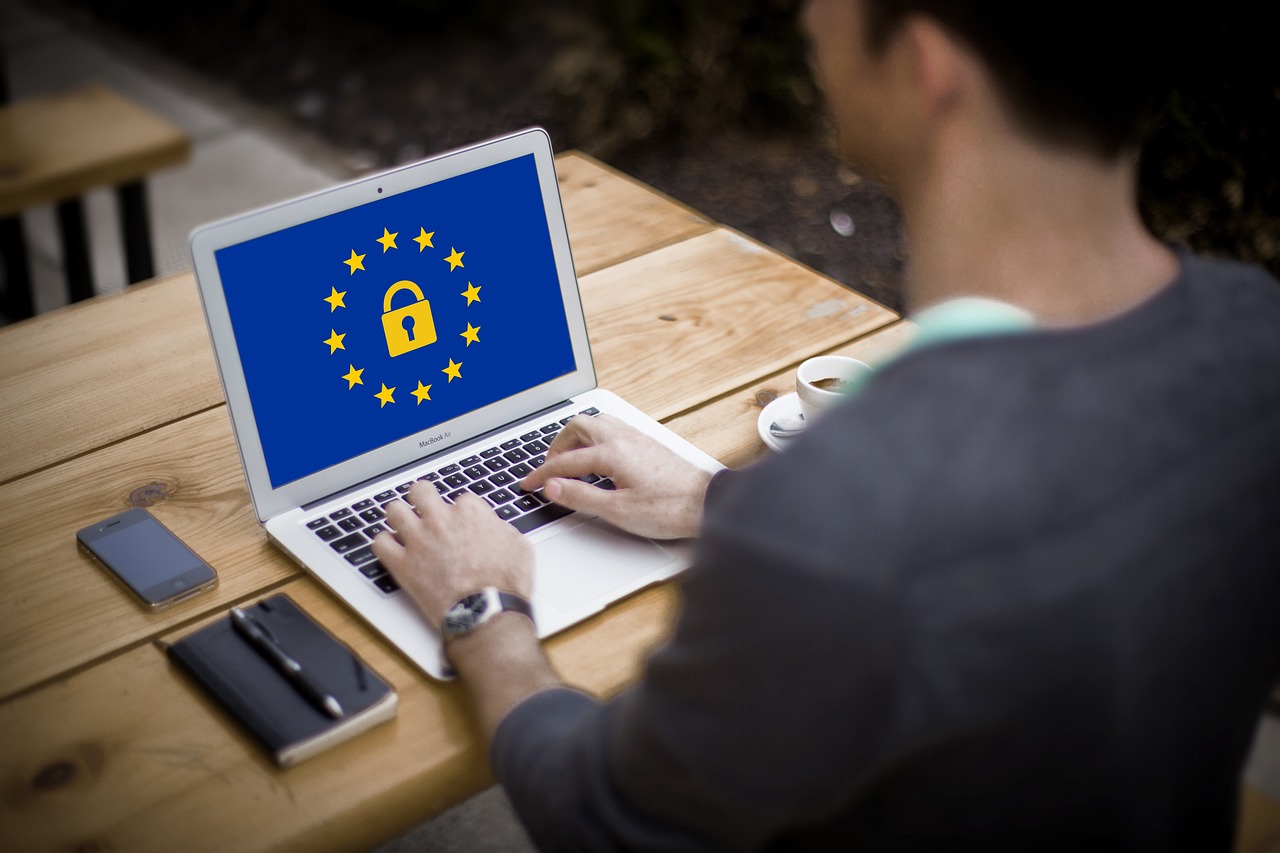
Privacy Policy For PR Agencies

Table of Contents

Privacy Policy For PR Agencies

In today’s digital age, the importance of privacy cannot be overstated, especially for PR agencies. As these agencies handle sensitive information on behalf of their clients, it is crucial for them to have a comprehensive privacy policy in place. A privacy policy for PR agencies outlines the procedures and protocols they follow to protect the privacy and confidentiality of their clients’ data. This article provides an overview of the key components that should be included in a privacy policy for PR agencies, such as data collection and storage practices, information sharing policies, and data security measures. By understanding and implementing a strong privacy policy, PR agencies can foster trust with their clients and ensure the highest level of confidentiality in their operations.

Privacy Policy for PR Agencies

Privacy Policy For PR Agencies

Buy now

1. Introduction

In today’s digital age, privacy has become a paramount concern for individuals and businesses alike. As a PR agency, you handle sensitive information about clients, customers, and stakeholders on a daily basis. To establish trust and transparency, it is essential to have a comprehensive privacy policy in place. This article aims to provide PR agencies with a thorough understanding of privacy policies, their importance, and the key elements that should be included.

2. What is a Privacy Policy?

A privacy policy is a legal document that outlines how an organization collects, uses, stores, and protects the personal information it gathers from individuals. It serves as a communication tool to inform users about their privacy rights and how their data is handled by the organization. For PR agencies, a privacy policy is crucial as it demonstrates your commitment to maintaining the privacy and confidentiality of your clients’ and stakeholders’ information.

Click to buy

3. Importance of a Privacy Policy

3.1 Demonstrating Compliance with Privacy Laws

A well-drafted privacy policy helps PR agencies comply with privacy laws and regulations such as the General Data Protection Regulation (GDPR). By clearly stating how personal data is collected, used, and protected, you can ensure that your practices align with the legal requirements and maintain compliance with the relevant authorities.

3.2 Building Trust with Clients and Customers

Transparency and trust are crucial in the world of public relations. By having a privacy policy in place, you demonstrate your commitment to protecting the personal information entrusted to you. This builds trust with your clients and customers, giving them peace of mind that their data will be handled responsibly and securely.

3.3 Protecting Confidential Information

As a PR agency, you often deal with highly sensitive information, including trade secrets, financial data, and confidential client information. A privacy policy ensures that the necessary security measures are in place to protect this data from unauthorized access, disclosure, or misuse.

3.4 Avoiding Legal Consequences

Failure to comply with privacy laws can result in severe legal consequences, including fines and damaged reputation. By having a comprehensive privacy policy and adhering to its guidelines, you reduce the risk of non-compliance and potential legal disputes.

4. Privacy Laws and Regulations

4.1 Overview of General Data Protection Regulation (GDPR)

The GDPR is a crucial privacy law that affects PR agencies operating within the European Union and beyond. It sets stringent requirements for the collection, processing, and protection of personal data. Familiarizing yourself with the GDPR and its principles is essential to ensure compliance.

4.2 Compliance with Other Privacy Laws and Regulations

In addition to the GDPR, PR agencies must comply with other relevant privacy laws and regulations, such as the California Consumer Privacy Act (CCPA) and the Personal Information Protection and Electronic Documents Act (PIPEDA) in Canada. Staying up to date with these regulations will help you create a privacy policy that meets the legal requirements of your jurisdiction.

5. Key Elements of a Privacy Policy

To create an effective privacy policy, it is crucial to include the following key elements:

5.1 Scope and Application

Clearly define the scope of your privacy policy and specify to whom it applies. This helps users understand which of their personal information is covered and who is responsible for its protection.

5.2 Types of Information Collected

Specify the categories of personal information you collect from users. This may include names, contact details, financial information, and other relevant data. Transparency about the information collected helps users make informed decisions about sharing their personal data.

5.3 Purpose of Collection

Explain why you collect personal information and how it is used. This includes providing PR and communication services, email marketing, analytics, and any other legitimate purposes for which the data is being collected.

5.4 Legal Basis for Processing Personal Data

Outline the legal basis under which you process personal data, such as consent, contractual necessity, or legitimate interests. This helps users understand the legal justification for collecting and processing their personal information.

5.5 Data Retention and Storage

Specify how long you retain personal data and the measures in place to ensure its security during storage. This includes encryption, firewalls, access controls, and regular backups.

5.6 Rights of Data Subjects

Inform users of their rights regarding their personal data, including the right to access, rectify, delete, and restrict the processing of their information. Explain the process for users to exercise these rights and any limitations that may apply.

5.7 Security Measures

Describe the security measures you have implemented to protect personal data from unauthorized access, loss, or theft. This may include encryption, secure data centers, and regular security audits.

5.8 Third-Party Sharing and Services

Detail any third-party services or vendors you use and how they handle personal data on your behalf. If you share personal data with third parties, clearly state the purposes for sharing and provide assurance that appropriate safeguards are in place to protect the data.

5.9 Cookies and Tracking Technologies

Provide information about the use of cookies and tracking technologies on your website. Explain how users can manage their cookie preferences and provide an opt-out option if applicable.

5.10 International Data Transfers

If you transfer personal data to countries outside the jurisdiction in which you operate, explain the safeguards in place to ensure the protection of personal information during the transfer. This may include relying on adequacy decisions, standard contractual clauses, or binding corporate rules.

5.11 Contact Information for Privacy Concerns

Provide clear instructions for users to contact you regarding privacy concerns, requests, or complaints. This helps users feel supported and reassured that their privacy matters will be addressed promptly and responsibly.

6. Information Collected and Used

6.1 Types of Information Collected

PR agencies typically collect various types of personal information from users or clients. This may include names, addresses, email addresses, phone numbers, and other relevant business details. Clearly outline the categories of information you collect to ensure transparency.

6.2 Collection Methods

Explain the methods you use to collect personal information. This may include direct interactions with users, automated data collection through cookies, or information obtained from third-party sources with proper consent.

6.3 Purpose of Data Collection

Provide a comprehensive overview of why you collect personal information and how it is used. This may include marketing, public relations outreach, media contacts, or event management. Ensure that users understand the specific purposes for collecting their information.

6.4 Legal Basis for Data Processing

Specify the legal basis under which you process personal data, such as consent, legitimate interests, or contractual obligations. This demonstrates that you adhere to the legal requirements for processing personal information.

Privacy Policy For PR Agencies

7. Data Security Measures

7.1 Measures to Protect Data

Outline the measures you have implemented to protect personal data from unauthorized access, loss, or theft. This may include physical safeguards, network security, encryption, and regular security audits.

7.2 Access Controls

Explain the access controls you have in place to limit access to personal data only to authorized individuals who require it for their job responsibilities. This helps prevent unauthorized use or disclosure of sensitive information.

7.3 Encryption and Anonymization

Describe your practices for encrypting personal data during transmission and storage. Encryption adds an extra layer of security and ensures that even if a breach occurs, the data is unintelligible to unauthorized parties.

7.4 Employee Training

Explain the training programs you have in place to educate your employees on the importance of data protection and privacy. Regular training helps ensure that employees understand their responsibilities and the procedures for handling personal information securely.

7.5 Incident Response and Data Breach Notification

Outline your incident response procedures and the steps you would take in the event of a data breach. This includes notifying affected individuals and the relevant authorities as required by law. Demonstrating preparedness and the ability to respond promptly helps build trust with your clients and customers.


8. Sharing and Disclosure of Information

8.1 Sharing with Third Parties

If you share personal information with third parties, clearly state the categories of recipients and the purposes for sharing. Ensure that appropriate safeguards are in place to protect the data when shared with these third parties.

8.2 Fulfillment of Legal Obligations

Explain situations in which you may be required to disclose personal information to comply with legal obligations, such as responding to subpoenas or court orders. Users should be aware that there may be circumstances where their personal data must be disclosed in accordance with the law.

8.3 Business Transfers

In the event of a merger, acquisition, or sale of assets, explain how personal data would be transferred or disclosed as part of such transactions. Users should understand the potential implications of such transfers on the privacy of their personal information.

8.4 Consent and Opt-Out Options

Provide clear instructions on how users can provide consent to the collection and processing of their personal information. Also, inform users about their right to withdraw consent and the process for opting out of certain data processing activities, such as marketing communications.

Privacy Policy For PR Agencies

15. Frequently Asked Questions (FAQs)

15.1 What is a privacy policy and why do PR agencies need one?

A privacy policy is a legal document that outlines how an organization collects, uses, stores, and protects personal information. PR agencies need a privacy policy to establish trust with clients, comply with privacy laws, protect confidential information, and avoid legal consequences.

15.2 What information does a PR agency collect and how is it used?

PR agencies collect various types of personal information, including names, addresses, email addresses, and phone numbers. This information is used for marketing, public relations outreach, media contacts, and event management purposes.

15.3 How long is personal data retained by PR agencies?

The retention period for personal data may vary depending on the purpose for which it was collected and legal requirements. PR agencies should specify the data retention periods in their privacy policy.

15.4 What are the rights of individuals regarding their personal data?

Individuals have various rights regarding their personal data, including the right to access, rectify, delete, and restrict the processing of their information. Users should refer to the privacy policy for instructions on how to exercise these rights.

15.5 How can individuals opt-out or unsubscribe from data processing and communications?

PR agencies should provide clear instructions on how individuals can opt-out or unsubscribe from data processing and communications. This may include providing an unsubscribe link in email communications or a preference management portal on the agency’s website.

By ensuring your privacy policy covers these key elements and addresses common questions and concerns, you can provide your clients, customers, and stakeholders with the confidence that their personal information is handled responsibly and securely. Remember to regularly review and update your privacy policy to stay compliant with evolving privacy laws and best practices. If you have any further questions or concerns, do not hesitate to contact us at [contact information].

Disclaimer: This article is for informational purposes only and does not constitute legal advice. It is recommended to consult with a legal professional for personalized advice regarding privacy policies and compliance.

Get it here

For legal assistance regarding Agencies, contact Jeremy Eveland. We handle Agencies cases and provide guidance on Agencies for clients.

For legal assistance regarding Agencies, contact Jeremy Eveland. We handle Agencies cases and provide guidance on Agencies for clients.

For legal assistance regarding Agencies, contact Jeremy Eveland. We handle Agencies cases and provide guidance on Agencies for clients.

For legal assistance regarding Agencies, contact Jeremy Eveland. We handle Agencies cases and provide guidance on Agencies for clients.

Privacy Policy For Event Management

Privacy Policy For Event Management

In today’s digital age, where information is constantly being shared and accessed, it is crucial for businesses in the event management industry to prioritize privacy protection. The Privacy Policy for Event Management provides a comprehensive framework that outlines how personal and sensitive data collected during event registration and planning will be handled, stored, and protected. This article explores the importance of implementing a strong privacy policy, ensuring compliance with data protection laws, and addressing frequently asked questions regarding the security of personal information. By prioritizing privacy, event management businesses can foster trust with their clients and stakeholders, safeguard sensitive data, and mitigate potential legal risks.

Privacy Policy for Event Management

Buy now

Introduction

Event management involves organizing and coordinating various events such as conferences, trade shows, weddings, and concerts. In the digital age, where data privacy is a significant concern, it is essential for event management companies to have a comprehensive privacy policy in place. This article aims to provide an overview of the importance of a privacy policy for event management, the key elements that should be included in such a policy, and address some frequently asked questions about privacy in event management.

What is a Privacy Policy?

A privacy policy is a legal document that outlines how an organization collects, uses, discloses, and protects personal information it obtains from individuals. It serves as a guide for both the organization and the individuals whose data is being collected. Privacy policies provide transparency about how personal information is handled and assist in building trust with customers and clients.

Privacy Policy For Event Management

Click to buy

Importance of Privacy Policy for Event Management

Customer Trust and Confidence

By having a well-defined privacy policy, event management companies can establish trust with their clients. Customers feel reassured and more confident in sharing their personal information when they know that adequate measures are taken to protect their data.

Transparency and Accountability

A privacy policy demonstrates the transparency and accountability of an event management company. It clearly communicates how personal information is collected, used, and shared. This helps build trust and fosters healthy relationships with clients and customers.

Legal Compliance

Privacy policies are essential for event management companies to comply with various privacy laws and regulations. For example, the General Data Protection Regulation (GDPR) in Europe and the California Consumer Privacy Act (CCPA) in the United States require organizations to have a privacy policy in place.

Protecting Personal Information

Event management companies often handle sensitive personal data such as names, contact information, and dietary preferences. A privacy policy ensures that this data is collected and processed in a secure and responsible manner, protecting the privacy and confidentiality of individuals’ information.

Key Elements of a Privacy Policy

A comprehensive privacy policy for event management should include the following key elements:

Purpose and Scope

The privacy policy should define the purpose and scope for which personal information is collected and processed by the event management company. It should clearly state the purpose of data collection and how it will be used.

Information Collection

The policy should outline the types of information that may be collected, such as names, addresses, email addresses, and payment details. It should also specify the methods through which information is collected, such as online forms or registration portals.

Information Use and Processing

The policy should explain how collected information will be used and processed. This may include internal purposes such as event management and communication, as well as personalization of services and marketing and advertising efforts.

Information Disclosure

The policy should address instances in which personal information may be shared with third parties. It should clearly outline the circumstances under which disclosure may occur and specify the precautions taken to protect the information shared.

Data Security

The privacy policy should detail the measures taken by the event management company to ensure data security. This may include protection measures, access controls, encryption, and incident response procedures.

Data Retention

The policy should specify the duration for which personal information will be retained by the event management company. It should outline the processes followed for data deletion once it is no longer required.

User Rights

The policy should provide clarity on the rights individuals have regarding their personal information. This may include the right to access, rectify, and delete personal data, as well as the right to restrict processing and object to data processing.

Consent

The privacy policy should explain how consent is obtained from individuals for the collection and processing of their personal information. It should outline the conditions under which consent is required and provide instructions on how to withdraw consent.

Third-Party Services

If the event management company utilizes third-party services, such as event registration platforms or payment gateways, the policy should disclose this information and explain how these services comply with privacy regulations.

Cookies and Tracking Technologies

If the event management company’s website uses cookies or similar tracking technologies, the policy should disclose this information. It should explain the purpose of cookies and provide instructions on how users can manage their preferences.

Children’s Privacy

If the event management company collects personal information from children under a certain age, the policy should address the steps taken to comply with applicable children’s privacy laws. It should clearly outline the requirement for parental consent and how it is obtained.

Information Collected

Types of Information

Event management companies may collect various types of information, including individuals’ names, addresses, phone numbers, email addresses, and payment details. The policy should specify the specific categories of personal information that may be collected.

Collection Methods

The policy should outline the methods through which personal information is collected. This may include online registration forms, surveys, email inquiries, or phone calls. It should provide transparency about how information is obtained.

Legal Basis

The policy should explain the legal basis for collecting and processing personal information. This may include the necessity of data processing for the performance of a contract, compliance with legal obligations, or consent obtained from individuals.

Use of Collected Information

Internal Purposes

Event management companies may use collected information for internal purposes such as managing events, organizing logistics, and communicating with attendees and participants. The policy should clarify how this information is used for internal operations.

Communication

The policy should explain how collected information is used to communicate with individuals, including sending event updates, confirmations, and customer support. It should also provide instructions on how individuals can manage their communication preferences.

Personalization

Personalization of services is a common practice in event management. The policy should outline how collected information is used to personalize event experiences, such as tailoring recommendations, agendas, and networking opportunities.

Marketing and Advertising

If the event management company engages in marketing and advertising efforts, the policy should disclose this information. It should explain how individuals’ information may be used for marketing purposes and provide instructions on how to opt-out if desired.

Privacy Policy For Event Management

Disclosure of Information

Third-Party Sharing

The policy should address instances in which personal information may be shared with third parties. It should clearly outline the circumstances under which disclosure may occur and specify the precautions taken to protect the information shared.

Legal Obligations

Event management companies may have legal obligations to disclose personal information in response to lawful requests from government authorities or to comply with legal processes. The policy should explain the company’s stance on legal obligations and the steps taken to ensure compliance.

Consent

The policy should clarify the procedures followed to obtain consent from individuals before sharing their personal information. It should clearly state the conditions under which consent is required and provide instructions on withdrawing consent.

Data Security Measures

Protection Measures

The policy should outline the protection measures implemented by the event management company to safeguard personal information. This may include security protocols, firewalls, and intrusion detection systems.

Access Controls

Access controls ensure that personal information is only accessible to authorized individuals. The policy should explain how access controls are implemented and how the event management company limits access to personal data.

Encryption

The policy should address the use of encryption technologies to protect personal information during transit and storage. It should explain the encryption methods used and the steps taken to ensure data security.

Incident Response

In the event of a data breach or security incident, the policy should outline the company’s incident response procedures. This may include actions taken to mitigate the impact of the breach, notify affected individuals, and cooperate with relevant authorities.

Privacy Policy For Event Management

Frequently Asked Questions

What is the purpose of a privacy policy?

A privacy policy serves as a legal document that outlines how an organization collects, uses, discloses, and protects personal information. It establishes transparency, builds trust with customers, and helps organizations comply with privacy laws.

Is a privacy policy legally required for event management?

While the legal requirements for a privacy policy may vary depending on the jurisdiction, it is generally advisable for event management companies to have a privacy policy in place. Privacy laws such as GDPR and CCPA require organizations to have a privacy policy that clearly communicates their data handling practices.

How long should event management companies retain personal data?

The retention period for personal data may vary depending on legal obligations and the purpose for which the data was collected. Event management companies should establish data retention policies that align with relevant laws and regulations.

Can event management companies share personal information with third parties?

Event management companies may share personal information with third parties in certain circumstances, such as when collaborating with event partners or utilizing third-party service providers. The policy should disclose when and how personal information may be shared and ensure that appropriate safeguards are in place.

Do event management websites use cookies?

Event management websites may use cookies and similar tracking technologies to enhance user experiences, track website usage, and personalize content. The privacy policy should disclose the use of cookies and provide instructions on managing cookie preferences.

What measures should event management companies take to protect personal data?

Event management companies should implement data protection measures such as encryption, access controls, and incident response plans. Regular security audits, employee training, and compliance with industry standards can also help ensure the security of personal data.

Can parents provide consent for their children’s data collection?

In certain jurisdictions, parental consent may be required for the collection and processing of personal information from children under a certain age. The policy should outline the process for obtaining parental consent and clarify the age threshold for such requirements.

What rights do users have regarding their personal information?

Users have rights regarding their personal information, such as the right to access, rectify, and delete data, the right to restrict processing, and the right to object to data processing. The policy should explain these rights and provide instructions on how to exercise them.

How can users update their preferences?

The policy should provide instructions on how users can update their communication preferences or manage their personal information. This may include providing a dedicated account portal or contact information for updating preferences.

How often should a privacy policy be reviewed and updated?

The privacy policy should be reviewed regularly and updated whenever there are changes in data handling practices or applicable privacy regulations. Event management companies should ensure that their privacy policy remains accurate and up to date.

Get it here

Truck Accident Lawyer Roosevelt Utah

Truck Accident Lawyer Roosevelt Utah

This guide covers Truck Accident Lawyer Roosevelt Utah and what you need to know. Are you or someone you know dealing with the aftermath of a truck accident in Roosevelt, Utah? You may be feeling overwhelmed, frustrated, and unsure of what steps to take next. That’s where a truck accident lawyer can help. With their expertise and experience in handling personal injury cases, they can support you in seeking the compensation you deserve for your injuries and damages. In this article, we will explore the importance of hiring a truck accident lawyer in Roosevelt, Utah, and address some frequently asked questions to provide you with the information you need during this challenging time.

Truck Accident Lawyer Roosevelt Utah

Are you or someone you know involved in a truck accident in Roosevelt, Utah? Dealing with the aftermath of a truck accident can be overwhelming and confusing, but you don’t have to face it alone. A skilled truck accident lawyer can assist you in navigating the legal process, ensuring your rights are protected, and helping you seek the compensation you deserve.

Get your own Truck Accident Lawyer Roosevelt Utah today.

Understanding Truck Accidents

Truck accidents can have devastating consequences due to the sheer size and weight of these vehicles. Understanding the dynamics of truck accidents is crucial when building a strong case. Factors such as driver fatigue, improper maintenance, excessive speed, and distracted driving can all contribute to truck accidents. By examining the specific circumstances surrounding your accident, a truck accident lawyer can work to establish liability and ensure you receive the compensation you are entitled to.

Causes of Truck Accidents

Truck accidents can occur for various reasons, and determining the cause is essential in identifying who should be held responsible. Some common causes of truck accidents include:

  • Driver fatigue: Truck drivers often face long hours on the road, leading to fatigue, which can impair their judgment and reaction time.

  • Improper maintenance: Neglected maintenance can result in brake failures, tire blowouts, or other mechanical issues that contribute to accidents.

  • Inadequate training: Insufficient training for truck drivers can lead to poor decision-making and an increased risk of accidents.

  • Speeding: Truck drivers who exceed the speed limit or fail to adjust their speed in adverse conditions can lose control of their vehicle, causing accidents.

A truck accident lawyer will thoroughly investigate the accident, gathering evidence to determine the cause and hold the responsible parties accountable.

Truck Accident Lawyer Roosevelt Utah

Find your new Truck Accident Lawyer Roosevelt Utah on this page.

Common Injuries in Truck Accidents

Truck accidents often result in severe injuries due to the significant force involved. Some common injuries suffered in truck accidents include:

  • Traumatic brain injuries: The impact of a truck accident can cause head injuries, resulting in long-term cognitive impairment.

  • Spinal cord injuries: Damage to the spinal cord can lead to paralysis or lifelong mobility limitations.

  • Broken bones: The force exerted by a truck collision can easily cause fractures and multiple broken bones.

  • Internal injuries: The violent nature of truck accidents can cause internal bleeding and organ damage.

A truck accident lawyer understands the medical and financial implications of these injuries and will fight for fair compensation to cover medical bills, lost wages, and pain and suffering.

Importance of Hiring a Truck Accident Lawyer

After a truck accident, you may find yourself dealing with insurance companies that are more focused on their bottom line than on your well-being. Having a truck accident lawyer on your side can level the playing field and ensure your rights are protected. They will handle the legal complexities of your case, including negotiating with insurance companies, gathering evidence, and representing you in court if necessary. By hiring a truck accident lawyer, you can focus on recovering from your injuries while knowing that your case is in capable hands.

Truck Accident Lawyer Roosevelt Utah

What to Look for in a Truck Accident Lawyer

Not all lawyers are created equal, especially when it comes to truck accident cases. When searching for a truck accident lawyer in Roosevelt, Utah, there are a few qualities you should prioritize:

  1. Experience: Look for a lawyer who specializes in truck accident cases and has a successful track record in obtaining favorable settlements or verdicts for their clients.

  2. Knowledge of trucking regulations: Truck accident cases involve specific federal and state regulations. A knowledgeable lawyer will understand these laws and how they apply to your case.

  3. Resources: A reputable truck accident lawyer will have the necessary resources to thoroughly investigate your case, including access to expert witnesses and accident reconstruction specialists.

  4. Communication: Find a lawyer who takes the time to listen to your concerns, provides regular updates on your case, and is readily available to answer any questions you may have.

Steps to Take After a Truck Accident

Taking the correct steps after a truck accident can significantly impact the outcome of your case. It is important to:

  1. Seek medical attention: Even if you don’t feel immediate pain, some injuries may not be apparent right away. Seeking medical attention can ensure your injuries are properly documented and treated.

  2. Report the accident: Contact the authorities and file a police report. This report will serve as crucial evidence in your case.

  3. Collect information: Obtain the truck driver’s contact information, license plate number, insurance details, and any witnesses’ contact information.

  4. Document the scene: Take photographs of the accident scene, including vehicle damage, skid marks, and road conditions. This visual evidence can support your case later.

  5. Preserve evidence: Keep all medical records, repair bills, and any other documentation related to the accident. These documents will be essential in determining the full extent of your damages.

  6. Consult a truck accident lawyer: It is crucial to consult with a truck accident lawyer as soon as possible. They can guide you through the legal process and ensure your rights are protected from the start.

Statute of Limitations for Truck Accident Claims

It is important to be aware that there is a limited time frame within which you can file a truck accident claim. In Utah, the statute of limitations for truck accident claims is generally four years from the date of the accident. However, it is always best to consult with a truck accident lawyer to fully understand the specific deadlines that may apply to your case. Failing to file within the statute of limitations could result in the loss of your right to seek compensation.

Filing a Truck Accident Lawsuit

If a fair settlement cannot be reached through negotiations, filing a truck accident lawsuit may be necessary to seek the compensation you deserve. Your truck accident lawyer will handle all the legal aspects of your case, including drafting and filing the lawsuit, gathering evidence, and representing you in court. While not all cases go to trial, having an experienced lawyer by your side ensures that you are prepared for any outcome.

Truck Accident Lawyer Roosevelt Utah

Compensation in Truck Accident Cases

Truck accident victims may be entitled to various types of compensation, depending on the circumstances of the accident and the resulting injuries. Some common types of compensation include:

  • Medical expenses: This includes current and future medical bills, rehabilitation costs, and necessary medical equipment.

  • Lost wages: If your injuries prevent you from working, you may be entitled to compensation for the income you have lost and are likely to lose in the future.

  • Pain and suffering: Compensation may also be awarded for physical pain, emotional distress, and the impact of the accident on your overall quality of life.

  • Property damage: If your vehicle or personal belongings were damaged in the accident, you may be eligible for compensation to cover repair or replacement costs.

A skilled truck accident lawyer will thoroughly assess your case to determine the appropriate types of compensation to pursue on your behalf.

FAQs about Truck Accident Lawsuits

1. How long do I have to file a truck accident lawsuit in Utah?

In Utah, the statute of limitations for truck accident lawsuits is generally four years from the date of the accident. However, there are exceptions, such as when the accident involves a government entity. It is best to consult with a truck accident lawyer to understand the specific deadlines that may apply to your case.

2. How much does it cost to hire a truck accident lawyer?

Most personal injury lawyers, including truck accident lawyers, work on a contingency fee basis. This means that they only get paid if they successfully recover compensation for you. The fee is typically a percentage of the amount awarded, allowing individuals who have been injured in truck accidents to access legal representation without upfront costs.

3. What if the truck driver denies liability for the accident?

If the truck driver denies liability for the accident, it is essential to have a strong case supported by evidence. Your truck accident lawyer will thoroughly investigate the accident, gather witness statements, analyze police reports, and consult with experts if necessary. Their goal is to establish the truck driver’s negligence or fault and hold them accountable for your injuries and damages.

4. Can I still pursue a truck accident claim if I was partially at fault?

Utah follows a comparative negligence system, which means that you can still pursue a truck accident claim even if you were partially at fault for the accident. However, your compensation may be reduced by the percentage of fault assigned to you. A skilled truck accident lawyer can help navigate the complexities of comparative negligence laws and work to maximize your compensation.

5. How long does it take to settle a truck accident lawsuit?

The duration of a truck accident lawsuit can vary depending on the specific circumstances of the case. Some cases can be resolved through negotiations within a few months, while others may require litigation and can take longer. Factors such as the complexity of the case and the willingness of the parties to reach a fair settlement can significantly influence the timeline. Your truck accident lawyer will provide guidance on what to expect based on the unique details of your case.

Contacting a Truck Accident Lawyer in Roosevelt, Utah, is an essential step in seeking justice and recovering the compensation you deserve. Don’t hesitate to schedule a consultation and discuss your case with an experienced lawyer who can advocate for your rights and help you navigate the legal process with confidence. Remember, time is of the essence, so reach out as soon as possible to protect your rights and strengthen your case.

Learn more about the Truck Accident Lawyer Roosevelt Utah here.

For legal assistance regarding Truck Accident Lawyer Roosevelt Utah, contact Jeremy Eveland. We handle Truck Accident Lawyer Roosevelt Utah cases and provide guidance on Truck Accident Lawyer Roosevelt Utah for clients.

For legal assistance regarding Truck Accident Lawyer Roosevelt Utah, contact Jeremy Eveland. We handle Truck Accident Lawyer Roosevelt Utah cases and provide guidance on Truck Accident Lawyer Roosevelt Utah for clients.

For legal assistance regarding Truck Accident Lawyer Roosevelt Utah, contact Jeremy Eveland. We handle Truck Accident Lawyer Roosevelt Utah cases and provide guidance on Truck Accident Lawyer Roosevelt Utah for clients.

For legal assistance regarding Truck Accident Lawyer Roosevelt Utah, contact Jeremy Eveland. We handle Truck Accident Lawyer Roosevelt Utah cases and provide guidance on Truck Accident Lawyer Roosevelt Utah for clients.

For legal assistance regarding Truck Accident Lawyer Roosevelt Utah, contact Jeremy Eveland. We handle Truck Accident Lawyer Roosevelt Utah cases and provide guidance on Truck Accident Lawyer Roosevelt Utah for clients.

For legal assistance regarding Truck Accident Lawyer Roosevelt Utah, contact Jeremy Eveland. We handle Truck Accident Lawyer Roosevelt Utah cases and provide guidance on Truck Accident Lawyer Roosevelt Utah for clients.

For legal assistance regarding Truck Accident Lawyer Roosevelt Utah, contact Jeremy Eveland. We handle Truck Accident Lawyer Roosevelt Utah cases and provide guidance on Truck Accident Lawyer Roosevelt Utah for clients.

For legal assistance regarding Truck Accident Lawyer Roosevelt Utah, contact Jeremy Eveland. We handle Truck Accident Lawyer Roosevelt Utah cases and provide guidance on Truck Accident Lawyer Roosevelt Utah for clients.

Criminal Lawyer

Criminal Lawyer

The world of criminal law can be complex and overwhelming, especially for those who find themselves facing criminal charges. It is in these moments of distress and uncertainty that the expertise and guidance of a skilled criminal lawyer become invaluable. As a criminal defense attorney, it is your duty to not only navigate the intricacies of the legal system but also to provide compassion, reassurance, and support to your clients. Through informative blog posts that address common legal concerns, showcase your experience through engaging case studies, and offer practical guidance, you can set yourself apart from other lawyers in the field. By creating a connection with your target audience and instilling confidence, you can convince individuals facing criminal charges to take the next step and seek assistance promptly by calling our professional services.

See the Criminal Lawyer in detail.

What is a Criminal Lawyer?

A criminal lawyer, also known as a criminal defense attorney, is a legal professional who specializes in representing individuals or organizations charged with criminal offenses. They are experts in criminal law and provide legal representation and guidance to their clients throughout the entire criminal justice process. Criminal lawyers play a crucial role in ensuring that their clients’ rights are protected and are responsible for defending them against criminal charges.

Definition

A criminal lawyer is a legal professional who specializes in representing individuals or organizations accused of committing a crime. This includes offenses such as white-collar crimes, drug crimes, violent crimes, sex crimes, DUI/DWI, theft crimes, juvenile crimes, federal crimes, and military crimes.

Role and Responsibilities

The role of a criminal lawyer is multifaceted and involves various responsibilities to provide effective legal representation to their clients. Some of the key roles and responsibilities of a criminal lawyer include:

  1. Legal Counsel: A criminal lawyer provides legal advice and guidance to their clients, explaining the charges against them, the potential consequences, and the available defense strategies.

  2. Case Evaluation: They thoroughly assess their clients’ case, analyzing the evidence, witnesses, and applicable laws to determine the most effective defense strategy.

  3. Investigation: Criminal lawyers conduct investigations to gather evidence, interview witnesses, and consult with experts if necessary. They aim to uncover any inconsistencies, constitutional violations, or procedural errors that can strengthen their clients’ defense.

  4. Legal Protection: They ensure that their clients’ rights are protected throughout the entire criminal justice process. This includes protecting them from unlawful searches and seizures, ensuring their right to a fair trial, and preventing self-incrimination.

  5. Negotiation and Plea Bargaining: Criminal lawyers negotiate with prosecutors to secure favorable plea bargains for their clients. They aim to minimize the charges or penalties imposed on their clients by reaching agreements that are in their clients’ best interests.

  6. Trial Representation: If the case goes to trial, criminal lawyers represent their clients in court. They present their clients’ case, cross-examine witnesses, and make persuasive arguments to the judge and jury.

  7. Sentencing Advocacy: Criminal lawyers advocate for fair and just sentencing if their clients are convicted. They present mitigating factors and argue for alternative sentencing options such as probation, rehabilitation programs, or reduced prison time.

Types of Criminal Cases

Criminal lawyers handle a wide range of criminal cases, each with its unique set of legal challenges and complexities. Here are some of the common types of criminal cases that a criminal lawyer may specialize in:

White Collar Crimes

White collar crimes refer to non-violent offenses committed by individuals in business or professional settings for financial gain. These crimes can include fraud, embezzlement, money laundering, insider trading, and tax evasion. Criminal lawyers who specialize in white collar crimes have expertise in complex financial and corporate laws.

Drug Crimes

Drug crimes involve the possession, manufacturing, trafficking, or distribution of illegal drugs or controlled substances. These crimes can range from simple possession to more serious offenses such as drug trafficking or operating a drug lab. Criminal lawyers who handle drug crime cases have knowledge of drug laws, search and seizure laws, and the constitutional rights of their clients.

Violent Crimes

Violent crimes encompass offenses that involve the use or threat of physical force against another person. These crimes can include assault, battery, robbery, homicide, domestic violence, and manslaughter. Criminal lawyers who specialize in violent crimes must have a deep understanding of self-defense laws, witness testimonies, and forensic evidence.

Sex Crimes

Sex crimes involve offenses of a sexual nature, including rape, sexual assault, child pornography, prostitution, and sexual abuse. Criminal lawyers who handle sex crime cases must have expertise in the specific laws and legal procedures surrounding these offenses, as well as knowledge of psychological and forensic evidence.

DUI/DWI

DUI (Driving Under the Influence) and DWI (Driving While Intoxicated) charges are related to operating a vehicle while under the influence of alcohol or drugs. Criminal lawyers who specialize in DUI/DWI cases are well-versed in traffic laws, field sobriety tests, breathalyzer tests, and blood alcohol concentration (BAC) levels.

Theft Crimes

Theft crimes involve the unlawful taking of another person’s property without their permission. These crimes can include theft, burglary, robbery, embezzlement, and identity theft. Criminal lawyers who handle theft crime cases understand property laws, search and seizure laws, and the complexities of proving ownership and intent.

Juvenile Crimes

Juvenile crimes are offenses committed by individuals under the age of 18. These offenses can range from underage drinking and drug possession to assault and theft. Criminal lawyers who handle juvenile crime cases have knowledge of juvenile laws, the juvenile justice system, and alternative sentencing options for minors.

Federal Crimes

Federal crimes are offenses that violate federal laws and are prosecuted at the federal level. These crimes can include drug trafficking, terrorism, white-collar crimes, and interstate crimes. Criminal lawyers who specialize in federal crimes must be familiar with federal laws, federal courtroom procedures, and the investigative techniques used by federal agencies.

Military Crimes

Military crimes are offenses that are committed by members of the military and are governed by military law. These crimes can include desertion, insubordination, theft, drug offenses, and sexual assault. Criminal lawyers who handle military crime cases must have knowledge of both military law and the Uniform Code of Military Justice (UCMJ).

Criminal Lawyer

Find your new Criminal Lawyer on this page.

Qualities of a Good Criminal Lawyer

When facing criminal charges, it is essential to have a skilled and experienced criminal lawyer by your side. Here are some qualities that make a good criminal lawyer:

Experience

Experience is crucial in criminal law as it allows the lawyer to navigate the complexities of the legal system effectively. An experienced criminal lawyer has handled numerous cases similar to yours and has developed the skills and strategies needed to secure favorable outcomes.

Knowledge of Criminal Law

A good criminal lawyer possesses in-depth knowledge of criminal law and stays updated on the latest legal developments and precedents. They understand the nuances of the law and can identify potential defenses and loopholes that can benefit their clients’ cases.

Communication Skills

Effective communication skills are essential for a criminal lawyer to advocate for their clients. They must be able to clearly articulate their clients’ positions, negotiate with prosecutors, argue persuasively in court, and explain complex legal concepts to clients in a way they can understand.

Analytical Skills

Criminal lawyers need strong analytical skills to assess their clients’ cases, dissect evidence, identify weaknesses in the prosecution’s case, and develop effective defense strategies. They must have the ability to think critically and strategically, considering all possible angles and scenarios.

Negotiation Skills

Negotiation is a crucial skill for criminal lawyers, as they often engage in plea bargaining with prosecutors. A good criminal lawyer can negotiate skillfully, securing favorable outcomes for their clients and minimizing the charges or penalties imposed on them.

Criminal Trial Experience

Trial experience is invaluable for a criminal lawyer, especially if your case goes to trial. An experienced trial lawyer knows how to present a compelling case, cross-examine witnesses, and make persuasive arguments to the judge and jury.

Client Reviews

Client reviews and testimonials provide insight into the quality of a criminal lawyer’s services. Positive reviews from satisfied clients are a testament to the lawyer’s expertise, professionalism, and dedication to achieving favorable outcomes for their clients.

Why Do You Need a Criminal Lawyer?

When facing criminal charges, hiring a criminal lawyer is crucial to protect your rights, navigate the legal system, and achieve the best possible outcome for your case. Here are some reasons why you need a criminal lawyer:

Legal Protection

A criminal lawyer ensures that your constitutional rights are protected throughout the criminal justice process. They ensure that you are not subjected to unlawful searches and seizures, that you receive a fair trial, and that you are not coerced into making self-incriminating statements.

Investigation and Evidence

Criminal lawyers conduct thorough investigations to gather evidence, interview witnesses, and consult with experts if necessary. They aim to uncover any inconsistencies, constitutional violations, or procedural errors that can strengthen your defense and potentially lead to a dismissal or reduction of charges.

Case Strategy

A criminal lawyer develops a strategic defense plan tailored to the specific circumstances of your case. They analyze the evidence, assess the strengths and weaknesses of the prosecution’s case, and identify the most effective defense strategies to pursue.

Negotiation and Plea Bargaining

Criminal lawyers have the skills and experience to negotiate with prosecutors and secure favorable plea bargains for their clients. They understand the intricacies of plea bargaining and can advocate for reduced charges or penalties that are in your best interests.

Trial Representation

If your case goes to trial, a criminal lawyer will represent you in court. They will present a strong defense, cross-examine the prosecution’s witnesses, and make persuasive arguments to the judge and jury. Their goal is to secure an acquittal or minimize the charges or penalties imposed on you.

Sentencing Advocacy

If you are convicted, a criminal lawyer can advocate for fair and just sentencing on your behalf. They present mitigating factors, such as your personal circumstances and remorse, and argue for alternative sentencing options such as probation, rehabilitation programs, or reduced prison time.

Criminal Lawyer

How to Choose the Right Criminal Lawyer

Choosing the right criminal lawyer is crucial to the outcome of your case. Here are some factors to consider when selecting a criminal lawyer:

Specialization and Expertise

Look for a criminal lawyer who specializes in the type of charges you are facing. Different criminal lawyers have expertise in specific areas of criminal law, such as white collar crimes, drug offenses, or violent crimes. Ensure that the lawyer you choose has experience and a track record of success in handling cases similar to yours.

Experience and Track Record

Consider the experience and track record of the criminal lawyer you are considering. How many years have they been practicing criminal law? Have they successfully handled cases similar to yours? Look for a lawyer with a proven track record of obtaining favorable outcomes for their clients.

Professionalism and Availability

Professionalism and availability are vital qualities in a criminal lawyer. They should be responsive to your questions and concerns, keep you informed about the progress of your case, and treat you with respect. A good criminal lawyer should also have excellent organizational skills and be able to handle your case efficiently.

Client Reviews and Testimonials

Read client reviews and testimonials to gain insight into the experiences of past clients. Positive reviews and testimonials indicate that the lawyer has a strong reputation for providing high-quality legal services and achieving favorable outcomes for their clients.

Fees and Payment Plans

Discuss the lawyer’s fees and payment plans during the initial consultation. Ensure that you have a clear understanding of their billing structure, including any retainer fees or hourly rates. Transparency about fees will help you make an informed decision and avoid any surprises down the line.

Criminal Lawyer vs. Public Defender

When facing criminal charges, you have the option of hiring a private criminal lawyer or relying on a public defender. Here are some factors to consider when deciding between a criminal lawyer and a public defender:

Qualifications and Experience

Criminal lawyers are private attorneys who specialize in criminal defense. They often have more experience and expertise in specific areas of criminal law compared to public defenders, who handle a wide range of cases. Private criminal lawyers also have the flexibility to choose the cases they take on, allowing them to focus on clients’ specific needs.

Caseload and Attention to Your Case

Public defenders typically have heavy caseloads due to high demand and limited resources. This can result in less personalized attention to individual cases. Private criminal lawyers, on the other hand, often have smaller caseloads, allowing them to dedicate more time and attention to each client’s case.

Legal Representation Quality

Both criminal lawyers and public defenders are qualified attorneys who can provide legal representation. However, private criminal lawyers often have more resources, including access to experts, investigators, and support staff. This can enhance the quality of legal representation they can provide.

Client-Attorney Relationship

The client-attorney relationship is an essential aspect of effective legal representation. Private criminal lawyers often have more time and flexibility to establish a strong rapport with their clients, fostering trust and open communication. Public defenders may have limited time to build these relationships due to heavy caseloads.

The Criminal Defense Process

The criminal defense process involves several stages, each with its specific procedures and requirements. Here are the key stages of the criminal defense process:

Arrest and Booking

The criminal defense process begins with the arrest and booking of the accused. Law enforcement officers take the individual into custody, and they are processed, including fingerprinting, photographing, and recording personal information.

Bail and Pretrial Release

After the arrest, the accused may be eligible for bail or pretrial release. Bail allows the accused to be released from custody in exchange for paying a specified amount of money. Pretrial release may be granted under certain conditions, such as the accused’s promise to appear in court and not engage in illegal activities.

Investigation and Discovery

Criminal lawyers conduct investigations to gather evidence, interview witnesses, and examine the prosecution’s case. They may also file motions to obtain additional evidence from the prosecution, a process known as discovery.

Pretrial Motions

During the pretrial stage, criminal lawyers may file motions to suppress evidence obtained through unlawful means, dismiss charges due to lack of evidence or legal grounds, or request changes to the trial venue. These motions aim to weaken the prosecution’s case or achieve a resolution before trial.

Plea Bargaining

Plea bargaining is a negotiation process between the defense and the prosecution, where the accused agrees to plead guilty or no contest to some or all of the charges in exchange for a concession from the prosecution. Plea bargains can result in reduced charges, lesser penalties, or alternative sentencing options.

Criminal Trial

If the case does not resolve through plea bargaining or dismissal, it proceeds to trial. A criminal trial involves presenting evidence, examining witnesses, and making arguments to the judge and jury. The prosecution must prove the accused’s guilt beyond a reasonable doubt for a conviction to occur.

Sentencing

If the accused is found guilty at trial or pleads guilty, the court proceeds to sentencing. The judge considers various factors, including the nature of the offense, the defendant’s criminal history, and any mitigating circumstances. The judge then determines the appropriate punishment, which may include fines, probation, community service, or incarceration.

FAQs about Criminal Lawyers

What is the difference between a criminal lawyer and a prosecutor?

A criminal lawyer, also known as a criminal defense attorney, represents individuals or organizations facing criminal charges. They advocate for their clients’ rights and interests and defend them against the prosecution’s case. On the other hand, a prosecutor is a lawyer who represents the government and is responsible for presenting the case against the defendant. Prosecutors work for the state or federal government and seek to prove the defendant’s guilt.

Can a criminal lawyer get my charges dismissed?

A criminal lawyer can work to get your charges dismissed by building a strong defense strategy, challenging evidence, or identifying constitutional violations or procedural errors. However, the possibility of having charges dismissed depends on the specific circumstances of your case, the strength of the evidence against you, and the legal defenses that can be raised. A skilled criminal lawyer can assess your case and determine the best approach to pursue.

How much does a criminal lawyer cost?

The cost of hiring a criminal lawyer can vary depending on various factors, such as the complexity of your case, the lawyer’s experience and reputation, and the location. Some criminal lawyers charge an hourly rate, while others may offer flat fees or work on a contingency basis. It is important to discuss fees and payment plans with your lawyer during the initial consultation to ensure a clear understanding of the financial arrangements.

Will hiring a criminal lawyer guarantee that I won’t go to jail?

Hiring a criminal lawyer does not guarantee that you won’t go to jail. The outcome of your case depends on numerous factors, including the nature of the charges, the strength of the evidence against you, and the defense strategies employed. However, a skilled criminal lawyer can work to build a strong defense, negotiate plea bargains, and present effective arguments in court to minimize the chances of imprisonment and secure a favorable outcome for your case.

Do criminal lawyers handle appeals?

Yes, criminal lawyers can handle appeals. If you have been convicted and believe that a legal error occurred during your trial or that your constitutional rights were violated, you have the right to appeal the decision. Criminal lawyers experienced in appellate practice can review your case, identify potential errors or violations, and prepare and present arguments to a higher court on your behalf.

Criminal Lawyer

Conclusion

A criminal lawyer plays a crucial role in providing legal representation and guidance to individuals or organizations facing criminal charges. They have in-depth knowledge of criminal law, handle various types of criminal cases, and possess the qualities necessary to achieve favorable outcomes for their clients. Hiring a criminal lawyer is essential to receive legal protection, navigate the criminal justice process, and increase your chances of securing the best possible outcome for your case.

Call to Action

If you or your organization is facing criminal charges, don’t wait to seek legal assistance. Contact our experienced criminal lawyers today for a consultation. We have a track record of successfully representing clients in various criminal cases and will provide you with the expert guidance and representation you need. Call [Lawyer’s Phone Number] now to discuss your case and protect your rights.

Find your new Criminal Lawyer on this page.

Why Does Your Small Business Require A Legal Expert

Why Does Your Small Business Require A Legal Expert

Understanding Small Business Require

Running a small business can be an exciting venture, filled with opportunities for growth and success. However, it is important to recognize that along with these opportunities come various legal complexities and potential pitfalls. This is where a legal expert becomes invaluable. Whether you are just starting out or have an established business, having a knowledgeable and experienced legal professional by your side can make all the difference. From navigating contracts and employment laws to protecting your rights and managing legal disputes, a legal expert can provide the guidance and support needed to ensure the smooth functioning and protection of your small business. So why does your small business require a legal expert? Let’s explore the crucial reasons.

Why Does Your Small Business Require A Legal Expert

Learn more about the Why Does Your Small Business Require A Legal Expert here.

Importance of Legal Expertise for Small Businesses

Starting and running a small business can be a fulfilling and rewarding endeavor. However, it also comes with its fair share of challenges and responsibilities. As a small business owner, it is crucial to understand the importance of legal expertise and how it can positively impact your business. In this article, we will explore the various reasons why your small business requires a legal expert and the benefits they can provide.

Understanding and Complying with Laws and Regulations

One of the primary reasons why legal expertise is crucial for small businesses is the need to understand and comply with laws and regulations. Business laws can be complex and extensive, covering a wide range of areas such as contract law, employment law, intellectual property law, and tax law, among others. A legal expert can help you navigate through these laws and ensure that your business operates within the legal framework.

Protection from Legal Risks and Liabilities

Running a business involves inherent risks and liabilities. Without proper legal guidance, you may unknowingly expose your business to various legal risks. A legal expert can assess your business operations and identify potential risks, helping you implement measures to mitigate them. Additionally, they can help protect your business assets and intellectual property, reducing the chances of facing legal disputes and lawsuits.

Ensuring Proper Business Structure and Formation

Choosing the right business structure is essential for the success and growth of your small business. A legal expert can provide valuable guidance on selecting the most suitable structure for your business, whether it be a sole proprietorship, partnership, corporation, or limited liability company (LLC). They can also assist in the process of registering and forming your business, ensuring that you comply with all legal formalities.

Handling Contracts and Agreements

Contracts and agreements are integral to the smooth operation of any business. Whether it’s drafting, reviewing, or negotiating contracts, a legal expert can ensure that your interests are protected and that you enter into fair and favorable agreements. They can also help you avoid ambiguities and legal pitfalls that may lead to disputes down the line. In the event of a contract breach or dispute, a legal expert can guide you through the necessary enforcement and dispute resolution processes.

Managing Intellectual Property

Intellectual property (IP) is a valuable asset for many businesses, and its protection is vital for long-term success. A legal expert can help you understand and navigate the nuances of IP law, including trademark, copyright, and patent protection. They can assist in registering your IP assets, preventing infringement, and ensuring that you have the necessary licenses to monetize your IP.

Resolving Disputes and Litigation

Disputes and litigation can arise in various aspects of business operations. Whether it’s a contractual dispute, an employment-related issue, or a disagreement with a business partner, having a legal expert on your side can be invaluable. They can explore alternative dispute resolution methods such as mediation or negotiation, helping you find a mutually beneficial solution. In cases where litigation is necessary, a legal expert can provide representation and develop a strong defense strategy.

Navigating Employment and Labor Laws

Employment and labor laws govern the relationship between employers and employees. Staying compliant with these laws is crucial to avoid legal issues and liabilities. A legal expert can help you navigate complex employment regulations, draft employment contracts and handbooks, and address employee disputes and grievances. They can also guide you in addressing discrimination and harassment issues, ensuring a safe and inclusive working environment.

Guidance on Taxation and Financial Regulations

Understanding and complying with tax laws and financial regulations is vital for any small business. A legal expert can provide guidance on optimizing your business’s tax strategy, making sure you take advantage of available deductions and incentives while staying compliant with the law. They can also help you with risk assessment and audit support, ensuring that your financial reporting is accurate and in line with regulatory requirements.

Staying Updated with Changing Laws

Laws and regulations are not static. They change and evolve over time, and keeping up with these changes can be challenging for small business owners. A legal expert can stay updated with the latest legal developments, ensuring that your business remains compliant with new laws and regulations. By proactively advising you on potential changes that may impact your business, they can help you adapt and adjust your operations accordingly.

Minimizing Business Risks and Maximizing Opportunities

Perhaps one of the most significant benefits of having legal expertise for your small business is the ability to minimize risks and maximize opportunities. A legal expert can identify potential risks and provide strategies to mitigate them, protecting your business’s long-term viability. Moreover, they can help you identify growth opportunities and provide guidance on expanding into new markets, ensuring that you make informed decisions with legal considerations in mind.

In conclusion, having legal expertise is essential for small businesses for various reasons. From understanding and complying with laws and regulations to protecting your business from legal risks and liabilities, a legal expert can provide valuable guidance and support. They can help you navigate through complex legal matters, ensuring that your business operates within the legal framework and maximizes its potential. By partnering with a legal expert, you can focus on running and growing your business, knowing that your legal needs are in capable hands.

Get your own Why Does Your Small Business Require A Legal Expert today.

Frequently Asked Questions

  1. Why do small businesses need legal expertise? Small businesses need legal expertise to understand and comply with laws and regulations, protect themselves from legal risks and liabilities, ensure proper business structure and formation, handle contracts and agreements, manage intellectual property, resolve disputes and litigation, navigate employment and labor laws, receive guidance on taxation and financial regulations, stay updated with changing laws, and minimize business risks while maximizing opportunities.

  2. How can a legal expert help protect my business from legal risks? A legal expert can identify and minimize potential business risks, protect your business assets and intellectual property, reduce liability and personal risk, and provide guidance on insurance and liability coverage.

  3. What role does a legal expert play in contract management? A legal expert can assist in drafting, reviewing, and negotiating contracts, ensuring fair and favorable terms, avoiding ambiguities and legal issues, and providing guidance on enforcement and dispute resolution.

  4. How can a legal expert help with intellectual property management? A legal expert can help protect trademarks, copyrights, and patents, prevent infringement and unauthorized use, assist in licensing and monetizing intellectual property, and defend intellectual property rights in case of disputes.

  5. Why is it important to have legal expertise in employment and labor matters? Employment and labor laws are complex, and compliance is crucial to avoid legal issues. A legal expert can help with compliance, draft employment contracts and handbooks, resolve employee disputes and grievances, and address discrimination and harassment issues.

Check out the Why Does Your Small Business Require A Legal Expert here.

For legal assistance regarding Small Business Require, contact Jeremy Eveland. We handle Small Business Require cases and provide guidance on Small Business Require for clients.

For legal assistance regarding Small Business Require, contact Jeremy Eveland. We handle Small Business Require cases and provide guidance on Small Business Require for clients.

For legal assistance regarding Small Business Require, contact Jeremy Eveland. We handle Small Business Require cases and provide guidance on Small Business Require for clients.

For legal assistance regarding Small Business Require, contact Jeremy Eveland. We handle Small Business Require cases and provide guidance on Small Business Require for clients.

For legal assistance regarding Small Business Require, contact Jeremy Eveland. We handle Small Business Require cases and provide guidance on Small Business Require for clients.

For legal assistance regarding Small Business Require, contact Jeremy Eveland. We handle Small Business Require cases and provide guidance on Small Business Require for clients.

Privacy Policy For Design Studios

Privacy Policy For Design Studios

In today’s digital landscape, where the protection of personal information is of utmost importance, design studios must prioritize the implementation of robust privacy policies. As design studios handle sensitive data from their clients, such as personal information and proprietary designs, it is crucial for them to establish clear guidelines on how this information is collected, stored, and shared. The Privacy Policy for Design Studios article aims to provide a comprehensive overview of the key aspects to consider when crafting a privacy policy for design studios. By understanding the legal framework, best practices, and potential risks associated with handling personal data, design studios can ensure compliance with privacy regulations and instill trust among their clientele.

Privacy Policy for Design Studios

Design studios are responsible for creating and delivering innovative designs for various clients. In the digital age, it is important for design studios to prioritize the privacy and security of their clients’ data. This privacy policy outlines the measures taken by design studios to protect the confidentiality and integrity of personal and sensitive information.

Buy now

Information Collection and Usage

Design studios may collect personal information from clients in order to provide design services effectively. This may include but is not limited to names, email addresses, phone numbers, and project-related details. The collected information will be used solely for the purpose of providing design services and will not be shared with third parties without explicit consent, unless required by law.

Data Protection and Security Measures

Design studios understand the importance of protecting clients’ data from unauthorized access, disclosure, alteration, or destruction. All collected data is stored securely and design studios employ industry-standard measures to safeguard the confidentiality and integrity of the data. This includes encryption, secure data storage, and restricted access to personal information. Should a data breach occur, design studios will take immediate action to mitigate any potential harm and notify affected parties as required by law.

Privacy Policy For Design Studios

Click to buy

Cookies and Tracking Technologies

Design studios may use cookies and similar tracking technologies to enhance the browsing experience and improve the functionality of their websites or online platforms. These technologies allow design studios to analyze user behavior, customize content, and provide tailored design solutions. By using their services, clients consent to the use of cookies and tracking technologies in accordance with the design studio’s cookie policy.

Third-Party Disclosure and Links

Design studios understand the importance of transparency when it comes to the disclosure and sharing of client information. Unless explicitly authorized by clients, design studios will not sell, trade, or otherwise transfer personal information to third parties. However, design studios may disclose certain information when required by law or in response to a legal process. Additionally, design studios may include links to third-party websites or services, but they are not responsible for the privacy practices or content of those websites.

Privacy Policy For Design Studios

International Data Transfers

Design studios may work with clients who are located in different countries. In such cases, personal information may be transferred to, stored in, and processed in a country outside of the client’s jurisdiction. Design studios ensure that appropriate safeguards are in place to protect the privacy and security of personal information during international transfers, in accordance with applicable data protection laws.

Compliance with Laws and Regulations

Design studios are committed to complying with all relevant laws, regulations, and industry standards related to the privacy and security of client information. This includes compliance with data protection laws such as the General Data Protection Regulation (GDPR) and the California Consumer Privacy Act (CCPA). Design studios regularly review and update their privacy practices to ensure ongoing compliance with changing legal requirements.

FAQs

Q: What types of personal information do design studios collect?

Design studios may collect personal information such as names, email addresses, phone numbers, and project-related details. This information is necessary to provide design services effectively.

Q: How do design studios protect client data?

Design studios employ various security measures, including encryption, secure data storage, and restricted access to personal information. These measures are implemented to protect clients’ data from unauthorized access, disclosure, alteration, or destruction.

Q: Will design studios share client information with third parties?

Design studios prioritize the confidentiality and security of client information. Without explicit consent, design studios will not sell, trade, or transfer personal information to third parties. However, there may be instances where disclosure is required by law or in response to a legal process.

Q: What happens if there is a data breach?

In the event of a data breach, design studios will take immediate action to mitigate any potential harm, investigate the incident, and notify affected parties as required by law. Measures will also be taken to prevent similar incidents in the future.

Q: How do design studios ensure compliance with privacy laws?

Design studios are committed to complying with all relevant privacy laws, regulations, and industry standards. This includes regular reviews and updates of privacy practices to ensure ongoing compliance with changing legal requirements, such as the GDPR and CCPA.

In conclusion, design studios prioritize the privacy and security of their clients’ data by implementing stringent measures to protect personal information from unauthorized access or disclosure. Clients can trust that design studios are committed to complying with privacy laws and regulations while providing innovative design solutions. For more information or any concerns about privacy, clients are encouraged to reach out to the design studio directly.

Get it here

Tax Deductions

Tax Deductions

Are you tired of paying hefty taxes every year? Looking for ways to legally reduce your tax burden? Well, look no further! In this article, we will discuss the ins and outs of tax deductions – a powerful tool that can help you save a significant amount of money. Whether you’re a high-net-worth individual or a business owner, understanding tax deductions is crucial. We’ll delve into the topic, covering everything from what tax deductions are to how they can benefit you. So, grab a cup of coffee, sit back, and get ready to discover the secrets of reducing your tax bill. And remember, if you need further assistance or have specific questions, don’t hesitate to reach out to our expert tax attorney.

See the Tax Deductions in detail.

Tax Deductions

Tax deductions are an essential aspect of our tax system that allows individuals and businesses to reduce their taxable income, ultimately resulting in lower tax liability. By understanding and taking advantage of the various types of tax deductions available, you can significantly reduce the amount of taxes you owe. In this comprehensive article, we will delve into the different types of tax deductions, eligibility requirements, commonly overlooked deductions, and strategies for maximizing deductions for businesses and high net worth individuals. We will also explore specific deductions for homeowners, retirement savings, education expenses, and charitable contributions. Finally, we will address some frequently asked questions about tax deductions to provide you with a well-rounded understanding of this crucial aspect of our tax system.

Understanding Tax Deductions

Definition of Tax Deductions

Tax deductions are specific expenses that the government allows individuals and businesses to subtract from their taxable income, thereby reducing the amount of taxes owed. These deductions can include a wide range of expenses, such as business expenses, medical expenses, mortgage interest, property taxes, retirement contributions, and charitable contributions.

Importance of Tax Deductions

Tax deductions are vital because they provide individuals and businesses with the opportunity to lower their taxable income and reduce their overall tax liability. By taking advantage of these deductions, you can keep more of your hard-earned money and allocate it towards other essential expenses or investments. Understanding the intricacies of tax deductions can help you make informed financial decisions and optimize your tax planning strategies.

How Tax Deductions Work

Tax deductions work by reducing your taxable income, which in turn lowers the amount of taxes you owe. The amount of deduction you can claim will depend on the type of expense and the specific rules and limitations set forth by the Internal Revenue Service (IRS) or applicable tax laws. It is important to keep accurate and detailed records of your expenses and consult with a qualified tax professional to ensure you are maximizing your deductions within the boundaries of the law.

Difference Between Tax Deductions and Tax Credits

While both tax deductions and tax credits can decrease your tax liability, they operate in different ways. Tax deductions reduce your taxable income, while tax credits directly reduce the amount of tax you owe. Tax credits are generally more valuable than deductions since they provide a dollar-for-dollar reduction in tax liability. However, deductions can still be beneficial as they effectively lower your taxable income, which can result in a lower tax bracket and overall savings.

Tax Deductions

See the Tax Deductions in detail.

Types of Tax Deductions

There are several types of tax deductions available to individuals and businesses depending on their specific circumstances and eligible expenses. Let’s explore some of the most common types of tax deductions:

Standard Deductions

Most taxpayers have the option to claim either the standard deduction or itemized deductions. The standard deduction is a predetermined amount set by the IRS that taxpayers can claim without the need for itemizing their expenses. The amount of the standard deduction varies based on filing status and can change from year to year. It is essential to consider whether the standard deduction or itemized deductions will yield a greater tax benefit for you.

Itemized Deductions

Itemized deductions allow taxpayers to deduct specific expenses they incurred throughout the year, such as mortgage interest, property taxes, medical expenses, state and local taxes, and charitable contributions. Itemized deductions require you to maintain accurate records and receipts to substantiate your expenses. It is important to compare your itemized deductions to the standard deduction amount to determine which option is more advantageous for your situation.

Above-the-Line Deductions

Above-the-line deductions, also known as adjustments to income, are deductions that you can claim regardless of whether you choose the standard deduction or itemized deductions. These deductions are subtracted from your total income, reducing your adjusted gross income (AGI). Some common above-the-line deductions include contributions to retirement accounts, self-employment taxes, health savings account (HSA) contributions, and student loan interest.

Below-the-Line Deductions

Below-the-line deductions, also known as itemized deductions, are deductions that you can claim in addition to or instead of the standard deduction. These deductions are subtracted from your AGI, reducing your taxable income. Some common below-the-line deductions include mortgage interest, property taxes, state and local taxes, medical expenses that exceed a certain percentage of your AGI, and charitable contributions.

Eligibility for Tax Deductions

To be eligible for tax deductions, you must meet certain criteria and requirements set forth by the IRS or applicable tax laws. Here are some key factors that determine your eligibility for tax deductions:

Filing Status

Your filing status plays a significant role in determining the tax deductions you can claim. The IRS recognizes several filing statuses, including single, married filing jointly, married filing separately, head of household, and qualifying widow(er) with dependent child. Each filing status has its own set of rules and eligibility criteria for deductions. It is crucial to understand your filing status and the deductions available to you based on that status.

Income Level

Some tax deductions have income limitations or phase-out ranges, which means that the amount of deduction you can claim gradually decreases or completely phases out as your income exceeds certain thresholds. The IRS sets these income limits and phase-outs to ensure that tax deductions are targeted towards taxpayers who have lower incomes or specific financial circumstances.

Qualifying Expenses

Tax deductions are specific to eligible expenses that meet the criteria outlined by the IRS or applicable tax laws. For example, business expenses must be necessary and ordinary for your trade or profession, while medical expenses must exceed a certain percentage of your AGI. It is crucial to understand the requirements and limitations for each deduction to ensure that your expenses qualify.

Documentation Requirements

Proper documentation is essential when claiming tax deductions. You must maintain accurate records, receipts, and supporting documentation to substantiate your expenses and demonstrate that they meet the requirements set forth by the IRS. Without proper documentation, your deductions may be disallowed or subject to audit.

Commonly Overlooked Tax Deductions

While many taxpayers are aware of the common tax deductions available to them, there are certain deductions that are often overlooked. By being aware of these commonly overlooked deductions, you can potentially increase your tax savings. Here are some deductions that taxpayers commonly miss:

Medical Expenses

Medical expenses that exceed a certain percentage of your AGI can be deducted. This can include expenses such as doctor’s visits, hospital stays, prescription medications, and some long-term care costs. It is important to keep track of all medical expenses and consult with a tax professional to determine if you qualify for this deduction.

State and Local Taxes

Taxpayers can deduct state and local income taxes or sales taxes, but not both. This deduction can be particularly valuable for individuals who live in states with high income tax rates. It is important to retain documentation of these taxes paid to claim the deduction accurately.

Home Office Expenses

If you operate a business out of your home, you may be eligible for the home office deduction. This deduction allows you to deduct expenses related to the portion of your home used exclusively for business purposes, such as mortgage interest, property taxes, utilities, and repairs. The home office deduction can be complex, so consulting with a tax professional is recommended.

Job-related Expenses

Certain job-related expenses, such as unreimbursed business expenses, professional development courses, and work-related travel expenses, may be eligible for deductions. To claim these deductions, the expenses must be necessary for your occupation and not reimbursed by your employer.

Educator Expenses

Teachers and other eligible educators can deduct up to a certain amount for out-of-pocket expenses incurred for classroom supplies, including books, software, and other educational materials. This deduction can help offset the costs of providing quality education to students.

Maximizing Tax Deductions for Businesses

For businesses, maximizing tax deductions is crucial for reducing tax liability and optimizing financial planning. Here are some strategies to consider for maximizing tax deductions for your business:

Business Expense Deductions

Business expense deductions are a fundamental aspect of minimizing tax liability for businesses. By properly tracking and documenting all business-related expenses, such as wages, rent, advertising, office supplies, and equipment purchases, businesses can maximize their deductions and reduce their taxable income. Working with a tax professional can help ensure that you are taking advantage of all eligible deductions.

Depreciation and Amortization

Depreciation and amortization allow businesses to deduct the cost of assets over their useful life or a specific period of time. By spreading out the expense of assets, such as buildings, equipment, and vehicles, businesses can take deductions over time, reducing their taxable income. Understanding the depreciation schedules and rules set forth by the IRS is essential to optimize this deduction.

Qualified Business Income Deduction

The qualified business income deduction (QBID) is a deduction that allows eligible businesses to deduct up to a certain percentage of their qualified business income. This deduction can be significant for small businesses and certain pass-through entities. Consulting with a tax professional can help identify if your business qualifies for this deduction and how to maximize its benefits.

Tax Deductions

Tax Deductions for High Net Worth Individuals

High net worth individuals often have specific tax planning needs and can benefit from various tax deductions tailored to their financial circumstances. Here are some tax deductions that high net worth individuals should consider:

Investment-related Deductions

Investment-related deductions, such as investment interest expenses and investment advisor fees, can be valuable for high net worth individuals. These deductions can help offset the costs associated with investment activities and can be deducted against investment income, reducing the overall tax liability.

Charitable Contributions

High net worth individuals often engage in significant charitable giving, and these contributions can provide valuable tax deductions. By donating to qualified charitable organizations, individuals can deduct the fair market value of their donations, subject to certain limitations imposed by the IRS.

Real Estate Deductions

Real estate investments can provide high net worth individuals with various tax deductions. Deductible expenses can include mortgage interest, property taxes, repairs and maintenance, and depreciation on rental properties. Understanding the specific rules and limitations for real estate deductions is crucial to maximizing tax benefits.

Tax Shelters and Exemptions

High net worth individuals may have access to certain tax shelters and exemptions that can significantly reduce their tax liability. These tax planning strategies typically involve sophisticated financial structures and may require the expertise of a tax professional well-versed in high net worth tax planning.

Tax Deductions for Homeowners

Homeownership offers several tax deductions that can help homeowners reduce their overall tax liability. Here are some tax deductions specifically for homeowners:

Mortgage Interest Deduction

The mortgage interest deduction allows homeowners to deduct the interest paid on their mortgage loans, subject to certain limitations. This deduction can be particularly valuable during the early years of a mortgage loan when a larger portion of the payment goes towards interest.

Property Tax Deduction

Homeowners can deduct the property taxes they pay on their primary residence and any additional properties they own. This deduction can help offset the costs associated with property ownership and reduce overall tax liability.

Home Office Deduction

For homeowners who operate a business out of their homes, the home office deduction can provide valuable tax savings. Like the home office deduction for businesses, homeowners can deduct a portion of their mortgage interest, property taxes, utilities, and repairs that are directly related to the home office space.

Energy-related Home Improvements

Homeowners who make energy-efficient improvements to their homes may be eligible for certain tax deductions or credits. These can include deductions for the installation of solar panels, energy-efficient windows and doors, insulation, and HVAC systems. It is important to consult with a tax professional to determine which improvements qualify for deductions or credits.

Tax Deductions

Tax Deductions for Retirement Savings

Retirement savings are an essential aspect of financial planning, and certain contributions to retirement accounts can offer valuable tax deductions. Here are some tax deductions related to retirement savings:

Contributions to Traditional IRAs

Contributions made to traditional Individual Retirement Accounts (IRAs) are generally tax-deductible, subject to certain income limitations and contribution limits. This deduction allows individuals to reduce their taxable income by the amount contributed to their traditional IRAs, ultimately lowering their overall tax liability.

Contributions to Roth IRAs

Unlike traditional IRAs, contributions to Roth IRAs are not tax-deductible. However, qualified withdrawals from Roth IRAs are tax-free, making them an attractive retirement savings option for individuals who anticipate being in higher tax brackets in the future.

Contributions to 401(k) Plans

Contributions made to employer-sponsored 401(k) plans can be deducted from your taxable income, lowering your tax liability. These contributions can provide a tax advantage and help individuals accumulate retirement savings over time.

Self-Employed Retirement Plans

Self-employed individuals have unique retirement savings options that can offer valuable tax deductions. Retirement plans such as Simplified Employee Pensions (SEPs) and Solo 401(k) plans allow self-employed individuals to contribute to retirement savings while reducing their taxable income.

Frequently Asked Questions about Tax Deductions

Can I deduct my mortgage interest?

Yes, homeowners can deduct the interest paid on their mortgage loans, subject to certain limitations. The mortgage interest deduction can provide significant tax savings, particularly in the early years of a mortgage when interest payments are higher.

What expenses qualify for the home office deduction?

Expenses that qualify for the home office deduction include a portion of mortgage interest, property taxes, utilities, repairs, and maintenance that are directly related to the home office space. The home office must meet certain requirements to be eligible for this deduction.

How much can I deduct for medical expenses?

You can deduct medical expenses that exceed a certain percentage of your adjusted gross income (AGI). The percentage varies depending on your age and changes from year to year. It is important to consult a tax professional to determine if your medical expenses qualify for the deduction.

Are charitable contributions fully deductible?

Charitable contributions are generally tax-deductible, but there are certain limitations on the amount you can deduct. The IRS imposes caps on the percentage of your adjusted gross income (AGI) that can be deducted for charitable contributions. It is important to keep proper documentation of your donations to claim the deduction accurately.

Do I need receipts for every deduction?

While not every deduction requires a receipt, it is crucial to have proper documentation to substantiate your expenses in case of an audit. Receipts, invoices, and other supporting documents serve as evidence that your deductions are valid. It is recommended to keep accurate records of all expenses and consult a tax professional for guidance.

Remember, tax deductions are a valuable tool for reducing your tax liability and optimizing your financial planning. By understanding the various types of tax deductions available, eligibility requirements, and commonly overlooked deductions, you can make informed decisions to minimize your tax burden. It is essential to consult with a qualified tax professional to ensure that you are taking advantage of all available deductions and complying with applicable tax laws. To seek personalized advice and assistance regarding your specific tax situation, we encourage you to contact our experienced tax attorneys. Call [Lawyer’s Phone Number] today to schedule a consultation and let us help you navigate the complexities of tax deductions.

See the Tax Deductions in detail.

Privacy Policy For Marketing Agencies

Table of Contents

Privacy Policy For Marketing Agencies

In the fast-paced world of marketing, privacy policy is a crucial aspect that all agencies must address. Marketing agencies handle valuable consumer data and face risks associated with privacy breaches. As such, it is essential for these agencies to have a robust and comprehensive privacy policy in place. This article will delve into the importance of a privacy policy for marketing agencies, the key elements that should be included, and how it benefits both the agency and its clients. Additionally, we will address common questions and concerns that marketing agencies may have regarding privacy policies. By understanding the significance and implementation of a privacy policy, marketing agencies can ensure trust, compliance, and the protection of personal information for their clients.

Privacy Policy For Marketing Agencies

Buy now

Privacy Policy For Marketing Agencies

As a marketing agency, it is crucial to have a well-crafted privacy policy in place to protect the personal information of your clients, customers, and website visitors. A privacy policy outlines how you collect, use, and protect the data you collect, and it is not only a legal requirement but also a way to build trust with your stakeholders. In this comprehensive article, we will explore the importance of a privacy policy for marketing agencies, what should be included, who it applies to, when it should be used, how to create one, the benefits of having one, the consequences of not having one, and some best practices to follow.

What is a Privacy Policy?

Definition

A privacy policy is a legal document that outlines how a company collects, uses, stores, and protects the personal information of individuals who interact with their business. It clearly communicates to stakeholders what data is collected, how it is used, and with whom it is shared. This policy helps users understand their rights and how their personal information is handled.

Purpose

The purpose of a privacy policy is to provide transparency to users about the collection, use, and protection of their personal information. It is also a tool to ensure compliance with applicable privacy laws and regulations. By having a privacy policy, marketing agencies can establish trust with their clients, customers, and website visitors by demonstrating their commitment to protecting their privacy.

Legal Requirements

Many countries, including the United States and members of the European Union, have privacy laws in place that require businesses to have a privacy policy if they collect personal information from individuals. These laws often include specific requirements for what information must be included in the policy and how it should be presented to users. It is essential for marketing agencies to research and understand the specific legal requirements in the jurisdictions in which they operate.

Click to buy

Why Do Marketing Agencies Need a Privacy Policy?

Protection of Personal Information

Marketing agencies often collect personal information from their clients, customers, and website visitors. This includes data such as names, email addresses, phone numbers, and sometimes even more sensitive information. A privacy policy is crucial in ensuring that this information is protected and handled in accordance with applicable laws.

Compliance with Laws and Regulations

As mentioned earlier, many countries have privacy laws in place that mandate the creation and implementation of a privacy policy. Failure to comply with these laws can result in legal consequences, including fines and penalties. Having a privacy policy that meets the legal requirements is essential for marketing agencies to avoid legal issues.

Building Trust with Customers

In the digital age, data privacy is a significant concern for individuals. By having a privacy policy in place, marketing agencies can assure their clients and customers that their personal information will be handled responsibly and securely. This transparency builds trust and can help attract and retain customers.

Demonstrating Professionalism and Credibility

A comprehensive privacy policy demonstrates that a marketing agency takes privacy seriously. It shows clients and customers that the agency operates professionally and understands the importance of protecting personal information. Having this policy in place can enhance the agency’s reputation and credibility in the eyes of its stakeholders.

What Should Be Included in a Privacy Policy?

Types of Information Collected

Your privacy policy should clearly state the types of information you collect from clients, customers, and website visitors. This may include names, email addresses, phone numbers, IP addresses, and any other identifiable data. Be specific about what information is collected to ensure transparency.

How Information is Collected

Describe the methods you use to collect personal information. This may include forms on your website, through email communication, or through third-party tools. Clarify that you only collect information necessary for the purpose stated and obtain consent when required.

How Information is Used

Explain how the collected information is used by your marketing agency. This may include personalized advertising, email marketing campaigns, or analytics to improve your services. It is important to be clear and transparent about your purposes to gain the trust of your stakeholders.

How Information is Protected

Detail the security measures you have in place to protect the personal information you collect. This may include encryption, firewalls, access controls, and regular security audits. Assure your stakeholders that their data is treated with the utmost care and is safeguarded from unauthorized access.

Sharing Information with Third Parties

If you share personal information with third parties such as vendors or service providers, disclose this in your privacy policy. Explain the purpose of sharing the data and ensure that these third parties have appropriate safeguards in place to protect the information.

Data Retention Policy

Specify how long you retain personal information. Some laws require data to be deleted after a certain period, and it is essential to comply with these requirements. If you retain data for longer periods, provide a legitimate reason and explain the safeguards in place to protect it.

User Rights and Choices

Inform users of their rights regarding their personal information. This may include the right to access, correct, delete, or restrict the processing of their data. Explain how users can exercise these rights and provide contact information for any inquiries or requests.

Policy Updates and Notifications

State that your privacy policy may be updated from time to time to reflect changes in your practices or legal requirements. Inform users how they will be notified of these updates, whether through email, website notifications, or other means.

Contact Information

Provide contact details, such as a designated email address or a physical address, for users to get in touch with your marketing agency regarding privacy concerns or queries. This allows users to reach out and ensures you are accessible in the event of any concerns or requests.

Privacy Policy For Marketing Agencies

Who Does a Privacy Policy Apply to?

Marketing Agencies

A privacy policy applies to marketing agencies that collect, use, store, or share personal information. Regardless of the agency’s size or the number of employees, if personal data is involved, a privacy policy is necessary.

Clients and Customers

Your privacy policy also applies to your clients and customers. It informs them of how their data is handled and gives them confidence that their personal information is protected when engaging with your agency’s services.

Website Visitors and Users

If your marketing agency has a website or online presence, your privacy policy applies to website visitors and users who provide personal information through forms, subscriptions, or other means. It is essential to be transparent about how their data is collected and used.

When Should a Privacy Policy Be Used?

Launching a New Marketing Agency

When launching a new marketing agency, it is crucial to have a privacy policy in place from the start. This ensures that you are compliant with privacy laws and can establish trust with clients and customers.

Collecting Personal Data

If your marketing agency collects any personal data from clients, customers, or website visitors, you must have a privacy policy in place. This applies to both online and offline data collection processes.

Sharing Data with Third Parties

If you share personal information with third-party vendors or service providers, a privacy policy is essential. This allows users to understand who their data may be shared with and for what purposes.

Updating Existing Privacy Policy

Your privacy policy needs to be regularly reviewed and updated to reflect any changes in your practices or legal requirements. It is essential to inform users of these updates and provide them with the latest version of the policy.

Legally Required Situations

In some jurisdictions, having a privacy policy may be a legal requirement regardless of the specific activities of your marketing agency. Research and consult with legal counsel to understand the legal obligations in your jurisdiction.

How to Create a Privacy Policy for Marketing Agencies?

Research Applicable Laws and Regulations

To create an effective privacy policy, it is essential to research the privacy laws and regulations that apply to your marketing agency. This includes understanding requirements at both the national and international levels.

Identify the Types of Information Collected

Determine what types of personal information your agency collects from clients, customers, and website visitors. Be thorough and specific in listing the data points you collect to provide transparency to users.

Determine How Information is Collected and Used

Outline the methods by which you collect personal information, such as forms, cookies, or direct communication. Explain the purposes for which you collect this data and how it is used within your marketing agency.

Establish Data Protection Measures

Detail the security measures you have in place to protect the personal information you collect. This may include encryption, access controls, employee training, and regular security audits.

Include Required Disclosures

Ensure that your privacy policy includes any mandatory disclosures required by local privacy laws. This may include informing users of their rights, providing notice of data transfers, or disclosing any automated decision-making processes.

Consider Specific Industry Needs

If your marketing agency operates in a specific industry with unique privacy concerns, tailor your privacy policy accordingly. For example, healthcare marketing agencies may need to address HIPAA compliance, while financial marketing agencies may focus on data encryption and security.

Seek Legal Counsel

To ensure your privacy policy is comprehensive and complies with all applicable laws, it is advisable to consult with legal counsel experienced in privacy and data protection. They can review your policy and provide guidance specific to your marketing agency.

Review and Update Regularly

Regularly review and update your privacy policy to reflect any changes in your practices or legal requirements. This may include changes in how you collect data, who you share it with, or updates to privacy laws. Inform users of these updates to maintain transparency.

What Are the Benefits of Having a Privacy Policy for Marketing Agencies?

Legal Compliance

By having a privacy policy that meets the requirements of applicable privacy laws and regulations, your marketing agency can demonstrate its commitment to legal compliance. This helps protect your agency from legal penalties and fines.

Enhanced Customer Trust

Having a privacy policy instills confidence in your clients and customers that their personal information is handled securely and responsibly. This trust can lead to stronger client relationships, increased customer loyalty, and positive word-of-mouth referrals.

Mitigation of Legal Risks

A well-drafted privacy policy can help mitigate legal risks for your marketing agency. By clearly outlining your practices and adhering to legal requirements, you reduce the risk of legal disputes or regulatory investigations.

Clear Communication of Privacy Practices

A privacy policy provides clear and transparent communication of your marketing agency’s privacy practices to your stakeholders. This helps users make informed decisions about sharing their personal information and builds trust in your agency’s operations.

Privacy Policy For Marketing Agencies

What Are the Consequences of Not Having a Privacy Policy?

Legal Penalties and Fines

Failure to have a privacy policy or to comply with applicable privacy laws can result in legal consequences, including hefty fines and penalties. These penalties can vary depending on the jurisdiction and the severity of the violation.

Loss of Customer Trust and Business Opportunities

In the absence of a privacy policy, clients, customers, and website visitors may question the security and trustworthiness of your marketing agency. This loss of trust can result in a decrease in business opportunities and a negative impact on your agency’s reputation.

Damage to Reputation and Brand

The lack of a privacy policy or failure to protect personal information can lead to significant reputational damage for your marketing agency. Negative publicity and word-of-mouth can tarnish your brand and make it difficult to regain the trust of stakeholders.

Frequently Asked Questions

What is the purpose of a privacy policy?

The purpose of a privacy policy is to inform users about how their personal information is collected, used, and protected by a company. It helps establish transparency, build trust, and ensure compliance with privacy laws.

Is a privacy policy legally required for marketing agencies?

In many jurisdictions, marketing agencies are legally required to have a privacy policy if they collect personal information from individuals. It is important to research and understand the specific legal requirements in the jurisdictions where your agency operates.

What happens if a marketing agency does not have a privacy policy?

If a marketing agency does not have a privacy policy or fails to comply with privacy laws and regulations, it may face legal penalties and fines. Additionally, the agency may experience a loss of customer trust, missed business opportunities, and damage to its reputation and brand.

Can a privacy policy be drafted without legal assistance?

While it is possible to draft a privacy policy without legal assistance, it is advisable to seek legal counsel experienced in privacy and data protection to ensure its comprehensiveness and compliance with applicable laws.

How often should a privacy policy be reviewed and updated?

A privacy policy should be reviewed and updated regularly to reflect any changes in your practices or legal requirements. This may include changes to data collection methods, sharing practices, or updates to privacy laws. Inform users of these updates to maintain transparency.

Get it here

For legal assistance regarding Agencies, contact Jeremy Eveland. We handle Agencies cases and provide guidance on Agencies for clients.

For legal assistance regarding Agencies, contact Jeremy Eveland. We handle Agencies cases and provide guidance on Agencies for clients.

For legal assistance regarding Agencies, contact Jeremy Eveland. We handle Agencies cases and provide guidance on Agencies for clients.

For legal assistance regarding Agencies, contact Jeremy Eveland. We handle Agencies cases and provide guidance on Agencies for clients.

For legal assistance regarding Agencies, contact Jeremy Eveland. We handle Agencies cases and provide guidance on Agencies for clients.

Privacy Policy For Consulting Websites

Table of Contents

Privacy Policy For Consulting Websites

In today’s digital age, the importance of safeguarding personal information cannot be overstated. As a business owner operating a consulting website, it is crucial to establish a robust privacy policy that instills confidence in your clients. This article will provide you with valuable insights into the intricacies of creating an effective privacy policy for consulting websites. From addressing the collection and use of personal data to ensuring compliance with relevant laws and regulations, this comprehensive guide will equip you with the necessary knowledge to protect the privacy of your clients while fostering trust and credibility for your business. Keep reading to learn more about this critical aspect of your online presence.

Buy now

Privacy Policy for Consulting Websites

Overview of Privacy Policies

A privacy policy is a legal document that outlines how a business collects, uses, and protects the personal information of its website users. It serves as a transparent and informative communication tool that helps users understand what data is being collected and how it will be used. Privacy policies are crucial for establishing trust with users and demonstrating a commitment to protecting their privacy.

Importance of a Privacy Policy

Having a privacy policy is not only a best practice but also a legal requirement in many jurisdictions. It helps businesses comply with data protection laws, such as the General Data Protection Regulation (GDPR) in the European Union or the California Consumer Privacy Act (CCPA) in the United States. By implementing and prominently displaying a privacy policy, consulting websites can effectively build trust with users, mitigate legal risks, and enhance the overall user experience.

Legal Requirements for Privacy Policies

Consulting websites must adhere to specific legal requirements when creating their privacy policies. Data privacy laws and regulations vary by jurisdiction, and it is essential to incorporate the necessary elements in the policy to ensure compliance. International data transfers, cookie policies, and children’s privacy are some key areas that need to be addressed in a comprehensive privacy policy.

Types of Information Collected

A privacy policy should clearly outline the types of information that may be collected from users. Personal information, such as names, email addresses, and contact details, may be collected when users voluntarily submit it through forms or during account registration. Non-personal information, such as demographic data or website usage statistics, may also be collected. In certain cases, sensitive information like financial or health-related data may be collected, requiring additional protections.

How Information is Collected

Consulting websites collect information through various means. Users may voluntarily submit their information when filling out contact forms, subscribing to newsletters, or requesting consultations. Additionally, automatic data collection techniques, such as cookies and web beacons, may be utilized to gather information about user behavior and preferences. Tracking technologies, such as Google Analytics, may also be employed to monitor website usage and improve services.

Use of Collected Information

The collected information is typically used for several purposes. Consulting websites may utilize it to improve their services, personalize user experiences, conduct marketing and advertising campaigns, facilitate communication and support, and meet legal and safety obligations. The privacy policy should outline each specific use case to provide transparency and assure users that their information is handled responsibly.

Protection of Collected Information

Safeguarding user information is of utmost importance for consulting websites. Privacy policies should detail the security measures implemented to protect collected information. Examples of such measures include the implementation of access controls, data encryption, and regular security audits. By taking these precautions, consulting websites can reduce the risk of unauthorized access, data breaches, and other security incidents.

Sharing of Collected Information

In some cases, consulting websites may need to share collected information with third-party service providers, such as payment processors or marketing platforms. The privacy policy should disclose which types of information may be shared and under what circumstances. It is essential to ensure that any third parties handling the data also adhere to adequate security and privacy standards. Additionally, information may be shared in the event of a business transfer or to comply with legal obligations, with explicit user consent obtained where necessary.

Retention of Collected Information

Privacy policies should outline the retention periods for collected information. It is important to specify how long user data will be retained and when it will be securely deleted or anonymized. Users have the right to know how their data is being stored and for how long, and consulting websites should respect their preferences regarding data retention and provide mechanisms for data deletion when requested.

User Rights and Choices

Privacy policies should inform users about their rights regarding their personal data. These rights may include the ability to access, rectify, or delete their information, as well as the right to object to certain data processing activities. Consulting websites should provide instructions for users to exercise their rights and clearly state their procedures for handling such requests.

Updating the Privacy Policy

A privacy policy is not a static document and should be regularly reviewed and updated to reflect any changes in the business’s data collection and processing practices. When making changes to the privacy policy, consulting websites should notify users and provide them with an opportunity to review the updated policy. Keeping the privacy policy up to date ensures transparency and compliance with evolving privacy laws and regulations.

Overview of Privacy Policies

Definition and Purpose

A privacy policy is a legal document that informs website users about the collection, use, and protection of their personal information. It outlines the business’s commitment to privacy and helps users make informed decisions regarding their data.

Scope of the Privacy Policy

The privacy policy applies to all users who interact with the consulting website and share their personal information. It covers both online and offline data collection activities and specifies the types of information collected.

Linking to Other Websites

If the consulting website includes links to other websites, the privacy policy should clarify that the business is not responsible for the privacy practices of those third-party websites. Users should be encouraged to review the privacy policies of any external websites they visit.

Privacy Policy For Consulting Websites

Click to buy

Importance of a Privacy Policy

Building Trust with Users

By having a transparent and comprehensive privacy policy, consulting websites can instill trust in their users. When users know how their information is being handled and protected, they are more likely to engage with the website and provide their personal details.

Compliance with Privacy Laws

Privacy policies are essential for complying with various data protection laws and regulations. Consulting websites must adhere to legal requirements to avoid potential penalties and legal disputes. Displaying a privacy policy demonstrates a commitment to compliance.

Mitigating Legal Risks

A well-drafted privacy policy helps mitigate legal risks for consulting websites. It outlines the business’s information practices, ensuring that users’ data is collected and used in accordance with applicable laws. This can protect the business from legal challenges and complaints.

Enhancing User Experience

A privacy policy offers users peace of mind and enhances their overall experience. When users feel that their personal information is handled responsibly, they are more likely to engage with the consulting website, submit inquiries, and eventually become clients.

Legal Requirements for Privacy Policies

Data Privacy Laws and Regulations

Consulting websites must consider relevant data privacy laws and regulations in their jurisdiction. These may include the GDPR, CCPA, or sector-specific regulations that govern the collection, use, and protection of personal information. By complying with these laws, consulting websites can avoid legal consequences.

International Data Transfers

If a consulting website operates in multiple jurisdictions or transfers data across borders, it must adhere to international data transfer requirements. Certain countries impose restrictions on data transfers outside their borders, and mechanisms such as Standard Contractual Clauses or Binding Corporate Rules may need to be implemented.

Cookie Policies

Many consulting websites use cookies or similar tracking technologies to enhance user experiences. It is important to disclose the use of these technologies in the privacy policy and provide information on how users can manage their cookie preferences.

Children’s Privacy

If the consulting website is likely to collect information from children under a certain age (such as 13 years old in the United States), additional safeguards and parental consent requirements may apply. The privacy policy should clearly address the website’s policies and practices regarding children’s privacy.

Types of Information Collected

Personal Information

Consulting websites may collect personal information from users, such as names, addresses, email addresses, phone numbers, and job titles. This information allows the business to communicate with users, provide requested services, and tailor offerings to their needs.

Non-Personal Information

Non-personal information includes data that does not directly identify individuals, such as demographic information, website usage statistics, or aggregated data. This information helps consulting websites analyze trends, improve services, and understand user preferences.

Sensitive Information

In certain cases, consulting websites may collect sensitive information, such as financial or health-related data. This type of information requires extra security measures and explicit user consent. The privacy policy should clearly specify the safeguards in place to protect sensitive information.

How Information is Collected

Voluntary User Submission

Consulting websites may collect information that users voluntarily submit through forms, surveys, or in direct communication. Users are informed about the purpose of data collection and can choose whether or not to provide the requested information.

Automatic Data Collection

Consulting websites may employ various automatic data collection techniques, such as cookies, to gather information about user interactions with the website. This information helps improve user experiences and personalize content.

Tracking Technologies

Consulting websites may use tracking technologies, such as pixels or Google Analytics, to monitor user behavior and gather insights about website performance. Users should be informed about the use of these technologies in the privacy policy.

Privacy Policy For Consulting Websites

Use of Collected Information

Improving Website Services

Collected information allows consulting websites to analyze user preferences and behavior, enabling them to enhance the quality of their services. This may include optimizing website functionalities, tailoring content to user needs, or identifying areas for improvement.

Personalization and Customization

By understanding user preferences and characteristics, consulting websites can personalize the user experience. Personalized content and recommendations help users find relevant information and engage more effectively with the website.

Marketing and Advertising

Consulting websites may use the collected information for marketing and advertising purposes. By analyzing user data, businesses can create targeted campaigns, offer relevant promotions, and reach out to potential clients.

Communication and Support

Collected information enables consulting websites to effectively communicate with users, respond to inquiries, and provide requested services. User contact information is utilized to facilitate ongoing communication and support.

Legal and Safety Purposes

Collected information may be used for legal and safety purposes, such as complying with legal obligations or preventing fraudulent activities. The privacy policy should outline the circumstances where information may be disclosed for these purposes.

Protection of Collected Information

Implementing Security Measures

Consulting websites must implement appropriate security measures to protect collected information from unauthorized access, disclosure, or loss. This may include secure data storage, access controls, and regular security audits.

Data Encryption

Sensitive data should be encrypted during transmission and storage. Encryption ensures that information remains secure even if intercepted by unauthorized parties. Consulting websites should detail the encryption methods used in the privacy policy.

Access Controls

Access to collected information should be limited to authorized personnel. Consulting websites should establish access controls, unique user accounts, and password management protocols to ensure data privacy.

Regular Security Audits

To maintain the highest level of security, consulting websites should conduct regular security audits. These audits help identify vulnerabilities, assess risks, and implement necessary improvements to safeguard collected information.

Privacy Policy For Consulting Websites

Sharing of Collected Information

Third-Party Service Providers

Consulting websites may need to share collected information with trusted third-party service providers, such as payment processors or marketing platforms. The privacy policy should provide transparency about the types of information shared and the purposes for which it will be used.

Business Transfers

In the event of a business transfer, such as a merger or acquisition, collected information may be transferred to the new entity. The privacy policy should clarify how users’ information will be handled during such a transition.

Legal Obligations

Consulting websites may be required to disclose collected information when legally obligated to do so, such as in response to a court order or law enforcement request. The privacy policy should outline these disclosure scenarios.

User Consent

Consulting websites should obtain explicit user consent before sharing their information with third parties for purposes not disclosed in the privacy policy. Users should have the option to opt out of data sharing when possible.

FAQs about Data Retention

How long is user data retained?

User data is retained for as long as necessary to fulfill the purposes outlined in the privacy policy. The retention period may vary depending on the nature of the information and any legal obligations that apply.

Where is user data stored?

User data may be stored on servers located within the consulting website’s hosting provider’s infrastructure or third-party cloud services. It is essential for the privacy policy to disclose the general location of data storage.

Can users request their data to be deleted?

Users have the right to request the deletion or erasure of their personal information. Consulting websites should provide mechanisms for users to submit such requests, which are then processed promptly, subject to any legal obligations.

Are there any legal obligations for data retention?

Consulting websites may have legal obligations to retain certain user data, such as for tax or regulatory purposes. The privacy policy should explain these obligations and the associated retention periods.

Can user data be anonymized instead of deletion?

In some cases, consulting websites may anonymize user data instead of deleting it. Anonymization ensures that the data can no longer be linked to an identifiable individual. The privacy policy should specify whether this option is available and under what circumstances anonymization is applied.

In conclusion, having a comprehensive privacy policy is critical for consulting websites to establish trust, comply with legal requirements, and protect the personal information of their users. By clearly communicating the purpose of data collection, implementing robust security measures, and being transparent about data sharing practices, consulting websites can create a safe and trustworthy environment for their users. Regularly reviewing and updating the privacy policy ensures ongoing compliance with evolving privacy laws and user expectations. If you have any further questions regarding the privacy policy or need legal assistance with your consulting website’s data privacy practices, please contact our experienced team for a consultation.

Frequently Asked Questions

How often should the privacy policy be updated?

The privacy policy should be updated whenever there are significant changes to the website’s data collection and processing practices or when new regulatory requirements are implemented. It is recommended to review and update the privacy policy at least annually.

Are there any penalties for not having a privacy policy?

The penalties for not having a privacy policy can vary depending on the applicable laws and regulations in your jurisdiction. In some cases, non-compliance with privacy laws can result in substantial fines and legal consequences. It is crucial to consult with legal professionals to ensure compliance with the specific requirements of your jurisdiction.

Can the privacy policy be displayed in multiple languages?

If the consulting website targets an international audience or operates in multiple language regions, it may be necessary to provide privacy policy translations in the relevant languages. This ensures that users can fully understand the policy regardless of their language proficiency.

What should I do if I change my data collection practices?

If your consulting website’s data collection practices change, it is essential to update the privacy policy accordingly. Notify users of the changes and provide them with an opportunity to review the updated policy. It is advisable to seek legal advice to ensure compliance with privacy laws when implementing significant changes.

How can users contact the consulting website regarding privacy concerns?

The privacy policy should include contact information, such as an email address or phone number, that users can use to reach out with privacy-related concerns or inquiries. Clear instructions on how to exercise their rights regarding their personal information should also be provided.

Get it here

Privacy Policy For Software Websites

Table of Contents

Privacy Policy For Software Websites

In today’s digital age, where data breaches and privacy concerns have become prevalent, it is crucial for software websites to have a comprehensive privacy policy in place. A privacy policy serves as the foundation for building trust between businesses and their online users. It outlines the type of information collected, how it is stored and used, and the measures taken to safeguard user data. In this article, we will explore the importance of a privacy policy for software websites and provide key insights for businesses to craft an effective policy that not only complies with legal requirements but also instills confidence in their users.

Buy now

Section 1: Introduction

Purpose of a Privacy Policy

A privacy policy is a crucial document for software websites as it outlines how the website collects, uses, stores, and discloses user information. Its purpose is to inform users about the steps being taken by the website to respect their privacy and ensure the security of their personal information. A well-crafted and comprehensive privacy policy not only promotes transparency but also helps build trust between the website and its users.

Importance of Privacy Policy for Software Websites

Privacy policies are of utmost importance for software websites due to the nature of the data they handle. Software websites often collect sensitive personal information from their users, such as names, email addresses, and payment details. With the increasing prevalence of cyber-attacks and data breaches, users are more concerned than ever about the privacy and security of their information. Having a robust privacy policy in place can help alleviate these concerns and establish a strong foundation of trust between the website and its users.

Section 2: What is a Privacy Policy?

Definition of Privacy Policy

A privacy policy is a legal document that outlines how a website collects, uses, stores, and shares the information it collects from its users. It serves as a communication tool between the website and its users, providing transparency regarding data handling practices. A privacy policy is typically accessible through a link on the website’s homepage and is a requirement for most websites, including software websites, under various privacy laws and regulations.

Legal Requirements

Privacy policies are not just a good business practice; they are often legally required. Many jurisdictions, such as the European Union under the General Data Protection Regulation (GDPR) and the California Consumer Privacy Act (CCPA), mandate that websites have a privacy policy in place. Failure to comply with these legal requirements can result in significant penalties and legal consequences for the website owner.

Types of Information Collected

Software websites may collect different types of information from their users, depending on the services they offer. Common types of information collected include:

  1. Personal Information: This includes identifying information such as names, email addresses, and phone numbers.

  2. Usage Data: Websites may collect data about how users interact with their software, including log files, IP addresses, and browsing history.

  3. Payment Information: If the website offers paid products or services, it may collect payment information such as credit card numbers or billing addresses.

  4. Cookies and Tracking Data: Websites may use cookies and other tracking technologies to collect data on user behavior, preferences, and device information.

Privacy Policy For Software Websites

Click to buy

Section 3: Privacy Policy Components

Information Collection

One of the primary components of a privacy policy is an explanation of the types of information collected from users. This section should clearly outline what data is collected and how it is obtained, whether it is through direct user input, automated means, or third-party sources.

Use of Collected Information

The use of collected information should be clearly stated in the privacy policy. It should explain how the website utilizes user data, such as for improving the software, providing customer support, personalizing user experiences, or for marketing purposes. Transparency in this regard is crucial to ensure user trust.

Cookies and Tracking Technologies

Most software websites utilize cookies and tracking technologies to enhance user experiences and gather valuable data. The privacy policy should inform users about the cookies used, their purpose, and how users can manage or disable them if desired. Additionally, if the website engages in retargeting or other third-party tracking, this should be disclosed.

Data Storage and Security

Software websites must address how user data is stored and secured. This includes information about security measures taken to protect user information from unauthorized access, data breaches, or loss. Any relevant certifications, encryption methods, or industry-standard security practices should be highlighted to assure users of data protection.

Third-Party Disclosure

If the website shares user information with third parties, this should be clearly disclosed in the privacy policy. The policy should specify which types of third parties may receive user data and explain the purpose of such sharing. It is crucial to inform users about the safeguards in place to ensure that third parties handle their data securely.

Access and Control

Privacy policies should outline the rights and control users have over their personal information. This includes providing information on how users can access, update, or delete their data, as well as the process for opting out of certain data collection or marketing communications.

Children’s Privacy

If the website collects information from children under the age of 13, special considerations must be made to comply with the Children’s Online Privacy Protection Act (COPPA) and relevant international regulations. The privacy policy should outline the steps taken to protect children’s privacy and obtain verifiable parental consent when necessary.

Policy Updates

Privacy policies should include information on how updates to the policy will be communicated to users. This ensures that users are aware of any changes made to the data handling practices of the website. It is essential to specify the effective date of the policy and indicate when a new version has been implemented.

Section 4: Legal Compliance

Applicable Laws and Regulations

Privacy policies for software websites must comply with various laws and regulations depending on the jurisdiction in which they operate and the location of their users. Examples of these laws include the GDPR in the European Union, the CCPA in California, and the Australian Privacy Act. It is crucial to ensure that the privacy policy is in line with the requirements of the applicable laws to avoid legal repercussions.

Industry-Specific Compliance

Some industries, such as healthcare or finance, have additional regulations and compliance requirements regarding the handling of user data. It is essential for software websites operating in these industries to tailor their privacy policies to meet these specific industry requirements.

International Data Transfers

If a software website operates in multiple countries or collects data from users located in different jurisdictions, it may involve international data transfers. Privacy policies should address how such transfers are handled, including safeguards implemented to ensure the protection of user data during these transfers.

Safe Harbor Frameworks

In certain cases, adherence to safe harbor frameworks may be necessary for cross-border data transfers. Safe harbor frameworks provide a mechanism for businesses to comply with the data protection requirements of multiple jurisdictions. Privacy policies should outline the use of safe harbor frameworks, if applicable, to assure users of the commitment to data protection.

Section 5: User Consent

Explicit Consent

Obtaining explicit consent from users is essential, particularly when collecting sensitive information or engaging in certain marketing practices. The privacy policy should explain what constitutes explicit consent, how it is obtained, and the specific purposes for which it is sought.

Implied Consent

Implied consent may be obtained when users provide information voluntarily or continue to use the website after being presented with the privacy policy. The privacy policy should clearly state the circumstances under which implied consent is granted and the specific actions or behaviors that imply consent.

Obtaining Consent

The privacy policy should outline the methods used to obtain consent, such as checkboxes, pop-up boxes, or user account creation. It is crucial to explain the purpose of the consent and provide users with sufficient information to make an informed decision.

Withdrawal of Consent

Users should have the right to withdraw their consent at any time. The privacy policy should clearly explain how users can withdraw their consent and the potential implications of doing so, such as the limitation or cessation of certain services.

Section 6: Privacy Policy Best Practices

Transparency and Clarity

Privacy policies should be written in a clear and transparent manner, avoiding legal jargon or confusing terminology. The policy should be easily understandable to the average user, allowing them to make informed decisions about their data.

User-Friendly Language

Privacy policies should be written in a user-friendly language, avoiding complex or technical terms. The use of plain language helps users comprehend the policy better and promotes transparency.

Visible and Accessible

Privacy policies should be easily accessible on the website, typically through a link in the footer or within the account settings. They should be clearly visible and not buried deep within the website’s structure.

Regularly Updated

Privacy policies should be reviewed and updated regularly to reflect any changes in data handling practices or legal requirements. Updating the policy demonstrates dedication to user privacy and ensures that it remains accurate and relevant.

Consistent with Terms of Service

Privacy policies should align with the website’s terms of service or terms of use. Consistency ensures that users have a comprehensive understanding of their rights and responsibilities when using the software or services provided.

Privacy Policy For Software Websites

Section 7: Privacy Policy and User Trust

Building User Trust

A well-crafted privacy policy helps build trust between software websites and their users. By being transparent about data handling practices, users can feel more confident in providing their personal information and engaging with the website’s services.

Enhancing User Experience

Privacy policies that prioritize user privacy and security can enhance the overall user experience. By providing users with control over their data and protecting it from unauthorized access, software websites can create a positive and safe environment for their users.

Addressing Concerns

Privacy policies should address user concerns regarding data security, sharing, and retention. By proactively addressing potential concerns, websites can alleviate doubts and reassure users that their information is being handled responsibly.

Protecting User Data

A robust privacy policy is essential for safeguarding user data. By outlining the steps taken to protect user information from breaches or unauthorized access, software websites can instill confidence in their users and establish a reputation for prioritizing data security.

Section 8: Privacy Policy Enforcement

Internal Compliance

Software websites should establish internal processes and policies to ensure compliance with their privacy policy. This includes regular audits, employee training, and the implementation of data protection practices to minimize the risk of data breaches or non-compliance.

External Audits and Assessments

Periodic external audits and assessments can provide an added layer of assurance regarding privacy policy compliance. Engaging third-party experts to conduct audits or assessments demonstrates a commitment to maintaining high privacy standards.

Legal Consequences of Non-Compliance

Failure to comply with privacy laws and regulations can result in severe consequences. This may include financial penalties, reputational damage, lawsuits, and heightened regulatory scrutiny. It is essential for software websites to adhere to the privacy policy and ensure compliance to mitigate these risks.

Privacy Policy For Software Websites

Section 9: Frequently Asked Questions

What information should be included in a privacy policy?

A privacy policy should include information about the types of information collected, how it is used, shared, and stored, user rights and control over their data, cookie usage, third-party disclosure, and policy updates.

Are there specific laws governing privacy policies for software websites?

Yes, various laws and regulations govern privacy policies for software websites, including the GDPR, CCPA, and industry-specific requirements like HIPAA in the healthcare sector.

How often should a privacy policy be updated?

Privacy policies should be reviewed and updated regularly, particularly when there are changes in data handling practices or legal requirements. It is recommended to conduct periodic reviews, at least once a year, or whenever there are significant changes.

Can a privacy policy be tailored to industry-specific requirements?

Yes, privacy policies should be tailored to meet industry-specific requirements, especially when operating in regulated sectors like healthcare or finance.

What are the consequences of not having a privacy policy?

Failure to have a privacy policy can lead to legal consequences such as fines, lawsuits, loss of user trust, and reputational damage. It is imperative for software websites to have a privacy policy in place to comply with legal requirements and protect user privacy.

Section 10: Conclusion

Importance of Having a Privacy Policy

Having a comprehensive privacy policy is essential for software websites to demonstrate their commitment to user privacy, comply with legal requirements, and establish trust with their users. By transparently communicating data handling practices and implementing adequate measures to protect user information, software websites can enhance user trust and protect their reputation.

Contact the Lawyer for Consultation

If you require legal guidance or assistance in drafting a privacy policy for your software website, we invite you to contact our experienced privacy law attorneys. Our team is well-versed in privacy laws and regulations and can provide tailored advice to ensure your compliance and protect your users’ privacy. Call us today to schedule a consultation and safeguard your website’s data privacy.

Get it here

Legal Consultation

When you need help from a lawyer call attorney Jeremy D. Eveland, MBA, JD (801) 613-1472 for a consultation.

Jeremy Eveland
17 North State Street
Lindon UT 84042
(801) 613-1472

Home

Related Posts

Business Lawyer

Real Estate Lawyer

Estate Planning

Probate Lawyer

Contractor Lawyer

Estate Administration

Business Consultant

Business Succession Law

For legal assistance regarding Websites, contact Jeremy Eveland. We handle Websites cases and provide guidance on Websites for clients.

For legal assistance regarding Websites, contact Jeremy Eveland. We handle Websites cases and provide guidance on Websites for clients.

For legal assistance regarding Websites, contact Jeremy Eveland. We handle Websites cases and provide guidance on Websites for clients.