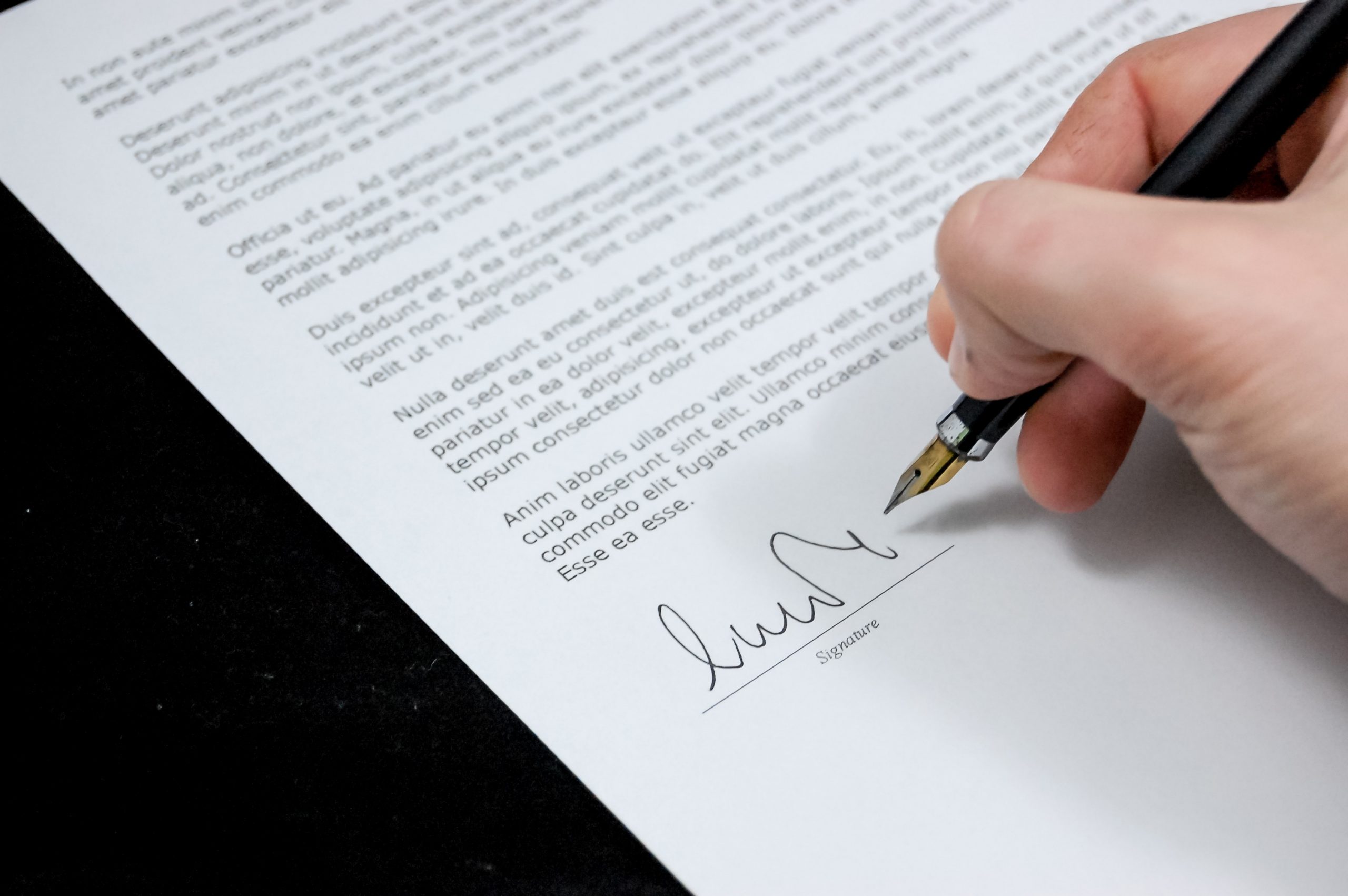
Real Estate Lawyer Plain City Utah

Finding the right real estate lawyer in Plain City, Utah can be a daunting task. With so many options to choose from, it’s important to find someone experienced and trustworthy who can guide you through the complexities of real estate transactions. In this article, we will explore the importance of having a real estate lawyer by your side, the services they provide, and how to select the best one for your needs. Whether you’re buying or selling property, having a knowledgeable lawyer on your team can give you peace of mind and ensure a smooth and successful transaction.

Real Estate Lawyer Plain City Utah

Learn More Here

What Does a Real Estate Lawyer Do?

A real estate lawyer is a legal professional who specializes in issues relating to real estate transactions. They provide valuable assistance and guidance throughout the buying, selling, or leasing process of a property. From providing legal advice to handling complex contracts, a real estate lawyer plays a crucial role in ensuring that all legal matters pertaining to a property transaction are properly addressed.

Legal Advice

One of the primary roles of a real estate lawyer is to offer legal advice to their clients. Whether you are a buyer, seller, or developer, a real estate lawyer can help you understand the legal requirements and implications of your transactions. They can provide guidance on issues such as property rights, contract obligations, and potential legal risks.

Contract Review and Drafting

Real estate transactions often involve complex contracts, such as purchase agreements, lease agreements, and financing documents. A real estate lawyer can review these contracts on your behalf, making sure that your rights are protected and that the terms and conditions are fair and favorable to you. They can also help in drafting contracts to ensure that all legal requirements are met and that your interests are adequately represented.

Title Search and Insurance

Before purchasing a property, it is essential to conduct a thorough title search to ensure that the property’s title is clear and free of any encumbrances or liens. A real estate lawyer can perform this search and help you obtain title insurance to protect against any potential ownership disputes or claims that may arise in the future. They will ensure that the property you are purchasing has a marketable title, giving you peace of mind.

Property Disputes and Litigation

In the unfortunate event of a property dispute or legal conflict, a real estate lawyer can represent you and advocate for your rights in court. Whether it’s a boundary dispute, breach of contract, or any other real estate-related litigation, a real estate lawyer will navigate the legal complexities and help you resolve the issue in the most favorable manner possible.

Closing and Escrow Services

Another important role of a real estate lawyer is to assist with the closing process of a property transaction. They ensure that all necessary legal documents are properly executed, funds are transferred securely, and the property is successfully transferred to the new owner. Additionally, they can oversee the escrow process, where funds are held in trust until all conditions of the transaction are satisfied.

Why Hire a Real Estate Lawyer?

Deciding whether to hire a real estate lawyer for your property transaction is an important consideration. While it might seem like an additional expense, there are several compelling reasons why engaging the services of a real estate lawyer is highly beneficial.

Complexity of Real Estate Transactions

Real estate transactions can be incredibly complex, involving numerous legal documents, government regulations, and potential risks. A real estate lawyer has the knowledge and expertise to guide you through the transaction, ensuring that everything is handled correctly and in compliance with the law. They can simplify the process for you and provide clarity on any legal complexities that may arise.

Legal Expertise

Real estate law is a specialized legal field that requires in-depth knowledge and understanding. A real estate lawyer is well-versed in local and state laws relating to property transactions and can provide expert advice tailored to your specific situation. They stay updated on changes in the law and can help you navigate any legal hurdles that may come your way.

Avoiding Costly Mistakes

The stakes are high in real estate transactions, and a single mistake can have significant financial consequences. By hiring a real estate lawyer, you can minimize the risk of making costly errors. They will thoroughly review all legal documents, identify potential issues, and ensure that your interests are protected throughout the process.

Handling Disputes and Litigation

Unfortunately, disputes and legal conflicts can arise during real estate transactions. Having a real estate lawyer on your side can be invaluable in such situations. They have the experience and expertise to handle disputes effectively, whether through negotiation, alternative dispute resolution methods, or litigation if necessary. With their guidance, you can navigate these challenges and work towards a resolution that is favorable for you.

Peace of Mind

Buying or selling a property is a significant financial investment and can be a stressful process. Hiring a real estate lawyer provides peace of mind, knowing that you have a legal professional in your corner, working to protect your interests. You can focus on other aspects of the transaction, knowing that your legal matters are being expertly handled.

Click Here For More Information

How to Find a Real Estate Lawyer in Plain City, Utah

Finding a reliable and competent real estate lawyer in Plain City, Utah, is essential to ensure a smooth and successful property transaction. Here are some effective ways to find a real estate lawyer in the area.

Referrals from Trusted Sources

One of the best ways to find a reputable real estate lawyer is through referrals from trusted sources. Ask friends, family members, or colleagues who have recently engaged the services of a real estate lawyer for their recommendations. Their personal experiences can provide valuable insights into the lawyer’s professionalism, expertise, and overall effectiveness.

Online Directories and Reviews

Online directories and review platforms can be a helpful resource in finding real estate lawyers in Plain City, Utah. Websites like Avvo and Justia provide directories with detailed profiles of lawyers, including their areas of practice, experience, and client reviews. Take the time to read through reviews and ratings to gather information about the lawyer’s reputation and previous clients’ experiences.

Local Bar Association

The local bar association is another valuable resource for finding real estate lawyers in Plain City, Utah. Contact the Davis County Bar Association or the Utah State Bar Association to inquire about real estate lawyers practicing in the area. They can provide you with a list of qualified lawyers and may also offer referral services to help match you with the right attorney for your specific needs.

Initial Consultation

Once you have identified potential real estate lawyers, schedule an initial consultation with each of them. Most lawyers offer an initial consultation, either free of charge or for a nominal fee. During this meeting, you can discuss your needs and evaluate whether the lawyer is a good fit for your requirements. Take this opportunity to ask questions about their experience, approach to real estate transactions, and fees.

Key Factors to Consider When Choosing a Real Estate Lawyer

When choosing a real estate lawyer in Plain City, Utah, several key factors should be taken into consideration. These factors will help ensure that you select a lawyer with the necessary skills and expertise to handle your real estate transaction effectively.

Experience in Real Estate Law

Experience is a crucial factor when selecting a real estate lawyer. Look for a lawyer who has significant experience specifically in real estate law. The more experience they have, the more adept they will be at handling the complexities that can arise during a property transaction.

Knowledge of Local Laws and Regulations

Real estate laws and regulations can vary from state to state and even between different local jurisdictions. It is important to choose a lawyer who is familiar with the local laws and regulations of Plain City and Utah. Their knowledge of local requirements will ensure that your transaction is conducted in compliance with all relevant laws.

Reputation and Track Record

Consider the lawyer’s reputation and track record when making your decision. Look for lawyers who have a track record of success in handling real estate transactions. Online reviews, testimonials, and referrals can provide insight into the lawyer’s reputation and the satisfaction of their previous clients.

Communication and Responsiveness

Effective communication is crucial when working with a real estate lawyer. Choose a lawyer who communicates clearly, promptly, and regularly. They should be responsive to your queries and provide regular updates on the progress of your transaction. Good communication ensures that you are informed and involved in the process every step of the way.

Fees and Billing Structure

Discuss fees and the lawyer’s billing structure upfront to avoid any surprises later on. Real estate lawyers typically charge either an hourly fee, a flat fee, or a retainer, depending on the nature of the work. Clarify the fee structure and ensure that it aligns with your budget and expectations.

Real Estate Lawyer Plain City Utah

Common Real Estate Legal Issues

Real estate transactions can give rise to various legal issues and complexities. A real estate lawyer can assist in addressing these issues effectively. Here are some common legal issues in real estate:

Purchase and Sale Agreements

Purchase and sale agreements are fundamental to real estate transactions. A real estate lawyer can review and draft these agreements to ensure that all essential terms are included and that your rights are protected.

Real Estate Financing

Obtaining financing for a real estate transaction often involves complex legal processes. A real estate lawyer can help navigate these processes by reviewing loan agreements, negotiating terms, and ensuring compliance with lending regulations.

Title and Boundary Disputes

Title and boundary disputes can be contentious and can significantly impact property ownership. A real estate lawyer can conduct a thorough title search, resolve disputes, and nullify any claims or encumbrances on the property’s title.

Property Zoning and Land Use

Understanding and complying with local zoning and land use regulations is crucial in real estate transactions. A real estate lawyer can guide you through these regulations and ensure that your proposed use of the property aligns with local zoning laws.

Eminent Domain

In some cases, the government may exercise its power of eminent domain and acquire private property for public use. A real estate lawyer can represent your interests when dealing with eminent domain matters, ensuring that you receive fair compensation for the property taken.

The Role of a Real Estate Lawyer in a Property Transaction

A real estate lawyer has a multifaceted role in a property transaction. They provide crucial services throughout the process to ensure a successful and legally sound transaction.

Initial Consultation and Review

The first step in engaging a real estate lawyer is the initial consultation. During this meeting, the lawyer will review your situation, assess your needs, and provide an overview of their services. They will also answer any questions you may have and help you understand the legal aspects of the transaction.

Title Search and Insurance

After engaging a real estate lawyer, they will typically conduct a thorough title search. This involves examining public records to ensure that the property’s title is clear and free from any encumbrances or defects. The lawyer will help you obtain title insurance, which protects against any unforeseen issues that may arise with the property’s title.

Contract Negotiation and Drafting

A real estate lawyer will assist in negotiating and drafting the various contracts involved in the transaction. They will ensure that all necessary terms and conditions are included and that the contracts protect your rights and best interests. The lawyer will also review contracts presented by the other party, identifying any potential risks or unfavorable terms.

Contingency Planning

Real estate transactions often include contingency clauses that must be met before the transaction can proceed. A real estate lawyer can help you identify and address these contingencies, ensuring that all conditions are satisfied before the closing of the transaction.

Closing and Escrow Services

Finally, a real estate lawyer will oversee the closing of the transaction. They will ensure that all necessary documents are prepared, executed, and submitted to the relevant parties. The lawyer will also coordinate with the title company, lenders, and other stakeholders to facilitate a smooth and successful closing. Additionally, they may handle the escrow services, ensuring that funds are securely held and transferred according to the terms of the transaction.

Costs of Hiring a Real Estate Lawyer

The cost of hiring a real estate lawyer can vary depending on several factors, including the complexity of the transaction and the lawyer’s experience. It is important to discuss fees and billing structure with your lawyer before engaging their services.

Hourly Fee

Some real estate lawyers charge an hourly fee for their services. The hourly rate can vary depending on the lawyer’s experience and the complexity of the transaction. You will be billed for the time spent on your matter, including research, document review, negotiations, and any court appearances if necessary.

Flat Fee

For certain real estate transactions, lawyers may offer a flat fee arrangement. This means that you will pay a predetermined fee for the entire service, regardless of the number of hours spent. Flat fees are common for routine transactions, such as reviewing and drafting standard purchase agreements.

Retainer

In some cases, real estate lawyers may require a retainer fee. A retainer is an upfront payment that establishes a working relationship between you and the lawyer. As the lawyer works on your matter, they will deduct their fees from the retainer balance. Once the retainer is depleted, you may need to replenish it.

Additional Costs

In addition to the lawyer’s fees, there may be other costs associated with hiring a real estate lawyer. These costs can include title search fees, filing fees, courier fees, and any expenses incurred in preparing and executing legal documents. It is important to discuss these potential additional costs with your lawyer to have a clear understanding of the financial obligations involved.

Tips for Working with a Real Estate Lawyer

Collaborating effectively with your real estate lawyer is crucial to ensure a successful and streamlined transaction. Here are some tips to help you work effectively with your lawyer:

Clearly Communicate Your Goals

Be open and transparent with your lawyer about your goals and expectations for the transaction. Clearly communicate what you hope to achieve and what is most important to you. This will allow your lawyer to tailor their approach to meet your specific needs.

Provide All Relevant Documentation

To ensure your lawyer has all the information they need, provide them with all relevant documentation and records. This may include purchase agreements, property deeds, surveys, financing documents, and any correspondence related to the transaction. Complete and accurate documentation will enable your lawyer to provide comprehensive advice and representation.

Ask for Regular Updates

Maintain open lines of communication with your real estate lawyer throughout the transaction. Regularly check in for updates on the progress of your matter. A proactive approach will help you stay informed and ensure that you are involved in all important decisions.

Discuss Fee Structure

Early on in the process, discuss the fee structure with your lawyer to avoid any misunderstandings later on. Clarify the billing arrangement, including the hourly rate, flat fee, retainer, and any potential additional costs. Understanding the financial aspects of the engagement will help you budget accordingly and avoid surprises.

Collaborate and Follow Legal Advice

Trust and collaborate with your real estate lawyer. They have the knowledge and expertise to guide you through the transaction successfully. Follow their legal advice and rely on their expertise to make informed decisions. By working together, you can navigate potential challenges and ensure a positive outcome.

Real Estate Lawyer Plain City Utah

FAQs About Real Estate Lawyers

Do I need a real estate lawyer for a simple property transaction?

While it is not always required to hire a real estate lawyer for a simple property transaction, it is highly recommended. Even seemingly straightforward transactions can involve legal complexities and potential risks. A real estate lawyer can provide guidance, ensure that all legal requirements are met, and protect your interests throughout the process.

How long does the real estate transaction process take?

The duration of a real estate transaction can vary depending on several factors, such as the complexity of the transaction, the parties involved, and any potential complications. On average, a real estate transaction can take anywhere from several weeks to several months to complete. It is best to consult with your real estate lawyer for a more accurate estimate based on your specific circumstances.

What happens if there is a dispute during the transaction?

If a dispute arises during a real estate transaction, it is essential to consult with your real estate lawyer immediately. They will assess the situation, advise you on your rights and options, and work toward a resolution. Depending on the nature and severity of the dispute, your lawyer may engage in negotiations, alternative dispute resolution methods, or initiate litigation if necessary.

Can a real estate lawyer represent both the buyer and seller?

In some cases, a real estate lawyer can represent both the buyer and seller in a transaction. However, this arrangement, known as dual representation, must be conducted with caution and the informed consent of both parties. There may be certain limitations and disclosure requirements in place to avoid conflicts of interest. It is best to consult with your lawyer to determine the most appropriate course of action.

What if I am buying property in a different state?

If you are buying property in a different state, it is highly recommended to hire a local real estate lawyer who is familiar with the laws and regulations of that specific jurisdiction. A local lawyer will have the necessary expertise and knowledge to handle any legal issues that may arise, ensuring that your interests are protected throughout the transaction.

Conclusion

A real estate lawyer plays a crucial role in ensuring the smooth and successful completion of a property transaction. From providing legal advice to reviewing contracts, handling disputes, and overseeing the closing process, their expertise is invaluable. By hiring a real estate lawyer, you can navigate the complexities of real estate transactions with confidence, knowing that your interests are protected and that you have a legal professional advocating for you. When engaging a real estate lawyer in Plain City, Utah, consider their experience, knowledge of local laws, reputation, and communication skills. By working effectively with your lawyer and following their guidance, you can achieve a favorable outcome and enjoy peace of mind throughout the transaction.


Learn More

What Are The Regulations For Pet Care Businesses In Utah?

Utah is home to a vibrant and thriving pet care industry, providing invaluable services and companionship to countless pet owners. However, with such a growing industry comes the need for regulations to ensure the well-being and safety of our beloved furry friends. If you are a pet care business owner or considering entering this industry in Utah, it is essential to familiarize yourself with the specific regulations that govern this field. Understanding these regulations will not only help you ensure compliance but also provide peace of mind to your clients, assuring them that their pets are in capable and nurturing hands. In this article, we will examine the regulations for pet care businesses in Utah, allowing you to navigate this industry with confidence and professionalism.

have a peek at this web-site

Licensing and Registration

Types of licenses

When starting a pet care business in Utah, it is important to understand the different types of licenses available. The primary license required is the Pet Care Facility License, which is issued by the Utah Department of Agriculture and Food. This license is necessary for any business that provides care, boarding, or grooming services for pets.

In addition to the Pet Care Facility License, there are other licenses that may be required depending on the specific services provided. For example, if you offer veterinary care or medical treatment for animals, you may need to obtain a Veterinary Facility License. It is important to research and understand all relevant licenses before starting your pet care business.

Application process

To obtain a Pet Care Facility License in Utah, you will need to complete an application and submit it to the Utah Department of Agriculture and Food. The application will require detailed information about your business, including the location, size, and services provided. You may also be required to provide proof of insurance and undergo an inspection of your facility.

It is important to note that the application process can take several weeks to complete, so it is recommended to start the process well in advance of your planned opening date. It is also important to ensure that your facility meets all the necessary requirements before submitting your application.

Renewal process

Once you have obtained a Pet Care Facility License, you will need to renew it annually. The renewal process involves submitting an updated application and paying the required fees. It is important to renew your license on time to avoid any disruptions in your business operations.

During the renewal process, your facility may be subject to inspection to ensure that it continues to meet all the necessary regulations and standards. If any issues are identified during the inspection, they will need to be addressed before your license can be renewed.

Zoning and Permitting

Zoning regulations

Before opening a pet care business in Utah, you must ensure that your facility is located in an area that is zoned for this type of business. Zoning regulations vary by city and county, so it is important to check the specific requirements for your location.

Zoning regulations typically govern the type of activities that can take place in certain areas. In the case of pet care businesses, zoning regulations may include restrictions on noise levels, odor control, and the number of animals that can be housed on the premises. It is important to comply with these regulations to avoid any potential legal issues.

Obtaining permits

In addition to zoning requirements, you may also need to obtain permits from the local government before opening your pet care business. These permits may include a business license, building permit, and signage permits.

The specific permits required will depend on the size and scope of your business. It is important to research and understand all the necessary permits before opening your facility. Failing to obtain the required permits can result in fines or other penalties.

It is recommended to consult with a business lawyer who is familiar with the zoning and permitting requirements in your area to ensure that you are in compliance with all applicable regulations.

What Are The Regulations For Pet Care Businesses In Utah?

Source

Health and Safety Regulations

Vaccination requirements

Pet care businesses in Utah are required to ensure that all animals in their care are properly vaccinated. The specific vaccination requirements may vary depending on the type of animal and the services provided. However, commonly required vaccinations for dogs include rabies, distemper, and parvovirus, while cats may be required to have vaccinations for rabies and feline distemper.

Maintaining up-to-date vaccination records for all animals in your care is essential to ensure the health and safety of both the animals and your staff. It is important to establish protocols for verifying and documenting vaccinations when admitting new animals into your facility.

Pet health and inspection

Utah pet care businesses are required to prioritize the health and well-being of the animals in their care. This includes providing appropriate nutrition, sanitation, and medical care.

It is recommended to have a regular schedule for veterinary check-ups and to ensure that any animals showing signs of illness or distress receive prompt attention. Regular inspections of your facility should also be conducted to identify any potential health or safety hazards.

Safe handling of animals

Safe handling of animals is crucial to prevent accidents or injuries in a pet care facility. Staff should be trained on proper handling techniques to minimize stress and ensure the safety of both the animals and the staff.

It is important to provide adequate training and supervision to staff members to ensure that they understand and follow proper procedures. This may include training on how to approach and handle different species and sizes of animals, as well as how to recognize warning signs of aggression or fear.

Facility Requirements

Building codes

When establishing a pet care business in Utah, it is important to ensure that your facility meets all applicable building codes. Building codes are regulations that govern the construction, design, and maintenance of buildings to ensure the safety of occupants.

Your facility should be designed and constructed in accordance with the appropriate building codes for your area. This may include regulations related to fire safety, ventilation, plumbing, and electrical systems.

Structural standards

In addition to building codes, pet care facilities in Utah must also meet certain structural standards to ensure the safety and well-being of the animals in their care. This may include requirements for the construction of kennels, enclosures, and fencing.

It is important to regularly inspect your facility to identify any potential structural issues and address them promptly. This can help prevent accidents and ensure the comfort and security of the animals.

Sanitation regulations

Maintaining a clean and sanitary environment is critical in a pet care facility to prevent the spread of diseases and ensure the health and well-being of the animals. Utah has specific sanitation regulations that must be followed by pet care businesses.

These regulations may include requirements for cleaning and disinfecting equipment and facilities, proper waste disposal, and the use of safe and effective cleaning products. Regular cleaning and sanitation schedules should be established and followed diligently.

Staffing Regulations

Training and qualifications

The staff members of a pet care business play a vital role in providing quality care and ensuring the safety of the animals. It is important to hire qualified and trained individuals who have the necessary knowledge and skills to handle and care for animals.

Staff members should receive proper training on topics such as animal behavior, basic veterinary care, sanitation practices, and emergency procedures. Regular continuing education opportunities should also be provided to keep the staff updated on the latest industry standards and best practices.

Staff-to-animal ratio

Maintaining an appropriate staff-to-animal ratio is crucial to ensure that all animals receive adequate care and supervision. The specific ratio may vary depending on the size and type of animals being cared for, as well as the services provided.

It is important to assess the needs of your facility and establish staffing protocols that ensure the well-being of the animals. Adequate staffing levels can help prevent accidents, reduce stress, and ensure that each animal receives the attention and care it requires.

Recordkeeping and Reporting

Required documentation

Pet care businesses in Utah are required to maintain accurate and up-to-date records of the animals in their care. This includes information such as vaccination records, medical histories, feeding schedules, and any specific care instructions provided by the owners.

In addition to animal records, you may also be required to maintain records of staff training, inspections, and any incidents or injuries that occur on the premises. These records are important for monitoring compliance with regulations and providing a history of care for each animal.

Reporting incidents or injuries

In the event of an incident or injury involving an animal or staff member, it is important to report the incident as required by law. This may involve notifying the local authorities, the Utah Department of Agriculture and Food, and any relevant insurance providers.

Prompt reporting of incidents allows for a thorough investigation and appropriate action to be taken. It is important to maintain open lines of communication with the appropriate authorities and to cooperate fully in any investigations that may occur.

What Are The Regulations For Pet Care Businesses In Utah?

Insurance and Bonding

Liability insurance

Obtaining liability insurance is essential for any pet care business in Utah. This type of insurance protects the business owner in the event of injury or property damage that occurs on the premises or as a result of the services provided.

Liability insurance can provide coverage for medical expenses, legal fees, and damages resulting from lawsuits or claims. It is important to work with an insurance provider who understands the unique risks associated with the pet care industry and can provide appropriate coverage.

Bonding requirements

In addition to liability insurance, some pet care businesses in Utah may be required to obtain a bond. A bond is a type of financial guarantee that ensures the business will fulfill its obligations to its clients.

The specific bonding requirements vary depending on the type and size of the pet care business. It is important to consult with a business lawyer who can help you understand the bonding requirements and assist you in obtaining the necessary bond.

Advertising and Disclosure

Truth in advertising

When advertising your pet care business in Utah, it is important to ensure that all claims and statements are truthful and not misleading. You should accurately represent the services you provide, the qualifications of your staff, and any other information that may be relevant to potential clients.

Misleading advertising can result in legal consequences, damage to your reputation, and loss of trust from potential clients. It is recommended to review all advertising materials with a business lawyer to ensure compliance with applicable laws and regulations.

Disclosure of services and fees

Utah pet care businesses are required to provide clear and accurate information about their services and fees to potential clients. This includes disclosing any additional charges or fees that may apply, such as charges for additional services or medications.

It is important to provide this information in a written format that clients can easily access and understand. Transparency in disclosing services and fees helps to build trust with clients and ensures that they are fully informed before making a decision to use your services.

What Are The Regulations For Pet Care Businesses In Utah?

Compliance Inspections and Investigations

Routine inspections

Pet care businesses in Utah may be subject to routine inspections by the Utah Department of Agriculture and Food to ensure compliance with regulations. These inspections are typically carried out by trained inspectors who will assess the facility, records, and procedures to ensure that all requirements are being met.

It is important to maintain a high standard of compliance on an ongoing basis to minimize the risk of violations and penalties. Regular self-audits and inspections can help identify areas for improvement and ensure that your facility is always ready for any inspections.

Complaint investigations

In addition to routine inspections, pet care businesses in Utah may also be subject to complaint investigations. These investigations are initiated in response to a complaint or allegation of non-compliance with regulations.

Complaint investigations can be time-consuming and may require the cooperation of the business owner and staff. It is important to respond promptly to any complaints and fully cooperate in the investigation process. Working with a business lawyer during these investigations can help protect your rights and ensure a fair resolution.

Enforcement and Penalties

Consequences of non-compliance

Failure to comply with the regulations for pet care businesses in Utah can result in serious consequences. The specific penalties may vary depending on the nature and severity of the violation, but can include fines, license suspension or revocation, and legal action.

Non-compliance can also lead to damage to your reputation and loss of trust from clients. It is important to take all necessary steps to ensure compliance with regulations and to address any potential violations promptly.

Appeals process

If you disagree with a decision made by the Utah Department of Agriculture and Food, you have the right to appeal the decision. The appeals process allows you to present your case to an independent review board and may result in a reversal or modification of the original decision.

It is important to consult with a business lawyer who can guide you through the appeals process and help present your case effectively. The appeals process can be complex and time-consuming, so it is important to be prepared and knowledgeable about your rights and obligations.

FAQs

  1. What are the consequences of operating a pet care business without a license in Utah?

Operating a pet care business without a license in Utah can result in penalties and legal consequences. These may include fines, closure of the business, and difficulty obtaining a license in the future. It is important to obtain the necessary licenses and comply with all regulations to avoid these consequences.

  1. Are there specific insurance requirements for pet care businesses in Utah?

While there are no specific insurance requirements mandated by the state of Utah, it is highly recommended for pet care businesses to obtain liability insurance. This type of insurance protects the business owner in the event of injury or property damage and can be crucial in mitigating financial risks.

  1. What is the staff-to-animal ratio requirement for pet care businesses in Utah?

There is no specific staff-to-animal ratio requirement set by the state of Utah. However, it is important to establish staffing protocols that ensure the welfare and safety of the animals in your care. The appropriate staff-to-animal ratio will depend on factors such as the type and size of animals, as well as the services provided.

  1. How often are routine inspections conducted for pet care businesses in Utah?

Routine inspections for pet care businesses in Utah can vary in frequency and are typically conducted by the Utah Department of Agriculture and Food. The specific schedule for inspections may depend on factors such as the size and type of facility, compliance history, and the level of risk associated with the business operations.

  1. Can I appeal a decision made by the Utah Department of Agriculture and Food regarding my pet care business?

Yes, you have the right to appeal a decision made by the Utah Department of Agriculture and Food. The appeals process allows you to present your case to an independent review board and may result in a reversal or modification of the original decision. It is recommended to consult with a business lawyer who can guide you through the appeals process and help present your case effectively.

have a peek here

Prenup And Debt

In the realm of marriage, discussions concerning money can be a delicate matter. The concept of a prenuptial agreement, or prenup, has gained popularity as a means of safeguarding individual assets in the event of a divorce. However, one crucial aspect that is often overlooked in these agreements is debt. The intertwining of prenuptial agreements and debt can have significant implications for both parties involved, making it essential to consider this factor when embarking on the journey of marriage. This article aims to shed light on the often-overlooked connection between prenups and debt, providing valuable insights for those seeking to protect their financial interests.

Prenup And Debt

have a peek at this web-site

Understanding Prenuptial Agreements

Definition of a Prenuptial Agreement

A prenuptial agreement, commonly known as a prenup, is a legally binding contract signed by a couple before they get married or enter into a civil partnership. This agreement outlines the distribution of assets, responsibility for debts, and other financial provisions in the event of divorce, separation, or death. It serves as a safeguard to protect individual interests and provide clarity in case the relationship ends.

Purpose of a Prenuptial Agreement

The purpose of a prenuptial agreement is to establish clear guidelines and expectations regarding financial matters in the relationship. It enables couples to address potential issues and make informed decisions while entering into a marriage, ensuring fairness and avoiding disputes in the future. A prenup can provide financial security, protect pre-marital assets, and minimize the financial impact of a divorce or separation.

Importance of a Prenuptial Agreement

Prenuptial agreements play a crucial role in today’s society due to various reasons. Firstly, they can help individuals protect their personal assets, such as property, investments, or family heirlooms, by defining them as separate property in the agreement. Secondly, prenups allow couples to address potential complexities associated with debt distribution and division of marital assets, reducing conflict and potential legal battles. Thirdly, a prenuptial agreement can provide financial security for children from previous relationships or protect a business interest that one or both partners may have. Overall, a well-drafted prenuptial agreement promotes transparency, fairness, and peace of mind for both parties involved.

Considering Debt in Prenuptial Agreements

Debt as a Financial Responsibility

Financial responsibilities, including debt, are essential aspects that couples should consider when entering into a prenuptial agreement. Debts incurred during the marriage can significantly impact the individuals involved and should be addressed in the agreement to protect both parties’ interests.

Debt Classification in Prenuptial Agreements

When considering debt in a prenuptial agreement, it is crucial to understand how debts are classified. Generally, debts fall into two categories: separate debt and marital debt. Separate debt refers to any debts incurred by an individual before the marriage, while marital debt encompasses debts incurred during the duration of the marriage by either spouse.

Disclosure of Debt

Full disclosure of existing debts is essential in a prenuptial agreement. Both parties should provide an accurate and comprehensive overview of their financial obligations to ensure transparency and facilitate fair negotiations. Disclosing all debts helps in evaluating the complete financial picture and determining how potential debt should be treated.

Determining How Debt Will Be Handled

The prenuptial agreement should establish clear provisions on how debt will be handled in the case of a divorce or separation. This may include determining which debts are the responsibility of each spouse, outlining a payment plan, or specifying how debt incurred jointly will be divided. Discussing and addressing these matters beforehand can alleviate misunderstandings and financial burdens later on.

Protection from Spouse’s Debt

A prenuptial agreement can provide protection from a spouse’s debts incurred before the marriage. By explicitly addressing this aspect in the agreement, couples can safeguard themselves from assuming each other’s pre-marital debts, ensuring that each party is responsible for their respective financial obligations.

Source

Factors to Consider for Debt in Prenuptial Agreements

Marital Debt vs. Separate Debt

Distinguishing between marital debt and separate debt is crucial in a prenuptial agreement. Understanding the difference helps determine the responsibility and division of debt during a divorce or separation. Clearly outlining which debts fall into each category ensures fairness and transparency.

Debt Incurred Before Marriage

Debts incurred before marriage often remain the responsibility of the individual who incurred them, unless specified otherwise. However, it is essential to address this aspect explicitly in the prenuptial agreement to avoid any confusion or disputes in the future.

Debt Incurred During Marriage

Debts incurred during the marriage are typically considered joint obligations. It is important to determine how such debts will be divided or shared in the event of a divorce or separation. This can be accomplished by outlining specific provisions in the prenup, ensuring that both parties’ interests are protected.

Joint Debt

Couples often accumulate debts together during the marriage, such as home mortgages or joint credit cards. Addressing joint debts in the prenuptial agreement is crucial to establish how such obligations will be managed and divided, reducing potential conflicts and uncertainties.

Dealing with Student Loans

Student loans are one of the most common forms of debt individuals bring into a marriage. The prenuptial agreement should outline how student loans will be handled, whether they will remain the responsibility of the individual who incurred them or be shared jointly by both parties.

Credit Card Debt

Credit card debt can be a significant financial burden for couples. Determining how credit card debt will be allocated in a prenuptial agreement is important to avoid potential disputes. This may involve specifying how outstanding balances will be divided or establishing a plan for repayment.

Drafting a Prenuptial Agreement with Debt Provisions

Engaging a Qualified Attorney

Drafting a prenuptial agreement with debt provisions requires the expertise of a qualified attorney. Engaging a professional who specializes in family law and understands the complex financial aspects of prenuptial agreements is essential to ensure the agreement’s effectiveness and legality.

Identifying and Evaluating Debts

The first step in drafting a prenuptial agreement with debt provisions is to identify and evaluate all existing debts. This involves collecting and reviewing financial documents, including loan agreements, credit card statements, and tax returns. Properly assessing the extent of the debt allows couples to make informed decisions regarding their financial responsibilities.

Defining Debt Distribution

Once the debts have been identified and evaluated, the prenuptial agreement should clearly define how the debts will be distributed in the event of a divorce or separation. This may involve specifying which debts will be the responsibility of each spouse or establishing a proportionate sharing arrangement based on income or other factors.

Addressing Debt Responsibility

The prenuptial agreement should clearly outline which party will be responsible for each debt. This includes both separate debts incurred before the marriage and joint debts accumulated during the marriage. By addressing debt responsibility, couples can avoid potential conflicts and uncertainties regarding financial obligations.

Creating a Debt Repayment Plan

In some cases, couples may choose to include a debt repayment plan in the prenuptial agreement. This can outline how the debts will be paid off, the timeline for repayment, and any agreed-upon financial contributions by each party. Creating a debt repayment plan promotes financial transparency and accountability.

Including Debt Limitations

Debt limitations can be included in the prenuptial agreement to prevent future debts from being the responsibility of both parties. These limitations may specify a maximum amount of debt that can be accumulated by either spouse before it becomes their sole responsibility. Including debt limitations provides an added layer of protection and ensures that both parties are aware of their financial boundaries.

Reviewing Clauses and Conditions

Before finalizing the prenuptial agreement, it is essential to review all the clauses and conditions related to debt provisions. This includes ensuring that the language used is clear and unambiguous and that the agreement is fair and reasonable for both parties involved. Seeking legal advice during this process can help identify any potential issues and ensure the agreement’s enforceability.

Prenup And Debt

Legal Requirements for Prenuptial Agreements

Voluntary Agreement

One of the primary legal requirements for a prenuptial agreement is that it must be entered into voluntarily by both parties. Coercion, duress, or pressure to sign the agreement can render it invalid. It is important for both parties to have a full understanding of the agreement’s implications and to enter into it willingly.

Full Disclosure of Assets and Debts

For a prenuptial agreement to be legally binding, there must be full disclosure of all assets and debts by both parties. This ensures that both parties have complete and accurate information when making decisions regarding the agreement’s terms. Failing to provide full disclosure can lead to the agreement being challenged or deemed unenforceable.

Independent Legal Representation

Each party should have their own independent legal representation when entering into a prenuptial agreement. This ensures that both individuals fully understand the agreement’s terms and have received legal advice specific to their interests. Independent legal representation also helps protect against claims of inadequacy of representation in the future.

Fair and Reasonable Terms

A prenuptial agreement must contain fair and reasonable terms that do not unduly favor one party over the other. Courts have the authority to review and potentially invalidate any terms they deem unconscionable or significantly unjust. It is important to consider this aspect when drafting the agreement to ensure its enforceability.

Proper Execution and Documentation

To be considered legally valid, a prenuptial agreement must be executed and documented correctly. This typically involves both parties signing the agreement in the presence of witnesses and having it notarized. Adhering to proper execution and documentation procedures is crucial to prevent challenges to the agreement’s validity in the future.

Avoiding Invalid Prenuptial Agreements

To avoid a prenuptial agreement being deemed invalid or unenforceable, it is essential to consult with a qualified attorney who specializes in family law. Working with an attorney ensures that all legal requirements are met, all necessary information is disclosed, and the agreement is drafted in accordance with applicable laws and regulations.

Enforcing and Modifying Prenuptial Agreements

Adhering to Prenuptial Agreement Terms

Once a prenuptial agreement is in place, both parties are legally bound to adhere to its terms. Violating the terms of the agreement can have legal consequences and may impact the division of assets and debts in the event of a divorce or separation. It is important for couples to understand and respect the terms they have agreed upon.

Challenging the Validity

In certain circumstances, it is possible to challenge the validity of a prenuptial agreement. This may include claims of duress, fraud, or failure to disclose assets or debts. However, challenging the validity of a prenup can be a complex and legally challenging process. It is advisable to seek legal advice and guidance if there are grounds for challenging the agreement.

Legal Grounds to Challenge

Some legal grounds to challenge the validity of a prenuptial agreement may include:

  • Lack of voluntary consent: If one party can prove that they were forced or coerced into signing the agreement against their will.
  • Failure to disclose assets or debts: If one party can demonstrate that the other party failed to provide full and accurate disclosure of their financial situation.
  • Unconscionability: If the agreement’s terms are so one-sided or grossly unfair that they shock the conscience of the court.
  • Procedural defects: If there were errors in the execution or documentation process that render the agreement invalid.

Modifying a Prenuptial Agreement

Under certain circumstances, a prenuptial agreement can be modified or amended to reflect changes in the couple’s circumstances or financial situation. However, modifying a prenup typically requires the mutual consent of both parties and adherence to the legal requirements established by applicable laws. Seeking legal advice when considering modifications is advisable to ensure all legal procedures are followed.

Circumstances Requiring Modification

Circumstances that may warrant the modification of a prenuptial agreement include:

  • Significant changes in financial status: If one or both parties experience a significant change in their financial situation, such as inheriting a substantial sum of money or experiencing a significant decline in income.
  • Birth or adoption of children: The arrival of children can impact the financial responsibilities and obligations of both parties, necessitating a modification to the prenuptial agreement.
  • Changes in asset or debt structure: If there are substantial changes in the assets or debts held by either party, such as the acquisition or sale of property or the accumulation of significant debts, modifying the prenuptial agreement may be necessary.

Additional Considerations for Prenup and Debt

Life Changes and Updating the Agreement

Life is dynamic, and circumstances can change over time. It is important to review and update the prenuptial agreement periodically to ensure it remains relevant and reflective of the couple’s current situation. Major life changes, such as the birth of children, changes in careers, or significant financial shifts, should prompt a review and potential modification of the agreement.

Seeking Financial and Legal Advice

When considering a prenuptial agreement with debt provisions, it is highly advisable to seek financial and legal advice. Consulting with a financial advisor can help assess the potential long-term impact of debt and guide discussions on debt-related provisions. Working with a qualified attorney specializing in family law is essential to ensure that all legal requirements are met and to protect both parties’ interests.

Communication and Transparency

Open and honest communication is key when discussing a prenuptial agreement with debt provisions. Both individuals should openly share their financial situations, including debts, to facilitate fair negotiations and reach a mutually beneficial agreement. Transparency is crucial to avoid misunderstandings and build trust throughout the process.

Postnuptial Agreements

In some cases, couples may choose to create a postnuptial agreement after marriage to address debt-related provisions. A postnuptial agreement serves the same purpose as a prenuptial agreement but is entered into after the marriage has taken place. This can be an option for couples who did not have a prenuptial agreement or for those who wish to modify an existing prenuptial agreement.

Protecting Shared Assets

A well-drafted prenuptial agreement with debt provisions can help protect shared assets in the event of a divorce or separation. By addressing debt allocation and specific financial responsibilities, couples can minimize the potential impact of debt on shared assets, ensuring a fair and equitable division.

Potential Benefits of Prenuptial Agreements with Debt

Asset Protection

Prenuptial agreements with debt provisions can help protect assets acquired before and during marriage. By clearly defining separate and marital debts, the agreement ensures that each party retains their respective assets, even in the event of a divorce or separation.

Preserving Family Wealth

Individuals with significant family wealth often choose to include provisions in their prenuptial agreements to preserve and protect their family’s assets. By establishing how these assets will be treated in the event of a divorce, the agreement can safeguard both the individual’s and their family’s financial interests.

Avoiding Lengthy Legal Battles

Without a prenuptial agreement, divorce proceedings can become lengthy, emotionally draining, and expensive, especially when dealing with debt-related issues. A well-drafted prenuptial agreement with debt provisions can help streamline the divorce process by providing clear guidelines on how debts will be allocated and assets will be divided.

Maintaining Financial Independence

A prenuptial agreement allows individuals to maintain their financial independence and protect their separate assets. By addressing debt responsibilities in the agreement, each party can retain control over their financial obligations, reducing the potential impact of the partner’s debts on their financial stability.

Clarity and Certainty

One of the most significant benefits of a prenuptial agreement is the clarity and certainty it provides. By addressing debt-related provisions beforehand, couples can eliminate ambiguity and potential disagreements on financial matters, ensuring that both parties have a clear understanding of their obligations.

Prenup And Debt

Potential Drawbacks of Prenuptial Agreements with Debt

Creating Tension in the Relationship

Discussing and negotiating a prenuptial agreement, especially with debt provisions, can sometimes create tension in the relationship. It is important to approach these conversations with empathy, understanding, and open communication to minimize the strain on the relationship.

Reducing Financial Flexibility

Prenuptial agreements with debt provisions may limit the financial flexibility of one or both parties. When debt responsibilities are predetermined in the agreement, individuals may have less flexibility in negotiating or adjusting financial obligations during the marriage. It is crucial to consider the long-term implications and potential loss of flexibility before entering into such an agreement.

Unequal Distribution of Marital Assets

A prenuptial agreement may result in an unequal distribution of marital assets. If one party has significantly more debts than the other, the agreement may allocate a disproportionate amount of the assets to one individual. While this can protect the financially healthier party, it may be perceived as unfair by the other party.

Emotional Strain

Negotiating a prenuptial agreement with debt provisions can be emotionally challenging for both parties. It may bring up feelings of discomfort, distrust, or concern about the future. It is important to support each other throughout the process and prioritize open communication to navigate these emotions effectively.

Perception of Lack of Trust

The existence of a prenuptial agreement, especially one that addresses debt, may be seen as a lack of trust in the relationship by one or both parties. It is crucial to communicate openly about the reasons for considering a prenup and to emphasize that it is a practical and responsible decision rather than a reflection of a lack of faith in the relationship.

Conclusion

Prenuptial agreements with debt provisions serve as valuable tools for couples who wish to establish clear financial boundaries and protect their interests in the event of a divorce or separation. By addressing debt allocation, outlining financial responsibilities, and promoting transparency, these agreements provide clarity and peace of mind. It is important to approach the drafting of a prenuptial agreement with debt provisions with the assistance of a qualified attorney to ensure all legal requirements are met and both parties’ interests are protected. Ultimately, a well-drafted prenup can foster financial stability and strengthen the foundation of a successful marriage.

have a peek here

Probate Attorney Hooper Utah

Are you currently in need of legal assistance to navigate the complexities of probate in Hooper, Utah? Look no further than the dedicated and experienced Probate Attorney, serving the community with unmatched expertise. With a deep understanding of the intricacies involved in distributing assets and settling estates, the attorney is well-equipped to guide you through every step of the probate process. By offering personalized attention and tailored solutions, he is committed to providing you with the best possible outcome. Entrust your probate matters to the Probate Attorney Hooper Utah, and rest assured knowing that your needs are in capable hands. Contact him today to schedule a consultation and take the first step towards resolving your probate concerns.

Get A Probate Attorney In Hooper, Utah

Who is a Probate Attorney?

Definition

A probate attorney, also known as an estate lawyer, specializes in the legal process of probate. Probate is the legal process in which a person’s assets and debts are administered and distributed after their death. This typically involves validating the deceased person’s will, paying any outstanding debts or taxes, and distributing the remaining assets to the designated beneficiaries. A probate attorney guides clients through this complex legal process, ensuring that all necessary steps and procedures are followed.

Roles and Responsibilities

A probate attorney takes on several important roles and responsibilities throughout the probate process. Firstly, they assist in petitioning the court for probate, which involves filing the necessary legal documents to initiate the process. They also play a crucial role in identifying and inventorying the deceased person’s assets, ensuring that nothing is overlooked. This includes real estate, bank accounts, investments, personal belongings, and more.

In addition, a probate attorney is responsible for notifying creditors and beneficiaries of the deceased person’s passing. They handle any claims or disputes that may arise during the probate process, working diligently to resolve these issues in a fair and timely manner. Finally, a probate attorney is responsible for overseeing the distribution of the estate, ensuring that the assets are transferred to the designated beneficiaries according to the terms of the will or state laws of intestate succession.

Why You Need a Probate Attorney

Protecting your Interests

One of the primary reasons you need a probate attorney is to protect your interests during the probate process. The probate process can be complex and time-consuming, and without proper legal representation, you may be at risk of losing assets or facing unnecessary disputes. A probate attorney will work diligently to safeguard your rights and ensure that your interests are prioritized throughout the entire process.

Complying with Legal Procedures

The probate process involves a series of legal procedures that must be followed meticulously. From filing the initial petition to distributing the estate, each step must be completed in accordance with state laws and regulations. Failure to comply with these procedures can result in delays, disputes, or even legal consequences. A probate attorney has the knowledge and experience to guide you through each step, ensuring that all legal requirements are met.

Complexities of Probate Process

The probate process can be incredibly complex, especially if the estate is large or there are disputes among beneficiaries. There are numerous legal documents to prepare, court appearances to attend, and assets to valuate. Without the expertise of a probate attorney, navigating these complexities can be overwhelming and stressful. Hiring a probate attorney allows you to rely on their knowledge and experience to handle these complexities, giving you peace of mind during an already difficult time.

Probate Attorney Hooper Utah

Secure The Services Of A Probate Attorney In Hooper, Utah

Qualities to Look for in a Probate Attorney

Experience and Expertise

When choosing a probate attorney, experience and expertise should be top priorities. Look for an attorney who specializes in probate and has a solid track record of success in handling similar cases. A seasoned probate attorney will have in-depth knowledge of state laws and procedures, which can greatly benefit your case.

Attention to Detail

Probate involves a significant amount of paperwork, documentation, and legal intricacies. It is crucial to choose a probate attorney who pays close attention to detail and leaves no stone unturned. A meticulous attorney will ensure that all necessary documents are prepared accurately and submitted on time, minimizing the risk of errors or delays.

Good Communication Skills

Effective communication is essential in any legal process, and probate is no exception. Look for a probate attorney who possesses strong communication skills and is responsive to your questions and concerns. A good probate attorney will keep you informed throughout the process, explaining complex legal concepts in a clear and understandable manner.

Client-Centered Approach

Probate can be an emotional and overwhelming process, and it is crucial to choose a probate attorney who understands and empathizes with your needs. Look for an attorney who takes a client-centered approach, putting your interests and priorities first. A compassionate probate attorney will provide guidance and support, helping you make informed decisions that align with your goals.

How to Choose the Right Probate Attorney

Consider Recommendations and Reviews

When choosing a probate attorney, start by seeking recommendations from trusted sources, such as friends, family, or other legal professionals. Additionally, read online reviews and testimonials to gather insights from previous clients. This will give you an idea of the attorney’s reputation and the level of satisfaction their clients have experienced.

Evaluate Experience and Specialization

As mentioned earlier, experience and specialization are crucial when selecting a probate attorney. Evaluate their experience handling probate cases and inquire about their success rate. Determine if they have expertise in your specific area of concern, such as disputed wills or complex tax issues.

Schedule Consultations

Once you have narrowed down your list of potential probate attorneys, schedule consultations with each one. During these consultations, you will have the opportunity to discuss your case, ask questions, and assess how well you communicate with the attorney. Pay attention to their knowledge, demeanor, and professionalism during these meetings.

Discuss Fees and Costs

It is important to have a clear understanding of the attorney’s fees and costs before making a final decision. Ask about their billing structure, whether they charge hourly rates, flat fees, or contingency fees. Request a detailed estimate of the overall costs associated with your case, including court fees and potential additional expenses.

Assess Compatibility

Lastly, assess the compatibility between you and the probate attorney. Remember that the probate process can be lengthy, and you will be working closely with your chosen attorney throughout this time. Choose an attorney with whom you feel comfortable, confident, and trust to handle your case professionally and diligently.

Probate Attorney Hooper Utah

Probate Process in Hooper, Utah

Petitioning the Court

The probate process in Hooper, Utah begins with petitioning the court. The appointed executor or a family member of the deceased must file a petition with the appropriate probate court to initiate the probate process. The petition will include vital information about the deceased person, such as their name, date of death, and a copy of the will (if available). This step officially starts the probate process in Hooper.

Identifying and Inventorying Assets

Once the court accepts the petition, the next step is to identify and inventory the deceased person’s assets. The probate attorney will work closely with the executor or personal representative to compile a comprehensive list of assets, including real estate, financial accounts, personal property, and any other relevant assets. This process is crucial for determining the value of the estate and ensuring that all assets are properly distributed.

Notifying Creditors and Beneficiaries

After the assets have been identified, the probate attorney will assist in notifying creditors of the deceased person’s passing. This notification alerts creditors that they have a limited amount of time to submit any outstanding claims against the estate. Simultaneously, the probate attorney will also notify the beneficiaries listed in the will and any potential heirs if the deceased person died without a will. This ensures that all parties are informed about the probate proceedings and have an opportunity to participate.

Resolving Claims and Disputes

During the probate process, it is not uncommon for claims or disputes to arise. Creditors may challenge the validity of the debts owed or beneficiaries may contest the terms of the will. In such cases, the probate attorney is responsible for representing their client’s interests, negotiating settlements, or advocating in court if necessary. Resolving claims and disputes is crucial for a smooth probate process and equitable distribution of assets.

Distributing the Estate

Once all legal matters, claims, and disputes have been resolved, the final step of the probate process is the distribution of the estate. The probate attorney works diligently to ensure that the assets are distributed according to the terms outlined in the will or as dictated by state laws if the deceased person died intestate. This involves transferring property titles, arranging the transfer of financial accounts, and overseeing the final distribution to the designated beneficiaries.

Common Issues in Probate Process

Disputed Wills

One of the most common issues that can arise during the probate process is a disputed will. Beneficiaries may contest the validity of the will, claiming that the deceased person was not of sound mind or was unduly influenced when drafting the document. Resolving a disputed will requires careful investigation and legal expertise. A probate attorney can guide clients through this challenging process and help establish the validity or invalidate the claims made against the will.

Estate Taxes

Another common issue in the probate process is estate taxes. Depending on the size of the estate, there may be significant taxes to be paid. It is crucial to properly assess and minimize the tax liabilities to ensure the beneficiaries receive the maximum inheritance possible. A probate attorney with experience in tax law can provide valuable guidance to minimize tax liabilities and explore any available tax-saving strategies.

Intestate Succession

When a person passes away without a valid will, the probate process becomes more complex. Intestate succession laws determine how the assets of the deceased person will be distributed among their heirs. The probate attorney plays a vital role in navigating the intestate succession laws, ensuring that the assets are distributed in accordance with the state’s guidelines and the deceased person’s wishes, even in the absence of a will.

Missing or Undervalued Assets

Identifying and valuing all assets of the deceased person is vital for a smooth probate process. However, there may be instances where certain assets are missing or undervalued, leading to potential disputes among beneficiaries. A probate attorney is skilled at conducting thorough asset searches and valuations, ensuring that all assets are properly accounted for and accurately valued. This minimizes the risk of disputes and ensures a fair distribution of the estate.

How a Probate Attorney Can Help You

Guidance throughout the Probate Process

The probate process can be complex and overwhelming for those who are unfamiliar with its intricacies. A probate attorney provides invaluable guidance, explaining each step of the process and ensuring that clients understand their rights and obligations. They offer expert advice, helping clients make informed decisions that align with their goals and protect their interests.

Resolving Complex Legal Issues

Throughout the probate process, complex legal issues can arise, such as disputed wills, claims from creditors, or tax complications. A probate attorney is equipped with the knowledge and experience to handle these issues effectively. They will work diligently to resolve complex legal matters, advocating on behalf of their clients and protecting their best interests.

Representation in Court

In some cases, probate disputes may escalate to the point where court intervention is necessary. A probate attorney is prepared to represent their clients in court, presenting compelling arguments and advocating for a favorable outcome. Whether it is defending the validity of a will or disputing a claim, a skilled probate attorney will navigate the courtroom proceedings with professionalism and expertise.

Minimizing Tax Liabilities

Estate taxes can significantly impact the value of an inheritance, potentially leaving beneficiaries with less than anticipated. A probate attorney with expertise in tax law can help minimize tax liabilities, exploring potential deductions and exemptions. They will ensure that the estate is properly valued, reducing the tax burden and maximizing the assets available for distribution.

Protecting Beneficiaries’ Interests

One of the most crucial roles of a probate attorney is to protect the interests of the beneficiaries. They ensure that the estate is distributed fairly and in compliance with the deceased person’s wishes or state laws. A probate attorney will carefully review the distribution plan, ensuring that it aligns with the legal requirements and safeguards the beneficiaries’ rights.

Costs and Fees of Probate Attorney

Hourly Rates

Many probate attorneys charge an hourly rate for their services. The hourly rates can vary depending on factors such as the attorney’s experience, the complexity of the case, and the location of the law firm. Clients are typically billed based on the amount of time the attorney spends working on their case, including research, drafting legal documents, and attending court hearings.

Flat Fees

In certain situations, probate attorneys may offer flat fees for specific services or for handling the entire probate process. These flat fees provide clients with a clear understanding of the total cost from the outset, eliminating any surprises or uncertainties.

Contingency Fees

Some probate attorneys work on a contingency fee basis. This means that their fees are contingent upon the successful resolution of the case or the amount of assets recovered. Contingency fees are more commonly used in cases involving disputes or litigation during the probate process.

Consultation Fees

A probate attorney may charge a consultation fee for an initial meeting or evaluation of the case. This fee allows the attorney to assess the complexity of the case and provide an initial consultation, during which they will discuss the legal options available and advise on the best course of action.

Probate Attorney Hooper Utah

Client Reviews and Testimonials

Satisfied Clients’ Experiences

Many clients who have worked with a probate attorney in Hooper, Utah have expressed their satisfaction with the services provided. They value the expertise and compassion displayed by the probate attorney throughout the process. Clients have praised the attorneys for their professionalism, knowledge, and dedication to achieving favorable outcomes.

Positive Feedback about Services

Clients have provided positive feedback about the probate attorneys’ services, specifically highlighting their attention to detail and ability to navigate complex legal issues. They appreciate the open lines of communication and the promptness with which the attorneys address their questions and concerns. Clients also compliment the attorneys for their client-centered approach, emphasizing the level of personal attention they receive throughout their probate case.

Success Stories

Numerous success stories have been shared by clients who have hired a probate attorney in Hooper, Utah. These stories often revolve around successful resolution of disputed wills, minimizing tax liabilities, and securing fair distributions for beneficiaries. Clients have expressed their gratitude for the probate attorneys’ expertise and guidance, which resulted in favorable outcomes and eased the burdens of the probate process.

Contacting Probate Attorney Hooper Utah

Office Address and Contact Information

For those seeking the assistance of a probate attorney in Hooper, Utah, the following office address and contact information can be used:

[Insert Law Firm Name] [Insert Law Firm Address] [Insert Law Firm Phone Number] [Insert Law Firm Email Address]

Schedule a Consultation

To schedule a consultation with a probate attorney, potential clients can call or email the law firm and request an appointment. During the consultation, the attorney will evaluate the details of the case, provide initial guidance, and discuss the next steps.

Online Contact Form

Alternatively, potential clients can fill out an online contact form on the law firm’s website. This form typically asks for basic contact information and allows clients to provide a brief description of their probate needs. Upon receiving the form, the law firm will reach out to schedule a consultation and gather more information about the case.

In conclusion, hiring a probate attorney in Hooper, Utah is crucial to navigate the complexities of the probate process and protect your interests. With their expertise, experience, and client-centered approach, a probate attorney will guide you through each step, resolve legal issues, and ensure a fair and efficient distribution of the estate. Contact a probate attorney today to receive the professional assistance needed during this challenging time.

Contact Our Probate Attorney In Hooper, Utah

Contract Lawyer Payson Utah

Looking for a contract lawyer in Payson, Utah? Whether you’re a business owner, freelancer, or just someone dealing with legal matters, it’s important to have a reliable and experienced attorney by your side. In this article, we’ll address common legal concerns head-on, providing reassurance and guidance to help you navigate the complexities of contracts. From contract disputes to drafting agreements, our team of skilled lawyers is here to assist you. So, if you’re in need of legal advice or representation, don’t hesitate to reach out to us at the provided phone number. We’re ready to help you find the solutions you need.

Why You Need a Contract Lawyer

Contract Lawyer Payson Utah

Click Here

Understanding the Importance of Contracts

Contracts are legally binding agreements that outline the rights and obligations of parties involved. Whether you are a business owner, an entrepreneur, or an individual entering into a contractual relationship, understanding the importance of contracts is crucial. A contract lawyer specializes in contract law, guiding clients through the complexities of drafting, reviewing, and negotiating contracts to ensure their best interests are protected.

Contracts provide clarity and certainty, spelling out the terms and conditions of an agreement. They establish expectations and protect the rights of all parties involved. However, without proper legal knowledge, drafting or reviewing contracts can be a daunting task. That’s where a contract lawyer comes in – to help you navigate through the intricate legal aspects and ensure that your rights are safeguarded.

Avoiding Costly Mistakes

One of the main reasons you need a contract lawyer is to avoid costly mistakes. A minor error or oversight in a contract can lead to major consequences down the line. Issues such as ambiguous language, missing essential clauses, or improper contract execution can create disputes and leave you vulnerable to financial loss or legal liabilities.

By working with a contract lawyer, you can mitigate these risks. They are well-versed in contract law and have extensive experience in identifying potential pitfalls and legal ambiguities. They will carefully review the terms of the contract, correct any errors, and ensure that it aligns with your intentions and protects your interests. Investing in a contract lawyer from the beginning can save you significant time, money, and stress in the long run.

Protecting Your Legal Rights

Contracts serve as a legal framework to protect your rights and interests. However, understanding the legal language and provisions within a contract can be challenging for individuals who are not well-versed in contract law. A contract lawyer acts as your advocate, ensuring that your legal rights are protected and that the contract aligns with your objectives.

Whether you are entering into a business partnership, signing an employment agreement, or buying/selling property, a contract lawyer will thoroughly examine the terms and conditions, identify any potential risks, and propose necessary amendments to protect your legal rights. They have a deep understanding of contract law and can provide you with the necessary guidance to make informed decisions that align with your goals.

Common Legal Concerns in Contract Law

Breach of Contract

One of the most common legal concerns in contract law is a breach of contract. It occurs when one party fails to fulfill their obligations as outlined in the contract. This can range from non-payment to failure to deliver goods or services as agreed upon. If you find yourself on the receiving end of a breach of contract, a contract lawyer can help you navigate the legal process and protect your interests.

A contract lawyer will analyze the terms of the contract, establish whether a breach has occurred, and advise you on the available legal remedies. They can guide you through negotiations, mediation, or, if necessary, litigation, to ensure that you receive proper compensation or seek specific performance as stated in the contract.

Contract Disputes

Contract disputes can arise for various reasons, such as disagreements over the interpretation of contract terms, disputes regarding payment terms, or issues related to contract performance. Resolving these disputes can be time-consuming, stressful, and costly.

Engaging a contract lawyer early on can help prevent contract disputes or mitigate their impact. A contract lawyer will carefully review the contract, identify potential areas of conflict, and suggest modifications or clarifications to minimize disputes. If a dispute does arise, they will provide you with strategic advice, represent you in negotiations, and advocate for your best interests should the dispute escalate to litigation.

Click Here to Learn More

Contract Negotiations

Contract negotiations are a critical aspect of any contractual relationship. Whether you are negotiating the terms of an employment contract, a business partnership agreement, or a commercial lease, having a contract lawyer by your side can greatly enhance your chances of securing favorable terms.

A contract lawyer possesses excellent negotiation skills and will work diligently to achieve your desired outcomes. They will advocate for your best interests, carefully reviewing and suggesting modifications to the terms of the contract to ensure they align with your goals and protect your rights. With their expertise and guidance, you can enter into contractual relationships with confidence, knowing that your interests are being safeguarded.

Gaining Clarity with a Contract Lawyer

Explaining Complex Legal Terms

Legal documents, including contracts, are often laden with complex legal jargon that can be challenging to understand for those not well-versed in contract law. A contract lawyer can decipher these complex terms and explain them to you in plain language.

When you work with a contract lawyer, they will break down the legal concepts, explain the implications of each provision, and ensure that you have a clear understanding of what you are agreeing to. This clarity is crucial to making informed decisions and avoiding misunderstandings or unintended consequences down the road.

Interpreting Contract Language

Contract language is carefully crafted to accurately capture the intent of the parties involved. However, the interpretation of contract language can sometimes be subjective or open to different interpretations. This can lead to disputes and disagreements.

A contract lawyer has the expertise to interpret contract language and assess the implications of each provision. They will ensure that the contract is drafted in a manner that minimizes ambiguity and provides clear guidance on how each party should perform their obligations. By accurately interpreting contract language, a contract lawyer can help you avoid potential conflicts and ensure that everyone’s expectations are aligned.

Providing Legal Advice and Recommendations

Contract law is a complex field, and there are often legal considerations beyond what is explicitly stated in the contract. A contract lawyer will provide you with comprehensive legal advice and recommendations based on their expertise and understanding of contract law.

They will assess the risks associated with the contract, advise you on potential legal pitfalls, and recommend appropriate clauses or modifications to protect your interests. By having a contract lawyer on your side, you benefit from their knowledge and experience, ensuring that your contracts are legally sound and that you are making informed decisions.

Key Qualities to Look for in a Contract Lawyer

When choosing a contract lawyer, it is essential to consider certain key qualities that will ensure you receive the best possible legal representation. These qualities include:

Experience and Expertise

Look for a contract lawyer who specializes in contract law and has extensive experience in handling contract-related matters. Their expertise will be invaluable in guiding you through the complexities of contract law and ensuring that your contract meets your specific needs.

Communication Skills

Effective communication is key when working with a contract lawyer. Look for a lawyer who can clearly explain legal concepts, actively listen to your concerns, and communicate your objectives effectively. Open and honest communication is essential for a successful attorney-client relationship.

Attention to Detail

Contracts are intricate legal documents, and even the slightest oversight or error can have significant consequences. A good contract lawyer pays meticulous attention to detail, ensuring that every clause and provision is carefully drafted, reviewed, and executed without any errors or ambiguities.

Negotiation Skills

A contract lawyer’s negotiation skills can greatly impact the outcome of contract negotiations. Look for a lawyer who is skilled in negotiation, capable of advocating for your best interests, and securing favorable terms. Your lawyer’s negotiation abilities can have a direct impact on the success of your contractual relationships.

Finding the Right Contract Lawyer in Payson, Utah

If you are in need of a contract lawyer in Payson, Utah, it’s essential to find the right legal professional to assist you. Here are some steps to help you in your search:

Researching Local Law Firms

Start by researching local law firms in Payson, Utah, that specialize in contract law. Look for firms with positive reviews and a track record of successful contract-related cases. Consider their experience, expertise, and reputation before making a decision.

Reading Client Reviews

Client reviews provide valuable insights into a lawyer’s reputation and their ability to provide quality legal services. Look for reviews from clients who have had similar legal concerns to yours. Their experiences will give you a glimpse into how the lawyer operates and whether they would be a good fit for your needs.

Contract Lawyer Payson Utah

Consulting with Multiple Lawyers

Schedule consultations with multiple contract lawyers in Payson, Utah to discuss your legal concerns and evaluate how they can assist you. Use this opportunity to ask questions, discuss your objectives, and assess their communication style and approach. Comparing multiple lawyers will help you make an informed decision about who you feel most comfortable working with.

Understanding the Cost of Hiring a Contract Lawyer

Before hiring a contract lawyer, it’s important to have a clear understanding of the cost involved. Here are some key factors to consider:

Hourly Rates vs. Flat Fees

Contract lawyers bill their clients either on an hourly basis or a flat fee basis, depending on the nature and complexity of the work involved. Hourly rates can vary depending on the lawyer’s experience, location, and reputation. Flat fees may be charged for specific tasks, such as reviewing a contract or drafting a standard agreement.

Billing Structure and Payment Terms

Discuss the lawyer’s billing structure and payment terms during your initial consultation. Understand how they bill for their services, whether they require an upfront retainer fee, and what payment options are available. Clarity on billing and payment terms will help you plan your budget accordingly.

Requesting a Fee Estimate

Before committing to a contract lawyer, request a fee estimate for the work you require. This will give you an idea of the overall cost involved and allow you to compare pricing among different lawyers. Keep in mind that the complexity of the work and the lawyer’s experience will impact the final fee.

How a Contract Lawyer Can Help Your Business

A contract lawyer can provide invaluable assistance to your business in several ways:

Drafting and Reviewing Contracts

When starting a business or entering into contractual relationships, contracts play a crucial role in protecting your interests. A contract lawyer can draft and review contracts specific to your business needs, ensuring that they are legally sound and protect your rights.

Contract Lawyer Payson Utah

Negotiating Favorable Terms

Contract negotiations can be complex and require careful consideration. A contract lawyer can negotiate on your behalf, ensuring that the terms of the contract align with your business goals. Their negotiation skills can help you secure favorable terms and minimize potential risks.

Protecting Intellectual Property

Intellectual property is often a valuable asset for businesses. A contract lawyer can help protect your intellectual property rights by drafting and reviewing intellectual property agreements, ensuring that your inventions, brands, and creative works are safeguarded.

Ensuring Compliance with Laws and Regulations

Contracts must comply with various laws and regulations. A contract lawyer will ensure that your contracts adhere to legal requirements, protecting you from potential legal issues or liabilities. They stay up-to-date with changes in legislation and can advise you on any necessary adjustments to your contracts.

When to Hire a Contract Lawyer

There are certain instances when it is essential to hire a contract lawyer to protect your legal rights and interests. Some common scenarios include:

When Starting a New Business

Starting a new business involves entering into various contracts, such as lease agreements, employment contracts, or partnership agreements. A contract lawyer can guide you through the process of drafting and negotiating these contracts, ensuring that your business is legally protected from the start.

When Entering into Partnership Agreements

Partnership agreements govern the relationship between business partners and outline their rights and responsibilities. A contract lawyer can carefully review partnership agreements, identify potential areas of conflict, and ensure that the terms are fair and equitable to all parties involved.

When Facing Contract Disputes

If you find yourself in a contract dispute, it is crucial to seek the assistance of a contract lawyer promptly. They will assess the situation, advise you on your rights and options, and work towards resolving the dispute in the most favorable manner possible.

Tips for Working with a Contract Lawyer

To make the most of your working relationship with a contract lawyer, consider these tips:

Be Prepared with Relevant Documents

Provide your contract lawyer with all relevant documents and information pertaining to the contract in question. This will help them gain a comprehensive understanding of the situation and enable them to provide you with accurate advice.

Clearly Communicate Your Expectations

Clearly communicate your objectives, expectations, and concerns to your contract lawyer. This open and honest communication will ensure that they have a thorough understanding of what you hope to achieve and can tailor their services accordingly.

Ask for Regular Updates

Contract matters can sometimes take time to be resolved. Stay informed by asking your contract lawyer for regular updates on the progress of your case. This will give you peace of mind and allow you to make informed decisions throughout the process.

Taking the Next Step: Contacting a Contract Lawyer in Payson, Utah

If you require the assistance of a contract lawyer in Payson, Utah, XYZ Law Firm is here to help. By contacting our firm, you can take the next step towards resolving your legal concerns. Our experienced contract lawyers will provide you with expert guidance and personalized solutions tailored to your unique needs.

Call XYZ Law Firm for a Consultation

Reach out to XYZ Law Firm today to schedule a consultation with one of our skilled contract lawyers. During this consultation, we will take the time to understand your legal concerns, assess your situation, and provide you with the necessary guidance to move forward.

Discuss Your Legal Concerns in Detail

During the consultation, share your legal concerns, objectives, and any relevant documents with our contract lawyer. Open and honest communication is the foundation of a successful attorney-client relationship, and we are committed to understanding your needs fully.

Receive Expert Contract Law Guidance

Based on the information you provide, our contract lawyer will provide you with expert guidance and recommendations tailored to your specific situation. We will ensure that you fully understand your rights, options, and the potential outcomes of your case.

By seeking the assistance of a contract lawyer, you are taking an important step to protect your legal rights and interests. Don’t hesitate – contact XYZ Law Firm today to receive the expert contract law guidance you need.

Learn More

How Much Does A Lawyer Get By A Car Accident Suit?

Have you ever wondered how much money a lawyer can make from a car accident lawsuit? Well, look no further! In this article, we will explore the earning potential of a lawyer in this specific legal area. Whether you’ve been involved in a car accident or just curious about the financial side of such cases, we’ve got you covered. So, grab a cup of coffee and get ready to uncover the secrets behind the compensation a lawyer can receive for handling a car accident suit.

Click Here

Factors Determining Lawyer’s Fees in a Car Accident Suit

When it comes to hiring a lawyer for a car accident suit, there are several factors that come into play when determining their fees. Understanding these factors can help you choose the right lawyer for your case and have clarity on the costs involved. Here are the key factors that determine a lawyer’s fees in a car accident suit:

Experience and Reputation of the Lawyer

One of the primary factors that determine a lawyer’s fees is their experience and reputation in handling car accident cases. Lawyers who have been practicing for many years and have a strong track record of successful outcomes for their clients may charge higher fees due to their expertise. Their experience can greatly influence the strategies they employ in your case, potentially leading to a more favorable outcome for you.

Complexity of the Case

The complexity of your car accident case is another crucial factor that affects the lawyer’s fees. Cases that involve multiple parties, significant injuries, or disputed liability can be more challenging and time-consuming to handle. As a result, lawyers may charge higher fees for the additional work involved in investigating the accident, gathering evidence, negotiating with insurance companies, and representing you in court if necessary.

Type of Fee Arrangement

Different lawyers may have different fee arrangements for car accident cases. The most common types of fee arrangements include contingency fees, hourly rates, and flat fees. The fee arrangement you agree upon with your lawyer can greatly impact the total cost of your case.

Time and Effort Invested

The time and effort invested by your lawyer in handling your car accident case also play a significant role in determining their fees. Lawyers spend hours researching and preparing legal arguments, communicating with insurance companies, negotiating settlements, and representing you in court. The more time and effort your case requires, the higher the fees are likely to be.

Location of the Case

The location where your car accident case is being litigated can also influence the lawyer’s fees. Different geographical regions may have varying standards and cost of living, which can impact the rates charged by lawyers. For example, lawyers practicing in urban areas with higher living costs may charge higher fees compared to those in smaller towns or rural areas.

Additional Expenses

Apart from their fees, there are additional expenses associated with car accident lawsuits that you need to consider. These expenses can include court filing fees, expert witness fees, investigation costs, medical record retrieval fees, and deposition and trial expenses. It’s essential to discuss these potential expenses with your lawyer to have a clear understanding of the overall cost of your case.

Now that we have explored the factors that determine a lawyer’s fees in a car accident suit, let’s delve deeper into the various fee arrangements commonly used in these cases.

Types of Fee Arrangements in Car Accident Lawsuits

When hiring a lawyer for a car accident lawsuit, understanding the different fee arrangements available is crucial. Depending on your case and your preferences, you can choose from the following fee arrangements:

Contingency Fee

A contingency fee arrangement is one where the lawyer’s fees are contingent upon winning the case or securing a settlement. Instead of paying an upfront retainer, you agree to pay your lawyer a percentage of the settlement or award you receive. This fee arrangement is beneficial for those who cannot afford to pay the lawyer’s fees out of pocket or are uncertain about the outcome of their case.

Hourly Rate

In an hourly rate fee arrangement, you will be billed for the actual time spent by your lawyer working on your case. The lawyer will typically keep track of the hours spent and charge you accordingly. This fee arrangement is commonly used for cases where the outcome is less uncertain or where clients prefer to have more control over the overall legal costs.

Flat Fee

A flat fee arrangement involves paying a predetermined amount for the lawyer’s services, regardless of the outcome of the case. This fee arrangement is often used for straightforward car accident cases where the lawyer can accurately predict the amount of work required. It provides the advantage of knowing the total cost upfront and avoiding any surprises in terms of legal fees.

Each fee arrangement has its advantages and considerations, so it’s important to discuss them with your lawyer and choose the one that aligns best with your circumstances and needs.

How Much Does A Lawyer Get By A Car Accident Suit?

Click Here to Learn More

Average Contingency Fees in Car Accident Lawsuits

Contingency fees are a popular fee arrangement for car accident lawsuits, and understanding the average percentages can help you gauge what to expect. While the specific percentage can vary depending on several factors, there is a standard range that most lawyers follow.

Standard Percentage

In car accident lawsuits, the standard contingency fee percentage usually ranges from 33% to 40% of the total settlement or award. This means that if your lawyer secures a settlement of $100,000, their fees would amount to $33,000 to $40,000. However, it’s essential to note that this is just a standard range, and individual agreements may differ based on specific circumstances and negotiations.

Factors Affecting the Contingency Fee

Several factors can influence the contingency fee percentage charged by a lawyer. These factors include the complexity of the case, the likelihood of success, the anticipated duration of the litigation, and the potential value of the settlement or award. Lawyers may factor in these elements when determining the appropriate percentage to charge.

Negotiating a Contingency Fee

It’s worth noting that contingency fees are often negotiable. While the standard range provides a benchmark, you can discuss the fee percentage with your lawyer and potentially negotiate for a lower or higher rate based on the unique aspects of your case. Open communication with your lawyer will help you reach a mutually beneficial agreement.

Now that we have covered the topic of contingency fees, let’s explore hourly rates and how they work in car accident lawsuits.

Understanding Hourly Rates for Car Accident Lawsuits

Hourly rates are another common fee arrangement for car accident lawsuits. Lawyers charge an hourly rate for the time they spend working on your case. Understanding how hourly rates are determined and the factors that can affect them is essential for managing your legal costs effectively.

Determining the Hourly Fee

The hourly fee charged by a lawyer is typically based on their experience, expertise, and the prevailing market rates in the legal industry. Established lawyers with significant experience and a successful track record may command higher hourly rates compared to junior associates or those with less experience. The complexity of your case and the level of effort required can also influence the hourly fee.

Factors Affecting the Hourly Rate

Several factors can affect the hourly rate charged by a lawyer. These factors include their level of experience, reputation, geographic location, and the type of legal services being provided. Lawyers with specialized knowledge or those practicing in high-demand areas such as major cities may charge higher hourly rates. Additionally, the lawyer’s overhead costs, including staff salaries and office expenses, can impact the hourly rate.

Calculating Total Fees

To calculate the total fees using an hourly rate, you need to multiply the lawyer’s hourly fee by the total number of hours they spent on your case. It’s important to keep in mind that fees can quickly add up, especially in complex cases or cases that require extensive research, evidence gathering, and court appearances. Regular communication with your lawyer and periodic cost updates can help you stay informed about the ongoing fees.

Now that we have discussed hourly rates, let’s explore the third fee arrangement commonly used in car accident lawsuits – the flat fee structure.

Flat Fee Structure in Car Accident Lawsuits

A flat fee structure offers a predetermined amount for the lawyer’s services, regardless of the outcome of the case. While not as common in car accident lawsuits as contingency fees or hourly rates, it is still worth considering for certain types of cases.

When Flat Fee is Preferred

Flat fee structures are often preferred for simple and straightforward car accident cases. If your case does not involve complex legal issues, multiple parties, or a prolonged litigation process, a flat fee structure can provide transparency and predictability in terms of costs. This fee arrangement works best when the lawyer can accurately estimate the amount of work required and offer a fair flat fee accordingly.

Advantages and Disadvantages of Flat Fee

One advantage of a flat fee structure is that you know the total cost of your legal representation from the start. There are no surprises or additional fees if the case takes longer than expected. Additionally, it can provide peace of mind, especially for individuals on a budget or those who prefer to have a fixed legal expense. However, it’s important to note that a flat fee may not be suitable for more complex car accident cases, where the work involved is less predictable.

Negotiating a Flat Fee

As with other fee arrangements, flat fees are often negotiable. If you feel that the initial flat fee proposed by your lawyer is too high or not in line with your expectations, you can discuss it with them and attempt to negotiate a more favorable fee. Effective communication and transparency about the scope of the case can help both parties reach an agreement that works for everyone involved.

Now that we understand the various fee arrangements, it’s essential to consider the additional expenses that can arise during a car accident lawsuit.

Additional Expenses in Car Accident Lawsuits

In addition to the lawyer’s fees, there are several additional expenses that can arise when pursuing a car accident lawsuit. These expenses are separate from the lawyer’s fees and typically depend on the specific circumstances of the case. It’s important to be aware of these potential expenses to ensure you have a realistic understanding of the overall costs involved. Here are some common additional expenses in car accident lawsuits:

Court Filing Fees

When initiating a lawsuit, there are fees associated with filing the necessary paperwork with the court. These filing fees can vary depending on the jurisdiction and the specific court where the case is being heard.

Expert Witness Fees

In some car accident cases, expert witnesses may be required to provide specialized knowledge or opinions related to the accident, injuries, or liability. Expert witness fees can vary greatly depending on the level of expertise required and the time involved in preparing for and testifying at trial.

Investigation Costs

To strengthen your case, your lawyer may need to conduct investigations, gather evidence, and enlist the help of investigators or accident reconstruction experts. These investigation costs can include expenses for obtaining police reports, surveillance footage, medical records, or other relevant documents.

Medical Record Retrieval Fees

Obtaining medical records related to your injuries can be crucial in building a strong case. However, there may be fees associated with obtaining copies of these records from healthcare providers or hospitals. It’s important to discuss these potential fees with your lawyer to ensure they are included in your overall cost estimate.

Deposition and Trial Expenses

If your car accident case proceeds to trial, there may be expenses associated with conducting depositions, including court reporter fees and fees for expert witnesses or consultants. Additionally, trial expenses, such as exhibit preparation, court fees, and travel expenses, can further contribute to the overall costs of your case.

It’s crucial to have a candid conversation with your lawyer about these potential additional expenses to gain a realistic understanding of the total costs involved in your car accident lawsuit.

Now that we have covered the various factors and fee arrangements, let’s dive into an example of calculating a contingency fee percentage.

How Much Does A Lawyer Get By A Car Accident Suit?

Contingency Fee Percentage Example

To illustrate how contingency fees are calculated in car accident lawsuits, let’s consider a hypothetical scenario:

Sample Calculation

Suppose you have reached a settlement of $100,000 for your car accident case. You have agreed upon a contingency fee of 33% with your lawyer. To calculate the lawyer’s fee, you can multiply the settlement amount by the contingency fee percentage:

$100,000 (settlement amount) x 33% (contingency fee percentage) = $33,000 (contingency fee)

In this example, the lawyer’s fee would amount to $33,000, leaving you with a net settlement of $67,000.

It’s important to note that this is just a simplified example, and actual percentages and settlement amounts may vary based on the specific circumstances of your case and the fee agreement reached with your lawyer.

Now that we have covered the various aspects of lawyer fees and fee arrangements in car accident lawsuits, let’s move on to exploring some important questions to ask when hiring a car accident lawyer.

Questions to Ask When Hiring a Car Accident Lawyer

Hiring the right car accident lawyer is crucial for the success of your case. To ensure you make an informed decision, here are some important questions to ask potential lawyers before making your selection:

What fee arrangement do you work on?

Understanding the fee arrangement used by the lawyer is essential for managing your expectations and budget. This question will help you determine whether their fee structure aligns with your preferences and financial situation.

How much experience do you have with car accident lawsuits?

Inquiring about the lawyer’s experience in handling car accident cases will give you insight into their expertise and track record. Experienced lawyers are more likely to have encountered a variety of scenarios and can offer valuable guidance throughout the process.

What additional expenses should I expect?

Getting clarity on the potential additional expenses that may arise during your car accident lawsuit is crucial for budgeting and avoiding any surprises. Ask the lawyer about the types of expenses you may incur and how they handle these costs.

Can you provide references from past car accident clients?

Requesting references from past car accident clients can give you a sense of the lawyer’s professionalism, communication skills, and effectiveness in handling cases. Speaking to other clients who have been in similar situations can help you gauge whether the lawyer is the right fit for you.

What is your success rate in settling car accident cases?

Understanding the lawyer’s success rate in settling car accident cases can provide insight into their negotiation skills and ability to achieve favorable outcomes for clients. Inquire about their recent case results and ask for examples of successful settlements they have achieved.

Asking these questions will not only give you a better understanding of the lawyer’s qualifications but also help you assess whether you feel comfortable working with them throughout the duration of your car accident lawsuit.

Now, let’s address some frequently asked questions that often arise when considering a car accident lawsuit.

How Much Does A Lawyer Get By A Car Accident Suit?

FAQs

Are lawyer fees negotiable in a car accident suit?

Yes, lawyer fees, including contingency fees, hourly rates, and flat fees, are often negotiable. It’s important to have open and honest communication with your lawyer about your financial situation and expectations to reach a mutually acceptable fee arrangement.

Can I afford to hire a lawyer for a car accident lawsuit?

Many car accident lawyers work on a contingency fee basis, which means you don’t have to pay upfront fees unless you win the case or receive a settlement. This fee arrangement allows individuals with limited financial resources to hire a lawyer and seek justice without upfront payment.

What happens if I don’t win the case?

In contingency fee arrangements, if you don’t win your car accident case or receive a settlement, you typically won’t be responsible for paying your lawyer’s fees. However, it’s essential to discuss this aspect with your lawyer and clarify their policies regarding fees in case of an unsuccessful outcome.

Can I switch lawyers during a car accident lawsuit?

While it’s possible to switch lawyers during a car accident lawsuit, it’s important to consider the potential impact on your case. Switching lawyers may result in delays and additional costs. If you are dissatisfied with your current lawyer, it’s advisable to address your concerns directly with them before considering a change.

How long does a car accident lawsuit typically take?

The duration of a car accident lawsuit can vary greatly depending on several factors, including the complexity of the case, the court’s schedule, the number of parties involved, and the willingness to settle. Some cases may be resolved relatively quickly, while others may take several months or even years to reach a resolution.

It’s important to note that the answers provided here are general in nature and may vary depending on jurisdiction, individual circumstances, and the specific terms agreed upon with your lawyer. Consulting with a qualified lawyer who specializes in car accident lawsuits is recommended for accurate and personalized advice.

Conclusion

Navigating a car accident lawsuit can be a complex and stressful process. Understanding the factors that determine a lawyer’s fees, the various fee arrangements available, and the potential additional expenses involved is crucial for making informed decisions. By asking the right questions and seeking clarity on all aspects of your case, you can ensure that you hire the right car accident lawyer who will protect your interests and guide you towards a successful resolution. Remember, each case is unique, and the information provided in this article serves as a general guide. Seek professional legal advice for personalized assistance tailored to your specific circumstances.

Learn More

Family Law Attorney Payson Utah

If you find yourself in need of legal assistance regarding family law matters in Payson, Utah, look no further. Our dedicated team of family law attorneys is here to help you navigate through any challenges or concerns you may have. From divorce and child custody to adoption and spousal support, we have the expertise and knowledge to guide you through these complex legal processes. Rest assured, our compassionate and understanding approach will provide you with reassurance and support during this difficult time. Don’t hesitate to reach out to us today to take the next step in seeking the assistance you need. Family Law Attorney Payson Utah

Family Law Attorney Payson Utah

Click Here

Understanding Family Law

Family law is a branch of law that deals with legal matters related to families and domestic relationships. It encompasses a wide range of issues, including divorce, child custody, child support, adoption, guardianship, and property division, among others. Family law is important because it provides a legal framework for resolving disputes and making decisions that affect the well-being and welfare of individuals and families.

Why is Family Law Important?

Family law plays a crucial role in protecting the rights and interests of family members and ensuring that their needs are met. It provides a legal structure for resolving conflicts and making decisions regarding important matters such as the dissolution of marriage, child custody, and financial support. Family law also aims to promote the best interests of children and ensure their well-being in cases of divorce or separation. By understanding and implementing family law, individuals can navigate through challenging situations and find fair and just resolutions.

Click Here to Learn More

Family Law in Payson, Utah

Family law in Payson, Utah, is governed by the legal system of the state of Utah, as well as applicable federal laws. The Utah court system handles family law cases, including matters such as divorce, child custody, child support, and adoption. It is important to consult with a qualified family law attorney in Payson, Utah, who has knowledge and experience in dealing with local laws and regulations. A local attorney can provide guidance and representation throughout the legal process, ensuring that your rights and interests are protected.

Services Offered by a Family Law Attorney

A family law attorney in Payson, Utah, offers a range of services to individuals and families facing legal issues. Here are some of the services commonly provided by a family law attorney:

Divorce and Legal Separation

A family law attorney can assist you with the process of divorce or legal separation. They can guide you through the legal requirements and help you understand your rights and options. A divorce attorney can assist in negotiating divorce settlements, handling child custody and support matters, and ensuring that your interests are protected throughout the process.

Child Custody and Visitation

In cases of divorce or separation involving children, a family law attorney can help you navigate the complexities of child custody and visitation. They can help you understand your rights as a parent and work towards establishing a custody arrangement that is in the best interests of the child. A family law attorney can also assist in modifying existing custody orders or enforcing visitation rights.

Child Support and Alimony

When it comes to matters of financial support, a family law attorney can help you determine child support and alimony obligations. They can assist in calculating child support based on the Utah Child Support Guidelines and provide guidance on modifying support orders when necessary. A family law attorney can also help you understand your rights and obligations regarding alimony and work towards a fair arrangement.

Property Division

During a divorce or separation, the division of marital property can be complex and emotionally charged. A family law attorney can help you navigate through the process of property division, ensuring that assets and debts are distributed fairly and in accordance with Utah law. They can assist in evaluating assets, determining their value, and advocating for your interests throughout the division process.

Prenuptial Agreements

A family law attorney can provide guidance and assistance in drafting and reviewing prenuptial agreements. These agreements are entered into before marriage and can help protect the rights and assets of individuals in the event of divorce or separation. A family law attorney can ensure that the prenuptial agreement is valid and enforceable, providing peace of mind for both parties.

Adoption

If you are considering adoption, a family law attorney can guide you through the legal process and help ensure that all requirements are met. They can assist in navigating through adoption laws and regulations in Utah, helping you understand the rights and responsibilities that come with adoption. A family law attorney can provide support and representation throughout the adoption process, ensuring a smooth and successful outcome.

Guardianship

In situations where a child or adult requires a legal guardian, a family law attorney can provide guidance and representation. They can assist in establishing guardianship and help ensure that the best interests of the individual are protected. A family law attorney can also help with modifications or termination of guardianship when necessary.

Choosing the Right Family Law Attorney

When it comes to choosing a family law attorney in Payson, Utah, it is essential to consider several factors. Here are some key considerations to keep in mind:

Qualifications and Experience

It is important to choose a family law attorney who has the necessary qualifications and experience to handle your case effectively. Look for an attorney who specializes in family law and has a track record of success in similar cases. They should have a thorough understanding of Utah family law and be familiar with local court procedures.

Reputation and Client Reviews

Research the reputation of the family law attorney you are considering. Read client reviews and testimonials to get a sense of their past clients’ experiences. A reputable attorney will have positive feedback and a strong reputation within the legal community.

Communication and Accessibility

Effective communication is crucial when working with a family law attorney. Look for an attorney who is responsive to your inquiries and keeps you informed throughout the legal process. Accessibility is also important – choose an attorney who makes time for you and ensures that your concerns are addressed promptly.

Fees and Billing

Discuss the attorney’s fee structure and billing methods upfront. It is important to have clarity on how much you will be charged for their services and how expenses will be handled. A reputable family law attorney will provide a transparent fee agreement and work with you to find a payment arrangement that suits your budget.

Navigating the Divorce Process

Filing for divorce can be a challenging and emotionally charged process. A family law attorney can help you navigate through the divorce process, providing guidance, advocacy, and support. Here are the key steps involved in navigating the divorce process:

Filing for Divorce

The divorce process typically begins with filing a petition for divorce in the appropriate court. A family law attorney can assist you in preparing and filing the necessary paperwork, ensuring that all requirements are met.

Mediation and Negotiation

In many cases, divorcing couples are encouraged to participate in mediation or negotiation to resolve their differences outside of court. A family law attorney can represent your interests during these sessions and help negotiate a settlement that is fair and in your best interests.

Litigation and Court Proceedings

If mediation or negotiation is not successful, the divorce case may proceed to litigation. A family law attorney can provide representation in court, presenting your case and advocating for your rights and interests. They can navigate through complex legal procedures and ensure that your voice is heard.

Settlement Agreements

If the divorcing couple is able to reach an agreement on all issues, a settlement agreement can be drafted. A family law attorney can assist in drafting and reviewing the settlement agreement to ensure that all aspects of the divorce are addressed and that your rights are protected.

Divorce Trial

In cases where the divorcing couple cannot reach an agreement, the case may proceed to trial. A family law attorney can represent you in court, presenting evidence, questioning witnesses, and arguing your case. They will work to ensure that your rights and interests are protected and advocate for a fair resolution.

Family Law Attorney Payson Utah

Child Custody and Visitation Rights

When it comes to child custody and visitation rights, the best interests of the child are the primary consideration for the court. Here are some key factors to consider:

Types of Custody Arrangements

The court may award different types of custody, including joint custody, sole custody, and physical custody. Joint custody means that both parents share decision-making responsibilities, while sole custody grants one parent the right to make important decisions. Physical custody determines where the child will live.

Factors Considered by the Court

When determining child custody, the court considers various factors, including the child’s best interests, the parents’ ability to provide care, the parent-child relationship, the child’s age, and the child’s preferences (depending on the child’s maturity level).

Visitation Schedules

If one parent is granted sole physical custody, visitation schedules are established to ensure that the non-custodial parent maintains a relationship with the child. A family law attorney can assist in negotiating and establishing visitation schedules that work for both parents and are in the best interests of the child.

Modifications and Enforcement

In some cases, circumstances may change after a custody order is established. A family law attorney can help you navigate through the process of modifying custody orders, ensuring that any changes are in the best interests of the child. They can also assist in enforcing custody and visitation orders if one parent fails to comply.

Child Support and Alimony

When it comes to financial matters in family law, child support and alimony are important considerations. Here’s what you need to know:

Calculating Child Support

Child support in Utah is calculated based on the Utah Child Support Guidelines, which take into account factors such as the parents’ income, the number of children, and other relevant expenses. A family law attorney can help you understand the child support calculation process and ensure that the correct amount is determined.

Modifications and Enforcement

If circumstances change, such as a significant change in income or the needs of the child, a family law attorney can assist in modifying child support orders. They can help you navigate through the legal process and ensure that any modifications are fair and in the best interests of the child. A family law attorney can also assist in enforcing child support orders if the paying parent fails to comply.

Determining Alimony

Alimony, also known as spousal support, is financial support paid by one spouse to the other after the dissolution of marriage. In Utah, alimony may be awarded based on factors such as the length of the marriage, the financial needs of the recipient spouse, the ability of the paying spouse to pay, and other relevant factors. A family law attorney can help you understand whether alimony may be applicable in your case and work towards a fair alimony arrangement.

Duration and Modification of Alimony

The duration of alimony payments will depend on the specific circumstances of the case. A family law attorney can help you negotiate the duration of alimony and ensure that it is fair and reasonable. They can also assist in modifying alimony orders if there are significant changes in the financial circumstances of either spouse.

Family Law Attorney Payson Utah

Property Division in Divorce

During a divorce, the division of marital property is an important consideration. Here’s what you need to know about property division in Utah:

Community Property vs. Separate Property

Utah is an equitable distribution state, which means that marital property is divided in a way that is fair and equitable, but not necessarily equal. Marital property includes assets and debts acquired during the marriage, while separate property includes assets and debts acquired before the marriage or through inheritance or gift.

Equitable Distribution

When dividing marital property, the court considers various factors such as the length of the marriage, the contributions of each spouse to the marriage, the financial circumstances of each spouse, and other relevant factors. A family law attorney can advocate for your interests and help ensure that the property division is fair and just.

Valuation and Classification of Assets

Determining the value of assets and debts is an important part of property division. A family law attorney can assist in valuing assets such as real estate, investments, and business interests, as well as assessing the classification of assets as marital or separate property. They can also help ensure that all assets and debts are properly accounted for during the division process.

Debt Division

In addition to dividing assets, debts acquired during the marriage must also be addressed. A family law attorney can assist in identifying and properly allocating marital debts, ensuring that both spouses take responsibility for their fair share of the obligations.

Understanding Prenuptial Agreements

A prenuptial agreement is a legal document entered into by a couple before marriage, outlining how assets and debts will be divided in the event of divorce or separation. Here’s what you need to know about prenuptial agreements:

What is a Prenuptial Agreement?

A prenuptial agreement, also known as a prenup or premarital agreement, is a contract entered into by a couple before getting married. It typically outlines how assets, debts, and other financial matters will be divided in the event of divorce or separation.

Benefits of a Prenuptial Agreement

Prenuptial agreements offer several benefits, including protecting individual assets and debts, clarifying financial expectations during marriage, and avoiding potential disputes and costly legal battles in the event of divorce. A family law attorney can help you understand the benefits of a prenuptial agreement and guide you through the process of drafting and reviewing the agreement.

Drafting a Valid Prenuptial Agreement

To ensure the validity and enforceability of a prenuptial agreement, certain requirements must be met. A family law attorney can guide you through the process of drafting a valid prenuptial agreement, ensuring that all necessary provisions are included and that both parties understand their rights and obligations under the agreement.

Enforceability of Prenuptial Agreements

In order for a prenuptial agreement to be enforceable, it must meet certain legal requirements. A family law attorney can help ensure that the prenuptial agreement is enforceable under Utah law and provide guidance on how to properly execute and maintain the agreement.

Adoption and Guardianship

Adoption and guardianship are legal processes that establish responsibility and care for children or individuals who are unable to care for themselves. Here’s what you need to know:

Adoption Process and Requirements

The adoption process involves various legal steps, including home studies, background checks, and termination of parental rights. A family law attorney can guide you through the adoption process, ensuring that all legal requirements are met and assisting in the necessary paperwork and court proceedings.

Types of Adoptions

There are different types of adoptions, including domestic adoptions, international adoptions, foster care adoptions, and step-parent adoptions. A family law attorney can help you understand the different types of adoptions and their specific requirements, providing guidance and representation throughout the process.

Termination of Parental Rights

In order for an adoption to take place, the parental rights of the biological parents must be terminated. This can be a complex legal process that requires court intervention. A family law attorney can guide you through the termination of parental rights process and ensure that all necessary steps are taken to protect the best interests of the child.

Establishing Guardianship

Guardianship is a legal arrangement that allows a person to assume legal responsibility for the care and well-being of another individual, typically a child or an adult with disabilities. A family law attorney can assist in establishing guardianship, ensuring that the necessary legal steps are taken and that the best interests of the individual are protected.

Resources for Family Law Issues in Payson, Utah

If you are facing family law issues in Payson, Utah, there are several resources available to help you navigate through the legal process. Here are some resources you may find useful:

Local Courts and Legal Services

The local courts in Payson, Utah, handle family law cases and provide resources for individuals seeking information and assistance. Contact the Payson court system for information on filing procedures, court hearings, and available legal services.

Community Organizations and Support Groups

There may be community organizations and support groups in Payson, Utah, that provide assistance and support for individuals going through family law issues. These organizations can provide valuable resources, information, and emotional support during challenging times.

Additional Online Resources

There are numerous online resources available to help individuals understand and navigate family law issues. Legal websites, blogs, and forums can provide valuable information and insight into various aspects of family law. It is important to rely on reputable and authoritative sources when seeking legal information online.

In conclusion, understanding family law is essential when facing legal matters related to families and domestic relationships. By consulting with a qualified family law attorney in Payson, Utah, you can navigate through the complexities of family law, protect your rights and interests, and work towards fair and just resolutions. Don’t hesitate to reach out to a trusted family law attorney for guidance and representation in your family law matters.

Learn More

Understanding Utah’s Childcare Laws And Regulations

When it comes to providing high-quality childcare services in Utah, it is important to have a solid understanding of the state’s specific laws and regulations governing this industry. Utah’s childcare laws are designed to ensure the safety, well-being, and proper development of children under the care of professionals and facilities. This article aims to provide you with a comprehensive overview of Utah’s childcare laws and regulations, empowering you with the knowledge necessary to navigate this complex legal landscape. By familiarizing yourself with these laws, you can ensure compliance, protect your business, and prioritize the best interests of the children you serve.

have a peek at this web-site

Childcare Licensing

Utah has specific licensing requirements for childcare facilities to ensure the safety and well-being of children in their care. There are various types of childcare facilities, including daycare centers, family daycare, group family daycare, and in-home childcare. Each type of facility has its own set of regulations and licensing requirements.

Types of childcare facilities

Daycare centers are defined as facilities that provide care and supervision to four or more children at any given time and are located in a non-residential building. Family daycare and group family daycare are home-based childcare facilities that provide care for a limited number of children.

In-home childcare refers to care provided by an individual in their own home. This type of childcare typically has fewer children and may have different licensing requirements depending on the number of children being cared for.

Licensing requirements

To operate a childcare facility in Utah, individuals or organizations must obtain a license from the Utah Department of Health. The licensing process includes submitting an application, completing a background check, meeting specific health and safety requirements, and demonstrating compliance with regulations.

Requirements for licensing include having a sufficient ratio of staff to children, maintaining a safe and healthy environment, and providing adequate supervision. The facility must also meet fire safety standards, have appropriate emergency preparedness plans in place, and adhere to health and hygiene regulations.

Background checks

As part of the licensing process, individuals working in childcare facilities, including owners, employees, and volunteers, are required to undergo comprehensive background checks. This includes fingerprinting, criminal history checks, and checks against child abuse and neglect registries.

By conducting thorough background checks, the state aims to ensure the safety of children in childcare facilities and prevent individuals with a history of abuse or neglect from working in these settings.

Safety Standards

Ensuring the safety of children in childcare facilities is of utmost importance. Utah has established safety standards that childcare facilities must adhere to.

Childproofing requirements

Childcare facilities must ensure that the environment is childproofed to minimize the risk of accidents and injuries. This includes securing furniture and equipment, covering electrical outlets, using child-resistant locks on cabinets, and ensuring the absence of hazardous materials or substances.

Emergency preparedness

Childcare facilities are required to have emergency plans in place to address potential crises such as natural disasters, medical emergencies, or incidents of violence. These plans should include evacuation procedures, communication protocols, and provisions for medical emergencies.

Facilities must conduct regular drills to familiarize staff and children with emergency procedures and ensure their effectiveness in an actual emergency situation.

Health and hygiene standards

Childcare facilities must maintain high standards of health and hygiene to prevent the spread of illnesses and infections. This includes regular cleaning and sanitization of the facility, proper handwashing practices, proper handling and storage of food, and routine health checks for children and staff.

Utah regulations also specify requirements for the handling and disposal of bodily fluids, the prevention of communicable diseases, and the medication administration process.

Understanding Utahs Childcare Laws And Regulations

Source

Staffing Requirements

Qualified and trained staff are crucial for providing a safe and nurturing environment for children in childcare facilities. Utah has specific requirements for staffing in childcare facilities.

Staff qualifications

Staff members working in childcare facilities must meet certain qualifications. These qualifications may include a high school diploma or equivalent, completion of specific coursework in early childhood education, and certification in CPR and first aid.

Some positions may also require additional education or experience, such as a Bachelor’s degree in early childhood education or related fields. These qualifications ensure that staff members are equipped with the knowledge and skills necessary to care for and educate young children.

Training and certification

In addition to meeting the required qualifications, childcare staff are required to complete ongoing training and professional development. This helps them stay up-to-date with best practices in childcare, child development, and health and safety protocols.

Training topics may include child development, behavior management, nutrition, child abuse prevention, and emergency preparedness. By requiring ongoing training, Utah ensures that childcare staff are equipped with the latest knowledge and skills to provide high-quality care.

Staff-to-child ratio

Utah has established guidelines for the staff-to-child ratio in childcare facilities. These ratios specify the maximum number of children each staff member can care for at a given time.

The specific ratios vary depending on the age of the children and the type of facility. For example, in a daycare center, the ratio may be one staff member for every four infants, while the ratio could be one staff member for every eight preschool-aged children.

By setting appropriate staff-to-child ratios, Utah aims to ensure that children receive individualized attention and appropriate supervision in childcare settings.

Operating Hours and Fees

Childcare facilities in Utah have specific regulations regarding their operating hours and fee structures.

Minimum and maximum operating hours

Utah sets minimum operating hours for childcare facilities to ensure consistent and reliable care for working parents. The minimum operating hours may vary depending on the type of facility.

In addition to minimum operating hours, facilities may also have maximum operating hours to ensure that children do not spend excessive time in childcare. These regulations help strike a balance between providing necessary care and allowing children to spend time with their families.

Fee structure and payment policies

Childcare facilities must have a clear fee structure and payment policies in place. These policies should include information about tuition rates, any additional fees, payment due dates, and accepted methods of payment.

Utah regulations also require childcare facilities to provide information about financial assistance programs and any subsidies or discounts available to eligible families. This ensures transparency and helps parents make informed decisions about childcare options.

Understanding Utahs Childcare Laws And Regulations

Age and Developmental Requirements

Childcare facilities in Utah must adhere to age and developmental requirements to provide appropriate care, education, and activities for children.

Age limits for children in care

Childcare facilities may have age limits for the children they can accept. These limits are determined based on the type of facility and the ability to meet the specific needs of children in different age groups.

For example, a daycare center may accept infants as young as six weeks old, while a family daycare may only accept children who are at least 18 months old. By setting age limits, childcare facilities ensure that children are placed in environments that can effectively meet their developmental and care needs.

Developmental activities and curriculum

Childcare facilities are required to provide age-appropriate developmental activities and a curriculum that supports children’s growth and learning. This includes providing opportunities for physical, cognitive, social, and emotional development through play, structured activities, and interactions with peers and caregivers.

Utah regulations often emphasize the importance of promoting early literacy, providing opportunities for outdoor play and exploration, and fostering positive relationships and communication within the childcare setting.

Parental Responsibilities

Parental involvement and communication are essential components of quality childcare. Utah regulations outline certain parental responsibilities and expectations.

Consent forms and waivers

Childcare facilities may require parents to complete consent forms and waivers for various purposes. These forms may include permissions for field trips, emergency medical care, administration of medication, or participation in specific activities.

By having consent forms in place, childcare facilities can ensure they have necessary permissions from parents to provide appropriate care and respond to emergencies.

Parental involvement and communication

Utah regulations encourage parental involvement in childcare settings. Childcare facilities are expected to maintain open lines of communication with parents, providing updates on their child’s progress, activities, and any concerns or incidents that may arise.

Facilities may organize parent-teacher conferences, family events, or workshops to facilitate parental involvement. Regular communication helps parents stay informed and actively participate in their child’s care and education.

Nutrition and Meal Requirements

Childcare facilities in Utah have specific requirements for menu planning, food safety, and consideration of allergies.

Menu planning

Childcare facilities must develop menus that provide balanced and nutritious meals and snacks for children in their care. Menus should include a variety of food groups, cater to dietary restrictions or cultural preferences, and be age-appropriate.

Menu planning should consider nutritional guidelines set by recognized authorities, such as the U.S. Department of Agriculture’s Child and Adult Care Food Program guidelines, to ensure children receive adequate nutrition.

Food safety and allergy considerations

Utah regulations require childcare facilities to follow food safety practices, including proper handling, storage, preparation, and serving of food. Facilities must adhere to regulations related to handwashing, equipment sanitation, and temperature monitoring to prevent foodborne illnesses.

Childcare facilities must also be aware of any allergies or dietary restrictions among children and take necessary precautions to avoid allergen exposure. This may include avoiding certain ingredients, providing alternative options, or implementing strict policies to prevent cross-contamination.

Transportation and Field Trip Policies

Utah has specific regulations regarding transportation and field trips organized by childcare facilities.

Transportation licensing

Childcare facilities that provide transportation services for children must meet certain licensing requirements. These requirements may include having appropriate insurance coverage, maintaining safe vehicles, and ensuring that staff members responsible for transportation have the necessary qualifications, such as a valid driver’s license and clean driving record.

These regulations aim to ensure the safety of children during transportation and prevent accidents and injuries.

Permission requirements for field trips

Childcare facilities planning field trips must obtain written permission from parents or legal guardians before taking children off-site. This ensures that parents are aware of and consent to their child’s participation in these activities.

Written permission forms should include information about the destination, mode of transportation, activities planned, and any necessary medical information or special accommodations.

Understanding Utahs Childcare Laws And Regulations

Complaint Procedures

Utah has established procedures for reporting childcare violations or concerns and processes for investigating and resolving complaints.

Reporting violations or concerns

Individuals who observe or have concerns about potential violations in a childcare facility can report them to the Utah Department of Health or the appropriate licensing agency. Reports can be made anonymously, but providing as much detail and evidence as possible can help with the investigation process.

Utah encourages individuals to report any concerns regarding the health, safety, or well-being of children in childcare facilities to ensure appropriate action is taken to address them.

Investigation and resolution process

Once a complaint is received, the appropriate licensing agency will initiate an investigation. This may involve site visits, interviews with staff, and a review of records and documentation.

If violations are found, the licensing agency will work with the childcare facility to develop a plan of correction. The facility may be given a specific timeframe to address the violations and implement necessary changes.

If the facility fails to comply with the plan of correction or persistently violates regulations, the licensing agency may take further action, including fines, placing the facility on probation, or in severe cases, revoking the childcare license.

Enforcement and Penalties

Utah has established consequences for non-compliance with childcare regulations to ensure accountability and promote adherence to safety and quality standards.

Consequences for non-compliance

Childcare facilities found to be non-compliant with licensing requirements may face penalties, including fines. The amount of fines may vary depending on the severity and frequency of the violations.

In cases of serious or persistent non-compliance, the licensing agency may take additional enforcement actions, such as probation, suspension, or revocation of the childcare license. These actions are intended to protect the safety and well-being of children and prevent further non-compliance.

Appeals process

Childcare facilities have the right to appeal licensing decisions or enforcement actions. The appeals process typically involves submitting a written request for an appeal and providing supporting documentation or evidence.

An appeals board or similar entity reviews the appeal and may conduct hearings to further assess the situation. The board will make a decision based on the evidence presented and may uphold, modify, or reverse the original decision.

The appeals process provides an opportunity for childcare facilities to address any misunderstandings or present additional information that may impact the outcome of the original decision.

Understanding Utah’s childcare laws and regulations is essential for both childcare facility operators and parents seeking quality care for their children. By adhering to these laws and regulations, childcare facilities can create a safe and nurturing environment, while parents can have peace of mind that their children’s well-being is being protected.

FAQ

  1. What are the licensing requirements for childcare facilities in Utah?

    • Childcare facilities in Utah must obtain a license from the Utah Department of Health. Licensing requirements include background checks, health and safety regulations compliance, and meeting specific staffing ratios.
  2. How are staff members in childcare facilities qualified?

    • Staff members in childcare facilities must meet specific qualifications, which may include a high school diploma or equivalent, training in early childhood education, and certification in CPR and first aid.
  3. What are the expectations for parental involvement in childcare facilities?

    • Parental involvement is encouraged in Utah childcare facilities. Parents are expected to complete consent forms, participate in communication with the facility, and engage in their child’s care and education.
  4. How are food allergies and safety considered in childcare facilities?

    • Childcare facilities must follow food safety practices and consider food allergies and dietary restrictions among children. Menus should be planned with nutritional guidelines in mind and precautions should be taken to avoid allergen exposure.
  5. What are the consequences for non-compliance with childcare regulations in Utah?

    • Non-compliance with childcare regulations may result in fines and other enforcement actions, such as probation or revocation of the childcare license. These consequences aim to ensure accountability and the safety of children in childcare facilities.

have a peek here

What Kind Of Lawyer Do I Need If Im Bing Sued For Pain And Suffering Car Accident

If you find yourself in the unfortunate situation of being sued for a pain and suffering car accident, it’s crucial to ensure you have the right legal representation to protect your rights and interests. With the complexities of car accident law, you’ll want a skilled and experienced lawyer who specializes in personal injury cases. This type of lawyer will have the knowledge and expertise to navigate through the legal process and fight for the best possible outcome for you. By hiring a lawyer who is well-versed in pain and suffering car accident cases, you can have peace of mind knowing that you have someone on your side who will advocate for your rights and help you navigate this challenging situation.

What Kind Of Lawyer Do I Need If Im Bing Sued For Pain And Suffering Car Accident

Click Here

What Kind Of Lawyer Do I Need If I’m Being Sued For Pain And Suffering Car Accident

Being involved in a car accident can be a traumatic experience, and it becomes even more complicated when you are being sued for pain and suffering. When faced with a lawsuit, it is crucial to seek legal representation to protect your rights and interests. Here, we will discuss the different aspects of hiring an attorney for car accident lawsuits, understanding pain and suffering claims, determining the type of lawyer you need, factors to consider when choosing a lawyer, questions to ask a potential lawyer, how to find the right lawyer, and the importance of seeking legal help. Let’s dive into each section in more detail to help you navigate this challenging situation smoothly.

Hiring an Attorney for Car Accident Lawsuits

Understanding the Importance of Legal Representation

When you are being sued for pain and suffering after a car accident, hiring an attorney becomes crucial. Legal representation can provide you with the guidance and expertise necessary to navigate the complex legal process effectively. An experienced attorney will protect your rights, gather evidence, negotiate with insurance companies, and build a strong defense strategy to help you obtain the best possible outcome.

When to Hire a Lawyer

It is advisable to hire a lawyer as soon as you receive notice of a lawsuit or become aware of a potential lawsuit. Acting promptly will give your lawyer sufficient time to gather evidence, assess your case, and formulate a strong defense strategy. Waiting too long to hire an attorney can jeopardize your chances of building a robust case and may limit the options available to you.

Benefits of Hiring an Attorney

Hiring an attorney for your pain and suffering car accident lawsuit offers several benefits. First and foremost, they have the expertise and knowledge in personal injury law, specifically car accidents, to handle your case effectively. They understand the intricacies of the legal system and can guide you through every step of the process. Additionally, an attorney will gather evidence, interview witnesses, negotiate with insurance companies, and represent your best interests in court. This level of professional representation increases your chances of obtaining fair compensation and ensures that your rights are protected.

Click Here to Learn More

Understanding Pain and Suffering Claims

Defining Pain and Suffering

Pain and suffering refers to the physical and emotional distress experienced by an individual due to an accident or injury. In a car accident lawsuit, pain and suffering claims seek compensation for the physical pain, mental anguish, emotional distress, and reduced quality of life caused by the accident. These damages are separate from economic damages, such as medical expenses and lost wages.

Types of Damages Covered by Pain and Suffering Claims

Pain and suffering claims encompass various damages, including physical pain, emotional distress, mental anguish, loss of enjoyment of life, and loss of consortium (impairment of spousal relationship). These non-economic damages are harder to quantify as they do not have a specific monetary value. An experienced attorney can help assess the impact of these damages on your life and ensure you receive fair compensation for your suffering.

Proving Pain and Suffering in Car Accident Lawsuits

Proving pain and suffering in a car accident lawsuit can be challenging but not impossible. Generally, evidence such as medical records, expert testimony, witness accounts, therapy or counseling records, and documented impact on daily life can help establish the extent of pain and suffering. An experienced attorney will use their knowledge and expertise to compile and present the evidence effectively, highlighting the impact the accident has had on your life.

Determining the Type of Lawyer You Need

Specialization in Personal Injury Law

When it comes to a pain and suffering car accident lawsuit, hiring a lawyer who specializes in personal injury law is essential. Personal injury lawyers have the necessary expertise and experience dealing with cases similar to yours. They are well-versed in the specific laws and regulations governing personal injury claims and can provide you with the best legal advice and representation.

Experience Handling Car Accident Cases

In addition to specialization in personal injury law, it is crucial to find a lawyer with significant experience handling car accident cases. Car accident cases can be complex, requiring a deep understanding of insurance policies, accident reconstruction, and liability issues. An attorney who has successfully handled car accident cases in the past will have the necessary skills and knowledge to navigate your case effectively.

Knowledge of State Laws and Regulations

Each state has its own laws and regulations regarding car accidents and personal injury claims. When selecting a lawyer, ensure they have extensive knowledge of the specific state laws governing your case. This understanding will allow them to navigate the legal process smoothly and ensure that your case is properly handled within the boundaries of the law.

What Kind Of Lawyer Do I Need If Im Bing Sued For Pain And Suffering Car Accident

Factors to Consider When Choosing a Lawyer

Reputation and Track Record

Consider the reputation and track record of the lawyer or law firm you are considering. Look for reviews, testimonials, and case results to gauge their success in handling similar cases. A lawyer with an excellent reputation and a proven track record of achieving favorable outcomes for their clients will likely be a reliable choice.

Client Reviews and Testimonials

Reading client reviews and testimonials can provide valuable insights into the quality of service offered by a lawyer. Look for feedback that highlights their communication skills, responsiveness, and dedication to their clients. Positive reviews indicating a lawyer’s commitment to their clients’ success can give you confidence in your decision.

Communication and Availability

Effective communication is key when working with a lawyer. Ensure that the lawyer you choose is responsive and accessible. They should be willing to answer your questions, address concerns promptly, and keep you updated on the progress of your case. A lawyer who prioritizes clear and open communication will help alleviate stress and ensure you are well-informed throughout the legal process.

Fee Structure and Payment Options

Discuss the lawyer’s fee structure and payment options upfront to avoid any financial surprises. Most personal injury lawyers work on a contingency fee basis, meaning they only receive payment if they win your case. This arrangement can provide you with peace of mind knowing that your lawyer is financially invested in obtaining a favorable outcome for you.

Questions to Ask a Potential Lawyer

How many pain and suffering car accident cases have you successfully handled?

Asking about the lawyer’s experience with pain and suffering car accident cases will give you a sense of their expertise and familiarity with these types of claims. An attorney with a proven track record in handling similar cases will be better equipped to handle your specific situation effectively.

What is your success rate with these types of cases?

Understanding the lawyer’s success rate will provide insight into their ability to achieve favorable outcomes for their clients. While past results do not guarantee future success, a high success rate can demonstrate their competence and commitment to their clients.

Can you provide references from past clients?

Requesting references from past clients allows you to hear directly from people who have worked with the lawyer before. Contacting these references can provide you with valuable firsthand information about the lawyer’s communication style, work ethic, and overall client satisfaction.

How will you handle communication and keep me updated on my case?

Clear communication and regular updates are essential for a successful lawyer-client relationship. Ensure that the lawyer you choose has a communication plan in place, whether it involves regular phone calls, emails, or in-person meetings. Understanding how they will keep you informed will help manage your expectations throughout the legal process.

What are your fees and how are they structured?

Discussing fees and payment structure is important to ensure that you are comfortable with the financial aspect of your case. Ask about the lawyer’s contingency fee percentage, any additional costs you may be responsible for, and how and when payments are expected. This transparent discussion will help avoid any surprises down the line.

How to Find the Right Lawyer

Seeking Recommendations and Referrals

Seeking recommendations and referrals from friends, family, or colleagues who have experienced similar legal situations can be a reliable way to find a reputable lawyer. Personal referrals often come with firsthand accounts of the lawyer’s capabilities, allowing you to make a more informed decision.

Online Research and Directories

The internet provides a wealth of information when searching for a lawyer. Utilize online research and directories to find lawyers specializing in personal injury law in your area. Read reviews, visit their websites, and gather as much information as possible to help narrow down your choices.

Consultations and Initial Meetings

One of the best ways to determine if a lawyer is a good fit for your case is to schedule consultations or initial meetings. During these meetings, discuss your case in detail, ask relevant questions, and evaluate the lawyer’s communication style and willingness to listen. These interactions will help you gauge their understanding of your case and their ability to meet your needs.

The Importance of Seeking Legal Help

Understanding Complex Legal Procedures

Navigating a pain and suffering car accident lawsuit involves complex legal procedures, including filing paperwork, gathering evidence, negotiating with insurance companies, and preparing for trial. Seeking legal help ensures that these processes are handled correctly, minimizing the chance of errors and maximizing your chances of success.

Protecting Your Rights and Interests

Having legal representation is essential to protect your rights and interests throughout the lawsuit. A lawyer will work diligently to gather evidence, analyze liability, and build a strong defense on your behalf. Their goal is to secure the best possible outcome for you, ensuring that your rights are protected and your interests are safeguarded.

Maximizing Compensation and Fair Settlements

An experienced lawyer will have the expertise to assess the value of your pain and suffering claim accurately. They will negotiate with insurance companies and opposing counsel on your behalf to pursue fair compensation for your physical and emotional damages. The presence of a skilled attorney maximizes your chances of receiving the compensation you deserve.

What Kind Of Lawyer Do I Need If Im Bing Sued For Pain And Suffering Car Accident

Frequently Asked Questions

FAQ 1: Can I handle a pain and suffering car accident lawsuit on my own?

While it is possible to handle a pain and suffering car accident lawsuit on your own, it is not recommended. The legal process can be complex, and insurance companies often have teams of lawyers working to minimize their liability. Seeking legal help increases your chances of obtaining fair compensation and ensures that your rights are protected.

FAQ 2: What are the general responsibilities of a personal injury lawyer?

A personal injury lawyer is responsible for a variety of tasks, including gathering evidence, assessing liability, negotiating with insurance companies, and representing your interests in court. They will navigate the legal process on your behalf and work toward obtaining fair compensation for your pain and suffering.

FAQ 3: How long do I have to file a claim for pain and suffering after a car accident?

The time limit to file a claim for pain and suffering after a car accident varies by jurisdiction. It is crucial to familiarize yourself with the statute of limitations in your state. Consulting with a personal injury lawyer as soon as possible will ensure that you do not miss any important deadlines.

FAQ 4: Will hiring a lawyer increase the chances of winning my case?

Hiring a lawyer significantly increases your chances of winning your case. An experienced attorney will have the knowledge, expertise, and resources to build a strong defense strategy and advocate for your rights. They will navigate the legal process, negotiate with insurance companies, and represent your best interests, increasing your likelihood of success.

FAQ 5: How much does it cost to hire a lawyer for a car accident lawsuit?

Many personal injury lawyers work on a contingency fee basis, which means they only get paid if they win your case. Their fee is typically a percentage of the compensation you receive. This arrangement allows you to access legal representation without upfront costs, making it more accessible for individuals seeking justice for their pain and suffering.

In conclusion, when facing a pain and suffering car accident lawsuit, it is essential to hire the right lawyer for your case. Understanding the importance of legal representation, the intricacies of pain and suffering claims, and the factors to consider when choosing an attorney will help you make an informed decision. Seek recommendations, conduct thorough research, and schedule consultations to find a lawyer specializing in personal injury law with extensive experience in handling car accident cases. Remember, seeking legal help is crucial to protect your rights, maximize compensation, and navigate the complex legal process confidently.

Learn More

Prenup Alimony Waiver

In today’s legal landscape, a well-crafted prenuptial agreement can be crucial for those seeking to protect their assets and financial security in the event of a divorce. One significant aspect of a prenup is the alimony waiver, a clause that enables couples to mutually agree that neither party will seek spousal support in the event of a separation. By exploring the world of prenup alimony waivers, this article aims to provide you with valuable insight into their relevance and function, empowering you to make informed decisions about your future financial well-being.

Prenup Alimony Waiver

A prenuptial agreement, commonly referred to as a prenup, is a legally binding contract entered into by a couple before marriage or civil partnership. It outlines the financial and property rights of each party in the event of divorce, separation, or death. One important aspect of a prenuptial agreement is the alimony waiver, which addresses the issue of spousal support or maintenance payments that may be awarded to one party during divorce or separation proceedings.

have a peek at this web-site

Understanding Prenuptial Agreements

Prenuptial agreements serve to protect the rights and interests of both individuals entering into a marriage or civil partnership. They are designed to provide a clear framework for the division of assets and liabilities in the unfortunate event of a dissolution of the relationship. By establishing the financial expectations and obligations of each party in advance, a prenup can help minimize conflicts and potential disputes in the future.

Importance of Alimony Waivers

An alimony waiver is a critical component of a prenuptial agreement. It specifically addresses the issue of spousal support or maintenance payments that may be awarded to one party if the marriage or civil partnership ends. By including an alimony waiver, the parties agree to waive their right to seek or receive alimony from each other, eliminating the potential financial burden of ongoing support payments.

Prenup Alimony Waiver

Source

Legal Requirements for Prenup Alimony Waivers

In order for an alimony waiver to be legally valid and enforceable, there are certain legal requirements that must be met. Firstly, the agreement must be entered into voluntarily by both parties, without any undue influence or coercion. Secondly, both parties must have sufficient knowledge and understanding of the rights they are waiving, as well as the legal consequences of doing so. Finally, the agreement must be in writing, signed by both parties, and properly executed in accordance with the applicable laws and regulations.

Considerations before Including Alimony Waiver

Before including an alimony waiver in a prenuptial agreement, it is important to carefully consider the potential implications. While an alimony waiver may provide financial protection and certainty, it also means that neither party will be entitled to spousal support in the event of divorce or separation. This decision should be made after thoughtful reflection and consultation with legal counsel, ensuring that both parties fully understand the potential consequences.

Pros and Cons of Including Alimony Waiver

Including an alimony waiver in a prenuptial agreement has both advantages and disadvantages. On the positive side, an alimony waiver can provide financial security by eliminating the possibility of costly spousal support payments. It can also promote fairness and equity, as both parties agree to take responsibility for their own financial well-being. However, it is important to consider that circumstances can change over time, and a prenup with an alimony waiver may not provide the necessary financial protection in certain situations.

Negotiating the Alimony Waiver Clause

Negotiating the alimony waiver clause in a prenuptial agreement requires open and honest communication between both parties. It is essential to discuss the expectations, concerns, and financial goals regarding the issue of spousal support. Both individuals should have the opportunity to express their views and reach a mutually acceptable agreement. It is highly recommended to seek the guidance of experienced legal counsel during these negotiations to ensure that the final agreement is fair, reasonable, and in accordance with the law.

Prenup Alimony Waiver

Drafting an Effective Alimony Waiver

When drafting an alimony waiver clause in a prenuptial agreement, it is crucial to be precise and clear in the language used. The waiver should explicitly state that both parties are voluntarily waiving their right to seek or receive alimony from each other, both during the marriage and in the event of divorce or separation. It should also address any specific conditions or exceptions that may apply. Working with an experienced family law attorney can help ensure that the alimony waiver is properly drafted and meets all legal requirements.

Reviewing an Alimony Waiver with an Attorney

Before signing a prenuptial agreement with an alimony waiver, it is essential to have the document reviewed by an attorney. A skilled family law attorney can carefully examine the provisions of the agreement, assess its enforceability, and provide guidance on potential issues or concerns. They can also help ensure that both parties fully understand their rights and obligations under the agreement, offering valuable legal advice and representation throughout the process.

Prenup Alimony Waiver

Enforceability of Alimony Waiver

The enforceability of an alimony waiver clause in a prenuptial agreement varies depending on the jurisdiction and the specific circumstances of the case. While many states recognize and enforce alimony waivers, there may be certain limitations or requirements that need to be met. It is crucial to consult with an experienced family law attorney who is familiar with the laws and regulations of the relevant jurisdiction to ensure that the alimony waiver will hold up in court if challenged.

Modifying or Invalidating Alimony Waiver

In some situations, it may be necessary to modify or invalidate an alimony waiver clause in a prenuptial agreement. This can occur when there has been a substantial change in circumstances, making the waiver unfair or unconscionable. Additionally, if the agreement was procured by fraud, duress, or undue influence, it may be possible to challenge its validity. Seeking legal advice from a knowledgeable family law attorney is crucial if one party wishes to modify or invalidate an existing alimony waiver.

have a peek here