Prenup Lawyer St. George Utah

Table of Contents

Prenup Lawyer St. George Utah

Last Updated: June 11, 2026

Are you feeling a bit uncertain about getting married and thinking about a prenuptial agreement? Well, fret no more because we have got you covered! This article is all about finding the best prenup lawyer in St. George, Utah, who can help ease your worries and guide you through the process. Not only will you find important information and answers to common legal concerns, but you’ll also discover how to take the next step and seek assistance promptly. So, if you’re ready to dive into the world of prenuptial agreements and ensure a smooth journey towards your happily ever after, keep reading!

Prenup Lawyer St. George Utah

Click Here

Understanding Prenuptial Agreements

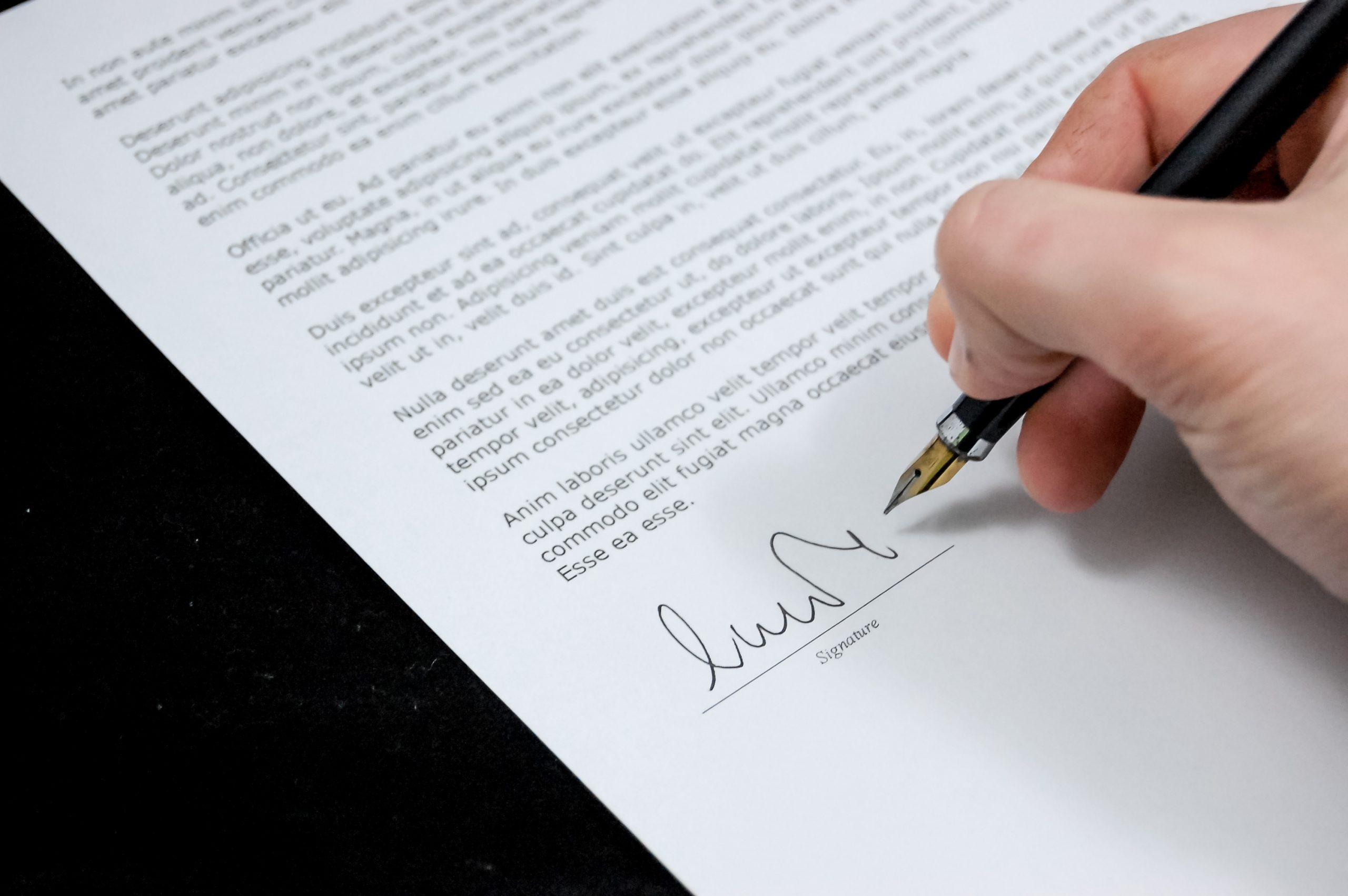
A prenuptial agreement, also commonly referred to as a prenup, is a legal contract entered into by a couple before they get married or enter into a civil partnership. It outlines how assets, debts, and other financial matters will be handled in the event of a divorce or separation. While it may not be the most romantic topic to discuss before tying the knot, understanding the importance of a prenuptial agreement can provide peace of mind and protect both parties involved.

What is a Prenuptial Agreement?

A prenuptial agreement is a legal document that sets forth the rights and obligations of each person regarding property, debts, spousal support, and other financial matters in the event of a divorce or separation. It allows couples to establish clear guidelines and expectations for the division of assets and avoid potential disputes in the future. Prenuptial agreements can be tailored to meet the specific needs and circumstances of each couple, providing a sense of security and clarity.

The Importance of a Prenuptial Agreement

While it may not be the most romantic aspect of planning for marriage, a prenuptial agreement can play a crucial role in protecting both parties’ interests. Here are some reasons why a prenuptial agreement is important:

Protection of Assets:

A prenuptial agreement allows couples to protect their individual assets, such as property, investments, and business ventures. It ensures that these assets remain separate and are not subject to division in the event of a divorce, providing financial security.

Debt Responsibility:

In addition to protecting assets, a prenuptial agreement can also address the division of debts and financial responsibilities. This can be especially important if one party has significant debts or financial liabilities, ensuring that each party assumes their fair share of the financial burden.

Spousal Support:

Prenuptial agreements can also establish guidelines for spousal support or alimony payments in the event of a divorce. This provides clarity and may help avoid lengthy and contentious disputes over financial support.

Protecting Family Interests:

If one or both parties have children from a previous relationship, a prenuptial agreement can ensure that their interests are protected. It can establish provisions for the distribution of assets or inheritance, ensuring that the children’s financial well-being is not compromised.

When Should You Consider a Prenuptial Agreement?

It is never too early to consider a prenuptial agreement, as discussing financial matters early on in a relationship can lay a strong foundation for transparency and open communication. However, there are certain situations where a prenuptial agreement may be particularly beneficial:

High Net Worth Individuals:

If either party has significant assets, investments, or business interests, a prenuptial agreement can provide crucial protection and prevent the risk of losing wealth in the event of a divorce.

Disparity in Financial Situations:

If there is a significant difference in the financial situations of the couple, a prenuptial agreement can help ensure fairness and financial stability for both parties.

Previous Divorce:

If either party has been through a divorce before, a prenuptial agreement can help protect their assets, finances, and potentially existing obligations from being entangled in a future divorce.

Benefits of Hiring a Prenup Lawyer

While it may be tempting to try and handle the process of creating a prenuptial agreement on your own, it is highly recommended to seek the assistance of a knowledgeable and experienced prenup lawyer. Here are some benefits of hiring a prenup lawyer:

Expertise in Family Law

Prenup lawyers specialize in family law and have a deep understanding of the legal landscape surrounding prenuptial agreements. They are familiar with the specific laws governing prenuptial agreements in your state and can provide valuable guidance and advice tailored to your individual circumstances.

Customization of the Agreement

A prenup lawyer will work closely with you to understand your specific needs and goals. They can help you customize the agreement to ensure that it accurately reflects your wishes and protects your interests. They will have the expertise to address any unique situations or concerns that may arise during the drafting process.

Avoiding Common Legal Pitfalls

Prenuptial agreements are complex legal documents, and DIY attempts may inadvertently leave loopholes or overlook important details. A prenup lawyer will ensure that the agreement is thorough, legally sound, and complies with all applicable laws. They can help you navigate potential pitfalls and minimize the risk of the agreement being challenged or invalidated in the future.

Click Here to Learn More

Preparing for a Prenuptial Agreement

Before diving into the process of creating a prenuptial agreement, it is important to properly prepare and gather the necessary information. Here are some key steps to follow:

Gathering Financial Information

Both parties should take the time to gather all relevant financial information, including assets, debts, income, and expenses. This information will be crucial when determining how property and financial matters will be addressed in the prenuptial agreement. Open and honest communication about financial matters is essential during this stage.

Discussing the Agreement with Your Partner

It is essential to have open and honest discussions with your partner about the prenuptial agreement. It should be seen as a mutual agreement designed to protect both parties’ interests, rather than a sign of distrust or an anticipation of divorce. Clear and respectful communication is key to ensure that both parties are on the same page and understand the purpose and benefits of the agreement.

Choosing the Right Prenup Lawyer

When selecting a prenup lawyer, it is important to choose one with experience in family law and expertise in prenuptial agreements. Look for a lawyer who has a track record of successfully handling prenuptial agreements and who can provide references or testimonials from satisfied clients. A good prenup lawyer will listen to your concerns, offer clear explanations, and guide you through the entire process with care and professionalism.

Creating a Comprehensive Prenuptial Agreement

Once you have gathered all the necessary information and have chosen the right prenup lawyer, it is time to create a comprehensive prenuptial agreement. Here are some key elements that should be included:

Identifying and Listing Assets

The prenuptial agreement should clearly identify and list all assets owned by each party individually, as well as any joint assets. This can include real estate, bank accounts, investments, and valuable personal property. It is important to provide detailed and accurate descriptions of each asset.

Determining Division of Property

The agreement should clearly outline how the property will be divided in the event of a divorce or separation. It can specify whether assets will be divided equally, according to the contributions of each party, or through another agreed-upon method. This section should also address any potential future acquisitions or inheritances.

Addressing Alimony and Spousal Support

If one party is entitled to alimony or spousal support, it should be clearly outlined in the prenuptial agreement. The agreement can specify the amount and duration of the support payments, taking into consideration the parties’ current and future financial situations.

Clarifying Debt Responsibility

The prenuptial agreement should address the responsibility for any debts incurred by each party, including credit card debt, student loans, or mortgages. This section should establish how the debts will be divided and ensure that each party assumes their respective obligations.

Prenup Lawyer St. George Utah

Legal Requirements and Enforceability

In order for a prenuptial agreement to be valid and enforceable, it must meet certain legal requirements. Understanding these requirements is crucial to ensure that the agreement holds up in court. Here are some key considerations:

Understanding State Laws

Prenuptial agreements are governed by state laws, and it is important to familiarize yourself with the specific laws in your state. Different states may have different requirements and standards for enforceability. Consulting with a prenup lawyer who is familiar with your state’s laws is highly recommended.

Considerations for Agreement Validity

To ensure the validity of a prenuptial agreement, both parties must enter into it willingly and voluntarily, without being coerced or under duress. The agreement should be in writing, signed by both parties, and notarized. It is also recommended to have independent legal representation for each party to avoid potential conflicts of interest.

Ensuring Fairness and Conscionability

Courts may scrutinize prenuptial agreements to ensure that they are fair and conscionable. This means that the agreement should not be unconscionably one-sided and should not leave one party financially vulnerable. It is important to work with a prenup lawyer to ensure that the agreement meets these standards and is fair to both parties.

Negotiating and Drafting the Agreement

Negotiating and drafting a prenuptial agreement should be a collaborative process between you, your partner, and your prenup lawyer. Here are some important steps to consider:

Negotiating Terms with Your Partner

Both parties should engage in open and honest discussions to negotiate the terms of the prenuptial agreement. It is essential to approach these discussions with respect, understanding, and a willingness to compromise. Your prenup lawyer can provide guidance and facilitate these negotiations to ensure that both parties’ interests are protected.

Including Specific Clauses and Provisions

Each prenuptial agreement is unique and should include specific clauses and provisions tailored to the needs and circumstances of the couple. Examples of specific clauses may include provisions for the division of retirement accounts, intellectual property rights, or even pet custody. Your prenup lawyer can guide you in identifying and including the necessary provisions that best protect your interests.

Reviewing and Finalizing the Agreement

Once the negotiations are complete, your prenup lawyer will draft the final agreement. It is crucial to carefully review the agreement to ensure that it accurately reflects the terms agreed upon. Your lawyer will answer any questions you may have and make any necessary revisions. Once both parties are satisfied with the final version, the agreement can be signed and notarized.

Common Misconceptions about Prenups

Despite their many benefits, prenuptial agreements are often surrounded by misconceptions. Let’s address and debunk some of the most common misconceptions:

Prenups Are Only for the Wealthy

While it is true that individuals with significant assets may have a greater incentive to create a prenuptial agreement, prenups can be beneficial for couples of all financial backgrounds. They can help ensure fairness, protect individual assets, and provide clarity in the event of a divorce.

Prenups Lead to Relationship Strain

Although discussing a prenuptial agreement may initially seem uncomfortable, it can actually strengthen a relationship. By openly discussing financial matters and establishing clear expectations, couples can build trust, open communication, and a solid foundation for their future together.

Prenups Guarantee Divorce

Contrary to popular belief, a prenuptial agreement does not guarantee divorce. It is simply a legal tool to provide clarity and protection in the event of a divorce. Many couples who create prenuptial agreements go on to enjoy long and happy marriages without ever needing to rely on the agreement.

Challenges and Disputes

While prenuptial agreements are designed to prevent disputes, challenges to their validity or modifications of the agreement may arise. Here are some common challenges and how to address them:

Challenges to the Agreement’s Validity

In some cases, one party may challenge the validity of a prenuptial agreement. This can occur if there is evidence of fraud, duress, or coercion, or if one party did not have the opportunity to fully understand the terms of the agreement. It is crucial to work with an experienced prenup lawyer who can help defend the validity of the agreement.

Modification or Revocation of the Agreement

Circumstances may change after a prenuptial agreement has been signed, leading one or both parties to seek modifications or even the revocation of the agreement. In such cases, it is important to consult with a prenup lawyer who can guide you through the necessary legal processes and ensure that any modifications are made in compliance with the law.

Resolving Disputes through Mediation or Litigation

If disputes arise regarding the interpretation or enforcement of a prenuptial agreement, it may be necessary to seek resolution through mediation or even litigation. A qualified prenup lawyer can help you navigate these processes and advocate for your interests, working towards a fair and equitable resolution.

Prenup Lawyer St. George Utah

Working with a Prenup Lawyer in St. George, Utah

When seeking assistance with a prenuptial agreement in St. George, Utah, it is important to work with a prenup lawyer who understands the local laws and has expertise in family law matters. Here are some reasons why working with a local prenup lawyer is beneficial:

Importance of Local Expertise

A prenup lawyer in St. George, Utah, will have a deep understanding of the specific laws and regulations governing prenuptial agreements in the state. They will be familiar with local court procedures and have insight into the local legal landscape.

Experience with Utah Family Law

By working with a prenup lawyer in St. George, Utah, you can benefit from their experience in handling family law cases in the state. They will be well-versed in the relevant statutes and can provide guidance tailored to your unique circumstances.

Confidentiality and Ethics

Choosing a prenup lawyer who holds themselves to high ethical standards is crucial. Local lawyers in St. George, Utah, understand the importance of maintaining confidentiality and ensuring that your personal information remains private throughout the entire process.

Frequently Asked Questions

Q: What is the difference between a prenuptial agreement and a postnuptial agreement?

A: A prenuptial agreement is entered into before marriage or a civil partnership, while a postnuptial agreement is created after the marriage or civil partnership has already taken place. Both agreements serve similar purposes but are executed at different stages of the relationship.

Q: Can prenuptial agreements be challenged in court?

A: Yes, prenuptial agreements can be challenged in court under certain circumstances. Challenges may arise if one party can demonstrate that the agreement was not entered into willingly, or if it can be proven that the agreement is unconscionable or illegal. Working with an experienced prenup lawyer can help minimize the risk of the agreement being successfully challenged.

Q: Can a prenuptial agreement cover child custody and support?

A: Prenuptial agreements generally cannot determine child custody or child support matters as those decisions are made based on the best interests of the child at the time of separation. Courts have the final say in determining child custody and support arrangements, regardless of the provisions in a prenuptial agreement.

In conclusion, understanding prenuptial agreements and their importance is crucial before entering into marriage or a civil partnership. By working with an experienced prenup lawyer, you can customize a comprehensive agreement that protects your assets, addresses financial responsibilities, and provides clarity in the event of a divorce or separation. Remember, open communication with your partner is key throughout the process, and seeking guidance from a prenup lawyer in St. George, Utah, can help ensure that your agreement is legally sound and tailored to your unique needs.

For more information and assistance with your prenuptial agreement, contact [Prenup Lawyer St. George Utah] (phone number). Our team of experienced prenup lawyers is dedicated to providing personalized and knowledgeable legal assistance in St. George, Utah, and beyond.

Frequently Asked Questions:

Q: Do prenuptial agreements protect against debt acquired during the marriage?

A: Yes, a prenuptial agreement can address how debt acquired during the marriage will be handled, including responsibility and division of the debt.

Q: Can a prenuptial agreement include provisions for pet custody?

A: Yes, a prenuptial agreement can include provisions for pet custody, specifying who will retain ownership of any pets in the event of a divorce or separation.

Q: Can a prenuptial agreement be modified or revoked after marriage?

A: Yes, a prenuptial agreement can be modified or revoked after marriage, but it must be done in accordance with the law. Consult with a prenup lawyer to ensure that any modifications or revocations are legally enforceable.

Learn More

For legal assistance regarding Utah, contact Jeremy Eveland. We handle Utah cases and provide guidance on Utah for clients.

For legal assistance regarding Utah, contact Jeremy Eveland. We handle Utah cases and provide guidance on Utah for clients.

For legal assistance regarding Utah, contact Jeremy Eveland. We handle Utah cases and provide guidance on Utah for clients.

For legal assistance regarding Utah, contact Jeremy Eveland. We handle Utah cases and provide guidance on Utah for clients.

For legal assistance regarding Utah, contact Jeremy Eveland. We handle Utah cases and provide guidance on Utah for clients.

For legal assistance regarding Utah, contact Jeremy Eveland. We handle Utah cases and provide guidance on Utah for clients.

For legal assistance regarding Utah, contact Jeremy Eveland. We handle Utah cases and provide guidance on Utah for clients.

For legal assistance regarding Utah, contact Jeremy Eveland. We handle Utah cases and provide guidance on Utah for clients.

Car Accident Attorney Layton Utah

Table of Contents

Car Accident Attorney Layton Utah

Last Updated: June 11, 2026

Understanding Car Accident Attorney Layton Utah

This guide covers Car Accident Attorney Layton Utah and what you need to know. Are you in need of a car accident attorney in Layton, Utah? You’ve come to the right place. This article will provide you with comprehensive information about finding the right attorney to represent you in your car accident case. From understanding the importance of legal representation to knowing what to expect from the process, we’ve got you covered. By the end of this article, you’ll have the knowledge and confidence to make an informed decision and reach out to the legal expert who can help you navigate through this challenging time. Don’t worry, we’re here to support you every step of the way.

Click Here

Overview of Car Accidents in Layton, Utah

Car accidents can happen at any time and can have devastating consequences. In Layton, Utah, car accidents are unfortunately a common occurrence. Whether it’s due to reckless driving, distracted driving, or poor road conditions, car accidents can result in serious injuries, property damage, and emotional trauma. It’s important to understand the common causes of car accidents, the different types of accidents that can occur, and the necessary steps to take after an accident in order to protect your rights and seek compensation.

Common causes of car accidents

Car accidents in Layton, Utah can be caused by a variety of factors. Some of the most common causes include:

  1. Distracted driving: This includes activities like texting, talking on the phone, eating, or using in-car technologies while driving.
  2. Drunk driving: Driving under the influence of alcohol or drugs is a major cause of car accidents and can result in severe injuries or fatalities.
  3. Speeding: Driving above the speed limit or too fast for road conditions increases the risk of accidents and reduces the driver’s ability to react.
  4. Reckless driving: This includes behaviors such as aggressive driving, tailgating, changing lanes without signaling, or running red lights.
  5. Weather conditions: Snow, ice, rain, fog, or any other adverse weather conditions can make the roads slippery and increase the chances of accidents.
  6. Poor road maintenance: Neglected roads with potholes, uneven surfaces, or inadequate signage can contribute to accidents.

Types of car accidents

Car accidents can occur in various forms, each with its own set of circumstances and potential for injury. Some common types of car accidents include:

  1. Rear-end collisions: Occur when one vehicle crashes into the back of another vehicle, often due to tailgating or sudden stops.
  2. Head-on collisions: Happen when two vehicles traveling in opposite directions crash into each other, often resulting in catastrophic injuries or fatalities.
  3. Side-impact collisions: Also known as T-bone accidents, these occur when one vehicle crashes into the side of another vehicle, often at intersections.
  4. Rollover accidents: Involve the overturning of a vehicle, typically caused by sharp turns, high-speed impacts, or collisions with objects.
  5. Multi-vehicle accidents: Involve three or more vehicles and can be especially complex when determining fault and liability.
  6. Hit-and-run accidents: Occur when a driver involved in an accident flees the scene without stopping to exchange information or provide assistance.

Important steps to take after a car accident

After a car accident in Layton, Utah, it’s vital to take certain steps to protect your rights and ensure your well-being:

  1. Check for injuries: First and foremost, check yourself and others involved for injuries and call for medical assistance if needed.
  2. Contact the authorities: Call the police to report the accident and provide them with accurate information about what happened.
  3. Gather evidence: Take photos or videos of the accident scene, including damages to vehicles, skid marks, and any other relevant evidence.
  4. Exchange information: Collect the contact and insurance information from all parties involved in the accident, as well as any witnesses.
  5. Seek medical attention: Even if you don’t feel immediate pain or discomfort, it’s important to get a medical evaluation as some injuries may not be immediately apparent.
  6. Notify your insurance company: Report the accident to your insurance company and provide them with all the necessary information.
  7. Consult with a car accident attorney: It’s highly recommended to consult with a car accident attorney in Layton, Utah, who can guide you through the legal process, protect your rights, and help you seek compensation for your injuries and damages.

Why Hire a Car Accident Attorney

Car accidents can be overwhelming, both physically and emotionally. Hiring a car accident attorney in Layton, Utah, can be a crucial decision to ensure you receive the support, guidance, and legal representation you need during this challenging time. Here are some reasons why hiring a car accident attorney is beneficial:

Expert legal advice and guidance

A car accident attorney has in-depth knowledge and expertise in car accident laws, regulations, and procedures specific to Layton, Utah. They can provide you with personalized legal advice based on the details of your case, helping you understand your rights, obligations, and legal options.

Maximizing your compensation

A car accident attorney will fight to maximize your compensation. They will assess the extent of your injuries, damages, and losses and build a strong case to pursue the full compensation you deserve. This may include medical expenses, lost wages, property damage, pain and suffering, and more.

Dealing with insurance companies

Insurance companies often try to minimize their financial liability and may employ tactics to undervalue or deny your claim. A car accident attorney will handle all communications and negotiations with the insurance companies on your behalf, ensuring your rights are protected and that you receive a fair settlement.

Navigating complex legal processes

Car accident cases involve complex legal processes, paperwork, and deadlines. A car accident attorney will navigate these processes for you, handling all legal paperwork, gathering evidence, and building a strong case. This allows you to focus on your recovery while your attorney handles the legal complexities.

Car Accident Attorney Layton Utah

Click Here to Learn More

Qualities to Look for in a Car Accident Attorney

When hiring a car accident attorney in Layton, Utah, there are several qualities you should consider to ensure you choose the right legal representation:

Experience and expertise in car accident cases

Look for an attorney who specializes in car accident cases and has a proven track record of success. Experience in handling similar cases gives them the knowledge and skills necessary to effectively represent your interests.

Strong track record of success

Review the attorney’s past case results and client testimonials to gauge their success rate. A car accident attorney with a strong track record of achieving favorable outcomes for their clients is more likely to handle your case effectively.

Effective communication skills

Choose an attorney who is an excellent communicator and can effectively convey complex legal concepts in a way that you can understand. Regular, clear, and open communication between you and your attorney is critical in ensuring a successful attorney-client relationship.

Compassion and understanding

A car accident attorney should not only be skilled in the legal aspects of your case but also show genuine compassion and understanding for your situation. Empathy and support throughout the legal process can make a significant difference in your overall experience.

Factors Affecting Car Accident Compensation

When seeking compensation for your car accident injuries and damages, several factors come into play, including:

Severity of injuries

The severity of your injuries, as determined by medical professionals, will play a significant role in determining your compensation. More severe injuries often result in higher compensation due to medical expenses, ongoing treatment, and potential long-term effects on your quality of life.

Medical expenses and treatments

Compensation will typically cover medical expenses related to the car accident, including emergency room visits, surgeries, hospital stays, doctor consultations, medications, physical therapy, and rehabilitation. It’s important to keep all records and receipts to accurately calculate your medical costs.

Lost wages and future income

If your injuries prevent you from working temporarily or permanently, you may be entitled to compensation for lost wages. Additionally, if the accident causes a long-term disability or impacts your ability to obtain future employment, you may be eligible to claim compensation for future income loss.

Pain and suffering

Car accident victims may also be eligible to receive compensation for the physical pain and emotional distress they’ve endured as a result of their injuries. This can include compensation for anxiety, depression, loss of enjoyment of life, and changes in relationships.

Determining Liability in Car Accident Cases

Determining liability is essential in car accident cases to hold the responsible parties accountable. Several legal concepts come into play when establishing liability:

Negligence and fault

The concept of negligence is crucial in car accident cases. To establish negligence, it must be proven that the at-fault driver breached their duty of care, causing the accident and resulting damages. Negligence is often determined through evidence, witness testimonies, and expert opinions.

Contributory negligence

Utah follows the doctrine of comparative negligence, wherein the compensation awarded may be reduced if the injured party is found partially responsible for the accident. For example, if you are found 20% liable for the accident, your compensation may be reduced by that percentage.

Strict liability

Strict liability applies in certain cases, such as accidents involving defective vehicles or hazardous road conditions. In these situations, the responsible party may be held liable regardless of negligence.

Proving liability in court

Establishing liability often requires a thorough investigation, collection of evidence, witness testimony, and expert opinions. An experienced car accident attorney will effectively build your case and present your evidence in court to establish liability and seek compensation.

Statute of Limitations for Car Accident Lawsuits

Utah has a statute of limitations that sets a time limit for filing a car accident lawsuit. Important considerations regarding the statute of limitations include:

Understanding the time limit to file a lawsuit

In Layton, Utah, the statute of limitations for car accident lawsuits is generally four years from the date of the accident. Failing to file a lawsuit within this time frame may result in your case being dismissed.

Exceptions to the statute of limitations

There are certain exceptions that may extend or affect the statute of limitations. For instance, if the accident involved a government entity, shorter time limits and additional notice requirements may apply. Consulting with a car accident attorney promptly after the accident will help ensure you meet all legal deadlines.

Importance of seeking legal help promptly

It’s crucial to seek legal help as soon as possible if you intend to file a lawsuit. Delaying legal action could negatively impact your case, as evidence may be lost and witness memories may fade over time. Contacting a car accident attorney in Layton, Utah, promptly after the accident will ensure a thorough investigation and preservation of evidence.

Car Accident Attorney Layton Utah

Types of Damages in Car Accident Cases

Damages refer to the compensation awarded to the injured party in a car accident case. Various types of damages may be sought, including:

Compensatory damages

Compensatory damages aim to provide financial compensation for the losses suffered due to the car accident. This can include economic damages, such as medical expenses and lost wages, as well as non-economic damages, such as pain and suffering, emotional distress, and loss of enjoyment of life.

Punitive damages

Punitive damages may be awarded in certain cases in which the at-fault party’s behavior was particularly reckless or intentional. The purpose of punitive damages is to punish the at-fault party and deter similar conduct in the future.

Economic and non-economic damages

Economic damages are tangible losses with a specific monetary value, such as medical bills, property damage, and lost wages. Non-economic damages, on the other hand, are intangible losses that are more challenging to quantify, such as pain and suffering or loss of consortium.

Calculating and pursuing damages

Determining the exact value of damages can be complex, as it requires evaluating various factors such as the severity of injuries, impact on earning capacity, and long-term effects. A skilled car accident attorney will work closely with you to calculate and pursue the compensation you deserve.

Steps Involved in a Car Accident Lawsuit

If a fair settlement cannot be reached, filing a car accident lawsuit may become necessary. A car accident lawsuit typically involves the following steps:

Initial consultation with an attorney

During the initial consultation, you will discuss the details of your case with an experienced car accident attorney. They will evaluate the viability of your case, discuss legal options, and provide advice on the best course of action.

Investigation and evidence gathering

Your attorney will conduct a thorough investigation of the accident, gather evidence such as police reports, witness statements, medical records, and expert opinions. This evidence will be used to build a strong case that supports your claim for compensation.

Negotiations and settlement discussions

Before proceeding to trial, your attorney will engage in negotiations and settlement discussions with the opposing party’s insurance company. They will fight for a fair settlement that adequately compensates you for your injuries and damages.

Filing a lawsuit and court proceedings

If a favorable settlement cannot be reached, your attorney will file a car accident lawsuit on your behalf. This initiates the court proceedings, which can involve formal discovery, depositions, motions, and ultimately, a trial. Throughout the process, your attorney will advocate for your rights and present your case effectively.

Car Accident Attorney Layton Utah

Insurance Companies and Car Accident Claims

Dealing with insurance companies after a car accident can be challenging and overwhelming. It’s important to understand how insurance companies operate and the role they play in the claims process:

Dealing with insurance adjusters

Insurance adjusters are representatives of the insurance companies responsible for evaluating and settling claims. It’s essential to be cautious when communicating with insurance adjusters, as they may try to obtain information to minimize the value of your claim. Having an attorney by your side can help protect your rights during these interactions.

Common tactics used by insurance companies

Insurance companies may use various tactics to limit their liability and reduce the amount of compensation they have to pay. These tactics may include denying a claim outright, undervaluing injuries or damages, or delaying the claims process. An experienced car accident attorney can recognize and counter these tactics to ensure you receive a fair settlement.

Importance of legal representation

Having legal representation is crucial when dealing with insurance companies. A car accident attorney will handle all communications with the insurance company, ensuring that your rights are protected, your best interests are represented, and that you receive the compensation you deserve.

Frequently Asked Questions

  1. Can I handle a car accident claim on my own?

While it is technically possible to handle a car accident claim on your own, it is not recommended. Car accident cases can be complex, and insurance companies often have teams of professionals working to protect their interests. Hiring a car accident attorney in Layton, Utah, will ensure that your rights are protected, and you have the best chance of maximizing your compensation.

  1. How long do I have to file a car accident lawsuit in Layton, Utah?

In Layton, Utah, the statute of limitations for filing a car accident lawsuit is generally four years from the date of the accident. However, there are exceptions and shorter deadlines in certain cases, such as accidents involving government entities. It’s important to consult with a car accident attorney promptly to ensure you meet all necessary deadlines.

  1. Are there any limits on the compensation I can receive?

While there are no specific limits on the compensation you can receive in a car accident case in Layton, Utah, there are factors that may influence the amount awarded. These factors include the severity of your injuries, medical expenses, lost wages, and the impact on your quality of life. A skilled car accident attorney will work to ensure you receive fair and adequate compensation based on the specific circumstances of your case.

  1. How much does it cost to hire a car accident attorney?

Most car accident attorneys work on a contingency fee basis, which means they do not charge any upfront fees. Instead, they receive a percentage of the compensation awarded if your case is successful. This arrangement allows individuals to access legal representation without incurring significant costs upfront.

  1. What if I am partially at fault for the car accident?

Utah follows the doctrine of comparative negligence, which means that your compensation may be reduced if you are found partially at fault for the accident. For example, if you are found to be 20% liable, your compensation would be reduced by 20%. It’s important to consult with a car accident attorney to understand how your level of fault may impact your case.

Learn More

For legal assistance regarding Car Accident Attorney Layton Utah, contact Jeremy Eveland. We handle Car Accident Attorney Layton Utah cases and provide guidance on Car Accident Attorney Layton Utah for clients.

For legal assistance regarding Car Accident Attorney Layton Utah, contact Jeremy Eveland. We handle Car Accident Attorney Layton Utah cases and provide guidance on Car Accident Attorney Layton Utah for clients.

For legal assistance regarding Car Accident Attorney Layton Utah, contact Jeremy Eveland. We handle Car Accident Attorney Layton Utah cases and provide guidance on Car Accident Attorney Layton Utah for clients.

For legal assistance regarding Car Accident Attorney Layton Utah, contact Jeremy Eveland. We handle Car Accident Attorney Layton Utah cases and provide guidance on Car Accident Attorney Layton Utah for clients.

For legal assistance regarding Car Accident Attorney Layton Utah, contact Jeremy Eveland. We handle Car Accident Attorney Layton Utah cases and provide guidance on Car Accident Attorney Layton Utah for clients.

For legal assistance regarding Car Accident Attorney Layton Utah, contact Jeremy Eveland. We handle Car Accident Attorney Layton Utah cases and provide guidance on Car Accident Attorney Layton Utah for clients.

For legal assistance regarding Car Accident Attorney Layton Utah, contact Jeremy Eveland. We handle Car Accident Attorney Layton Utah cases and provide guidance on Car Accident Attorney Layton Utah for clients.

For legal assistance regarding Car Accident Attorney Layton Utah, contact Jeremy Eveland. We handle Car Accident Attorney Layton Utah cases and provide guidance on Car Accident Attorney Layton Utah for clients.

Visit USA.gov for official resources.

Estate Planning Lawyer Highland Utah

Table of Contents

Estate Planning Lawyer Highland Utah

Last Updated: June 11, 2026

Understanding Estate Planning Lawyer Highland Utah

This guide covers Estate Planning Lawyer Highland Utah and what you need to know. If you’re in Highland, Utah and find yourself contemplating the complexities of estate planning, you’re in luck. This article is here to provide you with valuable insights and information on the subject. Get ready to discover how an estate planning lawyer can help you navigate the intricacies of wills, trusts, and other legal matters. By the end of this article, you’ll be informed and empowered to take the next step. Whether you’re looking to secure your family’s future or ensure your assets are preserved, don’t hesitate to reach out to the dedicated attorney listed on the website. Let’s get started on your estate planning journey!

Estate Planning Lawyer Highland Utah

Learn More

What is Estate Planning?

Definition of Estate Planning

Estate planning refers to the process of organizing and planning for the distribution of an individual’s assets after their death. It involves making important decisions regarding the management of your properties, finances, and personal belongings, ensuring that they are handled in accordance with your wishes and in the best interest of your loved ones.

Importance of Estate Planning

Estate planning is essential for several reasons. Firstly, it allows you to have control over what happens to your assets and ensures that they are distributed according to your wishes. Without a proper estate plan, the distribution of your assets may be subject to the laws of intestacy, which may not align with your intentions.

Additionally, estate planning provides protection for your loved ones, especially in terms of financial stability. Through estate planning, you can establish trusts and designate beneficiaries, ensuring that your assets are managed and distributed responsibly. This can be particularly beneficial for minor children or individuals with special needs.

Furthermore, estate planning allows you to minimize taxes and avoid the costly and time-consuming probate process. By employing various strategies, such as setting up trusts and implementing tax planning, you can reduce the tax burden on your estate and ensure that your assets are transferred smoothly to your intended beneficiaries.

Common Goals of Estate Planning

The goals of estate planning can vary depending on individual circumstances, but some common objectives include:

  1. Providing for the financial security of loved ones: Estate planning allows you to plan for the financial well-being of your family and loved ones, ensuring that they are provided for even after your passing.

  2. Minimizing taxes: Through proper estate planning, you can minimize the tax liabilities associated with the transfer of your assets, preserving more wealth for your beneficiaries.

  3. Avoiding probate: Probate is a court-supervised process that validates a will and oversees the distribution of assets. Estate planning can help you avoid probate, which can be time-consuming, expensive, and may result in the public disclosure of your assets.

  4. Protecting assets: Estate planning can provide protections for your assets, shielding them from potential creditors, lawsuits, or other unforeseen events.

  5. Ensuring proper distribution of assets: Estate planning allows you to clearly define how your assets should be distributed and to whom, ensuring that your intentions are carried out accurately.

Why Do You Need an Estate Planning Lawyer?

Complexity of Estate Laws

Estate laws can be complex and vary from state to state. Navigating the legal intricacies of estate planning can be overwhelming, especially if you are unfamiliar with the laws and regulations governing this area. An experienced estate planning lawyer can help you understand the legal requirements and guide you through the process, ensuring that your estate plan is valid and legally binding.

Protecting Your Assets

An estate planning lawyer can assist you in protecting your assets from potential risks. They can help you explore options such as setting up trusts, establishing asset protection strategies, and creating legal structures to safeguard your wealth from creditors, lawsuits, or other unforeseen events. With their expertise, an estate planning lawyer can help you structure your estate plan in a way that ensures the maximum protection of your assets.

Avoiding Probate

Probate can be a lengthy and costly process, causing unnecessary delays and expenses for your loved ones. By working with an estate planning lawyer, you can explore strategies to avoid probate, such as establishing trusts or utilizing beneficiary designations. These alternatives can help expedite the transfer of your assets and save your loved ones from the burdensome probate process.

Minimizing Taxes

One significant advantage of consulting an estate planning lawyer is their expertise in minimizing the tax implications of estate transfers. They can provide guidance on various tax-planning strategies, such as gifting, charitable giving, and utilizing tax-exempt trusts. By implementing these strategies, you can minimize the tax burden on your estate and maximize the inheritance received by your beneficiaries.

Ensuring Proper Distribution of Assets

One of the primary responsibilities of an estate planning lawyer is to ensure the proper distribution of your assets as per your wishes. They can help you draft legally binding documents, such as wills and trusts, that clearly outline your intentions. An estate planning lawyer can also assist you in designating beneficiaries, establishing guardianship for minor children, and addressing any specific concerns you may have regarding the distribution of your assets.

Click Here For More Information

Services Offered by Estate Planning Lawyers

Creating a Will

A will is a legal document that outlines how your assets should be distributed after your death. An estate planning lawyer can help you draft a comprehensive will that clearly states your wishes and ensures the proper distribution of your assets. They can also assist you in appointing an executor, who will be responsible for carrying out the instructions outlined in your will.

Establishing Trusts

Trusts are legal arrangements that allow you to transfer your assets to a trustee who will manage them for the benefit of your beneficiaries. An estate planning lawyer can help you establish various types of trusts, such as revocable living trusts, irrevocable trusts, or special needs trusts. They will guide you through the process of funding the trust and provide ongoing support for the administration of the trust.

Naming Beneficiaries

Designating beneficiaries is an essential aspect of estate planning. An estate planning lawyer can assist you in clearly identifying who should receive your assets, ensuring that your intentions are accurately represented. They can also provide guidance on designating contingent beneficiaries and revisiting beneficiary designations periodically to account for any changes in your circumstances.

Designating Power of Attorney

A power of attorney is a legal document that grants someone else the authority to act on your behalf, usually in financial or healthcare matters. An estate planning lawyer can help you designate a power of attorney, ensuring that someone trustworthy is appointed to make decisions on your behalf if you become incapacitated.

Developing Healthcare Directives

Healthcare directives, such as living wills and medical powers of attorney, allow you to outline your preferences for medical treatment and appoint someone to make healthcare decisions on your behalf if you are unable to do so. An estate planning lawyer can guide you through the development of these directives, ensuring that your wishes regarding medical care are clearly documented.

Tax Planning

Estate planning lawyers are well-versed in tax laws and can provide valuable guidance on minimizing tax liabilities for your estate. They can assist you in creating tax-efficient strategies, such as lifetime gifting, charitable giving, or establishing tax-exempt trusts. By leveraging their expertise, you can ensure that your estate plan takes full advantage of available tax benefits.

Business Succession Planning

If you own a business, it is crucial to plan for its smooth transition in the event of your death or retirement. An estate planning lawyer can assist you in developing a business succession plan, which outlines how your business should be transferred or managed in the future. They can help you navigate legal complexities and ensure that your business continues to thrive under new leadership.

Factors to Consider When Choosing an Estate Planning Lawyer

Experience and Expertise

When selecting an estate planning lawyer, it is important to consider their experience and expertise in estate planning matters. Look for a lawyer who specializes in estate planning and has a thorough understanding of the relevant laws and regulations. An experienced estate planning lawyer can offer valuable insights and navigate complexities specific to your situation.

Reputation and Client Reviews

Another factor to consider is the reputation of the estate planning lawyer. Read reviews and testimonials from past clients to gauge their satisfaction and overall experience. Consider seeking recommendations from friends, family, or professionals who have previously worked with an estate planning lawyer.

Specialization in Estate Planning

Ensure that the lawyer you choose specializes in estate planning. Estate planning is a complex field that requires specific knowledge and expertise. By selecting a lawyer who focuses primarily on estate planning, you can benefit from their in-depth understanding of the intricacies of this area of law.

Availability and Communication

Effective communication is crucial when working with an estate planning lawyer. Choose a lawyer who is attentive, responsive, and makes an effort to understand your unique needs and goals. Availability is also essential – ensure that the lawyer you choose is accessible and can provide timely guidance throughout the estate planning process.

Fee Structure

Discuss the fee structure with potential estate planning lawyers to ensure that it aligns with your budget and expectations. Some lawyers charge a flat fee, while others may bill on an hourly basis. Clarifying the cost upfront can help you make an informed decision and avoid any financial surprises down the road.

Estate Planning Lawyer Highland Utah

Understanding the Estate Planning Process

Initial Consultation

The estate planning process typically begins with an initial consultation with an estate planning lawyer. During this meeting, you will discuss your goals, concerns, and current financial situation. The lawyer will provide an overview of the estate planning process and answer any questions you may have.

Gathering Document and Asset Information

To proceed with the estate planning process, you will need to gather important documents and asset information. This may include documents such as deeds, bank statements, investment portfolios, life insurance policies, and retirement account information. Providing a comprehensive overview of your assets and liabilities will help the estate planning lawyer tailor your plan to your specific circumstances.

Assessment of Estate Planning Needs

Based on the information gathered, the estate planning lawyer will assess your estate planning needs. They will consider your goals, potential tax implications, family dynamics, and any unique factors that may impact your plan. By conducting a thorough evaluation, the lawyer can develop a personalized estate plan that meets your objectives.

Drafting and Review of Legal Documents

Once the assessment is complete, the estate planning lawyer will draft the necessary legal documents, such as wills, trusts, and healthcare directives. They will review these documents with you, explaining their contents and ensuring that your wishes are accurately reflected.

Execution and Notarization

After careful review, the legal documents will be executed and notarized as required by law. The estate planning lawyer will guide you through this process, ensuring that all necessary signatures are obtained and the documents are legally valid.

Regular Review and Updates

Estate plans should be reviewed periodically to account for any changes in your circumstances or goals. An estate planning lawyer can offer guidance on when and how often you should review your plan to ensure that it remains up to date and aligned with your current wishes.

Common Estate Planning Mistakes to Avoid

Not Having a Will or Trust

One of the most common estate planning mistakes is failing to have a will or trust in place. Without a valid will or trust, the distribution of your assets may be left to the laws of intestacy, which can lead to unintended consequences. It is essential to consult with an estate planning lawyer and establish a legally binding document that clearly outlines your wishes.

Failing to Update Estate Plan

Life circumstances and priorities can change over time, and it is crucial to keep your estate plan up to date. Failing to update your plan after significant life events, such as marriage, divorce, birth of a child, or changes in financial status, can lead to your assets being distributed in a way that does not align with your intentions. Regularly review your estate plan and consult with an estate planning lawyer to ensure that it reflects your current goals.

Overlooking Digital Assets

In today’s digital age, it is important to consider your digital assets when planning your estate. Digital assets may include online accounts, cryptocurrencies, digital photos, or intellectual property. Failure to account for these assets in your estate plan can lead to complications and potential loss of valuable information. Discuss with your estate planning lawyer how to address your digital assets and ensure they are properly accounted for in your plan.

Ignoring Tax Implications

Tax planning is a crucial aspect of estate planning, and failing to consider tax implications can result in significant financial loss. Consult with an estate planning lawyer who specializes in tax planning to explore strategies for minimizing tax liabilities and maximizing the inheritance received by your beneficiaries.

Failing to Consider Family Dynamics

When creating an estate plan, it is essential to consider family dynamics and potential conflicts that may arise. Without proper consideration, family disputes can arise after your passing, leading to strain and potentially costly legal battles. An estate planning lawyer can help you navigate complex family dynamics and create a plan that minimizes potential conflicts.

The Benefits of Estate Planning

Peace of Mind

One of the significant benefits of estate planning is the peace of mind it provides. Knowing that your assets will be distributed according to your wishes and that your loved ones will be taken care of can alleviate stress and anxiety. Estate planning allows you to have control over the future, providing reassurance that your wishes will be honored.

Protection for Loved Ones

Estate planning offers protection for your loved ones, especially in times of financial uncertainty. By establishing trusts, appointing guardians for minor children, and considering the needs of family members with special circumstances, you can ensure that your loved ones are financially secure and well-cared for even after your passing.

Asset Preservation

Through proper estate planning, you can preserve your assets for future generations. Strategies such as setting up trusts, creating asset protection plans, and utilizing tax planning can help safeguard your wealth and prevent it from being eroded over time. By protecting your assets, you can leave a lasting legacy for your loved ones.

Avoiding Family Disputes

Clear and comprehensive estate planning can help prevent family disputes and conflicts after your passing. By clearly outlining your wishes and intentions in legally binding documents, you can minimize the likelihood of disagreements among family members. Estate planning allows you to provide clarity and guidance, ensuring a smooth transition of your assets and minimizing potential conflicts.

Minimizing Legal Challenges

A well-structured estate plan can minimize legal challenges and reduce the likelihood of litigation. By consulting with an estate planning lawyer and following their guidance, you can ensure that your estate plan meets all legal requirements and is less susceptible to legal challenges. A properly executed and regularly updated estate plan can save your loved ones from unnecessary legal complexities and expenses.

How to Start the Estate Planning Process

Research Local Estate Planning Lawyers

Begin the estate planning process by researching local estate planning lawyers. Look for attorneys in your area with a specialization in estate planning. Explore their websites, read client reviews, and gather information to help you make an informed decision.

Schedule Consultations

Once you have narrowed down your choices, schedule consultations with the estate planning lawyers you are considering. These consultations allow you to discuss your goals, ask questions, and assess whether the lawyer is the right fit for you. Take this opportunity to ask about their experience, approach, and services offered.

Gather Relevant Documents

Before meeting with an estate planning lawyer, gather relevant documents and asset information. This may include deeds, financial statements, retirement account information, insurance policies, and any existing estate planning documents. Providing a comprehensive overview of your assets and liabilities will help the lawyer better understand your circumstances and tailor their advice accordingly.

Discuss Goals and Concerns

During the consultation with an estate planning lawyer, discuss your estate planning goals and any concerns you may have. Be open and transparent about your wishes and expectations. The lawyer will provide guidance, outline potential strategies, and address any legal or practical considerations specific to your situation.

Review and Finalize Estate Plan

Based on your discussions and the lawyer’s advice, carefully review the estate plan proposed by the attorney. Take the necessary time to understand the contents of the plan, ensuring that it aligns with your wishes and objectives. Address any questions or concerns you may have before finalizing the plan.

Execute and Notarize Legal Documents

Once the estate plan is finalized, the estate planning lawyer will guide you through the execution and notarization of the necessary legal documents. Ensure that all required signatures are obtained and the documents are properly notarized. This step is important to ensure the legal validity of your estate plan.

Estate Planning Lawyer Highland Utah

Frequently Asked Questions about Estate Planning

What is the difference between a will and a trust?

A will and a trust serve different purposes in estate planning. A will is a legal document that outlines how your assets should be distributed after your death. It goes into effect only after your passing and is subject to the probate process. A trust, on the other hand, is a legal arrangement that allows you to transfer your assets to a trustee who will manage them for the benefit of your beneficiaries. A trust can be effective during your lifetime and can help you avoid probate.

How often should I update my estate plan?

It is generally recommended to review your estate plan every three to five years or whenever significant life events occur. Events such as marriage, divorce, birth of a child, death of a beneficiary, or changes in financial circumstances may warrant an update to your estate plan. Regularly reviewing and updating your plan ensures that it remains current and aligned with your current wishes and objectives.

What happens if I die without an estate plan?

If you die without an estate plan, your assets will be distributed according to the laws of intestacy in your state. This means that the court will determine how your assets should be distributed, which may not align with your intentions. Additionally, the probate process may be required, which can be time-consuming and expensive for your loved ones. It is highly recommended to have a properly executed estate plan in place to avoid these potential complications.

Can I include my digital assets in my estate plan?

Yes, you can and should include your digital assets in your estate plan. Digital assets may include online accounts, cryptocurrencies, digital photos, or intellectual property. Discuss with your estate planning lawyer how to address your digital assets and ensure that they are properly accounted for in your plan. Consider providing clear instructions on how your digital assets should be managed or distributed after your passing.

What is probate and how can it be avoided?

Probate is a legal process that validates a will, oversees the distribution of assets, and settles any outstanding debts or claims against the estate. It can be a lengthy and expensive process, often involving court proceedings. To avoid probate, you can explore options such as establishing trusts, utilizing beneficiary designations, or designating joint ownership of your assets. These strategies can help expedite the transfer of your assets and bypass the probate process.

Contact an Estate Planning Lawyer in Highland Utah

Call [Phone Number] for a Consultation

If you are in need of assistance with your estate plan in Highland, Utah, contact an experienced estate planning lawyer today. Call [Phone Number] to schedule a consultation and discuss your specific needs and goals. An estate planning lawyer can provide expert guidance and ensure a secure future for your loved ones.

Get Expert Guidance for Your Estate Plan

An estate planning lawyer can offer expert guidance throughout the estate planning process. They will ensure that all legal requirements are met, help you navigate complex laws, and provide personalized solutions tailored to your unique circumstances. With their assistance, you can create a comprehensive estate plan that addresses all your concerns and protects your assets.

Ensure a Secure Future for Your Loved Ones

By working with an estate planning lawyer, you can ensure a secure future for your loved ones. Through the establishment of wills, trusts, and other legal documents, you can provide for the financial well-being of your family and protect your assets for future generations. Do not delay in securing your loved ones’ future – contact an estate planning lawyer today.

More Information Here

For legal assistance regarding Estate Planning Lawyer Highland Utah, contact Jeremy Eveland. We handle Estate Planning Lawyer Highland Utah cases and provide guidance on Estate Planning Lawyer Highland Utah for clients.

For legal assistance regarding Estate Planning Lawyer Highland Utah, contact Jeremy Eveland. We handle Estate Planning Lawyer Highland Utah cases and provide guidance on Estate Planning Lawyer Highland Utah for clients.

For legal assistance regarding Estate Planning Lawyer Highland Utah, contact Jeremy Eveland. We handle Estate Planning Lawyer Highland Utah cases and provide guidance on Estate Planning Lawyer Highland Utah for clients.

For legal assistance regarding Estate Planning Lawyer Highland Utah, contact Jeremy Eveland. We handle Estate Planning Lawyer Highland Utah cases and provide guidance on Estate Planning Lawyer Highland Utah for clients.

For legal assistance regarding Estate Planning Lawyer Highland Utah, contact Jeremy Eveland. We handle Estate Planning Lawyer Highland Utah cases and provide guidance on Estate Planning Lawyer Highland Utah for clients.

For legal assistance regarding Estate Planning Lawyer Highland Utah, contact Jeremy Eveland. We handle Estate Planning Lawyer Highland Utah cases and provide guidance on Estate Planning Lawyer Highland Utah for clients.

For legal assistance regarding Estate Planning Lawyer Highland Utah, contact Jeremy Eveland. We handle Estate Planning Lawyer Highland Utah cases and provide guidance on Estate Planning Lawyer Highland Utah for clients.

For legal assistance regarding Estate Planning Lawyer Highland Utah, contact Jeremy Eveland. We handle Estate Planning Lawyer Highland Utah cases and provide guidance on Estate Planning Lawyer Highland Utah for clients.

Visit USA.gov for official resources.

Estate Administration Smithfield Utah

This guide covers Estate Administration Smithfield Utah and what you need to know. Are you faced with the daunting task of handling estate administration in Smithfield, Utah? Don’t worry, we’re here to help! In this article, we will provide you with all the essential information you need to navigate this intricate process. From addressing common legal concerns to offering guidance and reassurance, our aim is to make the estate administration journey as smooth and stress-free as possible. By incorporating important details and establishing emotional connections, we hope to instill confidence in our readers. So, whether you’re unsure about the next steps or simply need some guidance, we encourage you to read on and give our team a call. We’re just a phone call away from providing the support and assistance you need in this complex phase of your life. Estate administration doesn’t have to be overwhelming, and we’re here to help you every step of the way.

Table of Contents

Estate Administration Smithfield Utah

Last Updated: June 11, 2026

Understanding Estate Administration Smithfield Utah

Estate administration refers to the process of managing and distributing a person’s assets and liabilities after their death. It involves ensuring that the deceased’s wishes are carried out, debts are settled, and assets are distributed to the rightful beneficiaries. This comprehensive article will provide you with a clear understanding of estate administration, including its importance, the key individuals involved, the process, and various legal considerations.

Estate Administration Smithfield Utah

Click Here

What is Estate Administration?

Estate administration is the legal process that takes place after a person’s death to manage and distribute their assets. It involves gathering and inventorying the assets, settling any outstanding debts and expenses, distributing the assets to the beneficiaries, and ultimately closing the estate. Estate administration ensures that the deceased’s wishes are carried out and that their assets are properly handled.

Importance of Estate Administration

Proper estate administration is crucial for several reasons. First and foremost, it ensures that the deceased’s wishes are fulfilled. Whether they have expressed their wishes in a will or through other estate planning documents, the estate administrator ensures that these wishes are respected and followed.

Additionally, estate administration is vital for ensuring the orderly distribution of assets to beneficiaries. This helps to minimize the potential for disputes among family members and other interested parties. By following a clear and systematic process, estate administration brings transparency and fairness to the distribution of assets.

Moreover, estate administration plays a critical role in settling any outstanding debts and expenses of the deceased. It ensures that creditors are paid appropriately and that the estate’s financial obligations are met. Without proper administration, it can be challenging to navigate these financial matters, leading to delays and complications.

Click Here to Learn More

Who is Involved in Estate Administration?

Several individuals play important roles in the estate administration process. The primary person responsible for managing the estate is the estate administrator, also known as the executor or personal representative. This individual is appointed by the deceased in their will or by a court if there is no will. The estate administrator has the legal authority to carry out the necessary tasks involved in estate administration.

In addition to the estate administrator, other key individuals may be involved in the estate administration process. These may include beneficiaries, who are the individuals or organizations designated to receive assets from the estate. There may also be legal professionals such as estate administration attorneys who provide guidance and assist in the legal aspects of estate administration.

The Role of an Estate Administrator

The estate administrator plays a pivotal role in the estate administration process. Their responsibilities include:

Gathering and Inventorying Assets

The estate administrator is responsible for identifying, locating, and documenting all the assets owned by the deceased. This includes real estate, bank accounts, investments, personal property, and any other tangible or intangible assets. An accurate inventory of assets is crucial to ensure that everything is properly accounted for during the distribution process.

Settling Outstanding Debts and Expenses

The estate administrator is responsible for identifying and settling any outstanding debts and expenses of the deceased. This may include medical bills, credit card debts, mortgages, and other financial obligations. The administrator must ensure that all legitimate debts are paid from the estate’s assets before distributing the remaining assets to the beneficiaries.

Distribution of Assets and Inheritance

Once all debts and expenses have been settled, the estate administrator oversees the distribution of the remaining assets to the designated beneficiaries. This process must be carried out in accordance with the deceased’s wishes, as outlined in their will or other estate planning documents. The estate administrator is responsible for ensuring that the distribution is fair, lawful, and in compliance with applicable laws.

Resolving Disputes and Claims

In certain situations, disputes may arise among beneficiaries or other interested parties regarding the estate’s administration or distribution. The estate administrator is responsible for addressing these disputes and resolving them in a fair and timely manner. This may involve negotiating with disputing parties, seeking mediation or arbitration, or even obtaining a court ruling if necessary.

Closing the Estate

Once all the necessary tasks have been completed, including the distribution of the assets and resolution of any outstanding matters, the estate administrator must officially close the estate. This involves filing the appropriate legal documents, notifying the court, and completing any final administrative tasks. Closing the estate brings the estate administration process to a conclusion.

Estate Administration Smithfield Utah

Hiring an Estate Administration Attorney

Navigating the complexities of estate administration can be challenging, especially if you are unfamiliar with the legal requirements and procedures involved. Hiring an experienced estate administration attorney can provide invaluable guidance and support throughout the process. Here are some benefits of hiring an estate administration attorney and qualities to look for when selecting one:

Benefits of Hiring an Estate Administration Attorney

An estate administration attorney has the expertise and knowledge to ensure that the estate administration process is carried out smoothly and efficiently. They can provide legal guidance, assist with paperwork and filings, and help navigate any legal complexities or challenges that may arise. Additionally, an attorney can help minimize the potential for disputes and ensure that the deceased’s wishes are properly carried out.

Qualities to Look for in an Estate Administration Attorney

When looking for an estate administration attorney, there are several qualities to consider. First and foremost, you will want an attorney who has experience in estate administration law. Look for someone who specializes in this area and has a track record of successfully handling similar cases. Additionally, seek an attorney who is responsive, communicative, and empathetic. It is important to work with someone who understands your unique needs and concerns and who can provide personalized attention.

How to Find an Experienced Estate Administration Attorney in Smithfield Utah

Finding an experienced estate administration attorney in Smithfield Utah may seem overwhelming, but there are several resources that can help you locate the right attorney for your needs. Start by seeking referrals from trusted friends, family members, or professionals who have previously worked with estate administration attorneys. You can also consult local bar associations or use online directories to find attorneys in your area. Once you have a list of potential candidates, reach out to them for a consultation to discuss your specific situation and determine if they are the right fit for you.

Understanding Probate

Probate is a legal process that is often associated with estate administration. It is the court-supervised process of validating a will, inventorying assets, settling debts, and ultimately distributing the deceased’s assets to the beneficiaries. Understanding probate is essential for comprehending the estate administration process fully.

What is Probate?

Probate is the legal process through which a deceased person’s estate is administered. It involves validating the deceased’s will, if there is one, and ensuring that the estate’s assets are distributed according to the will or applicable laws. Probate is often conducted in the court system and is supervised by a probate court. The main purpose of probate is to provide a transparent and orderly process for settling the deceased’s affairs and distributing their assets.

When is Probate Required?

Probate is typically required when there is a will or if the deceased person’s assets are subject to the jurisdiction of the court. However, not all assets need to go through probate. Assets that are jointly owned, have designated beneficiaries, or are held in a trust can often bypass the probate process. The specific requirements for probate vary depending on the jurisdiction and the value of the assets involved.

The Probate Process

The probate process can generally be broken down into several key steps. Initially, the court will validate the deceased’s will, if there is one, and appoint an executor or personal representative. The executor will then gather and inventory the assets, pay debts and expenses, and distribute the remaining assets to the beneficiaries. Throughout the process, the court supervises the actions of the executor and ensures that everything is done in accordance with the law and the deceased’s wishes.

Challenges and Disputes in Probate

Probate can sometimes be a complex and potentially contentious process, particularly when there are disputes among beneficiaries or other interested parties. Disputes may arise over the validity of the will, the interpretation of its provisions, or the distribution of assets. In such cases, it is important to seek the guidance of an experienced estate administration attorney who can help navigate these challenges and work towards a resolution.

Avoiding Probate in Estate Administration

While probate is a common part of estate administration, there are certain strategies that can be employed to minimize or avoid it altogether. By implementing these strategies, individuals can streamline the estate administration process, maintain privacy, and potentially reduce costs. Here are some methods for avoiding probate:

Creating a Will

One of the most fundamental ways to avoid probate is by creating a will. A will allows you to clearly specify how you want your assets to be distributed after your death. By having a valid and up-to-date will, you can ensure that your wishes are carried out and potentially simplify the estate administration process.

Establishing Living Trusts

A living trust is a legal document that allows you to transfer your assets to a trust during your lifetime. By doing so, you effectively remove these assets from your probate estate, as they are now owned by the trust. Upon your death, the assets held within the trust can be distributed to the beneficiaries without going through the probate process.

Beneficiary Designations

Certain assets, such as life insurance policies, retirement accounts, and bank accounts, allow you to designate beneficiaries. By naming specific individuals or organizations as beneficiaries, you can ensure that these assets pass directly to the designated beneficiaries outside of probate. It is important to review and update these beneficiary designations regularly to reflect any changes in your circumstances.

Transfer-on-Death Deeds

In some jurisdictions, it is possible to use transfer-on-death deeds to transfer real estate directly to a designated beneficiary upon your death. These deeds allow the property to bypass probate and pass directly to the intended recipient. However, the laws regarding transfer-on-death deeds vary by state, so it is important to consult with an estate administration attorney to determine if this option is available to you.

By implementing the above strategies and working closely with an experienced estate administration attorney, you can potentially minimize the need for probate and streamline the administration of your estate.

Tax Considerations in Estate Administration

Taxes play an integral role in estate administration, and it is essential to understand the various tax implications that may arise. By being aware of these considerations and working with professionals who specialize in estate taxation, you can ensure that your estate administration process is carried out in compliance with tax laws. Here are some key tax considerations in estate administration:

Estate Taxes

One of the primary tax considerations in estate administration is the potential for estate taxes. Estate taxes are levied on the transfer of assets from a deceased person to their beneficiaries. The specific tax rates and exemption thresholds vary depending on the jurisdiction. It is crucial to understand the applicable estate tax laws and work with an estate administration attorney and tax professional to minimize the estate tax liability of the estate.

Income Taxes on Inherited Property

In addition to estate taxes, it is important to consider the potential income tax implications of inheriting property. When assets are distributed from an estate, the beneficiaries may incur income taxes on certain types of property, such as retirement accounts or investment assets. The tax implications will depend on factors such as the type of asset, the basis of the asset, and the beneficiary’s individual tax situation. Consulting with an estate administration attorney and tax professional can help navigate these complex income tax considerations.

Gift Taxes

Gift taxes may also come into play during the estate administration process. If the deceased made substantial gifts during their lifetime, these gifts may be subject to gift taxes. The threshold for gift tax liability varies by jurisdiction, but generally, only large gifts above a certain value trigger gift taxes. Consulting with an estate administration attorney and tax professional can help determine if any gift tax liability exists and develop strategies to minimize it.

Being aware of these tax considerations and working closely with professionals who specialize in estate taxation can help ensure that your estate administration process is carried out in a tax-efficient manner and complies with all applicable tax laws.

Estate Administration Smithfield Utah

Estate Planning and Advance Directives

Estate planning is a crucial aspect of comprehensive estate administration. By engaging in estate planning, individuals can proactively establish their wishes, protect their assets, and provide for their loved ones. Furthermore, creating advance directives ensures that medical and financial decisions are made in accordance with one’s preferences. Here are some key considerations in estate planning and advance directives:

Importance of Estate Planning

Estate planning is the process of creating a comprehensive plan for the management and distribution of assets upon one’s death. It allows individuals to express their wishes regarding the distribution of assets, appointment of guardians for minor children, and the management of healthcare and finances in case of incapacitation. Proper estate planning provides peace of mind, protects assets, and ensures that one’s loved ones are taken care of.

Creating a Comprehensive Estate Plan

When creating an estate plan, it is essential to consider various aspects to ensure that all areas are addressed. This may include drafting a will, establishing trusts, naming beneficiaries, and appointing guardians for minor children. It is important to work closely with an estate administration attorney who can guide you through the process and help tailor an estate plan that aligns with your unique circumstances and goals.

Power of Attorney

A power of attorney is a legal document that designates a trusted individual or individuals to make financial and legal decisions on one’s behalf in the event of incapacitation. This document allows the designated individual, known as the attorney-in-fact or agent, to manage financial affairs, pay bills, and make other important decisions according to the wishes outlined in the document. Appointing a power of attorney ensures that one’s financial matters are handled efficiently and in accordance with their preferences.

Living Will and Healthcare Proxy

A living will, also known as an advance healthcare directive, is a legal document that outlines an individual’s preferences regarding medical treatment and end-of-life care. It allows individuals to express their wishes regarding life-sustaining treatments, organ donation, and pain management. A healthcare proxy, on the other hand, designates a trusted individual to make medical decisions on behalf of the individual if they become unable to communicate or make decisions themselves. Establishing a living will and healthcare proxy ensures that one’s medical wishes are respected and provides clarity for loved ones during challenging times.

By engaging in thorough estate planning and establishing advance directives, individuals can ensure that their wishes are carried out, their assets are protected, and their loved ones are provided for.

Common Legal Concerns in Estate Administration

Estate administration can involve various legal concerns that individuals should be aware of. Addressing these concerns directly and seeking professional guidance can provide reassurance and assistance throughout the estate administration process. Here are some common legal concerns in estate administration:

Asset Protection

When navigating estate administration, asset protection is a key consideration. Individuals often want to ensure that their hard-earned assets are preserved and passed on to their intended beneficiaries. An experienced estate administration attorney can provide guidance on implementing strategies to protect assets from creditors, potential lawsuits, and other threats. This may include establishing trusts, creating business entities, or utilizing certain legal tools to safeguard assets.

Guardianship for Minor Children

Parents with minor children must address the issue of guardianship in their estate plan. Designating a guardian ensures that the children are cared for by someone trusted and capable in the event of the parents’ untimely demise. It is essential to consult with an estate administration attorney to establish a legally binding guardianship arrangement and ensure that the best interests of the children are considered.

Blended Family Considerations

In cases where individuals have remarried or have children from previous relationships, estate administration can become more complex. Balancing the interests of a blended family requires careful planning and consideration. An estate administration attorney can assist in designing an estate plan that addresses the unique needs of a blended family, minimizes the potential for disputes, and ensures that assets are distributed according to the individual’s wishes.

Estate Administration for Business Owners

Business owners face additional considerations when it comes to estate administration. The succession planning process is crucial for business owners to ensure the continued operation and success of their business after their death. This may involve designating a successor, establishing a buy-sell agreement, or creating a detailed plan for transitioning ownership. Consulting with an estate administration attorney who specializes in business succession planning can help business owners navigate these complexities and protect their business interests.

By addressing these common legal concerns and seeking guidance from an experienced estate administration attorney, individuals can navigate estate administration with confidence and ensure that their wishes are properly executed.

Emotional and Personal Considerations

Estate administration is not merely a legal process; it often carries significant emotional and personal implications. Dealing with grief and loss, managing family dynamics, and planning for one’s legacy can be emotionally challenging. Here are some important emotional and personal considerations in estate administration:

Dealing with Grief and Loss

Losing a loved one is a difficult experience that often coincides with the estate administration process. It is essential to acknowledge and address the grief that comes with the loss. Grief counseling, support groups, and other resources can provide individuals with the necessary support to navigate this challenging time. An understanding estate administration attorney can also provide compassionate guidance and support to alleviate the burden during this emotional period.

Family Dynamics and Conflict Resolution

Family dynamics can often complicate the estate administration process. Differing opinions, conflicts, and misunderstandings can arise among family members, leading to disputes during the distribution of assets. It is crucial to encourage open communication and seek professional assistance to mediate and resolve any conflicts that may arise. An experienced estate administration attorney can help facilitate constructive conversations, propose solutions, and minimize the potential for family disputes.

Legacy Planning and Charitable Giving

Estate administration provides individuals with an opportunity to shape their legacy and contribute to causes they care about. Incorporating charitable giving into an estate plan allows individuals to support organizations and make a positive impact even after their passing. Working with an estate administration attorney who specializes in charitable giving can help individuals identify the most suitable options and ensure that their philanthropic intentions are carried out.

By addressing these emotional and personal considerations and seeking the necessary support, individuals can navigate the estate administration process with empathy and ensure that their personal values and desires are honored.

Frequently Asked Questions

What is the role of an estate administrator?

The estate administrator, also known as the executor or personal representative, is responsible for managing and distributing the assets of a deceased person’s estate. Their role includes gathering and inventorying assets, settling debts and expenses, distributing assets to beneficiaries, resolving disputes, and closing the estate.

Is estate administration the same as probate?

Estate administration and probate are closely related but not identical. Probate is the legal process of validating a deceased person’s will, inventorying assets, settling debts, and distributing assets. Estate administration encompasses a broader scope, including the management and distribution of assets, regardless of whether probate is required.

How long does the estate administration process take?

The duration of the estate administration process can vary depending on several factors, including the complexity of the estate, the presence of disputes or challenges, and the efficiency of the estate administrator. While some estates can be settled within a few months, others may take a year or longer. Working with an experienced estate administration attorney can help expedite the process and ensure that it moves forward smoothly.

For more information about estate administration and to seek professional assistance tailored to your specific needs, please contact Estate Administration Smithfield Utah at [phone number]. Our experienced estate administration attorneys are here to guide you through the process and provide personalized support.

Learn More

For legal assistance regarding Estate Administration Smithfield Utah, contact Jeremy Eveland. We handle Estate Administration Smithfield Utah cases and provide guidance on Estate Administration Smithfield Utah for clients.

For legal assistance regarding Estate Administration Smithfield Utah, contact Jeremy Eveland. We handle Estate Administration Smithfield Utah cases and provide guidance on Estate Administration Smithfield Utah for clients.

For legal assistance regarding Estate Administration Smithfield Utah, contact Jeremy Eveland. We handle Estate Administration Smithfield Utah cases and provide guidance on Estate Administration Smithfield Utah for clients.

For legal assistance regarding Estate Administration Smithfield Utah, contact Jeremy Eveland. We handle Estate Administration Smithfield Utah cases and provide guidance on Estate Administration Smithfield Utah for clients.

For legal assistance regarding Estate Administration Smithfield Utah, contact Jeremy Eveland. We handle Estate Administration Smithfield Utah cases and provide guidance on Estate Administration Smithfield Utah for clients.

For legal assistance regarding Estate Administration Smithfield Utah, contact Jeremy Eveland. We handle Estate Administration Smithfield Utah cases and provide guidance on Estate Administration Smithfield Utah for clients.

For legal assistance regarding Estate Administration Smithfield Utah, contact Jeremy Eveland. We handle Estate Administration Smithfield Utah cases and provide guidance on Estate Administration Smithfield Utah for clients.

For legal assistance regarding Estate Administration Smithfield Utah, contact Jeremy Eveland. We handle Estate Administration Smithfield Utah cases and provide guidance on Estate Administration Smithfield Utah for clients.

How To Draft A Solid Business Contract In Utah

How To Draft A Solid Business Contract In Utah

Last Updated: June 11, 2026

When it comes to establishing a successful business transaction, a well-crafted contract is essential. In the state of Utah, it is crucial to have a comprehensive understanding of the legal requirements and intricacies involved in drafting a solid business contract. This article aims to provide you with valuable insights and guidelines on how to navigate these complexities effectively. By delving into key considerations, legal provisions, and best practices, you will be well-equipped to create a robust and enforceable contract that protects your interests and ensures a mutually beneficial business relationship.

How To Draft A Solid Business Contract In Utah

have a peek at this web-site

Understanding the Importance of a Solid Business Contract

When it comes to conducting business and entering into agreements, having a solid business contract is essential. A well-drafted contract ensures that your interests are protected, establishes clear expectations between the parties involved, and helps prevent disputes. Understanding the importance of a solid business contract is crucial in ensuring the success and smooth operation of your business.

Protecting Your Interests

One of the primary reasons for having a solid business contract is to protect your interests. A contract serves as a legally binding agreement between parties, outlining the rights and obligations of each party involved. By clearly stating the terms and conditions of the agreement, a contract provides a framework for resolving any disputes that may arise in the future. It helps safeguard your business by ensuring that all parties are held accountable for their actions and responsibilities as outlined in the contract.

Establishing Clear Expectations

A well-drafted business contract establishes clear expectations between the parties involved. It outlines the scope of work or services to be provided, the timeline for completion, and any other essential terms and conditions. By clearly defining these expectations, a contract avoids any misunderstandings or misinterpretations that may arise during the course of the agreement. Clear expectations help foster a positive and productive working relationship, enhancing the overall success of the business venture.

Preventing Disputes

Disagreements and disputes can have a significant impact on businesses, leading to financial loss, damaged relationships, and even legal battles. A solid business contract can help prevent these disputes from happening in the first place. By clearly outlining the rights, obligations, and responsibilities of each party, a contract sets the foundation for a harmonious working relationship. It provides a mechanism for resolving any conflicts or disagreements that may arise, helping parties find a resolution without resorting to costly litigation.

Identifying Essential Contract Elements

A well-drafted business contract should include several essential elements to ensure its validity and enforceability. Understanding these elements is crucial in creating an effective and legally binding contract.

Offer and Acceptance

For a contract to be valid, there must be a clear offer and acceptance between the parties involved. The offer is an indication of willingness to enter into an agreement, while acceptance signifies the other party’s agreement to the terms and conditions of the offer. Clearly stating the offer and ensuring that both parties agree to its terms is crucial in forming a legally binding contract.

Consideration

Consideration refers to something of value that each party provides as part of the contract. It can be in the form of goods, services, money, or promises to perform certain actions. Consideration is important as it demonstrates that there is a mutual exchange of benefits between the parties and adds to the enforceability of the contract.

Competent Parties

A valid contract requires that all parties involved are competent to enter into an agreement. This means that they have the legal capacity to understand the terms and conditions of the contract and are not under any legal incapacity that would prevent them from entering into a binding contract. Ensuring that all parties are competent is essential in creating a valid and enforceable contract.

Legal Purpose

A contract must have a legal purpose. This means that the agreement must not involve any illegal activities or go against public policy. Including a legal purpose clause in the contract helps ensure that the agreement is enforceable and protects the interests of all parties involved.

Mutual Assent

Mutual assent, also known as a meeting of the minds, refers to the agreement and understanding between the parties involved. It establishes that both parties have reached a common understanding and intention to be bound by the terms and conditions of the contract. Making sure that there is mutual assent is crucial in creating a valid and enforceable contract.

Source

Including Key Terms and Conditions

In order to create an effective and comprehensive business contract, certain key terms and conditions should be included. These terms and conditions help clarify expectations, establish boundaries, and provide a solid framework for the agreement.

Scope of Work

The scope of work outlines the specific tasks, services, or deliverables that will be provided by one party to the other. It provides a clear definition of the work that will be performed under the contract, ensuring that both parties have a common understanding of the responsibilities and obligations involved. Clearly defining the scope of work helps prevent misunderstandings and disputes that may arise due to differing expectations.

Payment Terms

The payment terms section outlines the agreed-upon payment schedule, method of payment, and any other financial aspects of the contract. This includes details such as the amount to be paid, due dates, and any late payment penalties or interest charges. Clearly articulating the payment terms helps ensure that both parties understand their financial obligations and reduces the risk of payment disputes.

Delivery or Performance

For contracts involving the sale of goods or provision of services, it is crucial to outline the delivery or performance terms. This section specifies the timeline, location, and method of delivery, as well as any deadlines or milestones that need to be met. Clearly defining the delivery or performance terms helps avoid misunderstandings and ensures that both parties understand their respective responsibilities and timelines.

Confidentiality

In many business contracts, confidentiality provisions are crucial to protect sensitive information. This section outlines the obligations of each party to keep certain information confidential and not disclose it to third parties. Confidentiality provisions help safeguard trade secrets, client information, and any other proprietary or sensitive information, adding an extra layer of protection to your business.

Termination

Including a termination clause in the contract is essential for outlining the circumstances under which the agreement can be terminated. This section specifies the rights and obligations of each party in the event of termination, including any notice periods, penalties, or consequences. Clearly outlining the termination terms helps protect both parties by providing a clear process for ending the agreement.

Ensuring Legal Compliance

When drafting a business contract, it is crucial to ensure that the contract complies with both state and federal laws. Failure to do so can render the contract unenforceable or create legal risks for your business. Additionally, certain industries may have specific regulations that need to be considered when creating a business contract.

State and Federal Laws

Business contracts should always comply with applicable state and federal laws. These laws govern various aspects of contracts, including their formation, enforceability, and interpretation. It is important to consult with a business lawyer familiar with the laws of the jurisdiction in which the contract will be enforced to ensure compliance and avoid any potential legal issues.

Industry-Specific Regulations

Certain industries have specific regulations and requirements that need to be taken into account when drafting a business contract. For example, contracts in the healthcare industry may need to comply with HIPAA regulations, while contracts in the construction industry may need to adhere to safety and building codes. Understanding and incorporating industry-specific regulations into your business contract is crucial for maintaining legal compliance and protecting your business interests.

Seeking Legal Advice

While it is possible to draft a business contract on your own, seeking legal advice from a business lawyer can provide invaluable expertise and guidance. Hiring a business lawyer has several benefits when it comes to creating a solid and enforceable contract.

Benefits of Hiring a Business Lawyer

A business lawyer is well-versed in contract law and can help ensure that your contract is compliant, legally binding, and effectively protects your interests. They have the knowledge and expertise to identify potential legal risks and address them proactively in the contract. By hiring a business lawyer, you can have peace of mind knowing that your contract is solid and your business is protected.

Finding the Right Attorney

When looking for a business lawyer to assist you in drafting a solid business contract, it is important to consider their experience, expertise, and reputation. Look for a lawyer with a background in business law and contract drafting, preferably one who has experience in your specific industry. Schedule consultations with potential lawyers to discuss your needs and determine if they are the right fit for your business.

Drafting Clear and Concise Language

To ensure that your business contract is easily understood and enforceable, it is essential to draft the language in a clear and concise manner. Ambiguous or confusing language can lead to misunderstandings and disputes. Follow these guidelines to create a contract that is straightforward and easy to interpret.

Avoiding Ambiguity

Ambiguous language in a contract can create confusion and potentially render certain provisions unenforceable. To avoid ambiguity, be precise and specific in your wording. Use clear and straightforward language that leaves no room for misinterpretation. If there are any terms or concepts that may be open to interpretation, define them clearly within the contract.

Using Simple Terms

While it may be tempting to include complex legal jargon in a business contract, using simple terms is often more effective. Remember that the goal is to create a contract that can be easily understood by all parties involved, not just lawyers. Keep the language clear, concise, and accessible to ensure that everyone can comprehend the terms and obligations outlined in the contract.

Consistent Terminology

Consistency in terminology is key to creating a contract that is coherent and easy to follow. Use consistent language and terms throughout the contract, avoiding unnecessary variations or synonyms. This helps maintain clarity and ensures that all parties have a consistent understanding of the contract’s provisions.

How To Draft A Solid Business Contract In Utah

Including Enforceability Provisions

In addition to the essential elements and key terms and conditions, it is crucial to include enforceability provisions in your business contract. These provisions help protect your rights and provide mechanisms for resolving any disputes that may arise.

Choice of Law

Including a choice of law provision in your contract specifies which jurisdiction’s laws will govern the interpretation and enforcement of the agreement. This helps avoid conflicts of laws and provides clarity on the legal framework that will be applicable in the event of a dispute.

Forum Selection

Forum selection clauses determine the jurisdiction or venue in which any disputes arising from the contract will be litigated or resolved. By including a forum selection provision in your contract, you can predetermine the location where any legal action will take place, providing certainty and convenience in the event of a dispute.

Arbitration or Mediation Clause

Alternative dispute resolution methods, such as arbitration or mediation, can provide a more efficient and cost-effective way to resolve disputes compared to traditional litigation. Including an arbitration or mediation clause in your contract allows for the possibility of resolving disputes through these methods. These clauses specify the procedures and rules that will govern the arbitration or mediation process, providing a structured framework for dispute resolution.

Addressing Potential Disputes

Even with a well-drafted and comprehensive business contract, disputes can still arise. It is essential to have provisions in your contract that address potential disputes and provide mechanisms for resolving them.

Alternative Dispute Resolution

As mentioned earlier, including an arbitration or mediation clause in your contract can be beneficial in resolving disputes outside of traditional court litigation. These alternative dispute resolution methods offer greater flexibility, confidentiality, and potentially faster resolutions compared to court proceedings. By including provisions for alternative dispute resolution, you are giving yourself and the other party the option to resolve disagreements without the need for costly and protracted litigation.

Enforcement Remedies

In the event of a breach of contract, it is important to include provisions outlining the available enforcement remedies. These remedies may include specific performance, damages, or other remedies tailored to the nature of the contract and the potential harm caused by a breach. Clearly outlining the available enforcement remedies provides both parties with an understanding of the consequences of non-compliance and encourages adherence to the terms of the contract.

How To Draft A Solid Business Contract In Utah

Executing and Finalizing the Contract

Once the contract has been drafted and reviewed, it is essential to properly execute and finalize the agreement. This ensures that the contract is legally binding and enforceable.

Proper Signing and Attestation

Signing and attestation are crucial in establishing the validity and enforceability of a contract. Each party involved in the contract should sign the document, indicating their agreement to the terms and conditions outlined. Depending on the jurisdiction, witnesses or notaries may also be required to attest to the signing process. Ensuring that the contract is properly signed and attested helps prevent challenges to its validity in the future.

Delivery of the Contract

Once the contract has been signed, it is important to deliver copies of the contract to each party involved. This can be done physically or electronically, depending on the agreement of the parties and any legal requirements. Delivering the contract to all parties ensures that each party has a copy for their records and can refer to it when necessary.

Maintaining and Updating Contracts

A business contract is not a one-time document but rather an ongoing commitment between parties. It is crucial to regularly review your contracts and make any necessary amendments or modifications to ensure they remain relevant and up to date.

Regular Review

As your business evolves and circumstances change, it is important to review your contracts periodically. This allows you to identify any outdated or irrelevant provisions and make any necessary updates. Regularly reviewing your contracts helps ensure that they accurately reflect your current business practices and protect your interests.

Amendment and Modification

In certain situations, it may be necessary to amend or modify an existing contract. This can happen due to changes in circumstances, unforeseen events, or new business needs. It is important to follow the proper procedures for amending or modifying a contract to ensure that the changes are valid and enforceable. This may include obtaining the consent of all parties involved and properly documenting the changes in writing.

In summary, understanding the importance of a solid business contract is crucial for the success and protection of your business. A well-drafted contract protects your interests, establishes clear expectations, and prevents disputes. By including essential contract elements, key terms and conditions, and enforceability provisions, you can create a comprehensive and effective business contract. Seeking legal advice from a business lawyer can provide valuable expertise and guidance in ensuring legal compliance and drafting clear and concise language. Regularly maintaining and updating your contracts helps ensure their relevance and effectiveness in the ever-changing business landscape. By following these guidelines, you can draft a solid business contract that protects your interests and helps your business thrive.

Frequently Asked Questions

  1. Why is a solid business contract important?

A solid business contract is important because it protects your interests, establishes clear expectations, and helps prevent disputes. It provides a legally binding agreement between parties and outlines the rights, obligations, and responsibilities of each party.

  1. What are the essential elements of a business contract?

The essential elements of a business contract include offer and acceptance, consideration, competent parties, legal purpose, and mutual assent. These elements are necessary for a contract to be valid and enforceable.

  1. What key terms and conditions should be included in a business contract?

Key terms and conditions that should be included in a business contract include the scope of work, payment terms, delivery or performance terms, confidentiality provisions, and termination clauses. These terms help clarify expectations, establish boundaries, and provide a solid framework for the agreement.

  1. Why is legal compliance important in business contracts?

Legal compliance is important in business contracts to ensure that the contract is valid, enforceable, and protects your rights. Failure to comply with state, federal, or industry-specific regulations can render the contract unenforceable or create legal risks for your business.

  1. When should a business lawyer be consulted for contract drafting?

A business lawyer should be consulted for contract drafting when you need expert advice and guidance to ensure legal compliance and protect your interests. A lawyer with experience in business law can help identify potential legal risks and provide valuable expertise in creating a solid and enforceable contract.

have a peek here

For legal assistance regarding Solid Business Contract, contact Jeremy Eveland. We handle Solid Business Contract cases and provide guidance on Solid Business Contract for clients.

For legal assistance regarding Solid Business Contract, contact Jeremy Eveland. We handle Solid Business Contract cases and provide guidance on Solid Business Contract for clients.

For legal assistance regarding Solid Business Contract, contact Jeremy Eveland. We handle Solid Business Contract cases and provide guidance on Solid Business Contract for clients.

For legal assistance regarding Solid Business Contract, contact Jeremy Eveland. We handle Solid Business Contract cases and provide guidance on Solid Business Contract for clients.

For legal assistance regarding Solid Business Contract, contact Jeremy Eveland. We handle Solid Business Contract cases and provide guidance on Solid Business Contract for clients.

For legal assistance regarding Solid Business Contract, contact Jeremy Eveland. We handle Solid Business Contract cases and provide guidance on Solid Business Contract for clients.

For legal assistance regarding Solid Business Contract, contact Jeremy Eveland. We handle Solid Business Contract cases and provide guidance on Solid Business Contract for clients.

For legal assistance regarding Solid Business Contract, contact Jeremy Eveland. We handle Solid Business Contract cases and provide guidance on Solid Business Contract for clients.

Estate Administration Smithfield Utah

Estate Administration Smithfield Utah

Last Updated: June 11, 2026

Understanding Estate Administration Smithfield Utah

This guide covers Estate Administration Smithfield Utah and what you need to know. When it comes to estate administration in Smithfield, Utah, navigating the legal process can often feel overwhelming. That’s why we’re here to guide you through every step of the way. In this article, we’ll address common legal concerns and provide reassurance and guidance to ensure that your loved one’s estate is managed smoothly. With our expertise and personalized approach, we strive to create emotional connections and provide you with the assistance you need. So, whether you have questions about probate, wills, or any other aspect of estate administration, reach out to us today. We’re just a phone call away and ready to help.

Click Here

Overview of Estate Administration

What is Estate Administration?

Estate administration refers to the process of settling the affairs of a deceased person, including the management and distribution of their assets. It involves managing the financial and legal aspects of the estate, ensuring that debts and taxes are settled, and distributing the remaining assets to the beneficiaries as outlined in the will or trust.

Importance of Estate Administration

Estate administration is crucial to ensure that the wishes of the deceased are carried out and that their assets are distributed correctly. It helps prevent disputes among family members and provides a clear legal framework for the distribution of assets. Additionally, estate administration allows for the settling of any outstanding debts and taxes, ensuring a smooth transition of assets to the beneficiaries.

Role of an Estate Administrator

The estate administrator, also known as an executor or personal representative, plays an integral role in the estate administration process. Their primary responsibilities include locating and securing the deceased’s assets, evaluating and appraising the value of the estate, paying off any debts and taxes owed by the estate, and distributing the remaining assets to the beneficiaries. They are responsible for ensuring that the estate is administered in accordance with the law and the wishes of the deceased.

Steps in Estate Administration

Gathering of Assets

The first step in estate administration is to gather all the assets of the deceased. This includes identifying bank accounts, investment portfolios, real estate properties, personal belongings, and any other valuable assets. The estate administrator must carefully document and secure these assets to prevent any loss or damage during the administration process.

Settling Debts and Taxes

After gathering the assets, the estate administrator must settle any outstanding debts and taxes owed by the estate. This may involve contacting creditors and negotiating repayment plans or selling assets to generate funds to cover the debts. The administrator must also file the necessary tax returns and ensure that any estate taxes are paid in a timely manner.

Distribution of Assets to Beneficiaries

Once all debts and taxes have been settled, the remaining assets can be distributed to the beneficiaries as outlined in the will or trust. The estate administrator must ensure that the distribution is carried out in accordance with the legal requirements and the wishes of the deceased. This may involve selling assets and dividing the proceeds among the beneficiaries or transferring ownership of assets directly to the beneficiaries.

Estate Administration Smithfield Utah

Click Here to Learn More

Choosing an Estate Administrator

Qualities to Look for in an Estate Administrator

When choosing an estate administrator, it is essential to consider certain qualities to ensure a smooth and efficient estate administration process. The administrator should be trustworthy, reliable, and organized, as they will be responsible for managing the deceased’s assets and finances. Good communication skills are also crucial, as the administrator will need to keep beneficiaries informed throughout the process and address any concerns or conflicts that may arise.

Professional Estate Administrators in Smithfield Utah

If you reside in Smithfield Utah and require assistance with estate administration, it is advisable to seek the services of a professional estate administrator. These professionals specialize in managing and settling estates, ensuring that the process is handled legally and efficiently. They have the knowledge and experience to navigate the complex legal requirements and provide guidance and support to beneficiaries throughout the process.

Understanding Probate Process

What is Probate?

Probate is the legal process of validating a deceased person’s will, settling their debts, and distributing their assets. It is a court-supervised process that ensures the proper administration of the estate. Probate typically takes place when the deceased person did not have a trust or when certain assets were not included in the trust.

Probate Process in Smithfield Utah

In Smithfield Utah, the probate process follows a specific set of rules and procedures. The first step is to file the deceased person’s will with the appropriate court. The court will then appoint an executor or personal representative if one is named in the will. The executor will be responsible for managing the estate, settling debts and taxes, and distributing the assets to the beneficiaries. The probate process in Smithfield Utah may take several months to complete, depending on the complexity of the estate.

Avoiding Probate

While probate is a necessary process for some estates, there are ways to avoid it. One common method is to create a trust and transfer assets into the trust during the lifetime of the individual. Assets held in a trust do not typically go through probate, as they are already legally owned by the trust. This can help streamline the administration process and provide privacy for the beneficiaries.

Estate Administration Smithfield Utah

Preparing for Estate Administration

Importance of Estate Planning

One of the key aspects of preparing for estate administration is estate planning. Estate planning involves making important decisions about the distribution of assets, appointing guardians for minor children, and specifying healthcare directives in case of incapacitation. By engaging in effective estate planning, you can ensure that your wishes are carried out and minimize potential conflicts among beneficiaries.

Creating a Will or Trust

One of the most crucial components of estate planning is creating a will or trust. A will allows you to specify how you want your assets to be distributed after your death. It also allows you to appoint an executor who will oversee the administration of your estate. A trust, on the other hand, can provide additional benefits, such as avoiding probate and maintaining privacy.

Appointing an Executor or Trustee

Appointing an executor or trustee is an important decision in estate planning. This individual will be responsible for managing your estate and ensuring that your wishes are carried out. It is essential to choose someone who is trustworthy and capable of handling the responsibilities of estate administration. Discuss your decision with the individual beforehand and ensure they are willing to take on the role.

Estate Taxes and Liabilities

Overview of Estate Taxes in Smithfield Utah

Estate taxes are taxes imposed on the transfer of a deceased person’s assets to their beneficiaries. In Smithfield Utah, estates with a total value exceeding the federal estate tax exemption may be subject to estate taxes. It is important to consult with a knowledgeable estate attorney to understand the specific estate tax laws and exemptions that apply in Smithfield Utah.

Reducing Estate Taxes

There are various strategies that can be employed to minimize estate taxes. One common method is making lifetime gifts to reduce the value of the estate. Charitable donations can also help reduce the taxable estate while benefiting worthy causes. Trusts, such as irrevocable life insurance trusts, can provide additional tax benefits by removing the life insurance policy from the taxable estate.

Identifying and Settling Liabilities

As part of the estate administration process, it is essential to identify and settle any liabilities or debts owed by the deceased. This may include outstanding loans, credit card debts, mortgages, or other financial obligations. The estate administrator is responsible for contacting the creditors and making arrangements to settle these debts using the assets of the estate.

Challenges in Estate Administration

Contesting a Will

One common challenge in estate administration is the contestation of a will. Beneficiaries or potential heirs may challenge the validity of the will if they believe it was created under duress or when the deceased was mentally incapacitated. Contesting a will can lead to lengthy legal battles and disputes among family members. It is crucial to work with an experienced estate attorney to handle such situations and ensure that the administration process proceeds smoothly.

Disputes Among Beneficiaries

Disputes among beneficiaries can arise during estate administration, particularly if there are unequal distributions or allegations of misconduct by the estate administrator. These disputes can lead to family conflicts and delay the distribution of assets. Mediation or negotiation can often help resolve these conflicts, and an experienced estate attorney can provide guidance and support in finding an equitable solution.

Navigating Family Dynamics

Family dynamics can also pose challenges during estate administration. Sibling rivalries, personal conflicts, and disagreements over the deceased’s wishes can complicate the process. It is essential for the estate administrator to communicate openly with all family members, address any concerns or disputes, and make decisions in the best interests of the estate and beneficiaries.

Choosing an Estate Attorney

Reasons to Hire an Estate Attorney

Engaging the services of an estate attorney can provide numerous benefits during the estate administration process. An estate attorney has the knowledge and expertise to navigate the complex legal requirements, ensuring that the administration is carried out in accordance with the law. They can provide guidance and advice on estate planning, help minimize taxes, and mediate disputes among beneficiaries.

Qualities to Consider in an Estate Attorney

When selecting an estate attorney, it is important to consider certain qualities. Look for an attorney who specializes in estate planning and administration, as their expertise in this area of law is vital. Additionally, choose an attorney who is trustworthy, responsive, and has a good reputation in the field. Personal recommendations and client testimonials can help gauge the attorney’s suitability for your needs.

Experienced Estate Attorneys in Smithfield Utah

If you are in need of an estate attorney in Smithfield Utah, there are reputable professionals available to assist you. These experienced attorneys have a deep understanding of Utah estate laws and regulations. They can provide the guidance and support necessary to navigate the estate administration process efficiently and effectively.

Estate Administration Smithfield Utah

Role of an Estate Attorney

Assistance in Estate Planning

An estate attorney plays a crucial role in assisting with estate planning. They can help you understand the legal and financial implications of your decisions, ensuring that your estate plan aligns with your goals and desires. An attorney can draft legally binding documents, such as wills and trusts, and provide guidance on strategies to minimize taxes and protect your assets.

Legal Guidance during Estate Administration

During the estate administration process, an estate attorney can provide invaluable legal guidance. They can assist the estate administrator in fulfilling their responsibilities, ensuring compliance with applicable laws and regulations. The attorney can review the estate’s financial documents, help settle outstanding debts and taxes, and address any legal issues that may arise.

Representation in Probate Court

If the estate goes through the probate process, an estate attorney can represent the estate administrator or beneficiaries in probate court. They can navigate the legal proceedings, advocate for the interests of their clients, and ensure that the administration is carried out according to the law. Having an attorney by your side during probate can help streamline the process and protect your rights.

Contacting an Estate Attorney

Why You Need Professional Assistance

When dealing with estate administration, it is essential to seek professional assistance from an estate attorney. The legal and financial complexities involved in managing and distributing an estate can be overwhelming, and an attorney can provide the knowledge and expertise necessary to navigate these challenges effectively. By engaging an attorney, you can ensure that the administration process is carried out correctly and in compliance with the law.

Prompt and Reliable Service

Professional estate attorneys in Smithfield Utah pride themselves on providing prompt and reliable service to their clients. They understand the urgency of estate administration and aim to assist their clients in a timely manner. By contacting an estate attorney promptly, you can initiate the administration process swiftly and minimize any potential delays or complications.

Schedule a Consultation

To obtain tailored advice and guidance on estate administration, it is advisable to schedule a consultation with an estate attorney. During the consultation, you can discuss your specific circumstances, ask any questions you may have, and receive recommendations on the best course of action. This initial consultation allows you to assess the attorney’s suitability and expertise while gaining a clearer understanding of the estate administration process.

Frequently Asked Questions

  1. Can I administer an estate without hiring an attorney? While it is possible to administer an estate without hiring an attorney, it is highly recommended to seek professional assistance. Estate administration involves complex legal and financial matters, and an attorney can ensure that the process is carried out correctly and in compliance with the law. By engaging an attorney, you can also minimize the risk of disputes or legal challenges during the administration process.

  2. How long does the estate administration process typically take? The duration of the estate administration process can vary depending on the complexity of the estate and any legal or financial issues that may arise. In general, the process can take several months to a year or more. Factors that can impact the timeline include the need to sell assets, settle outstanding debts, file tax returns, and resolve any disputes among beneficiaries. An experienced estate attorney can provide a more accurate estimate based on the specific circumstances of your case.

  3. What happens if someone contests the will during estate administration? If someone contests the will during estate administration, it can lead to delays and disputes. The court will need to evaluate the validity of the will and consider the evidence presented by the contesting party. This can prolong the administration process and potentially lead to litigation. It is essential to have an experienced estate attorney who can handle contested wills and help protect the interests of the estate and beneficiaries.

Remember to modify the content as needed to fit within the 3000-word limit and ensure proper SEO optimization.

Learn More

For legal assistance regarding Estate Administration Smithfield Utah, contact Jeremy Eveland. We handle Estate Administration Smithfield Utah cases and provide guidance on Estate Administration Smithfield Utah for clients.

For legal assistance regarding Estate Administration Smithfield Utah, contact Jeremy Eveland. We handle Estate Administration Smithfield Utah cases and provide guidance on Estate Administration Smithfield Utah for clients.

For legal assistance regarding Estate Administration Smithfield Utah, contact Jeremy Eveland. We handle Estate Administration Smithfield Utah cases and provide guidance on Estate Administration Smithfield Utah for clients.

For legal assistance regarding Estate Administration Smithfield Utah, contact Jeremy Eveland. We handle Estate Administration Smithfield Utah cases and provide guidance on Estate Administration Smithfield Utah for clients.

For legal assistance regarding Estate Administration Smithfield Utah, contact Jeremy Eveland. We handle Estate Administration Smithfield Utah cases and provide guidance on Estate Administration Smithfield Utah for clients.

For legal assistance regarding Estate Administration Smithfield Utah, contact Jeremy Eveland. We handle Estate Administration Smithfield Utah cases and provide guidance on Estate Administration Smithfield Utah for clients.

For legal assistance regarding Estate Administration Smithfield Utah, contact Jeremy Eveland. We handle Estate Administration Smithfield Utah cases and provide guidance on Estate Administration Smithfield Utah for clients.

For legal assistance regarding Estate Administration Smithfield Utah, contact Jeremy Eveland. We handle Estate Administration Smithfield Utah cases and provide guidance on Estate Administration Smithfield Utah for clients.

How To Draft A Solid Business Contract In Utah

Table of Contents

How To Draft A Solid Business Contract In Utah

Last Updated: June 11, 2026

Drafting a solid business contract is essential for businesses operating in the State of Utah. A well-drafted contract not only protects the rights and interests of all parties involved but also serves as a legal document that lays out the terms and conditions of the agreement. Whether you are a small business owner or a seasoned entrepreneur, understanding the key elements and strategies required to create a robust business contract is crucial. In this article, we will explore the step-by-step process of drafting a solid business contract in Utah, providing you with valuable insights and expert advice to ensure your contracts are comprehensive, legally binding, and tailored to meet the unique needs of your business. Read on to discover the key components, legal considerations, and common pitfalls to avoid when drafting a business contract in Utah.

How To Draft A Solid Business Contract In Utah

have a peek at this web-site

Understand the Purpose and Parties Involved

Identify the parties

Before drafting a solid business contract in Utah, it is essential to identify the parties involved in the agreement. This includes clearly stating the names and contact information of all parties, whether they are individuals or legal entities. By identifying the parties, you create clarity and ensure that the contract is enforceable between the relevant parties.

Define the purpose of the contract

Defining the purpose of the contract is another crucial aspect of drafting a solid business contract in Utah. Clearly state the reasons behind entering into the agreement and outline the goals and objectives that the parties aim to achieve through their contractual relationship. This section helps provide context for the contract and ensures that all parties are on the same page regarding the intended outcomes.

Include Essential Contract Elements

Offer and acceptance

To establish a valid contract, there must be a clear offer and acceptance between the parties involved. The offer is a proposal made by one party to another, outlining the terms and conditions of the agreement. The acceptance is the explicit agreement by the other party to the terms proposed. Including these elements in the contract ensures that there is mutual understanding and agreement between the parties.

Consideration

Consideration refers to the bargained-for exchange that each party contributes to the contract. This can be anything of value, such as money, services, or goods. Including consideration in the contract is essential to make it legally binding and ensures that both parties have an obligation to fulfill their promises under the agreement.

Mutual assent

Mutual assent, also known as the meeting of the minds, refers to the agreement and understanding between the parties with regard to the essential terms of the contract. It is crucial to include language in the contract that reflects the mutual understanding and agreement of all parties involved.

Legal capacity

It is important to ensure that all parties entering into the contract have the legal capacity to do so. This means that they must be of legal age and have the mental capacity to understand the terms and consequences of the agreement. Including a provision in the contract that verifies the legal capacity of the parties helps protect the validity of the contract.

Lawful objective

A solid business contract in Utah must have a lawful objective. This means that the purpose of the contract and the activities to be performed under it must not be illegal or against public policy. It is crucial to clearly define the lawful objective of the contract to ensure compliance with the law.

Source

Specify the Contract Terms

Define the scope of work

One of the essential elements of a solid business contract in Utah is clearly defining the scope of work. This section should outline in detail the specific tasks, obligations, and responsibilities that each party is required to perform under the contract. Including a well-defined scope of work helps avoid misunderstandings and disputes in the future.

Set clear payment terms

It is crucial to set clear payment terms in the contract to avoid any confusion or disputes regarding compensation. Clearly state the amount, method, and timing of payments that are expected from each party. Discuss any penalties or interest that may be applicable in case of late or non-payment. By setting clear payment terms, you establish a framework for a fair and transparent financial arrangement.

Establish deadlines and milestones

To ensure that the contract progresses smoothly and is completed within the desired timeframe, it is important to establish deadlines and milestones. Clearly define specific dates or timeframes by which certain tasks, deliverables, or milestones must be achieved. This helps create accountability and ensures that both parties are aware of their respective obligations and deadlines.

Include dispute resolution provisions

Anticipating and addressing potential disputes in the contract is essential for effectively resolving any issues that may arise in the future. Include dispute resolution provisions that outline the process for resolving conflicts or disagreements between the parties. This can include mediation, arbitration, or other methods of alternative dispute resolution. By including such provisions, you promote the efficient and amicable resolution of any disputes that may occur.

Ensure Clarity and Accuracy

Use clear and concise language

Using clear and concise language is crucial when drafting a solid business contract in Utah. Ambiguity or vague terms can lead to misunderstandings or misinterpretations down the line. Ensure that the terms and conditions of the contract are expressed in a manner that is easily understood by all parties involved.

Avoid ambiguous or vague terms

In line with using clear language, it is important to avoid using ambiguous or vague terms in the contract. Vague terms can lead to differing interpretations and may result in disputes. Be specific and precise when describing the obligations, rights, and responsibilities of each party to eliminate any room for confusion.

Include definitions for key terms

To enhance clarity and reduce the potential for misunderstandings, include definitions for key terms used throughout the contract. This ensures that all parties have a common understanding of important terminology within the agreement. By providing clear definitions, you minimize the risk of disputes arising from differing interpretations of terms.

Proofread for accuracy and consistency

Before finalizing the contract, it is crucial to proofread it for accuracy and consistency. Check for any errors, typos, or inconsistencies that may undermine the integrity of the contract. Ensure that all provisions and clauses align with the intended purpose of the agreement. A well-proofread contract reflects professionalism and attention to detail.

Consult Relevant Laws and Regulations

Research Utah contract laws

When drafting a solid business contract in Utah, it is important to research and understand the contract laws applicable in the state. Familiarize yourself with the legal requirements and principles that govern contracts in Utah, such as the statute of frauds and the Uniform Commercial Code. Adhering to the relevant contract laws ensures the enforceability of the agreement.

Consider industry-specific regulations

In addition to general contract laws, it is important to consider any industry-specific regulations that may apply to your business. Research and understand the specific legal requirements and regulations that govern your industry in Utah. Adhering to these regulations helps ensure that the contract is compliant and protects the interests of all parties involved.

Include necessary legal disclosures

Certain types of contracts, such as consumer contracts or contracts dealing with sensitive information, may require specific legal disclosures. Research the applicable laws and regulations that pertain to your contract and include any necessary disclosures in the agreement. Compliance with legal requirements promotes transparency and protects the rights of all parties.

Seek Legal Advice or Templates

Consult with a business attorney

When drafting a solid business contract in Utah, it is highly recommended to consult with a qualified business attorney. An experienced attorney can provide legal guidance, ensure compliance with applicable laws, and tailor the contract to your specific needs. They can also help protect your rights and interests during negotiations and in the event of a dispute.

Utilize reputable contract templates

Utilizing reputable contract templates can be a helpful starting point when drafting a business contract in Utah. These templates provide a framework for organizing and structuring your agreement. However, it is important to carefully review and customize the template to suit your specific requirements and ensure compliance with applicable laws.

Modify templates to fit your specific needs

While contract templates can serve as valuable resources, it is crucial to modify them to fit your specific needs. Each business relationship is unique, and it is important to tailor the contract to accurately reflect the intentions and expectations of all parties involved. Customization helps ensure that the contract is comprehensive and addresses the specific requirements of your business.

How To Draft A Solid Business Contract In Utah

Address Potential Risks and Liabilities

Identify and evaluate potential risks

One of the key aspects of drafting a solid business contract in Utah is identifying and evaluating potential risks. Consider the possible risks and liabilities associated with the contract and address them in the agreement. This may include outlining responsibilities for insurance coverage, indemnification provisions, or limitations of liability. By proactively addressing risks, you protect the interests of all parties.

Incorporate indemnification provisions

Incorporating indemnification provisions in the contract is crucial for allocating risks and responsibilities between the parties involved. These provisions outline the circumstances under which one party agrees to compensate the other for any losses, damages, or expenses incurred. Including indemnification provisions helps protect each party from potential liabilities and ensures a fair distribution of risk.

Limit liability and damages

To minimize potential legal exposure, it is important to include provisions in the contract that limit liability and damages. These provisions specify the maximum amount for which a party can be held liable in case of breach or other contractual disputes. By setting clear limits, you protect your business from excessive financial burdens and potential litigation.

Consider Future Amendments and Termination

Include provisions for contract modifications

It is important to include provisions in the contract that outline the process for making amendments or modifications in the future. This ensures that the contract remains flexible and can adapt to changing circumstances or needs. Clearly define the procedure for seeking modifications and the conditions under which changes can be made.

Specify the conditions for contract termination

Including provisions that specify the conditions for contract termination is essential to address the potential need for ending the contractual relationship. Clearly define the circumstances under which either party can terminate the agreement, such as non-performance, breach, or mutual agreement. By including termination provisions, you provide clarity and minimize confusion in case the need for termination arises.

Include notice provisions for termination

In addition to specifying the conditions for termination, it is important to include notice provisions in the contract. These provisions outline the notice period that must be given by either party before terminating the agreement. This provides the opportunity for parties to rectify any issues before terminating the contract, promoting fairness and allowing for a smooth transition if termination is inevitable.

How To Draft A Solid Business Contract In Utah

Review and Negotiate the Contract

Thoroughly review the contract

Before finalizing the contract, it is crucial to thoroughly review all its provisions and clauses. Carefully examine each section to ensure that it aligns with the interests and intentions of all parties. Verify that all essential elements are included and that there are no errors or inconsistencies. A comprehensive review helps identify any potential issues and ensures that the contract accurately reflects the parties’ agreement.

Discuss terms with all parties involved

To ensure that all parties are in agreement and that their interests are protected, it is important to discuss the contract terms with all parties involved. Seek input from each party and address any concerns or questions that may arise during the negotiation process. Open and transparent communication helps establish mutual understanding and promotes a collaborative contractual relationship.

Negotiate any necessary changes

During the review and negotiation process, it is common for changes and revisions to be necessary. Engage in constructive negotiations to resolve any disagreements or conflicts regarding the contract terms. The goal is to reach a consensus that satisfies all parties and reflects the intended scope and objectives of the agreement. A well-negotiated contract sets the foundation for a successful business relationship.

Frequently Asked Questions

1. Why is a solid business contract important?

A solid business contract is important because it clearly outlines the rights, obligations, and expectations of all parties involved. It helps prevent misunderstandings, reduces the potential for disputes, and provides legal protection in case of disagreements or breaches.

2. Can I create a business contract without a lawyer?

While it is possible to create a business contract without a lawyer, it is highly recommended to consult with a qualified business attorney. A lawyer can provide legal advice, ensure compliance with relevant laws, and help protect your rights and interests.

3. Are there any specific laws in Utah that affect business contracts?

Yes, there are specific laws in Utah that affect business contracts. It is important to research and understand the applicable contract laws, such as the statute of frauds and the Uniform Commercial Code, to ensure the enforceability and validity of your contract.

4. Should I use a written or verbal contract?

In Utah, while verbal contracts are generally enforceable, it is highly recommended to use written contracts for business agreements. Written contracts provide clarity, reduce the potential for misunderstandings, and provide a tangible record of the agreement.

5. Can a business contract be terminated before its expiration date?

Yes, a business contract can be terminated before its expiration date under certain circumstances. The specific conditions for termination should be outlined in the contract, including the notice period required and the grounds for termination, such as non-performance or breach of contract.

have a peek here

For legal assistance regarding Solid Business Contract, contact Jeremy Eveland. We handle Solid Business Contract cases and provide guidance on Solid Business Contract for clients.

For legal assistance regarding Solid Business Contract, contact Jeremy Eveland. We handle Solid Business Contract cases and provide guidance on Solid Business Contract for clients.

For legal assistance regarding Solid Business Contract, contact Jeremy Eveland. We handle Solid Business Contract cases and provide guidance on Solid Business Contract for clients.

For legal assistance regarding Solid Business Contract, contact Jeremy Eveland. We handle Solid Business Contract cases and provide guidance on Solid Business Contract for clients.

For legal assistance regarding Solid Business Contract, contact Jeremy Eveland. We handle Solid Business Contract cases and provide guidance on Solid Business Contract for clients.

For legal assistance regarding Solid Business Contract, contact Jeremy Eveland. We handle Solid Business Contract cases and provide guidance on Solid Business Contract for clients.

For legal assistance regarding Solid Business Contract, contact Jeremy Eveland. We handle Solid Business Contract cases and provide guidance on Solid Business Contract for clients.

For legal assistance regarding Solid Business Contract, contact Jeremy Eveland. We handle Solid Business Contract cases and provide guidance on Solid Business Contract for clients.

Car Accident Attorney St. George Utah

Table of Contents

Car Accident Attorney St. George Utah

Last Updated: June 11, 2026

Have you recently been involved in a car accident in St. George, Utah? If so, you may be facing a multitude of challenges, from dealing with insurance companies to navigating the legal complexities of your situation. But fear not, because there is help available. The dedicated team at Car Accident Attorney St. George Utah is here to provide you with the expert legal guidance and representation you need during this difficult time. With their extensive knowledge and experience in car accident law, they are committed to fighting for your rights and ensuring that you receive the compensation you deserve. Don’t face the aftermath of a car accident alone – reach out to Car Accident Attorney St. George Utah today and let them be your advocate.

Click Here

Causes of Car Accidents

Car accidents can occur due to various reasons, and understanding the causes can help prevent these unfortunate incidents. Here are some common causes of car accidents:

Distracted driving

Distracted driving is one of the leading causes of car accidents. It includes activities such as texting, talking on the phone, eating, or using GPS while driving. These distractions divert your attention from the road, increasing the risk of accidents.

Drunk driving

Driving under the influence of alcohol or drugs is extremely dangerous and can lead to devastating consequences. Impaired judgment, decreased reaction time, and impaired motor skills make it difficult for drivers to control their vehicles and make safe decisions on the road.

Speeding

Exceeding the speed limit is a major contributing factor to car accidents. Speeding not only reduces the driver’s ability to react to unexpected situations but also increases the severity of injuries in the event of a collision.

Reckless driving

Engaging in reckless behaviors such as aggressive driving, tailgating, or running red lights significantly increases the likelihood of accidents. Reckless drivers put themselves and others at risk on the road.

Poor weather conditions

Adverse weather conditions like rain, snow, or fog can make driving challenging and increase the risk of accidents. Reduced visibility, slippery roads, and decreased traction can lead to loss of control over the vehicle.

Drowsy driving

Driving while fatigued or drowsy can impair your ability to stay focused and react promptly to road hazards. Falling asleep at the wheel is a serious risk and can have devastating consequences.

Vehicle defects

Mechanical issues or defects in vehicles can contribute to accidents. Faulty brakes, tire blowouts, or steering malfunctions can cause drivers to lose control of their vehicles.

Failure to obey traffic laws

Disregarding traffic laws such as running stop signs, not using turn signals, or failing to yield right of way can lead to collisions. Following traffic regulations is essential for maintaining safety on the road.

Tailgating

Tailgating refers to driving too closely behind another vehicle, leaving insufficient space for stopping or maneuvering. This aggressive behavior reduces reaction time and increases the likelihood of rear-end collisions.

Unsafe lane changes

Unsafe lane changes, including weaving in and out of traffic or failing to check blind spots, can result in accidents. Drivers must use their signals and check their surroundings before changing lanes to prevent collisions.

Being aware of these causes and taking proactive measures to prevent them can greatly reduce the risk of being involved in a car accident.

Statute of Limitations for Car Accident Claims

Understanding the statute of limitations

The statute of limitations establishes the time frame within which a legal claim must be filed. It varies depending on the type of case and jurisdiction. In the context of car accident claims, the statute of limitations determines the time limit for filing a lawsuit seeking compensation for injuries or property damage.

Statute of limitations in Utah

In Utah, the statute of limitations for most car accident cases is generally four years from the date of the accident. However, it is crucial to consult with a car accident attorney, as there may be exceptions or specific circumstances that could affect the time limit.

Importance of filing a claim within the time limit

Failing to file a claim within the statute of limitations can result in the loss of your right to seek compensation. Insurance companies and opposing parties may use this as an advantage, denying your claim based on the expiration of the time limit.

Exceptions to the statute of limitations

Certain situations may warrant exceptions to the statute of limitations. For example, if the accident involved a minor or if the injuries were not immediately apparent, the time limit may be extended. It is essential to consult with an experienced car accident attorney to understand if any exceptions apply to your case.

Seeking legal advice to ensure compliance

Navigating the legal system can be complex, especially when dealing with the statute of limitations. By consulting with a car accident attorney, you can ensure that you file your claim within the appropriate time frame, protecting your rights and maximizing your chances of receiving fair compensation.

Car Accident Attorney St. George Utah

Click Here to Learn More

Steps to Take After a Car Accident

Being involved in a car accident can be a distressing experience, but it is important to stay calm and take the following steps to ensure your safety and protect your rights:

Ensuring safety and seeking medical help

The first priority after a car accident is to ensure your safety and the safety of others involved. If any injuries are apparent or suspected, immediately seek medical attention. Even if you believe your injuries are minor, it is still important to get a medical evaluation as some injuries may not be immediately apparent.

Calling the police and obtaining a police report

Contact the police and report the accident, providing them with accurate and detailed information about the incident. The police report will serve as an official record of the accident and can be valuable during the claims process.

Gathering evidence at the accident scene

Document the accident scene by taking photographs and notes of the damages, injuries, and other relevant details. Gather contact information from all parties involved, including witnesses. This evidence can be crucial for supporting your case during negotiations with insurance companies or in court.

Contacting your insurance company

Notify your insurance company about the accident as soon as possible. Be truthful and provide accurate information about the incident. However, it is advisable to consult with a car accident attorney before engaging in extensive conversations with insurance adjusters to ensure you understand your rights and do not inadvertently harm your claim.

Hiring a car accident attorney

Consider seeking legal representation from a car accident attorney. An experienced attorney can guide you through the legal process, protect your rights, and advocate on your behalf. They can handle negotiations with insurance companies, gather evidence, and build a strong case to maximize your chances of receiving fair compensation.

Remember that it is essential to act promptly after a car accident. Delaying taking these steps may jeopardize your claim and make it harder to gather evidence and prove liability.

Determining Liability in a Car Accident

Determining liability in a car accident is crucial for seeking compensation for your injuries and damages. Here are some key factors to consider when establishing liability:

Comparative negligence

Utah follows the principle of comparative negligence, which means that each party involved in an accident may be assigned a percentage of fault. The compensation awarded to each party may be reduced according to their assigned percentage of fault.

Proving negligence in car accident cases

To establish liability, it is necessary to prove negligence on the part of the other party. This requires showing that the other driver owed you a duty of care, breached that duty, and that the breach caused your injuries or damages. Evidence such as accident reports, witness statements, and expert opinions can help prove negligence.

Identifying all potentially liable parties

Liability may not be limited to just the other driver involved in the accident. There may be other parties who share responsibility, such as the vehicle owner, employer, or government entities responsible for road maintenance. Identifying all potentially liable parties is important to ensure that you pursue proper compensation.

Collecting evidence to establish liability

Gathering evidence to support your claim is crucial in proving liability. This can include accident reports, photographs, witness statements, video footage, and expert opinions. Working with an experienced car accident attorney can help ensure that all relevant evidence is collected and effectively used in your case.

Working with expert witnesses

In some cases, expert witnesses may be necessary to establish liability. For example, accident reconstruction experts can provide scientific analysis and opinion to determine factors such as vehicle speeds, braking distances, and point of impact. Expert witnesses can significantly strengthen your case by providing their professional expertise.

Seeking legal advice from a car accident attorney is crucial in determining liability. An attorney can analyze the specific circumstances of your case, gather evidence, consult with expert witnesses, and build a strong case to establish liability and help you receive the compensation you deserve.

Car Accident Attorney St. George Utah

Compensation for Car Accident Victims

If you have been involved in a car accident, you may be entitled to various types of compensation. Here are some common areas in which car accident victims can seek compensation:

Medical expenses

Compensation can cover medical expenses related to the accident, including emergency care, hospital stays, surgeries, physical therapy, medication, and future medical needs. It is essential to keep all medical records and bills to support your claim for medical expenses.

Lost wages and income

If your injuries prevent you from working, you may be entitled to compensation for lost wages and income. This includes not only the wages you have already lost but also future income if your injuries cause long-term or permanent disability.

Pain and suffering

Car accident victims may also seek compensation for physical and emotional pain and suffering resulting from the accident. This can include physical discomfort, emotional distress, anxiety, depression, and the loss of enjoyment of life.

Property damage

If your vehicle or other personal property was damaged or destroyed in the accident, you can seek compensation for the repair or replacement of the property.

Wrongful death cases

In cases where the car accident results in the death of a loved one, the surviving family members may be entitled to compensation for funeral expenses, loss of income, loss of companionship, and other damages associated with the wrongful death.

Punitive damages

In rare cases where the responsible party’s actions were particularly egregious, punitive damages may be awarded. These damages are meant to punish the negligent party and serve as a deterrent for similar behavior in the future.

The specific amount and types of compensation you may be eligible for will depend on the circumstances of your case. Consulting with a car accident attorney is crucial to understand the full extent of damages you can pursue and to ensure that your rights are protected throughout the claims process.

Common Mistakes to Avoid After a Car Accident

To maximize your chances of a successful car accident claim, it is important to avoid these common mistakes:

Admitting fault at the accident scene

Avoid admitting fault or making any statements that may be interpreted as an admission of guilt. It is best to keep conversations limited to exchanging contact and insurance information with the other party involved in the accident.

Delaying seeking medical attention

Even if your injuries appear minor, it is important to seek medical attention as soon as possible. Delaying medical treatment can be detrimental to your health and may provide an opportunity for insurance companies to argue that your injuries are not a direct result of the accident.

Not gathering sufficient evidence

Collecting evidence at the accident scene is crucial for supporting your claim. Take photographs of the damages, injuries, and the accident scene itself. Gather contact information from witnesses and obtain a copy of the police report if possible.

Accepting the first settlement offer

Insurance companies may offer a quick settlement soon after the accident, often for a lesser amount than you may deserve. It is important not to accept this offer without first consulting with a car accident attorney. They can assess the value of your claim and negotiate with the insurance company on your behalf to seek fair compensation.

Neglecting to hire a car accident attorney

Navigating the legal complexities of a car accident claim can be challenging, especially when dealing with insurance companies. Hiring a car accident attorney is crucial to ensure your rights are protected and that you receive the full compensation you deserve. An experienced attorney can handle all aspects of your case, allowing you to focus on your recovery.

Benefits of Hiring a Car Accident Attorney

Hiring a car accident attorney can offer numerous benefits throughout your claim process. Some of the key advantages include:

Navigating the legal process

Car accident attorneys have the knowledge and experience to navigate the complex legal system. They understand the relevant laws and regulations, ensuring that your rights are protected and that all necessary steps are taken to pursue your claim.

Investigating the accident and gathering evidence

An attorney will thoroughly investigate the accident, gather evidence, and build a strong case on your behalf. They will ensure that all necessary evidence is collected, including accident reports, medical records, witness statements, and expert opinions to establish liability and support your claim for compensation.

Calculating the full extent of damages

Determining the true value of your claim can be challenging, as it involves considering various factors such as medical expenses, lost wages, pain and suffering, and future damages. An attorney will assess the full extent of your damages to ensure you receive a fair settlement.

Negotiating with insurance companies

Insurance companies have their own interests at heart and may attempt to minimize your claim. Having a car accident attorney on your side can level the playing field. They will negotiate with the insurance companies on your behalf, advocating for your rights and seeking the maximum compensation you deserve.

Representing clients in court

If a fair settlement cannot be reached through negotiations, a car accident attorney will be prepared to take your case to court. They will represent you in all legal proceedings, presenting your case to a judge and jury and fighting for your rights.

Why Choose Our Car Accident Attorney Services?

When it comes to car accident claims, our car accident attorney services in St. George, Utah offer numerous advantages that set us apart from the rest:

Experience and expertise

Our team of car accident attorneys has extensive experience in handling car accident claims. We are well-versed in Utah laws and regulations and are dedicated to providing high-quality legal representation to our clients.

Personalized attention

We understand that every car accident is unique, and we provide personalized attention to each client. We take the time to understand your specific circumstances, assess your needs, and tailor our legal strategy accordingly.

Track record of success

With a proven track record of success, we have helped numerous clients obtain fair compensation for their car accident claims. Our results speak for themselves, and we are committed to achieving the best possible outcome for our clients.

No upfront fees

We offer our services on a contingency fee basis. This means that you do not have to worry about upfront fees or expenses. We only collect a fee if we successfully recover compensation for you.

Client testimonials

Our clients’ satisfaction is our top priority, and we are proud of the positive feedback we receive. Our client testimonials and reviews attest to the quality of our services and our commitment to achieving favorable outcomes for our clients.

We strive to provide exceptional legal representation and support to our clients throughout the entire car accident claims process. When you choose our car accident attorney services, you can trust that your case will be handled with professionalism, expertise, and care.

Car Accident Attorney St. George Utah

Frequently Asked Questions

What should I do if the other driver is uninsured?

If the other driver involved in the accident is uninsured, you may still have options for seeking compensation. Contact your insurance company to determine if you have uninsured motorist coverage. Consulting with a car accident attorney can help you understand your rights and explore the available avenues for compensation.

How long does it take to settle a car accident claim?

The time it takes to settle a car accident claim varies depending on the complexity of the case and the willingness of the insurance company to negotiate. Some cases may be resolved within a few months, while others may require litigation and take longer. Consulting with a car accident attorney can provide you with a more accurate estimate based on the specific details of your case.

Can I still file a claim if I was partially at fault for the accident?

Utah follows the principle of comparative negligence, which means that you can still file a claim if you were partially at fault for the accident. However, your compensation may be reduced based on the percentage of fault assigned to you. Consulting with a car accident attorney can help you understand your rights and determine the potential impact of your partial fault on your claim.

How much will hiring a car accident attorney cost me?

Our car accident attorney services are provided on a contingency fee basis. This means that you do not have to pay any upfront fees or expenses. We only collect a fee if we successfully recover compensation for you. The specific percentage will be discussed and agreed upon during the initial consultation.

What if the insurance company denies my claim?

Insurance companies may deny claims for various reasons. If your claim has been denied, it is important to consult with a car accident attorney. They can review the details of your case, assess the denial, and help you explore alternative options such as filing an appeal or pursuing legal action.

These Frequently Asked Questions serve as a starting point for understanding car accident claims. Consulting with a car accident attorney is crucial to receive personalized advice based on the specific details of your case.

Learn More

For legal assistance regarding Car Accident Attorney, contact Jeremy Eveland. We handle Car Accident Attorney cases and provide guidance on Car Accident Attorney for clients.

For legal assistance regarding Car Accident Attorney, contact Jeremy Eveland. We handle Car Accident Attorney cases and provide guidance on Car Accident Attorney for clients.

For legal assistance regarding Car Accident Attorney, contact Jeremy Eveland. We handle Car Accident Attorney cases and provide guidance on Car Accident Attorney for clients.

For legal assistance regarding Car Accident Attorney, contact Jeremy Eveland. We handle Car Accident Attorney cases and provide guidance on Car Accident Attorney for clients.

For legal assistance regarding Car Accident Attorney, contact Jeremy Eveland. We handle Car Accident Attorney cases and provide guidance on Car Accident Attorney for clients.

For legal assistance regarding Car Accident Attorney, contact Jeremy Eveland. We handle Car Accident Attorney cases and provide guidance on Car Accident Attorney for clients.

Visit USA.gov for official resources.

Car Accident Attorney St. George Utah

Are you in need of legal assistance after a car accident in St. George, Utah? Look no further! Our experienced car accident attorney is here to help you navigate through the complexities of your case. Whether you’ve been injured in a collision or need guidance with insurance claims, our lawyer has the expertise and knowledge to provide you with the support you need. We understand that dealing with the aftermath of a car accident can be overwhelming, so let us handle the legal matters while you focus on recovering. Contact our office today to schedule a consultation and find out how we can fight for your rights.

Table of Contents

Car Accident Attorney St. George Utah

Last Updated: June 11, 2026

Car Accident Attorney St. George Utah

Click Here

Definition of a car accident attorney

A car accident attorney is a legal professional who specializes in handling cases related to car accidents. These attorneys have extensive knowledge and experience in dealing with the complexities of car accident claims and lawsuits. They provide legal representation to individuals who have been injured or suffered damages as a result of a car accident.

Role of a car accident attorney

The primary role of a car accident attorney is to protect the rights and interests of their clients who have been involved in car accidents. They have a deep understanding of the laws and regulations surrounding car accidents and insurance claims. These attorneys guide their clients through the legal process, negotiate with insurance companies, and help them secure the compensation they deserve.

Why you may need a car accident attorney

If you have been involved in a car accident, hiring a car accident attorney can be crucial for several reasons. First and foremost, an attorney can help you navigate the complex legal processes involved in filing a claim or lawsuit. They have the expertise to handle all the paperwork, deadlines, and negotiations on your behalf.

Additionally, a car accident attorney can gather and analyze evidence to build a strong case. They can interview witnesses, collect medical records, review accident reports, and consult with accident reconstruction experts if necessary. This evidence is essential for proving liability and maximizing your chances of receiving fair compensation.

Furthermore, dealing with insurance companies can be challenging. Insurance adjusters often try to minimize claim payouts, leaving victims at a disadvantage. A car accident attorney understands the tactics used by insurance companies and can advocate for your rights. They will fight for fair compensation and protect you from being taken advantage of.

Overall, hiring a car accident attorney can alleviate the stress and pressure of dealing with the aftermath of a car accident. They will handle the legal aspects of your case, allowing you to focus on your recovery and well-being.

Protecting your rights

When you’re involved in a car accident, it’s essential to have someone who can protect your rights and ensure that you receive fair treatment. A car accident attorney will advocate for you and ensure that your rights are upheld throughout the legal process. They will handle all communication with insurance companies and opposing parties, ensuring that you are not taken advantage of.

Navigating complex legal processes

Car accident cases often involve complex legal processes, such as filing a claim, gathering evidence, negotiating with insurance companies, and potentially going to court. Without legal representation, you may feel overwhelmed and unsure of how to proceed. A car accident attorney has the expertise and knowledge to navigate these processes efficiently. They will guide you through each step, ensuring that you meet all deadlines and legal requirements.

Gathering evidence for your case

One of the critical roles of a car accident attorney is to gather evidence to support your case. They will interview witnesses, review accident reports, collect medical records, consult with experts, and gather any other relevant evidence. This evidence will be used to establish the liability of the other party and demonstrate the extent of your damages and injuries. A car accident attorney knows what evidence is necessary and how to obtain it effectively.

Dealing with insurance companies

Dealing with insurance companies can be daunting and overwhelming, especially when you’re already dealing with the physical and emotional aftermath of a car accident. Insurance adjusters may try to manipulate you into accepting a low settlement or delay the claims process. A car accident attorney will handle all communication with the insurance company on your behalf. They know the tactics used by insurance companies and will fight for fair compensation.

Click Here to Learn More

Maximizing your compensation

One of the primary goals of a car accident attorney is to ensure that you receive maximum compensation for your damages and injuries. They will assess the full extent of your losses, including medical expenses, property damage, lost wages, and pain and suffering. With their expertise, they will negotiate with insurance companies or represent you in court to pursue the compensation you deserve. A car accident attorney will use their knowledge of car accident laws and their experience in similar cases to maximize your potential recovery.

Experience and expertise

When searching for a car accident attorney, it’s crucial to consider their experience and expertise in handling car accident cases. Look for an attorney who has significant experience specifically in car accident law. They should have a deep understanding of the legal processes, relevant regulations, and case precedents that may impact your case.

Reputation and track record

A reputable car accident attorney will have a proven track record of successful cases and satisfied clients. Research their reputation online by reading client testimonials and reviews. Additionally, ask for references and speak with past clients to gauge their satisfaction with the attorney’s services. A strong reputation and a history of success are indicators of an attorney’s competence and dedication.

Good communication skills

Effective communication is crucial when working with a car accident attorney. They should be able to explain legal concepts and procedures clearly and answer any questions or concerns you may have. A good attorney will provide regular updates on the progress of your case and promptly respond to your calls or emails. Look for an attorney who values open communication and takes the time to ensure that you understand the process and your options.

Strong negotiation skills

Negotiating with insurance companies or opposing parties is a vital aspect of a car accident attorney’s role. They should have excellent negotiation skills to advocate for your interests effectively. A skilled negotiator can often achieve a fair settlement without the need for a lengthy court battle. Ask potential attorneys about their approach to negotiations and inquire about their success rate in securing favorable settlements.

Compassion and empathy

Car accidents can have a significant impact on your physical and emotional well-being. It’s important to choose a car accident attorney who demonstrates compassion and empathy towards their clients. They should genuinely care about your well-being and be committed to helping you through this challenging time. Look for an attorney who is understanding, attentive, and supportive throughout the legal process.

Seek medical attention

After a car accident, your health and well-being should be your top priority. Even if you don’t believe you have suffered any severe injuries, it’s crucial to seek medical attention. Some injuries may not manifest immediately, and a medical professional can properly evaluate your condition. Additionally, seeking medical treatment creates a record of your injuries, which can be important for your insurance claim or lawsuit.

Car Accident Attorney St. George Utah

Report the accident

Reporting the accident to the appropriate authorities is an essential step. Contact the local police or law enforcement agency to report the accident and provide accurate details of the incident. The police report will document essential information, including the parties involved, any witnesses, and the details of the accident.

Gather evidence

To build a strong case, it’s important to gather as much evidence as possible. Take photos or videos of the accident scene, including the vehicles involved, their positions, and any visible damages. Collect contact information from witnesses who may have observed the accident. Additionally, note the weather conditions, any road hazards, and other factors that may have contributed to the accident.

Document damages and injuries

Keeping a record of your damages and injuries is crucial for your insurance claim or lawsuit. Take photographs of any visible injuries, such as bruises, cuts, or physical deformities. Keep all medical documents, including diagnosis reports, medical bills, and treatment records. It’s also helpful to maintain a journal documenting your pain levels, emotional distress, and the impact the accident has had on your daily life.

Notify your insurance company

Contact your insurance company as soon as possible after the accident to report the incident. Provide them with accurate details of the accident and cooperate with their investigation. However, it’s essential to be cautious when speaking to insurance adjusters, as they may try to manipulate your statements to diminish your claim. Consider seeking the guidance of a car accident attorney before engaging in detailed conversations with the insurance company.

Utah’s fault-based system

Utah follows a fault-based system when it comes to car accidents. This means that the party at fault for the accident is generally responsible for covering the damages and injuries suffered by the other party. In some cases, liability may be shared between multiple parties based on their degree of fault.

Statute of limitations

The statute of limitations is the timeframe within which a car accident lawsuit must be filed. In St. George, Utah, the statute of limitations for personal injury claims resulting from car accidents is typically four years. This means that you must initiate legal proceedings within four years from the date of the accident, or you may lose your right to seek compensation.

Comparative negligence

Utah follows the principle of comparative negligence. This means that if you are partially at fault for the accident, your compensation may be reduced based on your percentage of fault. For example, if you are found to be 20% at fault for the accident and your total damages amount to $100,000, your compensation may be reduced by 20% to $80,000.

Recoverable damages

In a car accident lawsuit, you may be eligible to seek various types of damages, including:

  • Medical expenses: This includes costs associated with hospitalization, surgeries, medication, rehabilitation, and future medical treatments related to the accident.
  • Property damage: Compensation for repairs or replacement of your vehicle and any other damaged property.
  • Lost wages: Reimbursement for the income you have lost due to the accident, including both past and future lost earnings.
  • Pain and suffering: Compensation for physical pain, emotional distress, and the overall impact the accident has had on your quality of life.

It’s important to consult with a car accident attorney to understand the specific damages you may be eligible to claim based on your unique circumstances.

Initial consultation

The first step in a car accident lawsuit is usually an initial consultation with a car accident attorney. During this meeting, you will discuss the details of your case and provide any relevant documents or evidence. The attorney will assess the strength of your case, explain the legal process, and answer any questions you may have. This consultation is an opportunity for you to determine if the attorney is the right fit for your needs.

Investigation and discovery phase

After the initial consultation, the car accident attorney will conduct a thorough investigation into the accident. They will gather evidence, interview witnesses, review medical records, and consult with experts if necessary. This investigation phase is crucial for building a strong case and determining liability.

Settlement negotiations

In many car accident cases, settlement negotiations occur before going to court. The attorney will engage in negotiations with the opposing party or their insurance company to reach a fair settlement. The attorney will represent your interests and strive to secure the maximum compensation possible. If a settlement offer is reached, it will typically require your approval before finalizing the agreement.

Trial preparation

If a settlement cannot be reached, the car accident attorney will begin preparing for trial. This involves gathering additional evidence, identifying and consulting with expert witnesses, and developing a comprehensive legal strategy. The attorney will also prepare you for trial, ensuring that you understand the process and what to expect.

Litigation and court proceedings

If your case proceeds to trial, your car accident attorney will represent you in court. They will present your case, examine and cross-examine witnesses, and argue on your behalf. The attorney will utilize their legal knowledge and experience to build a strong argument and seek a favorable outcome. Throughout this process, your attorney will keep you informed, provide guidance, and advocate for your best interests.

Extent of injuries

The severity and extent of your injuries play a significant role in determining the compensation you may receive. Severe injuries, such as spinal cord injuries, traumatic brain injuries, or permanent disabilities, tend to result in higher compensation amounts. The impact of the injuries on your quality of life, ability to work, and long-term medical needs will also be considered.

Car Accident Attorney St. George Utah

Medical expenses

The cost of medical treatment and care resulting from the accident is a key factor in determining compensation. This includes hospital bills, surgeries, medication, physical therapy, rehabilitation, and any future medical treatments that may be necessary. Your car accident attorney will work to ensure that all medical expenses are properly documented and included in your claim.

Property damage

If your vehicle sustained damage in the accident, you may be entitled to compensation for repair or replacement costs. The value of the vehicle, the extent of damage, and any accompanying property damage (such as damage to personal belongings) will be considered when calculating the compensation for property damage.

Lost wages

If you have missed work or are unable to return to work due to the accident, you may be eligible for compensation for lost wages. This includes both past lost earnings and future lost earning capacity. Your car accident attorney will work with you to gather the necessary documentation, such as pay stubs and employment records, to support your claim for lost wages.

Pain and suffering

Compensation for pain and suffering is awarded to compensate for the physical and emotional distress caused by the accident. This includes physical pain, emotional trauma, loss of enjoyment of life, and any other negative impact on your overall well-being. Calculating the exact amount for pain and suffering can be challenging, and it often requires the expertise of a car accident attorney to determine a fair compensation amount.

Determining liability

Establishing liability in a car accident case can be complex, especially in situations where multiple parties may be at fault. It requires a thorough investigation, analysis of evidence, and potentially the expertise of accident reconstruction experts. A car accident attorney will work diligently to determine liability and build a strong case against the responsible party.

Proving negligence

Proving negligence is another challenge in car accident cases. It requires demonstrating that the other party failed to uphold their duty of care, leading to the accident and your injuries. This may involve analyzing witness statements, reviewing accident reports, consulting with experts, and presenting persuasive arguments in court. A car accident attorney understands the elements of negligence and knows how to build a compelling case on your behalf.

Dealing with insurance companies

Insurance companies are notorious for trying to minimize claim payouts. They may employ various tactics to diminish your claim or delay the claims process. Negotiating with insurance companies requires knowledge of insurance laws, policies, and effective negotiation skills. A car accident attorney will handle all communication with the insurance company and ensure that your rights are protected.

Understanding insurance policies

Understanding insurance policies can be challenging, especially when it comes to coverage limits, exclusions, and subrogation rights. A car accident attorney will thoroughly review your insurance policy and any applicable policies from the other party. They will ensure that you fully understand your rights and maximize the benefits available under your policy.

Resolving disputes

Disputes can arise at various stages of a car accident case, whether it’s during settlement negotiations or in court. Resolving these disputes requires strong legal arguments, negotiation skills, and potentially mediation or arbitration. A car accident attorney will work tirelessly to resolve any disputes and seek a favorable outcome for you.

Familiarity with local laws

Choosing a local car accident attorney in St. George, Utah, offers the advantage of their familiarity with local laws. They have a deep understanding of the specific laws and regulations that apply to car accident cases in the area. This knowledge allows them to provide tailored advice and representation that aligns with local legal requirements.

Knowledge of local courts

A local car accident attorney will have experience practicing in the courts of St. George, Utah. They are familiar with the judges, court procedures, and legal practices specific to the area. This familiarity can be advantageous in navigating the court system efficiently and effectively advocating for your case.

Established relationships

Local car accident attorneys in St. George, Utah, often have established relationships with other professionals who may be involved in your case. This includes medical experts, accident reconstruction experts, investigators, and other attorneys. These relationships can be valuable in gathering evidence, consulting with experts, and engaging in negotiations.

Accessibility and availability

Choosing a local car accident attorney ensures that they are easily accessible and available throughout your case. You can meet them in person, discuss your case face-to-face, and have regular updates on the progress of your case. This accessibility and availability foster effective communication, which is crucial for a successful attorney-client relationship.

Understanding local insurance practices

Each jurisdiction may have unique insurance practices and policies. By choosing a local car accident attorney, you benefit from their understanding of the local insurance landscape. They are familiar with the tactics used by insurance companies in St. George, Utah, and can employ effective strategies to counteract them. This knowledge helps level the playing field and increases your chances of receiving fair compensation.

1. How much does it cost to hire a car accident attorney?

Most car accident attorneys work on a contingency fee basis, meaning they only get paid if they successfully recover compensation for you. Their fee is typically a percentage of the final settlement or court award. This arrangement allows individuals with financial constraints to access legal representation without upfront costs.

2. How long do car accident lawsuits typically take?

The duration of a car accident lawsuit varies depending on various factors, such as the complexity of the case, the willingness of the parties to negotiate, and court schedules. Some cases can be resolved through settlement negotiations in a matter of months, while others may take years if they go to trial. Your car accident attorney can provide a more accurate timeline based on the specific circumstances of your case.

3. What if I can’t afford legal representation?

If you cannot afford legal representation, there are still options available to you. Many car accident attorneys offer free initial consultations and work on a contingency fee basis. Additionally, there may be pro bono services or legal aid organizations in St. George, Utah, that provide assistance to individuals who cannot afford an attorney. It’s important to explore these resources to ensure that your rights are protected.

4. Will my case go to trial or be settled?

Whether your case goes to trial or is settled depends on various factors, including the strength of your case, the willingness of the parties to negotiate, and the advice of your car accident attorney. Many car accident cases are resolved through settlement negotiations, as it allows for faster resolution and reduces the uncertainties of a trial. However, if a fair settlement cannot be reached, your attorney may recommend taking the case to trial.

5. What should I do if the insurance company offers a low settlement?

If the insurance company offers a low settlement, it’s important not to accept it immediately. Consult with a car accident attorney to assess the fairness of the offer and explore other options. An attorney can negotiate with the insurance company on your behalf and seek a higher settlement. They will ensure that your rights are protected and that you receive the compensation you deserve.

Learn More

Frequently Asked Questions about Car Accident Attorneys in St. George, Utah

Why Choose a Local Car Accident Attorney in St. George, Utah

Common Challenges in Car Accident Cases

Factors Affecting Car Accident Compensation

What to Expect During a Car Accident Lawsuit

Understanding Car Accident Laws in St. George, Utah

Steps to Take After a Car Accident

Qualities to Look for in a Car Accident Attorney

The Importance of Hiring a Car Accident Attorney

Visit USA.gov for official resources.

Understanding Contract Law For Businesses In Utah

Table of Contents

Understanding Contract Law For Businesses In Utah

Last Updated: June 11, 2026

Understanding Understanding Contract Law

This guide covers Understanding Contract Law and what you need to know. In the ever-evolving landscape of business, it is crucial to have a firm understanding of contract law, especially when operating in the great state of Utah. By comprehending the intricacies of contract law, businesses can safeguard their interests and ensure that agreements are enforceable, binding, and fair for all parties involved. This article will provide you with a comprehensive overview of contract law in Utah, empowering you to make informed decisions and navigate the complexities of business contracts with confidence. So, let us delve into the details and equip you with the knowledge necessary to protect your business’s legal rights and interests.

Frequently Asked Questions:

  1. What is a contract? A contract is a legally binding agreement between two or more parties that outlines the rights and obligations of each party.
  2. What elements are essential for a contract to be valid in Utah? For a contract to be valid in Utah, it must include an offer, acceptance, consideration, capacity, and legality.
  3. Can a contract be verbal, or does it need to be in writing? While some contracts can be verbal, it is recommended to have written agreements to avoid potential disputes and ensure clarity of terms.
  4. What happens if one party breaches a contract? If one party fails to fulfill their obligations as outlined in the contract, the non-breaching party may pursue legal remedies, such as seeking monetary damages or specific performance.
  5. Can contract terms be modified or amended? Contract terms can be modified or amended if all parties involved agree to the changes in writing, demonstrating their mutual consent.

have a peek at this web-site

1. Definition of Contract Law

1.1 What is a contract?

A contract is a legally binding agreement between two or more parties that outlines the rights and obligations of each party involved. It establishes the terms and conditions under which the parties enter into a business transaction or relationship. Contracts can be verbal or written, depending on the specific requirements of the jurisdiction and the nature of the agreement.

In Utah, as in many other jurisdictions, contracts are governed by contract law, which provides the legal framework for the formation, interpretation, and enforcement of contracts. Understanding contract law is essential for businesses to ensure they enter into valid and enforceable agreements.

1.2 Importance of contract law in business

Contract law plays a crucial role in the operation of businesses as it provides a legal framework for transactions and relationships between parties. It ensures that agreements are binding and enforceable, providing businesses with the confidence and security to engage in various commercial activities.

By understanding contract law, businesses can effectively negotiate, draft, and enforce contracts, minimizing the risk of disputes and protecting their legal rights. Contract law also helps define the remedies and recourse available in the event of a breach of contract, ensuring that parties can seek appropriate legal remedies to protect their interests.

2. Contract Formation

2.1 Offer and acceptance

Contract formation begins with an offer made by one party to another, expressing a willingness to enter into a contract on specific terms. The offer must be clear, definite, and communicated to the other party. To form a valid contract, the offer must be accepted by the other party without any modifications to the terms. Acceptance creates a binding agreement between the parties.

2.2 Consideration

Consideration refers to something of value that is exchanged between the parties as part of the contract. It can be in the form of money, goods, services, or a promise to do or refrain from doing something. For a contract to be valid, there must be both an offer and acceptance, as well as mutual consideration.

2.3 Capacity to contract

To enter into a valid contract, the parties involved must have the legal capacity to do so. This means they must be of legal age, mentally competent, and not under the influence of drugs or alcohol that impairs their judgment. Contracts entered into by minors or individuals lacking mental capacity may be deemed voidable.

2.4 Legality of the contract

For a contract to be enforceable, its purpose and the actions required must be legal. Contracts that involve illegal activities, such as the sale of illegal substances, are regarded as void and unenforceable. It is essential for businesses to ensure that the contracts they enter into comply with the laws and regulations of the jurisdiction in which they operate.

2.5 Written vs. oral contracts

Contracts can be either written or oral, depending on the circumstances and the requirements of the jurisdiction. While oral contracts are generally valid and enforceable, they can be challenging to prove in court. On the other hand, written contracts provide a clearer record of the terms and conditions agreed upon, making it easier to resolve disputes. Some types of contracts, such as real estate transactions or contracts that cannot be performed within one year, are typically required to be in writing to be enforceable.

Understanding Contract Law For Businesses In Utah

Source

3. Types of Contracts

3.1 Express contracts

Express contracts are formed when the parties explicitly state the terms and conditions of the agreement, either orally or in writing. The terms are explicitly discussed and agreed upon, leaving no ambiguity regarding the obligations and rights of each party. Express contracts are often preferred as they provide clarity and reduce the risk of misunderstandings or disputes.

3.2 Implied contracts

Implied contracts are formed through the conduct of the parties or through the course of dealing between them. These contracts are not explicitly stated but are inferred from the actions and behaviors of the parties involved. Implied contracts often arise in situations where it is assumed that a contract is in place due to the circumstances or the actions of the parties.

3.3 Bilateral contracts

Bilateral contracts involve two parties who each exchange promises to perform certain actions or provide certain goods or services. In a bilateral contract, both parties are obligated to fulfill their respective promises and are bound by the terms of the agreement. This is the most common type of contract and is often used in everyday business transactions.

3.4 Unilateral contracts

Unilateral contracts involve one party making a promise in exchange for the other party’s performance of a specific action. The contract is formed when the party performs the required action. Until that action is completed, there is no binding contract. Unilateral contracts are often used in situations where one party is seeking a particular outcome and offers a reward or compensation in exchange for its achievement.

3.5 Executed contracts

Executed contracts are contracts in which all parties involved have fulfilled their obligations. Once all the terms and conditions have been met, the contract is considered executed, and the parties are discharged from any further responsibilities towards each other.

3.6 Executory contracts

Executory contracts are contracts in which one or both parties still have obligations to fulfill. These contracts are not yet fully performed or executed. The obligations and actions outlined in the contract are yet to be completed by one or both parties. Executory contracts are commonly seen in long-term agreements or contracts that involve ongoing services.

4. Elements of a Valid Contract

4.1 Offer

The offer is the initial proposal made by one party to another, expressing a willingness to enter into a contract on specific terms. It must be clear, definite, and communicated to the other party.

4.2 Acceptance

Acceptance occurs when the other party agrees to the terms of the offer without any modifications. It creates a binding agreement between the parties.

4.3 Consideration

Consideration refers to something of value that is exchanged between the parties as part of the contract. It can be in the form of money, goods, services, or a promise to do or refrain from doing something.

4.4 Legal purpose

For a contract to be valid, its purpose and the actions required must be legal. Contracts that involve illegal activities are void and unenforceable.

4.5 Competent parties

To enter into a valid contract, the parties involved must have the legal capacity to do so. They must be of legal age, mentally competent, and free from the influence of drugs or alcohol that impairs their judgment.

4.6 Mutual assent

Mutual assent refers to the agreement between the parties on the essential terms and conditions of the contract. It requires a meeting of the minds, where both parties have a clear understanding and intention to be bound by the contract.

5. Common Contract Disputes

5.1 Breach of contract

Breach of contract occurs when one party fails to fulfill their obligations as outlined in the contract. It is one of the most common contract disputes and can range from non-payment to a failure to deliver goods or services as agreed. When a breach occurs, the injured party may seek legal remedies to enforce the contract or seek compensation for the damages suffered.

5.2 Misrepresentation

Misrepresentation refers to a situation where one party makes false or misleading statements or conceals important information during the negotiation or formation of a contract. It can lead to disputes and can render the contract unenforceable. Parties who have been misled may seek legal remedies, such as rescission of the contract or compensation for any damages suffered.

5.3 Duress

Duress occurs when one party is forced or coerced into entering into a contract against their will. This can include threats, physical violence, or other forms of undue pressure. Contracts formed under duress are generally considered voidable, and the party who was coerced may seek to have the contract set aside.

5.4 Undue influence

Undue influence refers to situations where one party exerts excessive influence or control over another, causing the influenced party to enter into a contract that is not in their best interest. Contracts formed under undue influence may be voidable, and the influenced party may seek to have the contract invalidated.

5.5 Unconscionability

Unconscionability occurs when a contract’s terms are so unfair or one-sided that they shock the conscience or go against fundamental principles of fairness. A court may deem an unconscionable contract unenforceable or may modify its terms to make them fair and equitable.

6. Contract Remedies

6.1 Specific performance

Specific performance is a legal remedy where a court orders a party who has breached a contract to fulfill their obligations as outlined in the contract. This remedy is typically used in cases where monetary damages would not adequately compensate the injured party.

6.2 Damages

Damages refer to the monetary compensation awarded to the injured party in a breach of contract case. The damages aim to put the injured party in the position they would have been in if the breach had not occurred. There are several types of damages, including compensatory, consequential, and punitive damages.

6.3 Rescission

Rescission is a remedy that allows the injured party to cancel and undo the contract, returning both parties to their pre-contract positions. Rescission is typically sought in situations where there has been a significant breach or fundamental mistake in the contract.

6.4 Restitution

Restitution is a remedy where the injured party seeks to recover any benefits or value they have provided under the contract. It aims to restore the injured party to their original position before entering into the contract.

6.5 Reformation

Reformation is a remedy that allows the court to modify the terms of a contract to reflect the true intentions of the parties. This remedy is typically used when a contract contains ambiguous or unclear terms that require clarification.

Understanding Contract Law For Businesses In Utah

7. Statute of Frauds

7.1 Applicability in Utah

The Statute of Frauds is a legal doctrine that requires certain types of contracts to be in writing to be enforceable. In Utah, the Statute of Frauds is applicable and governs the enforceability of specific types of contracts.

7.2 Contracts that must be in writing

Certain contracts must be in writing to be enforceable under the Statute of Frauds. These include contracts for the sale of real estate, contracts that cannot be performed within one year, contracts for the sale of goods over a certain dollar amount, and contracts that involve the assumption of another person’s debt.

7.3 Exceptions to the statute of frauds

While the Statute of Frauds requires certain contracts to be in writing, there are exceptions and circumstances where oral contracts may still be enforceable. These exceptions include situations where there is part performance of the contract, where there is detrimental reliance on the contract, or where there is a written confirmation of an oral agreement.

8. Contract Negotiation and Drafting

8.1 Importance of thorough contract drafting

Thorough contract drafting is essential to ensure that the terms and conditions of the agreement are clear, unambiguous, and enforceable. It helps prevent potential disputes and misunderstandings by clearly outlining the rights and obligations of each party. By engaging in careful contract negotiation and drafting, businesses can protect their interests and minimize the risk of future conflicts.

8.2 Key clauses to include

There are several key clauses that should be included in a well-drafted contract. These include clauses relating to the parties’ identities and contact information, the purpose of the contract, the scope of work or deliverables, payment terms, dispute resolution mechanisms, termination provisions, and any other specific terms or conditions relevant to the agreement.

8.3 Understanding contract terms

Understanding contract terms is crucial for businesses to ensure they are fully aware of their rights and obligations under the agreement. It is essential to carefully review and analyze all the terms and conditions, seeking legal advice if necessary, to ensure that the contract accurately reflects the intentions of the parties and adequately protects the business’ interests.

8.4 Seeking legal advice during negotiation

Seeking legal advice during contract negotiation is a prudent step to ensure that the agreement adequately protects the rights and interests of the business. An experienced business lawyer can provide guidance, review the contract, and help negotiate favorable terms. Legal advice can help businesses avoid potential pitfalls and ensure they enter into enforceable contracts that align with their objectives.

Understanding Contract Law For Businesses In Utah

9. Breach of Contract Claims in Utah

9.1 Elements of a breach of contract claim

To successfully bring a breach of contract claim in Utah, certain elements must be established. These include proving the existence of a valid contract, demonstrating that one party failed to fulfill their obligations under the contract, establishing that the breach caused damages, and showing that the non-breaching party has performed or is ready to perform their obligations under the contract.

9.2 Remedies for breach of contract

In Utah, the remedies for breach of contract aim to compensate the injured party for the damages suffered as a result of the breach. Common remedies include monetary damages, specific performance, rescission, restitution, and reformation. The choice of remedy depends on the nature of the breach and the specific circumstances of the case.

9.3 Defenses against breach of contract

There are several defenses that a party accused of breaching a contract can raise to defend against a breach of contract claim. These defenses include mutual mistake, lack of capacity, duress, fraud, impossibility of performance, impracticability, and frustration of purpose. Each defense will be evaluated by the court based on the specific facts and circumstances of the case.

FAQs

FAQ 1: What is the statute of limitations for contract disputes in Utah?

The statute of limitations for contract disputes in Utah is generally six years. It means that a party must file a lawsuit within six years from the date the breach of contract occurred. However, it is advisable to consult with a business lawyer as certain contracts may have specific limitations periods or notice requirements.

FAQ 2: Can a contract be enforceable if it is not in writing?

In some cases, contracts can be enforceable even if they are not in writing. While the Statute of Frauds requires certain contracts to be in writing, there are exceptions and circumstances where oral contracts may still be enforceable. Such exceptions include part performance, detrimental reliance, or written confirmation of the agreement.

FAQ 3: What should I do if the other party breaches our contract?

If the other party breaches a contract, it is important to carefully review the terms of the agreement and gather evidence of the breach. Notify the breaching party in writing and attempt to resolve the issue through negotiation or alternative dispute resolution methods. If necessary, consult with a business lawyer who can provide guidance on the appropriate course of action and help protect your legal rights.

FAQ 4: Can I make changes to a contract after it has been signed?

Making changes to a contract after it has been signed typically requires the agreement of all parties involved. Amendments or modifications to the contract should be in writing and clearly outline the changes being made. It is advisable to seek legal advice to ensure that the changes are legally valid and enforceable.

FAQ 5: How long does it typically take to resolve a contract dispute in Utah?

The duration to resolve a contract dispute in Utah can vary depending on various factors, such as the complexity of the case, the willingness of the parties to negotiate, and court availability. Some contract disputes may be resolved through negotiation or alternative dispute resolution methods, leading to a quick resolution. However, if the case goes to trial, it can take months or even years to reach a resolution. Consulting with a business lawyer can provide a better understanding of the specific timelines involved in contract dispute resolution.

have a peek here

For legal assistance regarding Understanding Contract Law, contact Jeremy Eveland. We handle Understanding Contract Law cases and provide guidance on Understanding Contract Law for clients.

For legal assistance regarding Understanding Contract Law, contact Jeremy Eveland. We handle Understanding Contract Law cases and provide guidance on Understanding Contract Law for clients.

For legal assistance regarding Understanding Contract Law, contact Jeremy Eveland. We handle Understanding Contract Law cases and provide guidance on Understanding Contract Law for clients.

For legal assistance regarding Understanding Contract Law, contact Jeremy Eveland. We handle Understanding Contract Law cases and provide guidance on Understanding Contract Law for clients.

For legal assistance regarding Understanding Contract Law, contact Jeremy Eveland. We handle Understanding Contract Law cases and provide guidance on Understanding Contract Law for clients.

For legal assistance regarding Understanding Contract Law, contact Jeremy Eveland. We handle Understanding Contract Law cases and provide guidance on Understanding Contract Law for clients.

For legal assistance regarding Understanding Contract Law, contact Jeremy Eveland. We handle Understanding Contract Law cases and provide guidance on Understanding Contract Law for clients.

For legal assistance regarding Understanding Contract Law, contact Jeremy Eveland. We handle Understanding Contract Law cases and provide guidance on Understanding Contract Law for clients.