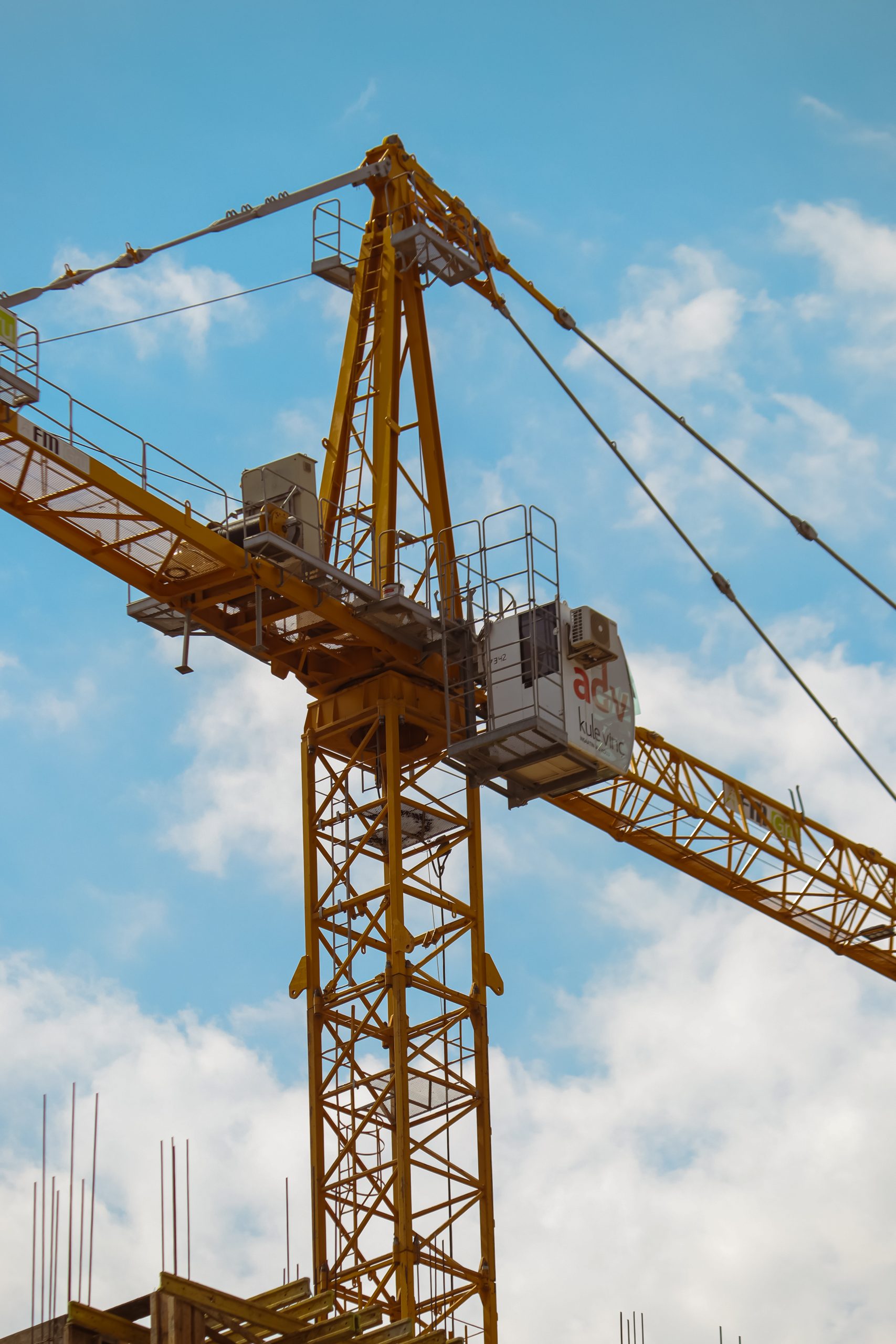
In the fast-paced world of construction, ensuring the safety of workers is paramount. It’s not just about following industry standards, but understanding the legal aspects of construction safety as well. This article dives into the legal landscape, addressing common concerns and providing reassurance and guidance. We’ll explore the regulations that govern construction sites, the responsibilities of employers, and the rights of workers. With a friendly and informative tone, we aim to create an emotional connection while delivering crucial information. So, whether you’re an employer or a worker navigating the construction industry, this article will equip you with the knowledge you need to prioritize safety on the job site.
Construction safety laws play a crucial role in ensuring the well-being of workers and the overall success of construction projects. These laws are put in place to protect workers from hazards and prevent accidents and injuries on construction sites. In this article, we will explore the purpose of construction safety laws, the legal obligations of construction companies, and the consequences of non-compliance.
1.1 The Purpose of Construction Safety Laws
The primary purpose of construction safety laws is to promote a safe working environment and prevent accidents and injuries. Construction sites are inherently hazardous due to the nature of the work involved, such as working at heights, handling heavy machinery, and working with electrical systems. Construction safety laws set forth regulations and standards that construction companies must adhere to in order to minimize these risks and protect the health and safety of workers.
1.2 Legal Obligations of Construction Companies
Construction companies have legal obligations to ensure the safety of their workers. These obligations include providing a safe working environment, implementing safety policies and procedures, providing appropriate training to workers, and ensuring the proper use of safety equipment and protective gear. Failure to fulfill these legal obligations can result in serious consequences, both legally and morally.
1.3 Consequences of Non-Compliance with Construction Safety Laws
Non-compliance with construction safety laws can have severe consequences for both construction companies and individuals involved. From a legal perspective, construction companies can face fines, penalties, and even criminal charges for failing to comply with safety regulations. In addition, the reputational damage resulting from non-compliance can have long-lasting effects on a company’s success and ability to secure future projects. More importantly, non-compliance puts workers at risk of accidents, injuries, and even fatalities, which can have devastating physical, emotional, and financial consequences for the individuals involved and their families.
2. Key Construction Safety Legislations
Several key legislations address construction safety at the national level. These legislations provide the framework for implementing and enforcing construction safety laws. Let’s take a closer look at some of the most important legislations in this domain.
2.1 Occupational Safety and Health Act (OSHA)
The Occupational Safety and Health Act (OSHA) is a federal law in the United States that sets forth the standards and regulations for workplace safety. Under OSHA, construction companies are obligated to provide a safe working environment, establish safety programs, and provide training to employees. OSHA also conducts regular inspections to ensure compliance with safety standards and holds companies accountable for violations.
2.2 Construction (Design and Management) Regulations (CDM)
In the United Kingdom, the Construction (Design and Management) Regulations (CDM) govern construction safety. These regulations focus on the design and planning stages of construction projects and aim to ensure that safety considerations are integrated from the beginning. CDM places responsibilities on various parties involved in a construction project, including clients, designers, principal contractors, and workers.
2.3 Health and Safety at Work Act (HASAWA)
The Health and Safety at Work Act (HASAWA) is a fundamental piece of legislation in many countries, including the United Kingdom. HASAWA places a general duty of care on employers to ensure the health, safety, and welfare of their employees. This includes providing a safe working environment, proper training, and the necessary safety equipment and tools.
Construction companies have a range of responsibilities when it comes to ensuring construction site safety. Understanding these responsibilities is essential for creating a safe working environment and avoiding legal issues.
3.1 Employer’s Duty of Care
Employers have a legal duty of care towards their employees, meaning they must take reasonably practicable steps to ensure their health and safety. This duty includes providing a safe working environment, conducting risk assessments, implementing safety measures, and providing adequate training and supervision. Employers must also take into account any specific hazards present on the construction site and mitigate those risks accordingly.
3.2 Employee’s Duty to Follow Safety Measures
Employees also have responsibilities when it comes to construction safety. They must follow the safety measures put in place by their employer, use safety equipment correctly, and report any hazards or risks they come across. By actively participating in safety protocols, employees contribute to creating a safe working environment and protecting their own well-being.
3.3 Liability for Third Parties
Construction companies may also have liability for the safety of third parties, such as visitors or passersby. It is important for construction companies to consider public safety in their construction plans and take appropriate measures to prevent accidents or injuries to individuals who may be affected by their work.
4. Common Construction Safety Violations
Despite the presence of construction safety laws and regulations, safety violations still occur on construction sites. The following are some of the most common safety violations that construction companies should be aware of and actively work to prevent.
4.1 Inadequate Fall Protection
Falls from heights are a significant risk in the construction industry. Construction companies must provide appropriate fall protection systems, such as guardrails, safety nets, or personal fall arrest systems, to prevent falls and protect workers working at heights.
4.2 Unsafe Scaffolding
Improperly erected or maintained scaffolding can lead to serious accidents and injuries. Construction companies must ensure that scaffolding is erected by trained personnel, regularly inspected, and meets all safety standards and regulations.
4.3 Electrical Hazards
Working with electricity poses significant risks on construction sites. Construction companies must implement effective electrical safety measures, including proper insulation, grounding, and the use of appropriate personal protective equipment, to protect workers from electrical hazards.
4.4 Lack of Proper Training and Supervision
Insufficient training and supervision can lead to accidents and injuries. Construction companies must ensure that all employees receive the appropriate training for their assigned tasks and are adequately supervised to prevent unsafe practices.
4.5 Failure to Provide Personal Protective Equipment (PPE)
Personal protective equipment, such as hard hats, safety goggles, gloves, and respiratory protection, plays a crucial role in preventing injuries on construction sites. Construction companies have a responsibility to provide and enforce the use of appropriate PPE for all workers.
4.6 Poor Hazard Communication
Effective communication of hazards is vital for creating awareness and preventing accidents. Construction companies should have clear procedures in place to communicate hazards to workers, such as through safety meetings, signage, and training programs.
5. Legal Consequences of Construction Safety Violations
Failure to comply with construction safety laws can result in various legal consequences for construction companies and individuals involved. Let’s explore some of the potential legal ramifications of construction safety violations.
5.1 Fines and Penalties
Construction companies found in violation of safety regulations can face substantial fines and penalties. These fines can vary depending on the severity of the violation and the jurisdiction in which the violation occurred. Repeat offenses or willful violations may result in higher fines.
5.2 Lawsuits and Civil Liability
Safety violations can lead to accidents and injuries, which may result in individuals filing lawsuits against construction companies. Construction companies can be held liable for medical expenses, lost wages, pain and suffering, and other damages resulting from the accident. Litigation can be costly and time-consuming, potentially causing significant financial strain on the company.
5.3 Criminal Charges and Prosecutions
In cases of severe safety violations or accidents resulting in fatalities, construction companies and individuals may face criminal charges. These charges can range from misdemeanors to felonies and can have serious consequences, including fines and imprisonment.
6. Construction Safety Inspections and Enforcement
Inspections and enforcement play a critical role in ensuring construction safety compliance. Let’s take a closer look at the process and entities involved in inspecting and enforcing construction safety laws.
6.1 Role of The Occupational Safety and Health Administration (OSHA)
The Occupational Safety and Health Administration (OSHA) is responsible for enforcing construction safety laws in the United States. OSHA conducts inspections of construction sites to assess compliance with safety regulations and standards. Inspectors have the authority to issue citations and fines for safety violations.
6.2 Inspections and Citations
During an inspection, OSHA inspectors may review safety documents, interview employees, and conduct site walkthroughs to identify potential hazards and violations. If violations are found, OSHA can issue citations, outlining the specific violations and proposing penalties.
6.3 Employer’s Rights during Inspections
Employers have rights during OSHA inspections. These rights include the right to request identification from the inspector, the right to accompany the inspector during the inspection, and the right to contest any citations or penalties issued. It is important for employers to understand their rights and cooperate with inspectors to ensure a smooth process.
7. Workers’ Compensation and Construction Safety
Workers’ compensation is an essential aspect of construction safety, providing coverage and support for workers who are injured on the job. Let’s explore workers’ compensation and the responsibilities of both employees and employers in this context.
7.1 Eligibility and Coverage
Workers’ compensation provides coverage to workers who suffer work-related injuries or illnesses. It typically covers medical expenses, lost wages, and rehabilitation costs. Eligibility for workers’ compensation varies by jurisdiction, but most construction workers are generally covered.
7.2 Filing a Workers’ Compensation Claim
In the event of a work-related injury, employees should promptly report the incident to their employer and file a workers’ compensation claim. The employer is responsible for providing the necessary forms and assisting the employee in the claims process.
7.3 Employer’s Responsibilities
Employers have specific responsibilities when it comes to workers’ compensation. These responsibilities include ensuring adequate insurance coverage, informing employees about their rights and responsibilities, and prompt reporting of injuries to the workers’ compensation insurer.
8. Ensuring Construction Safety Compliance
Construction companies can take proactive measures to ensure compliance with construction safety laws and minimize the risk of accidents and injuries. Let’s explore some key strategies for ensuring construction safety compliance.
8.1 Developing a Comprehensive Safety Program
A comprehensive safety program is essential for establishing a culture of safety within a construction company. The program should include clear safety policies and procedures, hazard identification and risk assessment processes, training programs, and mechanisms for reporting and investigating incidents.
8.2 Regular Training and Safety Meetings
Regular training sessions and safety meetings are crucial for educating employees about safety protocols and reinforcing the importance of compliance. Topics covered during these sessions can include hazard recognition, proper use of equipment, emergency procedures, and the company’s safety policies.
8.3 Engaging with Safety Consultants and Lawyers
Safety consultants and lawyers specializing in construction safety can provide valuable guidance and support to construction companies. They can help identify potential hazards, develop safety programs, navigate compliance requirements, and provide representation in legal matters.
9. Seeking Legal Assistance for Construction Safety Issues
Construction safety issues can be complex, and it is often necessary to seek legal assistance to navigate potential legal challenges. Here are some reasons why consulting with a construction safety attorney can be beneficial.
9.1 Reasons to Consult with a Construction Safety Attorney
Construction safety attorneys have in-depth knowledge of construction safety laws and regulations, enabling them to provide sound legal advice and guidance.
They can assist in ensuring compliance with safety regulations, minimizing the risk of legal consequences and the associated costs.
In the event of accidents or injuries, construction safety attorneys can provide representation in workers’ compensation claims or legal disputes, ensuring the rights and interests of construction companies are protected.
9.2 Choosing the Right Attorney
When selecting a construction safety attorney, it is crucial to consider their experience, expertise, and track record in handling construction safety cases. It is also important to choose an attorney who understands the unique challenges and specific laws governing construction safety in your jurisdiction.
9.3 Steps to Take When Injured on a Construction Site
If you are injured on a construction site, it is essential to take the following steps:
Seek immediate medical attention and make sure your injuries are properly documented.
Report the incident to your employer and document the details of the accident.
Consult with a construction safety attorney to understand your rights, potential legal actions, and navigate the workers’ compensation process.
10. Conclusion
Construction safety laws are of utmost importance in ensuring the well-being of workers and preventing accidents on construction sites. Construction companies have legal obligations to provide a safe working environment, implement safety measures, and ensure compliance with safety regulations. Failure to comply with these laws can have serious consequences, including fines, lawsuits, and criminal charges. By prioritizing construction safety, engaging with safety consultants and attorneys, and actively working to ensure compliance, construction companies can create a safe and productive work environment for their employees.
If you’re in the construction industry, you know that legal matters can sometimes be a daunting and overwhelming aspect of your work. That’s where construction legal due diligence comes in. It’s a crucial process that ensures you understand and comply with all the legal requirements and regulations involved in your projects. In this article, we’ll address common concerns and provide guidance to help put your mind at ease. From permits and contracts to zoning and liability, we’ve got you covered. So whether you’re a contractor, developer, or homeowner, read on to learn how construction legal due diligence can protect you and your investments. Don’t hesitate to pick up the phone and give us a call – our team of experienced attorneys is here to provide the assistance you need.
Construction legal due diligence is an essential process that helps ensure the smooth and successful execution of construction projects. It involves a comprehensive review and analysis of the legal aspects associated with a construction project, including contracts, permits, compliance with regulations, intellectual property rights, and potential legal risks. By conducting construction legal due diligence, you can identify any legal issues or risks upfront and take appropriate measures to mitigate them, thereby safeguarding your rights and interests.
Definition of Construction Legal Due Diligence
Construction legal due diligence refers to the systematic and thorough examination of all legal aspects of a construction project before entering into contracts or commencing work. It involves the review and assessment of legal documents, compliance with laws and regulations, evaluation of insurance coverage, investigation of liens and claims, analysis of environmental considerations, and examination of labor and employment issues. The purpose of construction legal due diligence is to identify potential legal risks, ensure compliance with legal requirements, prevent costly disputes, and protect the interests of all stakeholders involved in the construction project.
Importance of Construction Legal Due Diligence
Construction legal due diligence is of paramount importance for several reasons. Firstly, it helps identify potential legal risks that may arise during the construction process. By proactively identifying and addressing these risks, you can mitigate the likelihood of costly legal disputes and delays. Secondly, construction legal due diligence ensures compliance with laws and regulations governing the construction industry. This helps prevent legal liabilities and penalties that may result from non-compliance. Additionally, construction legal due diligence aids in protecting intellectual property rights associated with the construction project, optimizing insurance coverage, enhancing project value, and building trust and confidence with stakeholders, including clients, contractors, and investors.
Key Steps in Construction Legal Due Diligence
To carry out effective construction legal due diligence, several key steps must be undertaken to thoroughly examine and assess all legal aspects of the project.
Reviewing Legal Documents
The first step in construction legal due diligence is to review all relevant legal documents related to the project. These may include contracts, agreements, permits, licenses, and any other legal instruments. The objective of this review is to identify any potential legal issues, inconsistencies, or gaps that may exist within these documents. By thoroughly understanding the terms and conditions of the documents, you can ensure that they align with the project’s objectives and protect the interests of all parties involved.
Assessing Regulatory Compliance
Compliance with laws and regulations is crucial in the construction industry to ensure the safety of workers, the environment, and the general public. During construction legal due diligence, it is essential to assess the project’s compliance with relevant building codes, zoning regulations, environmental regulations, labor laws, and other governing laws. This assessment helps identify any non-compliance issues and enables you to take appropriate measures to address them before construction commences.
Examining Construction Contracts
Reviewing and analyzing construction contracts is a critical step in construction legal due diligence. Construction contracts govern the relationships and obligations between various parties involved in the project, such as the owner, contractors, subcontractors, suppliers, and consultants. By carefully examining these contracts, you can ensure that they are comprehensive, clear, and fair to all parties. This examination also helps identify any potential risks or disputes that may arise from ambiguous or unfavorable contract provisions.
Evaluating Insurance Coverage
Proper insurance coverage is essential for construction projects to mitigate potential risks and liabilities. During construction legal due diligence, it is essential to evaluate the adequacy and appropriateness of the insurance coverage for the project. This evaluation includes reviewing the types of insurance policies in place, their limits, exclusions, and endorsements. By assessing the insurance coverage, you can identify any gaps or deficiencies and take steps to optimize coverage to protect against potential risks or claims that may arise during the construction process.
Investigating Liens and Claims
Liens and claims can pose significant legal and financial risks to construction projects. As part of construction legal due diligence, it is crucial to investigate any existing or potential liens or claims associated with the project. This investigation includes researching public records, conducting interviews, and reviewing relevant documentation. By identifying and addressing these liens and claims upfront, you can avoid potential disputes, delays, or financial liabilities that may arise if left unaddressed.
Analyzing Environmental Considerations
Construction projects often have environmental implications that must be taken into account. As part of construction legal due diligence, it is essential to analyze and assess the environmental considerations associated with the project. This analysis includes evaluating potential environmental risks, ensuring compliance with environmental regulations, and identifying any necessary permits or approvals required for the project. By addressing environmental considerations early on, you can prevent costly penalties, delays, and reputational damage due to non-compliance with environmental laws.
Checking for Permits and Approvals
Obtaining the necessary permits and approvals is crucial for the legality and success of a construction project. During construction legal due diligence, it is essential to review and verify that all required permits and approvals have been obtained and are in good standing. This includes permits for construction activities, zoning, environmental impact assessments, and any other regulatory approvals specific to the project. By ensuring compliance with permit requirements, you can avoid potential legal and regulatory challenges that may delay or jeopardize the project.
Understanding Labor and Employment Issues
Construction projects involve a significant workforce, and compliance with labor and employment laws is vital to protect the rights and interests of workers. As part of construction legal due diligence, it is essential to understand and assess labor and employment issues associated with the project. This includes compliance with minimum wage laws, overtime rules, safety regulations, and other labor standards. By ensuring compliance with labor and employment laws, you can maintain a positive and lawful work environment, minimize the risk of labor disputes, and uphold workers’ rights.
Examining Intellectual Property Rights
Intellectual property rights play a crucial role in construction projects, particularly in cases involving unique designs, patents, trademarks, or copyrights. During construction legal due diligence, it is important to examine and assess the ownership, registration, and protection of intellectual property rights associated with the project. This examination helps ensure that these rights are adequately protected and that there are no infringements or violations that could result in legal disputes or financial liabilities.
Assessing Dispute Resolution Mechanisms
Disputes are an unfortunate reality in construction projects, and having effective dispute resolution mechanisms in place is essential to minimize their impact. As part of construction legal due diligence, it is important to assess the dispute resolution provisions in contracts and agreements related to the project. This assessment includes reviewing the methods of dispute resolution, such as negotiation, mediation, arbitration, or litigation. By ensuring that these mechanisms are fair, efficient, and enforceable, you can facilitate the resolution of any disputes that may arise during the construction process.
Benefits of Conducting Construction Legal Due Diligence
Conducting construction legal due diligence provides numerous benefits to all parties involved in a construction project. By thoroughly reviewing and assessing the legal aspects of the project, you can:
Identifying Potential Legal Risks
Construction projects inherently involve various risks, including contractual disputes, construction defects, delays, non-payment issues, and environmental violations, among others. By conducting construction legal due diligence, you can identify these potential risks upfront and take appropriate measures to mitigate and manage them effectively. This proactive approach helps minimize the likelihood of costly legal disputes and ensures a smoother and more successful construction process.
Ensuring Compliance with Laws and Regulations
Compliance with laws and regulations is essential to avoid legal penalties, liabilities, and reputational damage. Through construction legal due diligence, you can ensure that your project complies with all applicable laws and regulations, including building codes, environmental regulations, labor laws, and safety standards. This compliance not only protects your project from legal risks but also improves its reputation, enhances public perception, and fosters a positive working relationship with regulatory authorities.
Preventing Costly Legal Disputes
Legal disputes can significantly disrupt construction projects, leading to delays, increased costs, and strained relationships between parties. By conducting construction legal due diligence, you can identify and address potential issues before they escalate into full-blown disputes. By resolving issues at an early stage, through negotiation, mediation, or alternative dispute resolution mechanisms, you can prevent costly litigations and maintain the project schedule and budget.
Protecting Intellectual Property Rights
In construction projects involving innovative designs, proprietary technology, or unique concepts, protecting intellectual property rights is crucial. Through construction legal due diligence, you can assess the ownership, registration, and protection of intellectual property associated with the project. By safeguarding these rights, you can prevent unauthorized use, reproduction, or infringement by third parties, protecting your competitive advantage and ensuring that you reap the full benefits of your intellectual property.
Optimizing Insurance Coverage
Adequate insurance coverage is vital for construction projects to protect against potential risks, accidents, and liabilities. During construction legal due diligence, you can evaluate the insurance coverage in place and identify any gaps or deficiencies. By working closely with insurance providers and legal experts, you can optimize your insurance coverage to ensure that it adequately covers all potential risks and liabilities associated with the project.
Enhancing the Value of the Construction Project
Construction legal due diligence contributes to the overall value of the construction project. By identifying and addressing potential legal risks, ensuring compliance with laws and regulations, and protecting intellectual property rights, you enhance the project’s credibility, attractiveness, and marketability. This, in turn, can lead to increased investor confidence, improved financing options, and potentially higher returns on investment.
Building Trust and Confidence with Stakeholders
Trust and confidence are crucial in construction projects, as they foster positive relationships and effective collaboration among all stakeholders. By conducting construction legal due diligence, you demonstrate your commitment to transparency, fairness, and legal compliance. This builds trust and confidence with clients, contractors, suppliers, investors, and regulatory authorities, creating a favorable environment for the successful completion and execution of the project.
Avoiding Construction Delays and Liabilities
Legal disputes, regulatory violations, or non-compliance issues can lead to significant construction delays, increasing costs and negatively impacting project schedules. Through construction legal due diligence, you can identify and address potential issues that may cause delays, allowing you to take proactive measures to prevent or minimize their impact. This proactive approach helps keep the project on track, mitigates potential liabilities, and ensures timely completion.
Minimizing Environmental and Health Hazards
Construction projects often involve risks to the environment and workers’ health and safety. Through construction legal due diligence, you can assess and address potential environmental and health hazards associated with the project. This includes complying with environmental regulations, implementing safety protocols, and ensuring proper training and protective measures for workers. By prioritizing environmental and health considerations, you can minimize the risk of accidents, injuries, legal penalties, and reputational damage.
Safeguarding Workers’ Rights
Construction projects rely on a skilled and dedicated workforce, whose rights and interests must be protected. Through construction legal due diligence, you can ensure compliance with labor laws, occupational health and safety regulations, and fair employment practices. This protects workers from exploitation, promotes a safe and healthy work environment, and demonstrates your commitment to ethical and responsible construction practices.
Common Legal Concerns in Construction Projects
Construction projects can be complex and challenging, often giving rise to various legal concerns. By addressing these concerns head-on, you can provide reassurance and guidance to potential clients, ensuring that they are aware of the potential risks and solutions. Some common legal concerns in construction projects include:
Contractual Disputes
Contractual disputes are one of the most common legal concerns in construction projects. These disputes may arise from disagreements over contract terms, scope of work, payment issues, or changes in project requirements. By conducting construction legal due diligence, you can carefully review and negotiate contracts to ensure clear and enforceable terms, minimizing the likelihood of disputes. In the event of a dispute, the dispute resolution mechanisms outlined in the contract can help facilitate a fair and timely resolution.
Construction Defect Claims
Construction defects can lead to costly repairs, delays, and potential legal claims. These defects may include design errors, poor workmanship, material deficiencies, or code violations. By conducting construction legal due diligence, you can assess the quality and compliance of construction work, review warranties and guarantees, and identify potential defects before they become substantial problems. This proactive approach allows you to rectify any defects promptly, minimizing the risk of legal claims and protecting the project’s reputation.
Delay and Disruption Claims
Delays and disruptions in construction projects can have significant financial implications and strain relationships between parties. These delays may be caused by factors such as weather conditions, labor shortages, regulatory issues, or unforeseen circumstances. By conducting construction legal due diligence, you can anticipate and address potential delays and disruptions through adequate contractual provisions, contingency plans, and dispute resolution mechanisms. This helps minimize the potential for disputes, mitigates financial losses, and maintains positive working relationships.
Bid Protests
Bid protests occur when a bidder challenges the awarding of a construction contract to another bidder, alleging improprieties or unfairness in the bidding process. These protests can lead to project delays, legal disputes, and reputational damage. Through construction legal due diligence, you can ensure that the bidding process is conducted fairly, transparently, and in compliance with procurement laws and regulations. This reduces the likelihood of bid protests and provides assurance to all bidders that the process is unbiased and equitable.
Nonpayment Issues
Nonpayment issues can have severe financial consequences for contractors, subcontractors, and suppliers involved in a construction project. Payment disputes may arise due to issues such as late payments, non-performance, disputes over work quality, or financial constraints. By conducting construction legal due diligence, you can establish clear payment terms and mechanisms, review payment bonds and guarantees, and ensure compliance with prompt payment laws. This helps prevent nonpayment issues, protects the financial interests of all parties, and maintains the project’s progress.
Occupational Health and Safety Violations
Occupational health and safety violations pose serious legal and ethical concerns in construction projects. Non-compliance with safety regulations and failure to provide a safe work environment can result in accidents, injuries, or even fatalities. By conducting construction legal due diligence, you can assess safety protocols, ensure compliance with health and safety regulations, and implement measures to prevent accidents and injuries. Prioritizing safety not only avoids legal liabilities but also demonstrates a commitment to the well-being of workers.
Environmental Violations
Construction projects often interact with the natural environment, and non-compliance with environmental regulations can lead to legal penalties and reputational damage. Environmental violations may include improper disposal of hazardous materials, failure to protect natural habitats, or non-compliance with environmental impact assessments. By conducting construction legal due diligence, you can assess environmental considerations, comply with applicable regulations, and implement sustainable practices that minimize the project’s environmental impact. This ensures legal compliance, reduces risks, and promotes responsible environmental stewardship.
Intellectual Property Infringement
Intellectual property infringement can occur in construction projects involving unique designs, inventions, or technologies. Unauthorized use, reproduction, or distribution of intellectual property can give rise to legal disputes and financial liabilities. By conducting construction legal due diligence, you can evaluate intellectual property rights, ensure that proper licenses and permissions are in place, and establish mechanisms to monitor and protect against infringement. This protects the originality and value of intellectual property and avoids costly legal battles.
Labor and Employment Disputes
Labor and employment disputes can arise in construction projects due to issues such as wage disputes, unfair labor practices, discrimination, or non-compliance with labor laws. By conducting construction legal due diligence, you can ensure compliance with labor regulations, fair employment practices, and establish clear protocols and procedures for addressing labor disputes. This safeguards the rights and interests of workers, promotes positive working relationships, and minimizes the risk of legal claims or penalties.
Liens and Encumbrances
Liens and encumbrances can create significant legal and financial challenges in construction projects. A lien is a legal claim against a property to secure payment for contractors, subcontractors, or suppliers. Encumbrances can include mortgages, easements, or other restrictions on a property’s use. By conducting construction legal due diligence, you can investigate and address any existing or potential liens or encumbrances associated with the project. Prompt resolution of these issues ensures clear ownership rights, minimizes legal disputes, and facilitates successful project completion.
Importance of Seeking Legal Assistance
Given the complex and multifaceted nature of construction projects, seeking legal assistance is crucial to navigate legal requirements, mitigate risks, and protect your rights and interests. A construction law attorney can provide invaluable guidance and support throughout the construction legal due diligence process. Some key reasons to seek legal assistance include:
Navigating Complex Legal Requirements
Construction projects are subject to numerous legal requirements and regulations, which can be complex and challenging to navigate. A construction law attorney has the expertise and knowledge to guide you through these legal requirements, ensuring compliance and minimizing legal risks. They can help you understand the intricacies of contract law, construction liens, zoning regulations, compliance with building codes, and other legal considerations specific to the construction industry.
Mitigating Legal Risks
Construction projects inherently involve various legal risks, ranging from contractual disputes to regulatory non-compliance. A construction law attorney can conduct a comprehensive assessment of these risks, identify potential pitfalls, and develop strategies to mitigate them effectively. They can help you draft and negotiate contracts, review insurance policies, navigate permit requirements, and implement risk management practices that protect your interests and minimize legal liabilities.
Protecting Your Rights and Interests
Construction projects involve multiple parties, each with their own rights and interests. A construction law attorney can ensure that your rights and interests are protected throughout the project. They can help negotiate and draft contracts that prioritize your rights, resolve disputes, protect your intellectual property, and ensure fair payment terms. Their expertise gives you peace of mind, knowing that your interests are safeguarded within the complex legal landscape of construction projects.
Ensuring Compliance with Industry Standards
The construction industry is subject to specific industry standards, best practices, and regulations that may vary from jurisdiction to jurisdiction. A construction law attorney can ensure that your project meets these industry standards and complies with all applicable laws and regulations. They can help you navigate the intricacies of construction regulations, advise on the latest industry trends, and assist in obtaining the necessary permits and approvals. Compliance with industry standards not only mitigates legal risks but also enhances the overall quality and success of the construction project.
Negotiating Favorable Construction Contracts
Construction contracts play a pivotal role in establishing the rights, responsibilities, and relationships between parties involved in a construction project. A construction law attorney can help you negotiate and draft contracts that align with your objectives and protect your interests. They can review contract provisions, assess potential risks, and negotiate favorable terms that address contractual disputes, payment issues, change orders, and dispute resolution mechanisms. This promotes fairness, transparency, and clarity in contractual relationships, minimizing the likelihood of legal disputes.
Resolving Disputes Efficiently
Disputes are a common occurrence in construction projects, and resolving them promptly and efficiently can save time, money, and resources. A construction law attorney can assist in dispute resolution by exploring alternative methods such as negotiation, mediation, or arbitration. They can represent your interests and navigate the legal process, potentially avoiding the need for costly litigation. By engaging an experienced construction law attorney, you can maximize the chances of reaching a favorable resolution while minimizing the impact on the project’s timeline and budget.
Maximizing Compensation and Settlements
In the event of a legal dispute or claim, a construction law attorney can help you maximize your compensation and settlements. They can assess the merits of the claim, gather evidence, and present a strong legal argument on your behalf. They are skilled negotiators who can engage in settlement discussions to achieve a fair and favorable outcome. Their expertise in construction law ensures that you receive the compensation and remedies you are entitled to based on the merits of the case.
Avoiding Costly Legal Mistakes
The legal intricacies of construction projects can be overwhelming, and even minor legal mistakes can have serious consequences. By seeking legal assistance, you can avoid potential pitfalls and costly legal mistakes. A construction law attorney can provide guidance on compliance with laws and regulations, review legal documents for accuracy and completeness, and help you navigate potential legal risks. This proactive approach minimizes the risk of legal disputes and ensures that your construction project proceeds smoothly and successfully.
Minimizing Project Delays and Liabilities
Legal disputes, regulatory challenges, and non-compliance issues can result in costly project delays and liabilities. By involving a construction law attorney from the beginning of the project, you can proactively address potential legal issues, mitigate risks, and ensure compliance with legal requirements. Their expertise and guidance help minimize the likelihood of disputes, delays, and penalties, allowing your construction project to progress on schedule and within budget.
Securing Intellectual Property Rights
Intellectual property rights are valuable assets in construction projects involving innovative designs, inventions, or proprietary technology. A construction law attorney can help you secure and protect your intellectual property rights. They can conduct intellectual property searches, file necessary applications, and pursue legal action against any infringements or violations. By engaging a construction law attorney, you can safeguard your intellectual property, prevent unauthorized use, and maximize the commercial value of your innovations.
Choosing a Construction Law Attorney
When selecting a construction law attorney, there are several factors to consider to ensure that you find the right fit for your specific needs and requirements. Some key considerations include:
Experience and Expertise in Construction Law
Choose an attorney with extensive experience and expertise in construction law. Look for a firm or attorney who specializes in construction law and has a proven track record of successfully handling construction-related legal matters. An attorney with in-depth knowledge of the construction industry will be well-equipped to understand the unique legal issues and challenges that arise in construction projects.
Reputation and Track Record
Research the reputation and track record of the construction law attorney or firm you are considering. Look for reviews, testimonials, and references from their previous clients. Take note of any accolades, awards, or recognition they have received in the field of construction law. A reputable attorney or firm with a history of successfully representing clients in construction-related matters is likely to provide reliable and effective legal assistance.
Understanding of Local Laws and Regulations
Construction laws and regulations can vary from jurisdiction to jurisdiction. Therefore, it is important to choose a construction law attorney who has a deep understanding of the local laws and regulations governing construction projects in your specific location. An attorney familiar with local requirements and processes can help ensure compliance and navigate potential legal issues specific to your jurisdiction.
Strong Communication and Negotiation Skills
Effective communication and negotiation skills are crucial in any legal representation. Choose a construction law attorney who possesses strong oral and written communication skills, as well as the ability to negotiate effectively on your behalf. Clear and open communication with all parties involved in the construction project is essential to facilitate successful outcomes and minimize the likelihood of legal disputes.
Availability and Responsiveness
Timely and responsive communication is key in the fast-paced construction industry. Choose a construction law attorney who is accessible and responsive to your inquiries and concerns. An attorney who is readily available to address your legal needs and provide timely advice can help you make informed decisions and minimize potential risks or delays in your construction project.
Client Reviews and Testimonials
Read client reviews and testimonials to gain insights into the experiences of previous clients who have worked with the construction law attorney or firm you are considering. Positive reviews and testimonials can provide reassurance and help you gauge the attorney’s understanding, approach, and effectiveness in handling construction-related legal matters.
Transparent and Cost-Effective Fee Structure
Discuss the attorney’s fee structure upfront and ensure that it is transparent and suits your budget and needs. Understand how the attorney bills for their services, whether it is on an hourly basis, a fixed fee, or a contingent fee arrangement. Look for an attorney who provides clear and comprehensive fee agreements, outlining the scope of representation and any potential additional costs that may arise throughout the legal process.
Compatibility and Trust
Building a strong working relationship based on compatibility and trust is essential when choosing a construction law attorney. Trust your instincts and choose an attorney with whom you feel comfortable discussing your legal concerns and objectives. This compatibility ensures effective communication, collaboration, and a strong partnership throughout the construction legal due diligence process and beyond.
Conclusion
Construction legal due diligence plays a pivotal role in ensuring the successful execution of construction projects. By conducting a comprehensive review and analysis of the legal aspects associated with the project, you can identify potential legal risks, ensure compliance with laws and regulations, prevent disputes, protect intellectual property rights, optimize insurance coverage, enhance project value, and build trust with stakeholders. Seeking legal assistance for construction projects is crucial to navigate complex legal requirements, mitigate risks, protect rights, ensure compliance, negotiate favorable contracts, resolve disputes efficiently, and maximize compensation. By selecting a construction law attorney with experience, reputation, understanding of local laws, strong communication and negotiation skills, availability, positive client reviews, and a transparent fee structure, you can secure the legal support necessary to protect your construction project and achieve your objectives.
Call-to-Action
Contact our Construction Law Attorneys for a Free Consultation
If you are embarking on a construction project or facing legal challenges in an ongoing project, it is essential to seek professional legal advice. Our experienced construction law attorneys are here to provide you with the guidance, support, and advocacy you need. Contact us today to schedule a free consultation and discuss your specific legal needs. Together, we can protect your construction project and ensure a successful outcome.
Take the Next Step to Protect Your Construction Project
Don’t wait until legal issues arise to seek assistance. Take the next step to protect your construction project by reaching out to our knowledgeable construction law attorneys. We understand the complexities of the construction industry and can guide you through legal due diligence, contracts, compliance, dispute resolution, and other legal matters. Your construction project deserves professional legal support, and we are here to help.
Schedule a Meeting to Discuss Your Legal Needs
Every construction project is unique, and it is important to address your specific legal needs and concerns. Schedule a meeting with our experienced construction law attorneys to discuss your project and explore how we can provide tailored legal assistance. We are committed to helping you achieve your construction goals while mitigating legal risks and protecting your rights. Contact us today to schedule a meeting and take the first step towards a successful construction project.
Are you a business owner in Tremonton, Utah? Do you find yourself in need of legal assistance for your business? Look no further than the skilled expertise of a business lawyer in Tremonton, Utah. In this article, we will explore the crucial role a business lawyer plays in protecting your interests and ensuring legal compliance for your business operations. By delving into the intricate details of business law in Utah, we aim to provide you with a comprehensive understanding of the subject matter. After gaining extensive knowledge about the services offered by a business lawyer in Tremonton, Utah, you will be compelled to reach out and secure their professional expertise.
Business law refers to the body of legal principles and regulations that govern commercial transactions and activities. It encompasses a wide range of topics, including contracts, intellectual property, employment law, taxation, and more. Business law ensures that businesses operate within legal boundaries and helps to establish a fair and efficient business environment. Understanding and complying with business law is essential for businesses of all sizes to protect their interests and avoid legal disputes.
Definition of Business Law
Business law, also known as commercial law, encompasses the legal rules and regulations that apply to individuals and organizations engaged in business activities. It covers a wide range of legal areas, such as contract law, corporate law, employment law, intellectual property law, and more. These laws are put in place to regulate business conduct, protect the rights of businesses and consumers, and provide a framework for resolving disputes.
Importance of Business Law
Business law plays a crucial role in shaping the operations, transactions, and relationships of businesses. Some of the key reasons why business law is important include:
Legal Compliance: Businesses need to comply with various laws and regulations to avoid legal consequences. Business law ensures that companies understand their obligations and responsibilities under the law.
Protection of Rights: Business law protects the rights and interests of businesses, shareholders, employees, and consumers. It establishes guidelines for fair competition, prevents unfair business practices, and safeguards intellectual property.
Dispute Resolution: Business law provides a framework for resolving conflicts and disputes that may arise in the course of business operations. It offers remedies and legal mechanisms to settle disputes efficiently and fairly.
Contractual Agreements: Business law governs the creation, interpretation, and enforcement of contracts. It ensures that contracts are legally valid, addresses issues related to breach of contract, and protects parties involved in business agreements.
Business Formation: Business law guides the process of forming and structuring a business entity, such as a sole proprietorship, partnership, or corporation. It helps entrepreneurs understand the legal requirements and choose the most suitable business structure for their needs.
Risk Management: Understanding business law allows businesses to identify and manage legal risks effectively. By adhering to legal obligations, businesses can minimize the likelihood of legal disputes, lawsuits, and financial penalties.
Scope of Business Law
The scope of business law is vast and covers a wide range of legal areas that impact businesses. Some of the key areas within the scope of business law include:
Contracts and Commercial Transactions: Business law governs the creation, enforcement, and interpretation of contracts, including sales contracts, employment agreements, partnership agreements, and more. It ensures that agreements are legally sound and protects the rights of parties involved.
Corporate Law: Corporate law covers legal aspects related to the formation, governance, and dissolution of corporations. It addresses issues such as shareholder rights, director and officer liabilities, mergers and acquisitions, corporate finance, and more.
Intellectual Property: Business law protects intellectual property rights, including patents, trademarks, copyrights, and trade secrets. It ensures that businesses can safeguard their innovations, creations, and unique branding elements from infringement.
Employment Law: Business law includes employment regulations that govern the relationship between employers and employees. It covers areas such as hiring practices, wage and hour laws, workplace safety, discrimination, harassment, and termination procedures.
Taxation: Business law encompasses tax laws and regulations that businesses must comply with. It includes understanding tax obligations, filing taxes, claiming deductions, and ensuring compliance with tax laws at the federal, state, and local levels.
Consumer Protection: Business law includes regulations that protect consumers from unfair or deceptive practices. It ensures that businesses operate ethically, provide accurate information, and comply with consumer protection laws.
Bankruptcy and Insolvency: Business law provides guidance on bankruptcy and insolvency proceedings. It establishes rules for restructuring debt, liquidating assets, and resolving financial distress for businesses facing financial difficulties.
Understanding the scope of business law is crucial for businesses to navigate the legal landscape effectively and ensure compliance with applicable laws and regulations.
Why Do I Need a Business Lawyer?
Navigating the legal aspects of running a business can be complex and challenging. From complying with legal requirements to handling contractual agreements, there are many areas where a business lawyer can provide valuable guidance and support. Here are several reasons why you may need a business lawyer:
Navigating Legal Requirements
Businesses are subject to numerous legal requirements, including licenses, permits, and regulations. A business lawyer can help you understand the specific legal obligations related to your industry and ensure that you comply with them. They can guide you through the process of obtaining necessary licenses, permits, and certifications, reducing the risk of legal penalties or closure of your business due to non-compliance.
Forming and Structuring a Business
Choosing the right legal structure for your business is crucial, as it impacts various aspects such as liability, taxation, and governance. A business lawyer can advise you on the different types of legal entities available, such as sole proprietorship, partnership, limited liability company (LLC), or corporation. They can help you evaluate the benefits and drawbacks of each option and assist you in the formation and registration of your business.
Drafting and Reviewing Contracts
Contracts are an integral part of business operations, covering various aspects such as agreements with suppliers, clients, employees, and business partners. A business lawyer can help you draft, review, and negotiate contracts to ensure that your legal rights and interests are protected. They can identify potential risks, liabilities, and loopholes in contracts and ensure that they are legally enforceable.
Intellectual Property Protection
Intellectual property (IP) assets, such as trademarks, patents, copyrights, and trade secrets, are valuable assets for many businesses. A business lawyer can assist you in registering and protecting your intellectual property rights, as well as enforcing them against infringement. They can help you navigate the complex landscape of IP law, conduct searches for existing trademarks or patents, and draft licensing or assignment agreements to protect your IP assets.
Handling Disputes and Litigation
Disputes and legal conflicts can arise at any time during the course of running a business. A skilled business lawyer can represent your interests in negotiations, mediation, or litigation processes. They can help you resolve disputes efficiently and favorably, whether they involve contractual disagreements, employment disputes, intellectual property infringement, or other legal issues. Having a business lawyer by your side can help protect your rights and minimize potential damages or liabilities.
Choosing the right business lawyer is essential for the success and protection of your business. When selecting a business lawyer, consider the following qualities:
Experience and Expertise
Look for a business lawyer who has extensive experience and expertise in the specific area of business law that you require assistance with. A lawyer who specializes in business law will have in-depth knowledge of relevant laws and regulations, as well as experience working with businesses similar to yours. Consider their track record and the results they have achieved for their clients.
Good Communication Skills
Effective communication is crucial when working with a business lawyer. They should be able to explain complex legal concepts in a clear and understandable manner, ensuring that you fully understand your legal rights and options. A good business lawyer should also be a good listener, taking the time to understand your specific needs and goals.
Strong Negotiation Skills
Negotiation is a critical aspect of business transactions and disputes. Look for a business lawyer who has strong negotiation skills and the ability to advocate for your interests effectively. They should be able to represent you in negotiations with other parties, protecting your rights and achieving favorable outcomes.
Attention to Detail
Attention to detail is essential in business law to ensure that agreements, contracts, and other legal documents are accurate and comprehensive. A business lawyer with strong attention to detail will identify potential legal risks, loopholes, or ambiguities that may harm your interests. They will review and draft documents meticulously, minimizing the risk of errors or oversights.
Responsive and Accessible
Time is often of the essence in business matters. A responsive and accessible business lawyer is crucial to ensure that your legal needs are addressed promptly. Look for a lawyer who promptly returns your calls or emails, provides updates on the progress of your case, and is available for consultations or meetings when needed.
How to Choose the Right Business Lawyer
Choosing the right business lawyer for your needs requires careful consideration and evaluation. Follow these steps to choose the right business lawyer:
Assessing Your Legal Needs
First, assess your specific legal needs and determine the areas of business law in which you require assistance. Consider the type of legal issues you are likely to encounter and the level of legal expertise needed. This will help you narrow down your search for a business lawyer who specializes in the relevant areas of law.
Researching and Interviewing Potential Lawyers
Once you have identified potential lawyers, conduct thorough research on their background, qualifications, and experience. Review their websites, read client testimonials, and check online reviews. Schedule an initial consultation with each lawyer to discuss your legal needs and evaluate their compatibility with your business goals.
Checking Credentials and References
Verify the credentials and reputability of potential lawyers. Check whether they are licensed to practice law in your jurisdiction and if they are a member of relevant legal organizations or associations. Ask for references from previous clients and reach out to them to inquire about their experience working with the lawyer.
Considering the Lawyer’s Fee Structure
Discuss the lawyer’s fee structure upfront to ensure that it aligns with your budget and expectations. Some lawyers may charge an hourly rate, while others may offer fixed fees or contingency fees for certain types of cases. Make sure you understand the billing process, payment methods, and any additional costs or expenses that may be involved.
Services Offered by a Business Lawyer
A business lawyer offers a wide range of services to assist businesses in various legal matters. Some of the common services provided by a business lawyer include:
Business Formation and Planning
A business lawyer can guide entrepreneurs through the process of business formation, including choosing the appropriate legal structure, registering the business with the appropriate authorities, and drafting essential documents such as articles of incorporation or partnership agreements. They can also help with business planning and developing strategies to achieve long-term success.
Contract Drafting and Review
Contracts play a critical role in business transactions, and a business lawyer can draft, review, and negotiate contracts on behalf of their clients. They ensure that contracts are clear, legally binding, and protect their clients’ rights and interests. A business lawyer can also review existing contracts to identify any potential risks or liabilities and advise on contract disputes.
Intellectual Property Protection
Protecting intellectual property is crucial for businesses to safeguard their innovations, branding, and creative works. A business lawyer can assist in registering trademarks, copyrights, patents, or trade secrets to ensure legal protection. They can also enforce intellectual property rights against infringement and provide guidance on licensing or assignment agreements.
Employment and Labor Law
Compliance with employment and labor laws is essential for businesses to create a safe and fair working environment and avoid legal disputes. A business lawyer can provide guidance on employment contracts, wage and hour laws, employee benefits, workplace policies, and compliance with anti-discrimination and harassment laws.
Mergers, Acquisitions, and Business Transactions
In the case of mergers, acquisitions, or other business transactions, a business lawyer can provide guidance and legal representation. They can help negotiate and structure deals, conduct due diligence, draft sale agreements or merger agreements, and ensure compliance with regulatory requirements.
Litigation and Dispute Resolution
When disputes arise, a business lawyer can represent their clients’ interests in litigation or alternative dispute resolution methods such as mediation or arbitration. They can handle various types of business disputes, including contract disputes, partnership disputes, intellectual property disputes, employment disputes, and more.
How a Business Lawyer Can Help Small Businesses
While businesses of all sizes can benefit from the expertise of a business lawyer, small businesses, in particular, can find great value in their services. Here are some ways a business lawyer can help small businesses:
Compliance with Regulatory Laws
Navigating the complex landscape of regulatory laws can be challenging for small businesses. A business lawyer can help ensure that small businesses comply with applicable laws and regulations at the federal, state, and local levels. This includes understanding licensing requirements, zoning regulations, employment laws, tax obligations, and more.
Contract Negotiation and Review
Contracts are an integral part of running a business, and small businesses often engage in numerous contractual agreements. A business lawyer can review and negotiate contracts on behalf of small businesses, ensuring that their rights and interests are protected. They can identify potential risks, vague terms, or unfair clauses in contracts, minimizing the possibility of future disputes.
Protecting Intellectual Property
Intellectual property assets are valuable for businesses of all sizes, including small businesses. A business lawyer can help small businesses protect their intellectual property rights by conducting trademark searches, filing trademark applications, registering copyrights, or developing strategies to protect trade secrets. They can also assist in enforcing intellectual property rights against potential infringers.
Resolving Employment Issues
Small businesses often face employment-related challenges, such as compliance with wage and hour laws, employee classification, or handling termination procedures. A business lawyer can provide guidance on developing employee handbooks, ensuring compliance with employment laws, and resolving employment disputes to minimize legal risks or liability for small businesses.
Navigating Tax and Financial Matters
Small businesses may face complex tax and financial matters, including tax planning, filing tax returns, or dealing with audits. A business lawyer can work in conjunction with accountants or tax professionals to ensure compliance with tax laws and represent small businesses in tax-related disputes. They can also provide advice on financial matters, such as raising capital or obtaining loans.
Benefits of Hiring a Business Lawyer
Hiring a business lawyer can offer numerous benefits and advantages for businesses. Here are some key benefits of having a business lawyer on your side:
Risk Mitigation
A business lawyer can help identify and mitigate potential legal risks, allowing businesses to operate with greater confidence and certainty. By understanding and complying with legal requirements, businesses can minimize the likelihood of legal disputes, financial penalties, or reputational damage.
Avoiding Legal Pitfalls
Businesses face various legal challenges and pitfalls that can have severe consequences. A business lawyer can help prevent these pitfalls by providing proactive legal advice and guidance. They can identify potential legal issues before they escalate and ensure that businesses take appropriate measures to address them effectively.
Expert Advice and Guidance
Business lawyers have specialized knowledge and experience in business law. They can provide expert advice and guidance tailored to the specific needs of businesses. Having a business lawyer by your side ensures that you make informed decisions, understand your legal rights and obligations, and have access to legal representation when needed.
Time and Cost Savings
Navigating the legal complexities of running a business can be time-consuming and resource-intensive. By outsourcing the legal aspects to a business lawyer, businesses can save valuable time and resources. A business lawyer can handle legal matters efficiently, allowing business owners and managers to focus on other important aspects of their operations.
Peace of Mind
Running a business comes with numerous challenges and uncertainties. Having a knowledgeable business lawyer on your side provides peace of mind, knowing that you have legal guidance and support. A business lawyer can anticipate and mitigate legal risks, handle legal issues as they arise, and advocate for your interests, allowing you to focus on the growth and success of your business.
Frequently Asked Questions
1. What is the role of a business lawyer?
A business lawyer provides legal counsel and representation for businesses in various legal matters. They advise on compliance, contracts, intellectual property, disputes, and more. Their role is to protect and advocate for the legal interests of the business.
2. How much does a business lawyer charge?
The fees charged by a business lawyer can vary depending on factors such as the complexity of the legal matter, the lawyer’s experience, and the location. Some lawyers charge an hourly rate, while others may offer fixed fees or contingency fees for certain types of cases. It is important to discuss the fee structure upfront with the lawyer to understand the cost involved.
3. Can a business lawyer help with resolving partnership disputes?
Yes, business lawyers can assist in resolving partnership disputes. They can provide mediation or negotiation services to help partners reach a resolution. In cases where a resolution cannot be reached, a business lawyer can represent their client’s interests in litigation proceedings.
4. What should I consider when forming a business?
When forming a business, there are several factors to consider. This includes choosing the appropriate legal structure, understanding the legal and tax implications of each structure, complying with registration and licensing requirements, and protecting intellectual property. Consulting with a business lawyer can help navigate these considerations and ensure that you make informed decisions.
5. Are business lawyers only necessary for large corporations?
No, business lawyers are essential for businesses of all sizes. Even small businesses can benefit from legal counsel regarding contracts, compliance, intellectual property, and employment matters. A knowledgeable business lawyer can help navigate legal complexities, reduce risks, and ensure legal protection.
Are you in need of legal assistance with construction licensing? Look no further! Our Construction Licensing Lawyer is here to provide you with all the information and guidance you need. From addressing common legal concerns to offering reassurance and guidance, our lawyer is dedicated to helping you navigate through any construction licensing issues you may be facing. With a clear call-to-action, we encourage you to reach out and seek prompt assistance by calling the phone number listed on the website. Don’t let legal concerns hold you back – let our Construction Licensing Lawyer be your trusted ally.
Construction Licensing Lawyer
Are you in the construction industry and need legal assistance regarding licensing? Look no further! A Construction Licensing Lawyer is your go-to resource for all your licensing needs. Whether you are a contractor, subcontractor, or builder, having the proper license is crucial to conducting business legally and ensuring the safety and integrity of your projects. In this article, we’ll explore the importance of construction licensing and how a qualified lawyer can help you navigate through the complexities of the licensing process.
Before we delve into the role of a Construction Licensing Lawyer, let’s first understand why construction licensing is so important. In the construction industry, licenses serve as proof that individuals or companies meet certain professional requirements and have adequate knowledge and experience in their respective fields. By obtaining the proper license, you not only comply with legal regulations but also demonstrate your commitment to professionalism and the highest standards of quality.
A Construction Licensing Lawyer specializes in the laws and regulations surrounding construction licensing. They are well-versed in the intricacies of licensing processes and can guide you through the entire procedure, ensuring that you meet all the necessary requirements and submit the required documentation accurately and on time. Here are some of the key ways a Construction Licensing Lawyer can assist you:
1. Legal Advice and Guidance
Navigating the legal landscape can be complex and overwhelming, especially when it comes to construction licensing. A Construction Licensing Lawyer can provide you with expert advice tailored to your specific situation. They will assess your individual needs, evaluate any potential risks, and guide you through the licensing process, ensuring that you comply with all legal requirements.
2. License Application Assistance
Applying for a construction license involves a series of steps and paperwork. From completing the application forms to gathering the necessary supporting documents, a Construction Licensing Lawyer can help you gather and organize all the required information. They will ensure that your application is thorough and accurate, increasing your chances of a successful outcome.
3. License Renewals and Modifications
Licensing is not a one-time process. In many cases, construction licenses need to be renewed periodically and may require modifications due to changes in your business or industry regulations. A Construction Licensing Lawyer can assist you in handling the renewal or modification process, ensuring that you remain compliant with the law and avoid any disruptions to your business endeavors.
4. Representing You in Legal Matters
In the unfortunate event of a dispute or legal issue regarding your construction license, you will need a strong legal advocate by your side. A Construction Licensing Lawyer can represent you in negotiations, mediations, and court proceedings, ensuring that your rights and interests are protected. They will work diligently to resolve any legal matters efficiently and in your best interest.
Common Legal Concerns and Reassurance
As a construction professional, you may have certain legal concerns when it comes to licensing. Let’s address some of these concerns directly to provide reassurance and guidance:
Concern: “I am not sure if I need a license for my construction work.”
Obtaining the correct license is crucial to ensure that you are operating legally and within the bounds of the law. A Construction Licensing Lawyer can assess your specific situation and advise you on whether or not you require a license. They will guide you through the relevant regulations and explain the implications of not having the proper license.
Concern: “I have been denied a construction license in the past. Can I reapply?”
If you have previously been denied a construction license, don’t lose hope. A Construction Licensing Lawyer can evaluate the reasons for the denial and assist you in addressing any deficiencies in your previous application. They will work closely with you to strengthen your case and increase your chances of a successful reapplication.
Concern: “I am facing disciplinary action regarding my construction license.”
If you are facing disciplinary action related to your construction license, it is crucial to seek legal representation immediately. A Construction Licensing Lawyer will provide you with the necessary support and represent your interests in any disciplinary proceedings. They will work tirelessly to protect your reputation and help you navigate through any challenging situations.
Concern: “I want to expand my construction business. How can I obtain additional licenses?”
Expanding your construction business may require obtaining additional licenses or certifications. A Construction Licensing Lawyer can guide you through the process of acquiring new licenses, ensuring that you fulfill all the necessary requirements. They will help you understand the regulations for each license and facilitate the expansion of your business.
Incorporating important information into the article and creating emotional connections with readers is crucial. By addressing common legal concerns directly and providing reassurance and guidance, a Construction Licensing Lawyer can build a strong rapport with potential clients. Remember to optimize your content for search engines by conducting thorough keyword research and incorporating keywords naturally throughout the article. That being said, if you are in need of legal assistance regarding construction licensing, don’t hesitate to reach out to a Construction Licensing Lawyer today! They are here to help you navigate the complex world of construction licensing and ensure your success in the industry.
Looking to finance your construction project? Understanding construction project financing law is crucial to ensure a smooth and successful venture. From zoning regulations and permits to contract negotiations and payment disputes, navigating the legal aspects of construction financing can be complex. But fear not! Our expert attorneys are here to provide you with comprehensive guidance and support. By addressing common legal concerns directly and incorporating important information into this article, we aim to create an emotional connection with our readers and empower them to take the next step. So, whether you’re a contractor, developer, or investor, get in touch with our attorneys today to receive the assistance you need. Your construction project success awaits!
Construction project financing refers to the process of securing funding for construction projects, which can include the construction of residential, commercial, or public infrastructure. It involves various legal considerations and requires the cooperation of different key players, including financing institutions, borrowers, contractors, subcontractors, and government agencies. Construction project financing is crucial for the successful completion of construction projects and plays a significant role in the growth of the construction industry.
Importance of Construction Project Financing Law
Construction project financing law plays a vital role in ensuring the smooth operation of construction projects and protecting the rights and interests of all involved parties. It provides the legal framework for securing funding, defines the rights and responsibilities of each party, and addresses potential legal concerns that may arise during the construction process. By adhering to construction project financing law, construction professionals can minimize risks, ensure regulatory compliance, and resolve disputes effectively.

Various key players are involved in construction project financing. These include:
1. Financing Institutions:
Financing institutions such as banks, credit unions, and private lenders play a crucial role in providing funds for construction projects. They evaluate the creditworthiness of borrowers and assess the feasibility of the project before approving loan applications. Financing institutions often require collateral and impose specific terms and conditions for the loan.
2. Borrowers:
Borrowers refer to individuals or entities seeking financial assistance for their construction projects. They are responsible for submitting loan applications, providing the necessary documentation, and complying with the terms and conditions set forth by the financing institution. Borrowers bear the ultimate responsibility for repaying the loan and ensuring successful project completion.
3. Contractors:
Contractors are hired to oversee the construction project and ensure its successful execution. They are responsible for managing the construction process, coordinating with subcontractors, procuring materials, and adhering to project timelines and specifications. Contractors play a significant role in the overall success of the project and must comply with construction project financing law.
4. Subcontractors:
Subcontractors are specialized professionals or companies hired by the main contractor to perform specific tasks or provide specialized services within the construction project. They may include electricians, plumbers, painters, and various other tradespeople. Subcontractors are usually selected based on their expertise and experience and must comply with the terms of their subcontract agreements.
5. Government Agencies:
Government agencies, at various levels, have an important role in construction project financing. They set regulatory requirements, issue permits and licenses, and ensure compliance with safety and environmental standards. Government agencies may also provide financial incentives and support for construction projects that align with public interests and development goals.
Types of Construction Project Financing
Construction project financing can be obtained through various methods. Some common types of construction project financing include:
1. Traditional Bank Loans:
Traditional bank loans are one of the most common methods of financing construction projects. These loans are typically secured by collateral and require borrowers to meet specific creditworthiness criteria. The loan amount and terms are determined based on the evaluation of the borrower’s financials and the assessed value of the construction project.
2. Construction Loans:
Construction loans are specifically designed to finance the construction phase of a project. They provide funds for the purchase of materials, payment of labor, and other construction-related expenses. Construction loans are typically short-term and may require periodic inspections to verify the progress of the project.
3. Bond Financing:
Bond financing involves the issuance of bonds to raise funds for construction projects. The bonds are sold to investors, who then become creditors of the project. The proceeds from the bond sale are used to finance the construction, and the project revenue is used to repay the bondholders over time.
4. Equity Financing:
Equity financing involves raising funds for a construction project by selling ownership shares in the project to investors. In this type of financing, investors become partial owners of the project and share in the profits and losses. Equity financing is commonly used for large-scale construction projects.
5. Public-Private Partnerships:
Public-private partnerships (PPPs) involve collaboration between a government agency and a private entity to finance and implement a construction project. PPPs combine public resources and specialized private expertise to ensure the successful completion of infrastructure projects. These partnerships often involve revenue-sharing agreements and long-term contracts.

Legal Considerations in Construction Project Financing
When dealing with construction project financing, it is essential to consider several legal aspects. These considerations include:
1. Contractual Agreements:
Contractual agreements are the foundation of construction project financing. These agreements define the rights, obligations, and responsibilities of each party involved. It is crucial to have well-drafted contracts that clearly outline the scope of work, payment terms, dispute resolution mechanisms, and other relevant terms and conditions.
2. Regulatory Compliance:
Construction projects are subject to various laws and regulations at local, state, and federal levels. It is essential to ensure compliance with zoning restrictions, building codes, environmental regulations, and other legal requirements. Failure to comply with these regulations can lead to legal challenges, fines, delays, and even project shutdowns.
3. Insurance Coverage:
Construction projects involve inherent risks, and insurance coverage is essential to protect against potential liabilities. It is crucial to have comprehensive insurance policies that cover property damage, bodily injury, and other potential risks. Adequate insurance coverage can help mitigate financial losses and protect the interests of all parties involved.
4. Environmental Regulations:
Construction projects often have environmental impacts, and compliance with environmental regulations is vital. This includes obtaining necessary permits, conducting environmental impact assessments, and implementing measures to minimize negative environmental consequences. Adhering to environmental regulations ensures sustainable construction practices and prevents legal disputes.
Navigating Challenges in Construction Project Financing
Navigating challenges is an integral part of construction project financing. Some common challenges and strategies to overcome them include:
1. Securing Funding:
Securing adequate funding for construction projects can be a significant challenge. It is crucial to develop a comprehensive financial plan, including realistic cost estimates, projected cash flows, and a clear funding strategy. Building strong relationships with financing institutions, demonstrating the feasibility of the project, and having a solid track record can increase the chances of securing funding.
2. Risk Management:
Construction projects involve numerous risks, including financial, legal, and operational risks. Effective risk management involves identifying potential risks, implementing preventive measures, and having contingency plans in place. Conducting thorough due diligence, having comprehensive insurance coverage, and engaging experienced professionals can help mitigate risks.
3. Dispute Resolution:
Disputes can arise at any stage of a construction project and can significantly impact its progress and success. It is essential to have effective dispute resolution mechanisms in place, such as negotiation, mediation, or arbitration. Timely and fair resolution of disputes can prevent project delays, financial losses, and damage to professional relationships.
Role of Attorneys in Construction Project Financing
Attorneys play a crucial role in construction project financing and provide valuable legal counsel and guidance throughout the process. Their role includes:
1. Importance of Legal Counsel:
Having legal counsel is crucial in navigating the complexities of construction project financing. Attorneys specialize in construction law and can provide valuable advice on legal requirements, contract negotiations, risk management, and dispute resolution. Their expertise and guidance can help ensure legal compliance and protect the interests of all parties involved.
2. Legal Due Diligence:
Attorneys conduct legal due diligence to assess potential legal risks associated with construction projects. They review contracts, evaluate regulatory compliance, verify insurance coverage, and identify potential liabilities. Legal due diligence helps in identifying and mitigating legal risks before they escalate into significant issues.
3. Negotiating Loan Terms:
Attorneys assist borrowers in negotiating loan terms with financing institutions. They ensure that the terms are fair, protect the borrower’s rights, and comply with construction project financing law. Attorneys can help secure favorable loan terms and ensure that borrowers fully understand their obligations and rights.
4. Mitigating Legal Risks:
Attorneys help identify potential legal risks in construction project financing and develop strategies to mitigate them. They provide legal advice on risk management techniques, regulatory compliance, and contract review. By addressing legal risks proactively, attorneys help minimize the likelihood of disputes and legal challenges.
5. Enforcing Contract Rights:
When disputes arise, attorneys play a crucial role in enforcing contract rights and resolving conflicts. They can represent clients in negotiation, mediation, arbitration, and litigation processes. Attorneys use their expertise in construction law to protect their clients’ interests and seek favorable outcomes.
Common Legal Concerns in Construction Project Financing
Construction project financing can give rise to various legal concerns. Some common legal concerns include:
1. Construction Delays:
Construction delays can have significant financial implications and impact project timelines. Attorneys can help resolve disputes related to delays, review contract terms, and enforce contractual obligations to minimize delays and mitigate financial losses.
2. Payment Issues:
Payment disputes are common in construction projects, and attorneys can assist in resolving payment-related conflicts. They can review contracts, ensure compliance with payment terms, pursue legal remedies for non-payment, and protect the rights of subcontractors and suppliers.
3. Defective Workmanship:
Defects in workmanship can lead to safety issues, property damage, and legal liabilities. Attorneys can help address defective workmanship claims, assess liability, and enforce warranties or insurance coverage for rectifying defects.
4. Liabilities and Indemnification:
Construction projects involve various parties, and liabilities can arise from accidents, property damage, or breaches of contract. Attorneys can help assess potential liabilities, negotiate indemnification clauses, and ensure adequate insurance coverage to protect the interests of their clients.

Benefits of Consulting a Construction Project Financing Attorney
Consulting a construction project financing attorney offers several benefits. Some of these benefits include:
1. Expert Advice and Guidance:
Attorneys specializing in construction project financing can provide expert advice and guidance throughout the financing process. They have in-depth knowledge of construction law, understand the complexities involved, and can provide tailored solutions to address specific needs and concerns.
2. Risk Assessment and Mitigation:
Attorneys can conduct comprehensive risk assessments and develop strategies to mitigate potential legal risks. They can identify potential pitfalls, recommend risk management techniques, and help clients make informed decisions that minimize legal liabilities.
3. Negotiation and Drafting:
Attorneys are skilled in negotiating and drafting construction contracts and loan agreements. They can help clients secure favorable terms, protect their rights, and ensure compliance with construction project financing law. Attorneys ensure that contracts are clear, enforceable, and provide adequate protections for all parties involved.
4. Dispute Resolution and Litigation:
In the event of disputes, attorneys can effectively represent clients in negotiation, mediation, arbitration, or litigation processes. They have the expertise to navigate complex legal proceedings, advocate for their clients’ interests, and seek favorable resolutions.
5. Ensuring Legal Compliance:
Construction project financing attorneys ensure that clients comply with all legal requirements and regulations. They provide guidance on regulatory compliance, assist in obtaining necessary permits and licenses, and ensure that clients engage in ethical and legal business practices.
Navigating Construction Project Financing Regulations
Construction project financing is subject to various regulations at local, state, and federal levels. Some important regulations to consider include:
1. Local, State, and Federal Regulations:
Construction projects must comply with regulations specific to their location and jurisdiction. These regulations may govern zoning restrictions, building codes, safety standards, and environmental requirements. Attorneys help clients navigate these regulations and ensure regulatory compliance.
2. Zoning and Land Use Restrictions:
Zoning and land use restrictions dictate how properties can be used and developed. Compliance with zoning regulations is essential to obtain necessary permits and approvals for construction projects. Attorneys assist in understanding zoning requirements, submitting applications, and addressing potential zoning disputes.
3. Building Codes and Permits:
Building codes ensure the safety and structural integrity of construction projects. Attorneys help clients understand building codes, secure the necessary permits, and ensure compliance during construction. Failure to comply with building codes and obtain permits can result in financial penalties and project delays.
4. Environmental Impact Assessments:
Construction projects may have significant environmental impacts, and environmental impact assessments (EIAs) may be required. Attorneys assist in conducting EIAs, complying with environmental regulations, and developing mitigation measures to minimize adverse environmental consequences.

Tips for Success in Construction Project Financing
To ensure success in construction project financing, consider the following tips:
1. Thorough Due Diligence:
Conducting thorough due diligence is crucial before entering into any construction project financing arrangement. This includes evaluating the financial viability of the project, assessing potential risks, and verifying the qualifications and reputation of key players involved.
2. Effective Risk Management:
Implementing effective risk management strategies is essential to mitigate potential legal and financial risks. This includes identifying and addressing potential risks, obtaining adequate insurance coverage, and having contingency plans in place.
3. Strong Contractual Agreements:
Having well-drafted and comprehensive contractual agreements is vital to protect the rights and interests of all parties involved. Contracts should address key provisions such as scope of work, payment terms, dispute resolution mechanisms, and provisions for changes or delays.
4. Collaboration and Communication:
Maintaining open collaboration and communication with all stakeholders throughout the construction project is essential. Regular communication ensures that all parties have a shared understanding of project objectives, responsibilities, and potential challenges. Effective collaboration helps prevent disputes and facilitates problem-solving.
In conclusion, understanding construction project financing and its legal aspects is crucial for the successful completion of construction projects. By involving key players, considering various financing options, addressing legal considerations, and consulting with experienced attorneys, construction professionals can navigate challenges, protect their interests, and ensure compliance with construction project financing law. Consulting with a construction project financing attorney can provide valuable guidance, mitigate legal risks, and contribute to the overall success of a construction project.
Are you facing a legal dispute in the construction industry? Don’t worry, we’ve got you covered! In this article, we will explore the concept of alternative dispute resolution in construction, offering you valuable insights and guidance. Whether it’s a payment dispute, contract disagreement, or any other legal issue, alternative dispute resolution can provide a faster and more cost-effective solution compared to lengthy court battles. We will address common concerns, provide reassuring advice, and encourage you to take the next step by contacting our experienced attorney. So, let’s dive into the world of alternative dispute resolution and find the best path forward for you.
Alternative dispute resolution (ADR) refers to a range of methods used to resolve conflicts and disputes outside of traditional litigation processes. In the construction industry, where disputes and conflicts often arise due to complex contractual relationships and technical issues, ADR has become an increasingly popular and efficient approach to resolving disputes.
Unlike traditional litigation, which involves going to court and relying on a judge or jury to make a decision, ADR provides parties with more control over the resolution process. It encourages collaboration and allows the parties involved to actively participate in finding mutually acceptable solutions.
1.2 Importance in the construction industry
In the construction industry, disputes can have significant consequences not only on the parties involved but also on ongoing projects and relationships. Construction projects are often complex and involve multiple stakeholders, including contractors, subcontractors, architects, and owners. Disputes can arise from various issues such as breach of contract, payment disputes, construction defects, and delays.
ADR plays a crucial role in the construction industry for several reasons. First, it offers a more cost-effective and time-efficient alternative to litigation, which can be lengthy and costly. Second, it allows the parties to preserve their relationships by promoting collaboration and open communication. Finally, ADR methods can harness the expertise of industry professionals who can provide specialized knowledge and insights into construction disputes.
2. Types of alternative dispute resolution
2.1 Mediation
Mediation involves the use of a neutral third party, known as a mediator, who facilitates communication and negotiation between the parties. The mediator helps the parties explore options and reach a mutually agreeable resolution. Mediation is a voluntary process, and the mediator does not impose a decision but rather assists in finding a solution that meets the parties’ needs.
2.2 Arbitration
Arbitration is a more formal ADR process where parties present their case to an impartial third party, known as an arbitrator or panel of arbitrators. The arbitrator reviews the evidence and arguments presented and makes a binding decision, known as an award. Unlike mediation, arbitration is a more structured process, and the decision of the arbitrator is generally final and legally binding.
2.3 Conciliation
Conciliation is a process similar to mediation, where a neutral third party, known as a conciliator, assists the parties in reaching a resolution. However, in conciliation, the conciliator may also provide recommendations or suggestions for settlement based on their expertise and understanding of the dispute. While the recommendations are not binding, they can guide the parties towards a mutually acceptable solution.
2.4 Negotiation
Negotiation is a non-adversarial process where the parties directly communicate and work towards a resolution without the involvement of a third party. It allows the parties to explore their interests, identify common ground, and reach a mutually beneficial agreement. Negotiation can be done informally or through formal negotiations facilitated by legal representatives.
2.5 Mini-trial
A mini-trial is a voluntary and confidential process where the parties present summarized versions of their case to a neutral advisor or panel. The advisor provides an evaluation of the case and helps the parties understand the strengths and weaknesses of their positions. The goal of a mini-trial is to encourage settlement negotiations based on a better understanding of the issues involved.
2.6 Early neutral evaluation
Early neutral evaluation involves the parties presenting their case to a neutral evaluator who assesses the strengths and weaknesses of the claims. The evaluator provides an evaluation of the merits of the case, helping the parties understand the likely outcome if the dispute were to proceed to traditional litigation. This process can facilitate settlement discussions and inform decision-making.
2.7 Dispute review boards
Dispute review boards are typically used in long-term construction projects. They consist of a panel of neutral experts who periodically review the project and address any disputes that arise. The board’s decisions are not legally binding but can provide guidance and recommendations for resolving disputes in a timely manner.
2.8 Expert determination
Expert determination involves the appointment of an independent expert to make a binding decision on specific issues in dispute. The expert, typically an industry professional with specialized knowledge, evaluates the evidence and arguments presented by the parties and provides a decision based on their expertise. The decision is final and binding unless the parties agree otherwise.
2.9 Collaborative law
Collaborative law is a cooperative approach to dispute resolution where the parties and their legal representatives commit to resolving the conflict without resorting to litigation. The parties engage in joint meetings and negotiations to reach a settlement that addresses their interests and concerns. If the collaborative law process fails, the parties must hire new legal representation for litigation.
2.10 Online dispute resolution
Online dispute resolution (ODR) utilizes technology to resolve disputes through online platforms or software applications. It provides a convenient and accessible method for parties to engage in ADR processes regardless of geographical location. ODR can involve mediation, arbitration, or other forms of ADR, conducted entirely online.
3. Advantages of alternative dispute resolution in construction
3.1 Cost-effective
One of the significant advantages of ADR in the construction industry is its cost-effectiveness. Traditional litigation can be prohibitively expensive due to legal fees, court costs, and lengthy trial processes. ADR methods, such as mediation or negotiation, typically involve lower costs, as they require fewer procedural formalities and can be resolved more efficiently.
3.2 Time-saving
Construction projects often have strict timelines, and disputes can cause significant delays. ADR offers a more expedient resolution to conflicts compared to traditional litigation, which can take months or even years. ADR methods, such as arbitration or expert determination, allow parties to present their case more efficiently, receive a decision promptly, and resume project activities without unnecessary delays.
3.3 Confidentiality
Confidentiality is crucial in construction disputes to protect sensitive information and preserve business relationships. Unlike litigation, which often involves public court proceedings, ADR methods prioritize confidentiality. Parties can freely discuss their issues and concerns without fear of public exposure. This confidentiality promotes open communication and encourages parties to be more forthcoming in finding resolutions.
3.4 Flexibility
ADR methods offer greater flexibility compared to traditional litigation. Parties have the freedom to tailor the process to suit their specific needs and circumstances. They can choose the mediator, arbitrator, or conciliator based on their industry knowledge and expertise. Additionally, parties can select the venue and schedule that best accommodates their availability and project timelines.
3.5 Preservation of relationships
Maintaining positive relationships among construction project stakeholders is essential for future collaborations. ADR methods foster collaboration and promote open communication, allowing parties to work together towards a resolution that satisfies their interests. By preserving relationships, ADR minimizes the risk of long-standing disputes and promotes a more conducive environment for future projects.
3.6 Expertise
Construction disputes often involve complex technical and contractual issues. ADR methods provide access to experts and industry professionals who have specialized knowledge in construction law, engineering, architecture, and other relevant fields. These experts can provide valuable insights and guidance, assisting the parties in understanding the issues at hand and reaching informed resolutions.
3.7 Informality
Unlike traditional litigation, which follows strict legal procedures, ADR methods generally prioritize informality. This informality creates a more comfortable and collaborative environment for the parties involved. It allows for more open and candid discussions, which can lead to creative and innovative solutions that might not be possible in a formal and adversarial courtroom setting.
3.8 Creativity
ADR methods encourage parties to think creatively and explore a wide range of options to resolve a dispute. Rather than imposing a decision, ADR allows the parties themselves to craft a resolution that meets their unique needs and interests. This emphasis on creativity can lead to more flexible and mutually beneficial outcomes that might not be available through traditional litigation.
3.9 Enforcement of decisions
Unlike settlements reached through mediation or negotiation, decisions made through arbitration or expert determination are typically legally binding and enforceable. Parties can have confidence that once a decision is made, it can be enforced without further disputes or delays. This assurance promotes compliance and reduces the risk of non-payment or breach of contract.
4. Common legal concerns in construction disputes
4.1 Breach of contract
Breach of contract is a common legal concern in construction disputes. Parties may fail to meet their contractual obligations, resulting in financial losses or project delays. ADR methods, such as arbitration or conciliation, can efficiently address breach of contract disputes by providing a fair and impartial evaluation of the parties’ performances and a resolution that enforces the terms of the contract.
4.2 Payment disputes
Payment disputes are another significant legal concern in the construction industry. Non-payment or disputes over the amount owed can significantly impact contractors and subcontractors. ADR methods, such as mediation or negotiation, can facilitate discussions and help parties reach mutually acceptable payment arrangements that ensure fair compensation and preserve business relationships.
4.3 Construction defects
Construction defects refer to flaws or deficiencies in the design or construction of a project. Disputes related to construction defects can result in costly repairs and project delays. ADR methods, particularly expert determination or dispute review boards, allow for an in-depth evaluation of the construction defects by industry experts. This evaluation can lead to appropriate solutions and establish accountability for the defects.
4.4 Delay and disruption claims
Delays and disruptions can arise in construction projects due to unforeseen circumstances or issues with scheduling and coordination. Disputes related to delays and disruptions can be complex and involve multiple parties. ADR methods, such as mediation or mini-trials, enable the parties to discuss the causes of delays and disruptions, explore potential solutions, and reach agreements that address the resulting financial and time impacts.
4.5 Change orders and variations
Change orders and variations are modifications to the original scope of work agreed upon in a construction contract. Disputes can arise when parties disagree on the need for changes, the associated costs, or the impact on project timelines. ADR methods, such as negotiation or conciliation, provide a platform for parties to discuss and negotiate change orders and variations to minimize conflicts and ensure fair and equitable outcomes.
4.6 Design errors and omissions
Design errors and omissions refer to mistakes in the project’s design or missing information necessary for construction. These errors can lead to significant additional costs and delays. ADR methods, particularly expert determination or early neutral evaluation, allow parties to present the design issues to experts who can evaluate the adequacy of the design and propose remedial actions to rectify the errors or omissions.
4.7 Warranty claims
Warranty claims involve disputes over the quality or performance of construction materials, equipment, or workmanship. Parties may seek remedies for defects covered under warranty provisions. ADR methods, such as arbitration or conciliation, offer a fair and efficient process for evaluating the warranty claims, assessing the responsibilities of the parties, and reaching resolutions that ensure compliance with the warranty terms.
4.8 Subcontractor disputes
Subcontractor disputes can arise between general contractors, subcontractors, and suppliers due to issues such as non-payment, delays, or breaches of contract. ADR methods, such as mediation or negotiation, provide a platform for parties to discuss and resolve subcontractor disputes by addressing the underlying causes, exploring potential solutions, and reaching agreements that protect the interests of all involved parties.
4.9 Insurance issues
Insurance issues in construction disputes can involve coverage disputes, subrogation claims, or disputes over the adequacy of insurance provisions. ADR methods, particularly expert determination or arbitration, can involve insurance professionals who can evaluate the insurance issues, interpret policy terms, and provide resolutions that ensure fair and appropriate coverage.
4.10 Employer-employee conflicts
Employer-employee conflicts may arise in construction projects due to issues such as workplace safety, discrimination, or termination disputes. ADR methods, such as mediation or conciliation, provide a confidential and collaborative environment for parties to address these conflicts and find resolutions that protect the rights and interests of both employers and employees.
5. Choosing the right alternative dispute resolution method
5.1 Assessing the nature of the dispute
When choosing the appropriate ADR method for a construction dispute, it is essential to assess its nature. Consider the complexity of the issues involved, the number of parties, and the desired outcome. For straightforward disputes with limited parties, mediation or negotiation may be suitable. For more complex or technical disputes, expert determination or arbitration may be more appropriate.
5.2 Considering time and cost constraints
Time and cost constraints are crucial considerations when selecting an ADR method. Some methods, such as mediation or negotiation, are typically faster and more cost-effective than others, like arbitration or expert determination. Evaluate the urgency of the dispute and the financial resources available to determine the most suitable ADR method.
5.3 Evaluating the desired outcome
Consider the desired outcome when deciding on an ADR method. If the parties seek a collaborative resolution that preserves their relationship, methods like mediation or collaborative law may be preferred. If a binding decision is necessary, arbitration or expert determination may offer more certainty. Evaluate the goals and priorities of each party to ensure compatibility with the chosen ADR method.
5.4 Analyzing the relationship between the parties
The existing relationship between the parties involved in the dispute can influence the choice of ADR method. If the relationship is already strained or characterized by mistrust, a more formal and structured method like arbitration may be appropriate. If the parties have a history of collaboration and a desire to maintain a working relationship, methods like mediation or negotiation may be more constructive.
5.5 Weighing the pros and cons of each method
Finally, weigh the pros and cons of each ADR method to make an informed decision. Consider factors such as confidentiality, enforcement of decisions, the expertise of the neutral party, and the procedural requirements. Assess the benefits and drawbacks of each method in relation to the specific circumstances of the dispute to ensure the chosen method aligns with the parties’ interests and priorities.
6. Key steps in alternative dispute resolution process
6.1 Preparing for alternative dispute resolution
Preparation is critical to a successful ADR process. Parties should gather and organize all relevant documents and evidence related to the dispute. This may include contracts, correspondence, project documentation, and expert reports. It is also essential to understand the specific rules and procedures applicable to the chosen ADR method and engage legal representation, if necessary, for guidance and advice.
6.2 Initial meetings and introductions
In the initial stages of the ADR process, parties and their representatives will meet to introduce themselves and outline their positions. This creates an opportunity to establish rapport and an environment conducive to open communication. The neutral third party, such as a mediator or arbitrator, may explain the process, the ground rules, and the expectations for participation.
6.3 Presentation of arguments and evidence
Once the introductory phase is complete, parties will have the opportunity to present their arguments, evidence, and supporting documentation. This may involve presenting witness testimony, expert reports, and any other relevant information. The presentation of arguments and evidence allows the parties to articulate their perspectives and establish the foundations for a fair and informed resolution.
6.4 Facilitated negotiations or hearings
Following the presentations, parties engage in facilitated negotiations or hearings to discuss the issues, identify common ground, and explore potential solutions. This phase of the process may involve joint meetings, private caucuses with the neutral third party, or a combination of both. The goal is to encourage parties to work collaboratively towards a mutually acceptable resolution.
6.5 Deliberation and decision-making
After the negotiations or hearings, the neutral third party may deliberate on the evidence and arguments presented. In some cases, they may provide recommendations or suggested solutions based on their evaluation of the dispute. If the parties agree to accept the neutral third party’s decision, such as in arbitration or expert determination, the decision-making phase concludes the ADR process.
6.6 Documentation and enforcement
The final phase of the ADR process involves documenting the resolution reached, if applicable, and ensuring its enforcement. Parties may draft settlement agreements, consent awards, or other legally binding documents that capture the terms of their resolution. It is essential to follow any legal formalities necessary to make the resolution enforceable and to monitor compliance to avoid potential disputes in the future.
7. Emotional connections in alternative dispute resolution
7.1 Empathy and understanding
Effective ADR methods prioritize empathy and understanding. Parties should strive to put themselves in each other’s shoes and genuinely listen to and acknowledge their perspectives. Building empathy promotes a more compassionate and cooperative environment, increasing the likelihood of finding mutually acceptable solutions.
7.2 Building trust
Building trust is essential in the ADR process. Parties must trust that the neutral third party will act impartially and neutrally. Additionally, creating an environment of trust among the parties promotes open communication and facilitates the sharing of information necessary for a fair resolution.
7.3 Respect and open communication
Respectful and open communication is crucial in ADR. Parties should strive to communicate clearly, honestly, and respectfully throughout the process. Active listening, understanding each other’s viewpoints, and avoiding personal attacks or insults fosters an environment conducive to constructive problem-solving.
7.4 Addressing emotions during disagreements
Disputes can evoke strong emotions, and addressing these emotions is essential to successful ADR. Parties should be encouraged to share their feelings and concerns openly while maintaining a respectful and collaborative atmosphere. Acknowledging and addressing emotions can help parties move towards resolution in a more harmonious and sustainable manner.
7.5 Effective problem-solving
Effective problem-solving requires parties to approach disputes with a collaborative mindset. By focusing on common interests and exploring creative solutions together, parties can overcome barriers and find mutually beneficial outcomes. ADR methods provide the opportunity for parties to engage in problem-solving that prioritizes cooperation and innovation.
8. Optimizing alternative dispute resolution for search engines
8.1 Conducting keyword research
To optimize ADR content for search engines, it is crucial to conduct keyword research. Identify relevant keywords and phrases that potential readers may use when searching for information about alternative dispute resolution in the construction industry. This research ensures that the article aligns with user intent and improves its visibility in search engine results.
8.2 Incorporating keywords naturally
Incorporate the identified keywords naturally throughout the article. Include them in headings, subheadings, and the body of the text. However, prioritize readability and maintain a conversational tone. Avoid overstuffing keywords, which can negatively impact user experience and search engine rankings.
8.3 Structuring the article for SEO
Structure the article in a way that is easy for readers and search engines to navigate. Use clear headings and subheadings that accurately reflect the content. Break up the text into shorter paragraphs and use bullet points or numbered lists when appropriate. Incorporate relevant images, alt tags, and captions to enhance the article’s visual appeal and SEO performance.
8.4 Building relevant internal and external links
Include relevant internal and external links within the article to provide additional resources and enhance its credibility. Internal links should direct readers to related content within the website, while external links can reference reputable sources that support the information provided. Use descriptive anchor text to provide context for the linked content.
8.5 Optimizing meta tags and headers
Optimize meta tags, including the meta title and meta description, to provide concise and compelling summaries of the article’s content. Meta tags should include relevant keywords to improve search engine visibility. Use headers and subheaders with appropriate keywords to further enhance the article’s SEO performance.
9. Reassurance and guidance in alternative dispute resolution
9.1 Educating clients about the process
Educating clients about the ADR process is crucial to alleviate their concerns and provide a sense of confidence. Clearly explain the various ADR methods available in the construction industry and the benefits of each. Describe the general steps involved in ADR and provide examples or case studies that illustrate successful outcomes.
9.2 Explaining potential outcomes
When discussing alternative dispute resolution with clients, provide an honest assessment of potential outcomes. Explain the range of potential resolutions and the factors that may influence the outcome of their specific dispute. Manage expectations by highlighting the benefits of collaborative problem-solving and the potential for mutually satisfactory resolutions.
9.3 Offering legal advice and strategies
Offering legal advice and strategies ensures that clients understand their rights and options in the ADR process. Provide guidance on gathering evidence, preparing arguments, and developing negotiation strategies. Help clients assess the strengths and weaknesses of their case and identify potential areas of compromise or leverage.
9.4 Promoting prompt action
Encourage clients to take prompt action in pursuing ADR for their construction disputes. Emphasize the potential benefits of resolving conflicts efficiently and cost-effectively. Stress the importance of avoiding unnecessary delays, which can escalate disputes and harm ongoing projects and relationships.
9.5 Highlighting success stories
Highlighting success stories can provide reassurance and inspire confidence in the ADR process. Share examples of construction industry disputes that were successfully resolved through ADR methods. Discuss the positive outcomes achieved, such as cost savings, efficient resolution timelines, and improved working relationships.
10. Clear call-to-action for assistance in alternative dispute resolution
10.1 Encouraging readers to seek immediate assistance
End the article with a clear call-to-action that prompts readers to seek immediate assistance for their construction disputes. Remind them of the potential benefits of ADR and the importance of timely resolution. Encourage readers to take action by contacting a legal professional to discuss their specific situation and explore available options.
10.2 Providing attorney contact information
Provide contact information for a qualified attorney who specializes in construction disputes and alternative dispute resolution. Include the attorney’s name, phone number, and email address to facilitate direct communication. Emphasize that the attorney is available to provide personalized guidance and support throughout the ADR process.
10.3 Emphasizing the benefits of professional guidance
Highlight the benefits of seeking professional guidance for construction disputes. Explain how an experienced attorney can navigate the complexities of the ADR process, provide valuable advice, and advocate for the client’s best interests. Reinforce that professional guidance increases the likelihood of achieving favorable outcomes.
10.4 Urging proactive measures
Urge readers to take proactive measures in resolving their construction disputes. Emphasize the importance of early intervention and the potential negative consequences of ignoring or delaying conflict resolution. Encourage readers to be proactive in seeking ADR methods to protect their rights, preserve business relationships, and ensure the successful completion of construction projects.
10.5 Promising reliable support
Conclude the article by promising reliable support to readers in their alternative dispute resolution journey. Assure them that the qualified attorney mentioned in the article will provide the guidance, expertise, and support needed to navigate the complexities of construction disputes. Reiterate the benefits of seeking assistance promptly and highlight the attorney’s commitment to achieving successful outcomes for clients.
If you find yourself knee-deep in the construction industry, then you know just how crucial it is to have a solid understanding of Construction Contract Law. From navigating complex legal jargon to resolving conflicts and protecting your rights, this branch of law is the compass that guides you through the maze of construction projects. In this article, we will shed light on common legal concerns that may arise and provide you with reassurance and guidance. So whether you’re a contractor or a developer, prepare to uncover vital information that will help you lay a strong foundation for your projects.
Construction contract law is a set of legal principles and regulations that govern the agreements made between parties involved in construction projects. It outlines the rights, obligations, and responsibilities of all parties, including the contractor, owner, subcontractors, architects, and engineers. Understanding construction contract law is crucial to ensure that all parties are protected and that the project is completed successfully.
Definition of Construction Contract Law
Construction contract law refers to the body of legal principles and regulations that govern the agreements made between parties involved in construction projects. These contracts outline the terms and conditions that both parties must adhere to during the project, ensuring a clear understanding and minimizing potential disputes.
Importance of Understanding Construction Contract Law
Understanding construction contract law is essential for all parties involved in a construction project. It helps to ensure that everyone is on the same page regarding expectations, responsibilities, and deliverables. By having a strong grasp of construction contract law, you can protect your rights, mitigate potential risks, and navigate any potential disputes that may arise during the project.
Types of Construction Contracts
There are various types of construction contracts, and each has its own unique features. The most common types of construction contracts include:
Lump-Sum Contract: Also known as a fixed-price contract, this type of contract specifies a set price for the entire project. The contractor is responsible for completing the project within the agreed-upon budget.
Cost-Plus Contract: In a cost-plus contract, the owner agrees to reimburse the contractor for the actual costs incurred during the project, plus an agreed-upon fee. This type of contract provides more flexibility, as it accounts for potential changes or unforeseen circumstances.
Unit Price Contract: In a unit price contract, the project is divided into separate units, and the contractor is paid based on the quantity of work completed, multiplied by a predetermined unit price. This type of contract is often used for projects with repetitive tasks.
Time and Material Contract: This type of contract is similar to a cost-plus contract, where the owner pays for the actual costs incurred, but it also includes an additional fee for the contractor’s time and overhead expenses.
Design-Build Contract: In a design-build contract, the contractor is responsible for both the design and construction of the project. This type of contract streamlines the communication and coordination between the designer and the builder.
It’s important to select the most appropriate contract type based on the project requirements and the specific needs of the parties involved.
Key Elements of a Construction Contract
To ensure a clear and enforceable construction contract, certain key elements must be included. These elements provide a solid foundation for the agreement and help protect the interests of all parties involved. The key elements of a construction contract are as follows:
Offer and acceptance
A construction contract starts with an offer from one party and acceptance from the other party. Clear communication of the offer and acceptance is crucial to establish a valid contract.
Consideration
Consideration refers to the exchange of something of value between the parties. In a construction contract, this includes the payment for the completion of the project and other provisions related to compensation.
Mutual agreement
A construction contract must demonstrate a mutual agreement between all parties involved. This means that all parties agree to the terms and conditions outlined in the contract and fully understand their obligations.
Competent parties
All parties involved in the construction contract must be legally competent. This means that they must have the legal capacity to enter into a contract, such as being of legal age and having the mental capacity to understand the terms and conditions.
Detailed scope of work
The construction contract must provide a detailed scope of work that clearly outlines the project requirements, specifications, and deadlines. This ensures that all parties are aware of what is expected from them and reduces the risk of misunderstandings.
Payment terms and conditions
The contract should clearly state the payment terms and conditions, including the amount, method, and timing of payments. It should also specify any penalties or interest for late payments or non-payment.
Dispute resolution mechanisms
To address potential disputes that may arise during the project, the contract should include provisions for dispute resolution, such as mediation, arbitration, or litigation. These mechanisms provide a structured process for resolving conflicts.
Contract termination clauses
The contract should include provisions for contract termination, including the circumstances under which the contract can be terminated and the consequences of termination. This helps to protect the parties’ interests in case of unforeseen circumstances or breach of contract.
By including these key elements in a construction contract, all parties can have a clear understanding of their rights and obligations, reducing the risk of disputes and ensuring a successful project.
Common Legal Concerns in Construction Contracts
Construction contracts often come with various legal concerns that can impact the successful completion of a project. Being aware of these common concerns and addressing them proactively is essential to avoid disputes and legal complications. Some of the common legal concerns in construction contracts include:
Breach of contract
A breach of contract occurs when one party fails to fulfill their obligations as defined in the contract. This can include failure to complete the work on time, use of substandard materials, or failure to make payments.
Delays and extensions of time
Delays in construction projects are common due to various factors such as weather conditions, changes in design, or unforeseen issues. It is important to have provisions in the contract that address how delays will be handled and whether extensions of time will be granted.
Defective workmanship and materials
If the workmanship or materials used in the construction project are defective or not in accordance with the contract specifications, it can lead to disputes and legal issues. Clear provisions regarding quality standards and warranties are essential to address these concerns.
Payment disputes
Disputes related to payment are common in construction contracts. These disputes can arise when there is disagreement over the amount, timing, or terms of payment. Having clear payment provisions in the contract can help prevent such disputes.
Change orders and variations
Change orders and variations refer to modifications or additions to the original scope of work defined in the contract. These changes can impact the project timeline, costs, and resources. It is important to have provisions in the contract that address how change orders and variations will be handled.
Contractual disputes
Disputes can arise due to disagreements over the interpretation of contract terms, responsibilities, or other contractual matters. Having a clear and comprehensive contract that outlines the rights and obligations of each party can help prevent contractual disputes.
Termination of the contract
In some cases, it may be necessary to terminate the contract due to unforeseen circumstances or breaches of contract. Clear termination clauses in the contract can help protect the parties’ interests and provide a structured process for contract termination.
By understanding and addressing these common legal concerns in construction contracts, parties involved can minimize the risk of disputes and legal complications, leading to a smoother and more successful project.
Understanding the Rights and Obligations of Parties
In construction contracts, each party involved has specific rights and obligations that must be understood and upheld. These rights and obligations help to ensure fair and equitable treatment for all parties and contribute to the successful completion of the project. Let’s explore the rights and obligations of different parties in a construction contract:
Contractor’s rights and obligations
As the main party responsible for the construction project, the contractor has several rights and obligations. These include:
The right to be compensated for the work performed and materials supplied in accordance with the contract.
The obligation to complete the work within the agreed-upon timeframe and budget.
The right to claim additional compensation for valid change orders or variations.
The obligation to perform the work in accordance with the contract specifications and industry standards.
The right to have access to the site and necessary information to complete the work.
The obligation to adhere to health and safety regulations.
The right to dispute resolution mechanisms outlined in the contract.
Owner’s rights and obligations
As the party hiring the contractor to complete the construction project, the owner also has specific rights and obligations. These include:
The right to receive the completed project in accordance with the contract specifications.
The obligation to provide clear instructions and design information to the contractor.
The right to monitor and inspect the progress of the work.
The obligation to make timely payments to the contractor as per the contract terms.
The right to enforce the contract terms and address any breaches.
The obligation to provide a safe and suitable work environment.
The right to dispute resolution mechanisms outlined in the contract.
Subcontractors’ rights and obligations
Subcontractors are often hired by the main contractor to perform specific tasks or provide specialized services. Their rights and obligations are:
The right to be compensated by the contractor for the work performed and materials supplied as per the subcontract agreement.
The obligation to complete the assigned tasks within the specified timeframe and according to the contract specifications.
The right to dispute resolution mechanisms outlined in the subcontract agreement.
The obligation to adhere to health and safety regulations.
The right to receive indemnification and protection from liability, as outlined in the subcontract agreement.
Architects’ and engineers’ responsibilities
Architects and engineers play a critical role in the design and planning of construction projects. Their responsibilities include:
The responsibility to design and plan the project in accordance with applicable codes and regulations.
The responsibility to provide accurate and detailed drawings, specifications, and calculations.
The responsibility to review construction progress and ensure compliance with the design.
The responsibility to address any design-related issues or changes during the construction phase.
The responsibility to provide professional advice and expertise throughout the project.
By understanding their respective rights and obligations, all parties in a construction contract can work collaboratively and ensure the successful completion of the project.
Legal Remedies Available for Construction Contract Disputes
Despite careful planning and execution, construction contract disputes can still arise. When disputes occur, it is crucial to understand the legal remedies available to resolve them. The most common legal remedies for construction contract disputes include:
Negotiation and Settlement
Negotiation and settlement are often the preferred methods of resolving construction contract disputes. This involves open and honest communication between the parties to reach a mutually satisfactory agreement. It can help preserve business relationships and avoid costly legal proceedings.
Mediation and Arbitration
Mediation and arbitration are alternative dispute resolution methods used to resolve construction contract disputes. In mediation, a neutral third party facilitates the negotiation process and helps the parties reach a settlement. In arbitration, a neutral arbitrator hears the arguments from both sides and makes a binding decision. Both methods can be more time and cost-effective than litigation.
Litigation
Litigation is the process of resolving disputes through the court system. It involves presenting arguments and evidence before a judge or jury, who will make a final decision. Litigation can be a lengthy and costly process, but it may be necessary for complex or high-stakes disputes where other methods have failed.
Specific Performance
Specific performance is a remedy where the court orders the breaching party to fulfill its contractual obligations. In construction contracts, this often involves compelling a party to complete the work as agreed upon in the contract.
Compensatory Damages
Compensatory damages are a common form of remedy in construction contract disputes. They aim to compensate the non-breaching party for any losses or damages suffered as a result of the breach. These damages can include the cost of rectifying defective work, lost profits, and additional expenses incurred.
Liquidated Damages
Liquidated damages refer to the pre-determined amount of damages that the breaching party must pay if they fail to fulfill their contractual obligations. These damages are specified in the contract and are calculated based on estimated losses that may result from a breach.
Termination and Rescission
In some cases, it may be necessary to terminate or rescind the contract due to a serious breach or impossibility of performance. This remedy allows the non-breaching party to cancel the contract and seek compensation for any losses incurred.
It is important to consult with legal counsel to determine the most appropriate and effective legal remedies for your specific construction contract dispute.
Risk Allocation in Construction Contracts
Risk allocation is a critical aspect of construction contracts. It determines which party will bear the risk associated with certain events or circumstances that may occur during the project. Proper risk allocation helps to protect the parties’ interests and minimize potential financial losses. Some key factors in risk allocation include:
Understanding the Concept of Risk Allocation in Construction
Risk allocation involves identifying and allocating risks to the party best equipped to manage and mitigate them. This is achieved through various contractual provisions, such as indemnification clauses and limitation of liability clauses. By clearly defining the responsibilities and risks of each party, potential issues can be addressed more effectively.
Insurance and Bonds
Insurance and bonds play a significant role in risk allocation. Contractors and subcontractors generally carry various types of insurance, such as general liability insurance and workers’ compensation insurance. These policies help protect against potential risks and provide compensation in the event of accidents, injuries, or property damage.
Performance bonds and payment bonds are other important tools in risk allocation. Performance bonds guarantee that the contractor will complete the project as specified in the contract, while payment bonds ensure that subcontractors and suppliers are paid for their work.
Indemnification Clauses
Indemnification clauses allocate responsibility for certain types of losses, damages, or liabilities between the parties. These clauses outline which party will be responsible for compensating the other party in case of specified events, such as accidents, property damage, or third-party claims. Indemnification clauses can help protect parties from financial losses and legal liabilities.
Limitation of Liability Clauses
Limitation of liability clauses restrict the amount of damages that a party can seek in the event of a breach or other specified circumstances. These clauses protect parties from excessive financial liability and can help ensure that damages are proportionate to the actual breach or event.
Properly allocating risks through insurance, bonds, indemnification clauses, and limitation of liability clauses is essential for protecting the interests of all parties involved and minimizing potential financial losses.
Important Clauses in a Construction Contract
Several essential clauses should be included in a construction contract to protect the interests of all parties and minimize the risk of disputes. These clauses address critical aspects of the project and provide a clear understanding of the rights and obligations of each party. Some of the important clauses in a construction contract include:
Scope of Work and Specifications
The scope of work clause defines the specific tasks and deliverables that the contractor is responsible for completing. It should clearly outline the project requirements, specifications, and any agreed-upon milestones. This helps to avoid misunderstandings and ensure that the final project meets the owner’s expectations.
Payment Terms and Schedule
The payment terms and schedule clause outlines the agreed-upon payment structure, including the amount, method, and timing of payments. It may also include provisions for progress payments, retainage, and any applicable penalties or interest for late payments.
Change Order Provisions
Change order provisions define how changes and variations to the original scope of work will be handled. This includes procedures for submitting and approving change orders, as well as any impact on the project timeline and costs.
Warranty and Defect Liability
The warranty and defect liability clause addresses the contractor’s responsibility for defects or deficiencies in the completed work. It outlines the duration and extent of the warranty period, as well as the procedures for rectifying any issues that arise during the warranty period.
Termination and Default Clauses
Termination and default clauses provide the legal process and consequences for terminating the contract or addressing a party’s failure to fulfill their contractual obligations. These clauses should clearly outline the circumstances that may lead to termination or default and the remedies available to the non-breaching party.
Force Majeure Provisions
Force majeure provisions address unforeseen events or circumstances that may delay or prevent the completion of the project. These provisions define the rights and obligations of the parties in such situations and may include provisions for extending the project timeline or adjusting the contract terms.
Dispute Resolution Clauses
Dispute resolution clauses define the process for resolving any disputes that may arise during the project. This may include provisions for negotiation, mediation, arbitration, or litigation. Including these clauses can help parties address conflicts in a structured and efficient manner.
Insurance and Indemnification Provisions
Insurance and indemnification provisions outline the insurance coverage required by each party and the allocation of responsibility for indemnifying the other party for damages or liabilities. These provisions contribute to the risk allocation and help protect parties from financial losses.
By including these important clauses in a construction contract, parties can establish clear expectations, minimize potential disputes, and protect their interests throughout the project.
Legal Considerations for International Construction Contracts
International construction contracts come with additional legal considerations due to the involvement of multiple jurisdictions, different legal systems, and potential language barriers. It is important to address these considerations to ensure the smooth execution of the project and mitigate potential risks. Some of the key legal considerations for international construction contracts include:
Applicable Laws and Jurisdiction
When entering into an international construction contract, it is crucial to determine which laws will govern the agreement. This requires careful consideration of the applicable laws in each jurisdiction and whether international treaties or conventions may impact the contract. Additionally, parties should determine which jurisdiction’s courts will have authority to resolve disputes.
Language and Translation Issues
International contracts often involve parties speaking different languages. It is essential to address language and translation issues to avoid potential misunderstandings or disputes. Contracts should be drafted in a language that all parties are comfortable with, and provisions should be made for accurate translations.
Currency and Payment Considerations
International construction contracts may involve payments in different currencies. Parties should consider the potential impact of currency fluctuations and establish clear payment terms and conditions. Provisions for currency conversion and any associated costs or risks should be addressed in the contract.
Dispute Resolution in an International Context
Dispute resolution in international contracts can be complex, as parties may be located in different jurisdictions with varying legal systems. It is important to carefully consider the dispute resolution mechanisms and clarify whether disputes will be resolved through negotiation, mediation, arbitration, or litigation. Parties should also determine the enforceability of any decisions or awards in different jurisdictions.
Careful consideration of these legal considerations in international construction contracts will help minimize potential risks, ensure compliance with applicable laws, and provide a framework for resolving disputes.
Navigating Changes and Amendments in Construction Contracts
Changes and amendments are a common part of construction projects and may be necessary due to various factors, including design modifications, unforeseen circumstances, or changes in project requirements. Navigating these changes effectively requires clear communication, proper documentation, and a thorough understanding of the legal implications. Here are some key considerations for navigating changes and amendments in construction contracts:
Identifying the Need for Changes or Amendments
The first step in navigating changes and amendments is to identify when they are necessary. This involves close collaboration between the parties and proactive monitoring of the project’s progress. Changes may arise due to new design requirements, unforeseen site conditions, or changes in the project’s scope, budget, or timeline.
Procedures for Making Changes or Amendments
Once the need for changes or amendments has been identified, it is essential to have clear procedures in place for making and managing these changes. This includes documenting the change in writing, obtaining the necessary approvals, and assessing the impact on the project timeline, costs, and resources. Properly documenting changes and amendments helps establish a clear record of the parties’ intentions and reduces the risk of disputes.
Considerations for Documenting Changes or Amendments
When documenting changes or amendments, it is important to include detailed information such as the reason for the change, the impact on the project, any additional costs or resources required, and the revised timeline. Both parties should review and sign off on the changes to ensure mutual agreement and understanding. Proper documentation ensures transparency and reduces the risk of misunderstandings or disputes.
Legal Implications of Changes or Amendments
Changes or amendments to a construction contract may have legal implications that need to be considered. This includes assessing whether the change requires a formal modification of the contract and how it may impact other provisions, such as payment terms, warranties, or dispute resolution mechanisms. Legal counsel should be consulted to ensure that any changes or amendments comply with applicable laws and protect the parties’ interests.
By navigating changes and amendments effectively, parties can adapt to project requirements, minimize disruptions, and maintain a cooperative working relationship throughout the construction project.
Conclusion
Understanding construction contract law is essential for all parties involved in a construction project. By familiarizing yourself with the key elements of a construction contract, common legal concerns, the rights and obligations of parties, the legal remedies available for disputes, risk allocation, important contract clauses, international considerations, navigating changes and amendments, and seeking legal counsel when required, you can protect your rights, mitigate risks, and ensure a successful project. Construction contract law provides the framework for fair and equitable agreements, making it crucial to have a comprehensive understanding for all those involved in the construction industry. Seek legal counsel to ensure that your construction contracts are legally robust and protect your interests throughout the project.
Are you embarking on a construction joint venture? Unsure about the legalities and complexities involved? Look no further! This article aims to provide you with essential information and guidance on construction joint venture agreements. From addressing common legal concerns to offering reassurance and emotional connections, we strive to equip you with the knowledge you need. With the assistance of our experienced attorney, you can navigate through this process smoothly. So don’t hesitate, give our attorney a call today to take the next step towards a successful joint venture agreement.
Understanding Construction Joint Venture Agreements
A construction joint venture is a business arrangement between two or more construction companies that come together to work on a specific project. In this type of agreement, each company retains their own separate legal entity, but they collaborate and pool their resources to successfully carry out the project. Joint ventures are common in the construction industry because they allow companies to combine their expertise, equipment, manpower, and financial resources to take on larger and more complex projects.
What is a construction joint venture?
A construction joint venture is a strategic partnership formed by two or more construction companies to collaborate on a specific project. These agreements are usually created for a finite period of time and have a clear objective or scope of work. In a construction joint venture, each company brings their own unique strengths and resources to the table, creating a synergy that allows them to complete the project more efficiently and effectively.
Why enter into a joint venture agreement?
Entering into a construction joint venture agreement offers several benefits for all parties involved. Firstly, it allows companies to take on projects that may be too large or complex for them to undertake individually. By pooling their resources, companies can access additional expertise, manpower, equipment, and financial resources needed to successfully complete the project.
Secondly, joint ventures enable companies to share both the risks and rewards of a project. This can help mitigate financial risks and increase the potential for profits. By spreading the costs and risks among multiple partners, there is a reduced burden on each individual company, making it a more financially viable option.
Additionally, joint ventures provide an opportunity for companies to expand their network and establish new relationships within the industry. By collaborating with other reputable firms, companies can leverage each other’s connections and build a stronger reputation in the market.
Key components of a construction joint venture agreement
When entering into a construction joint venture agreement, it is important to include several key components to ensure a clear understanding and a smooth partnership. These components include:
Project Scope and Objectives: Clearly define the goals, scope of work, and desired outcomes of the joint venture project. This includes specifying the timelines, milestones, and deliverables.
Responsibilities and Obligations: Allocate the responsibilities and obligations of each partner. Clearly outline the roles and duties of each company involved in the joint venture, including project management, procurement, design, and construction.
Sharing of Costs, Profits, and Risks: Determine how costs, profits, and risks will be divided among the joint venture partners. This includes defining the financial contributions from each company and how profits will be distributed upon project completion. It is essential to also address how potential risks, such as delays or unforeseen expenses, will be shared or mitigated.
Dispute Resolution Mechanisms: Establish procedures for resolving disputes that may arise during the course of the joint venture. This can include methods such as negotiation, mediation, arbitration, or litigation. Having a clear dispute resolution mechanism in place helps to minimize conflicts and ensures a fair resolution process.
Termination and Exit Strategies: Outline provisions for the voluntary termination of the joint venture agreement as well as procedures for termination due to default or cause. Clearly define the rights and obligations of each partner upon termination.
It is crucial for companies entering into a construction joint venture to consult with legal professionals who specialize in construction law to ensure that the agreement is comprehensive, legally sound, and protects the interests of all parties involved.
Choosing the Right Joint Venture Partner
Selecting the right joint venture partner is a critical decision that can greatly impact the success of your construction project. Here are some factors to consider when choosing a joint venture partner:
Factors to consider when selecting a joint venture partner
Complementary Expertise: Look for a partner that brings complementary skills and expertise to the table. Ideally, they should have experience in the specific type of construction project you are undertaking, whether it’s residential, commercial, industrial, or infrastructure. This will help ensure that the joint venture has the necessary knowledge and capabilities to successfully complete the project.
Reputation and Track Record: Evaluate the potential partner’s reputation and track record in the construction industry. Research their past projects, client testimonials, and any available industry rankings or awards. A partner with a solid reputation and a history of successful projects indicates their reliability and professionalism.
Financial Stability: Assess the financial stability of the potential partner. Look at their financial statements, credit history, and any available references or references from previous clients. It is crucial to ensure that the partner has the financial capacity to contribute to the joint venture and fulfill their financial obligations throughout the project.
Collaborative Compatibility: Consider the partner’s working style and culture to ensure compatibility. The success of a joint venture relies on effective communication, cooperation, and a shared vision. Assess how well your values, goals, and work methodologies align with those of the potential partner before entering into an agreement.
By carefully considering these factors and conducting due diligence, you can identify a suitable joint venture partner that will contribute to the success of your construction project.
Evaluating the partner’s expertise and track record
When evaluating a potential joint venture partner, it is crucial to assess their expertise and track record to ensure that they have the necessary skills and experience to effectively contribute to the project. Here are some key areas to consider:
Project Experience: Review the partner’s past projects to evaluate their experience in projects similar to yours. Assess the complexity, scale, and types of projects they have successfully completed. This will give you confidence in their ability to handle the specific challenges and requirements of your project.
Client References and Testimonials: Request references from the potential partner and reach out to their past clients to gather feedback. This will provide valuable insights into their performance, professionalism, and ability to deliver high-quality work.
Industry Reputation: Research the partner’s reputation within the construction industry. Look for industry rankings, awards, or recognition they have received. A positive reputation demonstrates their commitment to excellence and their ability to meet industry standards and requirements.
Technical Expertise and Innovation: Evaluate the partner’s technical expertise and their ability to adopt innovative construction practices. Construction technologies and methodologies are constantly evolving, and it is important to work with a partner who stays up-to-date with the latest advancements in the industry.
By thoroughly evaluating the potential partner’s expertise and track record, you can make an informed decision and select a partner that is well-suited to your construction joint venture.
Determining the partner’s financial stability
Financial stability is a crucial aspect to consider when choosing a joint venture partner for your construction project. Here are some steps to take in order to assess the financial stability of a potential partner:
Financial Statements: Request the potential partner’s financial statements, including balance sheets, income statements, and cash flow statements. Review these statements to evaluate their financial performance, liquidity, and profitability. Look for any signs of financial distress or irregularities.
Credit History and References: Conduct a credit check on the potential partner and ask for references from financial institutions they have worked with. This will help identify any outstanding debts, credit issues, or financial disputes that may affect their ability to fulfill their financial obligations in the joint venture.
Contractual Provisions: Include contractual provisions that require the potential partner to provide financial guarantees or performance bonds to ensure their financial commitment to the joint venture. This can help mitigate financial risks and provide a safeguard in case of any financial difficulties.
Insurance Coverage: Request proof of insurance coverage, including liability insurance, property insurance, and workers’ compensation insurance. Adequate insurance coverage is essential to protect all parties involved in the joint venture from potential financial losses or liabilities.
It is advisable to work closely with legal and financial professionals who specialize in construction law and finance to thoroughly assess the financial stability of a potential joint venture partner. This will help minimize financial risks and ensure a successful collaboration.
When entering into a construction joint venture agreement, it is essential to negotiate the terms to ensure that the agreement is fair, balanced, and aligns with the goals and objectives of all parties involved. Here are some key considerations when negotiating the terms of the agreement:
Identifying the project scope and objectives
Clearly defining the project scope and objectives is the foundation of a successful joint venture agreement. It is important to have a mutual understanding of the goals, timelines, milestones, and deliverables of the project. This includes determining the type of construction project, the size and scale of the project, and any specific requirements or constraints.
During the negotiation process, all parties should contribute their input and expertise to ensure that the project scope and objectives are realistic and achievable. This collaborative approach will help set a solid foundation for the joint venture and facilitate effective communication and decision-making throughout the project.
Allocating responsibilities and obligations
The allocation of responsibilities and obligations is a critical aspect of a construction joint venture agreement. Each partner must have clarity on their roles, duties, and areas of responsibility. This includes defining the project management structure, design responsibilities, construction responsibilities, and procurement responsibilities.
During the negotiation stage, it is important to discuss and agree upon the division of tasks and decision-making authority. All partners should have a clear understanding of their individual obligations and the expectations placed upon them. This will promote a collaborative and efficient working environment, minimizing potential conflicts and ensuring a smooth project execution.
Determining the sharing of costs, profits, and risks
Allocating costs, profits, and risks among the joint venture partners is a crucial aspect of the agreement. It is essential to determine how the financial aspects of the project will be shared and managed.
During negotiations, consider factors such as the financial contributions of each partner, the division of profits upon project completion, and the allocation of risks such as delays, cost overruns, or unforeseen circumstances. It is important to have a fair and equitable distribution of costs and profits that takes into account the resources, expertise, and financial capacities of each partner.
In addition, it is advisable to include provisions for a contingency fund to address unforeseen costs or risks that may arise during the project. This will help ensure that the joint venture has the necessary financial resources to handle any unexpected challenges that may arise.
Working closely with legal and financial professionals during the negotiation process can help ensure that the terms of the agreement are fair, balanced, and legally compliant.
Legal Considerations in Joint Venture Agreements
When entering into a construction joint venture agreement, it is important to consider various legal aspects to protect the interests of all parties involved. Here are some key legal considerations to keep in mind:
Complying with antitrust laws and regulations
Antitrust laws exist to promote fair competition and prevent anti-competitive practices. When forming a joint venture, it is crucial to ensure compliance with these laws to avoid any legal repercussions. Consulting with legal professionals experienced in antitrust regulations can help navigate these complexities and ensure that the joint venture agreement adheres to all applicable laws and regulations.
Obtaining necessary permits and licenses
Construction projects often require various permits and licenses to ensure compliance with local, state, and federal regulations. It is important to identify and obtain all necessary permits and licenses before commencing the project. Failure to do so can result in legal and financial consequences, including project delays or even project shutdowns.
Consulting with legal professionals specializing in construction law can help ensure that all necessary permits and licenses are obtained and that the joint venture operates in full compliance with all applicable regulations.
Protecting intellectual property rights
In a construction joint venture, the protection of intellectual property rights should be addressed in the agreement. This includes protecting proprietary information, trade secrets, patents, trademarks, and copyrights. It is important to clearly define ownership and usage rights related to intellectual property in order to avoid any disputes or unauthorized use of such intellectual property.
Engaging legal professionals with expertise in intellectual property law can provide guidance on the best practices for protecting and managing intellectual property rights within the joint venture.
Considering these legal considerations when drafting a construction joint venture agreement is essential to prevent legal disputes, ensure compliance with laws and regulations, and protect the interests of all parties involved.
Dispute Resolution in Construction Joint Ventures
While joint ventures are intended to foster collaboration and the successful completion of a project, conflicts and disputes may still arise. It is crucial to anticipate and address potential conflicts by including dispute resolution mechanisms in the joint venture agreement. Here are some key considerations:
Anticipating and addressing potential conflicts
During the negotiation stage of the joint venture agreement, it is important to identify potential areas of conflict and include provisions to address these conflicts. Anticipating common sources of disputes, such as differences in project management style, decision-making authority, or financial responsibilities, can help mitigate conflicts before they occur.
By proactively addressing potential conflicts, the joint venture partners can agree upon procedures and methods for resolving disagreements, minimizing disruptions to the project and maintaining a positive working relationship.
Mediation as an alternative dispute resolution method
Mediation is a voluntary and non-binding process in which a neutral third party facilitates discussions between the disputing parties. It offers a less adversarial approach to resolving conflicts and encourages open communication and negotiation.
Including provisions for mediation in the joint venture agreement can provide an effective means of resolving disputes. Mediation allows the joint venture partners to work collaboratively towards a mutually acceptable solution, with the assistance of a trained mediator.
Arbitration and litigation options
In the event that mediation fails to resolve a dispute, the joint venture agreement should outline procedures for escalating the matter to arbitration or litigation. Arbitration is a more formal process in which an impartial third party, known as an arbitrator, listens to the arguments and evidence presented by the involved parties and makes a binding decision.
Litigation involves taking the dispute to court, where a judge or jury will hear the case and make a final legal determination. Litigation can be a lengthier and costlier process compared to mediation or arbitration. However, it may be necessary in certain cases where the dispute cannot be resolved through other means.
Including provisions for arbitration or litigation in the joint venture agreement provides a clear path for dispute resolution if mediation fails to yield a satisfactory outcome.
By addressing dispute resolution mechanisms in the joint venture agreement, the parties involved can minimize the impact of conflicts and ensure a timely and fair resolution process.
Termination and Exit Strategies
While joint ventures are typically entered into with the intention of completing a specific project, it is important to include provisions for termination and exit strategies in the joint venture agreement. Here are some considerations:
Provisions for voluntary termination
Including provisions for voluntary termination allows the joint venture partners to exit the agreement by mutual consent. This can occur if the project objectives have been met, or if there are changes in business circumstances or goals that necessitate the termination of the joint venture.
Provisions for voluntary termination should outline the process and timeline for notifying the other partners, as well as the distribution of assets, profits, and liabilities. It is advisable to seek legal counsel to ensure that these provisions are tailored to the specific circumstances of the joint venture.
Default and termination for cause
In the event of a partner’s default or failure to fulfill their obligations under the joint venture agreement, provisions for termination for cause come into play. These provisions allow the non-defaulting partners to terminate the agreement if a partner fails to meet their contractual obligations or engages in misconduct.
The joint venture agreement should clearly define the conditions that constitute a default or cause for termination and the steps to be taken if such events occur. It is important to consult with legal professionals experienced in construction law to ensure that the termination provisions are legally sound and enforceable.
Rights and obligations upon termination
Termination of a joint venture agreement requires careful consideration of the rights and obligations of each partner. This includes determining the disposal of assets, the distribution of profits or losses, and any ongoing obligations or liabilities.
Addressing these rights and obligations in the joint venture agreement can help ensure a smooth termination process and protect the interests of all parties involved. Legal professionals specializing in construction law can provide guidance in drafting these provisions to ensure clarity and fairness in the event of termination.
Including provisions for termination and exit strategies in the joint venture agreement provides a framework for managing the conclusion of the joint venture partnership and allows for an orderly dissolution of the agreement, should it be necessary.
Insurance and Risk Management
Insurance and risk management are crucial aspects of construction joint ventures to protect all parties involved from potential losses, liabilities, and other risks. Here are some key considerations:
Ensuring adequate insurance coverage
Each joint venture partner should have the appropriate insurance coverage to protect against potential risks and liabilities. This includes general liability insurance, property insurance, workers’ compensation insurance, and any other specific coverages relevant to the project.
Before entering into a joint venture, it is important to review the insurance policies of all partners to ensure adequate coverage. Consider consulting with an insurance specialist to assess the specific risks involved in the project and determine the appropriate coverage for the joint venture.
Risk assessment and mitigation strategies
Risk assessment is an important step in managing risks within a construction joint venture. Identify and evaluate potential risks associated with the project and develop strategies to mitigate and manage these risks. This can include implementing safety protocols, conducting regular inspections, and establishing contingency plans for unexpected events.
Collaborating with risk management professionals can provide valuable insights and expertise in identifying and addressing potential risks. By implementing effective risk management strategies, the joint venture partners can minimize the likelihood and impact of potential risks.
Indemnification and liability provisions
Indemnification and liability provisions are important aspects of a construction joint venture agreement. These provisions define the responsibility and liability for potential damages, losses, or claims arising from the joint venture project.
Indemnification provisions outline the process and extent to which one partner will compensate the other for losses or damages resulting from their actions or omissions during the project. Liability provisions define the limits of each partner’s liability and the extent to which they are responsible for any claims or legal actions.
Consulting with legal professionals experienced in construction law is advisable to ensure that the indemnification and liability provisions are clear, comprehensive, and protective of all parties involved.
By addressing insurance and risk management in the joint venture agreement, the partners can mitigate potential financial and legal risks and ensure a more secure and successful project execution.
Employment and Workforce Considerations
In a construction joint venture, it is important to consider the employment relationships and workforce arrangements within the partnership. Here are some key considerations:
Determining employment relationships within the joint venture
Properly defining the employment relationships within the joint venture is essential to avoid any misunderstandings or legal issues. Outline the employment structure, including whether employees will be shared between the joint venture partners or remain employed by their respective companies.
Consider consulting with legal professionals specializing in employment law to ensure compliance with relevant labor laws and regulations. They can provide guidance on issues such as employee classification, worker benefits, and compliance with employment standards.
Handling employee benefits and compensation
In a construction joint venture, it is important to establish a clear framework for employee benefits and compensation. This includes addressing issues such as wages, benefits, and other provisions such as overtime, healthcare, and retirement plans.
Incorporate applicable labor laws and regulations into the joint venture agreement to ensure compliance and avoid potential disputes related to employee compensation and benefits. Seek advice from legal professionals specializing in employment law to ensure that the joint venture agreement is legally sound and protective of all employees involved.
Complying with labor laws and regulations
Construction joint ventures must comply with all relevant labor laws and regulations. This includes laws governing working hours, minimum wage requirements, health and safety regulations, and other employment standards. Failure to comply with these laws can result in legal consequences, including fines, penalties, and disruptions to the project.
Engaging legal professionals specializing in employment and labor law can ensure that the joint venture agreement aligns with applicable laws and regulations. They can provide guidance on ensuring compliance, drafting employment contracts, and addressing any legal concerns related to the joint venture’s workforce.
By addressing employment and workforce considerations in the joint venture agreement, the partners can ensure compliance with labor laws, protect employees’ rights, and maintain a harmonious and productive working environment.
Tax Implications of Construction Joint Ventures
Understanding the tax implications of a construction joint venture is crucial to ensure compliance with tax laws and regulations. Here are some key considerations:
Understanding tax responsibilities and liabilities
Each partner in a construction joint venture has tax responsibilities and liabilities that must be considered. These may include income tax, sales tax, property tax, and other taxes relevant to the specific project or jurisdiction.
Consulting with a tax professional specializing in construction and joint ventures is advisable to ensure a thorough understanding of the tax obligations involved. They can provide guidance on applicable tax laws, deductions, and credits, and help with tax planning to maximize benefits and minimize risks.
Choosing the appropriate tax structure
The choice of tax structure for a construction joint venture can impact the tax liabilities of the partners. Options may include forming a separate legal entity, such as a partnership or a limited liability company (LLC), or operating as a co-venture where each partner retains separate tax reporting.
Each structure has its own implications in terms of tax liabilities, reporting requirements, and administrative burdens. It is advisable to consult with a tax professional or an attorney specializing in tax law to determine the most suitable tax structure for the joint venture based on the specific circumstances and goals of the project.
Seeking professional tax advice
Due to the complexity of tax laws and regulations, seeking professional tax advice is highly recommended when entering into a construction joint venture. Tax professionals can provide guidance on tax planning, compliance with relevant tax laws, and strategies to optimize tax benefits and minimize risks.
By understanding and addressing the tax implications of the joint venture, the partners can ensure compliance with tax laws and regulations, minimize tax liabilities, and make informed decisions that benefit the overall financial success of the project.
Case Studies: Successful Construction Joint Ventures
Case studies of successful construction joint ventures provide valuable insights and lessons learned from past projects. Here are a few examples:
Exploring examples of well-executed joint ventures
Case Study 1: Infrastructure Development – Two construction companies with expertise in road construction and utilities infrastructure formed a joint venture to undertake a large-scale infrastructure project. By combining their resources and expertise, the joint venture was able to successfully complete the project within the given timeframe and budget, meeting all quality standards and client expectations.
Case Study 2: High-Rise Construction – Two construction companies specializing in high-rise buildings collaborated to construct a prominent skyscraper. The joint venture allowed the companies to share the financial responsibilities and risks associated with such a large project. By leveraging each other’s expertise and resources, they were able to deliver the project on time and within budget, exceeding client satisfaction.
Lessons learned from past joint venture projects
These case studies highlight several lessons learned from past joint venture projects:
Collaboration and Synergy: Joint ventures allow companies to combine their strengths and resources to tackle larger and more complex projects. By leveraging each other’s expertise and sharing resources, joint venture partners can achieve better results than they could individually.
Complementary Expertise: Selecting a joint venture partner with complementary skills and experience is crucial for the success of the project. Companies that bring complementary expertise and resources to the table can overcome challenges more effectively and deliver a higher-quality end product.
Clear Communication and Cooperation: Effective communication and cooperation between joint venture partners are essential. Establishing clear lines of communication, decision-making processes, and conflict resolution mechanisms promotes a collaborative and productive working environment.
Best practices for achieving success
Based on these case studies, here are some best practices for achieving success in construction joint ventures:
Thorough Due Diligence: Conduct comprehensive due diligence when selecting a joint venture partner. Assess their expertise, financial stability, reputation, and compatibility with your company’s values and goals.
Clear and Comprehensive Agreement: Draft a joint venture agreement that clearly defines the project scope, responsibilities, financial arrangements, dispute resolution mechanisms, termination provisions, and other important terms. Engage legal professionals with expertise in construction law to ensure a comprehensive and legally sound agreement.
Open and Transparent Communication: Foster open and transparent communication between joint venture partners. Encourage regular meetings, progress updates, and collaborative decision-making to ensure everyone is aligned and working towards the same goals.
Risk Management and Contingency Planning: Identify potential risks and develop strategies to mitigate and manage them. Establish contingency plans to address unforeseen challenges that may arise during the project.
Regular Performance Evaluation: Conduct regular performance evaluations to assess the progress of the joint venture and address any issues or areas for improvement. This allows for early identification and resolution of problems, ensuring the successful completion of the project.
By following these best practices, construction joint ventures can increase their chances of success and achieve mutually beneficial results for all parties involved.
In conclusion, construction joint venture agreements provide a strategic collaboration opportunity for construction companies to undertake complex projects, share resources, and mitigate risks. When entering into a joint venture agreement, it is crucial to consider various aspects such as selecting the right partner, negotiating the terms, addressing legal considerations, resolving disputes, managing insurance and risk, considering employment and workforce factors, understanding tax implications, and learning from successful case studies. By carefully navigating these areas and seeking professional advice when needed, construction joint ventures can maximize their chances of success and deliver exceptional results. Consult with a legal professional specializing in construction law to ensure that your joint venture agreement meets all legal requirements and protects your interests.
Are you involved in the world of construction and looking for legal guidance? Look no further than International Construction Law. Our articles are designed to address common legal concerns and provide you with the reassurance and guidance you need. With each article, we strive to create an emotional connection and offer valuable information that will be of interest to you. So whether you’re a contractor, developer, or architect, our goal is to help you navigate the complexities of construction law. For more information, don’t hesitate to give us a call and speak with one of our experienced attorneys. Take the next step and seek assistance promptly by reaching out to us today.
International construction law refers to the body of legal principles and regulations that govern construction projects with an international dimension. It encompasses the legal framework relating to the planning, design, construction, and operation of infrastructure projects across different jurisdictions.
Importance and relevance of international construction law
International construction law plays a crucial role in ensuring the smooth operation and successful completion of construction projects on a global scale. It provides a framework for addressing the complex legal issues that arise when multiple parties from different countries are involved in a construction project. By establishing clear rules and standards, international construction law helps to promote fairness, certainty, and accountability in these projects.
International construction law is particularly relevant in today’s interconnected world, where infrastructure development often involves collaboration between various international parties. It helps to protect the rights and interests of all stakeholders, including project owners, contractors, subcontractors, suppliers, and investors. It also ensures compliance with relevant laws and regulations, promotes environmental sustainability, and facilitates dispute resolution in case of conflicts.
Key principles and concepts in international construction law
Several key principles and concepts underpin international construction law. These include:
Sovereign Immunity: This principle recognizes that states and their agencies enjoy immunity from legal proceedings in foreign jurisdictions, subject to certain exceptions.
Freedom of Contract: Parties to international construction contracts have the freedom to negotiate and agree upon the terms and conditions that govern their relationship, subject to mandatory provisions of the law.
Lex Mercatoria: Also known as the “Law Merchant,” Lex Mercatoria refers to the body of international commercial customs and practices that have developed over centuries and are recognized as a source of law in international construction disputes.
Force Majeure: Force majeure clauses in construction contracts enable parties to suspend or terminate the contract in the event of unforeseeable and uncontrollable circumstances that prevent the performance of contractual obligations.
Good Faith and Fair Dealing: Parties are expected to act in good faith and deal fairly with each other throughout the course of a construction project, to promote trust, cooperation, and the overall success of the project.
Sources of International Construction Law
International treaties and conventions
International construction law is influenced by various treaties and conventions that are designed to regulate the cross-border aspects of construction projects. Examples include the United Nations Convention on International Sale of Goods (CISG) and the International Convention on the Settlement of Investment Disputes (ICSID). These instruments provide harmonized rules and dispute resolution mechanisms for international construction transactions.
National legislation and regulations
Each country has its own set of laws and regulations governing construction projects within its jurisdiction. These laws can cover a wide range of issues such as building codes, safety regulations, employment laws, and environmental protection. In international construction, national legislation of the countries involved may apply, and parties need to ensure compliance with these laws.
Standard form contracts
Standard form contracts, such as those issued by international construction organizations like FIDIC (International Federation of Consulting Engineers), are widely used in international construction projects. These contracts provide a template for parties to establish their rights and obligations in a standardized manner, creating certainty and reducing the risk of disputes.
Case law and precedents
Case law and precedents from judicial decisions play an important role in shaping international construction law. Courts and arbitration tribunals often interpret and apply legal principles to specific construction disputes, establishing precedents that can guide future cases. These precedents contribute to the development and evolution of international construction law.
Determining jurisdiction in international construction disputes
Determining jurisdiction in international construction disputes can be complex, as it involves considering factors such as the location of the project, the nationality of the parties, and any choice of jurisdiction clauses in the contract. The principles of forum non conveniens and comity are often applied to ensure a fair and convenient forum for the resolution of disputes.
Factors influencing choice of law in international construction contracts
When entering into an international construction contract, parties must consider which country’s laws will govern the agreement. Factors influencing the choice of law include the parties’ commercial preferences, the location of the project, the project funding sources, and any applicable international treaties or conventions. Parties may choose a specific jurisdiction or opt for a neutral governing law to balance their respective interests.
Contract Formation and Negotiation
Key considerations in drafting international construction contracts
Drafting international construction contracts requires careful consideration of various factors. Key considerations include defining the scope of work, outlining payment terms, setting clear performance milestones, allocating risk and liability, addressing intellectual property rights, and providing for dispute resolution mechanisms. It is important to consult with legal professionals experienced in international construction law to ensure the contract adequately addresses the unique challenges of cross-border projects.
Negotiation strategies and best practices
Successful negotiation of international construction contracts requires effective communication and understanding of the parties’ interests and concerns. It is essential to build trust, maintain open lines of communication, and engage in a collaborative problem-solving approach. Parties should also seek legal advice and engage in due diligence to ensure a clear understanding of the legal, technical, and commercial aspects of the project.
Key Legal Issues in International Construction
Contractual disputes and breach of contract
Contractual disputes and breaches of contract are common legal issues in international construction projects. These disputes can arise due to disagreements over contract interpretation, non-payment or delayed payment, failure to perform obligations, defective work, or changes in scope. Resolving these disputes requires a thorough understanding of the contract terms, applicable laws, and dispute resolution mechanisms.
Payment and performance security
Payment and performance security are crucial aspects of international construction projects. Parties often employ mechanisms such as advance payment guarantees, performance bonds, and letters of credit to ensure that payments are made and that contractual obligations are fulfilled. These mechanisms can help mitigate the risk of non-payment or non-performance by providing financial security.
Dispute resolution mechanisms
Effective dispute resolution mechanisms are essential to resolve conflicts in international construction projects. Parties may opt for negotiation, mediation, arbitration, or litigation, depending on their preferences and the contractual provisions. Alternative dispute resolution methods are often preferred as they provide faster, more cost-effective, and confidential solutions compared to traditional litigation.
Employment and labor issues
International construction projects involve a diverse workforce, which can raise various employment and labor law issues. Parties must navigate through differing labor laws, immigration requirements, and employment contracts to ensure compliance and protect workers’ rights. It is crucial to establish clear employment policies and implement fair labor practices to promote a harmonious and productive working environment.
Environmental regulations and compliance
International construction projects are subject to environmental regulations and compliance requirements. Parties must consider and comply with local, national, and international environmental laws and standards to ensure sustainability and minimize the project’s impact on the environment. Proactive environmental management, risk assessment, and compliance monitoring are essential to avoid potential legal liabilities and reputational damage.
Intellectual property rights
Intellectual property rights are important considerations in international construction projects, particularly when it comes to the design, technology, and innovation involved. Parties must protect their intellectual property through patents, trademarks, copyrights, and confidentiality agreements. Comprehensive contracts should address ownership, licensing, and rights to use intellectual property, preventing disputes and ensuring that parties’ interests are safeguarded.
Managing Risks in International Construction Projects
Identifying and assessing potential risks
Managing risks is crucial to the success of international construction projects. Parties should conduct thorough risk assessments, identifying potential risks such as political instability, regulatory changes, currency fluctuations, supply chain disruptions, and force majeure events. By assessing these risks early on, parties can develop effective risk management strategies and allocate responsibilities accordingly.
Risk allocation and mitigation strategies
International construction contracts often include provisions for risk allocation between the parties. These provisions allocate responsibilities for different risks, such as design changes, delays, unforeseen site conditions, and environmental risks. Risk mitigation strategies can include insurance coverage, contingency plans, performance guarantees, and the establishment of dispute resolution mechanisms to manage potential conflicts and minimize the impact of risks.
Insurance and bonding
Insurance and bonding play a critical role in managing risks in international construction projects. Parties may consider obtaining various types of insurance coverage, such as construction all-risk insurance, professional indemnity insurance, and liability insurance. Performance bonds and guarantees are also commonly used to provide financial security and reassurance to project owners, ensuring that contractors fulfill their contractual obligations.
Dispute Resolution in International Construction
Negotiation and mediation
Negotiation and mediation are often the first steps in resolving international construction disputes. Parties can engage in direct negotiations or enlist the assistance of a mediator to facilitate discussions and help find mutually acceptable solutions. These methods allow parties to maintain control over the outcome, preserve relationships, and avoid the time and costs associated with formal dispute resolution procedures.
Arbitration
Arbitration is a popular choice for resolving international construction disputes due to its flexibility, neutrality, and enforceability. Parties agree to submit their dispute to one or more arbitrators who issue a binding decision. International arbitration institutions, such as the International Chamber of Commerce (ICC) and the London Court of International Arbitration (LCIA), provide rules and procedures specifically tailored to construction disputes.
Litigation
Litigation, involving resolution in a national court, is another option for dispute resolution in international construction. However, it is often considered a last resort due to its potentially lengthy timelines, high costs, and unpredictability. Parties may resort to litigation when contractual provisions require it or in cases involving complex legal issues that require judicial determination.
Ethics and Professional Conduct in International Construction
Ethical considerations for international construction professionals
Ethics play a vital role in international construction projects to promote transparency, integrity, and fairness. Construction professionals should adhere to ethical standards and principles, such as honesty, accountability, and respect for human rights. They should avoid conflicts of interest, maintain confidentiality, and act in the best interests of all stakeholders, including the public and the environment.
Professional standards and codes of conduct
Many international construction organizations and professional associations have developed codes of conduct and professional standards to guide construction professionals in their ethical behavior. These codes typically address issues such as integrity, competence, transparency, and professionalism. Adhering to these standards helps build public trust, maintain the reputation of the profession, and ensure compliance with legal and regulatory obligations.
Enforcement of International Construction Judgments
Recognition and enforcement of foreign judgments
Enforcing international construction judgments across borders can be challenging due to differences in legal systems and varying recognition and enforcement procedures. Countries may have bilateral or multilateral agreements, such as the New York Convention on the Recognition and Enforcement of Foreign Arbitral Awards, which facilitate the recognition and enforcement of arbitration awards. Parties should seek legal advice and understand the applicable procedures to enforce judgments obtained in foreign jurisdictions.
Challenges and limitations in enforcing international construction judgments
Enforcing international construction judgments can face various challenges and limitations. These include sovereign immunity issues, practical difficulties in locating and seizing assets, complex cross-border enforcement procedures, and potential resistance from the losing party. Parties should consider these challenges during dispute resolution and include provisions in contracts to address potential enforcement issues.
Case Studies in International Construction Law
Examining notable international construction disputes
Case studies provide valuable insights into the application of international construction law in real-world scenarios. By examining notable international construction disputes, such as the Panama Canal expansion project or the Burj Khalifa construction, we can learn from the challenges faced, the legal issues that arose, and the resolution mechanisms used. These case studies help identify best practices and improve risk management strategies in future projects.
Lessons learned and best practices
From case studies and real-world experiences, several lessons can be learned and best practices identified. These include the importance of clear contractual provisions, effective project management, early identification and management of disputes, proper risk assessment and mitigation, and utilization of appropriate dispute resolution mechanisms. By incorporating these lessons and best practices, parties can enhance the likelihood of successful outcomes in international construction projects.
In conclusion, international construction law provides the necessary legal framework to navigate the complexities of cross-border construction projects. It addresses essential aspects such as contract formation, jurisdiction, risk management, dispute resolution, ethics, and compliance. By understanding and applying the principles, concepts, and strategies outlined in this article, construction professionals can effectively manage legal risks and ensure the successful delivery of international construction projects.
Are you considering a construction project in your local area? It’s important to be aware of the local construction laws to ensure a smooth and successful project. Understanding these laws can help you navigate potential legal concerns and avoid unnecessary complications. In this article, we will address common legal concerns related to local construction laws and provide reassurance and guidance. From permits and zoning regulations to safety requirements and dispute resolution, we will cover crucial information that you need to know. So, whether you are a homeowner, contractor, or developer, this article will provide you with essential insights to help you navigate the complex world of local construction laws.
Local construction laws are regulations and standards that govern construction projects within a specific jurisdiction. These laws are put in place to ensure the safety of construction workers, protect the environment, and maintain the integrity of structures. Understanding and complying with local construction laws is essential for anyone involved in the construction industry, including contractors, builders, architects, and property owners.
Why Local Construction Laws are Important
Local construction laws play a crucial role in ensuring the safety of construction projects. They outline specific requirements and standards that must be followed to prevent accidents, injuries, and fatalities. By adhering to these laws, construction professionals can create a safe working environment and minimize the risk of accidents. Additionally, local construction laws protect the interests of property owners by ensuring that structures are built according to approved plans and meet safety regulations.
The Role of Local Construction Laws in Ensuring Safety
The safety of construction projects is of utmost importance, and local construction laws are designed to promote and enforce safety standards. These laws outline specific guidelines for construction site safety, including requirements for personal protective equipment, fall protection systems, and fire safety measures. By following these laws, construction professionals can mitigate the risk of accidents and create a safe working environment for all involved.
How Local Construction Laws Differ from National Building Codes
While national building codes provide a broad set of standards for construction projects across the country, local construction laws are more specific to the needs and challenges of a particular jurisdiction. Local construction laws take into account factors such as climate, geography, and local infrastructure. They may include additional requirements that are necessary to meet the unique needs of the local community. It is important to note that local construction laws must meet or exceed the minimum standards set by national building codes.
Key Elements of Local Construction Laws
To gain a comprehensive understanding of local construction laws, it is important to familiarize yourself with the key elements that they encompass. These elements include permits and inspections, construction site safety requirements, zoning laws and land use regulations, environmental considerations, and contractor licensing and registration.
Permits and Inspections
Local construction laws typically require construction projects to obtain various permits and undergo inspections at different stages of the project. These permits and inspections ensure that the construction meets all safety and building code requirements. Examples of permits that may be required include building permits, electrical permits, plumbing permits, and mechanical permits. Inspections are carried out by local building authorities to verify compliance with applicable laws and regulations.
Construction Site Safety Requirements
Local construction laws outline specific safety requirements that must be followed at construction sites. These requirements may include the use of personal protective equipment (PPE), proper signage, adequate fencing, and the implementation of safety protocols. Construction professionals must be aware of and adhere to these safety requirements to minimize the risk of workplace accidents.
Zoning Laws and Land Use Regulations
Zoning laws and land use regulations dictate how land can be used and what types of structures can be built in specific areas. These laws help maintain the aesthetic appeal of a community and prevent incompatible land uses. Construction professionals must be aware of zoning laws and land use regulations to ensure that their projects comply with the allowed land use classifications and follow the prescribed building guidelines.
Environmental Considerations
Local construction laws also address environmental considerations to protect the natural resources and minimize the impact on the environment. These considerations may include regulations regarding stormwater management, erosion control, waste disposal, and protection of endangered species. Construction professionals must follow these environmental regulations to minimize the ecological footprint of their projects and ensure sustainability.
Contractor Licensing and Registration
Local construction laws often require contractors to obtain licenses or register with the relevant authorities. These licensing and registration processes ensure that contractors have the necessary skills, knowledge, and experience to carry out construction work in a safe and compliant manner. By hiring licensed and registered contractors, property owners can have confidence in the quality of the construction work being performed.
Navigating the complexities of local construction laws can be a daunting task, but it is essential for anyone involved in the construction industry. Here are some key steps to help you navigate local construction laws effectively:
Researching Local Construction Laws
Start by conducting thorough research on the local construction laws applicable to your jurisdiction. This research can be done online, through official government websites, or by consulting legal resources specific to your area. Understanding the specific requirements and regulations will help ensure compliance throughout the construction process.
Identifying Applicable Codes and Regulations
Once you have familiarized yourself with the local construction laws, identify the specific codes and regulations that apply to your project. Different types of construction projects may have varying requirements, so it is important to know which codes and regulations are relevant to your specific project type.
Engaging with Local Building Authorities
Local building authorities are responsible for enforcing and interpreting local construction laws. Engaging with these authorities early in the construction process can provide valuable guidance and ensure that you are on the right track. Consult with building officials to understand their expectations and requirements for permitting, inspections, and compliance.
Seeking Legal Assistance for Compliance
If you find yourself unsure or overwhelmed by local construction laws, it may be beneficial to seek legal assistance. Construction law attorneys specialize in navigating the intricacies of construction laws and can provide guidance and support throughout the construction process. They can help ensure that your project is in full compliance with local laws, minimizing the risk of legal issues down the line.
Common Legal Concerns in Construction Projects
Construction projects can present various legal concerns that professionals must be aware of. By addressing these concerns proactively, you can mitigate the risk of legal disputes and ensure a smooth construction process. Here are some common legal concerns in construction projects:
Contract Disputes and Breach of Contract
Contract disputes can arise when one party fails to meet the obligations outlined in the construction contract. These disputes can lead to delays, cost overruns, and strained relationships between parties. It is crucial to have a well-drafted and comprehensive construction contract that clearly outlines the rights, responsibilities, and expectations of all parties involved. In the event of a contract dispute, seeking legal assistance can help resolve the issue and protect your interests.
Construction Defects and Liability
Construction defects can occur when the quality of workmanship or materials falls below acceptable standards, resulting in deficiencies in the completed structure. These defects can lead to safety hazards, performance issues, and financial losses. Construction professionals can be held liable for these defects, and legal action may be necessary to address the issue. Conducting regular inspections, using quality materials, and adhering to industry best practices can help minimize the risk of construction defects.
Worker’s Compensation and Labor Laws
Worker’s compensation and labor laws protect the rights and interests of construction workers. These laws outline requirements for fair wages, insurance coverage, and workplace safety. Construction professionals must comply with these laws to ensure the well-being of their workers and avoid legal penalties. Implementing proper safety measures, providing necessary training, and maintaining accurate records are essential for compliance with worker’s compensation and labor laws.
Permitting and Code Violations
Failure to obtain the required permits or comply with building codes can lead to costly violations and legal consequences. It is essential to understand the permit requirements and ensure that all necessary permits are obtained before commencing construction. Regular inspections should also be conducted to verify compliance and address any potential code violations promptly. Contractors and property owners are responsible for ensuring that all construction activities meet the applicable requirements.
Understanding Construction Liens
Construction liens are legal claims that give contractors, subcontractors, and suppliers the right to place a hold on a property if they have not been paid for their services or materials. Understanding construction liens is crucial for both construction professionals and property owners to protect their interests and come to fair resolutions in case of payment disputes.
What is a Construction Lien
A construction lien, also known as a mechanic’s lien or materialman’s lien, is a legal tool used by contractors, subcontractors, and suppliers to secure payment for their work or materials. When a construction professional is not paid what they are owed, they can file a lien, which places a claim against the property until the debt is satisfied. This gives them the right to foreclose on the property if necessary to obtain payment.
How Construction Liens are Used
Construction liens serve as a form of security for construction professionals. By filing a lien, they can protect their right to payment and potentially force the property owner to settle the debt. Construction liens can also motivate property owners to engage in negotiations to resolve payment disputes promptly. If a lien is not resolved, it can lead to a foreclosure action, where the property may be sold to satisfy the outstanding debt.
Enforcing and Resolving Construction Liens
Enforcing and resolving construction liens can be a complex legal process, and professional assistance is often necessary. Construction law attorneys can provide guidance on filing and enforcing liens, ensuring that the proper legal procedures are followed. By seeking legal assistance, you can navigate the intricacies of the lien process and work towards a fair resolution that protects your rights and interests.
Addressing Environmental Impact in Construction
Construction projects have the potential to have a significant impact on the environment. To minimize this impact and promote sustainable construction practices, local construction laws often address environmental considerations that must be taken into account throughout the construction process.
Environmental Considerations in Local Construction Laws
Local construction laws outline requirements and regulations related to environmental conservation and protection. These considerations may include guidelines for managing stormwater runoff, preventing erosion, conserving natural resources, and reducing pollution. Construction professionals must adhere to these environmental regulations to ensure that their projects have minimal negative impact on the environment.
Mitigating Environmental Impact
Construction professionals can take several steps to mitigate the environmental impact of their projects. This includes implementing erosion control measures, such as silt fences or sediment ponds, to prevent soil runoff into nearby water bodies. Proper waste management practices, such as recycling and disposal of construction debris, are also essential for minimizing environmental impact. Additionally, the use of sustainable materials and energy-efficient construction techniques can contribute to reducing the overall environmental footprint of a project.
Environmental Permits and Compliance
Many construction projects require permits specifically related to environmental impact. These permits ensure that construction activities meet specific environmental standards and regulations. Examples of environmental permits may include permits for wetland impacts, air emissions, or hazardous materials handling. Construction professionals must obtain these permits and comply with their requirements to ensure that their projects are environmentally responsible and legally compliant.
Implications of Local Construction Laws on Design
Local construction laws often dictate specific design requirements and guidelines that must be followed throughout the design process. These design regulations ensure that construction projects meet the aesthetic, functional, and safety standards set by the local community.
Design Regulations in Local Construction Laws
Local construction laws may include regulations regarding architectural design, building height restrictions, setbacks, and other design elements. These regulations help maintain the overall character and aesthetic appeal of a community. Construction professionals must be familiar with these design regulations and ensure that their designs comply with the specific requirements outlined in local construction laws.
Aesthetics and Architectural Guidelines
Local construction laws may address aesthetic considerations, such as architectural styles, building materials, and color palettes. These guidelines help create a cohesive and visually pleasing community. Construction professionals should carefully consider these aesthetic requirements when designing projects to ensure that they align with the local community’s vision and expectations.
Accessibility and Universal Design Standards
Local construction laws also often include accessibility requirements to ensure that buildings can be used by all individuals, regardless of their physical abilities. These requirements may include accessible entrances, ramps, handrails, and wider doorways to accommodate individuals with disabilities. Construction professionals must incorporate these accessibility standards into their designs to ensure compliance with local construction laws and promote inclusivity.
Safety Protocols and Best Practices in Construction
Ensuring the safety of construction workers is of utmost importance in the construction industry. Local construction laws provide guidelines and regulations for safety protocols and best practices that must be followed to minimize the risk of accidents and injuries.
Safety Training and Education
Local construction laws often require construction professionals to provide safety training and education to their workers. This may include training on the proper use of personal protective equipment (PPE), safe handling of equipment and materials, and emergency procedures. By investing in safety training and education, construction professionals can empower their workers to prioritize safety on the job site.
Personal Protective Equipment (PPE)
Local construction laws mandate the use of personal protective equipment (PPE) to protect workers from hazards and potential injuries. PPE may include hard hats, safety glasses, gloves, ear protection, and high-visibility vests. Construction professionals must provide the necessary PPE to workers and enforce its proper use to ensure a safe working environment.
Fall Protection and Scaffolding Standards
Falls from heights are a significant risk in the construction industry. Local construction laws outline specific fall protection standards and requirements for scaffolding to prevent falls and protect workers. These regulations may include guidelines for the installation and inspection of scaffolding, the use of guardrails, and the implementation of fall arrest systems. Construction professionals must adhere to these standards to minimize the risk of falls and ensure the safety of their workers.
Fire Safety and Emergency Preparedness
Fire safety is a critical concern in construction projects. Local construction laws often include regulations regarding fire prevention, fire extinguisher placement, and emergency evacuation plans. Construction professionals must have fire safety protocols in place, including regular fire drills, clearly marked evacuation routes, and readily accessible fire extinguishers. By prioritizing fire safety and emergency preparedness, construction professionals can protect both their workers and the surrounding community.
Legal Remedies for Construction Law Violations
In cases where construction law violations occur, there are legal remedies available to address the issues and seek appropriate resolutions. By understanding these legal remedies, construction professionals and property owners can protect their rights and navigate potential disputes effectively.
Filing Complaints and Reporting Violations
If you believe that a construction law violation has occurred, you have the right to file a complaint or report the violation to the appropriate authorities. Local building departments or construction regulatory agencies are responsible for investigating these complaints and taking appropriate action. By reporting violations, you contribute to upholding the integrity and safety of the construction industry.
Pursuing Legal Action and Damages
In more serious cases of construction law violations, pursuing legal action may be necessary to seek appropriate remedies. Construction law attorneys can guide you through the legal process, help gather evidence, and pursue claims for damages or other appropriate relief. It is important to consult with a construction law attorney to understand your rights and explore legal avenues for recourse, if necessary.
Consulting with a Construction Law Attorney
Navigating the complexities of local construction laws can be challenging, and that’s where a construction law attorney can provide invaluable assistance. Here are some reasons why consulting with a construction law attorney may be beneficial for your construction project:
When to Consult a Construction Law Attorney
Consulting a construction law attorney is advisable in various situations, including:
When you need to draft or review construction contracts to ensure they protect your rights and interests.
When facing legal disputes, such as contract disputes, construction defects, or breach of contract claims.
When dealing with payment disputes or liens that require legal action to resolve.
When seeking guidance on compliance with local construction laws and regulations.
When filing complaints or pursuing legal action against construction law violations.
Benefits of Hiring a Construction Law Attorney
Hiring a construction law attorney offers several benefits, including:
Expertise and knowledge: Construction law attorneys specialize in construction-related legal matters and have in-depth knowledge of the applicable laws and regulations.
Legal advice and guidance: A construction law attorney can provide legal advice and guidance throughout the construction process, helping you navigate potential legal issues.
Contract review and negotiation: A construction law attorney can review contracts, identify potential risks, and negotiate favorable terms on your behalf.
Dispute resolution: If a dispute arises, a construction law attorney can help negotiate settlements, mediate conflicts, or pursue legal action when necessary.
Protection of rights and interests: A construction law attorney can protect your rights and interests and ensure that you are fully compliant with all legal requirements.
Finding the Right Construction Law Attorney
To find the right construction law attorney for your needs, consider the following:
Experience and expertise in construction law: Look for an attorney with a strong background in construction law and extensive experience handling construction-related legal matters.
Reputation and track record: Research the attorney’s reputation and track record of successful outcomes in construction law cases.
Communication and rapport: Choose an attorney who communicates effectively, understands your specific needs, and with whom you feel comfortable discussing your concerns and issues.
Local knowledge: Consider hiring an attorney familiar with the local construction laws and regulations in your jurisdiction.
Referrals and recommendations: Seek referrals or recommendations from trusted colleagues, friends, or industry professionals who have worked with construction law attorneys.
In conclusion, understanding local construction laws is crucial for anyone involved in the construction industry. These laws ensure the safety of construction projects, protect the environment, and maintain the integrity of structures. By familiarizing yourself with the key elements of local construction laws, navigating the legal landscape, addressing common legal concerns, and seeking professional legal assistance when needed, you can proactively protect your rights, interests, and the success of your construction projects.