Are you a construction professional worried about protecting your ideas and creations? Look no further! In this article, we will explore the fascinating world of intellectual property in construction. From trademarks and patents to copyrights and trade secrets, we will delve into the legal aspects of safeguarding your innovations. Whether you’re a seasoned architect or a budding engineer, understanding the importance of intellectual property rights is essential to securing your competitive edge in the industry. So, sit back, relax, and let us guide you through this informative journey.
Intellectual property refers to the legal rights associated with creations of the mind, such as inventions, literary works, artistic designs, and brand logos. These intangible assets are protected by laws to ensure that the creators or owners have exclusive rights over their creations or inventions. Intellectual property is a valuable asset that can contribute to the success and competitiveness of individuals and businesses in various industries, including the construction industry.
2. Importance of Intellectual Property in the Construction Industry
In the construction industry, intellectual property plays a crucial role in safeguarding innovative designs, construction methods, and the overall branding of companies. This protection encourages innovation and creativity, as it allows construction professionals to confidently invest time, resources, and efforts into developing new and unique ideas. Without adequate protection, there would be a lack of incentive for construction companies to invest in research and development, potentially stifling progress and creativity within the industry.
Moreover, intellectual property protection also enables construction companies to differentiate themselves from competitors by establishing a brand identity. Trademarks, for example, allow companies to protect their distinctive logos, names, and slogans, ensuring that consumers can associate these elements with a specific company and its reputation for quality and expertise.
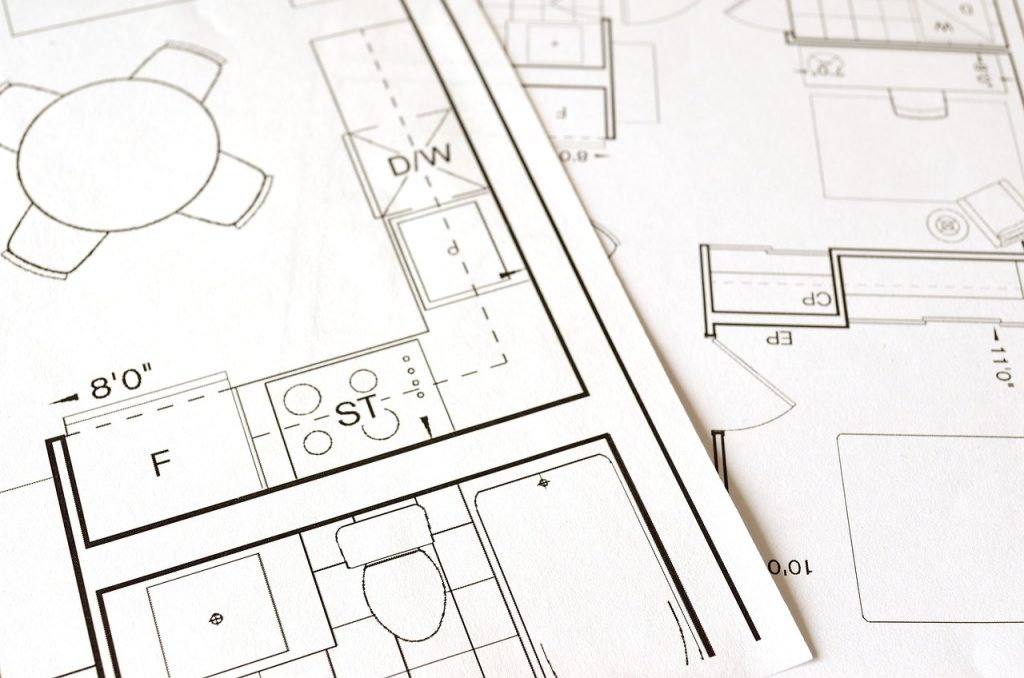
Copyright protects original works of authorship, such as architectural drawings, construction plans, and written specifications. In the construction industry, copyright can extend to various elements, including building designs, illustrations, and written materials. Copyright gives the author or creator exclusive rights to reproduce, distribute, display, and modify their work.
3.2 Patents
Patents are granted to inventors to protect new and useful inventions. In the construction industry, patents can be obtained for innovative construction methods, equipment, or tools that provide a novel solution to a technical problem. Patents give inventors the exclusive rights to manufacture, use, and sell their invention for a specific period, typically 20 years.
3.3 Trademarks
Trademarks are symbols, logos, names, or phrases used to identify and distinguish the goods and services of one company from those of others. In the construction industry, trademarks can include company names, logos, taglines, and product names. Trademark registration provides legal protection against unauthorized use and helps consumers identify and associate specific products or services with a particular company.
3.4 Trade Secrets
Trade secrets are confidential, valuable pieces of information that give a company a competitive advantage. In the construction industry, trade secrets can include proprietary construction methods, formulas, client lists, or bidding strategies. Unlike patents, trademarks, or copyrights, trade secrets are not publicly disclosed and remain protected as long as they are kept confidential.
4. Copyright Protection in Construction Projects
4.1 Original Works of Authorship
In construction projects, various original works of authorship are eligible for copyright protection. Architectural drawings, sketches, and blueprints, as well as written specifications and manuals, may all be subject to copyright. Copyright protection arises automatically upon creation, but registering the copyright can provide additional benefits, such as the ability to bring a lawsuit for infringement.
4.2 Ownership and Transfer of Copyrights
By default, the creator of a copyrighted work is the owner of the copyright. However, in the construction industry, ownership can be more complex. Employers often commission architects, engineers, and designers to create original works, and in such cases, the employer may own the copyright. It is crucial to have well-drafted agreements in place to clarify ownership and transfer of copyright for construction projects.
4.3 Duration of Copyrights
In the construction industry, copyright protection lasts for the life of the creator plus an additional 70 years. However, for works made for hire or certain anonymous or pseudonymous works, the duration is 95 years from the publication or 120 years from the creation, whichever is shorter. Understanding the duration of copyright protection is essential for determining the rights associated with the copyrighted work.
4.4 Infringement and Remedies
Copyright infringement occurs when someone copies, distributes, or displays a copyrighted work without permission from the owner. If infringement occurs in the construction industry, the copyright owner can seek legal remedies, including injunctions, damages, and attorney’s fees. Prompt action is crucial to address and prevent further infringement.
5. Patents in the Construction Industry
5.1 Patentable Inventions in Construction
In the construction industry, patentable inventions can range from innovative construction methods and materials to groundbreaking technology and equipment. Examples include new building materials, energy-efficient systems, and construction techniques that improve safety and productivity. To be eligible for a patent, an invention must be new, useful, and non-obvious.
5.2 Obtaining and Protecting Patents
Obtaining a patent involves an application process with the relevant patent office. Construction professionals seeking patent protection for their inventions must provide a detailed description of the invention and explain its unique features and advantages. It is essential to consult with a qualified intellectual property attorney to navigate the complex patent application process and ensure comprehensive protection of the invention.
Once a patent is granted, it is crucial to actively monitor and enforce patent rights to prevent unauthorized use or infringement. Regular patent searches and market surveillance can help identify potential infringements and enable the patent owner to take legal action to protect their rights.
5.3 Patent Infringement and Defenses
If someone infringes upon a patented invention in the construction industry, the patent owner has the right to bring a lawsuit seeking injunctive relief, damages, and potentially even royalties. Patents provide the patent owner with a strong legal position, but defending against claims of patent infringement can be complex. Qualified legal counsel can help navigate infringement disputes and develop robust defense strategies.
6. Trademarks and Branding in Construction
6.1 Importance of Trademarks in the Construction Industry
In the construction industry, trademarks play a vital role in establishing and protecting a company’s brand identity. Trademarks help consumers recognize and distinguish the goods and services of one company from those of competitors, fostering trust and loyalty. Strong trademarks can elevate a construction company’s reputation, increase market share, and contribute to long-term success.
6.2 Trademark Registration and Protection
Registering a trademark with the appropriate trademark office provides significant advantages and legal protection. Registered trademarks enjoy nationwide recognition and provide a clear legal basis for bringing infringement claims. Construction companies should carefully select distinctive names, logos, or slogans, conduct comprehensive trademark searches, and work with intellectual property attorneys to navigate the registration process.
6.3 Trademark Infringement and Enforcement
Trademark infringement occurs when someone uses a trademark that is confusingly similar to a registered mark, leading to consumer confusion. When trademark infringement happens in the construction industry, it is important to take swift action to protect the trademark’s integrity. Legal remedies for infringement include injunctive relief, damages, and the potential seizure or destruction of infringing goods.
Construction companies should monitor the marketplace for potential trademark infringement. Timely detection and enforcement can prevent reputational damage, financial losses, and the erosion of brand value.
7. Protection of Trade Secrets in Construction
7.1 Identifying and Protecting Trade Secrets
Trade secrets are valuable assets in the construction industry, as they can encompass a range of information, from proprietary construction methods to bidding strategies. Identifying and categorizing trade secrets within a construction company is crucial for their protection. Implementing security measures, such as restricted access to sensitive information and non-disclosure agreements, can help safeguard trade secrets from unauthorized disclosure or use.
7.2 Non-disclosure Agreements
Non-disclosure agreements (NDAs) are essential tools for protecting trade secrets in the construction industry. NDAs establish a confidential relationship between parties involved in a construction project and outline the terms under which sensitive information may be shared. By signing an NDA, individuals or companies agree to keep trade secrets confidential and face legal consequences for breaching the agreement.
7.3 Trade Secret Misappropriation and Remedies
Trade secret misappropriation occurs when someone acquires, uses, or discloses a trade secret without permission. If trade secret misappropriation occurs in the construction industry, the owner of the trade secret can seek legal remedies, including injunctive relief, damages, and attorney’s fees. Effective enforcement of trade secret rights is crucial to maintain a competitive advantage and protect a construction company’s valuable intellectual assets.
8. Intellectual Property Contracts in Construction
8.1 Licensing Agreements
Licensing agreements allow the owner of intellectual property rights to grant permission to another party to use their intellectual property in exchange for a fee or royalty. In the construction industry, licensing agreements may be used to allow the use of patented construction methods, copyrighted designs, or trademarks. These agreements outline the terms and conditions under which the license is granted, including restrictions and royalties.
8.2 Assignment Agreements
Assignment agreements transfer ownership of intellectual property rights from one party to another. In the construction industry, assignment agreements may be used when a construction company wants to acquire the rights to a patented invention or copyrighted work. These agreements formalize the transfer of rights and may include provisions regarding ongoing royalties or future obligations.
8.3 Joint Development Agreements
Joint development agreements are used when two or more parties collaborate on the creation or improvement of intellectual property. In the construction industry, joint development agreements may be used for jointly designing new construction methods or technology. These agreements outline the rights, responsibilities, and ownership arrangement between the parties involved in the joint development process.
9. Intellectual Property Disputes in Construction
9.1 Mediation and Alternative Dispute Resolution
In the event of an intellectual property dispute in the construction industry, mediation and alternative dispute resolution methods can offer a more cost-effective and expedient way to resolve conflicts. Mediation involves a neutral third party facilitating negotiations between the parties, while alternative dispute resolution methods, such as arbitration, provide a private and binding resolution process outside of court.
9.2 Litigation and Court Proceedings
If mediation or alternative dispute resolution methods fail to resolve an intellectual property dispute, litigation may become necessary. Construction companies involved in an intellectual property lawsuit should seek experienced intellectual property attorneys to navigate the complexities of court proceedings and present a strong legal case.
9.3 Remedies and Damages
In intellectual property disputes, remedies and damages depend on the nature and extent of the infringement or misappropriation. Potential remedies include injunctive relief to stop further infringement, damages to compensate for financial losses, and the destruction or recall of infringing goods. Intellectual property laws aim to provide appropriate remedies that address the harm caused and deter future infringements.
10. Intellectual Property Enforcement and Defense Strategies
10.1 Monitoring and Detecting Infringement
To effectively enforce intellectual property rights in the construction industry, companies should establish proactive monitoring and detection systems. Regular market surveillance, trademark searches, and patent searches can help identify potential infringements before they cause substantial harm. Companies should also consider monitoring online platforms, construction forums, and trade shows to spot potential infringements promptly.
10.2 Cease and Desist Letters
Cease and desist letters are an initial step in intellectual property enforcement. These letters inform alleged infringers of the intellectual property owner’s rights and demand that the infringing activity stops immediately. Cease and desist letters can be a cost-effective way to resolve disputes without resorting to litigation.
10.3 Infringement Lawsuits
When intellectual property infringements persist despite initial warnings, filing an infringement lawsuit may be necessary. Intellectual property owners should consult with experienced attorneys to evaluate the strength of their case and develop effective strategies for litigation. Lawsuits can be complex, time-consuming, and costly, but they can provide the opportunity to obtain substantial damages and protect intellectual property rights.
10.4 Defense Strategies
When faced with allegations of intellectual property infringement in the construction industry, it is crucial for companies to develop robust defense strategies. Consulting with skilled intellectual property attorneys can help construct strong defenses, such as challenging the validity of patents, demonstrating independent creation, or arguing fair use or a comparative defense. Constructing a defense strategy tailored to the specific circumstances of the case is essential for achieving a favorable outcome.
Are you facing a breach of construction contract? Don’t panic, help is just a phone call away. At [website name], we understand the frustration and confusion that can arise when there is a breach of contract in the construction industry. Our dedicated team of attorneys is ready to provide you with the guidance and reassurance you need during this challenging time. We will address your legal concerns directly, offering valuable advice and support. With our expertise, we will navigate through the complexities of your case and help you understand your rights. Don’t wait any longer – give us a call today and let us assist you in seeking the justice and resolution you deserve.
Construction contracts serve as legally binding agreements between parties involved in a construction project. They outline the rights, duties, and obligations of each party, ensuring that everyone is on the same page and the project progresses smoothly. These contracts not only provide a framework for the construction process but also protect the rights and interests of all parties involved.
Definition of Breach of Contract
A breach of contract occurs when one party fails to fulfill their obligations as outlined in the construction contract. It is a violation of the agreed-upon terms and conditions, potentially causing financial loss, delays, and disputes between the parties. Breaches can manifest in various ways, such as failing to complete the work on time, using substandard materials, or not complying with the specifications and requirements stated in the contract.
Lump Sum Contracts: This type of contract sets a fixed price for the entire construction project. The contractor agrees to complete the work for a specified amount, regardless of any unexpected costs or changes.
Cost Plus Contracts: In cost plus contracts, the contractor is reimbursed for the actual costs incurred during the construction, along with a predetermined fee. This fee can either be a fixed amount or a percentage of the total project cost.
Unit Price Contracts: Unit price contracts are based on the price per unit of work completed. The contract specifies the unit rates for various tasks, and the total cost is derived by multiplying the rates with the quantities of work completed.
Time and Materials Contracts: This type of contract is commonly used for projects with uncertain scope or duration. The contractor is reimbursed for the actual cost of materials, labor, and equipment, along with a fixed markup or profit.
Importance of Construction Contracts
Construction contracts are of paramount importance for several reasons. Firstly, they establish clear expectations and responsibilities for all parties involved in the project. This helps minimize misunderstandings and disputes, ensuring that everyone knows what is expected of them.
Secondly, construction contracts provide legal protection for both parties in case of a breach. The contract acts as a reference point to resolve conflicts, determining liability, and guiding the course of action.
Furthermore, contracts enable effective risk allocation among the parties. By clearly outlining the risks borne by each party, it becomes easier to manage and mitigate potential issues that may arise during the construction process.
Common Causes of Breach of Construction Contract
Despite the importance of construction contracts, breaches can still occur due to various factors. Some common causes include:
Failure to Complete the Work on Time: Delays in construction projects can lead to breaches of contract. If the agreed-upon deadline is not met without valid reasons or proper communication, it can significantly affect the progress and costs of the project.
Defective Work or Substandard Materials: Construction contracts often include specifications and quality standards that need to be met. If the work performed or the materials used do not comply with these standards, it can constitute a breach.
Non-payment or Late Payment: Payment disputes are a prevalent cause of breaches in construction contracts. If the owner fails to make timely payments as per the agreed terms, it can disrupt the contractor’s cash flow and hinder their ability to fulfill their obligations.
Changes in Scope or Specifications: Changes to the original scope of work or specifications can lead to contract breaches if not properly addressed. Any modifications should be documented, and the parties must agree upon the corresponding adjustments to the contract terms and compensation.
Legal Consequences of Breach of Construction Contract
When a breach of construction contract occurs, the innocent party has legal remedies available to them. These may include:
Damages: The innocent party may seek monetary damages to compensate for any harm or losses suffered as a result of the breach. The damages awarded can cover direct costs, such as repairs, as well as indirect costs, such as lost profits or additional expenses incurred due to the breach.
Specific Performance: In certain cases, the innocent party may seek a court order requiring the breaching party to fulfill their contractual obligations as originally agreed. This remedy is usually sought when monetary damages are insufficient to remedy the breach.
Termination of the Contract: If the breach is substantial and makes it impossible to continue with the project, the innocent party may have the right to terminate the contract. This allows them to seek damages and potentially recover any costs associated with finding a replacement contractor.
Resolving a Breach of Construction Contract
Resolving a breach of construction contract often involves a series of steps to ensure a fair and reasonable outcome:
Communication and Negotiation: In many cases, breaches can be resolved through open communication and negotiation between the parties. It is important to clearly outline the breach and its impact and attempt to reach an amicable solution.
Mediation and Alternative Dispute Resolution: If direct negotiation fails, mediation or alternative dispute resolution methods can be utilized. A neutral third party can assist in facilitating discussions and help the parties find a mutually acceptable resolution.
Litigation: When all other avenues fail, the innocent party may choose to pursue legal action through litigation. This involves filing a lawsuit and presenting the case in court. Legal proceedings can be complex and time-consuming, so it is advisable to seek legal assistance to navigate through this process efficiently.
Seeking Legal Assistance for Breach of Construction Contract
Legal assistance is crucial when dealing with a breach of construction contract. An experienced construction contract attorney can provide guidance and representation throughout the process. They can assess the situation, determine the best course of action, and advocate for your rights and interests.
If you believe you have experienced a breach of construction contract or have legal concerns regarding your construction project, it is essential to seek legal assistance promptly. An attorney specializing in construction law can evaluate your case, provide reassurance, and guide you through the necessary steps to protect your rights and seek appropriate remedies.
Conclusion
Breach of construction contract can have significant consequences for all parties involved in a construction project. By understanding the importance of construction contracts, the types of contracts, and the potential causes and consequences of breaches, individuals can strive to prevent breaches or properly address them when they occur. Seeking legal assistance promptly and taking proactive steps to resolve breaches can help protect one’s rights, interests, and financial well-being in construction projects.
Are you aware of construction accident liability? It’s essential to understand your rights and the legal implications if you or someone you know has been involved in a construction accident. In this article, we will delve into common legal concerns, providing reassurance and guidance in addressing construction accident liability. By incorporating important information and creating emotional connections, we aim to help you navigate through these challenging situations. Remember, if you require further assistance, do not hesitate to reach out to the attorney listed on the website.
Construction accidents can occur due to various factors and can result in serious injuries or even fatalities. It is essential to understand the common causes of these accidents to prevent them from happening in the first place. Here are some of the most common causes of construction accidents:
Falls from heights
Falls from heights are one of the leading causes of construction site accidents. Construction workers often have to work on elevated platforms, scaffolding, and ladders, making them vulnerable to falls. Lack of proper fall protection, inadequate safety barriers, or improper use of safety equipment can increase the risk of falls from heights.
Scaffolding collapses
Scaffolding collapses can cause significant injuries to construction workers. Poorly constructed or maintained scaffolding, improper assembly, or overloading can lead to structural failures and collapses. It is crucial to ensure that scaffolding is erected and maintained correctly to prevent accidents.
Electrocution accidents
Construction sites often involve electrical equipment and wiring, which can pose a threat to workers’ safety. Electrocution accidents can occur due to faulty wiring, lack of grounding, or improper handling of electrical equipment. Adherence to electrical safety regulations and proper training can help prevent such accidents.
Falling objects
Construction sites are busy and bustling with activities, making them prone to falling objects. Tools, equipment, or materials dropped from heights can cause serious injuries to workers below. Implementing safety measures such as barricades, tool tethering systems, and wearing hard hats can minimize the risk of falling object accidents.
Machinery malfunctions
Construction sites rely heavily on machinery and equipment, such as cranes, bulldozers, and forklifts. Malfunctions or equipment failures can lead to accidents and injuries. Regular maintenance, inspections, and proper training in equipment operation can help prevent machinery-related accidents.
Trench collapses
Working in trenches and excavations can be hazardous if proper precautions are not taken. Trench collapses can occur due to unstable soil, inadequate shoring, or failure to implement safety measures. Following proper excavation procedures, installing protective systems, and conducting regular inspections are essential to prevent such accidents.
Crane accidents
Crane accidents can have devastating consequences on construction sites. Accidents may occur due to crane collapses, contact with power lines, or improper use of cranes. Thorough training, regular inspections, and adherence to safety protocols are crucial to prevent crane accidents.
Faulty equipment or tools
Defective equipment or tools can pose serious risks to construction workers. Malfunctioning power tools, faulty safety features, or inadequate maintenance can lead to accidents. Regular inspections, quality control procedures, and prompt repairs or replacements can help prevent accidents caused by faulty equipment.
Unsafe working conditions
Unsafe working conditions encompass various factors, including inadequate lighting, lack of ventilation, poor housekeeping, or improper storage of materials. These conditions can increase the risk of accidents and injuries. Regular inspections, maintenance, and implementing safety guidelines can improve working conditions and prevent accidents.
Negligence
Negligence on the part of employers, contractors, or other parties involved can contribute to construction accidents. Failure to provide proper training, inadequate supervision, or disregard for safety regulations can lead to accidents. It is crucial for all parties involved to prioritize safety and take necessary precautions to prevent negligence-related accidents.
By understanding and addressing these common causes of construction accidents, steps can be taken to minimize risks and ensure the safety of construction workers.
Understanding Construction Accident Liability
Construction accidents can result in devastating injuries and significant financial burdens for the victims. In many cases, the injured parties may be entitled to compensation for their damages. However, understanding construction accident liability is essential to determine who may be held responsible for the injuries sustained.
Legal Definition of Liability
In legal terms, liability refers to the legal responsibility for one’s actions or omissions that result in harm or damages to another party. In the context of construction accidents, liability generally revolves around a breach of the duty of care owed to workers and others present on the construction site.
Determining Liability in Construction Accidents
Determining liability in construction accidents can be complex due to the involvement of multiple parties, including contractors, subcontractors, property owners, equipment manufacturers, architects, engineers, and even employers. Each party may have varying degrees of responsibility depending on their involvement in the project and their actions or inactions that contributed to the accident.
The Role of Negligence in Construction Accident Liability
Negligence plays a significant role in construction accident liability. To establish negligence, it must be proven that a party owed a duty of care, breached that duty, and the breach of duty directly caused the accident and resulting injuries. Negligence can occur due to actions taken or not taken by the responsible party.
Contractor and Subcontractor Liability
Contractors and subcontractors are often heavily involved in construction projects and can potentially be held liable for accidents and injuries that occur under their supervision. They have a duty to ensure a safe working environment, provide proper training, and adhere to safety regulations. If they fail to fulfill these obligations, they may be held accountable for resulting accidents and injuries.
Liability of Property Owners
Property owners also have a duty to maintain a safe premises for construction activities. They must identify and rectify potential hazards, implement safety measures, and warn workers of any known dangers. Failure to fulfill these duties can result in liability if accidents occur on their property.
Liability of Equipment Manufacturers
Equipment manufacturers may bear responsibility if accidents occur due to defects in the equipment they produce. Manufacturers have a duty to design and produce equipment that is safe for its intended use. If a defect is found to have caused an accident, the manufacturer may be held liable for resulting injuries.
Liability of Architects and Engineers
Architects and engineers play a crucial role in designing and planning construction projects. If accidents occur due to design flaws or errors, architects and engineers may be held liable for resulting injuries. They must exercise due diligence, ensure structural integrity, and incorporate safety features into their designs to prevent accidents.
Employer Liability in Construction Accidents
In many cases, employers can be held liable for construction accidents and injuries suffered by their employees. Employers have a legal obligation to provide a safe working environment, ensure proper training and supervision, and implement safety protocols. Failure to fulfill these obligations can lead to employer liability for accidents that occur on the job.
Third-Party Liability
Apart from contractors, subcontractors, property owners, and equipment manufacturers, other parties involved in a construction project can also be held liable for accidents. This may include architects, engineers, suppliers, leasing companies, and more. Determining third-party liability requires a thorough investigation of the circumstances surrounding the accident.
Workers’ Compensation and Construction Accidents
Workers’ compensation insurance typically provides coverage for injuries sustained on the job, including construction accidents. In many cases, workers’ compensation benefits are the primary avenue for injured workers to seek compensation for their injuries. However, this does not prevent them from pursuing other types of legal claims against liable parties.
Understanding construction accident liability is crucial for victims seeking compensation for their injuries. Identifying the responsible parties and determining the extent of their liability requires a thorough investigation and legal analysis.
Proving construction accident liability is a critical step in obtaining compensation for injuries and damages sustained. Gathering the necessary evidence and building a strong case is essential for holding the responsible party accountable. Here are some key steps and factors involved in proving construction accident liability:
Gathering Evidence
Collecting evidence is vital in establishing liability in a construction accident case. This may include photographs, videos, accident reports, witness statements, medical records, and any other relevant documentation. The more comprehensive and compelling the evidence, the stronger the case becomes.
Photographic Documentation
Photographs can provide essential visual evidence of the scene, injuries, and any unsafe conditions that contributed to the accident. Detailed photographs should be taken from various angles to capture the accident site, equipment, tools, safety measures, and any visible hazards.
Eyewitness Testimonies
Eyewitness testimonies can provide valuable insights into the events leading up to the accident. Witness statements can help establish facts, corroborate evidence, and provide additional perspectives on the accident.
Expert Witnesses
Expert witnesses, such as safety experts, engineers, or medical professionals, can provide specialized knowledge and opinions regarding the accident. Their expertise can help establish causation, identify safety violations, and assess the extent of injuries.
Worksite Investigation
A thorough investigation of the accident site is crucial to gather evidence and identify potential hazards or safety violations. Investigative teams may include attorneys, experts, and accident reconstruction specialists who can conduct a comprehensive analysis of the accident site.
Reviewing Construction Records
Reviewing construction records, including design plans, permits, inspection reports, and maintenance records, can provide valuable insights into the project’s history. These records can help establish negligence, safety violations, or any previous warnings or issues related to the construction site.
Reviewing Safety Procedures and Compliance
Examining safety procedures and compliance with safety regulations is vital in determining liability. Non-compliance with safety protocols, inadequate training, or lack of proper safety measures can contribute to accidents and injuries.
Analysis of OSHA Regulations
The Occupational Safety and Health Administration (OSHA) sets specific regulations and standards for construction sites to ensure worker safety. Analyzing OSHA regulations and determining if violations occurred can strengthen a case and establish liability.
Determining Compliance with Building Codes
Building codes and regulations address safety requirements for construction projects. Assessing compliance with building codes can help determine if improper construction practices or design contributed to the accident and resulting injuries.
Medical Records and Expert Testimonies
Medical records, including diagnoses, treatment plans, and expert medical opinions, are crucial in establishing the extent of injuries and their impact on the victim’s life. Expert testimonies from medical professionals can provide insights into the long-term effects of the injuries and help determine the appropriate compensation.
Proving construction accident liability requires a comprehensive and methodical approach. By gathering and analyzing the necessary evidence, victims can build a strong case and seek the compensation they deserve.
Compensation for Construction Accident Victims
Construction accidents can result in significant physical, emotional, and financial hardships for the victims. Compensation for construction accident victims aims to provide relief and support for the damages they have suffered. Here are some types of compensation that injured parties may be entitled to:
Medical Expenses
Victims of construction accidents often incur substantial medical expenses, including emergency medical care, hospitalization, surgeries, medications, rehabilitation, and ongoing treatments. Compensation should cover all reasonable and necessary medical costs related to the injuries sustained.
Lost Wages and Loss of Earning Capacity
Construction accidents can result in temporary or permanent disability, preventing victims from working and earning a living. Compensation can include reimbursement for lost wages during recovery and future earning capacity if the injuries have long-term or permanent effects on the victim’s ability to work.
Pain and Suffering
Physical pain, emotional distress, and the overall impact of the accident on the victim’s quality of life can be compensated through pain and suffering damages. This type of compensation aims to address the non-economic losses experienced by the victim.
Disability and Disfigurement
Construction accidents can result in disabilities or disfigurement that have a lasting impact on the victim’s life and self-esteem. Compensation for disability and disfigurement seeks to address the physical and emotional consequences of such injuries.
Emotional Distress
The emotional toll of a construction accident can be significant, leading to anxiety, depression, post-traumatic stress disorder (PTSD), or other mental health issues. Compensation can cover the necessary therapy, counseling, or treatment needed to recover from the emotional distress caused by the accident.
Loss of Enjoyment of Life
If the injuries from a construction accident significantly limit the victim’s ability to engage in activities they once enjoyed, compensation may be awarded for the loss of enjoyment of life. This aims to restore some measure of quality of life and compensate for the inability to pursue previous hobbies, interests, or activities.
Wrongful Death
In cases where a construction accident results in a fatality, the surviving family members may be entitled to compensation through a wrongful death claim. This can include compensation for funeral expenses, loss of financial support, loss of companionship, and other damages resulting from the loss of a loved one.
The specific types and amounts of compensation available in construction accident cases can vary depending on the circumstances and applicable laws. Seeking legal representation from an experienced construction accident attorney is crucial to ensure fair compensation for the injuries and damages suffered.
Statute of Limitations for Construction Accident Claims
Understanding the statute of limitations is essential for individuals seeking to file a construction accident claim. The statute of limitations sets a time limit within which a claim must be filed to be considered valid. It is essential to be aware of the time limitations imposed by the law to protect your rights and ensure timely pursuit of your claim.
Understanding Statute of Limitations
The statute of limitations for construction accident claims varies depending on the jurisdiction and the type of claim being filed. Each state has its own laws governing the time limits for filing personal injury claims, including those arising from construction accidents. Generally, the statute of limitations can range anywhere from one to six years.
Exceptions to Statute of Limitations
Some exceptions may exist that can extend or toll the statute of limitations in certain construction accident cases. For example, the discovery rule allows the statute of limitations to begin from the date the injury was discovered or should have reasonably been discovered. Minors or individuals with mental incapacities at the time of the accident may be granted extensions as well.
Tolling of the Statute of Limitations
The tolling of the statute of limitations refers to situations where the time limit is temporarily suspended or paused. This can occur if the injured party is a minor at the time of the accident or if the responsible party leaves the jurisdiction, making it impossible to file a claim.
Importance of Timely Filing
Failing to file a construction accident claim within the statute of limitations can result in the loss of the right to seek compensation. Therefore, it is crucial to consult with an attorney promptly after an accident to ensure that all necessary legal actions are taken within the prescribed time limits.
Reaching Out to an Attorney
If you or a loved one has been involved in a construction accident, it is in your best interest to consult with an experienced construction accident attorney as soon as possible. An attorney can guide you through the legal process, ensure timely filing, and protect your rights throughout the claim process.
Steps to Take After a Construction Accident
Experiencing a construction accident can be a traumatic and overwhelming experience. Knowing the steps to take immediately after the accident is crucial to protect your health, safety, and legal rights. Here are some important steps to follow after a construction accident:
Seek Immediate Medical Attention
Your health and well-being should be the top priority after a construction accident. Seek immediate medical attention, even if you believe your injuries are minor. Some injuries may not be immediately apparent, and prompt medical evaluation can help identify and address any underlying issues.
Report the Accident
It is important to report the construction accident to your employer or supervisor as soon as possible. Ensure that an official accident report is filed, documenting the details of the incident. This report will serve as essential documentation for any future legal claims.
Document the Scene and Injuries
If you are physically able, document the accident scene and your injuries as thoroughly as possible. Take photographs or videos of the construction site, equipment, safety measures, and any visible hazards. Also, document your injuries through photographs, noting any visible wounds, bruises, or other physical damages.
Preserve Evidence
Preserve any potential evidence related to the construction accident. This may include damaged equipment, tools, safety gear, or any other items that may have contributed to the accident. Preserving evidence can be crucial in establishing liability and proving your case later on.
Notify Relevant Parties
In addition to reporting the accident to your employer, it may be necessary to notify other relevant parties, such as insurance companies, contractors, or property owners. Ensure that all necessary parties are aware of the accident and your intention to seek legal recourse if appropriate.
Consult with an Attorney
Contacting a construction accident attorney is a critical step to protect your legal rights and navigate the complexities of the legal process. An attorney can provide guidance, evaluate the merits of your case, and help determine the best course of action moving forward.
Follow Medical Recommendations
Adhere to all medical recommendations and treatment plans provided by your healthcare providers. Attend all scheduled medical appointments, follow prescribed therapies, and take any prescribed medications as directed. Demonstrating compliance with medical recommendations strengthens your case and demonstrates the seriousness of your injuries.
Keep a Record of All Expenses
Keep a detailed record of all medical expenses, including bills, receipts, and any other related documentation. Additionally, document any other expenses resulting from the accident, such as transportation costs, home modifications, or other out-of-pocket costs. This documentation will be crucial in seeking compensation later on.
Avoid Discussing the Accident on Social Media
Be cautious about posting any information or discussing the accident on social media platforms. Insurance companies and opposing parties may use your social media posts against you. It is best to refrain from sharing details about the accident or your injuries until after the legal process is complete.
Following these steps can help protect your rights, preserve evidence, and ensure a smoother legal process for seeking compensation for your construction accident injuries.
Hiring a Construction Accident Attorney
Hiring an experienced construction accident attorney is crucial in pursuing a successful claim and obtaining fair compensation for your injuries. Here are some important factors to consider when choosing a construction accident attorney:
Importance of Legal Representation
Construction accident cases can be complex, involving multiple parties, intricate liability issues, and extensive investigation and evidence gathering. Having a knowledgeable attorney by your side ensures that your rights are protected, and your case is handled professionally.
Experience and Expertise
Choose an attorney with extensive experience in handling construction accident cases. Look for attorneys who specialize in personal injury law and have a track record of successfully handling construction accident claims.
Case Evaluation and Legal Advice
A reliable attorney will provide a free initial consultation to evaluate your case. During this consultation, the attorney will assess the merits of your claim, explain your legal rights, and provide guidance on the best course of action.
Investigation and Evidence Collection
An experienced construction accident attorney understands the importance of a thorough investigation and evidence collection. They will employ investigative resources and work with experts to gather all the necessary evidence to build a strong case.
Negotiation with Insurance Companies
Insurance companies are known for attempting to settle claims for as little as possible. A skilled attorney will negotiate with insurance companies on your behalf to ensure you receive fair compensation for your injuries and losses.
Litigation and Trial Experience
While most personal injury cases are settled out of court, having an attorney with trial experience is essential. If a fair settlement cannot be reached, an experienced trial attorney can effectively advocate for your rights and present your case in court.
Contingency Fee Basis
Many construction accident attorneys work on a contingency fee basis. This means that you do not have to pay any upfront fees, and the attorney only receives payment if they successfully recover compensation for you. This arrangement allows access to legal representation without adding financial burdens.
Client Testimonials and Success Stories
Review client testimonials and success stories to gain insights into an attorney’s track record and the experiences of their past clients. Look for attorneys who are highly recommended and have a proven record of achieving favorable outcomes for their clients.
Prompt Action is Crucial
Construction accident claims have time limitations, and delay in seeking legal assistance can result in the loss of your right to seek compensation. It is crucial to take prompt action and consult with an attorney as soon as possible after the accident.
By carefully selecting a construction accident attorney, you can ensure that your legal rights are protected, and you have the best chance of obtaining fair compensation for your injuries.
Preventing Construction Accidents
Preventing construction accidents is essential for maintaining the safety of construction workers and ensuring a productive work environment. Here are some important strategies and measures that can help prevent construction accidents:
Importance of Safety Training
Proper safety training is crucial for all workers involved in construction projects. Employers should provide comprehensive safety training programs to ensure that workers understand the potential hazards and know how to identify and mitigate risks.
Proper Use of Personal Protective Equipment (PPE)
Personal protective equipment (PPE) such as hard hats, safety goggles, gloves, and safety harnesses can protect workers from various hazards on construction sites. Employers should provide appropriate PPE and train workers on its proper use and maintenance.
Regular Equipment Inspections and Maintenance
Regular inspections and maintenance of equipment and tools are essential to identify any potential defects or malfunctions. Routine inspections help ensure the safe and reliable operation of equipment, reducing the risk of accidents.
Appropriate Staffing and Supervision
Adequate staffing levels and proper supervision are critical to managing construction sites effectively. Insufficient staffing or inadequate supervision can lead to increased risks and unsafe work practices.
Constant Communication and Safety Briefings
Effective communication between workers, supervisors, and management is vital for maintaining a safe work environment. Regular safety briefings can reinforce safety protocols, address any concerns, and provide updates on potential hazards.
Implementing Safety Policies and Procedures
Establishing and enforcing comprehensive safety policies and procedures is crucial in preventing construction accidents. These policies should address proper equipment operation, hazard identification, emergency response protocols, and other critical safety measures.
Regular Safety Audits and Inspections
Regular safety audits and inspections help identify potential hazards, evaluate compliance with safety regulations, and ensure that safety protocols are being followed. These audits should be conducted by knowledgeable individuals and should address all aspects of safety on the construction site.
Reporting and Investigating Near Misses
Near misses, incidents where accidents were narrowly avoided, should be reported and thoroughly investigated. Learning from near misses can help identify areas for improvement and prevent future accidents.
Creating a Culture of Safety
Promoting a culture of safety within the construction industry is essential. Employers, workers, and all parties involved should prioritize safety, encourage reporting of safety concerns, and actively work towards creating a safe work environment.
Continuous Improvement and Training
Construction industry best practices, safety regulations, and technology are constantly evolving. Employers should stay updated on the latest safety standards, provide continuous training, and encourage ongoing education for workers.
By implementing these strategies and prioritizing safety, construction companies can significantly reduce the risk of accidents, protect their workers, and create a safer work environment.
Frequently Asked Questions about Construction Accident Liability
Construction accident liability can be complex, and it is common for individuals to have questions about their rights and legal options. Here are some frequently asked questions and their answers regarding construction accident liability:
Who can be held liable for a construction accident?
Multiple parties can potentially be held liable for a construction accident, including contractors, subcontractors, property owners, equipment manufacturers, architects, engineers, and employers. Liability depends on the specific circumstances of the accident and the party’s involvement in the project.
What should I do if I am injured in a construction accident?
If you are injured in a construction accident, seek immediate medical attention and report the accident to your employer or supervisor. Document the scene, preserve evidence, and consult with an experienced construction accident attorney to protect your rights and explore your legal options.
How long do I have to file a claim for a construction accident?
The statute of limitations for construction accident claims varies depending on the jurisdiction and the type of claim being filed. It is essential to consult with an attorney promptly to understand the specific time limits for your case and ensure timely filing.
What compensation am I entitled to for my construction accident injuries?
The compensation you may be entitled to depends on the specific circumstances of your case, the extent of your injuries, and applicable laws. Compensation may include medical expenses, lost wages, pain and suffering, disability, emotional distress, and other damages.
Can I file a lawsuit if I am eligible for workers’ compensation benefits?
In many cases, individuals who are eligible for workers’ compensation benefits can still pursue a personal injury lawsuit against third parties who may be liable for the construction accident. Workers’ compensation benefits cover medical expenses and a portion of lost wages, but they may not fully compensate the victim for all damages.
What happens if the construction company or contractor is no longer in business?
If the responsible party, such as the construction company or contractor, is no longer in business, it may still be possible to pursue compensation through other avenues. This may involve filing a claim against insurance policies, pursuing claims against other potentially liable parties, or seeking compensation from a bankruptcy estate.
Can I sue for a construction accident if I was partially at fault?
Even if you were partially at fault for a construction accident, you may still be entitled to compensation. The concept of comparative negligence may reduce the amount of compensation you can recover, but it does not necessarily bar you from seeking compensation altogether.
How much does hiring a construction accident attorney cost?
Many construction accident attorneys work on a contingency fee basis, meaning they only collect a fee if they are successful in recovering compensation for you. The specific fee structure and percentage may vary, so it is important to discuss this with your attorney during the initial consultation.
What is the average settlement for a construction accident claim?
The average settlement amount for construction accident claims can vary significantly depending on the specific circumstances, the severity of injuries, and other factors. It is not possible to provide an accurate average settlement amount without a thorough evaluation of the individual case.
What is the difference between workers’ compensation and a personal injury lawsuit for a construction accident?
Workers’ compensation is a type of insurance that provides benefits to employees who are injured at work. It generally covers medical expenses and a portion of lost wages, without requiring the injured party to prove fault. A personal injury lawsuit, on the other hand, is a legal claim filed against potentially liable parties seeking compensation for all damages suffered, including pain and suffering, lost wages, and other losses.
Conclusion
Construction accidents can have devastating consequences for workers and their families. Understanding construction accident liability, taking appropriate steps after an accident, and seeking legal representation are essential for protecting your rights and obtaining fair compensation. By prioritizing safety, promoting a culture of safety, and implementing preventive measures, construction accidents can be minimized. If you have been involved in a construction accident, do not hesitate to take action and seek legal assistance promptly. By working with an experienced construction accident attorney, you can navigate the legal process with confidence and maximize your chances of a favorable outcome. Protect your rights, obtain fair compensation, and take action today.
Imagine you’re in the midst of a construction project. Things seem to be going smoothly until suddenly, you face an unexpected setback or dispute with your insurance claim. It can be overwhelming, and you might find yourself unsure of what steps to take next. That’s where construction law insurance claims come into play. In this article, we’ll address common legal concerns related to construction law insurance claims, providing reassurance, guidance, and important information to help you navigate through this often complex process. Let us help you understand your rights, protect your interests, and find the next best steps to seek the assistance you need promptly.
1. Understanding Construction Law Insurance Claims
Construction projects can be complex, involving multiple parties and a variety of risks. When disputes or issues arise, it’s crucial to understand the role of insurance in construction law. Construction law insurance claims help protect contractors, owners, and other stakeholders from financial losses due to property damage, bodily injury, delays, defective workmanship, and other unforeseen circumstances.
Insurance policies specifically tailored for the construction industry provide coverage for various types of claims, ensuring that parties involved are protected from potential liabilities. However, understanding the different types of construction law insurance claims, the steps involved in filing a claim, and common challenges that may arise is essential for navigating the claims process effectively.
In this article, we will explore the various types of construction law insurance claims, steps to file a claim, common challenges, the importance of hiring an attorney, the role of experts, recent trends in construction law insurance claims, key considerations in settling claims, and important legal terminologies. By gaining a comprehensive understanding of construction law insurance claims, you can protect your interests and make informed decisions throughout the claims process.
One of the most common types of construction law insurance claims involves coverage for property damage. Construction projects often involve extensive use of heavy machinery, excavation, and construction materials, which increases the risk of accidental damage to property. Construction law insurance policies generally provide coverage for property damage caused by construction activities, ensuring that the responsible parties are protected from financial losses.
2.2 Coverage for Bodily Injury
Construction sites can be hazardous, with numerous potential risks for workers, visitors, and bystanders. Insurance claims related to bodily injury are designed to provide coverage for medical expenses, lost wages, and other damages resulting from injuries sustained on a construction site. Whether it’s a slip and fall accident, a falling object, or a machinery-related injury, construction law insurance aims to protect the injured parties and provide compensation for their losses.
2.3 Coverage for Delay or Disruption
Construction projects are often subject to delays or disruptions due to unforeseen circumstances such as severe weather, labor disputes, or material shortages. Insurance policies for construction delays or disruptions help cover the additional expenses incurred and any resulting financial losses. This coverage ensures that project owners and contractors are protected from the financial consequences of unexpected delays.
2.4 Coverage for Defective Workmanship
Construction projects involve numerous parties, and sometimes the quality of work may not meet the expected standards. Claims related to defective workmanship arise when the completed construction work does not comply with the agreed-upon specifications or industry standards. Insurance coverage for defective workmanship provides protection against financial losses resulting from the need to rectify or redo the work.
2.5 Coverage for Design Errors
Design errors can have significant implications on the success and integrity of a construction project. Construction law insurance claims related to design errors provide coverage for losses resulting from errors or omissions in the project’s design phase. This insurance safeguards project owners and contractors from financial liabilities arising from design flaws and the need for rework.
2.6 Coverage for Contractual Liabilities
Construction projects involve contractual agreements between various parties, including owners, contractors, subcontractors, and suppliers. Insurance coverage for contractual liabilities protects the insured parties from financial losses resulting from breaches of contract, failure to perform contractual obligations, or disputes related to contract terms and conditions.
2.7 Coverage for Environmental Claims
Construction projects can have environmental implications, and claims related to environmental damages or violations are becoming increasingly common. Insurance coverage for environmental claims provides protection for costs associated with environmental remediation, pollution control, or legal actions resulting from environmental damages caused by construction activities.
2.8 Coverage for Professional Negligence
Professional negligence claims arise when architects, engineers, or other construction professionals fail to meet the expected standard of care, resulting in financial losses for the project owner or other parties involved. Insurance coverage for professional negligence ensures that professionals in the construction industry are protected from liabilities arising from errors or omissions in their professional services.
2.9 Coverage for Subcontractor Default
Construction projects often involve subcontractors who perform specific tasks or provide specialized services. Subcontractor default insurance offers protection against financial losses resulting from the non-performance or default of subcontractors. This coverage ensures that project owners and contractors are safeguarded from the potential financial consequences of subcontractor failures.
2.10 Coverage for Builders’ Risk
Builders’ risk insurance provides coverage for property damage or loss during the construction phase. This insurance protects the project owner, contractor, and other parties with an insurable interest in the construction project. Builders’ risk coverage typically includes protection against fire, theft, vandalism, and other risks that may occur during construction.
By understanding the different types of construction law insurance claims, you can better assess your insurance needs and ensure you have adequate coverage for potential risks. Now let’s explore the steps involved in filing a construction law insurance claim.
3. Steps to File a Construction Law Insurance Claim
Filing a construction law insurance claim involves a systematic and thorough process to ensure that all necessary information is documented and communicated to the insurer. By following these steps, you can increase the chances of a successful claim resolution.
3.1 Identify the Insurance Policy
The first step in filing a construction law insurance claim is to identify the relevant insurance policy. Review your insurance documents and contracts to determine the coverage applicable to the specific claim. It’s important to understand the terms, conditions, limits, and exclusions of your policy to ensure you are eligible to file a claim.
3.2 Notify the Insurer
Once you have identified the appropriate insurance policy, promptly notify the insurer about the claim. Provide all relevant details regarding the incident, including the date, time, location, parties involved, and a brief description of the damages or injuries. Timely notification is crucial as insurance policies often have specific requirements regarding the timeframe for reporting claims.
3.3 Document the Loss
To support your claim, thoroughly document the loss or damages. Take photographs or videos of the affected property, record witness statements if applicable, and gather any other evidence that can substantiate your claim. Detailed documentation strengthens your case and provides a clear record of the damages or injuries incurred.
3.4 Gather Evidence and Documentation
In addition to documenting the loss, gather all relevant evidence and documentation related to the claim. This may include incident reports, medical records, repair estimates, invoices, contracts, and any other supporting documents. Organize these documents systematically to present a comprehensive claim to the insurer.
3.5 Cooperate with the Insurer
Cooperation with the insurer is essential throughout the claims process. Provide all requested information, promptly respond to inquiries, and cooperate with any investigations or assessments conducted by the insurer. Failure to cooperate may result in delayed claim resolution or even denial of the claim.
3.6 Consult with Legal Counsel
Depending on the complexity and potential risks involved in your claim, it may be advisable to consult with a construction law attorney specialized in insurance claims. An experienced attorney can provide guidance, review the insurance policy and your claim documentation, and help you navigate through any legal complexities.
3.7 Negotiate the Claim
Once the insurer has reviewed your claim, they may present a settlement offer. It’s important to carefully evaluate the offer and assess whether it adequately covers your losses. If necessary, negotiate with the insurer to achieve a fair and equitable resolution. Legal representation can be invaluable during the negotiation process, ensuring your rights are protected and maximizing your chances of a favorable outcome.
3.8 Prepare for Alternative Dispute Resolution or Litigation
In some cases, disputes may arise during the claims process, and alternative dispute resolution methods such as mediation or arbitration may be necessary to resolve the differences. If these methods fail or are not appropriate in your situation, litigation may be required. Proper preparation for alternative dispute resolution or litigation may involve gathering additional evidence, engaging expert witnesses, and developing a strong legal strategy with the assistance of your attorney.
3.9 Understand the Statutory Limitations Period
It’s crucial to be aware of the statutory limitations period applicable to your claim. The limitations period sets the timeframe within which a claim must be filed, failing which it may be permanently barred. Consult with your attorney to understand the limitations period specific to your jurisdiction and ensure your claim is filed within the applicable timeframe.
3.10 Be Aware of Potential Pitfalls
Throughout the claims process, it’s important to be aware of potential pitfalls that may jeopardize your claim. This includes avoiding unnecessary delays in reporting the claim, maintaining accurate and detailed documentation, diligently cooperating with the insurer, and seeking professional legal advice when needed. By navigating the claims process carefully and avoiding common pitfalls, you can maximize your chances of a successful construction law insurance claim.
Now that we have discussed the steps involved in filing a construction law insurance claim, let’s explore some common challenges that individuals and businesses may encounter during the process.
4. Common Challenges in Construction Law Insurance Claims
Filing a construction law insurance claim is not always a straightforward process. Various challenges can arise that may complicate or delay the resolution of your claim. By understanding these challenges, you can proactively address them and increase your chances of a successful outcome.
4.1 Denied or Underpaid Claims
One of the most significant challenges in construction law insurance claims is the denial or underpayment of claims by insurers. Insurers may dispute the coverage, argue that the damages or losses are not within policy limits, or interpret policy provisions in a manner unfavorable to the claimant. Denied or underpaid claims can significantly impact project owners, contractors, and other parties involved.
If your claim is denied or underpaid, it is essential to carefully review the denial letter or explanation of benefits provided by the insurer. Consult with a construction law attorney who can assess the situation, identify any potential errors or discrepancies, and help you navigate the appeals process or take legal action if necessary.
4.2 Policy Exclusions and Limitations
Understanding the policy exclusions and limitations is essential to avoid potential gaps in coverage. Insurance policies often contain specific exclusions that may prevent coverage for certain types of damages or losses. For example, certain environmental damages, intentional acts, or damages resulting from faulty workmanship may be excluded.
Thoroughly review your insurance policy to understand the scope of coverage and any specific exclusions that may impact your claim. Working with an experienced attorney can help you interpret the policy language and assess whether the exclusions or limitations are valid or can be challenged.
4.3 Disputes over Damages
Determining the extent of damages and the appropriate compensation can be a significant challenge in construction law insurance claims. Parties involved may have differing opinions on the fair value of damages, repair costs, or the extent of financial losses.
To address disputes over damages, it’s important to gather as much evidence as possible. This may include photographs, expert assessments or reports, repair estimates from reputable contractors, and any other documentation that can support your claim. Engaging the services of experts in construction, engineering, or other relevant fields can provide an objective assessment of damages and help resolve disputes.
4.4 Coordination of Multiple Insurance Policies
Construction projects often involve multiple insurance policies from different parties involved in the project. Coordinating these policies and determining the primary and excess coverage can be a complex task. Ensuring that the appropriate policies are invoked and that coverage is maximized requires a comprehensive understanding of the insurance provisions and obligations of each party.
Detailed review of the insurance policies, coordination with the insurers, and clear communication among all involved parties are crucial to navigating the complexities of multiple insurance policies. Consulting with a construction law attorney who specializes in insurance claims can prove invaluable in this process.
4.5 Late Notice of Claim
Promptly notifying the insurer about a claim is vital to ensure coverage and compliance with policy requirements. Late notice can result in the denial of a claim or may complicate the claims process. However, situations may arise where the claimant becomes aware of damages or injuries after the applicable notice period has expired.
If you are facing a late notice situation, consult with an attorney specialized in construction law insurance claims immediately. Experienced attorneys can help assess the circumstances surrounding the late notice, determine if any exceptions or extensions may apply, and devise a strategy to navigate through the challenges.
4.6 Insufficient Documentation
Insufficient or incomplete documentation is a common challenge that can hinder the successful resolution of a construction law insurance claim. Documentation plays a vital role in substantiating your claim, supporting your case, and providing evidence of the damages or losses incurred.
It’s important to meticulously document the incident, damages, injuries, and related expenses. This includes collecting photographs, obtaining witness statements, and maintaining a comprehensive record of all documents and records related to the claim. By ensuring that all documentation is organized and complete, you can strengthen your claim and minimize potential obstacles.
4.7 Insurer Bad Faith
In some cases, insurers may act in bad faith by unjustly denying or undervaluing valid claims, unreasonably delaying the claims process, or engaging in other unfair practices. Bad faith practices can significantly impact claimants and hinder the resolution of a claim.
If you suspect that your insurer is acting in bad faith, consult with an attorney experienced in construction law insurance claims immediately. They can evaluate your situation, review the insurer’s conduct, and advise you on potential legal remedies or actions against the insurer.
4.8 Subrogation and Contribution Claims
Subrogation and contribution claims are legal actions that can arise when multiple insurers are involved in a claim. Subrogation occurs when an insurer that has paid a claim seeks to recover some or all of the amounts paid from another insurer. Contribution claims arise when insurers are equally responsible for coverage and share the financial obligations.
Subrogation and contribution claims can introduce additional complexities and prolong the claims process. It’s crucial to consult with a construction law attorney who can navigate these legal actions, assess the potential obligations of the insurers involved, and maximize the recovery for your claim.
4.9 Indemnification and Hold Harmless Agreement Issues
Indemnification and hold harmless agreements are contractual provisions used in the construction industry to allocate risks among parties. Disputes may arise when parties seek to enforce, modify, or challenge these agreements.
Are you in need of legal assistance regarding construction environmental law? Look no further, as this article aims to provide you with insightful information on this subject matter. Our goal is to address common legal concerns and provide guidance, reassuring you that you’re not alone in facing any challenges. By incorporating important information into this article, we hope to create an emotional connection with you, while also optimizing our content to better reach those seeking help with construction environmental law. So, read on to learn more and remember, if you have any questions or need immediate assistance, simply give us a call on the provided phone number.
Construction environmental law refers to the set of regulations and legal requirements that govern the environmental impact of construction activities. It focuses on mitigating potential harm to the environment, including air and water pollution, habitat destruction, and the proper management of waste. Construction companies are legally obligated to comply with these laws to ensure that their projects have minimal negative impact on the environment.
Overview of Environmental Regulations in the Construction Industry
Environmental Impact Assessments
Environmental Impact Assessments (EIAs) are a crucial part of the construction process. They are conducted to assess and mitigate the potential environmental effects of a project. These assessments involve comprehensive studies of the project’s impact on air and water quality, wildlife habitats, and other environmental factors. By identifying potential risks and developing mitigation measures, EIAs help construction companies minimize their environmental footprint.
Permits and Licenses
The construction industry is subject to various permits and licenses required for construction projects. These permits ensure that projects comply with environmental regulations and standards. Examples of permits commonly required include construction permits, water discharge permits, and permits for handling hazardous materials. Obtaining these permits is essential for legal compliance and demonstrates a commitment to environmental responsibility.
Waste Management Regulations
Proper waste management is vital in construction to prevent environmental contamination. Construction sites produce various types of waste, including construction debris, hazardous materials, and potentially harmful chemicals. Construction companies must adhere to strict waste management regulations, which involve proper storage, handling, transportation, and disposal of waste. Recycling and waste minimization strategies are encouraged to reduce the environmental impact.
Air and Water Pollution Control
Construction activities can have significant impacts on air and water quality. To protect the environment and public health, construction companies are bound by regulations for controlling air and water pollution. These regulations set limits on emissions, prescribe monitoring requirements, and detail best practices for pollution prevention. Compliance with these regulations ensures that construction activities do not contribute to pollution and environmental degradation.
Protected Species and Habitats
Construction projects often intersect with areas inhabited by protected species and habitats. Construction companies must adhere to regulations that aim to preserve biodiversity and protect species at risk. These regulations require companies to assess the potential impact on protected species and habitats, develop mitigation measures, and obtain any necessary permits. Compliance with these regulations helps safeguard the integrity of natural ecosystems.
Noise and Vibration Regulations
Construction activities can generate substantial noise and vibration, which can adversely affect nearby communities and ecosystems. Noise and vibration regulations dictate permissible levels and require companies to implement measures to minimize their impact. Construction companies are responsible for conducting noise and vibration assessments, implementing mitigation measures, and adhering to prescribed limits to minimize disturbances to the surrounding environment.
Construction companies have a legal duty to comply with environmental laws and regulations. This includes understanding and adhering to all applicable provisions related to pollution control, waste management, and habitat protection. By complying with these laws, construction companies demonstrate their commitment to responsible environmental practices and minimize the risk of legal consequences.
Environmental Risk Assessment
Before commencing a construction project, a thorough environmental risk assessment should be conducted. This assessment identifies potential environmental hazards and determines appropriate mitigation measures. Construction companies must consider factors such as potential soil and water contamination, the presence of protected species, and the impact on natural habitats. By conducting a comprehensive risk assessment, companies can proactively minimize environmental risks.
Environmental Management Plans
To ensure compliance with environmental laws and regulations, construction companies should develop and implement environmental management plans. These plans outline the methods and strategies that will be employed to minimize environmental impact. They cover areas such as waste management, pollution control, protected species protection, and noise mitigation. By having robust environmental management plans in place, construction companies can effectively address environmental concerns throughout the project lifecycle.
Monitoring and Reporting Obligations
Construction companies have monitoring and reporting obligations to ensure ongoing compliance with environmental regulations. This may involve regular monitoring of air and water quality, noise levels, and the effectiveness of pollution control measures. Construction companies must also report any deviations or incidents promptly and accurately. Compliance with monitoring and reporting obligations helps ensure that any potential issues are promptly addressed and resolved.
Mitigation Measures
Construction companies are responsible for implementing mitigation measures to minimize environmental impacts. These measures vary depending on the specific project and the potential risks identified during the environmental impact assessment. Examples of mitigation measures include installing pollution control devices, implementing erosion and sediment control measures, and creating wildlife corridors. By implementing effective mitigation measures, construction companies can fulfill their responsibility to protect the environment.
Common Environmental Legal Concerns in Construction
Contaminated Site Remediation
Remediation of contaminated sites is a significant legal concern in the construction industry. Construction companies may encounter sites with past contamination from previous industrial activities. Proper remediation involves assessing the extent of contamination, developing a remediation plan, and implementing remedial actions to restore the site to a safe and environmentally sustainable condition. Construction companies must comply with applicable laws and regulations when dealing with contaminated sites to prevent any further harm to the environment.
Water and Soil Pollution
The potential for water and soil pollution is an ongoing concern in construction. Construction activities can result in the release of sediment, pollutants, and chemicals into water bodies and soil. It is crucial for construction companies to implement measures to prevent pollution, such as erosion and sediment control practices, proper handling and containment of hazardous substances, and regular monitoring of water and soil quality. By addressing water and soil pollution concerns, construction companies minimize their environmental impact.
Hazardous Substances Handling
Construction activities often involve the use of hazardous substances such as lead-based paints, asbestos, and various chemicals. Proper handling, storage, and disposal of these substances are essential to prevent environmental contamination and adverse health effects. Construction companies must adhere to regulations regarding the handling and disposal of hazardous substances and ensure worker safety through appropriate training and protective measures.
Protected Species and Habitats
Construction projects occurring near or within areas inhabited by protected species and habitats must comply with regulations aimed at preserving biodiversity. Construction companies are responsible for identifying potential impacts on these species and habitats, obtaining permits if necessary, and implementing mitigation measures to minimize adverse effects. By adhering to these regulations, construction companies contribute to the protection and conservation of endangered species and their habitats.
Noise and Vibration Complaints
Construction activities can generate significant noise and vibrations, causing disturbances to nearby communities. Noise and vibration complaints from residents can lead to legal issues and project delays. Construction companies must implement measures to minimize noise and vibration, such as the use of noise barriers, scheduling work during less sensitive times, and employing quieter machinery. By addressing noise and vibration concerns, construction companies maintain positive relationships with the local community.
Non-compliance Penalties
Non-compliance with environmental laws can result in severe penalties for construction companies. Fines, project delays, and reputational damage are possible consequences of non-compliance. Regulatory agencies have the authority to enforce compliance through inspections, audits, and investigations. By ensuring compliance with environmental laws, construction companies can avoid costly penalties and maintain their reputation as environmentally responsible entities.
Environmental Impact Assessments in Construction
Purpose of Environmental Impact Assessments
Environmental Impact Assessments (EIAs) play a crucial role in ensuring that construction projects are carried out in an environmentally sustainable manner. The purpose of an EIA is to identify and assess the potential environmental impacts of a project before it commences. This assessment helps inform decision-making, facilitates mitigation planning, and promotes transparency and public engagement throughout the project lifecycle.
Process and Documentation Requirements
The process of conducting an Environmental Impact Assessment involves several steps. It typically begins with scoping, where the parameters of the assessment are defined. This is followed by data collection, impact prediction, and evaluation of alternatives. The assessment results in a comprehensive report that outlines the project’s potential impacts, proposed mitigation measures, and any necessary permits or approvals.
Mitigation and Monitoring Plans
Environmental Impact Assessments highlight potential impacts and propose measures to mitigate those impacts. Mitigation plans outline specific actions that will be taken to reduce or prevent adverse effects. These may include implementing pollution control measures, modifying construction techniques, and preserving sensitive habitats. Monitoring plans are also developed to ensure that the effectiveness of mitigation measures is assessed and adjustments can be made if necessary.
Public Consultation and Stakeholder Engagement
One crucial aspect of Environmental Impact Assessments is the opportunity for public consultation and stakeholder engagement. This allows affected communities, interest groups, and individuals to provide input and express their concerns regarding the project’s potential environmental impacts. Public involvement in the assessment process fosters transparency and accountability and promotes public trust and understanding.
Obtaining Permits and Licenses
Types of Permits and Licenses Required
Construction projects often require various permits and licenses to ensure compliance with environmental regulations. The specific permits and licenses required depend on the nature of the project and the applicable laws and regulations. Some common permits and licenses in construction include construction permits, environmental impact permits, water discharge permits, and permits for handling hazardous materials. It is essential for construction companies to identify the permits and licenses applicable to their projects and obtain them before commencing construction activities.
Application Process and Requirements
The application process for obtaining permits and licenses involves submitting the necessary documentation to the relevant regulatory agencies. This may include project plans, environmental impact assessments, waste management plans, and other supporting documents. Construction companies must ensure that their applications are complete and meet the requirements of the regulatory agencies. Timely submission and clear communication with the agencies can facilitate a smoother process.
Environmental Compliance Inspections
After obtaining the necessary permits and licenses, construction sites are subject to inspections by regulatory agencies to ensure ongoing compliance with environmental regulations. Inspections may cover various aspects, including waste management practices, pollution control measures, and adherence to mitigation plans. Construction companies must cooperate with inspectors, provide requested documentation, and address any identified non-compliance promptly to avoid penalties and potential project delays.
Renewal and Revocation of Permits
Permits and licenses obtained for a construction project may have expiration dates. It is the responsibility of construction companies to ensure that their permits are renewed in a timely manner. Failure to renew permits can result in non-compliance and potential legal consequences. Similarly, permits may be subject to revocation if the construction company fails to comply with the conditions outlined in the permit. Regular monitoring and compliance reporting are essential to maintain valid permits throughout the project lifecycle.
Effective Waste Management in Construction
Options for Waste Minimization and Recycling
Construction activities generate significant amounts of waste, which, if not managed properly, can have adverse environmental consequences. Construction companies should prioritize waste minimization and recycling initiatives to reduce their environmental footprint. Strategies such as reusing materials, segregating waste streams, and partnering with recycling facilities can help divert waste from landfills and promote sustainability in the construction industry.
Proper Handling, Storage, and Disposal of Waste
Construction companies must adhere to regulations regarding the proper handling, storage, and disposal of waste. This includes providing adequate containers for waste, implementing appropriate storage practices to prevent spills and leaks, and using authorized waste disposal facilities. Construction companies should also ensure that their workers are trained in proper waste management procedures to minimize risks and prevent environmental contamination.
Regulations on Hazardous Waste
Construction sites often generate hazardous waste, such as paint residues, solvents, and asbestos-containing materials. The handling and disposal of hazardous waste are subject to specific regulations to protect the environment and public health. Construction companies must properly identify, segregate, label, and store hazardous waste, and arrange for its safe disposal through licensed waste management facilities. Compliance with hazardous waste regulations is essential to prevent pollution and potential legal consequences.
Responsibilities of Contractors and Subcontractors
Construction companies are responsible for waste management throughout the entire construction process, including the activities of their contractors and subcontractors. It is important for construction companies to ensure that all parties involved in the project understand and comply with waste management regulations. Clear communication, training, and monitoring can help ensure that waste management practices are consistently implemented by all parties, reducing the risk of environmental harm.
Air and Water Pollution Control Measures
Emission Standards and Limits
To control air pollution in construction activities, emission standards and limits are established by regulatory agencies. These standards define the maximum allowable levels of pollutants emitted from construction activities. Construction companies must ensure that their operations and machinery comply with these standards by using equipment that meets emission requirements or implementing pollution control measures such as dust suppression systems and emission control devices.
Air and Water Quality Monitoring
Monitoring air and water quality is crucial to assess the environmental impact of construction activities. Construction companies should establish monitoring programs to regularly measure and assess the quality of the air and water surrounding their project sites. This allows for early detection of potential pollution and provides data for evaluating the effectiveness of pollution control measures. Timely action can be taken if pollution levels exceed permissible limits.
Best Practices for Pollution Prevention
Construction companies can adopt various best practices to prevent pollution and minimize their environmental impact. These practices include implementing erosion and sediment control measures, minimizing dust generation, and using eco-friendly construction materials. By adopting best practices, construction companies can demonstrate their commitment to environmental stewardship and reduce the risk of pollution incidents.
Contingency Plans for Pollution Incidents
Despite best efforts, pollution incidents can still occur during construction activities. Construction companies should develop contingency plans to minimize the consequences of such incidents. These plans outline the steps to be taken in the event of spills, leaks, or other pollution incidents. Immediate response, containment, and cleanup procedures should be clearly defined to prevent further harm to the environment and minimize legal liabilities.
Protection of Protected Species and Habitats
Endangered Species Protection Laws
Construction projects must comply with laws and regulations that protect endangered species. These laws are aimed at preserving biodiversity and preventing the extinction of species at risk. Construction companies are responsible for identifying the presence of protected species in and around their project sites and implementing measures to minimize their impact. Compliance with these laws helps ensure the long-term preservation of endangered species and their habitats.
Protected Habitats and Critical Areas
Critical habitats and areas designated for protection are a key consideration in construction environmental law. Construction companies must be aware of these areas and plan their projects in a way that minimizes disturbance to these sensitive environments. Measures such as buffer zones, habitat restoration, and species relocation may be necessary to protect habitats and critical areas from the potential impacts of construction activities.
Mitigation and Conservation Measures
To minimize the impact on protected species and habitats, construction companies must implement mitigation and conservation measures. These measures can include creating wildlife corridors, installing nesting platforms, and avoiding construction during sensitive breeding or migration periods. By incorporating these measures into their project planning and design, construction companies contribute to the preservation of biodiversity and the sustainability of ecosystems.
Implications for Project Planning and Design
The presence of protected species and habitats can significantly influence project planning and design in the construction industry. Construction companies must consider the potential impact on these protected resources and take steps to avoid or minimize adverse effects. This may involve adjusting the project layout, modifying construction techniques, or integrating conservation features into the design. By proactively addressing these implications, construction companies can achieve project goals while safeguarding the environment.
Legal Consequences of Non-compliance
Fines and Penalties
Non-compliance with environmental laws can result in significant fines and penalties. Regulatory agencies have the authority to impose monetary penalties on construction companies that fail to comply with applicable regulations. These fines vary depending on the nature and severity of the non-compliance and can have a significant financial impact on construction projects. By ensuring compliance with environmental laws, construction companies can avoid costly penalties.
Project Delays and Closures
Non-compliance with environmental laws can lead to project delays or even project closure. Regulatory agencies can halt construction activities if they determine that a project poses significant environmental risks or fails to comply with legal requirements. This can result in costly delays, contractual disputes, and reputational damage. Construction companies must prioritize compliance to avoid disruptions to their projects and maintain project timelines.
Reputation Damage and Litigation
Environmental non-compliance can lead to reputational damage for construction companies. Negative publicity and public perception can severely impact a company’s reputation, affecting its ability to secure future projects and retain clients. Non-compliance can also result in litigation, where affected parties seek compensation for environmental harm or damages caused by construction activities. Maintaining a strong reputation and avoiding legal disputes require strict adherence to environmental laws.
Enforcement and Regulatory Agencies
Enforcement of environmental regulations in the construction industry is carried out by regulatory agencies tasked with ensuring compliance. These agencies have the authority to conduct inspections, audits, and investigations to assess compliance and address non-compliance. Construction companies must cooperate with regulatory agencies, respond promptly to any identified non-compliance, and implement corrective actions as required. Establishing a positive working relationship with regulatory agencies can help facilitate compliance and prevent legal consequences.
In conclusion, construction environmental law plays a critical role in protecting the environment from the potential harm caused by construction activities. Construction companies are responsible for complying with environmental regulations, conducting environmental impact assessments, and implementing mitigation measures to minimize their environmental footprint. Failure to comply with environmental laws can result in fines, project delays, reputational damage, and litigation. By prioritizing environmental stewardship and implementing effective environmental management practices, construction companies can contribute to sustainable development while fulfilling their legal obligations.
Are you aware of the importance of employment law in the construction industry? Whether you are an employer or an employee, understanding the legalities surrounding employment in this field can greatly impact your rights, responsibilities, and overall experience. From handling workplace injuries and disputes to ensuring fair wages and safe working conditions, employment law in construction is a topic that deserves attention. In this article, we will delve into some common legal concerns and provide guidance to help you navigate the complexities of this industry. So, if you find yourself needing more information or seeking assistance, don’t hesitate to pick up the phone and contact the attorney listed on our website. Your rights matter, and we’re here to help.
Employment law plays a crucial role in ensuring fair and equitable treatment of workers in the construction industry. It encompasses a wide range of legal principles, regulations, and statutes that govern the employer-employee relationship. Understanding employment law is essential for both employers and employees to ensure compliance and protect their rights.
1.2 Importance of Employment Law in Construction Industry
The construction industry is known for its unique working conditions, including hazardous environments and physically demanding tasks. Employment law in construction helps establish guidelines and standards to ensure the safety, wellbeing, and fair treatment of workers. It addresses various aspects such as wages, working hours, health and safety regulations, discrimination, and termination procedures.
1.3 Key Legal Concepts in Employment Law
To navigate the complexities of employment law in construction, it is important to be familiar with key legal concepts. These concepts include but are not limited to:
Employer-employee relationship: The legal relationship between the employer and the employee, defining rights, responsibilities, and obligations.
Contracts: Agreements that outline the terms and conditions of employment, including job responsibilities, compensation, and termination clauses.
Wage and hour laws: Regulations governing minimum wage, overtime pay, and prevailing wage requirements.
Health and safety regulations: Guidelines and standards aimed at promoting a safe working environment and preventing injuries or accidents.
Discrimination and harassment laws: Protections against unfair treatment, discrimination based on race, gender, age, or disability, and provisions for addressing sexual harassment in the workplace.
Workers’ compensation: Coverage and benefits for work-related injuries or occupational diseases.
Collective bargaining and labor relations: Processes through which workers negotiate for better working conditions and terms of employment with employers.
Employment termination and layoffs: Grounds and procedures for terminating employment or conducting layoffs in compliance with legal requirements.
Contractor vs. employee classification: Determining whether workers are independent contractors or employees, which has implications for rights, benefits, and tax obligations.
Employment Contracts in Construction
2.1 Types of Employment Contracts in Construction
In the construction industry, various types of employment contracts are used to define the terms of employment. These contracts may include:
Permanent or full-time contracts: These contracts establish a long-term employment relationship, typically with no predetermined end date.
Temporary contracts: Contracts for a specific duration or project, often used in construction for seasonal or short-term needs.
Fixed-term contracts: Agreements that specify a start and end date for employment, usually for projects with a defined timeline.
Agency contracts: Contracts between the construction worker and an employment agency that assigns workers to construction companies on a temporary basis.
2.2 Essential Elements of an Employment Contract
An employment contract in construction should include essential elements to protect the rights and interests of both parties. These elements typically include:
Names and addresses of the employer and employee
Job title and description
Compensation details, including wages, benefits, and any overtime provisions
Hours of work and schedule
Duration of the contract, if applicable
Termination clauses and notice period requirements
Confidentiality and non-disclosure agreements, where necessary
2.3 Terms and Conditions in Construction Employment Contracts
Construction employment contracts should also address specific terms and conditions relevant to the industry. These may include:
Safety protocols and compliance with health and safety regulations
Training and certification requirements for specific job roles
Travel and accommodation arrangements for remote construction projects
Equipment and protective gear provided by the employer
Dispute resolution procedures, including mediation or arbitration clauses
Non-competition or non-solicitation agreements, if applicable
Minimum wage laws are in place to ensure workers receive a fair and reasonable wage for their work. In the construction industry, each jurisdiction may have its own minimum wage requirements. Employers must comply with these requirements and ensure that employees are paid at least the minimum wage specified by law.
3.2 Overtime Pay and Exemptions
Construction workers often work long hours, and overtime pay laws ensure they are compensated fairly for their additional hours. Overtime pay is typically calculated as a higher rate of pay, usually one and a half times the regular hourly wage, for hours worked beyond the standard workweek. However, certain exemptions may apply to specific job roles or situations. It is important for employers and employees to understand these exemptions to comply with the law.
3.3 Prevailing Wage Laws
Prevailing wage laws require contractors working on public construction projects to pay their employees a predetermined wage rate, which is often established by government authorities. These laws aim to prevent unfair wage practices and ensure that workers receive reasonable compensation for their labor.
Health and Safety Regulations for Construction Workers
4.1 Occupational Safety and Health Act (OSHA)
The Occupational Safety and Health Act (OSHA) sets forth regulations and guidelines to ensure a safe and healthy working environment for all employees, including those in the construction industry. OSHA standards cover a wide range of construction-related hazards, such as fall protection, excavation safety, electrical safety, and the use of personal protective equipment. Employers have a legal obligation to comply with OSHA regulations and provide a safe workplace for their employees.
4.2 Safety Measures and Training Obligations
Construction employers must implement and enforce safety measures to protect workers from potential hazards. This includes providing appropriate safety equipment, regular safety training, and clear instructions on safety protocols. Employees should receive comprehensive training on topics such as hazard identification, proper equipment usage, and emergency response procedures to minimize workplace accidents and injuries.
4.3 Reporting and Compensation for Work-Related Injuries
In the unfortunate event of a work-related injury or illness, construction workers have the right to report the incident and seek necessary medical treatment. Employers are required to have workers’ compensation insurance to provide benefits to injured workers, including medical expenses, wage replacement, and rehabilitation services. It is crucial for both employers and employees to understand the reporting process and their rights under workers’ compensation laws.
Discrimination and Harassment Laws in Construction
5.1 Prohibited Discrimination Practices
Discrimination based on race, gender, age, disability, or other protected characteristics is strictly prohibited in the construction industry. Employers must ensure equal opportunities for all employees, regardless of these factors. Prohibited discrimination practices may include hiring or promotion bias, pay disparities, unfair treatment, or creating a hostile work environment.
5.2 Sexual Harassment Prevention and Response
Sexual harassment is a serious issue in any workplace, including construction. Employers have a legal duty to prevent and address sexual harassment in the construction industry. This involves implementing preventative measures, such as anti-harassment policies and training programs, and promptly responding to any reports of sexual harassment. Employees should feel safe and supported in the workplace, and employers must take appropriate actions to address any claims of harassment.
5.3 Enforcement and Remedies for Discrimination and Harassment
Construction workers who experience discrimination or harassment have the right to pursue legal action against their employers. Remedies for such violations may include financial compensation, reinstatement to a job, stricter policies, and training, as well as penalties for the employer. It is important for workers to understand their rights and consult with an employment law attorney to navigate the legal process effectively.
Workers’ Compensation in Construction
6.1 Eligibility and Coverage for Workers’ Compensation
Workers’ compensation provides benefits to construction workers who suffer work-related injuries or occupational diseases. Eligibility requirements vary by jurisdiction, but generally, workers are entitled to compensation if they can demonstrate that their injury or illness arose out of and in the course of employment. Employers are required to have workers’ compensation insurance to cover medical expenses and wage replacement.
6.2 Reporting Work-Related Injuries and Occupational Diseases
In the event of a work-related injury or occupational disease, construction workers must report the incident to their employer as per the prescribed procedures. Failure to report injuries promptly may jeopardize their entitlement to workers’ compensation benefits. Timely reporting allows for proper medical treatment and ensures a thorough investigation of the incident.
6.3 Benefits and Dispute Resolution in Workers’ Compensation
Workers’ compensation benefits typically cover medical expenses, temporary or permanent disability benefits, vocational rehabilitation, and death benefits for dependents. If disputes arise regarding the amount or duration of benefits, resolution procedures such as mediation or formal hearings may be available. Consulting an employment law attorney with experience in workers’ compensation can help ensure workers receive their entitled benefits and navigate any dispute resolution processes effectively.
Collective Bargaining and Labor Relations
7.1 Basics of Collective Bargaining
Collective bargaining is the process through which employees, often represented by labor unions, negotiate with employers to establish terms and conditions of employment. In the construction industry, collective bargaining agreements can address aspects such as wages, working hours, benefits, safety measures, and dispute resolution procedures. This process allows workers to have a collective voice and ensure their interests are protected.
7.2 Role of Labor Unions in the Construction Industry
Labor unions play a significant role in the construction industry, advocating for the rights and welfare of workers. They negotiate on behalf of construction workers for better wages, benefits, and working conditions. Unions also provide support, legal representation, and resources to their members, helping them navigate employment-related issues and disputes effectively.
7.3 Conflict Resolution and Grievance Procedures
Conflict and disputes may arise in the construction industry, necessitating effective conflict resolution and grievance procedures. Collective bargaining agreements often include provisions for resolving disputes through formal processes such as mediation or arbitration. These procedures provide a structured and fair approach to resolving conflicts and maintaining harmonious labor relations within the construction industry.
Employment Termination and Layoffs in Construction
8.1 Grounds for Termination in Construction
Employment termination in the construction industry can occur for various reasons, including performance issues, misconduct, violation of company policies, economic downturns, or the completion of specific projects. Employers must have valid grounds for termination and follow proper procedures to avoid potential legal repercussions.
8.2 Layoff Procedures and Worker Rights
Layoffs are often a result of economic factors or changes in project requirements in the construction industry. Proper layoff procedures must be followed to ensure compliance with employment laws and protect workers’ rights. This includes providing notice, offering suitable alternatives if available, and meeting any severance payment obligations.
8.3 Severance Payments and Unemployment Benefits
Severance payments may be applicable when employment is terminated in the construction industry. These payments are typically provided to employees as compensation for their loss of employment and can vary based on factors such as length of service and terms of the employment contract. Additionally, terminated employees may be eligible for unemployment benefits, which provide temporary financial support during periods of unemployment. Understanding these entitlements and obligations is essential for both employers and employees.
Contractor vs. Employee Classification in Construction
9.1 Distinction between Contractors and Employees
Determining whether a worker is classified as an independent contractor or an employee is crucial in the construction industry. The distinction depends on various factors, including the level of control exercised by the employer, the nature of the work, and the degree of independence the worker has. Misclassification can have significant legal and financial implications for both employers and workers.
9.2 Implications of Misclassification
Misclassifying workers as independent contractors when they should be classified as employees can lead to legal consequences. Employers may be held liable for unpaid wages, benefits, and other entitlements that employees would typically receive. Contractors may also face tax obligations and penalties for misclassifications. It is essential to understand the legal tests and factors used to determine worker classification to ensure compliance with employment law.
9.3 Legal Tests and Factors for Determining Worker Classification
Various legal tests and factors are taken into account when determining whether a worker is an independent contractor or an employee. These may include the extent of control exercised by the employer, the worker’s investment in their tools and equipment, the provision of benefits, the degree of integration into the employer’s business, and the worker’s opportunity for profit or loss. Consulting with an employment law attorney who specializes in worker classification can help employers and workers navigate this complex area of law.
Employment Litigation and Dispute Resolution
10.1 Common Employment Law Disputes in Construction
Employment law disputes in the construction industry can arise from various issues, including wage disputes, wrongful termination, discrimination claims, and safety violations. These disputes can be costly and disruptive to all parties involved, highlighting the importance of understanding and complying with employment law regulations and seeking legal advice when necessary.
10.2 Options for Resolving Employment Disputes
When employment disputes occur, various options are available for resolving conflicts in the construction industry. These include negotiation, mediation, arbitration, or pursuing litigation in court. The most appropriate method depends on the nature and complexity of the dispute. Legal guidance from an experienced employment law attorney can help individuals navigate the dispute resolution process effectively.
10.3 Benefits of Consulting an Employment Law Attorney
Employment law in the construction industry is complex and navigating its intricacies can be challenging. Consulting an employment law attorney who specializes in construction industry matters can provide valuable guidance and representation. Whether you are an employer or an employee, an employment law attorney can help protect your rights, provide legal advice, assist in dispute resolution, and ensure compliance with all relevant employment laws and regulations.
In conclusion, understanding employment law in the construction industry is crucial for both employers and employees. It covers various aspects such as contracts, wage and hour laws, health and safety regulations, discrimination and harassment laws, workers’ compensation, collective bargaining, employment termination, and worker classification. Consulting with an employment law attorney who specializes in construction industry matters can provide expert guidance and ensure compliance with the law, protecting the rights and interests of all parties involved.
Are you facing issues with construction defects? Wondering what your legal rights are and how to protect yourself? In this article, we will provide you with valuable information and guidance on construction defect litigation. From addressing common legal concerns to reassuring you about your options, we aim to create an emotional connection while delivering important details. If you need more information or assistance, don’t hesitate to call the attorney listed on our website. We’re here to help you navigate through this process and seek the best resolution for your situation. Remember, your peace of mind is our priority.
Construction defect litigation refers to the legal process of resolving disputes or seeking compensation for defects in construction projects. When a construction project has defects that affect the functionality, safety, or value of the property, litigation may be necessary to hold the responsible parties accountable and obtain the necessary remedies.
Defining Construction Defects
Construction defects are issues or flaws in the construction process that result in the failure or poor performance of a building or structure. These defects can be related to design, materials, workmanship, or other factors. They can range from minor issues that require repairs to major problems that render a property uninhabitable or pose safety risks.
The Legal Aspect
Construction defect litigation involves navigating the legal system to pursue compensation or resolution for construction defects. It requires understanding relevant state laws and building codes, conducting investigations, gathering evidence, and presenting a compelling case in court or during settlement negotiations.
Common Types of Construction Defects
Structural Defects
Structural defects are among the most significant and potentially dangerous types of construction defects. These defects can compromise the integrity of the building, leading to severe consequences such as collapses, foundation issues, or compromised load-bearing capacity. Structural defects may result from inadequate design, poor construction techniques, or the use of substandard materials.
Water Intrusion
Water intrusion refers to the penetration of water into a building through cracks, leaks, or other openings. It can lead to significant damages, including mold growth, rotting wood, and damage to electrical systems. Water intrusion can occur due to improper installation of waterproofing materials, flawed design, or subpar construction practices.
Roofing Issues
Roofing defects can cause significant problems, such as leaks, poor insulation, and structural damage. These defects can arise from faulty installation, inadequate materials, or design flaws. A defective roof not only compromises the safety and functionality of a property but also exposes it to water damage and other issues.
Electrical and Plumbing Problems
Electrical and plumbing defects can range from faulty wiring and inadequate electrical systems to leaky pipes and plumbing fixtures. These defects can pose safety hazards, damage property, and disrupt the normal functioning of a building. Poor installation, substandard materials, or code violations can contribute to these issues.
Mold and Indoor Air Quality
Mold and indoor air quality defects are a significant concern for occupants. Mold growth can result from water intrusion, high humidity levels, or inadequate ventilation. Poor indoor air quality can cause health problems, including respiratory issues and allergies. Identifying the source of the problem and addressing it promptly is essential to ensure a safe and healthy living or working environment.
Defective Materials and Workmanship
Defective materials and workmanship can lead to a wide range of construction defects. The use of substandard or counterfeit materials, improper installation, or shoddy workmanship can result in issues such as cracks, warped surfaces, uneven flooring, or malfunctioning systems. Identifying and proving the presence of defective materials or workmanship is often crucial in construction defect litigation.
Human error and negligence play a significant role in the occurrence of construction defects. Mistakes made during the design, planning, or construction phase can have serious consequences. Lack of attention to detail, failure to follow industry best practices, or inadequate supervision can all contribute to the occurrence of defects.
Substandard Materials
The use of substandard materials is another common cause of construction defects. Contractors or builders may cut corners by using inferior or counterfeit materials to save costs, leading to compromised quality, durability, and safety of the structure. Checking the quality of materials and ensuring compliance with industry standards is crucial to avoid these types of defects.
Design Flaws
Design flaws can contribute to construction defects, even if the construction process is flawless. Deficiencies in the original design, inadequate structural calculations, or improper consideration of environmental factors can all lead to functional or structural issues in the final construction.
Failure to Follow Building Codes and Standards
Failure to follow applicable building codes and standards is a frequent cause of construction defects. Building codes are in place to ensure safety, quality, and compliance with regulations. When contractors or builders fail to follow these codes, defects can arise, endangering the occupants and compromising the integrity and value of the property.
Identifying Construction Defects
Initial Inspection
Carrying out an initial inspection is an essential step in identifying construction defects. This inspection involves assessing the overall condition of the property and identifying any visible defects or issues. Homeowners, property owners, or building professionals can conduct this inspection to uncover potential defects that may need further investigation.
Expert Opinion
In many cases, seeking an expert opinion is necessary to accurately identify construction defects and assess their severity. Construction defect experts, such as architects, engineers, or specialized consultants, can evaluate the construction project and provide a professional analysis. Their expertise can help determine the cause, nature, and extent of the defects, as well as the potential remedies or repairs required.
Testing and Analysis
In some instances, additional testing and analysis may be required to fully understand the nature of the construction defects. This can involve conducting tests such as moisture tests, structural integrity tests, or air quality assessments. These tests can provide valuable data to support the identification and investigation of defects.
Legal Remedies for Construction Defects
Contractual Remedies
Contractual remedies are often the first avenue to pursue when dealing with construction defects. These remedies involve examining the terms of the construction contract and determining the obligations and responsibilities of the parties involved. Depending on the contractual agreements, remedies may include repair and remediation clauses, cost-sharing arrangements, or dispute resolution mechanisms.
Warranty Claims
Warranty claims can be a significant legal remedy in construction defect cases. Many construction projects come with warranties, either from the contractor or the manufacturer of building materials. These warranties may cover defects or make commitments to repair or replace faulty components. Pursuing warranty claims can be an effective way to seek compensation or remedies for construction defects.
Insurance Coverage
Insurance coverage can be instrumental in construction defect litigation. Property owners, contractors, and other parties may have insurance policies that cover construction defects. This coverage can help cover the costs of repairs, legal expenses, or other damages resulting from the defects. Understanding the insurance coverage available and filing appropriate claims is crucial in seeking compensation for construction defects.
Negligence Lawsuits
Negligence lawsuits are a common legal recourse for construction defect litigation. These lawsuits typically involve alleging that the responsible parties, such as contractors, architects, or engineers, were negligent in their duties. To succeed in a negligence lawsuit, it is necessary to demonstrate that the defendants owed a duty of care, breached that duty, and caused damages as a result of their negligence.
Statute of Limitations and Repose
Time Restrictions for Filing a Claim
The statute of limitations and statute of repose are important factors to consider when pursuing construction defect litigation. The statute of limitations sets a time limit within which a claim must be filed after the discovery of the defect, while the statute of repose establishes an ultimate deadline irrespective of when the defect is discovered. These time restrictions vary by jurisdiction and type of defect, so it is crucial to seek legal advice promptly.
Exceptions and Extensions
There may be exceptions or extensions to the statute of limitations or statute of repose in certain circumstances. For example, some jurisdictions allow for tolling of the time limitations if the defect was fraudulently concealed or if the injured party was a minor or incapacitated. It is crucial to consult with an attorney to understand any exceptions or extensions that may apply to your particular situation.
Resolving Construction Defect Disputes
Negotiation and Mediation
Negotiation and mediation are often the preferred methods of resolving construction defect disputes. These approaches involve open communication, with the aim of reaching a mutually acceptable agreement outside of court. Experienced attorneys can assist in negotiations and mediations, advocating for their clients’ interests and working towards fair resolutions.
Arbitration
Arbitration is an alternative dispute resolution process that can be binding or non-binding, depending on the parties’ agreement. In arbitration, a neutral third party, the arbitrator, reviews the evidence and arguments presented by both sides and makes a decision. Arbitration can provide a faster and less formal resolution than litigation, but it is essential to carefully consider the pros and cons before opting for this method.
Litigation
Litigation involves filing a lawsuit in court and pursuing resolution or compensation for the construction defects through the judicial system. Litigation can be a complex and time-consuming process, but it may be necessary when negotiations or other methods fail to achieve a satisfactory outcome. Skilled attorneys with experience in construction defect litigation can guide clients through every step of the litigation process.
Hiring Legal Representation
Importance of an Experienced Attorney
Hiring an experienced attorney is crucial when dealing with construction defect litigation. Construction defect cases can be complex, involving multiple parties, legal nuances, and technical aspects. An attorney with expertise in construction law can navigate these complexities and provide valuable guidance throughout the legal process.
Consultation and Case Evaluation
Most attorneys offer initial consultations to discuss the details of the case and evaluate its merits. During this consultation, the attorney will assess the construction defects, review relevant contracts, and provide an initial analysis of the legal options available. This consultation allows potential clients to gain insight into their rights, responsibilities, and the potential outcomes of pursuing a construction defect claim.
Contingency Fee Basis
Many attorneys handling construction defect cases work on a contingency fee basis. This means that clients do not have to pay attorney fees upfront but instead pay a percentage of any financial recovery obtained through a settlement or judgment. This fee arrangement allows clients to pursue legal action without the burden of significant upfront costs.
Steps in a Construction Defect Lawsuit
Filing the Complaint
The first step in a construction defect lawsuit is filing the complaint with the appropriate court. This document outlines the legal claims, identifies the parties involved, and requests specific remedies or compensation. The defendant(s) will be served with the complaint, initiating the formal legal process.
Discovery Process
The discovery process involves gathering evidence, conducting depositions, and exchanging information between the parties involved. This process aims to uncover relevant facts, documents, and testimonies that will form the basis of each party’s case. Discovery plays a critical role in building a strong legal argument.
Settlement Negotiations
During the discovery process or at any other stage of the litigation, settlement negotiations may occur. Parties may engage in discussions, mediation, or other methods of negotiation to reach a resolution without the need for a trial. Skilled attorneys can represent their clients’ interests and explore settlement options that achieve a fair outcome.
Trial and Judgment
If settlement negotiations are unsuccessful, the case may proceed to trial. Each side presents their arguments, evidence, and witnesses before a judge or jury. Following the trial, the judge or jury will render a judgment, determining liability, and granting appropriate remedies or damages. The judgment may be subject to appeal depending on the jurisdiction and the parties involved.
Seeking Compensation for Construction Defects
Costs of Repairs and Remediation
One of the primary goals of construction defect litigation is seeking compensation for the costs of repairs and remediation. Depending on the nature and extent of the defects, these costs can be substantial. Seeking reimbursement for the expenses incurred to rectify the defects is crucial in ensuring that the property is restored to its intended condition.
Property Damage and Loss
Construction defects can cause damage to property, both visible and hidden. Property damage claims seek compensation for the repairs or replacement of damaged components, such as walls, flooring, or fixtures. Additionally, the loss in property value resulting from the defects may also be recoverable in certain circumstances.
Diminished Value
Construction defects can diminish the value of a property, making it less desirable to potential buyers or occupants. Diminished value claims seek compensation for the loss in market value due to the defects. Proving the diminished value can require expert appraisals and market analysis to establish the impact of the defects on the property’s worth.
In conclusion, construction defect litigation plays a crucial role in obtaining remedies and compensation for defects that can adversely impact the safety, functionality, and value of a property. By understanding the common types and causes of construction defects, identifying them through inspections and expert analysis, and pursuing legal remedies, affected parties can seek resolution and fair compensation. Hiring experienced legal representation and following the appropriate steps in the litigation process are essential in navigating the complexities of construction defect cases. If you find yourself in need of assistance with a construction defect, don’t hesitate to reach out to a knowledgeable attorney who can provide guidance tailored to your specific situation. Remember, addressing construction defects promptly can help protect your rights and preserve the value of your property.
Are you facing legal concerns related to construction lien law? If so, you’re in the right place! In this article, we aim to provide you with valuable information and guidance to address common legal issues in this area. Our goal is to reassure you and establish an emotional connection by understanding your concerns and offering expert assistance. Whether you need clarification on the legalities of construction liens or want to explore your options, our team of experienced attorneys is here to help. Don’t hesitate; give us a call today to take the next step towards seeking the assistance you need.
Construction lien law refers to the legal framework that governs the rights and obligations of contractors, suppliers, and property owners involved in construction projects. It provides a mechanism to protect the rights of contractors and suppliers and ensures payment security for their work and materials. Construction lien law also plays a crucial role in preserving project financing and avoiding costly disputes. Understanding the key elements of construction lien law is essential for all parties involved in construction projects.
Importance of Construction Lien Law
Protecting the Rights of Contractors and Suppliers
Construction lien law is designed to protect the rights of contractors and suppliers by ensuring that they are paid for the work they have performed or the materials they have supplied. Contractors and suppliers invest time, labor, and resources into construction projects, and it is crucial for them to receive fair compensation for their contributions. Construction lien law provides a legal mechanism to assert and enforce their right to payment.
Ensuring Payment Security
Payment security is a significant concern in the construction industry. Without adequate protection, contractors and suppliers may face financial hardships if owners fail to pay or become financially unstable during a project. Construction lien law establishes provisions such as lien rights, which allow contractors and suppliers to secure their payment interests by placing a claim on the property involved in the construction project. This ensures that contractors and suppliers have a legal recourse in case of non-payment.
Preserving Project Financing
Construction projects often require substantial financial investments, and project financing can be complex. Construction lien law helps preserve project financing by providing a level of certainty and security to lenders and investors. The availability of lien rights and the enforcement procedures provided by construction lien law help mitigate the risks associated with non-payment, thus encouraging lenders and investors to provide the necessary funding for construction projects.
Avoiding Costly Disputes
Disputes over payment and unresolved financial issues can lead to costly legal battles and delays in construction projects. Construction lien law establishes clear guidelines and procedures for resolving payment disputes, ensuring that parties involved can address their concerns in an efficient and timely manner. By providing a legal framework for dispute resolution, construction lien law helps prevent unnecessary litigation and allows parties to reach fair and amicable settlements.
Understanding the key elements of construction lien law is essential for all parties involved in construction projects. These elements include notice requirements, time limits, documentation, and enforcement procedures.
Notice Requirements
Construction lien law often imposes notice requirements that contractors and suppliers must fulfill to assert their rights. These notices serve as formal notifications to property owners, ensuring that they are aware of the contractor or supplier’s involvement in the project and their potential lien rights. Failure to comply with the notice requirements may result in the loss of lien rights or other legal consequences.
Time Limits
Time limits play a crucial role in construction lien law. Contractors and suppliers must adhere to specific deadlines for filing liens, sending notices, or taking legal actions related to their payment claims. These time limits vary depending on the jurisdiction and the nature of the construction project. It is important to carefully track and comply with these deadlines to preserve and assert payment rights effectively.
Documentation
Maintaining accurate and comprehensive documentation is essential in construction lien law. Contractors and suppliers should keep records of contract documents, invoices, payment records, notices, and correspondence related to the construction project. These documents serve as evidence to support payment claims, prove the scope of work performed, and establish the timeline of the project. Robust documentation helps strengthen a contractor or supplier’s position in any payment dispute or legal action.
Enforcement Procedures
Enforcement procedures detail the steps that contractors and suppliers can take to assert and enforce their lien rights or other payment claims. These procedures may include filing a lien, initiating lien foreclosure proceedings, or pursuing a lawsuit or alternative dispute resolution methods. Understanding the enforcement procedures provided by construction lien law is crucial for contractors and suppliers to protect their rights and seek appropriate remedies in case of non-payment.
1. Notice Requirements
Notice requirements are an important aspect of construction lien law. Contractors and suppliers often need to fulfill specific notice obligations to preserve their lien rights or other payment claims. Two common types of notices are preliminary notice and notice of intent to lien.
Preliminary Notice
A preliminary notice is a formal notification that contractors or suppliers must send to property owners, general contractors, or other parties involved in the construction project. This notice informs the recipient of the contractor or supplier’s participation in the project and their potential right to file a lien if payment issues arise. Preliminary notices usually contain essential information such as the name and address of the contractor or supplier, a description of the work or materials provided, and the expected payment amount.
Notice of Intent to Lien
A notice of intent to lien is a formal communication sent by a contractor or supplier to the property owner or other relevant parties, indicating their intent to file a lien if payment issues are not resolved. This notice serves as a final warning and provides an opportunity for the parties to address payment concerns before legal actions are taken. A notice of intent to lien typically outlines the outstanding payment amount, the deadline for payment, and the consequences of non-payment.
2. Time Limits
Time limits are critical in construction lien law. Contractors and suppliers must adhere to specific deadlines for various actions related to their payment claims. The three key time limits in construction lien law are the deadline for filing a lien, the notice of commencement, and the lien release or lien foreclosure.
Deadline for Filing Lien
Contractors and suppliers must file a lien within a specified period after completing their work or supplying materials. This deadline varies depending on the jurisdiction and the specific project. Failing to file a lien within the prescribed time limit may result in the loss of lien rights and the inability to secure payment through a lien.
Notice of Commencement
A notice of commencement is a document filed by the property owner to provide notice to potential lien claimants that a construction project has started. It contains information such as the property owner’s name, the project address, and the general contractor’s information. The notice of commencement helps establish the timeline for filing a lien and serves as a reference point for determining lien rights and obligations.
Lien Release or Lien Foreclosure
If payment disputes are resolved, contractors and suppliers may need to release their liens voluntarily by filing a lien release. This document removes the claim on the property and acknowledges that payment has been satisfactorily received. If payment issues remain unresolved, contractors and suppliers may pursue lien foreclosure, which involves initiating legal proceedings to enforce the lien and potentially force the sale of the property to satisfy the payment claim.
3. Documentation
Maintaining comprehensive documentation is crucial in construction lien law. Contractors and suppliers should keep detailed records of various documents throughout the duration of the construction project. The key documents to maintain include contract documents, invoices and payment records, notices and correspondence, and proof of work.
Contract Documents
Contract documents form the basis of any construction project. Contractors and suppliers should keep copies of all contracts, including agreements, change orders, and any amendments or modifications. These documents outline the scope of work, payment terms, and other crucial details that may impact payment rights.
Invoices and Payment Records
Maintaining accurate invoices and payment records is essential for tracking payment status and substantiating payment claims. Contractors and suppliers should keep copies of all invoices sent, proof of delivery, and any payment receipts or acknowledgments. These records provide evidence of the work done and the amounts due, supporting payment claims in case of disputes.
Notices and Correspondence
Keeping a record of all notices and correspondence related to the construction project is important in construction lien law. This includes any formal written communication, such as notices of payment delays, change orders, or other relevant correspondence exchanged between parties. These documents serve as evidence of the ongoing communication and can be crucial in resolving payment disputes or demonstrating compliance with notice requirements.
Proof of Work
Maintaining proof of work is vital to support payment claims and establish the scope of services or materials provided. Contractors and suppliers should document their work progress, including photographs, daily reports, or any other means that can demonstrate the completion and quality of work performed. This documentation helps establish the value of the work and strengthens the contractor or supplier’s position in any payment dispute or legal action.
4. Enforcement Procedures
Enforcement procedures outline the steps that contractors and suppliers can take to assert and enforce their payment claims under construction lien law. These procedures may involve filing a lien, pursuing lien foreclosure, or resorting to a lawsuit or alternative dispute resolution methods.
Lien Filing
Filing a lien is a legal process by which contractors and suppliers can assert their payment claims on the property involved in the construction project. The specific requirements and procedures for filing a lien may vary depending on the jurisdiction. Contractors and suppliers must adhere to the prescribed guidelines and deadlines to ensure the validity and enforceability of the lien.
Lien Foreclosure
If payment issues remain unresolved, contractors and suppliers may initiate lien foreclosure proceedings. Lien foreclosure involves taking legal action to enforce the lien and potentially force the sale of the property to satisfy the payment claim. The legal proceedings for lien foreclosure can be complex and may require the assistance of legal counsel to navigate effectively.
Lawsuit or Alternative Dispute Resolution
In some cases, contractors and suppliers may need to resort to a lawsuit or alternative dispute resolution methods to resolve payment disputes. This typically involves initiating legal action against the property owner or other parties involved in the construction project. Lawsuits and alternative dispute resolution methods, such as mediation or arbitration, provide a formal process for addressing payment concerns and seeking appropriate remedies.
Common Legal Concerns in Construction Lien Law
While construction lien law provides a legal framework to protect the rights of contractors and suppliers, several common legal concerns may arise during construction projects. Addressing these concerns directly and providing reassurance and guidance is essential.
Non-Payment by Owners
Non-payment by property owners is a significant concern for contractors and suppliers. Whether due to financial difficulties or disputes over work quality or contract terms, contractors and suppliers often face the risk of non-payment. In such situations, construction lien law provides a mechanism for asserting payment claims and seeking appropriate remedies to secure payment.
Disputed Payment Amounts
Disputes over payment amounts can lead to delays and disruptions in construction projects. Contractors and suppliers may encounter disagreements with property owners or other parties regarding the value or scope of work performed. Construction lien law helps address these disputes by providing guidelines for documenting and substantiating payment claims, allowing parties to present their arguments and reach fair resolutions.
Fraudulent Lien Claims
Fraudulent lien claims can cause significant harm to contractors, suppliers, and property owners alike. Fraudulent claims may involve individuals or entities attempting to assert payment rights falsely or manipulating lien filings for personal gain. Construction lien law includes provisions to address fraudulent lien claims and protect innocent parties from unwarranted legal consequences.
Priority Disputes
Priority disputes may arise when multiple liens are filed against a property. Contractors and suppliers may find themselves in a situation where their payment claims compete against other lienholders or creditors. Construction lien law provides guidelines for determining lien priorities and resolving conflicts between competing claims. Understanding these guidelines and asserting payment claims effectively is crucial in avoiding priority disputes.
Legal Reassurance and Guidance in Construction Lien Law
Navigating the complexities of construction lien law can be daunting. Having access to legal reassurance and guidance is essential to protect your rights and ensure a fair outcome. Consulting with an experienced construction lien law attorney can provide you with the knowledge and assistance necessary to navigate through the legal complexities and advocate for your payment interests. An attorney specialized in construction lien law can help you understand your rights, guide you through the necessary steps, and represent your interests in any legal proceedings.
Seeking Assistance Promptly with Construction Lien Law
If you are facing payment issues or concerns related to construction lien law, it is important to seek assistance promptly. Delaying action may limit your options and compromise your ability to secure payment. By reaching out to a construction lien law attorney, you can get the advice and support you need to protect your rights and pursue a favorable resolution.
Remember, construction lien law exists to protect your payment interests and provide a fair and equitable mechanism for resolving payment disputes. By understanding the key elements of construction lien law and seeking legal assistance when needed, you can navigate the complexities of the construction industry with confidence. Don’t hesitate to take the next step and seek professional guidance to ensure your payment security and protect your rights in construction projects. Call [Phone Number] today to speak with an experienced construction lien law attorney and get the help you need.
Are you a subcontractor in the construction industry looking for guidance on the legal aspect of your work? Look no further! This article on “Construction Law For Subcontractors” is here to provide you with valuable information and address common legal concerns you may have. From understanding contract terms and payment disputes to navigating insurance and liability issues, we’ll help you gain a better understanding of the legal framework that governs your role. Our aim is to provide reassurance and guidance while creating an emotional connection with our readers. So, if you’re ready to take the next step and seek assistance, give us a call today.
Construction law is a specialized area of legal practice that deals with the legal aspects of construction projects. It encompasses a wide range of legal issues, including contracts, payments, disputes, safety regulations, and more. As a subcontractor, it is crucial to have a basic understanding of construction law to protect your rights and ensure a successful project.
Importance of understanding construction law for subcontractors
As a subcontractor, your role in a construction project is vital. However, it also exposes you to certain risks and challenges. Understanding construction law can help you navigate these challenges effectively and make informed decisions. By familiarizing yourself with the legalities involved, you can protect your rights, avoid disputes, negotiate favorable terms, and mitigate potential risks.
Key legal documents in construction projects
Several legal documents are involved in construction projects, and as a subcontractor, it is essential to be familiar with them. Some of the key documents include:
Subcontractor Agreement: This is a contract between the subcontractor and the contractor, outlining the terms and conditions of the subcontractor’s work.
Mechanic’s Lien: A mechanic’s lien provides security for subcontractors and suppliers to ensure payment for their work and materials. It allows them to stake a claim against the property if they are not paid.
Change Orders: Change orders document any modifications or additions to the original scope of work, including changes in cost or timeline. It is crucial to have change orders in writing to avoid disputes.
Insurance Policies: Construction projects require various insurance coverages, such as general liability insurance, workers’ compensation insurance, and builder’s risk insurance. Understanding these policies is crucial to ensure adequate coverage and protection.
Rights and responsibilities of subcontractors
Subcontractors have specific rights and responsibilities that must be understood and exercised. Some of the key rights include:
Payment: Subcontractors have the right to timely and full payment for their work and materials.
Safe working conditions: Subcontractors are entitled to a safe work environment and can refuse to work in hazardous conditions.
Lien rights: Subcontractors have the right to file a mechanic’s lien if they are not paid for their work.
At the same time, subcontractors also have responsibilities, such as completing the assigned work as per the agreed-upon terms, following safety regulations, and maintaining proper documentation.
Subcontractor Agreements
Understanding the subcontractor agreement
A subcontractor agreement is a legally binding contract between a subcontractor and a contractor that outlines the terms and conditions of the subcontractor’s work. It is crucial for subcontractors to thoroughly understand this agreement before signing it.
The subcontractor agreement typically includes details such as the scope of work, project timeline, payment terms, dispute resolution mechanisms, and obligations of both parties. By understanding the agreement, subcontractors can ensure that their interests are protected and that they fulfill their contractual obligations.
Key components of a subcontractor agreement
A subcontractor agreement typically includes the following key components:
Scope of Work: This clearly defines the tasks and responsibilities of the subcontractor, specifying the work they are expected to perform.
Payment Terms: The agreement should explicitly state the payment terms, including the agreed-upon compensation, schedule of payments, and any conditions for payment.
Indemnification and Insurance: It is essential to include provisions for indemnification, which outline who will be responsible for any damages or liabilities that may arise during the project. Insurance requirements should also be specified.
Dispute Resolution: A well-drafted subcontractor agreement will include provisions for resolving disputes, such as mediation or arbitration, to avoid costly litigation.
Common terms and clauses in subcontractor agreements
Subcontractor agreements often contain common terms and clauses that are important for subcontractors to understand. Some of these include:
Termination Clause: This specifies the circumstances under which the agreement can be terminated, such as non-performance or breach of contract.
Indemnification Clause: This outlines the responsibilities and liabilities of the subcontractor and provides protection against potential claims.
Default Clause: This establishes the consequences of default, such as loss of payment or termination of the agreement.
Change Order Clause: This addresses any changes or modifications to the scope of work and outlines the procedures for handling change orders.
How to negotiate favorable terms in subcontractor agreements
Negotiating favorable terms in a subcontractor agreement is essential for protecting your interests and ensuring a successful project. Here are a few tips to help you negotiate effectively:
Understand your value: Recognize the value you bring to the project and emphasize it during negotiations. Highlight your expertise, past experience, and unique capabilities.
Review the entire agreement: Carefully review all clauses and terms of the agreement to identify any potential issues or areas for negotiation. Seek clarification on any terms you do not understand.
Propose changes: If certain terms do not align with your preferences or if you identify potential risks, propose changes that better protect your interests. Be prepared to explain your reasoning.
Seek legal guidance: Consider consulting with a construction law attorney who can provide you with valuable advice and help you negotiate favorable terms. They can also review the agreement to ensure it aligns with your interests.
Remember, negotiations are a two-way street, and both parties should strive for a fair and mutually beneficial outcome.
Payment disputes are unfortunately common in construction projects, and subcontractors are particularly vulnerable to these issues. It is crucial for subcontractors to be aware of the potential payment pitfalls and take proactive steps to protect their rights.
Common payment issues include delayed payments, underpayment, non-payment, and disputes over change orders or extra work. These disputes can cause financial strain, disrupt project timelines, and damage relationships.
The importance of timely payments for subcontractors
Timely payments are essential for the financial health and success of subcontractors. Delayed or non-payment can have severe consequences, from disrupting cash flow to hindering the ability to pay suppliers and employees. Subcontractors rely on prompt payments to cover their expenses, maintain their workforce, and grow their business.
Furthermore, timely payments are a legal right of subcontractors, and failure by the contractor to adhere to agreed-upon payment terms may constitute a breach of contract.
Understanding mechanic’s liens and their impact on subcontractors
A mechanic’s lien is a legal tool that subcontractors and suppliers can utilize to protect their right to payment. It is a claim against the property where work or materials were provided. If the subcontractor or supplier is not paid, they can file a mechanic’s lien, which creates a cloud on the property’s title. This cloud can prevent the property owner from selling or refinancing until the dispute is resolved.
Mechanic’s liens provide subcontractors with leverage and can often expedite the payment process. However, it is crucial to follow the specific rules and deadlines for filing a mechanic’s lien to ensure its validity.
Steps to file a mechanic’s lien
Filing a mechanic’s lien requires careful adherence to specific procedures and deadlines. Here are some general steps to follow:
Research lien laws: Each jurisdiction has its own laws and deadlines concerning mechanic’s liens. Research the specific requirements in your jurisdiction to ensure compliance.
Provide proper notice: Before filing a lien, most jurisdictions require subcontractors to provide a preliminary notice to the property owner, general contractor, and other relevant parties. This notice serves as a warning of your potential lien rights.
Prepare and file the lien: Once you have provided the necessary notice and have not been paid, you can prepare and file the mechanic’s lien. This typically involves completing a lien form, providing supporting documentation, and submitting it to the appropriate county office.
Notify parties: After filing the lien, you may need to serve a copy of the lien on the property owner and other parties involved. This serves as a formal notification of your claim.
Enforce the lien: If the property owner or general contractor still does not respond to the lien, you may need to take legal action to enforce the lien. This can involve filing a lawsuit to settle the dispute and obtain payment.
It is essential to consult with a construction law attorney familiar with mechanic’s liens in your jurisdiction to ensure compliance and maximize your chances of success.
Scope of Work and Change Orders
Defining the scope of work for subcontractors
The scope of work defines the specific tasks and responsibilities of the subcontractor in a construction project. It is crucial for subcontractors to have a clear understanding of their scope of work to ensure that expectations are met and disputes are avoided.
To define the scope of work effectively, subcontractors should:
Review the contract: Thoroughly review the subcontractor agreement to understand the specific tasks and obligations outlined in the document.
Communicate with the contractor: Engage in open communication with the contractor to clarify any areas of ambiguity and gain a comprehensive understanding of the project requirements.
Document the scope: Create a written document that outlines the scope of work in detail. This document can serve as a reference for both the subcontractor and the contractor throughout the project.
By clearly defining the scope of work, subcontractors can ensure that their work aligns with the project’s goals and avoid potential disputes.
The role of change orders in construction projects
Change orders are modifications or additions to the original scope of work. They often arise due to unforeseen circumstances, design changes, or client requests. Change orders are a common occurrence in construction projects and can impact subcontractors both positively and negatively.
Change orders may involve alterations in the scope, timeline, or cost of the project. They can provide additional opportunities for subcontractors to earn more income or present challenges in terms of increased workload or resource allocation.
Managing change orders effectively
To manage change orders effectively, subcontractors should:
Document all changes: Keep a record of all change orders, including the details of the requested changes, the agreed-upon modifications, and any impacts on the project’s cost or timeline.
Review the impact: Assess the impact of each change order on your work, schedule, resources, and contractual obligations. Determine if any adjustments are necessary to accommodate the changes.
Negotiate terms: If the change order significantly affects your responsibilities or compensation, negotiate the terms with the contractor to ensure a fair and reasonable outcome.
Communicate openly: Maintain open communication with the contractor throughout the change order process. Discuss any concerns, seek clarification, and ensure that everyone involved is on the same page.
Effectively managing change orders can help subcontractors navigate project changes smoothly while maintaining their profitability and fulfilling their contractual responsibilities.
Delays and Disruptions
Common causes of delays and disruptions on construction sites
Delays and disruptions are common on construction sites and can significantly impact subcontractors’ ability to complete their work on time. Some common causes of delays and disruptions include:
Weather conditions: Unfavorable weather, such as heavy rain or extreme temperatures, can halt construction activities and delay project schedules.
Design changes: Late design changes or discrepancies in the project plans can impact the sequencing of work and cause delays.
Material and equipment delays: Delays in the delivery of materials or equipment can hinder progress, leading to project delays.
Labor shortages: A shortage of skilled labor or unexpected turnover can hamper productivity and slow down project timelines.
Planning and coordination issues: Poor project planning, miscommunication, or insufficient coordination among different trades can result in delays and disruptions.
Understanding the common causes of delays and disruptions allows subcontractors to be proactive in avoiding or mitigating their impacts.
Addressing delays and disruptions in subcontractor contracts
Subcontractor contracts can include provisions that address delays and disruptions. Some key provisions to consider include:
Time extensions: Contracts may include mechanisms for granting time extensions to subcontractors in the event of unforeseen delays or disruptions. These extensions provide additional time to complete the work without incurring penalties.
Liquidated damages: Contracts may establish liquidated damages, which are predetermined fees that the subcontractor must pay for each day of delay. It is crucial to review and negotiate these provisions carefully to ensure they are fair and reasonable.
Notice requirements: Contracts may specify notice requirements that subcontractors must adhere to in the event of potential delays or disruptions. Failure to provide timely notice may result in the loss of certain rights or claims.
Mitigation measures: Contracts may outline the steps subcontractors should take to mitigate delays and disruptions, such as providing additional resources or rearranging work schedules.
By incorporating these provisions into subcontractor contracts, parties can address delays and disruptions in a structured and fair manner.
Claiming additional time and compensation for delays
When facing delays or disruptions that impact their ability to complete the work on time, subcontractors may be entitled to additional time and compensation. To claim these entitlements, subcontractors should:
Review the contract: Thoroughly review the subcontractor agreement to understand the procedures and requirements for claiming additional time and compensation due to delays. Determine if any notice requirements or deadlines exist.
Document delays and impacts: Keep a detailed record of all delays, disruptions, and their impact on your work. Include photographs, correspondence, and any other relevant evidence that supports your claim.
Notify the contractor: If the delay is significant or has a substantial impact on your work, notify the contractor in writing as soon as possible. Adhere to any specific notice requirements outlined in the contract.
Submit a claim: Prepare and submit a formal claim for additional time and compensation. Clearly outline the reasons for the claim, the impact on your work, and the specific relief requested.
Negotiate and seek legal advice if necessary: The contractor may dispute your claim or offer a lower settlement. In such cases, consider seeking legal advice to protect your rights and negotiate a fair resolution.
By following these steps, subcontractors can increase their chances of successfully claiming additional time and compensation for delays and disruptions.
Insurance and Bonding
Understanding insurance requirements for subcontractors
Insurance is a critical aspect of risk management in the construction industry. Subcontractors often have specific insurance requirements that must be met to protect both themselves and the project. Understanding these requirements is essential for subcontractors to ensure adequate coverage.
Insurance requirements may include general liability insurance, workers’ compensation insurance, automobile liability insurance, and builder’s risk insurance. Each type of insurance provides specific coverage and protection against different risks.
Types of insurance coverage for subcontractors
Subcontractors typically require various types of insurance coverage to manage their risks effectively. Some common types of insurance coverage for subcontractors include:
General Liability Insurance: This coverage protects subcontractors from claims of property damage or bodily injury caused by their work. It is essential for safeguarding against potential lawsuits and financial liabilities.
Workers’ Compensation Insurance: Workers’ compensation insurance provides coverage for workplace injuries and illnesses sustained by subcontractor employees. It helps cover medical expenses and lost wages and protects subcontractors from potential lawsuits filed by injured workers.
Automobile Liability Insurance: If subcontractors use vehicles for work-related purposes, such as transporting materials or equipment, automobile liability insurance is necessary. It covers accidents, property damage, and injuries caused by company vehicles.
Builder’s Risk Insurance: Builder’s risk insurance protects against damage or loss to a construction project during the course of its construction. It covers property damage, theft, and vandalism, providing financial protection for subcontractors and other project stakeholders.
It is important for subcontractors to work closely with their insurance agent to ensure they have the appropriate types and levels of coverage based on their specific needs and contractual obligations.
Importance of bonding in construction projects
Bonding is an essential aspect of construction projects, providing financial security and reassurance to project owners and subcontractors alike. Bonds act as a guarantee that the work will be completed as per the contract terms and that subcontractors will be compensated for their work.
There are several types of bonds used in construction projects, including:
Bid Bonds: Bid bonds are submitted by subcontractors as part of the bidding process. They provide assurance to the project owner that the subcontractor will enter into a contract if awarded the project.
Performance Bonds: Performance bonds guarantee that the subcontractor will perform the work according to the contract terms and specifications. If the subcontractor fails to fulfill their obligations, the bonding company may step in and ensure completion of the work.
Payment Bonds: Payment bonds protect subcontractors by ensuring they receive payment for their work and materials. If the project owner or general contractor fails to pay, the bonding company steps in to compensate the subcontractor.
How to obtain and maintain bonds as a subcontractor
Obtaining and maintaining bonds as a subcontractor requires a proactive approach. Here are a few steps to help you navigate the bonding process:
Evaluate bonding requirements: Review the contract documents and determine the specific bonding requirements for the project. This includes identifying the type and amount of bond needed.
Select a bonding company: Work with a reputable bonding company experienced in the construction industry. Research and compare different bonding companies to find the one that best fits your needs.
Provide required documentation: Bonding companies typically require certain documentation, such as financial statements, work history, and references. Prepare these documents in advance to streamline the application process.
Maintain good financial standing: Building and maintaining good financial standing is essential for obtaining and retaining bonds. This includes managing cash flow, maintaining healthy credit, and completing projects successfully.
Review and renew bonds: Monitor the expiration dates of your bonds and ensure timely renewal. Review the terms and conditions of each bond to ensure they align with your contractual obligations.
Working with a knowledgeable construction law attorney and bonding company can help simplify the bonding process and ensure compliance with all requirements.
Safety Regulations and Compliance
Key safety regulations in the construction industry
The construction industry is heavily regulated to ensure the safety of workers and the public. Subcontractors have a legal and moral responsibility to comply with these regulations to protect themselves, their employees, and others involved in the project.
Some key safety regulations in the construction industry include:
Occupational Safety and Health Administration (OSHA) Standards: OSHA sets forth safety standards for various aspects of construction, including fall protection, hazard communication, personal protective equipment, and more.
Construction Site Safety Standards: Project owners and contractors may establish specific site safety standards to address site-specific hazards and ensure safe working conditions.
Local Building Codes: Local building codes specify the minimum safety requirements for construction projects, covering areas such as electrical systems, fire safety, structural stability, and more.
Environmental Regulations: Construction projects must comply with environmental regulations to prevent pollution, protect natural resources, and ensure proper waste management.
Responsibilities of subcontractors in ensuring safety
Subcontractors play a critical role in promoting safety on construction sites. It is their responsibility to:
Adhere to safety regulations: Subcontractors must familiarize themselves with applicable safety regulations and strictly adhere to them. This includes providing proper training to employees, maintaining safe work practices, and ensuring the use of appropriate safety equipment.
Identify and address hazards: Subcontractors should be proactive in identifying potential hazards on the worksite and take appropriate measures to eliminate or mitigate them. This may involve conducting regular safety inspections, addressing near misses, and implementing corrective actions.
Communicate safety information: Subcontractors should effectively communicate safety information to their employees, including hazard identification, safe work practices, emergency procedures, and any specific project-related safety requirements.
Participate in safety meetings: Subcontractors should actively participate in safety meetings and collaborate with other contractors to foster a culture of safety on the construction site.
Consequences of non-compliance with safety regulations
Non-compliance with safety regulations can have severe consequences for subcontractors. These consequences may include:
Legal liability: Failure to comply with safety regulations can result in legal liability if an accident, injury, or fatality occurs on the worksite. This may lead to lawsuits, penalties, fines, and damage to the subcontractor’s reputation.
Worksite shutdown: Regulatory authorities can shut down a worksite that poses immediate safety risks. This can cause significant financial losses and delay project completion.
Loss of business opportunities: General contractors and project owners often prioritize subcontractors with strong safety records. Non-compliance may lead to the loss of future business opportunities and damage relationships with potential clients.
Increased insurance costs: Insurance companies often consider a subcontractor’s safety history when determining premiums. Non-compliance can result in higher insurance costs, affecting the subcontractor’s profitability.
By prioritizing safety and compliance, subcontractors can protect themselves, their employees, and their businesses from these consequences.
Creating a culture of safety on construction sites
Creating a culture of safety on construction sites requires the collective effort of all stakeholders, including subcontractors. Here are some steps subcontractors can take to promote a safe working environment:
Leadership commitment: Demonstrate strong leadership commitment to safety by making it a priority in daily operations. Lead by example and communicate the importance of safety to all employees.
Training and education: Provide regular safety training and education to employees, ensuring they have the knowledge and skills to perform their tasks safely. Stay updated on the latest safety regulations and best practices.
Hazard identification and reporting: Establish a system for employees to identify and report hazards or unsafe conditions. Encourage open communication and reward employees for their proactive safety efforts.
Safety incentives: Implement safety incentives and recognition programs to motivate and reward employees for their adherence to safety practices. This can help create a positive safety culture and enhance overall safety performance.
Continuous improvement: Regularly review and assess safety procedures, identifying areas for improvement. Engage in ongoing dialogue with employees and other contractors to exchange safety-related information and lessons learned.
By fostering a culture of safety, subcontractors can contribute to a safer and healthier construction industry, reduce accidents and injuries, and protect their workforce.
Dispute Resolution
Common construction disputes involving subcontractors
Construction disputes involving subcontractors can arise due to various reasons. Some common types of disputes include:
Payment disputes: Non-payment, delayed payment, or underpayment can lead to significant disputes between subcontractors and contractors.
Scope of work disputes: Differences in interpretation or changes to the agreed-upon scope of work can result in conflicts and disagreements.
Quality disputes: Disputes may arise if the quality of work provided by subcontractors does not meet the required standards or expectations.
Schedule disputes: Delays and scheduling conflicts can lead to disputes between subcontractors and contractors, particularly if they impact the overall project timeline.
Methods for resolving disputes
Resolving construction disputes involves various methods, including:
Negotiation: A direct negotiation between the parties involved can often resolve disputes amicably. This involves open communication, discussing concerns, and exploring potential solutions.
Mediation: Mediation involves the assistance of a neutral third party who helps facilitate negotiations between the disputing parties. The mediator does not make decisions but helps the parties reach a mutually acceptable resolution.
Arbitration: Arbitration is a more formal process where a neutral third party, known as an arbitrator, hears the arguments and evidence and makes a binding decision. The decision is typically enforceable in court.
Litigation: Litigation involves resolving disputes through the court system. It is generally more time-consuming and costly but may be necessary if negotiations, mediation, or arbitration fail to yield a resolution.
The importance of alternative dispute resolution (ADR)
Alternative dispute resolution (ADR) methods, such as mediation and arbitration, have gained popularity in the construction industry due to their efficiency and cost-effectiveness. ADR offers several benefits, including:
Time and cost savings: ADR methods are generally faster and less expensive than traditional litigation, allowing parties to resolve disputes promptly and efficiently.
Preservation of relationships: ADR can help preserve working relationships between subcontractors and contractors. It encourages open communication and collaboration, focusing on resolving conflicts rather than escalating them.
Flexibility and confidentiality: ADR provides flexibility in tailoring procedures to the specific needs of the parties involved. It also offers confidentiality, allowing parties to maintain the privacy of their disputes.
Considering the potential advantages, subcontractors are encouraged to explore ADR methods as a means of resolving disputes before resorting to costly and time-consuming litigation.
Hiring an attorney for dispute resolution
When facing complex construction disputes, subcontractors should strongly consider hiring a construction law attorney experienced in dispute resolution. An attorney can provide valuable guidance and representation throughout the process, including:
Assessing the situation: An attorney can assess the merits of your case, review the relevant contracts and documentation, and advise you on the potential legal remedies available to you.
Negotiations and settlement: An attorney can represent your interests during negotiations and settlement discussions, ensuring your legal rights are protected and maximizing the chances of a favorable outcome.
Preparing and filing legal documents: If litigation becomes necessary, an attorney can draft and file the necessary legal documents, such as complaints, motions, and responses, on your behalf.
Courtroom representation: In the event of litigation, an attorney can provide courtroom representation, presenting your case effectively and advocating for your interests.
By working with a construction law attorney, subcontractors can navigate the complexities of dispute resolution and seek the best possible outcome for their situation.
Termination and Default
Grounds for termination or default in subcontractor agreements
Termination or default in subcontractor agreements may occur under specific circumstances. Grounds for termination or default can include:
Breach of contract: If a subcontractor fails to fulfill its contractual obligations, such as not completing the work on time or providing substandard work, it may be considered a breach of contract.
Insolvency: If a subcontractor becomes insolvent or is unable to fulfill its financial obligations, it may result in termination or default.
Repetitive non-performance: Consistent failure to perform or meet project requirements despite prior notifications and opportunities for improvement may lead to termination or default.
Unresolved disputes: In some cases, unresolved disputes or conflicts may lead to the termination or default of a subcontractor agreement.
Procedures for terminating a subcontractor
Terminating a subcontractor agreement requires following specific procedures outlined in the contract and ensuring compliance with applicable laws. While the exact procedures may vary based on the terms of the agreement, some general steps to consider include:
Review the contract: Thoroughly review the subcontractor agreement to understand the termination procedures, notice requirements, and any specific conditions that must be met.
Provide notice: If termination is necessary, provide written notice to the subcontractor outlining the reasons for termination, as well as any specific timelines for remedying any defaults or breaches.
Document non-performance: Maintain detailed records of the subcontractor’s non-performance, including any notices, communications, or deficiencies identified.
Comply with legal requirements: Ensure compliance with any applicable legal requirements, such as providing statutory notice periods or adhering to labor laws concerning employee terminations.
Mitigate damages: Take steps to mitigate damages resulting from the subcontractor’s termination, such as identifying alternative subcontractors or addressing any unfinished work.
It is strongly recommended to seek legal advice when considering the termination of a subcontractor agreement to ensure compliance with contractual and legal obligations.
Consequences of termination or default
Termination or default can have significant consequences for subcontractors. Some potential consequences include:
Loss of anticipated revenue: Termination or default may result in the loss of expected income, negatively impacting the subcontractor’s financial stability.
Reputational damage: Termination or default can tarnish a subcontractor’s reputation in the industry, making it more challenging to secure future projects.
Legal repercussions: If a subcontractor is terminated for cause, it may face legal action, such as claims for breach of contract or failure to perform.
Loss of future business opportunities: Termination or default may result in the loss of future business opportunities, as potential clients may be reluctant to engage with subcontractors with a history of non-performance.
Protecting rights and mitigating risks in case of termination
To protect their rights and mitigate risks in the event of termination or default, subcontractors should consider the following steps:
Document performance: Maintain comprehensive records of your performance, including evidence of work completed, adherence to project specifications, and any correspondence or notifications related to disputes or issues.
Review insurance coverage: Confirm that your insurance coverage is up to date and appropriate for the scope of work. Consult with an insurance professional to ensure you have adequate protection in case of termination or default.
Maintain financial records: Keep accurate financial records, including invoices, payment receipts, and accounts payable and receivable. This documentation can support your claims in case of non-payment or disputes related to financial performance.
Seek legal advice: Consult with a construction law attorney to understand your rights and obligations in the event of termination or default. An attorney can guide you through the process, protect your interests, and help you explore potential remedies.
Taking these proactive steps can help subcontractors prepare for the potential risks associated with termination or default, giving them a better chance of resolving disputes or recovering damages, if necessary.
Legal Resources and Assistance
Importance of legal guidance for subcontractors
Legal guidance is crucial for subcontractors navigating the complexities of construction law. Construction projects involve numerous legal considerations, and having legal assistance can help subcontractors protect their rights, understand their obligations, and navigate potential disputes.
A construction law attorney can provide valuable guidance regarding contract negotiations, reviewing legal documents, resolving payment disputes, ensuring compliance with safety regulations, and advocating for the subcontractor’s interests in legal proceedings.
Finding the right construction law attorney
Finding the right construction law attorney is essential for subcontractors seeking legal assistance. Consider the following factors when choosing an attorney:
Experience and expertise: Look for an attorney with extensive experience in construction law and a deep understanding of the unique challenges and regulations faced by subcontractors.
Reputation and track record: Research the attorney’s reputation and track record of success in handling construction-related cases and disputes. Read client testimonials or seek recommendations from trusted sources.
Communication and accessibility: Effective communication and accessibility are crucial when working with an attorney. Ensure that the attorney is responsive, communicative, and accessible when you have questions or concerns.
Cost and affordability: Discuss fees and payment arrangements with potential attorneys to ensure that their services align with your budget.
Personal connection: Choose an attorney with whom you feel comfortable and with whom you can build a rapport. A personal connection can facilitate effective communication and ensure a positive working relationship.
Key questions to ask when seeking legal assistance
When seeking legal assistance in construction law, ask potential attorneys the following important questions:
How experienced are you in construction law?: Inquire about the attorney’s experience and track record handling construction-related cases, specifically those involving subcontractors.
What services do you offer for subcontractors?: Ensure that the attorney offers services tailored to the specific needs of subcontractors, including contract review, dispute resolution, and guidance on regulatory compliance.
How do you communicate with clients?: Determine the attorney’s preferred methods of communication and availability to address your concerns or update you on the progress of your case.
What is your fee structure?: Request information about the attorney’s fees, billing method, and any potential additional costs or expenses involved in your case.
Can you provide references or client testimonials?: Ask for references or testimonials from other subcontractors the attorney has assisted in the past. This can provide valuable insights into their expertise and working style.
By asking these questions and conducting thorough research, subcontractors can find the right construction law attorney who can provide the guidance and support needed to navigate the legal complexities of their industry.
In conclusion, construction law plays a significant role in the subcontractor’s experience and success in the construction industry. By understanding the importance of construction law, subcontractors can protect their rights, negotiate favorable agreements, ensure timely payments, navigate disputes effectively, and maintain a safe work environment. Seeking legal guidance, understanding key legal documents, and complying with regulations are essential steps for subcontractors to thrive in the construction industry.
Thinking of embarking on a residential construction project? It’s important to be aware of the legal aspects involved to ensure a smooth and successful endeavor. In this article, we’ll delve into the intricacies of residential construction law, addressing common concerns and providing reassurance and guidance along the way. Our aim is to help you navigate through the legalities with ease, so you can focus on bringing your dream home to life. With our expert advice, you can rest assured that you’re well-informed and prepared for any legal hurdles that may arise. Don’t hesitate to reach out to our experienced attorney, who is just a phone call away, for personalized assistance and further information. Let’s dive into the world of residential construction law and make your project a legally sound success!
Residential construction law refers to the body of legal principles and regulations that govern the construction of homes and residential properties. It encompasses a wide range of legal issues that arise during the planning, design, and construction phases of a residential project. Understanding residential construction law is essential for homeowners, contractors, builders, and other parties involved in the construction process to ensure compliance with legal requirements and protect their rights and interests.
What is Residential Construction Law?
Residential construction law covers various legal aspects related to the construction of homes, including building permits and codes, zoning regulations, contractual agreements, construction defects, homeowner rights and protections, dispute resolution, insurance considerations, environmental and sustainability regulations, and building codes and compliance. These laws establish the guidelines and standards that must be followed to ensure the safety, quality, and legality of residential construction projects.
Importance of Residential Construction Law
Residential construction law plays a crucial role in safeguarding the rights of homeowners and ensuring that construction projects adhere to established standards and regulations. By having specific laws and regulations in place, it helps maintain the safety and integrity of residential properties, protects homeowners from faulty construction practices, establishes a legal framework for resolving disputes, and promotes ethical and professional conduct in the construction industry. Compliance with residential construction laws is essential to avoid legal issues, potential liability, and financial consequences.
Key Players in Residential Construction Law
Several key players are involved in residential construction law, each with different roles and responsibilities. These key players include homeowners, contractors, builders, architects, engineers, construction managers, subcontractors, suppliers, inspectors, insurance providers, and legal professionals specializing in construction law. Understanding the roles and responsibilities of each party is crucial to ensure effective communication, collaboration, and adherence to legal requirements throughout the residential construction process.
Legal Requirements for Residential Construction
Complying with legal requirements is fundamental for any residential construction project. Failure to meet these requirements can lead to penalties, delays, and legal disputes. The legal requirements for residential construction can be divided into three main categories: building permits and codes, zoning regulations, and contractual agreements.
Building Permits and Codes
Obtaining the necessary building permits is a critical step in residential construction. Building permits are issued by local authorities and ensure that the construction project meets safety codes, zoning regulations, and other relevant building standards. These permits are typically required for various aspects of the construction, including structural changes, electrical work, plumbing, and HVAC installations. Adhering to building codes is essential to ensure the safety, structural integrity, and habitability of the residential property.
Zoning Regulations
Zoning regulations dictate how land can be used in a particular area or zone. The purpose of these regulations is to maintain a cohesive and organized community by designating residential, commercial, industrial, and other types of zones. Before commencing a residential construction project, it is crucial to understand the zoning regulations in the area to ensure that the intended use of the property complies with the designated zone. Zoning restrictions may dictate the size, height, setback requirements, and other aspects of residential construction.
Contractual Agreements
Contractual agreements play a vital role in residential construction by outlining the rights and obligations of each party involved in the project. These agreements typically include provisions related to project scope, timeframe, payment terms, warranties, dispute resolution methods, and other essential terms. Having a well-drafted and comprehensive contract is crucial to minimize potential disputes and protect the interests of all parties involved. Understanding the contractual obligations and ensuring compliance with the agreed-upon terms is essential for a successful residential construction project.
Contractual Obligations in Residential Construction
Residential construction contracts establish the legal relationship between the homeowner and contractor and outline the rights, responsibilities, and obligations of each party. Understanding the elements of a residential construction contract, common issues and disputes, and important clauses to include is crucial for both homeowners and contractors.
Elements of a Residential Construction Contract
A residential construction contract should contain several essential elements to ensure clarity, enforceability, and protection for both parties. These elements include a detailed description of the project scope, specifications, materials, and work to be performed, a clear timeline and milestones, payment terms and schedule, dispute resolution provisions, change order procedures, warranties, and any other specific terms agreed upon by both parties. It is essential for both parties to thoroughly review and understand the contract’s terms before signing it to avoid misunderstandings and legal issues down the line.
Common Issues and Disputes
Disputes can arise during the construction process for various reasons, such as delays, cost overruns, defective work, or disagreements over project specifications. It is vital to address these common issues proactively and resolve them promptly to avoid potential legal battles. Open and effective communication between the homeowner and contractor is key to resolving disputes amicably. When disagreements occur, seeking mediation or arbitration may be an effective way to reach a resolution without resorting to formal litigation.
Important Clauses to Include
A well-drafted residential construction contract should include several important clauses to protect the rights and interests of both parties. These clauses may include provisions regarding change orders, termination of the contract, dispute resolution methods, warranties, insurance requirements, indemnification, and lien waivers. Including these clauses can help prevent potential disputes, clarify expectations, and establish a framework for resolving any issues that may arise during the construction process.
Residential Construction Defects
Construction defects are flaws or deficiencies in the design, materials, or workmanship of a residential property that can lead to functional, structural, or aesthetic problems. Understanding the types of construction defects, liability and remedies, and the statute of limitations can help homeowners navigate the process of addressing and resolving these issues.
Types of Construction Defects
Construction defects can manifest in various ways and affect different components of a residential property. Common types of construction defects include foundation problems, water intrusion (such as leaks or mold), defective electrical or plumbing systems, roofing issues, structural deficiencies, HVAC malfunctions, and improper installation of windows or doors. Identifying the type and extent of the defect is crucial for determining the appropriate course of action.
Liability and Remedies
Determining liability for construction defects can be complex, as multiple parties may be responsible, including contractors, subcontractors, architects, engineers, suppliers, or manufacturers. Liability may depend on factors such as breach of contract, negligence, defective design, or failure to adhere to industry standards. Depending on the circumstances, potential remedies for construction defects may include repairs, monetary compensation, rescission of the contract, or obtaining a court order for corrective action.
Statute of Limitations
The statute of limitations determines the time period within which homeowners can file a claim for construction defects. This time limit varies by jurisdiction and often starts from the discovery of the defect or the substantial completion of the construction project. It is essential for homeowners to be aware of the applicable statute of limitations and take prompt action to preserve their rights and seek remedies for construction defects.
Homeowner Rights and Protections
Homeowners have specific rights and protections under residential construction law to ensure they receive a quality-built home and are treated fairly throughout the construction process. Understanding warranty coverage and claims, consumer protection laws, and the role of homeowner associations (HOAs) can help homeowners assert their rights and address any issues that may arise.
Warranty Coverage and Claims
Many residential construction projects come with warranties that protect homeowners against defects and subpar workmanship. These warranties may be provided by the builder, manufacturer, or specific contractors involved in the project. Understanding the scope of warranty coverage, its duration, and the process for filing claims is crucial for homeowners to seek appropriate remedies for any construction defects discovered after the completion of the project.
Consumer Protection Laws
Consumer protection laws exist to safeguard homeowners from unfair and deceptive practices in the construction industry. These laws establish standards and regulations that contractors and builders must adhere to when dealing with consumers. They often cover areas such as truth in advertising, disclosure of material facts, warranties, unfair trade practices, and dispute resolution options. Familiarizing oneself with these laws can help homeowners assert their rights and seek legal remedies if they believe their consumer rights have been violated.
Homeowner Associations (HOAs)
In many residential communities, homeowner associations (HOAs) are established to manage and maintain common areas and enforce community rules and regulations. HOAs play a significant role in residential construction, particularly in planned communities and condominium projects. Understanding the rights and responsibilities of homeowners within an HOA, including architectural guidelines, assessment fees, and dispute resolution procedures, is essential for homeowners to navigate any potential construction issues and maintain harmony within the community.
Dispute Resolution in Residential Construction
Disputes are not uncommon in residential construction projects, and effective resolution is crucial to minimize the impact on all parties involved. Understanding negotiation and mediation, arbitration vs. litigation, and enforcing decisions and judgments can help parties reach a fair and satisfactory resolution.
Negotiation and Mediation
Negotiation and mediation are alternative dispute resolution methods that encourage parties to communicate and find mutually agreeable solutions. Through negotiation, parties can engage in discussions and compromise on contentious issues with the goal of reaching a settlement. Mediation involves a neutral third party mediator who facilitates discussions and helps parties find common ground. Both negotiation and mediation can be effective in resolving construction disputes and can save time and expenses associated with formal litigation.
Arbitration vs. Litigation
Arbitration and litigation are two formal dispute resolution methods available in residential construction disputes. Arbitration involves presenting the dispute to a neutral arbitrator or a panel of arbitrators who hear the evidence and make a binding decision. Litigation, on the other hand, refers to resolving disputes through the court system, where a judge or jury determines the outcome based on applicable laws and evidence presented. Each method has its pros and cons, and the choice of dispute resolution method often depends on factors such as cost, time, complexity of the issues, and the parties’ preferences.
Enforcing Decisions and Judgments
Once a decision or judgment has been reached either through arbitration or litigation, enforcing it is crucial to ensure that the ruling is carried out. If the losing party fails to comply voluntarily, the prevailing party may need to seek enforcement through various legal mechanisms, such as filing a motion for judgment, obtaining a court order, or pursuing collection actions. Understanding the enforcement procedures and seeking legal assistance in navigating this process can help parties secure the remedies awarded by a decision or judgment.
Insurance Considerations in Residential Construction
Insurance coverage is a key aspect of residential construction projects, providing protection against various risks and liabilities. Understanding the different types of insurance coverage, filing insurance claims, and dealing with third-party insurance issues can help parties involved in residential construction navigate the complexities of insurance requirements.
Types of Insurance Coverage
Several types of insurance coverage are typically involved in residential construction projects. General liability insurance provides coverage for bodily injury and property damage caused by construction activities. Builder’s risk insurance offers protection against property damage and theft during the construction process. Workers’ compensation insurance covers injuries sustained by workers on the construction site. Professional liability insurance protects architects, engineers, and other professionals against claims arising from errors or omissions in their services. Understanding the types of insurance coverage and ensuring adequate coverage is essential to mitigate potential risks and liabilities.
Filing Insurance Claims
In the event of an incident or loss during the construction process, filing an insurance claim becomes necessary to seek compensation for damages or injuries. Promptly documenting the incident, gathering evidence, notifying the insurance company, and providing all necessary documentation are crucial steps in filing a successful insurance claim. Engaging with an experienced insurance professional or attorney can help navigate the claims process and ensure that the rights and interests of the insured party are protected.
Third-Party Insurance Issues
Residential construction projects often involve multiple parties, including contractors, subcontractors, suppliers, and other professionals. Coordinating insurance coverage among these parties is essential to ensure that potential liabilities are properly insured. Understanding the insurance requirements of each party and verifying their coverage before commencing the project is crucial to avoid potential disputes and gaps in insurance coverage. It is also important to review and negotiate the terms of any indemnification agreements or additional insured endorsements to protect against potential third-party claims.
Environmental and Sustainability Regulations
In recent years, there has been a growing emphasis on environmental considerations and sustainable practices in residential construction. Understanding green building standards, energy efficiency requirements, and environmental impact assessments is crucial for both homeowners and construction professionals to promote environmentally responsible construction practices.
Green Building Standards
Green building standards aim to minimize the environmental impact of residential construction by promoting energy efficiency, resource conservation, and sustainable building practices. Organizations such as LEED (Leadership in Energy and Environmental Design) provide certification programs and guidelines for sustainable construction. Adhering to green building standards not only helps protect the environment but can also result in lower operating costs, improved indoor air quality, and enhanced market value for residential properties.
Energy Efficiency Requirements
Energy efficiency requirements in residential construction focus on reducing energy consumption and promoting the use of renewable energy sources. These requirements often cover aspects such as insulation, HVAC systems, lighting, appliances, and solar or wind power installations. Compliance with energy efficiency standards and regulations is not only beneficial for the environment but can also lead to lower energy bills for homeowners and increased sustainability in the long run.
Environmental Impact Assessments
Before undertaking a residential construction project, it is necessary to conduct an environmental impact assessment to identify potential environmental risks and mitigate any adverse effects. These assessments evaluate factors such as air and water quality, soil contamination, hazardous materials, habitat preservation, and noise pollution. Compliance with environmental impact assessment requirements helps ensure responsible construction practices and minimizes the negative impact on ecosystems and surrounding communities.
Understanding Building Codes and Compliance
Building codes are regulations established by national and local authorities to ensure the safety, durability, and quality of residential construction projects. Understanding national and local codes, compliance inspections, and penalties for non-compliance is essential for homeowners, contractors, and builders to meet the required standards and avoid legal issues.
National and Local Codes
National building codes provide a set of minimum standards that apply to residential construction throughout the country. These codes address various aspects such as structural design, fire safety, electrical and plumbing systems, accessibility, and energy efficiency. In addition to national codes, local jurisdictions often have their own building codes that may include additional requirements or modifications to suit the local climate, geography, or specific community needs. Complying with both national and local codes is essential to ensure compliance with applicable regulations.
Compliance Inspections
To ensure compliance with building codes, compliance inspections are conducted at various stages of the construction process. These inspections are typically carried out by local building officials or inspectors who verify that the construction work meets the required standards. Inspections may cover aspects such as structural integrity, electrical and plumbing systems, fire safety measures, HVAC installations, and energy efficiency. Adhering to the inspection process and addressing any identified deficiencies or issues promptly is crucial to obtain the necessary approvals and ensure code compliance.
Penalties for Non-compliance
Failure to comply with building codes and regulations can result in penalties and legal consequences. Penalties for non-compliance may include fines, work stoppages, corrective actions, or even demolition of the non-compliant structure. Additionally, non-compliant construction may affect the ability to obtain insurance coverage or sell the property in the future. Understanding the potential penalties for non-compliance and ensuring adherence to building codes throughout the residential construction process is vital to avoid costly repercussions.
Navigating Residential Construction Disputes
Even with careful planning and compliance, disputes can arise during residential construction projects. Navigating these disputes requires effective communication strategies, documenting evidence, and seeking legal representation when necessary. Prompt, amicable resolution of disputes is essential to minimize costs, delays, and potential damage to relationships.
Effective Communication Strategies
Clear and open communication between the homeowner and contractor is key to preventing and resolving disputes. Establishing effective lines of communication, actively listening to each other’s concerns, and addressing issues promptly can help prevent misunderstandings and promote positive working relationships. It is important to document all communications, including agreements, changes, or conflicts, to ensure clarity and provide evidence if a dispute arises in the future.
Documenting Evidence
Thorough documentation of the construction process is crucial in the event of a dispute. Keeping records of contracts, plans, specifications, change orders, correspondence, invoices, and any other relevant documents can help establish a clear timeline, document changes or deviations from the original plans, and provide evidence of performance, payment, or defects. Proper documentation strengthens the position of the parties involved and provides valuable evidence in the event of a legal dispute or claim.
Seeking Legal Representation
In complex or contentious disputes, seeking legal representation from an experienced construction attorney is advisable. Construction attorneys specializing in residential construction law can provide guidance, representation, and advocacy throughout the dispute resolution process. They can assess the merits of a claim, negotiate on behalf of their clients, represent them in mediation, arbitration, or litigation, and help navigate the complex legal landscape. Engaging legal counsel early in the dispute resolution process can help parties protect their rights, understand their legal options, and work towards a fair resolution.
In conclusion, understanding residential construction law is essential for all parties involved in the construction of residential properties. Complying with legal requirements, addressing contractual obligations, resolving construction defects, asserting homeowner rights, navigating disputes, considering insurance implications, adhering to environmental regulations, and understanding building codes and compliance are key elements of residential construction law. By familiarizing oneself with these legal aspects, homeowners, contractors, and other stakeholders can ensure compliance, protect their rights, and navigate the construction process with confidence. Seeking legal advice from experienced construction attorneys can provide valuable guidance in navigating the complexities of residential construction law and resolving any legal issues that may arise.