An express contract is a legally binding agreement between two parties that is created by the parties’ words or actions. It is a type of contract that is formed by an offer and acceptance. In Utah, an express contract is governed by the Utah Code and Utah case law.
The Utah Code defines an express contract as “a contract whose terms and conditions are clearly stated and agreed upon by the parties.” In other words, an express contract is an agreement between two or more parties that is created by the parties’ words or actions. In order for the contract to be legally binding, the parties must have agreed to the terms and conditions of the contract and must have intended to be bound by them.
In Utah, the elements of an express contract are defined by the Utah Code. In order for a contract to be valid, the parties must have entered into an agreement with the intent to be legally bound by its terms. Furthermore, the terms of the contract must be “certain and definite” in order to be enforceable. The parties must also have the capacity to enter into a contract, meaning that they must be of legal age and mental capacity. Lastly, there must be consideration, which is the exchange of something of value between the parties. Generally time is not of the essence in a contract, unless it is specially stated as a condition in the contract requiring performance in a timely manner. Good Faith is required in all contracts in the United States.
In addition to the elements of an express contract as defined by the Utah Code, Utah case law also provides guidance on the formation and enforcement of an express contract. In a case, the Utah Supreme Court held that an express contract must be supported by “adequate consideration” in order to be enforceable. In other words, the parties must have exchanged something of value in order for the contract to be legally binding. There is a famous case they teach about in law school where “a mere peppercorn will do.”
The Utah Supreme Court has also held that an express contract must be formed with the intention of creating a legally binding agreement. In a case, the court held that “an agreement is not binding unless the parties intended to be legally bound by the terms of the agreement.” This means that the parties must have intended to be legally bound by the contract in order for it to be enforceable.
Also, the Utah Supreme Court has held that an express contract must be supported by consideration in order to be enforceable. In a case, the court held that consideration is “the exchange of something of value between the parties.” This means that the parties must have exchanged something of value in order for the contract to be legally binding.
An express contract is a legally binding agreement between two parties that is created by the parties’ words or actions. In Utah, an express contract is governed by the Utah Code and Utah case law. The elements of an express contract are defined by the Utah Code and include that the parties must have entered into an agreement with the intent to be legally bound by its terms, the terms of the contract must be “certain and definite” in order to be enforceable, the parties must have the capacity to enter into a contract, and there must be consideration, which is the exchange of something of value between the parties. Furthermore, Utah case law provides guidance on the formation and enforcement of an express contract, including that an express contract must be supported by adequate consideration, must be formed with the intention of creating a legally binding agreement, and must be supported by consideration in order for it to be enforceable.
Legal Documents
Express contracts are legal agreements which are created in order to clearly and explicitly outline the rights and obligations of the parties involved in the agreement. In Utah, an express contract is a contract which is created through the mutual consent of two or more parties, and which is legally binding. This type of contract is typically used to resolve disputes or to ensure the legally binding obligations of the parties involved. For example, if Michelle and Lee are a married couple, they may enter into an express contract in order to settle any disputes or rights concerning their earnings or property. The express contract must be in writing in order for it to be enforceable in a court of law.
In Utah, an express contract must involve three elements in order for it to be legally binding. These elements are offer, acceptance, and consideration. For example, if a doctor offers his services to a patient in exchange for payment, the offer is made, the patient accepts, and payment is made in consideration of the services. The offer must be definite and clear in order for it to be legally binding. If the offer is vague or unclear, then the contract may not be enforceable. In addition, the offer must be accepted by the other party in order for the contract to be legally binding.
Express contracts can also take the form of a written agreement or contract. This type of contract may be used to settle any disputes or issues concerning a business or person’s rights. For example, if Betty and Marvin are a married couple, they may enter into an express contract in order to settle their property rights or the terms of their marriage settlement. The agreement must be in writing in order for it to be enforceable in a court of law.
In Utah, an express contract may also be used to settle any disputes or issues concerning a nonmarital relationship. For example, if a couple has been living together for a certain period of time, they may enter into an express contract in order to settle any rights or obligations concerning their relationship. This type of contract must be in writing in order for it to be legally binding.
In addition, an express contract may also be used to settle any disputes or issues concerning the rights of a customer. For example, if a customer orders a sandwich from a deli, the deli may enter into an express contract with the customer in order to settle any terms or conditions concerning the sandwich. The agreement must be in writing in order for it to be legally binding.
Finally, an express contract may also be used to settle any disputes or issues concerning public policy. For example, if a couple is going through a divorce, they may enter into an express contract in order to settle any issues concerning the division of their assets or the terms of their divorce decree. The agreement must be in writing in order for it to be enforceable in a court of law.
In summary, an express contract is a legally binding agreement which is created through the mutual consent of two or more parties. In Utah, an express contract must involve three elements in order for it to be legally binding: offer, acceptance, and consideration. Express contracts can be used to settle any disputes or issues concerning a business or person’s rights, a nonmarital relationship, a customer, or public policy. The agreement must be in writing in order for it to be legally binding.
Express Contract Lawyer Consultation
When you need legal help with an express contract, call Jeremy D. Eveland, MBA, JD (801) 613-1472.
Jeremy Eveland
17 North State Street
Lindon UT 84042
(801) 613-1472
Transactional law is a branch of law that deals with the resolution of disputes and the enforcement of contracts between parties. It involves the negotiation, drafting, and review of business contracts, agreements, and other legal documents. It also involves providing legal advice to clients on a wide range of business and corporate matters. Transactional lawyers engage in activities such as real estate transactions, mergers and acquisitions, corporate governance, tax and estate planning, and intellectual property (IP) rights.
Transactional attorneys must have a good understanding of general business law, corporate law, and IP law. They must be able to negotiate and draft contractual agreements, as well as provide legal advice on the various aspects of the transaction. Additionally, they must be familiar with the laws and regulations governing the particular transaction.
Transactional law is an area of law that is constantly evolving and requires attorneys to keep up with the latest developments in the field. As such, transactional lawyers must possess strong skills in research, analysis, communication, and negotiation.
Transactional Law Overview
Transactional law is the branch of law that deals with the resolution of disputes and the enforcement of contracts between parties. It involves the negotiation, drafting, and review of legal documents related to business transactions. Transactional law is a broad field that encompasses a wide range of areas, such as corporate law, commercial law, real estate law, tax law, estate planning, and intellectual property (IP) law.
Transactional lawyers are responsible for providing legal advice to clients on a variety of business matters. These may include the formation of businesses, the negotiation of contracts, the filing of legal documents, the protection of intellectual property rights, and the resolution of disputes. Transactional lawyers must have a good understanding of the laws and regulations relevant to each transaction. They must also possess strong skills in research, analysis, communication, and negotiation.
Transactional attorneys must be familiar with the various types of transactions that may be involved in a business. These may include mergers and acquisitions, corporate governance, tax and estate planning, and intellectual property rights. Additionally, they must have a good understanding of the different types of agreements and contracts that may be used in the transaction.
Transactional attorneys must also be aware of the different types of litigation that may arise in the course of a transaction. These may include contract disputes, property disputes, and intellectual property disputes. Transactional attorneys must be familiar with the applicable laws and regulations related to the transaction, as well as the legal documents that may be necessary to complete the transaction.
Business Transaction In Context
Commercial transactions are the backbone of any successful business. They involve the exchange of goods, services, and money between two or more parties. Commercial transactions are one of the most important components of a business, and they must be carefully managed to ensure the success of the business.
Businesses that engage in commercial transactions must consider a number of factors, including the type of goods or services being exchanged, the terms of the transaction, the quality of the goods or services, and the legal and regulatory requirements that must be met. The transaction must be in compliance with all applicable laws and regulations to ensure the protection of both parties involved. Commercial transactions also involve the negotiation of payment terms, such as the amount, timing, and method of payment, as well as any applicable taxes or fees that must be paid.
The parties involved in a commercial transaction may also need to consider other factors, such as the security of the transaction, the protection of personal information, and the protection of confidential information. Additionally, the parties involved should have a clear understanding of any warranties, guarantees, or other contractual obligations associated with the transaction.
In addition to the parties involved in the transaction, the transaction may involve third parties, such as banks, credit card companies, or other financial institutions. These third parties may need to be involved in the transaction to facilitate the payment process, provide financial security, or provide other services.
The parties involved in a commercial transaction must also think about the risks associated with the transaction. This includes considering the potential for fraud, breach of contract, or other legal issues. The parties should also consider any potential liabilities that may arise from the transaction, such as if the goods or services are not delivered as promised or the payment is not received.
I’ve often said that businesses must consider the implications of the transaction on their reputation. Customers must feel that they can rely on the business to provide quality goods and services and to honor its obligations. A business must ensure that the commercial transaction is conducted in an ethical and professional manner in order to protect its reputation and ensure the success of the business. Sometimes this might sound contrite; however, with the world we are living in now that is so connected, we have to consider these things.
Transactional Law Services
Transactional attorneys provide a wide range of services to their clients. These may include the negotiation and drafting of contractual agreements, the filing of legal documents, the protection of intellectual property rights, the resolution of disputes, and the provision of legal advice on a variety of business matters.
Transactional attorneys may also provide services related to the formation of businesses, mergers and acquisitions, corporate governance, and tax and estate planning. Additionally, they may provide services related to intellectual property rights, such as the protection of trademarks, copyrights, and patents.
Transactional attorneys may also provide services related to the negotiation and drafting of contractual agreements. These may include confidentiality agreements, lease agreements, and merger agreements. Additionally, they may provide legal advice on the various aspects of the transaction, such as the legal fees, the tax implications, and the potential risks associated with the transaction.
Transactional attorneys are also involved in the resolution of disputes. This may involve negotiating settlements, filing lawsuits, or representing clients in court proceedings. Furthermore, they may also provide legal advice on the various legal issues that may arise in the course of the transaction.
Latest Developments in Transactional Law
Transactional law is a complex and ever-evolving field of law. Transactional attorneys must possess strong skills in research, analysis, communication, and negotiation. Additionally, they must be familiar with the various types of business transactions, contractual agreements, and legal documents that may be necessary in the transaction. They must also be familiar with the laws and regulations governing the transaction.
In 2022, Utah has been at the forefront of developments in transactional law. The state has been actively working to improve the legal landscape for businesses and other entities involved in transactions and contracts. To this end, the Utah Legislative Session has passed a number of bills that will help make the transactional law process simpler and more efficient. These include a bill that creates a new, simpler form for contracts, as well as one that requires all contracts to be signed electronically. The state has also updated its Uniform Commercial Code to provide more clarity and uniformity on the law governing commercial transactions.
In addition, the Utah Supreme Court has issued a number of decisions that have furthered the development of transactional law in the state. These decisions include clarifying the interpretation of the Uniform Commercial Code, as well as providing guidance on the enforcement of contractual terms. The court has also provided guidance on how to interpret and enforce contracts that involve intellectual property and other intangible assets.
The new laws and court decisions have helped to create a more harmonious and efficient legal landscape for those involved in transactional law in Utah. This has enabled businesses to more easily conduct their transactions and contracts, while also providing greater protection to those involved. In addition, these developments have helped to spur further investment and economic growth in the state.
Transactional attorneys provide a wide range of services to their clients, including the negotiation and drafting of contractual agreements, the filing of legal documents, the protection of intellectual property rights, the resolution of disputes, and the provision of legal advice on a variety of business matters. Transactional attorneys must have a good understanding of general business law, corporate law, and IP law.
Transactional law is an important field of law that requires attorneys to be up-to-date on the latest developments in the field. As such, transactional lawyers must possess the necessary skills and experience in order to effectively represent their clients in business transactions.
Transactional Law Attorney Consultation
When you need legal help with transactional law in Utah, call Jeremy D. Eveland, MBA, JD (801) 613-1472.
Jeremy Eveland
17 North State Street
Lindon UT 84042
(801) 613-1472
Construction law is a subcategory of Business Law. Utah construction law is a complex area of legal practice that encompasses a wide range of issues, from contracts and bidding to dispute resolution and litigation. We will provide an overview of the legal framework of construction law in Utah and discuss the roles of lawyers, contractors, and other stakeholders in the construction industry. We will also discuss some of the legal issues that arise in construction projects, with a particular focus on bid protests, dispute resolution, and construction defects. Finally, we will consider the resources available to construction lawyers, such as the American Bar Association’s Forum on Construction Law, free classes, and how-to guides.
Legislative Framework
The laws governing construction in Utah are relatively complex and are largely based on state statutes, court decisions, and administrative regulations. Utah’s Construction Law Statutes (UTC) generally provide the framework for the construction industry, while the Utah Courts have issued decisions that have further clarified the legal landscape. The state has also adopted a number of administrative rules related to construction projects, such as those governing contracts, bidding, and dispute resolution.
In addition to the state laws, the American Bar Association (ABA) has established a Forum on Construction Law, which provides additional guidance to construction lawyers and other stakeholders in the construction industry. The Forum publishes a variety of resources, including a second edition of the ABA’s Construction Law Statutes and Regulations, as well as a series of free classes and how-to guides.
Roles of Lawyers, Contractors, and Other Stakeholders
Construction law is a highly specialized field of legal practice that requires knowledge of both the legal framework and the practical aspects of the construction industry. Construction lawyers typically provide legal advice and representation to clients, such as contractors, architects, developers, and other stakeholders in the construction industry. They may also represent clients in court proceedings, such as bid protests and other disputes.
Contractors and other stakeholders in the construction industry have an important role to play in the legal process. They are responsible for understanding the legal requirements of their projects, such as bidding and contracting, and for complying with applicable laws and regulations. They must also be aware of their rights and obligations under contracts and other legal documents.
Lawyers who specialize in construction law can help contractors and clients in a variety of ways. Lawyers can draft and review contracts, advise clients on legal issues related to construction projects, help clients with bid protests, and represent clients in court or arbitration proceedings. Additionally, lawyers can help contractors and clients with dispute resolution, including mediation and arbitration. They can also provide assistance with construction defects, liquidated damages, and claims of negligence.
The American Bar Association (ABA) offers a wide range of resources to attorneys specializing in construction law. The ABA offers free classes, how-to guides, and other resources to help lawyers better understand the legal issues involved in construction projects. Lawyers may also take advantage of the ABA’s Construction Lawyer Certification Program, which provides certification to lawyers who have demonstrated a high level of knowledge in construction law.
In addition to the resources provided by the ABA, lawyers may also pursue a construction law degree or an LL.M in construction law if the law school offers the program. Some lawyers will take continuing education classes (or CLE) to learn construction law as well as take cases with co-counsel to learn those areas. A law degree where the student studies construction law specifically (or draft a law journal article about it) can provide an in-depth understanding of the legal issues related to construction projects. Lawyers may also pursue a Legal Studies Certificate or something similar to further their legal education.
Lawyers may also take advantage of alternative dispute resolution (ADR) programs offered by the state. These programs provide a cost-effective and quick way to resolve disputes without having to go to court. Mediation and arbitration are two of the most common forms of ADR used in construction law. Mediators are typically lawyers who are knowledgeable about construction law and can help both sides in a dispute reach an agreement.
Finally, lawyers may also join the ABA’s Forum on the Construction Industry, a group of lawyers dedicated to providing resources and support to members of the construction industry. The Forum provides members with access to free classes and how-to guides, as well as a network of lawyers who specialize in construction law. The Forum also provides members with access to a variety of legal resources, such as Construction Law Second Edition, a comprehensive guide to construction law and related topics.
Legal Issues in Construction Projects
Construction projects often involve a variety of legal issues, such as bid protests, dispute resolution, and construction defects. Bid protests are a common issue in the construction industry, as contractors may challenge a bid award if they believe that the process was not conducted fairly or that the successful bidder did not comply with applicable laws and regulations. In such cases, the contractor may file a complaint with the appropriate state agency or court.
Dispute resolution is also a common issue in the construction industry. Disputes may arise over contractual issues, such as payment, performance, or materials, and may require the use of alternative dispute resolution (ADR) methods, such as mediation and arbitration. If the parties cannot resolve the dispute through ADR, they may need to pursue litigation.
Construction defects are a common issue in the construction industry. When a contractor is found to have breached their contract, they may be liable for damages, such as repair costs or lost profits. In some cases, contractors may also be liable for liquidated damages.
Utah Construction Lien Law
Construction lien law in Utah is complicated and requires careful attention to detail. Any contractor or subcontractor who wishes to exercise their right to file a lien on a project must adhere to certain procedures and must make sure they are familiar with the rules. It is highly recommended to consult with a lawyer experienced in Utah construction lien law before getting involved in a project.
The first step in protecting your rights is to file a pre-lien notice in the county recorder’s office. This pre-lien notice serves as a warning to the property owner that you have lien rights on the project and is an important step to protect your rights. The pre-lien must contain the name of the lien claimant, the name of the owner, the legal description of the property, and the estimated amount of the claim.
Once the pre-lien is filed, the next step is to register with the Utah Construction Registry. This registry is a statewide database that tracks all construction projects in Utah. Registration with the registry is free and provides contractors with important information regarding the project, including the name of the owner, the property address, and the estimated cost of the project.
After registering with the registry, the next step is to file a Notice of Commencement with the county recorder’s office. This notice must contain the name of the owner, the legal description of the property, the estimated cost of the project, and the name of the contractor. In addition, the Notice of Commencement must be published in the newspaper for at least five consecutive days. This Notice of Commencement serves to inform the public of the construction project and to provide notice to potential lien claimants that they have a right to file a lien on the property.
In order to file a lien in Utah, the lien claimant must wait 30 days after the Notice of Commencement has been published in the newspaper. After the 30-day waiting period, the lien claimant can file a lien with the county recorder’s office. The lien must contain the name of the lien claimant, the legal description of the property, the name of the owner, the estimated cost of the project, and the amount of the lien. The lien must also be published in the newspaper for at least five consecutive days before it can be enforced.
Construction lien law in Utah is complex and requires careful attention to detail. Contractors and subcontractors must make sure they are familiar with the procedures and must take the necessary steps to protect their rights. This includes filing a pre-lien notice in the county recorder’s office, registering with the Utah Construction Registry, and filing a Notice of Commencement in the newspaper. After the 30-day waiting period, the lien claimant may file a lien with the county recorder’s office. It is highly recommended to consult with a lawyer experienced in Utah construction lien law before getting involved in a project.
Resources for Construction Lawyers
Construction lawyers have access to a variety of resources to help them understand and navigate the complexities of construction law. The American Bar Association’s Forum on Construction Law provides a wealth of information and resources, including a second edition of the ABA’s Construction Law Statutes and Regulations and a series of free classes and how-to guides. Additionally, construction lawyers may consider pursuing a Master of Laws (LL.M.) in Legal Studies or a Construction Law Degree to further their knowledge and expertise.
Before you hire a construction law attorney, be sure that attorney has knowledge of both the legal framework and the practical aspects of the construction industry. Construction lawyers, contractors, and other stakeholders in the construction industry must be aware of the legal issues that may arise in construction projects, such as bid protests, dispute resolution, and construction defects. Additionally, there are a variety of resources available to construction lawyers, such as the American Bar Association’s Forum on Construction Law, free classes, and how-to guides. By understanding the legal framework and the resources available, construction lawyers can provide the best possible advice and representation to their clients.
Construction Law Attorney Consultation
When you need legal help with construction law in Utah, call Jeremy D. Eveland, MBA, JD (801) 613-1472.
Jeremy Eveland
17 North State Street
Lindon UT 84042
(801) 613-1472
Business transaction lawyers provide a wide range of legal services that focus on the legal needs of businesses and other organizations. A business transaction lawyer is a lawyer that specializes in areas such as corporate law, contracts, finance, property, tax, and employment law. Business transaction lawyers provide legal advice and counsel to their clients in order to ensure that all legal aspects of a business transaction are handled properly. Business transaction lawyers also assist in the resolution of disputes that may arise from business transactions.
Business transaction lawyers may work for a law firm, or they may be employed by a company or other organization. In some cases, business transaction lawyers may work from their own offices. Business transaction lawyers may work in many different sectors and locations, including London, Houston, New Jersey, and other locations in the United States. Business transaction lawyers may practice in many different areas of law, including corporate law, contract law, finance, property, tax, and employment law. When you need a Business Transaction Lawyer in Salt Lake City Utah you should give us a call at (801) 613-1472.
Business transaction lawyers may also provide legal advice and counsel to clients on a variety of matters, including business transactions, contract agreements, and dispute resolution. They may also provide legal advice on the use of technology in business transactions, as well as on estate planning, debt recovery, and capital markets. Business transaction lawyers may also provide counsel on areas such as intellectual property, commercial law, employment law, and data protection.
Business transaction lawyers may specialize in certain sectors, such as banking, healthcare, energy, media, real estate, and life sciences. A business transaction lawyer may also provide legal counsel to clients in other specialist sectors, such as financial institutions, financial services, construction, and dispute resolution. Business transaction lawyers may also provide legal advice for companies and other organizations that are involved in transactional law, such as mergers and acquisitions, corporate restructuring, and franchise agreements.
Business transaction lawyers may also provide legal advice to clients on matters such as limited liability companies, liquidated damages, and contractual agreements. Business transaction lawyers may also provide advice to clients on matters such as sourcing, counsel, and due diligence in business acquisitions. They may also provide legal counsel to clients on matters such as breaching of contracts, remedies, and remedy.
Business transaction lawyers may have offices located in the United Kingdom, the United States, or other countries. Some business transaction lawyers may also have offices located in multiple locations around the world. Business transaction lawyers may also have a head office located in one location, such as London, and then have offices located in other locations, such as Houston, New Jersey, or other countries.
Business transaction lawyers may also provide legal advice to clients on a variety of other matters, such as ESG, legal outlook, private equity, and legal services. Business transaction lawyers additionally implements legal counsel to clients on a variety of other matters, such as business transactions, dispute resolution, transactional law, and legal advice. Business transaction lawyers may also provide legal advice to clients on a variety of other matters, such as transactional lawyers, financial services, and dispute resolution. Business transaction lawyers may also provide legal counsel to clients on a variety of other matters, such as transactional law, corporate law, employment law, and contract law.
In addition to providing legal advice and counsel, business transaction lawyers may also provide clients with a range of other services, such as legal research, drafting of documents, and negotiation of contracts. Business transaction lawyers may also provide clients with a range of other services, such as legal analysis, legal document preparation, and dispute resolution. Business transaction lawyers may also provide clients with a range of other services, such as legal education and training, and legal representation.
Business transaction lawyers may also provide clients with a variety of other services, such as advice on mergers and acquisitions, capital markets, and debt recovery. Business transaction lawyers may also provide clients with a variety of other services, such as advice on corporate restructuring, sourcing, and due diligence. Business transaction lawyers may also provide clients with a variety of other services, such as advice on franchising, liquidated damages, and contractual agreements.
The Law For Businesses
Business law encompasses all of the laws that dictate how to form and run a business. This includes all of the laws that govern how to start, buy, manage and close or sell any type of business. Business laws establish the rules that all businesses should follow. A savvy businessperson will be generally familiar with business laws and know when to seek the advice of a licensed attorney. Business law includes state and federal laws, as well as administrative regulations. Let’s take a look at some of the areas included under the umbrella of business law. Much of business law addresses the different types of business organizations. There are laws regarding how to properly form and run each type. This includes laws about entities such as corporations, partnerships and limited liability companies. There are many laws that concern managing a business because there are many aspects involved in managing. As you can already see, running a business will involve a lot of employment law and contract law.
While Utah has not yet adopted the Uniform Deceptive Trade Practices Act, the state has enacted several statutes within its Consumer Protection and Criminal sections that prohibit sellers from intentionally misleading buyers. These laws prohibit everything from mislabeling food products to altering a used car’s odometer. Utah’s laws prohibiting deceptive trade practices are generally limited to prosecuting scams after they happen. Therefore, consumers must do their best to avoid these swindles before they happen. A state consumer protection office can give you the most up-to-date information on local scams, and receive reports about a person or local business engaging in deceptive business practices. State deceptive trade statutes can be as confusing. If you would like legal assistance regarding a consumer fraud or a possible deceptive trade practices matter, you can consult with a Utah consumer protection attorney. In Utah, pyramid and Ponzi schemes are illegal under the Pyramid Scheme Act. A pyramid scheme is a sales device or plan where a person makes what is essentially a worthless investment that is contingent upon procuring others who must also invest and procure other investors, thereby perpetuating a chain of people. The Beehive State outlaws participating in, organizing, establishing, promoting, or administering a pyramid scheme. Pyramid or Ponzi schemes are also considered deceptive acts or practices prohibited under Utah’s Consumer Sales Practices Act. The following is a quick summary of Utah pyramid and Ponzi scheme laws.
Utah Pyramid and Ponzi Scheme Laws
What is prohibited: Knowingly participating in, organizing, establishing, promoting, or administering a pyramid scheme. Knowingly organizing, establishing, promoting, or administering a pyramid scheme is a third-degree felony punishable by up to 5 years in prison and up to $5,000 in fines. Knowingly participating in a pyramid scheme and receiving compensation for procuring other investors is a Class B misdemeanor punishable by up to 6 months in prison and up to $1,000 in fines. An injured party may file an action to recover damages and the court may also award interest, reasonable attorney’s fees, and costs. A pyramid or Ponzi scheme is also a deceptive act or practice and under the Consumer Sales Practices Act, the Division of Consumer Protection may issue a cease-and-desist order and impose up to $2,500 in administrative fines for each violation. The Division of Consumer Protection may also seek a restraining order or injunction to stop a pyramid or Ponzi scheme. If the injunction is violated, the court may impose up to $5,000 each day in fines for each violation.
Wage and hour laws help ensure that employees are paid a fair wage by providing them with certain rights. The federal wage and hour laws are contained in the Fair Labor Standards Act (FLSA), and provide minimum standards that the state laws may not dip below. States have the power to enact their own wage and hour laws, as long as the state law doesn’t violate the federal FLSA. Utah has chosen to enact its own minimum wage rule, and the following chart provides a brief overview of this law.
Utah’s minimum wage law doesn’t apply to the following workers:
• Any employee entitled to a Federal minimum wage as provided in 29 U.S.C. Sec. 201 et seq. of the FLSA
• Outside sales persons
• Employee who are members of the employer’s immediate family
• Employees who provide companionship services to people who (because of age or infirmity) aren’t able to care for themselves
• Casual and domestic employees
• Seasonal employees of nonprofit camping programs, religious, or recreational programs, and nonprofit or charitable organizations
• Employees of the USA
• Prisoners employed through the prison system
• Agricultural employees who mainly produce livestock, harvest crops on a piece rate basis, worked as an agricultural employee for less than 13 weeks during the previous year, or retired and performs incidental work as a condition of residing on a farm
• Registered apprentices or students employed by their educational institution, or
• Seasonal hourly employees employed by a seasonal amusement park
Employing Minors
A “minor” is any person under 18 years old. In Utah, a minor employee must be paid at least $4.25 per hour for the first 90 days working for a particular employer, and then the minor must be paid a minimum wage of $7.25 per hour.
Tipped Employees
A “tipped employee” is a worker who regularly receives tips from customers. For example, waiters and waitresses are traditionally tipped employees. An employer may credit tips received by tipped employees against the employer’s minimum wage obligation. An employee must receive at least $30.00 in tips per month before the credit is allowed. Tipped employees can be paid as little as $2.13 per hour, so long as this base pay combined with the employee’s tips equals at least $7.25 per hour.
Additional information about tipped employees
• Service charges that are imposed on a customer don’t qualify as tips
• Tip pooling or sharing among employees who regularly receive tips qualifies
• Dishwashers, chefs, cooks, janitors, and other employees who don’t regularly receive tips from customers don’t qualify as tipped employees
Enforcement of the Minimum Wage
If an employer in Utah repeatedly violates the minimum wage law outlined above, that employer has committed a Class B misdemeanor. A Class B misdemeanor is punishable by up to six months in jail, and/or a fine of up to $1,000. An employee can bring a civil action against his employer in order to enforce his rights under Utah’s minimum wage laws. If the employee wins in court then he is entitled to injunctive relief and may recover the difference between the wage paid and the minimum wage, plus interest. If you’re an employee in Utah and feel that your employer has violated Utah’s state labor laws, you can file a claim with the Division of
Antidiscrimination and Labor
• A “workweek” can be any 168 consecutive hours. The FLSA allows employers to set their own workweek. Overtime hours must be paid at a rate of at least 1½ of the employee’s standard pay rate.
Utah Antitrust Laws
As consumers, we’re always wondering what’s going on behind the scenes in the “free market.” Are a few companies conspiring to set an inflated price? Or uniting to artificially control supply? And fellow businesses may wonder if their competitors are colluding in an effort to undercut competition. As long as the battle for sales is open, transparent, and above board, we’re generally okay with it. That’s why the State has strict laws created to make sure pricing is fair and to protect open markets. State antitrust laws prohibit companies gaining an unfair competitive advantage in the consumer market via collusion between companies. These laws will also try to avoid monopolies by blocking certain mergers and acquisitions as well. In order to enforce these provisions, Utah law allows private citizens, as well as the state attorney general, to bring lawsuits against companies for antitrust violations. If successful, a citizen may recover attorneys’ fees and the cost of the lawsuit.
Antitrust Enforcement
Along with Utah’s antitrust statutes, there are numerous additional business regulations designed to protect free trade and commerce. The United States government uses two federal statutes, the Sherman Act and the Clayton Act, to assist states in prosecuting antitrust claims by prohibiting any interference with the ordinary, competitive pricing system, as well as price discrimination, exclusive dealing contracts and mergers that may lessen competition. If you suspect a person or business has committed an antitrust violation, you can report it the Utah Attorney General’s Markets and Financial Fraud Division. As with many statutes covering corporate malfeasance, state antitrust laws can be as complicated as the conspiracies they are intended to prevent. If you would like legal assistance regarding an antitrust matter, or if you are interested in understanding the rules and regulations regarding your business, you can consult with a Utah antitrust attorney in your area.
Interest Rates Laws
States may craft their interest rate laws depending on the type of credit or loan involved. By restricting the amount of interest a creditor can charge, these laws are designed to help consumers avoid crippling debt and deter predatory lenders. Utah’s maximum interest rate is 10% absent a contract, and charging more than the legal rate, (known as “usury”) is a felony. Interest Rates on Judgments Federal post-judgment interest rate as of Jan. 1 of each year plus 2%; judgment on contract shall conform to contract and shall bear interest agreed to by parties The easiest way to prevent the financial pitfalls of high interest rate credit cards is to avoid credit card debt entirely. This is certainly easier said than done, but one of the best strategies for staying out of debt is to use a credit card responsibly and pay off the entire balance quickly — every month, if possible. For those already in significant credit card debt, there could be consumer protections under federal law that can help.
Utah Civil Statute of Limitations Laws
All states have developed laws to regulate the time periods within which a person can bring a civil action against another person or entity. These laws are called the “statutes of limitations.” If you sue after this time limit has run, your claim is barred and the defendant will automatically win. Read on to learn more about Utah’s civil statute of limitations laws. The time period to sue doesn’t start to run until the person knew or should have known they suffered harm and the nature of that harm. For example, a woman takes a fertility medication to have a child. Fifteen years later, she discovers her child has a reproductive system problem that didn’t show up until puberty and it’s discovered that all of the women who took this fertility medication have children with the same defect. She wasn’t warned of this possible problem until the child was older. The child’s time limit to sue for damages didn’t start when her mom first took the medicine, but when she discovered or reasonably should have discovered the related harm to her. However, if the drug company had a national campaign exposing the problem and contacted all former users to inform them of the problem, and the child, now an adult, still waited 15 more years to sue, it would probably be too late. This is called the “discovery of harm rule” and generally doesn’t apply to the most common personal injury claims, like car accidents and slip and falls.
Tolling the Statute of Limitations
The time period to sue can be extended for various reasons, based on the legal concept of “tolling.” Generally, being under the age of majority, 18 years old in Utah, or having a mental disability causes the clock to stop. If someone suffered from severe mental illness for many years and was harmed during this time, it would be unfair to expect him or her to have the mental capacity to sue. Medical Malpractice Two years after discovering or reasonably should have discovered the injury caused by health care provider, but not more than four years from the date of act, omission, neglect, or occurrence
Business transaction lawyers may also provide clients with a variety of other services, such as advice on mergers and acquisitions, corporate restructuring, and dispute resolution. Business transaction lawyers may also provide clients with a variety of other services, such as advice on legal outlook, ESG, and private equity. Business transaction lawyers may also provide clients with a variety of other services, such as legal research and analysis, legal document preparation, and legal representation.
Business Transaction Law
Overall, business transaction lawyers provide clients with a wide range of legal services and advice, such as those related to corporate law, contracts, finance, property, tax, and employment law. Business transaction lawyers may also provide clients with a variety of other services, such as legal analysis, legal document preparation, and dispute resolution. Business transaction lawyers may also provide a range of services related to transactional law, such as mergers and acquisitions, corporate restructuring, and franchising. Business transaction lawyers may also provide a range of services related to intellectual property, commercial law, employment law, and data protection.
Business Transaction Lawyer Consultation
When you need legal help with a business transaction in Utah, call Jeremy D. Eveland, MBA, JD (801) 613-1472.
Jeremy Eveland
17 North State Street
Lindon UT 84042
(801) 613-1472
A personal injury lawyer is a type of civil litigator who provides legal representation to plaintiffs who are alleging physical or psychological injury as the result of the negligent or careless acts of another person, entity, or organization. Injury lawyers specialize in an area known as tort law. This covers private or civil wrongs or injuries, including defamation and actions for bad faith breach of contract. The main goal of tort law is to make the injured party whole again and to discourage others from committing the same offense. Injury lawyers help plaintiffs receive compensation for their losses, including loss of earning capacity due to an inability to work, pain and suffering, reasonable medical expenses, both present and expected, emotional distress, loss of consortium or companionship, and legal costs and attorney fees. They also work to safeguard clients from being victimized by insurance companies and the legal system.
What Does an Injury Lawyer Do?
Your wounds may not have even dried before you start getting calls, requests and bills from insurance companies, doctors, police and others. At such a time when you should be focusing on healing and recovery, you may be feeling completely overwhelmed and stressed wondering how you are going to pay for everything. This is when an injury lawyer can help. An injury lawyer helps individuals who have sustained injuries in accidents to recover financial compensation. These funds are often needed to pay for medical treatment, make up for lost wages, pain and suffering, and provide compensation for injuries suffered. Common examples of personal injury practice areas include motor vehicle accidents, slip and fall accidents, defective products, workplace injuries and medical malpractice.
Basics of Personal Injury Law
An injury lawyer performs many important duties. These common functions include:
• Explains your rights: An injury lawyer can explain how an accident and different legal issues affect a person’s rights. Different states have different laws pertaining to the statutes of limitations or how comparative negligence affects a case. The statute of limitations imposes time limits for when a lawsuit must be filed. Comparative negligence rules determine whether a person can sue if he was partially to blame for the accident and how much he can recover.
• Provides advice: An injury Lawyer can walk a client through the system with the finesse of a professional tour guide. They help you understand complicated legal procedures, interpret medical and insurance jargon, and get through the maze of paperwork required in injury cases. One common piece of advice is not to provide a statement to the other driver’s insurance company since it will simply look for ways to deny liability. An injury lawyer may also recommend seeking medical treatment to document the relationship between the accident and the injury. An injury attorney also provides you objective opinions about your case so that you can make the best possible decision that aren’t clouded by fear, anger, frustration, stress and other emotions many injury victims understandably experience.
• Represents in court: Most injury cases do not result in a trial; the vast majority is settled even before a lawsuit is filed. However, if the insurance company denies the claim, it’s possible that the only way for the victim to recover is by going through a full civil trial. Litigation is complex and requires close adherence to proper procedures and rules of evidence. This is not a task best handled by a novice.
Some surprising ways you didn’t know a lawyer could help you. Lawyers do have skills, you know. There are some great ways they can help:
• Completes a professional investigation: An injury firms may have their own investigators document the scene of an accident, interview witnesses and develop theories about how the incident occurred. These might be professional investigators or even retired cops working a new job. Outside experts such as accident reconstruction experts may be necessary if the cause of the accident is in dispute. Your attorney will have a dedicated roster of professionals he or she normally uses and will know who can assist.
• Connects with medical providers: An injury lawyer may have a business relationship with a medical professional who may agree to provide medical services in favor of a lien on any future settlement or judgment. They may also have greater experience in understanding serious injuries and may recommend a particular specialist who has provided superb results in previous cases.
• Better assesses damages: Many accident victims only think about the immediate impact of an accident. After all, they could be receiving harassing phone calls from bill collectors, making up funds after being off work for a few weeks and may need to repair their vehicle to get back on the road. However, an injury lawyer deals with these cases on a routine basis and can help identify a more accurate estimate of the real and long-term effect of injuries, such as a loss in earning capacity if the accident left the victim disabled. An injury lawyer may also ask an economist or actuary for help in assessing the lifetime impact of an accident.
• Works through a variety of legal processes: An injury lawyer can help in a number of different judicial forums. For example, he or she may help with informal negotiation with the insurance company before or after a case is filed in court. Alternatively, they may help litigate a case if the settlement offer is not satisfactory to the client or the claim is denied. However, personal injury lawyers can also help in other types of forums such as alternative dispute resolution. Arbitration may be required if the victim’s own insurance company is involved. This involves presenting a case in front of a neutral arbitrator who makes a binding decision. Mediation consists of the victim and the person responsible for the injury working together to reach a solution out of court with the help of a third-party neutral. Surprisingly, not every case requires the use of a lawyer. If the damages are minimal, there is no serious injury and the settlement offer appears reasonable, providing a significant portion of the settlement to an attorney may not make sense. However, sometimes cases that seem simple at first may become more complicated, which may be best handled by hiring an experienced personal injury lawyer. For example, someone’s insurance may not have been in effect at the time of the accident or an injury might not reveal itself as chronic until months after the accident. Some key times to hire an injury lawyer include when:
• The claim is denied: If you know that the other party was responsible for the accident but the insurance company does not want to take responsibility, it is important to talk to a lawyer to get an objective and experienced opinion.
• Multiple parties may be involved: In some cases, accidents might involve multiple vehicles or parties. This often complicates things. This can occur if there was a multi-car pileup or a situation involving contractors, subcontractors and employees. An injury lawyer can help identify all parties that may share liability in the case and who may be named as defendants.
• A settlement is offered: It is often worth the time and money to consult with a personal injury lawyer before accepting a settlement. Insurance companies may try to get rid of cases as quickly as possible to minimize the payout since they represent their client’s financial interests. Very often, the first offer is a low-ball offer that they hope the victim will accept. A personal injury lawyer can determine whether an offer seems fair. Sometimes, the skills of an experienced injury lawyer or at least the threat to an insurance company that such a lawyer may present are worth the money you must pay that lawyer to represent you. You may need a lawyer because of complex legal rules involved in your particular claim, or because the severity of your injuries might cause your compensation to vary greatly from the norm or simply because an insurance company refuses to settle a matter in good faith.
• Long-Term or Permanently Disabling Injuries: Some accidents result in injuries that significantly affect your physical capabilities or appearance for a long time over a year or even permanently. Figuring out how much such a serious injury is worth can be a difficult business. You’ll probably require some assistance from an experienced lawyer to get the most out of your claim.
• Severe Injuries: The amount of your accident compensation is mostly determined by how severe your injuries were. And the severity of your injuries is measured by the amount of your medical bills, the type of injuries you have, and the length of time it takes for you to recover. As the amount of your potential compensation increases, the range within which that compensation may fall becomes wider. In such cases, it may be worth the expense to have a lawyer handle your claim and make sure you receive compensation at the highest end of the range.
• Medical Malpractice: If you have suffered an injury or illness due to careless, unprofessional, or incompetent treatment at the hands of a doctor, nurse, hospital, clinic, laboratory, or other medical provider, both the medical questions and the legal rules involved are complex. They almost certainly require that you hire a lawyer experienced in medical malpractice cases.
• Toxic Exposure: In the increasingly chemical world, we sometimes become ill because of exposure to contaminants in the air, soil, or water, in products, or in food. Claims based on such exposure are difficult to prove, however, and often require complex scientific data. And because the chemical and other industries have erected a huge wall to protect themselves from legal exposure while they continue to expose us to potentially harmful chemicals, the required evidence is very hard to come by. Get expert help.
• When Insurance Company Refuses to Pay: In some instances, regardless of the nature of your injury or the amount of your medical bills and lost income, you will want to hire a lawyer because an insurance company or government agency simply refuses to make any fair settlement offer at all. In these cases, something what the lawyer can get minus the fee charged to get it is better than nothing.
Personal and Professional Skills
The most successful injury attorneys excel at oral advocacy, negotiation, and client development. They should also have a capacity for handling stress and pressure, particularly those who decide to practice on their own rather than sign on as an associate with an existing firm. Attorneys in this specialty usually represent clients on a contingency basis, meaning their fees represent a percentage of the plaintiff’s eventual compensation when the case is resolved, which is typically from 30 to 40 percent. This arrangement means that the plaintiff doesn’t pay a fee unless and until the lawyer recovers money on their behalf. These lawyers are typically only compensated if they win. Some injury cases can drag out for years before they’re resolved. This makes efficient time management skills very important as well. An injury attorneys have to balance these long, involved cases with shorter, less demanding ones if they’re going to pay the bills, at least if they elect to go into practice for themselves. It’s often recommended that new injury lawyers get their feet wet with an established law firm before heading out on their own even an insurance defense firm. This will help them understand the ins-and-outs of how their adversaries approach cases.
An Injury Lawyer Salary
Personal injury lawyers are among the highest-paid professionals. The most successful lawyers earn seven-digit salaries, although most plaintiff lawyers earn between $30,000 and $300,000, depending on practice size and location. Plaintiff lawyers who pull in fees at the higher end of the spectrum usually handle class action suits or high-dollar personal injury cases. In addition, punitive damages those that are designed to punish the defendant and deter the same bad conduct again can raise verdict amounts by millions of dollars, adding cash to the lawyer’s pockets. These types of attorneys most likely start out at a relatively modest salary if they sign up with an established firm, but they should also receive a percentage of the fees paid to the firm for successful cases they’ve handled.
Factors to Consider Before Hiring a an Injury Lawyer in Utah
• Lawyers Near Me Who Practice Injury Law: When searching for an injury Lawyer in Utah, it is important to search for a law firm that handles injury cases similar to your case. For instance, if a car accident caused your injuries, you may want to search for “car accident attorney near me” when you begin your internet search for a lawyer to handle your automobile insurance claim. The same is true if your injury relates to medical malpractice, wrongful death, dog bites, semi-truck accidents, and motorcycle accident in Utah, workers ’ compensation, premises liability, catastrophic injuries, or pedestrian accidents.
• Experienced Injury Lawyers: Experience matters. Professionals, including injury lawyers, are always learning about their practice. You do not want your case to be a “learning lesson” in which the attorney realizes that he should have hired an expert witness early in the case instead of waiting until after a personal injury lawsuit is filed to consult an expert witness. You also do not want a lawyer representing you who is still learning the local rules and procedures of the various courts in your area who might miss a deadline or fail to file the correct motions in your case to keep your case moving efficiently through the court system. Every attorney gains experience through each case the attorney handles. However, when the negligence of another party causes you harm or injury, you need accident lawyers who specialize in motor vehicle accidents, and already understand personal injury law, the court systems, tactics used by insurance companies, settlement demands, expert witnesses, accident investigations, rules of evidence, and statutes of limitations to handle your injury claim. You need an accident attorney who has several years of experience under his belt after law school to fight for your best interests.
• How Much Will A Personal Injury Attorney Cost Me: Most injury lawyers in Utah offer a free consultation for accident victims. During the free appointment, victims can ask questions about the injury process while the attorney reviews the facts in the case to determine if the attorney believes the person has a valid legal claim for compensation. One important question you want to discuss during your free consultation is how much the attorney charges for services and how much money you will need to pay up front to retain the law firm. In most cases, Utah injury law firms accept cases involving injuries and accidents on a contingency fee basis. A contingency fee means that you will not pay any money up front to retain the law firm. You agree to pay a percentage of the amount recovered for your claim to the law firm for attorney fees. In many cases, you are only charged attorney fees if the lawyer obtains a settlement on your behalf. In other words, you do not pay any attorney fees if the law firm does not recover money for your injury claim. However, you should also discuss the payment of costs and expenses of the case. Depending on your case and whether an injury lawsuit is filed, you could incur some minor fees and expenses related to your claim. The way expenses and costs are handled vary by law firm, so make sure you ask about this matter before you retain an attorney for your case.
• Proven Track Record of Obtaining Fair Compensation: Another factor to consider when retaining an injury attorney in Utah is the attorney’s track record. Does the attorney win cases? Has the attorney won large settlements in jury trials? What is the law firm’s rate of success versus losses? As with any professional, you want to retain a lawyer who has a proven record of winning injury cases. When you question a law firm about their success rate, be sure to consider the total number of cases they handle each year. If an injury lawyer tells you that he has a 100 percent success rate, you are likely to be impressed until you hear that the attorney only handles two cases a year.
• Skilled Trial Litigators and Negotiators: You want to choose a Utah injury attorney who is a talented negotiator and a skilled, experienced trial litigator. Most personal injury claims settle without filing a personal injury lawsuit or going to trial. Therefore, polished negotiating skills are crucial for a personal injury lawyer. You want your attorney to be able to negotiate effectively with insurance companies to obtain a fair and just settlement for your claim as quickly as possible. A talented negotiator understands how to use the facts of the injury case to maximize the amount of compensation you receive for your accident claim.
• Excellent Availability and Communications: Make sure that you ask the law firm how quickly they return telephone calls, emails, and other forms of communication. Talented attorneys are busy. You may not always be able to reach an injury attorney or a paralegal when you call a law firm. However, it is important to know that you will receive a return call within a certain number of hours. It is also important to understand the procedure used in the law firm to handle calls related to urgent matters that cannot wait for a return call.
Utah Personal Injury Attorney
Personal injury law is a complicated and often confusing area of law. It can be difficult to understand the rights and responsibilities of someone who has been injured due to the negligence or fault of another. If you or someone you know has been injured in an accident, it is important to seek legal representation from a qualified personal injury lawyer.
A personal injury lawyer can help you seek compensation for any losses, damages, or injuries that have occurred as a result of an accident. They can also help you understand the statute of limitations, which is the time period during which you can file a personal injury lawsuit. Additionally, a personal injury lawyer can help you understand your rights and the liability of another party, as well as insurance policies and settlements.
Personal injury claims can cover a wide range of incidents, including car accidents, medical malpractice, premises liability, and wrongful death. Depending on the details of your case, the amount of compensation you are able to receive may vary. For example, if you are the injured party in a car accident, you may be entitled to compensation for medical bills, lost wages, and property damage. If you have lost a loved one due to the negligence of another, you may be able to file a wrongful death lawsuit in order to receive compensation for the loss.
In order to make a personal injury claim, it is important to understand the laws of your state. Every state has its own statutes and laws regarding personal injury cases, so it is important to seek legal representation from an experienced personal injury attorney who is familiar with the laws in your state. Additionally, personal injury attorneys operate on a contingency fee basis, meaning that you will not have to pay for legal services unless you win your case.
If you or someone you know has been injured in an accident, it is important to seek legal representation from a qualified personal injury lawyer. A personal injury lawyer can help you understand your rights, the liability of another party, insurance policies and settlements, and the statute of limitations. With the help of a qualified personal injury lawyer, you can seek the compensation you deserve for any losses, damages, or injuries that have occurred as a result of an accident.
When you’ve been injured and need a personal injury attorney, call Jeremy D. Eveland, MBA, JD (801) 613-1472.
Jeremy Eveland
17 North State Street
Lindon UT 84042
(801) 613-1472
A last will and testament is a legal document that allows someone to dictate how their property, assets, and other possessions should be distributed upon their death. It also names a person to serve as the executor of the estate and specifies who will receive which assets. The will should be drafted and signed by the testator, the person making the will, in the presence of two witnesses and a notary public.
The purpose of a last will and testament is to ensure that the testator’s wishes are carried out after death. It can prevent disputes between family members and ensure that the testator’s assets are distributed in a way that reflects their wishes and intentions. After you create a will, you can always revoke it while you are alive. Revocation can be done in different ways depending on where you are domiciled at the time you intend to revoke your will. Best to talk to an estate planning attorney to make sure your revocation is valid.
What Is A Last Will And Testament?
Dictionary Definition: Last Will and Testament: A written document in which a person (testator) sets forth instructions for the disposition of his or her property after death. The will typically names an executor, who is responsible for carrying out the instructions of the will, and may also name guardians for minor children of the testator. Last Wills and Testaments usually must be signed by the testator and witnessed by two or more individuals.
What Does A Last Will And Testament Include?
A last will and testament should include the testator’s name, address, and the names of the beneficiaries, which are the people who will receive the testator’s assets. It should also include the testator’s wishes regarding the distribution of their assets, who will serve as the executor of their estate, and any other instructions the testator wishes to include.
The will should also include the names of two witnesses who can attest to the fact that the testator signed the document of their own free will and in sound mind. The witnesses should also be present when the testator signs the document and must be at least 18 years old.
The testator should also name a person to serve as their personal representative, which is the person who will be responsible for carrying out the testator’s wishes. This person should be someone the testator trusts to handle their estate upon their death.
What Are The Requirements For A Last Will And Testament?
The requirements for a last will and testament vary from state to state, but generally the testator must be at least 18 years old and of sound mind. The document must also be signed in the presence of at least two witnesses who are at least 18 years old.
The document should also be notarized, which means that a notary public will witness the signing of the document and will typically ask the testator a few questions to ensure that they understand what they are signing.
In addition, the testator should list all of their assets and specify who will receive each asset in the document. It is also important to name an executor, who will be responsible for carrying out the testator’s wishes, as well as a personal representative who will handle any debts or taxes that may be owed upon the testator’s death.
What is Dependent Relative Revocation?
The term dependent relative revocation refers to the procedure by which an entity revokes a certificate that is dependent on another certificate that has already been revoked. The entity can revoke the certificate they hold even if they do not hold the other certificate, because the certification authority (CA) who issued the dependent certificate has already handled all the necessary steps to revoke that certificate. Dependent relative revocation is a defense against a revoked certificate in which, when the original certificate is revoked, dependent certificates are also revoked.
What Are The Benefits Of Having A Last Will And Testament?
Having a last will and testament is an important part of estate planning and can provide peace of mind to the testator and their loved ones. A will can ensure that the testator’s wishes are followed after their death and that their assets are distributed in a way that reflects their wishes and intentions.
A will can also be beneficial in preventing disputes between family members or other beneficiaries. It can also take the burden off of the testator’s family members or other loved ones by making the process of settling the estate much easier.
In addition, a will can also help to ensure that any special instructions the testator may have are followed, such as funeral arrangements or the care of a dependent relative.
Where Can I Get Help With A Last Will And Testament?
If you are interested in creating a last will and testament, it is important to seek legal advice from a qualified attorney or other legal professionals. Many states also have helpful guides available online that can help you create a valid will.
There are also several companies, such as Rocket Lawyer, that provide helpful resources for drafting a last will and testament. These companies can provide you with the necessary forms and can also help you to understand your state’s laws and requirements for a valid will.
It is also important to note that the laws and requirements for a last will and testament vary from state to state, so it is important to research your state’s laws before drafting a will.
Control Who Gets your Property, Assets, Etc.
A last will and testament is a legal document that allows someone to dictate how their property, assets, and other possessions should be distributed upon their death. It also names a person to serve as the executor of the estate and specifies who will receive which assets. The requirements for a valid will vary from state to state, so it is important to research your state’s laws before drafting a will.
If you are interested in drafting a last will and testament, it is important to seek legal advice from a qualified attorney or other legal professionals. Many states also have helpful guides available online that can help you create a valid will. There are also several companies, such as Rocket Lawyer, that provide helpful resources for drafting a last will and testament.
Having a lawyer write your Last Will and Testament is highly recommended. It is important to make sure that your wishes are followed and that the document is legally binding. A lawyer can help ensure that your wishes are carried out properly and that your assets are distributed according to your wishes.
A Last Will and Testament is a legal document that outlines your wishes for the distribution of your assets upon your death. It also allows you to appoint an executor, who will be responsible for carrying out your wishes. Without a properly drafted Last Will and Testament, your assets could be distributed according to the laws of your state, which may not be in line with your wishes.
A Will Lawyer Can Help You
A lawyer can help you draft a Last Will and Testament that meets all of the legal requirements of your state. They can also advise you on any potential tax implications of your estate plan. This can help ensure that your assets are distributed in a way that is beneficial to your beneficiaries.
Having a lawyer write your Last Will and Testament can also provide peace of mind. Your lawyer will be able to ensure that your wishes are legally binding and that your assets are distributed according to your wishes. This can help remove the potential for disputes between family members or beneficiaries.
Having a lawyer write your Last Will and Testament can also help to protect your assets. They can advise you on ways to protect your assets from creditors or lawsuits. They can also advise you on ways to limit or avoid estate taxes.
Finally, having a lawyer write your Last Will and Testament can provide you with the assurance that your wishes will be carried out after your death. Your lawyer can make sure that your document is properly drafted and that all of the legal requirements are met. This can help to ensure that your wishes are followed and that your assets are distributed according to your wishes.
Having a lawyer write your Last Will and Testament is an important step for anyone planning for their future. It can provide you with peace of mind and can help ensure that your wishes are followed. A lawyer can help you draft a document that meets all of the legal requirements and can advise you on ways to protect your assets.
A Will As Part Of Your Estate Plan
A Last Will and Testament is an essential part of any good estate plan. This document allows you to designate who your assets and possessions will be passed on to when you pass away. It also allows you to name an executor who is responsible for carrying out the terms of your will. Additionally, having a Last Will and Testament can help to avoid family disputes over your estate by making your wishes known. It also allows you to name guardians for any minor children you may have. When creating a Last Will and Testament it is important to make sure it is in compliance with your state’s laws and is properly witnessed and notarized.
Last Will and Testament Lawyer Consultation
When you need legal help with a Last Will and Testament, call Jeremy D. Eveland, MBA, JD (801) 613-1472.
Jeremy Eveland
17 North State Street
Lindon UT 84042
(801) 613-1472
Intellectual property (IP) is a term used to describe the legal rights that protect the interests of creators of intellectual works. It encompasses the legal and ethical rights associated with the creation and ownership of ideas, inventions, and works of authorship. It is the protection of inventions, artistic works, symbols, names, and other intangible assets, and the right to prevent others from using them without permission. IP rights are important to individuals, businesses, and governments, and are a key component of the global economy.
Definition of Intellectual Property
Intellectual property (IP) is a legal concept that gives individuals and businesses the right to use, sell, and protect the products of their creativity or invention. It is defined by the World Intellectual Property Organization (WIPO) as “the legal rights which result from intellectual activity in the industrial, scientific, literary and artistic fields.” IP is a form of property and can be divided into two broad categories: industrial property, which includes inventions (patents), trademarks, industrial designs, and trade secrets; and copyright, which includes literary and artistic works such as novels, movies, music, and computer software. Registered Trade Marks are a part of intellectual property law.
Captain Cook Casino’s Fleet of Payment Methods for Canadians
Welcome aboard the Captain Cook Casino, where the options for depositing and withdrawing funds are as vast as the open seas! If you’re a Canadian player looking for a reliable and convenient online casino, you’ve come to the right place. In this article, we will delve into the Captain Cook Casino’s impressive fleet of payment methods tailored specifically for Canadians, ensuring a smooth and seamless gaming experience. Whether you prefer traditional methods like credit cards or cutting-edge digital wallets, Captain Cook Casino has got you covered. So, grab your life jacket and join us as we explore the diverse range of payment options available to Canadian players!
Are you tired of the limited payment options offered by other online casinos? Look no further! Captain Cook Casino understands the importance of providing Canadian players with flexibility and choice when it comes to managing their funds. In this post, we will navigate through the vast ocean of payment methods available at Captain Cook Casino, including popular options like Visa, Mastercard, and Interac. But that’s not all – we’ll also dive into the world of e-wallets, such as Skrill and Neteller, which offer enhanced security and lightning-fast transactions. Whether you’re a seasoned sailor or a landlubber, you’ll find a payment method that suits your needs. So, get ready to set sail on a thrilling journey through the Captain Cook Casino’s fleet of payment methods for Canadians!
A Wide Array of Payment Options for Canadian Players
Captain Cook Casino offers a diverse fleet of payment methods tailored specifically for Canadian players. With a commitment to convenience and security, players can choose from a range of options to deposit and withdraw funds easily. One popular method is credit and debit cards, including Visa and Mastercard, which provide a seamless and familiar experience for players. These cards are widely accepted and offer quick transactions, making them a convenient choice for many Canadians.
For those who prefer alternative payment methods, Captain Cook Casino also offers e-wallet options such as PayPal, Neteller, and Skrill. E-wallets provide an added layer of security, as players can link their accounts to their preferred payment method without sharing sensitive information directly with the casino. These e-wallets are known for their fast and efficient transactions, allowing players to enjoy their winnings without delay.
In addition to traditional methods, Captain Cook Casino caters to the growing popularity of cryptocurrency by accepting Bitcoin. This digital currency provides players with a decentralized and anonymous payment option, ensuring privacy and security. With Bitcoin, players can enjoy fast and secure transactions, making it an appealing choice for those seeking an alternative to traditional payment methods.
Convenient and Secure Payment Methods at Captain Cook Casino
Captain Cook Casino offers a diverse fleet of payment methods specifically tailored for Canadian players. With a focus on convenience and security, players can easily deposit and withdraw funds on the platform. To make transactions seamless, Captain Cook Casino supports various payment options including credit and debit cards, e-wallets, and bank transfers. Canadian players can enjoy the flexibility of using Visa, Mastercard, or Maestro cards, as well as popular e-wallets like PayPal, Skrill, and Neteller. For those who prefer traditional banking methods, direct bank transfers are also available. To explore the full range of payment options, visit https://captaincookscasinoca.com/app/.
In addition to the wide range of payment methods, Captain Cook Casino ensures that all transactions are conducted securely. The platform utilizes advanced encryption technology to safeguard personal and financial information, providing players with peace of mind. By partnering with reputable payment providers, Captain Cook Casino guarantees secure and reliable transactions for Canadian players. Whether depositing funds to enjoy the vast selection of games or cashing out winnings, players can trust that their financial details are protected. To experience the secure payment process, head over to https://captaincookscasinoca.com/app/.
Captain Cook Casino understands the importance of providing a seamless and user-friendly payment experience for Canadian players. The platform’s intuitive interface makes depositing and withdrawing funds quick and hassle-free. Players can easily navigate through the payment section and choose their preferred method. With fast processing times, players can expect prompt deposits and withdrawals, allowing them to fully enjoy their gaming experience. To explore the effortless payment process offered by Captain Cook Casino, visit https://captaincookscasinoca.com/app/.
Overall, Captain Cook Casino offers a comprehensive range of payment methods designed to cater to the needs of Canadian players. With options such as credit and debit cards, e-wallets, and bank transfers, players have the flexibility to choose the method that suits them best. The platform ensures the security of all transactions through advanced encryption technology and partnerships with trusted payment providers. Additionally, the user-friendly interface and fast processing times make the payment process seamless and convenient. To embark on your gaming journey with Captain Cook Casino and explore their fleet of payment methods, visit https://captaincookscasinoca.com/app/.
Exploring the Benefits of Different Payment Methods at Captain Cook Casino
Captain Cook Casino offers a wide range of payment methods for Canadian players, ensuring convenient and secure transactions. One of the most popular options is credit and debit cards, including Visa and Mastercard. These widely accepted payment methods allow players to make instant deposits into their casino accounts, ensuring they can start playing their favorite games without any delay.
For those who prefer alternative payment methods, Captain Cook Casino also accepts e-wallets such as Skrill and Neteller. These digital wallets provide a fast and secure way to transfer funds, allowing players to make deposits and withdrawals with ease. With e-wallets, players can enjoy the convenience of instant transactions and the added benefit of enhanced privacy and security.
In addition to credit cards and e-wallets, Captain Cook Casino also supports bank transfers. This traditional payment method is ideal for players who prefer a more direct approach to funding their accounts. With bank transfers, players can securely transfer funds from their bank accounts to their casino accounts. Although it may take a little longer for the funds to be processed, bank transfers offer a reliable and trusted option for Canadian players.
Understanding the Availability and Accessibility of Payment Methods for Canadians
At Captain Cook Casino, Canadian players can set sail on their gaming journey with a fleet of convenient payment methods. Whether you prefer traditional options or modern alternatives, Captain Cook Casino has you covered. One of the most popular payment methods available is credit and debit cards. Players can easily use their Visa or Mastercard to make deposits and withdrawals, ensuring a hassle-free experience. For those who prefer e-wallets, Captain Cook Casino also accepts payments through trusted platforms like PayPal and Skrill. These e-wallets provide an added layer of security and convenience, allowing players to make quick and secure transactions. Additionally, players can also choose to use prepaid vouchers like Paysafecard, which offer a safe and anonymous way to fund their casino account.
In addition to these options, Captain Cook Casino offers the flexibility of bank transfers. Players can transfer funds directly from their bank account to their casino account, making it a suitable choice for those who prefer a more traditional approach. For a seamless mobile gaming experience, Captain Cook Casino also supports payments through mobile banking apps like Interac. This allows Canadian players to make deposits and withdrawals on the go, ensuring they never miss out on the excitement. With such a diverse fleet of payment methods, Captain Cook Casino ensures that Canadian players have a convenient and secure way to fund their gaming adventures.
Enhancing Your Gaming Experience: Choosing the Right Payment Method at Captain Cook Casino
Captain Cook Casino offers a diverse fleet of payment methods tailored specifically for Canadian players, making it convenient and hassle-free to deposit and withdraw funds. One of the most popular payment options is credit and debit cards, including Visa and Mastercard. These widely accepted cards ensure secure and instant transactions, allowing players to start enjoying their favorite casino games without delay. Additionally, e-wallets like Skrill and Neteller are available, providing a fast and secure way to manage funds online. These e-wallets offer quick deposits and withdrawals, making them an ideal choice for players seeking convenience and efficiency.
For those who prefer more traditional methods, Captain Cook Casino also supports bank transfers. This payment option allows players to transfer funds directly from their bank account to their casino account, ensuring a safe and reliable transfer process. Additionally, prepaid cards like Paysafecard are accepted, offering a convenient way to deposit funds without the need for a bank account or credit card. With these various payment methods, Captain Cook Casino ensures that Canadian players have a range of options to choose from, catering to their individual preferences and needs.
With a fleet of payment methods tailored specifically for Canadian players, Captain Cook Casino ensures that players can easily and securely deposit and withdraw funds. From traditional options like credit and debit cards to modern e-wallets and bank transfers, there is a payment method to suit every player’s preference. The casino’s commitment to providing a seamless and convenient banking experience is evident in the wide range of options available. Whether you prefer the speed and convenience of e-wallets like PayPal and Neteller or the familiarity of credit cards like Visa and Mastercard, Captain Cook Casino has you covered. So, set sail on your gaming adventure with confidence, knowing that your transactions are in safe hands.
IP rights are essential for protecting those who produce intellectual works from the unauthorized use or exploitation of those works by others. These rights are the legal means to ensure that creators are adequately compensated for the use of their works. IP rights allow creators to control how their works are used and how they are compensated for their creations, as well as to protect their creations from unauthorized use.
Use of US Case Law
In the United States, case law regarding intellectual property is established through the judicial system. The Supreme Court is the highest court in the United States and is the final arbiter of federal law. The Supreme Court hears appeals of cases decided in the lower federal courts and state courts, and its decisions are binding on all parties in all jurisdictions.
One example of a case involving intellectual property is the case of Mattel v. MGA Entertainment. This case concerned the Bratz Dolls, a line of fashion dolls produced by MGA Entertainment. Mattel alleged that MGA had infringed on its copyright by using features of Mattel’s iconic Barbie Dolls in the design of the Bratz Dolls. This case was ultimately decided in favor of Mattel, with the Supreme Court awarding Mattel damages of over $100 million.
The case of Mattel v. MGA Entertainment illustrates the importance of intellectual property laws. It highlights the need for businesses to protect their intellectual works from infringement, as well as the need for businesses to properly license their works and to ensure that they receive adequate compensation for their creations.
Trademarks
The trademark is a sign, symbol or image that identifies a product or service and distinguishes it from other related products or services. It is a form of intellectual property protection granted to the owner of the trademark by thegovernment. Trademarks can be registered with the United States Patent and Trademark Office (USPTO) and the registration process includes a review of the trademark to ensure that it is not confusingly similar to a trademark already registered by another party. This process is important to ensure that consumers are not confused when they purchase products or services and to protect the owner of a trademark from infringement by another party.
We’re going to look at the recent case of United States Patent and Trademark Office v. Booking.com B.V., 140 S. Ct. 2298, 2020 USPQ 2d 10729; 2020 WL 3518365 (June 30, 2020). In the case of United States Patent and Trademark Office v. Booking.com B.V., 140 S. Ct. 2298, 2020 USPQ 2d 10729; 2020 WL 3518365 (June 30, 2020), the Supreme Court of the United States addressed the question of whether the trademark BOOKING.COM could be registered with the USPTO. The Court held that the trademark could be registered because it was not confusingly similar to any other registered trademark. This case is important because it clarifies the circumstances under which a trademark can be registered and provides guidance to businesses seeking to protect their trademarks. I will outline here the importance of trademark registration, the legal principles involved in determining whether a trademark is eligible for registration and how the Supreme Court’s decision in the Booking.com case affects the registration of trademarks.
Importance of Trademark Registration
Trademark registration is a valuable form of legal protection for businesses. It allows them to protect their products or services from being used by another party without the consent of the owner of the trademark. A trademark can be registered with the USPTO and the registration process includes a review of the trademark to ensure that it is not confusingly similar to a trademark already registered by another party. This is important because it ensures that consumers are not confused when they purchase products or services and to protect the owner of a trademark from infringement by another party.
Legal Principles Involved in Trademark Registration
Trademarks are protected by the federal Lanham Act, which provides that a trademark is eligible for registration if it is distinctive or if it has acquired distinctiveness through long and exclusive use. A trademark is distinctive if it is capable of distinguishing the goods or services of the owner of the trademark from the goods or services of others. A trademark can also be distinctive if it has acquired distinctiveness through long and exclusive use, meaning that the trademark has been in use for a period of time and has become associated with the goods or services of the owner of the trademark.
The USPTO also considers the likelihood of confusion when determining whether a trademark is eligible for registration. The USPTO will consider whether the trademark is similar to another trademark already registered by another party, and if the trademark is deemed to be confusingly similar, then it will not be eligible for registration.
The Booking.com Case
In the case of United States Patent and Trademark Office v. Booking.com B.V., 140 S. Ct. 2298, 2020 USPQ 2d 10729; 2020 WL 3518365 (June 30, 2020), the Supreme Court of the United States addressed the question of whether the trademark BOOKING.COM could be registered with the USPTO. The Court held that the trademark could be registered because it was not confusingly similar to any other registered trademark.
The Court’s decision in the Booking.com case is important because it clarifies the circumstances under which a trademark can be registered. The Court held that a trademark is eligible for registration if it is distinctive or has acquired distinctiveness through long and exclusive use, and if it is not confusingly similar to any other registered trademark. This decision provides guidance to businesses seeking to protect their trademarks and ensures that consumers are not confused when they purchase products or services.
As outlined herein, trademarks are an important form of intellectual property protection for businesses, and the registration process can be complex and requires careful consideration. The case of United States Patent and Trademark Office v. Booking.com B.V., 140 S. Ct. 2298, 2020 USPQ 2d 10729; 2020 WL 3518365 (June 30, 2020) clarified the circumstances under which a trademark can be registered and provides guidance to businesses seeking to protect their trademarks. The Court held that a trademark is eligible for registration if it is distinctive or has acquired distinctiveness through long and exclusive use, and if it is not confusingly similar to any other registered trademark. This decision ensures that consumers are not confused when they purchase products or services, and provides a framework for businesses to protect their trademarks.
Trade Secrets
Trade secrets are another form of intellectual property. Trade secrets are confidential information that is not generally known to the public and that gives the owner of the secret an economic advantage over competitors. Trade secrets are typically protected under state laws, and the penalties for misappropriating trade secrets can be severe.
For example, in the case of Abbott v. Utility Air Regulatory Group, the Supreme Court held that the federal government could regulate emissions from stationary sources, such as power plants, under the Clean Air Act. The court also held that trade secrets could be protected from disclosure under the act. This case illustrates the importance of trade secrets in the context of environmental regulation and the need for businesses to take steps to protect their trade secrets from unauthorized disclosure.
Definition of Trade Secrets
Trade secrets are confidential information or processes that are not generally known to the public and that provide a business with a competitive advantage. The case of General Water Technologies v. Van Zweden 2022 UT App 90 is an important legal case that provides an insight into the protection of trade secrets and the importance of ensuring that confidential information is adequately protected. This essay will analyse the case of General Water Technologies v. Van Zweden 2022 UT App 90, examining the legal principles and issues that arose in the case and discussing the implications of the case for businesses seeking to protect their trade secrets.
Facts of the General Water Technologies Trade Secrets Case
The case of General Water Technologies v. Van Zweden 2022 UT App 90 was heard in the Utah Court of Appeals. The case involved a dispute between General Water Technologies (GWT) and Van Zweden, the former Chief Technology Officer for GWT. GWT alleged that Van Zweden had misappropriated trade secrets in the form of customer lists and technical documents. GWT had given Van Zweden access to the confidential customer lists and documents as part of his role as Chief Technology Officer. However, after leaving GWT, Van Zweden had used the customer lists and documents to try to solicit business for his own company. GWT alleged that this constituted a breach of contract and the misappropriation of trade secrets.
Legal Principles
The court in the case of General Water Technologies v. Van Zweden 2022 UT App 90 had to consider the legal principles relating to the protection of trade secrets. The court noted that the Utah Uniform Trade Secrets Act (UTSA) provides protection for trade secrets, defining trade secrets as “information, including a formula, pattern, compilation, program, device, method, technique, or process, that derives independent economic value, actual or potential, from not being generally known to, and not being readily ascertainable by proper means by, other persons who can obtain economic value from its disclosure or use.” The court also noted that under the UTSA, a person can be held liable for misappropriation of trade secrets if they “improperly acquire” a trade secret or “disclose or use” a trade secret in a manner that would “breach a duty of confidentiality” that has arisen out of a contract or other relationship.
The court also noted that the UTSA provides for the award of damages for the misappropriation of trade secrets. These damages may include “actual loss caused by the misappropriation” or “unjust enrichment caused by the misappropriation”. The court also noted that the UTSA provides for the award of punitive damages in cases of “willful and malicious misappropriation”.
Decision of the Court
The court in the case of General Water Technologies v. Van Zweden 2022 UT App 90 found in favour of GWT. The court found that the customer lists and technical documents constituted trade secrets under the UTSA, as they had economic value that was derived from not being generally known to the public. The court also held that Van Zweden had breached a duty of confidentiality by using the customer lists and documents to solicit business for his own company. The court also found that Van Zweden had acted willfully and maliciously, and was therefore liable for punitive damages.
Implications of the Case
The case of General Water Technologies v. Van Zweden 2022 UT App 90 is an important legal case that provides an insight into the protection of trade secrets and the importance of ensuring that confidential information is adequately protected. The case demonstrates the legal principles that apply to the protection of trade secrets, and the potential consequences of misappropriation. The case highlights the importance of businesses taking steps to ensure that their trade secrets are adequately protected, to avoid the possibility of misappropriation.
Intellectual Property Protection For Businesses
In conclusion, intellectual property is a critical component of the global economy. It gives individuals and businesses the right to use, sell, and protect the products of their creativity or invention. It also serves to protect creators from unauthorized use or exploitation of their works by others. Trade secrets are also an important form of intellectual property and can be protected under state and federal laws. The case of Mattel v. MGA Entertainment illustrates the importance of intellectual property laws and the need for businesses to protect their intellectual works from infringement.
Utah Intellectual Property Consultation
When you need legal help with Intellectual Property, call Jeremy D. Eveland, MBA, JD (801) 613-1472.
Jeremy Eveland
17 North State Street
Lindon UT 84042
(801) 613-1472
A principal in business law is a person who has the power to make decisions, take actions, and/or exercise control over the business for which they are responsible. It is important for principals to understand the laws that govern their business and the responsibilities that come with being a principal. The principal is the person who is primarily responsible for the management of the business and its operations. A principal is also responsible for the financial wellbeing of the business. A principal in business law may have the authority to hire and fire employees, make contracts and agreements, and sign documents.
A brief history lesson is always good. The concept of a principal in business law dates back to the Roman Empire, when a person was considered to be the head of a family or business. This person was known as the “paterfamilias” and was responsible for making decisions and taking actions on behalf of the entire family or business. The concept of a principal has continued to evolve over time and is now used to refer to an individual or group of individuals who are responsible for making decisions and taking actions on behalf of a business.
Law of Principal and Agent
The law of principal and agent is a fundamental principle in business law that defines the relationship between a principal and an agent or representative. The principal is the individual or entity that is empowered to act on behalf of another. The agent, meanwhile, is the individual or entity employed by the principal to perform certain actions on their behalf, including making decisions and taking actions that are binding on the principal. In Utah, the law of principal and agent is governed by a combination of common law, state statutes, and case law. In this essay, I will discuss how principals and agents work in a business law context in Utah, with special attention to relevant Utah case law and the Utah Code.
Definition of Principal and Agent
The relationship between a principal and an agent is a fiduciary one, meaning that the two parties have a special relationship of trust and confidence. The principal is the individual or entity that is empowered to act on behalf of another, while the agent is the individual or entity employed by the principal to take certain actions on their behalf. The relationship between a principal and an agent is governed by a contract, which specifies the duties and obligations of each party.
The Utah Code sets forth a number of rules and regulations for the relationship between a principal and an agent. Generally, the Utah Code provides that a principal must act in good faith and with reasonable care in dealing with an agent. Additionally, the principal must ensure that the agent is adequately informed about the matters for which the agent is to act.
The Utah Code also sets forth the duties and responsibilities of agents. Generally, an agent must act in good faith and with reasonable care in dealing with a principal. Additionally, the agent must act in a manner that is consistent with the interests of the principal and must not act in a manner that is contrary to the principal’s instructions.
Utah Case Law
In addition to the Utah Code, the courts in Utah have issued a number of decisions that provide guidance on the law of principal and agent. Generally, these decisions make clear that a principal must act in good faith and with reasonable care in dealing with an agent. For example, in the case of Johnson v. Smith, the court held that a principal must act with reasonable care in selecting an agent, and that the principal must ensure that the agent is adequately informed about the matters for which the agent is to act.
In addition, the courts in Utah have held that an agent must act in good faith and with reasonable care in dealing with a principal. In the case of Bickham v. Smith, the court held that an agent must not act in a manner that is contrary to the principal’s instructions. Additionally, the court held that an agent must act in a manner that is consistent with the interests of the principal.
The relationship between a principal and an agent is one of the most important aspects of business law. An agent is someone who is appointed by the principal to act on their behalf, either on a voluntary or paid basis. The agent is responsible for carrying out the instructions of the principal and is accountable to the principal for their actions. The principal is ultimately responsible for the actions of the agent and can be held liable for any losses or damages caused by the agent. In Utah, the law of principal and agent is governed by a combination of common law, state statutes, and case law. The Utah Code sets forth a number of rules and regulations for the relationship between a principal and an agent, while the courts in Utah have issued a number of decisions that provide guidance on the law of principal and agent. Generally, these decisions make clear that both the principal and the agent must act in good faith and with reasonable care in dealing with one another.
The relationship between a principal and an agent is governed by agency law, which sets out the rights and obligations of both the principal and the agent. Agency law also sets out the duties and responsibilities of both parties, as well as the legal consequences of a breach of the agreement between them.
Agency law also sets out the rules and regulations that must be followed when a principal is appointing an agent. For example, agency law requires that the principal must provide the agent with all the necessary information and instructions to carry out their duties. Additionally, the principal must ensure that the agent is adequately compensated for their services.
The duties and responsibilities of a principal in business law also vary depending on the type of business. For example, a principal in a sole proprietorship is responsible for all aspects of the business, including the hiring and firing of employees, the making of contracts and agreements, and the signing of documents. On the other hand, a principal in a limited liability company is only responsible for the overall management of the business and is not responsible for the hiring and firing of employees.
The principal is also responsible for ensuring that the business is compliant with all applicable laws, regulations, and ethical standards. This includes ensuring that the business follows all applicable tax laws, environmental regulations, labor laws, and other industry regulations. Additionally, the principal must ensure that the business is properly insured and that all employees are adequately compensated for their services.
Additionally, the principal must also ensure that all applicable contracts, agreements, and documents are in compliance with the law and that all applicable legal obligations are fulfilled. The principal must also ensure that the business is in compliance with all applicable laws, regulations, and ethical standards.
Remember, a principal in business law is an individual or group of individuals who are responsible for making decisions and taking actions on behalf of a business. The principal is responsible for ensuring that the business is compliant with all applicable laws, regulations, and ethical standards. Additionally, the principal must ensure that the business is properly insured and that all employees are adequately compensated for their services. Finally, the principal must also ensure that all applicable contracts, agreements, and documents are in compliance with the law and that all applicable legal obligations are fulfilled.
Utah Business Attorney Consultation
When you need business attorneys, call Jeremy D. Eveland, MBA, JD (801) 613-1472.
Jeremy Eveland
17 North State Street
Lindon UT 84042
(801) 613-1472
What Is Business Law and How Does It Affect Your Business?
Business law in Utah is a body of law that governs the formation, operation, and dissolution of businesses in the state of Utah. This legal field encompasses a wide range of topics, including contract law, corporate law, and labor law. Utah business law also covers a variety of other areas, such as business licensing and taxation. This article will explore the history of business law in Utah, the various types of law related to business in Utah, and the impact of business law on businesses located in the state.
History of Business Law in Utah
Business law in Utah has evolved over time, as the state has adapted to changing economic conditions and technological developments. Initially, the state’s legal framework was largely based on the English common law system. This system was adopted by the state’s original settlers, who were largely of English origin. Over time, the state developed its own set of business laws that incorporated elements of the English common law system.
Utah’s business laws were further developed in the late 19th century, when the state experienced a period of industrial growth. This period saw the passage of various laws that sought to provide protection for businesses, such as the formation of limited liability companies and the adoption of the Uniform Commercial Code (UCC). These laws remained largely unchanged until the mid-20th century, when the state began to recognize the importance of technology in the business world and began to pass laws that addressed the various issues that technology can create.
Types of Business Law in Utah
Business law in Utah covers a wide range of topics, including contract law, corporate law, labor law, and business licensing and finally business taxation. Bankruptcy law, Federal law and other laws can play a role for your business as well. For example, if you have a construction business, you’ll need a contractor’s license or if you’re a dentist, you’ll need a dental license, etc.
Contract Law
Contract law in Utah is governed by the state’s version of the UCC, which was adopted in 1973. This law governs the formation, performance, and termination of contracts between individuals and businesses. It also sets out the remedies that may be available in the event of a breach of contract. Contract law is an important part of the legal system in the state of Utah. It provides the framework for the enforcement of agreements between parties. This article has explored the various aspects of contract law in Utah, as well as the requirements for the formation and enforcement of contracts in the state. Additionally, this article has discussed the remedies available to parties in the event of a breach of contract.
Corporate Law
Corporate law in Utah is largely based on the state’s version of the Model Business Corporation Act (MBCA). This is codified as Utah Code 16-10a. This law governs the formation, operation, and dissolution of corporations in the state. It sets out the rights and obligations of corporate shareholders, directors, and officers, as well as the procedures for issuing shares and holding shareholder meetings.
Utah corporate laws are among some of the most well established in the nation. Companies that are established in Utah must adhere to the rules and regulations set forth by the state. These laws govern all aspects of running a business, from the capital structure to the fiduciary responsibilities of directors and shareholders. The Utah Business Corporation Act governs the formation and operation of corporations in the state, and outlines the rules for issuing shares and preferred stock, paying dividends, and winding up the company if necessary.
Under Utah corporate laws, a liquidator is appointed when a company is winding up and is responsible for settling the company’s debts and distributing assets. In the event of compulsory liquidation, the court appoints a liquidator who is responsible for overseeing the process. The liquidator also has the power to sue for the recovery of assets, and to bring legal action against anyone who has been found to be in breach of the company’s fiduciary duties.
Under Utah corporate laws, directors and shareholders are obligated to disclose any material non-public information, such as insider trading, they may have. Any breach of these obligations can result in a lawsuit. Furthermore, the capital structure of the company must adhere to the rules outlined in the Utah Business Corporation Act. This includes the payment of preferred dividends and the issuance of preference shares.
Utah corporate laws are studied extensively in law school, and the Law School Admission Test (LSAT) includes a section devoted to corporate law. Many Utah law schools have professors who specialize in corporate law, and those wishing to practice corporate law in Utah must have a thorough understanding of the state’s laws.
Labor Law
Labor law in Utah is governed by the state’s labor code, which sets out the rights and responsibilities of employers and employees. It is codified as Utah Code 34A-1-101 et seq. It also establishes minimum wage and overtime pay requirements, as well as workplace safety standards.
Business Licensing and Taxation
Businesses operating in Utah must obtain a business license from the state. The state also imposes various taxes on businesses, such as income tax, sales tax, and property tax.
Impact of Business Law in Utah on Businesses
Every business in Utah is affected by business laws. Business law in Utah has a significant impact on businesses operating in the state. The various laws related to business in Utah provide legal protection for businesses and ensure that they are able to operate in a safe and fair environment. The laws also provide guidance on how businesses should conduct themselves and help to ensure that businesses comply with all applicable laws and regulations.
Business law in Utah is governed by both state and federal laws. The state of Utah has its own laws and regulations that need to be followed by businesses operating in the state. Federal laws are also enforced in Utah, such as the Sherman Act and the Clayton Act, which are antitrust statutes that prohibit monopolies, price-fixing, and other trade practices that are considered anti-competitive.
The Fair Labor Standards Act (FLSA) is a federal law that sets standards for overtime pay, minimum wage, and other labor related issues. Businesses in Utah must adhere to the provisions of the FLSA, as well as the state of Utah’s own labor and employment laws.
The Federal Trade Commission (FTC) is responsible for enforcing antitrust statutes in the state of Utah. The FTC is charged with investigating and punishing companies that engage in colluding and other anti-competitive practices. The FTC also enforces the law against deceptive and misleading advertising.
Businesses in the Mountain West and Southwest regions of the United States and all along with Wasatch Front must be aware of the laws and regulations governing tip pools and tip sharing, as well as the requirements for registering an agent for service of process.
Any businesses operating in the state of Utah need to be aware of the federal and state laws governing their operations, including those related to antitrust, labor and employment, advertising, and registration of an agent for service of process. Failing to comply with these laws can result in heavy fines and other penalties.
Consultation With A Utah Business Lawyer
Business law in Utah is an important area of law that governs the formation, operation, and dissolution of businesses in the state. The various types of business law in Utah, such as contract law, corporate law, labor law, and business licensing and taxation, all play an important role in ensuring that businesses in the state are able to operate in a legal and fair environment. Business law in Utah also has a significant impact on businesses by providing them with legal protection and guidance on how to properly conduct their operations.
Utah Business Lawyer Free Consultation
When you need a Utah business attorney, call Jeremy D. Eveland, MBA, JD (801) 613-1472.
Jeremy Eveland
17 North State Street
Lindon UT 84042
(801) 613-1472
Salt Lake City (often shortened to Salt Lake and abbreviated as SLC) is the capital and most populous city of Utah, as well as the seat of Salt Lake County, the most populous county in Utah. With a population of 200,133 in 2020,[10] the city is the core of the Salt Lake City metropolitan area, which had a population of 1,257,936 at the 2020 census. Salt Lake City is further situated within a larger metropolis known as the Salt Lake City–Ogden–Provo Combined Statistical Area, a corridor of contiguous urban and suburban development stretched along a 120-mile (190 km) segment of the Wasatch Front, comprising a population of 2,606,548 (as of 2018 estimates),[11] making it the 22nd largest in the nation. It is also the central core of the larger of only two major urban areas located within the Great Basin (the other being Reno, Nevada).
Salt Lake City was founded July 24, 1847, by early pioneer settlers, led by Brigham Young, who were seeking to escape persecution they had experienced while living farther east. The Mormon pioneers, as they would come to be known, entered a semi-arid valley and immediately began planning and building an extensive irrigation network which could feed the population and foster future growth. Salt Lake City’s street grid system is based on a standard compass grid plan, with the southeast corner of Temple Square (the area containing the Salt Lake Temple in downtown Salt Lake City) serving as the origin of the Salt Lake meridian. Owing to its proximity to the Great Salt Lake, the city was originally named Great Salt Lake City. In 1868, the word “Great” was dropped from the city’s name.[12]
Salt Lake City has developed a strong tourist industry based primarily on skiing and outdoor recreation. It hosted the 2002 Winter Olympics. It is known for its politically progressive and diverse culture, which stands at contrast with the rest of the state’s conservative leanings.[13] It is home to a significant LGBT community and hosts the annual Utah Pride Festival.[14] It is the industrial banking center of the United States.[15] Salt Lake City and the surrounding area are also the location of several institutions of higher education including the state’s flagship research school, the University of Utah. Sustained drought in Utah has more recently strained Salt Lake City’s water security and caused the Great Salt Lake level drop to record low levels,[16][17] and impacting the state’s economy, of which the Wasatch Front area anchored by Salt Lake City constitutes 80%.[18]
Real Estate Law is a complex subject that covers many different areas of law. It involves the legal aspects of owning and managing property, including land, buildings, and other assets. It also covers the legal rights and responsibilities of those who are involved in real estate transactions, such as buyers, sellers, lenders, landlords, tenants, and others.
Real estate law is an area of law that deals with the legal rights and obligations of owners, tenants, and lenders in the buying, selling, and leasing of real estate. It is important for those involved in these transactions to understand the laws that govern them. This includes the laws associated with the transfer of title and ownership of real estate, as well as the rules and regulations that govern the leasing of property.
For lawyers who specialize in real estate law, a basic understanding of the law is necessary. This includes knowledge of the federal, state, and local laws governing real estate transactions. It also involves knowledge of the different types of real estate transactions, such as buying, selling, financing, leasing, and subleasing. Lawyers who practice real estate law must also be familiar with the various title searches, title insurance, and other legal documents that are needed to complete a transaction.
Law students interested in real estate law can obtain an understanding of the field through courses offered at law schools. Many colleges and universities offer courses in real estate law. In addition, there are specialized programs, such as the Master of Laws (LLM) in Real Estate, offered at some law schools. This program focuses on the legal issues related to financing, leasing, and transfer of title to real estate.
Update for 2022 – Utah Court of Appeals Case Duffin v. Duffin, 2022 UT App 60
Duffin v. Duffin, 2022 UT App 60 is a legal case that concerned a dispute between two parties, the plaintiff James Duffin and the defendant Brandy Duffin. The Duffins were married and this was a part of their divorce case. What James Duffin did, because he was the only one on the title to the house, was to deed the property to himself and his dad, leaving his wife Brandy, without a claim for the house in the divorce case. The trial court ruled that Brandy was out of luck and that she wasn’t able to get any of the martial home. On appeal, the Utah Court of Appeals reversed the trial court’s decision and found that the interest that James had was marital property with Brandy, and remanded the case back to the district court for further proceedings.
The Duffin v. Duffin case reminds those would would try to pull a fast one on their spouse to not do it because in the end, it is marital property and not worth the costs and fees and time of litigation to be proven wrong.
Real Estate Attorneys
Real estate attorneys are involved in the legal aspects of real estate transactions. These attorneys are responsible for preparing, reviewing, negotiating, and executing documents related to real estate transactions. They also provide legal advice to buyers and sellers. In addition, real estate attorneys are responsible for providing title insurance, completing title searches, and making sure that all parties involved in a real estate transaction are protected.
Real estate attorneys may also be involved in the negotiation of real estate deals. These attorneys must be familiar with the local, state, and federal laws that govern real estate transactions. They must also be knowledgeable about the different types of financing and leasing options.
Real estate attorneys may also be involved in the development of real estate projects. These attorneys must be familiar with the environmental law, zoning regulations, and other legal issues that may be associated with a real estate project. They must also understand the different types of tax implications related to real estate projects.
In addition to attending law school and passing the bar exam, real estate attorneys must also be admitted to the bar in the state in which they practice. This is to ensure that they are familiar with the laws and regulations that govern their practice. Real estate attorneys must also be familiar with the rules and regulations of the local, state, and federal government.
Real estate attorneys must also have experience in dealing with the various legal issues that may arise during real estate transactions. This experience can be obtained through internships, or through the practice of real estate law. Most real estate attorneys also have extensive experience in dealing with the court system, and understand the rules and regulations regarding real estate transactions.
Real estate attorneys can specialize in different areas of real estate law. These include environmental law, property leasing, and real estate finance. Real estate attorneys can also specialize in personal property, such as antiques and collectibles, or in issues related to mortgages, title insurance, and title searches.
Real estate law is a diverse field that covers a wide variety of topics. It is important for those involved in real estate transactions to understand the laws that govern them, and to consult with a qualified real estate attorney for advice. Real estate attorneys can provide guidance and direction in the negotiation of real estate deals and in the protection of the rights and interests of the parties involved.
Purchase and Sale of Real Estate in Utah
The purchase and sale of real property is one of the most important transactions an individual can make throughout their lifetime. As such, it is important to understand the laws surrounding such a transaction. In particular, individuals should understand the relevant case law in their state of residence. This article will focus on real estate law in the state of Utah, and discuss the key case law related to the purchase and sale of real property.
Look, it’s important for individuals to understand the relevant case law in their state of residence when entering into a contract for the purchase and sale of real property. There are many cases where the court held that a real estate contract must be in writing and signed by the parties, include an offer, acceptance, consideration, and a description of the property, and may include other terms, such as the time and place of closing, but such terms are not essential to the contract’s validity. Understanding these cases can help individuals enter into real estate contracts with greater confidence, as they will know what is required for the contract to be legally enforceable.
Financing and Closing of Real Estate in Utah
Real estate law is a complex area of the law, and financing and closing are two of the most important components. This article will provide an overview of the financing and closing process in Utah, with a focus on the relevant case law.
Financing is the process of obtaining funds for the purchase of real estate. In Utah, lenders must follow the Utah Consumer Credit Code or (UCCC), which protects consumers when obtaining financing. The UCCC sets forth various requirements for lenders, such as disclosure requirements and a prohibition on certain practices. For example, under the UCCC, a lender may not charge a borrower a fee in excess of the loan amount, or receive any commission or compensation from a borrower that is not disclosed.
In addition, Utah courts have held that lenders must also comply with the federal Truth in Lending Act (TILA). In the past, Utah courts have held that a lender violated TILA when it failed to provide the borrower with certain disclosures regarding the loan’s terms before closing. The courts have also held that a lender was liable for damages, as the borrower had suffered a financial loss due to the lender’s failure to comply with TILA. Remember every situation is unique, so we’d have to review your specific situation to see how the law applies to what happened to you.
The closing process is the final step in purchasing real estate and involves the transfer of title and the exchange of funds. In Utah, the closing process is governed by the Utah Uniform Real Property Transfer Act (URPTA). URPTA sets forth the various requirements for a proper closing, including the requirement that a deed of trust be properly recorded and that the closing be conducted in accordance with the terms of the loan agreement. In addition, URPTA requires that the parties to the closing receive certain documents, such as a deed and a title insurance policy.
Utah courts have held that the closing process must be conducted in accordance with URPTA in order for the transaction to be valid. In the case of Kirschner v. First Security Bank, the Utah Court of Appeals held that the closing was invalid because the bank failed to provide the necessary documents to the parties, as required by URPTA. As a result, the court held that the bank was liable for damages, as the borrowers had suffered a financial loss due to the bank’s failure to comply with URPTA.
In conclusion, financing and closing are two of the most important components of real estate law in Utah. Lenders must comply with the UCCC and TILA, while closings must be conducted in accordance with URPTA. Utah courts have held that failure to comply with these laws can result in liability for damages, as the borrowers may have suffered a financial loss due to the lender’s or closing agent’s failure to comply with the applicable laws.
Quiet Title Cases in Utah
Quiet title is a legal action taken to establish or confirm ownership of real property and to remove any potential claims or encumbrances on the property. In Utah, several cases have been brought to court to determine the appropriate application and interpretation of this legal concept. This article will provide an overview of several of these cases, as well as their respective outcomes, in order to provide readers with a better understanding of this important legal concept.
The first case to examine is the case of Lewis v. Worthen, 843 P.2d 1137 (Utah 1992). This case involved a dispute between two landowners, Lewis and Worthen, over a tract of land located in Utah. Lewis claimed to own the property, while Worthen claimed to own a portion of the land. The dispute went to court, where the court found in favor of Lewis and determined that he was the rightful owner of the entire tract of land. The court noted that the key to the case was the fact that the land had been quieted in title in favor of Lewis, thus confirming his ownership of the property.
The second case to consider is the case of Nielson v. Nielson, 985 P.2d 895 (Utah 1999). In this case, two siblings, Nielson and Nielson, were in dispute over a tract of land in Utah. The court found in favor of Nielson and determined that he was the rightful owner of the entire tract of land. The court noted that the key to the case was the fact that the land had been quieted in title in favor of Nielson, thus confirming his ownership of the property.
The third case to consider is the case of Nielsen v. Nielsen, 990 P.2d 1077 (Utah 1999). This case involved a dispute between two siblings, Nielsen and Nielsen, over a tract of land in Utah. The court found in favor of Nielsen and determined that he was the rightful owner of the entire tract of land. The court noted that the key to the case was the fact that the land had been quieted in title in favor of Nielsen, thus confirming his ownership of the property.
The fourth case to consider is the case of Fisher v. Fisher, 990 P.3d 691 (Utah 1999). This case involved a dispute between two siblings, Fisher and Fisher, over a tract of land in Utah. The court found in favor of Fisher and determined that he was the rightful owner of the entire tract of land. The court noted that the key to the case was the fact that the land had been quieted in title in favor of Fisher, thus confirming his ownership of the property.
The fifth case to consider is the case of Shirts v. Shirts, 994 P.2d 974 (Utah 1999). This case involved a dispute between two siblings, Shirts and Shirts, over a tract of land in Utah. The court found in favor of Shirts and determined that he was the rightful owner of the entire tract of land. The court noted that the key to the case was the fact that the land had been quieted in title in favor of Shirts, thus confirming his ownership of the property.
The cases mentioned above demonstrate the importance of quiet title when it comes to real estate law in Utah. These cases all demonstrate that quiet title is an essential legal action that can be used to establish or confirm ownership of real property and to remove any potential claims or encumbrances on the property. Furthermore, these cases demonstrate that quiet title actions can be successfully brought forth in Utah courts in order to resolve real estate disputes. As such, it is important for any individual or entity involved in a real estate dispute to consider the possibility of bringing a quiet title action in order to resolve the dispute.
We serve businesses and property owners for real estate law in the following locations:
Salt Lake City Utah
West Valley City Utah
Provo Utah
West Jordan Utah
Orem Utah
Sandy Utah
Ogden Utah
St. George Utah
Layton Utah
South Jordan Utah
Lehi Utah
Millcreek Utah
Taylorsville Utah
Logan Utah
Murray Utah
Draper Utah
Bountiful Utah
Riverton Utah
Herriman Utah
Spanish Fork Utah
Roy Utah
Pleasant Grove Utah
Kearns Utah
Tooele Utah
Cottonwood Heights Utah
Midvale Utah
Springville Utah
Eagle Mountain Utah
Cedar City Utah
Kaysville Utah
Clearfield Utah
Holladay Utah
American Fork Utah
Syracuse Utah
Saratoga Springs Utah
Magna Utah
Washington Utah
South Salt Lake Utah
Farmington Utah
Clinton Utah
North Salt Lake Utah
Payson Utah
North Ogden Utah
Brigham City Utah
Highland Utah
Centerville Utah
Hurricane Utah
South Ogden Utah
Heber Utah
West Haven Utah
Bluffdale Utah
Santaquin Utah
Smithfield Utah
Woods Cross Utah
Grantsville Utah
Lindon Utah
North Logan Utah
West Point Utah
Vernal Utah
Alpine Utah
Cedar Hills Utah
Pleasant View Utah
Mapleton Utah
Stansbury Par Utah
Washington Terrace Utah
Riverdale Utah
Hooper Utah
Tremonton Utah
Ivins Utah
Park City Utah
Price Utah
Hyrum Utah
Summit Park Utah
Salem Utah
Richfield Utah
Santa Clara Utah
Providence Utah
South Weber Utah
Vineyard Utah
Ephraim Utah
Roosevelt Utah
Farr West Utah
Plain City Utah
Nibley Utah
Enoch Utah
Harrisville Utah
Snyderville Utah
Fruit Heights Utah
Nephi Utah
White City Utah
West Bountiful Utah
Sunset Utah
Moab Utah
Midway Utah
Perry Utah
Kanab Utah
Hyde Park Utah
Silver Summit Utah
La Verkin Utah
Morgan Utah
Utah has been inhabited for thousands of years by various indigenous groups such as the ancient Puebloans, Navajo and Ute. The Spanish were the first Europeans to arrive in the mid-16th century, though the region’s difficult geography and harsh climate made it a peripheral part of New Spain and later Mexico. Even while it was Mexican territory, many of Utah’s earliest settlers were American, particularly Mormons fleeing marginalization and persecution from the United States. Following the Mexican–American War in 1848, the region was annexed by the U.S., becoming part of the Utah Territory, which included what is now Colorado and Nevada. Disputes between the dominant Mormon community and the federal government delayed Utah’s admission as a state; only after the outlawing of polygamy was it admitted in 1896 as the 45th.
People from Utah are known as Utahns.[9] Slightly over half of all Utahns are Mormons, the vast majority of whom are members of the Church of Jesus Christ of Latter-day Saints (LDS Church), which has its world headquarters in Salt Lake City;[10] Utah is the only state where a majority of the population belongs to a single church.[11] The LDS Church greatly influences Utahn culture, politics, and daily life,[12] though since the 1990s the state has become more religiously diverse as well as secular.
Utah has a highly diversified economy, with major sectors including transportation, education, information technology and research, government services, mining, and tourism. Utah has been one of the fastest growing states since 2000,[13] with the 2020 U.S. census confirming the fastest population growth in the nation since 2010. St. George was the fastest-growing metropolitan area in the United States from 2000 to 2005.[14] Utah ranks among the overall best states in metrics such as healthcare, governance, education, and infrastructure.[15] It has the 14th-highest median average income and the least income inequality of any U.S. state. Over time and influenced by climate change, droughts in Utah have been increasing in frequency and severity,[16] putting a further strain on Utah’s water security and impacting the state’s economy.[17]










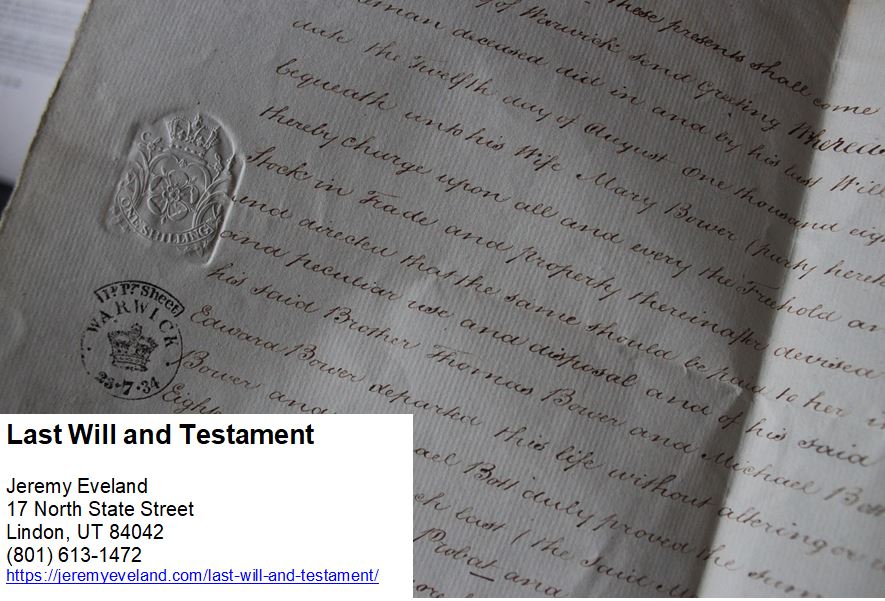



.svg)