Business Workplace Safety

Business Workplace Safety

Business Workplace Safety

“Creating a Safe Workplace for Everyone: Business Workplace Safety”

Introduction

Business workplace safety is an important part of any successful business. It is essential to ensure that employees are safe and healthy while they are working. This includes providing a safe and secure environment, ensuring that all safety regulations are followed, and providing training and education to employees on how to stay safe in the workplace. By taking the necessary steps to ensure workplace safety, businesses can reduce the risk of accidents, injuries, and illnesses, as well as improve employee morale and productivity.

What is Workplace Safety and What is OSHA?

Workplace safety is the practice of taking steps to ensure the health and safety of employees in the workplace. This includes providing a safe and healthy work environment, following safety regulations, and providing safety training and equipment.

The Occupational Safety and Health Administration (OSHA) is a federal agency within the United States Department of Labor. OSHA is responsible for setting and enforcing safety and health standards in the workplace. OSHA also provides training, outreach, education, and assistance to employers and employees in order to ensure safe and healthful working conditions. OSHA also investigates workplace accidents and fatalities, and can issue citations and fines for violations of safety and health standards.

How to Create a Safe and Healthy Workplace Environment Through Occupational Health and Safety Laws

Creating a safe and healthy workplace environment is essential for any business. Occupational health and safety laws are designed to protect workers from potential hazards and ensure that employers provide a safe and healthy work environment. By following these laws, employers can create a safe and healthy workplace environment for their employees.

The first step in creating a safe and healthy workplace environment is to understand the applicable occupational health and safety laws. These laws vary from state to state, so it is important to research the laws in your state. Generally, these laws require employers to provide a safe and healthy work environment, free from recognized hazards that could cause death or serious physical harm. Employers must also provide safety training and equipment to protect workers from potential hazards.

Once employers understand the applicable laws, they should create a safety plan. This plan should include policies and procedures to ensure that the workplace is safe and healthy. Employers should also create a safety committee to review the safety plan and make sure it is being followed.

Employers should also conduct regular safety inspections of the workplace. These inspections should be conducted by a qualified safety inspector and should include a review of the safety plan, equipment, and procedures. The safety inspector should also look for potential hazards and make recommendations for corrective action.

Finally, employers should provide safety training to their employees. This training should include information on how to identify potential hazards, how to use safety equipment, and how to report any safety concerns.

By following these steps, employers can create a safe and healthy workplace environment for their employees. Occupational health and safety laws are designed to protect workers from potential hazards and ensure that employers provide a safe and healthy work environment. By following these laws, employers can create a safe and healthy workplace environment for their employees.

The Benefits of Regular Safety Training for Employees

Regular safety training for employees is essential for any business. It helps to ensure that employees are aware of the risks associated with their job and how to protect themselves and others from harm. Safety training also helps to reduce the risk of workplace accidents and injuries, which can lead to costly legal and medical expenses.

Safety training helps to ensure that employees are aware of the safety protocols and procedures that must be followed in the workplace. This includes the proper use of safety equipment, such as protective clothing and eyewear, as well as the proper handling of hazardous materials. Employees who are properly trained in safety protocols are less likely to make mistakes that could lead to accidents or injuries.

Safety training also helps to create a culture of safety in the workplace. When employees are aware of the safety protocols and procedures, they are more likely to follow them. This helps to create a safe and healthy work environment, which can lead to increased productivity and morale.

Safety training also helps to ensure that employees are aware of the potential risks associated with their job. This includes the potential for exposure to hazardous materials, such as chemicals or radiation, as well as the potential for physical injury. By being aware of these risks, employees can take steps to protect themselves and others from harm.

Also, safety training helps to ensure that employees are aware of the legal requirements associated with their job. This includes understanding the Occupational Safety and Health Administration (OSHA) regulations and other laws that may apply to their job. By understanding these regulations, employees can ensure that they are in compliance with the law and that they are taking the necessary steps to protect themselves and others from harm.

With that being said, regular safety training for employees is essential for any business. If fact you can turn it into a lunch and learn — provide a meal to your employees will show that you care about them and want them to be happy. There is even a way you can use the modern business model of gamification to assist your employees in earning achievements while staying safe. There employee safety meetings help to ensure that employees are aware of the risks associated with their job and how to protect themselves and others from harm. It also helps to create a culture of safety in the workplace, which can lead to increased productivity and morale. Finally, safety training helps to ensure that employees are aware of the legal requirements associated with their job, which can help to ensure that they are in compliance with the law.

The Importance of Safety Helmets in the Construction Workplace

Safety helmets are an essential piece of personal protective equipment (PPE) in the construction workplace. They provide protection from head injuries caused by falling objects, slips, trips, and falls. Wearing a safety helmet can help to reduce the severity of head injuries and even save lives.

Safety helmets are designed to absorb the impact of a blow to the head, reducing the risk of serious injury or death. They are made from a variety of materials, including hard plastic, foam, and metal. The most common type of safety helmet is the hard hat, which is designed to protect the head from falling objects and other hazards.

Safety helmets should be worn at all times when working in a construction environment. They should be inspected regularly for signs of wear and tear, and replaced when necessary. It is important to ensure that the helmet fits properly and is comfortable to wear.

Safety helmets should be worn in combination with other PPE, such as safety glasses, gloves, and protective clothing. This will help to ensure that workers are adequately protected from potential hazards.

Business Workplace Safety, Jeremy Eveland, Lawyer Jeremy Eveland, Jeremy Eveland Utah Attorney, Business Workplace Safety, safety, health, workplace, business, employees, work, workers, injuries, employers, equipment, training, employee, businesses, staff, hazards, risk, risks, people, accidents, injury, place, standards, costs, employer, number, management, act, requirements, policies, industries, example, osha, productivity, law, procedures, team, program, regulations, environment, state, workplace safety, workplace health, occupational health, safety training, occupational safety, work act, protective equipment, small businesses, health programs, good health, safety laws, potential hazards, safe workplace, workplace injuries, safety measures, work-related illness, direct supervision, osha regulations, first aid, health administration, safety procedures, healthy workplace, safety executive, wide range, workplace safety tips, first-aid kits, economic incentives, safety culture, safety program, direct employees, employees, health and safety, workplace, osha, workplace safety, risks, occupational health, hazards, regulations, safety and health, safety in the workplace, wellbeing, safety, workplace health and safety, machinery, health, hearing damage, safety helmets, safe and healthy workplaces, health and safety laws, occupational health, safety training, osh act., occupational safety and health act of 1970, hearing protection, protective equipment, hasawa, ppe, safety and health, occupational safety and health administration, work-related injuries, musculoskeletal disorders, occupational safety, safety precautions, manual handling, safety in the workplace, osha

In addition to providing protection from physical hazards, safety helmets can also help to reduce the risk of hearing loss. Many construction sites are noisy environments, and wearing a helmet can help to reduce the amount of noise that reaches the ears.

Safety helmets are an essential part of any construction worker’s PPE. They provide protection from head injuries, reduce the risk of hearing loss, and help to ensure that workers are adequately protected from potential hazards. By wearing a safety helmet, construction workers can help to ensure their own safety and the safety of those around them.

How to Ensure Compliance with the Occupational Safety and Health Act of 1970

The Occupational Safety and Health Act of 1970 (OSHA) is a federal law that requires employers to provide a safe and healthy work environment for their employees. To ensure compliance with OSHA, employers should take the following steps:

1. Develop a safety policy: Employers should develop a comprehensive safety policy that outlines the safety and health standards that must be followed in the workplace. This policy should include information on how to report hazards, how to respond to accidents, and how to prevent future incidents.

2. Train employees: Employers should provide training to all employees on the safety and health standards outlined in the safety policy. This training should include information on how to identify and report hazards, how to use safety equipment, and how to respond to accidents.

3. Monitor the workplace: Employers should regularly monitor the workplace to ensure that safety and health standards are being followed. This can include conducting regular safety inspections, reviewing accident reports, and conducting employee surveys.

4. Invest in safety equipment: Employers should invest in safety equipment such as protective clothing, safety goggles, and respirators to ensure that employees are adequately protected from potential hazards.

5. Report incidents: Employers should report any incidents or accidents that occur in the workplace to the appropriate authorities. This will help ensure that the incident is properly investigated and that any necessary corrective actions are taken.

By taking these steps, employers can ensure that they are in compliance with OSHA and that their employees are safe and healthy.

The Benefits of Implementing a Comprehensive Hearing Protection Program in the Workplace

Implementing a comprehensive hearing protection program in the workplace is essential for the health and safety of employees. Hearing loss is one of the most common occupational illnesses, and it can have a significant impact on an individual’s quality of life. By implementing a comprehensive hearing protection program, employers can reduce the risk of hearing loss and ensure that their employees are safe and healthy.

The first benefit of implementing a comprehensive hearing protection program is that it can help to reduce the risk of hearing loss. Exposure to loud noises can cause permanent damage to the inner ear, leading to hearing loss. By providing employees with the proper hearing protection, employers can reduce the risk of hearing loss and ensure that their employees are safe.

The second benefit of implementing a comprehensive hearing protection program is that it can help to improve employee morale. Hearing loss can be a source of frustration and embarrassment for employees, and it can lead to decreased productivity and job satisfaction. By providing employees with the proper hearing protection, employers can help to ensure that their employees are comfortable and safe in the workplace.

The third benefit of implementing a comprehensive hearing protection program is that it can help to reduce the risk of other health issues. Exposure to loud noises can cause physical and psychological stress, which can lead to a variety of health issues. By providing employees with the proper hearing protection, employers can help to reduce the risk of these health issues and ensure that their employees are safe and healthy.

Finally, implementing a comprehensive hearing protection program can help to reduce the risk of legal liability. If an employee suffers from hearing loss due to workplace noise, the employer may be held liable for any resulting damages. By providing employees with the proper hearing protection, employers can help to reduce the risk of legal liability and ensure that their employees are safe and healthy.

Look: implementing a comprehensive hearing protection program in the workplace is essential for the health and safety of employees. By providing employees with the proper hearing protection, employers can reduce the risk of hearing loss and other health issues, improve employee morale, and reduce the risk of legal liability.

The Importance of Reflective Vests in the Construction Workplace

The construction workplace is a hazardous environment, and reflective vests are an important tool for keeping workers safe. Reflective vests are designed to make workers more visible to other workers, vehicles, and pedestrians, reducing the risk of accidents and injuries.

Reflective vests are made of a highly reflective material that reflects light back to its source. This makes the wearer more visible in low-light conditions, such as at night or in foggy weather. The reflective material also helps to make the wearer more visible during the day, as the bright colors of the vest stand out against the background.

The reflective material used in reflective vests is designed to be durable and long-lasting. It is also designed to be lightweight and comfortable, so that workers can wear the vest for long periods of time without feeling uncomfortable.

In addition to making workers more visible, reflective vests also provide protection from the elements. The material is designed to be waterproof and windproof, so that workers can stay dry and warm in inclement weather. The material is also designed to be breathable, so that workers can stay cool in hot weather.

The use of reflective vests in the construction workplace is essential for keeping workers safe. The reflective material helps to make workers more visible, reducing the risk of accidents and injuries. The material is also designed to be durable and comfortable, so that workers can wear the vest for long periods of time without feeling uncomfortable. By wearing reflective vests, workers can stay safe and protected in the construction workplace.

Why you Should Work with a Business Lawyer for Workplace Safety

Workplace safety is an important issue for any business. It is essential to ensure that employees are safe and secure while they are on the job. A business lawyer can help you create a safe and secure workplace for your employees.

A business lawyer can help you create a comprehensive workplace safety policy. This policy should include guidelines for safety procedures, such as the use of protective equipment, proper storage of hazardous materials, and emergency response plans. The policy should also include a system for reporting and investigating workplace accidents and injuries.

A business lawyer can also help you create a system for training employees on workplace safety. This training should include information on how to identify and avoid potential hazards, as well as how to respond in the event of an emergency. The training should also include information on how to report any safety concerns to management.

A business lawyer can also help you create a system for enforcing workplace safety policies. This system should include a system for disciplining employees who violate safety policies, as well as a system for rewarding employees who follow safety procedures.

Finally, a business lawyer can help you create a system for monitoring workplace safety. This system should include regular inspections of the workplace, as well as a system for tracking and reporting any safety incidents.

By working with a business lawyer, you can ensure that your workplace is safe and secure for your employees. A business lawyer can help you create a comprehensive workplace safety policy, a system for training employees on safety procedures, a system for enforcing safety policies, and a system for monitoring workplace safety. With the help of a business lawyer, you can ensure that your workplace is safe and secure for your employees.

Q&A

Q1: What is workplace safety?
A1: Workplace safety is the practice of taking steps to ensure the health and safety of employees in the workplace. This includes providing a safe environment, proper training, and the use of protective equipment. It also involves creating policies and procedures to reduce the risk of accidents and injuries.

Business Workplace Safety Consultation

When you need legal help with Business Workplace Safety call Jeremy D. Eveland, MBA, JD (801) 613-1472 for a consultation.

Jeremy Eveland
17 North State Street
Lindon UT 84042
(801) 613-1472

Home

Related Posts

Trusted Personal Injury Attorneys in Utah

Tort Law

Legal Requirements to Start a Business

Contract Law for Businesses

Business Law and Taxes

Contract Lawyer

Real Estate Attorneys in Salt Lake City Utah

Probate Law

Business Contract Lawyer Riverton UT

Utah Estate Planning

Business Law and Intellectual Property

Commercial Litigation Strategies
Estate Planning Lawyer

Revocable Living Trust

Estate Planning Lawyer Salt Lake City Utah

Durable Power of Attorney

Health Care Directive

Employment Contracts

Promissory Estoppel

Medical Device Company Lawyer

Corporate Restructuring

Franchise Law

Laws and Regulations

How to Purchase a Business

Venture Capital

Breach of Contract

Business Legal Structure

Business Workplace Safety

Business Legal Structure

Business Legal Structure

Business Legal Structure

“Secure Your Business’s Future with the Right Legal Structure”

Introduction

Business legal structure is an important factor to consider when starting a business. It determines the type of business entity you will be, the amount of taxes you will pay, and the amount of personal liability you will have. It is important to understand the different types of business legal structures and the advantages and disadvantages of each before making a decision. This introduction will provide an overview of the different types of business legal structures, the advantages and disadvantages of each, and the steps to take when deciding which structure is best for your business.

What is the Difference Between a Corporation and an S-Corporation?

A corporation is a legal entity that is separate from its owners and is created under state law. It is owned by shareholders and managed by a board of directors. A corporation is subject to double taxation, meaning that the corporation pays taxes on its profits and then the shareholders pay taxes on the dividends they receive from the corporation.

An S-corporation is a type of corporation that has elected to be taxed under Subchapter S of the Internal Revenue Code. This type of corporation is not subject to double taxation, as the profits and losses are passed through to the shareholders and reported on their individual tax returns. The shareholders are then taxed on their share of the profits or losses.

The main difference between a corporation and an S-corporation is the way in which they are taxed. A corporation is subject to double taxation, while an S-corporation is not. Additionally, an S-corporation is limited to 100 shareholders, while a corporation can have an unlimited number of shareholders.

What is a Corporation and How Does it Differ from Other Business Structures?

A corporation is a legal entity that is separate and distinct from its owners. It is a type of business structure that provides limited liability protection to its owners, meaning that the owners are not personally liable for the debts and obligations of the corporation. This is in contrast to other business structures, such as sole proprietorships and partnerships, where the owners are personally liable for the debts and obligations of the business.

In addition to limited liability protection, corporations also offer other benefits, such as the ability to raise capital through the sale of stock, the ability to transfer ownership through the sale of stock, and the ability to continue in existence even if the owners change. Corporations also have the ability to enter into contracts, sue and be sued, and own property in their own name.

The formation of a corporation requires filing articles of incorporation with the state in which the corporation will be doing business. The articles of incorporation must include the name of the corporation, the purpose of the corporation, the number of shares of stock that the corporation is authorized to issue, and the names and addresses of the initial directors. Once the articles of incorporation are filed, the corporation is considered to be in existence and the owners are considered to be shareholders.

With that being said, a corporation is a type of business structure that provides limited liability protection to its owners and offers other benefits, such as the ability to raise capital and transfer ownership. It is formed by filing articles of incorporation with the state in which the corporation will be doing business. This is in contrast to other business structures, such as sole proprietorships and partnerships, where the owners are personally liable for the debts and obligations of the business.

What are the Advantages and Disadvantages of a Sole Proprietorship?

Advantages of a Sole Proprietorship

1. Easy to Set Up: A sole proprietorship is the simplest and least expensive business structure to set up. It requires minimal paperwork and can be established quickly.

2. Flexibility: As the sole owner of the business, you have complete control over all decisions and operations. You can make changes to the business structure and operations as needed.

3. Tax Benefits: Sole proprietorships are taxed as individuals, so you can take advantage of certain tax deductions and credits.

4. Personal Liability: As the sole owner of the business, you are personally liable for all debts and obligations of the business.

Disadvantages of a Sole Proprietorship

1. Limited Resources: As a sole proprietor, you are limited to the resources you can access. This includes capital, labor, and other resources.

2. Unlimited Liability: As the sole owner of the business, you are personally liable for all debts and obligations of the business. This means that your personal assets are at risk if the business fails.

3. Difficulty in Raising Capital: It can be difficult to raise capital for a sole proprietorship, as investors may be reluctant to invest in a business with limited resources and unlimited liability.

4. Lack of Continuity: If you die or become incapacitated, the business will cease to exist. There is no continuity of ownership or management.

What is a Limited Partnership and How Does it Differ from a General Partnership?

A limited partnership is a type of business structure that combines the features of a general partnership and a corporation. It is composed of two or more partners, one of whom is a general partner and the other is a limited partner. The general partner is responsible for the day-to-day management of the business and has unlimited liability for the debts and obligations of the partnership. The limited partner, on the other hand, has limited liability and is not involved in the day-to-day operations of the business.

The main difference between a limited partnership and a general partnership is the level of liability for each partner. In a general partnership, all partners are equally liable for the debts and obligations of the business. This means that if the business fails, all partners are responsible for paying back any debts or obligations. In a limited partnership, the limited partner is only liable for the amount of money they have invested in the business. This means that if the business fails, the limited partner will not be held responsible for any debts or obligations.

Another difference between a limited partnership and a general partnership is the taxation of profits. In a general partnership, all profits are taxed as personal income for each partner. In a limited partnership, the profits are taxed as corporate income and the limited partner is only taxed on the profits they receive from the business.

Overall, a limited partnership is a business structure that combines the features of a general partnership and a corporation. It is composed of two or more partners, one of whom is a general partner and the other is a limited partner. The general partner is responsible for the day-to-day management of the business and has unlimited liability for the debts and obligations of the partnership. The limited partner, on the other hand, has limited liability and is not involved in the day-to-day operations of the business. The main difference between a limited partnership and a general partnership is the level of liability for each partner and the taxation of profits.

What is a Limited Liability Company (LLC) and How Does it Benefit Your Business?

A Limited Liability Company (LLC) is a business structure that combines the advantages of a corporation and a partnership. LLCs provide the limited liability of a corporation, meaning that the owners are not personally liable for the debts and obligations of the business. At the same time, LLCs provide the flexibility and pass-through taxation of a partnership.

The primary benefit of forming an LLC is that it provides limited liability protection for its owners. This means that the owners are not personally liable for the debts and obligations of the business. This protection is especially important for businesses that are exposed to potential liability, such as those that provide professional services or engage in activities that could lead to lawsuits.

Another benefit of forming an LLC is that it provides flexibility in how the business is managed. LLCs can be managed by the owners, or they can appoint a manager to manage the business. This flexibility allows the owners to structure the business in a way that best suits their needs.

Business Legal Structure, Jeremy Eveland, Lawyer Jeremy Eveland, Jeremy Eveland Utah Attorney, business, corporation, tax, partnership, liability, partners, income, partner, structure, state, profits, stockholders, agreement, share, status, llc, owners, losses, corporations, structures, law, laws, owner, taxes, shareholders, disadvantages, benefits, debts, partnerships, taxation, capital, entity, forms, interest, states, assets, method, stock, type, years, business structure, limited partnership, limited liability, limited liability company, double taxation, sole proprietorship, taxable income, legal structure, partnership agreement, personal liability, legal structures, federal income tax, pro rata share, general partners, built-in gains, business structures, state laws, sole proprietorships, sole trader, managerial strength, business losses, limited partner, applicable laws, additional expertise, additional capital, part thereof, general partnership, lynn phillipsall rights, small business development, ultimate goal, partnership, tax, shareholders, sole trader, profits, companies house, liability, debts, limited company, sole proprietorship, liable, llc, llp, hmrc, income, assets, limited liability, taxed, income tax, partner, taxes, liabilities, self-employed, legal entity, company, limited liability partnership, limited liabilities, limited company, corporation tax, sole proprietors, federal tax, limited partnership, s-corporation, public stock, sole traderas, dividend, paye, stock, partner, federal income tax, llcs, pass through entity, corporate income tax, incorporated, uk company law, income tax

Finally, LLCs provide pass-through taxation, meaning that the business itself does not pay taxes. Instead, the profits and losses of the business are passed through to the owners, who then report them on their individual tax returns. This can be beneficial for businesses that are just starting out, as it can help to reduce the amount of taxes that the business has to pay.

Overall, forming an LLC can provide many benefits to businesses, including limited liability protection, flexibility in management, and pass-through taxation. For these reasons, many businesses choose to form an LLC to protect their assets and reduce their tax burden.

What is a General Partnership and How is it Taxed?

A general partnership is a business structure in which two or more individuals share ownership and management of a business. The partners are personally liable for the debts and obligations of the business, and they share profits and losses equally.

General partnerships are not separate legal entities from their owners, so they are not subject to corporate income tax. Instead, the profits and losses of the business are reported on the individual tax returns of the partners. Each partner is responsible for paying taxes on their share of the partnership income.

General partnerships are relatively easy to form and require minimal paperwork. However, they do not provide the same level of protection from personal liability as other business structures, such as corporations or limited liability companies.

In addition, general partnerships are subject to certain regulations, such as the requirement to register with the state and to file an annual information return. Partners may also be required to obtain licenses or permits, depending on the type of business they are operating.

When starting a business, it is important to consider the legal structure of the company. The legal structure of a business determines the rights and responsibilities of the owners, as well as the taxes and liabilities associated with the business. It is important to consult with a business attorney to ensure that the legal structure of the business is properly established and that all necessary documents are filed.

A business attorney can provide advice on the various legal structures available and help determine which structure is best suited for the business. Different legal structures have different advantages and disadvantages, and a business attorney can help identify which structure is most beneficial for the business. For example, a sole proprietorship is the simplest and least expensive structure to set up, but it does not provide any personal liability protection for the owner. On the other hand, a corporation provides personal liability protection, but it is more expensive and complex to set up.

A business attorney can also help with the paperwork and filing requirements associated with setting up a business. Depending on the legal structure chosen, there may be a variety of documents that need to be filed with the state or federal government. A business attorney can help ensure that all necessary documents are filed correctly and in a timely manner.

Finally, a business attorney can provide advice on other legal matters related to the business, such as contracts, employment law, intellectual property, and tax law. Having an experienced business attorney on your side can help ensure that your business is properly established and that all legal matters are handled correctly.

In summary, consulting with a business attorney is an important step in setting up a business. A business attorney can provide advice on the various legal structures available and help determine which structure is best suited for the business. They can also help with the paperwork and filing requirements associated with setting up a business, as well as provide advice on other legal matters related to the business.

Q&A

1. What is a business legal structure?
A business legal structure is the form of organization under which a business operates and is recognized by law. It determines the rights and obligations of the business owners and the business itself.

2. What are the different types of business legal structures?
The most common types of business legal structures are sole proprietorship, partnership, limited liability company (LLC), corporation, and cooperative.

3. What are the advantages and disadvantages of each type of business legal structure?
Sole proprietorship: Advantages include ease of setup and operation, and the owner has complete control over the business. Disadvantages include unlimited personal liability and difficulty in raising capital.

Partnership: Advantages include shared management and resources, and the ability to raise capital. Disadvantages include unlimited personal liability and potential disputes between partners.

Limited Liability Company (LLC): Advantages include limited personal liability, pass-through taxation, and flexibility in management. Disadvantages include higher setup and operating costs, and difficulty in raising capital.

Corporation: Advantages include limited personal liability, ease of raising capital, and potential tax benefits. Disadvantages include complex setup and operation, and double taxation.

Cooperative: Advantages include shared ownership and management, and potential tax benefits. Disadvantages include difficulty in raising capital and potential disputes between members.

4. What factors should I consider when choosing a business legal structure?
When choosing a business legal structure, you should consider the size and scope of your business, the amount of capital you need to raise, the level of personal liability you are willing to accept, the tax implications of each structure, and the complexity of setup and operation.

5. What are the legal requirements for setting up a business?
The legal requirements for setting up a business vary depending on the type of business and the jurisdiction in which it is located. Generally, you will need to register your business with the relevant government agency, obtain any necessary licenses or permits, and comply with any applicable laws and regulations.

6. What are the tax implications of each type of business legal structure?
The tax implications of each type of business legal structure vary depending on the jurisdiction in which the business is located. Generally, sole proprietorships and partnerships are subject to pass-through taxation, while corporations are subject to double taxation. LLCs and cooperatives may be eligible for certain tax benefits.

7. What professional advice should I seek when setting up a business?
When setting up a business, it is important to seek professional advice from an accountant or lawyer to ensure that you comply with all applicable laws and regulations. They can also help you choose the most suitable business legal structure for your business.

Business Legal Structure Consultation

When you need legal help with Business Legal Structure call Jeremy D. Eveland, MBA, JD (801) 613-1472 for a consultation.

Jeremy Eveland
17 North State Street
Lindon UT 84042
(801) 613-1472

Home

Related Posts

Employment Law

Trusted Personal Injury Attorneys in Utah

Tort Law

Legal Requirements to Start a Business

Contract Law for Businesses

Business Law and Taxes

Contract Lawyer

Real Estate Attorneys in Salt Lake City Utah

Probate Law

Business Contract Lawyer Riverton UT

Utah Estate Planning

Business Law and Intellectual Property

Commercial Litigation Strategies
Estate Planning Lawyer

Revocable Living Trust

Estate Planning Lawyer Salt Lake City Utah

Durable Power of Attorney

Health Care Directive

Employment Contracts

Promissory Estoppel

Medical Device Company Lawyer

Corporate Restructuring

Franchise Law

Laws and Regulations

How to Purchase a Business

Venture Capital

Breach of Contract

Business Legal Structure

Breach of Contract

Breach of Contract

Breach of Contract

“Don’t break the contract – or else!”

Introduction

A breach of contract is a legal term used to describe a situation in which one or more parties to a contract fail to fulfill their obligations under the contract. When a breach of contract occurs, the non-breaching party may be entitled to certain remedies, such as damages or specific performance. In some cases, a breach of contract may even result in criminal penalties. It is important to understand the legal implications of a breach of contract, as well as the remedies available to the non-breaching party. This article will provide an overview of breach of contract law and the remedies available to the non-breaching party.

What is a Material Breach of Contract?

A material breach of contract is a violation of a contract that is so significant that it defeats the purpose of the contract and renders it unenforceable. It is a breach of contract that is so substantial that it goes to the heart of the agreement and renders it impossible for either party to fulfill their obligations. A material breach of contract can occur when one party fails to perform their obligations as outlined in the contract, fails to perform them in a timely manner, or fails to perform them in accordance with the terms of the contract. In some cases, a material breach of contract may also occur when one party fails to provide the goods or services as outlined in the contract.

What is a Repudiatory Breach of Contract and How Can it be Avoided?

A repudiatory breach of contract is a breach of contract that is so serious that it goes to the root of the contract and renders it impossible for one of the parties to fulfill their obligations. This type of breach is considered to be a fundamental breach of contract and can be used as a basis for the innocent party to terminate the contract.

In order to avoid a repudiatory breach of contract, it is important for both parties to ensure that they are aware of their obligations under the contract and that they are fulfilling them. It is also important to ensure that any changes to the contract are agreed upon by both parties and that any disputes are resolved quickly and amicably. Additionally, it is important to ensure that the contract is clear and unambiguous and that both parties understand their rights and obligations under the contract. Finally, it is important to ensure that both parties are aware of any applicable laws and regulations that may affect the contract.

When a contract is breached, the non-breaching party may seek legal remedies to compensate for the damages caused by the breach. Legal remedies for breach of contract include:

1. Monetary Damages: The non-breaching party may be entitled to monetary damages to compensate for any losses suffered as a result of the breach. These damages may include direct losses, such as the cost of replacing goods or services, or indirect losses, such as lost profits or lost business opportunities.

2. Specific Performance: The non-breaching party may be entitled to specific performance, which is an order from the court requiring the breaching party to fulfill their obligations under the contract.

3. Rescission: The non-breaching party may be entitled to rescission, which is the cancellation of the contract and the return of any payments made under the contract.

4. Restitution: The non-breaching party may be entitled to restitution, which is the return of any benefits received by the breaching party under the contract.

5. Injunctive Relief: The non-breaching party may be entitled to injunctive relief, which is an order from the court prohibiting the breaching party from engaging in certain activities or requiring the breaching party to take certain actions.

These legal remedies are available to the non-breaching party to compensate for the damages caused by the breach of contract. It is important to note that the availability of these remedies may vary depending on the specific facts and circumstances of the breach.

What are the Different Types of Breach of Contract?

A breach of contract is a violation of any of the terms or conditions of a contract. When one party fails to fulfill their obligations under the contract, it is considered a breach. There are several different types of breach of contract, including:

1. Minor Breach: A minor breach is a violation of a minor term or condition of the contract. This type of breach does not usually result in any significant damages to the non-breaching party.

2. Material Breach: A material breach is a violation of a major term or condition of the contract. This type of breach can result in significant damages to the non-breaching party.

Breach of Contract, Jeremy Eveland, Lawyer Jeremy Eveland, Jeremy Eveland Utah Attorney, Breach of Contract, contract, breach, party, contracts, damages, business, parties, employment, employee, employer, obligations, breaches, law, example, agreement, court, time, term, claim, advice, way, performance, action, case, types, services, consequences, loss, rights, remedy, cases, warranty, part, management, remedies, condition, courts, payment, losses, teams, repudiatory breach, innocent party, anticipatory breach, material breach, employment contract, minor breach, fundamental breach, contract breach, actual breach, contractual obligations, specific performance, legal action, innominate term, contract law, legal teams, employee breach, full list, financial loss, contract claim, legal advice, binding agreement, employment contracts, contract obligations, certain goods, employment tribunal, gross misconduct, punitive damages, serious breach, financial losses, business contracts, breach of contract, employee, obligations, breaching, repudiatory breach, breach, remedy, failure, terms and conditions, contract, material breaches, contractual obligations, constrictive dismissal, breaches of a contract, agreement, implied term, repudiatory breach of contract, repudiatory breaches, breach, industrial tribunal, misrepresentation, contract breach, duty of confidentiality, legally binding, contracts, lawsuits, damages

3. Anticipatory Breach: An anticipatory breach is when one party indicates that they will not fulfill their obligations under the contract. This type of breach can result in damages to the non-breaching party.

4. Fundamental Breach: A fundamental breach is a violation of a fundamental term or condition of the contract. This type of breach can result in significant damages to the non-breaching party.

5. Actual Breach: An actual breach is when one party fails to fulfill their obligations under the contract. This type of breach can result in damages to the non-breaching party.

6. Constructive Breach: A constructive breach is when one party fails to fulfill their obligations under the contract, but does not actually breach the contract. This type of breach can result in damages to the non-breaching party.

7. Implied Breach: An implied breach is when one party fails to fulfill their obligations under the contract, but does not actually breach the contract. This type of breach can result in damages to the non-breaching party.

What is a Breach of Contract and What are the Consequences?

A breach of contract is a violation of any of the terms or conditions of a contract by one or more of the parties involved. This can include failure to perform a contractual obligation, such as delivering goods or services, or failing to pay money owed. The consequences of a breach of contract depend on the type of breach and the terms of the contract.

In some cases, the breach may be considered minor and the parties may be able to resolve the issue without legal action. However, if the breach is more serious, the non-breaching party may be able to seek legal remedies, such as monetary damages or specific performance.

Monetary damages are a form of compensation for the non-breaching party. This can include reimbursement for any losses suffered as a result of the breach, such as lost profits or additional expenses incurred. The court may also award punitive damages, which are intended to punish the breaching party for their actions.

Specific performance is a court order requiring the breaching party to fulfill their obligations under the contract. This is typically used when monetary damages are not sufficient to compensate the non-breaching party.

In some cases, the court may also issue an injunction, which is an order prohibiting the breaching party from taking certain actions. This can be used to prevent further breaches of the contract or to protect the non-breaching party from harm.

In addition to legal remedies, the parties may also be able to resolve the breach through negotiation or mediation. This can be a less costly and time-consuming option than going to court.

No matter the type of breach or the terms of the contract, it is important to seek legal advice if you believe you have been the victim of a breach of contract. An experienced attorney can help you understand your rights and determine the best course of action.

How a Business Contract Lawyer Helps you with Contract Breaches

A business contract lawyer is an invaluable asset when it comes to contract breaches. A contract breach occurs when one or more parties fail to fulfill their obligations as outlined in the contract. This can be a serious issue, as it can lead to costly litigation and other legal issues.

A business contract lawyer can help you in a variety of ways when it comes to contract breaches. First, they can help you identify the breach and determine the best course of action. They can review the contract and advise you on the best way to proceed. They can also help you negotiate a resolution with the other party, if necessary.

In addition, a business contract lawyer can help you understand the legal implications of a breach. They can explain the potential consequences of a breach, such as damages, penalties, and other remedies. They can also help you determine the best way to protect your interests in the event of a breach.

Finally, a business contract lawyer can help you draft a new contract that is more likely to be upheld in the event of a breach. They can help you create a contract that is clear and concise, and that outlines the rights and obligations of each party. This can help to ensure that the contract is enforceable and that any breach is addressed quickly and effectively.

In short, a business contract lawyer can be a valuable asset when it comes to contract breaches. They can help you identify the breach, understand the legal implications, and negotiate a resolution. They can also help you draft a new contract that is more likely to be upheld in the event of a breach. With their help, you can protect your interests and ensure that any breach is addressed quickly and effectively.

Q&A

Q: What is a breach of contract?
A: A breach of contract is a violation of any of the terms or conditions of a contract by one or more of the parties to the contract. It can occur when one party fails to fulfill their obligations under the contract, or when one party does something that goes against the terms of the contract.

Q: What are the consequences of a breach of contract?
A: The consequences of a breach of contract depend on the type of breach and the terms of the contract. Generally, the non-breaching party may be entitled to damages, specific performance, or cancellation of the contract.

Q: What are some common examples of a breach of contract?
A: Common examples of a breach of contract include failure to deliver goods or services, failure to pay for goods or services, failure to meet deadlines, and failure to perform according to the terms of the contract.

Q: What are the remedies for a breach of contract?
A: The remedies for a breach of contract depend on the type of breach and the terms of the contract. Generally, the non-breaching party may be entitled to damages, specific performance, or cancellation of the contract.

Q: What is the difference between a material breach and a non-material breach?
A: A material breach is a breach of a major term or condition of the contract, while a non-material breach is a breach of a minor term or condition of the contract. The consequences of a material breach are typically more severe than those of a non-material breach.

Q: What is the statute of limitations for a breach of contract?
A: The statute of limitations for a breach of contract varies by state. Generally, the statute of limitations is between two and six years, depending on the state. It is important to consult an attorney to determine the applicable statute of limitations in your state.

Breach of Contract Consultation

When you need legal help with Breach of Contract call Jeremy D. Eveland, MBA, JD (801) 613-1472 for a consultation.

Jeremy Eveland
17 North State Street
Lindon UT 84042
(801) 613-1472

Home

Related Posts

Contract Negotiation

Employment Law

Trusted Personal Injury Attorneys in Utah

Tort Law

Legal Requirements to Start a Business

Contract Law for Businesses

Business Law and Taxes

Contract Lawyer

Real Estate Attorneys in Salt Lake City Utah

Probate Law

Business Contract Lawyer Riverton UT

Utah Estate Planning

Business Law and Intellectual Property

Commercial Litigation Strategies

Estate Planning Lawyer

Revocable Living Trust

Estate Planning Lawyer Salt Lake City Utah

Durable Power of Attorney

Health Care Directive

Employment Contracts

Promissory Estoppel

Medical Device Company Lawyer

Corporate Restructuring

Franchise Law

Laws and Regulations

How to Purchase a Business

Venture Capital

Breach of Contract

Venture Capital

Venture Capital

Venture Capital

“Unlock Your Potential with Venture Capital”

Introduction

Venture capital is a form of private equity financing that is provided by venture capital firms or funds to startups, early-stage, and emerging companies that have been deemed to have high growth potential or which have demonstrated high growth. Venture capital investments generally come with high risk but also the potential for above-average returns. Venture capital firms and funds invest in a wide range of industries, including technology, healthcare, energy, and consumer products. By providing capital to startups and other companies, venture capital firms and funds help to fuel innovation and economic growth.

How Interest and Shares Impact Startup Companies and Corporate Venture Capital

Startup companies and corporate venture capital (CVC) are two important components of the modern business landscape. Both have the potential to drive innovation and create new opportunities for growth. However, the way in which interest and shares impact these entities can be quite different.

Interest is a key factor in the success of startup companies. Interest can come from investors, customers, and other stakeholders. When interest is high, it can lead to increased investment, more customers, and greater opportunities for growth. On the other hand, when interest is low, it can lead to decreased investment, fewer customers, and fewer opportunities for growth.

Shares, on the other hand, are a key factor in the success of CVCs. Shares are typically issued by CVCs to investors in exchange for capital. The more shares a CVC has, the more capital it can raise. This capital can then be used to invest in promising startups. By investing in startups, CVCs can help them grow and develop, creating new opportunities for growth.

In conclusion, interest and shares can have a significant impact on both startup companies and CVCs. Interest can help startups attract more investment and customers, while shares can help CVCs raise capital to invest in promising startups. By understanding how these two factors can affect their respective entities, businesses can better position themselves for success.

Do I Have to Get Venture Capital To Start a Business?

No, you do not have to get venture capital to start a business. There are many other ways to finance a business, such as personal savings, loans from family and friends, crowdfunding, and small business loans. Each of these options has its own advantages and disadvantages, so it is important to research and consider all of them before deciding which one is best for you.

Venture capital is a type of financing that is provided by investors who are looking for a high return on their investment. It is often used to fund high-risk, high-growth businesses, such as technology startups. While venture capital can be a great way to get the funding you need to start a business, it is not the only option.

Before deciding whether or not to pursue venture capital, it is important to consider the risks and rewards associated with it. Venture capital can provide a large amount of money quickly, but it also comes with a high degree of risk. The investors will expect a return on their investment, and if the business fails, they may not get their money back.

Ultimately, the decision of whether or not to pursue venture capital should be based on your individual situation and goals. If you have a solid business plan and the resources to finance it yourself, then you may not need venture capital. However, if you are looking for a large amount of money quickly, then venture capital may be the right choice for you.

What to Consider Before an Initial Public Offering for a Venture-Backed Company

Before a venture-backed company considers an initial public offering (IPO), there are several important factors to consider.

First, the company should assess its financial health. An IPO requires a company to be profitable and have a strong balance sheet. The company should also have a track record of consistent growth and a solid business plan for the future.

Second, the company should consider the timing of the IPO. The market should be favorable for the company’s industry and the company should have a clear plan for how it will use the proceeds from the offering.

Third, the company should consider the costs associated with an IPO. These costs include legal fees, accounting fees, and underwriting fees. The company should also consider the costs associated with ongoing compliance and reporting requirements.

Fourth, the company should consider the impact of the IPO on its existing shareholders. The company should ensure that the IPO is structured in a way that is fair to all shareholders.

Finally, the company should consider the potential risks associated with an IPO. These risks include market volatility, regulatory scrutiny, and the potential for litigation.

By considering these factors, a venture-backed company can make an informed decision about whether an IPO is the right move for the company.

Exploring the Benefits of Preferred-Equity for Start-Ups

Start-ups are often faced with the challenge of finding the right type of financing to get their business off the ground. One option that is becoming increasingly popular is preferred equity. Preferred equity is a type of financing that combines the features of both debt and equity, allowing start-ups to access capital without taking on the full risk of debt or giving up too much control to investors.

Preferred equity is a hybrid form of financing that combines the features of both debt and equity. It is a type of investment that gives the investor certain rights and privileges, such as a fixed rate of return, priority in repayment, and the ability to convert the investment into equity at a later date. Unlike debt, preferred equity does not require the start-up to make regular payments or to pay back the full amount of the investment.

One of the main benefits of preferred equity is that it allows start-ups to access capital without taking on the full risk of debt or giving up too much control to investors. By taking on preferred equity, start-ups can access the capital they need without having to give up control of their business or take on the full risk of debt. This can be especially beneficial for start-ups that are just getting off the ground and may not have the resources to take on a large amount of debt.

Venture Capital, Jeremy Eveland, Lawyer Jeremy Eveland, Jeremy Eveland Utah Attorney, venture, capital, companies, investment, business, investors, funds, funding, industry, equity, firms, fund, investments, growth, capitalists, ventures, businesses, technology, firm, partners, bank, management, partner, entrepreneurs, portfolio, years, deals, money, time, vcs, investor, market, sector, services, deal, financing, risk, returns, startups, team, venture capital, venture capitalists, private equity, deutsche bank, venture capital firms, venture capitalist, venture capital industry, corporate venture capital, venture capital funds, portfolio companies, angel investors, venture capital investment, new companies, financial services, early-stage companies, venture capital firm, due diligence, united states, limited partners, financial institutions, institutional investors, venture capital investments, friday letter, business model, small businesses, national venture capital, hbr charts, general partners, carried interest, term sheet, venture capital, vc, investment, investors, vcs, entrepreneurs, ventures, portfolio, deutsche bank, startups, equity, risk, financing, innovation, finance, private equity, bank, corporate venture capital, growth, unicorns, venture funds, venture investment, venture capital funds, start-ups, early-stage companies, series a investment, angel investing, startup funding, investment in a start-up company, private-equity, venture capitalist firms, venturing, preferred-equity, initial public offering, venture-backed, equity, j.h. whitney & company, interest, shares, startup companies, corporate venture capital

Another benefit of preferred equity is that it can provide start-ups with a more flexible form of financing. Unlike debt, preferred equity does not require the start-up to make regular payments or to pay back the full amount of the investment. This can give start-ups more flexibility in how they use the capital they receive and can help them manage their cash flow more effectively.

Finally, preferred equity can also provide start-ups with an opportunity to attract more investors. By offering preferred equity, start-ups can attract investors who may not be willing to invest in a traditional equity offering. This can help start-ups raise the capital they need to get their business off the ground and can help them build a strong investor base.

Overall, preferred equity can be a great option for start-ups looking for a more flexible form of financing. It can provide start-ups with access to capital without taking on the full risk of debt or giving up too much control to investors. It can also provide start-ups with a more flexible form of financing and can help them attract more investors. For these reasons, preferred equity can be a great option for start-ups looking to get their business off the ground.

The Role of Venture Capitalist Firms in New Start-Ups

Venture capitalist firms play an important role in the success of new start-ups. These firms provide capital to entrepreneurs who have innovative ideas and the potential to create successful businesses. By investing in start-ups, venture capitalists help to bring new products and services to the market, create jobs, and stimulate economic growth.

Venture capitalists typically invest in early-stage companies that have a high potential for growth. They provide capital in exchange for equity in the company, and they often take an active role in the management of the business. Venture capitalists typically have a network of contacts and resources that can help the start-up succeed. They can provide advice on business strategy, help to identify potential partners and customers, and provide access to additional capital.

Venture capitalists also provide more than just capital. They can provide mentorship and guidance to entrepreneurs, helping them to navigate the complexities of starting a business. They can also help to identify potential risks and opportunities, and provide valuable insight into the competitive landscape.

Venture capitalists are an important part of the start-up ecosystem. They provide capital and resources to entrepreneurs who have the potential to create successful businesses. By investing in start-ups, venture capitalists help to bring new products and services to the market, create jobs, and stimulate economic growth.

Understanding the Difference Between Private-Equity and Venture Capital

Private-equity and venture capital are two distinct forms of investment that are often confused. While both involve investing in companies, there are important differences between the two.

Private-equity is a form of investment that involves buying a stake in a company, usually with the intention of increasing the value of the company and then selling it at a profit. Private-equity investors typically purchase a company’s shares, bonds, or other securities, and then use their own capital to make improvements to the company. This can include restructuring the company’s operations, introducing new products or services, or expanding into new markets. Private-equity investors typically have a long-term investment horizon, and are looking to make a return on their investment over a period of several years.

Venture capital, on the other hand, is a form of investment that involves providing capital to early-stage companies in exchange for an equity stake. Venture capital investors typically provide capital to companies that are in the process of developing a new product or service, or are looking to expand into new markets. Unlike private-equity investors, venture capital investors typically have a shorter investment horizon, and are looking to make a return on their investment within a few years.

In summary, private-equity and venture capital are two distinct forms of investment that involve different strategies and timelines. Private-equity investors typically purchase a company’s shares, bonds, or other securities, and then use their own capital to make improvements to the company over a period of several years. Venture capital investors, on the other hand, provide capital to early-stage companies in exchange for an equity stake, and are looking to make a return on their investment within a few years.

What to Consider When Investing in a Start-Up Company

Investing in a start-up company can be a risky endeavor, but it can also be a rewarding one. Before investing in a start-up, it is important to consider a few key factors.

First, it is important to research the company and its founders. It is important to understand the company’s business model, its competitive advantages, and its potential for growth. It is also important to research the founders and their track record. Have they been successful in the past? Do they have the necessary skills and experience to make the company successful?

Second, it is important to understand the company’s financials. What is the company’s current financial situation? What is its cash flow? What is its debt-to-equity ratio? It is also important to understand the company’s potential for future growth. What is the company’s potential market size? What is its potential for profitability?

Third, it is important to understand the company’s legal structure. What type of entity is the company? What are the terms of the company’s financing? What are the terms of the company’s ownership?

Finally, it is important to understand the company’s exit strategy. What is the company’s plan for exiting the business? How will investors be able to realize a return on their investment?

Investing in a start-up company can be a risky endeavor, but it can also be a rewarding one. By researching the company, its founders, its financials, its legal structure, and its exit strategy, investors can make an informed decision about whether or not to invest in a start-up.

Why you Need a Corporate Attorney for Venture Capital and Startup Funding

Venture capital and startup funding are essential for businesses to grow and succeed. However, the process of obtaining venture capital and startup funding can be complex and time-consuming. A corporate attorney can help simplify the process and ensure that all legal requirements are met.

A corporate attorney can provide valuable advice and guidance throughout the venture capital and startup funding process. They can help you understand the legal implications of the funding process, such as the formation of a new company, the issuance of stock, and the negotiation of contracts. They can also help you understand the tax implications of the funding process and ensure that all necessary paperwork is completed correctly.

A corporate attorney can also help you negotiate the terms of the venture capital and startup funding. They can help you understand the terms of the agreement and ensure that they are fair and equitable. They can also help you negotiate the terms of the agreement to ensure that you receive the best possible deal.

Finally, a corporate attorney can help protect your interests throughout the venture capital and startup funding process. They can help you understand the risks associated with the process and ensure that you are adequately protected. They can also help you protect your intellectual property and ensure that your rights are not violated.

In summary, a corporate attorney can provide invaluable assistance throughout the venture capital and startup funding process. They can help you understand the legal implications of the process, negotiate the terms of the agreement, and protect your interests. By working with a corporate attorney, you can ensure that the process is completed quickly and efficiently and that you receive the best possible deal.

How to Secure Series A Investment for Your Early-Stage Company

Securing Series A investment for an early-stage company can be a daunting task. However, with the right preparation and strategy, it is possible to secure the funding needed to take your business to the next level. Here are some tips to help you secure Series A investment for your early-stage company.

1. Develop a Solid Business Plan: A well-crafted business plan is essential for any company seeking Series A investment. Your business plan should include a detailed description of your company’s mission, goals, and objectives, as well as a comprehensive financial plan. Make sure to include a detailed market analysis and a competitive landscape analysis to demonstrate your understanding of the industry.

2. Build a Strong Team: Investors want to know that your team is capable of executing the business plan. Make sure to highlight the experience and qualifications of your team members, as well as any relevant industry experience.

3. Identify Potential Investors: Research potential investors and create a list of those who may be interested in investing in your company. Make sure to include information about the investors’ investment criteria and preferences.

4. Pitch Your Company: Once you have identified potential investors, it’s time to make your pitch. Make sure to clearly explain your company’s mission, goals, and objectives, as well as the potential return on investment.

5. Negotiate Terms: Once you have secured interest from an investor, it’s time to negotiate the terms of the investment. Make sure to clearly explain the terms of the investment and the potential return on investment.

By following these tips, you can increase your chances of securing Series A investment for your early-stage company. With the right preparation and strategy, you can secure the funding needed to take your business to the next level.

Exploring the Benefits of Venture Capital Funds for Start-Ups

Venture capital funds are an increasingly popular source of financing for start-ups. These funds provide capital to early-stage companies in exchange for equity, allowing start-ups to access the resources they need to grow and succeed. Venture capital funds offer a number of benefits to start-ups, including access to capital, expertise, and networks.

Access to Capital

Venture capital funds provide start-ups with access to capital that may not be available through traditional financing sources. This capital can be used to fund research and development, hire staff, and purchase equipment. Venture capital funds also provide start-ups with the resources they need to scale quickly and efficiently.

Expertise

Venture capital funds provide start-ups with access to experienced investors and advisors who can provide valuable guidance and advice. These investors and advisors can help start-ups identify potential opportunities, develop strategies, and navigate the complexities of the business world.

Networks

Venture capital funds provide start-ups with access to networks of potential customers, partners, and investors. These networks can be invaluable for start-ups looking to expand their reach and grow their businesses.

In summary, venture capital funds offer start-ups a number of benefits, including access to capital, expertise, and networks. These funds can be a valuable source of financing for start-ups looking to grow and succeed.

Q&A

Q1: What is Venture Capital?
A1: Venture capital is a type of private equity financing that is provided by investors to startup companies and small businesses that are deemed to have long-term growth potential.

Q2: Who are Venture Capitalists?
A2: Venture capitalists are investors who provide capital to startup companies and small businesses in exchange for equity or an ownership stake.

Q3: What types of companies do Venture Capitalists invest in?
A3: Venture capitalists typically invest in high-growth, innovative companies in the technology, healthcare, and consumer products sectors.

Q4: How do Venture Capitalists make money?
A4: Venture capitalists make money by investing in companies that have the potential to generate returns through an initial public offering (IPO) or a sale of the company.

Q5: What is the difference between Venture Capital and Angel Investing?
A5: The main difference between venture capital and angel investing is the size of the investment. Venture capital investments are typically larger than angel investments.

Q6: What is the typical timeline for a Venture Capital investment?
A6: The typical timeline for a venture capital investment is between 3-5 years.

Q7: What are the risks associated with Venture Capital investments?
A7: The risks associated with venture capital investments include the potential for the company to fail, the potential for the investor to lose their entire investment, and the potential for the investor to not receive a return on their investment.

Q8: What is the typical return on a Venture Capital investment?
A8: The typical return on a venture capital investment is between 10-30%.

Q9: What is the difference between Venture Capital and Private Equity?
A9: The main difference between venture capital and private equity is the stage of the company. Venture capital investments are typically made in early-stage companies, while private equity investments are typically made in more mature companies.

Q10: What is the best way to find Venture Capitalists?
A10: The best way to find venture capitalists is to attend industry events, network with other entrepreneurs, and research venture capital firms online. You should also speak with your corporate counsel to make sure the VC firm is legitimate and the terms are fair and you fully and completely understand the deal before you sign anything.

Venture Capital Consultation

When you need legal help with Venture Capital call Jeremy D. Eveland, MBA, JD (801) 613-1472 for a consultation.

Jeremy Eveland
17 North State Street
Lindon UT 84042
(801) 613-1472

Home

Related Posts

Boutique Law Firm

Contract Negotiation

Employment Law

Trusted Personal Injury Attorneys in Utah

Tort Law

Legal Requirements to Start a Business

Contract Law for Businesses

Business Law and Taxes

Contract Lawyer

Real Estate Attorneys in Salt Lake City Utah

Probate Law

Business Contract Lawyer Riverton UT

Utah Estate Planning

Business Law and Intellectual Property

Commercial Litigation Strategies

Estate Planning Lawyer

Revocable Living Trust

Estate Planning Lawyer Salt Lake City Utah

Durable Power of Attorney

Health Care Directive

Employment Contracts

Promissory Estoppel

Medical Device Company Lawyer

Corporate Restructuring

Franchise Law

Laws and Regulations

How to Purchase a Business

Venture Capital

How to Purchase a Business

How to Purchase a Business

How To Purchase A Business

“Unlock the Keys to Business Ownership with How to Purchase a Business!”

Introduction

Purchasing a business can be a great way to become an entrepreneur and take control of your own destiny. It can also be a great way to invest your money and create a steady stream of income. However, it is important to understand the process of purchasing a business and the potential risks involved. This guide will provide an overview of the steps involved in purchasing a business, including researching potential businesses, understanding the legal and financial aspects of the purchase, and negotiating the terms of the sale. With the right preparation and guidance, you can be well on your way to owning a successful business.

Financing a Business Purchase: Options for Buyers and Sellers

When it comes to financing a business purchase, there are a variety of options available to both buyers and sellers. Understanding the different financing options available can help buyers and sellers make informed decisions about the best way to finance a business purchase.

For buyers, the most common financing options include bank loans, seller financing, and venture capital. Bank loans are typically the most popular option for buyers, as they offer the most competitive interest rates and terms. Bank loans can be secured or unsecured, depending on the buyer’s creditworthiness and the amount of collateral they can provide. Seller financing is another option for buyers, and it involves the seller providing the buyer with a loan to purchase the business. This option is often attractive to buyers because it allows them to purchase the business without having to secure a loan from a bank. Finally, venture capital is an option for buyers who are looking to purchase a business with high growth potential. Venture capitalists provide capital in exchange for a stake in the business, and they typically require a higher return on their investment than a bank loan.

For sellers, the most common financing options include cash, seller financing, and venture capital. Cash is the simplest option for sellers, as it allows them to receive the full purchase price upfront. Seller financing is another option for sellers, and it involves the seller providing the buyer with a loan to purchase the business. This option is often attractive to sellers because it allows them to receive a portion of the purchase price upfront and the remainder over time. Finally, venture capital is an option for sellers who are looking to sell a business with high growth potential. Venture capitalists provide capital in exchange for a stake in the business, and they typically require a higher return on their investment than a bank loan.

No matter which financing option is chosen, it is important for buyers and sellers to understand the terms and conditions of the agreement. It is also important to ensure that all parties involved are in agreement with the terms of the financing agreement. By understanding the different financing options available and taking the time to review the terms and conditions of the agreement, buyers and sellers can make informed decisions about the best way to finance a business purchase.

How to Value a Business Before Making an Offer: Tips for Buyers

1. Research the Market: Before making an offer on a business, it is important to research the market to determine the fair market value of the business. This can be done by looking at comparable businesses that have recently sold, as well as researching industry trends and economic conditions.

2. Analyze Financials: Carefully review the financials of the business to get an accurate picture of its financial health. This includes looking at the balance sheet, income statement, and cash flow statement.

3. Consider Intangible Assets: Intangible assets such as customer relationships, brand recognition, and intellectual property can add significant value to a business. Make sure to factor these into your valuation.

4. Calculate the Value of the Business: Once you have gathered all the necessary information, you can calculate the value of the business. This can be done using a variety of methods, such as the discounted cash flow method or the asset-based approach.

5. Negotiate the Price: Once you have determined the value of the business, you can begin to negotiate the price. Make sure to factor in any potential risks or costs associated with the purchase.

6. Get Professional Advice: It is always a good idea to get professional advice when making an offer on a business. A qualified accountant or lawyer can help you navigate the process and ensure that you are making a sound investment.

What to Look for When Buying a Business: Advice for Buyers

When buying a business, it is important to take the time to do your due diligence and research. Here are some key points to consider when evaluating a business:

1. Financials: Review the financials of the business to ensure that it is profitable and has a healthy cash flow. Look for any red flags such as high debt levels, declining sales, or a lack of profitability.

2. Market: Evaluate the market for the business and its competitive landscape. Consider the size of the market, the potential for growth, and the competitive advantages of the business.

3. Management: Assess the management team of the business. Look for experienced and knowledgeable leaders who have a track record of success.

How to Purchase a Business, Jeremy Eveland, Lawyer Jeremy Eveland, Jeremy Eveland Utah Attorney, business, seller, purchase, value, diligence, businesses, price, assets, sale, process, time, buyer, owner, acquisition, market, loan, agreement, target, advice, money, valuation, employees, offer, deal, credit, customers, sales, cash, way, step, tax, industry, documents, investment, financing, example, loans, plan, property, help, due diligence, small business, target business, customer base, purchase price, business broker, small businesses, intangible assets, professional advice, financial statements, cash flow, due diligence process, right business, new business, intellectual property, business owner, tax returns, good idea, business valuation, current owner, balance sheet, thomson snell, acquisition agreement, business plan, family member, legal documents, professional help, great way, business purchase, buying process, seller, buyer, price, due diligence, assets, customers, loan, tax, employees, inventory, valuation, shopify, investment, sba, options, credit, ownership, liabilities, profit, client, stock, cash, lenders, lease, financing, invest, business acquisition, goodwill, return-on-investment, small business administration, loan application, credit, stamp duty, lines of credit, loan amount, business transfer agent, small business financing, borrowing, business loan, investments, credit history, corporate advisory, merger, valuation, assets, capitalization rate, interest, price-earning ratios, bank financing

4. Products/Services: Analyze the products and services offered by the business. Consider the quality of the products, the customer base, and the potential for growth.

5. Legal: Review the legal documents associated with the business. Make sure that all contracts, licenses, and permits are in order.

6. Location: Evaluate the location of the business. Consider the potential for growth in the area, the availability of resources, and the potential for expansion.

By taking the time to evaluate these key points, you can ensure that you are making a sound investment when buying a business.

Understanding the Business Purchase Process: A Step-by-Step Guide

Buying a business can be a complex and time-consuming process. To ensure a successful purchase, it is important to understand the steps involved and to be prepared for the challenges that may arise. This guide will provide an overview of the business purchase process, from start to finish.

Step 1: Research and Planning

The first step in the business purchase process is to research and plan. This includes researching the industry, the target business, and the local market. It is also important to consider the financial implications of the purchase, such as the cost of the business, the financing options available, and the potential return on investment.

Step 2: Due Diligence

Once you have identified a potential target business, it is important to conduct due diligence. This includes reviewing the financial records of the business, assessing the legal and regulatory compliance of the business, and evaluating the competitive landscape.

Step 3: Negotiations

Once you have completed your due diligence, it is time to begin negotiations. This includes discussing the terms of the purchase, such as the purchase price, the payment structure, and any contingencies. It is important to ensure that both parties are in agreement on all aspects of the purchase.

Step 4: Closing

Once the negotiations are complete, it is time to close the deal. This includes signing the purchase agreement, transferring the funds, and transferring the ownership of the business. It is important to ensure that all legal and regulatory requirements are met before the closing.

Step 5: Post-Closing

Once the purchase is complete, it is important to ensure a smooth transition. This includes transferring the assets, transferring the employees, and ensuring that all legal and regulatory requirements are met. It is also important to develop a plan for the future of the business.

Buying a business can be a complex and time-consuming process. However, with the right preparation and understanding of the steps involved, it can be a rewarding experience. By following this guide, you can ensure a successful purchase and a successful future for your business.

How to Find the Right Business to Purchase: Tips for Buyers

Buying a business is a major decision that requires careful consideration. To ensure you make the right choice, here are some tips for buyers to consider when searching for the right business to purchase:

1. Research the Market: Before you start looking for a business to buy, it’s important to research the market and understand the industry you’re interested in. This will help you identify potential opportunities and understand the competitive landscape.

2. Set Your Budget: Before you start looking for a business to buy, it’s important to set a budget and stick to it. This will help you narrow down your search and ensure you don’t overspend.

3. Consider Your Goals: It’s important to consider your goals when looking for a business to buy. Are you looking for a business that will generate income, or are you looking for a business that you can grow and develop? Knowing your goals will help you narrow down your search.

4. Analyze the Financials: Once you’ve identified a potential business to buy, it’s important to analyze the financials. This will help you understand the business’s profitability and potential for growth.

5. Get Professional Advice: It’s important to get professional advice when buying a business. A qualified accountant or lawyer can help you understand the legal and financial implications of the purchase.

By following these tips, you can ensure you find the right business to purchase. With careful consideration and research, you can make an informed decision and find a business that meets your needs and goals.

Why you Need A Business Lawyer for Buying a Business

When buying a business, it is important to have a business lawyer on your side. A business lawyer can provide invaluable advice and guidance throughout the process, helping to ensure that the transaction is completed in a timely and efficient manner.

A business lawyer can help you understand the legal implications of the purchase. They can review the purchase agreement and other documents to ensure that all of the terms and conditions are in your best interests. They can also help you understand the tax implications of the purchase, as well as any potential liabilities that may arise.

A business lawyer can also help you negotiate the purchase price. They can review the financials of the business and advise you on the best way to structure the deal. They can also help you identify any potential risks associated with the purchase and advise you on how to mitigate them.

A business lawyer can also help you protect your interests during the due diligence process. They can review the business’s contracts, leases, and other documents to ensure that they are in compliance with applicable laws. They can also help you identify any potential liabilities that may arise from the purchase.

Finally, a business lawyer can help you navigate the closing process. They can review the closing documents and ensure that all of the terms and conditions are in your best interests. They can also help you understand the tax implications of the purchase and advise you on how to minimize them.

In short, a business lawyer can provide invaluable advice and guidance throughout the process of buying a business. They can help you understand the legal implications of the purchase, negotiate the purchase price, protect your interests during the due diligence process, and navigate the closing process. Having a business lawyer on your side can help ensure that the transaction is completed in a timely and efficient manner.

Q&A

1. What are the steps involved in purchasing a business?

A. The steps involved in purchasing a business include: researching the business, evaluating the business, negotiating the purchase price, obtaining financing, completing due diligence, and closing the transaction.

2. What type of financing is available for purchasing a business?

A. Financing for purchasing a business can come from a variety of sources, including bank loans, private investors, venture capital, and Small Business Administration (SBA) loans.

3. What should I consider when evaluating a business?

A. When evaluating a business, you should consider the financials, the industry, the competition, the customer base, the management team, and the potential for growth.

4. What is due diligence?

A. Due diligence is the process of researching and verifying the information provided by the seller about the business. This includes reviewing financial statements, contracts, and other documents.

5. What are the tax implications of purchasing a business?

A. The tax implications of purchasing a business depend on the type of business and the structure of the transaction. It is important to consult with a tax professional to understand the potential tax implications.

6. What should I do if I am not sure if I am ready to purchase a business?

A. If you are not sure if you are ready to purchase a business, it is important to consult with a business advisor or attorney to discuss the risks and rewards of business ownership. Additionally, you should consider taking a course or attending a seminar on business ownership to gain a better understanding of the process.

How to Purchase a Business Consultation

When you need legal help with How to Purchase a Business call Jeremy D. Eveland, MBA, JD (801) 613-1472 for a consultation.

Jeremy Eveland
17 North State Street
Lindon UT 84042
(801) 613-1472

Home

Related Posts

What Is An LLC?

Boutique Law Firm

Contract Negotiation

Employment Law

Trusted Personal Injury Attorneys in Utah

Tort Law

Legal Requirements to Start a Business

Contract Law for Businesses

Business Law and Taxes

Contract Lawyer

Real Estate Attorneys in Salt Lake City Utah

Probate Law

Business Contract Lawyer Riverton UT

Utah Estate Planning

Business Law and Intellectual Property

Commercial Litigation Strategies

Estate Planning Lawyer

Revocable Living Trust

Estate Planning Lawyer Salt Lake City Utah

Durable Power of Attorney

Health Care Directive

Employment Contracts

Promissory Estoppel

Medical Device Company Lawyer

Corporate Restructuring

Franchise Law

Laws and Regulations

How to Purchase a Business

Laws and Regulations

Laws and Regulations

Laws and Regulations

“Laws and Regulations: Keeping Us Safe and Secure”

Introduction

Laws and regulations are the rules and standards that govern the conduct of individuals and organizations in a society. They are designed to protect the rights of citizens, promote public safety, and ensure the orderly functioning of society. Laws and regulations are created by governments, and enforced by the courts and other government agencies. They can be found in the form of statutes, regulations, and common law. They are essential for maintaining order and stability in a society, and for ensuring that everyone is treated fairly and equally.

The Impact of Executive Orders on U.S. Laws and Regulations

Executive orders are a powerful tool used by the President of the United States to direct the executive branch of the federal government. Executive orders are legally binding directives issued by the President that have the force of law. They are used to direct the executive branch to take certain actions, such as implementing new regulations or policies, or to modify existing laws and regulations.

Executive orders are a powerful tool for the President to shape the law and regulations of the United States. Executive orders can be used to create new regulations, modify existing regulations, or even repeal existing regulations. Executive orders can also be used to direct the executive branch to take certain actions, such as implementing new policies or programs.

Executive orders can have a significant impact on U.S. laws and regulations. Executive orders can be used to create new regulations or modify existing regulations. For example, President Obama used executive orders to create the Deferred Action for Childhood Arrivals (DACA) program, which allowed certain undocumented immigrants to remain in the United States. Executive orders can also be used to repeal existing regulations, such as President Trump’s executive order to repeal the Clean Power Plan, which was designed to reduce carbon emissions from power plants.

Executive orders can also be used to direct the executive branch to take certain actions, such as implementing new policies or programs. For example, President Obama used executive orders to create the Affordable Care Act, which provided health insurance to millions of Americans. Executive orders can also be used to modify existing laws and regulations, such as President Trump’s executive order to modify the Endangered Species Act, which was designed to protect endangered species.

In short, executive orders are a powerful tool for the President to shape the law and regulations of the United States. Executive orders can be used to create new regulations, modify existing regulations, or even repeal existing regulations. Executive orders can also be used to direct the executive branch to take certain actions, such as implementing new policies or programs. As such, executive orders can have a significant impact on U.S. laws and regulations.

How to Navigate the U.S. Code and Federal Regulations

Navigating the U.S. Code and Federal Regulations can be a daunting task. However, with the right tools and resources, it can be a straightforward process.

The U.S. Code is the official compilation of all federal laws. It is organized by subject matter and is divided into 50 titles. Each title is further divided into chapters, and each chapter is divided into sections. The Code is updated annually and is available online through the Government Printing Office website.

The Federal Register is the official daily publication for rules, proposed rules, and notices of federal agencies and organizations. It is published by the Office of the Federal Register and is available online. The Federal Register is organized by agency and includes a table of contents, a list of subjects, and a list of agencies.

Laws and Regulations, Jeremy Eveland, Lawyer Jeremy Eveland, Jeremy Eveland Utah Attorney, Utah Law, Utah Business Regulations, Utah Business Law, United States Laws, Federal Law, State Law, regulations, laws, law, legislation, government, regulation, safety, agencies, act, health, rules, guidance, congress, state, register, states, agency, code, protection, services, bodies, service, president, types, branch, requirements, standards, department, search, documents, rights, executive, regulators, care, number, statutes, site, section, commission, example, federal register, united states, federal agencies, safety legislation, safety regulations, federal regulations, u.s. code, federal government, united states code, executive orders, social care act, u.s. laws, public laws, economic regulators, legislative branch, u.s. department, executive branch, regulations regulations, public sector, united states government, australian government, wildlife service, legal instruments, common types, executive branch agencies, public health security, bioterrorism preparedness, response act, new legislation, detailed guidance, regulations, regulatory, eu, hhs, safety regulations, federal register, securities, public sector, tax, law, safety, health and safety, legislation, signature, health, insider trading, federal securities laws, securities laws, nonpublic information, sec, united states code, u.s. code, federal regulations, mot tests, hitech act, safety regulations, nara, national insurance, regulatory flexibility act, securities and exchange commission, securities fraud, workplace safety, occupational safety, employee, hipaa, paye, interest, hipaa privacy rule, federal register, national insurance contributions, utilities

The Code of Federal Regulations (CFR) is the official compilation of all regulations issued by federal agencies. It is organized by subject matter and is divided into 50 titles. Each title is further divided into chapters, and each chapter is divided into parts. The CFR is updated annually and is available online through the Government Printing Office website.

The Federal Register and the CFR can be searched by keyword, title, or agency. Additionally, the Government Printing Office website provides a searchable index of the U.S. Code, the Federal Register, and the CFR.

By using the resources available online, it is possible to quickly and easily navigate the U.S. Code and Federal Regulations. With the right tools and resources, it can be a straightforward process.

An Overview of the Legislative Branch and Its Role in Government

The Legislative Branch of the United States government is one of the three branches of government established by the Constitution. It is responsible for making laws, approving the budget, and overseeing the executive branch. The Legislative Branch is composed of the Senate and the House of Representatives, which together make up the United States Congress.

The primary role of the Legislative Branch is to make laws. Congress is responsible for introducing and passing legislation, which is then sent to the President for approval. If the President vetoes the legislation, Congress can override the veto with a two-thirds majority vote in both the Senate and the House of Representatives. Once a bill is passed, it becomes a law.

The Legislative Branch is also responsible for approving the budget. Congress must pass a budget each year that allocates funds for the various government programs and agencies. The budget must be approved by both the Senate and the House of Representatives before it can be sent to the President for approval.

Finally, the Legislative Branch is responsible for overseeing the executive branch. Congress has the power to investigate the executive branch and its agencies, and can issue subpoenas to compel testimony or documents. Congress can also impeach the President or other executive branch officials for “high crimes and misdemeanors.”

In summary, the Legislative Branch is responsible for making laws, approving the budget, and overseeing the executive branch. It is an essential part of the United States government and plays a vital role in ensuring that the government functions properly.

Exploring the Different Types of Federal Laws

Federal laws are laws that are enacted by the United States Congress and signed into law by the President. These laws are the foundation of the legal system in the United States and are binding on all citizens. Federal laws are divided into several categories, each with its own purpose and scope.

The first type of federal law is criminal law. This type of law is designed to protect the public from harm and to punish those who commit crimes. Criminal laws are enforced by federal, state, and local law enforcement agencies. These laws cover a wide range of offenses, from murder and theft to drug possession and fraud.

The second type of federal law is civil law. This type of law is designed to resolve disputes between individuals or organizations. Civil laws are enforced by the courts and can involve a wide range of issues, such as contracts, property rights, and family law.

The third type of federal law is administrative law. This type of law is designed to regulate the activities of government agencies. Administrative laws are enforced by the executive branch of the government and can involve a wide range of issues, such as environmental protection, labor laws, and immigration.

The fourth type of federal law is constitutional law. This type of law is designed to protect the rights of citizens and to ensure that the government operates within the bounds of the Constitution. Constitutional laws are enforced by the Supreme Court and can involve a wide range of issues, such as freedom of speech, the right to bear arms, and the right to privacy.

Finally, the fifth type of federal law is international law. This type of law is designed to regulate the activities of nations and to ensure that they comply with international treaties and agreements. International laws are enforced by the United Nations and can involve a wide range of issues, such as trade, human rights, and the environment.

These five types of federal laws are the foundation of the legal system in the United States. They are designed to protect the rights of citizens and to ensure that the government operates within the bounds of the Constitution. Understanding these different types of federal laws is essential for anyone who wants to understand the legal system in the United States.

Understanding the Basics of Utah Business Law

Understanding the basics of Utah business law is essential for any business owner or entrepreneur operating in the state. Utah business law is a complex and ever-evolving area of law, and it is important to stay up to date on the latest developments. This article will provide an overview of the key aspects of Utah business law and the resources available to help business owners understand and comply with the law.

The first step in understanding Utah business law is to become familiar with the state’s business statutes. These statutes are the primary source of law governing business operations in the state. They cover topics such as formation of business entities, taxation, contracts, employment, and more. It is important to understand the statutes and regulations that apply to your business in order to ensure compliance.

In addition to the statutes, Utah business law also includes common law, which is the body of law developed by courts over time. Common law is often used to interpret and supplement the statutes. It is important to understand the common law principles that apply to your business in order to ensure compliance.

Another important aspect of Utah business law is the Utah Administrative Code. This code contains the rules and regulations that govern the operations of state agencies. It is important to understand the rules and regulations that apply to your business in order to ensure compliance.

It is important to understand the resources available to help business owners understand and comply with Utah business law. The Utah State Bar Association provides a variety of resources, including legal advice, publications, and seminars. Additionally, the Utah Department of Commerce provides information and resources related to business law.

Understanding the basics of Utah business law is essential for any business owner or entrepreneur operating in the state. It is important to become familiar with the statutes, common law, and administrative code that apply to your business in order to ensure compliance. Additionally, it is important to understand the resources available to help business owners understand and comply with the law.

Regulations of Utah State Departments and Divisions

The Utah State Department and Divisions are responsible for the regulation of various activities and services within the state. These regulations are designed to ensure the safety and well-being of the citizens of Utah.

The Utah Department of Health is responsible for the regulation of health care services, including hospitals, nursing homes, and other health care facilities. The Department of Health also regulates the practice of medicine, nursing, and other health care professions.

The Utah Department of Transportation is responsible for the regulation of motor vehicle safety, including the licensing of drivers, the registration of vehicles, and the enforcement of traffic laws. The Department of Transportation also regulates the construction and maintenance of roads and highways.

The Utah Department of Environmental Quality is responsible for the regulation of air and water quality, hazardous waste management, and the protection of natural resources. The Department of Environmental Quality also regulates the disposal of solid and hazardous waste.

The Utah Department of Public Safety is responsible for the regulation of public safety, including the enforcement of criminal laws, the protection of citizens from crime, and the regulation of firearms. The Department of Public Safety also regulates the operation of motor vehicles and the licensing of drivers.

The Utah Department of Workforce Services is responsible for the regulation of labor and employment, including the enforcement of labor laws, the protection of workers’ rights, and the regulation of wages and hours. The Department of Workforce Services also regulates the operation of businesses and the licensing of employers.

The Utah Department of Agriculture and Food is responsible for the regulation of agricultural activities, including the inspection of food products, the regulation of pesticides, and the protection of agricultural resources. The Department of Agriculture and Food also regulates the sale of agricultural products.

The Utah Department of Natural Resources is responsible for the regulation of natural resources, including the protection of wildlife, the management of public lands, and the regulation of water resources. The Department of Natural Resources also regulates the use of public lands for recreational activities.

The Utah Department of Commerce is responsible for the regulation of business activities, including the licensing of businesses, the enforcement of consumer protection laws, and the regulation of financial institutions. The Department of Commerce also regulates the sale of securities and the operation of insurance companies.

Q&A

Q: What is the purpose of laws and regulations?

A: The purpose of laws and regulations is to protect citizens and ensure that everyone is treated fairly and equally under the law. Laws and regulations also help to maintain order and stability in society by providing a framework for how people should behave and interact with each other.

Laws and Regulations Consultation

When you need legal help with Laws and Regulations call Jeremy D. Eveland, MBA, JD (801) 613-1472 for a consultation.

Jeremy Eveland
17 North State Street
Lindon UT 84042
(801) 613-1472

Home

Related Posts

Business Transaction Lawyer Provo Utah

What Is An LLC?

Boutique Law Firm

Contract Negotiation

Employment Law

Trusted Personal Injury Attorneys in Utah

Tort Law

Legal Requirements to Start a Business

Contract Law for Businesses

Business Law and Taxes

Contract Lawyer

Real Estate Attorneys in Salt Lake City Utah

Probate Law

Business Contract Lawyer Riverton UT

Utah Estate Planning

Business Law and Intellectual Property

Commercial Litigation Strategies

Estate Planning Lawyer

Revocable Living Trust

Estate Planning Lawyer Salt Lake City Utah

Durable Power of Attorney

Health Care Directive

Employment Contracts

Promissory Estoppel

Medical Device Company Lawyer

Corporate Restructuring

Franchise Law

Laws and Regulations

Franchise Law

Franchise Law

Franchise Law

“Protecting Your Franchise Investment with Experience in Franchise Law”

Introduction

Franchise law is a complex and ever-evolving area of law that governs the relationship between franchisors and franchisees. It is important for both parties to understand the legal implications of entering into a franchise agreement. Franchise law covers a wide range of topics, including the rights and obligations of both parties, the disclosure of information, the transfer of ownership, and the termination of the agreement. This introduction will provide an overview of the basics of franchise law and the legal considerations that should be taken into account when entering into a franchise agreement.

The Relationship Between Franchisor and Franchisee: Rights and Obligations Under English Law

The relationship between a franchisor and a franchisee is a contractual one, governed by English law. This relationship is based on a franchise agreement, which sets out the rights and obligations of both parties.

The franchisor has the right to control the franchisee’s business operations, including the use of the franchisor’s trademarks, logos, and other intellectual property. The franchisor also has the right to set standards for the franchisee’s operations, such as the quality of products and services, and the manner in which they are provided.

The franchisee has the right to use the franchisor’s trademarks, logos, and other intellectual property, as well as to benefit from the franchisor’s business system and expertise. The franchisee also has the right to receive training and support from the franchisor.

The franchisor has the obligation to provide the franchisee with the necessary training and support to ensure the success of the franchise. The franchisor must also ensure that the franchisee is provided with the necessary materials and equipment to operate the franchise.

The franchisee has the obligation to operate the franchise in accordance with the franchisor’s standards and to pay the franchisor the agreed-upon fees and royalties. The franchisee must also comply with all applicable laws and regulations.

In addition, both parties have the obligation to act in good faith and to act in the best interests of the franchise. This includes the obligation to keep confidential any information related to the franchise.

The franchise agreement should clearly set out the rights and obligations of both parties. It should also include provisions for dispute resolution, such as arbitration or mediation. This will help to ensure that any disputes between the franchisor and franchisee are resolved in a timely and cost-effective manner.

What Is a Master Franchise Agreement?

A master franchise agreement is a contract between a franchisor and a master franchisee. The master franchisee is granted the right to sub-franchise the franchisor’s business in a designated territory. The master franchisee is responsible for recruiting and training sub-franchisees, providing ongoing support, and ensuring that the franchisor’s standards are met.

The master franchise agreement outlines the rights and responsibilities of both parties. It typically includes provisions regarding the franchisor’s trademarks, the master franchisee’s territory, the fees and royalties to be paid, the duration of the agreement, and the termination and renewal provisions. The agreement also outlines the obligations of the master franchisee, such as recruiting and training sub-franchisees, providing ongoing support, and ensuring that the franchisor’s standards are met.

The master franchise agreement is an important document that should be carefully reviewed by both parties before signing. It is important to ensure that the agreement is fair and equitable for both parties and that all of the terms and conditions are clearly understood.

Franchises in the United States are legal business models that allow a business owner to use the established brand name, trademarks, and business processes of an existing business. This type of business model is regulated by the Federal Trade Commission (FTC) and is subject to certain rules and regulations.

The FTC requires that a franchisee must receive a disclosure document that outlines the terms of the franchise agreement. This document must include information about the franchisor, the franchisee’s obligations, the fees and costs associated with the franchise, and the franchisor’s rights and responsibilities. The FTC also requires that the franchisor provide a franchisee with a copy of the franchise agreement before the franchisee signs it.

In addition to the FTC regulations, each state has its own laws governing franchises. These laws may include requirements for registration, disclosure of information, and restrictions on the transfer of ownership.

Franchise Law, Jeremy Eveland, Lawyer Jeremy Eveland, Jeremy Eveland Utah Attorney, Franchise Lawyer Jeremy Eveland, franchise, franchisor, franchisee, business, law, agreement, franchisees, franchisors, laws, agreements, registration, services, franchising, act, contract, code, bfa, data, protection, property, relationship, disclosure, state, rights, franchises, competition, bird, trade, states, case, obligations, businesses, regulations, market, court, requirements, kingdom, right, parties, provisions, franchise agreement, united kingdom, franchise agreements, good faith, franchise law, intellectual property, franchise business, bfa code, english law, franchise law review, franchise system, united states, personal data, franchise laws, competition law, land registration act, british franchise association, franchise network, franchise systems, prospective franchisees, restrictive covenants, federal franchise rule, common law, franchise relationship, master franchisee, commercial agency, franchise lawyers, prospective franchisee, third party, bird llp, franchisor, franchise agreement, franchising, eu, regulations, risk, lease, attorney, misrepresentation, lawyer, good faith, competition law, liability, land registration act 2002, trade, intellectual property, non-compete, law, trade mark, employees, breach, indemnity, franchise system, article 101 of the treaty on the functioning of the european union, franchised, agreement, non-compete, eu competition law, federal trade commission, contract, negligent misrepresentation, sub-lease, franchise disclosure document, joint venture, franchise rule, franchise model, liable, misrepresentation, leases, negligent misstatement, ucta, land registration act 2002

While franchises are legal business models in the United States, some business models are not. For example, pyramid schemes, multi-level marketing, and certain types of investment opportunities are illegal in the United States. These types of business models are considered to be fraudulent and are not allowed under the law.

In conclusion, franchises are legal business models in the United States and are subject to certain rules and regulations. However, some business models are not allowed and are considered to be fraudulent. It is important to understand the laws and regulations governing franchises before entering into a franchise agreement.

Exploring the Different Types of Franchise Agreements

Franchise agreements are a key component of the franchising process, as they outline the rights and responsibilities of both the franchisor and the franchisee. There are several different types of franchise agreements, each of which has its own unique features and benefits. Understanding the different types of franchise agreements can help both franchisors and franchisees make informed decisions about their business relationships.

The most common type of franchise agreement is the single-unit franchise agreement. This type of agreement is used when a franchisor grants a single franchisee the right to operate a single franchise location. The agreement outlines the terms of the franchise relationship, including the franchisor’s obligations to the franchisee, the franchisee’s obligations to the franchisor, and the fees and royalties that must be paid.

Multi-unit franchise agreements are similar to single-unit agreements, but they grant a franchisee the right to operate multiple franchise locations. This type of agreement is often used when a franchisee is looking to expand their business and open multiple locations. The agreement outlines the same terms as a single-unit agreement, but it also includes provisions for the expansion of the franchise.

Area development agreements are used when a franchisee is looking to open multiple locations in a specific geographic area. This type of agreement grants the franchisee the exclusive right to open and operate franchises in a designated area. The agreement outlines the terms of the franchise relationship, as well as the franchisor’s obligations to the franchisee and the fees and royalties that must be paid.

Master franchise agreements are used when a franchisee is looking to open multiple locations in multiple geographic areas. This type of agreement grants the franchisee the exclusive right to open and operate franchises in multiple areas. The agreement outlines the terms of the franchise relationship, as well as the franchisor’s obligations to the franchisee and the fees and royalties that must be paid.

Finally, international franchise agreements are used when a franchisee is looking to open franchises in multiple countries. This type of agreement grants the franchisee the exclusive right to open and operate franchises in multiple countries. The agreement outlines the terms of the franchise relationship, as well as the franchisor’s obligations to the franchisee and the fees and royalties that must be paid.

Franchise agreements are an important part of the franchising process, and understanding the different types of agreements can help both franchisors and franchisees make informed decisions about their business relationships. By understanding the different types of franchise agreements, franchisors and franchisees can ensure that their business relationships are mutually beneficial.

Understanding the Basics of Franchise Law

Franchise law is a complex and ever-evolving area of legal practice. It is important for business owners to understand the basics of franchise law in order to protect their interests and ensure compliance with applicable laws.

At its core, franchise law is the legal framework that governs the relationship between a franchisor and a franchisee. A franchisor is the company that owns the rights to a particular brand or product and grants a franchisee the right to use the brand or product in exchange for a fee. A franchisee is the individual or business that purchases the franchise and operates the business under the franchisor’s guidelines.

The franchise agreement is the legal document that outlines the terms and conditions of the franchise relationship. It typically includes provisions regarding the franchisor’s obligations to the franchisee, the franchisee’s obligations to the franchisor, and the rights and responsibilities of both parties. The agreement also typically includes provisions regarding the franchise fee, royalties, and other fees associated with the franchise.

Franchise law also covers the disclosure of information to prospective franchisees. Franchisors are required to provide prospective franchisees with a disclosure document that outlines the terms and conditions of the franchise agreement, as well as any other relevant information about the franchise. This document must be provided to the prospective franchisee at least 14 days prior to signing the franchise agreement.

Franchise law also covers the termination of a franchise agreement. A franchisor may terminate a franchise agreement for a variety of reasons, including failure to comply with the terms of the agreement or failure to pay fees. The franchisor must provide the franchisee with written notice of the termination and an opportunity to cure any breach of the agreement.

Finally, franchise law also covers the transfer of a franchise. A franchisee may transfer the franchise to another individual or business, provided that the franchisor approves the transfer. The franchisor must provide written notice of the transfer and may impose certain conditions on the transfer.

Understanding the basics of franchise law is essential for any business owner considering entering into a franchise agreement. It is important to consult with an experienced franchise attorney to ensure that all legal requirements are met and that the franchise agreement is properly drafted and executed.

Direct Sales Businesses and Business Law

Direct sales businesses are a popular way for entrepreneurs to start their own business. These businesses involve selling products directly to customers, either in person or online. While direct sales businesses can be a great way to make money, it is important to understand the legal requirements associated with them.

The first step in setting up a direct sales business is to register the business with the appropriate state and local authorities. Depending on the type of business, this may include registering with the Secretary of State, obtaining a business license, and registering with the local tax authority. It is also important to understand the laws governing sales tax, as well as any other applicable laws.

Once the business is registered, it is important to understand the laws governing the sale of products. This includes understanding the rules and regulations governing product labeling, advertising, and pricing. It is also important to understand the laws governing the sale of products to minors, as well as any other applicable laws.

In addition to understanding the laws governing the sale of products, it is important to understand the laws governing the protection of customers. This includes understanding the laws governing customer privacy, as well as any other applicable laws. It is also important to understand the laws governing the use of customer data, such as credit card information.

Finally, it is important to understand the laws governing the protection of intellectual property. This includes understanding the laws governing trademarks, copyrights, and patents. It is also important to understand the laws governing the use of trade secrets, as well as any other applicable laws.

By understanding the legal requirements associated with direct sales businesses, entrepreneurs can ensure that their business is compliant with the law. This will help to protect the business from potential legal issues, as well as ensure that customers are protected.

Q&A

Q: What is franchise law?
A: Franchise law is a body of law that governs the relationship between a franchisor and a franchisee. It covers the rights and obligations of both parties, as well as the legal requirements for setting up and operating a franchise business.

Q: What are the main components of franchise law?
A: The main components of franchise law include the franchise agreement, disclosure documents, trademark protection, and state registration requirements.

Q: What is a franchise agreement?
A: A franchise agreement is a contract between a franchisor and a franchisee that outlines the terms and conditions of the franchise relationship. It typically includes details such as the franchisor’s rights and obligations, the franchisee’s rights and obligations, and the fees and royalties associated with the franchise.

Q: What are disclosure documents?
A: Disclosure documents are documents that must be provided to a prospective franchisee prior to signing a franchise agreement. These documents provide information about the franchisor, the franchise system, and the franchise opportunity.

Q: What is trademark protection?
A: Trademark protection is a form of intellectual property protection that prevents others from using a trademarked name or logo without permission. It is important for franchisors to protect their trademarks in order to maintain the integrity of their brand.

Q: What are state registration requirements?
A: State registration requirements vary from state to state, but generally require franchisors to register their franchise with the state in order to legally operate within that state. This registration process typically involves filing certain documents and paying a fee.

Franchise Law Consultation

When you need legal help with Franchise Law call Jeremy D. Eveland, MBA, JD (801) 613-1472 for a consultation.

Jeremy Eveland
17 North State Street
Lindon UT 84042
(801) 613-1472

Home

Related Posts

Commercial Lease Lawyer

Business Transaction Lawyer Provo Utah

What Is An LLC?

Boutique Law Firm

Contract Negotiation

Employment Law

Trusted Personal Injury Attorneys in Utah

Tort Law

Legal Requirements to Start a Business

Contract Law for Businesses

Business Law and Taxes

Contract Lawyer

Real Estate Attorneys in Salt Lake City Utah

Probate Law

Business Contract Lawyer Riverton UT

Utah Estate Planning

Business Law and Intellectual Property

Commercial Litigation Strategies

Estate Planning Lawyer

Revocable Living Trust

Estate Planning Lawyer Salt Lake City Utah

Durable Power of Attorney

Health Care Directive

Employment Contracts

Promissory Estoppel

Medical Device Company Lawyer

Corporate Restructuring

Franchise Law

Corporate Restructuring

Corporate Restructuring

Corporate Restructuring

“Reorganize for Success: Unlock the Potential of Corporate Restructuring”

Introduction

Corporate restructuring is a process of reorganizing a company’s operations, finances, and/or ownership structure in order to improve its performance and profitability. It can involve changes to the company’s organizational structure, its financial structure, its ownership structure, or any combination of these. Corporate restructuring can be used to address a variety of issues, such as improving operational efficiency, reducing costs, increasing profitability, and responding to changing market conditions. It can also be used to facilitate mergers and acquisitions, or to prepare a company for sale. In any case, corporate restructuring is a complex process that requires careful planning and execution.

Corporate Restructuring: The Role of Business Consolidations

Corporate restructuring is a process of reorganizing a company’s operations, finances, and ownership structure to improve its overall performance. Business consolidations are a key component of corporate restructuring, as they involve the merging of two or more companies into a single entity. This article will discuss the role of business consolidations in corporate restructuring and the potential benefits and drawbacks of such a strategy.

Business consolidations are often used to create economies of scale, which can help a company reduce costs and increase efficiency. By combining two or more companies, a larger entity is created that can take advantage of shared resources, such as personnel, technology, and marketing. This can lead to cost savings, as well as increased efficiency and productivity. Additionally, consolidations can help a company gain access to new markets and customers, as well as new sources of capital.

However, business consolidations can also have drawbacks. For example, the process of combining two or more companies can be complex and time-consuming. Additionally, there may be cultural differences between the two companies that can lead to conflicts and disagreements. Furthermore, consolidations can lead to job losses, as redundant positions are eliminated.

Overall, business consolidations can be a powerful tool for corporate restructuring. By combining two or more companies, a larger entity is created that can take advantage of economies of scale and access new markets and customers. However, the process of combining two or more companies can be complex and time-consuming, and there may be cultural differences that can lead to conflicts and disagreements. Additionally, consolidations can lead to job losses. Therefore, it is important for companies to carefully consider the potential benefits and drawbacks of business consolidations before embarking on a corporate restructuring strategy.

Corporate Restructuring Strategies: What Works and What Doesn’t

Corporate restructuring is a complex process that requires careful consideration of a variety of factors. It is important to understand the different strategies available and the potential outcomes of each. This article will provide an overview of the most common corporate restructuring strategies, their advantages and disadvantages, and the factors to consider when deciding which strategy is best for a particular situation.

The most common corporate restructuring strategies are divestitures, mergers and acquisitions, spin-offs, and joint ventures. Divestitures involve the sale of a company’s assets or divisions to another company. This strategy can be used to reduce debt, raise capital, or focus on core business activities. Mergers and acquisitions involve the combination of two or more companies into a single entity. This strategy can be used to increase market share, gain access to new technology, or reduce costs. Spin-offs involve the separation of a company’s divisions or subsidiaries into independent entities. This strategy can be used to unlock value, increase focus, or reduce complexity. Joint ventures involve the collaboration of two or more companies to create a new entity. This strategy can be used to gain access to new markets, share resources, or reduce risk.

Each of these strategies has its own advantages and disadvantages. Divestitures can be used to quickly raise capital, but can also result in the loss of valuable assets. Mergers and acquisitions can create economies of scale, but can also lead to cultural clashes and integration issues. Spin-offs can unlock value, but can also lead to a lack of focus. Joint ventures can reduce risk, but can also lead to conflicts of interest.

When deciding which corporate restructuring strategy is best for a particular situation, it is important to consider the company’s goals, resources, and competitive environment. It is also important to consider the potential risks and rewards of each strategy. Ultimately, the best strategy will depend on the specific circumstances of the company.

In short, corporate restructuring is a complex process that requires careful consideration of a variety of factors. Different strategies have different advantages and disadvantages, and the best strategy for a particular situation will depend on the company’s goals, resources, and competitive environment. By understanding the different strategies available and the potential outcomes of each, companies can make informed decisions about how to best restructure their businesses.

Corporate Restructuring: What You Need to Know

Corporate restructuring is a process of reorganizing a company’s operations, finances, and ownership structure to improve its overall performance and profitability. It can involve a variety of strategies, such as mergers and acquisitions, divestitures, spin-offs, and reorganizations.

When considering corporate restructuring, it is important to understand the potential benefits and risks associated with the process. Restructuring can help a company become more competitive, reduce costs, and increase efficiency. It can also help a company access new markets, expand its product offerings, and improve its financial position. However, restructuring can also be a risky endeavor, as it can lead to significant changes in the company’s operations, finances, and ownership structure.

When considering corporate restructuring, it is important to understand the potential costs and benefits associated with the process. Restructuring can be expensive, as it often requires significant investments in new technology, personnel, and other resources. Additionally, restructuring can lead to significant changes in the company’s operations, finances, and ownership structure, which can be difficult to manage.

It is also important to understand the legal and regulatory implications of corporate restructuring. Depending on the type of restructuring being undertaken, the company may need to obtain approval from shareholders, creditors, and other stakeholders. Additionally, the company may need to comply with various laws and regulations, such as those related to antitrust, securities, and taxation.

Finally, it is important to understand the potential impact of corporate restructuring on the company’s employees. Restructuring can lead to job losses, changes in job roles, and other changes in the workplace. It is important to ensure that employees are informed of the changes and that their rights and interests are protected.

Corporate restructuring can be a complex and risky endeavor, but it can also be a powerful tool for improving a company’s performance and profitability. By understanding the potential costs and benefits associated with the process, as well as the legal and regulatory implications, companies can make informed decisions about whether or not to pursue restructuring.

Differences of LLCs

Limited Liability Companies (LLCs) are a popular business structure for entrepreneurs and small business owners. LLCs offer a number of advantages over other business structures, such as limited liability protection, pass-through taxation, and flexibility in management. However, there are some differences between LLCs and other business structures that should be considered when deciding which structure is best for your business.

One of the main differences between LLCs and other business structures is the amount of paperwork required. LLCs require more paperwork than other business structures, such as sole proprietorships and partnerships. This includes filing articles of organization with the state, creating an operating agreement, and filing annual reports. Additionally, LLCs must also comply with state and federal regulations, such as paying taxes and filing annual reports.

Another difference between LLCs and other business structures is the amount of liability protection they offer. LLCs offer limited liability protection, which means that the owners of the LLC are not personally liable for the debts and obligations of the business. This is not the case with other business structures, such as sole proprietorships and partnerships, which do not offer any liability protection.

Finally, LLCs offer more flexibility in management than other business structures. LLCs can be managed by one or more members, and the members can decide how the business is managed. This is not the case with other business structures, such as corporations, which must be managed by a board of directors.

Overall, LLCs offer a number of advantages over other business structures, such as limited liability protection, pass-through taxation, and flexibility in management. However, there are some differences between LLCs and other business structures that should be considered when deciding which structure is best for your business.

Partnerships

Partnerships are an important part of any business. They can help to increase the reach of a company, provide access to new markets, and create opportunities for growth. A successful partnership requires careful planning and consideration of the needs of both parties.

When entering into a partnership, it is important to consider the goals of each party. What are the objectives of the partnership? What are the expectations of each partner? What are the potential benefits and risks? It is also important to consider the resources available to each partner. What resources can each partner bring to the table?

Once the goals and resources of each partner have been identified, it is important to develop a plan for the partnership. This plan should include a timeline, budget, and responsibilities for each partner. It should also include a strategy for communication and conflict resolution.

It is also important to consider the legal aspects of the partnership. What type of agreement should be used? What are the legal implications of the partnership? What are the tax implications?

Finally, it is important to consider the long-term implications of the partnership. What are the potential opportunities for growth? What are the potential risks? How will the partnership be managed over time?

Partnerships can be a great way to expand a business and create new opportunities. However, it is important to consider all aspects of the partnership before entering into an agreement. By taking the time to plan and consider the needs of both parties, a successful partnership can be created.

Corporations in Reorganization

When a business is facing financial difficulties, it may be necessary to reorganize the company in order to ensure its survival. Reorganization is a process that involves restructuring the company’s finances, operations, and management in order to improve its financial health. This process can be complex and time-consuming, but it can also be a necessary step for a business to take in order to remain viable.

Reorganization typically involves restructuring the company’s debt, which may include negotiating with creditors to reduce the amount owed or to extend the repayment period. The company may also need to reduce its overhead costs, such as staff or rent, in order to free up funds for debt repayment. Additionally, the company may need to restructure its management and operations in order to improve efficiency and profitability.

In some cases, a company may need to file for bankruptcy in order to reorganize. This is a legal process that allows the company to restructure its debt and operations under the protection of the court. The court will appoint a trustee to oversee the reorganization process and ensure that the company’s creditors are treated fairly.

In other cases, a company may be able to reorganize without filing for bankruptcy. This is known as a “prepackaged” reorganization, and it involves negotiating with creditors to restructure the company’s debt and operations without the need for court intervention.

Regardless of the type of reorganization, the goal is to improve the company’s financial health and ensure its long-term viability. Reorganization can be a difficult process, but it can also be a necessary step for a business to take in order to remain viable.

Exploring the Benefits of Corporate Restructuring

Corporate restructuring is a process of reorganizing a company’s operations, finances, and/or ownership structure in order to improve its overall performance and profitability. It can involve a variety of activities, such as mergers and acquisitions, divestitures, spin-offs, and reorganizations. Restructuring can be a powerful tool for companies to improve their competitive position and increase their value.

The primary benefit of corporate restructuring is improved financial performance. By streamlining operations, reducing costs, and increasing efficiency, companies can improve their bottom line. Restructuring can also help companies to better manage their debt and capital structure, allowing them to access more capital and reduce their risk. Additionally, restructuring can help companies to better align their operations with their strategic objectives, allowing them to focus on their core competencies and become more competitive.

Restructuring can also help companies to better manage their resources. By consolidating operations, companies can reduce overhead costs and increase efficiency. This can lead to improved customer service, increased productivity, and improved profitability. Additionally, restructuring can help companies to better manage their workforce, allowing them to reduce labor costs and increase employee morale.

Finally, restructuring can help companies to better position themselves for the future. By restructuring, companies can become more agile and better able to respond to changing market conditions. This can help them to remain competitive and increase their value over time.

In summary, corporate restructuring can be a powerful tool for companies to improve their financial performance, manage their resources, and position themselves for the future. By taking advantage of the benefits of restructuring, companies can become more competitive and increase their value.

Mergers and Acquisitions for Corporations

Mergers and acquisitions (M&A) are a common strategy used by corporations to expand their operations, increase market share, and gain competitive advantages. M&A involves the combination of two or more companies into a single entity, or the purchase of one company by another.

The process of M&A can be complex and time-consuming, and requires careful consideration of the legal, financial, and operational implications of the transaction. It is important to understand the potential benefits and risks associated with M&A before entering into any agreement.

The first step in the M&A process is to identify potential targets. This involves researching the target company’s financials, operations, and competitive position in the market. Once a target has been identified, the next step is to negotiate the terms of the transaction. This includes determining the purchase price, the structure of the transaction, and any other conditions that must be met.

Once the terms of the transaction have been agreed upon, the parties must complete due diligence. This involves a thorough review of the target company’s financials, operations, and legal documents. This process helps to ensure that the transaction is in the best interests of both parties.

Corporate Restructuring, Jeremy Eveland, Lawyer Jeremy Eveland, Jeremy Eveland Utah Attorney, restructuring, insolvency, team, creditors, business, clients, work, advice, practice, debtor, debt, group, lawyers, companies, process, firm, court, head, liquidation, law, administration, directors, llp, plan, matters, assets, experience, services, knowledge, testimonials, capital, partners, market, creditor, client, expertise, finance, approach, restructurings, partner, corporate restructuring, practice head, key lawyers, key clients, restructuring plan, voluntary liquidation, legal advice, corporate restructurings, voluntary arrangement, commercial advice, out-of-court restructuring, work highlights, administrative receiver, insolvency team, insolvency lawyers, joint administrators, in-court restructuring, financial difficulties, compulsory liquidation, technical knowledge, insolvency practitioners, out-of-court workouts, involved creditors, corporate restructuring strategies, real estate, voluntary arrangements, unsecured creditors, complex restructurings, corporate debt restructuring, legal support, restructuring, insolvency, clients, lawyers, creditors, knowledge, debtor, corporate restructuring, ips, plc, assets, chapter 11, finance, lenders, liquidation, ad hoc, litigation, energy, debt, bondholders, loan, bankruptcy, company, company voluntary arrangement, administrator, bankrupt, technical default, compulsory liquidation, iva, individual voluntary arrangement, winding up, liquidation, out-of-court restructuring, chapter 11 process, insolvency procedure, insolvency, default, creditors voluntary liquidation, company voluntary arrangement, bankruptcy protection, repayments, foreclosure, floating charge, holdout problems, chapter 11 bankruptcy, capital gains tax, debt

Once due diligence is complete, the parties must draft and execute the necessary legal documents. This includes a purchase agreement, which outlines the terms of the transaction, and any other documents required by law.

Finally, the parties must complete the closing process. This involves transferring ownership of the target company, transferring assets, and ensuring that all legal and financial obligations are met.

M&A can be a complex and time-consuming process, but it can also be a powerful tool for corporations looking to expand their operations and gain competitive advantages. By understanding the potential benefits and risks associated with M&A, corporations can make informed decisions that will help them achieve their strategic goals.

Q&A

Q1: What is corporate restructuring?
A1: Corporate restructuring is the process of reorganizing a company’s structure, operations, and/or finances in order to improve its performance and profitability. It can involve changes to the company’s ownership, management, operations, and/or financial structure.

Q2: What are the benefits of corporate restructuring?
A2: Corporate restructuring can help a company become more efficient, reduce costs, and increase profitability. It can also help a company become more competitive in the marketplace, attract new investors, and improve its overall financial health.

Q3: What are the risks associated with corporate restructuring?
A3: Corporate restructuring can be a risky process, as it involves making significant changes to a company’s operations and finances. There is a risk that the restructuring may not be successful, resulting in financial losses or other negative consequences.

Q4: What types of corporate restructuring are there?
A4: There are several types of corporate restructuring, including mergers and acquisitions, divestitures, spin-offs, joint ventures, and reorganizations. Each type of restructuring has its own advantages and disadvantages, and should be carefully considered before proceeding.

Q5: Who is involved in corporate restructuring?
A5: Corporate restructuring typically involves a variety of stakeholders, including the company’s management, shareholders, creditors, and other interested parties. All of these stakeholders must be consulted and their interests taken into account when making decisions about restructuring.

Q6: How long does corporate restructuring take?
A6: The length of time required for corporate restructuring depends on the complexity of the restructuring and the number of stakeholders involved. Generally, it can take anywhere from a few weeks to several months to complete the process.

Corporate Restructuring Consultation

When you need legal help with Corporate Restructuring call Jeremy D. Eveland, MBA, JD (801) 613-1472 for a consultation.

Jeremy Eveland
17 North State Street
Lindon UT 84042
(801) 613-1472

Home

Related Posts

Commercial Lease Lawyer

Business Transaction Lawyer Provo Utah

What Is An LLC?

Boutique Law Firm

Contract Negotiation

Employment Law

Trusted Personal Injury Attorneys in Utah

Tort Law

Legal Requirements to Start a Business

Contract Law for Businesses

Business Law and Taxes

Contract Lawyer

Real Estate Attorneys in Salt Lake City Utah

Probate Law

Business Contract Lawyer Riverton UT

Utah Estate Planning

Business Law and Intellectual Property

Commercial Litigation Strategies

Estate Planning Lawyer

Revocable Living Trust

Estate Planning Lawyer Salt Lake City Utah

Durable Power of Attorney

Health Care Directive

Employment Contracts

Promissory Estoppel

Medical Device Company Lawyer

Corporate Restructuring

Medical Device Company Lawyer

Medical Device Company Lawyer

Medical Device Company Lawyer

“Navigating the Complexities of Medical Device Company Law with Expertise and Precision”

Introduction

Medical device company lawyers are specialized attorneys who provide legal advice and services to medical device companies. They are knowledgeable in the laws and regulations that govern the medical device industry, and they are experienced in helping medical device companies navigate the complex legal landscape. Medical device company lawyers provide a wide range of services, from helping companies obtain FDA approval for their products to providing legal advice on product liability and intellectual property issues. They also help companies develop strategies to protect their products from competitors and ensure compliance with applicable laws. Medical device company lawyers are essential for any medical device company that wants to succeed in the highly competitive medical device industry.

The Role of Medical Device Lawyers in the Digital Healthcare Revolution

The digital healthcare revolution is transforming the way medical care is delivered and managed. As technology advances, medical device lawyers are playing an increasingly important role in ensuring that the legal and regulatory framework keeps pace with the rapid changes in the healthcare industry.

Medical device lawyers are responsible for helping medical device companies navigate the complex legal and regulatory landscape. They provide advice on the development, marketing, and sale of medical devices, as well as on the legal implications of using digital technologies in healthcare. They also help medical device companies understand the implications of new laws and regulations, such as the Food and Drug Administration’s (FDA) Digital Health Software Precertification Program.

Medical device lawyers are also responsible for helping medical device companies comply with the various laws and regulations that govern the healthcare industry. This includes helping companies understand the requirements of the Health Insurance Portability and Accountability Act (HIPAA), the FDA’s Quality System Regulation (QSR), and the European Union’s Medical Device Regulation (MDR). They also help companies understand the implications of the General Data Protection Regulation (GDPR) and other privacy laws.

Medical device lawyers are also responsible for helping medical device companies understand the implications of the various digital health technologies that are being developed and deployed. This includes helping companies understand the implications of artificial intelligence (AI), machine learning, blockchain, and other emerging technologies. They also help companies understand the implications of the various digital health platforms, such as Apple HealthKit, Google Fit, and Microsoft HealthVault.

Finally, medical device lawyers are responsible for helping medical device companies understand the implications of the various digital health initiatives that are being developed and implemented. This includes helping companies understand the implications of the FDA’s Digital Health Software Precertification Program, the Centers for Medicare & Medicaid Services’ (CMS) Quality Payment Program, and the National Institutes of Health’s (NIH) Precision Medicine Initiative.

The digital healthcare revolution is transforming the way medical care is delivered and managed. As technology advances, medical device lawyers are playing an increasingly important role in ensuring that the legal and regulatory framework keeps pace with the rapid changes in the healthcare industry. By providing advice on the development, marketing, and sale of medical devices, as well as on the legal implications of using digital technologies in healthcare, medical device lawyers are helping to ensure that the healthcare industry is able to take full advantage of the opportunities presented by the digital healthcare revolution.

Exploring the Impact of the Food and Drug Administration Modernization Act of 1997 on Medical Device Companies

The Food and Drug Administration Modernization Act of 1997 (FDAMA) was a landmark piece of legislation that had a significant impact on medical device companies. The Act was designed to streamline the approval process for medical devices, reduce the cost of bringing new products to market, and improve the safety and effectiveness of medical devices.

The FDAMA made several changes to the approval process for medical devices. It established a new classification system for medical devices, which allowed for faster approval of certain low-risk devices. It also created a new pre-market approval process for higher-risk devices, which allowed for faster approval of these devices as well. Additionally, the FDAMA allowed for the use of third-party review organizations to review medical devices, which further streamlined the approval process.

The FDAMA also reduced the cost of bringing new products to market. It allowed for the use of clinical data from other countries to support the approval of medical devices, which reduced the cost of clinical trials. Additionally, the FDAMA allowed for the use of “substantial equivalence” to approve certain medical devices, which further reduced the cost of bringing new products to market.

Finally, the FDAMA improved the safety and effectiveness of medical devices. It required medical device companies to provide more detailed information about their products, which allowed for better evaluation of the safety and effectiveness of the devices. Additionally, the FDAMA required medical device companies to provide post-market surveillance data, which allowed for better monitoring of the safety and effectiveness of the devices.

Medical Device Company Lawyer, Utah Attorney Jeremy Eveland, Lawyer Jeremy Eveland, Jeremy Eveland, devices, device, clients, product, companies, life, products, patent, team, sciences, lawyers, issues, litigation, industry, drug, health, healthcare, compliance, law, practice, fda, food, matters, implants, experience, partner, claims, liability, manufacturers, counsel, market, care, firm, advice, client, technologies, group, diagnostics, sector, court, medical devices, medical device, life sciences, medical device companies, drug administration, intellectual property, united states, patent litigation, wide range, medical technologies, medical device manufacturers, practice head, district court, spinal implants, regulatory issues, medtech companies, digital healthcare, due diligence, federal circuit, regulatory requirements, medical device attorney, regulatory framework, regulatory approvals, medical products, medical device industry, supreme court, health care litigation, key clients, medical defence, serious injuries, medical devices, regulatory, clients, lawyers, healthcare, patent, litigation, compliance, fda, diagnostics, intellectual property, pharmaceutical, drug, patent litigation, medtech, product liability, ip, life sciences, sciences, knowledge, digital healthcare, eu, attorneys, innovation, the food and drug administration, fda’s, food and drug administration modernization act of 1997, fda, freedom to operate, generics, good manufacturing practice, 510(k), medical  devices, generic pharmaceutical, food, drug, and cosmetic act (fdca), personalised medicines, premarket approval, warning letters, premarket notifications, food and drug administration safety and innovation act of 2012, gmp, digital healthcare, biologics, infringement, medical equipment, de novo clearance, ip portfolio, ip, clinical trials

Overall, the FDAMA had a significant impact on medical device companies. It streamlined the approval process, reduced the cost of bringing new products to market, and improved the safety and effectiveness of medical devices. As a result, the FDAMA has been a major factor in the success of the medical device industry.

Trademark Strategies for Medical Device Companies

1. Develop a Unique Brand Identity: A strong brand identity is essential for medical device companies to stand out in a competitive market. Developing a unique brand identity involves creating a logo, slogan, and other visual elements that will help customers recognize and remember your company.

2. Protect Your Trademarks: It is important to protect your trademarks by registering them with the United States Patent and Trademark Office (USPTO). This will help ensure that your trademarks are legally protected and that no one else can use them without your permission.

3. Monitor Your Trademarks: Once you have registered your trademarks, it is important to monitor them to ensure that no one is using them without your permission. You can do this by conducting regular searches on the USPTO website and other search engines.

4. Use Your Trademarks Properly: It is important to use your trademarks properly in order to maintain their legal protection. This means using them in the correct manner and in the correct context.

5. Take Action Against Infringement: If you find that someone is using your trademarks without your permission, it is important to take action. This could involve sending a cease and desist letter or filing a lawsuit.

By following these trademark strategies, medical device companies can ensure that their trademarks are legally protected and that they are used properly. This will help them to stand out in a competitive market and protect their brand identity.

Navigating the FDA’s Regulatory Requirements for Medical Devices

The U.S. Food and Drug Administration (FDA) is responsible for regulating medical devices in the United States. The FDA’s regulatory requirements for medical devices are complex and can be difficult to navigate. This article provides an overview of the FDA’s regulatory requirements for medical devices and offers tips for navigating the process.

The FDA’s regulatory requirements for medical devices are based on the type of device and its intended use. Generally, medical devices are classified into one of three categories: Class I, Class II, and Class III. Class I devices are considered low-risk and require the least amount of regulatory oversight. Class II devices are considered moderate-risk and require more oversight than Class I devices. Class III devices are considered high-risk and require the most oversight.

The FDA requires manufacturers of medical devices to submit a premarket notification, or 510(k), to the agency prior to marketing the device. The 510(k) must include information about the device’s design, performance, and safety. The FDA will review the 510(k) and determine whether the device is safe and effective for its intended use.

In addition to the 510(k), the FDA may require manufacturers to submit additional information, such as clinical data, to support the safety and effectiveness of the device. The FDA may also require manufacturers to conduct post-market surveillance to monitor the device’s performance and safety.

Navigating the FDA’s regulatory requirements for medical devices can be a complex and time-consuming process. Manufacturers should consult with experienced professionals, such as regulatory consultants, to ensure that they are in compliance with the FDA’s requirements. Additionally, manufacturers should stay up-to-date on the latest FDA regulations and guidance documents to ensure that their devices meet the agency’s standards.

Understanding the Regulatory Framework for Medical Device Companies

The regulatory framework for medical device companies is complex and ever-evolving. It is important for medical device companies to understand the regulations that govern their industry in order to ensure compliance and protect their products from potential risks.

The U.S. Food and Drug Administration (FDA) is the primary regulatory body for medical device companies. The FDA is responsible for ensuring the safety and effectiveness of medical devices. The FDA has established a comprehensive set of regulations that medical device companies must adhere to in order to market their products. These regulations include premarket approval, postmarket surveillance, and labeling requirements.

The FDA’s premarket approval process requires medical device companies to submit a detailed application that includes information about the device’s design, manufacturing, and safety. The FDA reviews the application and determines whether the device is safe and effective for its intended use. If the device is approved, the FDA will issue a premarket approval (PMA) that allows the device to be marketed in the United States.

The FDA also requires medical device companies to conduct postmarket surveillance of their products. This includes collecting data on the performance of the device, monitoring adverse events, and conducting periodic reviews of the device’s safety and effectiveness.

Finally, the FDA requires medical device companies to provide accurate and up-to-date labeling information on their products. This includes information about the device’s intended use, warnings, and instructions for use.

Medical device companies must also comply with other regulations, such as those from the International Organization for Standardization (ISO) and the European Union (EU). These regulations are designed to ensure the safety and effectiveness of medical devices and protect consumers from potential risks.

Understanding the regulatory framework for medical device companies is essential for ensuring compliance and protecting the safety of consumers. By adhering to the regulations set forth by the FDA, ISO, and EU, medical device companies can ensure that their products are safe and effective for their intended use.

Medical Device Business Attorney

As a medical device business attorney, I provide legal advice and representation to medical device companies. My services include helping clients with the formation of their business, drafting and negotiating contracts, protecting intellectual property, and providing guidance on regulatory compliance.

I understand the complexities of the medical device industry and the unique legal issues that arise in this field. I have extensive experience in the areas of product liability, FDA compliance, and reimbursement. I also have a deep understanding of the laws and regulations that govern the medical device industry.

I provide comprehensive legal services to medical device companies, from start-ups to established businesses. I can help clients with the formation of their business, including the selection of the appropriate business entity and the preparation of the necessary documents. I can also assist with the negotiation and drafting of contracts, such as licensing agreements, distribution agreements, and manufacturing agreements.

I can also help clients protect their intellectual property, such as patents, trademarks, and copyrights. I can provide guidance on regulatory compliance, including FDA regulations, HIPAA, and other applicable laws. I can also advise clients on product liability issues, reimbursement issues, and other legal matters.

I strive to provide my clients with the highest quality legal services. I am committed to helping my clients achieve their business goals in a timely and cost-effective manner. I am dedicated to providing personalized service and tailored solutions to meet the needs of each individual client.

Q&A

1. What is the role of a medical device company lawyer?

A medical device company lawyer is responsible for providing legal advice and guidance to the company on matters related to the development, manufacture, and sale of medical devices. This includes advising on regulatory compliance, intellectual property protection, contract negotiations, and other legal matters.

2. What qualifications should a medical device company lawyer have?

A medical device company lawyer should have a Juris Doctor (JD) degree from an accredited law school and be licensed to practice law in the state where the company is located. In addition, the lawyer should have experience in the medical device industry, including knowledge of relevant laws and regulations.

3. What types of legal services does a medical device company lawyer provide?

A medical device company lawyer can provide a variety of legal services, including advising on regulatory compliance, intellectual property protection, contract negotiations, and other legal matters. The lawyer can also provide advice on product liability, FDA approval, and other legal issues related to the medical device industry.

4. What is the difference between a medical device company lawyer and a patent attorney?

A medical device company lawyer provides legal advice and guidance to the company on matters related to the development, manufacture, and sale of medical devices. A patent attorney specializes in intellectual property law and can provide advice on patent applications, patent infringement, and other related matters.

5. What is the cost of hiring a medical device company lawyer?

The cost of hiring a medical device company lawyer will vary depending on the complexity of the legal services required and the lawyer’s experience and expertise. Generally, lawyers charge an hourly rate for their services.

6. What should I look for when hiring a medical device company lawyer?

When hiring a medical device company lawyer, you should look for someone with experience in the medical device industry and knowledge of relevant laws and regulations. You should also consider the lawyer’s reputation and experience in the field, as well as their fees and availability.

Medical Device Company Lawyer Consultation

When you need legal help with a Medical Device Company call Jeremy D. Eveland, MBA, JD (801) 613-1472 for a consultation.

Jeremy Eveland
17 North State Street
Lindon UT 84042
(801) 613-1472

Home

Related Posts

What Is The Purpose Of A Business Attorney?

Commercial Lease Lawyer

Business Transaction Lawyer Provo Utah

What Is An LLC?

Boutique Law Firm

Contract Negotiation

Employment Law

Trusted Personal Injury Attorneys in Utah

Tort Law

Legal Requirements to Start a Business

Contract Law for Businesses

Business Law and Taxes

Contract Lawyer

Real Estate Attorneys in Salt Lake City Utah

Probate Law

Business Contract Lawyer Riverton UT

Utah Estate Planning

Business Law and Intellectual Property

Commercial Litigation Strategies
Estate Planning Lawyer

Revocable Living Trust

Estate Planning Lawyer Salt Lake City Utah

Durable Power of Attorney

Health Care Directive

Employment Contracts

Promissory Estoppel

Medical Device Company Lawyer

Promissory Estoppel

Promissory Estoppel

Promissory Estoppel

“Secure Your Promises with Promissory Estoppel!”

Introduction

Promissory estoppel is a legal doctrine that prevents a person from denying or going back on a promise they have made. It is a form of equitable estoppel, which is a legal principle that prevents a person from denying or going back on a statement or promise they have made. This doctrine is used to prevent a person from taking advantage of another person by making a promise and then going back on it. It is an important legal concept that is used to protect people from being taken advantage of in contractual agreements.

Promissory estoppel is a legal principle in English law that prevents a party from going back on their word or promise. It is a form of equitable relief that is used to prevent a party from being unjustly enriched at the expense of another. The doctrine of promissory estoppel is based on the principle that a person should not be allowed to go back on their word or promise if it would be unfair to do so.

The doctrine of promissory estoppel was first established in the case of Central London Property Trust Ltd v High Trees House Ltd (1947). In this case, the defendant had agreed to reduce the rent payable on a property during the war years. After the war, the defendant sought to recover the full amount of rent that had been waived. The court held that the defendant was estopped from doing so, as it would be unfair to allow them to go back on their promise.

The doctrine of promissory estoppel has since been applied in a number of cases. In order for the doctrine to apply, three elements must be present: (1) a clear and unambiguous promise; (2) reliance on the promise; and (3) detriment suffered as a result of the reliance.

The first element requires that the promise must be clear and unambiguous. This means that the promise must be specific and not open to interpretation. The second element requires that the promise must have been relied upon by the other party. This means that the other party must have acted in a way that was reasonable in reliance on the promise. The third element requires that the other party must have suffered a detriment as a result of their reliance on the promise.

The doctrine of promissory estoppel is an important legal principle in English law. It is used to prevent a party from going back on their word or promise if it would be unfair to do so. The doctrine requires that three elements must be present in order for it to apply: a clear and unambiguous promise, reliance on the promise, and detriment suffered as a result of the reliance.

Promissory estoppel is a legal doctrine that is used in contract law to prevent a party from going back on their word. It is based on the principle that a person should not be allowed to go back on their promise if another party has relied on that promise to their detriment.

Promissory Estoppel, Jeremy Eveland, Utah Attorney Jeremy Eveland, Lawyer Jeremy Eveland, estoppel, promise, promissory, consideration, party, contract, law, doctrine, case, court, promisee, parties, representation, action, promisor, detriment, example, rights, rent, trees, principle, agreement, time, courts, property, payment, debt, reliance, house, person, damages, right, relationship, circumstances, performance, war, requirements, foakes, rule, ltd, promissory estoppel, contract law, valid consideration, high trees, common law, legal rights, legal relationship, full rent, high trees house, proprietary estoppel, legal obligation, equitable doctrine, economic value, legal relations, central london property, english law, general contractor, legal doctrine, lord denning, oral promise, equitable estoppel, estoppel promissory estoppel, fancy goods, certain circumstances, exam consideration, promissory estoppel requirements, legal principle, original promise, high court, economic loss, promise, promissory estoppel, estoppel, doctrine, debt, rent, contract law, payment, principle, consideration, landlord, plaintiff, proprietary estoppel, contractual, claimant, common law, binding, cause of action, equitable, legal obligation, creditor, foakes v beer, equity, doctrine of consideration, central london property trust ltd. v high trees house ltd., estop, proprietary estoppel, detrimental reliance, contract, action estoppel, estopped, estoppel in english law, issue estoppel, agreement, collier v p & mj wright (holdings) ltd, high trees case, judgement, equitable estoppel, valuable consideration, collier v wright ltd., consideration, binding

Promissory estoppel is a form of equitable estoppel, which is a legal doctrine that prevents a party from denying or asserting something that is contrary to what they have previously said or done. In the context of contract law, promissory estoppel is used to enforce a promise that was made, even if there is no formal contract in place.

In order for promissory estoppel to be applied, the following elements must be present:

1. A clear and unambiguous promise was made by one party to another.

2. The promise was relied upon by the other party to their detriment.

3. The reliance was reasonable and foreseeable.

4. The promise was not fulfilled.

If these elements are present, then the party who made the promise may be estopped from denying or going back on their promise. This means that the promise may be enforced by a court, even if there is no formal contract in place.

Promissory estoppel is an important legal doctrine that is used to protect parties from being taken advantage of by another party who goes back on their word. It is an important tool for enforcing promises that were made, even if there is no formal contract in place.

The High Trees Case: Examining the Impact of Promissory Estoppel on Contract Law

Promissory estoppel is a legal doctrine that has been used to modify the traditional rules of contract law. It is based on the principle that a promise made without consideration should be enforced if the promisor should have reasonably expected the promisee to rely on the promise and the promisee did in fact rely on the promise to their detriment. This doctrine was first established in the English case of High Trees House Ltd. v. Montefiore (1947).

In the High Trees case, the defendant, Mr. Montefiore, had leased a property to the plaintiff, High Trees House Ltd., for a period of 10 years. During the war, the plaintiff was unable to pay the full rent due to the economic hardship caused by the war. The defendant agreed to accept a reduced rent for the duration of the war. After the war, the defendant attempted to collect the full rent that was originally agreed upon. The plaintiff argued that the defendant was estopped from doing so because of the promise to accept a reduced rent during the war.

The court found in favor of the plaintiff, ruling that the defendant was estopped from collecting the full rent due to the promise made during the war. The court held that the defendant should have reasonably expected the plaintiff to rely on the promise and that the plaintiff had in fact relied on the promise to their detriment. The court also held that the defendant was not entitled to the full rent due to the promise made during the war.

The High Trees case established the doctrine of promissory estoppel and has had a significant impact on contract law. This doctrine allows for the modification of traditional contract law rules in certain circumstances. It allows for the enforcement of promises made without consideration if the promisor should have reasonably expected the promisee to rely on the promise and the promisee did in fact rely on the promise to their detriment. This doctrine has been used in a variety of cases to modify the traditional rules of contract law.

The High Trees case is an important example of how the doctrine of promissory estoppel can be used to modify the traditional rules of contract law. This case demonstrates the importance of considering the circumstances of each case when determining whether a promise should be enforced. It also serves as a reminder that promises made without consideration can still be enforced if the promisor should have reasonably expected the promisee to rely on the promise and the promisee did in fact rely on the promise to their detriment.

Examining the Requirements of Promissory Estoppel: What You Need to Know

Promissory estoppel is a legal doctrine that is used to enforce a promise that was made without a formal contract. It is a way for a court to enforce a promise that was made in order to prevent injustice. In order for a court to enforce a promise under the doctrine of promissory estoppel, there are certain requirements that must be met.

First, there must be a clear and unambiguous promise that was made by one party to another. The promise must be definite and not vague or uncertain. The promise must also be made with the intention of creating a legal obligation.

Second, the promise must be relied upon by the other party. The other party must have acted in reliance on the promise, and must have suffered a detriment as a result of that reliance.

Third, the reliance must be reasonable. The other party must have had a reasonable expectation that the promise would be kept.

Finally, the reliance must be foreseeable. The promisor must have known or should have known that the other party would rely on the promise.

These are the basic requirements of promissory estoppel. It is important to understand these requirements in order to determine whether a promise can be enforced under the doctrine of promissory estoppel.

Exploring the Doctrine of Promissory Estoppel: A Comprehensive Overview

Promissory estoppel is a legal doctrine that is used to enforce a promise that would otherwise be unenforceable. It is a principle of equity that is used to prevent a person from going back on their word and to ensure that promises are kept. This doctrine is based on the idea that a person should not be allowed to go back on their word if it would cause another person to suffer a detriment.

The doctrine of promissory estoppel is based on the idea that a promise should be enforced if it would be unjust to allow the promisor to go back on their word. This doctrine is used to prevent a person from taking advantage of another person by making a promise that they do not intend to keep. It is also used to ensure that promises are kept and that people are held accountable for their actions.

In order for the doctrine of promissory estoppel to be applied, there must be a promise that is made by one party to another. The promise must be clear and unambiguous and must be made with the intention of creating a legal obligation. The promise must also be relied upon by the other party and must cause them to suffer a detriment if the promise is not kept.

The doctrine of promissory estoppel is used in a variety of situations. It is often used in contract law to enforce promises that are not otherwise enforceable. It is also used in tort law to prevent a person from taking advantage of another person by making a promise that they do not intend to keep.

The doctrine of promissory estoppel is an important legal principle that is used to ensure that promises are kept and that people are held accountable for their actions. It is a principle of equity that is used to prevent a person from taking advantage of another person by making a promise that they do not intend to keep. This doctrine is used in a variety of situations and is an important tool for ensuring that promises are kept and that people are held accountable for their actions.

Hiring a Contract Lawyer to Help with Promissory Estoppel

Promissory estoppel is a legal concept that can be used to enforce a promise made by one party to another. It is a powerful tool that can be used to protect the rights of both parties in a contract. When a contract is breached, the party that has been wronged can use promissory estoppel to seek damages or other remedies.

When faced with a situation involving promissory estoppel, it is important to seek the advice of a qualified contract lawyer. A contract lawyer can help you understand the legal implications of the situation and advise you on the best course of action. They can also help you draft a contract that will protect your rights and ensure that the other party is held accountable for any promises they make.

A contract lawyer can also help you understand the legal implications of promissory estoppel. They can explain the concept to you in detail and help you understand how it applies to your situation. They can also help you determine if the other party has breached the contract and advise you on the best way to proceed.

Finally, a contract lawyer can help you negotiate a settlement or other remedy if the other party has breached the contract. They can help you understand the legal implications of the situation and advise you on the best way to proceed.

Hiring a contract lawyer to help with promissory estoppel is a wise decision. A contract lawyer can provide you with the legal advice and guidance you need to protect your rights and ensure that the other party is held accountable for any promises they make.

Q&A

Q: What is promissory estoppel?

A: Promissory estoppel is a legal doctrine that prevents a person from going back on their word or promise when it would cause harm or injustice to another person. It is a form of equitable estoppel that is used to enforce promises that would otherwise be unenforceable due to a lack of consideration.

Q: What are the elements of promissory estoppel?

A: The elements of promissory estoppel are: (1) a clear and unambiguous promise; (2) reliance on the promise; (3) detriment caused by the reliance; and (4) injustice can only be avoided by enforcing the promise.

Q: What is the difference between promissory estoppel and contract law?

A: The main difference between promissory estoppel and contract law is that promissory estoppel does not require consideration to be enforced. In contract law, consideration is required for a contract to be enforceable.

Q: What are some examples of promissory estoppel?

A: Some examples of promissory estoppel include a promise to pay a debt, a promise to perform a service, or a promise to provide a benefit.

Q: What are the remedies for promissory estoppel?

A: The remedies for promissory estoppel are typically limited to the damages that were caused by the reliance on the promise. This means that the person who relied on the promise can only recover the amount of money or benefit that they lost as a result of relying on the promise.

Q: Is promissory estoppel a contract?

A: No, promissory estoppel is not a contract. It is a legal doctrine that is used to enforce promises that would otherwise be unenforceable due to a lack of consideration.

Health Care Directive Consultation

When you need legal help with a Health Care Directive call Jeremy D. Eveland, MBA, JD (801) 613-1472 for a consultation.

Jeremy Eveland
17 North State Street
Lindon UT 84042
(801) 613-1472

Home

Related Posts

Irrevocable Life Insurance Trusts

What Is The Purpose Of A Business Attorney?

Commercial Lease Lawyer

Business Transaction Lawyer Provo Utah

What Is An LLC?

Boutique Law Firm

Contract Negotiation

Employment Law

Trusted Personal Injury Attorneys in Utah

Tort Law

Legal Requirements to Start a Business

Contract Law for Businesses

Business Law and Taxes

Contract Lawyer

Real Estate Attorneys in Salt Lake City Utah

Probate Law

Business Contract Lawyer Riverton UT

Utah Estate Planning

Business Law and Intellectual Property

Commercial Litigation Strategies
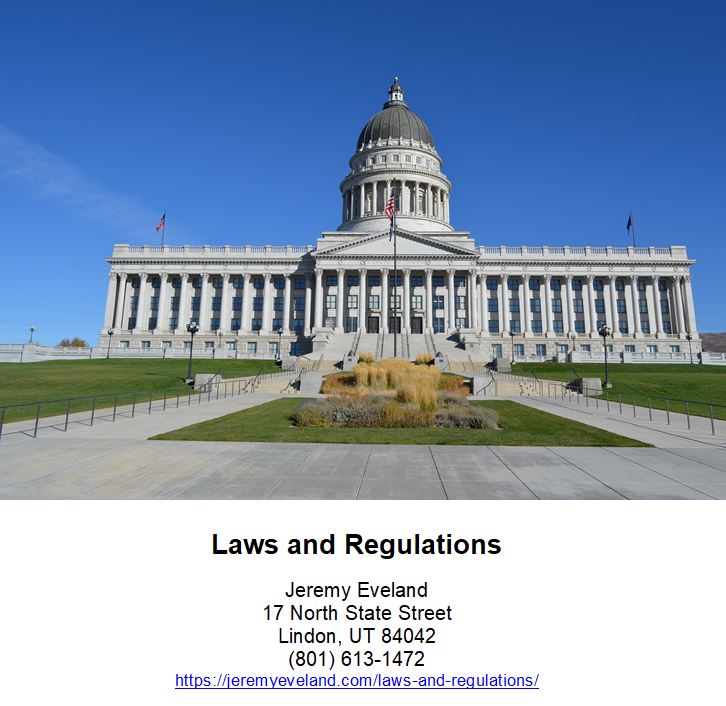
Estate Planning Lawyer

Revocable Living Trust

Estate Planning Lawyer Salt Lake City Utah

Durable Power of Attorney

Health Care Directive

Employment Contracts

Promissory Estoppel