Tag Archives: partnership agreement

What Are The 4 Different Types of Business Law?

What Are The 4 Different Types Of Business Law

Understanding 4 Different Types

This guide covers 4 Different Types and what you need to know. Are you looking to gain a deeper understanding of the legal aspects that govern businesses? If so, you've come to the right place. In this article, we will explore the four different types of business law that are crucial for any entrepreneur or business owner to be aware of. By familiarizing yourself with these areas, you can ensure that your business operates within the boundaries of the law and avoid potential legal pitfalls.

The first type of business law is contract law. This branch focuses on ensuring that agreements entered into by individuals or entities are valid and enforceable. Understanding contract law is essential as it governs any written or verbal agreement between parties involved in a business transaction. From purchase contracts to employment agreements, having a solid grasp of contract law will enable you to negotiate favorable terms while protecting your rights and interests.

Next up is employment law, which deals with the legal relationship between employers and employees. This area covers various aspects such as hiring practices, workplace safety regulations, discrimination laws, and termination procedures. Being well-versed in employment law is crucial for creating a fair and productive work environment while avoiding costly lawsuits or disputes.

Moving on to intellectual property law – this branch focuses on protecting intangible assets such as trademarks, copyrights, patents, and trade secrets. With technology advancing at an unprecedented rate, intellectual property has become increasingly valuable in today's competitive landscape. Understanding how intellectual property rights work can help safeguard your innovative ideas from being copied or stolen by competitors.

Lastly, we have corporate law – an area that encompasses the legal structure and governance of a company. Corporate lawyers assist businesses in forming legal entities such as corporations or limited liability companies (LLCs). They also advise on matters related to shareholder rights, mergers and acquisitions, compliance with regulatory requirements, and more.

By gaining knowledge about these four types of business law – contract law, employment law, intellectual property law, and corporate law – you can navigate the complex legal landscape with confidence. Whether you're starting a new business or managing an existing one, having a solid understanding of these areas will not only protect your interests but also contribute to the long-term success and sustainability of your enterprise. So, let's dive in and explore each type of business law in more detail!

Contract Law: Ensuring Valid and Enforceable Agreements

Contract law ensures that agreements are valid and enforceable, giving individuals the power to protect their rights and hold others accountable. In the realm of business law, contract law plays a crucial role in establishing the foundation for successful transactions and relationships. By understanding the principles of contract law, businesses can create legally binding agreements that provide clarity and protection for all parties involved.

Valid agreements are a fundamental aspect of contract law. For an agreement to be considered valid, certain elements must be present. These include an offer made by one party, acceptance by the other party, consideration (something of value exchanged between the parties), legal capacity of both parties to enter into the agreement, genuine consent without any coercion or misrepresentation, as well as legality in terms of not violating any laws or public policies. Valid agreements ensure that both parties have willingly entered into a contractual relationship with full understanding and intent.

Once an agreement is deemed valid, it becomes enforceable under contract law. This means that if one party fails to fulfill their obligations outlined in the agreement, the other party has legal remedies available to them. Enforceable agreements give businesses confidence knowing they can take action if necessary to protect their interests. The courts play a vital role in enforcing contracts by providing remedies such as monetary damages or specific performance (requiring a party to fulfill their contractual obligations).

Understanding contract law is essential for businesses because it enables them to navigate negotiations with confidence and clarity. By ensuring that agreements are valid and enforceable, businesses can establish trust among their partners and clients while minimizing potential conflicts or disputes. Contract law provides a framework through which business relationships can flourish based on mutual understanding and accountability.

As we transition into discussing employment law – which focuses on navigating the legal relationship between employers and employees – it's important to note how contract law intersects with this area of business law. Employment contracts play a vital role in outlining the rights and responsibilities of both employers and employees. By recognizing how contract law shapes the employer-employee relationship, businesses can ensure compliance with legal obligations and foster a harmonious work environment.

Navigate the complex legal landscape of employment relationships and learn how employers and employees can establish a mutually beneficial partnership. Employment law encompasses the legal relationship between employers and employees, providing guidelines for both parties to follow in order to ensure fair treatment and protection of rights. This area of business law covers various aspects such as hiring, compensation, workplace safety, discrimination, termination, and more. By understanding employment law, employers and employees can navigate this intricate framework to create a harmonious work environment that benefits all parties involved.

To fully comprehend the complexities of employment law, it is essential to understand the different dimensions that make up this legal relationship. The following table provides an overview of three key areas within employment law:

Aspect Description
Hiring Covers the process of recruiting and selecting employees in compliance with anti-discrimination laws.
Compensation Addresses issues related to wages, overtime pay, benefits packages, leave policies, and more.
Workplace Safety Focuses on ensuring a safe working environment through regulations such as health and safety standards.

Navigating these aspects requires employers to be aware of their responsibilities towards their workforce while also safeguarding their interests as business owners. It entails adhering to labor laws regarding fair hiring practices, providing appropriate compensation packages based on regulatory requirements or industry standards, and maintaining a safe workplace by implementing necessary precautions.

Employees also have certain rights under employment law that protect them from unfair treatment or discriminatory practices. These include the right to receive fair wages for their work hours or overtime efforts when applicable; access to suitable benefits packages such as paid time off or healthcare coverage; protection against harassment or discrimination based on factors like race, gender, religion; a safe working environment free from hazards or risks.

Understanding these fundamental aspects of employment law allows both employers and employees to establish a legally sound foundation for their relationship. By navigating this legal landscape effectively while respecting the rights and responsibilities of each party, a mutually beneficial partnership can be achieved. In the next section, we will explore another crucial area of business law: intellectual property law, which focuses on safeguarding intangible assets such as inventions, trademarks, and copyrights.

Note: To protect your intangible assets from unauthorized use or infringement, it is important to understand how intellectual property law operates.

Intellectual Property Law: Protecting Your Intangible Assets

Intellectual Property Law is like a shield that safeguards your intangible assets, such as inventions and trademarks, from the hands of unauthorized users. It is one of the four different types of business laws that you need to understand to protect your assets effectively. Intellectual property refers to creations of the mind, including inventions, literary and artistic works, designs, symbols, names, and images used in commerce. Business owners often invest significant time and resources into developing these intangible assets, making it crucial to have legal protection.

Jeremy Eveland, Lawyer Jeremy Eveland, Jeremy Eveland Business Attorney, What Are The 4 Different Types of Business Law,  business, law, laws, businesses, tax, types, contract, partnership, contracts, property, liability, employment, state, structure, bankruptcy, companies, lawyer, rights, entity, income, employees, course, taxes, regulations, areas, profits, type, agreement, students, corporation, formation, rules, agreements, area, employee, courses, people, insurance, member, structures, business law, different types, contract law, employment law, intellectual property law, intellectual property, business laws, corporate law, sole trader, commercial law, sole proprietorship, business lawyer, federal laws, national insurance, business owner, state laws, business structure, income tax, small businesses, study.com member, partnership agreement, legal issues, legal structure, academic year, antitrust laws, legal entity, state law, corporation tax, companies house, spring term, bankruptcy, regulations, taxes, lawyer, contract law, tax, employees, llc, intellectual property law, employment law, partnership, shareholders, ownership, mcdonald's, sole proprietorship, liability, attorney, debts, entity, warner bros., federal laws, law, corporate income tax, partner, s corporations, stella liebeck, s-corp, pass-through taxation, legally responsible, limited liability company (llc), limited liability, sole proprietor, bankruptcies, pass through entity, bankrupt, liebeck v. mcdonald's restaurants, partnership agreement, liebeck, self-employed, double taxation, civil wrong, federal income tax purposes, partnership, income tax, pierce the corporate veil,

In today's highly competitive market, intellectual property plays a vital role in maintaining a competitive edge. By registering your intellectual property under intellectual property law, you gain exclusive rights over its use and can prevent others from using or copying it without permission. This helps you preserve the value of your creations and prevents competitors from unfairly benefiting from your hard work.

However, navigating intellectual property law can be complex due to various legal issues that may arise. For example, determining whether your creation qualifies for copyright protection or patent requirements can be challenging without proper guidance. Additionally, enforcing your rights against infringement requires a thorough understanding of legal procedures and potential remedies available under intellectual property law.

Understanding the nuances of intellectual property law is essential for protecting your assets effectively. By having knowledge about this area of business law, you can make informed decisions regarding licensing agreements or negotiations with potential partners or investors who might want access to your valuable intangible assets.

Transitioning into the next section about corporate law: Understanding the legal structure and governance of a company is crucial for ensuring compliance with applicable regulations while running a successful business entity.

Corporate Law is essential for ensuring the proper structure and governance of a company, guaranteeing compliance with regulations and driving business success. It encompasses a wide range of legal issues that pertain to the formation, operation, and dissolution of a company. One key aspect of corporate law is establishing the legal structure of a company, which can be in the form of a corporation, limited liability company (LLC), partnership, or sole proprietorship. The choice of legal structure has significant implications for taxes, liability protection, ownership rights, and more.

In addition to determining the legal structure, corporate law also governs how a company operates on a day-to-day basis. This includes setting rules and procedures for decision-making processes within the organization, such as board meetings and shareholder voting. Corporate law also regulates matters related to shareholder rights and responsibilities, director duties and liabilities, executive compensation, mergers and acquisitions, and much more.

Understanding corporate law is crucial for business owners as it ensures that they are aware of their obligations towards stakeholders such as shareholders, employees, customers, creditors, and society at large. By adhering to corporate governance principles outlined by applicable laws and regulations in their article section specific to their jurisdiction or industry standards like Sarbanes-Oxley Act (SOX) for publicly traded companies in the United States; businesses can build trust with investors while safeguarding against potential legal disputes or reputational damage.

Transition: Now that you have an understanding of corporate law's importance in establishing the legal structure and governance of a company let's delve into another critical aspect – compliance with regulations: staying on the right side of business law.

Compliance with Regulations: Staying on the Right Side of Business Law

Make sure you're not caught in the crosshairs of legal trouble by understanding how to comply with regulations and stay on the right side of the law, just like a skilled tightrope walker gracefully balances their weight to avoid falling off and facing serious consequences. Compliance with regulations is essential for businesses to operate ethically, maintain a positive reputation, and avoid costly penalties or legal actions. To help you navigate this complex landscape, here are three key aspects of compliance in the context of business law:

  1. Stay informed: Keeping up-to-date with relevant laws and regulations is crucial for ensuring compliance. Regularly review industry-specific guidelines, federal and state legislation, as well as any local ordinances that affect your business operations. It's important to have a thorough understanding of all applicable rules so that you can make informed decisions and implement necessary measures to remain compliant.

  2. Develop internal policies: Establishing comprehensive internal policies is an effective way to ensure compliance within your organization. These policies should outline specific procedures and practices that align with legal requirements while promoting ethical behavior among employees. Clearly communicate these policies through training programs and regular reminders to reinforce their importance.

  3. Conduct regular audits: Regularly assessing your business practices through internal audits helps identify areas where compliance may be lacking. Audits serve as a proactive measure to detect potential issues before they escalate into larger problems or attract regulatory scrutiny. By conducting thorough inspections, you can address any non-compliance promptly, develop corrective action plans, and mitigate associated risks.

By prioritizing compliance with regulations in your business operations, you demonstrate a commitment to ethical conduct while safeguarding yourself from legal troubles. Understanding the importance of staying on the right side of business law allows you to navigate confidently through various challenges that may arise in today's complex regulatory environment.

Transition: As invaluable as it is to proactively comply with regulations, sometimes disputes cannot be entirely avoided despite best efforts in adhering to business laws. Thus, it is essential to have strategies for resolving business conflicts in place.

Discover effective strategies for resolving conflicts in your business, ensuring that you can overcome disputes and maintain harmony within your organization. When it comes to dispute resolution, understanding the legal aspects is crucial. One strategy is negotiation, where parties involved discuss their differences and try to reach a mutually satisfactory agreement. This approach allows for open communication and compromise, often leading to a resolution that benefits both parties. Another strategy is mediation, where a neutral third party facilitates discussions between the conflicting parties. Mediation can be effective in finding common ground and maintaining relationships while avoiding costly litigation.

In addition to negotiation and mediation, arbitration is another strategy for resolving business conflicts. In arbitration, an impartial third party reviews the evidence presented by both sides and makes a binding decision. This process tends to be quicker and less formal than traditional litigation, providing businesses with a more efficient way of settling disputes. Finally, if all else fails, litigation may be necessary. Litigation involves taking the dispute to court and having a judge or jury make a final ruling based on the presented evidence.

By employing these various strategies for dispute resolution, businesses can effectively handle conflicts that arise within their organization. It is important to understand which strategy suits each situation best as there is no one-size-fits-all approach. However, by utilizing negotiation or mediation when possible and resorting to arbitration or litigation when necessary, businesses can navigate legal complexities while preserving relationships and minimizing costs.

Resolving conflicts through effective dispute resolution strategies not only helps businesses avoid potential legal pitfalls but also promotes long-term success by creating an environment of trust and collaboration within the organization. By harnessing the power of business law in conflict resolution efforts, you can ensure that your company operates smoothly while upholding legal standards. The ability to resolve disputes efficiently demonstrates your commitment to fair practices and enhances your reputation among employees, customers, suppliers, and other stakeholders alike. With this solid foundation in place through successful conflict resolution techniques rooted in business law principles, your organization can confidently move forward in pursuit of long-term success.

Long-Term Success: Harnessing the Power of Business Law for Your Business

In the previous section, we explored various strategies for resolving legal disputes in a business setting. Now, let's delve into the topic of long-term success and how harnessing the power of business law can greatly benefit your business.

Business law plays a crucial role in ensuring the smooth operation and growth of your company. By understanding and utilizing the principles of business law, you can navigate complex legal issues, minimize risks, and maximize opportunities for long-term success.

To illustrate this concept further, let's take a closer look at four key aspects of business law that are essential to achieving long-term success:

  1. Contract Law: Contracts form the backbone of any business transaction or relationship. Understanding contract laws allows you to create legally binding agreements that protect your interests and outline clear expectations for all parties involved. This promotes trust, reduces conflicts, and fosters successful partnerships.

  2. Intellectual Property Law: In today's knowledge-based economy, protecting intellectual property is vital for maintaining a competitive advantage. By leveraging intellectual property laws, such as patents, trademarks, and copyrights, you can safeguard your innovative ideas, unique branding elements, and creative works from unauthorized use or infringement by others.

  3. Employment Law: Your employees are one of your most valuable assets as they contribute to the overall success of your business. Complying with employment laws ensures fair treatment of workers while also guarding against potential legal liabilities related to recruitment practices, employee contracts, workplace safety standards, discrimination issues, and more.

  4. Corporate Governance: Establishing effective corporate governance practices is crucial for businesses aiming for long-term sustainability. Adhering to corporate governance guidelines improves transparency in decision-making processes within your organization while also maintaining ethical standards that build trust among stakeholders.

By incorporating these four pillars of business law into your operations effectively and ethically managing legal matters will lead to increased stability and prosperity for your company in the long run.

Now that we have explored how harnessing the power of business law can contribute to your long-term success, let's move on to the next section to delve deeper into the intricacies of each aspect mentioned above.

Frequently Asked Questions

How can businesses ensure that their contracts are legally binding and enforceable?

To ensure that your contracts are legally binding and enforceable, there are several steps you can take. First, make sure that you have a clear and detailed contract that outlines all the terms and conditions of the agreement. Use specific language and avoid ambiguous or vague wording to minimize any potential confusion. Secondly, it's crucial to include consideration in your contract, which means each party must give something of value in exchange for what they receive. This ensures that both sides have a legal obligation to fulfill their promises. Additionally, be sure to incorporate any necessary legal elements such as signatures from all parties involved and witnesses if required by law. Finally, consider consulting with a lawyer who specializes in business law to review your contracts before finalizing them. They can provide valuable insights and ensure that your agreements comply with all relevant laws and regulations. By following these steps, you can increase the likelihood that your contracts will be legally binding and enforceable in the event of any disputes or breaches of agreement.

In the workplace, both employers and employees have specific legal rights and responsibilities. As an employer, you are responsible for providing a safe and healthy working environment for your employees, ensuring that they receive fair wages and benefits, and complying with laws regarding discrimination, harassment, and worker's compensation. You also have the right to set expectations for performance, discipline employees when necessary, and protect your business's confidential information. On the other hand, as an employee, you have the right to be treated fairly and with respect by your employer. This includes receiving accurate pay stubs, being paid at least minimum wage or the agreed-upon salary, having access to breaks and rest periods as required by law, and being free from discrimination or harassment based on protected characteristics such as race or gender. Additionally, both employers and employees have a responsibility to adhere to any contractual agreements they enter into regarding employment terms or obligations. By understanding these rights and responsibilities in the workplace, both parties can create a harmonious work environment that is conducive to productivity and mutual success.

How can businesses protect their intellectual property rights, such as trademarks, copyrights, and patents?

To protect their intellectual property rights, businesses can take several measures. One effective way is by registering trademarks, copyrights, and patents with the appropriate government agencies. For example, let's consider a hypothetical case study of a software company that has developed a groundbreaking technology for data encryption. By obtaining a patent for their unique encryption algorithm, they can prevent others from using or selling their invention without permission. Additionally, implementing robust internal policies and procedures can help businesses safeguard their intellectual property. This may include non-disclosure agreements (NDAs) for employees and partners to ensure confidentiality. Regular monitoring of the market for potential infringements is also crucial in identifying any unauthorized use of trademarks or copyrighted materials. Finally, businesses can seek legal recourse by taking infringers to court if necessary, thereby protecting their valuable intellectual assets from exploitation and maintaining a competitive edge in the market.

In order to operate legally, businesses must comply with a variety of legal requirements and regulations. These can vary depending on the nature of the business and its location, but there are some common areas that most businesses need to address. First and foremost, businesses must adhere to laws related to licensing and permits. This includes obtaining the necessary licenses or permits required by their industry or profession, such as a liquor license for a bar or a medical license for a healthcare provider. Additionally, businesses must comply with labor and employment laws, which govern issues such as minimum wage, working hours, and workplace safety. They also need to ensure they are in compliance with tax laws by accurately reporting their income and paying taxes on time. Another important area is consumer protection laws, which regulate how businesses interact with customers and protect consumers from unfair practices. Lastly, businesses must also be mindful of environmental regulations to minimize their impact on the environment. By adhering to these legal requirements and regulations, businesses can operate legally while maintaining trust with customers and avoiding potential legal issues.

Ah, legal disputes in a business setting. It's like watching a thrilling game of chess, except the players are wearing fancy suits and arguing over money instead of moving pieces around. But fear not, my friend, for there are effective strategies to resolve these battles of the suits. One such strategy is negotiation – using your silver tongue to find common ground and reach a mutually beneficial agreement. Another option is mediation, where an impartial third party helps facilitate communication and find a resolution. If all else fails, you can always take it to court and let the judge decide who wears the crown of victory. Just remember, when it comes to legal disputes in the business world, it's not about winning or losing; it's about finding that sweet spot where both parties can walk away feeling satisfied and perhaps even slightly amused by this dramatic dance of justice.

Summary

Business law is a broad field of law that encompasses a variety of legal issues that arise in the context of business operations. In Utah, business law is governed by a combination of state statutes, case law, and common law. Utah’s business law covers a wide range of topics, including contracts, torts, intellectual property, business organizations, and more.

One of the most important topics in business law is contracts. A contract is an agreement between two or more parties that creates certain legal obligations. Utah law requires that contracts be valid, enforceable, and in writing in order to be enforceable. Under Utah law, contracts are governed by the Utah Code, as well as the common law of contracts. Utah case law is particularly important in interpreting and understanding the law of contracts.

Another important area of business law is torts. A tort is a civil wrong that results in harm to a person or property. In Utah, torts are governed by the Utah Code, as well as the common law. Utah courts have held that a plaintiff must prove the elements of a tort in order to recover damages. Common torts in Utah include negligence, intentional torts, and strict liability.

Another important area of business law is intellectual property. Intellectual property rights provide protection for inventions, designs, and other creative works. In Utah, intellectual property is governed by the Utah Code, as well as the common law. Intellectual property rights are generally divided into two categories: copyrights and patents. Copyrights protect creative works, such as books and music, while patents protect inventions.

Finally, business law covers business organizations. In Utah, business organizations are governed by the Utah Code, as well as the common law. Business organizations can take the form of corporations, partnerships, limited liability companies, and more. Each organization has its own set of rules and regulations that govern how it operates.

Business law covers a wide range of topics, from contracts to torts to intellectual property to business organizations. Utah business law is governed by a combination of state statutes, case law, and common law. Understanding and interpreting business law requires an understanding of the relevant statutes, case law, and common law.

Areas We Serve

We serve individuals and businesses in the following locations:

Salt Lake City Utah
West Valley City Utah
Provo Utah
West Jordan Utah
Orem Utah
Sandy Utah
Ogden Utah
St. George Utah
Layton Utah
South Jordan Utah
Lehi Utah
Millcreek Utah
Taylorsville Utah
Logan Utah
Murray Utah
Draper Utah
Bountiful Utah
Riverton Utah
Herriman Utah
Spanish Fork Utah
Roy Utah
Pleasant Grove Utah
Kearns Utah
Tooele Utah
Cottonwood Heights Utah
Midvale Utah
Springville Utah
Eagle Mountain Utah
Cedar City Utah
Kaysville Utah
Clearfield Utah
Holladay Utah
American Fork Utah
Syracuse Utah
Saratoga Springs Utah
Magna Utah
Washington Utah
South Salt Lake Utah
Farmington Utah
Clinton Utah
North Salt Lake Utah
Payson Utah
North Ogden Utah
Brigham City Utah
Highland Utah
Centerville Utah
Hurricane Utah
South Ogden Utah
Heber Utah
West Haven Utah
Bluffdale Utah
Santaquin Utah
Smithfield Utah
Woods Cross Utah
Grantsville Utah
Lindon Utah
North Logan Utah
West Point Utah
Vernal Utah
Alpine Utah
Cedar Hills Utah
Pleasant View Utah
Mapleton Utah
Stansbury Par Utah
Washington Terrace Utah
Riverdale Utah
Hooper Utah
Tremonton Utah
Ivins Utah
Park City Utah
Price Utah
Hyrum Utah
Summit Park Utah
Salem Utah
Richfield Utah
Santa Clara Utah
Providence Utah
South Weber Utah
Vineyard Utah
Ephraim Utah
Roosevelt Utah
Farr West Utah
Plain City Utah
Nibley Utah
Enoch Utah
Harrisville Utah
Snyderville Utah
Fruit Heights Utah
Nephi Utah
White City Utah
West Bountiful Utah
Sunset Utah
Moab Utah
Midway Utah
Perry Utah
Kanab Utah
Hyde Park Utah
Silver Summit Utah
La Verkin Utah
Morgan Utah

Business Law Utah Consultation

When you need help from a Business Lawyer in Utah, call Jeremy D. Eveland, MBA, JD (801) 613-1472 for a consultation.

Jeremy Eveland
17 North State Street
Lindon UT 84042
(801) 613-1472

Home

Related Posts

What are the Trademark Laws in Utah

Business Lawyer Pleasant Grove Utah

Utah Wholesale Business Law

Business Lawyer Kearns Utah

How to Form an LLC in Utah

Business Lawyer Tooele Utah

How to Calculate Overtime Pay in Utah

Business Lawyer Cottonwood Heights Utah

Understanding Utah’s Consumer Protection Laws

Business Lawyer Midvale Utah

Comprehensive Guide To Hiring A Business Lawyer

Business Lawyer Springville Utah

Mergers and Acquisitions from a Legal Perspective

Business Lawyer Eagle Mountain Utah

Understanding Anti-Trust Laws in Utah

Business Lawyer Cedar City Utah

Understanding LLC Laws in Utah

Business Lawyer Kaysville Utah

Understanding Utah’s Non-Profit Laws

Business Lawyer Clearfield Utah

Telemarketing Lawyer

Business Lawyer Holladay Utah

Business Organizations

Business Lawyer American Fork Utah

Business Law Attorney

Business Lawyer Syracuse Utah

How To Handle Customer Complaints In Utah

Business Lawyer Saratoga Springs Utah

The Role of Business Law in Protecting Minority Shareholder Rights

Business Lawyer Magna Utah

What Are The 4 Different Types of Business Law?

For legal assistance regarding 4 Different Types, contact Jeremy Eveland. We handle 4 Different Types cases and provide guidance on 4 Different Types for clients.

For legal assistance regarding 4 Different Types, contact Jeremy Eveland. We handle 4 Different Types cases and provide guidance on 4 Different Types for clients.

For legal assistance regarding 4 Different Types, contact Jeremy Eveland. We handle 4 Different Types cases and provide guidance on 4 Different Types for clients.

For legal assistance regarding 4 Different Types, contact Jeremy Eveland. We handle 4 Different Types cases and provide guidance on 4 Different Types for clients.

For legal assistance regarding 4 Different Types, contact Jeremy Eveland. We handle 4 Different Types cases and provide guidance on 4 Different Types for clients.

For legal assistance regarding 4 Different Types, contact Jeremy Eveland. We handle 4 Different Types cases and provide guidance on 4 Different Types for clients.

For legal assistance regarding 4 Different Types, contact Jeremy Eveland. We handle 4 Different Types cases and provide guidance on 4 Different Types for clients.

For legal assistance regarding 4 Different Types, contact Jeremy Eveland. We handle 4 Different Types cases and provide guidance on 4 Different Types for clients.

Visit USA.gov for official resources.

Jeremy Eveland, Business Organizations, business, liability, corporation, partnership, organization, corporations, partners, management, tax, partnerships, shareholders, owners, organizations, owner, income, proprietorship, form, businesses, firm, profits, type, law, stock, llc, taxes, ownership, partner, entity, assets, state, companies, members, types, structure, profit, share, organisation, shares, debts, capital, business organization, sole proprietorship, business organizations, general partnership, sole proprietorships, limited partnership, limited partners, limited liability, limited liability company, personal assets, general partnerships, general partners, double taxation, sole proprietor, business entity, limited partnerships, business owner, general partner, legal entity, personal liability, business structure, small businesses, limited liability companies, partnership agreement, personal property, limited liability partnership, business organisation, internal revenue service, joint venture, united states, partnership, shareholders, tax, assets, sole proprietorship, profit, liability, ownership, income, taxed, llc, lindon, general partnership, debts, corporation, taxes, dividends, unlimited liability, limited partnerships, business, investment, enterprise, pass-through, corporations, owner, s-corp, trusts, professional limited liability company, double-taxed, gafam, limited liability, sole proprietor, franchisor, corporate taxation, general partners, flow-through taxation, federal income tax, for profit organisation, partner, franchisee, business enterprises, dividend, limited liability companies

Business Organizations

Business Organizations

Unraveling the Mysteries of Business Organizations: Choosing the Best Legal Structure for Your Company.

Introduction

Starting a business is a challenging and complex process that requires a lot of planning, research, and decision-making. One of the most important decisions a business owner needs to make is choosing the right type of business organization. Business organizations are legal structures that determine how a company will be owned, managed, and operated.

Definition of Business Organizations

A business organization is an entity that is created for the purpose of conducting commercial activities or providing goods and services to customers. There are different types of business organizations, each with its own advantages and disadvantages.

The three main types are sole proprietorship, partnership, and corporation. A sole proprietorship is a business owned by one person who has complete control over all aspects of the company’s operations.

A partnership is a business owned by two or more people who share profits and losses. A corporation is a legal entity that exists separately from its owners (shareholders) and can sue or be sued in court.

Importance of understanding Business Organizations

Understanding the different types of business organizations is crucial for entrepreneurs who want to start their own businesses because it directly affects how they will operate their companies in terms of management style, liability protection, tax requirements, financing options, etc. Choosing the wrong type of business organization can have serious consequences for your company that can negatively impact growth potential or even put you out of business entirely. It’s important to research each type carefully before deciding which one best suits your needs.

For example, if you’re starting an online store as a solo entrepreneur with limited resources but want full control over your brand image and intellectual property rights, then you might consider registering as a sole proprietorship to keep things simple at first while minimizing startup costs. However, if you’re eager to grow quickly or anticipate significant financial risks associated with running your operation (e.g., product liability claims), then forming a corporation might be a better option because it offers more legal protections and access to capital markets.

Jeremy Eveland, Business Organizations, business, liability, corporation, partnership, organization, corporations, partners, management, tax, partnerships, shareholders, owners, organizations, owner, income, proprietorship, form, businesses, firm, profits, type, law, stock, llc, taxes, ownership, partner, entity, assets, state, companies, members, types, structure, profit, share, organisation, shares, debts, capital, business organization, sole proprietorship, business organizations, general partnership, sole proprietorships, limited partnership, limited partners, limited liability, limited liability company, personal assets, general partnerships, general partners, double taxation, sole proprietor, business entity, limited partnerships, business owner, general partner, legal entity, personal liability, business structure, small businesses, limited liability companies, partnership agreement, personal property, limited liability partnership, business organisation, internal revenue service, joint venture, united states, partnership, shareholders, tax, assets, sole proprietorship, profit, liability, ownership, income, taxed, llc, lindon, general partnership, debts, corporation, taxes, dividends, unlimited liability, limited partnerships, business, investment, enterprise, pass-through, corporations, owner, s-corp, trusts, professional limited liability company, double-taxed, gafam, limited liability, sole proprietor, franchisor, corporate taxation, general partners, flow-through taxation, federal income tax, for profit organisation, partner, franchisee, business enterprises, dividend, limited liability companies

Understanding business organizations is critical for anyone who wants to start, grow, or maintain a successful business. The choice of entity is not just about tax benefits or liability protection; it’s about how you want to operate your company and what risks you’re willing to take on as an owner.

Types of Business Organizations

When it comes to starting a business, choosing the right type of business organization is crucial. There are three main types of business organizations: sole proprietorship, partnership, and corporation. Each type has its own advantages and disadvantages, which should be carefully considered before making a decision.

Sole Proprietorship

A sole proprietorship is the simplest and most common form of business organization. This type of business is owned and operated by a single individual.

One of the main advantages of a sole proprietorship is that it is easy to set up and requires very little paperwork. Additionally, the owner has complete control over all aspects of the business.

However, there are also some disadvantages to this type of organization. Since the owner is personally liable for all debts and obligations related to their business, their personal assets may be at risk if something goes wrong with the company.

Moreover, there may be limited growth opportunities since it can be difficult for a sole proprietorship to raise capital or secure loans from financial institutions. Examples of successful sole proprietorships include small service-based businesses such as electricians or graphic designers.

Partnership

A partnership is similar to a sole proprietorship in that it involves two or more individuals who own and operate a business together. There are several different types of partnerships including general partnerships, limited partnerships, and limited liability partnerships (LLPs). One advantage of partnerships is that they allow for shared responsibility and resources between partners which can lead to greater growth opportunities than what would be possible with an individual proprietorship.

However, like sole proprietorships they can also leave partners personally liable for any debts incurred by the company. Examples of successful partnership businesses include law firms where multiple lawyers pool resources together for greater success.

Corporation

A corporation is a legal entity separate from its owners, or shareholders. The corporation can enter into contracts, take on debt, and conduct business in its own name. One of the main benefits of a corporation is that it provides liability protection for shareholders.

This means that the personal assets of shareholders are not at risk if the company experiences financial difficulties. However, corporations are also more complex to form and operate than sole proprietorships or partnerships.

Additionally, there may be additional tax implications for corporations that are not present with other types of organizations. Examples of successful corporations include well-known businesses such as Google or Apple.

Choosing the right type of business organization is essential for any entrepreneur looking to start a business. While each type has its unique advantages and disadvantages, understanding these differences can help entrepreneurs make informed decisions about the best way to structure their companies.

Legal Aspects of Business Organizations When starting a business, one of the most important decisions is selecting the right business organization. Each type of business organization has its own legal aspects, including formation process, taxation, and liability.

In this section, we will explore these legal aspects in detail for each type of business organization. Formation Process for Each Type of Business Organization

The formation process for each type of business organization varies depending on the legal structure. Sole proprietorships and partnerships are relatively easy to form with little to no legal requirements.

However, corporations require more paperwork and formalities. To form a corporation, you need to file articles of incorporation with the state in which you plan to do business.

This document includes information such as the company name and address, purpose of the corporation, number and classes of stock issued, names and addresses of directors and officers. Once filed with the state government agency responsible for business registrations, you will receive a certificate showing that your corporation exists under state law.

The certificate allows you to conduct business in that particular state legally. Taxation for Each Type of Business Organization

Another important factor to consider when choosing a business organization is taxation. Each type has its own tax implications that can affect your bottom line significantly.

Sole proprietorships and partnerships are considered pass-through entities where profits or losses pass directly through to owners’ personal tax returns at their individual income tax rates. Corporations are taxed separately from their owners on corporate income at corporate tax rates set by the federal government.

Depending on how much profit is left after paying salaries or dividends out to shareholders can result in double taxation since there are two levels of taxation (corporate level + individual level) affecting these earnings. Limited Liability Companies (LLCs) provide entrepreneurs with flexibility when it comes to taxation because they have various options available based on their individual circumstances such as electing partnership or C-corporation structures if they want pass-through treatment but also want limited liability protection.

Liability for Each Type of Business Organization Liability is a critical factor to consider when choosing a business organization.

In a sole proprietorship, the business owner is personally liable for all debts and losses incurred by the business. In a partnership, each partner is equally responsible for the company’s debts and financial obligations.

However, limited partners have limited liability protection from lawsuits or legal claims against the company. Corporations offer shareholders limited liability protection.

Shareholders are not personally responsible for corporate debts and losses except in certain specific circumstances such as fraud or wrongful acts committed by them. Conclusion

Choosing the right business organization can be a complicated decision with many factors to consider. Understanding the formation process, taxation, and liability of each type of business organization can help you make an informed decision that leads to long-term success.

It is important to consult with an attorney or accountant before making any decisions about your business’s legal structure. You want to ensure that you are choosing the right type of entity that provides adequate protection while minimizing taxes and legal risk exposure.

Choosing the Right Business Organization for Your Company

When it comes to choosing the right business organization for your company, there are several factors to consider. It is essential to choose a business structure that aligns with your company’s goals and objectives and provides the most benefits possible. Factors such as liability protection, taxes, ownership structure, and flexibility should be taken into account when making this decision.

Factors to Consider When Choosing a Business Organization

The first factor to consider when choosing a business organization is liability protection. Liability protection ensures that you are not personally responsible for any debts or legal issues incurred by your business.

Sole proprietors have unlimited personal liability, while corporations offer limited liability protection. The second factor is taxation.

Different business organizations are taxed differently. For example, sole proprietors pay taxes based on their individual tax rates, while corporations must pay corporate income tax in addition to personal income tax for shareholders.

Ownership structure is also an important factor to consider. If you want full control over your business decisions and operations, a sole proprietorship may be the best option for you.

However, if you want to share ownership and decision-making responsibilities with others, forming a partnership or corporation may be more suitable. Flexibility is another key consideration when choosing a business organization.

If you anticipate significant growth or changes in ownership structure in the future, it may be wise to choose a more flexible entity such as an LLC (Limited Liability Company). An LLC combines aspects of both partnerships and corporations but allows more flexibility in management structure and taxation options than either option alone.

Advantages and Disadvantages of Each Business Organization

Sole proprietorships offer complete control over decision-making but come with unlimited personal liability for debts or legal issues incurred by the company. Partnerships allow you to share ownership and decision-making responsibilities with others but also come with unlimited personal liability.

Corporations offer limited liability protection, but are more complex and expensive to set up and maintain than sole proprietorships or partnerships. Additionally, corporations must pay corporate income tax in addition to personal income tax for shareholders.

LLCs offer a balance of flexibility, liability protection, and simplified taxation options. However, they are not always recognized by state laws and may be subject to higher taxes than other entities depending on the state where they are incorporated.

How to Change Your Business Organization if Necessary

In some cases, it may become necessary to change your business organization due to growth or changes in ownership structure. This process varies depending on the types of businesses involved. For example, if you want to convert your sole proprietorship into an LLC or corporation, you will need to file appropriate paperwork with your state government.

If you want to add a partner or change the partnership’s structure, you will need a new partnership agreement. If changing your business organization is necessary, it is essential that you seek legal advice from an experienced attorney who can help guide you through the process while ensuring compliance with state laws and regulations. Choosing the right business organization for your company is crucial for its success. The factors described above should be considered when making this decision.

It is also important to familiarize yourself with each type of organization’s advantages and disadvantages so that you can make an informed choice based on your needs. Remember that choosing a business entity is not permanent; it can be changed as needed as long as it aligns with your company goals and objectives.

Conclusion

Choosing the right business organization is crucial for the success of your company. Each type of business organization has its own advantages and disadvantages, and it’s important to consider all factors when making a decision. The legal aspects of each type of business organization should also be taken into consideration, as well as the tax implications and liability.

Sole proprietorship may seem like an attractive option for small businesses due to its simplicity, but it comes with personal liability and limited growth potential. Partnership offers shared responsibility and resources but can also lead to disputes between partners.

Corporation provides limited liability protection for shareholders but requires more paperwork and formalities. When choosing a business organization, it’s important to consider factors such as the size of your company, the desired level of control, available resources, future growth plans, tax implications, and liability protection.

It’s also important to note that changing your business organization is possible if necessary. As your company grows or changes over time, you may find that a different type of business organization better suits your needs.

Ultimately, selecting the right business organization can provide a solid foundation for your company’s success. By taking into account all relevant factors and carefully weighing your options before making a decision, you can create a strong structure for long-term growth and profitability.

Areas We Serve

We serve individuals and businesses in the following locations:

Salt Lake City Utah
West Valley City Utah
Provo Utah
West Jordan Utah
Orem Utah
Sandy Utah
Ogden Utah
St. George Utah
Layton Utah
South Jordan Utah
Lehi Utah
Millcreek Utah
Taylorsville Utah
Logan Utah
Murray Utah
Draper Utah
Bountiful Utah
Riverton Utah
Herriman Utah
Spanish Fork Utah
Roy Utah
Pleasant Grove Utah
Kearns Utah
Tooele Utah
Cottonwood Heights Utah
Midvale Utah
Springville Utah
Eagle Mountain Utah
Cedar City Utah
Kaysville Utah
Clearfield Utah
Holladay Utah
American Fork Utah
Syracuse Utah
Saratoga Springs Utah
Magna Utah
Washington Utah
South Salt Lake Utah
Farmington Utah
Clinton Utah
North Salt Lake Utah
Payson Utah
North Ogden Utah
Brigham City Utah
Highland Utah
Centerville Utah
Hurricane Utah
South Ogden Utah
Heber Utah
West Haven Utah
Bluffdale Utah
Santaquin Utah
Smithfield Utah
Woods Cross Utah
Grantsville Utah
Lindon Utah
North Logan Utah
West Point Utah
Vernal Utah
Alpine Utah
Cedar Hills Utah
Pleasant View Utah
Mapleton Utah
Stansbury Par Utah
Washington Terrace Utah
Riverdale Utah
Hooper Utah
Tremonton Utah
Ivins Utah
Park City Utah
Price Utah
Hyrum Utah
Summit Park Utah
Salem Utah
Richfield Utah
Santa Clara Utah
Providence Utah
South Weber Utah
Vineyard Utah
Ephraim Utah
Roosevelt Utah
Farr West Utah
Plain City Utah
Nibley Utah
Enoch Utah
Harrisville Utah
Snyderville Utah
Fruit Heights Utah
Nephi Utah
White City Utah
West Bountiful Utah
Sunset Utah
Moab Utah
Midway Utah
Perry Utah
Kanab Utah
Hyde Park Utah
Silver Summit Utah
La Verkin Utah
Morgan Utah

Business Organizations Consultation

When you need help with a Business Organization in Utah, call Jeremy D. Eveland, MBA, JD (801) 613-1472 for a consultation.

Jeremy Eveland
17 North State Street
Lindon UT 84042
(801) 613-1472

Home

Related Posts

Business Lawyer Riverton Utah

How To Structure A Merger Or Acquisition In Utah

How To Hire Employees Legally in Utah

Business Lawyer Herriman Utah

10 Tips for Negotiating Lease Agreements

Business Lawyer Spanish Fork Utah

How To Start A Non-Profit In Utah

Business Lawyer Roy Utah

What are the Trademark Laws in Utah

Business Lawyer Pleasant Grove Utah

Utah Wholesale Business Law

Business Lawyer Kearns Utah

How to Form an LLC in Utah

Business Lawyer Tooele Utah

How to Calculate Overtime Pay in Utah

Business Lawyer Cottonwood Heights Utah

Understanding Utah’s Consumer Protection Laws

Business Lawyer Midvale Utah

Comprehensive Guide To Hiring A Business Lawyer

Business Lawyer Springville Utah

Mergers and Acquisitions from a Legal Perspective

Business Lawyer Eagle Mountain Utah

Understanding Anti-Trust Laws in Utah

Business Lawyer Cedar City Utah

Understanding LLC Laws in Utah

Business Lawyer Kaysville Utah

Understanding Utah’s Non-Profit Laws

Business Lawyer Clearfield Utah

Telemarketing Lawyer

Business Lawyer Holladay Utah

Business Organizations

For legal assistance regarding Organizations, contact Jeremy Eveland. We handle Organizations cases and provide guidance on Organizations for clients.

For legal assistance regarding Organizations, contact Jeremy Eveland. We handle Organizations cases and provide guidance on Organizations for clients.

For legal assistance regarding Organizations, contact Jeremy Eveland. We handle Organizations cases and provide guidance on Organizations for clients.

For legal assistance regarding Organizations, contact Jeremy Eveland. We handle Organizations cases and provide guidance on Organizations for clients.

For legal assistance regarding Organizations, contact Jeremy Eveland. We handle Organizations cases and provide guidance on Organizations for clients.

For legal assistance regarding Organizations, contact Jeremy Eveland. We handle Organizations cases and provide guidance on Organizations for clients.

For legal assistance regarding Organizations, contact Jeremy Eveland. We handle Organizations cases and provide guidance on Organizations for clients.

For legal assistance regarding Organizations, contact Jeremy Eveland. We handle Organizations cases and provide guidance on Organizations for clients.

Visit USA.gov for official resources.

Jeremy Eveland, Lawyer Jeremy Eveland, Jeremy Eveland Utah Attorney, Common Legal Issues That Should Involve A Business Lawyer, business, insurance, property, tax, law, issues, agreement, shareholder, place, employee, customers, liability, businesses, shareholders, partnership, employment, bytestart, assets, online, contract, policies, disputes, help, services, guide, protection, payment, year, work, employers, months, way, guides, time, employees, contracts, types, trade, lawyer, companies, shareholder agreement, intellectual property, employment law, legal services, new business, legal issues, business partnership, professional indemnity insurance, trade secrets, public liability insurance, tide business bank, law firm, partnership agreement, small businesses, ebay business, freeagent online accounting, brilliant software, welcome bonus, bytestart readers, free transfers, essential tax protection, tax enquiry insurance, slater heelis, early years, new business levi, top ten business, airbnb business, game changers, clever formationstax investigation, 12-step action plan, shareholder, tax, employee, business partnership, lawyer, limited company, sole trader, assets, partnership, intellectual property, clio, ip, corporation tax, clients, joint venture, hmrc, law firm, payment, investments, property insurance, discrimination, legal services, taxes, insurance, workplace, company tax, corporation tax, non-disclosure agreements, partners, trade secrets, national insurance, know-how, ip, tax return, sole proprietor, professional indemnity, limited liability partnership, liable, dismissal, trademarks, partnerships, limited liability, corporation tax, wrongful termination, sensitive information, ndas

Common Legal Issues That Should Involve A Business Lawyer

Common Legal Issues That Should Involve A Business Lawyer

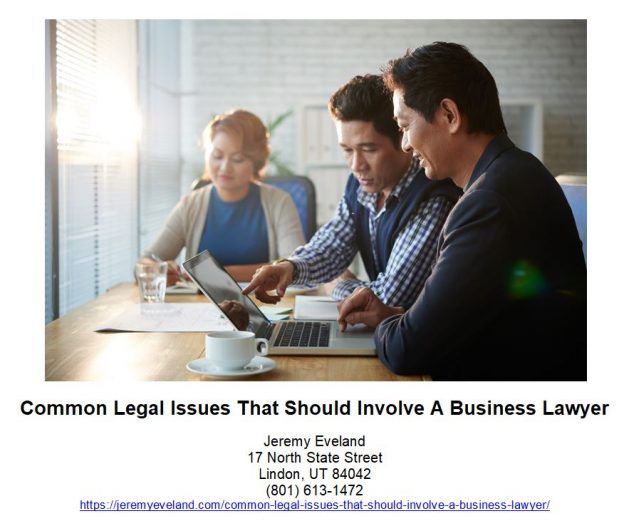
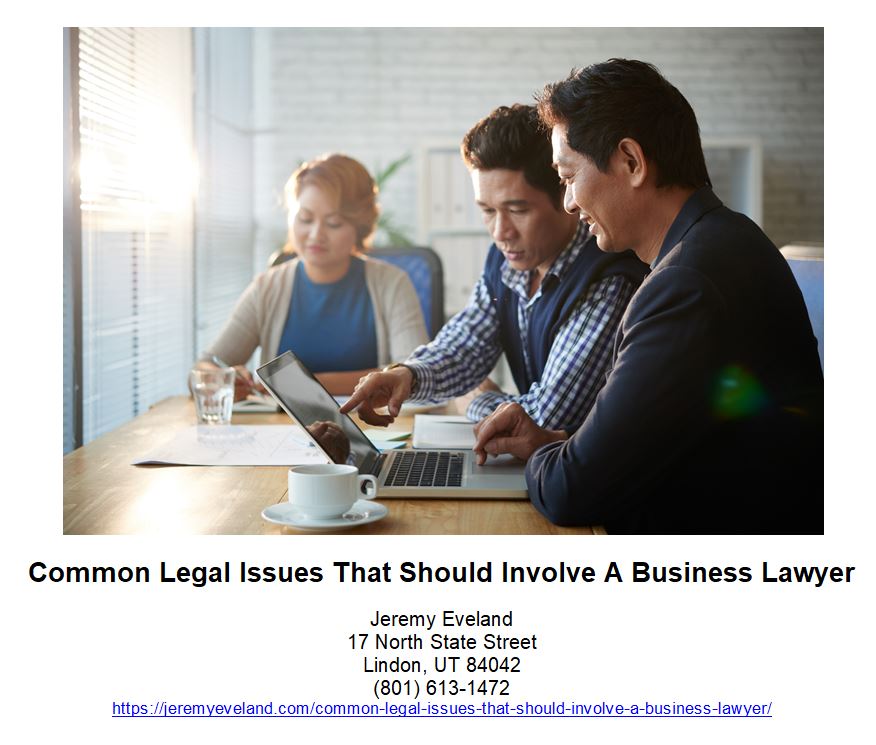
If you have a small business or are planning to start one, then building a relationship with a small business attorney can be one of the best things you can do. Not only will a lawyer guide you into setting up your small business correctly, but will help guide you through all the different aspects of owning a small business. There are a lot of legal aspects to business that an owner may not have considered when starting one, so having access to a lawyer can have a lot of benefits.
Once you starting running a business, the world gets a lot more complicated. You’ll find yourself faced with a plethora of issues and decisions that most people never have to consider, and legal inconveniences may be an unfortunate side effect. Here are some such issues, along with considerations for dealing with them.

Resolving disputes in business.

This can be a contractual issue, a product issue, or even a liability issue that a lawyer will be best equipped to deal with for you.

How to set up your business to protect your assets in case of a lawsuit or other legal issue

Making sure all your bases are covered if you’re buying a business, dealing with becoming a franchise or even selling your business.

Business ownership is complicated enough without having to attend to all the details alone. Business attorneys know all the in’s and out’s of the legal system and understand the traps and pitfalls that small business owners have to deal with. Consulting with one during all phases of your business may seem like an unnecessary expense, but like having insurance, it’s an expense that is well worth it. Having the comfort in knowing you’re personally protected, that your business is protected and that you’re running your business properly is well worth every penny.

Owning a small business is no easy feat. Starting up your own company is a challenging thing to do, but is also one of the most rewarding. There are several obstacles that one must overcome to create a successful business.

Determining Which Type of Business Entity

Before you do anything, you need to determine how your business will be structured. There are several types of business structures you can choose from, each with its own advantages and disadvantages. Whichever structure you choose will affect your personal liability, tax obligations, ongoing business expenses, and more. Choosing the wrong entity type could result in costly fees or fines that may negatively impact your business. A few business structures to choose from include:

 Limited Liability Company (LLC)
 Corporation
 Close Corporation
 Sole Proprietorship
 Partnership

A business lawyer can help you decide which structure to operate under. There are other resources you can use as well, that will help you determine which business model is best for you. However, nothing can truly replace the guidance from an experienced lawyer who can provide examples of where the liability protection shines, and where it lacks. Moreover, even though formation may seem simple, and these days many non-lawyers, including CPAs, are doing formation paperwork, only an attorney can really speak on the liability protections and consequences.

Obtaining Proper Licensing and Insurance

Licensing is one of the most common legal issues small businesses encounter. Make sure you’re in accordance with your local government’s requirements for business licensing. Otherwise, you will likely find yourself facing fees that could easily have been avoided. The cost of the license may vary depending on where you operate, but the need to have one remains constant throughout the country.

When it comes to obtaining business licenses and insurance, it is crucial that you obtain the proper documents and licenses for your company. Many business owners are unfamiliar with the government restrictions that are placed on business licensing. The cost and requirements for business licenses often vary by location making it difficult to determine which licenses are needed.

Jeremy Eveland, Lawyer Jeremy Eveland, Jeremy Eveland Utah Attorney, Common Legal Issues That Should Involve A Business Lawyer, business, insurance, property, tax, law, issues, agreement, shareholder, place, employee, customers, liability, businesses, shareholders, partnership, employment, bytestart, assets, online, contract, policies, disputes, help, services, guide, protection, payment, year, work, employers, months, way, guides, time, employees, contracts, types, trade, lawyer, companies, shareholder agreement, intellectual property, employment law, legal services, new business, legal issues, business partnership, professional indemnity insurance, trade secrets, public liability insurance, tide business bank, law firm, partnership agreement, small businesses, ebay business, freeagent online accounting, brilliant software, welcome bonus, bytestart readers, free transfers, essential tax protection, tax enquiry insurance, slater heelis, early years, new business levi, top ten business, airbnb business, game changers, clever formationstax investigation, 12-step action plan, shareholder, tax, employee, business partnership, lawyer, limited company, sole trader, assets, partnership, intellectual property, clio, ip, corporation tax, clients, joint venture, hmrc, law firm, payment, investments, property insurance, discrimination, legal services, taxes, insurance, workplace, company tax, corporation tax, non-disclosure agreements, partners, trade secrets, national insurance, know-how, ip, tax return, sole proprietor, professional indemnity, limited liability partnership, liable, dismissal, trademarks, partnerships, limited liability, corporation tax, wrongful termination, sensitive information, ndas

Getting the wrong licensing or failing to obtain proper insurance can be costly for a business to mend. A business lawyer can advise on what other protections you need for your business.

Contract Writing

Drafting and negotiating business contracts is challenging for someone who is unfamiliar with all the state laws, regulations, and guidelines that need to be considered. The need to create a legally binding business contract that works for your particular business is worth its weight in gold. This is where cookie-cutter contracts serve no real good and could lead to problems later on.

Similarly, negotiating a business contract can be quite tricky if you are less familiar with the terms and phrases being used. Having a poor understanding of business contracts leaves you vulnerable to facing serious legal complications which can be detrimental to your company.

Purchasing or Selling Your Business

Purchasing and selling an asset such as your business is no small task. Should you decide later on that you want to purchase another business to expand, or want to sell your business, you will be required to deal with all the necessary documents, licensing, and valuation. This can be a lot to handle on top of managing your business, and many business owners have little experience with real estate transactions. This could result in missed opportunities, loss of revenue, or becoming the victim of a poor investment option.

A business lawyer better understands how to make the transition in a way that protects both the seller and the buyer. This is not the time for handshake deals, even if it is with a family member or friend.

Handling Employee Conflicts

Part of being a business owner is dealing with employee conflicts. This is not always easy as it can put yourself and others at risk of litigation. There are several federal and state laws that your business must follow in regard to your employees such as health and safety regulations, anti-discrimination, and hours and wages. Fortunately, a business lawyer can help create documents and develop new policies and procedures that ensure you do not violate any laws and protects you from costly lawsuits from employees. Lastly, you will always want to protect your company’s information from what has turned into a revolving door of employees. However, non-compete laws are always changing. While it is detrimental to have a non-compete with key employees, and non-disclosure agreements with all your employees, drafting them wrong could expose your business to heavy fines.

Trademarks

Trademarks are another surprisingly common legal issue faced by small businesses. Be sure to do plenty of research ahead of naming or renaming your business or launching any new products or services. If you can think of a name, there’s always a chance someone else has as well, and it’s entirely possible that the other business already owns the trademark. Infringing on someone’s trademark is not the kind of legal hot water you want to find yourself in, even if that infringement was an honest mistake.

Employee Termination

It happens to many businesses. You hire someone you believe to be more qualified than they really are, and soon realize you’ll be losing money by keeping them around. Or you find out that they just don’t fit in with the rest of your employees and are affecting productivity and morale for the entire team. You can lessen your chances of legal repercussions if you take the right precautions before terminating anyone. This starts with spelling out the terms of employment in an employee manual and documenting any disciplinary actions involving the employee. If there’s any doubt about what you should do, it would be worth your while to consult your attorney.

Misclassification

Make sure you classify employees correctly as far as the government is concerned. “The misclassification of employees as independent contractors presents one of the most serious problems facing affected workers, employers and the entire economy,” according to the Federal Department of Labor. This is a subject the Department takes very seriously, so before you classify someone as an independent contractor, be sure to read the DOL guidelines.

Shareholders’ Agreement

If your business has more than one shareholder, an agreement is strongly encouraged. One day, the business may split up or be sold, and if no agreement exists, legal battles can — and likely will — ensue. Even if current shareholders are on the best of terms, things can always turn sour, and it’s not a good idea to leave any gray area when it comes to who gets what. The agreement should be drafted, or at the very least, overseen by a lawyer with experience in such matters.

Overtime Disputes

Make sure your overtime rules are clear and that you approve all overtime in advance. Not only will this provide you with a helpful financial control, it could save you potential legal trouble.

Litigation

This is one issue that you can control yourself. Don’t rush into a lawsuit, because doing so means paying legal fees, and as you can probably guess, these can add up quickly. If you can find a way to negotiate and settle a dispute outside of court, it might be wise to consider that option.

Consult an attorney if you have questions or concerns about any legal issue. Doing so will likely cost you less than the fees that come along with legal battles.

Areas We Serve

We serve individuals and businesses in the following locations:

Salt Lake City Utah
West Valley City Utah
Provo Utah
West Jordan Utah
Orem Utah
Sandy Utah
Ogden Utah
St. George Utah
Layton Utah
South Jordan Utah
Lehi Utah
Millcreek Utah
Taylorsville Utah
Logan Utah
Murray Utah
Draper Utah
Bountiful Utah
Riverton Utah
Herriman Utah
Spanish Fork Utah
Roy Utah
Pleasant Grove Utah
Kearns Utah
Tooele Utah
Cottonwood Heights Utah
Midvale Utah
Springville Utah
Eagle Mountain Utah
Cedar City Utah
Kaysville Utah
Clearfield Utah
Holladay Utah
American Fork Utah
Syracuse Utah
Saratoga Springs Utah
Magna Utah
Washington Utah
South Salt Lake Utah
Farmington Utah
Clinton Utah
North Salt Lake Utah
Payson Utah
North Ogden Utah
Brigham City Utah
Highland Utah
Centerville Utah
Hurricane Utah
South Ogden Utah
Heber Utah
West Haven Utah
Bluffdale Utah
Santaquin Utah
Smithfield Utah
Woods Cross Utah
Grantsville Utah
Lindon Utah
North Logan Utah
West Point Utah
Vernal Utah
Alpine Utah
Cedar Hills Utah
Pleasant View Utah
Mapleton Utah
Stansbury Par Utah
Washington Terrace Utah
Riverdale Utah
Hooper Utah
Tremonton Utah
Ivins Utah
Park City Utah
Price Utah
Hyrum Utah
Summit Park Utah
Salem Utah
Richfield Utah
Santa Clara Utah
Providence Utah
South Weber Utah
Vineyard Utah
Ephraim Utah
Roosevelt Utah
Farr West Utah
Plain City Utah
Nibley Utah
Enoch Utah
Harrisville Utah
Snyderville Utah
Fruit Heights Utah
Nephi Utah
White City Utah
West Bountiful Utah
Sunset Utah
Moab Utah
Midway Utah
Perry Utah
Kanab Utah
Hyde Park Utah
Silver Summit Utah
La Verkin Utah
Morgan Utah

Common Legal Issues That Should Involve A Business Lawyer Consultation

When you need help with Common Legal Issues That Should Involve A Business Lawyer call Jeremy D. Eveland, MBA, JD (801) 613-1472 for a consultation.

Jeremy Eveland
17 North State Street
Lindon UT 84042
(801) 613-1472

Home

Related Posts

Exit Strategies

Business Succession Lawyer Spanish Fork Utah

Sale of Company

Corporate Attorney St. George Utah

Asset Protection

Corporate Attorney Ogden Utah

Utah Code 76-10-2402

What Is Utah Code 34-56-101

What Is Utah Code 39-1-36(1)

What Is Utah Code 48-3a-409?

Executor Lawyer

Business Strategy and Consulting

Asset Purchase Agreement

Business Succession Lawyer Roy Utah

Corporate Attorney Sandy Utah

Limited Liability Companies

LLC Lawyer

Business Lawyer St George Utah

Estate Planning Lawyer Ogden Utah

Business Succession Lawyer Pleasant Grove Utah

Market Analysis For Business Antitrust Merger

Trustee Powers and Duties

Business Lawyer Logan Utah

Probate Lawyer Murray Utah

Revocation of a Trust

Corporate Attorney

Contract Lawyer Murray Utah

Are Legal Expenses for Estate Planning Deductible?

Common Legal Issues That Should Involve A Business Lawyer

For legal assistance regarding Common Legal Issues That Should, contact Jeremy Eveland. We handle Common Legal Issues That Should cases and provide guidance on Common Legal Issues That Should for clients.

For legal assistance regarding Common Legal Issues That Should, contact Jeremy Eveland. We handle Common Legal Issues That Should cases and provide guidance on Common Legal Issues That Should for clients.

For legal assistance regarding Common Legal Issues That Should, contact Jeremy Eveland. We handle Common Legal Issues That Should cases and provide guidance on Common Legal Issues That Should for clients.

For legal assistance regarding Common Legal Issues That Should, contact Jeremy Eveland. We handle Common Legal Issues That Should cases and provide guidance on Common Legal Issues That Should for clients.

For legal assistance regarding Common Legal Issues That Should, contact Jeremy Eveland. We handle Common Legal Issues That Should cases and provide guidance on Common Legal Issues That Should for clients.

For legal assistance regarding Common Legal Issues That Should, contact Jeremy Eveland. We handle Common Legal Issues That Should cases and provide guidance on Common Legal Issues That Should for clients.

For legal assistance regarding Common Legal Issues That Should, contact Jeremy Eveland. We handle Common Legal Issues That Should cases and provide guidance on Common Legal Issues That Should for clients.

For legal assistance regarding Common Legal Issues That Should, contact Jeremy Eveland. We handle Common Legal Issues That Should cases and provide guidance on Common Legal Issues That Should for clients.

Visit USA.gov for official resources.

What is Utah Code 48-3a-409?

What is Utah Code 48-3a-409?

“Unlock the Power of Utah Code 48-3a-409 – Protect Your Rights!”

Introduction

Utah Code 48-3a-409 is a section of the Utah Code that outlines the rights and responsibilities of landlords and tenants in the state of Utah. This code section provides guidance on topics such as the landlord’s right to enter the rental property, the tenant’s right to privacy, the tenant’s right to receive a written notice before the landlord can enter the rental property, and the tenant’s right to receive a written notice before the landlord can increase the rent. This code section also outlines the landlord’s responsibility to maintain the rental property in a safe and habitable condition, the tenant’s responsibility to pay rent on time, and the tenant’s responsibility to comply with all applicable laws.

Utah Code 48-3a-409 outlines the legal implications of a landlord’s failure to provide a tenant with a written rental agreement. According to the code, if a landlord fails to provide a tenant with a written rental agreement, the tenant is entitled to certain rights and protections.

First, the tenant is entitled to a written rental agreement that includes the terms of the tenancy, including the amount of rent, the length of the tenancy, and any other terms agreed upon by the landlord and tenant. The written rental agreement must also include a statement that the tenant has the right to receive a copy of the agreement.

Second, the tenant is entitled to a written notice from the landlord that outlines the tenant’s rights and responsibilities under the rental agreement. This notice must be provided to the tenant at least 30 days prior to the start of the tenancy.

Third, the tenant is entitled to a written notice from the landlord that outlines the tenant’s right to terminate the tenancy. This notice must be provided to the tenant at least 30 days prior to the termination of the tenancy.

Fourth, the tenant is entitled to a written notice from the landlord that outlines the tenant’s right to receive a refund of any security deposit paid to the landlord. This notice must be provided to the tenant at least 30 days prior to the termination of the tenancy.

Finally, the tenant is entitled to a written notice from the landlord that outlines the tenant’s right to receive a written statement of any damages to the rental property that were caused by the tenant. This notice must be provided to the tenant at least 30 days prior to the termination of the tenancy.

Here is the code section:

“48-3a-409. Standards of conduct for members and managers.
(1) A member of a member-managed limited liability company owes to the limited liability company and, subject to Subsection 48-3a-801(1), the other members the duties of loyalty and care stated in Subsections (2) and (3).
(2) The duty of loyalty of a member in a member-managed limited liability company includes the duties:
(a) to account to the limited liability company and to hold as trustee for it any property, profit, or benefit derived by the member:
(i) in the conduct or winding up of the limited liability company’s activities and affairs;
(ii) from a use by the member of the limited liability company’s property; or
(iii) from the appropriation of a limited liability company opportunity;
(b) to refrain from dealing with the limited liability company in the conduct or winding up of the limited liability company’s activities and affairs as or on behalf of a person having an interest adverse to the limited liability company; and
(c) to refrain from competing with the limited liability company in the conduct of the company’s activities and affairs before the dissolution of the limited liability company.
(3) The duty of care of a member of a member-managed limited liability company in the conduct or winding up of the limited liability company’s activities and affairs is to refrain from engaging in grossly negligent or reckless conduct, intentional misconduct, or a knowing violation of law.
(4) A member shall discharge the duties and obligations under this chapter or under the operating agreement and exercise any rights consistently with the contractual obligation of good faith and fair dealing.
(5) A member does not violate a duty or obligation under this chapter or under the operating agreement solely because the member’s conduct furthers the member’s own interest.
(6) All the members of a member-managed limited liability company or a manager-managed limited liability company may authorize or ratify, after full disclosure of all material facts, a specific act or transaction that otherwise would violate the duty of loyalty.
(7) It is a defense to a claim under Subsection (2)(b) and any comparable claim in equity or at common law that the transaction was fair to the limited liability company.
(8) If, as permitted by Subsection (6) or (9)(f) or the operating agreement, a member enters into a transaction with the limited liability company which otherwise would be prohibited by Subsection (2)(b), the member’s rights and obligations arising from the transaction are the same as those of a person that is not a member.
(9) In a manager-managed limited liability company, the following rules apply:
(a) Subsections (1), (2), (3), and (7) apply to the manager or managers and not the members.
(b) The duty stated under Subsection (2)(c) continues until winding up is completed.
(c) Subsection (4) applies to managers and members.
(d) Subsection (5) applies only to members.
(e) The power to ratify under Subsection (6) applies only to the members.
(f) Subject to Subsection (4), a member does not have any duty to the limited liability company or to any other member solely by reason of being a member.

Enacted by Chapter 412, 2013 General Session”

In summary, Utah Code 48-3a-409 outlines the legal implications of a landlord’s failure to provide a tenant with a written rental agreement. The code states that if a landlord fails to provide a tenant with a written rental agreement, the tenant is entitled to certain rights and protections, including the right to receive a written rental agreement, a written notice outlining the tenant’s rights and responsibilities, a written notice outlining the tenant’s right to terminate the tenancy, a written notice outlining the tenant’s right to receive a refund of any security deposit paid to the landlord, and a written notice outlining the tenant’s right to receive a written statement of any damages to the rental property that were caused by the tenant.

How Utah Code 48-3a-409 Impacts Businesses in the State

Utah Code 48-3a-409 is a law that impacts businesses in the state of Utah. This law requires businesses to provide a safe and healthy work environment for their employees. It outlines the responsibilities of employers to ensure that their employees are not exposed to hazardous conditions or materials.

The law requires employers to provide a safe workplace by taking steps to prevent and reduce workplace hazards. This includes providing safety equipment, training, and information to employees. Employers must also ensure that employees are aware of any potential hazards in the workplace and how to protect themselves from them.

The law also requires employers to provide a healthy work environment. This includes providing adequate ventilation, lighting, and temperature control. Employers must also ensure that employees have access to clean drinking water and sanitary facilities.

Finally, the law requires employers to provide a safe and healthy work environment by taking steps to prevent and reduce workplace injuries and illnesses. This includes providing safety equipment, training, and information to employees. Employers must also ensure that employees are aware of any potential hazards in the workplace and how to protect themselves from them.

By following the requirements of Utah Code 48-3a-409, businesses in the state of Utah can ensure that their employees are safe and healthy while on the job. This law helps to protect both employers and employees from potential harm and liability.

Understanding the Requirements of Utah Code 48-3a-409

Utah Code 48-3a-409 outlines the requirements for the sale of alcoholic beverages in the state of Utah. This code applies to all businesses that sell alcoholic beverages, including restaurants, bars, and liquor stores.

Under this code, all businesses must obtain a license from the Utah Department of Alcoholic Beverage Control (DABC) in order to legally sell alcoholic beverages. The license must be renewed annually and the business must pay a fee for the license.

In addition, businesses must adhere to certain regulations regarding the sale of alcoholic beverages. These regulations include the following:

• All alcoholic beverages must be sold in their original containers.

• All alcoholic beverages must be sold at the prices listed on the DABC price list.

• All alcoholic beverages must be sold in accordance with the laws of the state of Utah.

• All alcoholic beverages must be sold in a responsible manner.

• All alcoholic beverages must be sold to individuals who are 21 years of age or older.

• All alcoholic beverages must be sold in a manner that does not promote excessive consumption.

• All alcoholic beverages must be sold in a manner that does not promote the use of alcohol by minors.

• All alcoholic beverages must be sold in a manner that does not promote the use of alcohol in a public place.

• All alcoholic beverages must be sold in a manner that does not promote the use of alcohol while operating a motor vehicle.

By adhering to these regulations, businesses can ensure that they are in compliance with Utah Code 48-3a-409 and can legally sell alcoholic beverages in the state of Utah.

What Employers Need to Know About Utah Code 48-3a-409

Utah Code 48-3a-409 outlines the requirements for employers in the state of Utah regarding the payment of wages. This code states that employers must pay their employees at least once a month, and that wages must be paid no later than the last day of the month following the month in which the wages were earned.

Employers must also provide employees with a written statement of wages earned, including the amount of wages, the date of payment, and the deductions made from the wages. This statement must be provided to the employee at the time of payment.

Employers must also keep accurate records of wages paid to employees, including the amount of wages, the date of payment, and the deductions made from the wages. These records must be kept for at least three years.

Finally, employers must comply with all applicable federal and state laws regarding the payment of wages. This includes laws regarding minimum wage, overtime pay, and other wage and hour regulations.

It is important for employers to understand and comply with Utah Code 48-3a-409 in order to ensure that their employees are paid in a timely and accurate manner. Failure to comply with this code can result in penalties and fines.

Examining the Impact of Utah Code 48-3a-409 on Employee Rights

The Utah Code 48-3a-409 is a law that was enacted in order to protect the rights of employees in the state of Utah. This law provides employees with certain rights and protections, including the right to receive fair wages, the right to be free from discrimination, and the right to be free from retaliation for exercising their rights.

The law requires employers to pay employees at least the minimum wage, as set by the state. It also prohibits employers from discriminating against employees based on their race, color, religion, sex, national origin, age, disability, or genetic information. Additionally, employers are prohibited from retaliating against employees who exercise their rights under the law.

The law also requires employers to provide employees with certain benefits, such as paid sick leave, vacation time, and health insurance. It also requires employers to provide employees with a safe and healthy work environment.

The law also provides employees with the right to file a complaint with the Utah Labor Commission if they feel their rights have been violated. The Commission can investigate the complaint and take action if necessary.

Overall, the Utah Code 48-3a-409 provides employees with important rights and protections. It ensures that employees are treated fairly and that their rights are respected. It also provides employees with a way to seek justice if their rights are violated.

Q&A

Q1: What is Utah Code 48-3a-409?
A1: Utah Code 48-3a-409 is a state law that requires employers to provide employees with a written notice of their rights and responsibilities under the Utah Wage Payment Act.

Q2: What rights and responsibilities does the Utah Wage Payment Act provide?
A2: The Utah Wage Payment Act provides employees with the right to receive timely payment of wages, the right to receive a written statement of wages earned, and the right to file a complaint with the Utah Labor Commission if wages are not paid in a timely manner.

Q3: What is the penalty for employers who fail to comply with Utah Code 48-3a-409?
A3: Employers who fail to comply with Utah Code 48-3a-409 may be subject to civil penalties, including fines and/or back pay.

Q4: What other laws does Utah Code 48-3a-409 relate to?
A4: Utah Code 48-3a-409 is related to the Utah Wage Payment Act, the Utah Minimum Wage Act, and the Utah Payment of Wages Act.

Q5: What other information should employers provide to employees in addition to the notice required by Utah Code 48-3a-409?
A5: In addition to the notice required by Utah Code 48-3a-409, employers should provide employees with information about their rights and responsibilities under the applicable wage and hour laws, including the minimum wage, overtime, and other wage and hour requirements.

Areas We Serve

We serve individuals and businesses in the following locations:

Salt Lake City Utah
West Valley City Utah
Provo Utah
West Jordan Utah
Orem Utah
Sandy Utah
Ogden Utah
St. George Utah
Layton Utah
South Jordan Utah
Lehi Utah
Millcreek Utah
Taylorsville Utah
Logan Utah
Murray Utah
Draper Utah
Bountiful Utah
Riverton Utah
Herriman Utah
Spanish Fork Utah
Roy Utah
Pleasant Grove Utah
Kearns Utah
Tooele Utah
Cottonwood Heights Utah
Midvale Utah
Springville Utah
Eagle Mountain Utah
Cedar City Utah
Kaysville Utah
Clearfield Utah
Holladay Utah
American Fork Utah
Syracuse Utah
Saratoga Springs Utah
Magna Utah
Washington Utah
South Salt Lake Utah
Farmington Utah
Clinton Utah
North Salt Lake Utah
Payson Utah
North Ogden Utah
Brigham City Utah
Highland Utah
Centerville Utah
Hurricane Utah
South Ogden Utah
Heber Utah
West Haven Utah
Bluffdale Utah
Santaquin Utah
Smithfield Utah
Woods Cross Utah
Grantsville Utah
Lindon Utah
North Logan Utah
West Point Utah
Vernal Utah
Alpine Utah
Cedar Hills Utah
Pleasant View Utah
Mapleton Utah
Stansbury Par Utah
Washington Terrace Utah
Riverdale Utah
Hooper Utah
Tremonton Utah
Ivins Utah
Park City Utah
Price Utah
Hyrum Utah
Summit Park Utah
Salem Utah
Richfield Utah
Santa Clara Utah
Providence Utah
South Weber Utah
Vineyard Utah
Ephraim Utah
Roosevelt Utah
Farr West Utah
Plain City Utah
Nibley Utah
Enoch Utah
Harrisville Utah
Snyderville Utah
Fruit Heights Utah
Nephi Utah
White City Utah
West Bountiful Utah
Sunset Utah
Moab Utah
Midway Utah
Perry Utah
Kanab Utah
Hyde Park Utah
Silver Summit Utah
La Verkin Utah
Morgan Utah

Utah Code 48-3a-409 Consultation

When you need help with Utah Code 48-3a-409 call Jeremy D. Eveland, MBA, JD (801) 613-1472 for a consultation.

Jeremy Eveland
17 North State Street
Lindon UT 84042
(801) 613-1472

Home

Related Posts

Business Law Firm

Legal Requirements To Form A Trust

High Asset Estate Lawyer

International Business Lawyer

Corporate Lawyer Orem Utah

Business Private Loans

Charitable Estate Planning Trusts

Estate Planning Lawyer Sandy Utah

Probate

Preferred Stock

Business Lawyer Orem Utah

Using Disclaimers In Estate Planning

Business Contract Attorney

Legal Compliance

Joint Tenancy

Strategic Business Plan

Quiet Title

Construction Disputes

Exit Strategies

Business Succession Lawyer Spanish Fork Utah

Sale of Company

Corporate Attorney St. George Utah

Asset Protection

Corporate Attorney Ogden Utah

Utah Code 76-10-2402

What Is Utah Code 34-56-101

What Is Utah Code 39-1-36(1)

What Is Utah Code 48-3a-409?

For legal assistance regarding Utah Code 48-3a-409, contact Jeremy Eveland. We handle Utah Code 48-3a-409 cases and provide guidance on Utah Code 48-3a-409 for clients.

For legal assistance regarding Utah Code 48-3a-409, contact Jeremy Eveland. We handle Utah Code 48-3a-409 cases and provide guidance on Utah Code 48-3a-409 for clients.

For legal assistance regarding Utah Code 48-3a-409, contact Jeremy Eveland. We handle Utah Code 48-3a-409 cases and provide guidance on Utah Code 48-3a-409 for clients.

For legal assistance regarding Utah Code 48-3a-409, contact Jeremy Eveland. We handle Utah Code 48-3a-409 cases and provide guidance on Utah Code 48-3a-409 for clients.

Visit USA.gov for official resources.

Business Legal Structure

Business Legal Structure

Business Legal Structure

This guide covers Business Legal Structure and what you need to know. “Secure Your Business’s Future with the Right Legal Structure”

Intrportant factor to consider when starting a business. It determines the type of business entity you will be, the amount of taxes you will pay, and the amount of personal liability you will have. It is important to understand the different types of business legal structures and the advantages and disadvantages of each before making a decision. This introduction will provide an overview of the different types of business legal structures, the advantages and disadvantages of each, and the steps to take when deciding which structure is best for your business.

What is the Difference Between a Corporation and an S-Corporation?

A corporation is a legal entity that is separate from its owners and is created under state law. It is owned by shareholders and managed by a board of directors. A corporation is subject to double taxation, meaning that the corporation pays taxes on its profits and then the shareholders pay taxes on the dividends they receive from the corporation.

An S-corporation is a type of corporation that has elected to be taxed under Subchapter S of the Internal Revenue Code. This type of corporation is not subject to double taxation, as the profits and losses are passed through to the shareholders and reported on their individual tax returns. The shareholders are then taxed on their share of the profits or losses.

The main difference between a corporation and an S-corporation is the way in which they are taxed. A corporation is subject to double taxation, while an S-corporation is not. Additionally, an S-corporation is limited to 100 shareholders, while a corporation can have an unlimited number of shareholders.

What is a Corporation and How Does it Differ from Other Business Structures?

A corporation is a legal entity that is separate and distinct from its owners. It is a type of business structure that provides limited liability protection to its owners, meaning that the owners are not personally liable for the debts and obligations of the corporation. This is in contrast to other business structures, such as sole proprietorships and partnerships, where the owners are personally liable for the debts and obligations of the business.

In addition to limited liability protection, corporations also offer other benefits, such as the ability to raise capital through the sale of stock, the ability to transfer ownership through the sale of stock, and the ability to continue in existence even if the owners change. Corporations also have the ability to enter into contracts, sue and be sued, and own property in their own name.

The formation of a corporation requires filing articles of incorporation with the state in which the corporation will be doing business. The articles of incorporation must include the name of the corporation, the purpose of the corporation, the number of shares of stock that the corporation is authorized to issue, and the names and addresses of the initial directors. Once the articles of incorporation are filed, the corporation is considered to be in existence and the owners are considered to be shareholders.

With that being said, a corporation is a type of business structure that provides limited liability protection to its owners and offers other benefits, such as the ability to raise capital and transfer ownership. It is formed by filing articles of incorporation with the state in which the corporation will be doing business. This is in contrast to other business structures, such as sole proprietorships and partnerships, where the owners are personally liable for the debts and obligations of the business.

What are the Advantages and Disadvantages of a Sole Proprietorship?

Advantages of a Sole Proprietorship

1. Easy to Set Up: A sole proprietorship is the simplest and least expensive business structure to set up. It requires minimal paperwork and can be established quickly.

2. Flexibility: As the sole owner of the business, you have complete control over all decisions and operations. You can make changes to the business structure and operations as needed.

3. Tax Benefits: Sole proprietorships are taxed as individuals, so you can take advantage of certain tax deductions and credits.

4. Personal Liability: As the sole owner of the business, you are personally liable for all debts and obligations of the business.

Disadvantages of a Sole Proprietorship

1. Limited Resources: As a sole proprietor, you are limited to the resources you can access. This includes capital, labor, and other resources.

2. Unlimited Liability: As the sole owner of the business, you are personally liable for all debts and obligations of the business. This means that your personal assets are at risk if the business fails.

3. Difficulty in Raising Capital: It can be difficult to raise capital for a sole proprietorship, as investors may be reluctant to invest in a business with limited resources and unlimited liability.

4. Lack of Continuity: If you die or become incapacitated, the business will cease to exist. There is no continuity of ownership or management.

What is a Limited Partnership and How Does it Differ from a General Partnership?

A limited partnership is a type of business structure that combines the features of a general partnership and a corporation. It is composed of two or more partners, one of whom is a general partner and the other is a limited partner. The general partner is responsible for the day-to-day management of the business and has unlimited liability for the debts and obligations of the partnership. The limited partner, on the other hand, has limited liability and is not involved in the day-to-day operations of the business.

The main difference between a limited partnership and a general partnership is the level of liability for each partner. In a general partnership, all partners are equally liable for the debts and obligations of the business. This means that if the business fails, all partners are responsible for paying back any debts or obligations. In a limited partnership, the limited partner is only liable for the amount of money they have invested in the business. This means that if the business fails, the limited partner will not be held responsible for any debts or obligations.

Another difference between a limited partnership and a general partnership is the taxation of profits. In a general partnership, all profits are taxed as personal income for each partner. In a limited partnership, the profits are taxed as corporate income and the limited partner is only taxed on the profits they receive from the business.

Overall, a limited partnership is a business structure that combines the features of a general partnership and a corporation. It is composed of two or more partners, one of whom is a general partner and the other is a limited partner. The general partner is responsible for the day-to-day management of the business and has unlimited liability for the debts and obligations of the partnership. The limited partner, on the other hand, has limited liability and is not involved in the day-to-day operations of the business. The main difference between a limited partnership and a general partnership is the level of liability for each partner and the taxation of profits.

What is a Limited Liability Company (LLC) and How Does it Benefit Your Business?

A Limited Liability Company (LLC) is a business structure that combines the advantages of a corporation and a partnership. LLCs provide the limited liability of a corporation, meaning that the owners are not personally liable for the debts and obligations of the business. At the same time, LLCs provide the flexibility and pass-through taxation of a partnership.

The primary benefit of forming an LLC is that it provides limited liability protection for its owners. This means that the owners are not personally liable for the debts and obligations of the business. This protection is especially important for businesses that are exposed to potential liability, such as those that provide professional services or engage in activities that could lead to lawsuits.

Another benefit of forming an LLC is that it provides flexibility in how the business is managed. LLCs can be managed by the owners, or they can appoint a manager to manage the business. This flexibility allows the owners to structure the business in a way that best suits their needs.

Business Legal Structure, Jeremy Eveland, Lawyer Jeremy Eveland, Jeremy Eveland Utah Attorney, business, corporation, tax, partnership, liability, partners, income, partner, structure, state, profits, stockholders, agreement, share, status, llc, owners, losses, corporations, structures, law, laws, owner, taxes, shareholders, disadvantages, benefits, debts, partnerships, taxation, capital, entity, forms, interest, states, assets, method, stock, type, years, business structure, limited partnership, limited liability, limited liability company, double taxation, sole proprietorship, taxable income, legal structure, partnership agreement, personal liability, legal structures, federal income tax, pro rata share, general partners, built-in gains, business structures, state laws, sole proprietorships, sole trader, managerial strength, business losses, limited partner, applicable laws, additional expertise, additional capital, part thereof, general partnership, lynn phillipsall rights, small business development, ultimate goal, partnership, tax, shareholders, sole trader, profits, companies house, liability, debts, limited company, sole proprietorship, liable, llc, llp, hmrc, income, assets, limited liability, taxed, income tax, partner, taxes, liabilities, self-employed, legal entity, company, limited liability partnership, limited liabilities, limited company, corporation tax, sole proprietors, federal tax, limited partnership, s-corporation, public stock, sole traderas, dividend, paye, stock, partner, federal income tax, llcs, pass through entity, corporate income tax, incorporated, uk company law, income tax

Finally, LLCs provide pass-through taxation, meaning that the business itself does not pay taxes. Instead, the profits and losses of the business are passed through to the owners, who then report them on their individual tax returns. This can be beneficial for businesses that are just starting out, as it can help to reduce the amount of taxes that the business has to pay.

Overall, forming an LLC can provide many benefits to businesses, including limited liability protection, flexibility in management, and pass-through taxation. For these reasons, many businesses choose to form an LLC to protect their assets and reduce their tax burden.

What is a General Partnership and How is it Taxed?

A general partnership is a business structure in which two or more individuals share ownership and management of a business. The partners are personally liable for the debts and obligations of the business, and they share profits and losses equally.

General partnerships are not separate legal entities from their owners, so they are not subject to corporate income tax. Instead, the profits and losses of the business are reported on the individual tax returns of the partners. Each partner is responsible for paying taxes on their share of the partnership income.

General partnerships are relatively easy to form and require minimal paperwork. However, they do not provide the same level of protection from personal liability as other business structures, such as corporations or limited liability companies.

In addition, general partnerships are subject to certain regulations, such as the requirement to register with the state and to file an annual information return. Partners may also be required to obtain licenses or permits, depending on the type of business they are operating.

When starting a business, it is important to consider the legal structure of the company. The legal structure of a business determines the rights and responsibilities of the owners, as well as the taxes and liabilities associated with the business. It is important to consult with a business attorney to ensure that the legal structure of the business is properly established and that all necessary documents are filed.

A business attorney can provide advice on the various legal structures available and help determine which structure is best suited for the business. Different legal structures have different advantages and disadvantages, and a business attorney can help identify which structure is most beneficial for the business. For example, a sole proprietorship is the simplest and least expensive structure to set up, but it does not provide any personal liability protection for the owner. On the other hand, a corporation provides personal liability protection, but it is more expensive and complex to set up.

A business attorney can also help with the paperwork and filing requirements associated with setting up a business. Depending on the legal structure chosen, there may be a variety of documents that need to be filed with the state or federal government. A business attorney can help ensure that all necessary documents are filed correctly and in a timely manner.

Finally, a business attorney can provide advice on other legal matters related to the business, such as contracts, employment law, intellectual property, and tax law. Having an experienced business attorney on your side can help ensure that your business is properly established and that all legal matters are handled correctly.

In summary, consulting with a business attorney is an important step in setting up a business. A business attorney can provide advice on the various legal structures available and help determine which structure is best suited for the business. They can also help with the paperwork and filing requirements associated with setting up a business, as well as provide advice on other legal matters related to the business.

Q&A

1. What is a business legal structure?
A business legal structure is the form of organization under which a business operates and is recognized by law. It determines the rights and obligations of the business owners and the business itself.

2. What are the different types of business legal structures?
The most common types of business legal structures are sole proprietorship, partnership, limited liability company (LLC), corporation, and cooperative.

3. What are the advantages and disadvantages of each type of business legal structure?
Sole proprietorship: Advantages include ease of setup and operation, and the owner has complete control over the business. Disadvantages include unlimited personal liability and difficulty in raising capital.

Partnership: Advantages include shared management and resources, and the ability to raise capital. Disadvantages include unlimited personal liability and potential disputes between partners.

Limited Liability Company (LLC): Advantages include limited personal liability, pass-through taxation, and flexibility in management. Disadvantages include higher setup and operating costs, and difficulty in raising capital.

Corporation: Advantages include limited personal liability, ease of raising capital, and potential tax benefits. Disadvantages include complex setup and operation, and double taxation.

Cooperative: Advantages include shared ownership and management, and potential tax benefits. Disadvantages include difficulty in raising capital and potential disputes between members.

4. What factors should I consider when choosing a business legal structure?
When choosing a business legal structure, you should consider the size and scope of your business, the amount of capital you need to raise, the level of personal liability you are willing to accept, the tax implications of each structure, and the complexity of setup and operation.

5. What are the legal requirements for setting up a business?
The legal requirements for setting up a business vary depending on the type of business and the jurisdiction in which it is located. Generally, you will need to register your business with the relevant government agency, obtain any necessary licenses or permits, and comply with any applicable laws and regulations.

6. What are the tax implications of each type of business legal structure?
The tax implications of each type of business legal structure vary depending on the jurisdiction in which the business is located. Generally, sole proprietorships and partnerships are subject to pass-through taxation, while corporations are subject to double taxation. LLCs and cooperatives may be eligible for certain tax benefits.

7. What professional advice should I seek when setting up a business?
When setting up a business, it is important to seek professional advice from an accountant or lawyer to ensure that you comply with all applicable laws and regulations. They can also help you choose the most suitable business legal structure for your business.

Business Legal Structure Consultation

When you need legal help with Business Legal Structure call Jeremy D. Eveland, MBA, JD (801) 613-1472 for a consultation.

Jeremy Eveland
17 North State Street
Lindon UT 84042
(801) 613-1472

Home

Related Posts

Employment Law

Trusted Personal Injury Attorneys in Utah

Tort Law

Legal Requirements to Start a Business

Contract Law for Businesses

Business Law and Taxes

Contract Lawyer

Real Estate Attorneys in Salt Lake City Utah

Probate Law

Business Contract Lawyer Riverton UT

Utah Estate Planning

Business Law and Intellectual Property

Commercial Litigation Strategies

Estate Planning Lawyer

Revocable Living Trust

Estate Planning Lawyer Salt Lake City Utah

Durable Power of Attorney

Health Care Directive

Employment Contracts

Promissory Estoppel

Medical Device Company Lawyer

Corporate Restructuring

Franchise Law

Laws and Regulations

How to Purchase a Business

Venture Capital

Breach of Contract

Business Legal Structure

Introduction

For legal assistance regarding Business Legal Structure, contact Jeremy Eveland. We handle Business Legal Structure cases and provide guidance on Business Legal Structure for clients.

For legal assistance regarding Business Legal Structure, contact Jeremy Eveland. We handle Business Legal Structure cases and provide guidance on Business Legal Structure for clients.

For legal assistance regarding Business Legal Structure, contact Jeremy Eveland. We handle Business Legal Structure cases and provide guidance on Business Legal Structure for clients.

For legal assistance regarding Business Legal Structure, contact Jeremy Eveland. We handle Business Legal Structure cases and provide guidance on Business Legal Structure for clients.

For legal assistance regarding Business Legal Structure, contact Jeremy Eveland. We handle Business Legal Structure cases and provide guidance on Business Legal Structure for clients.

For legal assistance regarding Business Legal Structure, contact Jeremy Eveland. We handle Business Legal Structure cases and provide guidance on Business Legal Structure for clients.

For legal assistance regarding Business Legal Structure, contact Jeremy Eveland. We handle Business Legal Structure cases and provide guidance on Business Legal Structure for clients.

For legal assistance regarding Business Legal Structure, contact Jeremy Eveland. We handle Business Legal Structure cases and provide guidance on Business Legal Structure for clients.

Visit USA.gov for official resources.

Business Transaction Lawyer Provo Utah

Business Transaction Lawyer Provo Utah

Business Transaction Lawyer Provo Utah

mergers and acquisitions, or other business transactions? Knowing what type of legal services you need will help you narrow down your search.

2. Research Potential Lawyers: Once you know what type of legal services you need, it is time to start researching potential lawyers. Look for lawyers who specialize in business transactions and have experience in the area you need help with. Check out their websites and read reviews from past clients to get an idea of their experience and expertise.

3. Ask for Referrals: Ask your friends, family, and colleagues for referrals to business transaction lawyers in Provo. This is a great way to get an idea of who is reputable and who has a good track record.

4. Schedule a Consultation: Once you have narrowed down your list of potential lawyers, it is time to schedule a consultation. During the consultation, ask questions about their experience, fees, and any other information you need to make an informed decision.

By following these tips, you can be sure to find the right business transaction lawyer in Provo for your needs. With the right lawyer on your side, you can be sure to get the best legal advice and representation for your business transactions.

Utah

Utah is a state ltates. It is bordered by Idaho to the north, Wyoming to the northeast, Colorado to the east, Arizona to the south, and Nevada to the west. Utah is known for its diverse landscape, which includes mountains, deserts, and forests. It is also home to some of the most spectacular national parks in the United States, including Zion National Park, Bryce Canyon National Park, and Arches National Park.

Utah is the 13th largest state in the United States, with an area of 84,899 square miles. It is the 33rd most populous state, with a population of 3,205,958 as of 2020. The capital of Utah is Salt Lake City, which is also the most populous city in the state.

Utah is known for its strong economy, which is largely based on the mining and energy industries. It is also home to a number of technology companies, including Adobe, eBay, and Oracle. The state is also home to a number of universities, including the University of Utah, Brigham Young University, and Utah State University.

Utah is known for its unique culture, which is heavily influenced by its Mormon heritage. The state is home to a number of popular tourist attractions, including Temple Square in Salt Lake City, the Great Salt Lake, and the Bonneville Salt Flats. Utah is also home to a number of outdoor activities, including skiing, snowboarding, hiking, and camping.

Utah is a beautiful and diverse state with a lot to offer. From its stunning national parks to its vibrant cities, Utah is a great place to visit and explore.

business transaction lawyer is that they can provide guidance and advice on the legal aspects of a transaction. A business transaction lawyer can help you understand the legal implications of a contract or agreement, as well as the potential risks and rewards associated with it. They can also provide advice on how to structure a transaction to maximize the benefits for all parties involved.

A business transaction lawyer can also help you negotiate the terms of a contract or agreement. They can help you identify potential areas of dispute and provide advice on how to resolve them. They can also help you draft contracts and agreements that are legally sound and protect your interests.

In addition, a business transaction lawyer can provide assistance in dispute resolution. If a dispute arises between parties involved in a transaction, a business transaction lawyer can help you navigate the legal process and ensure that your interests are protected. They can also provide advice on how to resolve the dispute in a timely and cost-effective manner.

Finally, a business transaction lawyer can provide assistance in protecting your intellectual property. They can help you register trademarks, copyrights, and patents, as well as provide advice on how to protect your intellectual property from infringement.

By working with a business transaction lawyer in Provo, you can ensure that your business transactions are conducted in a legally sound manner and that your interests are protected. A business transaction lawyer can provide invaluable assistance in a variety of areas, from contract negotiation to dispute resolution. They can also provide advice on how to protect your intellectual property and ensure that your interests are protected.

Utah

Utah is a state ltates. It is bordered by Idaho to the north, Wyoming to the northeast, Colorado to the east, Arizona to the south, and Nevada to the west. Utah is known for its diverse landscape, which includes mountains, deserts, and forests. The state is home to five national parks, seven national monuments, and numerous state parks and recreation areas.

Utah is the 13th largest state in the United States, with an area of 84,899 square miles. It is the 11th most populous state, with a population of 3,205,958 as of 2019. The capital of Utah is Salt Lake City, which is also the most populous city in the state. Other major cities include West Valley City, Provo, West Jordan, and Ogden.

Utah is known for its natural beauty and outdoor recreation opportunities. The state is home to five national parks, including Arches National Park, Bryce Canyon National Park, Canyonlands National Park, Capitol Reef National Park, and Zion National Park. These parks offer visitors a variety of activities, such as hiking, camping, and sightseeing.

Utah is also home to seven national monuments, including Cedar Breaks National Monument, Dinosaur National Monument, Hovenweep National Monument, Natural Bridges National Monument, Rainbow Bridge National Monument, Timpanogos Cave National Monument, and Zion National Park. These monuments offer visitors a variety of activities, such as hiking, camping, and sightseeing.

Utah is also home to numerous state parks and recreation areas. These parks offer visitors a variety of activities, such as hiking, camping, fishing, boating, and more. Some of the most popular state parks in Utah include Antelope Island State Park, Bear Lake State Park, Goblin Valley State Park, and Wasatch Mountain State Park.

Utah is a great place to visit for outdoor recreation and sightseeing. With its diverse landscape and numerous parks and monuments, Utah offers something for everyone. Whether you’re looking for a relaxing getaway or an adventure-filled vacation, Utah has something for you.

Utah

Utah is a state ltates. It is bordered by Idaho to the north, Wyoming to the northeast, Colorado to the east, Arizona to the south, and Nevada to the west. Utah is known for its diverse landscape, which includes mountains, deserts, and forests. The state is home to five national parks, seven national monuments, and numerous state parks and recreation areas.

Utah is the 13th largest state in the United States, with an area of 84,899 square miles. It is the 11th most populous state, with a population of 3,205,958 as of 2019. The capital of Utah is Salt Lake City, which is also the most populous city in the state. Other major cities include West Valley City, Provo, West Jordan, and Ogden.

Utah is known for its natural beauty and outdoor recreation opportunities. The state is home to five national parks, including Arches National Park, Bryce Canyon National Park, Canyonlands National Park, Capitol Reef National Park, and Zion National Park. These parks offer visitors a variety of activities, such as hiking, camping, and sightseeing.

Utah is also home to seven national monuments, including Cedar Breaks National Monument, Dinosaur National Monument, Hovenweep National Monument, Natural Bridges National Monument, Rainbow Bridge National Monument, Timpanogos Cave National Monument, and Zion National Park. These monuments offer visitors a variety of activities, such as hiking, camping, and sightseeing.

Utah is also home to numerous state parks and recreation areas. These parks offer visitors a variety of activities, such as hiking, camping, fishing, boating, and more. Some of the most popular state parks in Utah include Antelope Island State Park, Bear Lake State Park, Goblin Valley State Park, and Wasatch Mountain State Park.

Utah is a great place to visit for outdoor recreation and sightseeing. With its diverse landscape and numerous parks and monuments, Utah offers something for everyone. Whether you’re looking for a relaxing getaway or an adventure-filled vacation, Utah has something for you.

lawyer will be able to provide you with the necessary guidance and support to ensure that your business is successful. They will be able to provide you with the necessary resources to help you make informed decisions and ensure that your business is running smoothly.

Your lawyer will be able to provide you with the necessary advice and guidance to ensure that your business is compliant with all applicable laws and regulations. They will also be able to help you understand the legal implications of any business decisions you make.

Your lawyer will be able to provide you with the necessary legal documents to ensure that your business is compliant with all applicable laws and regulations. They will also be able to help you navigate the complexities of the legal system and ensure that your business is protected from potential legal issues.

Your lawyer will be able to provide you with the necessary guidance and support to ensure that your business is successful. They will be able to provide you with the necessary resources to help you make informed decisions and ensure that your business is running smoothly.

Your lawyer will be able to provide you with the necessary advice and guidance to ensure that your business is compliant with all applicable laws and regulations. They will also be able to help you understand the legal implications of any business decisions you make.

Overall, when working with a business transaction lawyer in Provo, you can expect a professional and knowledgeable legal partner who will be able to provide you with the necessary guidance and support to ensure that your business is successful.

Utah

Utah is a state ltates. It is bordered by Idaho to the north, Wyoming to the northeast, Colorado to the east, Arizona to the south, and Nevada to the west. Utah is known for its diverse landscape, which includes mountains, deserts, and forests. It is also home to some of the most spectacular national parks in the United States, including Zion National Park, Bryce Canyon National Park, and Arches National Park.

Utah is the 13th largest state in the United States, with an area of 84,899 square miles. It is the 33rd most populous state, with a population of 3,205,958 as of 2020. The capital of Utah is Salt Lake City, which is also the most populous city in the state.

Utah is known for its strong economy, which is largely based on the mining and energy industries. It is also home to a number of technology companies, including Adobe, eBay, and Oracle. The state is also home to a number of universities, including the University of Utah, Brigham Young University, and Utah State University.

Utah is known for its unique culture, which is heavily influenced by its Mormon heritage. The state is home to a number of popular tourist attractions, including Temple Square in Salt Lake City, the Great Salt Lake, and the Bonneville Salt Flats. Utah is also home to a number of outdoor activities, including skiing, snowboarding, hiking, and camping.

Utah is a beautiful and diverse state with a lot to offer. From its stunning national parks to its vibrant cities, Utah is a great place to visit and explore.

laws and regulations that govern business transactions in Provo. This includes understanding the local zoning laws, tax codes, and other regulations that may affect the transaction. Additionally, it is important to be aware of any applicable state or federal laws that may apply.

Business Transaction Lawyer Provo Utah, Jeremy Eveland, Attorney Jeremy Eveland, Jeremy Eveland Lawyer, business, law, provo, lawyers, attorney, lawyer, partnership, firm, litigation, estate, partner, clients, city, services, attorneys, experience, partners, county, partnerships, consultation, agreement, planning, family, liability, practice, counsel, llc, case, areas, state, eveland, transaction, individuals, years, representation, utah, profiles, businesses, p.c, contract, law firm, utah county, commercial lawyers, business lawyers, legal services, partnership agreement, eveland bus stop, business law, legal needs, corporate law, real estate law, general partner, practice areas, provo business lawyers, personal injury, estate planning, legal advice, legal problems, lake city, commercial litigation, estate planning law, legal experience, real estate, partnership agreements, uniform partnership act, wasatch front, business litigation, llc business lawyers, north university avenue, ethical standards, lawyers, provo, attorney, provo, utah, partner, partnerships, law firm, litigation, transaction, estate planning, bus, salt lake city, utah, divorce, faq, salt, legal services, lake, law, llp, partners, limited partner, llps, business partnership, provo utah, missionary training center, partnerships, sole traders, limited liability partnership, general partnerships, legally binding, provo, provo city, limited liability

Second, it is important to understand the local business culture. Provo is home to a diverse range of businesses, from small startups to large corporations. Understanding the local business culture can help ensure that the transaction is conducted in a manner that is respectful and beneficial to all parties involved.

Third, it is important to understand the local market. Provo is home to a variety of industries, from technology to manufacturing. Understanding the local market can help ensure that the transaction is conducted in a manner that is beneficial to all parties involved.

Finally, it is important to understand the local financial landscape. Provo is home to a variety of financial institutions, from banks to venture capital firms. Understanding the local financial landscape can help ensure that the transaction is conducted in a manner that is beneficial to all parties involved.

Navigating the complexities of business transactions in Provo can be a daunting task. However, by understanding the local laws, business culture, market, and financial landscape, it is possible to ensure that the transaction is conducted in a manner that is beneficial to all parties involved.

Utahtates. It is known for its diverse landscape, which includes mountains, deserts, and forests. It is also home to a variety of wildlife, including bison, elk, and antelope.

Utah is the 13th largest state in the United States, with an area of 84,899 square miles. It is bordered by Idaho, Wyoming, Colorado, Arizona, and Nevada. The capital of Utah is Salt Lake City, which is also the most populous city in the state.

Utah has a population of 3.2 million people, making it the 33rd most populous state in the country. The majority of the population is concentrated in the Salt Lake City metropolitan area. The state is also home to a large number of Native American tribes, including the Navajo, Ute, and Paiute.

Utah is known for its natural beauty and outdoor recreation opportunities. It is home to five national parks, including Zion National Park, Bryce Canyon National Park, and Arches National Park. It also has numerous state parks, forests, and monuments.

The economy of Utah is largely based on tourism, agriculture, and mining. The state is also home to a number of technology companies, including Adobe, eBay, and Oracle.

Utah is a great place to live and visit. It has a diverse landscape, a vibrant economy, and plenty of outdoor recreation opportunities. Whether you’re looking for a place to call home or just a place to visit, Utah has something for everyone.

Business Transaction Lawyer Provo Utah Consultation

When you need legal help from a Business Transaction Lawyer in Provo Utah, call Jeremy D. Eveland, MBA, JD (801) 613-1472 for a consultation.

Jeremy Eveland
17 North State Street
Lindon UT 84042
(801) 613-1472

Home

Related Posts

Buy Sell Agreement

What Is The Relationship Between Business Law And Economies?

Litigation

Commercial Law

Business Transaction Lawyer West Valley City Utah

Registered Trade Marks

Due Diligence

Do I Need A Permit To Start A Business In Utah?

Business Succession Lawyer Draper Utah

Tax Law

Startup Attorney

Business Contract Lawyer Salt Lake City

Goals of Estate Planning

What Is The Difference Between Corporate And Commercial Law?

Business Credit

Business Contract Lawyer West Valley City

Commercial Real Estate Law

AI Business Consultant

Estate Planning Documents

Mechanic’s Lien in Utah

Business Lawyer West Jordan Utah

Artificial Intelligence

Irrevocable Life Insurance Trusts

What Is The Purpose Of A Business Attorney?

Commercial Lease Lawyer

Business Transaction Lawyer Provo Utah

This guide covers Business Transaction Lawyer Provo Utah and what you need to know.

From Wikipedia, the free encyclopedia

(Redirected from Provo Utah)


Jump to navigationJump to search

Provo, Utah
City of Provo
Downtown Provo

Downtown Provo
Motto: 

“Welcome Home”
Location within Utah County

Location within Utah County
Provo is located in Utah

Provo
Provo
Location within Utah

Coordinates: 40°14′40″N 111°39′39″WCoordinates40°14′40″N 111°39′39″W
Country  United States
State  Utah
County Utah
Founded 1849
Incorporated April 1850
Named for Étienne Provost[1]
Government

 
 • Type Strong mayor
 • Mayor Michelle Kaufusi (R)
 • Council Chair David Harding
Area

 • City 44.19 sq mi (114.44 km2)
 • Land 41.69 sq mi (107.97 km2)
 • Water 2.50 sq mi (6.47 km2)
Elevation

 
4,551 ft (1,387 m)
Population

 • City 115,162
 • Density 2,762.34/sq mi (1,066.61/km2)
 • Metro

 
620,000
Time zone UTC−7 (Mountain (MST))
 • Summer (DST) UTC−6 (MDT)
ZIP Codes
84601-84606
Area codes 385, 801
FIPS code 49-62470[5]
GNIS ID 1444661[6]
Website www.provo.org

Provo (/ˈprv/ PROH-voh) is the fourth-largest city in UtahUnited States. It is 43 miles (69 km) south of Salt Lake City along the Wasatch Front. Provo is the largest city and county seat of Utah County and is home to Brigham Young University (BYU).[7]

Provo lies between the cities of Orem to the north and Springville to the south. With a population at the 2020 census of 115,162.[3] Provo is the principal city in the Provo-Orem metropolitan area, which had a population of 526,810 at the 2010 census.[8] It is Utah’s second-largest metropolitan area after Salt Lake City.

Provo is the home to Brigham Young University, a private higher education institution operated by the Church of Jesus Christ of Latter-day Saints (LDS Church). Provo also has the LDS Church’s largest Missionary Training Center (MTC). The city is a focus area for technology development in Utah, with several billion-dollar startups.[9] The city’s Peaks Ice Arena was a venue for the Salt Lake City Winter Olympics in 2002Sundance Resort is 13 miles (21 km) northeast, up Provo Canyon.

In 2015, Forbes cited Provo among the “Best Small And Medium-Size Cities For Jobs,”[10] and the Bureau of Labor Statistics found Utah County had the year’s highest job growth.[11] In 2013, Forbes ranked Provo the No. 2 city on its list of Best Places for Business and Careers.[12] Provo was ranked first for community optimism (2012)[13] and first in health/well-being (2014).[14]

[geocentric_weather id=”b6e1f4da-d96d-4229-bb2f-fc6b15899f98″]

[geocentric_about id=”b6e1f4da-d96d-4229-bb2f-fc6b15899f98″]

[geocentric_neighborhoods id=”b6e1f4da-d96d-4229-bb2f-fc6b15899f98″]

[geocentric_thingstodo id=”b6e1f4da-d96d-4229-bb2f-fc6b15899f98″]

[geocentric_busstops id=”b6e1f4da-d96d-4229-bb2f-fc6b15899f98″]

[geocentric_mapembed id=”b6e1f4da-d96d-4229-bb2f-fc6b15899f98″]

[geocentric_drivingdirections id=”b6e1f4da-d96d-4229-bb2f-fc6b15899f98″]

[geocentric_reviews id=”b6e1f4da-d96d-4229-bb2f-fc6b15899f98″]