Tag Archives: document

Non-Disclosure Agreement

Non-Disclosure Agreement

Non-Disclosure Agreement

Last Updated: June 11, 2026

“Protecting Your Confidentiality – A Non-Disclosure Agreement is Your Best Defense.”

Introduction

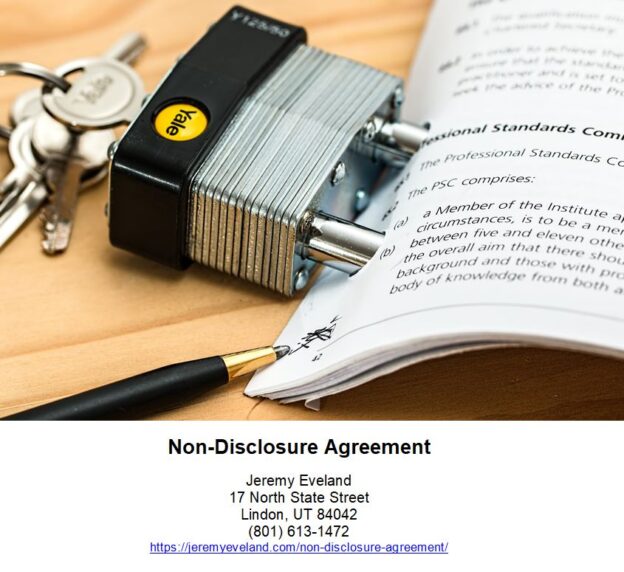
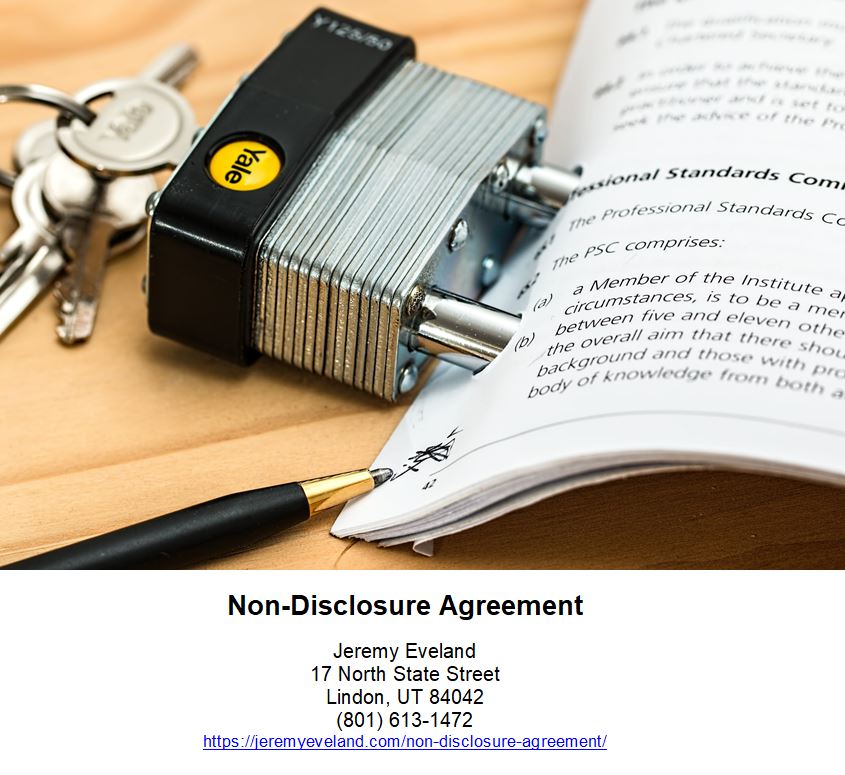
A Non-Disclosure Agreement (NDA) is a legally binding contract between two or more parties that outlines confidential material, knowledge, or information that the parties wish to share with one another for certain purposes, but wish to restrict access to or by third parties. It is a contract through which the parties agree not to disclose information covered by the agreement. NDAs are commonly used when two companies, individuals, or other entities are considering doing business and need to understand the processes used in each other’s business for the purpose of evaluating the potential business relationship. NDAs can also be used to protect any type of confidential information, such as trade secrets, proprietary information, or any other confidential information that may be disclosed during the course of a business relationship.

How to Draft a Non-Disclosure Agreement for Your Business

A non-disclosure agreement (NDA) is a legally binding contract between two or more parties that outlines confidential material, knowledge, or information that the parties wish to share with one another for certain purposes, but wish to restrict access to or by third parties. An NDA is an important tool for businesses to protect their confidential information and trade secrets.

Non-Disclosure Agreements are a part of Contract Law.

When drafting an NDA for your business, there are several key elements to consider.

1. Parties: The NDA should clearly identify the parties involved in the agreement. This includes the names of the parties, their addresses, and contact information.

2. Purpose: The NDA should clearly state the purpose of the agreement and the confidential information that is being shared.

3. Obligations: The NDA should outline the obligations of each party, including the obligation to keep the confidential information confidential and the obligation to not use the confidential information for any purpose other than the purpose stated in the agreement.

4. Duration: The NDA should specify the duration of the agreement and the circumstances under which the agreement may be terminated.

5. Remedies: The NDA should outline the remedies available to the parties in the event of a breach of the agreement.

6. Miscellaneous: The NDA should include any other provisions that are necessary to protect the interests of the parties.

By including these key elements in your NDA, you can ensure that your confidential information is protected and that your business is safeguarded from potential legal issues.

Breaking a non-disclosure agreement (NDA) can have serious legal implications. Depending on the terms of the agreement, a breach of an NDA can result in civil and/or criminal penalties.

In a civil case, the aggrieved party may seek monetary damages for any losses suffered as a result of the breach. This could include lost profits, reputational damage, or other economic losses. The court may also order the breaching party to pay the aggrieved party’s legal fees.

In some cases, a breach of an NDA may also be considered a criminal offense. Depending on the jurisdiction, a breach of an NDA may be considered a misdemeanor or a felony. If convicted, the breaching party may face fines, jail time, or both.

In addition to the legal consequences, a breach of an NDA can also have serious professional and personal repercussions. A breach of an NDA can damage a person’s reputation and credibility, making it difficult to find future employment or business opportunities.

It is important to remember that NDAs are legally binding contracts. Before signing an NDA, it is important to understand the terms and conditions of the agreement and to ensure that you are able to comply with them. If you have any questions or concerns, it is best to consult with an attorney before signing.

What Are the Different Types of Non-Disclosure Agreements?

Non-disclosure agreements (NDAs) are legally binding contracts that protect confidential information from being shared with third parties. They are commonly used in business transactions, such as when two companies are considering a merger or when a company is hiring a consultant. There are several different types of NDAs, each with its own purpose and set of rules.

1. Unilateral NDA: A unilateral NDA is a one-way agreement in which one party agrees to keep the other party’s information confidential. This type of NDA is often used when a company is hiring a consultant or contractor to work on a project.

2. Mutual NDA: A mutual NDA is a two-way agreement in which both parties agree to keep each other’s information confidential. This type of NDA is often used when two companies are considering a merger or when two companies are entering into a joint venture.

3. Employee NDA: An employee NDA is an agreement between an employer and an employee that outlines the confidential information the employee is not allowed to share. This type of NDA is often used to protect trade secrets and other proprietary information.

4. Non-Compete NDA: A non-compete NDA is an agreement between an employer and an employee that prohibits the employee from working for a competitor or starting a competing business. This type of NDA is often used to protect a company’s competitive advantage.
Non-Disclosure Agreement, Jeremy Eveland, Lawyer Jeremy Eveland, Jeremy Eveland Utah Attorney, agreement, nda, party, parties, agreements, confidentiality, business, university, ndas, recipient, employee, contract, disclosure, employees, document, relationship, example, services, research, owner, time, trade, law, amazon, secrets, share, employer, contracts, supplier, site, clause, rights, term, property, student, advice, work, form, state, employment, non-disclosure agreement, non-disclosure agreements, confidentiality agreement, trade secrets, third parties, confidentiality agreements, legal advice, legal services, third party, intellectual property, law firm, intellectual property rights, ris contracts team, legal contract, public domain, sequiter inc., service apply, good idea, legal action, court order, business relationship, new students, northumbria university, mutual nda, joint venture, confidential relationship, business plans, public knowledge, nda template, nda, non-disclosure agreement, confidential information, confidential, employee, trade secrets, disclosure, sensitive information, confidentiality agreement, document, company, injunction, apple, intellectual property, confidential disclosure agreement, agree not to disclose, agency, non-disparagement agreement, agents, non disclosure agreements, proprietary information agreements, hold harmless, indemnify, indemnity clause, non-disclosure, secrecy agreement, confidentiality clause, confidentiality agreements, contracts, legally binding

5. Non-Solicitation NDA: A non-solicitation NDA is an agreement between an employer and an employee that prohibits the employee from soliciting the employer’s customers or employees. This type of NDA is often used to protect a company’s customer base and employee talent.

No matter what type of NDA is used, it is important to ensure that the agreement is clear and comprehensive. It should include a detailed description of the confidential information that is being protected, the duration of the agreement, and the consequences for violating the agreement.

What Are the Benefits of Having a Non-Disclosure Agreement?

A Non-Disclosure Agreement (NDA) is a legally binding contract between two or more parties that outlines confidential material, knowledge, or information that the parties wish to share with one another for certain purposes, but wish to restrict access to or by third parties. NDAs are commonly used in business transactions, such as when a company is considering a merger or acquisition, or when a company is looking to hire a consultant or contractor.

The primary benefit of having an NDA in place is that it helps protect confidential information from being disclosed to third parties. This is especially important when dealing with sensitive information, such as trade secrets, customer lists, or financial data. An NDA can also help protect the parties involved from potential legal action if confidential information is shared without permission.

In addition to protecting confidential information, an NDA can also help to ensure that the parties involved in the agreement are clear on their respective rights and obligations. This can help to avoid misunderstandings and disputes down the line.

Finally, an NDA can help to create a sense of trust between the parties involved. By signing an NDA, the parties are demonstrating that they are willing to work together in a professional and respectful manner. This can help to foster a productive working relationship.

What is a Non-Disclosure Agreement (NDA) and How Does it Work?

A Non-Disclosure Agreement (NDA) is a legally binding contract between two or more parties that outlines confidential material, knowledge, or information that the parties wish to share with one another for certain purposes, but wish to restrict access to or by third parties. The agreement is designed to protect any type of confidential and proprietary information or trade secrets.

The NDA outlines the confidential information that is being shared, the purpose of the disclosure, and the obligations of the parties involved. It also outlines the duration of the agreement, the restrictions on the use of the confidential information, and the consequences of a breach of the agreement.

The parties involved in the NDA must agree to keep the confidential information confidential and not to disclose it to any third parties. The agreement also outlines the remedies available to the parties in the event of a breach of the agreement.

The NDA is an important tool for businesses to protect their confidential information and trade secrets. It is important to ensure that the agreement is properly drafted and that all parties understand their obligations under the agreement.

Why You Need A Lawyer to Assist You With a Non-Disclosure Agreement

A non-disclosure agreement (NDA) is a legally binding contract between two or more parties that outlines confidential material, knowledge, or information that the parties wish to share with one another for certain purposes, but wish to restrict access to or by third parties. NDAs are commonly used in business transactions, such as mergers and acquisitions, joint ventures, and other collaborations.

Having a lawyer to assist you with a non-disclosure agreement is essential to ensure that the agreement is legally binding and enforceable. A lawyer can help you draft an agreement that is tailored to your specific needs and that meets all legal requirements. A lawyer can also help you understand the implications of the agreement and advise you on any potential risks or liabilities.

A lawyer can also help you negotiate the terms of the agreement and ensure that all parties are in agreement. This is especially important if the agreement involves multiple parties, as each party may have different interests and needs. A lawyer can also help you resolve any disputes that may arise during the course of the agreement.

Finally, a lawyer can help you ensure that the agreement is properly executed and that all parties are in compliance with the terms of the agreement. This is important to ensure that the agreement is legally binding and enforceable.

Having a lawyer to assist you with a non-disclosure agreement is essential to ensure that the agreement is legally binding and enforceable. A lawyer can help you draft an agreement that is tailored to your specific needs and that meets all legal requirements. A lawyer can also help you understand the implications of the agreement and advise you on any potential risks or liabilities. A lawyer can also help you negotiate the terms of the agreement and ensure that all parties are in agreement. Finally, a lawyer can help you ensure that the agreement is properly executed and that all parties are in compliance with the terms of the agreement.

Q&A

Q: What is a Non-Disclosure Agreement (NDA)?
A: A Non-Disclosure Agreement (NDA) is a legally binding contract between two or more parties that outlines confidential material, knowledge, or information that the parties wish to share with one another for certain purposes, but wish to restrict access to or by third parties.

Q: What is the purpose of an NDA?
A: The purpose of an NDA is to protect confidential information from being disclosed to third parties without the consent of the parties involved. It also helps to ensure that the parties involved in the agreement are aware of their obligations and responsibilities regarding the confidential information.

Q: What types of information are typically covered by an NDA?
A: An NDA typically covers confidential information such as trade secrets, proprietary information, business plans, customer lists, financial information, and other sensitive information.

Q: What are the consequences of violating an NDA?
A: Violating an NDA can have serious legal consequences, including fines, damages, and even an injunction (depending on how it is written and what jurisdiction you are in).

Q: How long does an NDA last?
A: The duration of an NDA depends on the specific terms of the agreement. Generally, NDAs last for a set period of time, such as one year, or until the confidential information is no longer confidential.

Q: What should I do if I have questions about an NDA?
A: If you have questions about an NDA, it is best to consult with an experienced attorney who can provide you with legal advice and guidance.

Non-Disclosure Agreement Consultation

When you need legal help with a Non-Disclosure Agreement call Jeremy D. Eveland, MBA, JD (801) 613-1472 for a consultation.

Jeremy Eveland
17 North State Street
Lindon UT 84042
(801) 613-1472

Home

Related Posts

Utah Estate Planning

Business Law and Intellectual Property

Commercial Litigation Strategies

Estate Planning Lawyer

Revocable Living Trust

Estate Planning Lawyer Salt Lake City Utah

Durable Power of Attorney

Health Care Directive

Employment Contracts

Promissory Estoppel

Medical Device Company Lawyer

Corporate Restructuring

Franchise Law

Laws and Regulations

How to Purchase a Business

Venture Capital

Breach of Contract

Business Legal Structure

Business Workplace Safety

Non-Profit Foundation Law

Corporate and Business Law

Management Consultant

Business Succession Lawyer Bountiful Utah

Incorporting

Hospital Law

Contractor Lawyer

Estate Administration

Non-Disclosure Agreement

Visit USA.gov for official resources.
Employment Contracts

Employment Contracts

Employment Contracts

Last Updated: June 11, 2026

Understanding Contracts

This guide covers Contracts and what you need to know. “Secure Your Future with an Employment Contract!”

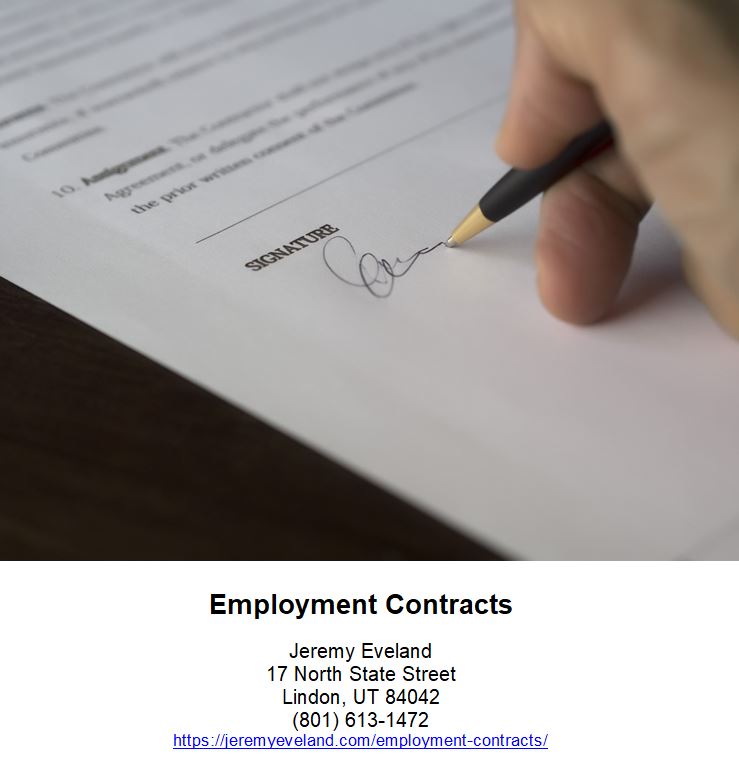
egally binding agreement between an employer and an employee that outlines the terms and conditions of the employment relationship. It is important for both parties to understand the terms of the contract and to ensure that they are in agreement with them. The contract should include details such as the job title, salary, benefits, hours of work, and any other relevant information. It is important to note that an employment contract is not the same as an employment agreement, which is a more general document that outlines the general terms of the employment relationship.

The Benefits of Having an Employment Contract in Place

Having an employment contract in place is beneficial for both employers and employees. An employment contract is a legally binding document that outlines the rights and responsibilities of both parties. It is important to have an employment contract in place to ensure that both parties understand their obligations and to protect their interests.

For employers, an employment contract can provide clarity and certainty about the terms of the employment relationship. It can help to protect the employer’s interests by setting out the employee’s duties and responsibilities, as well as the employer’s expectations. It can also help to protect the employer from potential legal action by setting out the terms of the employment relationship in a clear and unambiguous manner.

For employees, an employment contract can provide security and peace of mind. It can help to ensure that the employee’s rights are respected and that they are treated fairly. It can also provide clarity about the terms of the employment relationship, such as the employee’s salary, benefits, and working hours.

An employment contract can also help to ensure that both parties are aware of their obligations and can help to avoid misunderstandings or disputes. It can also help to ensure that both parties are aware of their rights and responsibilities in the event of a dispute or termination of the employment relationship.

It is a good idea for employers to use employment contract templates, as these can help to ensure that the contract is legally compliant and tailored to the business’s needs. These templates can be found online, in legal advice publications, and from employment law firms. It is also worth seeking advice from a labor relations agency or CIPD about the details of the contract and how to ensure it meets all legal requirements. Remember, the examples here are just examples, nothing more. You must seek the advice of counsel when you draft or negotiate an employment contract. Don’t use the information here as legal advice because it isn’t.

In essence, having an employment contract in place is beneficial for both employers and employees. It can help to protect the interests of both parties and can provide clarity and certainty about the terms of the employment relationship. It can also help to ensure that both parties are aware of their rights and responsibilities and can help to avoid misunderstandings or disputes.

What to Do if Your Employment Contract is Breached

If your employment contract has been breached, it is important to take action to protect your rights. Here are some steps you can take:

1. Review the Contract: Carefully review the contract to determine what rights and obligations you and your employer have. Make sure you understand the terms of the contract and the specific breach that has occurred.

2. Document the Breach: Document the breach in writing, including the date, time, and details of the breach. Keep copies of any relevant documents or emails.

3. Contact Your Employer: Contact your employer to discuss the breach and attempt to resolve the issue. If possible, try to negotiate a resolution that is satisfactory to both parties.

4. Seek Legal Advice: If you are unable to resolve the issue with your employer, you may need to seek legal advice. A lawyer can help you understand your rights and advise you on the best course of action.

5. File a Claim: If the breach is serious enough, you may need to file a claim with the appropriate court or tribunal. This could include filing a lawsuit or making a complaint to a government agency.

By taking these steps, you can protect your rights and ensure that your employer is held accountable for any breach of your employment contract.

How to Negotiate an Employment Contract

Negotiating an employment contract can be a daunting task, but it is important to ensure that the terms of the contract are fair and beneficial to both parties. Here are some tips to help you successfully negotiate an employment contract.

1. Research: Before entering into negotiations, it is important to research the industry standards for the position you are applying for. This will give you an idea of what is considered fair and reasonable in terms of salary, benefits, and other terms of the contract.

2. Know Your Value: It is important to know your worth and to be confident in your abilities. Do not be afraid to ask for what you believe you are worth.

3. Be Prepared: Before entering into negotiations, it is important to have a clear understanding of what you want from the contract. Make sure to have a list of your desired terms and conditions ready to discuss.

Employment Contracts, Jeremy Eveland, Lawyer Jeremy Eveland, Jeremy Eveland Utah Attorney, employment, contract, employee, contracts, employer, employees, rights, statement, business, work, law, employers, advice, agreement, workers, job, staff, time, part, worker, types, agreements, services, example, service, period, pay, help, benefits, details, people, agency, templates, notice, hours, site, document, template, status, changes, employment contract, employment contracts, employment law, statutory rights, legal advice, employment templates, new employee, employment rights, sick pay, employment status, notice period, job offer, first day, northern ireland, staff handbook, employee contracts, sequiter inc., law firm, service apply, good idea, employment contracts templates, employment document folder, unlimited downloads, business documents, employment folder, labour relations agency, zero-hours contracts, legal requirement, probationary period, national minimum wage, employee, tool, cipd, calculator, contract of employment, gov.uk, employment contract, contractual, terms and conditions, pension, acas, employment, open-ended contracts, terms and conditions, constructive dismissal, non-compete, jobs, overtime, universal credit, gig economy, iwgb, employment contracts, contractual terms, sick pay, zero-hour contracts, unfair dismissal, terms and conditions of employment, contracts, employer, employment, flexitime

4. Listen: During negotiations, it is important to listen to the other party and to be open to compromise. Be willing to negotiate and to make concessions if necessary.

5. Get it in Writing: Once an agreement has been reached, make sure to get the terms of the contract in writing. This will ensure that both parties are held to the same standards and that the agreement is legally binding.

By following these tips, you can successfully negotiate an employment contract that is fair and beneficial to both parties.

What to Look for in an Employment Contract

When reviewing an employment contract, it is important to pay close attention to the details. Here are some key points to consider:

1. Job Description: The contract should clearly outline the job duties and responsibilities. It should also specify the expected hours of work and any overtime requirements.

2. Compensation: The contract should specify the salary or hourly rate, as well as any bonuses or other forms of compensation. It should also outline any benefits, such as health insurance or vacation time.

3. Termination: The contract should specify the conditions under which the employment may be terminated, as well as any severance pay or other benefits that may be provided.

4. Non-Compete Clause: The contract should specify any restrictions on the employee’s ability to work for a competitor or start a competing business.

5. Confidentiality: The contract should specify any confidential information that the employee is not allowed to disclose.

6. Intellectual Property: The contract should specify who owns any intellectual property created by the employee during the course of their employment.

7. Dispute Resolution: The contract should specify how any disputes between the employer and employee will be resolved.

By carefully reviewing an employment contract, you can ensure that your rights and interests are protected.

Understanding Your Rights Under an Employment Contract

Employment contracts are legally binding documents that outline the rights and responsibilities of both the employer and the employee. It is important to understand your rights under an employment contract to ensure that you are being treated fairly and that your rights are being respected.

The first right that you have under an employment contract is the right to receive fair compensation for your work. This includes wages, bonuses, and other forms of compensation. Your contract should specify the amount of compensation you will receive and when it will be paid.

The second right that you have under an employment contract is the right to a safe and healthy work environment. Your employer is responsible for providing a workplace that is free from hazards and risks. This includes providing adequate safety equipment and training, as well as ensuring that the workplace is free from discrimination and harassment.

The third right that you have under an employment contract is the right to reasonable working hours. Your contract should specify the hours that you are expected to work and the amount of overtime that you are allowed to work. Your employer should also provide you with reasonable breaks throughout the day.

The fourth right that you have under an employment contract is the right to privacy. Your employer should not share your personal information with anyone without your consent. This includes information about your salary, benefits, and other personal information.

The fifth right that you have under an employment contract is the right to be treated with respect. Your employer should treat you with respect and dignity and should not discriminate against you based on your race, gender, religion, or any other protected characteristic.

Finally, you have the right to be free from retaliation if you exercise any of your rights under an employment contract. Your employer cannot retaliate against you for filing a complaint or for exercising any of your rights.

Understanding your rights under an employment contract is essential to ensuring that you are treated fairly and that your rights are respected. If you have any questions or concerns about your rights, it is important to speak to your employer or a qualified legal professional.

What are Common Provisions in an Employment Contract?

An employment contract is a legally binding agreement between an employer and an employee that outlines the terms and conditions of the employment relationship. Common provisions in an employment contract include:

1. Job Description: A detailed description of the job duties and responsibilities of the employee.

2. Compensation: The salary or wages to be paid to the employee, as well as any bonuses, commissions, or other forms of compensation.

3. Benefits: Any benefits provided to the employee, such as health insurance, vacation time, or other perks.

4. Termination: The conditions under which the employment relationship may be terminated, including any notice period or severance pay.

5. Non-Compete Clause: A clause that prohibits the employee from working for a competitor or starting a competing business.

6. Confidentiality: A clause that requires the employee to keep certain information confidential.

7. Intellectual Property: A clause that outlines who owns any intellectual property created by the employee during the course of their employment.

8. Dispute Resolution: A clause that outlines how any disputes between the employer and employee will be resolved.

Non-Solicitation Clause in an Employment Contract

This Non-Solicitation Clause (the “Clause”) is included in the Employment Contract (the “Contract”) between [Employer] and [Employee], dated [date].

The Employee agrees that during the term of the Contract and for a period of [time period] after the termination of the Contract, the Employee shall not, directly or indirectly, solicit, induce, or attempt to induce any employee of the Employer to terminate his or her employment with the Employer.

The Employee further agrees that during the term of the Contract and for a period of [time period] after the termination of the Contract, the Employee shall not, directly or indirectly, solicit, induce, or attempt to induce any customer, client, supplier, or other business relation of the Employer to cease doing business with the Employer.

The Employee acknowledges that any breach of this Clause shall cause irreparable harm to the Employer and that the Employer shall be entitled to seek injunctive relief in addition to any other remedies available at law or in equity.

The Employee agrees that this Clause shall be binding upon the Employee, the Employer, and their respective successors, assigns, and legal representatives.

This Clause shall be governed by and construed in accordance with the laws of [state].

IN WITNESS WHEREOF, the parties have executed this Non-Solicitation Clause as of the date first written above.

[Employer]

[Employee]

Confidentiality Provision in an Employment Contract

The Employer and Employee agree to maintain the confidentiality of all information related to the business of the Employer, including but not limited to trade secrets, customer lists, pricing information, and other proprietary information. The Employee agrees not to disclose any such information to any third party without the prior written consent of the Employer. The Employee further agrees to take all reasonable steps to protect the confidentiality of such information. The Employee agrees to return all documents and other materials containing such information to the Employer upon termination of employment. The Employee also agrees not to use any such information for any purpose other than the performance of his/her duties as an employee of the Employer. This provision shall survive the termination of the Employee’s employment.

Non-Compete or Non-Competition Provisions

Non-compete or non-competition provisions are contractual clauses that restrict an employee’s ability to compete with their employer after the employment relationship has ended. These provisions are designed to protect the employer’s confidential information, trade secrets, and other proprietary information.

Non-compete provisions typically prohibit an employee from working for a competitor, soliciting customers, or starting a competing business for a certain period of time after the employment relationship has ended. The scope of the restriction is typically limited to a specific geographic area and type of business.

Non-compete provisions are generally enforceable in most states, provided they are reasonable in scope and duration. Courts will typically consider the following factors when determining the enforceability of a non-compete provision: the duration of the restriction, the geographic scope of the restriction, the type of activities prohibited, and the employer’s legitimate business interests.

Employers should be aware that non-compete provisions can be difficult to enforce and may be subject to challenge in court. Therefore, employers should ensure that any non-compete provisions they include in employment agreements are reasonable and tailored to their specific business needs.

Q&A

Q: What is an employment contract?

A: An employment contract is a legally binding agreement between an employer and an employee that outlines the terms and conditions of the employment relationship. It typically includes details such as job duties, salary, benefits, and termination procedures.

Q: What should be included in an employment contract?

A: An employment contract should include the job title, job description, salary, benefits, hours of work, vacation and sick leave, termination procedures, and any other relevant information.

Q: Is an employment contract legally binding?

A: Yes, an employment contract is a legally binding agreement between an employer and an employee.

Q: What happens if an employee breaches an employment contract?

A: If an employee breaches an employment contract, the employer may be able to take legal action against the employee. This could include seeking damages or terminating the employment relationship.

Q: Can an employment contract be changed?

A: Yes, an employment contract can be changed, but any changes must be agreed upon by both parties and documented in writing.

Q: What is the difference between an employment contract and an employment agreement?

A: An employment contract is a legally binding agreement between an employer and an employee that outlines the terms and conditions of the employment relationship. An employment agreement is a less formal document that outlines the expectations of the employer and employee.

Q: What is the difference between an employment contract and a collective agreement?

A: An employment contract is a legally binding agreement between an employer and an employee that outlines the terms and conditions of the employment relationship. A collective agreement is a legally binding agreement between an employer and a union that outlines the terms and conditions of employment for all employees in a particular bargaining unit.

Q: What is the difference between an employment contract and a non-compete agreement?

A: An employment contract is a legally binding agreement between an employer and an employee that outlines the terms and conditions of the employment relationship. A non-compete agreement is a legally binding agreement between an employer and an employee that restricts the employee from working for a competitor or starting a competing business.

Q: What is the difference between an employment contract and a confidentiality agreement?

A: An employment contract is a legally binding agreement between an employer and an employee that outlines the terms and conditions of the employment relationship. A confidentiality agreement is a legally binding agreement between an employer and an employee that restricts the employee from disclosing confidential information.

Health Care Directive Consultation

When you need legal help with a Health Care Directive call Jeremy D. Eveland, MBA, JD (801) 613-1472 for a consultation.

Jeremy Eveland
17 North State Street
Lindon UT 84042
(801) 613-1472

Home

Related Posts

Artificial Intelligence

Irrevocable Life Insurance Trusts

What Is The Purpose Of A Business Attorney?

Commercial Lease Lawyer

Business Transaction Lawyer Provo Utah

What Is An LLC?

Boutique Law Firm

Contract Negotiation

Employment Law

Trusted Personal Injury Attorneys in Utah

Tort Law

Legal Requirements to Start a Business

Contract Law for Businesses

Business Law and Taxes

Contract Lawyer

Real Estate Attorneys in Salt Lake City Utah

Probate Law

Business Contract Lawyer Riverton UT

Utah Estate Planning

Business Law and Intellectual Property

Commercial Litigation Strategies

Estate Planning Lawyer

Revocable Living Trust

Estate Planning Lawyer Salt Lake City Utah

Durable Power of Attorney

Health Care Directive

Employment Contracts

Introduction

For legal assistance regarding Contracts, contact Jeremy Eveland. We handle Contracts cases and provide guidance on Contracts for clients.

For legal assistance regarding Contracts, contact Jeremy Eveland. We handle Contracts cases and provide guidance on Contracts for clients.

For legal assistance regarding Contracts, contact Jeremy Eveland. We handle Contracts cases and provide guidance on Contracts for clients.

For legal assistance regarding Contracts, contact Jeremy Eveland. We handle Contracts cases and provide guidance on Contracts for clients.

For legal assistance regarding Contracts, contact Jeremy Eveland. We handle Contracts cases and provide guidance on Contracts for clients.

For legal assistance regarding Contracts, contact Jeremy Eveland. We handle Contracts cases and provide guidance on Contracts for clients.

For legal assistance regarding Contracts, contact Jeremy Eveland. We handle Contracts cases and provide guidance on Contracts for clients.

For legal assistance regarding Contracts, contact Jeremy Eveland. We handle Contracts cases and provide guidance on Contracts for clients.

Visit USA.gov for official resources.

Health Care Directive

Health Care Directive

Health Care Directive

Last Updated: June 11, 2026

The right to make decisions regarding one’s own health care is a fundamental right. However, due to the complexities of modern medical care, the ability to make informed decisions sometimes becomes hampered. In Utah, the Health Care Directive is a legal document that allows individuals to appoint someone to make decisions on their behalf regarding their medical care. It also allows individuals to express their wishes regarding end-of-life care and other medical treatments. This article will discuss the Health Care Directive in Utah, including the legal framework surrounding it, the effect of the directive, and the important role it plays in medical decision-making.

Legal Framework Surrounding Health Care Directive in Utah

The legal framework governing the Health Care Directive in Utah is established by the Utah Code and Utah case law. According to the Utah Code, a Health Care Directive is “a written document authorizing a person to make health care decisions for another person in the event that the other person is unable to do so.” (Utah Code § 75-2a-101). The directive is valid until the individual revokes it, or until the individual’s death.

In addition to the Health Care Directive, Utah also recognizes the Advanced Health Care Directive, which is a document in which an individual specifies their wishes regarding end-of-life care. This document allows an individual to express their wishes regarding the types of treatments they would like to receive or not receive if they are terminally ill or in a persistent vegetative state. It also allows individuals to designate someone to make decisions on their behalf regarding end-of-life care. (previously found in Utah Code § 75-2-1103 and now located in 75-2a-101).

Health Care Directive, Jeremy Eveland, Attorney Jeremy Eveland, Jeremy Eveland Lawyer, care, health, advance, directive, decisions, treatment, wishes, directives, living, attorney, life, decision, people, power, agent, state, family, person, healthcare, document, proxy, patients, time, law, states, planning, documents, patient, doctor, form, forms, future, instructions, laws, end, someone, capacity, order, preferences, condition, advance directive, health care, advance directives, advance decision, durable power, health care decisions, life-sustaining treatment, health care agent, medical treatment, advance care, advance health care, medical decisions, advance care planning, medical care, health care proxy, living wills, family members, health care power, end-of-life care, health care providers, legal document, loved ones, terminal condition, advance healthcare directive, mental health treatment, american cancer society, health care surrogate, health care provider, toll-free number, health care facility, advance directive, health care, treatment, living will, patient, cpr, advance care planning, the future, cancer, end of life, legally binding, medical treatment, polst, illness, advance healthcare directive, mayo clinic, medical care, power of attorney for health care, eu, directive, end-of-life care, health, windpipe, end of life, breathing tube, surrogate decision maker, cardiopulmonary resuscitation, psychiatric, dnr order, psychiatric advance directive, life-support, dnar, medical directive, do not attempt resuscitation, advance healthcare directive, values history, psda, implantable cardioverter-defibrillator, do not resuscitate, molst, hospice, living wills, patient self-determination act, behavioral health, trach, comfort care, dnacpr

In addition to the statutory framework, case law has established the parameters of the Health Care Directive. Courts have held that a Health Care Directive is valid if the individual signing the document is of sound mind and is making an informed decision. Courts also have held that the directive must be specific, and must address the individual’s wishes regarding end-of-life care. More information in a law review article is found here.

Effect of Health Care Directive in Utah

The effect of the Health Care Directive in Utah is that it allows an individual to appoint someone to make decisions on their behalf regarding medical care. This person is known as the Health Care Agent, and they are the individual’s designated representative in matters of medical decision-making. The Health Care Agent is responsible for making decisions in accordance with the individual’s wishes, as expressed in the Health Care Directive. The Health Care Agent is also responsible for making sure that the individual’s wishes are respected by medical professionals.

The Health Care Directive also allows an individual to express their wishes regarding end-of-life care and other medical treatments. This document allows individuals to specify the types of treatments they would like to receive or not receive in the event that they are terminally ill or in a persistent vegetative state. It also allows individuals to designate someone to make decisions on their behalf regarding end-of-life care.

The Role of the Health Care Directive in Medical Decision-Making

The Health Care Directive has an important role to play in medical decision-making. It allows individuals to express their wishes regarding their medical care and end-of-life care and to appoint someone to make decisions on their behalf if they are unable to do so. This allows individuals to ensure that their wishes are respected, even if they are unable to make decisions for themselves.

The Health Care Directive also allows individuals to express their wishes regarding medical treatments in a legally binding document. This document allows an individual’s wishes to be respected by medical professionals, even if the individual is unable to communicate their wishes.

The Health Care Directive in Utah is an important legal document that allows individuals to appoint someone to make decisions on their behalf regarding medical care and to express their wishes regarding end-of-life care and other medical treatments. The legal framework governing the Health Care Directive is established by the Utah Code and Utah case law. The effect of the directive is that it allows an individual to designate someone to make decisions on their behalf in matters of medical decision-making and to express their wishes regarding end-of-life care. The Health Care Directive plays an important role in medical decision-making, as it allows individuals to express their wishes in a legally binding document and to ensure that their wishes are respected even if they are unable to make decisions for themselves.

Health Care Directive Consultation

When you need legal help with a Health Care Directive call Jeremy D. Eveland, MBA, JD (801) 613-1472 for a consultation.

Jeremy Eveland
17 North State Street
Lindon UT 84042
(801) 613-1472

Home

Related Posts

Artificial Intelligence

Irrevocable Life Insurance Trusts

What Is The Purpose Of A Business Attorney?

Commercial Lease Lawyer

Business Transaction Lawyer Provo Utah

What Is An LLC?

Boutique Law Firm

Contract Negotiation

Employment Law

Trusted Personal Injury Attorneys in Utah

Tort Law

Legal Requirements to Start a Business

Contract Law for Businesses

Business Law and Taxes

Contract Lawyer

Real Estate Attorneys in Salt Lake City Utah

Probate Law

Business Contract Lawyer Riverton UT

Utah Estate Planning

Business Law and Intellectual Property

Commercial Litigation Strategies

Estate Planning Lawyer

Revocable Living Trust

Estate Planning Lawyer Salt Lake City Utah

Durable Power of Attorney

Health Care Directive

Durable Power of Attorney

Durable Power of Attorney

Durable Power of Attorney

Last Updated: June 11, 2026

When it comes to making important decisions on the behalf of a loved one, there are many legal documents that can be used to provide the necessary authority. One of the most common documents used for this purpose is a durable power of attorney in Utah. This document enables a person to designate another individual to act on their behalf and make decisions for them when they are unable to do so. This article will provide an overview of what a durable power of attorney in Utah is and the legal requirements for creating one. It will also discuss the types of decisions that an attorney-in-fact can make, the risks associated with granting this power, and the various legal considerations that should be taken into account.

What is a Durable Power of Attorney in Utah?

A durable power of attorney in Utah is a legal document that allows a person, known as the principal, to grant the authority to another person, known as the attorney-in-fact, to make decisions and act on their behalf. This document is most commonly used when a person is unable to make decisions on their own due to illness, injury, or age. It is important to note that the durable power of attorney in Utah is different from a standard power of attorney that is used for short-term or specific purposes. Unlike a standard power of attorney, the durable power of attorney in Utah is effective even if the principal becomes incapacitated.

The durable power of attorney in Utah is created in accordance with Utah Code Section 75-5-502 and is generally valid until the principal dies or revokes the document. It is important to note that the durable power of attorney must be in writing and properly witnessed in order to be legally valid.

What Types of Decisions Can an Attorney-in-Fact Make?

The attorney-in-fact has the authority to make decisions on behalf of the principal. The types of decisions that an attorney-in-fact may be empowered to make will depend on the specific language of the durable power of attorney in Utah. Generally, an attorney-in-fact can make decisions related to financial matters, including paying bills, handling investments, managing real estate, making end-of-life decisions, and more.

Durable Power of Attorney, Jeremy Eveland, Lawyer Jeremy Eveland, Jeremy Eveland Utah Attorney, attorney, power, agent, decisions, someone, lpa, person, health, capacity, affairs, powers, property, care, document, principal, behalf, poa, authority, estate, donor, welfare, time, attorneys, state, law, office, assets, people, documents, money, accounts, form, bank, types, example, advice, epa, finances, family, lawyer, durable power, mental capacity, lasting power, financial affairs, public guardian, health care, ordinary power, welfare lpa, real estate, money podcast, legal advice, digital assets, mental competence, durable poa, own decisions, general power, good idea, family member, such agent, notary public, medical decisions, different types, _____ day, durable powers, northern ireland, medical treatment, personal welfare, third party, personal property, attorney forms, power of attorney, attorney, mental capacity, welfare, dementia, epa, enduring power of attorney, tool, trust, poa, office of the public guardian, witnesses, assets, calculator, court of protection, digital assets, the future, attorney-in-fact, lawyer, tax, finances, legal advice, health, trust, power of attorney for health care, attorney-in-fact, right of survivorship, springing power of attorney, estate planning, probate, court of protection, credit, revocable trust, security interest, powers of attorney, deeds

Case Law

In the case of In re Estate of Gardner, 2015 UT App 256, the court addressed the issue of whether the durable power of attorney for health care was valid. In the case, the principal had executed a durable power of attorney for health care, appointing her son as her attorney-in-fact. The court held that the durable power of attorney was valid and enforced the document’s provisions. The court noted that the durable power of attorney must be in writing, properly witnessed, and must be executed in accordance with the requirements of Utah Code Section 75-5-502.

Risks Associated with Granting a Durable Power of Attorney

Although the durable power of attorney in Utah is a powerful document, it is important to understand the risks associated with granting this power. The most significant risk is that the attorney-in-fact may not act in the best interests of the principal. For this reason, it is important to choose an attorney-in-fact who is trustworthy and capable of making wise decisions. Additionally, it is important to understand that the attorney-in-fact has the power to make decisions on the principal’s behalf, even if the principal does not agree with the decision.

Legal Considerations

When creating a durable power of attorney in Utah, there are several legal considerations that should be taken into account. It is important to understand that the attorney-in-fact must be over the age of 18 and must not have been convicted of a felony. Additionally, the document should be executed in accordance with the requirements of Utah Code Section 75-5-502. Furthermore, it is important to understand that the durable power of attorney must be in writing and properly witnessed in order to be legally valid.

Creating a durable power of attorney in Utah is an important decision that should not be taken lightly. This document provides the necessary authority for an attorney-in-fact to make decisions on behalf of the principal. It is important to understand the legal requirements for creating a durable power of attorney in Utah, the types of decisions that an attorney-in-fact can make, the risks associated with granting this power, and the various legal considerations that should be taken into account.

Durable Power of Attorney Consultation

When you need legal help with a durable power of attorney call Jeremy D. Eveland, MBA, JD (801) 613-1472 for a consultation.

Jeremy Eveland
17 North State Street
Lindon UT 84042
(801) 613-1472

Home

Related Posts

Business Lawyer West Jordan Utah

Artificial Intelligence

Irrevocable Life Insurance Trusts

What Is The Purpose Of A Business Attorney?

Commercial Lease Lawyer

Business Transaction Lawyer Provo Utah

What Is An LLC?

Boutique Law Firm

Contract Negotiation

Employment Law

Trusted Personal Injury Attorneys in Utah

Tort Law

Legal Requirements to Start a Business

Contract Law for Businesses

Business Law and Taxes

Contract Lawyer

Real Estate Attorneys in Salt Lake City Utah

Probate Law

Business Contract Lawyer Riverton UT

Utah Estate Planning

Business Law and Intellectual Property

Commercial Litigation Strategies

Estate Planning Lawyer

Revocable Living Trust

Estate Planning Lawyer Salt Lake City Utah

Durable Power of Attorney

Visit USA.gov for official resources.

Revocable Living Trust

Revocable Living Trust

Revocable Living Trust

Last Updated: June 11, 2026

Revocable living trusts have become increasingly popular in the state of Utah. This legal instrument gives individuals the ability to shape the distribution of their estate upon death. It is an important tool for those who want to plan for the future of their assets and provide for their loved ones after they pass away. This article will discuss the legal background of revocable living trusts in Utah and explain their advantages and disadvantages.

Legal Background

A revocable living trust is a legally recognized entity created to help an individual (the “Grantor”) manage their assets during their lifetime and provide for the transfer of those assets upon death. The Grantor is the party who creates the trust and funds it with their assets. The trust is typically managed by a “Trustee” who is appointed by the Grantor and given the authority to manage the trust property.

Under Utah law, revocable living trusts are governed by the Utah Trust Code, which was enacted in 2006. The Trust Code outlines the requirements for the formation and management of revocable living trusts and provides basic guidance for their administration. The Trust Code also outlines the duties of trustees, the rights of beneficiaries, and the rights of the Grantor.

Advantages of Revocable Living Trusts in Utah

Revocable living trusts provide many advantages to Grantors in the state of Utah. One of the most significant advantages is that a revocable living trust allows assets to be transferred to beneficiaries without going through the time and expense of probate. Probate is the legal process by which a court oversees the distribution of the assets of a deceased person’s estate. Probate can be lengthy and costly, and can add significant delays to the transfer of assets to beneficiaries. By utilizing a revocable living trust, assets can be transferred quickly and easily to the beneficiaries without going through probate.

Revocable Living Trust, Jeremy Eveland, Lawyer Jeremy Eveland, Attorney Jeremy Eveland, trust, living, assets, estate, trusts, grantor, trustee, death, property, probate, tax, beneficiaries, planning, time, court, process, document, family, people, person, income, money, life, documents, successor, taxes, attorney, house, step, ownership, benefits, lawyer, name, state, wills, site, lifetime, trustmaker, accounts, law, living trust, revocable living trust, revocable trust, irrevocable trust, successor trustee, revocable trusts, living trusts, estate planning, real estate, revocable living trusts, probate court, irrevocable trusts, trust document, loved ones, new york, probate process, trust assets, irrevocable living trust, helpful guides, estate taxes, married couple, public record, legal templates, social security number, minor children, estate plan, legal document, legal advice, estate planning trust, taxable estate, trust, assets, living trust, grantor, revocable living trust, probate, beneficiaries, tax, estate planning, revocable trusts, probate court, income, new york, ownership, sec, taxes, estate, real estate, attorney, lawyer, trust laws, probates, revocable living trusts, irrevocable trust, trust fund, last will and testament, estate-planning, conservatorship, living trust, trust, estate taxes, federal deposit insurance corporation, guardianship, will

Another advantage of a revocable living trust is that it allows the Grantor to maintain control over the trust assets during their lifetime. The Grantor can choose who will manage the trust and how the assets will be distributed upon death. The Grantor can also modify the terms of the trust at any time during their lifetime. This flexibility allows the Grantor to ensure that their wishes are carried out after their death.

Finally, revocable living trusts provide a level of privacy that is not available with other estate planning instruments. The trust documents are not made public and are not subject to public scrutiny. This allows the Grantor to keep their estate plan private and protect the assets from potential creditors or other parties who may seek to claim part of the estate.

Disadvantages of Revocable Living Trusts in Utah

Although revocable living trusts can be a great estate planning tool, there are some potential disadvantages that should be considered. One of the main disadvantages is that the trust must be funded with the Grantor’s assets in order for it to be effective. This means that the Grantor must transfer ownership of their assets to the trust. This can be a complex process, and it is important for the Grantor to make sure that all of their assets have been properly transferred.

Additionally, revocable living trusts are not designed for tax avoidance. Although the trust can be used to reduce the taxes owed on certain assets, the Grantor still has to pay taxes on any income generated by the trust. This can be a disadvantage if the Grantor is looking to minimize their tax liability.

Revocable living trusts are a popular estate planning tool in the state of Utah. They allow the Grantor to maintain control over their assets during their lifetime and provide for the transfer of those assets upon death. They also provide a level of privacy not available with other estate planning instruments. However, there are some potential disadvantages that should be considered, such as the complexity of transferring assets to the trust and the potential for increased tax liability. Ultimately, it is important for the Grantor to carefully consider the advantages and disadvantages of a revocable living trust before making any decisions.

Revocable Living Trust Consultation

When you need legal help with a Revocable Living Trust call Jeremy D. Eveland, MBA, JD (801) 613-1472 for a consultation.

Jeremy Eveland
17 North State Street
Lindon UT 84042
(801) 613-1472

Home

Related Posts

Estate Planning Documents

Mechanic’s Lien in Utah

Business Lawyer West Jordan Utah

Artificial Intelligence

Irrevocable Life Insurance Trusts

What Is The Purpose Of A Business Attorney?

Commercial Lease Lawyer

Business Transaction Lawyer Provo Utah

What Is An LLC?

Boutique Law Firm

Contract Negotiation

Employment Law

Trusted Personal Injury Attorneys in Utah

Tort Law

Legal Requirements to Start a Business

Contract Law for Businesses

Business Law and Taxes

Contract Lawyer

Real Estate Attorneys in Salt Lake City Utah

Probate Law

Business Contract Lawyer Riverton UT

Utah Estate Planning

Business Law and Intellectual Property

Commercial Litigation Strategies

Estate Planning Lawyer

Revocable Living Trust

Last Will and Testament

Last Will And Testament

Last Will And Testament

Last Updated: June 11, 2026

A last will and testament is a legal document that allows someone to dictate how their property, assets, and other possessions should be distributed upon their death. It also names a person to serve as the executor of the estate and specifies who will receive which assets. The will should be drafted and signed by the testator, the person making the will, in the presence of two witnesses and a notary public.

The purpose of a last will and testament is to ensure that the testator’s wishes are carried out after death. It can prevent disputes between family members and ensure that the testator’s assets are distributed in a way that reflects their wishes and intentions. After you create a will, you can always revoke it while you are alive. Revocation can be done in different ways depending on where you are domiciled at the time you intend to revoke your will. Best to talk to an estate planning attorney to make sure your revocation is valid.

What Is A Last Will And Testament?

Dictionary Definition: Last Will and Testament: A written document in which a person (testator) sets forth instructions for the disposition of his or her property after death. The will typically names an executor, who is responsible for carrying out the instructions of the will, and may also name guardians for minor children of the testator. Last Wills and Testaments usually must be signed by the testator and witnessed by two or more individuals.

Last Will and Testament, estate, property, assets, state, testator, person, executor, wills, document, court, trust, children, witnesses, lawyer, attorney, death, people, documents, beneficiaries, probate, states, wishes, life, living, process, individual, name, time, planning, spouse, family, law, someone, laws, testament, money, requirements, example, insurance, care, legal document, personal property, probate process, personal representative, probate court, many people, legal guardian, sound mind, legal documents, total estate, estate planning, rocket lawyer, last wills, many jurisdictions, living trust, life insurance, loved ones, testament form, minor children, notary public, estate plan, state law, self-proving affidavit, final wishes, law firm, legal advice, legal professionals, helpful guides, funeral arrangements, real estate, last will and testament, will, testator, assets, executor, lawyer, beneficiary, probate, trust, witnesses, attorney, bond, spouse, rocket lawyer, jurisdictions, estate planning, gift, revocation, debts, personal property, affidavit, property, testament, living will, expenses, mind, peace of mind, dependent relative revocation, trusts, schuyler, probate laws, will or testament, st. lawrence, devises, without a valid will, madison, last will, holographic will, testament, freedom of disposition, olographic testament, living will, estate-planning, testamentary trusts, revocable living trust, intestate, wills,

What Does A Last Will And Testament Include?

A last will and testament should include the testator’s name, address, and the names of the beneficiaries, which are the people who will receive the testator’s assets. It should also include the testator’s wishes regarding the distribution of their assets, who will serve as the executor of their estate, and any other instructions the testator wishes to include.

The will should also include the names of two witnesses who can attest to the fact that the testator signed the document of their own free will and in sound mind. The witnesses should also be present when the testator signs the document and must be at least 18 years old.

The testator should also name a person to serve as their personal representative, which is the person who will be responsible for carrying out the testator’s wishes. This person should be someone the testator trusts to handle their estate upon their death.

What Are The Requirements For A Last Will And Testament?

The requirements for a last will and testament vary from state to state, but generally the testator must be at least 18 years old and of sound mind. The document must also be signed in the presence of at least two witnesses who are at least 18 years old.

The document should also be notarized, which means that a notary public will witness the signing of the document and will typically ask the testator a few questions to ensure that they understand what they are signing.

In addition, the testator should list all of their assets and specify who will receive each asset in the document. It is also important to name an executor, who will be responsible for carrying out the testator’s wishes, as well as a personal representative who will handle any debts or taxes that may be owed upon the testator’s death.

What is Dependent Relative Revocation?

The term dependent relative revocation refers to the procedure by which an entity revokes a certificate that is dependent on another certificate that has already been revoked. The entity can revoke the certificate they hold even if they do not hold the other certificate, because the certification authority (CA) who issued the dependent certificate has already handled all the necessary steps to revoke that certificate. Dependent relative revocation is a defense against a revoked certificate in which, when the original certificate is revoked, dependent certificates are also revoked.

What Are The Benefits Of Having A Last Will And Testament?

Having a last will and testament is an important part of estate planning and can provide peace of mind to the testator and their loved ones. A will can ensure that the testator’s wishes are followed after their death and that their assets are distributed in a way that reflects their wishes and intentions.

A will can also be beneficial in preventing disputes between family members or other beneficiaries. It can also take the burden off of the testator’s family members or other loved ones by making the process of settling the estate much easier.

In addition, a will can also help to ensure that any special instructions the testator may have are followed, such as funeral arrangements or the care of a dependent relative.

Where Can I Get Help With A Last Will And Testament?

If you are interested in creating a last will and testament, it is important to seek legal advice from a qualified attorney or other legal professionals. Many states also have helpful guides available online that can help you create a valid will.

There are also several companies, such as Rocket Lawyer, that provide helpful resources for drafting a last will and testament. These companies can provide you with the necessary forms and can also help you to understand your state’s laws and requirements for a valid will.

It is also important to note that the laws and requirements for a last will and testament vary from state to state, so it is important to research your state’s laws before drafting a will.

Control Who Gets your Property, Assets, Etc.

A last will and testament is a legal document that allows someone to dictate how their property, assets, and other possessions should be distributed upon their death. It also names a person to serve as the executor of the estate and specifies who will receive which assets. The requirements for a valid will vary from state to state, so it is important to research your state’s laws before drafting a will.

If you are interested in drafting a last will and testament, it is important to seek legal advice from a qualified attorney or other legal professionals. Many states also have helpful guides available online that can help you create a valid will. There are also several companies, such as Rocket Lawyer, that provide helpful resources for drafting a last will and testament.

Having a lawyer write your Last Will and Testament is highly recommended. It is important to make sure that your wishes are followed and that the document is legally binding. A lawyer can help ensure that your wishes are carried out properly and that your assets are distributed according to your wishes.

A Last Will and Testament is a legal document that outlines your wishes for the distribution of your assets upon your death. It also allows you to appoint an executor, who will be responsible for carrying out your wishes. Without a properly drafted Last Will and Testament, your assets could be distributed according to the laws of your state, which may not be in line with your wishes.

A Will Lawyer Can Help You

A lawyer can help you draft a Last Will and Testament that meets all of the legal requirements of your state. They can also advise you on any potential tax implications of your estate plan. This can help ensure that your assets are distributed in a way that is beneficial to your beneficiaries.

Having a lawyer write your Last Will and Testament can also provide peace of mind. Your lawyer will be able to ensure that your wishes are legally binding and that your assets are distributed according to your wishes. This can help remove the potential for disputes between family members or beneficiaries.

Having a lawyer write your Last Will and Testament can also help to protect your assets. They can advise you on ways to protect your assets from creditors or lawsuits. They can also advise you on ways to limit or avoid estate taxes.

Finally, having a lawyer write your Last Will and Testament can provide you with the assurance that your wishes will be carried out after your death. Your lawyer can make sure that your document is properly drafted and that all of the legal requirements are met. This can help to ensure that your wishes are followed and that your assets are distributed according to your wishes.

Having a lawyer write your Last Will and Testament is an important step for anyone planning for their future. It can provide you with peace of mind and can help ensure that your wishes are followed. A lawyer can help you draft a document that meets all of the legal requirements and can advise you on ways to protect your assets.

A Will As Part Of Your Estate Plan

A Last Will and Testament is an essential part of any good estate plan. This document allows you to designate who your assets and possessions will be passed on to when you pass away. It also allows you to name an executor who is responsible for carrying out the terms of your will. Additionally, having a Last Will and Testament can help to avoid family disputes over your estate by making your wishes known. It also allows you to name guardians for any minor children you may have. When creating a Last Will and Testament it is important to make sure it is in compliance with your state’s laws and is properly witnessed and notarized.

Last Will and Testament Lawyer Consultation

When you need legal help with a Last Will and Testament, call Jeremy D. Eveland, MBA, JD (801) 613-1472.

Jeremy Eveland
17 North State Street
Lindon UT 84042
(801) 613-1472

Home

Recent Posts

Business Law

Business Lawyer

Contract Law

Offer and Acceptance

The Utah Uniform Partnership Act

The 10 Essential Elements of Business Succession Planning

Business Succession Law

Estate Planning

Utah Business Law

Advertising Law

Real Estate Law

Law Firm

Legal Contract

Intellectual Property

Visit USA.gov for official resources.

Law Firm

Law Firm

Table of Contents

Law Firm

Last Updated: July 20, 2026

A law firm is an integral part of the legal industry in the United States. According to the National Law Journal’s report, there were 1,232 law firms across the nation in a recent survey year, with combined gross revenue of $262.97 billion. New York City-based firms make up the majority of this revenue, with the top ten grossing law firms in the United States reaching a combined total of $52.2 billion. Whether you need a small local practice or one of the world’s largest partnerships, understanding how a law firm works helps you choose the right legal representation for your matter.

The law firm landscape has changed dramatically over the years. There are now firms of all sizes and with a wide range of specialties, from business law to real estate law, estate planning, probate law, criminal defense, contract law, and injury law. With this diversity comes a wide range of business models, strategies, rankings, revenues, and other metrics used to measure success. This article discusses the various aspects of a law firm, including size, software, rankings, revenue, attorneys, management, practice areas, and lawyers. It also explains how the world’s leading law firms are changing to meet the needs of their clients. For a definition and history of the term, see the overview of the law firm on Wikipedia.

Key Takeaways

  • A law firm is a business entity formed by one or more lawyers to practice law and advise clients.
  • Firms range from solo practices to global partnerships with more than 500 attorneys.
  • Most firms are organized as limited liability partnerships (LLPs), LLCs, professional corporations, or sole proprietorships.
  • Practice areas include business, contract, real estate, estate planning, probate, and personal injury law.
  • Technology and practice-management software increasingly shape how modern firms serve clients.

Jeremy Eveland Law Firm - Business Law, Estate Planning, and Probate Attorney serving West Jordan and Lindon Utah

What Is a Law Firm?

A law firm is a business entity formed by one or more lawyers to engage in the practice of law. The primary service a law firm delivers is advising clients about their legal rights and responsibilities and representing them in civil, criminal, and business matters. Clients may be individuals, families, small businesses, or large corporations. When you hire a firm, you are retaining the collective knowledge, resources, and experience of every attorney who works there, not just a single lawyer.

Size and Software

Law firms come in all shapes and sizes. According to the National Law Journal (NLJ) survey, the largest firms have more than 500 attorneys, while the smallest firms have fewer than 10. Some firms operate multiple offices in multiple states, while others have only one office. Some specialize in a single practice area, while others offer a broad range of services.

The size of a firm often affects the type of software it uses. Larger firms may rely on sophisticated document-management systems, billing systems, and case-management systems, while smaller firms may not need such elaborate tools. Regardless of size, the goal of a well-run law firm is the same: to serve clients efficiently and protect their interests.

Ranking and Revenue

Law firms are ranked based on a number of criteria, such as total revenue and the number of attorneys. The NLJ survey ranks the 250 largest law firms in the U.S. by revenue, as well as the top 100 firms by number of attorneys. The survey also ranks firms by practice areas, including business, real estate, estate planning, probate, criminal defense, contract, and injury law. These rankings help clients and recruits compare firms, but revenue alone does not measure how well a firm serves an individual client.

Attorneys and Management

A law firm is made up of attorneys who are licensed to practice law in a particular jurisdiction. Attorneys are typically organized into teams, which may be led by a partner or a senior associate. Partners are usually the most senior attorneys in the firm and are responsible for managing practice areas and client relationships. Associates are typically the junior attorneys who research legal issues and prepare cases. To learn more about the profession itself, review the general overview of a lawyer on Wikipedia.

Practice Areas and Lawyers

Law firms typically specialize in one or more practice areas. Common practice areas include business law, real estate law, estate planning, probate law, criminal defense, contract law, and injury law. Each practice area has its own set of rules and regulations, as well as its own set of lawyers.

For example, a firm that focuses on business law may employ corporate lawyers, mergers-and-acquisitions lawyers, and securities lawyers, while a firm that concentrates on injury law may have medical-malpractice lawyers and personal-injury lawyers. Choosing a law firm whose experience matches your legal need is one of the most important decisions a client makes.

LLP and Menu of Services

Many law firms are organized as limited liability partnerships, or LLPs. An LLP is a business structure that lets the firm offer a variety of services to clients while limiting each partner’s personal liability. LLPs also give partners flexibility, allowing them to choose from a “menu” of services to provide.

For example, a law firm might offer corporate formation, contract negotiation, intellectual-property protection, mergers and acquisitions, and litigation. Some law firms are instead organized as LLCs (limited liability companies), professional corporations, or even sole proprietorships. If you are forming your own company and comparing entity types, our guide to Utah business law explains the options.

World’s Leading Law Firms

The world’s leading law firms are those with the most revenue, the most attorneys, and the most clients. According to the NLJ survey, the top 10 largest law firms in the world are based in the United States, with two based in the United Kingdom and one based in Germany. These firms have combined revenue of over $100 billion and employ more than 55,000 attorneys.

Law firms come in all shapes and sizes and offer a wide range of services to their clients. The size of the firm, the software it uses, the practice areas it specializes in, and the number of attorneys it employs all contribute to its success. As the legal landscape continues to change, every law firm must adapt and evolve to meet the needs of its clients.

The American Lawyer’s report shows that many of the largest law firms in the country are located in New York, with the top ten grossing firms reaching a combined total of $84.3 billion in revenue. These firms specialize in many different areas of law, including personal injury, corporate, tax, and intellectual property.

Technology Based Law Firms

The legal profession has seen the rapid emergence of technology-based solutions, with many law firms now using legal software and document-management systems to run their practices. These tools allow firms to take on larger cases, provide better service, and improve efficiency. One of the most popular categories is cloud-based software, which enables a firm to store and manage legal documents online so files are accessible wherever they are needed.

Practice-management software has also become a common tool for law firms. This type of software helps firms track time, organize client files, and manage billing, among other features. Many firms combine practice management with legal document management to streamline everyday work.

The profession has also seen growth in legal-studies programs. These programs help students understand the legal system and learn to draft legal documents, research legal topics, and represent clients effectively. As technology and legal education continue to evolve, law firms are able to serve clients more efficiently and handle increasingly complex cases.

Business Law Firm

Business law is an essential aspect of the legal system in Utah and covers a broad range of topics, including contract law, bankruptcy, intellectual property, corporate and securities law, antitrust, business organizations, and taxation. Businesses operating in Utah must follow a complex set of laws, regulations, and procedures set by the legislature, courts, and federal agencies. To navigate these matters, it helps to work with a knowledgeable business law firm that understands the nuances of Utah business law.

One key aspect of business law in Utah is contract law. The Utah Supreme Court has established rules that people entering into contracts must follow. In cases such as Weber v. Deseret Book Co., 725 P.2d 1090 (Utah 1986), the court held that contract terms must be clear and mutually agreed upon by both parties. Contracts must also be supported by consideration, meaning each party must receive something of value, and no party may be held to an agreement obtained through fraud or duress.

Other areas of business law in Utah include corporate and securities law, bankruptcy, and intellectual property. In R.F. Brinkley Corp. v. First Security Bank of Utah, 959 P.2d 1378 (Utah 1998), the court held that corporations must follow specific procedures when issuing securities. In In re B.W.L. Corp., 816 P.2d 1218 (Utah 1991), the court confirmed that bankruptcy proceedings must follow a set of specific rules. You can read Utah’s statutes directly at the Utah State Legislature website.

Contract Law Firm

Contract law is an important part of the legal system in Utah. It involves the formation and enforcement of contracts between parties. A contract is an agreement between two or more parties that is enforceable in a court of law. It can be oral or written, and it must be made with the intent to be legally binding. In Utah, the Uniform Commercial Code (UCC) governs contracts for the sale of goods; you can review the full Uniform Commercial Code at Cornell Law School.

To be enforceable, a contract generally must include an offer, acceptance, consideration, and legal capacity. The Utah Supreme Court has held that parties may enter into oral contracts and that such contracts are often enforceable, although contracts for the sale of goods above a certain value must be in writing. Legal capacity means the parties must be of legal age and mentally competent. Our article on offer and acceptance explains these elements in more detail.

Contracts can be modified or terminated through mutual agreement, as well as through rescission, which is the legal process of canceling a contract. For a contract to be legally binding, the parties must intend to be bound and the agreement must satisfy every legal requirement. Understanding the requirements of contract formation and enforcement is essential for any business or individual entering an agreement.

Real Estate Law Firm

Real estate law is an important element of legal practice in Utah. It covers a wide range of issues, including property ownership, zoning, contracts, title insurance, and financing. Real estate law in Utah combines state and federal law with local ordinances.

Much of real estate practice draws on the Uniform Commercial Code and on the common-law principles of contract and tort. In addition, the Utah Supreme Court has built a body of case law that guides how real estate law is applied in the state. One significant area is title insurance, which protects a purchaser’s interest by confirming there are no liens, encumbrances, or competing claims that could prevent the buyer from taking ownership. In Utah, title insurance is governed by the Utah Title Insurance Act.

Utah case law also defines the rights and responsibilities of parties to real estate transactions. For example, a seller is generally required to disclose known defects and to provide an accurate representation of the property’s condition before a sale is finalized. Because these rules are detailed, it is wise to consult a real estate law firm familiar with Utah law before buying or selling property.

Estate Planning Law Firm

Estate planning is an important area of law practice, and it can be especially important in Utah. Estate planning involves structuring the transfer of property and assets from one generation to the next in an efficient, legally sound manner. Utah case law sets several precedents in this area.

In In re Estate of Moore, the Utah Supreme Court determined that a property owner’s estate plan must comply with the Utah Uniform Probate Code to be valid. In In re Estate of Hines, the court found that a trust must follow its own terms to be enforceable. And in In re Estate of Clark, the court determined that an estate plan must be reasonable and understandable to the beneficiaries. Together, these cases demonstrate the importance of creating accurate, legally sound estate plans with the help of an experienced law firm.

Personal Injury Law Firm

When people are injured in a car or 18-wheeler accident, it can be a traumatic, life-altering experience. In addition to physical and emotional trauma, there are often financial costs from medical bills, lost wages, and other damages. In such cases it is important to seek the assistance of a personal injury attorney.

A personal injury law firm can help injured individuals navigate the legal system and maximize their financial recovery. An attorney can investigate the facts, identify liable parties, and negotiate with insurance companies to secure fair compensation. A firm also has access to expert witnesses, investigators, and other resources that are not available to the general public, which can be invaluable when proving fault.

Having a personal injury law firm on your side also provides peace of mind. The attorney handles the legal work so you can focus on recovery, reducing the stress of dealing with insurance companies while protecting your rights.

Probate Law Firm

The practice of probate involves the administration of a deceased person’s estate. This process includes distributing assets to heirs, paying creditors, and collecting taxes. In Utah, probate matters are handled by the probate court, which is part of the district court system. For court forms and procedures, see the official Utah State Courts website.

Under Utah law, the probate court determines the validity of wills, appoints executors, oversees management of the estate, collects taxes, and supervises the distribution of assets. The court also ensures that all parties are treated fairly and may appoint guardians for a minor or incapacitated person.

In Utah, the probate process must generally be completed within a set period after the death of the testator, though complex or contested estates can take longer. Because probate can be lengthy and complicated, a probate law firm helps executors and families follow the court’s requirements so the estate is handled properly.

How to Choose the Right Law Firm

Choosing the right law firm starts with matching the firm’s experience to your specific legal need. A firm that concentrates on business and estate matters may not be the best fit for a complex criminal case, and vice versa. Ask about the firm’s experience with matters like yours, who will actually handle your file, how the firm communicates, and how fees are structured.

It also helps to read reviews, ask for referrals, and meet with the attorney before deciding. A good law firm will explain your options clearly, set realistic expectations, and treat you as a partner in your own case. Many firms, including ours, offer an initial consultation so you can decide whether the relationship is a good fit before committing.

Frequently Asked Questions About Law Firms

What is a law firm?
A law firm is a business entity formed by one or more lawyers to practice law, advise clients about their legal rights, and represent them in court and in transactions.

What is the difference between a law firm and a lawyer?
A lawyer is an individual licensed to practice law. A law firm is the business organization through which one or more lawyers offer their services, share resources, and serve clients.

How are law firms structured?
Most law firms are organized as limited liability partnerships (LLPs), limited liability companies (LLCs), professional corporations, or sole proprietorships, each of which affects liability, taxation, and management.

How do I choose the right law firm?
Match the firm’s practice areas and experience to your legal need, confirm who will handle your case, review the fee structure, and meet with the attorney before you decide.

What practice areas do law firms handle?
Common practice areas include business law, contract law, real estate law, estate planning, probate, and personal injury law, among many others.

Utah Law Firm Consultation

When you need legal help from a law firm, call Jeremy D. Eveland, MBA, JD (801) 613-1472.

Jeremy Eveland
17 North State Street
Lindon UT 84042
(801) 613-1472

Home

Recent Posts

Business Law

Business Lawyer

Contract Law

Offer and Acceptance

The Utah Uniform Partnership Act

The 10 Essential Elements of Business Succession Planning

Business Succession Law

Estate Planning

Utah Business Law

Advertising Law

Real Estate Law

Business Succession Lawyer Salt Lake City Utah

Business Succession Lawyer West Jordan Utah

Business Succession Lawyer St. George Utah

Business Succession Lawyer West Valley City Utah

Business Succession Lawyer Provo Utah

Business Succession Lawyer Sandy Utah

Business Succession Lawyer Orem Utah

Business Succession Lawyer Ogden Utah

Business Succession Lawyer Layton Utah