What is the relationship between business law and economies?
Last Updated: June 11, 2026
Business law is a central component of a successful economy. It is essential for the protection of economic interests, and provides a framework for businesses to operate within. Business law also serves to protect the rights of all parties involved in economic transactions. While there is no single definition of business law, it is generally understood to encompass the body of laws that govern business operations and transactions. Business law relates to the various aspects of a business, including contracts, labor laws, taxation, and other related matters. In the United States, the laws that govern business are generally made up of both state and federal laws, as well as common law. This article will discuss the relationship between business law and economies, and will provide an overview of how business law is related to economic growth and stability.
Business Law and Economic Growth
The role of business law in economic growth is often overlooked. However, it is an essential component of any economy. Business law provides stability and predictability, which are essential for the growth and prosperity of any economy. A well-structured legal system provides businesses with the assurance that their rights and interests are protected, and that any agreements or contracts they make will be upheld. This encourages businesses to invest, hire, and expand, which leads to increased economic growth.
Business law also promotes transparency and accountability, which are essential for reducing corruption and improving economic efficiency. Laws that regulate business activities ensure that businesses are operating in a fair and transparent manner. This can help to reduce corruption and protect the interests of consumers. In addition, laws that regulate business activities can help to reduce the cost of doing business, which can lead to increased economic growth.
Business Law and Economic Stability
In addition to promoting economic growth, business law also plays an important role in maintaining economic stability. Laws that regulate business activities can help to reduce the risk of financial crises, such as the 2008 financial crisis. Such laws help to regulate the financial markets and ensure that businesses are operating in a safe and responsible manner. In addition, laws that promote transparency and accountability can help to reduce the risk of financial fraud and other unethical practices. This can help to reduce the risk of financial crises, which is essential for maintaining economic stability.
Business Law and Utah
Business law is an important part of the Utah economy. The state of Utah has several laws that regulate business activities, including the Utah Business Corporation Act (UBCA) and the Utah Uniform Commercial Code (UCC). The UBCA regulates the formation and operation of corporations in the state, while the UCC regulates the sale and transfer of goods and services. In addition, Utah has several laws that regulate labor, such as the Utah Wage and Hour Act, which sets minimum wage and other labor standards.
The state of Utah also has several laws that promote economic growth, such as the Utah Technology Commercialization and Innovation Act. This act provides incentives for businesses to invest in research and development activities in the state. In addition, the state has several laws that promote economic stability, such as the Utah Securities Act, which regulates the sale of securities and other financial instruments.
Utah Technology Commercialization and Innovation Act
The Utah Technology Commercialization and Innovation Act (TCIA) is a comprehensive set of statutes that provide incentives to businesses and entrepreneurs to bring innovative technologies to market. The TCIA provides specific guidelines for the development of intellectual property and commercialization of those technologies through grant funding, tax credits, and other incentives. In addition, the TCIA grants the Utah Technology Council a critical role in overseeing the implementation of the Act.
In a recent Utah Supreme Court decision, the court held that the TCIA’s grant funding provisions are valid and enforceable. Specifically, the court determined that the TCIA’s grant funding provisions are consistent with the Utah Constitution’s requirement that the state is proactively engaged in the development of technology. The court also held that the grant funding provisions do not impinge on the right of the legislature to appropriate funds for state purposes.
In addition, the court held that the TCIA’s tax credit provisions are also valid and enforceable. The court determined that the tax credit provisions are consistent with the Utah Constitution’s requirement that the state provide incentives to businesses and entrepreneurs to bring innovative technologies to market. The court further held that the tax credit provisions do not violate the due process rights of any person or business that may be affected by the tax credits.
Finally, the court held that the Utah Technology Council has the authority to oversee the implementation of the TCIA. The court determined that the Utah Technology Council has the authority to review and approve grant applications, review and approve tax credit applications, and conduct any other activity necessary to ensure that the TCIA is properly implemented. The court also noted that the Utah Technology Council is subject to the oversight of the legislature, and must act in accordance with applicable statutes and the TCIA.
The Utah Supreme Court’s recent decision confirms the validity of the TCIA’s grant funding and tax credit provisions, and affirms the authority of the Utah Technology Council to oversee the implementation of the TCIA. This decision provides an essential framework for businesses and entrepreneurs to take advantage of the financial incentives available through the TCIA, and encourages the development of innovative technologies and commercialization of those technologies in the state of Utah.
Utah Securities Act
In Utah, the Securities Act of 1956 provides for the regulation of securities transactions and the prevention of fraud in the state. It is a comprehensive law that requires filing of certain documents and registration of securities before they can be offered for sale in Utah. The Act also provides for the registration of broker-dealers and investment advisors and regulates their activities, as well as the activities of other professionals in the securities industry. Additionally, the Act creates civil and criminal penalties for violations of its provisions.
The Utah Supreme Court has upheld the constitutionality of the Act in several cases. In the case of Utah Securities Corp. v. Utah State Securities Commission, the court held that the Act was a valid exercise of the state’s police power to protect the public from fraud and other abuses in the securities industry. The court noted that the Act’s provisions were necessary to protect the public from deceptive practices in the securities industry and that the Act was a reasonable exercise of the state’s authority.
In another case, Utah State Securities Commission v. Jones, the court held that the Act was not an unconstitutional infringement on the First Amendment’s guarantee of freedom of speech. The court noted that the Act was a reasonable exercise of the state’s police power to protect the public from fraud and that the Act did not prohibit the sale of securities, but merely regulated the manner in which they were offered and sold. The court also noted that the Act provided for disclosure requirements that allowed buyers to make informed decisions about the securities they were purchasing.
The Utah Supreme Court has also held that the Act was not an unconstitutional taking of property in violation of the Fourteenth Amendment in the case of Utah State Securities Commission v. Johnson. The court found that the Act provided adequate compensation for the taking of a person’s property by requiring the registration of securities and the filing of certain documents, and that the Act was a reasonable exercise of the state’s authority.
The Utah Supreme Court has consistently held that the Utah Securities Act is a valid exercise of the state’s police power to protect the public from fraud and other abuses in the securities industry. The Act’s registration and disclosure requirements are necessary to ensure that buyers make informed decisions about the securities they are purchasing, and the court has found that the Act provides adequate compensation for any taking of property that may occur. The Utah Securities Act is an important tool for protecting the public from fraud and deception in the securities industry.
Business Law
Business law is an essential component of any economy. It plays a critical role in promoting economic growth and stability. Business law provides a framework for businesses to operate within, and helps to protect the rights of all parties involved in economic transactions. In the United States, business law is generally composed of both state and federal laws, as well as common law. In Utah, the laws that regulate business activities include the UBCA, the UCC, and various labor laws. These laws are essential for protecting economic interests and promoting economic growth and stability.
Business Law Consultation
When you need legal help with a business, call Jeremy D. Eveland, MBA, JD (801) 613-1472 for a consultation.
Jeremy Eveland
17 North State Street
Lindon UT 84042
(801) 613-1472
Business Succession Law in Utah is an important part of the legal system and the state is home to a number of business lawyers and law firms that specialize in this area. Business Succession Law in Utah includes legal services such as estate planning and business succession lawyers who help business owners plan for the future of their businesses. Business succession law helps business owners plan for the transfer of ownership and/or control of their business in the event of death, disability, retirement, or other unexpected events. This law also helps to protect the rights of the business owners and their families in the event of such events.
Business succession plans are important for all businesses, big and small. Business Succession Law helps business owners create a succession plan that meets their needs and their business objectives. The succession plan should include a clear definition of the succession process, the responsibilities of each party involved, and the transfer of ownership and/or control. Additionally, the plan should also include provisions for Alternative Dispute Resolution, business litigation, and ethical standards.
Succession Planning
Business succession law in Utah is based on the Utah Code and the state’s business law. Business lawyers and law firms that specialize in this area assist business owners in understanding the legal requirements of business succession law in Utah and helping them to draft a comprehensive succession plan. The lawyers and law firms also provide legal advice on business partnerships, LLC business lawyers, professional corporation business, and other business entities.
Business succession law in Murray Utah is important for business owners who are looking to ensure their businesses will continue to operate and thrive in the event of an unexpected event. This law helps business owners plan for the future of their businesses by providing them with the necessary legal tools to do so. Furthermore, business succession law in Utah provides business owners with the necessary legal advice to make sure their succession plans are in accordance with the law and that their rights and interests are protected.
Business succession law in Murray Utah is an integral part of the legal system and the state is home to a number of business lawyers and law firms that specialize in this area. These lawyers and law firms offer valuable legal services such as estate planning, business succession lawyers, and business litigation. Additionally, business succession law in Utah provides business owners with the necessary legal advice to make sure their succession plans are in accordance with the law and that their rights and interests are protected. Business succession law in Utah is an important part of the legal system and provides business owners with the necessary legal tools to ensure their businesses will continue to operate and thrive in the event of an unexpected event.
Business Law Firm
A business law firm is a business entity formed by one or more lawyers to engage in the practice of law. The primary service rendered by a law firm is to advise clients (individuals or corporations) about their legal rights and responsibilities, and to represent this clients in civil or criminal cases, business transactions, and other matters in which legal advice and other assistance are sought.
Business Law Firm Arrangements
Law firms are organized in a variety of ways and different structures, depending on the jurisdiction in which the firm practices. Some common arrangements include:
Sole proprietorship, this is one in which the attorney is the law firm and is responsible for all profit, loss and liability;
General partnership, one in which all the attorneys who are members of the firm share ownership, profits and liabilities;
Professional corporations, this is a structure which issue stock to the attorneys in a fashion similar to that of a business corporation;
Limited liability company, another structure in which the attorney-owners are called “members” but are not directly liable to third party creditors of the law firm (prohibited as against public policy in many jurisdictions but allowed in others in the form of a “Professional Limited Liability Company” or “PLLC”);
Professional association, which operates similarly to a professional corporation or a limited liability company;
Limited liability partnership (LLP), in which the attorney-owners are partners with one another, but no partner is liable to any creditor of the law firm nor is any partner liable for any negligence on the part of any other partner. The LLP is taxed as a partnership while enjoying the liability protection of a corporation.
Restrictions on Ownership Interests in Business Law Firm
Mostly, there is a rule that only lawyers may have an ownership interest in, or be managers of, a law firm. Although some states have revised this or modified it in some way, for the most part, this is true in the United States. Thus, law firms cannot quickly raise capital through initial public offerings on the stock market, like most corporations. They must either raise capital through additional capital contributions from existing or additional equity partners, or must take on debt, usually in the form of a line of credit secured by their accounts receivable.
In Utah, this complete bar to non lawyer ownership has been codified by the American Bar Association as paragraph (d) of Rule 5.4 of the Model Rules of Professional Conduct and has been adopted in one form or another in most jurisdiction. Ownership only by those partners who actively assist the firm’s lawyers in providing legal services, and does not allow for the sale of ownership shares to mere passive non lawyer investors. Law firms have been able to take on a limited number of non-lawyer partners and lawyers have been allowed to enter into a wide variety of business relationships with non-lawyers and non-lawyer owned businesses. This has allowed, for example, grocery stores, banks and community organizations to hire lawyers to provide in-store and online basic legal services to customers which is really necessary and good for business owners (either big or small).
This rule Is very controversial. It is justified by many in the legal profession, notably, most rejected a proposal to change the rule in its Ethics 20/20 reforms, as necessary to prevent conflicts of interest. In the adversarial system of justice, a lawyer has a duty to be a zealous and loyal advocate on behalf of the client, and also has a duty to not bill the client excessively. Also, as an officer of the court, a lawyer has a duty to be honest and to not file frivolous cases or raise frivolous defenses. Many in the legal profession believe that a lawyer working as a shareholder-employee of a publicly traded law firm might be tempted to evaluate decisions in terms of their effect on the stock price and the shareholders, which would directly conflict with the lawyer’s duties to the client and to the courts. Critics of the rule, however, believe that it is an inappropriate way of protecting clients’ interests and that it severely limits the potential for the innovation of less costly and higher quality legal services that could benefit both ordinary consumers and businesses.
Business law firms can vary widely in size. The smallest law firms are lawyers practicing alone, who form the vast majority of lawyers in nearly all areas. Smaller firms tend to focus on particular specialties of the law (e.g. patent law, labor law, tax law, criminal defense, personal injury); larger firms may be composed of several specialized practice groups, allowing the firm to diversify its client base and market, and to offer a variety of services to their clients. Large law firms usually have separate litigation and transactional departments. The transactional department advises clients and handles transactional legal work in the firm, such as drafting contracts, handling necessary legal applications and filings, and evaluating and ensuring compliance with relevant law; while the litigation department represents clients in court and handles necessary matters (such as discovery and motions filed with the court) throughout the process of litigation.
Multinational Law Firms
Law firms operating in multiple countries often have complex structures involving multiple partnerships, which may restrict partnerships between local and foreign lawyers. Some multiple national or regional partnerships form an association in which they share branding, administrative functions and various operating costs, but maintain separate revenue pools and often separate partner compensation structures while other multinational law firms operate as single worldwide partnerships, in which partners also participate in local operating entities in various countries as required by local regulations.
Profits per equity partner (PPEP or PPP): Net operating income divided by number of equity partners. High PPP is often correlated with prestige of a firm and its attractiveness to potential equity partners. However, the indicator is prone to manipulation by re-classifying less profitable partners as non-equity partners.
Revenue per lawyer (RPL): Gross revenue divided by number of lawyers. This statistic shows the revenue-generating ability of the firm’s lawyers in general, but does not factor in the firm’s expenses such as associate compensation and office overhead.
Average compensation of partners (ACP): Total amount paid to equity and nonequity partners (i.e., net operating income plus nonequity partner compensation) divided by the total number of equity and nonequity partners. This results in a more inclusive statistic than PPP, but remains prone to manipulation by changing expense policies and re-classifying less profitable partners as associates.
What Is A Full-Service Law Firm?
A full-service law firm provides legal assistance to a wide variety of clients and is equipped to handle all aspects of a case. For instance, a full-service personal injury firm can handle consultations, settlement talks and litigation proceedings in court. A full-service contract law firm can handle drafting reviews, negotiations and renegotiations. Specialized law firms may cover a specific service or niche. With this, it is necessary and good to have an involvement with a law firm for your business.
Law Firms by Practice Area
There are numerous types of lawyers, broken down by practice area. Choosing one of the many law aspects available can be a way for students or Business owners to frame their careers and establish themselves within a particular area of interest, such as criminal law, tax law, sports law or cybersecurity and business area of interest.
Law Firms by Legal Service
Law firms may limit the services they offer clients. Most law firms offer consultations for legal information and document review. Some firms specialize in helping clients prepare for litigation, and others solely represent clients in out-of-court administrative hearings like arbitration, mediation or contractual signings. Often, smaller firms will choose one or the other while medium and large firms may have two departments pursuing both transactional and litigation cases.
Mergers and Acquisitions Between Law Firms
Mergers, acquisitions, division and reorganizations occur between law firms as in other businesses. The specific books of business and specialization of attorneys as well as the professional ethical structures surrounding conflict of interest can lead to firms splitting up to pursue different clients or practices, or merging or recruiting experienced attorneys to acquire new clients or practice areas. Results often vary between firms experiencing such transitions. Firms that gain new practice areas or departments through recruiting or mergers that are more complex and demanding (and typically more profitable) may see the focus, organization and resources of the firm shift dramatically towards those new departments. Conversely, firms may be merged among experienced attorneys as partners for purposes of shared financing and resources, while the different departments and practice areas within the new firm retain a significant degree of autonomy.
Law firm mergers tend to be assortative, in that only law firms operating in similar legal systems are likely to merge. Though mergers are more common among better economies, slowing down a bit during recessions, big firms sometimes use mergers as a strategy to boost revenue during a recession. Nevertheless, data shows less mergers over time.
Business Succession Lawyer Murray Utah Consultation
To talk through a business succession matter in Murray with Jeremy Eveland, get in touch through the contact page or call (801) 613-1472. Consultations are handled statewide.
When you need legal help with a business succession in Murray Utah, call Jeremy D. Eveland, MBA, JD (801) 613-1472 for a consultation.
Jeremy Eveland
17 North State Street
Lindon UT 84042
(801) 613-1472
Murray (/ˈmʌri/) is a city situated on the Wasatch Front in the core of Salt Lake Valley in the U.S. state of Utah. Named for territorial governor Eli Murray, it is the state’s fourteenth largest city. According to the 2020 census, Murray had a population of 50,637.[6] Murray shares borders with Taylorsville, Holladay, South Salt Lake and West Jordan, Utah. Once teeming with heavy industry, Murray’s industrial sector now has little trace and has been replaced by major mercantile sectors. Known for its central location in Salt Lake County, Murray has been called the Hub of Salt Lake County. Unlike most of its neighboring communities, Murray operates its own police, fire, power, water, library, and parks and recreation departments and has its own school district.[7] While maintaining many of its own services, Murray has one of the lowest city tax rates in the state.[8]
Thousands of people each year visit Murray City Park for organized sports and its wooded areas. Murray is home to the Intermountain Medical Center, a medical campus that is also Murray’s largest employer. Murray has been designated a Tree City USA since 1977.[7]
What Are The Advantages Of Hiring A Business Lawyer?
Last Updated: June 11, 2026
Hiring a business lawyer can be a huge advantage, especially when it comes to making sure that all of your business dealings are legal and compliant with local, state, and federal laws. Business lawyers can provide invaluable advice when it comes to drafting contracts, forming partnerships, and negotiating deals. They can also provide guidance on issues such as intellectual property, taxation, and employee relations.
In Utah, business lawyers have the ability to provide counsel on the state’s unique laws and regulations. For example, Utah’s Anti-Discrimination and Fair Employment Act requires employers to abide by certain regulations when it comes to hiring and firing employees, and business lawyers can help ensure that employers are in compliance with the law. Business lawyers are also knowledgeable about the Utah Franchise Act, which establishes the relationship between a franchisor and its franchisees.
Business lawyers can also help business owners develop strategies for minimizing their risk and avoiding legal disputes. This can include reviewing proposed contracts, identifying potential areas of litigation, and assessing the potential risks associated with various business transactions. In the event of a dispute, business lawyers can provide legal representation, ensuring that the interests of their clients are protected.
Finally, business lawyers can provide invaluable advice when it comes to developing business plans and marketing strategies. They can help entrepreneurs identify the most effective and efficient ways to achieve their business goals. They can also provide advice on how to structure the business, including what type of entity to use and how to maintain operational efficiency.
Overall, hiring a business lawyer can be a great asset to any business, as they can provide a wealth of knowledge and experience to help business owners succeed. Not only can they help ensure that business dealings are compliant with the law, but they can also provide invaluable advice on how to develop and execute successful business strategies.
Drafting Contracts and Agreements
You want a business lawyer to draft contracts and agreements. A business attorney is essential when it comes to drafting contracts and agreements. Contracts and agreements are the foundation of any business, and having a well-drafted agreement in place can protect a company from potential legal issues. A business attorney can provide invaluable legal counsel and ensure that all of the necessary details have been adequately addressed. A business attorney can also help to ensure that the contracts and agreements are in compliance with applicable laws and regulations.
Having a business attorney draft contracts and agreements can provide peace of mind and provide a level of security for a business. A business attorney can help to ensure that all parties involved in a contract or agreement understand the terms and conditions, and can provide protection against potential conflicts. Additionally, a business attorney can provide advice on how to best structure a contract or agreement to protect the interests of the company and to ensure that the terms and conditions are reasonable and in the best interests of the company.
Furthermore, business attorneys are well-versed in the intricacies of contract law, and can help to ensure that all contracts and agreements are enforceable. This is especially important when entering into contracts with other businesses or individuals, as having a legally-binding agreement can help to protect the interests of the company.
Advising On Business Compliance and Regulations
A business owner needs a business attorney for many reasons, but one of the most important is to ensure that the business is compliant with applicable laws and regulations. Many laws and regulations are complex and can be difficult to understand without the help of a knowledgeable legal professional. A business attorney can advise the business owner on the relevant laws that apply to their business, help them understand their obligations, and ensure that the business is in compliance. This can help the business owner avoid costly fines and other penalties associated with non-compliance.
A business attorney can also help the business owner draft contracts and agreements, such as leases, employment contracts, and vendor contracts. Having a legal professional review these documents can help the business owner avoid potential disputes and ensure that the terms written are legally binding. In addition, a business attorney can provide advice on potential business opportunities, such as mergers, acquisitions, or business expansions. This can help the business owner make informed decisions and ensure that the business is properly structured and protected.
A business attorney can also provide guidance on the various tax and accounting requirements associated with running a business. This can help the business owner ensure that the business is properly registered, understands the requirements for filing taxes, and understands the various deductions and credits that may be available.
Overall, a business attorney is an invaluable resource for business owners. By having a legal professional to advise on compliance and regulations, draft contracts, and provide guidance on tax and accounting, a business owner can ensure that their business is properly structured and in compliance with all applicable laws. This can help to protect the business and its owners from potential legal issues and provide the peace of mind that comes with knowing that their business is properly structured and protected.
Representing Businesses In Court
When running a business, it is important to have a reliable business attorney to represent your business in court in Utah. Under current Utah law, an owner of a business cannot represent a business entity in court (unless the owner is a licensed attorney). A business attorney can provide valuable insights and advice to help you navigate the complexities of legal proceedings. Not only can they provide legal advice, but they can also advise you on legal strategies, help you protect your rights, and serve as your advocate in court.
Having a business attorney can help ensure that your business transactions are handled properly and legally. They can help you draft legal documents and contracts, represent you in court, and help you settle any legal disputes that could arise. A business attorney will also be able to provide guidance on matters related to taxation, insurance, licensing, and other business-related matters.
Additionally, a business attorney can help protect your business’s interests by ensuring that all contracts and agreements are properly executed and that all legal obligations are met. Furthermore, a business attorney can represent your business in court. This means that they can help you present your legal arguments and negotiate a settlement if a dispute arises.
Having a business attorney can provide peace of mind for business owners in Utah. A business attorney will be familiar with the state’s laws, which can provide you with the assurance that your business is following the proper legal procedures. They can also provide you with an extra layer of protection if a lawsuit is filed against your business.
It is essential for business owners to have a reliable business attorney to represent their business in court in Utah. Not only can they provide legal advice and representation, but they can also help protect your rights and interests when it comes to business transactions and legal disputes.
Resolving Disputes With Other Businesses Or Individuals
A business attorney is essential for any business that wishes to protect itself from disputes with other businesses or individuals. A business lawyer can provide vital legal advice and representation in order to help protect the business’s interests. A business attorney can also help a business to resolve any disputes that arise with other businesses or individuals in an effective and efficient manner.
A business attorney can assist a business in drafting contracts, including employee contracts, sales agreements, and other contractual agreements. They can also help to review and negotiate contracts on behalf of the business. A business attorney can provide the legal expertise to ensure that all parties are in agreement with the contract and that it is legally binding.
A business attorney can also provide advice and representation to a business in the event of a dispute. If a dispute arises, a business attorney can provide legal representation to the business and can help to protect the business’s interests and reduce the risk of financial loss. A business attorney can also help to negotiate a settlement between the parties or represent the business in court.
A business lawyer can provide advice and counsel on compliance with the various laws and regulations that apply to a business. A business attorney can ensure that a business is in compliance with all applicable laws and regulations, which can help to protect the business from legal action.
A good business attorney can provide invaluable assistance to a business in resolving disputes and protecting the business’s interests. A business attorney can provide legal advice, representation, and compliance with the law. A business attorney is essential for any business that wishes to protect itself from disputes with other businesses or individuals.
Business Lawyer Consultation
When you need legal help from a Business Attorney, call Jeremy D. Eveland, MBA, JD (801) 613-1472 for a consultation.
Jeremy Eveland
17 North State Street
Lindon UT 84042
(801) 613-1472
In Utah, an employer and employee may enter into a contract for an employee’s services. Generally, these contracts must be in writing and signed by both parties, and they must include certain information, such as job duties, hours of work, and compensation. Additionally, the contract must not contain any illegal or unconscionable provisions.
Employee contracts may be oral or written, and they may be for a specific duration or they may be open-ended. The contract may also include provisions such as vacation and sick leave, termination of employment, and noncompete restrictions. In order for a noncompete clause to be enforceable, it must be reasonable in its scope and duration, and it must be necessary to protect the employer’s legitimate business interests.
In Utah, employee contracts may also be subject to collective bargaining agreements. Employers and employees can negotiate the terms of the contract, including wages, hours, and working conditions. The collective bargaining agreement must be in writing and signed by both parties. It must also include a clear and accurate description of the terms of the agreement.
Utah law also prohibits employers from making employees sign contracts that waive their rights to receive wages or other compensation owed to them. In addition, employers may not require employees to sign contracts that waive their rights to pursue workers’ compensation benefits or to file a complaint with the Utah Labor Commission.
Basically, employee contracts are an important part of the employer-employee relationship in the state of Utah. Employers and employees should be aware of the legal requirements of such contracts and should consult with an attorney if they have questions or concerns. Employee contracts are not required for employees to work for employers.
Negotiation of Terms
The negotiation of terms in an employer-employee contract in Utah is a complex process that requires expertise from both parties. The negotiation process must take into account the legal requirements of the state, including the rights of both parties, the wages and benefits that can be offered, and any other contractual obligations. Employers in Utah must also adhere to certain labor laws that protect employees from unfair treatment.
When negotiating the terms of an employer-employee contract in Utah, employers must consider the safety of the workplace, the working conditions, the wages and benefits being offered, and any applicable labor laws. Employers should also ensure that the contract is written clearly and thoroughly to avoid any misunderstandings or misinterpretations. Employers must also ensure that any changes made to the contract are done in writing and signed by both parties before they become binding.
Employees also have the right to negotiate the terms of the contract. This includes the wages and benefits being offered and the terms of the job. Employees should also ensure that their rights and interests are protected in the contract and that they are aware of their obligations under the contract. All of these negotiations should be done in good faith, with both parties striving to reach an agreement that is satisfactory to all parties involved.
The negotiation of terms in an employer-employee contract in Utah can be a lengthy and complicated process, but it is essential for both parties to ensure that the contract is fair, reasonable, and meets the needs of both parties. Negotiations should be done in good faith, with both parties striving for a mutually beneficial agreement. Having a written contract that meets the legal requirements of the state can help ensure that all parties are protected and that their rights are respected.
Employee Benefits
Employee benefits are an important part of an employer-employee contract in Utah. Employers must provide certain benefits to employees in order to remain compliant with state and federal laws. In Utah, employers are required to provide workers’ compensation insurance, insurance coverage for unemployment, and coverage for Social Security and Medicare. Additionally, most employers in Utah offer their employees additional benefits such as health insurance, paid vacation, flexible spending accounts, and retirement plans.
Health insurance is an important benefit that employers must provide to their employees. The state of Utah offers a variety of health insurance options through its Health Insurance Marketplace, and employers must ensure that they are providing adequate coverage to their employees. Employers may also offer additional benefits such as vision and dental insurance. Additionally, employers may offer employees the ability to participate in flexible spending accounts, which allow employees to set aside money on a pre-tax basis for certain medical expenses.
Paid vacation is another important benefit for employees in Utah. Employers must provide employees with at least 12 days of paid vacation per year, as well as an additional three days of personal time off. Employees may also be eligible for additional vacation days depending on their length of service.
Retirement plans are also important for employees in Utah. Employers are required to contribute to a retirement plan for all employees, and there are a variety of options such as a 401(k) or a defined benefit plan. Employees may also have the option to contribute to their own retirement plan through a Roth IRA.
Employers in Utah must provide certain benefits to their employees in order to remain compliant with state and federal laws. These benefits include health insurance, paid vacation, flexible spending accounts, and retirement plans. Providing these benefits helps to ensure that employees in Utah are getting the most out of their employment.
Termination of Contract
Termination of an employee contract in Utah is a serious matter and must be handled with the utmost care and respect for both the employer and the employee. It is important for employers to understand the laws and regulations surrounding termination of an employee contract in the state of Utah. Generally speaking, an employer may terminate an employee contract without cause in Utah as long as the employer provides the employee with written notice that states the reasons for the termination. It is important to note that an employer cannot terminate an employee contract based on an employee’s race, religion, disability, national origin, gender, or age. Additionally, an employer must not terminate an employee contract in retaliation for the employee filing a complaint or exercising their rights under the law.
The employer must also provide the employee with appropriate notice of termination and the opportunity to respond to the notice. An employee in Utah must receive a written notice of termination that includes the termination date, the reason for the termination, and any applicable severance package. If an employer terminates an employee’s contract without cause, the employer may be required to pay the employee a severance package in accordance with Utah law.
It is important for employers to understand their obligations when terminating an employee contract in Utah. An employer must ensure that the termination is done in accordance with the law and that the employee is treated fairly and respectfully.
Equal Employment Opportunity Commission
The Equal Employment Opportunity Commission (EEOC) is an important part of any employer-employee contract in Utah. This federal agency enforces laws prohibiting discrimination in the workplace and ensures that employers provide equal opportunity to all employees. The EEOC defines discrimination as treating someone unfavorably because of their race, color, religion, sex, national origin, age, disability, or genetic information. This includes any decisions related to hiring, firing, promotions, or other terms and conditions of employment.
In order to comply with the EEOC, employers in Utah must provide equal employment opportunities to all employees, regardless of their protected characteristic. This includes providing a work environment free of harassment and discrimination, creating policies and practices that don’t disadvantage any employee due to a protected characteristic, and creating a complaint procedure to address grievances in a timely manner. Employers must also provide reasonable accommodations to disabled employees and provide equal pay for equal work, regardless of the employee’s protected characteristic.
In addition to including EEOC requirements in employer-employee contracts, employers in Utah should also have an EEOC-compliant anti-discrimination and anti-harassment policy in place. This policy should be communicated to all employees and should provide information on how to report incidents of discrimination or harassment. Employers should also conduct regular training sessions to ensure that employees are aware of their rights and responsibilities under the EEOC. By taking these steps, employers can ensure that all employees are treated fairly and with respect in the workplace.
Employer Legal Consultation
When you need legal help from an Attorney that represents Employers, call Jeremy D. Eveland, MBA, JD (801) 613-1472 for a consultation.
Jeremy Eveland
17 North State Street
Lindon UT 84042
(801) 613-1472
Black’s Law Dictionary defines business law as “The body of law governing the rights, relations, and conduct of persons and businesses engaged in commerce, merchandising, trade, and sales. It encompasses contracts, sales, agency, bankruptcy, and other matters related to commerce.” This would include Federal Statutes, State Statutes, Federal Case Law and State Case Law; depending on where the principal headquarters of the business is located (nerve center), and where the business conducts operations.
Depending on the type of business that you operate, you might also need to know about these areas of law:
Business law is the body of law that governs the formation, operation, and dissolution of business entities, such as partnerships, corporations, and limited liability companies. It also governs the rights and responsibilities of those who manage and own the business, as well as their interactions with customers, clients, and other business partners. Business law is composed of many statutes, regulations, and common law rules, such as contract law and tort law.
In Utah, business law is regulated by the Utah Code, which includes The Utah Uniform Partnership Act among other laws. The Utah Code is a compilation of all laws passed by the Utah State legislature, as well as statutes and regulations promulgated by state agencies. The Utah Code is divided into various titles, and within each title, various chapters, which are further divided into sections. For example, Title 70 of the Utah Code is devoted to commerce and trade, and it contains chapters that cover topics such as business organizations; business regulations; consumer protection; and securities and investments.
We’ve previously answered the following business law questions:
In addition to statutes and regulations, Utah business law is also informed by court decisions handed down by the Utah Supreme Court and the Utah Court of Appeals. These courts interpret the Utah Code, as well as statutes and regulations from other states, in order to decide disputes involving business entities and their owners, managers, and customers. For example, in State v. Brown (2007), the Utah Supreme Court held that a business had to indemnify its employees for injuries caused by their negligence, in accordance with Utah Code §34-7-1.
In addition to statutes and court decisions, Utah business law is also informed by principles of common law. Common law is a body of law that has been developed over centuries by courts, which is based on court decisions and legal principles. Common law rules, such as the doctrine of negligence, are applied in business contexts to determine liability for injuries or damage caused by a business’s activities.
Is Intellectual Property A Part Of Business Law?
Yes, intellectual property is an important part of business law. Intellectual property (IP) is any product of the creative mind that has commercial value, such as inventions, literary and artistic works, symbols, names, images, and designs. It is protected by copyright, patent, and trademark laws.
Intellectual property is a vital part of business law because it protects the work of creators and innovators. Without IP law, businesses would be able to reproduce and use the work of others without permission or compensation. This would be unfair to the creators and would lead to less innovation and creativity. IP law ensures that creators and innovators are compensated for their work, allowing them to continue creating and innovating.
IP law also ensures that businesses are able to protect their own work and ideas. Without IP law, businesses would not be able to protect their inventions or branding from competitors. This could lead to a decrease in competition and a decrease in innovation. Additionally, IP law allows businesses to license their work to others, allowing them to benefit from their work without giving away their entire product or idea.
Finally, IP law helps to protect consumers from fraud and counterfeit products. Without IP law, businesses could easily copy and sell counterfeit versions of popular products. This could lead to people being scammed or purchasing inferior products without knowing it. IP law helps to ensure that people are able to access genuine products from legitimate businesses.
Overall, intellectual property is an important part of business law. It protects the work of creators and innovators, allows businesses to protect their own work, and helps to protect consumers from fraud. Without IP law, businesses would not be able to benefit from their work, competitors could easily steal their ideas, and consumers could be exposed to counterfeit products.
In sum, business law in Utah is a complex body of law composed of statutes, regulations, court decisions, and common law rules. It governs the formation, operation, and dissolution of business entities, as well as the rights and responsibilities of those who manage and own the business. By understanding the various components of Utah business law, businesses can ensure compliance with the law and avoid costly legal disputes.
Business Law Consultation
When you need legal help from a Business Law Attorney, call Jeremy D. Eveland, MBA, JD (801) 613-1472 for a consultation.
Jeremy Eveland
17 North State Street
Lindon UT 84042
(801) 613-1472
Real estate lawyers are specialized attorneys who specialize in legal matters related to real estate law, contract law, and construction law. Sometimes business law is involved in real estate as well. Attorneys like Mr. Eveland often handle a variety of tasks, including drawing up purchase agreements, negotiating contracts, conducting due diligence investigations, and representing clients in court. Real estate lawyers are vital to the transaction of buying, selling, leasing, and financing of real estate.
Real estate lawyers are responsible for preparing and reviewing legal documents related to the purchase, sale, and financing of real estate. This includes deeds, mortgages, contracts of sale, and other relevant documents. They also provide counsel and advice to clients on the legal aspects of their property transaction. In addition, real estate lawyers may review or prepare documents related to the tax aspects of real estate transactions.
Real estate lawyers also have a role in litigation. This includes representing clients in court regarding disputes over real estate transactions, title issues, boundary disputes, and other real estate related matters. Real estate lawyers must be well-versed in a range of legal issues, including contracts, torts, and commercial law. They must also possess strong research and writing skills.
Real estate lawyers are an important part of the real estate industry. They serve as advisors to clients and help ensure that real estate transactions are legally sound. Furthermore, they provide legal representation in court when necessary. Real estate lawyers are essential to the real estate industry and play an important role in protecting both buyers and sellers.
Quiet Title Actions
A Quiet Title Action is a legal action that is used to establish a clear title for real estate property. This action is used when there is a dispute regarding ownership of a property or a cloud on title due to liens, encumbrances or conflicting claims. In a Quiet Title Action, the court will decide who holds the legal title to the property, thereby removing any questions or doubts about ownership.
The Quiet Title Action is used to eliminate any doubts or uncertainty about the ownership of a property. This is done by having the court adjudicate the title, thereby determining who has the legal right to the property. The action is often used when there is a dispute among multiple claimants regarding the ownership of a property, or when there are liens, encumbrances, or conflicting claims that cloud the title of a property. The court will review the evidence and any arguments presented by the parties involved and make a decision that establishes a clear title to the property.
The Quiet Title Action is an important tool in real estate law as it helps protect the interests of all parties involved in a real estate transaction. By clearly establishing the title of a property, the action helps to prevent any confusion or disputes regarding the ownership of a property. This helps to ensure that the proper parties are protected and that the title to the property is secure. In addition, the action helps to protect the interests of lenders, buyers, sellers, and other stakeholders in a real estate transaction.
Landlord Tenant Law
Landlord and Tenant Law in Utah is complex, and the consequences of not following the law can be severe. If you are a landlord or tenant in the state, it is important to understand your rights and obligations under the law. It is also beneficial to seek the advice of a qualified lawyer for help. A lawyer can help you understand the law and its implications for your specific situation, as well as provide advice on how to best protect your rights. Additionally, a lawyer can provide valuable assistance in negotiating and drafting leases or other contracts, as well as representing you in any dispute or litigation. Hiring a lawyer to help with Landlord and Tenant Law in Utah is the best way to ensure that your rights are fully protected. Mr. Eveland is currently only representing landlords or real estate owners at this time.
Mortgages and Foreclosures
Mortgages and foreclosures in Utah can be a tricky process, particularly if you are unfamiliar with the laws governing them. When faced with foreclosure proceedings, it is important to hire an experienced lawyer who can advise you on the best course of action. A lawyer can provide you with an in-depth understanding of the legal process, as well as the laws that govern the state of Utah. They can also provide the best advice on how to negotiate with lenders and make sure that you are protected throughout the foreclosure process.
In addition to understanding the legal process, a lawyer can also provide sound advice on how to manage your finances and keep your home or business safe from foreclosure. They can also help you fight fraudulent lenders who may be taking advantage of you. By hiring a lawyer, you can rest assured that your rights are protected and that you are getting the most out of the process.
A lawyer can also provide you with advice on how to negotiate with your lender and make sure that your mortgage is kept in good standing. This can help ensure that you do not fall victim to foreclosure and that your credit is not damaged. A lawyer can also help you review the terms of your loan and make sure that you are not being taken advantage of.
Finally, a lawyer can provide you with the support you need during the foreclosure process. Whether it is fighting for a lower interest rate or preventing a foreclosure, a lawyer can provide the best advice for your situation. So if you are facing foreclosure proceedings in Utah, it is essential to hire a lawyer who can provide you with the best advice and support.
Real Property Rights and Regulations
Real property rights and regulations in Utah can be complex and confusing. It is important that individuals understand these rights and regulations before they enter into any real estate transactions so they can make informed decisions. For this reason, it is always a good idea to hire a lawyer to assist with any real estate matters in Utah.
A real estate lawyer can help you understand the different types of rights you have when buying or selling property in Utah, such as the right to privacy, the right to quiet enjoyment, and the right to exclude others. They can also help you understand the various regulations that apply to real estate transactions in Utah, such as zoning laws, building codes, and occupancy requirements.
A real estate lawyer can also help you draft and review any documents related to your real estate transaction, such as purchase agreements, leases, or loan documents. They can also provide advice on any dispute that may arise during the course of a real estate transaction, such as a breach of contract, a failure to disclose certain information, or a failure to comply with zoning regulations.
Finally, a real estate lawyer can help you understand and comply with any laws or regulations related to the transfer and ownership of real property in Utah. This includes understanding the requirements for transferring title, the tax implications of real estate transactions, and the procedures for filing a deed.
Hiring a real estate lawyer is the best way to ensure that you are fully informed and protected when making real estate transactions in Utah. They can help you understand your rights and obligations and ensure that you comply with all applicable laws and regulations.
Real Estate Leases
Real estate leases in Utah are complex documents that require a great deal of understanding of the legal and business implications of a rental agreement. It is important to hire an experienced lawyer to craft and review any leases in the state of Utah. A lawyer is familiar with the laws and regulations that govern such agreements and can ensure that your rights and interests are protected. You don’t know what you don’t know. They can also provide advice on the best way to structure the lease agreement, such as setting a fair rent and other terms that work in your favor.
A lawyer can also help protect you from potential problems due to the complexity of Utah’s real estate laws. This is especially true when it comes to lease termination, which requires the approval of the landlord. A lawyer will be familiar with all of the requirements and be able to ensure that the lease is terminated in the most efficient and legally binding manner.
In addition to protecting your rights, a lawyer can provide a great deal of guidance and advice when it comes to negotiating the lease. They can help to ensure that the agreement is fair and balanced, as well as provide advice on other aspects of the lease, such as the security deposit, maintenance and repair obligations, and more.
Ultimately, hiring a lawyer to craft and review real estate leases in Utah can be a wise decision. Not only can they provide legal protection and advice, but they can also help to ensure that your interests are taken into account when negotiating the lease. This can make all the difference when it comes to avoiding costly disputes or misunderstandings down the road.
Utah Condominium Law
In Utah, Condominium Law is governed by the Utah Condominium Ownership Act, which is a set of statutes that outlines the rights and responsibilities of both condominium owners and developers. This Act grants many rights to condominium owners, including the right to inspect the records of the association, the right to vote in elections and referendums, the right to attend and participate in meetings, and the right to access the common areas and facilities. The Act also provides for the formation of associations and outlines the duties of the association, such as maintaining the common areas of the condominium complex, enforcing the governing documents, and providing notice of meetings.
The Utah courts have issued several decisions and opinions which have further clarified the rights and responsibilities of all parties involved in condominium law. In the 2017 case of Schreiber v. South Valley Estates Condominium Owners Association, the court ruled that an association was not required to provide an owner with access to the common grounds and facilities of the condominium complex until the owner had paid the required assessments. In the 2020 case of Bouchard v. Sunset Ridge Condominiums, the court ruled that an association was not obligated to provide a unit owner with access to the common areas of the complex because the owner did not pay the required assessments.
These cases demonstrate that Utah courts will strictly enforce the provisions of the Condominium Ownership Act and that the rights and responsibilities of all parties involved in condominium law must be respected. It is important for both owners and developers to be aware of their rights and responsibilities under the Act and to ensure that they comply with the governing documents. Additionally, it is important for all parties to understand how the Utah courts interpret the law so that they can ensure their rights and interests are protected.
Real Estate Zoning
Zoning law in Utah is a complex and ever-evolving body of law that governs the use and development of land across the state. The Utah Supreme Court has held that zoning laws are constitutionally permissible so long as they are reasonable and not inconsistent with the state’s public policy. In particular, the court has upheld zoning laws that promote the public welfare and that do not unreasonably interfere with the use of private property. For example, in Utah County v. Peterson, the court upheld a local zoning ordinance that limited the number of residential dwellings on a single piece of land, finding that the ordinance was reasonable and consistent with the public health, safety, and welfare. Similarly, in Salt Lake City v. Jensen, the court upheld a city ordinance that prohibited the operation of a hot dog stand in a residential area, finding that the ordinance was consistent with public safety and welfare. These cases demonstrate that Utah law is concerned with encouraging reasonable zoning regulations that strike a balance between protecting public welfare and respecting the rights of property owners.
Real Estate Taxes In Utah
Real estate tax law in Utah is governed by the Utah Code, which is the official codification of the laws of the state. The Utah Tax Commission administers the laws and regulations relating to real estate taxes. In addition to the state laws, each county in Utah has its own set of local ordinances governing real estate taxes.
In Utah, property taxes are assessed on a tax year basis that generally runs from July 1 of one year to June 30 of the following year. The assessed value of a property is determined by the county assessor and used to calculate the amount of taxes due. Property taxes are due on the first day of the tax year and are delinquent if not paid by the following June 30.
The Utah Supreme Court has held that the assessment of real estate taxes is a legislative function and any challenge to the assessment must be based on statutory grounds. In the case of State v. Taylor, the Court found that the assessment of real estate taxes was valid because it was done in accordance with the Utah Code. Similarly, in the case of State v. Jones, the Court held that the assessment of real estate taxes was valid because it was done in accordance with the county ordinance.
The Utah Supreme Court has also held that a county’s right to assess and collect real estate taxes is not absolute and can be challenged in court. In the case of State v. Larson, the Court held that the county had exceeded its power to assess a property because the assessment was not based on the actual value of the property.
Land Use Law in Utah is a complex and ever-evolving legal field. It is the body of laws that govern the way land may be used, managed, and developed in the state. This includes regulations affecting what types of buildings may be constructed, how land is zoned for particular uses, and how land may be subdivided and sold. In addition, it includes restrictions on the types of activities that may be conducted on the land, such as mining and logging.
The Utah Supreme Court has been a major force in shaping Utah’s land use law. In the recent case of Utah Valley University v. West Valley City, the court held that a local government may not require a university to pay a private developer for certain land use rights. The court ruled that the government may not require a university to pay a developer for rights like the right to build a parking lot or the right to subdivide land. This ruling helps ensure that universities can use their land for educational purposes without having to pay a private developer.
In another recent case, the Utah Supreme Court held that a city may not deny a permit to a homeowner who wants to build a garage on their property. The court said that the denial of the permit was unconstitutional because it did not meet a reasonable “public use” requirement. This ruling serves as an important reminder that government agencies cannot use zoning regulations or other land use restrictions to deny an individual the right to use their own property.
The Utah Supreme Court has made a number of rulings that have shaped Utah’s land use law. These rulings have helped to establish important principles and procedures that are used to determine the legality of land use decisions. In addition, these rulings have helped to ensure that individuals and organizations have the legal right to use their land for their intended purposes without unreasonable interference from the government.
Real Estate Environmental Law in Utah
Real estate environmental law in Utah is a complex legal area that is governed by a wide range of statutes and regulations. The Utah Supreme Court has been at the forefront of interpreting these laws in cases such as Zion’s Bank v. Utah State Board of Equalization, 690 P.2d 194 (Utah 1984). In this case, the court held that the State Board of Equalization was not liable for environmental damages caused by a bank’s construction of a commercial building on contaminated land. The court found that the Board’s assessment of the property for taxation purposes was not sufficient to place the Board on notice of the contamination.
In another case, Utah v. Rockwell International Corp., 940 F.2d 1158 (10th Cir. 1991), the Tenth Circuit Court of Appeals reversed a lower court’s decision that Rockwell International Corporation was liable for environmental contamination caused by its manufacturing operations in Utah. The court found that the state’s evidence of contamination was insufficient to establish liability on the part of Rockwell. Furthermore, the court stated that the state had failed to prove that the contamination was caused by Rockwell’s activities.
In yet another case, Utah v. Envirotech Corp., 937 F.2d 1546 (10th Cir. 1991), the Tenth Circuit Court of Appeals held that Envirotech Corporation was liable for environmental contamination caused by its operations in Utah. The court found that the state had presented evidence sufficient to establish that the contamination was caused by Envirotech’s activities and that the company had not taken adequate steps to prevent or mitigate the contamination.
The cases discussed in this paragraph demonstrate that Utah’s real estate environmental law is a complex and evolving area of law. The courts have been willing to consider the evidence in each case and make decisions based on the specific facts presented. As such, it is important for parties involved in real estate transactions to be aware of their rights and obligations under the law and to consult with an experienced attorney when necessary.
Construction and Development of Real Estate in Utah
Real estate construction and development in Utah is a booming industry, with a variety of laws in place to ensure fairness and safety in the process. From zoning ordinances to contracts, Utah case law provides a unique set of regulations for the industry. In 2004, the Utah Supreme Court established a set of guidelines for developers in the case of Utah Assoc. of Realtors v. City of Sandy, which set forth that developers have to be aware of the zoning ordinances in place in the area they are developing and must be mindful of local zoning regulations when making decisions about their project.
Additionally, in the case of Lefevre v. Sperry, the Court set forth that developers have to make sure that they have all the necessary permits in place before beginning construction on a project, and are responsible for any penalties or fines that may arise due to a failure to comply with local ordinances. Finally, in the case of Rice v. Pearson, the Court established that developers must make sure that all contracts are in writing and properly drafted and executed in order to ensure the protection of both parties. These cases demonstrate the importance of understanding the Utah case law on real estate construction and development, in order to ensure the safety and success of any real estate project.
Utah Title Insurance For Real Estate
Real estate title insurance is an important protection for those who purchase or own real estate in Utah. Title insurance provides protection from losses caused by defects or liens in a property’s title. Title insurance typically covers a variety of losses and liabilities, such as title defects, liens, and encumbrances. In Utah, the courts have recognized the importance of title insurance and have established a body of case law that defines the scope of what is covered by title insurance policies.
For example, in the case of Utah Title Insurance Co. v. Phillips, the Utah Supreme Court held that title insurance did not cover losses arising from a prior deed of trust. The court ruled that title insurance only protects against losses arising from title defects, liens, and encumbrances that exist at the time of the purchase of the property. In this case, the court held that the title insurance company was not liable for losses arising from a deed of trust that was recorded prior to the purchase of the property.
In another case, the Utah Supreme Court held that title insurance does not cover losses arising from fraud, forgery, or false representations. In the case of Utah Title Insurance Co. v. Owen, the court held that title insurance does not cover losses arising from fraud, forgery, or false representations regarding the title of a property. The court noted that these types of losses are not typically covered under the terms of a title insurance policy.
Overall, the case law in Utah has established that title insurance is an important protection for those who own or purchase real estate in the state. Title insurance typically covers losses arising from title defects, liens, and encumbrances that exist at the time of the purchase of the property, but it does not cover losses arising from fraud, forgery, or false representations.
Closing Procedures
Real estate closing procedures in Utah are subject to a variety of state and federal laws. Utah case law provides detailed guidance on how closing procedures should be carried out. In general, the Utah Supreme Court has held that the parties to a real estate transaction must follow all applicable laws and regulations in order to ensure the validity of the transaction. In addition, the court has held that the parties must be provided with sufficient information to make an informed decision.
The Utah Supreme Court has also held that the parties to a real estate transaction must be informed of the title company’s estimated closing costs prior to signing the purchase agreement. This is to ensure that the parties are aware of the costs associated with the transaction. Additionally, the court has held that the title company must provide the parties with a written closing statement that details all associated costs.
The court has also held that the parties must be informed of their respective rights and liabilities before closing a real estate transaction. For example, the court has held that the buyer must be informed of the seller’s right to a deed of trust in order to secure the purchase price. The court has also held that the buyer must be informed of all liens that may affect the title of the property, including tax liens, mortgages, and judgments.
In addition, the Utah Supreme Court has held that the parties must execute all documents related to the closing in accordance with Utah statutes. This includes the deed, deed of trust, and other documents that transfer title or impose liens. Furthermore, the court has held that the parties must follow all applicable laws and regulations in order to ensure that the transaction is valid, including all laws pertaining to the transfer of title and the recording of documents.
Dispute Resolution
Real estate dispute resolution in Utah is governed largely by Utah case law. In a recent case, the Utah Supreme Court held that a tenant was entitled to reimbursement for attorney fees and costs incurred in defending an eviction action. The landlord had brought the action without any reasonable basis and the court ruled that the tenant was entitled to the fees and costs because the landlord had unreasonably pursued the eviction. This case highlights the importance of tenants being aware of their rights and the need for landlords to proceed with caution if they believe there is a valid reason to bring a dispute to court.
The Utah Supreme Court has also held that a tenant may recover damages for breach of contract when a landlord breaches a lease agreement. In such an instance, the tenant may sue the landlord to recover the damages he or she suffered as a result of the breach. This includes damages for the loss of use of the premises and any other consequential damages. Additionally, the court may award attorney’s fees to the tenant if the breach is found to be intentional or willful.
Finally, Utah case law recognizes the right of a tenant to sue a landlord for damages if the landlord fails to fulfill their obligations under the lease agreement. For example, if a landlord fails to make necessary repairs or fails to provide essential services, the tenant may have grounds to sue for damages. In such an instance, the tenant would be entitled to damages for the time spent living in a property that was in breach of the lease agreement.
The Utah Supreme Court has established a strong body of case law that governs real estate dispute resolution in Utah. These cases provide tenants and landlords with an understanding of their rights and the remedies available in the event of a dispute. Such cases also serve as a reminder to landlords to proceed with caution when initiating an eviction action or pursuing any other type of dispute, as they may be held liable for attorney’s fees and other damages if the court finds their actions to be unreasonable.
Real Estate Lawyer Consultation
When you need legal help with real estate in Utah, call Jeremy D. Eveland, MBA, JD (801) 613-1472 for a consultation.
Jeremy Eveland
17 North State Street
Lindon UT 84042
(801) 613-1472
Antitrust law is designed to protect businesses, consumers, and the economy from the harms of anticompetitive practices. Utah has antitrust laws that protect the free and fair market system and promote competition. This article explores the antitrust law in Utah, including relevant statutes and court decisions.
Antitrust Civil Process Act.
The Antitrust Civil Process Act is a federal law prescribing the procedures for an antitrust action by way of a petition in U.S. District Court. See 15 USCA §§ 1311 et seq.
Black’s Law Dictionary defines Antitrust Law as “[t]he body of law designed to protect trade and commerce from restraints, monopolies, price fixing, and price discrimination. The principal federal antitrust laws are the Sherman Act (15 USC §§ 1-7) and the Clayton Act (15 USCA §§ 12-27).
Overview of Antitrust Law in Utah
The purpose of antitrust law is to protect consumers, businesses, and the economy from anticompetitive practices. Antitrust law in Utah is set forth in both the Utah Code and court decisions. The Utah Antitrust Act is codified in Utah Code § 76-10-3101 et seq., and the Federal Antitrust Act is codified in 15 U.S.C. § 1 et seq. The Utah Antitrust Act and the Federal Antitrust Act contain similar prohibitions against monopolies, price fixing, and other anticompetitive behavior.
The Utah Antitrust Act
The Utah Antitrust Act prohibits a variety of anticompetitive practices. The Act prohibits contracts and agreements that restrain trade, such as unreasonable restraints of trade, price-fixing agreements, and agreements to fix or control prices. It also prohibits monopolization and attempts to monopolize, as well as acts and practices that are in restraint of trade, such as boycotts and exclusive dealing arrangements. Additionally, the Act prohibits unfair methods of competition, such as dissemination of false and misleading information.
The Act also contains provisions that allow for the recovery of damages from a violation of the Act. Specifically, it allows for the recovery of damages in an action brought by any person injured by a violation of the Act. The Act also allows for the recovery of attorney’s fees and costs.
The Federal Antitrust Act
The Federal Antitrust Act, also known as the Sherman Antitrust Act, was enacted in 1890 and is the primary federal antitrust statute. The Act prohibits a variety of anticompetitive practices, including monopolization and attempts to monopolize, price-fixing agreements, and exclusive dealing arrangements. It also prohibits the dissemination of false and misleading information.
The Act allows for the recovery of damages from a violation of the Act. Specifically, it allows for the recovery of damages in an action brought by any person injured by a violation of the Act. The Act also allows for the recovery of attorney’s fees and costs.
Utah Case Law
There have been a number of antitrust cases in Utah, including cases involving monopolization, price-fixing, exclusive dealing arrangements, and other anticompetitive behavior. In one case, a court found that a company’s exclusive dealing arrangements with suppliers violated the Utah Antitrust Act. In another case, a court found that a company had engaged in monopolization and attempted to monopolize in violation of the Utah Antitrust Act. In yet another case, a court found that a company had violated the Utah Antitrust Act by participating in a price-fixing agreement.
Utah has antitrust laws that protect the free and fair market system and promote competition. The Utah Antitrust Act and the Federal Antitrust Act contain similar prohibitions against monopolization, price-fixing, and other anticompetitive behavior. Furthermore, both acts provide for the recovery of damages and attorney’s fees and costs for violations of the Act. Utah has had a number of antitrust cases, including cases involving monopolization, price-fixing, exclusive dealing arrangements, and other anticompetitive behavior.
Utah antitrust law is designed to protect competition and consumers from unfair or anticompetitive practices. The Sherman Act, Clayton Act, and Federal Trade Commission Act are the three federal statutes that make up the core of antitrust law in the United States. These laws prohibit anticompetitive agreements, mergers, and monopolies, as well as other anticompetitive practices. In addition, Utah has adopted statutes that supplement and strengthen the federal antitrust laws.
The purpose of Utah antitrust law is to protect competition and consumers from unfair or anticompetitive practices. The Sherman Act, Clayton Act, and Federal Trade Commission Act are the three federal statutes that make up the core of antitrust law in the United States. These laws prohibit anticompetitive agreements, mergers, and monopolies, as well as other anticompetitive practices. The Sherman Act prohibits agreements that restrain trade or reduce competition, while the Clayton Act prohibits exclusive dealing, price fixing, and predatory pricing. The Federal Trade Commission Act grants the Federal Trade Commission (FTC) the authority to investigate and enforce antitrust violations.
In addition to federal antitrust law, Utah has adopted statutes that supplement and strengthen the federal antitrust laws. These laws are enforced by the Utah Attorney General’s Antitrust Division. Under Utah antitrust law, companies are prohibited from entering into agreements that restrain trade, fix prices, or otherwise limit competition. The law also prohibits mergers and acquisitions that would create a monopoly or substantially lessen competition. Companies that engage in anticompetitive behavior may be subject to civil or criminal penalties, as well as injunctions and damages.
To avoid antitrust lawsuits, companies should ensure that their business practices are compliant with both federal and Utah antitrust law. Companies should review their agreements and business practices to ensure that they are not engaging in anticompetitive behavior, such as price fixing, monopolization, or bid rigging. Companies should also be aware of the laws and regulations governing mergers and acquisitions and be mindful of any potential antitrust issues. Companies should also consult with experienced antitrust lawyers and review relevant case law, such as United States v. Socony-Vacuum Oil Co. and Flood v. Kuhn, to ensure that their business practices are in compliance with the law.
Companies should be aware of the Hart-Scott-Rodino Antitrust Improvements Act, which requires companies to notify the federal government before they enter into certain mergers, acquisitions, or joint ventures. Companies should also be aware of the laws and regulations that allow for certain types of agreements, such as agreements that are necessary for a product to be sold. Companies should also consult with antitrust lawyers to ensure that their agreements comply with the rule of reason, which states that agreements that may appear to be anticompetitive can be legal as long as they are beneficial to consumers.
Businesses should be aware of the enforcement powers of federal and state antitrust enforcers, such as the FTC, Department of Justice, and Attorney General’s Antitrust Division. Companies should also be aware of the criminal penalties that may be imposed for intentional violations of antitrust law. Companies should also be mindful of the Supreme Court’s ruling in Standard Oil Co. v. United States, which held that companies may be held liable for monopolization even if their market power was acquired through legitimate business practices.
By understanding Utah antitrust law and taking steps to ensure compliance, companies can avoid costly antitrust lawsuits and help promote fair competition and consumer welfare. Companies should take the time to review their practices and consult with experienced antitrust lawyers to make sure they are in compliance with the law. Doing so will help companies avoid legal issues and ensure that their business practices are beneficial to consumers.
Antitrust Lawyer Consultation
When you need legal help with an antitrust legal matter, call Jeremy D. Eveland, MBA, JD (801) 613-1472.
Jeremy Eveland
17 North State Street
Lindon UT 84042
(801) 613-1472
If you have arrived on this page you probably need to hire a business lawyer near Salt Lake City Utah. Whether you need help with litigation, contracts, or general counsel, consider contacting attorney Jeremy Eveland to assist you as your lawyer.
Salt Lake City, Utah is home to many successful business lawyers. With the city’s booming economy, there is an increasing need for attorneys who specialize in business law. Business attorneys are responsible for helping businesses and corporations with the legal aspects of operating in the state. They provide legal advice, research, and other services related to business transactions and disputes. Jeremy Eveland regularly helps businesses as a consultant, lawyer, and a trusted advisor regarding business succession.
Business is defined by Black’s Legal Dictionary as “A commercial enterprises carried on for profit; a particular occupation or employment habitually engaged in for livelihood or gain.” page 157.
Lawyer is defined by Black’s Legal Dictionary as both a verb and a noun. When a noun it is “one who is licensed to practice law.” When a verb, it is “1. to practice as a lawyer or 2. To supply with lawyers .” page 717-718.
Business lawyers in Salt Lake City, Utah are highly educated professionals who have completed a rigorous path of study and training. Most business lawyers in the area have a degree from a law school, and many have attended a school accredited by the American Bar Association. In addition to their formal education, many business attorneys in the city have also completed additional courses in specialized areas such as tax law or corporate law.
The job of a business lawyer in Salt Lake City, Utah involves providing legal advice to clients on a variety of matters related to business and the law. This includes helping businesses with the formation of corporations and limited liability companies, contract negotiation and drafting, and disputes between business owners, clients, and other entities. Business lawyers also provide strategic advice to clients on a variety of legal issues and help them navigate the complex world of corporate law. We can usually help corporations and LLCs with the follow:
In addition to providing legal advice, business lawyers in Salt Lake City are also responsible for researching and analyzing legal documents, conducting legal research, and preparing documents and pleadings for court proceedings. They may also represent clients in court and work with other attorneys to prepare for litigation and trial. Many business lawyers also have their own blog sites where they post updates and advice on legal topics and current issues.
Business lawyers in Salt Lake City are also highly sought after for their expertise in commercial and insurance law. Many business owners turn to business lawyers for advice on how to protect their business from potential legal issues, as well as for help with insurance coverage cases. Business lawyers are also experienced in dealing with litigation, including representing clients in federal court and before the state’s bar association. In addition to providing legal advice, business lawyers in Salt Lake City also provide strategic advice to clients on a variety of legal issues, helping them make informed decisions about their businesses.
Jeremy Eveland is considered by some to be among the leading law firms in Salt Lake City, Utah that focuses in on business law. Jeremy Eveland is an experienced attorney who has many years of experience in the field. Mr. Eveland has obtained verdicts in insurance cases and has been involved in several cases over the years. The firm also represents a wide range of personal clients and businesses, handling a variety of legal issues, from global risks working with the director of global assets to the COO, CFO, and CEO of different companies and their subsidiaries. Some areas of business law include representation of:
Construction Companies
Landscape Companies
General Contractors
Subcontractors
Manufacturing Companies
Concrete Businesses
Direct to Consumer Businesses
Business to Business Sales Companies
Medical Devices Companies
and many more.
At the law firm, the attorney strives to provide the highest quality legal representation to all clients. The firm’s attorneys are dedicated to providing clients with the best legal advice, as well as strategic advice on how to handle their legal issues based on their specific circumstances. There simply are no cookie cutter answers in business law. They are also committed to providing their clients with a comprehensive understanding of business law, as well as their rights and responsibilities as business owners, including intellectual property rights, contract rights, HR and OSHA matters.
If you are in need of legal advice, the Jeremy Eveland may be able help. The firm offers a range of services, including helping clients with the formation of business entities and partnerships, contract negotiations and drafting, and disputes between business owners and other entities. Depending on the case, the firm may provide legal representation in court and provides strategic advice on a variety of legal issues, including corporate law, intellectual property law, employment and labor law, and franchisees. Mr. Eveland primarily acts as general counsel for his business clients in Salt Lake City.
If you are a business owner in Salt Lake City, Utah Mr. Eveland may be the right attorney for you. The firm’s attorneys are committed to providing the highest quality of legal services to their clients, from providing advice to researching and analyzing legal documents. The firm is also involved in a variety of continuing legal education courses to keep all attorneys up to date on the latest developments in the field.
To talk through a business law matter in Salt Lake City with Jeremy Eveland, get in touch through the contact page or call (801) 613-1472. Consultations are handled statewide.
When you need legal help with transactional law in Utah, call Jeremy D. Eveland, MBA, JD (801) 613-1472.
Jeremy Eveland
17 North State Street
Lindon UT 84042
(801) 613-1472
Salt Lake City (often shortened to Salt Lake and abbreviated as SLC) is the capital and most populous city of Utah, as well as the seat of Salt Lake County, the most populous county in Utah. With a population of 200,133 in 2020,[10] the city is the core of the Salt Lake City metropolitan area, which had a population of 1,257,936 at the 2020 census. Salt Lake City is further situated within a larger metropolis known as the Salt Lake City–Ogden–Provo Combined Statistical Area, a corridor of contiguous urban and suburban development stretched along a 120-mile (190 km) segment of the Wasatch Front, comprising a population of 2,606,548 (as of 2018 estimates),[11] making it the 22nd largest in the nation. It is also the central core of the larger of only two major urban areas located within the Great Basin (the other being Reno, Nevada).
Salt Lake City was founded July 24, 1847, by early pioneer settlers, led by Brigham Young, who were seeking to escape persecution they had experienced while living farther east. The Mormon pioneers, as they would come to be known, entered a semi-arid valley and immediately began planning and building an extensive irrigation network which could feed the population and foster future growth. Salt Lake City’s street grid system is based on a standard compass grid plan, with the southeast corner of Temple Square (the area containing the Salt Lake Temple in downtown Salt Lake City) serving as the origin of the Salt Lake meridian. Owing to its proximity to the Great Salt Lake, the city was originally named Great Salt Lake City. In 1868, the word “Great” was dropped from the city’s name.[12]
Salt Lake City has developed a strong tourist industry based primarily on skiing and outdoor recreation. It hosted the 2002 Winter Olympics. It is known for its politically progressive and diverse culture, which stands at contrast with the rest of the state’s conservative leanings.[13] It is home to a significant LGBT community and hosts the annual Utah Pride Festival.[14] It is the industrial banking center of the United States.[15] Salt Lake City and the surrounding area are also the location of several institutions of higher education including the state’s flagship research school, the University of Utah. Sustained drought in Utah has more recently strained Salt Lake City’s water security and caused the Great Salt Lake level drop to record low levels,[16][17] and impacting the state’s economy, of which the Wasatch Front area anchored by Salt Lake City constitutes 80%.[18]
Transactional law is a branch of law that deals with the resolution of disputes and the enforcement of contracts between parties. It involves the negotiation, drafting, and review of business contracts, agreements, and other legal documents. It also involves providing legal advice to clients on a wide range of business and corporate matters. Transactional lawyers engage in activities such as real estate transactions, mergers and acquisitions, corporate governance, tax and estate planning, and intellectual property (IP) rights.
Transactional attorneys must have a good understanding of general business law, corporate law, and IP law. They must be able to negotiate and draft contractual agreements, as well as provide legal advice on the various aspects of the transaction. Additionally, they must be familiar with the laws and regulations governing the particular transaction.
Transactional law is an area of law that is constantly evolving and requires attorneys to keep up with the latest developments in the field. As such, transactional lawyers must possess strong skills in research, analysis, communication, and negotiation.
Transactional Law Overview
Transactional law is the branch of law that deals with the resolution of disputes and the enforcement of contracts between parties. It involves the negotiation, drafting, and review of legal documents related to business transactions. Transactional law is a broad field that encompasses a wide range of areas, such as corporate law, commercial law, real estate law, tax law, estate planning, and intellectual property (IP) law.
Transactional lawyers are responsible for providing legal advice to clients on a variety of business matters. These may include the formation of businesses, the negotiation of contracts, the filing of legal documents, the protection of intellectual property rights, and the resolution of disputes. Transactional lawyers must have a good understanding of the laws and regulations relevant to each transaction. They must also possess strong skills in research, analysis, communication, and negotiation.
Transactional attorneys must be familiar with the various types of transactions that may be involved in a business. These may include mergers and acquisitions, corporate governance, tax and estate planning, and intellectual property rights. Additionally, they must have a good understanding of the different types of agreements and contracts that may be used in the transaction.
Transactional attorneys must also be aware of the different types of litigation that may arise in the course of a transaction. These may include contract disputes, property disputes, and intellectual property disputes. Transactional attorneys must be familiar with the applicable laws and regulations related to the transaction, as well as the legal documents that may be necessary to complete the transaction.
Business Transaction In Context
Commercial transactions are the backbone of any successful business. They involve the exchange of goods, services, and money between two or more parties. Commercial transactions are one of the most important components of a business, and they must be carefully managed to ensure the success of the business.
Businesses that engage in commercial transactions must consider a number of factors, including the type of goods or services being exchanged, the terms of the transaction, the quality of the goods or services, and the legal and regulatory requirements that must be met. The transaction must be in compliance with all applicable laws and regulations to ensure the protection of both parties involved. Commercial transactions also involve the negotiation of payment terms, such as the amount, timing, and method of payment, as well as any applicable taxes or fees that must be paid.
The parties involved in a commercial transaction may also need to consider other factors, such as the security of the transaction, the protection of personal information, and the protection of confidential information. Additionally, the parties involved should have a clear understanding of any warranties, guarantees, or other contractual obligations associated with the transaction.
In addition to the parties involved in the transaction, the transaction may involve third parties, such as banks, credit card companies, or other financial institutions. These third parties may need to be involved in the transaction to facilitate the payment process, provide financial security, or provide other services.
The parties involved in a commercial transaction must also think about the risks associated with the transaction. This includes considering the potential for fraud, breach of contract, or other legal issues. The parties should also consider any potential liabilities that may arise from the transaction, such as if the goods or services are not delivered as promised or the payment is not received.
I’ve often said that businesses must consider the implications of the transaction on their reputation. Customers must feel that they can rely on the business to provide quality goods and services and to honor its obligations. A business must ensure that the commercial transaction is conducted in an ethical and professional manner in order to protect its reputation and ensure the success of the business. Sometimes this might sound contrite; however, with the world we are living in now that is so connected, we have to consider these things.
Transactional Law Services
Transactional attorneys provide a wide range of services to their clients. These may include the negotiation and drafting of contractual agreements, the filing of legal documents, the protection of intellectual property rights, the resolution of disputes, and the provision of legal advice on a variety of business matters.
Transactional attorneys may also provide services related to the formation of businesses, mergers and acquisitions, corporate governance, and tax and estate planning. Additionally, they may provide services related to intellectual property rights, such as the protection of trademarks, copyrights, and patents.
Transactional attorneys may also provide services related to the negotiation and drafting of contractual agreements. These may include confidentiality agreements, lease agreements, and merger agreements. Additionally, they may provide legal advice on the various aspects of the transaction, such as the legal fees, the tax implications, and the potential risks associated with the transaction.
Transactional attorneys are also involved in the resolution of disputes. This may involve negotiating settlements, filing lawsuits, or representing clients in court proceedings. Furthermore, they may also provide legal advice on the various legal issues that may arise in the course of the transaction.
Latest Developments in Transactional Law
Transactional law is a complex and ever-evolving field of law. Transactional attorneys must possess strong skills in research, analysis, communication, and negotiation. Additionally, they must be familiar with the various types of business transactions, contractual agreements, and legal documents that may be necessary in the transaction. They must also be familiar with the laws and regulations governing the transaction.
In 2022, Utah has been at the forefront of developments in transactional law. The state has been actively working to improve the legal landscape for businesses and other entities involved in transactions and contracts. To this end, the Utah Legislative Session has passed a number of bills that will help make the transactional law process simpler and more efficient. These include a bill that creates a new, simpler form for contracts, as well as one that requires all contracts to be signed electronically. The state has also updated its Uniform Commercial Code to provide more clarity and uniformity on the law governing commercial transactions.
In addition, the Utah Supreme Court has issued a number of decisions that have furthered the development of transactional law in the state. These decisions include clarifying the interpretation of the Uniform Commercial Code, as well as providing guidance on the enforcement of contractual terms. The court has also provided guidance on how to interpret and enforce contracts that involve intellectual property and other intangible assets.
The new laws and court decisions have helped to create a more harmonious and efficient legal landscape for those involved in transactional law in Utah. This has enabled businesses to more easily conduct their transactions and contracts, while also providing greater protection to those involved. In addition, these developments have helped to spur further investment and economic growth in the state.
Transactional attorneys provide a wide range of services to their clients, including the negotiation and drafting of contractual agreements, the filing of legal documents, the protection of intellectual property rights, the resolution of disputes, and the provision of legal advice on a variety of business matters. Transactional attorneys must have a good understanding of general business law, corporate law, and IP law.
Transactional law is an important field of law that requires attorneys to be up-to-date on the latest developments in the field. As such, transactional lawyers must possess the necessary skills and experience in order to effectively represent their clients in business transactions.
Transactional Law Attorney Consultation
When you need legal help with transactional law in Utah, call Jeremy D. Eveland, MBA, JD (801) 613-1472.
Jeremy Eveland
17 North State Street
Lindon UT 84042
(801) 613-1472
A Cook Island trust is a popular form of asset protection trust used by people in the United States and other countries around the world. Like other trusts, the Cook Island trust is a legal entity that allows the settlor (the person creating the trust) to transfer assets to the trust and protect them from creditors, lawsuits, and other legal action. The Cook Island trust also offers additional benefits, such as tax advantages and the potential for asset growth.
The process of drafting a Cook Island trust can be complicated and requires the help of an experienced lawyer. A lawyer can guide the settlor through the process and ensure that the trust is properly drafted and set up. A lawyer can also provide advice on how best to structure the trust and any additional steps that may be needed to protect the trust assets from creditors, lawsuits, and other legal action.
When drafting a Cook Island trust, the lawyer will first need to review the settlor’s financial situation. This includes reviewing the settlor’s assets, liabilities, and other financial information. The lawyer will also need to consider the settlor’s estate planning objectives and any other relevant factors.
Once the lawyer has completed the review, they will need to review the Cook Islands Trust Deed. This document sets out the rules, regulations, and responsibilities of the trust. The lawyer will need to advise the settlor on any additional steps that may be needed to ensure the trust is set up properly.
The lawyer will then need to ensure that the trust is properly funded. This may involve transferring assets from the settlor to the trust, setting up an LLC to hold the trust assets, or making any other arrangements necessary to ensure that the trust is properly funded. The lawyer may also need to advise the settlor on any additional fees, such as transaction fees and courier fees, that may be required to transfer the assets to the trust.
Once the trust is properly funded, the lawyer will need to review and sign any additional documents that may be required to set up the trust. This includes any trust protector agreements, trust company agreements, and any other documents necessary to ensure the trust is properly set up.
The lawyer will also need to advise the settlor on any additional requirements that may be necessary to ensure the trust is in compliance with the Cook Islands Trust Law. This may include conducting due diligence on any offshore trustees, conducting an anti-money laundering (AML) review, and filing any required documents with the Cook Islands Trust Office.
Finally, the lawyer will need to advise the settlor on any legal action that may be taken against the trust. This may include filing for a court order to freeze the trust assets, suing any creditors that may be attempting to collect on the trust assets, or taking other legal action to protect the trust assets from creditors and lawsuits.
By using a lawyer to draft a Cook Island trust, the settlor can be sure that the trust is properly set up and that their assets are properly protected. The lawyer will be able to provide the settlor with valuable advice on how to structure the trust and any additional steps that may be needed to ensure the trust is in compliance with the Cook Islands Trust Law. In addition, the lawyer can provide advice on any legal action that may be taken against the trust, such as filing for a court order to freeze the trust assets or taking other legal action to protect the trust assets from creditors and lawsuits.
Asset Protection with a Cook Island TrustWhat is an Offshore Trust?
An offshore trust is a type of trust that is located outside of the settlor’s home country, typically in a jurisdiction with favorable tax and legal laws. Offshore trusts are commonly used for asset protection, estate planning, and tax planning, among other uses. An offshore trust can be created in many different countries and jurisdictions, including the Cook Islands.
Benefits of a Cook Islands Trust
A Cook Islands trust, also known as an asset protection trust, is an offshore trust that is located in the Cook Islands. The Cook Islands offers a variety of benefits that make it an attractive option for asset protection. First, the Cook Islands has a well-developed trust law that provides extensive protection to the settlor and the trust assets. The trust assets are also protected from the jurisdiction of foreign courts and creditors, and the Cook Islands also has favorable tax laws. Additionally, the Cook Islands has a robust and experienced trust industry, with a variety of trust companies and trust administrators that can assist with the creation and management of a trust.
Legal Protection of a Cook Islands Trust
The Cook Islands provides a variety of legal protections for the trust assets. First, it is important to note that the trust assets are protected from the jurisdiction of foreign courts and creditors. In addition, the Cook Islands has a number of laws that provide additional protection to the trust assets. For example, the Cook Islands Trusts Act states that the settlor is not liable for any debts or other obligations of the trust, and that the trust assets are not subject to any claims or legal actions. Additionally, the Cook Islands has a fraudulent conveyance law, which prohibits the transfer of assets in order to avoid a creditor or legal action. Lastly, the Cook Islands has a law that prohibits legal duress, which is when a person is forced to enter into a contract or agreement under threat.
Asset protection is an increasingly important aspect of financial planning, and the use of an offshore trust, such as a Cook Islands trust, is an effective way to protect a person’s assets from legal risks. The Cook Islands offers a variety of benefits that make it an attractive option for asset protection, including a well-developed trust law, protection from the jurisdiction of foreign courts and creditors, favorable tax laws, and a robust and experienced trust industry. Additionally, the Cook Islands has a number of laws that provide additional protections for the trust assets, such as a fraudulent conveyance law and a law that prohibits legal duress. For these reasons, a Cook Islands trust is an effective way to protect a person’s assets from legal risks.
Different Trust Options
A Trust, generally, is a legal entity that can hold title to property. There are three parties to a Trust agreement: the Trustmaker who creates the Trust, the Beneficiary who receives the benefit of the property held in the Trust, and the Trustee who manages the Trust. The property that is transferred to and held by the Trust becomes the Trust principal. If you create a Trust within your Will, it is called a Testamentary Trust. If you create a Trust while you are alive, it is called an inter vivos or Living Trust.
While you are alive, you usually will receive all the income of the Trust and as much of the principal as you request. Upon your death, the Trust assets are distributed to your Beneficiaries in accordance with your directions contained in the Trust agreement, or it can continue for specified purposes for a period of time.
The Advantages and Disadvantages of a Trust
The Main Advantages of a Living Trust:
• If you want or need to have someone else manage your property and pay your bills in case of illness or disability, the Living Trust is an ideal estate planning tool for you.
• Avoiding probate which can save time and money, especially if you own real estate in different states.
• Because a Living Trust is not filed in Court, its provisions are private. This differs from a Will, which must be filed with the Probate Court and becomes public.
• Reduction of delays in distribution of your property after you pass away.
• Continuity of management of your property after your death or incapacity/disability.
Disadvantages of a Living Trust
• There are usually more initial costs in setting up a Living Trust as compared to a Will because a Living Trusts generally requires more extensive, technical and complex drafting.
• “Funding”, which is the process of re-titling your assets in the name of your Living Trust, takes time.
• Administering the Trust can be expense depending on who is acting as Trustee.
Most Common Types of Trusts
Even though there are several different types of Trusts to choose from, you don’t have to be worried about picking the one that’s best for your needs and situation. Below, we’ve listed all the most common types of Trusts, explained in detail, so you know exactly what you need. First, you should understand the basic characteristics and parts of a Trust:
• Grantor – The Trust creator (also known as Settlor or Trustor)
• Trustee
• Beneficiary
Revocable Living Trusts
Revocable living trusts (inter vivos trusts) are created during the lifetime of the grantor. They can be modified or revoked entirely at the instruction of the grantor. The grantor often serves as the initial trustee. They can transfer property into the trust and remove property from the trust during their lifetime. A revocable trust becomes an irrevocable trust upon the death of the grantor.
Pros of a Revocable Living Trust
• Assets held in the trust at the time of death avoid the probate process. They can be distributed immediately. The use of a pour-over will transfers any un-transferred assets into the trust after death.
• Minimizes the value of the taxable estate because assets held in trust are not part of the deceased’s estate.
• Ensures financial privacy after death.
• Allows a trustee or successor trustee to manage assets if the grantor becomes incapacitated.
• Less costly to create than many other types of trusts.
• In community property states the inheritance provided by the trust is a separate asset of the beneficiary. It does not become part of community property unless the beneficiary makes it so.
• Allows the grantor to control how and when beneficiaries receive their inheritance.
Cons of a Living Trust
• A revocable trust does not provide asset protection. Because assets remain available to the grantor, they also remain available to the grantor’s creditors.
• A revocable trust may interfere with the grantor’s ability to access Social Security/Medicare assistance with long-term care expenses if needed later in life.
Example of a Revocable Trust: Totten Trusts
A “Totten trust” has also been called a “poor man’s trust.” This is due to a written trust document typically not being involved and it often costs the trust maker nothing to establish.
A Totten trust is created during the lifetime of the grantor by:
• Depositing money into an account
• Having the grantor named as the trustee
• Having the beneficiary be another individual or entity
A Totten trust uses financial institutions for bank accounts and certificates of deposit. A Totten trust cannot be used with real property. To create a Totten trust, the title on the account should include “In Trust For,” “Payable on Death To,” “As Trustee For,” or the identifying initials for each, “IFF,” “POD,” “ATF.” If this language is not included, the beneficiary may not be identifiable.
The gift is not completed until the grantor’s death or until the grantor passes along the account as a gift during the grantor’s lifetime. Until then, the beneficiary cannot access the money. Totten trust assets avoid probate and gift taxes.
Irrevocable Trust
An irrevocable trust can be created during the grantor’s lifetime (also called an inter vivos trust) or after death. Once assets and property are transferred into an irrevocable trust, the grantor cannot take them out of the trust. A trustee who is not the grantor manages the trust. Often the trustee is a financial professional or a business.
Pros of an Irrevocable Trust
• Assets held in the trust at the time of death avoid the probate process. A pour-over will transfer assets after death. Assets can be distributed immediately.
• Reduces and can even eliminate the cost of wealth transfer, such as probate fees, gift taxes, and estate taxes.
• Ensures financial privacy after death.
• Because assets in an irrevocable trust are unreachable to the grantor, they are also unreachable to creditors of the grantor and cannot be taken should the grantor lose a lawsuit.
• The grantor to controls how and when beneficiaries receive their inheritance.
• In community property states, the inheritance provided by the trust is a separate (not community) asset of the beneficiary and does not become part of community property unless the beneficiary makes it so.
Cons of an Irrevocable Trust
• It cannot be changed once it is implemented. Beneficiaries named in the trust will remain beneficiaries. Terms in the trust will remain the same even though the beneficiaries may have experienced changes in their lives.
• The grantor cannot access trust assets if they need them later.
• More costly to create than a living trust and requires legal help.
Example of an Irrevocable Trust: Irrevocable Life Insurance Trusts (ILET)
An irrevocable life insurance trust (also called an ILET) owns the life insurance policy of the grantor. The trust pays the life insurance premium each month, although the grantor funds the trust so that it can make the payments. The grantor’s estate is reduced in value as it transfers money to the trust to make these payments.
Usually, when a life insurance policy pays out, the named beneficiary receives a lump sum amount. That money could be seized by the beneficiary’s creditors, could get a beneficiary kicked off government assistance or Medicaid, or could be wasted if the beneficiary is not good at handling money. Depending on the terms of the trust, an ILET can distribute insurance money immediately or the ILET can hold and manage the money and distribute it over a period of time.
Trusts for Married Couples
Most people assume that when one spouse dies, the surviving spouse inherits everything. That is not always the case. Ensuring the remaining spouse is cared for is one reason why married couples choose to establish a marital trust.
When a couple chooses to set up a trust fund, they have two immediate decisions to make:
• Whether to set up a joint trust or separate trusts
• Whether the trust is just to transfer assets to the surviving spouse or whether it should also transfer assets to remaining heirs after the death of the second spouse
A joint marital trust is a single trust that covers both members of the couple. It transfers assets between the two spouses and no one else. It is less complicated to set up and maintain and less costly to create.
Separate Marital Trusts: AB Trusts and QTIP Trusts
Separate marital trusts, in particular AB trusts and QTIP trusts, offer some additional benefits:
• Both spouses can pass along assets to separate heirs (as well as the surviving spouse).
• The surviving spouse has use of marital assets and property for the remainder of their lifetime.
• The deceased spouse’s trust becomes an irrevocable trust upon death, which offers greater protection from creditors.
• While trust assets can pass to a surviving spouse tax-free, when the surviving spouse dies, remaining assets over the $11.2 million federal estate-tax exemption limit would be taxable to heirs. The second spouse can double their federal estate tax exemption through the use of a credit shelter trust (CST). (The amount of this tax exemption limit is only in effect through 2025.)
How Does an AB Trust Differ From a QTIP (Qualified Terminable Interest Property) Trust?
Upon the death of the first spouse, the marital estate is split in two. The “A part” of the trust is a survivor’s trust, which the surviving spouse can use as they see fit. The “B trust” is a bypass trust (or a credit shelter trust) that will transfer assets to heirs.
With an AB trust, the surviving spouse has some access to funds in the B portion of the trust, although they cannot change the terms of the B trust. The surviving may be able to use funds for health, education, or to keep a particular living standard. After death, funds from the B trust, and remaining funds from the A trust pass on to the couple’s heirs.
A QTIP trust is often the preferred marital trust when one or both spouses had children from a prior marriage and want to ensure their inheritance. The surviving spouse has their own trust but can only access the interest income from the B trust, none of the principal. Upon the second spouse’s death, the principal transfers to the heirs in full.
Trusts that Benefit Specific Types of People
In some situations, you may want a trust that benefits a unique circumstance. Typically this involves a minor or loved one with special needs, seeking to skip a generation, or controlling how the inherited money is used.
Special Needs Trust
Ordinarily, when a person is receiving government benefits like Medicare or Medicaid, an inheritance or financial gift could negatively impact their eligibility to receive such benefits. But Social Security rules allow a disabled beneficiary to benefit from a special needs trust, as long as they are not the trustee. They cannot control the amount or the frequency of trust distributions and cannot revoke the trust. Usually, a special needs trust has a provision that terminates the trust in the event that it could be used to make the beneficiary ineligible for government benefits.
Benefits of Special Needs Trusts
Special needs trusts can be used to provide for the comfort and happiness of a disabled person when those needs are not being provided by any public or private agency. The list is quite extensive and includes (but is not limited to) medical and dental expenses, education, transportation (including vehicle purchase), computer equipment, vacations, movies, money to purchase gifts, payments for a companion, and other items to enhance self-esteem.
Parents of a disabled child can establish a special needs trust as part of their general estate plan and not worry that their child will be prevented from receiving benefits when they are not there to care for the child. Disabled persons who expect an inheritance can establish a special needs trust themselves, provided that another person or entity is named as trustee.
Generation-Skipping Trust
A generation-skipping trust transfers assets from grandparents to grandchildren, or other persons at least 37 1/2 years younger than the grantor. It cannot be used to transfer assets to a younger spouse. It bypasses the prior generation in order to avoid estate taxes. Under the recent tax law changes, the tax exemption for this trust doubled, to $11.2 million for singles and $22.4 million for married couples. It will revert back to $5 million in 2026.
Spendthrift Trust
A spendthrift trust is an ordinary trust intended to transfer and protect assets. But it has one particular feature suited to a particular type of beneficiary. Typically, an heir can use their interest in the trust as collateral for loans. With a spendthrift trust, that is not allowed. Not everyone can manage a sudden influx of money. A grantor may choose to set up a spendthrift trust if their beneficiary has problems with drugs, alcohol, or gambling, or if they have repeatedly mismanaged their money.
Types of Charitable Trusts
Charitable trusts are established to allow a donor to leave all or a portion of their assets to a charity or nonprofit. A charitable trust can be set up during the donor’s lifetime (inter vivos) or after death (testamentary).
There are two main types of charitable trust:
• Charitable remainder trust (CRT)
• Charitable lead trust (CLT)
Depending on how the trust is structured it can reduce income tax, reduce or delay capital gains tax, reduce estate taxes or reduce gift taxes.
Charitable Remainder Trust (CRT)
A charitable remainder trust provides the donor with income from the investment of the trust assets during their lifetime. After the donor dies, the remaining assets are donated to the public charity or private foundation for which the trust was established. If the trust makes regular payments of a fixed amount, it is a charitable remainder annuity trust. If payments vary as a percentage of the trust’s principal, then it is called a “charitable remainder unitrust.”
Charitable Lead Trust (CLT)
A charitable lead trust first makes payment to the charity for a predetermined amount of time. When the term of the trust is complete, the remainder goes back to the donor or to their heirs.
Less Common Types of Trusts
Unique situations can call for specific types of trusts. Providing for a pet is a common reason to create a trust. You can also do things like protect assets from creditors and pass on family guns. In some cases, the courts can rule that a trust was implied even if it was never created.
Pet Trust
Many people consider their pets to be members of the family. A pet trust sets aside financial support for a pet and the trustee is responsible for ensuring that care is provided that meets the terms of the trust.
Asset Protection Trust
The purpose of an asset protection trust is to insulate assets from creditor attacks. Often set up in foreign countries, the assets do not always need to be transferred to the foreign jurisdiction. The trust is irrevocable for a certain number of years, then the assets are returned to the grantor, provided there is no current risk of creditor attack.
Gun Trust or NFA Trust
A gun trust is a revocable trust that holds title to a person or family’s guns. It allows the legal transfer of ownership of guns and gun accessories, like suppressors, that are restricted under the National Firearms Act. These are also called NFA trusts. A gun trust can hold title to other weapons as well and can protect a firearm collection.
Constructive Trust
Even though a formal trust was never made, a judge can find that an implied trust existed based on the intention of the property owner that certain property is used for a particular purpose or go to a particular person. A constructive trust is established by a court.
Cook Island Trust Lawyer Consultation
When you need legal help with a Cook Island Trust, call Jeremy D. Eveland, MBA, JD (801) 613-1472.
Jeremy Eveland
17 North State Street
Lindon UT 84042
(801) 613-1472
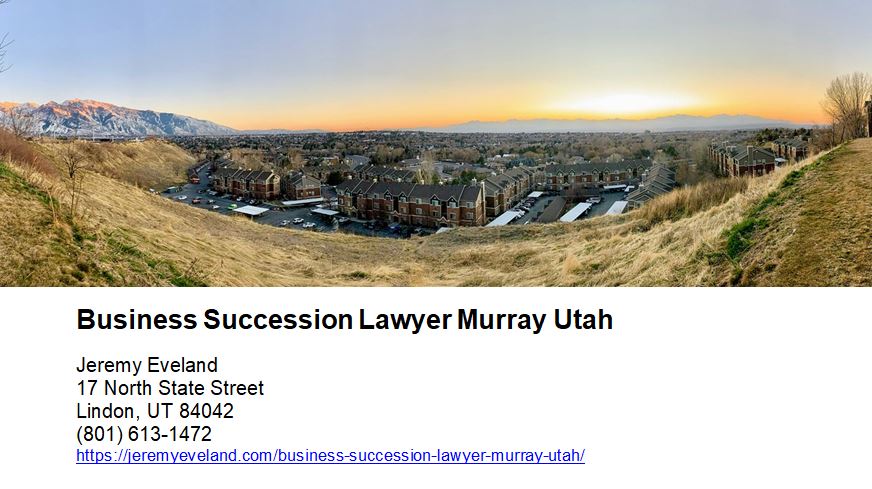











.svg)