Tag Archives: services

Business Law and Intellectual Property

Business Law and Intellectual Property

Business Law and Intellectual Property

Last Updated: June 11, 2026

“Protecting Your Ideas and Assets: Business Law and Intellectual Property Solutions”

Introduction

Bimportant areas of law that are essential for businesses to understand and comply with. Business Law covers a wide range of topics, including contracts, torts, employment law, and corporate law. Intellectual Property Law protects the rights of creators and inventors to their creations and inventions, such as copyrights, trademarks, and patents. Both of these areas of law are important for businesses to understand and comply with in order to protect their interests and ensure their success.

What to Do When Your Intellectual Property is Infringed Upon

When your intellectual property is infringed upon, it is important to take action quickly to protect your rights. Here are some steps you can take to protect your intellectual property:

1. Document the Infringement: Gather evidence of the infringement, such as screenshots, copies of the infringing material, and any other relevant information.

2. Contact the Infringer: Contact the person or company responsible for the infringement and explain the situation. Ask them to stop using your intellectual property and provide evidence of the infringement.

3. Send a Cease and Desist Letter: If the infringer does not respond to your initial contact, you may need to send a cease and desist letter. This letter should explain the infringement and demand that the infringer stop using your intellectual property.

4. Consider Legal Action: If the infringer does not comply with your cease and desist letter, you may need to take legal action. This could include filing a lawsuit or seeking an injunction to stop the infringement.

5. Monitor the Infringement: Even after taking action, it is important to monitor the infringement to ensure that it does not continue.

By taking these steps, you can protect your intellectual property and ensure that your rights are respected.

How to File for a Trademark and What to Expect During the Process

Filing for a trademark is a complex process that requires a thorough understanding of the law and the ability to navigate the legal system. The process begins with a trademark search to ensure that the mark is not already in use. Once the search is complete, the applicant must file an application with the United States Patent and Trademark Office (USPTO).

Business Law and Intellectual Property, Jeremy Eveland, Attorney Jeremy Eveland, Lawyer Jeremy Eveland, property, business, patent, law, trademark, trade, work, protection, patents, rights, mark, value, invention, secrets, trademarks, infringement, product, services, years, process, office, works, companies, others, right, service, act, batmobile, example, assets, owner, design, attorneys, copyrights, market, secret, laws, products, management, state, intellectual property, trade secrets, trade secret, intellectual property law, trademark office, intellectual property rights, business plan, business law, copyrighted work, united states, exclusive right, motion picture, comic books, television series, exclusive rights, service mark, business assets, secondary meaning, takedown notification, patent attorneys, intellectual property infringement, tangible medium, intellectual property issues, public domain, personal property, united states patent, non-disclosure agreements, legal forms, patent law, property rights, ip, intellectual property, patent, trademark, copyright, invention, trade secrets, assets, infringement, strategy, attorneys, ownership, wipo, symbol, innovation, trade, property, the united states, law, clients, lawyer, confidential information, public domain, intellectual property rights, fair use, provisional patent, united states copyright law, fair use doctrine, patent, patent holder, copyright law, intellectual property protection, patenting, unauthorized use, copyright owner, copyright protection, secondary meaning, u.s. copyright, copyright law, u.s. patent

The application must include a description of the mark, the goods or services associated with the mark, and the applicant’s contact information. The application must also include a fee, which varies depending on the type of mark and the number of classes of goods or services associated with the mark.

Once the application is filed, the USPTO will review it to ensure that it meets all the requirements. If the application is approved, the mark will be published in the Official Gazette, a publication of the USPTO. This allows any interested parties to oppose the registration of the mark. If no opposition is filed, the mark will be registered and the applicant will receive a certificate of registration.

The entire process can take several months, depending on the complexity of the application and the number of oppositions filed. It is important to note that the registration of a trademark does not guarantee exclusive rights to the mark. The applicant must still take steps to protect the mark from infringement.

Filing for a trademark is a complex process, but with the right guidance and preparation, it can be a successful endeavor. Understanding the process and the requirements is essential to ensure that the application is successful.

Why Businesses Need to File for Copyrights

Businesses need to file for copyrights to protect their intellectual property from being used without permission. A copyright is a form of legal protection that grants the creator of an original work exclusive rights to the use and distribution of that work. This includes the right to reproduce, distribute, display, and perform the work, as well as the right to create derivative works.

By filing for a copyright, businesses can ensure that their work is protected from unauthorized use. This is especially important for businesses that rely on their intellectual property for their livelihood. Without a copyright, anyone could use the work without permission, which could lead to lost profits and potential legal action.

In addition to protecting the work from unauthorized use, a copyright also provides businesses with the ability to monetize their work. By registering a copyright, businesses can license their work to others, allowing them to generate revenue from their intellectual property. This can be a great way for businesses to generate additional income and expand their reach.

Finally, filing for a copyright can also help businesses protect their brand. By registering a copyright, businesses can ensure that their work is associated with their brand and that any unauthorized use of the work is quickly identified and addressed. This can help businesses maintain their reputation and protect their brand from potential damage.

Overall, filing for a copyright is an important step for businesses that rely on their intellectual property. By registering a copyright, businesses can protect their work from unauthorized use, monetize their work, and protect their brand.

Business Trademarks with the United States Patent Office

Trademarks are an important part of any business. They are used to identify and distinguish a company’s goods and services from those of its competitors. The United States Patent and Trademark Office (USPTO) is the federal agency responsible for registering trademarks.

The USPTO offers two types of trademark registration: Principal Register and Supplemental Register. A trademark registered on the Principal Register is given the highest level of protection under federal law. It is also eligible for use in foreign countries. A trademark registered on the Supplemental Register is not eligible for use in foreign countries, but it does provide some protection under federal law.

To register a trademark with the USPTO, an applicant must submit an application that includes a description of the mark, a drawing of the mark, and a list of the goods and services associated with the mark. The application must also include a statement of the applicant’s intent to use the mark in commerce.

Once the application is submitted, the USPTO will review it to determine if the mark is eligible for registration. If the mark is eligible, the USPTO will publish it in the Official Gazette, a weekly publication that lists all newly registered trademarks. After publication, any party who believes they may be damaged by the registration of the mark may file an opposition to the registration.

If no opposition is filed, or if the opposition is unsuccessful, the USPTO will issue a certificate of registration. This certificate serves as proof that the mark is registered and provides the owner with certain legal rights.

Trademark registration with the USPTO is an important step for any business. It provides protection for the company’s goods and services and helps to ensure that its brand is not infringed upon by competitors.

The Difference Between Patents Copyrights and Trademarks

Patents, copyrights, and trademarks are all forms of intellectual property protection. Each type of protection serves a different purpose and offers different levels of protection.

Patents are a form of intellectual property protection that grants the inventor exclusive rights to make, use, and sell an invention. Patents are granted by the United States Patent and Trademark Office (USPTO) and are valid for a limited period of time, usually 20 years. In order to obtain a patent, the invention must be novel, useful, and non-obvious.

Copyrights are a form of intellectual property protection that grants the creator of an original work exclusive rights to reproduce, distribute, and publicly display the work. Copyrights are granted by the United States Copyright Office and are valid for the life of the author plus 70 years.

Trademarks are a form of intellectual property protection that grants the owner exclusive rights to use a distinctive mark, phrase, or logo to identify their goods or services. Trademarks are granted by the USPTO and are valid as long as the mark is used in commerce.

In summary, patents, copyrights, and trademarks are all forms of intellectual property protection. Patents protect inventions, copyrights protect original works, and trademarks protect distinctive marks, phrases, and logos. Each type of protection offers different levels of protection and is granted by different government agencies.

How to Protect Your Business Assets with Intellectual Property Rights

Intellectual property rights are an important tool for protecting the assets of a business. These rights provide legal protection for the products, services, and ideas that a business creates. By understanding the different types of intellectual property rights and how to use them, businesses can ensure that their assets are protected.

The first type of intellectual property right is copyright. Copyright protects original works of authorship, such as books, music, and software. Copyright protection is automatic and lasts for the life of the author plus 70 years. To protect a work with copyright, businesses should include a copyright notice on the work and register the work with the U.S. Copyright Office.

The second type of intellectual property right is trademark. Trademarks protect words, symbols, and designs that identify a business’s products or services. Trademarks can be registered with the U.S. Patent and Trademark Office. To protect a trademark, businesses should use the trademark symbol (™) when referring to the trademarked product or service.

The third type of intellectual property right is patent. Patents protect inventions and processes. Patents can be registered with the U.S. Patent and Trademark Office. To protect a patent, businesses should include a patent notice on the invention or process and register the patent with the U.S. Patent and Trademark Office.

Finally, trade secrets are a type of intellectual property right that protect confidential information. Trade secrets can include formulas, recipes, customer lists, and other information that is not generally known. To protect a trade secret, businesses should take steps to keep the information confidential, such as limiting access to the information and requiring employees to sign non-disclosure agreements.

By understanding the different types of intellectual property rights and how to use them, businesses can ensure that their assets are protected. By taking the necessary steps to protect their intellectual property, businesses can ensure that their products, services, and ideas remain secure.

Understanding the Basics of Intellectual Property Law

Intellectual property law is a complex and ever-evolving area of law that is designed to protect the rights of creators and inventors. It is important for individuals and businesses to understand the basics of intellectual property law in order to protect their creations and inventions.

Intellectual property law is divided into four main categories: copyright, trademark, patent, and trade secret. Each of these categories has its own set of rules and regulations that must be followed in order to protect the rights of the creator or inventor.

Copyright law protects original works of authorship, such as books, music, and artwork. Copyright protection is automatic and does not require registration. Copyright protection lasts for the life of the author plus 70 years.

Trademark law protects words, symbols, and designs that are used to identify a product or service. Trademarks must be registered with the United States Patent and Trademark Office in order to be protected. Trademark protection lasts for 10 years and can be renewed indefinitely.

Patent law protects inventions and processes. Patents must be registered with the United States Patent and Trademark Office in order to be protected. Patent protection lasts for 20 years from the date of filing.

Trade secret law protects confidential information, such as formulas, recipes, and processes. Trade secrets must be kept confidential in order to be protected. Trade secret protection lasts as long as the information remains confidential.

It is important to understand the basics of intellectual property law in order to protect your creations and inventions. If you have any questions about intellectual property law, it is best to consult with an experienced attorney.

Protecting Your Business and IP Rights

As a business owner, it is important to protect your intellectual property (IP) rights. IP rights are the legal rights that protect your business’s creations, inventions, and other original works. These rights can include copyrights, trademarks, patents, and trade secrets.

Copyrights protect original works of authorship, such as books, music, and artwork. Trademarks protect words, phrases, symbols, or designs that identify and distinguish the source of goods or services. Patents protect inventions and processes. Trade secrets are confidential information that provides a business with a competitive advantage.

It is important to understand the different types of IP rights and how to protect them. Here are some tips for protecting your business’s IP rights:

1. Register your IP rights. Registering your IP rights with the appropriate government agency is the best way to protect them. This will give you the legal right to take action against anyone who infringes on your rights.

2. Use contracts. Use contracts to protect your IP rights when working with third parties. Make sure the contracts clearly define who owns the IP rights and what the third party can and cannot do with the IP.

3. Monitor your IP rights. Monitor your IP rights to make sure they are not being used without your permission. If you find someone infringing on your rights, take action to protect your IP.

4. Educate yourself. Educate yourself on the different types of IP rights and how to protect them. This will help you make informed decisions about protecting your IP rights.

By taking the necessary steps to protect your IP rights, you can ensure that your business’s creations and inventions are protected. This will help you maintain a competitive edge and ensure that your business is successful.

Q&A

Q1: What is business law?

A1: Business law is a body of law that governs the formation, operation, and dissolution of businesses. It covers a wide range of topics, including contracts, torts, property, and labor law. It also includes intellectual property, such as copyrights, trademarks, and patents.

Q2: What is intellectual property?

A2: Intellectual property is a type of property that is created by the mind or intellect. It includes creations such as inventions, literary and artistic works, symbols, names, images, and designs. Intellectual property is protected by law, such as copyright, trademark, and patent laws.

Q3: What is a copyright?

A3: A copyright is a form of intellectual property protection that grants the creator of an original work exclusive rights to use and distribute the work. Copyright protection applies to literary, artistic, musical, and other creative works.

Q4: What is a trademark?

A4: A trademark is a form of intellectual property protection that grants the owner of a mark exclusive rights to use the mark in connection with goods or services. Trademarks can be words, symbols, or designs that distinguish the source of goods or services.

Q5: What is a patent?

A5: A patent is a form of intellectual property protection that grants the inventor of an invention exclusive rights to make, use, and sell the invention. Patents are granted for inventions that are novel, useful, and non-obvious.

Q6: What is a trade secret?

A6: A trade secret is a form of intellectual property protection that grants the owner of a secret exclusive rights to use the secret in connection with goods or services. Trade secrets can include formulas, patterns, compilations, programs, devices, methods, techniques, or processes.

Q7: What is a non-disclosure agreement?

A7: A non-disclosure agreement (NDA) is a contract between two or more parties that sets out the terms and conditions for the sharing of confidential information. An NDA is used to protect confidential information from being disclosed to third parties.

Q8: What is a licensing agreement?

A8: A licensing agreement is a contract between two or more parties that sets out the terms and conditions for the use of intellectual property. A licensing agreement grants the licensee the right to use the intellectual property in exchange for payment or other consideration.

Business Law and Intellectual Property Consultation

When you need legal help with Business Law and Intellectual Property call Jeremy D. Eveland, MBA, JD (801) 613-1472 for a consultation.

Jeremy Eveland
17 North State Street
Lindon UT 84042
(801) 613-1472

Home

Related Posts

Business Contract Lawyer West Valley City

Commercial Real Estate Law

AI Business Consultant

Estate Planning Documents

Mechanic’s Lien in Utah

Business Lawyer West Jordan Utah

Artificial Intelligence

Irrevocable Life Insurance Trusts

What Is The Purpose Of A Business Attorney?

Commercial Lease Lawyer

Business Transaction Lawyer Provo Utah

What Is An LLC?

Boutique Law Firm

Contract Negotiation

Employment Law

Trusted Personal Injury Attorneys in Utah

Tort Law

Legal Requirements to Start a Business

Contract Law for Businesses

Business Law and Taxes

Contract Lawyer

Real Estate Attorneys in Salt Lake City Utah

Probate Law

Business Contract Lawyer Riverton UT

Utah Estate Planning

Business Law and Intellectual Property

Introduction

Visit USA.gov for official resources.

Real Estate Attorneys In Salt Lake City Utah

Real Estate Attorneys in Salt Lake City Utah

Real Estate Attorneys in Salt Lake City Utah

Last Updated: June 11, 2026

Understanding Salt Lake City Utah

This guide covers Salt Lake City Utah and what you need to know. “Salt Lake City Real Estate Attorneys: Your Trusted Legal Advisors for Property Transactions”

Introduction

Real eserienced professionals who specialize in the legal aspects of real estate transactions. They provide legal advice and representation to buyers, sellers, landlords, tenants, and other parties involved in real estate transactions. Real estate attorneys in Salt Lake City are knowledgeable about the laws and regulations that govern real estate transactions in the state of Utah. They can help clients navigate the complexities of real estate transactions, from drafting contracts to negotiating terms and closing deals. With their expertise, real estate attorneys in Salt Lake City can help ensure that clients’ interests are protected and that their real estate transactions are successful.

How to Choose the Right Real Estate Attorney in Salt Lake City

When it comes to real estate transactions, having the right attorney can make all the difference. Whether you are buying, selling, or leasing property in Salt Lake City, it is important to choose a real estate attorney who is knowledgeable and experienced in the local market. Here are some tips to help you find the right real estate attorney in Salt Lake City:

1. Research local attorneys: Start by researching local attorneys who specialize in real estate law. Look for attorneys who have experience in the Salt Lake City area and who have a good reputation. Check online reviews and ask for referrals from friends and family.

2. Ask questions: Once you have identified a few potential attorneys, contact them and ask questions about their experience and qualifications. Find out how long they have been practicing real estate law and what types of cases they have handled. Ask about their fees and any other services they offer.

3. Meet in person: Once you have narrowed down your list of potential attorneys, it is important to meet with them in person. This will give you an opportunity to get to know them and ask any additional questions you may have.

4. Check references: Before making a final decision, it is important to check references. Ask the attorney for a list of past clients and contact them to get their feedback. This will help you get a better understanding of the attorney’s experience and reputation.

Real Estate Attorneys In Salt Lake City Utah, Real Estate Lawyer Jeremy Eveland, Utah Attorney Jeremy Eveland, Lawyer Jeremy Eveland, estate, law, city, lawyers, clients, attorney, business, firm, license, property, attorneys, services, lawyer, state, home, experience, review, division, litigation, agents, years, practice, transactions, service, homes, p.c, areas, client, street, properties, process, shareholder, buyers, consultation, development, rating, group, planning, land, title, lake city, real estate lawyers, real estate, utah division, real estate law, law firm, legal services, real estate attorney, real estate agents, real estate reputation, real estate attorneys, real estate transactions, real estate agent, south temple, south state street, wide range, real property, ethical standards, real estate lawyer, estate planning law, miller nelson, main street, lake county, parr brown, legal issue feels, fabian vancott, commercial litigation, united states, legal expertise, martindale-hubbell peer review, real estate, lawyers, salt lake city, ut, utah, license, clients, attorney, law firm, law, reputation, shareholder, real estate agents, legal services, lake, property, transactions, salt, sellers, litigation, temple, broker, listing broker, realtors, real estate brokers, nar, national association of realtors, real estate, commercial property, real estate contracts, purchasing, mls, estate agent, super lawyers, home inspections, title insurance, content marketing, commissions, sales

By following these tips, you can find the right real estate attorney in Salt Lake City to help you with your real estate transaction. With the right attorney, you can be sure that your transaction will be handled professionally and efficiently.

The Benefits of Working with a Real Estate Attorney in Salt Lake City

When it comes to real estate transactions, it is important to have an experienced and knowledgeable attorney on your side. Working with a real estate attorney in Salt Lake City can provide numerous benefits, including the following:

1. Expertise: A real estate attorney in Salt Lake City has the expertise and experience to handle all aspects of a real estate transaction. From reviewing contracts and documents to negotiating terms and closing the deal, a real estate attorney can provide invaluable guidance and advice.

2. Protection: A real estate attorney can help protect your interests throughout the transaction. They can review contracts and documents to ensure that all terms are fair and equitable, and they can help you avoid potential pitfalls.

3. Efficiency: A real estate attorney can help streamline the process and ensure that all deadlines are met. They can also help ensure that all paperwork is properly filed and that all necessary documents are in order.

4. Cost Savings: Working with a real estate attorney can help you save money in the long run. By having an experienced attorney on your side, you can avoid costly mistakes and ensure that the transaction is completed in a timely and cost-effective manner.

When it comes to real estate transactions, it is important to have an experienced and knowledgeable attorney on your side. Working with a real estate attorney in Salt Lake City can provide numerous benefits, including expertise, protection, efficiency, and cost savings. With the help of a real estate attorney, you can ensure that your real estate transaction is completed in a timely and cost-effective manner.

Salt Lake City is a vibrant and growing city, and with that growth comes a variety of real estate legal issues. It is important to be aware of these issues and take steps to avoid them.

One of the most common real estate legal issues in Salt Lake City is zoning violations. Zoning laws are in place to ensure that buildings are constructed in accordance with local regulations. Violations of zoning laws can result in fines, legal action, and even the demolition of the structure. To avoid zoning violations, it is important to research the local zoning laws and obtain the necessary permits before beginning any construction.

Another common real estate legal issue in Salt Lake City is title disputes. Title disputes occur when two or more parties claim ownership of the same property. These disputes can be costly and time-consuming to resolve. To avoid title disputes, it is important to conduct a thorough title search before purchasing a property. This will ensure that the title is clear and that there are no outstanding claims against the property.

Finally, it is important to be aware of landlord-tenant laws in Salt Lake City. These laws govern the rights and responsibilities of landlords and tenants. It is important to understand these laws and ensure that all rental agreements are in compliance. This will help to avoid potential legal issues and ensure that both parties are protected.

By understanding the common real estate legal issues in Salt Lake City and taking steps to avoid them, you can ensure that your real estate transactions are successful and free from legal complications.

Understanding the Role of a Real Estate Attorney in Salt Lake City

Real estate attorneys in Salt Lake City play an important role in the real estate market. They provide legal advice and representation to buyers, sellers, landlords, tenants, and other parties involved in real estate transactions.

Real estate attorneys in Salt Lake City are knowledgeable in all aspects of real estate law, including contracts, title searches, zoning regulations, and other legal matters. They can help clients understand their rights and obligations under the law, and provide advice on how to best protect their interests.

Real estate attorneys in Salt Lake City can help clients negotiate the terms of a real estate transaction, draft and review contracts, and handle any disputes that may arise. They can also provide guidance on how to structure a transaction to minimize taxes and maximize profits.

Real estate attorneys in Salt Lake City can also help clients with the closing process. They can review closing documents, ensure that all parties are in agreement, and make sure that all necessary paperwork is completed and filed correctly.

Real estate attorneys in Salt Lake City can also provide legal advice on issues related to landlord-tenant law, such as evictions, security deposits, and other matters. They can also help clients with disputes over property boundaries, easements, and other matters.

Real estate attorneys in Salt Lake City are an invaluable resource for anyone involved in a real estate transaction. They can provide legal advice and representation to ensure that all parties are protected and that the transaction is completed in a timely and efficient manner.

Navigating the Real Estate Closing Process in Salt Lake City with an Attorney

Navigating the real estate closing process in Salt Lake City can be a complex and intimidating process. Working with an experienced real estate attorney can help ensure that the process is completed efficiently and accurately.

When purchasing a home in Salt Lake City, it is important to understand the closing process and the role of the attorney. The closing process begins when the buyer and seller sign a purchase agreement. This agreement outlines the terms of the sale, including the purchase price, closing date, and any contingencies. Once the purchase agreement is signed, the buyer will typically hire a real estate attorney to represent them in the closing process.

The attorney’s role is to review the purchase agreement and ensure that all of the terms are in the buyer’s best interest. The attorney will also review any documents related to the sale, such as title documents, surveys, and inspection reports. The attorney will also review any loan documents and advise the buyer on their rights and obligations under the loan.

Once all of the documents have been reviewed, the attorney will prepare the closing documents. These documents include the deed, mortgage, and closing statement. The attorney will also review the closing statement to ensure that all of the costs associated with the purchase are accurate.

On the day of closing, the attorney will attend the closing and review all of the documents with the buyer. The attorney will also answer any questions the buyer may have and ensure that all of the documents are properly executed. Once the closing is complete, the attorney will provide the buyer with a copy of all of the closing documents.

Navigating the real estate closing process in Salt Lake City can be a complex and intimidating process. Working with an experienced real estate attorney can help ensure that the process is completed efficiently and accurately. An attorney can provide valuable advice and guidance throughout the process and ensure that the buyer’s rights and interests are protected.

Q&A

1. What services do real estate attorneys in Salt Lake City provide?

Real estate attorneys in Salt Lake City provide a variety of services, including drafting and reviewing purchase and sale agreements, negotiating contracts, advising on zoning and land use issues, and representing clients in court.

2. What qualifications should I look for in a real estate attorney?

When selecting a real estate attorney, it is important to look for someone who is experienced in the area of real estate law and who is familiar with the laws and regulations in Salt Lake City. Additionally, it is important to find an attorney who is knowledgeable, reliable, and trustworthy.

3. How much does it cost to hire a real estate attorney in Salt Lake City?

The cost of hiring a real estate attorney in Salt Lake City will vary depending on the complexity of the case and the attorney’s experience. Generally, attorneys charge an hourly rate or a flat fee for their services.

4. What types of real estate transactions can a real estate attorney in Salt Lake City help with?

Real estate attorneys in Salt Lake City can help with a variety of real estate transactions, including buying and selling residential and commercial properties, negotiating leases, and resolving disputes.

5. What should I do if I have a dispute with my real estate attorney?

If you have a dispute with your real estate attorney, it is important to contact the Utah State Bar Association to file a complaint. The Bar Association will investigate the complaint and take appropriate action if necessary.

Real Estate Lawyer Consultation

When you need legal help with real estate law call Jeremy D. Eveland, MBA, JD (801) 613-1472 for a consultation.

Jeremy Eveland
17 North State Street
Lindon UT 84042
(801) 613-1472

Home

Related Posts

Business Contract Lawyer Salt Lake City

Goals of Estate Planning

What Is The Difference Between Corporate And Commercial Law?

Business Credit

Business Contract Lawyer West Valley City

Commercial Real Estate Law

AI Business Consultant

Estate Planning Documents

Mechanic’s Lien in Utah

Business Lawyer West Jordan Utah

Artificial Intelligence

Irrevocable Life Insurance Trusts

What Is The Purpose Of A Business Attorney?

Commercial Lease Lawyer

Business Transaction Lawyer Provo Utah

What Is An LLC?

Boutique Law Firm

Contract Negotiation

Employment Law

Trusted Personal Injury Attorneys in Utah

Tort Law

Legal Requirements to Start a Business

Contract Law for Businesses

Business Law and Taxes

Contract Lawyer

Real Estate Attorneys in Salt Lake City Utah

[geocentric_weather id=”79414f66-9f4c-4a1a-9eaa-8bbae65c0683″]

[geocentric_about id=”79414f66-9f4c-4a1a-9eaa-8bbae65c0683″]

[geocentric_neighborhoods id=”79414f66-9f4c-4a1a-9eaa-8bbae65c0683″]

[geocentric_thingstodo id=”79414f66-9f4c-4a1a-9eaa-8bbae65c0683″]

[geocentric_busstops id=”79414f66-9f4c-4a1a-9eaa-8bbae65c0683″]

[geocentric_mapembed id=”79414f66-9f4c-4a1a-9eaa-8bbae65c0683″]

[geocentric_drivingdirections id=”79414f66-9f4c-4a1a-9eaa-8bbae65c0683″]

[geocentric_reviews id=”79414f66-9f4c-4a1a-9eaa-8bbae65c0683″]

Introduction

For legal assistance regarding Salt Lake City Utah, contact Jeremy Eveland. We handle Salt Lake City Utah cases and provide guidance on Salt Lake City Utah for clients.

For legal assistance regarding Salt Lake City Utah, contact Jeremy Eveland. We handle Salt Lake City Utah cases and provide guidance on Salt Lake City Utah for clients.

For legal assistance regarding Salt Lake City Utah, contact Jeremy Eveland. We handle Salt Lake City Utah cases and provide guidance on Salt Lake City Utah for clients.

For legal assistance regarding Salt Lake City Utah, contact Jeremy Eveland. We handle Salt Lake City Utah cases and provide guidance on Salt Lake City Utah for clients.

For legal assistance regarding Salt Lake City Utah, contact Jeremy Eveland. We handle Salt Lake City Utah cases and provide guidance on Salt Lake City Utah for clients.

For legal assistance regarding Salt Lake City Utah, contact Jeremy Eveland. We handle Salt Lake City Utah cases and provide guidance on Salt Lake City Utah for clients.

For legal assistance regarding Salt Lake City Utah, contact Jeremy Eveland. We handle Salt Lake City Utah cases and provide guidance on Salt Lake City Utah for clients.

For legal assistance regarding Salt Lake City Utah, contact Jeremy Eveland. We handle Salt Lake City Utah cases and provide guidance on Salt Lake City Utah for clients.

Visit USA.gov for official resources.

Contract Lawyer

Contract Lawyer

Contract Lawyer

Last Updated: June 11, 2026

“Secure Your Future with a Contract Lawyer: Protect Your Rights and Your Assets.”

The Average Growth Rate of Contract Lawyers and Their Median Salary

Contract lawyers are an increasingly popular option for businesses and organizations that need legal services but do not have the resources to hire a full-time lawyer. The demand for contract lawyers has grown steadily over the past decade, and the growth rate is expected to remain strong in the coming years.

The average growth rate of contract lawyers is estimated to be around 5.5% per year. This rate is slightly higher than the average growth rate of all occupations, which is estimated to be around 4.5%. This indicates that the demand for contract lawyers is growing faster than the overall job market.

The median salary for contract lawyers is around $90,000 per year. This is slightly lower than the median salary for all lawyers, which is around $120,000 per year. However, contract lawyers often have the opportunity to earn more than the median salary, depending on the type of work they are doing and the number of hours they are working.

Contract lawyers are an important part of the legal profession and are becoming increasingly popular as businesses and organizations look for ways to reduce costs while still getting quality legal services. The average growth rate of contract lawyers is expected to remain strong in the coming years, and the median salary for contract lawyers is a competitive rate.

The Benefits of Working with a Contract Lawyer

Working with a contract lawyer can be a great way to ensure that your business is legally protected and that all of your contracts are legally binding. A contract lawyer can provide a variety of services, from drafting contracts to reviewing existing contracts and providing legal advice. Here are some of the benefits of working with a contract lawyer:

Contract Lawyer, Jeremy Eveland, Jeremy Eveland Utah Attorney, Lawyer Jeremy Eveland, contract, lawyer, law, attorney, lawyers, contracts, attorneys, state, rate, business, case, services, fees, firm, experience, clients, agreement, parties, work, client, party, bls, laws, bar, breach, field, practice, growth, resources, businesses, firms, area, agreements, outlook, states, role, employment, instance, process, needs, contract lawyer, contract lawyers, law firm, right contract, contract attorney, contract law, new york, flat rate, legal services, right contract lawyer, initial consultation, overwhelming task, reliable resources, personal references, disciplinary records, bar association attorney, solo practitioner, good idea, right attorney, introductory meeting, informationdegree leveljuris doctor, optionaldegree field, skillscritical thinking, various templates, average growth rate, median salary, trainingmoderate term, trainingtop earnerstop earners, large law firms, experienced attorney, lawyers, attorney, new york, new york, ny, law firm, clients, breach of contract, fees, law, martindale-hubbell, contract law, contracts, compliance, contractual rights, binding contract, terms and conditions, contract law, contingency-fee, remedies, costs, damages, contracting, remedy, counteroffer, personal injury, monetary damages, agreement, breached, misrepresentation, offer and acceptance, attorney's fees, contracts, statute of frauds

1. Expertise: A contract lawyer has the expertise and experience to ensure that your contracts are legally sound and that they meet all of the necessary requirements. They can also provide advice on how to best structure your contracts to protect your interests.

2. Efficiency: A contract lawyer can help you save time and money by quickly and accurately drafting contracts that meet your needs. This can help you avoid costly mistakes and delays in the future.

3. Negotiation: A contract lawyer can help you negotiate the terms of a contract to ensure that both parties are satisfied with the outcome. They can also help you resolve any disputes that may arise.

4. Compliance: A contract lawyer can help you ensure that your contracts comply with all applicable laws and regulations. This can help you avoid costly fines and penalties.

5. Protection: A contract lawyer can help you protect your interests by ensuring that all of your contracts are legally binding and enforceable. This can help you avoid costly litigation in the future.

Overall, working with a contract lawyer can be a great way to ensure that your business is legally protected and that all of your contracts are legally binding. A contract lawyer can provide a variety of services, from drafting contracts to reviewing existing contracts and providing legal advice. They can also help you save time and money, negotiate the terms of a contract, ensure compliance with applicable laws and regulations, and protect your interests.

How to Find the Right Contract Lawyer for Your Needs

Finding the right contract lawyer for your needs can be a daunting task. It is important to take the time to research and find a lawyer who is experienced in the area of contract law and who is a good fit for your particular situation. Here are some tips to help you find the right contract lawyer for your needs.

1. Research: Start by researching contract lawyers in your area. Look for lawyers who specialize in contract law and have experience in the specific area of law that you need help with. Check out their websites and read reviews from past clients to get an idea of their experience and expertise.

2. Ask for Referrals: Ask friends, family, and colleagues for referrals to contract lawyers they have used in the past. This can be a great way to find a lawyer who is experienced and knowledgeable in the area of contract law.

3. Interview: Once you have narrowed down your list of potential lawyers, it is important to interview them to make sure they are the right fit for your needs. Ask questions about their experience, their fees, and their approach to contract law.

4. Check References: Ask the lawyers for references from past clients. This will give you an idea of how they have handled similar cases in the past and how satisfied their clients were with their services.

5. Make a Decision: After you have done your research and interviewed potential lawyers, it is time to make a decision. Choose the lawyer who you feel is the best fit for your needs and who you feel comfortable working with.

Finding the right contract lawyer for your needs can be a time-consuming process, but it is worth the effort. Taking the time to research and interview potential lawyers will ensure that you find the right lawyer for your needs.

Understanding the Role of a Contract Lawyer in Business Transactions

A contract lawyer plays an important role in business transactions. A contract lawyer is a legal professional who specializes in contract law, which is the body of law that governs the formation, interpretation, and enforcement of contracts. Contract lawyers are responsible for drafting, reviewing, and negotiating contracts between parties. They also provide legal advice to their clients on matters related to contract law.

Contract lawyers are essential to the success of any business transaction. They ensure that all parties involved in a contract are aware of their rights and obligations under the agreement. They also help to ensure that the contract is legally binding and enforceable. Contract lawyers are also responsible for ensuring that the terms of the contract are fair and reasonable for all parties involved.

Contract lawyers are also responsible for providing legal advice to their clients on matters related to contract law. This includes advising clients on the best way to structure a contract, the potential risks associated with a contract, and the legal implications of any changes to the contract. Contract lawyers also provide advice on how to resolve disputes that may arise from a contract.

Contract lawyers are also responsible for ensuring that all parties involved in a contract are aware of their rights and obligations under the agreement. This includes ensuring that all parties understand the terms of the contract and that they are aware of any potential risks associated with the contract. Contract lawyers also help to ensure that the contract is legally binding and enforceable.

Contract lawyers are essential to the success of any business transaction. They ensure that all parties involved in a contract are aware of their rights and obligations under the agreement. They also provide legal advice to their clients on matters related to contract law. Contract lawyers are also responsible for ensuring that the terms of the contract are fair and reasonable for all parties involved.

What to Look for When Hiring a Contract Lawyer

When hiring a contract lawyer, it is important to consider several factors to ensure that you are getting the best legal representation for your needs. Here are some key points to consider when selecting a contract lawyer:

1. Experience: Make sure the lawyer you hire has experience in contract law. Ask for references and check their background to ensure they have the necessary expertise to handle your case.

2. Reputation: Check the lawyer’s reputation in the legal community. Ask other lawyers and clients for their opinion of the lawyer’s work.

3. Communication: Make sure the lawyer is able to communicate effectively with you. Ask questions to ensure that the lawyer understands your needs and is able to explain the legal process in a way that you can understand.

4. Fees: Ask about the lawyer’s fees and payment terms. Make sure you understand the costs associated with the lawyer’s services and that you are comfortable with the payment terms.

5. Availability: Make sure the lawyer is available to answer your questions and address your concerns in a timely manner.

By considering these factors, you can ensure that you are hiring the best contract lawyer for your needs.

Why Businesses Need Contract Attorneys

Businesses need contract attorneys to ensure that their contracts are legally binding and enforceable. Contracts are an essential part of any business, as they provide a framework for the relationship between two or more parties. A contract attorney can help businesses draft, review, and negotiate contracts to ensure that they are legally sound and protect the interests of all parties involved.

Contract attorneys are knowledgeable in the laws and regulations that govern contracts. They can help businesses understand the legal implications of their contracts and ensure that they are compliant with applicable laws. Contract attorneys can also help businesses identify potential risks and liabilities associated with their contracts and provide advice on how to mitigate them.

Contract attorneys can also help businesses negotiate the terms of their contracts. They can help businesses understand the implications of different clauses and negotiate the best possible terms for their contracts. Contract attorneys can also help businesses resolve disputes that arise from their contracts.

Finally, contract attorneys can help businesses protect their intellectual property. They can help businesses draft contracts that protect their intellectual property rights and ensure that their intellectual property is not misused or infringed upon.

In summary, businesses need contract attorneys to ensure that their contracts are legally binding and enforceable. Contract attorneys can help businesses draft, review, and negotiate contracts, understand the legal implications of their contracts, identify potential risks and liabilities, and protect their intellectual property.

Q&A

1. What is a contract lawyer?
A contract lawyer is a lawyer who specializes in contract law, which is the body of law that governs the formation, interpretation, and enforcement of contracts. Contract lawyers are responsible for drafting, reviewing, and negotiating contracts, as well as providing legal advice on contract-related matters.

2. What types of contracts do contract lawyers handle?
Contract lawyers handle a wide variety of contracts, including employment contracts, real estate contracts, business contracts, and intellectual property contracts.

3. What qualifications do contract lawyers need?
Contract lawyers must have a law degree and be licensed to practice law in their state. In addition, many contract lawyers have specialized training in contract law and related areas such as business law, real estate law, and intellectual property law.

4. What skills do contract lawyers need?
Contract lawyers need strong analytical and problem-solving skills, as well as excellent communication and negotiation skills. They must also be able to interpret complex legal documents and have a thorough understanding of contract law.

5. What is the job outlook for contract lawyers?
The job outlook for contract lawyers is positive. The demand for contract lawyers is expected to increase as businesses and organizations continue to rely on contracts to protect their interests.

6. What is the average salary for a contract lawyer?
The average salary for a contract lawyer varies depending on experience, location, and other factors. According to PayScale, the average salary for a contract lawyer in the United States is $90,945 per year.

Contract Lawyer Consultation

When you need legal help with Contract Law call Jeremy D. Eveland, MBA, JD (801) 613-1472 for a consultation.

Jeremy Eveland
17 North State Street
Lindon UT 84042
(801) 613-1472

Home

Related Posts

Startup Attorney

Business Contract Lawyer Salt Lake City

Goals of Estate Planning

What Is The Difference Between Corporate And Commercial Law?

Business Credit

Business Contract Lawyer West Valley City

Commercial Real Estate Law

AI Business Consultant

Estate Planning Documents

Mechanic’s Lien in Utah

Business Lawyer West Jordan Utah

Artificial Intelligence

Irrevocable Life Insurance Trusts

What Is The Purpose Of A Business Attorney?

Commercial Lease Lawyer

Business Transaction Lawyer Provo Utah

What Is An LLC?

Boutique Law Firm

Contract Negotiation

Employment Law

Trusted Personal Injury Attorneys in Utah

Tort Law

Legal Requirements to Start a Business

Contract Law for Businesses

Business Law and Taxes

Contract Lawyer

Introduction

Visit USA.gov for official resources.
Contract Law for Businesses

Contract Law for Businesses

Last Updated: June 11, 2026

This guide covers Businesses and what you need to know. “Secure Your Business with Contract Law: Protect Your Assets and Your Future.”

Introdu doing business. It is the legal framework that governs the formation, performance, and enforcement of contracts between two or more parties. It is important for businesses to understand the basics of contract law in order to protect their interests and ensure that their contracts are legally binding. This introduction will provide an overview of the basics of contract law and how it applies to businesses.

What to Consider When Negotiating Business Contracts

When negotiating business contracts, there are several important considerations to keep in mind.

First, it is important to understand the terms of the contract and to ensure that all parties involved are in agreement. This includes understanding the scope of the agreement, the duration of the contract, and any potential liabilities or obligations. It is also important to ensure that all parties are aware of any applicable laws or regulations that may affect the contract.

Second, it is important to consider the financial implications of the contract. This includes understanding the cost of the contract, any potential fees or penalties, and any potential tax implications. It is also important to consider any potential risks associated with the contract, such as the potential for litigation or other disputes.

Third, it is important to consider the potential for future changes to the contract. This includes understanding the potential for changes in the scope of the agreement, the duration of the contract, or any other terms. It is also important to consider the potential for changes in the financial implications of the contract, such as changes in fees or penalties.

Finally, it is important to consider the potential for dispute resolution. This includes understanding the potential for mediation or arbitration, as well as any potential for litigation. It is also important to consider the potential for any other dispute resolution mechanisms, such as negotiation or alternative dispute resolution.

By considering these important considerations, parties can ensure that their business contracts are fair and equitable for all parties involved.

Understanding the Elements of a Valid Business Contract

A valid business contract is a legally binding agreement between two or more parties that outlines the terms and conditions of a particular transaction. It is important to understand the elements of a valid business contract in order to ensure that all parties involved are protected and that the agreement is enforceable.

Legal Requirements to Start a Business, Jeremy Eveland, Lawyer Jeremy Eveland, Jeremy Eveland Utah Attorney, contract, contracts, law, agreement, parties, business, party, breach, offer, example, court, person, hawkins, services, time, something, agreements, state, lawsuit, money, hand, damages, service, value, acceptance, consideration, exchange, performance, promise, case, goods, payment, intent, obligations, laws, amount, businesses, lawyer, surgery, elements, contract law, business contract, lawsuit brought, person claims, business contracts, anticipatory breach, civil lawsuit, large sum, expected result, obligation.business entity, personal.civil lawsuit, person.civil liability, valuable benefit.jurisdiction, legal authority, legal cases, geographical region, many contracts, severe burn, local doctor edward, one-hundred percent, good hand., scarred area, thick mat, legal liability, actual breach, mutual intent, legal capacity, enforceable contract.mutualityunder, above-ground swimming pool, daycare services, contract law, legally binding, agreement, breach of contract, breach, obligations, lawsuit, anticipatory breach, surgery, payment, promise, rent, landlord, pain and suffering, pavers, failure, contract, rental, jurisdiction, law of contract, legally binding agreement, binding, legal remedy, contractual terms, terms and conditions, misrepresentation, binding contract, breach, bilateral contracts, parol evidence rule, obligors, types of contracts, legal contract, obligees, remedy, agreements, partial breach, contract

The first element of a valid business contract is an offer. This is an expression of willingness to enter into a contract, and it must be clear and definite. The offer must also be communicated to the other party in order for it to be valid.

The second element of a valid business contract is acceptance. This is the other party’s agreement to the terms of the offer. Acceptance must be communicated to the other party in order for it to be valid.

The third element of a valid business contract is consideration. This is something of value that is exchanged between the parties in order to make the contract binding. Consideration can be money, goods, services, or a promise to do something.

The fourth element of a valid business contract is capacity. This means that both parties must be legally able to enter into a contract. This means that they must be of legal age and of sound mind.

The fifth element of a valid business contract is legality. This means that the contract must not be for an illegal purpose or involve illegal activities.

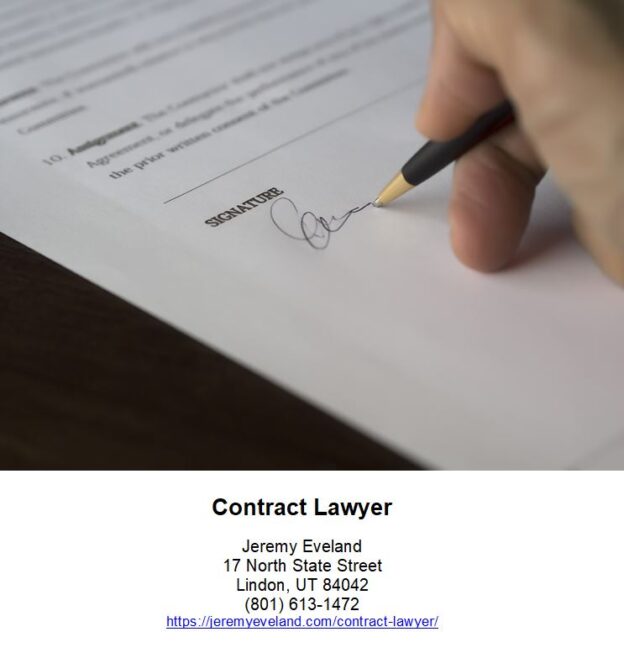
Finally, the sixth element of a valid business contract is a written document. This document should include all of the elements of the contract, including the offer, acceptance, consideration, capacity, and legality. It should also include the signatures of both parties in order to make it legally binding.

Understanding the elements of a valid business contract is essential for any business transaction. It is important to ensure that all parties involved are protected and that the agreement is enforceable. By understanding the elements of a valid business contract, businesses can ensure that their transactions are conducted in a legally sound manner.

What to Do When a Breach of Contract Occurs

When a breach of contract occurs, it is important to take immediate action to protect your rights and interests. Here are some steps to take when a breach of contract occurs:

1. Document the Breach: Document the breach of contract in detail, including the date, time, and circumstances of the breach. Make sure to keep copies of all relevant documents, such as emails, contracts, and other correspondence.

2. Notify the Other Party: Notify the other party of the breach of contract in writing. This should include a detailed description of the breach and the remedies you are seeking.

3. Seek Legal Advice: Consult with an experienced attorney to discuss your legal options. An attorney can help you understand your rights and obligations under the contract and advise you on the best course of action.

4. Negotiate a Resolution: If possible, try to negotiate a resolution with the other party. This may involve offering a compromise or agreeing to a payment plan.

5. File a Lawsuit: If negotiations fail, you may need to file a lawsuit to enforce the contract. This should be done with the help of an experienced attorney.

By taking these steps, you can protect your rights and interests when a breach of contract occurs.

How to Draft a Legally Binding Business Contract

Drafting a legally binding business contract is an important step in any business relationship. It is essential to ensure that all parties involved understand their rights and obligations under the contract. Here are some tips for drafting a legally binding business contract:

1. Identify the parties involved: The contract should clearly identify the parties involved in the agreement. This includes the names and contact information of all parties, as well as any other relevant information such as the business address and registration number.

2. Specify the purpose of the contract: The contract should clearly state the purpose of the agreement. This should include a description of the services or goods to be provided, the payment terms, and any other relevant details.

3. Include all relevant details: The contract should include all relevant details such as the duration of the agreement, the payment terms, and any other relevant information.

4. Include a dispute resolution clause: A dispute resolution clause should be included in the contract to provide a mechanism for resolving any disputes that may arise.

5. Have the contract reviewed by a lawyer: It is important to have the contract reviewed by a lawyer to ensure that it is legally binding and enforceable.

By following these tips, you can ensure that your business contract is legally binding and enforceable. It is important to remember that a contract is only as good as the parties involved in it, so it is essential to ensure that all parties understand their rights and obligations under the contract.

What Businesses Need to Know About Contract Law

Businesses need to be aware of the legal implications of contracts in order to protect their interests and ensure compliance with the law. Contract law is a complex area of law that governs the formation, performance, and enforcement of contracts. It is important for businesses to understand the basics of contract law in order to ensure that their contracts are legally binding and enforceable.

First, businesses should understand the elements of a valid contract. A valid contract requires an offer, acceptance, consideration, and mutual assent. The offer must be clear and definite, and the acceptance must be unequivocal. Consideration is the exchange of something of value between the parties, and mutual assent is an agreement between the parties to be bound by the terms of the contract.

Second, businesses should be aware of the different types of contracts. Common types of contracts include express contracts, implied contracts, and unilateral contracts. Express contracts are written agreements that clearly state the terms of the agreement. Implied contracts are created by the actions of the parties, even if there is no written agreement. Unilateral contracts are created when one party makes an offer and the other party accepts by performing the requested action.

Third, businesses should understand the legal requirements for contract formation. Generally, contracts must be in writing and signed by both parties in order to be legally binding. Additionally, contracts must be supported by consideration, meaning that each party must receive something of value in exchange for their agreement.

Finally, businesses should be aware of the remedies available for breach of contract. If one party fails to perform their obligations under the contract, the other party may be entitled to damages or other remedies. Damages are monetary compensation for losses suffered as a result of the breach, while other remedies may include specific performance or rescission of the contract.

By understanding the basics of contract law, businesses can ensure that their contracts are legally binding and enforceable. This will help to protect their interests and ensure compliance with the law.

Remedies For Breach of Contract

When a contract is breached, the non-breaching party may be entitled to certain remedies. Depending on the circumstances, these remedies may include damages, specific performance, or rescission.

Damages

Damages are a common remedy for breach of contract. The purpose of damages is to put the non-breaching party in the same position they would have been in had the contract been performed. There are two types of damages: compensatory and punitive. Compensatory damages are intended to compensate the non-breaching party for any losses suffered as a result of the breach. Punitive damages are intended to punish the breaching party and deter them from breaching contracts in the future.

Specific Performance

Specific performance is an equitable remedy that requires the breaching party to perform their obligations under the contract. This remedy is typically used when damages are not sufficient to compensate the non-breaching party for their losses.

Rescission

Rescission is an equitable remedy that allows the non-breaching party to cancel the contract and be restored to the position they were in before the contract was formed. This remedy is typically used when the breach is so material that it renders the contract void.

In conclusion, when a contract is breached, the non-breaching party may be entitled to certain remedies, including damages, specific performance, or rescission. The type of remedy available will depend on the circumstances of the breach.

Why You Need a Business Contract Lawyer

Having a business contract lawyer is essential for any business. A business contract lawyer can help protect your business from potential legal issues and ensure that your contracts are legally binding.

A business contract lawyer can help you draft contracts that are tailored to your specific business needs. They can help you understand the legal implications of the contract and ensure that all parties involved are aware of their rights and obligations. They can also help you negotiate the terms of the contract and ensure that all parties are in agreement.

A business contract lawyer can also help you review existing contracts and make sure that they are up to date and legally binding. They can help you identify any potential issues that could arise from the contract and help you resolve them. They can also help you understand the legal implications of any changes you make to the contract.

A business contract lawyer can also help you protect your business from potential legal issues. They can help you understand the legal implications of any disputes that may arise and help you resolve them. They can also help you protect your business from potential lawsuits by ensuring that all parties involved are aware of their rights and obligations.

Having a business contract lawyer is essential for any business. They can help you draft contracts that are tailored to your specific business needs, review existing contracts, and protect your business from potential legal issues. They can also help you understand the legal implications of any disputes that may arise and help you resolve them. Having a business contract lawyer is essential for any business and can help ensure that your contracts are legally binding and protect your business from potential legal issues.

Q&A

1. What is a contract?
A contract is a legally binding agreement between two or more parties that creates an obligation to do or not do something. It is a voluntary agreement between two or more parties that is enforceable by law.

2. What are the essential elements of a contract?
The essential elements of a contract are an offer, acceptance, consideration, and an intention to create a legal relationship.

3. What is the difference between an offer and an invitation to treat?
An offer is a definite promise to be bound by the terms of the agreement if accepted. An invitation to treat is an invitation to make an offer, and is not a promise to be bound by the terms of the agreement.

4. What is consideration?
Consideration is something of value given by one party to another in exchange for a promise or performance. It is an essential element of a contract and must be present for a contract to be legally binding.

5. What is the statute of frauds?
The statute of frauds is a law that requires certain types of contracts to be in writing and signed by the parties in order to be enforceable.

6. What is the difference between a void and a voidable contract?
A void contract is one that is not legally binding and cannot be enforced. A voidable contract is one that is legally binding but can be cancelled or rescinded by one of the parties.

7. What is the difference between a breach of contract and a breach of warranty?
A breach of contract occurs when one party fails to perform their obligations under the contract. A breach of warranty occurs when one party fails to meet the standards of quality or performance promised in the contract.

Contract Law for Businesses Consultation

When you need legal help with Contract Law for Businesses call Jeremy D. Eveland, MBA, JD (801) 613-1472 for a consultation.

Jeremy Eveland
17 North State Street
Lindon UT 84042
(801) 613-1472

Home

Related Posts

Business Succession Lawyer Draper Utah

Tax Law

Startup Attorney

Business Contract Lawyer Salt Lake City

Goals of Estate Planning

What Is The Difference Between Corporate And Commercial Law?

Business Credit

Business Contract Lawyer West Valley City

Commercial Real Estate Law

AI Business Consultant

Estate Planning Documents

Mechanic’s Lien in Utah

Business Lawyer West Jordan Utah

Artificial Intelligence

Irrevocable Life Insurance Trusts

What Is The Purpose Of A Business Attorney?

Commercial Lease Lawyer

Business Transaction Lawyer Provo Utah

What Is An LLC?

Boutique Law Firm

Contract Negotiation

Employment Law

Trusted Personal Injury Attorneys in Utah

Tort Law

Legal Requirements to Start a Business

Contract Law for Businesses

Introduction

For legal assistance regarding Businesses, contact Jeremy Eveland. We handle Businesses cases and provide guidance on Businesses for clients.

For legal assistance regarding Businesses, contact Jeremy Eveland. We handle Businesses cases and provide guidance on Businesses for clients.

For legal assistance regarding Businesses, contact Jeremy Eveland. We handle Businesses cases and provide guidance on Businesses for clients.

For legal assistance regarding Businesses, contact Jeremy Eveland. We handle Businesses cases and provide guidance on Businesses for clients.

For legal assistance regarding Businesses, contact Jeremy Eveland. We handle Businesses cases and provide guidance on Businesses for clients.

For legal assistance regarding Businesses, contact Jeremy Eveland. We handle Businesses cases and provide guidance on Businesses for clients.

For legal assistance regarding Businesses, contact Jeremy Eveland. We handle Businesses cases and provide guidance on Businesses for clients.

For legal assistance regarding Businesses, contact Jeremy Eveland. We handle Businesses cases and provide guidance on Businesses for clients.

Visit USA.gov for official resources.
Contract Negotiation

Contract Negotiation

Contract Negotiation

Last Updated: June 11, 2026

This guide covers Negotiation and what you need to know. “Negotiate with Confidence – Get the Best Deal!”

portant part of any business transaction. It is the process of negotiating the terms and conditions of a contract between two or more parties. It involves the exchange of information, the identification of common interests, and the resolution of differences in order to reach an agreement. Contract negotiation is a critical skill for any business professional, as it can help to ensure that all parties involved are satisfied with the outcome of the agreement. It is important to understand the basics of contract negotiation in order to ensure that the best possible outcome is achieved.

How to Develop Effective Negotiation Skills for Contract Negotiations

Negotiating contracts is a critical skill for any business professional. It requires a combination of knowledge, preparation, and effective communication. Here are some tips to help you develop effective negotiation skills for contract negotiations.

1. Research: Before entering into any negotiation, it is important to do your research. Understand the terms of the contract, the industry, and the other party’s interests. This will help you to identify areas of potential agreement and areas of potential conflict.

2. Prepare: Once you have done your research, it is important to prepare for the negotiation. Develop a strategy and plan for the negotiation. Identify your goals and objectives, and develop a list of potential solutions.

3. Listen: During the negotiation, it is important to listen to the other party. Listen to their concerns and interests, and try to understand their perspective. This will help you to identify areas of agreement and potential solutions.

4. Communicate: Effective communication is key to successful negotiations. Speak clearly and concisely, and be sure to explain your position and interests.

5. Negotiate: Negotiations are a give-and-take process. Be prepared to compromise and be flexible. Be willing to make concessions in order to reach an agreement.

Contract Negotiation, Jeremy Eveland, Lawyer Jeremy Eveland, Jeremy Eveland Utah Attorney, contract, negotiation, cost, data, price, officer, business, pricing, contracts, government, proposal, offeror, negotiations, parties, time, contractor, process, agreement, proposals, party, offerors, solicitation, evaluation, performance, source, award, analysis, work, agency, costs, acquisition, services, part, section, requirements, deal, date, value, items, paragraph, pricing data, contract negotiation, certified cost, contract negotiations, competitive range, reasonable price, commercial products, pon staff, contract negotiation process, negotiation skills, past performance, commercial services, unsolicited proposals, adequate price competition, business negotiations, unsolicited proposal, oral presentations, officer determines, commercial product, legal teams, evaluation factors, contract award, price analysis, cost analysis, contract management, current cost, prospective contractor, harvard law school, contract type, source selection, price, contracting officer, pricing, offeror, evaluation, contractor, u.s.c., paragraph, receipt, profit, audit, fee, negotiation, cost, subcontract, subfactors, cost-estimating, feasibility, cost estimate, audit report, cost accounting, negotiation, procurement, rfps, contracts, cost analysis, audit, statements of work, prices, freedom of information act, contracting

6. Document: Once an agreement is reached, it is important to document the terms of the agreement. This will help to ensure that both parties understand and agree to the terms of the contract.

By following these tips, you can develop effective negotiation skills for contract negotiations. With the right preparation and communication, you can reach successful agreements that benefit both parties.

What to Look for in a Contract Negotiation Proposal

1. Clear and concise language: A contract negotiation proposal should be written in clear and concise language that is easy to understand. Avoid using overly technical or legal jargon.

2. Relevant information: Make sure the proposal includes all relevant information, such as the parties involved, the terms of the agreement, and any other pertinent details.

3. Negotiation objectives: Clearly state the objectives of the negotiation and the desired outcome.

4. Alternatives: Provide alternative solutions to the proposed agreement, if applicable.

5. Timelines: Include timelines for when the agreement should be finalized and any deadlines for responding to the proposal.

6. Legal considerations: Make sure the proposal takes into account any applicable laws or regulations.

7. Signatures: Include a signature line for each party to sign the agreement.

8. Review process: Outline a review process for the proposal, including who will review it and when.

9. Follow-up: Include a plan for follow-up after the agreement is signed.

The Role of the Contracting Officer in Contract Negotiation

The contracting officer plays a critical role in contract negotiation. The contracting officer is responsible for ensuring that the contract is fair and equitable to both parties, and that it meets the needs of the government. The contracting officer is responsible for negotiating the terms of the contract, including the price, delivery schedule, and other contractual provisions.

The contracting officer must ensure that the contract is in compliance with all applicable laws and regulations. The contracting officer must also ensure that the contract is in the best interest of the government. The contracting officer must also ensure that the contract is fair and equitable to both parties.

The contracting officer must also ensure that the contract is properly drafted and that all of the terms and conditions are clearly stated. The contracting officer must also ensure that the contract is properly executed and that all of the parties are in agreement with the terms and conditions of the contract.

The contracting officer must also ensure that the contract is properly monitored and that all of the parties are in compliance with the terms and conditions of the contract. The contracting officer must also ensure that the contract is properly enforced and that all of the parties are held accountable for their actions.

The contracting officer is responsible for ensuring that the contract is properly administered and that all of the parties are in compliance with the terms and conditions of the contract. The contracting officer must also ensure that the contract is properly managed and that all of the parties are in compliance with the terms and conditions of the contract.

The contracting officer is responsible for ensuring that the contract is properly negotiated and that all of the parties are in agreement with the terms and conditions of the contract. The contracting officer must also ensure that the contract is properly executed and that all of the parties are in agreement with the terms and conditions of the contract.

The contracting officer plays a critical role in contract negotiation and is responsible for ensuring that the contract is fair and equitable to both parties, and that it meets the needs of the government. The contracting officer must ensure that the contract is in compliance with all applicable laws and regulations, and that it is in the best interest of the government. The contracting officer must also ensure that the contract is properly drafted, executed, monitored, enforced, administered, and managed.

How to Use Data to Your Advantage in Contract Negotiation

Data is an invaluable tool in contract negotiation. By leveraging data, you can make informed decisions and ensure that you get the best deal possible. Here are some tips for using data to your advantage in contract negotiation.

1. Research the Market: Before entering into negotiations, it’s important to understand the market. Research the industry and the competition to get an idea of what is considered a fair price. This will help you determine what you should be asking for and what you should be willing to accept.

2. Gather Data: Collect data on the other party’s past contracts and performance. This will give you an idea of what they are likely to accept and what they are likely to reject.

3. Analyze the Data: Once you have gathered the data, analyze it to identify trends and patterns. This will help you understand the other party’s negotiating style and what they are likely to accept.

4. Use the Data: Use the data to your advantage during negotiations. For example, if you know that the other party has accepted a certain price in the past, you can use that information to your advantage.

5. Negotiate: Once you have gathered and analyzed the data, it’s time to negotiate. Be prepared to make concessions and be willing to compromise.

By using data to your advantage in contract negotiation, you can ensure that you get the best deal possible. Research the market, gather data, analyze it, and use it to your advantage during negotiations. With the right data, you can make informed decisions and get the best deal possible.

Understanding the Contract Negotiation Process: A Step-by-Step Guide

The contract negotiation process is an important part of any business transaction. It is a complex process that requires careful consideration and preparation. To ensure a successful outcome, it is important to understand the steps involved in the process. This guide will provide a step-by-step overview of the contract negotiation process.

Step 1: Identify the Parties Involved. Before beginning the negotiation process, it is important to identify all of the parties involved in the transaction. This includes the buyer, seller, and any other parties that may be involved in the negotiation.

Step 2: Establish the Negotiation Goals. Once the parties involved have been identified, it is important to establish the negotiation goals. This includes determining the desired outcome of the negotiation, as well as any potential areas of compromise.

Step 3: Prepare for Negotiations. Before beginning the negotiation process, it is important to prepare for the negotiations. This includes researching the other party’s interests and objectives, as well as gathering any relevant information that may be useful during the negotiation.

Step 4: Begin Negotiations. Once the parties have prepared for the negotiation, it is time to begin the negotiation process. This includes discussing the terms of the agreement, as well as any potential areas of compromise.

Step 5: Finalize the Agreement. Once the parties have reached an agreement, it is important to finalize the agreement. This includes drafting a contract that outlines the terms of the agreement, as well as any other relevant information.

Step 6: Sign the Agreement. Once the agreement has been finalized, it is important to sign the agreement. This is the final step in the contract negotiation process and is necessary to ensure that the agreement is legally binding.

The contract negotiation process is an important part of any business transaction. By following these steps, you can ensure that the negotiation process is successful and that the agreement is legally binding.

Why A Lawyer Should Be With You In Contract Negotiation

Contract negotiation is a complex process that requires a great deal of knowledge and expertise. Having a lawyer present during contract negotiations can be invaluable in ensuring that your interests are protected and that the agreement is fair and equitable. Here are some of the reasons why a lawyer should be with you during contract negotiations:

1. Knowledge of the Law: A lawyer is trained in the law and can provide you with advice on the legal implications of the contract. They can help you understand the terms of the agreement and ensure that your rights are protected.

2. Negotiation Skills: Lawyers are experienced negotiators and can help you get the best deal possible. They can help you understand the other party’s position and negotiate a favorable outcome.

3. Drafting Expertise: Lawyers are experts in drafting contracts and can ensure that the agreement is legally binding and enforceable. They can also help you identify any potential loopholes or areas of risk.

4. Dispute Resolution: If a dispute arises, a lawyer can help you resolve it quickly and efficiently. They can provide advice on the best course of action and represent you in court if necessary.

Having a lawyer present during contract negotiations can be invaluable in ensuring that your interests are protected and that the agreement is fair and equitable. A lawyer can provide you with the knowledge, skills, and expertise necessary to ensure that the contract is legally binding and enforceable.

Q&A

Q1: What is contract negotiation?

A1: Contract negotiation is the process of discussing and agreeing on the terms of a contract between two or more parties. It involves understanding the needs of each party, finding common ground, and coming to an agreement that is beneficial to all involved.

Contract Negotiation Consultation

When you need legal help with contract negotiation, call Jeremy D. Eveland, MBA, JD (801) 613-1472 for a consultation.

Jeremy Eveland
17 North State Street
Lindon UT 84042
(801) 613-1472

Home

Related Posts

Commercial Law

Business Transaction Lawyer West Valley City Utah

Registered Trade Marks

Due Diligence

Do I Need A Permit To Start A Business In Utah?

Business Succession Lawyer Draper Utah

Tax Law

Startup Attorney

Business Contract Lawyer Salt Lake City

Goals of Estate Planning

What Is The Difference Between Corporate And Commercial Law?

Business Credit

Business Contract Lawyer West Valley City

Commercial Real Estate Law

AI Business Consultant

Estate Planning Documents

Mechanic’s Lien in Utah

Business Lawyer West Jordan Utah

Artificial Intelligence

Irrevocable Life Insurance Trusts

What Is The Purpose Of A Business Attorney?

Commercial Lease Lawyer

Business Transaction Lawyer Provo Utah

What Is An LLC?

Boutique Law Firm

Contract Negotiation

Introduction

Visit USA.gov for official resources.
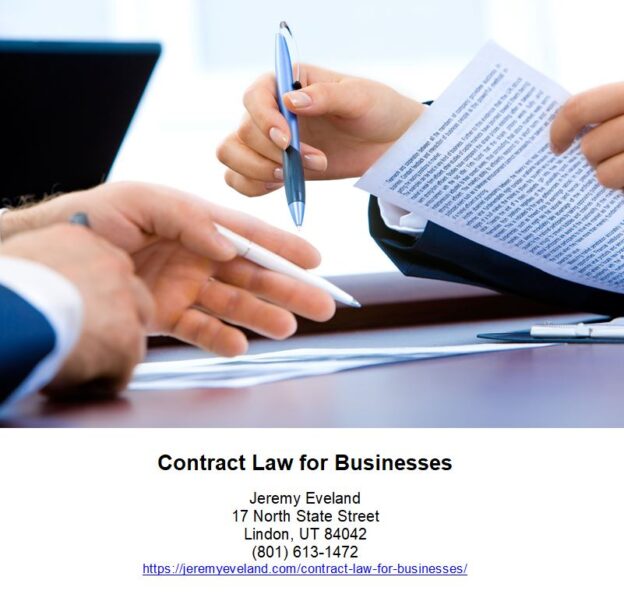
What Is An LLC

What Is An LLC?

What Is An LLC?

Last Updated: June 11, 2026

“Unlock the Benefits of an LLC: Protect Your Assets and Grow Your Business!”

What Are the Benefits of Limited Liability Protection for LLC Owners?

Limited liability protection is one of the primary benefits of forming a limited liability company (LLC). LLC owners, also known as members, are not personally liable for the debts and obligations of the LLC. This means that if the LLC is sued or incurs debt, the members’ personal assets are generally not at risk.

The limited liability protection of an LLC is similar to that of a corporation. However, unlike a corporation, an LLC does not require the same formalities and paperwork. This makes it easier and less expensive to form and maintain an LLC.

In addition to limited liability protection, LLCs offer other benefits. LLCs are not subject to the same double taxation as corporations. This means that LLCs do not pay taxes on their profits; instead, the profits and losses are passed through to the members, who report them on their individual tax returns.

LLCs also offer flexibility in terms of management and ownership. LLCs can be managed by members or by managers, and members can be individuals, corporations, or other LLCs. This makes it easy to add or remove members and to transfer ownership interests.

Overall, limited liability protection is one of the primary benefits of forming an LLC. LLCs offer protection from personal liability for the debts and obligations of the LLC, as well as other benefits such as flexibility in terms of management and ownership, and the avoidance of double taxation.

What Are the Tax Implications of Forming an LLC?

Forming an LLC (Limited Liability Company) can provide business owners with a number of advantages, including limited personal liability, pass-through taxation, and flexibility in management. However, it is important to understand the tax implications of forming an LLC before making the decision to do so.

What Is An LLC, LLC Lawyer, Jeremy Eveland, Lawyer Jeremy Eveland, Jeremy Eveland Attorney, llc, business, state, liability, tax, llcs, corporation, members, owners, corporations, owner, structure, taxes, entity, states, income, assets, name, profits, taxation, agreement, businesses, partnership, agent, member, protection, operating, articles, organization, companies, fees, form, formation, number, type, fee, advantages, requirements, proprietorship, services, limited liability company, personal assets, registered agent, operating agreement, sole proprietorship, business structure, limited liability companies, pass-through taxation, llc owners, single-member llc, business owners, business entity, sole proprietorships, limited liability, personal liability, internal revenue service, tax purposes, legal entity, small business, double taxation, many states, personal tax return, business name, personal income tax, small businesses, personal asset protection, corporate level, business debts, sole proprietor, liability protection, llcs, tax, taxed, s corporation, assets, partnership, taxes, profits, fees, limited liability company, income, registered agent, irs, sole proprietorship, debts, shareholders, ownership, lawyer, ein, taxation, personal liability, regulations, investors, partners, subchapter s, owner, pass-through, limited liability companies, pllc, pass-through entity, professional limited liability company, employer identification number (ein), s corp, deductions, social security number, income tax, incorporation, entity classification election, flow-through taxation, corporate income, corporate tax, double-taxation, income taxation

The primary tax implication of forming an LLC is that the business will be subject to pass-through taxation. This means that the LLC itself will not be taxed, but rather the profits and losses of the business will be passed through to the owners and reported on their individual tax returns. The owners of the LLC will be responsible for paying taxes on their share of the profits, as well as any applicable self-employment taxes.

In addition, LLCs may be subject to state and local taxes, depending on the jurisdiction in which they are formed. For example, some states may require LLCs to pay an annual franchise tax or a minimum tax. Additionally, LLCs may be subject to payroll taxes if they have employees.

Finally, LLCs may be subject to special taxes, such as the Unrelated Business Income Tax (UBIT). This tax applies to income generated from activities that are not related to the LLC’s primary business purpose.

Overall, forming an LLC can provide business owners with a number of advantages, but it is important to understand the tax implications before making the decision to do so. By understanding the various taxes that may apply to an LLC, business owners can make an informed decision about whether or not forming an LLC is the right choice for their business.

What Are the Requirements for Forming an LLC in Utah?

Forming an LLC in Utah requires the completion of several steps. The first step is to choose a unique name for the LLC. The name must include the words “Limited Liability Company” or the abbreviation “LLC.” The name must also be distinguishable from any other business entity registered with the Utah Division of Corporations and Commercial Code.

The second step is to appoint a registered agent. The registered agent must be a Utah resident or a business entity authorized to do business in Utah. The registered agent must have a physical address in Utah and must be available during normal business hours to accept service of process.

The third step is to file the Articles of Organization with the Utah Division of Corporations and Commercial Code. The Articles of Organization must include the LLC’s name, the name and address of the registered agent, the purpose of the LLC, and the name and address of each organizer.

The fourth step is to create an operating agreement. The operating agreement should include the LLC’s purpose, the rights and responsibilities of the members, the management structure, and the rules for admitting new members.

The fifth step is to obtain any necessary licenses and permits. Depending on the type of business, the LLC may need to obtain a business license, a sales tax permit, and other permits or licenses.

Finally, the LLC must comply with all applicable federal, state, and local laws. This includes filing annual reports and paying taxes.

By following these steps, an LLC can be formed in Utah.

What Are the Advantages and Disadvantages of Forming an LLC?

The Limited Liability Company (LLC) is a popular business structure that combines the advantages of a corporation with the flexibility of a partnership. LLCs offer limited liability protection, pass-through taxation, and the ability to have multiple owners. However, there are also some drawbacks to consider before forming an LLC.

Advantages

The primary advantage of forming an LLC is limited liability protection. This means that the owners of the LLC are not personally liable for the debts and obligations of the business. This protection is similar to that of a corporation, but without the formalities and paperwork associated with a corporation.

Another advantage of an LLC is pass-through taxation. This means that the LLC itself does not pay taxes on its income. Instead, the profits and losses are “passed through” to the owners, who report them on their individual tax returns. This can be beneficial for businesses that are just starting out, as it can help to reduce the amount of taxes owed.

Finally, LLCs offer flexibility when it comes to ownership. Unlike a corporation, an LLC can have an unlimited number of owners, and the owners can be individuals, corporations, or other LLCs. This makes it easy to add or remove owners as needed.

Disadvantages

One of the main disadvantages of an LLC is that it can be more expensive to form and maintain than other business structures. This is because LLCs are subject to state filing fees and ongoing compliance requirements. Additionally, LLCs may be subject to self-employment taxes, which can be costly.

Another disadvantage of an LLC is that it may not be the best choice for businesses that are looking to raise capital. This is because LLCs do not have the same ability to issue stock as corporations do. This can make it difficult for an LLC to attract investors.

Finally, LLCs may not be the best choice for businesses that are looking to go public. This is because LLCs do not have the same ability to issue stock as corporations do. Additionally, LLCs may be subject to more stringent regulations than corporations.

In conclusion, forming an LLC can be a great way to protect your personal assets and take advantage of pass-through taxation. However, it is important to consider the potential drawbacks before making a decision.

What Is an LLC and How Does It Differ from Other Business Structures?

A Limited Liability Company (LLC) is a business structure that combines the pass-through taxation of a partnership or sole proprietorship with the limited liability of a corporation. This structure is popular among small business owners because it offers the flexibility of a partnership or sole proprietorship while providing the limited liability of a corporation.

The primary difference between an LLC and other business structures is the limited liability protection it provides. In an LLC, the owners are not personally liable for the debts and obligations of the business. This means that if the business is sued or goes bankrupt, the owners’ personal assets are not at risk. This is in contrast to a sole proprietorship or partnership, where the owners are personally liable for the debts and obligations of the business.

Another difference between an LLC and other business structures is the taxation. An LLC is a pass-through entity, meaning that the profits and losses of the business are passed through to the owners and reported on their individual tax returns. This is in contrast to a corporation, which is a separate taxable entity and pays taxes on its profits.

Finally, an LLC is a flexible business structure that allows for the owners to customize the management structure of the business. This is in contrast to a corporation, which is subject to more rigid rules and regulations.

In summary, an LLC is a business structure that combines the pass-through taxation of a partnership or sole proprietorship with the limited liability of a corporation. It offers the flexibility of a partnership or sole proprietorship while providing the limited liability of a corporation. Additionally, it is a pass-through entity for taxation purposes and allows for the owners to customize the management structure of the business.

Why You Need an LLC Lawyer

Forming a limited liability company (LLC) is an important step for any business. An LLC is a business structure that provides limited liability protection to its owners, known as members. This means that the members of the LLC are not personally liable for the debts and obligations of the business.

Having an experienced LLC lawyer on your side is essential to ensure that your LLC is properly formed and that all of the necessary paperwork is completed correctly. An LLC lawyer can help you understand the legal requirements for forming an LLC in your state, as well as the tax implications of forming an LLC.

An LLC lawyer can also help you draft the necessary documents to form your LLC, such as the Articles of Organization and Operating Agreement. These documents are essential to ensure that your LLC is properly formed and that all of the necessary legal requirements are met.

An LLC lawyer can also help you understand the legal implications of running an LLC. This includes understanding the rules and regulations that govern LLCs, as well as the tax implications of running an LLC. An LLC lawyer can also help you understand the legal implications of entering into contracts with other businesses or individuals.

Finally, an LLC lawyer can help you understand the legal implications of dissolving an LLC. This includes understanding the process for winding up the LLC and distributing assets to the members.

Having an experienced LLC lawyer on your side is essential to ensure that your LLC is properly formed and that all of the necessary paperwork is completed correctly. An LLC lawyer can help you understand the legal requirements for forming an LLC in your state, as well as the tax implications of forming an LLC. An LLC lawyer can also help you understand the legal implications of running an LLC, entering into contracts, and dissolving an LLC.

Q&A

Q: What is an LLC?
A: An LLC, or limited liability company, is a type of business structure that combines the pass-through taxation of a partnership or sole proprietorship with the limited liability of a corporation.

Q: What are the benefits of forming an LLC?
A: The main benefits of forming an LLC are limited liability protection, pass-through taxation, and flexibility in management and operations.

Q: What is the difference between an LLC and a corporation?
A: The main difference between an LLC and a corporation is that an LLC offers limited liability protection to its owners, while a corporation offers limited liability protection to its shareholders.

Q: What are the requirements for forming an LLC?
A: The requirements for forming an LLC vary by state, but generally include filing articles of organization, obtaining an EIN, and paying any applicable fees.

Q: How is an LLC taxed?
A: An LLC is typically taxed as a pass-through entity, meaning that the profits and losses of the business are passed through to the owners and reported on their individual tax returns.

Q: What is the difference between a single-member LLC and a multi-member LLC?
A: A single-member LLC is owned by one person, while a multi-member LLC is owned by two or more people. The taxation and management of the LLC will depend on the number of members.

LLC Lawyer Consultation

When you need legal help with an LLC, call Jeremy D. Eveland, MBA, JD (801) 613-1472 for a consultation.

Jeremy Eveland
17 North State Street
Lindon UT 84042
(801) 613-1472

Home

Related Posts

What Is The Relationship Between Business Law And Economies?

Litigation

Commercial Law

Business Transaction Lawyer West Valley City Utah

Registered Trade Marks

Due Diligence

Do I Need A Permit To Start A Business In Utah?

Business Succession Lawyer Draper Utah

Tax Law

Startup Attorney

Business Contract Lawyer Salt Lake City

Goals of Estate Planning

What Is The Difference Between Corporate And Commercial Law?

Business Credit

Business Contract Lawyer West Valley City

Commercial Real Estate Law

AI Business Consultant

Estate Planning Documents

Mechanic’s Lien in Utah

Business Lawyer West Jordan Utah

Artificial Intelligence

Irrevocable Life Insurance Trusts

What Is The Purpose Of A Business Attorney?

Commercial Lease Lawyer

Business Transaction Lawyer Provo Utah

What Is An LLC?

Introduction

Visit USA.gov for official resources.
Business Transaction Lawyer Provo Utah

Business Transaction Lawyer Provo Utah

Business Transaction Lawyer Provo Utah

Last Updated: June 11, 2026

mergers and acquisitions, or other business transactions? Knowing what type of legal services you need will help you narrow down your search.

2. Research Potential Lawyers: Once you know what type of legal services you need, it is time to start researching potential lawyers. Look for lawyers who specialize in business transactions and have experience in the area you need help with. Check out their websites and read reviews from past clients to get an idea of their experience and expertise.

3. Ask for Referrals: Ask your friends, family, and colleagues for referrals to business transaction lawyers in Provo. This is a great way to get an idea of who is reputable and who has a good track record.

4. Schedule a Consultation: Once you have narrowed down your list of potential lawyers, it is time to schedule a consultation. During the consultation, ask questions about their experience, fees, and any other information you need to make an informed decision.

By following these tips, you can be sure to find the right business transaction lawyer in Provo for your needs. With the right lawyer on your side, you can be sure to get the best legal advice and representation for your business transactions.

Utah

Utah is a state ltates. It is bordered by Idaho to the north, Wyoming to the northeast, Colorado to the east, Arizona to the south, and Nevada to the west. Utah is known for its diverse landscape, which includes mountains, deserts, and forests. It is also home to some of the most spectacular national parks in the United States, including Zion National Park, Bryce Canyon National Park, and Arches National Park.

Utah is the 13th largest state in the United States, with an area of 84,899 square miles. It is the 33rd most populous state, with a population of 3,205,958 as of 2020. The capital of Utah is Salt Lake City, which is also the most populous city in the state.

Utah is known for its strong economy, which is largely based on the mining and energy industries. It is also home to a number of technology companies, including Adobe, eBay, and Oracle. The state is also home to a number of universities, including the University of Utah, Brigham Young University, and Utah State University.

Utah is known for its unique culture, which is heavily influenced by its Mormon heritage. The state is home to a number of popular tourist attractions, including Temple Square in Salt Lake City, the Great Salt Lake, and the Bonneville Salt Flats. Utah is also home to a number of outdoor activities, including skiing, snowboarding, hiking, and camping.

Utah is a beautiful and diverse state with a lot to offer. From its stunning national parks to its vibrant cities, Utah is a great place to visit and explore.

business transaction lawyer is that they can provide guidance and advice on the legal aspects of a transaction. A business transaction lawyer can help you understand the legal implications of a contract or agreement, as well as the potential risks and rewards associated with it. They can also provide advice on how to structure a transaction to maximize the benefits for all parties involved.

A business transaction lawyer can also help you negotiate the terms of a contract or agreement. They can help you identify potential areas of dispute and provide advice on how to resolve them. They can also help you draft contracts and agreements that are legally sound and protect your interests.

In addition, a business transaction lawyer can provide assistance in dispute resolution. If a dispute arises between parties involved in a transaction, a business transaction lawyer can help you navigate the legal process and ensure that your interests are protected. They can also provide advice on how to resolve the dispute in a timely and cost-effective manner.

Finally, a business transaction lawyer can provide assistance in protecting your intellectual property. They can help you register trademarks, copyrights, and patents, as well as provide advice on how to protect your intellectual property from infringement.

By working with a business transaction lawyer in Provo, you can ensure that your business transactions are conducted in a legally sound manner and that your interests are protected. A business transaction lawyer can provide invaluable assistance in a variety of areas, from contract negotiation to dispute resolution. They can also provide advice on how to protect your intellectual property and ensure that your interests are protected.

Utah

Utah is a state ltates. It is bordered by Idaho to the north, Wyoming to the northeast, Colorado to the east, Arizona to the south, and Nevada to the west. Utah is known for its diverse landscape, which includes mountains, deserts, and forests. The state is home to five national parks, seven national monuments, and numerous state parks and recreation areas.

Utah is the 13th largest state in the United States, with an area of 84,899 square miles. It is the 11th most populous state, with a population of 3,205,958 as of 2019. The capital of Utah is Salt Lake City, which is also the most populous city in the state. Other major cities include West Valley City, Provo, West Jordan, and Ogden.

Utah is known for its natural beauty and outdoor recreation opportunities. The state is home to five national parks, including Arches National Park, Bryce Canyon National Park, Canyonlands National Park, Capitol Reef National Park, and Zion National Park. These parks offer visitors a variety of activities, such as hiking, camping, and sightseeing.

Utah is also home to seven national monuments, including Cedar Breaks National Monument, Dinosaur National Monument, Hovenweep National Monument, Natural Bridges National Monument, Rainbow Bridge National Monument, Timpanogos Cave National Monument, and Zion National Park. These monuments offer visitors a variety of activities, such as hiking, camping, and sightseeing.

Utah is also home to numerous state parks and recreation areas. These parks offer visitors a variety of activities, such as hiking, camping, fishing, boating, and more. Some of the most popular state parks in Utah include Antelope Island State Park, Bear Lake State Park, Goblin Valley State Park, and Wasatch Mountain State Park.

Utah is a great place to visit for outdoor recreation and sightseeing. With its diverse landscape and numerous parks and monuments, Utah offers something for everyone. Whether you’re looking for a relaxing getaway or an adventure-filled vacation, Utah has something for you.

Utah

Utah is a state ltates. It is bordered by Idaho to the north, Wyoming to the northeast, Colorado to the east, Arizona to the south, and Nevada to the west. Utah is known for its diverse landscape, which includes mountains, deserts, and forests. The state is home to five national parks, seven national monuments, and numerous state parks and recreation areas.

Utah is the 13th largest state in the United States, with an area of 84,899 square miles. It is the 11th most populous state, with a population of 3,205,958 as of 2019. The capital of Utah is Salt Lake City, which is also the most populous city in the state. Other major cities include West Valley City, Provo, West Jordan, and Ogden.

Utah is known for its natural beauty and outdoor recreation opportunities. The state is home to five national parks, including Arches National Park, Bryce Canyon National Park, Canyonlands National Park, Capitol Reef National Park, and Zion National Park. These parks offer visitors a variety of activities, such as hiking, camping, and sightseeing.

Utah is also home to seven national monuments, including Cedar Breaks National Monument, Dinosaur National Monument, Hovenweep National Monument, Natural Bridges National Monument, Rainbow Bridge National Monument, Timpanogos Cave National Monument, and Zion National Park. These monuments offer visitors a variety of activities, such as hiking, camping, and sightseeing.

Utah is also home to numerous state parks and recreation areas. These parks offer visitors a variety of activities, such as hiking, camping, fishing, boating, and more. Some of the most popular state parks in Utah include Antelope Island State Park, Bear Lake State Park, Goblin Valley State Park, and Wasatch Mountain State Park.

Utah is a great place to visit for outdoor recreation and sightseeing. With its diverse landscape and numerous parks and monuments, Utah offers something for everyone. Whether you’re looking for a relaxing getaway or an adventure-filled vacation, Utah has something for you.

lawyer will be able to provide you with the necessary guidance and support to ensure that your business is successful. They will be able to provide you with the necessary resources to help you make informed decisions and ensure that your business is running smoothly.

Your lawyer will be able to provide you with the necessary advice and guidance to ensure that your business is compliant with all applicable laws and regulations. They will also be able to help you understand the legal implications of any business decisions you make.

Your lawyer will be able to provide you with the necessary legal documents to ensure that your business is compliant with all applicable laws and regulations. They will also be able to help you navigate the complexities of the legal system and ensure that your business is protected from potential legal issues.

Your lawyer will be able to provide you with the necessary guidance and support to ensure that your business is successful. They will be able to provide you with the necessary resources to help you make informed decisions and ensure that your business is running smoothly.

Your lawyer will be able to provide you with the necessary advice and guidance to ensure that your business is compliant with all applicable laws and regulations. They will also be able to help you understand the legal implications of any business decisions you make.

Overall, when working with a business transaction lawyer in Provo, you can expect a professional and knowledgeable legal partner who will be able to provide you with the necessary guidance and support to ensure that your business is successful.

Utah

Utah is a state ltates. It is bordered by Idaho to the north, Wyoming to the northeast, Colorado to the east, Arizona to the south, and Nevada to the west. Utah is known for its diverse landscape, which includes mountains, deserts, and forests. It is also home to some of the most spectacular national parks in the United States, including Zion National Park, Bryce Canyon National Park, and Arches National Park.

Utah is the 13th largest state in the United States, with an area of 84,899 square miles. It is the 33rd most populous state, with a population of 3,205,958 as of 2020. The capital of Utah is Salt Lake City, which is also the most populous city in the state.

Utah is known for its strong economy, which is largely based on the mining and energy industries. It is also home to a number of technology companies, including Adobe, eBay, and Oracle. The state is also home to a number of universities, including the University of Utah, Brigham Young University, and Utah State University.

Utah is known for its unique culture, which is heavily influenced by its Mormon heritage. The state is home to a number of popular tourist attractions, including Temple Square in Salt Lake City, the Great Salt Lake, and the Bonneville Salt Flats. Utah is also home to a number of outdoor activities, including skiing, snowboarding, hiking, and camping.

Utah is a beautiful and diverse state with a lot to offer. From its stunning national parks to its vibrant cities, Utah is a great place to visit and explore.

laws and regulations that govern business transactions in Provo. This includes understanding the local zoning laws, tax codes, and other regulations that may affect the transaction. Additionally, it is important to be aware of any applicable state or federal laws that may apply.

Business Transaction Lawyer Provo Utah, Jeremy Eveland, Attorney Jeremy Eveland, Jeremy Eveland Lawyer, business, law, provo, lawyers, attorney, lawyer, partnership, firm, litigation, estate, partner, clients, city, services, attorneys, experience, partners, county, partnerships, consultation, agreement, planning, family, liability, practice, counsel, llc, case, areas, state, eveland, transaction, individuals, years, representation, utah, profiles, businesses, p.c, contract, law firm, utah county, commercial lawyers, business lawyers, legal services, partnership agreement, eveland bus stop, business law, legal needs, corporate law, real estate law, general partner, practice areas, provo business lawyers, personal injury, estate planning, legal advice, legal problems, lake city, commercial litigation, estate planning law, legal experience, real estate, partnership agreements, uniform partnership act, wasatch front, business litigation, llc business lawyers, north university avenue, ethical standards, lawyers, provo, attorney, provo, utah, partner, partnerships, law firm, litigation, transaction, estate planning, bus, salt lake city, utah, divorce, faq, salt, legal services, lake, law, llp, partners, limited partner, llps, business partnership, provo utah, missionary training center, partnerships, sole traders, limited liability partnership, general partnerships, legally binding, provo, provo city, limited liability

Second, it is important to understand the local business culture. Provo is home to a diverse range of businesses, from small startups to large corporations. Understanding the local business culture can help ensure that the transaction is conducted in a manner that is respectful and beneficial to all parties involved.

Third, it is important to understand the local market. Provo is home to a variety of industries, from technology to manufacturing. Understanding the local market can help ensure that the transaction is conducted in a manner that is beneficial to all parties involved.

Finally, it is important to understand the local financial landscape. Provo is home to a variety of financial institutions, from banks to venture capital firms. Understanding the local financial landscape can help ensure that the transaction is conducted in a manner that is beneficial to all parties involved.

Navigating the complexities of business transactions in Provo can be a daunting task. However, by understanding the local laws, business culture, market, and financial landscape, it is possible to ensure that the transaction is conducted in a manner that is beneficial to all parties involved.

Utahtates. It is known for its diverse landscape, which includes mountains, deserts, and forests. It is also home to a variety of wildlife, including bison, elk, and antelope.

Utah is the 13th largest state in the United States, with an area of 84,899 square miles. It is bordered by Idaho, Wyoming, Colorado, Arizona, and Nevada. The capital of Utah is Salt Lake City, which is also the most populous city in the state.

Utah has a population of 3.2 million people, making it the 33rd most populous state in the country. The majority of the population is concentrated in the Salt Lake City metropolitan area. The state is also home to a large number of Native American tribes, including the Navajo, Ute, and Paiute.

Utah is known for its natural beauty and outdoor recreation opportunities. It is home to five national parks, including Zion National Park, Bryce Canyon National Park, and Arches National Park. It also has numerous state parks, forests, and monuments.

The economy of Utah is largely based on tourism, agriculture, and mining. The state is also home to a number of technology companies, including Adobe, eBay, and Oracle.

Utah is a great place to live and visit. It has a diverse landscape, a vibrant economy, and plenty of outdoor recreation opportunities. Whether you’re looking for a place to call home or just a place to visit, Utah has something for everyone.

Business Transaction Lawyer Provo Utah Consultation

When you need legal help from a Business Transaction Lawyer in Provo Utah, call Jeremy D. Eveland, MBA, JD (801) 613-1472 for a consultation.

Jeremy Eveland
17 North State Street
Lindon UT 84042
(801) 613-1472

Home

Related Posts

Buy Sell Agreement

What Is The Relationship Between Business Law And Economies?

Litigation

Commercial Law

Business Transaction Lawyer West Valley City Utah

Registered Trade Marks

Due Diligence

Do I Need A Permit To Start A Business In Utah?

Business Succession Lawyer Draper Utah

Tax Law

Startup Attorney

Business Contract Lawyer Salt Lake City

Goals of Estate Planning

What Is The Difference Between Corporate And Commercial Law?

Business Credit

Business Contract Lawyer West Valley City

Commercial Real Estate Law

AI Business Consultant

Estate Planning Documents

Mechanic’s Lien in Utah

Business Lawyer West Jordan Utah

Artificial Intelligence

Irrevocable Life Insurance Trusts

What Is The Purpose Of A Business Attorney?

Commercial Lease Lawyer

Business Transaction Lawyer Provo Utah


This guide covers Business Transaction Lawyer Provo Utah and what you need to know.

From Wikipedia, the free encyclopedia

(Redirected from Provo Utah)


Jump to navigationJump to search

Provo, Utah
City of Provo
Downtown Provo

Downtown Provo
Motto: 

“Welcome Home”
Location within Utah County

Location within Utah County
Provo is located in Utah

Provo
Provo
Location within Utah

Coordinates: 40°14′40″N 111°39′39″WCoordinates40°14′40″N 111°39′39″W
Country  United States
State  Utah
County Utah
Founded 1849
Incorporated April 1850
Named for Étienne Provost[1]
Government

 
 • Type Strong mayor
 • Mayor Michelle Kaufusi (R)
 • Council Chair David Harding
Area

 • City 44.19 sq mi (114.44 km2)
 • Land 41.69 sq mi (107.97 km2)
 • Water 2.50 sq mi (6.47 km2)
Elevation

 
4,551 ft (1,387 m)
Population

 • City 115,162
 • Density 2,762.34/sq mi (1,066.61/km2)
 • Metro

 
620,000
Time zone UTC−7 (Mountain (MST))
 • Summer (DST) UTC−6 (MDT)
ZIP Codes
84601-84606
Area codes 385, 801
FIPS code 49-62470[5]
GNIS ID 1444661[6]
Website www.provo.org

Provo (/ˈprv/ PROH-voh) is the fourth-largest city in UtahUnited States. It is 43 miles (69 km) south of Salt Lake City along the Wasatch Front. Provo is the largest city and county seat of Utah County and is home to Brigham Young University (BYU).[7]

Provo lies between the cities of Orem to the north and Springville to the south. With a population at the 2020 census of 115,162.[3] Provo is the principal city in the Provo-Orem metropolitan area, which had a population of 526,810 at the 2010 census.[8] It is Utah’s second-largest metropolitan area after Salt Lake City.

Provo is the home to Brigham Young University, a private higher education institution operated by the Church of Jesus Christ of Latter-day Saints (LDS Church). Provo also has the LDS Church’s largest Missionary Training Center (MTC). The city is a focus area for technology development in Utah, with several billion-dollar startups.[9] The city’s Peaks Ice Arena was a venue for the Salt Lake City Winter Olympics in 2002Sundance Resort is 13 miles (21 km) northeast, up Provo Canyon.

In 2015, Forbes cited Provo among the “Best Small And Medium-Size Cities For Jobs,”[10] and the Bureau of Labor Statistics found Utah County had the year’s highest job growth.[11] In 2013, Forbes ranked Provo the No. 2 city on its list of Best Places for Business and Careers.[12] Provo was ranked first for community optimism (2012)[13] and first in health/well-being (2014).[14]

[geocentric_weather id=”b6e1f4da-d96d-4229-bb2f-fc6b15899f98″]

[geocentric_about id=”b6e1f4da-d96d-4229-bb2f-fc6b15899f98″]

[geocentric_neighborhoods id=”b6e1f4da-d96d-4229-bb2f-fc6b15899f98″]

[geocentric_thingstodo id=”b6e1f4da-d96d-4229-bb2f-fc6b15899f98″]

[geocentric_busstops id=”b6e1f4da-d96d-4229-bb2f-fc6b15899f98″]

[geocentric_mapembed id=”b6e1f4da-d96d-4229-bb2f-fc6b15899f98″]

[geocentric_drivingdirections id=”b6e1f4da-d96d-4229-bb2f-fc6b15899f98″]

[geocentric_reviews id=”b6e1f4da-d96d-4229-bb2f-fc6b15899f98″]