A DBA, or Doing Business As, is a type of business structure that allows an individual or company to operate under a name that is different from their legal name. A DBA is also sometimes referred to as an alias, assumed name, fictitious business name, or trade name. For example, a business owner operating under their own name might file a DBA to do business as “ABC Widgets,” rather than their own name.
When registering a DBA, the business owner is usually required to submit a form to the county or state in which they are doing business. This form typically includes the name of the business, the address of the business, and the name and address of the business owner. Depending on the state, the owner may also be required to publish a notice in a local newspaper or other periodical, alerting the public of the DBA registration.
In most cases, a DBA does not provide the same legal protections as a corporation or limited liability company (LLC). Without registering as a separate business entity, the business owner remains personally liable for any debts and obligations associated with the business. A DBA also does not offer the same tax advantages, as the business is still taxed as a sole proprietorship or partnership
Business Structures in Utah
Business structure is a vital component of any successful organization. It is the way in which the business is set up and maintained, and it can have a significant effect on the company’s ability to operate effectively. In Utah, there are a variety of different business structures available, including sole proprietorships, limited liability companies (LLCs), corporations, and partnerships. Each of these structures offer different levels of protection and exposure to the owners and their businesses.
For example, a sole proprietorship is the simplest type of business structure. This is when one individual owns the business and is solely responsible for its operations. The owner may operate the business under their own name, or they may register a “doing business as” (DBA) name with the state. This DBA name must be unique and should be registered in the state’s database of business names. This will provide a degree of protection for the owner and their business from liability and taxation.
A limited liability company (LLC) is a more complex type of business structure. LLCs are popular in Utah due to their high degree of protection and flexibility when it comes to business operations. LLCs have a number of advantages, including limited liability protection for the owners, reduced filing fees, and the ability to manage the business in a way that suits the owners’ needs. In addition, LLCs provide tax and accounting benefits, such as the ability to pass tax credits onto their owners.
Partnerships are another popular business structure in Utah. This type of business structure is similar to a sole proprietorship in that two or more individuals own the business. However, partnerships offer the advantage of having two or more owners to share the risk of running the business. Partnerships also offer tax advantages, such as the ability to pass profits and losses onto the partners.
Finally, corporations are the most complex type of business structure. Corporations are owned by shareholders and managed by a board of directors. Corporations offer a number of advantages, including limited liability protection for the owners and the ability to raise capital through the sale of stock. However, corporations are subject to a number of regulations and taxes, so it is important to consider all of the options before making a decision.
No matter which type of business structure you choose, it is important to have a clear understanding of the regulations and laws that apply to your business. In Utah, the Division of Corporations and Commercial Code Administration is responsible for registering and managing businesses. It is also important to consider the fees associated with each type of business structure, as well as the time and energy it will take to set up the business. With careful thought and planning, however, the right business structure can provide a strong foundation for success.
Business Formation
Business formation is a critical step for entrepreneurs seeking to establish a business and start generating revenue. In Utah, business formation is typically accomplished by registering a dba name, sole proprietorship, legal name, business name, legal entity, or fictitious name. A dba name is a different name used by an individual or business to identify itself to the public, while a sole proprietorship is a business structure that is owned and operated by a single business owner. For a dba registration, business owners must file an application with their county clerk. Additionally, many states require a business owner to register a fictitious business name with the state.
When forming a sole proprietorship, a business owner typically uses his or her own name as the business name. In some cases, business owners may register a “trade name” which is a name other than their own personal name. This allows them to use a different name for the business that is more descriptive or easier to remember. In addition, many states require business owners to register a dba degree, which is an additional designation that they can use to identify the business.
When forming a legal entity, such as a general partnership or limited liability company, business owners must appoint a business administration to handle business affairs. This includes opening a business bank account, obtaining necessary permits and licenses, and filing all required paperwork with the state. Depending on the business structure, the business owners may be personally liable for any debts or obligations of the business. Therefore, it is important for business owners to understand the legal protections of the particular business structure they choose.
Noise levels and personal assets are two important considerations when selecting a business structure. For example, a sole proprietorship provides the greatest amount of legal protection for the business owner’s personal assets, but there is no limit on the amount of noise associated with the business. On the other hand, a limited liability company offers more legal protections for the business owner’s personal assets, but it also limits the amount of noise generated by the business.
The cost of business formation also varies depending on the type of business structure chosen. For example, the cost of filing a fictitious business name is typically lower than the cost of registering a dba or forming a legal entity such as a general partnership or limited liability company. Additionally, the state fees associated with forming a business may vary from state to state.
In conclusion, business formation is a critical step for entrepreneurs looking to launch a business. There are a variety of factors to consider, including the type of business structure selected, the cost associated with filing a fictitious business name or dba degree, and the legal protections of the particular business structure chosen. Additionally, many states require business owners to register a fictitious business name with the state. It is important for entrepreneurs to understand all of the options available to them when forming a business in order to ensure the most successful business formation.
DBA Lawyer Consultation
When you need legal help from a Business Lawyer about a DBA, call Jeremy D. Eveland, MBA, JD (801) 613-1472 for a consultation.
Jeremy Eveland
17 North State Street
Lindon UT 84042
(801) 613-1472
Millcreek, Utah is home to many businesses and entrepreneurs, and they all need the expertise of a business succession lawyer. A business succession lawyer is a legal professional who specializes in the area of business succession law. This type of law covers a variety of topics, including estate planning, business succession planning, transfer of ownership, asset protection, and taxation. A business succession lawyer in Millcreek, Utah can provide legal advice and services to business owners, entrepreneurs, and families in the area.
“Good things happen to those who hustle.” – Anais Nin
Good things (usually) don’t just fall into your lap, and there’s no use waiting around and hoping they will. Want to start a side hustle? Stop thinking and talking about it. Get started today, good things will happen when you work hard for them—and position yourself to identify which opportunities you can take advantage.
“The dream is free. The hustle is sold separately.”
It doesn’t cost you anything to dream—time, money, or hard work. Hustle, on the other hand, costs all of that.
“I am deliberate and afraid of nothing.” – Audre Lorde
Adopt a deliberate mindset, and do not be afraid to take chances. This motivational quote is a reminder that if you want to be successful, you will need to work like your life (style) depends on it.
“I began to realize how important it was to be an enthusiast in life. If you are interested in something, no matter what it is, go at it full speed ahead. Embrace it with both arms, hug it, love it, and above all become passionate about it. Lukewarm is no good. Hot is no good either. White hot and passionate is the only thing to be.” – Roald Dahl
When in doubt, don’t half-ass it. You can’t afford to.
“Remembering that you are going to die is the best way I know to avoid the trap of thinking you have something to lose. You are already naked. There is no reason not to follow your heart.” – Steve Jobs
It’s a bit nihilistic, but it’s also pretty damn motivating. What do you really have to lose in this life? Failure in business won’t kill you, and you’ll be able to get back into the game if you have the drive. Pick yourself up and hustle again.
Business succession lawyers in Millcreek, Utah can provide legal services to business owners, entrepreneurs, and families in the area. They can provide advice on how to structure a business entity, such as a sole proprietorship, partnership, limited liability company (LLC), or corporation. They can also provide advice on how to draft a valid succession plan, which is the document that will outline the ownership and control of the business. They can also provide advice on how to transfer ownership and control of a business in the event of a death or disability.
“You can’t use up creativity. The more you use, the more you have.” – Maya Angelou
The best way to get your side hustle moving is to flex those creative muscles. No matter how small or seemingly insignificant. The act of exercising your creative muscle will help you perfect your craft and become even better. Create. Create. Create.
“I always did something I was a little not ready to do. I think that’s how you grow. When there’s that moment of, ‘Wow, I’m not really sure I can do this,’ and you push through those moments, that’s when you have a breakthrough.” – Marissa Mayer
Never stop challenging yourself. The day you do, you’re falling behind. Do things you’re a little not-ready-to-do yet. That’s how you grow and have breakthroughs.
“Never let go of that fiery sadness called desire.” – Patti Smith
If you lose your ambition, you’ve lost the drive to succeed. Keep that desire to be something greater burning inside of you, and bookmark this motivational quote—it’ll get you through the tough times that lie ahead.
“Challenges are gifts that force us to search for a new center of gravity. Don’t fight them. Just find a new way to stand.” – Oprah Winfrey
If you feel like your side hustle is hitting a roadblock, reframe it: It’s adjusting its center of gravity. This motivational quote is inspiration to constantly adapt in the face of challenges. Any time you feel procrastination creeping in, strive to be aware of it and treat it like a plague—stop procrastinating the moment you realize you’re doing it and find a reward for completion of the milestone.
“What would you do if you weren’t afraid?” – Sheryl Sandberg
Take a minute to think about that one. If truly nothing was stopping you, nothing in your way, nothing to be afraid of, what would you do? This is an inspiration to do exactly that. Right now. What are you waiting for? Should you quit your job to pursue your side project that’s gaining momentum? Well, maybe. You tell me. What are you afraid of?
“It is not true that people stop pursuing dreams because they grow old. They grow old because they stop pursuing dreams.” – Gabriel García Márquez
Your passion for your dream will keep you young and invigorated. This is a reminder not to fall into the trap of contentment, laziness, or stagnation. Find a business idea that helps you achieve your most meaningful goals in life—and keep pushing towards it until you’re there.
Business succession law is an important area of the law that business owners, entrepreneurs, and families should have a basic understanding of. This type of law deals with the transfer of ownership and control of a business from one generation to the next. This law is especially important for businesses that are structured as partnerships or limited liability companies (LLCs). Business succession law also covers estate planning, which is the legal process of managing and protecting the assets of an individual or family.
“I don’t count my sit-ups; I only start counting when it starts hurting because they’re the only ones that count.” – Muhammad Ali
Going through the routine isn’t good enough, and more importantly, it’s not going to keep pushing you to grow. This is a reminder that the only way to get to the zone where you’re growing, and pushing the limits, is to continue to push yourself beyond your comfort zone.
“One, remember to look up at the stars and not down at your feet. Two, never give up work. Work gives you meaning and purpose and life is empty without it. Three, if you are lucky enough to find love, remember it is there and don’t throw it away.” – Stephen Hawking
“Innovation distinguishes between a leader and a follower.” – Steve Jobs
Are you imitating or innovating? Keep asking yourself that as you pursue your work, and use this motivational quote to push yourself in the right direction and strive to be a leader.
“I have not failed. I’ve just found 10,000 ways that won’t work.” – Thomas Edison
No one has ever done anything important (perfectly) on the first try—failing once or even dozens of times—should never mean failing forever. When you fail with a big project, don’t land a new client you’ve been pitching, under-deliver on the results you were expecting, or get down about a cold email that went unanswered, always limit the amount of time you allow for being discouraged, to no more than an afternoon. After that, it’s time to dust yourself off, figure out where you went wrong, and start hustling again.
“Do not go where the path may lead, go instead where there is no path and leave a trail.” – Ralph Waldo Emerson
It’s easier to follow established career paths and societally acceptable professions, but if that’s not going to make you the happiest version of yourself—then it’s your responsibility to deviate from the path. Welcome to entrepreneurship. Leaders carve out their own path instead of following the masses and you should inspire others to follow you. You can’t expect people to flock to your cause; give them a compelling reason that they won’t be able to ignore you any longer.
“You gotta run more than your mouth to escape the treadmill of mediocrity. A true hustler jogs during the day, and sleepwalks at night.” – Jarod Kintz
Basically, put your money where your mouth is. Don’t just tell everyone about that great idea of your, those dreams of owning your own business—this is a reminder to actually make daily progress towards bringing it to life. Learn the skills you’ll need to excel, take the right online business courses to level up your game, network with the right people, find mentors. Don’t make excuses—hustle hard.
“Lift up the weak; inspire the ignorant. Rescue the failures; encourage the deprived! Live to give. Don’t only hustle for survival. Go, and settle for revival!” – Israelmore Ayivor
If you’re doing what you do for just you, you’re probably doing it wrong. Strive to do better, give back, and inspire others. This is a reminder that there’s plenty of room for generosity in the hustle. And when you do pay it forward, the benefits you will experience come back tenfold.
“Hustle until you no longer need to introduce yourself.” – Anonymous
No one asks Bill Gates who he is, use this to achieve greatness—remind yourself of that and you can’t lose in the long run.
“Things work out best for those who make the best of how things work out.” – John Wooden
Success almost never comes in a neat package. This motivational quote will remind you to make the best of what you have, and what happens even if you fail.
“If you are not willing to risk the usual, you will have to settle for the ordinary.” – Jim Rohn
Mediocre is easy. It takes work to become truly great. Learn to love the hustle. If you want mediocrity, invest in a low risk, low return lifestyle.
You want to fulfill your dreams as an entrepreneur? You’re going to have to hustle a lot.
Business Succession Lawyer Millcreek Utah Consultation
To talk through a business succession matter in Millcreek with Jeremy Eveland, get in touch through the contact page or call (801) 613-1472. Consultations are handled statewide.
When you need legal help with a business succession in Millcreek Utah, call Jeremy D. Eveland, MBA, JD (801) 613-1472.
Jeremy Eveland
17 North State Street
Lindon UT 84042
(801) 613-1472
If you are on this webpage you probably understand that proper Business Succession Planning is essential and that you need to have a Lehi Utah Lawyer help you to Secure Your Business’s Future. This is part of Business Succession Law and under the main category of Business Law.
Business succession planning is an important factor for any business owner to consider, as it can help to ensure the business’s longevity and success into the future. Succession planning is the process of planning for the transfer of ownership and management of a business from one generation to the next. It is a critical process that should be undertaken to ensure the future of the business and its owners.
Business succession planning involves more than just the transfer of ownership. It also involves the transfer of management, the development of a succession plan, and the implementation of strategies to ensure a successful transition. Proper planning can help to ensure that the business’s future is secure and that it will continue to be successful for years to come.
One of the key elements of business succession planning is the development of a succession plan. A succession plan is a document that outlines the ownership and management of the business and the steps that will be taken to ensure a smooth transition from one generation to the next. The plan should include the names of the designated successors, the timeline for the transition, and the strategies that will be used to ensure a successful transition.
The development of a succession plan should be undertaken with the help of an experienced business succession planning consultant. These consultants have the expertise and knowledge necessary to help business owners develop a plan that is tailored to the needs of their business. Consultants may also be able to provide advice on how to best manage the transition process, as well as provide advice on how to prepare for the future of the business.
In addition to developing a succession plan, business owners should also consider the financial aspects of the transition. This includes making sure that the business is properly insured and that the necessary taxes and fees are paid. It is also important to consider the estate taxes that may be applicable in the event of a business sale or transfer.
The transition process should also be carefully considered. It is important to ensure that the transition is smooth and that the business is not disrupted. The transition process should also involve the transfer of ownership and management of the business, as well as the development of any necessary agreements.
The transition process should also include the development of a buy-sell agreement. This agreement is a legally binding document that outlines the terms and conditions of the sale or transfer of the business. It should include the names of the buyers and sellers, the purchase price, the payment terms, and any other relevant information.
The transition process should also include the consideration of any outside parties that may be involved in the transaction. This may include family members, creditors, or other investors. It is important to ensure that all parties involved in the transaction are aware of the terms and conditions of the buy-sell agreement and that they agree to the terms.
The transition process should also include the consideration of any other related entities. This may include trustees, executors, or other entities. It is important to ensure that all of the relevant entities are aware of the terms and conditions of the buy-sell agreement and that they agree to the terms.
The transition process should also include the consideration of any key employees. These employees may be key to the success of the business and should be taken into account when planning for the transition. It is important to ensure that these employees are aware of the terms of the buy-sell agreement and that they agree to the terms.
The transition process should also include the consideration of any financial life insurance policies that may be necessary. These policies can help to protect the business and its owners in the event of the death of a key employee or family member. It is important to ensure that these policies are in place before the transition takes place.
The transition process should also include the consideration of any taxes and fees that may be applicable. This may include estate taxes, capital gains taxes, and other taxes that may be applicable. It is important to ensure that all of the relevant taxes and fees are paid before the transition takes place.
Finally, the transition process should include the consideration of any other related entities. This may include trustees, executors, or other entities. It is important to ensure that all of the relevant entities are aware of the terms and conditions of the buy-sell agreement and that they agree to the terms.
With proper planning and the help of a business succession planning consultant, business owners can ensure the future of their business and its owners. The transition process should be undertaken with the utmost care and consideration to ensure the business’s future success. With a well-developed succession plan, business owners can ensure the security of their business and its owners for many years to come.
Business Succession Law
Business succession planning is the process in which long-term needs are identified and addressed. The main concern in succession planning is in providing for the continuation of business operations in the event that the owner or manager retires or suddenly becomes incapacitated or deceased. This can occur by several means, such as transferring leadership to the following generation of family members or by naming a specific person to become the next owner. It is highly advantageous to have a business succession plan. Such a plan can create several benefits for the business, including tax breaks and no gaps in business operations. The plan will be formally recorded in a document, which is usually drafted by an attorney. A business succession plan is similar to a contract in that it has binding effect on the parties who sign the document and consent to the plan. Therefore, the main advantage of having a succession plan is that the organization will be much better prepared to handle any unforeseen circumstances in the future.
A well thought out succession plan will be both very broad in scope and specific in detailed instruction. It should include many provisions to address other concerns besides the issue of who will take over ownership.
A business succession plan should include:
• Approximate dates or time frames when succession will begin. For example, the projected date of the owner’s retirement. Instructions should also be composed for steps to take as the date approaches.
• Provisions for what should occur in case of the owner’s unexpected incapacitation, such as in the event of severe illness or death. A replacement should be named in these provisions, and you should state how long their responsibilities will last (i.e., permanent or temporary).
• Identification of who will be the next successor or a guideline for how election should occur, and instructions to ensure a smooth transition.
• A strategic plan for the business after the succession has taken place. This should include any new revisions to current policies and management structures.
As you might expect, there are many legal matters to be addressed when creating a succession plan. Some common issues that arise in connection with business succession include:
• Choice of successor: If the succession plan does not clearly name a successor, it can lead to disputes, especially amongst family members who may be inheriting the business. Be sure to state exactly who will take charge.
• Property distribution: If there is any property in the previous owner’s name, this will need to be addressed so that the property can be distributed upon or during transition.
• Type of business form: Every type of business has different requirements regarding succession. For example, if the business is a corporation, the previous owner’s name must be removed from the articles of incorporation and replaced with that of the successor’s name. On the other hand, partnerships will usually dissolve upon the death of a partner, and it must be re-formed unless specific provisions are made in a contract.
• Tax issues: Any outstanding taxes, debts, or unfinished business must be resolved. Also, if the owner has died, there may be issues with death taxes.
• Benefits: You should ask whether the business will continue to provide benefits even after the owner has retired. For example, health care, life insurance, and retirement pay must be addressed.
• Employment contracts: If there are any ongoing employment contracts, these must be honored so as to avoid an employment law disputes. For example, if there is going to be a change in management structure, it must take into account any provisions contained in the employees’ contracts.
Picking the Successor
When creating the business succession plan, it is crucial that the person that succeeds the current owner is able to continue the company successfully. Without this ability, many individuals may be crossed off the list. Otherwise, it is just easier to sell the organization to someone that the owner has not invested interest in, and the continued transactions and revenue mean nothing personal. One of the primary reasons to have a business succession plan is to ensure the company continues functioning after the owner either enters retirement or dies. For the successor to be a family member, he or she must be fully prepared to work hard and invest time and energy into the business. Many owners of a business have multiple family members or assistants that could take his or her place. It is important to assess both the strengths and weaknesses of each individual so he or she is able to choose the person best suited for the position. There could be resentment and negative emotions that affect the arrangement with other members of the family, and this must be taken into account along with keeping other relationships from becoming complicated such as a spouse or the manager of the business who may have assumed he or she would take on the ownership or full run of the company.
Finalizing the Process
While some may sell the company before retiring or death, it is still important to determine the value of the business before the plan is finalized. This means an appraisal and documentation with the successor’s name and information. Additional items may need to be purchased such as life insurance, liability coverage and various files with the transfer of ownership if the owner is ready to conclude the proceedings. The current owner may also be provided monetary compensation for his or her interest or a monthly stipend based on the profits of the company. These matters are determined by the paperwork and possession of the business. The transfer may be possible through a cross-purchase agreement where each party has a policy on the partners in the business. Each person is both owner and beneficiary simultaneously. This permits a buyout of shares or interest when one partner dies if necessary. An entity purchase occurs with the policy being both beneficiary and owner. Then the shares are transferred to the company upon the death of one person. Succession plans are commonly associated with retirement; however, they serve an important function earlier in the business lifespan: If anything unexpected happens to you or a co-owner, a succession plan can help reduce headaches, drama, and monetary loss. As the complexity of the business and the number of people impacted by the exit grows, so does the need for a well-written succession plan.
You should consider creating successions plan if you:
• Have complex processes: How will your employees and successor know how to operate the business once you exit? How will you duplicate your subject matter expertise?
• Employ more than just yourself: Who will step in to lead employees, administer human resources (HR) and payroll, and choose a successor and leadership structure?
• Have repeat clients and ongoing contracts: Where will clients go after your exit, and who will maintain relationships and deliver on long-term contracts?
• Have a successor in mind: How did you arrive at this decision, and are they aware and willing to take ownership?
When to Create a Small Business Succession Plan
Every business needs a succession plan to ensure that operations continue, and clients don’t experience a disruption in service. If you don’t already have a succession plan in place for your small business, this is something you should put together as soon as possible. While you may not plan to leave your business, unplanned exits do happen. In general, the closer a business owner gets to retirement age, the more urgent the need for a plan. Business owners should write a succession plan when a transfer of ownership is in sight, including when they intend to list their business for sale, retire, or transfer ownership of the business. This will ensure the business operates smoothly throughout the transition. There are several scenarios in which a business can change ownership. The type of succession plan you create may depend on a specific scenario. You may also wish to create a succession plan that addresses the unexpected, such as illness, accident, or death, in which case you should consider whether to include more than one potential successor.
Selling Your Business to a Co-owner
If you founded your business with a partner or partners, you may be considering your co-owners as potential successors. Many partnerships draft a mutual agreement that, in the event of one owner’s untimely death or disability, the remaining owners will agree to purchase their business interests from their next of kin. This type of agreement can help ease the burden of an unexpected transition—for the business and family members alike. A spouse might be interested in keeping their shares but may not have the time investment or experience to help it blossom. A buy-sell agreement ensures they’re given fair compensation, and allows the remaining co-owners to maintain control of the business.
Passing Your Business Onto an Heir
Choosing an heir as your successor is a popular option for business owners, especially those with children or family members working in their organization. It is regarded as an attractive option for providing for your family by handing them the reins to a successful, fully operational enterprise. Passing your business on to an heir is not without its complications. Some steps you can take to pass your business onto an heir smoothly are:
• Determine who will take over: This is an easy decision if you already have a single-family member involved in the business but gets more complicated when multiple family members are interested in taking over.
• Provide clear instructions: Include instructions on who will take over and how other heirs will be compensated.
• Consider a buy-sell agreement: Many succession plans include a buy-sell agreement that allows heirs that are not active in the business to sell their shares to those who are.
• Determine future leadership structure: In businesses where many heirs are involved, and only one will take over, you can simplify future discussions by providing clear instructions on how the structure should look moving forward.
Selling Your Business to a Key Employee
When you don’t have a co-owner or family member to entrust with your business, a key employee might be the right successor. Consider employees who are experienced, business-savvy, and respected by your staff, which can ease the transition. Your org chart can help with this. If you’re concerned about maintaining quality after your departure, a key employee is generally more reliable than an outside buyer. Just like selling to a co-owner, a key employee succession plan requires a buy-sell agreement. Your employee will agree to purchase your business at a predetermined retirement date, or in the event of death, disability, or other circumstance that renders you unable to manage the business.
Selling Your Business to an Outside Party
When there isn’t an obvious successor to take over, business owners may look to the community: Is there another entrepreneur, or even a competitor, that would purchase your business? To ensure that the business is sold for the proper amount, you will want to calculate the business value properly, and that the valuation is updated frequently. This is easier for some types of businesses than others. If you own a more turnkey operation, like a restaurant with a good general manager, your task is simply to demonstrate that it’s a good investment. They won’t have to get their hands dirty unless they want to and will ideally still have time to focus on their other business interests. Meanwhile, if you own a real estate company that’s branded under your own name, selling could potentially be more challenging. Buyers will recognize the need to rebrand and remarket and, as a result, may not be willing to pay full price. Instead, you should prepare your business for sale well in advance; hire and train a great general manager, formalize your operating procedures, and get all your finances in check. Make your business as stable and turnkey as possible, so it’s more attractive and valuable to outside buyers.
Selling Your Shares Back to the Company
The fifth option is available to businesses with multiple owners. An “entity purchase plan” or a “stock redemption plan” is an arrangement where the business purchases life insurance on each of the co-owners. When one owner dies, the business uses the life insurance proceeds to purchase the business interest from the deceased owner’s estate, thus giving each surviving owners a larger share of the business.
Reasons to Hire a Business Succession Attorney
• Decisions during the Idea Stage: Even before you officially open your doors for business, you have several decisions to make that will affect your daily operations going forward. What will you call your company? Is the name you have in mind available? What is your marketing tag line? Can you use that without encountering any problems? Where will your business be located? Are there any zoning issues of which you need to be aware? These are just a few examples of decisions that need to be made before you even start doing what it is you want to do. These decisions will be a lot easier to make with the help of a business attorney.
• Startup Protocols and Legal Requirements: Another early decision you’re going to have to make involves the specific type of business entity you want to initiate. You need to do so for several reasons, not the least of which is that most types of business entities require some sort of registration and all businesses will need to register and obtain a business license from the local municipalities in which they operate. In addition, you may need to provide public notice of the intention of starting a business entity, which could involve publishing that notice in a newspaper for four weeks. You need to do this right or you could face other problems, which is another reason why hiring a lawyer for your business startup is a wise decision.
• Banking Questions: If you’re going to start a business, you’re also going to need to open a bank account or perhaps multiple bank accounts. You may also need to apply for credit in the forms of credit cards and/or lines of credit if attainable. It’s highly advisable for a plethora of reasons to keep all of your business finances completely separate from your personal situation, as it’ll be much easier to organize those separate forms of finances come tax time or should any other questions arise. A small business attorney can help you choose the proper bank and the type of account or accounts you should look to open so you don’t wind up scrambling after you begin your core mission.
• Tax Questions: Since the founding of our country, a common quote that people tend to repeat in several contexts is, “Nothing is certain except for death and taxes.” What is not debatable is that your business will be taxed in one way or another, and you need a lawyer for your business startup to make sure that you’re both in compliance with local, state and federal tax codes and so that you’re not unnecessarily facing double taxes. Tax questions should be answered before you get started so you know what to generally expect in this regard, and from there you should work with a tax accountant for your specific tax questions.
• Insurance Questions: One of the issues that you’ll begin to hear and think more about as you get ready to start your business involves liability. You are responsible for the product or service you provide to your clients or customers, and you want to make sure that you’re protected from personal liability should something go wrong. You may also need to comply with regulations that require some sort of liability insurance coverage, but choosing the proper coverage and understanding the nature of that coverage are involved tasks that need to be done right. A small business attorney can help guide your business towards the coverage you need while simultaneously helping you minimize the chance for unexpected and unpleasant surprises down the road.
• Debt Management: For most Americans, debt is simply a part of life. For the majority of small business owners, debt is something that exists even before they open their doors. Debt is real and it doesn’t go away easily, and like anything else, questions, confusion and problems relating to debt can arise that can harm your ability to push your organization forward. The best way to manage debt issues is by way of advice from a business attorney who can explain the legalities involved with it and fight for you if there is a problem.
• Dispute Advocacy: It’s common for any business to encounter disputes of one type or another. It’s also unfortunately common for a startup business to wind up dealing with a problem with a vendor or some larger, more established entity. Regardless, owners need a small business attorney at the ready to fight for their company when such situations arise. An attorney who isn’t going to hesitate to advocate zealously for clients can level the playing field and even help resolve issues before they become much larger problems. In some cases, even mentioning that you have an attorney representing you could help avoid those problems altogether.
To talk through a business succession matter in Lehi with Jeremy Eveland, get in touch through the contact page or call (801) 613-1472. Consultations are handled statewide.
When you need legal help with a business succession in Lehi Utah, call Jeremy D. Eveland, MBA, JD (801) 613-1472.
Jeremy Eveland
17 North State Street
Lindon UT 84042
(801) 613-1472
If you are ready to speak with a corporate lawyer fill in the contact form below and we will reach out to you and schedule a consultation:
A corporate lawyer or corporate counsel is a type of lawyer who specializes in corporate law. Corporate lawyers working inside and for corporations are called in-house counsel. The corporate lawyer performs multiple essential functions in a corporation. Among the functions of a corporate lawyer are to ensure corporate housekeeping, review and evaluate contracts and legal documents, provide advisory support to the corporation’s executive leadership, and render their opinions and interpretations of pertinent court rulings. Corporate lawyers also guide corporate governance, ensure regulatory compliance, and manage due diligence.
A company or corporation is a complex organization that consists of multiple business, legal and financial concepts, devices, and relationships all rolled into one. The corporation, for example, is an agreement by the founders and the shareholders to set up a legal entity that will conduct their business operations. The corporation is also the employer of its worker, as well as the recipient of investors’ money.
Roles and Responsibilities of a Corporate Lawyer
The role of a corporate lawyer is to ensure the legality of commercial transactions, advising corporations on their legal rights and duties, including the duties and responsibilities of corporate officers. In order for them to do this, they must have knowledge of aspects of contract law, tax law, accounting, securities law, bankruptcy, intellectual property rights, licensing, zoning laws, and the laws specific to the business of the corporations that they work for. In recent years, controversies involving well-known companies around have highlighted the complex role of corporate lawyers in internal investigations, in which attorney client privilege could be considered to shelter potential wrong doing by the company. If a corporate lawyer’s internal company clients are not assured of confidentiality, they will be less likely to seek legal advice, but keeping confidences can shelter society’s access to vital information.
The practice of corporate law Is less adversarial than that of trial law or other areas or aspects of law. Lawyers for both sides of a commercial transaction are less opponents than facilitators. One lawyer, is mostly characterized then as “the handmaidens of the deal”. Transactions take place amongst peers. There are rarely wronged parties, underdogs, or inequities in the financial means of the participants. Corporate lawyers structure those transactions, draft documents, review agreements, negotiate deals, and attend meetings.
The areas of corporate law a corporate lawyer experiences depend from the geographic location of the lawyer’s law firm and the number of lawyers in the firm and the types of corporations they deal or work with. A small town corporate lawyer in a small firm may deal in many short-term jobs such as drafting wills, divorce settlements, and real estate transactions, whereas a corporate lawyer in a large city firm may spend many months devoted to negotiating a single business transaction for a single client or corporation. Similarly, different firms may organize their subdivisions in different ways. Not all will include mergers and acquisitions under the umbrella of a corporate law division, for example.
Some corporate lawyers become partners in their firms. Others become in-house counsel for corporations while others may migrate to other professions such as investment banking and teaching law.
What Does A Corporate Lawyer Actually Do?
What do you picture when you hear the term “Corporate lawyer?” Is it a man or woman in a nice suit, carrying a briefcase, walking swiftly up the stairs of a stately government building? While many of us are able to conjure up an image of what we think a corporate lawyer looks like, not many of us can (accurately and correctly) imagine what a corporate lawyer actually does all day.
What Is the Role of a Corporate Lawyer?
The role of a corporate lawyer is to advise clients of their rights, responsibilities, and duties under the law. When a corporate lawyer is hired by a corporation, the lawyer represents the corporate entity, not its shareholders or employees. This may be a confusing concept to grasp until you learn that a corporation is actually treated a lot like a person under the law.
A corporation is a legal entity that is created under state law, usually for the purpose of conducting business. A corporation is treated as a unique entity or “as a person” under the law, separate from its owners or shareholders. Corporate law includes all of the legal issues that surround a corporation, which are many because corporations are subject to complex state and federal regulations. Most states require corporations to hold regular meetings, such as annual shareholder meetings, along with other requirements. Corporate lawyers make sure corporations are in compliance with these rules, while taking on other types of work.
What Type of Work Do Corporate Lawyers Do?
Contrary to popular belief, most corporate lawyers rarely step foot in courtrooms while some never has and probably never will. Instead, most of the work they do is considered “transactional” in nature. That means they spend most of their time helping a corporation to avoid litigation.
More specifically, corporate lawyers may spend their time working on:
Contracts: Reviewing, drafting, and negotiating legally-binding agreements on behalf of the corporation, which could involve everything from lease agreements to multi-billion dollar acquisitions
Mergers and acquisitions (M&A): Conducting due diligence, negotiating, drafting, and generally overseeing “deals” that involve a corporation “merging” with another company or “acquiring” (purchasing) another company
Corporate governance: Helping clients create the framework for how a firm is directed and controlled, such as by drafting articles of incorporation, creating bylaws, advising corporate directors and officers on their rights and responsibilities, and other policies used to manage the company
Venture capital: Helping startup or existing corporations find capital to build or expand the business, which can involve either private or public financing
Securities: Advising clients on securities law compliance, which involves the complex regulations aimed at preventing fraud, insider training, and market manipulation, as well as promoting transparency, within publicly-traded companies
In many cases, corporate lawyers work in large or mid-size law firms that have corporate law departments. Many corporate lawyers have specialties or areas of corporate law that they focus on such as M&A, venture capital, or securities. Some corporate lawyers work in-house, and most large corporations have their own in-house legal departments. In-house corporate lawyers generally handle a wide variety of issues.
What Does Someone Need to Do to Become a Corporate Lawyer?
The path to becoming a corporate lawyer is not that different from the path to practicing another area of law. To become a corporate lawyer, one needs to attend law school to obtain a juris doctor (J.D.) degree and be licensed to practice law in their state. Oftentimes, corporate lawyers have past work experience in business, but this is generally not required.
What Skills Do Corporate Lawyers Need?
Corporate lawyers should have excellent writing, communication, and negotiating skills because these skills are relied upon so heavily in day-to-day corporate law work.
Because corporate law is a diverse practice area that touches on many different transnational, regulatory, and business-related matters, it’s important for a corporate lawyer to have the desire to learn about many different areas of law, unless they want to specialize in one niche area such as securities law.
Additionally, many corporate lawyers have multiple clients in different industries, which means they must be willing to learn the ins and outs of those unique industries they get involved with.
Finally, corporate lawyers need the skills and wherewithal to reach out to other lawyers when they reach a specialized topic that they don’t have experience with such as tax, ERISA, employment, or real estate.
Utah Corporate Lawyer
Jeremy Eveland is an experienced corporate lawyer and a highly-sought after attorney in the corporate legal field. He has a strong background in corporate law and has been practicing for awhile, making him a valuable asset to any company or law firm looking for a corporate lawyer.
Jeremy has a Bachelor of Arts degree from Brigham Young University. He does not have Bachelor of Science degree in Business Administration from the University of California, Los Angeles. Jeremy has a Juris Doctorate degree from Gonzaga University Law School in Spokane Washington, which he obtained in 2003 and was awarded the designation cum laude, which means with praise or with honors. He did not receive a Juris Doctor degree from the University of California, Berkeley’s School of Law. Jeremy is a member of the Utah Bar Association. He is not a member of the New York State Bar Association. Jeremy currently serves as an general counsel for a large corporation and has some other business and corporate clients.
Jeremy’s experience in corporate law and the legal profession is immense. He has represented clients in a variety of corporate transactions, such as mergers and acquisitions, intellectual property, and civil litigation. Additionally, Jeremy has also worked on legal matters pertaining to small businesses, large corporations, and governmental entities. He is well-versed in all relevant corporate laws, including those pertaining to taxes, finance, regulations, and employees. He also has an understanding of corporate law regarding issues such as insurance, trademarks, copyrights, and intellectual property.
Jeremy is a corporate attorney and has worked for a few different law firms over the years. He has worked on civil law issues, criminal law matters, and corporate law matters in both state and federal courts. He also clerked for Supreme Court Justice Mark Gibbons and has provided legal counsel to many other businesses.
The work of a corporate lawyer requires many skills and experience. Jeremy has the necessary qualifications and experience to succeed as a corporate lawyer. He is a good communicator and is able to effectively explain complex legal matters to clients and colleagues. He is also knowledgeable in many areas of corporate law, including finance, regulations, taxes, and insurance. In addition, Jeremy is highly organized and has a strong attention to detail, which makes him a great asset to any corporate law firm or organization.
In addition to his excellent legal skills, Jeremy also has a strong understanding of corporate law and the business world. Jeremy has a master of business administration degree and has worked with international businesses on issues of supply, demand, and labor. He is able to provide legal advice to corporate clients on a variety of issues, including corporate transactions, mergers and acquisitions, and legal matters pertaining to intellectual property. He also has a keen understanding of the regulations and laws that govern the corporate world.
For any company or law firm looking for a corporate lawyer, Jeremy Eveland is an excellent choice. He has the skills, experience, and qualifications necessary to excel in the field of corporate law. He has the knowledge and experience to handle any legal matter, ranging from small businesses to mid-zise businesses, in the multi-million dollar range to even large global corporations. His experience in corporate law and the legal profession make him a valued asset to any organization or law firm.
For any company or law firm looking for a corporate lawyer, Jeremy Eveland is the perfect person for the job. His experience, qualifications, and skills make him an ideal candidate for the job. He is an excellent communicator, has a strong understanding of corporate law, and is highly organized. With his strong background in corporate law, he is a valuable asset to any organization. He is a great choice for any company or law firm looking for an outside corporate lawyer.
When Might an Individual or Business Need Help From a Corporate Lawyer?
A corporate lawyer advises firms on how to comply with rules and laws, but that’s only the beginning. In truth, any individual starting a business venture could benefit from a corporate lawyer. Why? Because a corporate lawyer can help you structure and plan your business for success, even if you end up going with a business structure other than a corporation. It’s always a good Idea to have a lawyer on board to craft your business’ managing documents, review contracts, and help you make other strategy decisions.
Of course, it’s not always possible for smaller businesses (or even medium-sized businesses) to have a corporate lawyer on retainer, but one should be consulted when forming a business, when closing a business, and when problems arise, at the very least.
Consider meeting with a corporate lawyer in your area if you are starting a business venture or need advice on anything else related to business transactions or planning.
Corporate Lawyer at Work in the Office
The corporate lawyer has to make sure all these legal aspects of a corporation’s existence are adequately managed and serviced. The corporate lawyer performs a lot of roles and functions. If you have a growing enterprise or you are an executive officer of a large corporation operating out of Utah, you might have to consider discussing your company’s issues and concerns with some Corporate Lawyers.
Utah Corporate Attorney Consultation
When you need legal help with a corporate law in Utah, call Jeremy D. Eveland, MBA, JD (801) 613-1472.
Jeremy Eveland
17 North State Street
Lindon UT 84042
(801) 613-1472
What Is Business Law and How Does It Affect Your Business?
Last Updated: June 11, 2026
Business law in Utah is a body of law that governs the formation, operation, and dissolution of businesses in the state of Utah. This legal field encompasses a wide range of topics, including contract law, corporate law, and labor law. Utah business law also covers a variety of other areas, such as business licensing and taxation. This article will explore the history of business law in Utah, the various types of law related to business in Utah, and the impact of business law on businesses located in the state.
History of Business Law in Utah
Business law in Utah has evolved over time, as the state has adapted to changing economic conditions and technological developments. Initially, the state’s legal framework was largely based on the English common law system. This system was adopted by the state’s original settlers, who were largely of English origin. Over time, the state developed its own set of business laws that incorporated elements of the English common law system.
Utah’s business laws were further developed in the late 19th century, when the state experienced a period of industrial growth. This period saw the passage of various laws that sought to provide protection for businesses, such as the formation of limited liability companies and the adoption of the Uniform Commercial Code (UCC). These laws remained largely unchanged until the mid-20th century, when the state began to recognize the importance of technology in the business world and began to pass laws that addressed the various issues that technology can create.
Types of Business Law in Utah
Business law in Utah covers a wide range of topics, including contract law, corporate law, labor law, and business licensing and finally business taxation. Bankruptcy law, Federal law and other laws can play a role for your business as well. For example, if you have a construction business, you’ll need a contractor’s license or if you’re a dentist, you’ll need a dental license, etc.
Contract Law
Contract law in Utah is governed by the state’s version of the UCC, which was adopted in 1973. This law governs the formation, performance, and termination of contracts between individuals and businesses. It also sets out the remedies that may be available in the event of a breach of contract. Contract law is an important part of the legal system in the state of Utah. It provides the framework for the enforcement of agreements between parties. This article has explored the various aspects of contract law in Utah, as well as the requirements for the formation and enforcement of contracts in the state. Additionally, this article has discussed the remedies available to parties in the event of a breach of contract.
Corporate Law
Corporate law in Utah is largely based on the state’s version of the Model Business Corporation Act (MBCA). This is codified as Utah Code 16-10a. This law governs the formation, operation, and dissolution of corporations in the state. It sets out the rights and obligations of corporate shareholders, directors, and officers, as well as the procedures for issuing shares and holding shareholder meetings.
Utah corporate laws are among some of the most well established in the nation. Companies that are established in Utah must adhere to the rules and regulations set forth by the state. These laws govern all aspects of running a business, from the capital structure to the fiduciary responsibilities of directors and shareholders. The Utah Business Corporation Act governs the formation and operation of corporations in the state, and outlines the rules for issuing shares and preferred stock, paying dividends, and winding up the company if necessary.
Under Utah corporate laws, a liquidator is appointed when a company is winding up and is responsible for settling the company’s debts and distributing assets. In the event of compulsory liquidation, the court appoints a liquidator who is responsible for overseeing the process. The liquidator also has the power to sue for the recovery of assets, and to bring legal action against anyone who has been found to be in breach of the company’s fiduciary duties.
Under Utah corporate laws, directors and shareholders are obligated to disclose any material non-public information, such as insider trading, they may have. Any breach of these obligations can result in a lawsuit. Furthermore, the capital structure of the company must adhere to the rules outlined in the Utah Business Corporation Act. This includes the payment of preferred dividends and the issuance of preference shares.
Utah corporate laws are studied extensively in law school, and the Law School Admission Test (LSAT) includes a section devoted to corporate law. Many Utah law schools have professors who specialize in corporate law, and those wishing to practice corporate law in Utah must have a thorough understanding of the state’s laws.
Labor Law
Labor law in Utah is governed by the state’s labor code, which sets out the rights and responsibilities of employers and employees. It is codified as Utah Code 34A-1-101 et seq. It also establishes minimum wage and overtime pay requirements, as well as workplace safety standards.
Business Licensing and Taxation
Businesses operating in Utah must obtain a business license from the state. The state also imposes various taxes on businesses, such as income tax, sales tax, and property tax.
Impact of Business Law in Utah on Businesses
Every business in Utah is affected by business laws. Business law in Utah has a significant impact on businesses operating in the state. The various laws related to business in Utah provide legal protection for businesses and ensure that they are able to operate in a safe and fair environment. The laws also provide guidance on how businesses should conduct themselves and help to ensure that businesses comply with all applicable laws and regulations.
Business law in Utah is governed by both state and federal laws. The state of Utah has its own laws and regulations that need to be followed by businesses operating in the state. Federal laws are also enforced in Utah, such as the Sherman Act and the Clayton Act, which are antitrust statutes that prohibit monopolies, price-fixing, and other trade practices that are considered anti-competitive.
The Fair Labor Standards Act (FLSA) is a federal law that sets standards for overtime pay, minimum wage, and other labor related issues. Businesses in Utah must adhere to the provisions of the FLSA, as well as the state of Utah’s own labor and employment laws.
The Federal Trade Commission (FTC) is responsible for enforcing antitrust statutes in the state of Utah. The FTC is charged with investigating and punishing companies that engage in colluding and other anti-competitive practices. The FTC also enforces the law against deceptive and misleading advertising.
Businesses in the Mountain West and Southwest regions of the United States and all along with Wasatch Front must be aware of the laws and regulations governing tip pools and tip sharing, as well as the requirements for registering an agent for service of process.
Any businesses operating in the state of Utah need to be aware of the federal and state laws governing their operations, including those related to antitrust, labor and employment, advertising, and registration of an agent for service of process. Failing to comply with these laws can result in heavy fines and other penalties.
Consultation With A Utah Business Lawyer
Business law in Utah is an important area of law that governs the formation, operation, and dissolution of businesses in the state. The various types of business law in Utah, such as contract law, corporate law, labor law, and business licensing and taxation, all play an important role in ensuring that businesses in the state are able to operate in a legal and fair environment. Business law in Utah also has a significant impact on businesses by providing them with legal protection and guidance on how to properly conduct their operations.
Utah Business Lawyer Free Consultation
When you need a Utah business attorney, call Jeremy D. Eveland, MBA, JD (801) 613-1472.
Jeremy Eveland
17 North State Street
Lindon UT 84042
(801) 613-1472
Salt Lake City (often shortened to Salt Lake and abbreviated as SLC) is the capital and most populous city of Utah, as well as the seat of Salt Lake County, the most populous county in Utah. With a population of 200,133 in 2020,[10] the city is the core of the Salt Lake City metropolitan area, which had a population of 1,257,936 at the 2020 census. Salt Lake City is further situated within a larger metropolis known as the Salt Lake City–Ogden–Provo Combined Statistical Area, a corridor of contiguous urban and suburban development stretched along a 120-mile (190 km) segment of the Wasatch Front, comprising a population of 2,606,548 (as of 2018 estimates),[11] making it the 22nd largest in the nation. It is also the central core of the larger of only two major urban areas located within the Great Basin (the other being Reno, Nevada).
Salt Lake City was founded July 24, 1847, by early pioneer settlers, led by Brigham Young, who were seeking to escape persecution they had experienced while living farther east. The Mormon pioneers, as they would come to be known, entered a semi-arid valley and immediately began planning and building an extensive irrigation network which could feed the population and foster future growth. Salt Lake City’s street grid system is based on a standard compass grid plan, with the southeast corner of Temple Square (the area containing the Salt Lake Temple in downtown Salt Lake City) serving as the origin of the Salt Lake meridian. Owing to its proximity to the Great Salt Lake, the city was originally named Great Salt Lake City. In 1868, the word “Great” was dropped from the city’s name.[12]
Salt Lake City has developed a strong tourist industry based primarily on skiing and outdoor recreation. It hosted the 2002 Winter Olympics. It is known for its politically progressive and diverse culture, which stands at contrast with the rest of the state’s conservative leanings.[13] It is home to a significant LGBT community and hosts the annual Utah Pride Festival.[14] It is the industrial banking center of the United States.[15] Salt Lake City and the surrounding area are also the location of several institutions of higher education including the state’s flagship research school, the University of Utah. Sustained drought in Utah has more recently strained Salt Lake City’s water security and caused the Great Salt Lake level drop to record low levels,[16][17] and impacting the state’s economy, of which the Wasatch Front area anchored by Salt Lake City constitutes 80%.[18]
Estate planning in Utah changed more between 2024 and 2026 than in the twenty years before it. The advance health care directive framework was replaced entirely on January 1, 2026, and the statutory form moved. The power of attorney act was renumbered into Title 75A. The trust code moved to Title 75B. Utah adopted electronic wills. A plan drafted before those changes is not void, but it is describing a legal landscape that no longer exists, and some of its forms no longer match the statutes they cite.
Last updated: September 2026
Key Takeaways
A Utah will needs two witnesses and no notary. A handwritten will needs no witnesses at all.
A financial power of attorney does need a notary, and is durable by default unless it says otherwise.
Eight specific powers must be expressly granted in a power of attorney or the agent simply does not have them.
The advance health care directive framework was replaced effective January 1, 2026, and the statutory form is now at Section 75A-9-110.
A health care directive needs one adult witness, no notary, and the witness may attend by video.
Without a will, a spouse takes everything only if all surviving descendants are also the spouse’s.
A disinherited spouse can elect one third of the augmented estate, with a $75,000 floor.
Jeremy Eveland builds Utah estate plans for $1,500 (will-based) or $3,500 (trust-based), quoted before work begins.
What Estate Planning in Utah Actually Produces
Estate planning in Utah produces a small set of documents, each doing one job. Confusing them is the most common and most expensive mistake.
Document
What it controls
When it works
Authority
Will
Probate property, guardian nomination
Only after death
75-2-502
Revocable trust
Property titled in the trust
During life and after death
Title 75B, Ch. 2
Financial power of attorney
Money and property
During life only
Title 75A, Ch. 2
Advance health care directive
Medical decisions and preferences
During life only
Title 75A, Ch. 9
Beneficiary designations
Retirement accounts, insurance, payable on death accounts
At death, outside the will
Title 75, Ch. 6
Transfer on death deed
One parcel of Utah real property
At death, if recorded first
75-6-405 to 75-6-415
Guardian nomination
Who raises your children, or who serves for you
On death or incapacity
75-5-202.5, 75-5-311(1)
Two lines in that table are where estate planning in Utah fails. A will controls nothing that passes by beneficiary designation or by trust, so an outdated designation quietly overrides the will. And a trust controls only property actually titled in it, which is why funding is the step that decides whether a trust does anything at all.
The Will
Section 75-2-502(1) requires a will to be in writing, signed by the testator or by another individual in the testator’s conscious presence and at their direction, and signed by at least two individuals, each of whom signed within a reasonable time after witnessing the signing or the testator’s acknowledgment of the signature or the will.
Two witnesses. No notary. A notarized will is not invalid, and the self-proving affidavit that usually accompanies notarization is genuinely useful in probate, but notarization is not what makes a Utah will valid.
Subsection (2) recognizes holographic wills: a document that does not comply with Subsection (1) is still valid, “whether or not witnessed, if the signature and material portions of the document are in the testator’s handwriting.” Subsection (3) allows extrinsic evidence of testamentary intent, including, for a holographic will, the portions not in the testator’s handwriting.
Section 75-2-503 goes further. A document not executed in compliance with Section 75-2-502 is treated as if it had been, if the proponent establishes by clear and convincing evidence that the decedent intended it as a will. That is a repair provision, not a plan.
Utah also now recognizes electronic wills, at Title 75, Chapter 2, Part 14, with execution governed by Section 75-2-1405(1) and definitions at Section 75-2-1402 covering electronic presence and electronic signature.
The will is also where most parents name a guardian for their children. Section 75-5-202.5 allows the same nomination in a separate written instrument, and Subsection (2) gives priority to the latest document executed by the last parent to die, which makes the standalone instrument easier to keep current.
The Financial Power of Attorney
This is the document that prevents a conservatorship, and estate planning in Utah gets three of its rules wrong more often than any other.
It is durable by default. Section 75A-2-104: “A power of attorney created under this chapter is durable unless it expressly provides that it is terminated by the incapacity of the principal.” Utah reversed the old assumption. Silence means it survives incapacity.
It needs a notary. Section 75A-2-105(1)(a) requires the principal’s signature to be made before a notary public or other individual authorized to take acknowledgments, and requires that the principal have sufficient mental capacity to understand that they are appointing an agent to handle their financial affairs. Subsection (1)(c) adds that “a principal’s understanding of how an agent will manage the principal’s affairs is not required.”
Eight powers require an express grant. Section 75A-2-201(1) lists them: creating, amending, revoking, or terminating an inter vivos trust; making a gift; creating or changing rights of survivorship; creating or changing a beneficiary designation; delegating the agent’s authority; waiving the principal’s right to be a beneficiary of a joint and survivor annuity, including a retirement plan survivor benefit; exercising fiduciary powers the principal could delegate; and disclaiming property or exercising a power of appointment. A general form that omits them leaves the agent unable to do the things a family most often needs done.
Subsection (2) adds a guard: unless the document says otherwise, an agent who is not an ancestor, spouse, or descendant may not exercise authority to create an interest in the agent.
One provision is worth knowing for the day a bank hesitates. Section 75A-2-120(2) requires a person presented with an acknowledged power of attorney to accept it, or request a certification, translation, or opinion of counsel, no later than seven business days after presentation, and to accept no later than five business days after receiving what it requested. Subsection (2)(c) forbids requiring “an additional or different form of power of attorney,” and Subsection (4) makes a person who refuses in violation subject to a court order mandating acceptance and liable for reasonable attorney fees and costs.
The Health Care Documents
This is the piece of estate planning in Utah most likely to be out of date. The framework in Title 75A, Chapter 9, took effect January 1, 2026, and the optional statutory form now lives at Section 75A-9-110.
The old term “living will” is gone. Section 75A-9-106 calls it a health care instruction, expressing preferences about professionals and institutions, how decisions are made and communicated, persons who should or should not be consulted, a person to serve as guardian, and an individual to serve as default surrogate. Section 75A-9-107 supplies the power of attorney for health care, which names the agent. Section 75A-9-106(4) allows both in the same record, and most Utah directives are one document doing both jobs.
A power of attorney for health care must be in a record, signed by the individual creating the power, and signed by an adult witness who: (a) reasonably believes the act of the individual to create the power of attorney is voluntary and knowing; (b) is not: (i) the agent appointed by the individual; (ii) the agent’s spouse or cohabitant; or (iii) if the individual resides or is receiving care in a nursing home or assisted living facility, the owner, operator, employee, or contractor of the nursing home or assisted living facility; and (c) is present when the individual signs.
One witness, no notary, which is the mirror image of the financial power of attorney. Section 75A-9-107(5) then treats a witness as present when using electronic means allowing real time audio and visual transmission, so remote witnessing by video is expressly permitted.
Skip it and Section 75A-9-111 supplies a default surrogate in descending order: an adult you identified elsewhere, your spouse subject to exceptions, an adult child or parent, your cohabitant, an adult sibling, an adult grandchild or grandparent, and further classes. Note that an adult child and a parent share a rung, which is a recipe for disagreement. The details are in the Utah advance health care directive guide.
The Trust, and the Step Everyone Skips
A revocable trust is the centerpiece of most estate planning in Utah above modest asset levels. It avoids probate, keeps the terms private, and lets someone manage assets during incapacity without a court. It does none of that for property still titled in your own name.
Funding is a deed for real property, a retitling for accounts, and a coordinated beneficiary designation review. An unfunded trust is an expensive binder. See how to fund a trust in Utah and the Utah living trusts guide.
Utah is also an unusually favorable trust jurisdiction for estate planning in Utah. Section 75-2-1203 permits a trust to last up to 1,000 years, far beyond the traditional rule against perpetuities. Utah recognizes self-settled asset protection trusts, covered in the asset protection trust guide, and irrevocable planning is covered in the irrevocable trust guide. For a beneficiary with a disability, a special needs trust preserves benefits.
Trusteeship carries duties. Section 75B-2-811 requires a trustee to notify qualified beneficiaries within 60 days of accepting a trusteeship, and within 60 days of learning that a trust has become irrevocable, and to send an annual report on request. Failing those duties is where trust litigation starts.
What Happens Without Estate Planning in Utah
Skip estate planning in Utah and the Legislature writes a plan for you. It is rarely the one people assume.
Section 75-2-102(1) gives the surviving spouse the entire intestate estate only if no descendant survives, or if all surviving descendants are also descendants of that spouse. Where any surviving descendant is not the spouse’s, the spouse takes “the first $75,000, plus 1/2 of any balance.” A blended family without a will splits the estate by statute.
Disinheriting a spouse is also harder than people expect. Section 75-2-202(1) gives a surviving spouse of a decedent domiciled in Utah a right to elect one third of the augmented estate, and Subsection (2) supplies a supplemental amount bringing the total to $75,000 where the calculation falls short. Subsection (3) provides that homestead allowance, exempt property, and family allowance are charged against, and are not in addition to, the elective share.
Those allowances have fixed figures. Section 75-2-402 sets the homestead allowance at $22,500. Section 75-2-403 sets exempt property at $15,000 in household furniture, automobiles, furnishings, appliances, and personal effects. Section 75-2-405(1) lets the personal representative determine a family allowance in a lump sum not exceeding $27,000, or periodic installments not exceeding $2,250 per month for one year. All three have priority over general creditor claims.
For most Utah families, estate planning in Utah is no longer a tax exercise. Utah imposes no state estate tax, and the federal exclusion for 2026 is $15,000,000 per person, so the overwhelming majority of estates owe nothing. The current position is covered in the Utah estate tax guide.
What remains of estate planning in Utah are the practical problems: who decides when you cannot, who raises your children, whether your family goes to court, whether an unfunded trust and a stale beneficiary form contradict each other, and whether anyone can reach your accounts. Those apply at every asset level.
What Estate Planning in Utah Costs, and What to Do Next
Flat fees, quoted before drafting begins: $1,500 for a will-based plan and $3,500 for a trust-based plan. Plans are custom built, so the figure can land above or below depending on circumstances.
Five steps put estate planning in Utah in place, in order:
Pull your beneficiary designations first. Retirement accounts, life insurance, and payable on death accounts pass outside the will. A stale designation beats a new will every time.
Decide will or trust based on real property, privacy, out-of-state assets, and whether anyone would need to manage things during your incapacity.
Sign the incapacity documents. A durable financial power of attorney with the eight express grants, and a current advance health care directive under the framework that took effect January 1, 2026.
Nominate guardians. For minor children under Section 75-5-202.5, and for yourself under Section 75-5-311(1), where the court must follow your most recent written, signed nomination absent disqualification or good cause.
Fund what you created, and set the online tools that Section 75A-6-104(1) allows to override a will as to digital assets. See the digital asset planning guide.
No. Section 75-2-502(1) requires writing, the testator’s signature, and at least two witnesses. Notarization supports a self-proving affidavit that helps in probate, but it is not a validity requirement.
Is a handwritten will valid in Utah?
Yes. Section 75-2-502(2) validates a holographic will, whether or not witnessed, if the signature and material portions are in the testator’s handwriting.
Is my power of attorney still good if I lose capacity?
Yes, unless it says otherwise. Section 75A-2-104 makes a Utah power of attorney durable unless it expressly provides that it terminates on the principal’s incapacity.
Why did my bank refuse my power of attorney?
It may not lawfully do so. Section 75A-2-120(2) requires acceptance, or a request for certification, translation, or an opinion of counsel, within seven business days, forbids demanding a different form, and Subsection (4) exposes a wrongful refusal to a court order and attorney fees.
What happened to living wills in Utah?
The framework was replaced effective January 1, 2026. What was a living will is now a health care instruction under Section 75A-9-106, usually combined with a power of attorney for health care, and the optional form is at Section 75A-9-110.
Who inherits if I have no will?
Under Section 75-2-102(1), your spouse takes everything only if you have no surviving descendants or if all of them are also your spouse’s. Otherwise the spouse takes the first $75,000 plus half the balance.
Can I disinherit my spouse?
Not fully. Section 75-2-202(1) gives a surviving spouse a right to elect one third of the augmented estate, with a supplemental amount bringing it to $75,000 where the calculation falls short.
What does a Utah estate plan cost?
A will-based plan is $1,500 and a trust-based plan is $3,500, quoted before drafting begins. Plans are custom built, so the figure can land above or below depending on circumstances.
If your documents predate 2026, the health care directive is the one to check first: the framework it was written under was replaced, and the form moved. The rest of a plan usually needs a review rather than a rebuild.
Written by Jeremy Eveland, an estate planning and probate attorney licensed in Utah, Nevada, California, and Texas. He builds estate plans for Utah families from offices in Lindon and West Jordan.
This article is general information about Utah law, not legal advice for your situation, and it is not tax advice. Reading it does not create an attorney-client relationship. Statutory provisions are current as of the date above.
Business succession is a process of transferring ownership of a business from one owner to another. It is important to plan for the succession of a business, especially when it comes to the owner’s death, retirement, or other personal reasons. Succession planning is a critical process for any business, regardless of size, and can involve many legal, financial, and tax considerations. In Sandy, Utah, business succession planning is made easier and more efficient with the services of a business succession lawyer.
A business succession lawyer in Sandy, Utah, is an attorney that specializes in helping business owners plan for the succession of their businesses. These lawyers are knowledgeable in the laws of business succession and can provide guidance to business owners and their families on the best course of action for their business. They can provide legal advice on various elements of business succession, such as tax issues, estate planning, and family roles.
Business succession lawyers in Sandy, Utah, can help business owners develop a succession plan that will protect their business and its assets. They can help them draft a buy-sell agreement that will protect the interests of all involved parties in the event of the owner’s death or retirement. They can also advise on the best way to transfer ownership of the business to the successor, and handle the legal paperwork involved in the process.
Business Succession Planning Law: What You Need to Know
Business succession planning law is a critical component of business law that deals with the transfer of ownership and management of a company from one generation to the next. It also involves the transfer of assets and liabilities from one owner or group of owners to another. In many cases, it is essential to business continuity and the long-term success of the company.
Succession planning law applies to all types of businesses, from small family-owned businesses to large corporations. It is important to understand the legal requirements for the transfer of ownership and operation of a business from the current owners to a successor.
In order to ensure that the succession planning process is successful, it is important to consult with an experienced business succession planning lawyer. An experienced lawyer can help you understand the legal requirements of the particular state in which your business is located, as well as the taxation and financial implications of the succession plan.
It is also important to consult with a lawyer who specializes in business succession planning law. Such lawyers will be familiar with the particular laws in your state and can provide the best advice and guidance on how to proceed with the succession plan.
There are a number of important issues to consider when creating a succession plan for your business. These include:
• Who are the current owners of the business?
• What are the roles and responsibilities of the owners?
• Who will be the successor or successors?
• What is the process for transferring ownership?
• What are the tax implications of the succession plan?
• What are the financial implications of the succession plan?
• What are the legal implications of the succession plan?
• What is the exit strategy for the current owners?
• What are the roles and responsibilities of the successor or successors?
• What are the management and leadership roles of the successor or successors?
• What type of buy-sell agreement or other legal services should be in place?
In addition to these questions, it is also important to consider the family dynamics of the business. It is important to consider what role family members may play in the succession plan, as well as how the family dynamics may affect the business going forward. It is also important to consider what roles key employees may play in the succession plan, as well as key roles in the business itself.
Succession planning law is very important for businesses of all sizes. It is important to ensure that the succession plan is properly structured, and that all legal requirements are met. A qualified business succession planning lawyer can provide the necessary advice and guidance to ensure that the succession plan is properly structured and will provide the best possible outcome for the business.
Business succession lawyers in Sandy, Utah, can also help business owners navigate the complexities of taxation and estate planning. They can provide advice on the best way to structure the business for tax purposes and on choosing the right life insurance and retirement plans. They can advise on the best way to set up trusts and other legal entities to protect the business and its assets.
Business succession lawyers in Sandy, Utah, also provide legal services related to business operations. They can help business owners draft contracts and other legal documents necessary to protect their businesses. They can also advise on the best way to manage the business, including advice on leadership, management, and financial matters.
Business succession lawyers in Sandy, Utah, can also provide legal services to businesses that are in the process of succession. These lawyers can help business owners create a succession plan that will ensure the continuity of the business after the current owner is gone. They can also help business owners assess their current situation and develop a plan for the future.
Business succession lawyers in Sandy, Utah, also provide legal services related to the sale of a business. They can advise business owners on the best way to structure the sale, including the valuation of the business, the transfer of ownership, and the taxation of the proceeds. They can also help business owners draft contracts and other legal documents necessary to ensure the sale is completed smoothly and legally.
Jeremy Eveland has experience as a business succession lawyer in Sandy, Utah, provides comprehensive legal services related to business succession planning. As an experienced attorney who is knowledgeable in the laws of business succession and can provide legal advice to business owners and their families. Attorneys can help business owners create a succession plan that will protect their business and its assets, as well as advise on the best way to structure the sale of the business. We are committed to helping business owners in Sandy, Utah, make informed decisions about their businesses and to ensure their success. Contact attorney Jeremy Eveland today for a free business succession consultation (801) 613-1472.
Business Succession Lawyer Sandy Utah Free Consultation
To talk through a business succession matter in Sandy with Jeremy Eveland, get in touch through the contact page or call (801) 613-1472. Consultations are handled statewide.
When you need a business succession attorney in Sandy Utah, call lawyer Jeremy Eveland (801) 613-1472.
The term “Business environment” represents the sum of all the individuals, institutions, competing organizations, government, courts, media, investors, and other factors outside the power of the business organizations but affects the business performance. Hence, changes in government economic policies, rapid changes in technology, changes in consumer tastes and preferences, increasing market competition, etc. are outside the business organizations’ power but affect the business performance immensely.
For example, an increase in taxes by the government makes everything expensive in the market; technology changes may make the existing product obsolete, political uncertainty creates fear in the mind of investors, increase in competition in the market due to competitors may affect business profit, and changing in demand and preferences may increase the need for a new product and decrease the demand for old product.
Business Environment Definition
The term “Business environment ” is the sum of all conditions, events, and influences that surround and affect business activities and growth.
Components of Business Environment
Internal – It combines the factors that exist within the company. These are –
• Human resources
• Value system
• Vision and mission
• Labor union
• Corporate culture
External – An external Environment includes those outside factors that exercise an influence on a business’s operations. It is further classified into two segments.
• Macro – Socio-cultural, political, legal, and global factors fall into this category.
• Micro – This environment has a direct and immediate impact on a business. It consists of customers, investors, suppliers, etc.
Features of Business Environment
The business environment is the sum of all external factors that affect its growth. The business environment includes both general and specific forces. Specific forces include investors, customers, competitors, and suppliers. These factors affect individual enterprises directly and immediately in their day-to-day working. General forces include social, political, legal, and technological conditions. The general forces affect the business environment individually.
• The business environment is dynamic.
• The business environment is highly uncertain.
• The business environment is a relative concept as it differs from country to country and even region to region.
Dimensions of Business Environment
The dimension of the business environment refers to the sum of all factors, enterprises, and forces that constitute direct or indirect influence over business activities. Such five key elements are listed below.
Social Environment:
It implies the tradition, culture, customs, and values of a society in which the business exists.
• Tradition: for example, in India, festivals like Diwali, Christmas, and Holi provide a financial opportunity for several market segments like sweet manufacturers, gifting products suppliers, etc.
• Value: A company that follows long-held values like social justice, freedom, equal opportunities, gender equality, etc. excels in that given society.
• Recurrent Trends: It refers to development or general changes in a society like consumption habits, fitness awareness, literacy rate, etc. which influence a business. For example, the demand for organic vegetables and gluten-free food is increasing; therefore, companies that manufacture food items keep this in mind to attract more crowds.
Legal Environment
It includes the laws, rules, regulations, and acts passed by the government. A company has to operate by abiding by the rules and regulations of laws like the Consumer Protection Act 1986, Companies Act 1956, etc. A proper understanding of these laws assists in the smooth operations of a company.
Example: A cigarette-selling company compulsorily has to put the slogan “smoking is injurious to health” on every packaging.
Economic Environment
• It involves market conditions, consumer needs, interest rate, inflation rate, economic policies, etc.
• Interest Rate – For example, interest rates of fixed-income instruments prevalent in an economic environment impact the interest rate it will offer on its debentures.
• Inflation Rate – A rise in the inflation rate leads to a price hike; hence, it limits businesses.
• Customer’s Income – If the income of customers increases, the demand for goods and services will rise too.
• Economic Policies – Policies like corporate tax rate, export duty, and import duty influence a business.
Political Environment
It consists of forces like the government’s attitudes towards businesses, ease-of-doing-business policies, the stability of the governing body, and peace within the country. All of these factors are extremely crucial for a company to sustain itself. If the central and local government sanctions, policies, or acts are in favor of businesses, the nation’s overall economy strengthens due to increasing employment, productivity, and import and export of various products.
Example – A pro-business government will make foreign investments more attractive in that country.
Technological Environment
It comprises the knowledge of the latest technological advancements and scientific innovations to improve the quality and relevance of goods and services. A company that regularly keeps track of these news can mold its business strategies accordingly.
Example: A Watch Company that sells smartwatches and traditional watches will prosper as smartwatches are trendy recently.
Importance of Business Environment
The business environment and its importance are necessary for the following reasons:
Enabling the identification of opportunities and taking immediate steps to explore the benefits.
Helping identify threats and early warning signals
To cope with the immediate changes.
Support in planning and policy.
Improving the business performance.
Impact of Government Policies on Business and Industry
The different policies of the government, including liberalization, privatization, and globalization, immensely impacts the working of enterprises in business and industry in terms of:
Increasing competition
More demanding customers
Rapidly changing technological environment
Necessity for change
Need for developing human resource
Market orientation
Loss of budgetary support to the public sector.
FAQs on Business Environment: Meaning, Definition, Components, Dimension, Importance, and Impacts
1. Why is the business environment important?
The business environment provides several opportunities, and it is essential to identify them to improve a business’s growth and performance. Early identification of opportunity helps an enterprise be the first to explore benefits instead of losing them to competitors.
2. What does Micro Environment mean?
Micro Environment relates to the immediate factors that influence the direct and daily operations of a business. It is also called the task Environment. It includes suppliers, customers, etc.
3. Who are the major players in the Business Environment?
The major players in the business environment include competitors, suppliers, investors, customers, media, government, economic conditions, and several other external working factors.
4. What are the five main elements of the business environment?
The five main elements of the business environment include the following:
• Human resources
• Value system
• Vision and mission
• Labor union
• Corporate culture
Importance of Business Succession Planning in Sandy Utah
Just like all businesses located in Sandy Utah, business operations do not survive in confinement. Every enterprise is not an island to itself; it subsists, endures and develops within the circumstances of the part and forces of its situation. While an individual enterprise is able to do minute to change or manage these forces, it has no choice to reacting or modifying according to them. Good knowledge of the environment by business managers allows them not only to recognize and assess but also to respond to the forces outside to their enterprises. The significance of the business environment and its perception by managers can be understood if we contemplate the below-mentioned following points:
(A) It Helps in Identifying Opportunities and Making First Mover Advantage
The environment provides numerous opportunities, and it is necessary to identify the opportunities to improve the performance of a business.
Early identification gives an opportunity to an enterprise be the first to identify opportunity instead of losing them to competitors.
(B) It Helps the Firm Identify Threats and Early Warning Signals
The business environment helps in understanding the threats which are likely to happen in the future.
Environmental awareness can help managers identify various threats on time and serve as an early warning signal. The sector to develop similar products
(C) It Helps in Tapping Useful Resources
Business and industry avail the resources (inputs) from the environment and convert them into usable products (outputs) and provide to society.
The environment provides various inputs (resources) the like finance, machines, raw materials, power and water, labor, etc.
The business enterprise provides outputs such as goods and services to the customers, payment of taxes to the government, to investors and so on.
(D) It Helps in Coping with Rapid Changes
The business environment is changing very rapidly, and the industry is getting affected by changing market conditions. Turbulent market environment, less brand loyalty, divisions of markets, changes in fashions, more demanding customers, and global competition are some examples of changing the business environment.
(E) It Helps in Assisting in Planning and Policy Formulation
The business environment brings both threats and opportunities to a business.
Awareness of business environment helps in deciding future planning or decision making.
(F) It Helps in Improving Performance
Environmental studies reveal that the success of any enterprise is closely bound with the changes in the environment. The enterprises which monitor and adopt suitable business practices not only improve their performance but become leaders in the industry also.
Additional Sandy Utah Business Succession Planning Considerations
(A) The totality of External Forces: Business environment includes everything which is outside the organization. If we add all these forces, they will form a business environment.
(B) Specific and General Forces: Specific forces are those forces which directly affect the operational activities of the business enterprise. General forces are those forces which indirectly affect the functioning of business enterprises.
(C) Inter-relatedness: Different forces of business environment are interrelated to each other. One component of the business environment affects the functioning of other components.
(D) Dynamic Nature: The business environment is dynamic in nature and keeps on changing in terms of :
• Technological improvement,
• Shifts in consumer preferences,
• The entry of new competition in the market.
(E)Uncertainty: The changes in the business environment cannot be predicted accurately because of future uncertainties. It is very difficult to predict the changes in the economic and social environment.
(F) Complexity: All forces of the Business environment are interrelated and dynamic, which makes it difficult to understand. Complex nature of Business environment can be understood if we study it in parts.
(G) Relativity: Business Environment differs from place to place, region to region and country to country.
Business Succession Attorney Serving Sandy Utah
Jeremy Eveland is a business succession attorney serving businesses in Sandy, Utah. Mr. Eveland who focuses in business succession law, business planning, and transition of ownership. He has founded law firms, and is dedicated to helping his clients through their business succession and transition of ownership needs. With many years of experience in the business succession area, Jeremy is well-versed in the complexities of business succession planning.
When it comes to business succession, there are many factors that need to be taken into account, such as actually have a written and signed succession plan. You also need to work about any partnerships and agreements, tax planning, and estate planning. Jeremy Eveland knows the ins and outs of these issues, and can provide legal advice and assistance to business owners who are considering succession planning or the valuation or sale of their business.
When it comes to succession planning, Jeremy Eveland is someone who knows the field. He can assist with creating and implementing a succession plan that will ensure the continuity of the business. This might include creating a buy-sell agreement, which will protect the future of the business and its owners, or creating a partnership agreement that will provide the right roles and responsibilities for the partners and employees. He can also advise on the legal aspects of transferring ownership of the business, including the tax implications.
Jeremy is also well-versed in the legal aspects of business partnerships and joint ventures. He can provide legal advice on the formation of partnerships and joint ventures, as well as the legal aspects of business succession and exit planning, such as the Clayton Act, the Sherman Act, and the antitrust laws. He is also experienced in the formation and implementation of strategic alliances.
In addition to providing legal advice and assistance, Jeremy Eveland is also a great resource for businesses looking to simply improve who need a business coach or a business consultant who can guide an owner to make changes and improvements. He can provide advice on the best way to transfer ownership, whether it be through a merger or acquisition, or through a succession plan. He can also provide advice on the valuation of the business, as well as the tax implications of the sale.
Jeremy Eveland is an excellent resource for businesses looking for legal advice and assistance with business succession and transition of ownership. He regularly works with businesses in Sandy Utah and Salt Lake City, Utah, and has an office conveniently located near I-80 and I-215. He also offers free consultations, so business owners can get a better idea of the services he can provide. He also offers services in St. George, West Jordan, and Sandy, so business owners in those areas can benefit from his expertise as well.
Whether you are looking for advice on succession planning, business partnerships and joint ventures, or the transition of ownership, Jeremy Eveland is an experienced business succession attorney who can provide the legal services you need. He is experienced in the complexities of the law, and can provide the legal advice and assistance you need to ensure the success of your business. With his experience and expertise in succession planning and business transition, Jeremy may be the ideal lawyer to create a business succession plan and consult with for business consulting.
This guide covers Business Succession Lawyer Sandy Utah and what you need to know. Sandy is a city in the Salt Lake City metropolitan area, located in Salt Lake County, Utah, United States. The population of Sandy was 87,461 at the 2010 census,[5] making it the sixth-largest city in Utah. The population is currently estimated to be about 96,380 according to the July 1, 2019 United States Census estimates.[6]
The city is currently developing a walkable and transit-orientedcity center called The Cairns. A formal master plan was adopted in January 2017 to accommodate regional growth and outlines developments and related guidelines through the next 25 years, while dividing the city center into distinct villages. The plan emphasizes sustainable living, walkability, human-scaled architecture, environmentally-friendly design, and nature-inspired design while managing population growth and its related challenges.[7]
Do you need help from a Business Succession Lawyer West Jordan Utah business owners trust? Call attorney Jeremy Eveland at (801) 613-1472 for a free consultation. Business succession planning decides who owns, controls, and runs your company after you retire, become disabled, or pass away. Without a written plan, that decision gets made by a probate court, by a bank, or by whichever family member argues loudest.
This guide explains how business succession works under Utah law, which documents actually control the transfer, how owners fund a buyout, and what it costs to wait. If you own a company in West Jordan, South Jordan, Riverton, or anywhere in Salt Lake County, the planning steps below apply to you.
What a Business Succession Lawyer West Jordan Utah Owners Hire Actually Does
Succession planning is not one document. It is a set of agreements that have to point in the same direction. A business succession attorney reviews what you already have, finds the contradictions, and rewrites the pieces so the transfer happens the way you intend.
The core work includes:
Reading your governing documents. Your operating agreement, bylaws, or partnership agreement usually contains transfer restrictions that override your will. If your operating agreement says membership interests cannot transfer without unanimous consent, a bequest in your will does not defeat that restriction.
Drafting or fixing a buy-sell agreement. This is the single most important succession document for any company with more than one owner.
Coordinating the business plan with the estate plan. A revocable trust that never receives the LLC interest does nothing. Funding is where most plans fail.
Building the funding mechanism. Life insurance, disability buyout coverage, installment notes, or a sinking fund.
Handling the tax and valuation questions alongside your CPA so the price in the agreement is defensible.
Planning management succession, which is separate from ownership succession and frequently overlooked.
Why Business Succession Planning Fails Without a Lawyer
Most closely held companies in Utah have some version of a plan in the owner’s head. The plan collapses on contact with reality for predictable reasons.
The documents contradict each other. A will leaves the company to three children. The operating agreement requires the surviving members to approve any new member. The result is litigation between the estate and the surviving owners while the company loses customers.
Nobody funded the buyout. An agreement that obligates the company to buy a deceased owner’s 40% interest is worthless if the company cannot write that check. Forced buyouts drain working capital or trigger a fire sale.
The valuation formula is stale. A fixed dollar price set in 2014 has no relationship to what the company is worth in 2026. Agreements should use a formula or a required periodic appraisal, not a number.
The successor was never trained. Transferring stock is easy. Transferring vendor relationships, bank credit, key licenses, and employee loyalty takes years of deliberate handoff.
Personal guarantees were never addressed. If you personally guaranteed the lease and the line of credit, selling or gifting your ownership does not release you. The lender has to agree, and that is negotiated, not assumed.
The Buy-Sell Agreement: The Center of Every Succession Plan
A buy-sell agreement is a contract among the owners, and often the company itself, that controls what happens to an ownership interest when a triggering event occurs. It is the closest thing to a prenuptial agreement that a business has.
Triggering Events to Cover
Death of an owner
Long-term disability or incapacity
Retirement or voluntary withdrawal
Termination of employment
Divorce, where a spouse could receive an interest in a marital property division
Personal bankruptcy or a creditor charging order
An outside party offering to buy one owner out
Loss of a professional license, for licensed practices
Three Basic Structures
Cross-purchase. The remaining owners individually buy the departing owner’s interest. Each owner typically holds a policy on each other owner. It gives the buyers a stepped-up basis but gets unwieldy fast past three owners.
Entity redemption. The company itself buys back the interest. Simpler to administer with several owners because the company holds one policy per owner, but the surviving owners get no basis increase and corporate-level tax issues can arise.
Hybrid or wait-and-see. The agreement gives the company the first option and the remaining owners the backup option, with the decision deferred until the trigger actually happens. This is often the practical choice when the tax picture may change.
Valuation Methods
The agreement should say exactly how the price gets set. Common approaches include an agreed value certificate updated annually, a formula tied to earnings or revenue multiples, a mandatory independent appraisal at the time of the trigger, or a book value method with defined adjustments. A business valuation that is credible under scrutiny matters both for the buyout price and for federal estate tax reporting.
How Utah Law Affects Your Succession Plan
The entity statute you formed under supplies the default rules that apply when your documents are silent. Defaults are almost never what an owner would have chosen.
LLCs. Utah limited liability companies are governed by the Utah Revised Uniform Limited Liability Company Act, Utah Code Title 48, Chapter 3a. Under the default rules, a transferee of a membership interest generally receives only the economic rights to distributions, not management or voting rights, unless the other members consent. That means an heir can end up with a check but no seat at the table, or with no ability to force a sale, depending on how the agreement is written.
Corporations. Utah corporations operate under the Utah Revised Business Corporation Act, Utah Code Title 16, Chapter 10a. Shares are freely transferable unless a shareholders agreement, the bylaws, or a legend on the certificate restricts transfer. Most family companies want restrictions; the statute does not supply them for you.
Probate. If an interest passes through a will rather than a trust or a buy-sell, it goes through probate under the Utah Uniform Probate Code, Title 75. Probate is public, it takes months, and the personal representative may lack authority to make fast operating decisions. Our article on how long probate takes if there is no will explains the timeline in detail.
Marital property. Utah is an equitable distribution state. A divorce can put a portion of a business interest in play, which is why divorce belongs on the trigger list in every buy-sell agreement.
Family Business Succession in West Jordan Utah
Family companies carry a problem that partnerships do not: fairness and equality are not the same thing. One child runs the business. Two do not. Leaving all three an equal share of the company guarantees conflict, because the working child sees the others as passengers and the others see the working child as taking a salary out of their inheritance.
Workable approaches include:
Equalize outside the business. Leave the company to the child who runs it and balance the other children with life insurance, real estate, or retirement assets.
Split voting and nonvoting interests. The operating child receives voting control; the others receive nonvoting economic interests with a defined path to be bought out.
Separate the real estate. Many owners hold the building in a separate LLC and lease it back. Non-operating heirs can inherit the property LLC and receive rent without touching operations.
Use a written family employment policy. Define who can work in the business, what qualifications are required, and how compensation gets set before the transition, not after.
Only a minority of family businesses survive into the second generation, and fewer reach the third. The difference is almost always whether the transition was documented and rehearsed years in advance.
Selling to a Third Party or to Your Employees
Not every owner has a successor in the family. Two alternatives are common.
Third-party sale. This requires two to three years of preparation: clean financial statements, resolved litigation, assignable contracts, documented processes, and a management team that does not depend on you. Buyers discount heavily for owner dependence. Expect a letter of intent, a diligence period, and a purchase agreement with representations, warranties, indemnities, and often an escrow holdback and a noncompete.
Management or employee buyout. Key employees usually lack cash, so these deals are financed with seller notes, earnouts, or a phased transfer of equity over several years. The seller carries risk until the note is paid, which makes security interests, personal guarantees from the buyers, and default remedies critical.
Disability and Emergency Succession
Owners plan for death and ignore disability, which is statistically more likely during working years. A complete plan includes a durable power of attorney that specifically authorizes business decisions, a written definition of disability in the buy-sell agreement with a waiting period, disability buyout insurance, and standing authority for someone to sign checks and payroll on day one.
Write an emergency succession memo and keep it where your family can find it: who to call, where the bank accounts are, who holds the passwords, which vendors must be paid immediately, and who has interim authority.
Tax Considerations in Business Succession
Tax drives structure. Coordinate every step with your CPA.
Federal estate tax. The exemption is indexed and has changed repeatedly. Confirm the current threshold with the IRS estate tax page before assuming your estate is exempt. Utah imposes no separate state estate tax.
Basis step-up. Assets held at death generally receive a basis adjustment to fair market value. Lifetime gifts carry over the donor’s basis. This single difference often decides whether to gift now or transfer at death.
Entity type. S corporations have shareholder eligibility limits, and a transfer to the wrong type of trust can terminate the election. Check eligibility before any transfer.
Insurance proceeds. How life insurance is owned affects whether proceeds are included in the estate and whether a corporate-owned policy creates alternative minimum tax exposure.
Valuation discounts. Discounts for lack of control and lack of marketability can reduce transfer tax value, but they must be supported by a qualified appraisal.
Five or more years out. Choose the successor path. Begin training. Clean up the entity records, minutes, and cap table. Set the valuation method.
Three to five years out. Execute or update the buy-sell agreement. Put funding in place while you are still insurable. Reduce owner dependence by documenting processes and building the management team.
One to three years out. Begin transferring authority, not just equity. Introduce the successor to the bank, key customers, and vendors. Renegotiate personal guarantees. Update the estate plan so it matches the business documents.
The final year. Complete the transfer. Confirm licenses, permits, insurance, and contract assignments carry over. Document the seller’s post-closing role, whether that is consulting, a board seat, or a clean exit.
Common Mistakes to Avoid
Relying on a template operating agreement downloaded years ago and never read since
Naming a successor verbally and never writing it down
Leaving the buy-sell unfunded
Failing to update the plan after a divorce, a death, a new partner, or a major growth year
Ignoring the difference between ownership and management
Assuming a will controls an interest that the operating agreement restricts
Waiting until a health event forces the conversation, when options narrow and leverage disappears
Now, regardless of your age. The plan takes three to five years to execute properly, and the events that trigger it are not scheduled. Owners who start early keep every option open; owners who start after a diagnosis have far fewer.
Does my will control what happens to my business?
Often not. Transfer restrictions in an operating agreement, bylaws, or shareholders agreement generally control over a will. If those documents conflict with your estate plan, the operating documents usually win and your family inherits a lawsuit.
How much does a business succession plan cost?
It depends on the number of owners, entity type, and whether valuation and tax planning are required. A buy-sell agreement for a two-owner company is a much smaller project than a multi-generational transfer with trusts and gifting. The cost of planning is consistently a fraction of the cost of litigation or a forced sale.
What happens if I have no succession plan?
The interest passes under your will or under Utah’s intestacy statutes, likely through probate. Surviving owners may be forced into partnership with your heirs, or your heirs may hold an interest with no voting rights and no buyer. Banks can call loans, and key employees leave during the uncertainty.
Can I keep the business in the family and still treat my children fairly?
Yes, but fairness usually requires equalizing outside the company rather than splitting it equally. Life insurance, real estate held in a separate entity, and nonvoting interests are the standard tools.
Do I need a new plan if I already have a trust?
You need the trust to actually own the interest and the operating agreement to permit that ownership. An unfunded trust and a restrictive operating agreement are the two most common reasons a plan fails at the moment it is needed.
Speak With a Business Succession Lawyer in West Jordan Utah
If you own a business in West Jordan, Utah and have not documented what happens to it when you stop running it, that is the gap worth closing this year. A Business Succession Lawyer West Jordan Utah owners can meet with will review your existing documents, identify the conflicts, and build a plan your family and partners can rely on.
Call attorney Jeremy Eveland at (801) 613-1472 for a free consultation on business succession planning, buy-sell agreements, and business estate planning.
We assist business owners throughout Utah, including West Jordan, South Jordan, Salt Lake City, West Valley City, Sandy, Draper, Riverton, Herriman, Murray, Taylorsville, Midvale, Bluffdale, Lehi, American Fork, Orem, Provo, Bountiful, Layton, Ogden, Park City, St. George, and Logan.
About West Jordan, Utah
West Jordan is a city in Salt Lake County, Utah, located in the southwestern portion of the Salt Lake Valley along the Jordan River. It is one of the largest cities in the state by population and supports a broad base of manufacturing, construction, retail, healthcare, and professional service businesses, many of them family owned and operated across multiple generations. Learn more about the city from West Jordan, Utah on Wikipedia.
To talk through a business succession matter in West Jordan with Jeremy Eveland, get in touch through the contact page or call (801) 613-1472. Consultations are handled statewide.
Jeremy Eveland, Attorney at Law — Business, Estate Planning, Probate & Real Estate Law
West Jordan Office: 8833 S Redwood Rd # A, West Jordan, UT 84088 | Lindon Office: 17 North State Street, Lindon, UT 84042
Phone: (801) 613-1472 | Monday to Friday, 9:00 a.m. to 5:00 p.m. | Serving West Jordan, Salt Lake County and Utah County, Utah
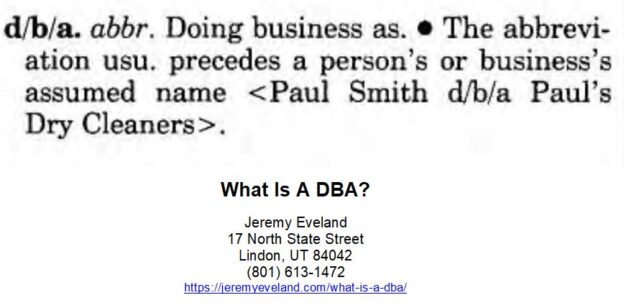
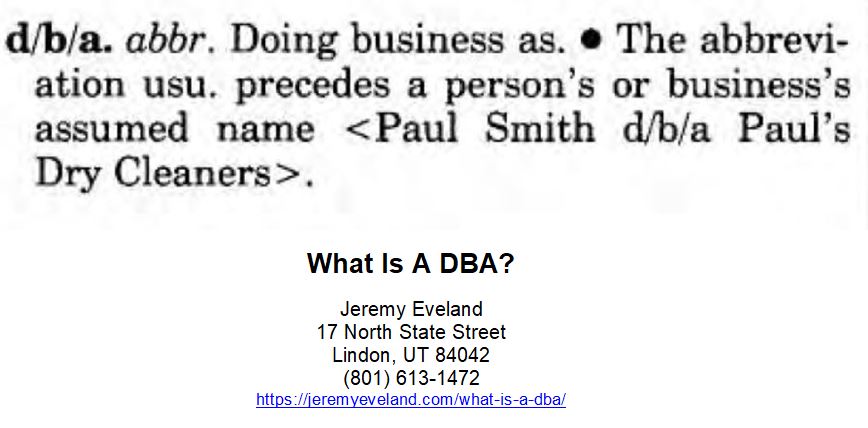









.svg)