What Is The Difference Between Corporate And Commercial Law?
Last Updated: June 11, 2026
The field of corporate and commercial law is a complex and ever-evolving area of law. Corporate and commercial law are related but distinct, and understanding the differences between the two is essential for practitioners and business owners alike. Corporate law, sometimes called business law, generally concerns itself with the legal relationships between entities, such as corporations and partnerships, and the governing bodies that oversee them. Commercial law, on the other hand, focuses on the legal relationships between businesses and their customers, as well as on issues related to the sale and distribution of goods and services. This article will examine the differences between corporate and commercial law with a focus on Utah case law and Utah Code. Additionally, government statistics related to corporate and commercial law will be discussed.
Overview of Corporate Law
Corporate law is an area of law that deals with the legal relationships between entities and governing bodies. The term “entity” can refer to a number of entities, including corporations, limited liability companies, partnerships, and other business associations. Corporate law regulates the formation, governance, and dissolution of these entities, as well as the relationships between them. In the state of Utah, corporate law is governed by the Utah Business Corporation Act, which is found in Utah Code Title 16 Chapter 7. Corporations are not the same thing as a limited liability company. Corporations are also completely different than a partnership. Corporations have their own set of laws and standards which apply to them. It is found in the Utah Revised Corporation Act.
In Utah, corporate law is primarily concerned with the formation, governance, and dissolution of corporations. The Utah Business Corporation Act outlines the requirements for forming a corporation, including the filing of articles of incorporation with the Utah Division of Corporations and Commercial Code. Additionally, the Act outlines the legal requirements for governing a corporation, such as the election of directors and the adoption of bylaws. Finally, the Act outlines the process for dissolving a corporation, which includes filing articles of dissolution with the Utah Division of Corporations and Commercial Code.
Overview of Commercial Law
Commercial law is an area of law that deals with the legal relationships between businesses and their customers. It is primarily concerned with issues related to the sale and distribution of goods and services, as well as the rights and obligations of the parties involved. In the state of Utah, commercial law is governed by the Uniform Commercial Code (UCC), which is found in Utah Code Title 70 Chapter 1.
The UCC provides general rules governing the sale and distribution of goods and services. It outlines the rights and obligations of buyers and sellers, as well as the remedies available to them in the event of a dispute. The UCC also provides rules governing the transfer of title and the rights of creditors in the event of bankruptcy. Additionally, the UCC provides rules governing the creation and enforcement of contracts, as well as the enforcement of warranties and consumer protection laws.
A person should hire an attorney for corporate and commercial law because they are experienced in the field and can provide valuable guidance and advice. An attorney can ensure that all of the necessary paperwork is filled out correctly and that the business complies with all state and federal regulations. This can save a company time and money in the long run. An attorney can also help a business navigate complicated contractual issues, protect its intellectual property, and develop strategies for resolving potential disputes. An attorney is also knowledgeable about the law and can provide legal advice about the best course of action for a business. Furthermore, an attorney can help a business structure their transactions properly and mitigate risks. Overall, an attorney for corporate and commercial law can provide invaluable assistance to a business.
Corporate and Commercial Law Consultation
When you need help with corporate or commercial law, call Jeremy D. Eveland, MBA, JD (801) 613-1472 for a consultation.
Jeremy Eveland
17 North State Street
Lindon UT 84042
(801) 613-1472
Business Succession Law in Utah is an important part of the legal system and the state is home to a number of business lawyers and law firms that specialize in this area. Business Succession Law in Utah includes legal services such as estate planning and business succession lawyers who help business owners plan for the future of their businesses. Business succession law helps business owners plan for the transfer of ownership and/or control of their business in the event of death, disability, retirement, or other unexpected events. This law also helps to protect the rights of the business owners and their families in the event of such events.
Business succession plans are important for all businesses, big and small. Business Succession Law helps business owners create a succession plan that meets their needs and their business objectives. The succession plan should include a clear definition of the succession process, the responsibilities of each party involved, and the transfer of ownership and/or control. Additionally, the plan should also include provisions for Alternative Dispute Resolution, business litigation, and ethical standards.
Succession Planning
Business succession law in Utah is based on the Utah Code and the state’s business law. Business lawyers and law firms that specialize in this area assist business owners in understanding the legal requirements of business succession law in Utah and helping them to draft a comprehensive succession plan. The lawyers and law firms also provide legal advice on business partnerships, LLC business lawyers, professional corporation business, and other business entities.
Business succession law in Murray Utah is important for business owners who are looking to ensure their businesses will continue to operate and thrive in the event of an unexpected event. This law helps business owners plan for the future of their businesses by providing them with the necessary legal tools to do so. Furthermore, business succession law in Utah provides business owners with the necessary legal advice to make sure their succession plans are in accordance with the law and that their rights and interests are protected.
Business succession law in Murray Utah is an integral part of the legal system and the state is home to a number of business lawyers and law firms that specialize in this area. These lawyers and law firms offer valuable legal services such as estate planning, business succession lawyers, and business litigation. Additionally, business succession law in Utah provides business owners with the necessary legal advice to make sure their succession plans are in accordance with the law and that their rights and interests are protected. Business succession law in Utah is an important part of the legal system and provides business owners with the necessary legal tools to ensure their businesses will continue to operate and thrive in the event of an unexpected event.
Business Law Firm
A business law firm is a business entity formed by one or more lawyers to engage in the practice of law. The primary service rendered by a law firm is to advise clients (individuals or corporations) about their legal rights and responsibilities, and to represent this clients in civil or criminal cases, business transactions, and other matters in which legal advice and other assistance are sought.
Business Law Firm Arrangements
Law firms are organized in a variety of ways and different structures, depending on the jurisdiction in which the firm practices. Some common arrangements include:
Sole proprietorship, this is one in which the attorney is the law firm and is responsible for all profit, loss and liability;
General partnership, one in which all the attorneys who are members of the firm share ownership, profits and liabilities;
Professional corporations, this is a structure which issue stock to the attorneys in a fashion similar to that of a business corporation;
Limited liability company, another structure in which the attorney-owners are called “members” but are not directly liable to third party creditors of the law firm (prohibited as against public policy in many jurisdictions but allowed in others in the form of a “Professional Limited Liability Company” or “PLLC”);
Professional association, which operates similarly to a professional corporation or a limited liability company;
Limited liability partnership (LLP), in which the attorney-owners are partners with one another, but no partner is liable to any creditor of the law firm nor is any partner liable for any negligence on the part of any other partner. The LLP is taxed as a partnership while enjoying the liability protection of a corporation.
Restrictions on Ownership Interests in Business Law Firm
Mostly, there is a rule that only lawyers may have an ownership interest in, or be managers of, a law firm. Although some states have revised this or modified it in some way, for the most part, this is true in the United States. Thus, law firms cannot quickly raise capital through initial public offerings on the stock market, like most corporations. They must either raise capital through additional capital contributions from existing or additional equity partners, or must take on debt, usually in the form of a line of credit secured by their accounts receivable.
In Utah, this complete bar to non lawyer ownership has been codified by the American Bar Association as paragraph (d) of Rule 5.4 of the Model Rules of Professional Conduct and has been adopted in one form or another in most jurisdiction. Ownership only by those partners who actively assist the firm’s lawyers in providing legal services, and does not allow for the sale of ownership shares to mere passive non lawyer investors. Law firms have been able to take on a limited number of non-lawyer partners and lawyers have been allowed to enter into a wide variety of business relationships with non-lawyers and non-lawyer owned businesses. This has allowed, for example, grocery stores, banks and community organizations to hire lawyers to provide in-store and online basic legal services to customers which is really necessary and good for business owners (either big or small).
This rule Is very controversial. It is justified by many in the legal profession, notably, most rejected a proposal to change the rule in its Ethics 20/20 reforms, as necessary to prevent conflicts of interest. In the adversarial system of justice, a lawyer has a duty to be a zealous and loyal advocate on behalf of the client, and also has a duty to not bill the client excessively. Also, as an officer of the court, a lawyer has a duty to be honest and to not file frivolous cases or raise frivolous defenses. Many in the legal profession believe that a lawyer working as a shareholder-employee of a publicly traded law firm might be tempted to evaluate decisions in terms of their effect on the stock price and the shareholders, which would directly conflict with the lawyer’s duties to the client and to the courts. Critics of the rule, however, believe that it is an inappropriate way of protecting clients’ interests and that it severely limits the potential for the innovation of less costly and higher quality legal services that could benefit both ordinary consumers and businesses.
Business law firms can vary widely in size. The smallest law firms are lawyers practicing alone, who form the vast majority of lawyers in nearly all areas. Smaller firms tend to focus on particular specialties of the law (e.g. patent law, labor law, tax law, criminal defense, personal injury); larger firms may be composed of several specialized practice groups, allowing the firm to diversify its client base and market, and to offer a variety of services to their clients. Large law firms usually have separate litigation and transactional departments. The transactional department advises clients and handles transactional legal work in the firm, such as drafting contracts, handling necessary legal applications and filings, and evaluating and ensuring compliance with relevant law; while the litigation department represents clients in court and handles necessary matters (such as discovery and motions filed with the court) throughout the process of litigation.
Multinational Law Firms
Law firms operating in multiple countries often have complex structures involving multiple partnerships, which may restrict partnerships between local and foreign lawyers. Some multiple national or regional partnerships form an association in which they share branding, administrative functions and various operating costs, but maintain separate revenue pools and often separate partner compensation structures while other multinational law firms operate as single worldwide partnerships, in which partners also participate in local operating entities in various countries as required by local regulations.
Profits per equity partner (PPEP or PPP): Net operating income divided by number of equity partners. High PPP is often correlated with prestige of a firm and its attractiveness to potential equity partners. However, the indicator is prone to manipulation by re-classifying less profitable partners as non-equity partners.
Revenue per lawyer (RPL): Gross revenue divided by number of lawyers. This statistic shows the revenue-generating ability of the firm’s lawyers in general, but does not factor in the firm’s expenses such as associate compensation and office overhead.
Average compensation of partners (ACP): Total amount paid to equity and nonequity partners (i.e., net operating income plus nonequity partner compensation) divided by the total number of equity and nonequity partners. This results in a more inclusive statistic than PPP, but remains prone to manipulation by changing expense policies and re-classifying less profitable partners as associates.
What Is A Full-Service Law Firm?
A full-service law firm provides legal assistance to a wide variety of clients and is equipped to handle all aspects of a case. For instance, a full-service personal injury firm can handle consultations, settlement talks and litigation proceedings in court. A full-service contract law firm can handle drafting reviews, negotiations and renegotiations. Specialized law firms may cover a specific service or niche. With this, it is necessary and good to have an involvement with a law firm for your business.
Law Firms by Practice Area
There are numerous types of lawyers, broken down by practice area. Choosing one of the many law aspects available can be a way for students or Business owners to frame their careers and establish themselves within a particular area of interest, such as criminal law, tax law, sports law or cybersecurity and business area of interest.
Law Firms by Legal Service
Law firms may limit the services they offer clients. Most law firms offer consultations for legal information and document review. Some firms specialize in helping clients prepare for litigation, and others solely represent clients in out-of-court administrative hearings like arbitration, mediation or contractual signings. Often, smaller firms will choose one or the other while medium and large firms may have two departments pursuing both transactional and litigation cases.
Mergers and Acquisitions Between Law Firms
Mergers, acquisitions, division and reorganizations occur between law firms as in other businesses. The specific books of business and specialization of attorneys as well as the professional ethical structures surrounding conflict of interest can lead to firms splitting up to pursue different clients or practices, or merging or recruiting experienced attorneys to acquire new clients or practice areas. Results often vary between firms experiencing such transitions. Firms that gain new practice areas or departments through recruiting or mergers that are more complex and demanding (and typically more profitable) may see the focus, organization and resources of the firm shift dramatically towards those new departments. Conversely, firms may be merged among experienced attorneys as partners for purposes of shared financing and resources, while the different departments and practice areas within the new firm retain a significant degree of autonomy.
Law firm mergers tend to be assortative, in that only law firms operating in similar legal systems are likely to merge. Though mergers are more common among better economies, slowing down a bit during recessions, big firms sometimes use mergers as a strategy to boost revenue during a recession. Nevertheless, data shows less mergers over time.
Business Succession Lawyer Murray Utah Consultation
To talk through a business succession matter in Murray with Jeremy Eveland, get in touch through the contact page or call (801) 613-1472. Consultations are handled statewide.
When you need legal help with a business succession in Murray Utah, call Jeremy D. Eveland, MBA, JD (801) 613-1472 for a consultation.
Jeremy Eveland
17 North State Street
Lindon UT 84042
(801) 613-1472
Murray (/ˈmʌri/) is a city situated on the Wasatch Front in the core of Salt Lake Valley in the U.S. state of Utah. Named for territorial governor Eli Murray, it is the state’s fourteenth largest city. According to the 2020 census, Murray had a population of 50,637.[6] Murray shares borders with Taylorsville, Holladay, South Salt Lake and West Jordan, Utah. Once teeming with heavy industry, Murray’s industrial sector now has little trace and has been replaced by major mercantile sectors. Known for its central location in Salt Lake County, Murray has been called the Hub of Salt Lake County. Unlike most of its neighboring communities, Murray operates its own police, fire, power, water, library, and parks and recreation departments and has its own school district.[7] While maintaining many of its own services, Murray has one of the lowest city tax rates in the state.[8]
Thousands of people each year visit Murray City Park for organized sports and its wooded areas. Murray is home to the Intermountain Medical Center, a medical campus that is also Murray’s largest employer. Murray has been designated a Tree City USA since 1977.[7]
Business succession planning is an important part of the overall financial planning process for many business owners, especially those who own family businesses. A business succession plan is a document that outlines the steps to be taken in order to transfer ownership of a business to the next generation. It also provides a framework for addressing the financial needs of the business owners and their families, as well as the succession of the business itself.
Business succession planning should include an analysis of the business’s current value, and an assessment of the business owners’ financial needs, including estate taxes and other liabilities. Business owners should also consider potential candidates for ownership, including family members, key employees, and outside parties. Many business owners opt for a buy-sell agreement, which is a legal agreement between business owners and potential buyers to purchase the business interest in the event of the death or disability of a business owner.
In addition to buy-sell agreements, small business owners should also consider financial life insurance as a part of their succession planning. A life insurance policy can be used to fund the purchase of a business interest from a deceased or disabled business owner. The proceeds from such a life insurance policy can help to ensure that the business continues to thrive, and that the next generation of the family business is able to take over.
For larger businesses, succession planning may also involve the use of member firms or key employees to ensure continuity of operations. It is important that the business owner carefully assess potential candidates for ownership, as well as the potential impact of their selection on the business’s value.
Business succession planning is an important part of the financial planning process for many business owners, especially those who own family businesses. By creating a comprehensive succession plan, business owners can ensure that their businesses are able to continue to thrive for generations to come. Furthermore, by implementing buy/sell agreements and life insurance policies, business owners can ensure that the financial needs of their families and the business itself are taken care of in the event of their death or disability.
Business Succession Planning
Business succession planning is the process in which long-term needs are identified and addressed. The main concern in succession planning is in providing for the continuation of business operations in the event that the owner or manager retires or suddenly becomes incapacitated or deceased. This can occur by several means, such as transferring leadership to the following generation of family members or by naming a specific person to become the next owner. It is highly advantageous to have a business succession plan. Such a plan can create several benefits for the business, including tax breaks and no gaps in business operations. The plan will be formally recorded in a document, which is usually drafted by an attorney. A business succession plan is similar to a contract in that it has binding effect on the parties who sign the document and consent to the plan. Therefore, the main advantage of having a succession plan is that the organization will be much better prepared to handle any unforeseen circumstances in the future. A well thought out succession plan will be both very broad in scope and specific in detailed instruction. It should include many provisions to address other concerns besides the issue of who will take over ownership.
A business succession plan should include:
• Approximate dates or time frames when succession will begin. For example, the projected date of the owner’s retirement. Instructions should also be composed for steps to take as the date approaches.
• Provisions for what should occur in case of the owner’s unexpected incapacitation, such as in the event of severe illness or death. A replacement should be named in these provisions, and you should state how long their responsibilities will last (i.e., permanent or temporary).
• Identification of who will be the next successor or a guideline for how election should occur, and instructions to ensure a smooth transition.
• A strategic plan for the business after the succession has taken place. This should include any new revisions to current policies and management structures.
As you might expect, there are many legal matters to be addressed when creating a succession plan. Some common issues that arise in connection with business succession include:
• Choice of successor: If the succession plan does not clearly name a successor, it can lead to disputes, especially amongst family members who may be inheriting the business. Be sure to state exactly who will take charge.
• Property distribution: If there is any property in the previous owner’s name, this will need to be addressed so that the property can be distributed upon or during transition.
• Type of business form: Every type of business has different requirements regarding succession. For example, if the business is a corporation, the previous owner’s name must be removed from the articles of incorporation and replaced with that of the successor’s name. On the other hand, partnerships will usually dissolve upon the death of a partner, and it must be re-formed unless specific provisions are made in a contract.
• Tax issues: Any outstanding taxes, debts, or unfinished business must be resolved. Also, if the owner has died, there may be issues with death taxes.
• Benefits: You should ask whether the business will continue to provide benefits even after the owner has retired. For example, health care, life insurance, and retirement pay must be addressed.
• Employment contracts: If there are any ongoing employment contracts, these must be honored so as to avoid an employment law disputes. For example, if there is going to be a change in management structure, it must take into account any provisions contained in the employees’ contracts.
Picking the Successor
When creating the business succession plan, it is crucial that the person that succeeds the current owner is able to continue the company successfully. Without this ability, many individuals may be crossed off the list. Otherwise, it is just easier to sell the organization to someone that the owner has not invested interest in, and the continued transactions and revenue mean nothing personal. One of the primary reasons to have a business succession plan is to ensure the company continues functioning after the owner either enters retirement or dies. For the successor to be a family member, he or she must be fully prepared to work hard and invest time and energy into the business. Many owners of a business have multiple family members or assistants that could take his or her place. It is important to assess both the strengths and weaknesses of each individual so he or she is able to choose the person best suited for the position. There could be resentment and negative emotions that affect the arrangement with other members of the family, and this must be taken into account along with keeping other relationships from becoming complicated such as a spouse or the manager of the business who may have assumed he or she would take on the ownership or full run of the company.
Finalizing the Process
While some may sell the company before retiring or death, it is still important to determine the value of the business before the plan is finalized. This means an appraisal and documentation with the successor’s name and information. Additional items may need to be purchased such as life insurance, liability coverage and various files with the transfer of ownership if the owner is ready to conclude the proceedings. The current owner may also be provided monetary compensation for his or her interest or a monthly stipend based on the profits of the company. These matters are determined by the paperwork and possession of the business. The transfer may be possible through a cross-purchase agreement where each party has a policy on the partners in the business. Each person is both owner and beneficiary simultaneously. This permits a buyout of shares or interest when one partner dies if necessary. An entity purchase occurs with the policy being both beneficiary and owner. Then the shares are transferred to the company upon the death of one person. Succession plans are commonly associated with retirement; however, they serve an important function earlier in the business lifespan: If anything unexpected happens to you or a co-owner, a succession plan can help reduce headaches, drama, and monetary loss. As the complexity of the business and the number of people impacted by the exit grows, so does the need for a well-written succession plan.
You should consider creating successions plan if you:
• Have complex processes: How will your employees and successor know how to operate the business once you exit? How will you duplicate your subject matter expertise?
• Employ more than just yourself: Who will step in to lead employees, administer human resources (HR) and payroll, and choose a successor and leadership structure?
• Have repeat clients and ongoing contracts: Where will clients go after your exit, and who will maintain relationships and deliver on long-term contracts?
• Have a successor in mind: How did you arrive at this decision, and are they aware and willing to take ownership?
When to Create a Small Business Succession Plan
Every business needs a succession plan to ensure that operations continue, and clients don’t experience a disruption in service. If you don’t already have a succession plan in place for your small business, this is something you should put together as soon as possible. While you may not plan to leave your business, unplanned exits do happen. In general, the closer a business owner gets to retirement age, the more urgent the need for a plan. Business owners should write a succession plan when a transfer of ownership is in sight, including when they intend to list their business for sale, retire, or transfer ownership of the business. This will ensure the business operates smoothly throughout the transition. There are several scenarios in which a business can change ownership. The type of succession plan you create may depend on a specific scenario. You may also wish to create a succession plan that addresses the unexpected, such as illness, accident, or death, in which case you should consider whether to include more than one potential successor.
Selling Your Business to a Co-owner
If you founded your business with a partner or partners, you may be considering your co-owners as potential successors. Many partnerships draft a mutual agreement that, in the event of one owner’s untimely death or disability, the remaining owners will agree to purchase their business interests from their next of kin. This type of agreement can help ease the burden of an unexpected transition—for the business and family members alike. A spouse might be interested in keeping their shares but may not have the time investment or experience to help it blossom. A buy-sell agreement ensures they’re given fair compensation, and allows the remaining co-owners to maintain control of the business.
Passing Your Business Onto an Heir
Choosing an heir as your successor is a popular option for business owners, especially those with children or family members working in their organization. It is regarded as an attractive option for providing for your family by handing them the reins to a successful, fully operational enterprise. Passing your business on to an heir is not without its complications. Some steps you can take to pass your business onto an heir smoothly are:
• Determine who will take over: This is an easy decision if you already have a single-family member involved in the business but gets more complicated when multiple family members are interested in taking over.
• Provide clear instructions: Include instructions on who will take over and how other heirs will be compensated.
• Consider a buy-sell agreement: Many succession plans include a buy-sell agreement that allows heirs that are not active in the business to sell their shares to those who are.
• Determine future leadership structure: In businesses where many heirs are involved, and only one will take over, you can simplify future discussions by providing clear instructions on how the structure should look moving forward.
Selling Your Business to a Key Employee
When you don’t have a co-owner or family member to entrust with your business, a key employee might be the right successor. Consider employees who are experienced, business-savvy, and respected by your staff, which can ease the transition. Your org chart can help with this. If you’re concerned about maintaining quality after your departure, a key employee is generally more reliable than an outside buyer. Just like selling to a co-owner, a key employee succession plan requires a buy-sell agreement. Your employee will agree to purchase your business at a predetermined retirement date, or in the event of death, disability, or other circumstance that renders you unable to manage the business.
Selling Your Business to an Outside Party
When there isn’t an obvious successor to take over, business owners may look to the community: Is there another entrepreneur, or even a competitor, that would purchase your business? To ensure that the business is sold for the proper amount, you will want to calculate the business value properly, and that the valuation is updated frequently. This is easier for some types of businesses than others. If you own a more turnkey operation, like a restaurant with a good general manager, your task is simply to demonstrate that it’s a good investment. They won’t have to get their hands dirty unless they want to and will ideally still have time to focus on their other business interests. Meanwhile, if you own a real estate company that’s branded under your own name, selling could potentially be more challenging. Buyers will recognize the need to rebrand and remarket and, as a result, may not be willing to pay full price. Instead, you should prepare your business for sale well in advance; hire and train a great general manager, formalize your operating procedures, and get all your finances in check. Make your business as stable and turnkey as possible, so it’s more attractive and valuable to outside buyers.
Selling Your Shares Back to the Company
The fifth option is available to businesses with multiple owners. An “entity purchase plan” or a “stock redemption plan” is an arrangement where the business purchases life insurance on each of the co-owners. When one owner dies, the business uses the life insurance proceeds to purchase the business interest from the deceased owner’s estate, thus giving each surviving owners a larger share of the business.
Reasons to Hire a Business Succession Attorney
• Decisions during the Idea Stage: Even before you officially open your doors for business, you have several decisions to make that will affect your daily operations going forward. What will you call your company? Is the name you have in mind available? What is your marketing tag line? Can you use that without encountering any problems? Where will your business be located? Are there any zoning issues of which you need to be aware? These are just a few examples of decisions that need to be made before you even start doing what it is you want to do. These decisions will be a lot easier to make with the help of a business attorney.
• Startup Protocols and Legal Requirements: Another early decision you’re going to have to make involves the specific type of business entity you want to initiate. You need to do so for several reasons, not the least of which is that most types of business entities require some sort of registration and all businesses will need to register and obtain a business license from the local municipalities in which they operate. In addition, you may need to provide public notice of the intention of starting a business entity, which could involve publishing that notice in a newspaper for four weeks. You need to do this right or you could face other problems, which is another reason why hiring a lawyer for your business startup is a wise decision.
• Banking Questions: If you’re going to start a business, you’re also going to need to open a bank account or perhaps multiple bank accounts. You may also need to apply for credit in the forms of credit cards and/or lines of credit if attainable. It’s highly advisable for a plethora of reasons to keep all of your business finances completely separate from your personal situation, as it’ll be much easier to organize those separate forms of finances come tax time or should any other questions arise. A small business attorney can help you choose the proper bank and the type of account or accounts you should look to open so you don’t wind up scrambling after you begin your core mission.
• Tax Questions: Since the founding of our country, a common quote that people tend to repeat in several contexts is, “Nothing is certain except for death and taxes.” What is not debatable is that your business will be taxed in one way or another, and you need a lawyer for your business startup to make sure that you’re both in compliance with local, state and federal tax codes and so that you’re not unnecessarily facing double taxes. Tax questions should be answered before you get started so you know what to generally expect in this regard, and from there you should work with a tax accountant for your specific tax questions.
• Insurance Questions: One of the issues that you’ll begin to hear and think more about as you get ready to start your business involves liability. You are responsible for the product or service you provide to your clients or customers, and you want to make sure that you’re protected from personal liability should something go wrong. You may also need to comply with regulations that require some sort of liability insurance coverage, but choosing the proper coverage and understanding the nature of that coverage are involved tasks that need to be done right. A small business attorney can help guide your business towards the coverage you need while simultaneously helping you minimize the chance for unexpected and unpleasant surprises down the road.
• Debt Management: For most Americans, debt is simply a part of life. For the majority of small business owners, debt is something that exists even before they open their doors. Debt is real and it doesn’t go away easily, and like anything else, questions, confusion and problems relating to debt can arise that can harm your ability to push your organization forward. The best way to manage debt issues is by way of advice from a business attorney who can explain the legalities involved with it and fight for you if there is a problem.
• Dispute Advocacy: It’s common for any business to encounter disputes of one type or another. It’s also unfortunately common for a startup business to wind up dealing with a problem with a vendor or some larger, more established entity. Regardless, owners need a small business attorney at the ready to fight for their company when such situations arise. An attorney who isn’t going to hesitate to advocate zealously for clients can level the playing field and even help resolve issues before they become much larger problems. In some cases, even mentioning that you have an attorney representing you could help avoid those problems altogether.
Logan Utah Business Succession Lawyer Consultation
To talk through a business succession matter in Logan with Jeremy Eveland, get in touch through the contact page or call (801) 613-1472. Consultations are handled statewide.
When you need legal help from an attorney to help with a business succession, call Jeremy D. Eveland, MBA, JD (801) 613-1472 for a consultation.
Jeremy Eveland
17 North State Street
Lindon UT 84042
(801) 613-1472
A DBA, or Doing Business As, is a type of business structure that allows an individual or company to operate under a name that is different from their legal name. A DBA is also sometimes referred to as an alias, assumed name, fictitious business name, or trade name. For example, a business owner operating under their own name might file a DBA to do business as “ABC Widgets,” rather than their own name.
When registering a DBA, the business owner is usually required to submit a form to the county or state in which they are doing business. This form typically includes the name of the business, the address of the business, and the name and address of the business owner. Depending on the state, the owner may also be required to publish a notice in a local newspaper or other periodical, alerting the public of the DBA registration.
In most cases, a DBA does not provide the same legal protections as a corporation or limited liability company (LLC). Without registering as a separate business entity, the business owner remains personally liable for any debts and obligations associated with the business. A DBA also does not offer the same tax advantages, as the business is still taxed as a sole proprietorship or partnership
Business Structures in Utah
Business structure is a vital component of any successful organization. It is the way in which the business is set up and maintained, and it can have a significant effect on the company’s ability to operate effectively. In Utah, there are a variety of different business structures available, including sole proprietorships, limited liability companies (LLCs), corporations, and partnerships. Each of these structures offer different levels of protection and exposure to the owners and their businesses.
For example, a sole proprietorship is the simplest type of business structure. This is when one individual owns the business and is solely responsible for its operations. The owner may operate the business under their own name, or they may register a “doing business as” (DBA) name with the state. This DBA name must be unique and should be registered in the state’s database of business names. This will provide a degree of protection for the owner and their business from liability and taxation.
A limited liability company (LLC) is a more complex type of business structure. LLCs are popular in Utah due to their high degree of protection and flexibility when it comes to business operations. LLCs have a number of advantages, including limited liability protection for the owners, reduced filing fees, and the ability to manage the business in a way that suits the owners’ needs. In addition, LLCs provide tax and accounting benefits, such as the ability to pass tax credits onto their owners.
Partnerships are another popular business structure in Utah. This type of business structure is similar to a sole proprietorship in that two or more individuals own the business. However, partnerships offer the advantage of having two or more owners to share the risk of running the business. Partnerships also offer tax advantages, such as the ability to pass profits and losses onto the partners.
Finally, corporations are the most complex type of business structure. Corporations are owned by shareholders and managed by a board of directors. Corporations offer a number of advantages, including limited liability protection for the owners and the ability to raise capital through the sale of stock. However, corporations are subject to a number of regulations and taxes, so it is important to consider all of the options before making a decision.
No matter which type of business structure you choose, it is important to have a clear understanding of the regulations and laws that apply to your business. In Utah, the Division of Corporations and Commercial Code Administration is responsible for registering and managing businesses. It is also important to consider the fees associated with each type of business structure, as well as the time and energy it will take to set up the business. With careful thought and planning, however, the right business structure can provide a strong foundation for success.
Business Formation
Business formation is a critical step for entrepreneurs seeking to establish a business and start generating revenue. In Utah, business formation is typically accomplished by registering a dba name, sole proprietorship, legal name, business name, legal entity, or fictitious name. A dba name is a different name used by an individual or business to identify itself to the public, while a sole proprietorship is a business structure that is owned and operated by a single business owner. For a dba registration, business owners must file an application with their county clerk. Additionally, many states require a business owner to register a fictitious business name with the state.
When forming a sole proprietorship, a business owner typically uses his or her own name as the business name. In some cases, business owners may register a “trade name” which is a name other than their own personal name. This allows them to use a different name for the business that is more descriptive or easier to remember. In addition, many states require business owners to register a dba degree, which is an additional designation that they can use to identify the business.
When forming a legal entity, such as a general partnership or limited liability company, business owners must appoint a business administration to handle business affairs. This includes opening a business bank account, obtaining necessary permits and licenses, and filing all required paperwork with the state. Depending on the business structure, the business owners may be personally liable for any debts or obligations of the business. Therefore, it is important for business owners to understand the legal protections of the particular business structure they choose.
Noise levels and personal assets are two important considerations when selecting a business structure. For example, a sole proprietorship provides the greatest amount of legal protection for the business owner’s personal assets, but there is no limit on the amount of noise associated with the business. On the other hand, a limited liability company offers more legal protections for the business owner’s personal assets, but it also limits the amount of noise generated by the business.
The cost of business formation also varies depending on the type of business structure chosen. For example, the cost of filing a fictitious business name is typically lower than the cost of registering a dba or forming a legal entity such as a general partnership or limited liability company. Additionally, the state fees associated with forming a business may vary from state to state.
In conclusion, business formation is a critical step for entrepreneurs looking to launch a business. There are a variety of factors to consider, including the type of business structure selected, the cost associated with filing a fictitious business name or dba degree, and the legal protections of the particular business structure chosen. Additionally, many states require business owners to register a fictitious business name with the state. It is important for entrepreneurs to understand all of the options available to them when forming a business in order to ensure the most successful business formation.
DBA Lawyer Consultation
When you need legal help from a Business Lawyer about a DBA, call Jeremy D. Eveland, MBA, JD (801) 613-1472 for a consultation.
Jeremy Eveland
17 North State Street
Lindon UT 84042
(801) 613-1472
What Are The Advantages Of Hiring A Business Lawyer?
Last Updated: June 11, 2026
Hiring a business lawyer can be a huge advantage, especially when it comes to making sure that all of your business dealings are legal and compliant with local, state, and federal laws. Business lawyers can provide invaluable advice when it comes to drafting contracts, forming partnerships, and negotiating deals. They can also provide guidance on issues such as intellectual property, taxation, and employee relations.
In Utah, business lawyers have the ability to provide counsel on the state’s unique laws and regulations. For example, Utah’s Anti-Discrimination and Fair Employment Act requires employers to abide by certain regulations when it comes to hiring and firing employees, and business lawyers can help ensure that employers are in compliance with the law. Business lawyers are also knowledgeable about the Utah Franchise Act, which establishes the relationship between a franchisor and its franchisees.
Business lawyers can also help business owners develop strategies for minimizing their risk and avoiding legal disputes. This can include reviewing proposed contracts, identifying potential areas of litigation, and assessing the potential risks associated with various business transactions. In the event of a dispute, business lawyers can provide legal representation, ensuring that the interests of their clients are protected.
Finally, business lawyers can provide invaluable advice when it comes to developing business plans and marketing strategies. They can help entrepreneurs identify the most effective and efficient ways to achieve their business goals. They can also provide advice on how to structure the business, including what type of entity to use and how to maintain operational efficiency.
Overall, hiring a business lawyer can be a great asset to any business, as they can provide a wealth of knowledge and experience to help business owners succeed. Not only can they help ensure that business dealings are compliant with the law, but they can also provide invaluable advice on how to develop and execute successful business strategies.
Drafting Contracts and Agreements
You want a business lawyer to draft contracts and agreements. A business attorney is essential when it comes to drafting contracts and agreements. Contracts and agreements are the foundation of any business, and having a well-drafted agreement in place can protect a company from potential legal issues. A business attorney can provide invaluable legal counsel and ensure that all of the necessary details have been adequately addressed. A business attorney can also help to ensure that the contracts and agreements are in compliance with applicable laws and regulations.
Having a business attorney draft contracts and agreements can provide peace of mind and provide a level of security for a business. A business attorney can help to ensure that all parties involved in a contract or agreement understand the terms and conditions, and can provide protection against potential conflicts. Additionally, a business attorney can provide advice on how to best structure a contract or agreement to protect the interests of the company and to ensure that the terms and conditions are reasonable and in the best interests of the company.
Furthermore, business attorneys are well-versed in the intricacies of contract law, and can help to ensure that all contracts and agreements are enforceable. This is especially important when entering into contracts with other businesses or individuals, as having a legally-binding agreement can help to protect the interests of the company.
Advising On Business Compliance and Regulations
A business owner needs a business attorney for many reasons, but one of the most important is to ensure that the business is compliant with applicable laws and regulations. Many laws and regulations are complex and can be difficult to understand without the help of a knowledgeable legal professional. A business attorney can advise the business owner on the relevant laws that apply to their business, help them understand their obligations, and ensure that the business is in compliance. This can help the business owner avoid costly fines and other penalties associated with non-compliance.
A business attorney can also help the business owner draft contracts and agreements, such as leases, employment contracts, and vendor contracts. Having a legal professional review these documents can help the business owner avoid potential disputes and ensure that the terms written are legally binding. In addition, a business attorney can provide advice on potential business opportunities, such as mergers, acquisitions, or business expansions. This can help the business owner make informed decisions and ensure that the business is properly structured and protected.
A business attorney can also provide guidance on the various tax and accounting requirements associated with running a business. This can help the business owner ensure that the business is properly registered, understands the requirements for filing taxes, and understands the various deductions and credits that may be available.
Overall, a business attorney is an invaluable resource for business owners. By having a legal professional to advise on compliance and regulations, draft contracts, and provide guidance on tax and accounting, a business owner can ensure that their business is properly structured and in compliance with all applicable laws. This can help to protect the business and its owners from potential legal issues and provide the peace of mind that comes with knowing that their business is properly structured and protected.
Representing Businesses In Court
When running a business, it is important to have a reliable business attorney to represent your business in court in Utah. Under current Utah law, an owner of a business cannot represent a business entity in court (unless the owner is a licensed attorney). A business attorney can provide valuable insights and advice to help you navigate the complexities of legal proceedings. Not only can they provide legal advice, but they can also advise you on legal strategies, help you protect your rights, and serve as your advocate in court.
Having a business attorney can help ensure that your business transactions are handled properly and legally. They can help you draft legal documents and contracts, represent you in court, and help you settle any legal disputes that could arise. A business attorney will also be able to provide guidance on matters related to taxation, insurance, licensing, and other business-related matters.
Additionally, a business attorney can help protect your business’s interests by ensuring that all contracts and agreements are properly executed and that all legal obligations are met. Furthermore, a business attorney can represent your business in court. This means that they can help you present your legal arguments and negotiate a settlement if a dispute arises.
Having a business attorney can provide peace of mind for business owners in Utah. A business attorney will be familiar with the state’s laws, which can provide you with the assurance that your business is following the proper legal procedures. They can also provide you with an extra layer of protection if a lawsuit is filed against your business.
It is essential for business owners to have a reliable business attorney to represent their business in court in Utah. Not only can they provide legal advice and representation, but they can also help protect your rights and interests when it comes to business transactions and legal disputes.
Resolving Disputes With Other Businesses Or Individuals
A business attorney is essential for any business that wishes to protect itself from disputes with other businesses or individuals. A business lawyer can provide vital legal advice and representation in order to help protect the business’s interests. A business attorney can also help a business to resolve any disputes that arise with other businesses or individuals in an effective and efficient manner.
A business attorney can assist a business in drafting contracts, including employee contracts, sales agreements, and other contractual agreements. They can also help to review and negotiate contracts on behalf of the business. A business attorney can provide the legal expertise to ensure that all parties are in agreement with the contract and that it is legally binding.
A business attorney can also provide advice and representation to a business in the event of a dispute. If a dispute arises, a business attorney can provide legal representation to the business and can help to protect the business’s interests and reduce the risk of financial loss. A business attorney can also help to negotiate a settlement between the parties or represent the business in court.
A business lawyer can provide advice and counsel on compliance with the various laws and regulations that apply to a business. A business attorney can ensure that a business is in compliance with all applicable laws and regulations, which can help to protect the business from legal action.
A good business attorney can provide invaluable assistance to a business in resolving disputes and protecting the business’s interests. A business attorney can provide legal advice, representation, and compliance with the law. A business attorney is essential for any business that wishes to protect itself from disputes with other businesses or individuals.
Business Lawyer Consultation
When you need legal help from a Business Attorney, call Jeremy D. Eveland, MBA, JD (801) 613-1472 for a consultation.
Jeremy Eveland
17 North State Street
Lindon UT 84042
(801) 613-1472
Black’s Law Dictionary defines business law as “The body of law governing the rights, relations, and conduct of persons and businesses engaged in commerce, merchandising, trade, and sales. It encompasses contracts, sales, agency, bankruptcy, and other matters related to commerce.” This would include Federal Statutes, State Statutes, Federal Case Law and State Case Law; depending on where the principal headquarters of the business is located (nerve center), and where the business conducts operations.
Depending on the type of business that you operate, you might also need to know about these areas of law:
Business law is the body of law that governs the formation, operation, and dissolution of business entities, such as partnerships, corporations, and limited liability companies. It also governs the rights and responsibilities of those who manage and own the business, as well as their interactions with customers, clients, and other business partners. Business law is composed of many statutes, regulations, and common law rules, such as contract law and tort law.
In Utah, business law is regulated by the Utah Code, which includes The Utah Uniform Partnership Act among other laws. The Utah Code is a compilation of all laws passed by the Utah State legislature, as well as statutes and regulations promulgated by state agencies. The Utah Code is divided into various titles, and within each title, various chapters, which are further divided into sections. For example, Title 70 of the Utah Code is devoted to commerce and trade, and it contains chapters that cover topics such as business organizations; business regulations; consumer protection; and securities and investments.
We’ve previously answered the following business law questions:
In addition to statutes and regulations, Utah business law is also informed by court decisions handed down by the Utah Supreme Court and the Utah Court of Appeals. These courts interpret the Utah Code, as well as statutes and regulations from other states, in order to decide disputes involving business entities and their owners, managers, and customers. For example, in State v. Brown (2007), the Utah Supreme Court held that a business had to indemnify its employees for injuries caused by their negligence, in accordance with Utah Code §34-7-1.
In addition to statutes and court decisions, Utah business law is also informed by principles of common law. Common law is a body of law that has been developed over centuries by courts, which is based on court decisions and legal principles. Common law rules, such as the doctrine of negligence, are applied in business contexts to determine liability for injuries or damage caused by a business’s activities.
Is Intellectual Property A Part Of Business Law?
Yes, intellectual property is an important part of business law. Intellectual property (IP) is any product of the creative mind that has commercial value, such as inventions, literary and artistic works, symbols, names, images, and designs. It is protected by copyright, patent, and trademark laws.
Intellectual property is a vital part of business law because it protects the work of creators and innovators. Without IP law, businesses would be able to reproduce and use the work of others without permission or compensation. This would be unfair to the creators and would lead to less innovation and creativity. IP law ensures that creators and innovators are compensated for their work, allowing them to continue creating and innovating.
IP law also ensures that businesses are able to protect their own work and ideas. Without IP law, businesses would not be able to protect their inventions or branding from competitors. This could lead to a decrease in competition and a decrease in innovation. Additionally, IP law allows businesses to license their work to others, allowing them to benefit from their work without giving away their entire product or idea.
Finally, IP law helps to protect consumers from fraud and counterfeit products. Without IP law, businesses could easily copy and sell counterfeit versions of popular products. This could lead to people being scammed or purchasing inferior products without knowing it. IP law helps to ensure that people are able to access genuine products from legitimate businesses.
Overall, intellectual property is an important part of business law. It protects the work of creators and innovators, allows businesses to protect their own work, and helps to protect consumers from fraud. Without IP law, businesses would not be able to benefit from their work, competitors could easily steal their ideas, and consumers could be exposed to counterfeit products.
In sum, business law in Utah is a complex body of law composed of statutes, regulations, court decisions, and common law rules. It governs the formation, operation, and dissolution of business entities, as well as the rights and responsibilities of those who manage and own the business. By understanding the various components of Utah business law, businesses can ensure compliance with the law and avoid costly legal disputes.
Business Law Consultation
When you need legal help from a Business Law Attorney, call Jeremy D. Eveland, MBA, JD (801) 613-1472 for a consultation.
Jeremy Eveland
17 North State Street
Lindon UT 84042
(801) 613-1472
Millcreek, Utah is home to many businesses and entrepreneurs, and they all need the expertise of a business succession lawyer. A business succession lawyer is a legal professional who specializes in the area of business succession law. This type of law covers a variety of topics, including estate planning, business succession planning, transfer of ownership, asset protection, and taxation. A business succession lawyer in Millcreek, Utah can provide legal advice and services to business owners, entrepreneurs, and families in the area.
“Good things happen to those who hustle.” – Anais Nin
Good things (usually) don’t just fall into your lap, and there’s no use waiting around and hoping they will. Want to start a side hustle? Stop thinking and talking about it. Get started today, good things will happen when you work hard for them—and position yourself to identify which opportunities you can take advantage.
“The dream is free. The hustle is sold separately.”
It doesn’t cost you anything to dream—time, money, or hard work. Hustle, on the other hand, costs all of that.
“I am deliberate and afraid of nothing.” – Audre Lorde
Adopt a deliberate mindset, and do not be afraid to take chances. This motivational quote is a reminder that if you want to be successful, you will need to work like your life (style) depends on it.
“I began to realize how important it was to be an enthusiast in life. If you are interested in something, no matter what it is, go at it full speed ahead. Embrace it with both arms, hug it, love it, and above all become passionate about it. Lukewarm is no good. Hot is no good either. White hot and passionate is the only thing to be.” – Roald Dahl
When in doubt, don’t half-ass it. You can’t afford to.
“Remembering that you are going to die is the best way I know to avoid the trap of thinking you have something to lose. You are already naked. There is no reason not to follow your heart.” – Steve Jobs
It’s a bit nihilistic, but it’s also pretty damn motivating. What do you really have to lose in this life? Failure in business won’t kill you, and you’ll be able to get back into the game if you have the drive. Pick yourself up and hustle again.
Business succession lawyers in Millcreek, Utah can provide legal services to business owners, entrepreneurs, and families in the area. They can provide advice on how to structure a business entity, such as a sole proprietorship, partnership, limited liability company (LLC), or corporation. They can also provide advice on how to draft a valid succession plan, which is the document that will outline the ownership and control of the business. They can also provide advice on how to transfer ownership and control of a business in the event of a death or disability.
“You can’t use up creativity. The more you use, the more you have.” – Maya Angelou
The best way to get your side hustle moving is to flex those creative muscles. No matter how small or seemingly insignificant. The act of exercising your creative muscle will help you perfect your craft and become even better. Create. Create. Create.
“I always did something I was a little not ready to do. I think that’s how you grow. When there’s that moment of, ‘Wow, I’m not really sure I can do this,’ and you push through those moments, that’s when you have a breakthrough.” – Marissa Mayer
Never stop challenging yourself. The day you do, you’re falling behind. Do things you’re a little not-ready-to-do yet. That’s how you grow and have breakthroughs.
“Never let go of that fiery sadness called desire.” – Patti Smith
If you lose your ambition, you’ve lost the drive to succeed. Keep that desire to be something greater burning inside of you, and bookmark this motivational quote—it’ll get you through the tough times that lie ahead.
“Challenges are gifts that force us to search for a new center of gravity. Don’t fight them. Just find a new way to stand.” – Oprah Winfrey
If you feel like your side hustle is hitting a roadblock, reframe it: It’s adjusting its center of gravity. This motivational quote is inspiration to constantly adapt in the face of challenges. Any time you feel procrastination creeping in, strive to be aware of it and treat it like a plague—stop procrastinating the moment you realize you’re doing it and find a reward for completion of the milestone.
“What would you do if you weren’t afraid?” – Sheryl Sandberg
Take a minute to think about that one. If truly nothing was stopping you, nothing in your way, nothing to be afraid of, what would you do? This is an inspiration to do exactly that. Right now. What are you waiting for? Should you quit your job to pursue your side project that’s gaining momentum? Well, maybe. You tell me. What are you afraid of?
“It is not true that people stop pursuing dreams because they grow old. They grow old because they stop pursuing dreams.” – Gabriel García Márquez
Your passion for your dream will keep you young and invigorated. This is a reminder not to fall into the trap of contentment, laziness, or stagnation. Find a business idea that helps you achieve your most meaningful goals in life—and keep pushing towards it until you’re there.
Business succession law is an important area of the law that business owners, entrepreneurs, and families should have a basic understanding of. This type of law deals with the transfer of ownership and control of a business from one generation to the next. This law is especially important for businesses that are structured as partnerships or limited liability companies (LLCs). Business succession law also covers estate planning, which is the legal process of managing and protecting the assets of an individual or family.
“I don’t count my sit-ups; I only start counting when it starts hurting because they’re the only ones that count.” – Muhammad Ali
Going through the routine isn’t good enough, and more importantly, it’s not going to keep pushing you to grow. This is a reminder that the only way to get to the zone where you’re growing, and pushing the limits, is to continue to push yourself beyond your comfort zone.
“One, remember to look up at the stars and not down at your feet. Two, never give up work. Work gives you meaning and purpose and life is empty without it. Three, if you are lucky enough to find love, remember it is there and don’t throw it away.” – Stephen Hawking
“Innovation distinguishes between a leader and a follower.” – Steve Jobs
Are you imitating or innovating? Keep asking yourself that as you pursue your work, and use this motivational quote to push yourself in the right direction and strive to be a leader.
“I have not failed. I’ve just found 10,000 ways that won’t work.” – Thomas Edison
No one has ever done anything important (perfectly) on the first try—failing once or even dozens of times—should never mean failing forever. When you fail with a big project, don’t land a new client you’ve been pitching, under-deliver on the results you were expecting, or get down about a cold email that went unanswered, always limit the amount of time you allow for being discouraged, to no more than an afternoon. After that, it’s time to dust yourself off, figure out where you went wrong, and start hustling again.
“Do not go where the path may lead, go instead where there is no path and leave a trail.” – Ralph Waldo Emerson
It’s easier to follow established career paths and societally acceptable professions, but if that’s not going to make you the happiest version of yourself—then it’s your responsibility to deviate from the path. Welcome to entrepreneurship. Leaders carve out their own path instead of following the masses and you should inspire others to follow you. You can’t expect people to flock to your cause; give them a compelling reason that they won’t be able to ignore you any longer.
“You gotta run more than your mouth to escape the treadmill of mediocrity. A true hustler jogs during the day, and sleepwalks at night.” – Jarod Kintz
Basically, put your money where your mouth is. Don’t just tell everyone about that great idea of your, those dreams of owning your own business—this is a reminder to actually make daily progress towards bringing it to life. Learn the skills you’ll need to excel, take the right online business courses to level up your game, network with the right people, find mentors. Don’t make excuses—hustle hard.
“Lift up the weak; inspire the ignorant. Rescue the failures; encourage the deprived! Live to give. Don’t only hustle for survival. Go, and settle for revival!” – Israelmore Ayivor
If you’re doing what you do for just you, you’re probably doing it wrong. Strive to do better, give back, and inspire others. This is a reminder that there’s plenty of room for generosity in the hustle. And when you do pay it forward, the benefits you will experience come back tenfold.
“Hustle until you no longer need to introduce yourself.” – Anonymous
No one asks Bill Gates who he is, use this to achieve greatness—remind yourself of that and you can’t lose in the long run.
“Things work out best for those who make the best of how things work out.” – John Wooden
Success almost never comes in a neat package. This motivational quote will remind you to make the best of what you have, and what happens even if you fail.
“If you are not willing to risk the usual, you will have to settle for the ordinary.” – Jim Rohn
Mediocre is easy. It takes work to become truly great. Learn to love the hustle. If you want mediocrity, invest in a low risk, low return lifestyle.
You want to fulfill your dreams as an entrepreneur? You’re going to have to hustle a lot.
Business Succession Lawyer Millcreek Utah Consultation
To talk through a business succession matter in Millcreek with Jeremy Eveland, get in touch through the contact page or call (801) 613-1472. Consultations are handled statewide.
When you need legal help with a business succession in Millcreek Utah, call Jeremy D. Eveland, MBA, JD (801) 613-1472.
Jeremy Eveland
17 North State Street
Lindon UT 84042
(801) 613-1472
If you have arrived on this page you probably need to hire a business lawyer near Salt Lake City Utah. Whether you need help with litigation, contracts, or general counsel, consider contacting attorney Jeremy Eveland to assist you as your lawyer.
Salt Lake City, Utah is home to many successful business lawyers. With the city’s booming economy, there is an increasing need for attorneys who specialize in business law. Business attorneys are responsible for helping businesses and corporations with the legal aspects of operating in the state. They provide legal advice, research, and other services related to business transactions and disputes. Jeremy Eveland regularly helps businesses as a consultant, lawyer, and a trusted advisor regarding business succession.
Business is defined by Black’s Legal Dictionary as “A commercial enterprises carried on for profit; a particular occupation or employment habitually engaged in for livelihood or gain.” page 157.
Lawyer is defined by Black’s Legal Dictionary as both a verb and a noun. When a noun it is “one who is licensed to practice law.” When a verb, it is “1. to practice as a lawyer or 2. To supply with lawyers .” page 717-718.
Business lawyers in Salt Lake City, Utah are highly educated professionals who have completed a rigorous path of study and training. Most business lawyers in the area have a degree from a law school, and many have attended a school accredited by the American Bar Association. In addition to their formal education, many business attorneys in the city have also completed additional courses in specialized areas such as tax law or corporate law.
The job of a business lawyer in Salt Lake City, Utah involves providing legal advice to clients on a variety of matters related to business and the law. This includes helping businesses with the formation of corporations and limited liability companies, contract negotiation and drafting, and disputes between business owners, clients, and other entities. Business lawyers also provide strategic advice to clients on a variety of legal issues and help them navigate the complex world of corporate law. We can usually help corporations and LLCs with the follow:
In addition to providing legal advice, business lawyers in Salt Lake City are also responsible for researching and analyzing legal documents, conducting legal research, and preparing documents and pleadings for court proceedings. They may also represent clients in court and work with other attorneys to prepare for litigation and trial. Many business lawyers also have their own blog sites where they post updates and advice on legal topics and current issues.
Business lawyers in Salt Lake City are also highly sought after for their expertise in commercial and insurance law. Many business owners turn to business lawyers for advice on how to protect their business from potential legal issues, as well as for help with insurance coverage cases. Business lawyers are also experienced in dealing with litigation, including representing clients in federal court and before the state’s bar association. In addition to providing legal advice, business lawyers in Salt Lake City also provide strategic advice to clients on a variety of legal issues, helping them make informed decisions about their businesses.
Jeremy Eveland is considered by some to be among the leading law firms in Salt Lake City, Utah that focuses in on business law. Jeremy Eveland is an experienced attorney who has many years of experience in the field. Mr. Eveland has obtained verdicts in insurance cases and has been involved in several cases over the years. The firm also represents a wide range of personal clients and businesses, handling a variety of legal issues, from global risks working with the director of global assets to the COO, CFO, and CEO of different companies and their subsidiaries. Some areas of business law include representation of:
Construction Companies
Landscape Companies
General Contractors
Subcontractors
Manufacturing Companies
Concrete Businesses
Direct to Consumer Businesses
Business to Business Sales Companies
Medical Devices Companies
and many more.
At the law firm, the attorney strives to provide the highest quality legal representation to all clients. The firm’s attorneys are dedicated to providing clients with the best legal advice, as well as strategic advice on how to handle their legal issues based on their specific circumstances. There simply are no cookie cutter answers in business law. They are also committed to providing their clients with a comprehensive understanding of business law, as well as their rights and responsibilities as business owners, including intellectual property rights, contract rights, HR and OSHA matters.
If you are in need of legal advice, the Jeremy Eveland may be able help. The firm offers a range of services, including helping clients with the formation of business entities and partnerships, contract negotiations and drafting, and disputes between business owners and other entities. Depending on the case, the firm may provide legal representation in court and provides strategic advice on a variety of legal issues, including corporate law, intellectual property law, employment and labor law, and franchisees. Mr. Eveland primarily acts as general counsel for his business clients in Salt Lake City.
If you are a business owner in Salt Lake City, Utah Mr. Eveland may be the right attorney for you. The firm’s attorneys are committed to providing the highest quality of legal services to their clients, from providing advice to researching and analyzing legal documents. The firm is also involved in a variety of continuing legal education courses to keep all attorneys up to date on the latest developments in the field.
To talk through a business law matter in Salt Lake City with Jeremy Eveland, get in touch through the contact page or call (801) 613-1472. Consultations are handled statewide.
When you need legal help with transactional law in Utah, call Jeremy D. Eveland, MBA, JD (801) 613-1472.
Jeremy Eveland
17 North State Street
Lindon UT 84042
(801) 613-1472
Salt Lake City (often shortened to Salt Lake and abbreviated as SLC) is the capital and most populous city of Utah, as well as the seat of Salt Lake County, the most populous county in Utah. With a population of 200,133 in 2020,[10] the city is the core of the Salt Lake City metropolitan area, which had a population of 1,257,936 at the 2020 census. Salt Lake City is further situated within a larger metropolis known as the Salt Lake City–Ogden–Provo Combined Statistical Area, a corridor of contiguous urban and suburban development stretched along a 120-mile (190 km) segment of the Wasatch Front, comprising a population of 2,606,548 (as of 2018 estimates),[11] making it the 22nd largest in the nation. It is also the central core of the larger of only two major urban areas located within the Great Basin (the other being Reno, Nevada).
Salt Lake City was founded July 24, 1847, by early pioneer settlers, led by Brigham Young, who were seeking to escape persecution they had experienced while living farther east. The Mormon pioneers, as they would come to be known, entered a semi-arid valley and immediately began planning and building an extensive irrigation network which could feed the population and foster future growth. Salt Lake City’s street grid system is based on a standard compass grid plan, with the southeast corner of Temple Square (the area containing the Salt Lake Temple in downtown Salt Lake City) serving as the origin of the Salt Lake meridian. Owing to its proximity to the Great Salt Lake, the city was originally named Great Salt Lake City. In 1868, the word “Great” was dropped from the city’s name.[12]
Salt Lake City has developed a strong tourist industry based primarily on skiing and outdoor recreation. It hosted the 2002 Winter Olympics. It is known for its politically progressive and diverse culture, which stands at contrast with the rest of the state’s conservative leanings.[13] It is home to a significant LGBT community and hosts the annual Utah Pride Festival.[14] It is the industrial banking center of the United States.[15] Salt Lake City and the surrounding area are also the location of several institutions of higher education including the state’s flagship research school, the University of Utah. Sustained drought in Utah has more recently strained Salt Lake City’s water security and caused the Great Salt Lake level drop to record low levels,[16][17] and impacting the state’s economy, of which the Wasatch Front area anchored by Salt Lake City constitutes 80%.[18]
Transactional law is a branch of law that deals with the resolution of disputes and the enforcement of contracts between parties. It involves the negotiation, drafting, and review of business contracts, agreements, and other legal documents. It also involves providing legal advice to clients on a wide range of business and corporate matters. Transactional lawyers engage in activities such as real estate transactions, mergers and acquisitions, corporate governance, tax and estate planning, and intellectual property (IP) rights.
Transactional attorneys must have a good understanding of general business law, corporate law, and IP law. They must be able to negotiate and draft contractual agreements, as well as provide legal advice on the various aspects of the transaction. Additionally, they must be familiar with the laws and regulations governing the particular transaction.
Transactional law is an area of law that is constantly evolving and requires attorneys to keep up with the latest developments in the field. As such, transactional lawyers must possess strong skills in research, analysis, communication, and negotiation.
Transactional Law Overview
Transactional law is the branch of law that deals with the resolution of disputes and the enforcement of contracts between parties. It involves the negotiation, drafting, and review of legal documents related to business transactions. Transactional law is a broad field that encompasses a wide range of areas, such as corporate law, commercial law, real estate law, tax law, estate planning, and intellectual property (IP) law.
Transactional lawyers are responsible for providing legal advice to clients on a variety of business matters. These may include the formation of businesses, the negotiation of contracts, the filing of legal documents, the protection of intellectual property rights, and the resolution of disputes. Transactional lawyers must have a good understanding of the laws and regulations relevant to each transaction. They must also possess strong skills in research, analysis, communication, and negotiation.
Transactional attorneys must be familiar with the various types of transactions that may be involved in a business. These may include mergers and acquisitions, corporate governance, tax and estate planning, and intellectual property rights. Additionally, they must have a good understanding of the different types of agreements and contracts that may be used in the transaction.
Transactional attorneys must also be aware of the different types of litigation that may arise in the course of a transaction. These may include contract disputes, property disputes, and intellectual property disputes. Transactional attorneys must be familiar with the applicable laws and regulations related to the transaction, as well as the legal documents that may be necessary to complete the transaction.
Business Transaction In Context
Commercial transactions are the backbone of any successful business. They involve the exchange of goods, services, and money between two or more parties. Commercial transactions are one of the most important components of a business, and they must be carefully managed to ensure the success of the business.
Businesses that engage in commercial transactions must consider a number of factors, including the type of goods or services being exchanged, the terms of the transaction, the quality of the goods or services, and the legal and regulatory requirements that must be met. The transaction must be in compliance with all applicable laws and regulations to ensure the protection of both parties involved. Commercial transactions also involve the negotiation of payment terms, such as the amount, timing, and method of payment, as well as any applicable taxes or fees that must be paid.
The parties involved in a commercial transaction may also need to consider other factors, such as the security of the transaction, the protection of personal information, and the protection of confidential information. Additionally, the parties involved should have a clear understanding of any warranties, guarantees, or other contractual obligations associated with the transaction.
In addition to the parties involved in the transaction, the transaction may involve third parties, such as banks, credit card companies, or other financial institutions. These third parties may need to be involved in the transaction to facilitate the payment process, provide financial security, or provide other services.
The parties involved in a commercial transaction must also think about the risks associated with the transaction. This includes considering the potential for fraud, breach of contract, or other legal issues. The parties should also consider any potential liabilities that may arise from the transaction, such as if the goods or services are not delivered as promised or the payment is not received.
I’ve often said that businesses must consider the implications of the transaction on their reputation. Customers must feel that they can rely on the business to provide quality goods and services and to honor its obligations. A business must ensure that the commercial transaction is conducted in an ethical and professional manner in order to protect its reputation and ensure the success of the business. Sometimes this might sound contrite; however, with the world we are living in now that is so connected, we have to consider these things.
Transactional Law Services
Transactional attorneys provide a wide range of services to their clients. These may include the negotiation and drafting of contractual agreements, the filing of legal documents, the protection of intellectual property rights, the resolution of disputes, and the provision of legal advice on a variety of business matters.
Transactional attorneys may also provide services related to the formation of businesses, mergers and acquisitions, corporate governance, and tax and estate planning. Additionally, they may provide services related to intellectual property rights, such as the protection of trademarks, copyrights, and patents.
Transactional attorneys may also provide services related to the negotiation and drafting of contractual agreements. These may include confidentiality agreements, lease agreements, and merger agreements. Additionally, they may provide legal advice on the various aspects of the transaction, such as the legal fees, the tax implications, and the potential risks associated with the transaction.
Transactional attorneys are also involved in the resolution of disputes. This may involve negotiating settlements, filing lawsuits, or representing clients in court proceedings. Furthermore, they may also provide legal advice on the various legal issues that may arise in the course of the transaction.
Latest Developments in Transactional Law
Transactional law is a complex and ever-evolving field of law. Transactional attorneys must possess strong skills in research, analysis, communication, and negotiation. Additionally, they must be familiar with the various types of business transactions, contractual agreements, and legal documents that may be necessary in the transaction. They must also be familiar with the laws and regulations governing the transaction.
In 2022, Utah has been at the forefront of developments in transactional law. The state has been actively working to improve the legal landscape for businesses and other entities involved in transactions and contracts. To this end, the Utah Legislative Session has passed a number of bills that will help make the transactional law process simpler and more efficient. These include a bill that creates a new, simpler form for contracts, as well as one that requires all contracts to be signed electronically. The state has also updated its Uniform Commercial Code to provide more clarity and uniformity on the law governing commercial transactions.
In addition, the Utah Supreme Court has issued a number of decisions that have furthered the development of transactional law in the state. These decisions include clarifying the interpretation of the Uniform Commercial Code, as well as providing guidance on the enforcement of contractual terms. The court has also provided guidance on how to interpret and enforce contracts that involve intellectual property and other intangible assets.
The new laws and court decisions have helped to create a more harmonious and efficient legal landscape for those involved in transactional law in Utah. This has enabled businesses to more easily conduct their transactions and contracts, while also providing greater protection to those involved. In addition, these developments have helped to spur further investment and economic growth in the state.
Transactional attorneys provide a wide range of services to their clients, including the negotiation and drafting of contractual agreements, the filing of legal documents, the protection of intellectual property rights, the resolution of disputes, and the provision of legal advice on a variety of business matters. Transactional attorneys must have a good understanding of general business law, corporate law, and IP law.
Transactional law is an important field of law that requires attorneys to be up-to-date on the latest developments in the field. As such, transactional lawyers must possess the necessary skills and experience in order to effectively represent their clients in business transactions.
Transactional Law Attorney Consultation
When you need legal help with transactional law in Utah, call Jeremy D. Eveland, MBA, JD (801) 613-1472.
Jeremy Eveland
17 North State Street
Lindon UT 84042
(801) 613-1472
If you are on this webpage you probably understand that proper Business Succession Planning is essential and that you need to have a Lehi Utah Lawyer help you to Secure Your Business’s Future. This is part of Business Succession Law and under the main category of Business Law.
Business succession planning is an important factor for any business owner to consider, as it can help to ensure the business’s longevity and success into the future. Succession planning is the process of planning for the transfer of ownership and management of a business from one generation to the next. It is a critical process that should be undertaken to ensure the future of the business and its owners.
Business succession planning involves more than just the transfer of ownership. It also involves the transfer of management, the development of a succession plan, and the implementation of strategies to ensure a successful transition. Proper planning can help to ensure that the business’s future is secure and that it will continue to be successful for years to come.
One of the key elements of business succession planning is the development of a succession plan. A succession plan is a document that outlines the ownership and management of the business and the steps that will be taken to ensure a smooth transition from one generation to the next. The plan should include the names of the designated successors, the timeline for the transition, and the strategies that will be used to ensure a successful transition.
The development of a succession plan should be undertaken with the help of an experienced business succession planning consultant. These consultants have the expertise and knowledge necessary to help business owners develop a plan that is tailored to the needs of their business. Consultants may also be able to provide advice on how to best manage the transition process, as well as provide advice on how to prepare for the future of the business.
In addition to developing a succession plan, business owners should also consider the financial aspects of the transition. This includes making sure that the business is properly insured and that the necessary taxes and fees are paid. It is also important to consider the estate taxes that may be applicable in the event of a business sale or transfer.
The transition process should also be carefully considered. It is important to ensure that the transition is smooth and that the business is not disrupted. The transition process should also involve the transfer of ownership and management of the business, as well as the development of any necessary agreements.
The transition process should also include the development of a buy-sell agreement. This agreement is a legally binding document that outlines the terms and conditions of the sale or transfer of the business. It should include the names of the buyers and sellers, the purchase price, the payment terms, and any other relevant information.
The transition process should also include the consideration of any outside parties that may be involved in the transaction. This may include family members, creditors, or other investors. It is important to ensure that all parties involved in the transaction are aware of the terms and conditions of the buy-sell agreement and that they agree to the terms.
The transition process should also include the consideration of any other related entities. This may include trustees, executors, or other entities. It is important to ensure that all of the relevant entities are aware of the terms and conditions of the buy-sell agreement and that they agree to the terms.
The transition process should also include the consideration of any key employees. These employees may be key to the success of the business and should be taken into account when planning for the transition. It is important to ensure that these employees are aware of the terms of the buy-sell agreement and that they agree to the terms.
The transition process should also include the consideration of any financial life insurance policies that may be necessary. These policies can help to protect the business and its owners in the event of the death of a key employee or family member. It is important to ensure that these policies are in place before the transition takes place.
The transition process should also include the consideration of any taxes and fees that may be applicable. This may include estate taxes, capital gains taxes, and other taxes that may be applicable. It is important to ensure that all of the relevant taxes and fees are paid before the transition takes place.
Finally, the transition process should include the consideration of any other related entities. This may include trustees, executors, or other entities. It is important to ensure that all of the relevant entities are aware of the terms and conditions of the buy-sell agreement and that they agree to the terms.
With proper planning and the help of a business succession planning consultant, business owners can ensure the future of their business and its owners. The transition process should be undertaken with the utmost care and consideration to ensure the business’s future success. With a well-developed succession plan, business owners can ensure the security of their business and its owners for many years to come.
Business Succession Law
Business succession planning is the process in which long-term needs are identified and addressed. The main concern in succession planning is in providing for the continuation of business operations in the event that the owner or manager retires or suddenly becomes incapacitated or deceased. This can occur by several means, such as transferring leadership to the following generation of family members or by naming a specific person to become the next owner. It is highly advantageous to have a business succession plan. Such a plan can create several benefits for the business, including tax breaks and no gaps in business operations. The plan will be formally recorded in a document, which is usually drafted by an attorney. A business succession plan is similar to a contract in that it has binding effect on the parties who sign the document and consent to the plan. Therefore, the main advantage of having a succession plan is that the organization will be much better prepared to handle any unforeseen circumstances in the future.
A well thought out succession plan will be both very broad in scope and specific in detailed instruction. It should include many provisions to address other concerns besides the issue of who will take over ownership.
A business succession plan should include:
• Approximate dates or time frames when succession will begin. For example, the projected date of the owner’s retirement. Instructions should also be composed for steps to take as the date approaches.
• Provisions for what should occur in case of the owner’s unexpected incapacitation, such as in the event of severe illness or death. A replacement should be named in these provisions, and you should state how long their responsibilities will last (i.e., permanent or temporary).
• Identification of who will be the next successor or a guideline for how election should occur, and instructions to ensure a smooth transition.
• A strategic plan for the business after the succession has taken place. This should include any new revisions to current policies and management structures.
As you might expect, there are many legal matters to be addressed when creating a succession plan. Some common issues that arise in connection with business succession include:
• Choice of successor: If the succession plan does not clearly name a successor, it can lead to disputes, especially amongst family members who may be inheriting the business. Be sure to state exactly who will take charge.
• Property distribution: If there is any property in the previous owner’s name, this will need to be addressed so that the property can be distributed upon or during transition.
• Type of business form: Every type of business has different requirements regarding succession. For example, if the business is a corporation, the previous owner’s name must be removed from the articles of incorporation and replaced with that of the successor’s name. On the other hand, partnerships will usually dissolve upon the death of a partner, and it must be re-formed unless specific provisions are made in a contract.
• Tax issues: Any outstanding taxes, debts, or unfinished business must be resolved. Also, if the owner has died, there may be issues with death taxes.
• Benefits: You should ask whether the business will continue to provide benefits even after the owner has retired. For example, health care, life insurance, and retirement pay must be addressed.
• Employment contracts: If there are any ongoing employment contracts, these must be honored so as to avoid an employment law disputes. For example, if there is going to be a change in management structure, it must take into account any provisions contained in the employees’ contracts.
Picking the Successor
When creating the business succession plan, it is crucial that the person that succeeds the current owner is able to continue the company successfully. Without this ability, many individuals may be crossed off the list. Otherwise, it is just easier to sell the organization to someone that the owner has not invested interest in, and the continued transactions and revenue mean nothing personal. One of the primary reasons to have a business succession plan is to ensure the company continues functioning after the owner either enters retirement or dies. For the successor to be a family member, he or she must be fully prepared to work hard and invest time and energy into the business. Many owners of a business have multiple family members or assistants that could take his or her place. It is important to assess both the strengths and weaknesses of each individual so he or she is able to choose the person best suited for the position. There could be resentment and negative emotions that affect the arrangement with other members of the family, and this must be taken into account along with keeping other relationships from becoming complicated such as a spouse or the manager of the business who may have assumed he or she would take on the ownership or full run of the company.
Finalizing the Process
While some may sell the company before retiring or death, it is still important to determine the value of the business before the plan is finalized. This means an appraisal and documentation with the successor’s name and information. Additional items may need to be purchased such as life insurance, liability coverage and various files with the transfer of ownership if the owner is ready to conclude the proceedings. The current owner may also be provided monetary compensation for his or her interest or a monthly stipend based on the profits of the company. These matters are determined by the paperwork and possession of the business. The transfer may be possible through a cross-purchase agreement where each party has a policy on the partners in the business. Each person is both owner and beneficiary simultaneously. This permits a buyout of shares or interest when one partner dies if necessary. An entity purchase occurs with the policy being both beneficiary and owner. Then the shares are transferred to the company upon the death of one person. Succession plans are commonly associated with retirement; however, they serve an important function earlier in the business lifespan: If anything unexpected happens to you or a co-owner, a succession plan can help reduce headaches, drama, and monetary loss. As the complexity of the business and the number of people impacted by the exit grows, so does the need for a well-written succession plan.
You should consider creating successions plan if you:
• Have complex processes: How will your employees and successor know how to operate the business once you exit? How will you duplicate your subject matter expertise?
• Employ more than just yourself: Who will step in to lead employees, administer human resources (HR) and payroll, and choose a successor and leadership structure?
• Have repeat clients and ongoing contracts: Where will clients go after your exit, and who will maintain relationships and deliver on long-term contracts?
• Have a successor in mind: How did you arrive at this decision, and are they aware and willing to take ownership?
When to Create a Small Business Succession Plan
Every business needs a succession plan to ensure that operations continue, and clients don’t experience a disruption in service. If you don’t already have a succession plan in place for your small business, this is something you should put together as soon as possible. While you may not plan to leave your business, unplanned exits do happen. In general, the closer a business owner gets to retirement age, the more urgent the need for a plan. Business owners should write a succession plan when a transfer of ownership is in sight, including when they intend to list their business for sale, retire, or transfer ownership of the business. This will ensure the business operates smoothly throughout the transition. There are several scenarios in which a business can change ownership. The type of succession plan you create may depend on a specific scenario. You may also wish to create a succession plan that addresses the unexpected, such as illness, accident, or death, in which case you should consider whether to include more than one potential successor.
Selling Your Business to a Co-owner
If you founded your business with a partner or partners, you may be considering your co-owners as potential successors. Many partnerships draft a mutual agreement that, in the event of one owner’s untimely death or disability, the remaining owners will agree to purchase their business interests from their next of kin. This type of agreement can help ease the burden of an unexpected transition—for the business and family members alike. A spouse might be interested in keeping their shares but may not have the time investment or experience to help it blossom. A buy-sell agreement ensures they’re given fair compensation, and allows the remaining co-owners to maintain control of the business.
Passing Your Business Onto an Heir
Choosing an heir as your successor is a popular option for business owners, especially those with children or family members working in their organization. It is regarded as an attractive option for providing for your family by handing them the reins to a successful, fully operational enterprise. Passing your business on to an heir is not without its complications. Some steps you can take to pass your business onto an heir smoothly are:
• Determine who will take over: This is an easy decision if you already have a single-family member involved in the business but gets more complicated when multiple family members are interested in taking over.
• Provide clear instructions: Include instructions on who will take over and how other heirs will be compensated.
• Consider a buy-sell agreement: Many succession plans include a buy-sell agreement that allows heirs that are not active in the business to sell their shares to those who are.
• Determine future leadership structure: In businesses where many heirs are involved, and only one will take over, you can simplify future discussions by providing clear instructions on how the structure should look moving forward.
Selling Your Business to a Key Employee
When you don’t have a co-owner or family member to entrust with your business, a key employee might be the right successor. Consider employees who are experienced, business-savvy, and respected by your staff, which can ease the transition. Your org chart can help with this. If you’re concerned about maintaining quality after your departure, a key employee is generally more reliable than an outside buyer. Just like selling to a co-owner, a key employee succession plan requires a buy-sell agreement. Your employee will agree to purchase your business at a predetermined retirement date, or in the event of death, disability, or other circumstance that renders you unable to manage the business.
Selling Your Business to an Outside Party
When there isn’t an obvious successor to take over, business owners may look to the community: Is there another entrepreneur, or even a competitor, that would purchase your business? To ensure that the business is sold for the proper amount, you will want to calculate the business value properly, and that the valuation is updated frequently. This is easier for some types of businesses than others. If you own a more turnkey operation, like a restaurant with a good general manager, your task is simply to demonstrate that it’s a good investment. They won’t have to get their hands dirty unless they want to and will ideally still have time to focus on their other business interests. Meanwhile, if you own a real estate company that’s branded under your own name, selling could potentially be more challenging. Buyers will recognize the need to rebrand and remarket and, as a result, may not be willing to pay full price. Instead, you should prepare your business for sale well in advance; hire and train a great general manager, formalize your operating procedures, and get all your finances in check. Make your business as stable and turnkey as possible, so it’s more attractive and valuable to outside buyers.
Selling Your Shares Back to the Company
The fifth option is available to businesses with multiple owners. An “entity purchase plan” or a “stock redemption plan” is an arrangement where the business purchases life insurance on each of the co-owners. When one owner dies, the business uses the life insurance proceeds to purchase the business interest from the deceased owner’s estate, thus giving each surviving owners a larger share of the business.
Reasons to Hire a Business Succession Attorney
• Decisions during the Idea Stage: Even before you officially open your doors for business, you have several decisions to make that will affect your daily operations going forward. What will you call your company? Is the name you have in mind available? What is your marketing tag line? Can you use that without encountering any problems? Where will your business be located? Are there any zoning issues of which you need to be aware? These are just a few examples of decisions that need to be made before you even start doing what it is you want to do. These decisions will be a lot easier to make with the help of a business attorney.
• Startup Protocols and Legal Requirements: Another early decision you’re going to have to make involves the specific type of business entity you want to initiate. You need to do so for several reasons, not the least of which is that most types of business entities require some sort of registration and all businesses will need to register and obtain a business license from the local municipalities in which they operate. In addition, you may need to provide public notice of the intention of starting a business entity, which could involve publishing that notice in a newspaper for four weeks. You need to do this right or you could face other problems, which is another reason why hiring a lawyer for your business startup is a wise decision.
• Banking Questions: If you’re going to start a business, you’re also going to need to open a bank account or perhaps multiple bank accounts. You may also need to apply for credit in the forms of credit cards and/or lines of credit if attainable. It’s highly advisable for a plethora of reasons to keep all of your business finances completely separate from your personal situation, as it’ll be much easier to organize those separate forms of finances come tax time or should any other questions arise. A small business attorney can help you choose the proper bank and the type of account or accounts you should look to open so you don’t wind up scrambling after you begin your core mission.
• Tax Questions: Since the founding of our country, a common quote that people tend to repeat in several contexts is, “Nothing is certain except for death and taxes.” What is not debatable is that your business will be taxed in one way or another, and you need a lawyer for your business startup to make sure that you’re both in compliance with local, state and federal tax codes and so that you’re not unnecessarily facing double taxes. Tax questions should be answered before you get started so you know what to generally expect in this regard, and from there you should work with a tax accountant for your specific tax questions.
• Insurance Questions: One of the issues that you’ll begin to hear and think more about as you get ready to start your business involves liability. You are responsible for the product or service you provide to your clients or customers, and you want to make sure that you’re protected from personal liability should something go wrong. You may also need to comply with regulations that require some sort of liability insurance coverage, but choosing the proper coverage and understanding the nature of that coverage are involved tasks that need to be done right. A small business attorney can help guide your business towards the coverage you need while simultaneously helping you minimize the chance for unexpected and unpleasant surprises down the road.
• Debt Management: For most Americans, debt is simply a part of life. For the majority of small business owners, debt is something that exists even before they open their doors. Debt is real and it doesn’t go away easily, and like anything else, questions, confusion and problems relating to debt can arise that can harm your ability to push your organization forward. The best way to manage debt issues is by way of advice from a business attorney who can explain the legalities involved with it and fight for you if there is a problem.
• Dispute Advocacy: It’s common for any business to encounter disputes of one type or another. It’s also unfortunately common for a startup business to wind up dealing with a problem with a vendor or some larger, more established entity. Regardless, owners need a small business attorney at the ready to fight for their company when such situations arise. An attorney who isn’t going to hesitate to advocate zealously for clients can level the playing field and even help resolve issues before they become much larger problems. In some cases, even mentioning that you have an attorney representing you could help avoid those problems altogether.
To talk through a business succession matter in Lehi with Jeremy Eveland, get in touch through the contact page or call (801) 613-1472. Consultations are handled statewide.
When you need legal help with a business succession in Lehi Utah, call Jeremy D. Eveland, MBA, JD (801) 613-1472.
Jeremy Eveland
17 North State Street
Lindon UT 84042
(801) 613-1472










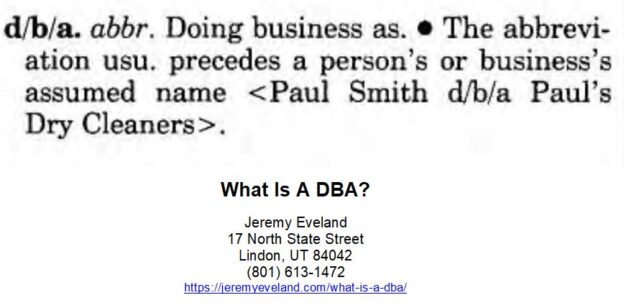
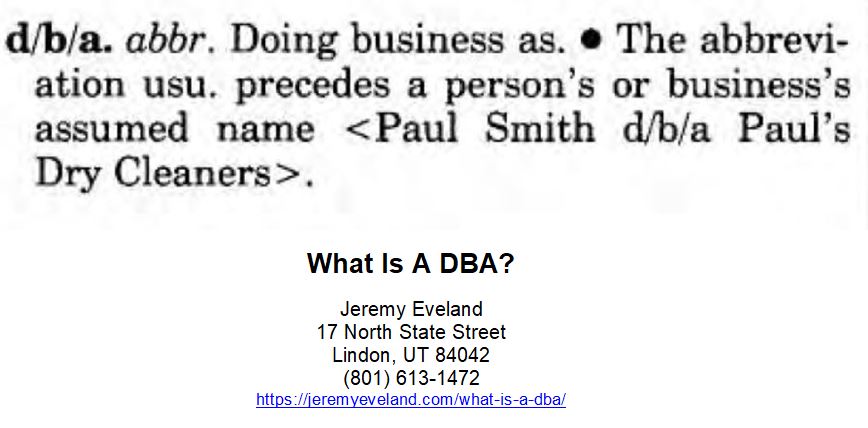










.svg)